مادة الألومنيوم المؤكسد: الخصائص والفوائد والتطبيقات

مادة الألومنيوم المؤكسد: الخصائص والفوائد والتطبيقات

صب القوالب الألومنيوم, تشطيب سطح الألومنيوم

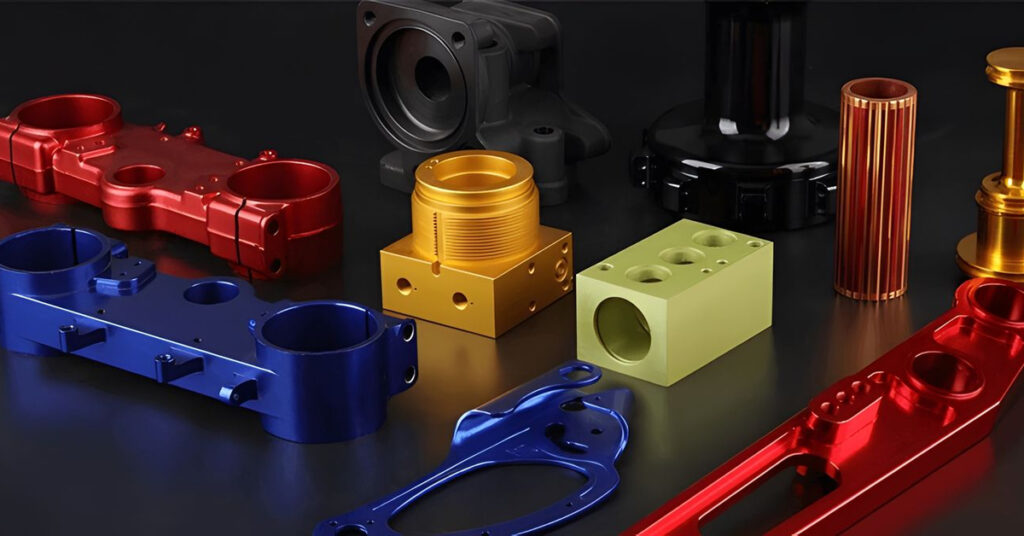
تُستخدم مادة الألومنيوم المؤكسد بشكل أساسي لأنها خفيفة وقوية ومقاومة للتآكل. على الرغم من أن الألومنيوم الخام يوفر قدرًا معينًا من المتانة ومقاومة الخدوش، إلا أنه عرضة للأكسدة والخدوش والانبعاجات والخدوش، مما قد يغيره على المدى الطويل ويحافظ على مظهره. لجعل الألومنيوم أقوى وأكثر متانة، يتم بعد ذلك طلاؤه بأكسيد الألومنيوم لتشكيل طبقة أكسيد واقية على سطحه. والسبب وراء هذه الطبقة هو أنها تقوّي المعدن، مما يمنحه سطحاً غير قابل للتآكل والتآكل ومظهراً أكثر متانة. يُفضل استخدام الألومنيوم المؤكسد بسبب هذه العوامل ويستخدم على نطاق واسع في صناعات الطيران والسيارات والبناء والإلكترونيات الاستهلاكية. تتألف عملية الأنودة من عدة خطوات تنظيف السطح وغمره في حمام إلكتروليت وأكسدة باستخدام التيار الكهربائي وإغلاقه. وبالإضافة إلى جعل المادة أقوى، يمكن تلوين هذه المعالجة بألوان وتشطيبات مختلفة. يعد التلوين الإلكتروليتي والتلوين بالغمس والتلوين المتكامل والتلوين بالتداخل تقنيات تلوين شائعة مختلفة. الأنودة العادية والأنودة الصلبة هما النوعان الرئيسيان من الأنودة. عادةً هناك عمليتان متاحتان: الأنودة العادية، وتستخدم في المقام الأول للتطبيقات النهائية والتطبيقات منخفضة الوزن، والأنودة الصلبة التي تعطي متانة وارتداء وقوة ممتازة للتطبيقات العسكرية والصناعية والفضائية. وبالإضافة إلى الأنودة، يمكن معالجة الألومنيوم من خلال معالجات سطحية أخرى مثل الطلاء الكهربائي، أو الطلاء بالمسحوق، أو طلاء تحويل الكرومات، أو طلاء PVD، أو طلاء السيراميك، أو الجلفنة بالغمس الساخن. لا يمتلك الألومنيوم المؤكسد هذه الخصائص بشكل موحد، وبالتالي يُستخدم كمادة متعددة الاستخدامات وموثوقة في العديد من الصناعات، حيث توفر كل طريقة من هذه الطرق للمادة خصائص محسنة محددة - مقاومة التآكل والصلابة والتوصيل وما إلى ذلك. في هذه المقالة، سنناقش خصائص وفوائد وتطبيقات وصيانة الألومنيوم المؤكسد وسبب كونه بديلاً أفضل من المعادن والمعالجات الأخرى. إذا عرفنا هذه الجوانب يمكننا فهم المواد التي يجب استخدامها لصناعة معينة والمستهلك. ما هو الألومنيوم المؤكسد؟ الألومنيوم المؤكسد هو الألومنيوم الذي تم تشغيله من خلال عملية كهروكيميائية لإنتاج طبقة أكسيد أكثر سمكاً ومتانة على سطحه. يزيد وجود طبقة الأكسيد المؤكسد هذه من مقاومة المعدن للتآكل، ويحسّن صلابة السطح ويزيد من قدرة المعدن على الالتصاق بالأصباغ والطلاء. عملية المعالجة بأكسيد الألومنيوم بأكسيد الألومنيوم بعبارة أخرى، تتضمن عملية المعالجة بأكسيد الألومنيوم عدة خطوات رئيسية. الخصائص الرئيسية لمواد الألومنيوم المؤكسد 1. مقاومة محسّنة للتآكل يُعدّ الألومنيوم المؤكسد من أكثر المواد مقاومة للتآكل. وهذا ما يجعله عملياً عديم الفائدة في الهواء الطلق أو عند غمره بالماء، حيث أن طبقة الأكسيد تحمي المعدن من الرطوبة والبيئة المحيطة بنا. 2. زيادة صلابة السطح تعمل الأنودة على تحسين صلابة الألومنيوم بشكل كبير ويصبح الألومنيوم أكثر مقاومة للخدش والانبعاج والتآكل. أحد هذه الألومنيوم المؤكسد الصلب متين للغاية ويستخدم بالفعل في التطبيقات عالية الأداء. 3. الجاذبية الجمالية وتنوع الألوان أيضًا، يتم تقديم الألومنيوم المؤكسد باللون الأسود والذهبي والبرونزي والفضي وما إلى ذلك دون تغيير الملمس الطبيعي للمعدن. وهذا ما يجعله خياراً مفضلاً للتطبيقات المعمارية والزخرفية على حد سواء. 4. خفيف الوزن ولكنه قوي في حين أن طبقة الأكسيد توضع فوق الألومنيوم، إلا أن ذلك لا يجعل الألومنيوم أثقل بكثير، ولا يزال أخف وزنًا من المواد الأثقل مثل الفولاذ المقاوم للصدأ. 5. العزل الكهربائي نظراً لأن الألومنيوم المؤكسد موصل ضعيف للكهرباء مقارنة بالألومنيوم غير المعالج، فهو مادة جذابة للاستخدام في التطبيقات التي تحتاج إلى عزل للأغراض الكهربائية أو الإلكترونية. 6. صديقة للبيئة ومستدامة الألومنيوم المؤكسد غير سام تماماً، وقابل لإعادة التدوير، ولا يطلق غازات المركبات العضوية المتطايرة الخطيرة والمضرة بالصحة، لذا فهو صديق للبيئة. كيفية إضافة لون إلى قطع الألومنيوم المؤكسد؟ من المعروف أن الألومنيوم المؤكسد قادر على الاحتفاظ بالألوان بشكل حيوي للغاية. التلوين الكهربائي والتلوين بالغمس هما تقنيتان من التقنيات العديدة المستخدمة لتلوين الألومنيوم المؤكسد. 1. التلوين الكهربائي إحدى الطرق الشائعة لتجميل الألمنيوم المؤكسد هي التلوين الكهربائي حيث يتم تلوين الألمنيوم المؤكسد بظلال متينة ومقاومة للأشعة فوق البنفسجية. بمجرد أن يمر الألمنيوم بعملية الطلاء بأكسيد الألومنيوم، يتم وضعه في حمام بأملاح معدنية. وفي السنوات القليلة الماضية، تم تطوير أملاح معدنية حيث تستقر الأملاح المعدنية في المسام المفتوحة للسطح المؤكسد بشكل دائم عند استخدام تيار كهربائي لتكوين سطح بلون معدني. وأخيراً، يعتمد اللون على نوع الأملاح المعدنية المستخدمة. فعلى سبيل المثال، تجعل أملاح النحاس، على سبيل المثال، المحلول مائلًا إلى اللون الأحمر، ويمكن أن تجعله المعادن الأخرى بألوان أخرى. يُستخدم على نطاق واسع لأن الألوان التي تتم بهذه الطريقة تدوم طويلاً ولا تبهت، مما يجعلها رائعة للاستخدامات الخارجية أو الاستخدامات عالية التعرض. 2. التلوين بالغمس طريقة أخرى للتلوين هي ‘التلوين بالغمس’ التي تمنح المرء مجموعة كبيرة ومتنوعة من خيارات الألوان. أثناء هذا النوع من المعالجة، يتم غمر الطبقة المسامية في محلول صبغ حيث يمتص الألومنيوم المؤكسد الصبغة. وبمجرد الوصول إلى درجة لون معيّنة، يتم غمر الألومنيوم في الماء لإيقاف التفاعلات. يوفّر التلوين بالغمس ظلالاً متباينة أكثر حيوية وقابلة للتخصيص، ولكنها ليست مقاومة للأشعة فوق البنفسجية وستبهت الألوان بدرجة أقل بكثير عند تعرضها لأشعة الشمس. ومع ذلك، فإن هذا الافتقار إلى المتانة هو السبب الرئيسي وراء عدم استخدامها بشكل شائع في التطبيقات التي تكون فيها متانة الأجزاء عاملاً مهمًا. 3. التلوين المتكامل (عملية من خطوة واحدة) التلوين المتكامل هو عملية فريدة من نوعها تدمج الأنودة والتلوين في عملية واحدة وهي أكثر كفاءة من الطرق متعددة الخطوات. وعلى عكس بعض التقنيات الأخرى، تخلق الشوارد، التي تتفاعل مع سطح الألومنيوم وسريعة الجفاف، ألوانًا معدنية عميقة وغنية بما في ذلك الأسود أو الذهبي أو البرونزي. يتشكّل اللون في طبقة الأكسيد ذاتها، ونتيجة لذلك، يكون اللون متينًا جدًا ولا يخدش ولا يكون عرضة للتآكل ولا يبهت. على الرغم من أن التلوين المتكامل ينتج عنه تشطيبات عالية الجودة، إلا أنه نادر الحدوث بسبب التكلفة والتعقيد. المكونات المعمارية والإلكترونيات المتطورة والمعدات الصناعية التي يجب أن تكون الأجزاء فيها قادرة على تحمل الظروف الصعبة حيث
الصب والقالب: دليل شامل

الصب والقالب: دليل شامل 

صب الألومنيوم

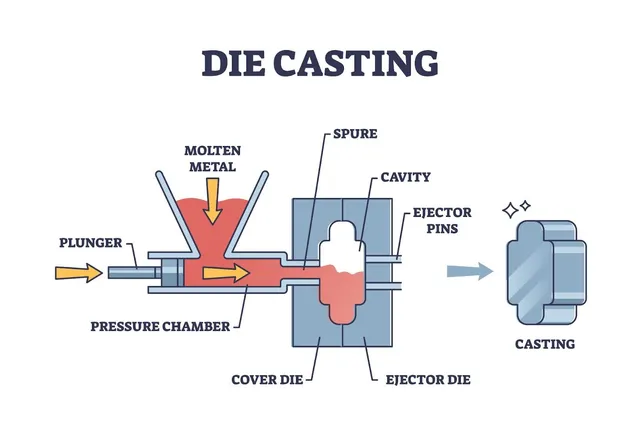
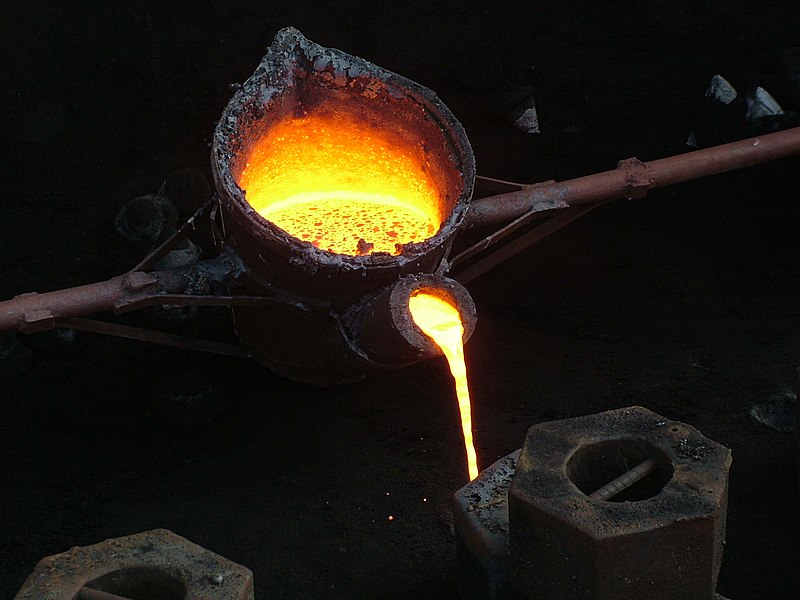
Casting and die casting are two important manufacturing processes which are vital to making metal components with the desired precision, durability and efficiency. Casting involves spending molten material in a mould and letting it cool and solidify.  Sand casting, investment casting and permanent mould casting are some types of casting. However, die casting is a special casting that uses high pressure to inject molten metal into a mould cavity with high precision and a good surface finish. For automotive, aerospace, electronics, and related industry applications wherein lightweight, strong, corrosion resistance parts are needed, die casting is widely utilized. Die casting of different variants over time has been developed to suit different needs of industries. Gravity Die Casting (GDC) depends on gravity to fill the mold and Low Pressure Die Casting (LPDC) eliminates turbulence to achieve a higher quality of material integrity. Extreme pressure applied by Squeeze Die Casting creates high strength, porosity-free parts and trapped air is eliminated in Vacuum Die Casting to get a defect-free component. Furthermore, Semi Solid Die Casting (Rheocasting) is achieved by using partially solidified metal to improve mechanical properties and precision.The general term cast in manufacturing is used to refer to the form of shaping metal by filling it into a mold and letting it solidify. This method is commonly used in the sand casting, investment casting, and permanent mold casting. Die in die casting is the metal mold used in the high pressure casting process while die in die casting process means the metal mold attached to the die face. Hardened steel dies, designed for mass production, are usually made. This article will deal with the concepts behind casting and die casting, the differences between these two concepts and also about the types of each, possible applications of the above, as well as the pros and cons associated with casting this process. 1. What is Casting? Casting is an industrial process where a liquid material is forced into a mold, where it solidifies. The liquid can be basically any metal or plastic or other meltable material. After hardening, the material assumes a shape corresponding to the cavity of the mold. For the past several thousand years, using this technique has created the tools, weapons, and intricate sculptures. The Casting Process Several of these steps play an essential role in the nature of the casting process for a metal or plastic component. With this structured approach, the casting is done with more reliability and quality. 2. What is Die Casting?  Dies means molds, hence the name of the process of die casting where a molten metal is forced under high pressure to fill a mold cavity. It is best suited for making high volume, complex and dimensionally accurate parts. The Die Casting Process Die casting is a manufacturing process in which metal components are formed in the shape of the cavity of a die under high pressure while necessitating high precision and accurate dimensional accuracy and surface finish. This is a follow of the steps below: This process will result in high strength, low weight, complex parts with little post processing. The most common materials die casting is used on include non ferrous metals, such as aluminum, zinc and magnesium. Types of Casting Processes  There are various types of casting depending on the type of method used 1 Sand Casting 2 Investment Casting 3 Centrifugal Casting 4 Permanent Mold Casting Types of die-casting There are mainly two ways to die casting: 1. Hot Chamber Die Casting 2. Cold Chamber Die Casting 5. Differences Between Casting and Die Casting Feature Casting Die Casting process Mould Metal poured into it                Molten metal is injected under high-pressure Materials         Various metals & plastics Mostly non-ferrous metals like aluminium and zinc Precision Moderate   High precision cost Low-cost initial cost High initial tooling cost Applications Large and simple parts Small, complex, high-volume parts Applications of Casting and Die Casting  Casting and die casting, in their ways, have immense roles in different industries and are cost-effective as they facilitate the manufacturing of complex metal components with excellent precision. The application of casting and die casting is widespread and hence, they are indispensable components of modern manufacturing industries. Variants of die-casting One of the most popular manufacturing processes is die casting, in which molten metal gets in the mould to make components with complex and prescribed characteristics. Different variants of die casting have been developed through time to fit in materials, production requirements as well as standards of quality. Each method has its advantages and will be more or less suited for different kinds of applications. The following are the major variants of die casting with their respective process and benefits. Gravity Die Casting (GDC)  Overview Gravity Die Casting (GDC) has the application of pouring molten metal into a mold without the use of high pressure. Rather, gravity helps guide metal into filling the cavity and organizing itself, as if by itself. This process is preferred for alloys of lower melting points, and is commonly used when more controlled solidification process is desired. Key Characteristics Common Applications Low-Pressure Die Casting (LPDC) Overview Low pressure die casting (LPDC) is when molten metal is pressurized into the mold under low pressure in the order of 0.1 to 1 MPa. With this controlled filling, turbulence is minimized and the flow is made smoother thereby keeping these defects to a minimum like air pockets and inclusions. Key Characteristics Common Applications Squeeze Die Casting Overview In the Squeezedie-casting process, high pressure is imposed on molten metal inside the mould cavity. Because the applied force extends to more than 20,000 psi (pounds per square inch), metal fills even the finest detail of the mould and removes porosity. Key Characteristics Common Applications Vacuum Die Casting Overview Vacuum Die Casting uses its design in order to evacuate trapped air and gases out of the mold cavity prior to and during the casting process. This method is implemented by

مواد صب الألومنيوم بالقالب: دليل شامل

مواد صب الألومنيوم بالقالب: دليل شامل 

صب الألومنيوم, صب القوالب الألومنيوم

The role of aluminum die casting is a widely used, highly efficient manufacturing process capable of producing complex, high-strength, and lightweight components with good dimensional accuracy. It is the mass production of durable and precise parts and is based on the principle of injecting molten aluminum into MOULD under high pressure. In these industries where performance or longevity depends on material properties, this technique is used in a wide variety. Aluminum alloy is a key factor in choosing what the final product is going to be, which includes strength, corrosion resistance, thermal properties, and machinability. The characteristics of different aluminum alloys are different some of which include A380, the balance of strength and castability; A383, superior fluidity for complex parts; and A360, high corrosion resistance. Moreover, copper, manganese, magnesium, and silicon elements can also further increase mechanical properties. Besides alloy selection, manufacturers may also strengthen aluminum die-casting parts through surface treatment such as anodizing, plating, or powder coating to achieve higher wear resistance, corrosion protection, and hardness. Additionally, uniform wall thickness, draft angles, and reinforcement ribs do reduce high-quality and defect-free components at low cost. Through the right selection of the right aluminum alloy, through suitable strengthening techniques and in consideration of aluminum diecast part design sizing, manufacturers of high-performance aluminum die-cast parts can be tailored specifically to the required industrial issues. In this guide, we explore the best materials, alloy properties, and methods for strengthening and considering the design of aluminum die-casting components that will improve their durability and efficiency. This article explains about aluminum die casting materials, properties of alloys used in die casting processes, strengthen methods and surface treatments, as well as design considerations to improve the performance, durability and operation efficiency of die cast components. What is Aluminum die casting?   Aluminum die casting is the process of injecting molten aluminum at high pressure into a steel mould (die) to produce precision moulded complex and durable metal parts. The lightweight properties it has, strength, corrosion resistance, and excellent thermal conductivity make it commonly used in automotive, aerospace, electronics, and industrial applications. High-speed production, good cost efficiency and good dimensional accuracy are possible as it is a process. Aluminum Die Casting Parts Design 3 Factors to Consider  To achieve high quality, tough and economical aluminum die casting parts, careful planning is necessary. An appropriate design can increase manufacturing efficiency, reduce defects and augment the overall performance. Aluminum die casting parts have three parameters, among which the key factors are given below as. 1. Wall Thickness and Uniformity Why It Matters: Proper mold filling, cooling, and solidification are maintained with consistent wall thickness. Thickness changes can occur suddenly and produce warping, shrinkage and porosity in the final part. Best Practices Example As with automotive engine brackets, the wall thickness must be constant to maintain strength and thermal stability in all materials. 2. Draft Angles and Fillets Why It Matters Simple draft angles assist in the removal of the part from the die mould, preventing sticking, surface defects. Fillets (rounded edges) avoid stress concentration and are more durable in the mold. Best Practices Example Various types of electronic enclosures use rounded edges, draft angles, etc. for manufacturability and strength. 3. Ribs and Reinforcements  Why It Matters By adding ribs the weight remains light but the strength is gained. Such reinforcement also maintains shape and strength under pressure. Best Practices Example Ribs are used to maintain lightweight strength for automotive transmission cases while reducing the amount of material needed. The Primary Attributes of Aluminum Die Casting Alloys The material properties of aluminum die-casting alloys consist of high strength along with low weight and excellent corrosion protection. Every aluminum alloy maintains distinct material properties which determine its practical usage. Table 1 displays the Aluminum die casting which includes their essential material attributes. Property    Description Impact on Die Casting Lightweight  Aluminum weighs only one-third as much as steel does.        Reduces overall component weight High Strength-to-Weight Ratio  Being lightweight, it offers good mechanical strength.  Applications are used in the automotive and aerospace industries.  Corrosion Resistance   Is naturally formed to form an oxide layer for protection    Ideal for marine and outdoor applications  Excellent Thermal Conductivity Distributes heat efficiently They are used in engine components and electronics.  Good Machinability Easily processed and shaped    Reduces manufacturing costs          . Products created through Aluminum die casting demonstrate higher strength than those made by sand casting because their production method results in rapid cooling and refined grain arrangement. Common Aluminum Alloys Used indie-casting Several aluminium alloys are commonly used in die-casting operations, each providing certain unique properties, which ultimately define the performance and durability of the product. The Aluminum casting alloys that are most widely used are: 1. A380 Aluminum Alloy  Properties: A380 is one of the most widely used aluminum die casting alloys because of its excellent ‘strength, corrosion resistance and thermal conductivity’. Additionally, it has good fluidly, which allows it to be cast into complex shapes. Applications: The automotive parts, electronic housings, gear cases and engine brackets are widely used this alloy. 2. A383 Aluminum Alloy  A383 properties: Similar to A380 but better resistance to hot cracking and improved die-filling properties. This offers benefits when the final components are intricate and require powerful precision. Applications: In thin-walled and complex parts it is used; in detailed electronic casings and appliance components. 3. A360 Aluminum Alloy Properties: A380 has better ductility and higher corrosion resistance and pressure tightness than this alloy. It is, however, more difficult to cast. Applications: Suitable for high-performance applications such as aerospace components and marine equipment. 4. ADC12 Aluminum Alloy  Properties: Widely used in Japan, and other Asian markets with good casting characteristics, good thermal stability, and high strength. It also offers good machinability. Applications: Used in automotive engine components, bicycle parts, and power tools. 5. AlSi10Mg Aluminum Alloy  Properties: A high strength and good combination of mechanical properties, good thermal and wear properties. In 3D printing and die-casting applications, this one is often used. Applications: Common in aerospace,

الدليل الأساسي لورش الماكينات بنظام التحكم الرقمي

الدليل الأساسي لورش الماكينات بنظام التحكم الرقمي

التصنيع الآلي باستخدام الحاسب الآلي

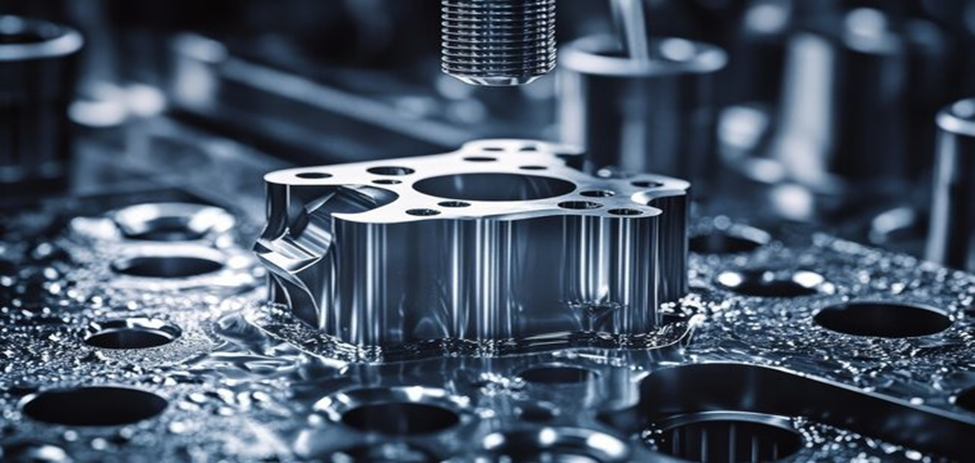
In the fast pace of manufacturing, CNC machine shops are the backbone of precision engineering, efficient machine shops, and technological advancement. The advanced facilities use Computer Numerical Control (CNC) technology to produce highly precise components for aerospace, automotive medical, and other industries. Traditional machining using manual labor and operator knowledge requires constant quality, slower production, less cost-effective. In contrast, CNC machining automates the whole process and has reliable consistency, fast production, and cost efficiency. A CNC machine shop is powered by a variety of super cool high-tech machines including CNC mills, lathes, routers, plasma cutters, and EDM machines that run on a computer with precise, auto-guided functions. The process starts by using computer-aided design (CAD) software and engineers making detailed 3D models of the particular component required in the system.  Using these designs, they are then converted into machine-readable G code that specifies the exact movements of cutting tools to create and shape raw materials products. Each material possessed specific mechanical and physical properties which made them suitable for a particular CNC machine shop. Without CNC machining, it would be difficult to work with such diverse materials and people would require durable, lightweight, heat-resistant, and even corrosion-proof parts when they need them. CNC machine shops have high precision and can be done with high efficiency, besides this, they provide scalability, repeatability and flexibility, enabling businesses to create from prototypes to mass production runs with little human involvement. CNC machining is at the forefront for industries that are actively trying to build more advanced and more complicated designs. This article details the how CNC machine shops operate, what type of machines they use, what materials they work with, and the industries they service. Knowing their role, capabilities, and the advantages the businesses can see who CNC machining service is best for. What is a CNC Machine Shop?  A CNC (Computer Numerical Control) machine shop is a place equipped with modern machine tools controlled by computer programs. They make shop with the sole purpose of producing high precision, complex parts for aerospace, automotive, medical, electronics and industrial manufacturing industries. Unlike traditional machining, which is done with the aid of hands-on operation, CNC machining makes the process automatic and facilitates higher accuracy, efficiency and consistency in production. How CNC Machine Shops Work In CNC machine shops, a computer aided design (CAD) software creates the digital model of the part. The G-code is then generated of this design which the CNC machine reads and uses to make the operations and movements. It precisely cuts, drills, shapes, or mills the material according to programmed instructions thus making the automation repeatable and free of errors. Types of CNC Machines in a CNC Shop There is usually a wide variety of CNC automated machining tools housed in CNC machine shops such as: CNC Milling Machines: are rotary-type cutting tool machines that use them to remove material from the workpiece and create shapes, holes and surface finishes.   CNC Lathes: these machines are meant to make cylindrical parts, by turning the workpiece while cutting tools perform its predefine shaping with high accuracy.  CNC Routers: The CNC router has long been in use for cutting wood, plastic and composites by carving intricate designs and patterns.  CNC Plasma Cutters: They use a high-temperature plasma torch to cut through metal sheets and the most readily useable metal in bulk quantities, depending on their size, is perfect for things like sheet metal fabrication. Electrical Discharge Machines (EDM): EDM uses electric discharges (sparks) to cut away material; thus without using cutting tools, it is ideal for detailing or fine cuts in hardened metals. Materials Used in CNC Machine Shops A huge variety of materials are used in CNC machine shops to produce high precision components for the aerospace, automotive, medical or manufacturing industries. But it is important to select the right material since it determines the durability, functionality and in general, the extent of the performance of the final product. Some of the most commonly used CNC machining materials are mentioned below. Metals  Aluminum:  Aluminum is famous for its lightweight properties, and corrosion resistance features which make the way to aerospace, automotive and consumer electronics. It also has good thermal and electrical conductivity and is therefore useful in heat exchangers and electronic components. Steel & Stainless Steel: It is a very durable metal that does not rust, does not wear out and does not get damaged in heat; hence used for medical tools, food processing machines, structural parts. It is very strong as well as durable. Titanium:  is a strong material with high strength and excellent corrosion resistance, which makes it a top choice for aerospace, medical implant, automotive etc. Extremely high temperature and extremely harsh conditions cause no problem to it. Brass & Copper: A metal commodity that is prized for its outstanding machinability, anti-corrosion and electric conductivity. Electrical fittings, plumbing fixtures and decorative hardware commonly use it. Plastics  Acetal (Branded Delrin): Strong and rigid, with good moisture resistance, acetal is a used in gears, bushings, and similar mechanical components that require low friction and high wear resistance. Polyethylene:  is a lightweight, chemically resistant material that is well suited for piping, containers and insulating parts. Food processing additionally makes use of it and so does medical application. Nylon:  It is known for its toughness and wear resistance and is often used in gears, bearings and automotive parts. It is also used for more industrial machinery components. Acrylic:  This has very good optical properties along with weather resistance. You will commonly find it used in signage, display cases and optical lenses. Composites  Carbon fibre reinforced plastic (CFRP):  material with a very strong and lightweight material, and it is widely used in the aerospace industry, sports equipment, automotive industries, etc. High rigidity and durability are provided. Fiberglass: One of the popular composite materials that’s well known for its strength, low weight and corrosion resistance. It is widely employed in automotive bodies, boat hulls and in industrial applications. Ceramics  Zirconia: the excellent hardness, and wear-resistance

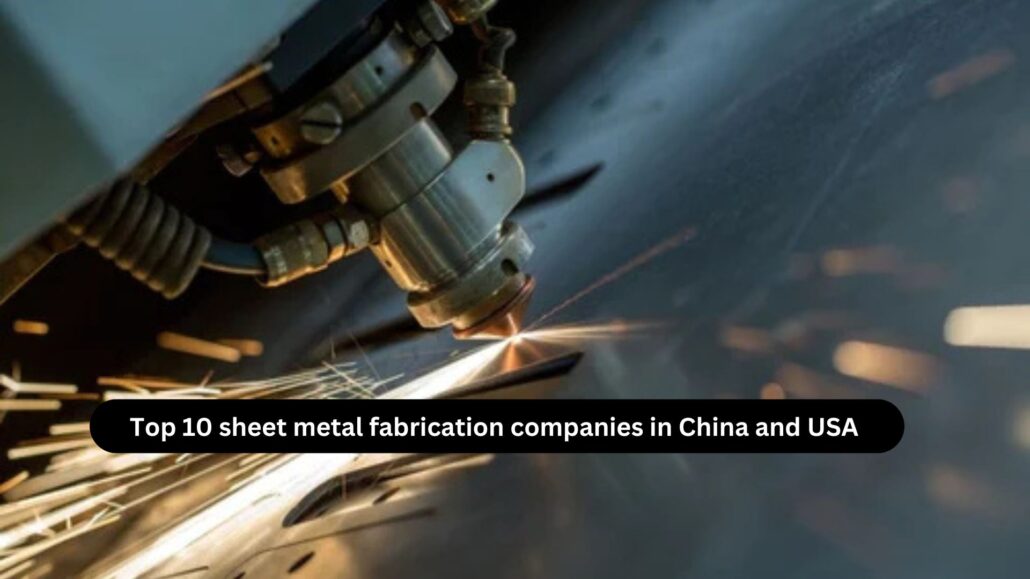
أفضل 10 شركات لتصنيع الصفائح المعدنية في الصين والولايات المتحدة الأمريكية

أفضل 10 شركات لتصنيع الصفائح المعدنية في الصين والولايات المتحدة الأمريكية 

شركات صب القوالب, مُصنِّع قوالب الصب بالقالب

توصف عملية تصنيع الصفائح المعدنية بأنها عملية أساسية في التصنيع في صناعات مختلفة مثل صناعة السيارات، والفضاء، والإلكترونيات، والبناء، وتصنيع المعدات الطبية. تتضمن هذه العملية قص المعادن، بشكل أساسي على شكل صفائح يمكن تشكيلها وبناؤها لإنتاج بعض الأجزاء الدقيقة والصلبة. كما أن تطور الصناعات يزيد من حاجة العملاء إلى خدمات تصنيع الصفائح المعدنية الملحومة عالية الجودة لبناء آليات محسنة لمختلف الأسواق بما في ذلك صناعات السيارات بتقنيات عالية وموظفين ذوي خبرة جيدة وآلات لزيادة معدلات الإنتاج. يمكن تصنيع الصفائح المعدنية في موقعين رئيسيين في العالم كله وهما الصين والولايات المتحدة الأمريكية. تُعتبر الشركات الصينية أرخص ثمناً وفعّالة ولديها أنظمة خطوط تجميع متكاملة ذات سعة كبيرة، مما يجعلها مثالية للإنتاج على نطاق واسع. وفي الوقت نفسه، تركز الشركات الأمريكية على الجودة والابتكار والعروض المستهدفة التي تلبي متطلبات الصناعات والطلب عليها. كل منطقة هي موطن لمقدمي خدمات التصنيع من الدرجة الأولى للقطع بالليزر والتصنيع باستخدام الحاسب الآلي واللحام والختم والتجميع. تقدم هذه المقالة نظرة ثاقبة على أفضل 10 شركات لتصنيع الصفائح المعدنية في الصين والولايات المتحدة وتخصصها وابتكارها وكفاءتها في توفير قطع دقيقة. 1. شركة CNM Tech Co., Ltd. سنة التأسيس: 20+عدد الموظفين: 100-200نوع العمل: شركة CNM Tech Co., Ltd. هي شركة تصنيع دقيقة تركز على خدمات صب القوالب والتصنيع باستخدام الحاسب الآلي وخدمات التجميع. الموقع الإلكتروني وموقع الاتصال: https://www.thediecasting.com/Contact: +86 13045898898002البريد الإلكتروني: sales@thediecasting.comAddress: عنوان المصنع: Rm 101, No.40, Donghu Road, Jinglian, Qiaotou town, Dongguan City, Guangdong Province, China. 523520. نبذة عن الشركة Thediecasting.com هو النطاق الرسمي الذي تعمل تحته شركة CNM Tech Co., Ltd. وهي شركة صينية متميزة في مجال حلول صب القوالب. الشركة هي شركة صينية تعمل في مجال صب قوالب الألومنيوم والمغنيسيوم والزنك؛ والتصنيع باستخدام الحاسب الآلي؛ وتشطيب الأسطح والتجميع ومقرها في دونغقوان بالصين. تتمتع شركة CNM Tech بأكثر من 20 عاماً من الخبرة في مجالات السيارات، والفضاء، والإلكترونيات، وغيرها. ونظرًا لدقة التصنيع العالية التي يضمنها متجر الأدوات الداخلي وماكينات التصنيع باستخدام الحاسب الآلي المتقدمة. توفر شركة CNM Tech جميع أنواع التلميع، والسفع الرملي، والطلاء بالمسحوق، والطلاء بالزيت، وما إلى ذلك بمنتجات تشطيبات عالية الجودة تتوافق مع احتياجات المستخدمين في جميع أنحاء العالم. التزاماتها بالجودة تقدم شركة CNM Tech Co., Ltd. وثائق ISO 9001:2008، و TS16949، و ISO 14001:2015. في معظم الحالات، ستوفر لك هذه الوثائق ضمانًا بأن إدارة الشركة من الدرجة الأولى وستضمن أيضًا الامتثال لمعايير صناعة السيارات والأنشطة الصديقة للبيئة التي تقوم بها الشركة المعنية. ونتيجة لاتباعها الصارم للوائح الجودة واللوائح البيئية، توفر شركة CNM Tech حلولاً رائعة لصب القوالب بأقل تأثير بيئي ممكن، فضلاً عن سمعتها الممتازة في السوق. لماذا تختار شركة CNM Tech Co., Ltd؟ يجب على العملاء الذين يسعون للحصول على خدمات تصنيع الصفائح المعدنية من الصين أو الولايات المتحدة الأمريكية أن يتواصلوا مع شركات التصنيع الجديرة بالثقة التي ستقدم مساعدة احترافية. 2. شركة سينم تيك سنة التأسيس: 2005عدد الموظفين: 100-200نوع العمل: شركة Sincere Tech هي واحدة من أكبر مصنعي قوالب حقن البلاستيك ومنتجي قوالب الصب ومقدمي الآلات ومقدمي خدمات التجميع في الصين. الموقع الإلكتروني وموقع الاتصال: https://plas.co/Phone: +86 135 135 30801277البريد الإلكتروني: steve@sincere-tech.comAddress: Rm101، N041، طريق دونغهو، جينغليان كون، بلدة تشياوتو، مدينة دونغقوان، مقاطعة قوانغدونغ، الصين. 523000. نبذة عن الشركة شركة سينسير تيك هي شركة صينية رائدة في مجال توريد قوالب حقن البلاستيك وخدمات التشكيل. تأسست هذه الشركة في عام 2005، وتُعد قوالب ختم المعادن والبلاستيك، وقوالب حقن البلاستيك الدقيقة، والتصنيع باستخدام الحاسب الآلي، وصب القوالب، وصب السيليكون من ميزاتها التنافسية في السوق. تمتلك شركة Sincere Tech معدات متطورة، وحماية NDA، وأسعار تنافسية، وخبرة 18 عامًا في الإنتاج عالي الجودة. وبفضل ماكينات القولبة بالحقن التي يتراوح وزنها من 60 إلى 1800 طن والتي تخدم صناعات الإلكترونيات أو الصناعات الطبية أو السيارات أو مستحضرات التجميل، يتم إنتاج مكوناتها التي يقل وزنها عن 1 جرام إلى 8 كيلوجرامات بكفاءة. التزاماتهم بالجودة تكرس شركة Sincere Tech جهودها لتصنيع منتجات تلبي معايير الجودة العالمية وفقًا لمعايير الجودة العالمية وفقًا لمعيار ISO 9001:2015 وQS 9000:2015. وهم ملتزمون بالجودة وهذا ما مكّن الشركة من تحقيق طلب كبير على منتجاتها وتصديرها إلى فنلندا وبلدان أخرى. من بين جميع شركاء صناعة قولبة حقن البلاستيك الذين يقدمون نفس جودة الخدمات تقريبًا، فإن شركة Sincere Tech هي التي تبرز كشريك جدير بالثقة ومبتكر في مجال قولبة حقن البلاستيك. لماذا تختار شركة Sincere Tech؟ يجب على العملاء الذين يسعون للحصول على خدمات تصنيع الصفائح المعدنية من الصين أو الولايات المتحدة الأمريكية التواصل مع شركات التصنيع الجديرة بالثقة التي ستقدم مساعدة احترافية. 3. شركة GC Precision Mold Co., Ltd. سنة التأسيس: 1999عدد الموظفين: 100-200نوع العمل: تقوم شركتنا GC Precision Mould Co., Ltd. بصب الألومنيوم والزنك والمغنيسيوم بالقالب والصب باستخدام الحاسب الآلي وصب حقن البلاستيك الموقع الإلكتروني وموقع الاتصال: https://aludiecasting.com/Contact: +86 131 131 4886 5556البريد الإلكتروني: info@aludiecasting.comAddress: عنوان المصنع رقم 1: رقم 30 طريق هوان تشن هوان تشن، مدينة تشي شي، مدينة دونغقوان، مقاطعة قوانغدونغ الصين، 523516 نبذة عن الشركة شركة GC Precision Mold Co., Ltd.، التي تعمل تحت اسم Aludiecasting.com هي شركة متخصصة في مجال صب القوالب وتصنيع الآلات الدقيقة وهي واحدة من الشركات الصينية الرائدة في مجال التصنيع. تأسست الشركة في عام 1999، وتشمل خدماتها صب قوالب الألومنيوم والزنك والمغنيسيوم، وصب البلاستيك بالحقن، والتشغيل الآلي باستخدام الحاسب الآلي والتشطيب السطحي. لديهم أحدث الآلات الفنية مثل آلات صب القوالب عالية الضغط (120 - 1600 طن) وآلات القولبة بالحقن (80 - 2800 طن متصلة بصناعات مثل السيارات، والفضاء، والإلكترونيات. وتتمتع الشركة بجودة صارمة للغاية لتوفير حلول تصنيع دقيقة ومتينة وأقل تكلفة في جميع أنحاء العالم. التزاماتهم الخاصة بالجودة توفر شركة GC Precision Mold Co Ltd أفضل حلول صب القوالب والتصنيع الآلي كما هو محدد في شهادة ISO 9001 إن مراقبة الجودة لديهم صارمة للغاية لدرجة أنهم يختبرون الدقة وآلات CMM والأشعة السينية وأجهزة قياس الطيف لضمان منتج موثوق به. ومن خلال الالتزام الصارم بالمعايير الدولية، تضمن الشركة تسليم مكونات متناسقة وعالية الجودة مع الحد الأدنى من شكاوى العملاء بسبب جانب الموثوقية للأسباب المشار إليها في كل مشروع. لماذا تختار شركة GC Precision Mold Co., Ltd؟ يجب على العملاء الذين يسعون للحصول على خدمات تصنيع الصفائح المعدنية من الصين أو الولايات المتحدة الأمريكية التواصل مع شركات التصنيع الجديرة بالثقة التي ستقدم المساعدة المهنية. 4. Robertson Morrison Inc.

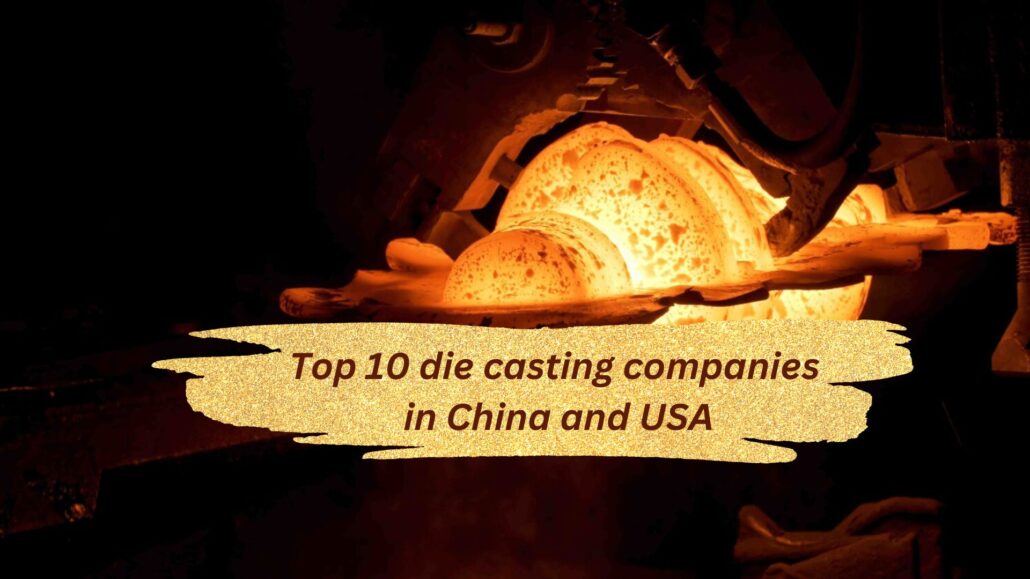
أفضل 10 شركات لصب القوالب في الصين والولايات المتحدة الأمريكية

أفضل 10 شركات لصب القوالب في الصين والولايات المتحدة الأمريكية

صب القوالب, شركات صب القوالب, شركة صب القوالب

لا تزال طريقة إنتاج الصب بالقالب عملية أساسية في صناعة المنتجات المختلفة في العديد من الصناعات بما في ذلك إنتاج السيارات إلى جانب تطبيقات الطيران والمكونات الإلكترونية إلى جانب إنتاج الآلات الصناعية. إنها عملية حقن المعدن المنصهر في تجويف القالب تحت ضغط عالٍ للحصول على مكونات معدنية عالية الدقة ومتينة. وقد ظهرت العديد من شركات خدمات صب القوالب بسبب ارتفاع الطلب في السوق على حلول التصنيع عالية الجودة. ويعمل أكثر منتجي الصب بالقالب إنجازًا في العالم من الصين والولايات المتحدة الأمريكية مدفوعين بالتقدم في قدراتهم التكنولوجية والتفاني القوي في التميز في التصنيع. يعمل السوق الصيني كمركز عالمي لصب القوالب حيث تقدم الشركات خدمات بأسعار معقولة مع متطلبات الصناعة الصارمة. وتوفر هذه الشركات المصنعة حزم خدمات كاملة تشمل تصميم القوالب إلى جانب خدمات الإنتاج إلى جانب حلول التشطيب السطحي والتجميع. تعمل الولايات المتحدة الأمريكية من خلال نظام يركز على الابتكار مع الحفاظ على معايير الجودة الصارمة بالإضافة إلى الممارسات الهندسية الدقيقة. وتوفر شركات صب القوالب في أمريكا حلولاً في مختلف القطاعات الصناعية التي تقدم صفات أداء استثنائية. هذا المنشور عبارة عن قائمة بأفضل 10 شركات لصب القوالب في الصين والولايات المتحدة الأمريكية، مع عرض تاريخها وقدراتها. تتصدر الشركات المذكورة هذه الصناعة لأنها تقدم خدمات إنتاج يمكن الاعتماد عليها في كل نطاق إلى جانب الخبرة المتخصصة في مجال صب القوالب. 1. Sincere Tech سنة التأسيس: 2005عدد الموظفين: 100-200نوع العمل: شركة Sincere Tech هي واحدة من أكبر مصنعي قوالب حقن البلاستيك في الصين، ومنتجي قوالب الصب، ومقدمي خدمات التصنيع والتجميع. الموقع الإلكتروني وموقع الاتصال: https://plas.co/Phone: +86 135 135 30801277البريد الإلكتروني: steve@sincere-tech.comAddress: Rm101، N041، طريق دونغهو، جينغليان كون، بلدة تشياوتو، مدينة دونغجوان، مقاطعة قوانغدونغ، الصين. 523000. نبذة عن الشركة شركة Sincere Tech، وهي شركة صينية رائدة في مجال توريد قوالب حقن البلاستيك وخدمات التشكيل. تأسست هذه الشركة في عام 2005، وتُعد قوالب ختم المعادن والبلاستيك، وقوالب حقن البلاستيك الدقيقة، والتصنيع باستخدام الحاسب الآلي، وصب القوالب، وصب السيليكون من ميزاتها التنافسية في السوق. تمتلك شركة Sincere Tech معدات متطورة، وحماية NDA، وأسعار تنافسية وخبرة 18 عامًا في الإنتاج عالي الجودة. وبفضل ماكينات القولبة بالحقن التي يتراوح وزنها من 60 إلى 1800 طن والتي تخدم صناعات الإلكترونيات أو الصناعات الطبية أو السيارات أو مستحضرات التجميل، يتم إنتاج مكوناتها التي يقل وزنها عن 1 جرام إلى 8 كيلوجرامات بكفاءة. التزاماتهم بالجودة تكرس شركة Sincere Tech جهودها لتصنيع منتجات تلبي معايير الجودة العالمية وفقًا لمعايير الجودة العالمية وفقًا لمعيار ISO 9001:2015 وQS 9000:2015. لقد كرسوا جهودهم للجودة وهذا ما مكّن الشركة من تنمية الطلب الهائل على منتجاتهم وتصديرها إلى فنلندا وبلدان أخرى. من بين جميع شركاء صناعة قولبة حقن البلاستيك الذين يقدمون نفس جودة الخدمات تقريبًا، فإن شركة Sincere Tech هي التي تبرز كشريك جدير بالثقة ومبتكر في مجال قولبة حقن البلاستيك. لماذا تختار شركة Sincere Tech؟ يجب على العملاء الذين يسعون للحصول على خدمات صب القوالب من الصين أو الولايات المتحدة الأمريكية التواصل مع شركات التصنيع الجديرة بالثقة التي ستقدم مساعدة احترافية. 2. شركة CNM Tech Co., Ltd. سنة التأسيس: 20+عدد الموظفين: 100-200نوع العمل: شركة CNM Tech Co., Ltd. هي شركة تصنيع دقيقة تركز على خدمات صب القوالب والتصنيع باستخدام الحاسب الآلي وخدمات التجميع. الموقع الإلكتروني وموقع الاتصال: https://www.thediecasting.com/Contact: +86 13045898898002البريد الإلكتروني: sales@thediecasting.comAddress: عنوان المصنع: Rm 101, No.40, Donghu Road, Jinglian, Qiaotou town, Dongguan city, Guangdong Province, China. 523520. نبذة عن الشركة Thediecasting.com هو النطاق الرسمي الذي تعمل تحته شركة CNM Tech Co., Ltd. وهي شركة صينية متميزة في مجال حلول صب القوالب. الشركة هي شركة صينية تعمل في مجال صب قوالب الألومنيوم والمغنيسيوم والزنك؛ والتصنيع باستخدام الحاسب الآلي؛ وتشطيب الأسطح والتجميع ومقرها في دونغقوان بالصين. تتمتع شركة CNM Tech بأكثر من 20 عاماً من الخبرة في مجالات السيارات، والفضاء، والإلكترونيات، وغيرها. ونظرًا لدقة التصنيع العالية التي يضمنها متجر الأدوات الداخلي وماكينات التصنيع باستخدام الحاسب الآلي المتقدمة. توفر شركة CNM Tech جميع أنواع التلميع، والسفع الرملي، والطلاء بالمسحوق، والطلاء بالزيت، وما إلى ذلك بمنتجات تشطيبات عالية الجودة تتوافق مع احتياجات المستخدمين في جميع أنحاء العالم. التزاماتهم بالجودة تقدم شركة CNM Tech Co., Ltd. وثائق ISO 9001:2008 و TS16949 و ISO 14001:2015. في معظم الحالات، ستوفر لك هذه الوثائق ضمانًا بأن إدارة الشركة من الدرجة الأولى وستضمن أيضًا الامتثال لمعايير صناعة السيارات والأنشطة الصديقة للبيئة التي تقوم بها الشركة المعنية. ونتيجة لاتباعها الصارم للوائح الجودة واللوائح البيئية، توفر شركة CNM Tech حلولاً رائعة لصب القوالب بأقل تأثير بيئي ممكن، فضلاً عن سمعتها الممتازة في السوق. لماذا تختار شركة CNM Tech Co., Ltd؟ يجب على العملاء الذين يسعون للحصول على خدمات صب القوالب من الصين أو الولايات المتحدة الأمريكية أن يتواصلوا مع شركات التصنيع الجديرة بالثقة التي ستقدم مساعدة احترافية. 3. شركة GC Precision Mold Co., Ltd. سنة التأسيس: 1999عدد الموظفين: 100-200نوع العمل: تقوم شركتنا GC Precision Mold Co., Ltd. بصب قوالب الألومنيوم والزنك والمغنيسيوم والصب باستخدام الحاسب الآلي وصب حقن البلاستيك. الموقع الإلكتروني وموقع الاتصال: https://aludiecasting.com/Contact: +86 131 131 4886 5556البريد الإلكتروني: info@aludiecasting.comAddress: عنوان المصنع 1: رقم 30 طريق هوان تشن هوان تشن، مدينة تشي شي، مدينة دونغقوان، مقاطعة قوانغدونغ الصين، 523516 نبذة عن الشركة شركة GC Precision Mold Co., Ltd.، التي تعمل تحت اسم Aludiecasting.com هي شركة لصب القوالب وتصنيع الآلات الدقيقة وهي واحدة من الشركات الصينية الرائدة في مجال التصنيع. تأسست الشركة في عام 1999، وتشمل خدماتها صب قوالب الألومنيوم والزنك والمغنيسيوم، وصب البلاستيك بالحقن، والتصنيع باستخدام الحاسب الآلي والتشطيب السطحي. لديهم أحدث الآلات الفنية مثل ماكينات صب القوالب عالية الضغط (120 - 1600 طن) وماكينات حقن القوالب (80 - 2800 طن متصلة بصناعات مثل السيارات والفضاء والإلكترونيات. لديهم جودة صارمة للغاية لتوفير حلول التصنيع الدقيقة والمتينة والأرخص في جميع أنحاء العالم. التزاماتهم المتعلقة بالجودة توفر شركة GC Precision Mold Co Ltd أفضل حلول صب القوالب والتصنيع الآلي كما هو محدد في شهادة الأيزو 9001 التي تمنحهم شهادة الأيزو 9001 حيث إن مراقبة الجودة لديهم صارمة للغاية لدرجة أنهم يختبرون الدقة وآلات CMM والأشعة السينية وأجهزة قياس الطيف لضمان منتج موثوق به. ومن خلال الالتزام الصارم بالمعايير الدولية، تضمن الشركة تسليم مكونات متناسقة وعالية الجودة مع الحد الأدنى من شكاوى العملاء بسبب جانب الموثوقية للأسباب المشار إليها في كل مشروع. لماذا تختار شركة GC Precision Mould المحدودة؟ يجب على العملاء الذين يسعون للحصول على خدمات صب القوالب من الصين أو الولايات المتحدة الأمريكية أن يتواصلوا مع شركات التصنيع الجديرة بالثقة التي ستقدم المساعدة المهنية. 4.

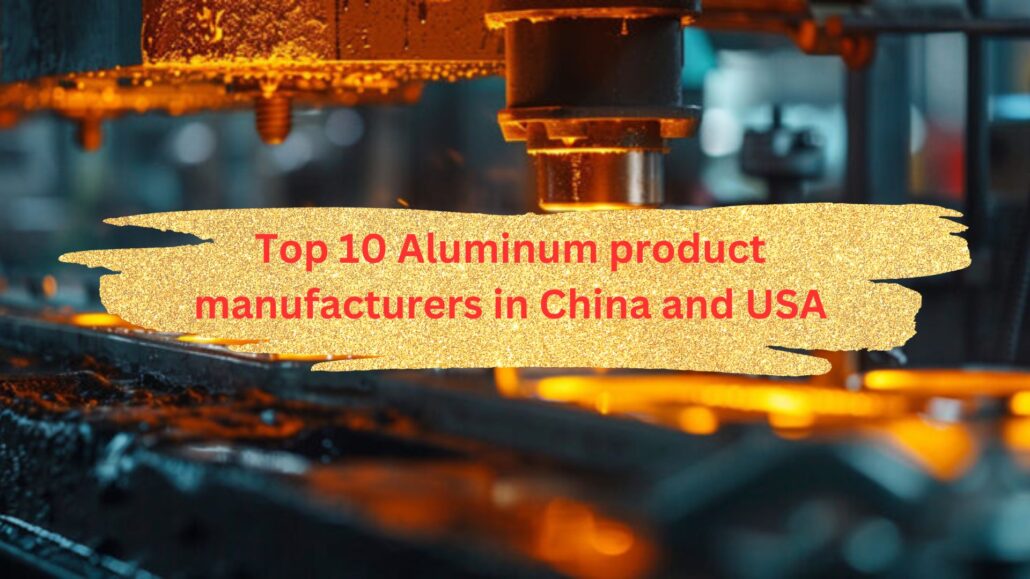
أفضل 10 شركات مصنعة لمنتجات الألومنيوم في الصين والولايات المتحدة الأمريكية

أفضل 10 شركات مصنعة لمنتجات الألومنيوم في الصين والولايات المتحدة الأمريكية

صب الألومنيوم

Aluminum Product Manufacturers are crucial in the industries of automotive, aerospace, electronics, packaging, etc. Therefore, many top-tier aluminum product manufacturers have risen in China and the USA due to the growing demand for lightweight, durable, and recyclable materials. Innovative, with high-quality standards, and dedicated to sustainability, these companies are known for their innovation.   Other leading metal manufacturing countries include China and the USA, where the most important players have been developing new methods of manufacturing aluminum. Some of the companies that have aluminum die casting, CNC machining, and precision molding’ are CNM Tech Co., Ltd., GC Precision Mold Co., Ltd., and Sincere Tech in China. With the industry demanding strict quality for high-performance aluminum components, these firms focus on various industries.Major manufacturers such as United Aluminum Corporation, Arconic Corporation, Kaiser Aluminum, and JW Aluminum have stood out as pioneers in aluminum rolling, extrusion, and fabrication in the USA. These companies operate in the field of cutting-edge aluminum solutions for aerospace, automotive, and industrial applications. This article presents 10 of the top aluminum product manufacturers based on innovation, sustainability, and excellent quality of their wares in different worlds 1.  CNM Tech Co., Ltd. Year of Establishment: 20+Number of Employees: 100-200Business Type: CNM Tech is focused on aluminum, magnesium, and zinc die casting, CNC machining, surface finishing, and assembly. Website and Contact Website: https://www.thediecasting.com/Contact: +86 13045898002Email: sales@thediecasting.comAddress: Factory Address: Rm 101, No.40, Donghu Road, Jinglian, Qiaotou town, Dongguan city, Guangdong Province, China. 523520. Company Profile Founded over 20 years ago, CNM Tech Co., Ltd., is one of the leading Chinese manufacturers of die-casting solutions. The company is based in Dongguan, China, where it provides a thorough assortment of services including aluminum, magnesium, and zinc die casting, precision CNC machining, surface finishing, and assembly. They have expertise in automobile, electronics, aerospace, and hospitality appliance markets, to name a few.  Their Quality Commitments CNM Tech is dedicated to providing high-quality, low-cost products while abiding by extremely tight quality control standards under the auspices of ISO 9001. They take a customer-centric approach, providing personalized services from the time of initial consultation and beyond, from availability to post-production support services to maintain long-term partnerships all over the world.  Why Choose CNM Casting? As a name known in the die-casting industry, CNM Tech specializes in providing high-quality manufacturing solutions with advanced technology, and a customer-oriented approach. These are reasons why CNM Tech is your number one reason. The choice of CNM Tech guarantees a reliable manufacturing partner that implements innovations and focuses on quality and customer success. 2.  GC Precision Mold Co., Ltd. Year of Establishment: 1999Number of Employees: 100-200Business Type: Serving industries such as the auto, aero, and electronics industries, the company has gained international market trust. Website and Contact: Website: https://aludiecasting.com/Contact: +86 131 4886 5556Email: info@aludiecasting.comAddress: Factory Address 1: No. 30 Huan Zhen Rd, Qi Shi Town, Dongguan City, Guangdong Province China, 523516 Company Profile Founded in 1999, GC Precision Mold Co., Ltd. is a global leader in high-quality aluminum die casting and nonferrous metal products. It has two special properties plants located in Dongguan, China, and offers services including high-pressure die casting, sand casting, and forging. As a result of over two decades of experience, the company delivers precision, consistent quality, and flexible material offerings to a variety of industries such as automotive, aerospace, and electronics. Both client satisfaction and GC Precision Mold commit to honorable words and behavior in providing the best product. Their Quality Commitments Its various certificates are proof that GC Precision Mold Co., Ltd. adheres to the highest standards of quality and operational excellence. The company possesses certificates from ISO 9001 on Quality Management Systems, which demonstrates the company’s ability to provide the product according to customer requirements at all stages and to enhance quality systematically. Why Choose GC Precision Mold Co., Ltd.? When you are choosing a company in pursuit of top-grade die casting and metal products, there are many benefits to choosing GC Precision Mold Co., Ltd. 3. Sincere Tech Year of Establishment: 2005Number of Employees: 100-200Business Type: Sincere Tech, is a leading Chinese manufacturer of custom plastic injection molds and aluminum product manufacturer. Website and Contact Website: https://plas.co/Phone: +86 135 30801277Email: steve@sincere-tech.comAddress: Rm101, N041, Donghu road, JingLian cun, qiaotou town, Donggguan City, Guangdong Province, China. 523000. Company Profile We are Sincere Tech, a world-renowned leading Chinese manufacturer of custom plastic injection molds and aluminum die-casting solution Injection Molding services. The company was founded in 2005 and has successfully established itself as a professional and highly reliable, high-precision, cost-effective, and high-quality production service provider to the world. From automotive, medical, electronics, home appliances, food packaging, cosmetics, etc. industries, Sincere Tech is equipped with state-of-the-art technology, expert engineering, and strict quality control. Their Quality Commitments ISO 9001:2015 and QS 9000:2015 standards are the only hallmarks we take seriously to maintain high-quality standards for our products and services since Sincere Tech. Their investment in advanced technologies, such as 5-axis CNC machines and FANUC systems, underscores their commitment to precision and efficiency. Confidentiality is also a company standard, promising Non-Disclosure Agreements (NDAs) for the protection of client projects. Why Choose Sincere Tech? 4. United Aluminum Corporation Year of Establishment: 1981Number of Employees: 1000+Business Type: Custom Rolled® Aluminum Coil Manufacturer and Supplier, Precision Slitting, Annealing, Surface Finishing. Website and Contact Website: https://unitedaluminum.com/Phone: 800-243-2515 / 203-239-5881Email: Sales@UnitedAluminum.comAddress: 100 United Drive, PO Box 215 North Haven, CT 06473 Company Profile United Aluminum (founded in 1891) is a leading supplier of Custom Rolled® Aluminum Coil to industries such as automotive, aerospace, medical, and packaging. These alloys are 3003, 2024, and 7075 and these guys offer precision slitting, annealing, and surface finishing. They have advanced facilities in which they produce high quality at very cheap rates. Additionally, United Aluminum supplies an Aluminum Coil Calculator resource to help its clients make educated choices. Their Quality Commitments Commitment to Quality and Customer Satisfaction a very high standard of quality is maintained by United Aluminum and the company is ISO 9001:2015 certified. Other than this, they concentrate

أفضل 10 شركات لتصنيع مصبوبات الألومنيوم في الصين والولايات المتحدة الأمريكية

صب الألومنيوم

Because it is lightweight, strong, and durable, aluminum casting is widely used throughout different industries from automotive to aerospace, electronics to consumer goods. The manufacturing process calls for aluminum parts to be made by pouring molten metal into molds for the production of highly detailed and precise components. Aluminum is a very versatile metal as it is easily recyclable and corrosion resistant and hence provides an excellent option for many applications. China and the USA, in recent years, are the two major global hubs for aluminum casting production and they both have a wide manufacturer range in the various industries and sectors. Mass production is the hallmark of China, which can then deliver reasonable prices and a variety of casting solutions for large production. However, the USA boasts a great number of top-tier companies that specialize in high quality, precision casting, advanced technology, and ecofriendly approaches, working with those industries that require sophisticated and custom-made aluminum cast components. In this article, we will overview the top 10 aluminum casting companies in China and the USA describing their capabilities, experience in the industry, and something unique to help the companies choose the right aluminum casting manufacturing partner. 1.  GC Precision Mold Co., Ltd. Year of Establishment: 1999Number of Employees: 100-200Business Type: Serving industries such as the auto, aero, and electronics industries, the company has gained international market trust. Website and Contact: Website: https://aludiecasting.com/Contact: +86 131 4886 5556Email: info@aludiecasting.comAddress: Factory Address 1: No. 30 Huan Zhen Rd, Qi Shi Town, Dongguan City, Guangdong Province China, 523516 Company Profile Founded in 1999, GC Precision Mold Co., Ltd. is a global leader in high-quality aluminum die casting and nonferrous metal products. It has two special properties plants located in Dongguan, China, and offers services including high-pressure die casting, sand casting, and forging. As a result of over two decades of experience, the company delivers precision, consistent quality, and flexible material offerings to a variety of industries such as automotive, aerospace, and electronics. Both client satisfaction and GC Precision Mold commit to honorable words and behavior in providing the best product. Their Quality Commitments Its various certificates are proof that GC Precision Mold Co., Ltd. adheres to the highest standards of quality and operational excellence. The company possesses certificates from ISO 9001 on Quality Management Systems, which demonstrates the company’s ability to provide the product according to customer requirements at all stages and to enhance quality systematically. Why Choose GC Precision Mold Co., Ltd.? When you are choosing a company in pursuit of top-grade die casting and metal products, there are many benefits to choosing GC Precision Mold Co., Ltd. 2.  CNM Tech Co., Ltd. Year of Establishment: 20+Number of Employees: 100-200Business Type: CNM Tech is focused on aluminum, magnesium, and zinc die casting, CNC machining, surface finishing, and assembly. Website and Contact: Website: https://www.thediecasting.com/Contact: +86 13045898002Email: sales@thediecasting.comAddress: Factory Address: Rm 101, No.40, Donghu Road, Jinglian, Qiaotou town, Dongguan city, Guangdong Province, China. 523520. Company Profile Founded over 20 years ago, CNM Tech Co., Ltd., is one of the leading Chinese manufacturers of die-casting solutions. The company is based in Dongguan, China, where it provides a thorough assortment of services including aluminum, magnesium, and zinc die casting, precision CNC machining, surface finishing, and assembly. They have expertise in automobile, electronics, aerospace, and hospitality appliance markets, to name a few.  Their Quality Commitments CNM Tech is dedicated to providing high-quality, low-cost products while abiding by extremely tight quality control standards under the auspices of ISO 9001. They take a customer-centric approach, providing personalized services from the time of initial consultation and beyond, from availability to post-production support services to maintain long-term partnerships all over the world.  Why Choose CNM Casting? As a name known in the die-casting industry, CNM Tech specializes in providing high-quality manufacturing solutions with advanced technology, and a customer-oriented approach. These are reasons why CNM Tech is your number one reason. The choice of CNM Tech guarantees a reliable manufacturing partner that implements innovations and focuses on quality and customer success. 3. Delron Industrial Co., ltd Year of Establishment: 1990Number of Employees: 300+Business Type: Delron Industrial Co., Ltd. provides die casting, CNC machining, precision forging, assembly, and automotive, LED lighting solutions. Website and Contact: Website: https://www.delron.com.cn/Contact: +86-574-88106850Email: info@delron.com.cnAddress: South Building, No. 1299, East Yinxian Avenue, Ningbo, China, 315100. Company Profile Founded in 1990, Delron Industrial Co., Ltd. is recognized as one of the top die-casting and precision machining service providers in China (Ningbo). With subsidiary activities including CNC machining, die casting, turning, milling, forging, etc., the company serves diverse industries like automotive, LED lighting, aviation, etc. Delron emphasizes a high-quality product, and on-time delivery, at a competitive price. Using the most advanced technology to provide a variety of services such as heat treatment, chrome plating, and assembling.  Their Quality Commitments Delron Industrial Co., Ltd. strives to supply high-quality merchandise utilizing advanced manufacturing know-how while following rigorous standards. As the company is customer-oriented and as the company puts very much emphasis on precision and reliability, it has strict quality control procedures in place for all products. They aim to always keep and satisfy customer expectations, all in a cost-efficient and timely manner. Why Choose Delron industrial Co., ltd Casting? 4.  American Precision Die Casting Year of Establishment: 2006Number of Employees: 150-300Business Type: Suppliers of high-impact components for the automotive, military, industrial, and consumer business sectors. Website and Contact: Website: https://apdiecasting.com/Contact: (573) 885-0018Email: lhoffman@apdiecasting.comAddress: 100 American Way, Cuba, MO 65453 Company Profile American Precision Die Casting (APDC), started in 2006 in Cuba, Missouri (USA), is a leading aluminum die casting maker. APDC has over 200 years of combined expertise serving these industries, automotive, military, and consumer products. Precision Aluminum die-cast parts formed by the company are durable, lightweight, and precise components using tight tolerances. APDC carries out high-volume as well as low-quantity specialized projects using advanced technology which provides cost efficiency quality and customer satisfaction. Their Quality Commitments APDC strictly practices to guarantee that each product exceeds customer expectations and exceeds or matches standards.

شركة الزنك يموت الصب بالقالب

نظرة عامة على صناعة شركات صب الزنك بالقالب

صب الألومنيوم

Zinc die casting is a manufacturing process that involves the production of intricate and strong metal parts using molten zinc. This is one of the most economical and efficient ways of making high-quality components with high dimensional accuracy. It is a process of injecting molten zinc into a steel mold under high pressure to create parts that are strong, lightweight, and corrosion-resistant. The characteristics of zinc die casting make it suitable for use in industries like automotive, electronics, aerospace, consumer goods and industrial equipment. In today’s manufacturing world, zinc die casting companies are critical because they provide high-quality precision-engineered components specifically what industries need. The majority of these kinds of companies specialize in creating parts with sophisticated shapes, fine surfaces, and tight tolerances. Besides producing high-performance die-cast components, most zinc die casting manufacturers also provide value-added services like designing, tooling, machining and finishing to satisfy customer’s requirements. The zinc die-casting market is spread wide across the globe, from North America to Asia and Europe, and companies are bringing their expertise, technological advancements and manufacturing capabilities to the table. The companies in these regions are known for their innovation, quality and sustainability in the manufacturing process. Using state-of-the-art equipment and advanced technologies they guarantee that each product will be of the highest standard in terms of strength, durability and precision. Zinc die casting is of utmost importance as it is the central process of producing components that enable the functionality of many products we use daily. Zinc die casting companies are important suppliers for industries that need automotive parts such as gears and engine components, electronic housings and medical devices. The demand for high-quality, low-cost components is expected to continue to rise and these zinc die casting companies are expected to be the leaders in innovation, product development and sustainability practices of the die-casting industry. The following sections will cover some of the major players in the zinc die-casting industry, their capabilities and how they contribute to the zinc die-casting market. What is Zinc Die Casting? The manufacturing process of zinc die casting is to inject molten zinc or a zinc alloy under high pressure into pre pre-designed steel mold or die. It quickly solidifies into a metal part that is detailed and uniform without much post-processing. The process, which is very fast, precise, and able to produce lightweight metal parts that are strong enough, is called this. Because of zinc’s unusual properties, such as its low melting point and high fluidity, intricate designs that are difficult to produce with other metals can be made using zinc. Zinc Die Casting Key Characteristics: Because it is repeatable and can produce large amounts of identical parts with very little variation, the process is widely used in mass production. The History and Evolution of Zinc Die Casting The history of zinc die casting goes back to the early 19th century. With the evolution over time, the process has gone through a lot of evolution with the move of the advancement in the materials, machinery and the manufacturing techniques. Early Developments (19th Century) The first die-casting processes occurred in the 1830s and were used to make movable type for printing presses. Although an important printing industry has existed since ancient times, the introduction of die casting substantially changed the printing industry by making the manufacture of metal parts more rapid and more exact. Growth in the 20th Century By the early 1900s, die casting had grown beyond printing to other industries such as automotive and consumer goods. Stronger, more versatile die-cast products were invented in the 1920s when zinc and aluminium alloys were invented. Zinc die casting was all the more essential in World War II since manufacturers required lightweight, tough and high-precision components for military and aircraft production. After the war, the technologies of die casting grew with the expansion of post-war industrial growth. Modern Advancements (21st Century) Today, cutting-edge innovations like automated machines, computer-aided design (CAD) and 3D printing for mod development exist in the use of zinc die casting. The use of recycled zinc has also increased sustainability efforts, which has made die-casting more environmentally friendly. However, due to Industry 4.0, manufacturers are joining robotics, AI autonomous quality control and real-time data monitoring to boost the efficiency of production and decrease defects. This is what has made zinc die casting such an important part of modern manufacturing. Importance of Zinc Die Casting in Modern Manufacturing Zinc die casting is an important part of many industries as it offers manufacturers a dependable, efficient and cost-effective way of producing precision-engineered parts. As such, it becomes increasingly important as industries require lighter, stronger and more complex components for modern applications. 1. Automotive Industry In the automotive sector, zinc die casting is widely used to manufacture: Zinc’s durability, lightweight properties and corrosion resistance make these parts more efficient and more durable, which in turn makes vehicles more efficient and more durable. 2. Electronics and Telecommunications Zinc is a preferred material for electronic devices due to its excellent thermal and electrical conductivity. The following uses zinc die-cast parts: 3. Consumer Goods and Home Appliances Zinc die-cast components are used in many everyday household products such as: Manufacturers can produce durable and aesthetically pleasing components having smooth surface finish using zinc die casting. 4. Industrial and Aerospace Applications Zinc die casting also leads to the production of high precision, lightweight parts that can withstand harsh environments and extreme temperatures and find its use in industrial and aerospace applications. These parts are critical parts for safety and reliability in the critical area. 5. Environmental and Sustainability Benefits Zinc is a fully recyclable metal, so there is less waste produced and reduced manufacturing and sustainability costs. Zinc die casting requires lower energy consumption than other metals and is therefore an eco-friendly option for mass production. The Zinc Die Casting Process There are several critical steps in zinc die casting: 1. The steel mold is coated with a lubricant to ease the release of cast parts during mold preparation. 2. Molten zinc is injected into the

ما هو الصب بالقالب؟ كل ما تحتاج إلى معرفته عن صب المعادن

ما هو الصب بالقالب؟ كل ما تحتاج إلى معرفته عن صب المعادن

صب القوالب

This is a manufacturing process in which molten metal is forced using pressure to fill a mold cavity also known as die casting. The mold is usually of high-quality steel and hence the part can be produced in large quantities the term is used to mean the manufacture of many parts. The finished part is then produced by opening the mold after the molten metal is cooled and forms a solid layer. This kind of use of the process is mostly applied in making intricate metal used in the production of different parts that require high accuracy in measurement and polished surfaces. Die casting can be done on aluminium, zinc, and magnesium but other metals can also be used on a case depending on application and other requirements. Die casting is considered to be one of the expert manufacturing techniques in the conception of mass production of small to medium-sized components out of metals. The popularity of the method has been spread across automotive, aerospace, electronics, and industrial machines due to its ability to produce durable lightweight intricately tailored parts. However, this process is widely recognized for its ability to manufacture products with complex geometry that would be very hard to make using conventional techniques. How Die Casting Works Molding is the first part of the die-casting process. On one side of the mold, there is a half, and it is a half of a particular design to make the mold shaped like the final product. Cavities and cores are designed for the molds that are usually custom-made so that the part can be replicated as closely as possible. 1. Molten Metal Injection: Then the molten metal is injected into the mold cavity under high pressure to form the desired shape. The metal is usually heated to one degree above the melting strain to make it fluid. In die casting, the pressure that the molten metal is pushed into the mold can be from several thousand to tens of thousands of psi (pounds per square inch), to be sure that the molten metal gets into every detail of the mold. 2. Solidification: This occurs when the metal is injected into the casing cavity whereby it cools and the metal hardens. The quality of the casting depends upon the cooling rate. Additional modes of failure (shear, climb, and glide) come into play in this case and result in faster cooling higher strength better surface finish, and slower cooling which could result in more internal defects and lower mechanical properties. Water-cooling systems built into the mold are usually used to assist the cooling process. 3. Ejection: Following this, the metal is allowed to cool and solidify and it is then easy to remove the mold from the larger casting and eject the part. Then most of the time is used in the pushing out part from the mold using a mechanical ejector system. This depends on the complexity of the part that requires other extra steps, namely trimming and machining to deliver the final shape and dimension. 4. Quality Control: A quality check is then performed on a part after ejection. It can involve dimensional verification, visual inspection, and mechanical testing to confirm that the part is equal to or better than the requirements. High precision and repeatability are theoretically achieved in die casting. Types of Die Casting There are two types of Die casting, they are hot chamber die casting and cold chamber die casting. These are all good and have their advantages, limitations and ideal applications. 1. Hot Chamber Die Casting The process most suitable for metals such as zinc, magnesium, and lead is a hot chamber die casting since the process is done at high temperatures, and melting points. The injection system is installed inside the melting furnace in this way, the metal is always in contact with the chamber. Advantages: Disadvantages: 2. Cold Chamber Die Casting The metals that have higher melting points like aluminium, brass and copper are cast in cold chamber die casting. In this case, the molten metal is tapped from a second furnace injected into the cold chamber then into the mold cavity. Advantages: Disadvantages: The Comparison of Die Casting Methods: Hot Chamber vs. Cold Chamber Here is a comparison of the most common types of two die-casting methods, Feature Hot Chamber Die Casting Cold Chamber Die Casting Metal Compatibility Best for low-melting-point metals (e.g., zinc, lead) Best for high-melting-point metals (e.g., aluminium, brass) Cycle Time Faster cycle times Slower cycle times Mold Wear Higher mold wear due to direct contact with molten metal Lower mold wear Cost Lower cost for high-volume production Higher initial cost, but better for high-strength metals Complexity of Parts Good for simpler parts Better for more complex, larger parts Advantages of Die Casting It is one of the largest advantages that die casting is one of the main preferred methods of large-scale production of products from metal alloys. 1. High Precision and Accuracy There are many advantages of die casting, which makes it convenient to offer high die precision. This method of production is also widely used for the production of parts, which requires good dimensional accuracy which is very crucial as it defines tolerance levels required in a specific job. One should note that die casting is the only manufacturing technique that can produce given parts with the utmost complexities such as the intricacies of its geometries.  2. High Production Rates In terms of large volumes, die casting is very efficient. Parts are quickly and cheaply produced once the first mold is created with very little labor involved. The demand for simulated powders is particularly high in industries like automotive and electronics where large volumes of the same parts are required. 3. Complex Designs and Thin Walls Complex design can be achieved by die casting, which would be difficult or impossible to achieve by traditional manufacturing methods. The process can make parts with thin walls, and complex internal structures, and can accommodate undercuts; thus making it the

انتقل إلى الأعلى

احصل على عرض أسعار