صب الألومنيوم شبه الصلب بالقالب

الألومنيوم المطروق على البارد

صب الألومنيوم

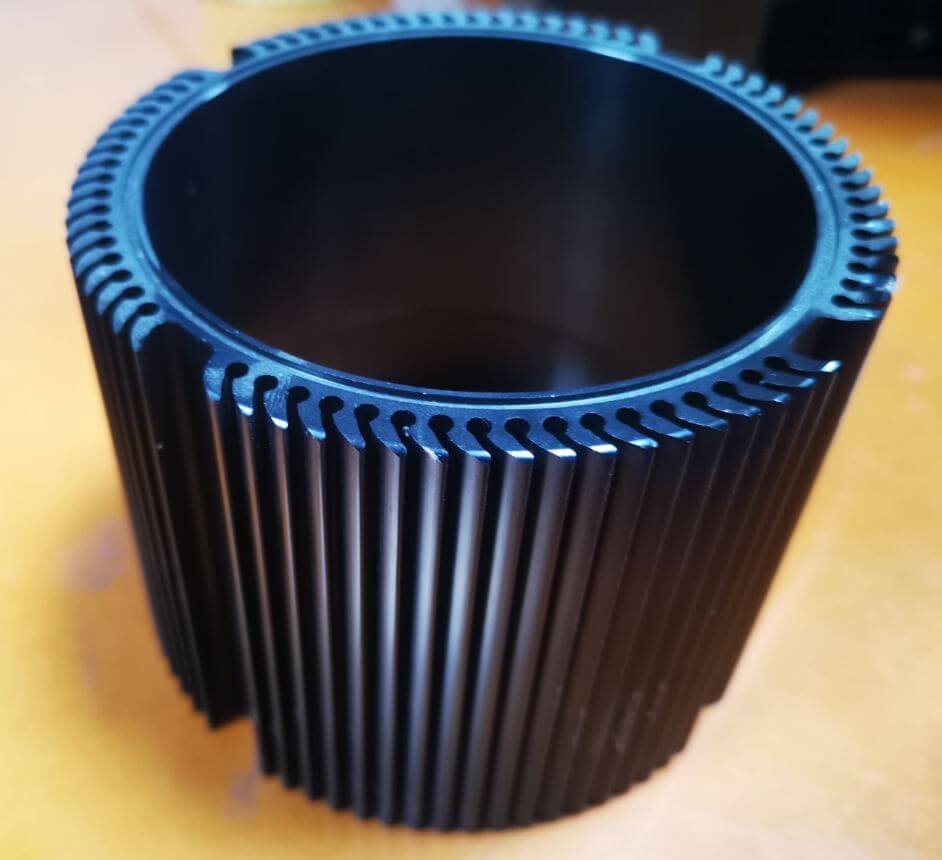
تشكيل الألومنيوم على البارد: نظرة عامة على الفوائد والعملية والتطبيقات يُعد تشكيل الألومنيوم على البارد طريقة فعّالة لإنتاج أجزاء الألومنيوم المشكلة على البارد ذات قوة وكثافة ودقة عالية. يُعد الألومنيوم أحد أكثر المواد استخدامًا في التشكيل على البارد نظرًا لتعدد استخداماته من حيث خصائصه وتباديل السبائك. تقدم هذه المقالة فهماً شاملاً لفوائد وعملية وتطبيقات تشكيل الألومنيوم على البارد. مزايا تشكيل الألومنيوم على البارد عند مقارنته بطرق تشكيل المعادن الأخرى، فإن تشكيل الألومنيوم على البارد له عدد من المزايا، بما في ذلك: زيادة القوة والمتانة: يمكن أن ينتج الألومنيوم المطروق على البارد أجزاء ذات قوة ومتانة أكبر مما يمكن تحقيقه من خلال المسبوكات أو طرق التصنيع الأخرى. تحسين تشطيب السطح والدقة: نظراً لأن عملية التشكيل على البارد تتطلب ضغط المادة، فقد تتطلب الأجزاء المصبوبة في كثير من الأحيان معالجة آلية إضافية، في حين أن الألومنيوم المطروق على البارد يتمتع بلمسة نهائية سطحية عالية مدمجة بالفعل في العملية. فعالة من حيث التكلفة مقارنة بالتقنيات الأخرى: لا يتطلب تشكيل الألومنيوم المطروق على البارد سوى ضغط متواضع لإجراء التغييرات اللازمة في المعدن، وهذا بدوره يوفر التكاليف مقارنة بالتقنيات الأخرى. تقليل نفايات المواد واستهلاك الطاقة: مع عدم وجود هدر للمواد أثناء عملية التشكيل، وانخفاض استهلاك الطاقة اللازمة، مقارنةً بالطرق الأخرى، فإن ذلك يؤدي إلى توفير التكاليف على المدى الطويل. عملية تشكيل الألومنيوم على البارد تتضمن عملية التشكيل على البارد للألومنيوم عدة خطوات: تحضير قضبان الألومنيوم قبل البدء في عملية التشكيل على البارد، يجب أولاً تحضير قضبان الألومنيوم على البارد. القضبان هي أشكال مسبقة الصنع تستخدم في تصنيع الأجزاء. سيتم تسخين القضبان ووضعها في مكبس التشكيل على البارد في وقت لاحق من العملية. تحميل وتثبيت القضبان في المكبس يتم تحميل القضبان في المكبس في درجة حرارة الغرفة، ولهذا السبب يطلق عليها ‘التشكيل على البارد’. ولضمان عدم تحرك القضبان أو التواءها أثناء عملية الكبس يتم تثبيتها بإحكام. عملية التشكيل باستخدام مكبس التشكيل على البارد أهم جزء في عملية التشكيل على البارد للألومنيوم هو إنشاء الشكل المطلوب للجزء. تتضمن العملية تطبيق ضغط متحكم به على البليت من جميع الزوايا بينما تقوم المكبس بتشكيل المعدن بالشكل المطلوب. تبريد وتشذيب أجزاء الألومنيوم المطروقة بعد أن يتم تشكيل الأجزاء المطروقة على البارد بنجاح، يتم تركها لتبرد لبضع لحظات ثم يتم تشذيبها لإزالة المواد الزائدة. تطبيقات الألومنيوم المطروق على البارد يستخدم الألومنيوم المطروق على البارد على نطاق واسع في مختلف الصناعات: صناعة السيارات - أجزاء المحركات، ومكونات نظام التعليق، وأجزاء السيارات الأخرى التي تتطلب معدنًا قويًا ومتينًا يمكن تشكيلها على البارد من الألومنيوم. تتميز قطع الألومنيوم التي يتم إنتاجها من خلال التشكيل على البارد بقوة ومتانة أعلى من طرق التصنيع الأخرى وبتكاليف أقل. صناعة الطيران - يتم تصنيع مسامير الألومنيوم والبراغي وأجزاء الطائرات وغيرها من المعدات باستخدام التشكيل على البارد. وتتمثل فائدة التشكيل على البارد في صناعة الطيران في إمكانية إنتاج الأجزاء وفقًا للمواصفات والتفاوتات الدقيقة دون التواء أو عيوب. الإلكترونيات الاستهلاكية - غالبًا ما يتم تصنيع أغلفة الهواتف الذكية وإطارات أجهزة الكمبيوتر المحمولة وأجهزة الكمبيوتر المحمولة الأخرى من خلال التشكيل على البارد. وتضمن هذه العملية أن تكون المنتجات النهائية متينة وخفيفة الوزن. المشتت الحراري المصنوع من الألومنيوم المطروق على البارد - تُستخدم المشتتات الحرارية المصنوعة من الألومنيوم المطروق على البارد بشكل شائع في الأجهزة الإلكترونية، مثل أجهزة الكمبيوتر وأجهزة الاتصالات السلكية واللاسلكية، للمساعدة في إدارة الحرارة الناتجة عن المكونات الإلكترونية أثناء التشغيل. تم تصميم المشتت الحراري لامتصاص الحرارة من الجهاز الإلكتروني، ثم تبديدها في البيئة المحيطة من خلال الزعانف أو غيرها من وسائل نقل الحرارة. تُعد عملية التصنيع بالحدادة على البارد مناسبة تمامًا لإنتاج المشتتات الحرارية لأنها تسمح بتفاوتات تحمل ضيقة ومعدلات إنتاج عالية وتشطيب ممتاز للسطح. تتضمن العملية تشكيل فراغ ألومنيوم ساخن باستخدام قالب ومثقاب، والذي يضغط المادة لتشكيل الشكل المطلوب. ثم يتم تبريد المادة بسرعة، مما يحسن من قوة وصلابة الألومنيوم. تتميز المشتتات الحرارية المصنوعة من الألومنيوم المطروق على البارد بالعديد من المزايا مقارنةً بمواد أخرى مثل النحاس أو المغنيسيوم. الألومنيوم خفيف الوزن، مما يجعل من السهل إدارته وتركيبه في الأجهزة الإلكترونية. كما أنه عالي التوصيل، مما يسمح له بامتصاص الحرارة وتوزيعها بسرعة. يمكن أن تحتوي المشتتات الحرارية المصنوعة من الألومنيوم على مساحة سطح كبيرة نسبيًا بالنسبة لحجمها، مما يوفر حل تبريد فعال في مساحة صغيرة. يمكن أيضًا تخصيص المشتتات الحرارية المصنوعة من الألومنيوم المطروق على البارد بأشكال وأحجام مختلفة لتناسب المتطلبات المحددة للأجهزة الإلكترونية المختلفة. ويمكن تصميمها بأنماط وسماكات زعانف مختلفة لتحسين أداء تبديد الحرارة. صناعات أخرى - في قطاع الأجهزة الطبية، يمكن استخدام الألومنيوم المطروق على البارد في إنتاج الأطراف الصناعية ومسامير العظام وغيرها من المعدات. وفي قطاع المعدات الرياضية، قد تستلزم رؤوس مضارب الغولف وإطارات المضارب وغيرها من المعدات الرياضية استخدام مواد الألومنيوم المطروق على البارد. تحديات وقيود تشكيل الألومنيوم على البارد في حين أن تشكيل الألومنيوم على البارد يوفر مجموعة واسعة من الفوائد، فإن العملية لها أيضًا تحدياتها وقيودها: تعقيد العملية والمعدات اللازمة - يمكن أن تكون عملية تشكيل الألومنيوم على البارد معقدة، مما يعني أن المعدات اللازمة أكثر تكلفة بكثير من طرق الإنتاج البديلة. الاقتصار على الأشكال البسيطة والمتماثلة - في بعض الحالات، قد لا يكون تصميم جزء ما ممكنًا من خلال التشكيل على البارد. يمكن استخدام التشكيل على البارد للأشكال المتماثلة فقط، مما يعني أنه لا يمكن إنشاء تصميمات معقدة. قد تحدث عيوب في السطح وتشققات في الأجزاء المطروقة - بسبب الضغط العالي الذي يتم ممارسته أثناء عملية التشكيل، يمكن أن تحدث عيوب سطحية بسيطة مثل الأسطح الخشنة أو الشقوق الصغيرة. متى تحتاج إلى قطع الألومنيوم المطروقة على البارد؟ قد تكون هناك حاجة إلى قطع الألومنيوم المطروقة على البارد في حالات معينة حيث تكون هناك حاجة إلى خصائص أو خصائص محددة في المنتج النهائي. عملية التشكيل على البارد هي عملية يتم فيها تشكيل المعدن تحت ضغط عالٍ عند درجة حرارة الغرفة أو بالقرب منها، دون استخدام الحرارة. هناك مزايا معينة لتزوير أجزاء الألومنيوم على البارد مقارنة بالتشكيل على الساخن، بما في ذلك: فعالية التكلفة: يمكن لأجزاء الألومنيوم المطروقة على البارد
مكونات التصنيع باستخدام الحاسب الآلي باستخدام الحاسب الآلي

خدمات التصنيع الآلي باستخدام الحاسب الآلي CNC الصين

صب الألومنيوم, التصنيع الآلي باستخدام الحاسب الآلي

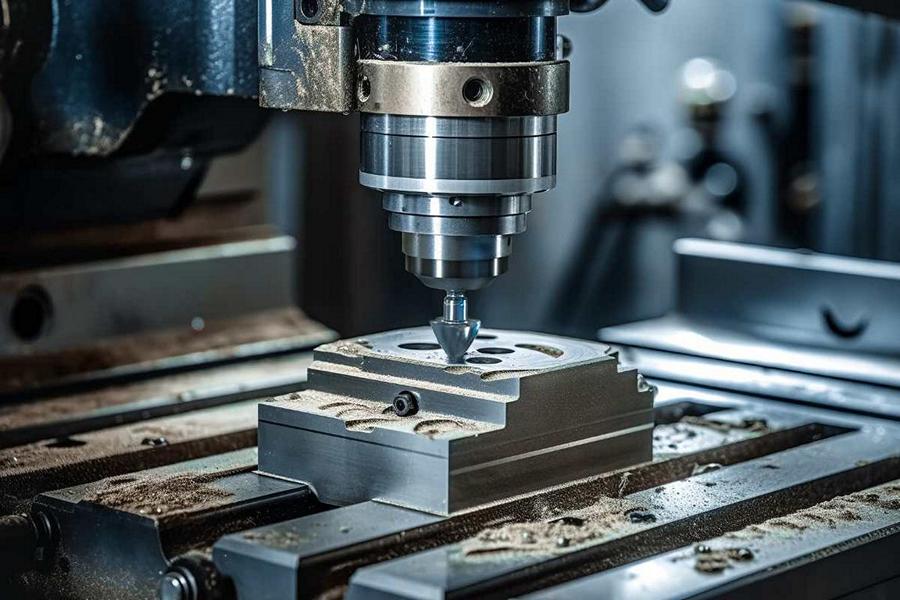
هل تحتاج إلى مزود خدمة تصنيع آلات التصنيع باستخدام الحاسب الآلي الصيني بسرعة وفعالية؟ CNM هو مصنعك الموثوق به للتصنيع باستخدام الحاسب الآلي في الصين. يوفر الميكانيكيون المتخصصون لدينا، والمهندسون، وموظفو مراقبة الجودة، وتقنية التصنيع باستخدام الحاسب الآلي CNC، تصنيعاً عالي الجودة لمنتجاتك. توفر CNM خدمات التفريز باستخدام الحاسب الآلي، والخراطة باستخدام الحاسب الآلي، والطحن باستخدام الحاسب الآلي، وخدمات الطحن باستخدام الحاسب الآلي، وخدمات EDM السلكية وتهدف إلى تقديم أعمال دقيقة وعالية الجودة. في CNM، حصلت منشأة التصنيع باستخدام الحاسب الآلي لدينا على شهادة ISO 9001:2015، استناداً إلى الكفاءة الأساسية للشركة في تصنيع الأدوات وتصنيع قطع الغيار ذات الاستخدام النهائي بكميات صغيرة. كما نقدم أيضاً خدمات الطباعة ثلاثية الأبعاد وخدمات القولبة بالحقن لتلبية حلول التصنيع باستخدام الحاسب الآلي الصينية باستخدام الحاسب الآلي. كما نوفر أيضًا مجموعة متنوعة من المواد للقطع الميكانيكية ومجموعة متنوعة من التشطيبات السطحية بناءً على احتياجاتك. التحكم الرقمي باستخدام الحاسب الآلي هو اختصار لـ ’التحكم العددي بالكمبيوتر’. وهي عملية تستخدم ماكينات يتم تشغيلها بتعليمات في كود G لقطع وتشكيل المواد. هذه هي ماكينات التفريز متعددة المحاور، والمخارط، والموجهات، وجميعها تعتمد على التحكم الرقمي بنظام التحكم الرقمي ولكن باستراتيجية مختلفة. في ماكينات التفريز بنظام التحكم الرقمي، يتم تثبيت قطعة العمل في مكانها بينما يقوم القاطع بتشكيلها، بينما في ماكينات الخراطة بنظام التحكم الرقمي، يتم تدوير أداة القطع والمواد لإنشاء الجزء. يضمن لك اختيار CNM لتلبية احتياجاتك من ماكينات التصنيع باستخدام الحاسب الآلي الحصول على أداء فعال، وتكنولوجيا حديثة، وضمان الجودة والمنتجات المتخصصة لمختلف القطاعات. خدمة التصنيع باستخدام الحاسب الآلي في الصين في ورشة ماكينات CNC في الصين، تمتلك CNM ورشة ماكينات CNC حديثة مجهزة بأنواع مختلفة من ماكينات CNC الدقيقة. نوفر ماكينات من 3 محاور إلى 5 محاور لضمان الدقة في قطع المكونات المعقدة. تصنيع آلي داخلي شامل نحن نلتزم بمعايير التصنيع ISO 2768-F؛ فنحن في وضع يسمح لنا بتقديم خدمات تصنيع شاملة للأجزاء من مختلف الأحجام والأشكال. يمكن أن تستوعب عمليات التفريز باستخدام الحاسب الآلي لدينا قطع العمل بأقطار تتراوح أقطارها من 2 مم إلى 350 مم لتناسب احتياجات عملائنا ومستويات الدقة. لمزيد من المعلومات عن مهارات وخدمات CNM المتنوعة، يُرجى زيارة الموقع الإلكتروني. المواد الخام المضمونة الجودة تؤكد CNM أيضًا أن جميع المواد المستخدمة تتوافق مع أحكام توجيه RoHS وأي مواصفات أخرى قد يقدمها العميل. كما نقدم أيضًا شهادات المواد وتقارير SGS للرجوع إليها؛ ولدينا مجموعة كبيرة من الفولاذ والألومنيوم والفولاذ المقاوم للصدأ والتيتانيوم واللدائن الهندسية مثل PEEK والكمبيوتر الشخصي وPOM. شركة CNM الدقيقة الحاصلة على شهادة الأيزو هي ورشة ماكينات بنظام التحكم الرقمي (CNC) معتمدة من الأيزو في الصين؛ ولذلك، يجب أن تلتزم بإجراءات صارمة لمراقبة الجودة. تدعم معدات الاختبار الحالية هذا الالتزام بالدقة، ولهذا السبب نحن الأفضل في خدمات التفريز الدقيق. اعرف المزيد عن إجراءات ضمان الجودة لدينا. كميات الطلبات المرنة يمكن أن تلبي CNM أي طلبية صغيرة أو كبيرة من الوحدات الكثيرة المطلوب تصنيعها. تتمثل خدماتنا المهمة في الطحن الدقيق باستخدام الحاسب الآلي على المدى القصير، والخراطة باستخدام الحاسب الآلي، والإنتاج بالجملة، مما يمكننا من تلبية احتياجات العملاء المختلفة بأفضل طريقة ممكنة. سرعة التحول السريع تقدم CNM عرض أسعار للعمل في غضون يوم واحد، ويمكن بدء العمل وإنجازه بسرعة. يضمن فريق عمل على درجة عالية من الكفاءة والخبرة، بما في ذلك قسم منفصل للبحث والتطوير، العمل المناسب والأداء العالي. قاعدة العملاء العالمية CNM على استعداد للعمل مع عملاء من الاتحاد الأوروبي وأمريكا الشمالية، حيث توفر لهم أفضل جودة في التصنيع الآلي بنظام التحكم الرقمي وفقًا للمعايير العالمية. خدمات التصنيع باستخدام الحاسب الآلي عالية الدقة والجودة في CNM في CNM، يمكن لماكينات CNC العمل بدقة عالية لإعطاء ميزات ومكونات مختلفة. ماكينات التفريز بنظام التحكم الرقمي CNC مناسبة بشكل خاص لصنع التجاويف العميقة والمستويات المائلة والثقوب والفتحات، بينما تصنع مخارط CNC الأجزاء المستديرة ذات الأشكال المتشابهة. التفاوتات المسموح بها في ماكينات التفريز والخراطة بنظام التحكم الرقمي لدينا ضئيلة للغاية، وأحيانًا تصل إلى ± 0. 001 مم. يمكنها العمل فقط مع المعادن والبلاستيك، شريطة أن تكون الأخيرة كتلًا صلبة. هذه القدرة تجعل التصنيع الآلي باستخدام الحاسب الآلي مختلفاً عن تقنيات التصنيع المضافة الأخرى مثل الطباعة ثلاثية الأبعاد، التي تتعامل بشكل أساسي مع البلاستيك وبعض المعادن. لماذا تختار خدمات التصنيع باستخدام الحاسب الآلي CNM الصين لمشاريعك؟ نضمن في CNM أن تكون جميع المنتجات التي يتم إنتاجها دقيقة وذات جودة عالية. يتعاون مهندسونا وعمال الماكينات وموظفو مراقبة الجودة لدينا لضمان تنفيذ جميع المشاريع وفقًا للمعايير المطلوبة. لا نقدم هنا سوى الأفضل، بدءاً من أحدث تقنيات التحكم الرقمي باستخدام الحاسب الآلي وحتى أكثر تدابير مراقبة الجودة صرامة. خبرات متنوعة من المواد نحن نتعامل في مجموعة كبيرة من المواد لضمان حصول عملائنا على المنتجات المطلوبة لمشاريعهم. فبدءاً من الألومنيوم إلى الفولاذ المقاوم للصدأ، أو النحاس الأصفر، أو حتى التيتانيوم والإنكونيل، فإن شركة CNM لديها كل ما يلزمك. لدينا أيضاً تخصصات في المواد البلاستيكية مثل POM، وPTFE، والكمبيوتر الشخصي، ونضمن لك الحصول على جميع المواد المطلوبة. امتياز معتمد تلتزم منشآتنا بمعايير الصناعة الصارمة، بما في ذلك ISO 9001:لإدارة الجودة، وISO 9001:2015، وISO 14001:2015 للممارسات البيئية. شهادة الأيزو 13485:CNM ISO 13485:2016 لتصنيع الأجهزة الطبية التي تضمن مطابقة جميع الإجراءات والجودة. حلول فعّالة من حيث التكلفة في عمليات التصنيع، نستخدم مبادئ سوق دبي المالي لتقليل تكاليف التصنيع مع ضمان عدم المساس بجودة المنتج. تمتلك شركة CNM حلول تصنيع فعالة من حيث التكلفة في حدود ميزانيتك وتضمن كفاءة التصنيع من الألف إلى الياء. أوقات التسليم السريع تقع شركة CNM بالقرب من محاور النقل الرئيسية في المنطقة الجنوبية من الصين، مما يضمن سرعة إنتاج وشحن المنتجات. نحن نقدر السرعة دون التضحية بالجودة حتى تصل منتجاتك إليك في أسرع وقت ممكن. خدمات التصنيع الآلي باستخدام الحاسب الآلي حسب الطلب توفر شركة CNM قطع غيار مخصصة ومواد معقدة للمشاريع الخاصة التي يجب فيها تصنيع أجزاء معينة. تضمن المرونة والتوجه إلى احتياجات العميل مراعاة جميع الميزات وحلها بفعالية وكفاءة. خدمات التصنيع الآلي باستخدام الحاسب الآلي المتقدمة CNM تتخصص CNM بشكل أساسي في توفير قطع التصنيع الآلي باستخدام الحاسب الآلي عالية الدقة للمعادن والبلاستيك. في كلتا الحالتين، سواءً كانت قطع نموذج أولي أو قطع إنتاج، تحرص CNM على أن تكون أزمنة الدورات قصيرة ولا يوجد أي تنازلات بشأن الجودة. استفد من التزامنا بالتميز، بما في ذلك الشحن القياسي المجاني على جميع الطلبات والامتثال لمعايير ISO 9001:2015 وISO 13485:2003 وAS9100D و

مصابيح LED-أضواء-غلاف-ألومنيوم

المشتتات الحرارية لمصابيح LED

صب الألومنيوم

ما هي المشتتات الحرارية لمصابيح الدايود المبتعث للضوء LED هي مكونات مصممة لتبديد الحرارة المتولدة من وحدات الدايود المبتعث للضوء لمنع ارتفاع درجة الحرارة وضمان الأداء السليم. تولد مصابيح LED حرارة أثناء التشغيل، وإذا لم يتم تبديد هذه الحرارة بشكل فعال، فقد يؤدي ذلك إلى فشل وحدة LED قبل الأوان. تعمل المشتتات الحرارية لمصابيح LED على نقل الحرارة بعيدًا عن وحدة LED من خلال وسائل سلبية أو نشطة، باستخدام مواد ذات موصلية حرارية عالية، مثل الألومنيوم أو النحاس أو الجرافيت أو السيراميك. وهي تلعب دورًا مهمًا في زيادة أنواع المشتتات الحرارية لمصابيح LED: هناك نوعان رئيسيان من المشتتات الحرارية لمصباح LED: السلبي والنشط. تعمل المشتتات الحرارية السلبية على تبديد الحرارة بشكل سلبي عن طريق توصيلها بعيدًا عن وحدة LED من خلال أنابيب الحرارة أو الزعانف. من ناحية أخرى، تستخدم المشتتات الحرارية النشطة مراوح أو مضخات لتحريك الهواء أو السائل بنشاط عبر المشتت الحراري لتعزيز نقل الحرارة. تتميز المشتتات الحرارية السلبية بأنها أبسط في التصميم والبناء وتكلفتها أقل بشكل عام من المشتتات الحرارية النشطة. ومع ذلك، فهي محدودة في قدرتها على تبديد الحرارة بسرعة، خاصة في تطبيقات مصابيح LED عالية الطاقة. أما المشتتات الحرارية النشطة فهي أكثر تعقيدًا في التصميم ولها تكلفة أولية أعلى، لكنها توفر تبديدًا أفضل للحرارة وهي مناسبة بشكل أفضل لتطبيقات مصابيح LED عالية الطاقة. المواد المستخدمة في المشتتات الحرارية لمصابيح LED: المواد الأكثر شيوعًا المستخدمة في بناء المشتت الحراري لمصابيح LED هي الألومنيوم والنحاس نظرًا لتوصيلها الحراري الممتاز. إن المشتت الحراري المصنوع من الألومنيوم خفيف الوزن وغير مكلف وسهل التصنيع، مما يجعله خيارًا شائعًا للمشتتات الحرارية السلبية. من ناحية أخرى، يعتبر النحاس أغلى ثمناً وأصعب في التصنيع وأثقل وزناً، لكنه يتمتع بتوصيل حراري أعلى من الألومنيوم، مما يجعله مثالياً للاستخدام في المشتتات الحرارية النشطة. تشمل المواد الأخرى المستخدمة في بناء المشتت الحراري لمصابيح LED الجرافيت والسيراميك. الجرافيت هو بديل خفيف الوزن للألومنيوم الذي يتميز بتوصيل حراري جيد وغالبًا ما يستخدم في تطبيقات مصابيح LED منخفضة الطاقة. تُستخدم مواد السيراميك في تطبيقات مصابيح LED عالية الطاقة نظرًا لمقاومتها الممتازة للصدمات الحرارية والتوصيل الحراري. عوامل يجب مراعاتها عند اختيار المشتتات الحرارية لمصابيح LED: عند اختيار المشتت الحراري لمصباح LED، يجب مراعاة عدة عوامل لضمان الأداء الوظيفي المناسب. العامل الأكثر أهمية هو التوصيل الحراري، حيث أنه يؤثر بشكل مباشر على قدرة المشتت الحراري على تبديد الحرارة. يجب أيضًا مراعاة شكل المشتت الحراري وحجمه، حيث يؤثران على نقل الحرارة والتوافق مع وحدة LED. من الضروري اختيار المشتت الحراري المتوافق مع وحدة الصمام الثنائي الباعث للضوء (ليد) لضمان تبديد الحرارة الأمثل والكفاءة القصوى. أخيرًا، يجب أن تؤخذ الفعالية من حيث التكلفة في الاعتبار، حيث يمكن أن تختلف أسعار المشتتات الحرارية بشكل كبير اعتمادًا على المواد وتعقيد التصميم. فوائد المشتتات الحرارية لمصابيح LED: يوفر استخدام المشتتات الحرارية لمصابيح LED في تطبيقات الإضاءة العديد من الفوائد الرئيسية. أولاً، إنها تحمي من الحرارة الزائدة، والتي يمكن أن تؤدي إلى فشل وحدة إضاءة (ليد) قبل الأوان. ثانيًا، تزيد من كفاءة الطاقة عن طريق تقليل كمية الطاقة المهدرة كحرارة. وأخيرًا، تعمل المشتتات الحرارية لمصابيح (ليد) على إطالة العمر الافتراضي لإضاءة (ليد)، مما يقلل من تكرار الاستبدال ويقلل من التكاليف الإجمالية. تطبيقات المشتتات الحرارية لمصابيح LED: تُستخدم المشتتات الحرارية لمصابيح (ليد) في مجموعة واسعة من التطبيقات، بما في ذلك الإضاءة الداخلية والخارجية، وإضاءة السيارات، والإضاءة الطبية، والإضاءة التجارية والصناعية. في الإضاءة الداخلية والخارجية، تُستخدم المشتتات الحرارية لمصابيح (ليد) لتقليل تراكم الحرارة وإطالة عمر مصابيح (ليد). غالبًا ما تتطلب إضاءة السيارات وحدات إضاءة (ليد) عالية الطاقة التي تولد حرارة كبيرة، مما يجعل المشتتات الحرارية النشطة ضرورية للتشغيل السليم. وتتطلب الإضاءة الطبية إضاءة عالية الجودة وموثوقة مع ناتج حراري منخفض، مما يجعل المشتتات الحرارية السلبية مثالية للاستخدام في هذه التطبيقات. أخيرًا، غالبًا ما تتطلب تطبيقات الإضاءة التجارية والصناعية إضاءة عالية الطاقة مع تبديد فعال للحرارة، مما يجعل المشتتات الحرارية النشطة الخيار الأنسب. الخلاصة: تعتبر المشتتات الحرارية لمصابيح (ليد) من المكونات الأساسية في تطبيقات إضاءة (ليد)، حيث تلعب دورًا حيويًا في منع ارتفاع درجة الحرارة وإطالة عمر وحدات (ليد). يمكن أن يكون اختيار النوع الصحيح من المشتت الحراري والمواد المناسبة لتطبيقك الخاص أمرًا صعبًا، ولكن النظر في العوامل الموضحة في هذه المقالة سيضمن الأداء الأمثل. توفر المشتتات الحرارية لمصابيح LED العديد من الفوائد، بما في ذلك كفاءة الطاقة، وانخفاض تكاليف الصيانة، وزيادة الموثوقية. وهي تُستخدم في مجموعة متنوعة من التطبيقات وستستمر في لعب دور حاسم في مستقبل إضاءة (ليد). إذا كنت تبحث عن منتجات المشتتات الحرارية لمصابيح LED، فمرحبًا بك في الاتصال بنا.

مبدد حراري مخصص

المشتتات الحرارية المصنوعة من الألومنيوم المخصص

صب الألومنيوم

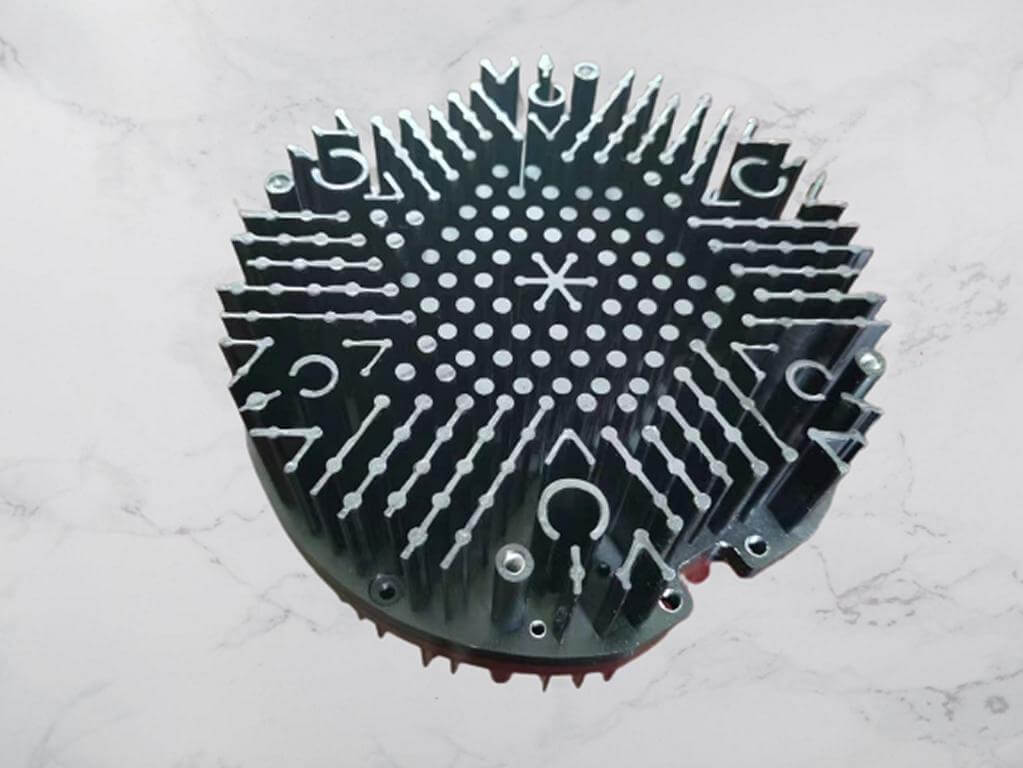
What is custom aluminum heat sinks Custom aluminum heat sinks or custom made heat sinks refer to heat sinks made from aluminum that are custom-designed and manufactured to specific size, shape, and thermal performance requirements for a particular application. Custom aluminum heat sinks are used to dissipate heat generated by electronic devices such as CPUs, graphics cards, power supplies, and LED lights, among others, to ensure optimal performance and prevent damage to the devices. The aluminum material used in heat sinks has high thermal conductivity, which allows it to effectively transfer heat away from the device and into the surrounding environment, where it can be dissipated. The customization of aluminum heat sinks includes various design aspects such as fin structure, surface finish, color, and material choice. Custom aluminum heat sinks are widely used in industrial and commercial applications due to their efficiency, durability, and cost-effectiveness. In today’s world, electronic devices are becoming more and more complex. As the amount of power that these devices require increases, the need for efficient heat dissipation becomes even more important. Custom heat sinks play a critical role in dissipating heat in electronic devices, and are a popular choice due to their high thermal conductivity and excellent durability. In this page, we will explore the benefits of custom extrusion heat sinks, the factors to consider when choosing them, the different types of custom aluminum heat sinks available, and their applications. Factors to consider when choosing custom aluminum heat sinks Thermal conductivity – The thermal conductivity of aluminum is very high, which makes it an excellent choice for heat sinks. When selecting a custom aluminum heat sink, it is important to consider the specific thermal conductivity required for your application. Higher thermal conductivity means that heat is transferred more efficiently, but it may also increase the cost of the heat sink. Durability – Aluminum heat sinks are known for their excellent durability and long lifespan. However, some applications may require additional durability due to harsh environmental conditions or high levels of vibration. In these cases, it may be necessary to choose a specialized type of aluminum alloy or to add a protective coating to the heat sink. Cost-effectiveness – As with any engineering design decision, cost is always a consideration. Aluminum heat sinks are generally more affordable than heat sinks made from other materials, but the cost can still vary widely depending on the size, shape, and complexity of the heat sink. Size and shape – Custom aluminum heat sinks can be made in many different shapes and sizes. When choosing a heat sink, it is important to consider the size and shape requirements of your application. A heat sink that is too small may not provide enough cooling, while a heat sink that is too large may be too heavy or take up too much space. Types of custom aluminum heat sinks Extruded custom made heat sinks – Extruded heat sinks are a popular choice for many applications due to their cost-effectiveness and ease of customization. These heat sinks are made by pushing heated aluminum through a die, which forms the heat sink into a specific shape. Extruded heat sinks can have fins of varying heights and widths. Bonded fin custom made heat sinks – Bonded fin heat sinks are created by combining a base plate with specialized fins that are bonded to the plate. This process creates a heat sink with superior thermal performance and excellent structural strength. Bonded fin heat sinks can be customized to have almost any desired fin shape and thickness, which makes them a popular choice for many different applications. Folded fin custom made heat sinks – Folded fin heat sinks are made by taking a flat sheet of aluminum and folding or bending it into the desired shape. This process creates a very durable and lightweight heat sink, but it is also more expensive and difficult to manufacture than other types of heat sinks. Skived fin custom made heat sinks – Skived fin heat sinks are manufactured by shaving or cutting fins into a solid block of aluminum. This process creates a very efficient and lightweight heat sink that is ideal for applications with limited space. However, skived fin heat sinks are generally more expensive than other types of heat sinks. The Custom extruded heat sink processing Custom extruded heat sink processing involves the creation of a custom heatsink from raw aluminum materials through extrusion. Extrusion is a manufacturing process that involves pushing a heated billet or slug of material through a die to create a desired shape and size. Here are the steps involved in the Custom extruded heat sink processing: Design the heatsink: The first step is to design the heatsink according to the specifications and requirements of the intended application. The design should include details such as size, shape, and the number of fins. Prepare the billet: A billet is a cylindrical block of aluminum that is heated to a temperature required for extrusion. The billet is then loaded into the extrusion press. Extrusion process: The billet is pushed through the die under high pressure, causing it to take on the shape and size of the die. As the aluminum passes through the die, it is cooled and solidified into the desired shape. Cutting and finishing: Once the extrusion process is complete, the heatsink is cut to the required length and the edges are finished using a cutting or sawing process. Sandblasting and anodizing: Sandblasting is used to remove any surface impurities and smooth out any rough edges, and anodizing is used to add a protective layer to the aluminum heatsink extrusion. The anodizing process can also add color to the surface of the heatsink. Quality Control: The finished heatsink is inspected to ensure it meets the required specifications. Checks are carried out to ensure that the size, shape, and any other features of the heatsink are within the required tolerances. By following these steps, a custom aluminum heatsink can be produced through extrusion processing.

صب سبائك الألومنيوم A356

استكشاف عملية تصنيع سبائك الألومنيوم A356 المسبوكة من الألومنيوم A356

صب الألومنيوم

Manufacturing processes are essential for producing a variety of goods and services. A356 aluminum alloy casting is no exception. This type of casting is used in the automotive, aerospace, and medical industries, and is known for its strength and lightweight properties. Manufacturing A356 alloy castings involves a series of steps, such as melting, pouring, cooling, and finishing. Each step has its own challenges and requires specific processes to be successful. In this article, we’ll explore the entire manufacturing process of A356 aluminum alloy casting, from start to finish. We’ll discuss the various stages, the challenges each stage presents, and the solutions manufacturers use to ensure the highest quality of product. By the end of this article, you’ll have a better understanding of how A356 alloy castings are made and why they are so valuable in the industries they serve. What are A356 Aluminum Alloy Casting? A356 aluminum alloy castings are hollow-shaped pieces of metal that can be opened and closed. They’re most often used in the automotive and aerospace industries. A356 alloy castings are made from steel with a controlled amount of carbon, which makes them stronger and lighter than other steels. Alloy castings are also corrosion-resistant, non-magnetic, and highly resistant to wear. They are often used for bushings, brake calipers, steering components, steering wheels, and other steering components. Alloy castings can also be used for other purposes, such as making metal parts for cars, machines, and equipment. A356 aluminum alloy casting is usually made from steel with a controlled carbon amount of 0.35% to 0.45% to obtain the required strength and toughness. Alloy castings can also be made from stainless steel or other materials. A356 aluminum alloy is composed of 92.5% aluminum, 6.5% silicon, and 1% magnesium. It is a commonly used alloy in the aluminum gravity and sand  casting industry because of its good casting properties and excellent mechanical properties. The Manufacturing Process of A356 Aluminum Alloy Castings As we mentioned earlier, the manufacturing process of A356 alloy castings involves several stages. there are below some steps no matter you use gravity casting or sand casting process. Let’s explore these stages in more detail. a. Melting – A356 alloy castings are made from steel with a controlled carbon amount. The first step in the manufacturing process of A356 alloy castings is melting the steel. This creates a liquid steel slurry that is then poured into a mold. The mold is a hollow container with a pattern on its inside that creates the desired shape of the casting when the liquid steel hardens. b. Pouring – After the liquid steel has reached the right temperature, it’s poured into the mold. This is accomplished with the use of a ladle, which is a large container with a long handle. The ladle is lifted up, then swung over the mold, pouring the steel into the mold. This is a process that is done by hand, which requires careful attention and skill. If the ladle is filled too high or swung too quickly, the steel will spill over the top of the mold. If the ladle is too low, the steel will be too cold and won’t flow into the mold properly. c. Cooling – After the liquid steel has been poured into the mold, it’s important to cool it down quickly to prevent defects from forming. There are several cooling methods that manufacturers can choose from depending on the size and shape of their casting. The most common cooling methods are water cooling and sonic cooling. Water cooling involves spraying water on the surface of the steel casting to help it cool down more quickly. Sonic cooling involves blasting the bean with sound waves to help it cool down more quickly. d. Finishing – After the liquid steel has been cooled, the mold is opened. The steel inside the mold has hardened into a solid, but rough, shape. At this point, the steel needs to be cut and shaped to form the final castings. This is done with the use of various industrial cutting machines, such as mills, lathes, and grinders. Challenges of Manufacturing A356 aluminum Alloy Castings As we’ve discussed, there are a variety of challenges that manufacturers need to face when creating A356 alloy castings. Below are some of the most common challenges. – Poor cooling – If the liquid steel doesn’t cool down correctly, it can lead to defects in the final castings. If the steel doesn’t cool down quickly enough, it might cool too slowly and become brittle and prone to breakage. If the steel cools too quickly, it can form gases that create pores in the casting. When cooling, it’s important to keep the steel covered so it can absorb the heat and cool down correctly. This is especially important when cooling large castings. – Poor design – Another challenge that manufacturers face when creating A356 alloy castings is poor design. If the design of the model isn’t precise, it can affect the overall quality of the castings. If the model is too heavy, it can make the castings difficult to pour. If the model has too much draft, it can cause the castings to be too thin. In addition, the model may require more time to cast than the manufacturer has available. – Low-quality steel – Another challenge is using low-quality steel. Using poor-quality steel for the castings can cause the finished products to break or wear out too quickly Solutions to the Challenges As we’ve discussed, there are a number of challenges that manufacturers face when creating A356 alloy castings. The best way to overcome these challenges is to follow a strict production process. By following a strict production process, manufacturers can maintain consistency throughout the manufacturing process and ensure the best possible quality of product. The following table details the stages of the production process, the challenges they face, and the solutions they provide. Stage Challenges Solutions Casting design Draft required to make the model lighter The model is too heavy Too

مبيت خزانة العرض LED من الألومنيوم المصبوب بالقالب الألومنيوم

شركة تصنيع قوالب صب الألومنيوم بالجملة

صب الألومنيوم

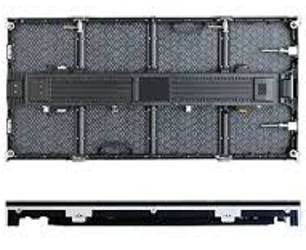
Wholesale aluminum die casting manufacturer will offer wholesale price for aluminum die casting parts to save your cost with any custom die casting products, contact us to get a price Introduction to Aluminum Die Casting Aluminum die casting is a manufacturing process in which molten aluminum is injected into a mold or die to produce parts and components. This process is ideal for producing high volume, complex parts with tight tolerances and a smooth finish. Aluminum is a popular choice for die casting because it is lightweight, corrosion resistant, and has good mechanical properties. Benefits of Using an Aluminum Die Casting There are several benefits to using an aluminum die casting manufacturer for your production needs: Speed and efficiency: Aluminum die casting allows for fast production of high volume orders. The process is automated, which helps to reduce lead times and increase efficiency. Cost effectiveness: Aluminum die casting is a cost-effective solution for producing parts in high volumes. The initial setup costs may be higher than other manufacturing processes, but the cost per part is much lower due to the high production rates. Precision: Aluminum die casting produces parts with tight tolerances and a smooth finish. This level of precision is difficult to achieve with other manufacturing processes. Versatility: Aluminum die casting can be used to produce a wide range of parts and components, including those with complex geometries and thin walls. What to Look for in a Wholesale Aluminum Die Casting Manufacturer When selecting a wholesale aluminum die casting manufacturer, there are a few key factors to consider: Experience: Choose a manufacturer with a proven track record in the industry. Look for a company with a history of producing high quality parts and meeting customer deadlines. Capabilities: Make sure the manufacturer has the necessary equipment and expertise to produce the parts you need. Consider factors such as the size and complexity of the parts, the volume you need, and the materials you will be using. Quality control: Quality control is crucial in the die casting industry. Look for a manufacturer with a robust quality control process in place, including inspections at various stages of production. Customer service: Good communication and customer service are essential when working with a wholesale manufacturer. Look for a company that is responsive and easy to work with. Examples of Quality Components Made with Aluminum Die Casting There are many examples of high quality components that are produced using aluminum die casting, including: Automotive parts: Aluminum die casting is widely used in the automotive industry to produce parts such as engine blocks, transmission housings, and suspension components. Electronic components: Aluminum die casting is used to produce a variety of electronic components, including connectors, housings, and heatsinks. Aerospace components: The aerospace industry relies on aluminum die casting for the production of parts such as landing gear components and structural components. Military components: The military also relies on aluminum die casting for the production of parts such as weapon systems and aircraft components. Advantages of Working with a Wholesale Aluminum Die Casting Manufacturer There are several advantages to working with a wholesale aluminum die casting manufacturer or other wholesale aluminum die casting factories: Cost savings: Wholesale aluminum die casting pricing can be significantly lower than retail pricing, which can help to reduce your overall production costs. Quality control: A reputable wholesale aluminum die casting manufacturer will have strict quality control measures in place to ensure that the parts they produce meet the highest standards. Expertise: wholesale aluminum die casting factories typically have a deep understanding of the die casting process and can offer valuable insights and solutions to help improve your production process. Customization: Many wholesale aluminum die casting factories offer customization options to meet the specific needs of their customers. Tips on Selecting the Right Wholesale Aluminum Die Casting Manufacturer Research the manufacturer’s experience and capabilities: Look for a aluminum die casting manufacturer with a proven track record in the industry and the necessary equipment and expertise to produce the parts you need. Consider the quality control process: Choose a manufacturer with a robust quality control process to ensure that you receive high quality parts. Look for good customer service: Good communication and customer service are essential when working with a wholesale manufacturer. Look for a company that is responsive and easy to work with. Get quotes from multiple manufacturers: It’s a good idea to get quotes from multiple wholesale aluminum die casting factories to ensure that you are getting the best price and value. Don’t be afraid to ask questions: Don’t be afraid to ask the manufacturer any questions you may have about their processes, capabilities, or pricing. This will help you to make an informed decision. In conclusion, aluminum die casting is a fast and efficient manufacturing process that produces high quality parts with tight tolerances and a smooth finish. Working with a reputable wholesale aluminum die casting manufacturer can provide cost savings, quality control, expertise, and customization options. When selecting a wholesale manufacturer, it’s important to consider their experience, capabilities, quality control processes, and customer service, and to get quotes from multiple manufacturers. By following these tips, you can choose the right wholesale aluminum die casting manufacturer to meet your production needs. If you are looking for wholesale aluminum die casting manufacturer for your Customized aluminum die casting parts, welcome to send us your RFQ, we will quote you the best price with fast lead time.

ألومنيوم-دروكجوس

قالب الصب بالقالب الزنك حسب الطلب

صب الألومنيوم

ما هو قالب الصب بالقالب الزنك المخصص: الفوائد والتصميم واختيار الشركة المصنعة المناسبة يشير قالب الصب بالقالب الزنك المخصص إلى إنشاء قوالب متخصصة مصممة خصيصًا لتلبية احتياجات التصنيع المحددة لأجزاء الزنك المصبوبة بالقالب. وقد صُممت هذه القوالب لتوفير أداء محسن للقوالب وجودة المنتج مع تقليل المهل الزمنية وفعالية التكلفة. تتعمق هذه المقالة في فوائد القوالب المصبوبة بالقالب المصنوعة من الزنك حسب الطلب، والعوامل التي يجب مراعاتها عند تصميم قالب مخصص، وكيفية اختيار الشركة المصنعة المناسبة. فوائد قوالب قوالب الصب بالقالب المصنوعة من الزنك المخصصة أداء القالب المحسّن توفر قوالب الصب بالقالب المصنوعة من الزنك المخصصة قدرات أداء محسنة للقالب، مما يتيح للمصنعين تحقيق مخرجات أكبر وجودة أفضل للمنتج. من خلال تخصيص القالب وفقًا لمتطلبات التصنيع المحددة، يمكن للشركات تعزيز متانة القوالب وتقليل الخردة وزيادة عمر القوالب بشكل كبير. بالإضافة إلى ذلك، تضمن القوالب المخصصة أيضًا صب الأجزاء بشكل أكثر دقة وتقلل من فرص حدوث عيوب، مما قد يؤثر على جودة الإنتاج النهائي. زيادة جودة المنتج والاتساق تتطلب قوالب الصب بالزنك درجة عالية من الدقة حيث يمكن أن تؤدي الأخطاء الصغيرة في الأجزاء المصبوبة إلى عيوب أو منتجات معطلة. وتوفر قوالب الصب بالقالب المصنوعة من الزنك حسب الطلب مزيدًا من الاتساق والدقة في الجزء النهائي المنتج. وباستخدام تقنيات التصميم المتقدمة، يمكن للمصنعين تقليل احتمالية حدوث أخطاء في التصميم، مما يؤدي إلى تحسين جودة المنتج وارتفاع معدلات الإنتاجية وتقليل الفاقد. اختصار الوقت المستغرق في التصنيع تقلل قوالب الصب بالقالب الزنك المخصصة من وقت الإنتاج بشكل كبير لأنها مصممة خصيصًا لتناسب متطلبات التصنيع المحددة. يمكّن وقت الإنتاج المخفض المصنعين من تقليل تكاليف الإنتاج وتلبية طلبات عملائهم بكفاءة أكبر من خلال تقديم منتجات عالية الجودة في أوقات تسليم أقصر. تحسين الفعالية من حيث التكلفة توفر قوالب الصب بالقالب الزنك المخصصة للشركات وفورات كبيرة في تكاليف استخدام المواد والإنتاج وتكاليف الصيانة. تميل القوالب التقليدية إلى حدوث أعطال متعددة، مما يؤدي إلى الاستبدال المتكرر، في حين أن القوالب المخصصة لها أعطال أقل وتتطلب استبدالاً أقل. بالإضافة إلى ذلك، تقلل هذه القوالب بشكل كبير من معدلات الخردة، مما يقلل من التكاليف الإجمالية لمناولة المواد بمرور الوقت. العوامل التي يجب مراعاتها في اختيار مواد قوالب قوالب صب الزنك المخصصة يتأثر تصميم قالب الصب بالقالب من الزنك بنوع المادة المطلوبة للمسبوكات. يحدد نوع المادة ودرجتها الهيكل العام للقالب وأي متطلبات تصميم محددة يمكن أن توفر مصبوبات أكثر اتساقًا وكثافة. يجب على المصنعين مراعاة اتساق المواد والتوصيل الحراري وتصميم القالب عند اختيار المادة المناسبة لقالب الصب بالزنك المخصص. متطلبات تشطيب السطح متطلبات تصميم الجزء تملي متطلبات تصميم القالب للتشطيبات السطحية المناسبة. يجب أن توفر القوالب سهولة إخراج الأجزاء المصبوبة دون التسبب في أي تشويه أو تلف. ونتيجة لذلك، يجب أن تتضمن تصميمات قوالب قوالب الصب بالزنك المخصصة تشطيبات سطحية محددة، مثل التلميع أو التركيب. تفاوت الأبعاد تنتج درجة التباين في تفاوت الأبعاد من قدرة القالب المستخدم على التكيف. يجب على المصنعين فهم طبيعة الأجزاء التي سيتم إنتاجها والنظر في التفاوتات المسموح بها للأبعاد القصوى والدنيا، حيث يمكن أن تؤثر التفاوتات الأكثر صرامة على تكاليف الإنتاج. تعقيدات الأجزاء تتسم تصميمات الأجزاء بتعقيدات متفاوتة، حيث تتطلب بعض الأجزاء اهتمامًا معقدًا بالتفاصيل. تزيد التصميمات المعقدة من تعقيد القالب وتكلفته. لذلك من الضروري أن يقوم المصنعون بتقييم المكونات واتخاذ قرار بشأن التصميمات الأكثر قابلية للتطبيق التي تلبي أهداف الإنتاج الإجمالية. تصميم قوالب صب قوالب الزنك المخصصة فهم المتطلبات والمواصفات تتمثل الخطوة الأولى في تصميم قوالب صب قوالب الزنك المخصصة في الحصول على فهم شامل للمتطلبات والمواصفات. يجب على المصنعين إشراك مهندسي المؤهلات ومصممي النمذجة المهرة عند إعداد المواصفات، حيث سيقدم هؤلاء المتخصصون رؤى وتوجيهات نحو تصميم أفضل قوالب الصب. وضع خطة تصميم يجب على المصنّعين وضع خطة تصميم سليمة تراعي جميع المواصفات. يجب أن تتضمن خطة التصميم متطلبات التصميم العامة والجوانب الفنية والمواد المفضلة وأبعاد القوالب وخصائصها وتقنيات التصنيع. استخدام برمجيات المحاكاة للاختبار يتطلب تصميم القالب العديد من التكرارات للتوصل إلى التصميم المثالي. يمكن لبرامج المحاكاة تحديد مشكلات الصب المحتملة، مما يسمح بإجراء تعديلات قبل عملية الصب الفعلية. يمكن لمخرجات المحاكاة البرمجية أيضًا تحديد مخاطر تلف القالب المحتملة وتوفير البيانات اللازمة لتحديد مدى صلاحية استخدام هذا القالب. اختيار الشركة المصنعة المناسبة لقالب الصب بالقالب الزنك المخصص السمعة والخبرة تعتبر سمعة وخبرة الشركة المصنعة للقالب أمرًا حيويًا عند اختيار المزود المناسب. يجب على المصنعين البحث في تاريخ أداء البائعين المحتملين والتحدث مباشرة مع المراجع. القدرات التقنية من الضروري أن تمتلك الشركة المصنعة القدرات التقنية والتكنولوجيا اللازمة لإنتاج قوالب صب قوالب الزنك المخصصة. يجب أن يكون لدى المورد إمكانية الوصول إلى أحدث تقنيات الصناعة، والأهم من ذلك، فهم متطلبات التصميم التي تأتي مع استخدام التكنولوجيا المتقدمة. التواصل والتعاون يجب أن يختار المصنعون موردًا يتمتع بمهارات تواصل وتعاون ممتازة. يمكن أن يكون تصميم القوالب عملية معقدة تتطلب التواصل المستمر بين الشركة المصنعة والمورد. يجب على المورد المختار تسهيل التواصل طوال العملية لضمان تحقيق أهداف التصميم. الخلاصة توفر قوالب صب قوالب الزنك المخصصة أداءً محسنًا للقوالب، وتحسين جودة المنتج واتساقه، وتقليل المهل الزمنية وتحسين فعالية التكلفة. يتطلب تصميم هذه القوالب فهم المتطلبات والمواصفات، ووضع خطة تصميم، واستخدام برامج المحاكاة للاختبار. ويُعد اختيار الشركة المصنعة المناسبة أمرًا بالغ الأهمية، حيث تتمثل الاعتبارات الأكثر أهمية في السمعة والخبرة والقدرات التقنية والتواصل والتعاون. وبالتالي، يجب على المصنعين الذين يرغبون في اكتساب ميزة تنافسية في الصناعة استكشاف فوائد قوالب الصب بالقالب الزنك المخصصة والنظر في العوامل الأساسية التي تمت مناقشتها في هذه المقالة لتحقيق احتياجاتهم الإنتاجية الفريدة. قوالب الصب بالقالب الزنك المخصصة هي أدوات متخصصة تم تصميمها وتصنيعها خصيصًا لمشروع معين لصب قوالب الزنك. يتم إنشاء هذه القوالب باستخدام برنامج التصميم بمساعدة الكمبيوتر (CAD) وعادةً ما تكون مصنوعة من الفولاذ عالي الجودة لتحمل الضغوط ودرجات الحرارة العالية لعملية الصب. تسمح قوالب صب قوالب الزنك المخصصة لمصنعي قوالب الصب بالزنك لمصنعي قوالب الصب الصينية بإنتاج أجزاء ذات أبعاد دقيقة وتفاصيل معقدة قد لا تكون ممكنة مع القوالب القياسية.

مبيت إنارة الشوارع

أجزاء الصب بالقالب الألومنيوم المصبوبة بالقالب حسب الطلب

صب الألومنيوم

What is Customized aluminum die casting parts Customized aluminum die casting parts are parts that have been specifically designed and manufactured to meet the specific requirements of a particular customer or application. These parts are typically created using the aluminum die casting process, in which molten aluminum is forced into a steel mold or die to create a precise and repeatable finished product. There are many advantages to using customized aluminum die casting parts. One of the primary benefits is the ability to create parts with a high degree of accuracy and detail. The aluminum die casting process allows for precise control over the shape and size of the final product, as well as its surface finish and any additional features such as holes, threads, or undercuts. This level of precision is particularly useful in industries where parts need to fit together accurately, such as in the automotive or aerospace sectors. Customized aluminum die casting parts are also known for their strength and durability. Aluminum is a strong and lightweight material, making it an ideal choice for parts that need to withstand high levels of stress or wear and tear. In addition, the die casting process itself helps to create parts with a high level of structural integrity, as the molten aluminum is able to flow and fill the mold or die completely. Another advantage of customized aluminum die casting parts is the ability to produce large quantities of parts with consistent dimensions and properties. This makes it an ideal choice for high volume production runs, as it allows for efficient and cost-effective mass production. Customized aluminum die casting parts offer a range of benefits, including accuracy, strength, durability, and repeatability. These characteristics make them well-suited for a wide variety of applications, including in the automotive, aerospace, and construction industries. When do you need customized aluminum die casting parts Customized aluminum die casting parts are ideal for industrial applications where high precision and strength are required. Below are some situations when you may need customized aluminum die casting parts: When you require high-strength parts: Aluminum is a highly robust and durable metal, and the die casting process makes it even more robust. Thus, if you need a part that can withstand harsh conditions, customized aluminum die casting parts are an excellent choice. When dimensional accuracy is crucial: Custom aluminum die casting parts are perfect when you need exact measurements and consistent quality. Each aluminum die casting part is identical in size, shape, and dimension, making it ideal for applications where precision and repeatability are vital. When you need parts with intricate design features: Customized aluminum die casting parts can be designed to have intricate shapes, forms, and designs. This makes them ideal when you need parts with complex geometries that are difficult to machine or manufacture using other methods. When you need high volume production: The aluminum die casting process is excellent for high-volume production runs. This process allows for quick, reliable, and cost-effective production, making it ideal for industries that require large quantities of parts. When you need fast turnaround: Customized aluminum die casting parts can be produced rapidly, which is vital when you need parts quickly to minimize production downtime. In general, if you need parts that are strong, accurate, and have a high degree of repeatability, customized aluminum die casting parts are an excellent choice. These parts have numerous applications in various industries, including the automotive, aerospace, healthcare, and telecommunications sectors. Partnering with a professional manufacturer can ensure that you get high-quality customized aluminum die casting parts that meet your exact specifications. What cost have in making customized aluminum die casting parts The cost of making customized aluminum die casting parts can vary depending on several factors, including: Part complexity: The complexity of the part will affect the time and resources required to design and manufacture it, which will impact the cost. Simple parts that require minimal machining or finishing will cost less than complex parts with intricate shapes or features. Part size: Larger parts will require more material and resources, making them more expensive to produce. Production volume: The cost of producing customized aluminum die casting parts decreases as the production volume increases. High-volume production runs will typically have a lower cost per part than small-scale production runs. Material cost: The price of aluminum can vary depending on the alloy, purity, and market demand. Some alloys may be more expensive than others, which can affect the overall cost of the parts. Tooling cost: The cost of designing and manufacturing the tooling required for the die casting process can be a significant factor in the cost of customized aluminum die casting parts. Tooling costs typically decrease as the production volume increases. It is essential to work with an experienced and reputable manufacturer who can provide you with a detailed, itemized quote for the customized aluminum die casting parts you need. This way, you can have a clear understanding of the cost drivers and make informed decisions about the most cost-effective way to produce your parts. How to find custom aluminum die casting manufacturers There are a few different ways to find custom aluminum die casting manufacturers, including the following: Online search: One of the easiest ways to find custom aluminum die casting manufacturers is to search online. There are many websites and directories that list die casting companies and manufacturers, and you can use keywords such as “custom aluminum die casting” or “custom die casting manufacturer” to find relevant results, of course one of the best country to make your customized aluminum die casting parts will be China. Industry associations: Another option is to contact industry associations or trade organizations related to the die casting industry. These organizations can often provide lists of member companies that offer custom die casting services. Manufacturing marketplaces: Online manufacturing marketplaces and platforms are another way to find custom aluminum die casting manufacturers. These platforms connect buyers with manufacturers and can be a convenient way to find a supplier for your

مبيت مصابيح إنارة الشوارع LED

قالب الصب بالقالب من الألومنيوم المخصص

صب الألومنيوم

Custom aluminum die casting molds are a vital component in the production of high-quality aluminum parts. These specialized molds are designed to meet the unique and specific requirements of each project, ensuring that the finished product meets the highest standards of accuracy and precision. In this article, we will delve deeper into the world of custom aluminum die casting molds, exploring their key features, benefits, and applications. What is a Custom Aluminum Die Casting Mold? A custom aluminum die casting mold is a specialized tool that is used to produce high-quality aluminum parts through the process of die casting. Die casting is a manufacturing method in which molten aluminum is injected into a mold cavity under high pressure. The aluminum then solidifies into the desired shape, creating a precision-engineered part with excellent dimensional accuracy. Custom aluminum die casting molds are typically made from high-grade steel or other durable materials, and are carefully machined to precise specifications. They are designed to withstand the high temperatures and pressures involved in the die casting process, and are capable of producing parts with complex shapes and fine detail. Benefits of Custom Aluminum Die Casting Molds There are many benefits to using custom aluminum die casting molds in the manufacturing process. Some of the key advantages include: Precision: Custom aluminum die casting molds are designed to produce customized aluminum die casting parts with excellent dimensional accuracy and tolerance. This makes them ideal for applications where precise parts are required, such as in the aerospace and automotive industries. Speed: Die casting is a fast and efficient manufacturing method, and custom molds can help to further streamline the process. With a well-designed mold, it is possible to produce high volumes of parts in a short period of time, reducing lead times and improving turnaround times. Cost-effectiveness: Custom aluminum die casting molds can offer significant cost savings compared to other manufacturing methods. Because they are designed to produce large volumes of parts, the per-unit cost of each part is often lower than with other methods. Additionally, the long lifespan of custom molds means that they can be used to produce parts for many years, further reducing costs over time. Applications of Custom Aluminum Die Casting Molds Custom aluminum die casting molds are used in a wide range of applications across many different industries. Some common examples include: Aerospace: The aerospace industry requires precision parts with tight tolerances, and custom aluminum die casting molds are often used to produce these parts. Components such as engine and structural parts can be manufactured using die casting, providing the strength and accuracy needed for critical applications. Automotive: The automotive industry is another major user of custom aluminum die casting molds. Parts such as engine blocks, transmission housings, and wheels can all be produced using this method, providing the strength and durability needed for use in vehicles. Medical: The medical industry also relies on custom aluminum die casting molds to produce a range of parts and components. Devices such as orthopedic implants and surgical instruments can be made using die casting, providing the precision and consistency needed for these applications. Electronics: The electronics industry uses custom aluminum die casting molds to produce a variety of parts, including connectors, switches, and housings. The precision and consistency provided by die casting makes it well-suited for use in these applications. Conclusion Custom aluminum die casting moulds are a vital component in the production of high-quality aluminum parts. They offer numerous benefits, including precision, speed, and cost-effectiveness, making them an attractive option for a wide range of industries. With the ability to produce parts with complex shapes and fine detail, custom aluminum die casting molds are a versatile and essential tool. If you are looking for die casting China manufacturer for your custom aluminum die casting project, welcome to contact us.

صب الزنك بالقالب الزنك

كيفية صنع مسبوكات برونزية مخصصة

صب الألومنيوم

Custom bronze casting is the process of creating a unique, one-of-a-kind bronze piece based on a specific design or concept. This can include creating sculptures, figurines, architectural elements, and other objects using the lost-wax casting process. The process of custom bronze casting typically begins with the creation of a detailed design or concept for the piece. This can be done using traditional drawing or modeling techniques, or by using 3D modeling software. The design should include all of the details and features of the finished piece, including dimensions, proportions, and any other specific requirements. If you are interested in learning how to make custom bronze casting, there are a few key steps you will need to follow. While the process can be complex and time-consuming, the end result is a unique and beautiful piece that can be treasured for generations. Step 1: Create a Detailed Design or Concept The first step in making custom bronze casting is to create a detailed design or concept for the piece. This can be done using traditional drawing or modeling techniques, or by using 3D modeling software. The design should include all of the details and features of the finished piece, including dimensions, proportions, and any other specific requirements. It is a good idea to spend some time gathering inspiration and looking at examples of bronze casting work that you like. This will help you to better understand the possibilities of the medium and give you ideas for your own project. Step 2: Create a Wax Model Once you have a clear idea of what you want your custom bronze casting to look like, the next step is to create a wax model of the piece. This can be done using a variety of techniques, including hand carving, 3D printing, or lost-wax casting. If you are using hand carving or 3D printing techniques, you will need to create a detailed model of the piece using wax. This can be done by sculpting the wax by hand or using a 3D printer to produce the model. If you are using the lost-wax casting technique, you will need to create a mold of the piece using a special wax. This can be done by creating a detailed model of the piece using wax, which is then coated in clay and fired in a kiln. The wax melts away, leaving a hollow space in the clay mold which can be used to create a casting of the piece. Step 3: Create a Clay Mold Once you have created a wax model of the piece, the next step is to create a clay mold. This involves coating the wax model in clay and allowing it to dry. The clay mold should be thick enough to withstand the heat of the kiln and the pressure of the molten bronze. Step 4: Fire the Clay Mold Once the clay mold is complete, the next step is to fire it in a kiln. The kiln should be heated to a high temperature, typically around 1200-1400 degrees Fahrenheit. The heat causes the wax to melt and drain out of the clay mold, leaving a hollow space in the shape of the piece. Step 5: Cast the Bronze Once the clay mold is fired and the wax has been melted away, the next step is to cast the bronze. This involves heating the bronze to a liquid state and carefully pouring it into the hollow space in the clay mold. The bronze should be allowed to cool and solidify before the clay mold is broken away to reveal the finished piece. Step 6: Finish and Polish the Piece Once the bronze casting is complete, the next step is to finish and polish the piece. This can involve a variety of techniques, including sanding, buffing, and patination. The specific techniques used will depend on the desired finish and the overall aesthetic of the piece. Sanding is a process that involves using fine-grit sandpaper to smooth and refine the surface of the bronze. This can be done by hand or with the use of a sanding machine. Sanding is typically used to remove any rough or uneven edges and to create a smooth finish on the piece. Buffing is a process that involves using a soft cloth or buffing wheel to polish the surface of the bronze. This can be done by hand or with the use of a buffing machine. Buffing is typically used to create a high shine on the piece and to remove any scratches or imperfections. Patination is a process that involves applying a chemical solution to the surface of the bronze to create a range of colors and finishes. This can be done by hand or with the use of a spraying machine. Patination is typically used to create a specific finish or color on the piece, such as a green or blue patina. Once the finishing and polishing process is complete, the custom bronze casting is ready to be displayed or used as intended. With proper care and maintenance, a bronze casting can last for generations and become a treasured heirloom or work of art. In conclusion, custom bronze casting is a complex and time-consuming process that requires a high level of skill and expertise. However, the end result is a unique and beautiful piece that can be treasured for generations. By following the steps outlined above, you can learn how to make custom bronze casting and create your own beautiful and enduring works of art. If you are looking for custom bronze casting from China die casting manufacturer, welcome to contact us.

انتقل إلى الأعلى

احصل على عرض أسعار