تصنيع الألومنيوم حسب الطلب كل ما تحتاج إلى معرفته

تصنيع الألومنيوم المخصص: كل ما تحتاج إلى معرفته

تصنيع الألومنيوم

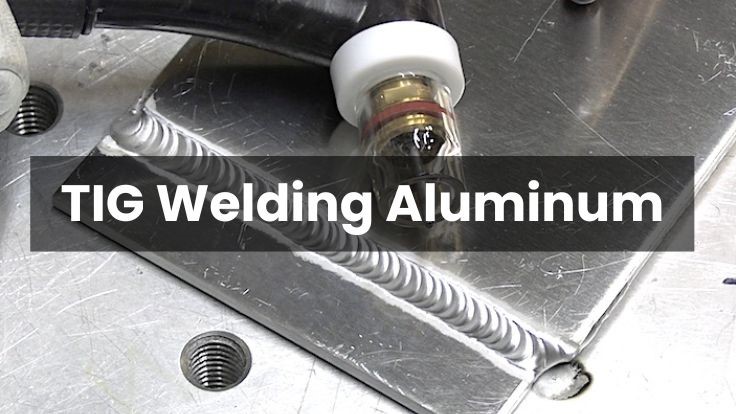
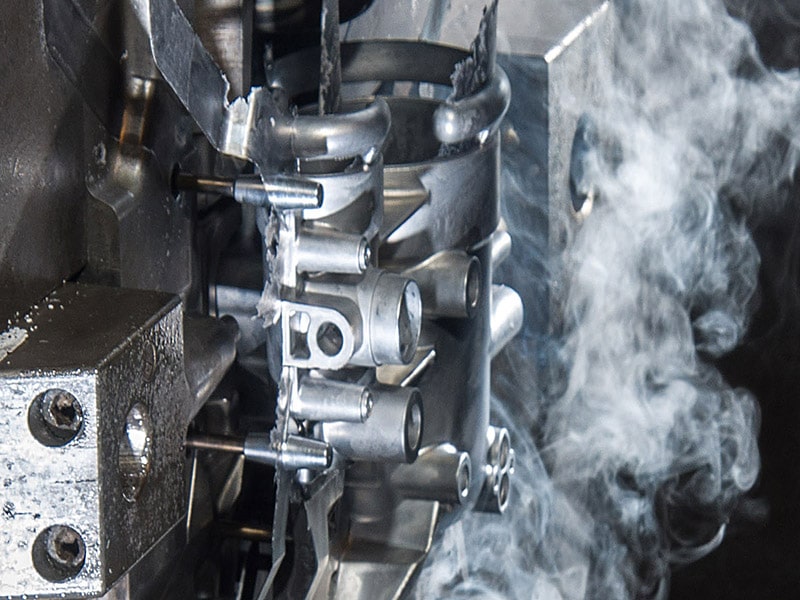
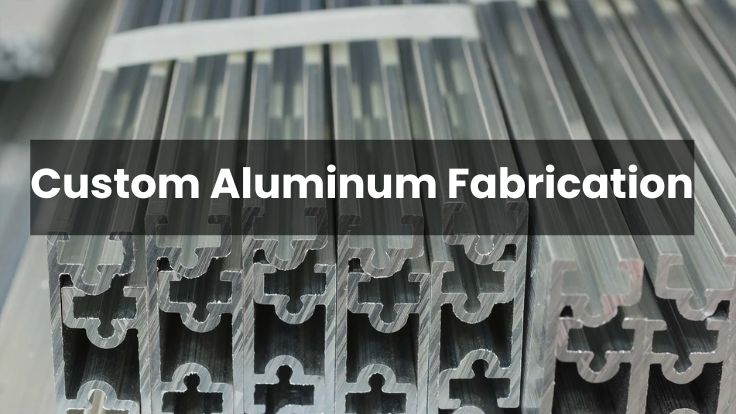
برز تصنيع الألومنيوم المخصص ليكون ركيزة للعديد من الصناعات في عصر الابتكار والتصميم المعاصر. سواء تم استخدامه في قطع غيار الطائرات أو المباني أو الجسور، يتم استخدام الألومنيوم بسبب قوته وليونته ومقاومته للتآكل. ولا يتعلق الأمر فقط بالحصول على الألومنيوم ولكن تشكيله ليلائم متطلبات محددة. وهنا تبرز فكرة تصنيع الألومنيوم حسب الطلب، حيث يوفر نهجًا مصممًا خصيصًا لتلبية احتياجات الهياكل الصناعية، وكذلك التصميمات الداخلية والخارجية للمنازل. ويُعد الفولاذ الكربوني مثاليًا لأنه في التصنيع حسب الطلب، يمكنك الحصول على هذا النوع من المرونة لتخصيصه لتلبية احتياجات خاصة جدًا، على عكس الأجزاء المعدنية القياسية التي يتم إنتاجها بكميات كبيرة بمرونة محدودة. في تصميم وإنشاء اللمسات المعمارية أو حاويات الماكينات أو الأثاث المخصص، يمثل الألومنيوم المزيج الأمثل بين القوة وقابلية التشغيل. وتتضمن الخطوات قطع وتشكيل ولحام وتجميع العناصر المصنوعة من الألومنيوم في منتجات ذات مظهر جيد وتخدم غرضًا معينًا. مع تطور تكنولوجيا التصنيع ومع تزايد الحاجة إلى حل المزيد من المشاكل الشخصية، يبحث المواطنون على وجه التحديد عن عبارة: تصنيع الألومنيوم المخصص في منطقتي لتنفيذ أفكارهم. كشركة تبحث عن لافتات تجارية موثوقة أو صاحب منزل لديه تصميم في ذهنه، فإن وجود صانع ألومنيوم مخصص ذو خبرة سيضمن لك حلاً لمشروعك يناسب تصورك ويدوم لسنوات. يتحدث هذا المقال بعمق عن عملية تصنيع الألومنيوم المخصص بأكملها ومزاياها وتطبيقاتها وكيفية العثور على الشريك المناسب لمشروعك القادم. وقد حان الوقت للدخول في الخيال مع معدن جاهز لتلبية الحل الفريد الخاص بك. ما هو تصنيع الألومنيوم المخصص؟ في أبسط مصطلحاته، تصنيع الألومنيوم المخصص هو ببساطة تصميم الألومنيوم وقطعه وتشكيله ولحامه وتجميعه في منتج كامل يمكن أن يناسب الاحتياجات المحددة للعميل. قد يكون هذا الأمر بسيطاً مثل الحامل البسيط أو حتى معقداً مثل قطع الماكينات. يُستخدم الألومنيوم في هذه العمليات لأنه خفيف ولكنه قوي ولا يصدأ أو يتآكل. ما يجعل الألومنيوم رائعًا هو أنه قابل للتشغيل. فهو قابل للطرق ويمكن لحامه وتشكيله آليًا وكذلك ثنيه بسهولة. وهذا يجعل من الممكن الإبداع في الاستخدام الهيكلي والجمالي على حد سواء. يتعامل الموظفون ذوو الخبرة مع الأدوات والآلات المختلفة لتشكيل صفائح الألومنيوم أو البثق إلى منتجات مفيدة. لماذا الألومنيوم؟ من الأفضل أيضًا معرفة سبب استخدام الألومنيوم على نطاق واسع في الأعمال المعدنية المخصصة قبل التعمق في مناقشة:: يتميز الألومنيوم بنسبة كبيرة من القوة والوزن. وقد جعلت هذه الفوائد مصطلح تصنيع الألومنيوم المخصص أحد الخيارات في العديد من الصناعات. ما معنى كلمة مخصص؟ مصطلح العرف هو ما يتم إنتاجه أو ابتكاره ليناسب فردًا أو غرضًا ما، على عكس الشيء الذي يتم إنتاجه بكميات كبيرة أو قياسية بشكل عام. بخلاف ذلك، عندما يكون الشيء مخصصًا، فإنه يتم تصنيعه بما يتناسب مع ما تطلبه أنت أو ما تفضله أو ما ترغب في صنعه خصيصًا. أمثلة: وبالتالي، عندما نتحدث عن تصنيع الألومنيوم حسب الطلب، فإن مصطلح "مخصص" يؤكد على حقيقة أن قطع أو منتجات الألومنيوم مصنوعة بشكل فريد لتناسب عميل أو تطبيق أو تصميم معين، وبالتالي فهي محددة ومصممة خصيصًا. تشتمل عملية التصنيع عملية تصنيع الألومنيوم المخصص على عدة عمليات حيوية متميزة: 1. التصميم والتخطيط يأتي العملاء بفكرتهم أو رسمهم أو تطبيقاتهم. يقوم المُصنِّع بتحليل المواصفات ويوصي بأنسب شكل من أشكال الألومنيوم والإجراء الذي سيتم استخدامه. 2. القطع والتشكيل يتم تقطيع الألومنيوم إلى الأشكال المطلوبة بمساعدة المناشير أو الليزر أو ماكينات التحكم الرقمي باستخدام الحاسوب. وهناك يتم الثني والتشكيل لإنتاج الهيكل الدقيق أو الكفاف المطلوب. 3. التجميع واللحام يتم استخدام طرق لحام الألومنيوم الخاصة، مثل تقنية اللحام TIG، لربط القطع. يضمن البناء المتقارب الاستقرار والجمال. 4. اللمسات النهائية يتم في النهاية صنفرة القطعة أو صقلها أو طلاؤها أو طلائها أو طلاءها بأكسيد الألومنيوم، حسب المظهر المطلوب والحماية. تُعد هذه المعالجات قيمة مضافة، خاصةً لمنتجات الألومنيوم التي سيتم تعريضها للعناصر أو عرضها للعرض، والتي سيتم تصنيفها كمنتجات مصنوعة من الألومنيوم المصنوع حسب الطلب. التطبيقات الشائعة لا يكاد يكون هناك حد لما يمكن إنتاجه بمساعدة منتجات الألومنيوم المصنعة حسب الطلب: عندما يقوم الأفراد بالبحث في محرك البحث عن تصنيع الألومنيوم المخصص بالقرب مني، فإنهم عادةً ما يحتاجون إلى متجر ماكينات محلي مؤهل لتنفيذ هذه الرؤى وتحويلها إلى حقيقة واقعة. اختيار الصانع المناسب ليس من السهل في كل مرة الاختيار بين بدائل اختيار مصنعي الألومنيوم المخصصين. هناك الكثير من المحلات التجارية التي من شأنها أن تعرف نفسها على أنها متاجر تجميد بحيث أنه من المهم جدًا البحث عن بعض الصفات: كلما قمت بزيارة محرك بحث واكتب تصنيع الألومنيوم المخصص بالقرب مني، يجب ألا تفكر فقط في المسافة. تحقق من القدرات والملاحظات والأعمال السابقة للمحل للتأكد من أن كل شيء مناسب. مزايا الاتجاه إلى التصنيع حسب الطلب ليس الغرض الوحيد من الاتجاه إلى التصنيع حسب الطلب، بل له فوائد عملية حقيقية جدًا: ولهذا السبب في العديد من الصناعات، فإن مفاهيم تصنيع الألومنيوم حسب الطلب تضع الأموال في الأجزاء والتركيبات المطلوبة في العديد من الصناعات. الألومنيوم مقابل المعادن الأخرى في التصنيع حسب الطلب لاختيار المواد في مشروع التصنيع، من المهم أن يكون لديك خلفية عن أي المعادن أفضل مقارنةً بغيرها، والألومنيوم ليس استثناءً. تحمل المعادن خصائص محددة تؤثر على تطبيقاتها من حيث الوزن والقوة والتكاليف والاستخدامات المناسبة لها. وفيما يلي تفصيل ذلك الألومنيوم الألومنيوم الألومنيوم مادة خفيفة الوزن ومقاومة للصدأ وقوية. ويُستخدم عادةً في أعمال التصنيع التي تتطلب المتانة، ولكنها لا تريد الوزن الزائد. كما يمكن قطعه، وثنيه، ولحمه بسهولة، وهذا يجعله مادة مثالية في تصنيع الألومنيوم المخصص. وبالإضافة إلى ذلك، يمكن إعادة تدوير الألومنيوم بالكامل، كما أنه
كيفية العثور على أفضل مصنعي الألومنيوم القريبين مني

كيفية العثور على أفضل مصنعي الألومنيوم القريبين مني

تصنيع الألومنيوم

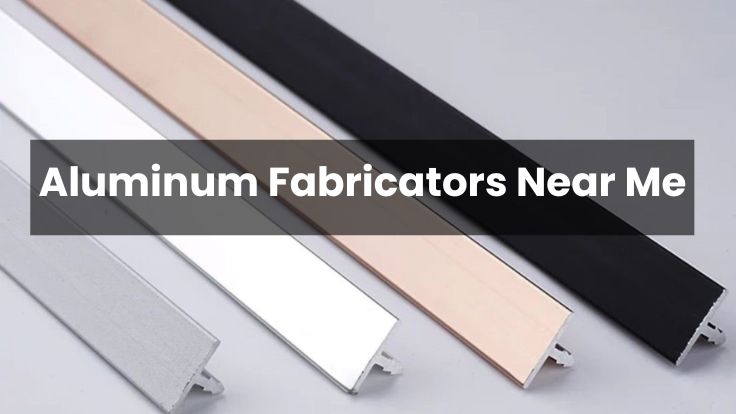
يُعد تصنيع الألومنيوم جزءًا مهمًا من عمليات البناء والتصنيع والتصميم في الوقت الحاضر. ففي البوابات المخصصة أو إطارات الماكينات أو الألواح الصناعية، يتميز الألومنيوم بالمتانة وخفة الوزن ومقاومة التآكل. إنه المعدن الأكثر تنوعاً في الوجود، وهذه المرونة تؤهله للاستخدام في آلاف الاستخدامات - من المشاريع السكنية الصغيرة إلى المشاريع التجارية الكبيرة. عندما يستخدم شخص ما الإنترنت للعثور على أشياء مثل مكان شراء تصنيع الألومنيوم بالقرب مني، فمن المحتمل أن يذهب المرء إلى متخصصين محليين وبالتالي محترفين محليين يمكنهم قطع وتشكيل وصياغة الألومنيوم بحيث يناسب مشروعًا معينًا. يتم تقديم هذه التسهيلات كاملة مثل قطع الصفائح والبثق إلى اللحام والتشطيب والتركيب. يتم تدريب مصنعي مصاعد التزلج تدريبًا جيدًا على طريقة العمل باستخدام درجات وسماكات مختلفة من الألومنيوم بحيث تكون هناك دقة وقوة في المنتج النهائي. كما يمكن أيضاً استخدام مجموعة كبيرة ومتنوعة من التشطيبات (طلاء كهربائي أو طلاء بأكسيد الألومنيوم) لتعزيز الجماليات والأداء في عملية التصنيع. وبغض النظر عما إذا كنت مهتمًا بالوظائف أو الجمال أو كليهما، فمن السهل العثور على الحل عند تصفح النتائج المحلية من خلال البحث عن إمكانيات مصنعي الألومنيوم القريبين مني. سوف ترشدك هذه المقالة إلى كل ما يجب أن تعرفه عن تصنيع الألومنيوم، وأهمية الخبرة المحلية وكيفية اختيار مصنعي الألومنيوم المثاليين بالقرب منك عند تنفيذ مشروعك أو مفهومك. ما هو التصنيع؟ يتطلب البناء والتطوير الحديث للمنتجات فن التصنيع. إنه الإجراء الذي يحول المواد الخام، وخاصة المعادن، إلى أجزاء وهياكل مفيدة ومصممة خصيصاً. نظرة ثاقبة لكلمة التصنيع يمكن وصف التصنيع بشكل أساسي بأنه عملية قطع وتشكيل وتجميع وإنهاء المواد الخام وتحويلها إلى منتج نهائي. ومع ذلك، وعلى النقيض من الإنتاج الضخم، حيث يتم إنتاج نفس المنتج في كل الأحوال، يمكن أن يكون التصنيع فرديًا جدًا وموجهًا نحو مشروع ما. وينطبق هذا الأمر بشكل خاص على مشروع تصنيع الألومنيوم، حيث قد يتطلب الأمر تخصيص كل قطعة حسب الطلب فيما يتعلق بالقوة والجماليات والتركيب. الأسباب التي تجعل الألومنيوم مثاليًا في التصنيع يُستخدم الألومنيوم على نطاق واسع في التصنيع نظرًا لانخفاض وزنه وقوته وطبيعته المقاومة للتآكل وتعدد استخداماته. يمكن تشكيله في أنماط معقدة، ومع ذلك يمكن أن يكون متينًا. لهذا السبب، عندما يرغب الأشخاص في العثور على بعض عمليات تصنيع الألومنيوم، قد يكتبون طلبًا مثل تصنيع الألومنيوم بالقرب مني في البحث. وعادةً ما يهتم الناس بالإنتاج المخصص للتعامل مع الاحتياجات المعمارية أو الصناعية أو حتى الفنية. العمليات المهمة في تصنيع الألومنيوم يتضمن تصنيع الألومنيوم يتضمن تصنيع الألومنيوم بعض التقنيات الأساسية، وهي كالتالي: اللحام: ربط القطع بمساعدة الحرارةالقطع: على الصعيد العالمي، يتم القطع باستخدام الليزر أو النفاثات النابضة أو الرمل: ثني/دحرجة الألومنيوم للحصول على أشكال ملائمةالتشطيب: المظهر، والسفع الرملي، والطلاء، والطلاء، والطلاء، والحماية. تطبيق التشطيب، مثل السفع الرملي أو الطلاء أو الطلاء لإكمال التشطيب. تتطلب هذه الإجراءات مهارة، خاصةً أولئك الذين يستخدمون الألومنيوم، مثل صانعي الألومنيوم الذين يدركون جيدًا الخصائص الخاصة للألومنيوم. قد تؤدي أي تقنية خاطئة إلى إفساد القوة أو المظهر. الجزء الخاص بمتخصصي الألومنيوم المحليين القرب من الخدمات من خلال المتخصصين المحليين له ميزة كونه مسؤولاً وخدمة على أرض الواقع. في حال كان لديك مهمة حساسة من حيث الوقت أو مصممة خصيصًا، يمكنك أن تجد الوقت للتعاون دون اتصال بالإنترنت بمساعدة البحث عن الكلمات: مصنعي الألومنيوم بالقرب مني، حيث سيسمح لك بمناقشة التغييرات في التصميم أو حتى زيارة المتجر. وهذا يساعدك على سرعة التسليم وتعزيز التواصل والنتائج الشخصية. ماذا يعني تصنيع الألومنيوم؟ قبل الانتقال إلى نصائح حول كيفية الحصول على الخدمات في منطقتك المحلية، من الضروري الحصول على صورة واضحة لما يعنيه مصطلح تصنيع الألومنيوم. بعبارات بسيطة، يتضمن تصنيع الألومنيوم تشكيل الألومنيوم وتقطيعه وربطه لإتمام عملية تصنيع السلع أو الأجزاء النهائية. وقد يشمل ذلك إطارات النوافذ واللافتات إلى الأجزاء المتطورة من المعدات الصناعية. وعلى عكس الأعمال المعدنية العامة، يحتاج الشخص إلى معرفة وأدوات خاصة لاستخدامها في عملية تصنيع الألومنيوم. يختلف الألومنيوم عن الفولاذ أو النحاس؛ فهو لين وحساس للحرارة. وهذا يعني أنه لا يمكن لأي شخص التعامل معه بشكل صحيح. يفهم صانعو الألومنيوم المتمرسون في تصنيع الألومنيوم كيفية إدارة هذه الخصائص لضمان نتائج طويلة الأجل. سبب اختيار مصنعي الألومنيوم المحليين بالقرب مني. عند البحث عن مصطلح مصنعي الألومنيوم القريبين مني، فأنت لا تبحث عن الراحة فحسب، بل تبحث أيضًا عن جودة العمل والتواصل والثقة. هناك العديد من الفوائد الفريدة للعمل مع الخبراء المحليين. 1. التواصل وجهاً لوجه: من الأسهل أن تصف ما تحتاجه وجهاً لوجه، ويمكنك الاطلاع على مراجع أو أمثلة على الأعمال السابقة.2. انخفاض معدل الإنجاز: تقضي المتاجر المحلية على وقت الشحن والتأخير.3. الراحة في العمل معًا: من الأسهل إجراء تغييرات أو تعديلات أو متابعة لاحقة مع المُصنِّع طالما كنت متواجدًا. قبل كل شيء، الشيء الذي يفهمه مُصنِّعو الألومنيوم القريبون مني هو اللوائح المحلية والظروف المناخية التي تعني أنهم قادرون على تقديم المشورة بشأن التشطيبات أو الحلول الهيكلية الأفضل فيما يتعلق بما هو مطلوب في المكان الذي تعيش فيه. تقنيات مهمة لتصنيع الألومنيوم تشمل عملية تصنيع الألومنيوم صفًا من العمليات الفنية والدقيقة لتحويل خبث الألومنيوم إلى هيكل أو جزء عملي. من خلال البحث عن عبارة تصنيع الألومنيوم بالقرب مني، ربما تبحث عن خبراء يقدمون مجموعة متنوعة من هذه الخدمات في موقع واحد. الآن، يمكننا التعرف على أهم العمليات التي تستخدمها الصناعة في الوقت الحاضر. 1. القطع المرحلة الأولى في عملية التصنيع هي عملية القطع، والتي تنطوي على تخفيض صفائح الألومنيوم أو الأنابيب أو القضبان إلى الحجم المطلوب. ومن بين الأدوات التي تُمكّن المصنّعين من إجراء عمليات القطع النظيفة والدقيقة هي الليزر والنفاثات المائية وقواطع البلازما والمناشير. يمكن اعتبار الدقة خلال هذه المرحلة مفتاح النجاح في المشروع، ولا يوجد استثناء عندما يتعلق الأمر بنهج مصنعي الألومنيوم المحترفين. 2. التشكيل

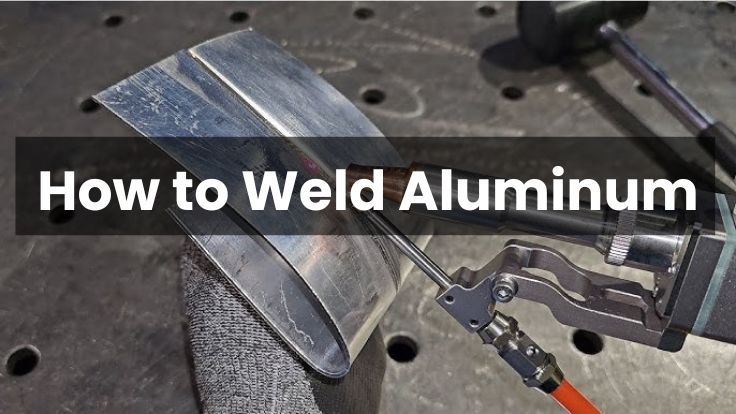
كيفية لحام الألومنيوم: النصائح والأدوات والتقنيات

كيفية لحام الألومنيوم: النصائح والأدوات والتقنيات

لحام الألومنيوم

Aluminum is a common metal that has been used over the years due to its lightweight, resistance to corrosion, and strength properties and thus is vital in industries such as automobiles, aerospace, and construction. Nevertheless, the process of learning to weld aluminum is not as stripped down as when you are welding steel or iron. Interesting properties of aluminum like high thermal conductivity and easily formed protective oxide coating demand a special modus operandi and a delicate touch. Aluminum welding can be easily done, even by a novice, as long as you know the correct techniques, equipment, and safety measures.  This requires clean working surfaces, and suitable filler material, whereas the adjustment of equipment is vital.  Aluminum does not turn color before melting its position unlike steel, which makes it difficult to estimate the amount of heat needed. Moreover, it is soft, which is why it can bend or burn down fast unless manipulated properly. The question people frequently come up with is whether it is possible to weld aluminum amid simple, ordinary items associated with welding. Yes, but the result will be based on your preparation, practice, and adjusting of your ways. With TIG and MIG welding to more rare methods such as stick or oxy-fuel, there is a method fit for every task and job. You will find tips, tools, and the most common mistakes in this guide to help you get a firm footing in welding aluminum safely and efficiently. As you gain time and experience, you can make clear, good welds in aluminum no matter at a shop at home. What Is Welding Of Aluminum? A welding process is the joining together of two or more metal pieces of aluminum metal through heat and potentially filler material. It is generally adapted to an automotive company, aerospace industry, marine industry, and construction industries because aluminum is bone-light and does not easily scratch away Nevertheless, the subject of welding aluminum is more complicated as compared to welding steel. This is so because aluminum: What makes Welding Aluminum Different? Aluminum, as a metal, is quite different and before venturing into how to weld aluminum, it is important to establish what makes it unique. Unlike steel, aluminum also melts at a significantly lower temperature (approximately 660 C or 1220 F), and it does not alter in color before melting. This implies that it is prone to overheat and burn when not well handled. Moreover, when aluminum is out in the air, it instantly develops a thin film of oxide film. This layer of oxide melts at a temperature of greater than 2000 (close to 3700 ) so the weld has a hard time penetrating the weld. That is why aluminum welding usually should be carefully prepared and equipped.  Suggestions to a New Weld Aluminum by TIG Welding Welding aluminum using TIG welding is a good skill to have and it can be deceptive to an amateur. Through the proper procedure and preparation, you can achieve clean solid welds. Following are the five important tips, which can put you on the right path. 1. The Metal should be Cleaned Thoroughly During the time before welding, ensure the aluminum is clean. The oxide layer should be removed using a special stainless steel wire brush and then wiped down with acetone so as to clear oils or moisture. Aluminium is highly sensitive to contamination and a single spot of dirt or grease can well destroy your weld. Clean surfaces guarantee improved arc stability and firm bonds. 2. Put your machine in AC and balance it out When welding aluminum, it is always preferable to affect the process with alternating current (AC). AC offers penetration of the base metal and cleaning of the oxide film at the same time. Tune such a cleaning action by using your TIG balance control setting. Most aluminum work benefits by starting the setting at about 65 to 70 percent negative on the electrodes. The correct balance enhances the quality weld and less contamination. 3. Apply Proper Tungsten and Shape It in The Right Way To TIG weld aluminum the best electrodes are pure tungsten or lanthanated tungsten 2%. When compared to steel, the welding of aluminum needs a rounded or balled tip to sustain a stable arc unlike in the case of steel which employs a sharp tungsten tip. In the case where the arc becomes unstable or begins to wander, then it may be high time to regrind or change the tungsten. A well-ground electrode is a key factor in easing and precision of your welds. 4. Foot Pedal Controlled Heat Aluminum warms fast and retains warmth longer in comparison to steel. In excess, heat will result in burn-through or distortion. 1- A foot pedal will enable you to control the amperage during the welding process where you start hot to form a puddle and then back off as much as you want. This will allow you to have greater control of the weld pool and less risk of overheating because it happens to thinner materials. 5. Training on scrap before you weld your project Practice on scrap aluminum of the same type and size as used on the actual project before you start working on your project. This will make you accustomed to the heat control, filler rod technique, and the movement of the torch in order to achieve clean welds. Also, practice will make you confident and less likely to make expensive errors in your end piece.  6. The position of the hand counts as well You should rest your welding hand on the workbench or surface so that it has more control of it. Hold the torch straight in some backward direction in order to have a clear view of your journey. Do not angle too much as the welding pool will run and overheat the metal. The filler rod is fed with one hand; the torch is directed with the other, both without stopping but with no participation in each other. 7.

صب القوالب على البارد

الاتجاهات الحديثة في تكنولوجيا الصب بالقالب على البارد

صب القوالب, مُصنِّع قوالب الصب بالقالب, أجزاء الصب بالقالب

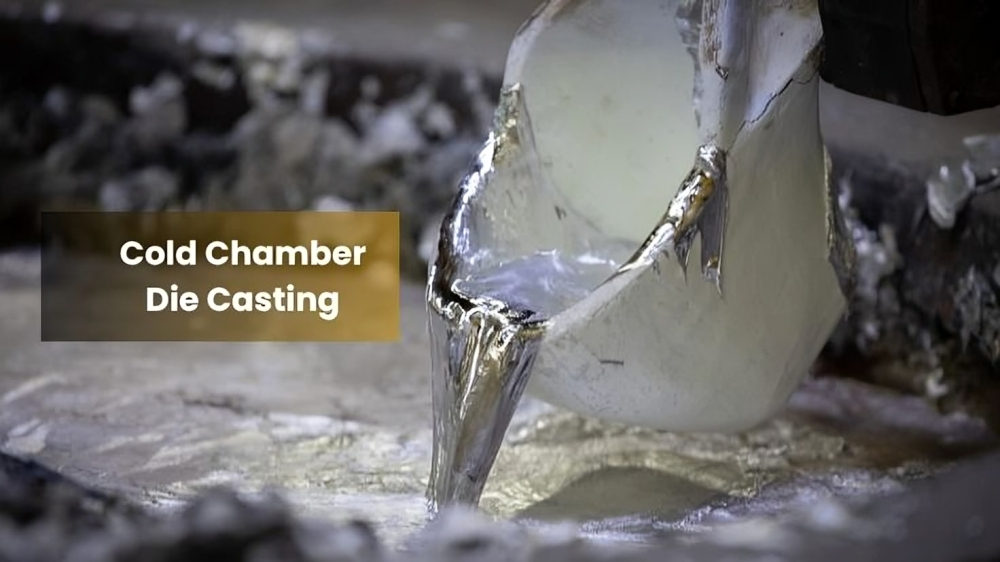
الصب بالقالب بالغرفة الباردة هو نوع دقيق من تقنيات التصنيع المطبقة في تصنيع المكونات المعدنية المعقدة التي تتميز بمستويات عالية من القوة والدقة. يمكن استخدام هذه العملية على أفضل وجه في المعادن ذات درجة انصهار عالية، مثل الألومنيوم والنحاس الأصفر وسبائك النحاس. لا يتم وضع أنظمة الصب بالقالب بالغرفة الباردة في المعدن المنصهر مثل نظام الصب بالقالب بالغرفة الساخنة؛ وبدلاً من ذلك، يتم وضع المعدن في آلة الصب بالقالب بالغرفة الباردة عن طريق غَرْف المعدن يدويًا في آلة الصب بالقالب بالغرفة الباردة بعد صهره في فرن آخر. وهذا الترتيب يقلل من تآكل الماكينة ويستخدم سبائك أكثر صلابة. من بين العوامل المهمة التي تجعل الشركات تختار استخدام هذه الطريقة هي مزايا وعيوب الصب بالقالب بالغرفة الباردة الخاصة. فهي تتميز بأعلى دقة في الأبعاد، وتشطيبات سطحية ناعمة، بالإضافة إلى أوقات دورات طويلة. ومع ذلك، فإن قوتها ومتانة مكوناتها هي المفضلة في أسواق السيارات والفضاء والإلكترونيات. يعد الفرق بين الصب بالقالب بالغرفة الساخنة والباردة أمرًا بالغ الأهمية لاتخاذ القرار الصحيح للعملية. تُعد عملية الصب بالقالب بالغرفة الساخنة أكثر سرعة ويتم تطبيقها على المعادن ذات درجة الانصهار المنخفضة، مثل الزنك، في حين أن نظام الصب بالقالب بالغرفة الباردة مصمم للتعامل مع درجات حرارة أعلى ومعادن أقوى. سيتمكن المصنعون أيضًا من تصنيع أجزاء طويلة الأمد وموثوقة بهذه العملية التي تتمتع بدرجة عالية من الدقة في مواصفاتها. في هذه المقالة، سنناقش مبدأ تشغيل عملية الصب بالقالب بالغرفة الباردة، وأجزائها الرئيسية، وطبيعة المعدن المستخدم، والمعايير التكنولوجية لعملية الصب بالقالب بالغرفة الباردة، بما في ذلك قوة التثبيت وزمن الدورة. سيتم أيضًا النظر في مزايا وعيوب الصب بالقالب بالغرفة الباردة لتزويدك بصورة كاملة عن عملية التصنيع المهمة هذه. ما هو صب القوالب بالغرفة الباردة؟ صب القوالب بالغرفة الباردة: إن عملية الصب بالقالب بالغرفة الباردة هي عملية صب المعدن حيث يتم صب المعدن المنصهر إما يدويًا أو آليًا في غرفة باردة منفصلة خارج نظام الحقن. بعد ذلك، يتم دفع المعدن بضغط عالٍ في تجويف القالب، مما يؤدي إلى تبريد المعدن وتبلوره بالشكل المطلوب. وعادةً ما يتم تطبيقه على المعادن ذات درجة انصهار كبيرة، مثل النحاس الأصفر والألومنيوم وسبائك النحاس. والغرض من ذلك هو تجنب التآكل والإجهاد الحراري الذي يمكن أن يؤدي إلى عمل مكونات نظام الحقن بشكل غير سليم، على عكس عملية الصب بالقالب في الغرفة الساخنة، حيث يتم تعليق آلية الحقن في المعدن المنصهر، فإن عملية الغرفة الباردة تحافظ على مرافق الحقن منفصلة. يعتبر تطبيق هذه الممارسة الأخيرة، أي عملية الصب بالقالب بالغرفة الباردة، مفيدًا بشكل خاص، حيث أن المعادن المستخدمة من شأنها أن تضر بالمكونات التي تلامسها. يمكن استخدام الضغط العالي في عملية الحقن نفسها، ويمكن استخدام مكونات أكثر كثافة وأقوى مع تشطيب سطحي لامع وثبات في الأبعاد. عملية الصب بالقالب - خطوة بخطوة إن الهدف من تقنية الصب بالقالب بالغرفة الباردة هو صنع أجزاء معدنية عالية الدقة والصلابة والتي تتكون في كثير من الأحيان من سبائك ذات نقاط انصهار في درجات حرارة عالية، مثل الألومنيوم والنحاس الأصفر. دعونا نتناول تفصيلاً خطوة بخطوة لكيفية عملها: 1. يتم استخدام الفرن الخارجي لصهر المعدن تشبه العملية عملية الصب بالغرفة الساخنة باستثناء أن صهر المعدن يتم في فرن منفصل بالخارج. وهذا مطلوب حيث أن المعدن المنصهر في صب الغرفة الباردة سيتسبب في حدوث مستوى عالٍ من الحرارة داخليًا لا يمكن التعامل معه. يتم صهر المعدن، وبعد ذلك يمكن نقله إلى ماكينة الصب. 2. سكب المعدن المنصهر في غلاف الطلقة بعد ذلك، يتم صب المعدن المنصهر في غلاف الطلقة في ماكينة الصب بالقالب. ويتم ذلك يدويًا أو يدويًا أو بواسطة ذراع. ويكون غلاف الطلقة عبارة عن أنبوب قوي ومقاوم للحرارة يستقر فيه المعدن ويتم حقنه فيما بعد. يجب أن يتم ذلك بسرعة كبيرة لمنع التصلب المبكر. 3. يقوم المكبس بدفع المعدن داخل القالب. ينتقل مكبس فولاذي داخل غلاف القالب ويضغط على المعدن المنصهر بضغط عالٍ في تجاويف القالب. تتأكد القوة من أن المعدن يملأ القالب حتى في أي نمط معقد أو بجدار رقيق للغاية، وتقلل من فرص حدوث أي عيوب، مثل الجيوب الهوائية. 4. هناك تصلب المعدن داخل القالب عندما يتم ملء القالب، يبدأ المعدن في التبريد والتصلب داخل القالب. تعتبر خطوة التصلب هذه مهمة جدًا في الحصول على جزء جيد ودقيق. يعتمد وقت التبريد على معدن الجزء وسمك الجزء ودرجة حرارة القالب. 5. يقوم القالب النحاسي ودبابيس القاذف بإخراج القالب بالقوة عندما يتصلب الجزء، تقوم وحدة التثبيت في الماكينة بفتح القالب، وتقوم دبابيس القاذف بإخراج القالب بالقوة من تجويف القالب. ثم يتم نقل الجزء إلى محطة التبريد أو محطة التشذيب. 6. إزالة الوميض (إزالة المعدن الزائد) يوجد بعض المعدن الزائد على الجانبين يسمى الوميض الذي يكون حول حواف الصب حيث يلتقي نصفا القالب معًا. ثم يتم إزالتها عن طريق التشذيب الميكانيكي أو الطحن أو التصنيع الآلي، اعتمادًا على ما تتطلبه اللمسة النهائية. سيمنع ذلك من أن تكون الأعمال النهائية أقل من الشكل والتفاوت المطلوب. 7. إعادة ضبط دورة القالب والتشحيم يتم غسل القالب وتشحيمه قبل الدخول في الدورة التالية لكي يكون ذا نوعية جيدة وتجنب الالتصاق. عند الانتهاء من التزييت، يتم تثبيت القالب مرة أخرى، ويتم تبديل الماكينة لإعادة ضبطها لمزيد من الدورات. 8. فحص الجودة والتشطيب هذا هو الجزء الكامل الذي يتم فحصه للتأكد من عدم وجود عيوب في الجودة، مثل الشقوق أو الانكماش أو التشوهات على السطح. واعتمادًا على متطلبات الاستخدام النهائي للجزء، يمكن إخضاعه لعملية تصنيع إضافية، أو معالجة السطح، أو تجميعه (إذا لزم الأمر). المعادن المستخدمة في

صب القوالب على الساخن

الصب بالقالب بالغرفة الساخنة: الغوص العميق في عملية تصنيع حاسمة الأهمية

صب القوالب

Hot Chamber Die Casting is a very effective manufacturing process which is used very widely to produce metal parts to very high precision and an excellent finish on the surface. It is particularly suitable for casting metals with low melting points like zinc, magnesium and some alloys containing lead. It is typified by the fact that the injection system is immersed in molten metal, and so, high-speed cycle times and economy of mass manufacturing are possible. One similar place of comparison always pops up when the castings are considered regarding cold chamber die casting versus hot chamber. Although they are both variations of pressure die casting, they differ so much in terms of design, applications, and compatibility of materials used. An example is the hot chamber die casting, which is high-speed die casting where the furnace has been replaced with a machine. That comes with the limitation of the lower-melting-point metals. Conversely, the cold chamber type of machines is more aptly used with those liquids of a high melting point, such as aluminium and brass, since the hot metal does not come in direct contact with the equipment. Hot Chamber Die Casting process is characterised by minimal waste of material, low costs of labour, and complex shapes manufacture with high tolerances. It is popular in such industries as automotive, electronics, plumbing and consumer products. Nevertheless, the decision on whether to use cold chamber die casting or hot chamber is also dependent on the type of material used and the part design aspect. The article examines the important details of Hot Chamber Die Casting, its parts, materials, process description, constraints, and reasons as to why it is an essential process in the contemporary manufacturing industry. What is Hot Chamber Die Casting? Hot Chamber Die Casting is a metal casting technique where the molten metal is injected into a mould cavity at high pressure. The unique part of the given method is where the injection mechanism is placed: It goes directly to the molten metal. Cycle times and production efficiency are high with this setup, especially in metals of low melting point like zinc, magnesium and some lead alloys. Hot chamber. The name describes the system’s hot chamber as the injection mechanism (a plunger and gooseneck) is in constant contact (filled) with the molten metal area. As the plunger descends, it compresses the molten metal through the gooseneck and into the die cavity. As the metal sets, the mould opens, and the part is ejected, and this process is repeated innumerable times. Hot Chamber Die Casting Process Hot Chamber Die Casting Process is a process of high-precision and speed manufacturing technology utilised in the manufacture of metal parts, where the accuracy of the tool is very important, with great surface finishing. It is most appropriate in the alloys of low melting points; zinc, magnesium, and lead are examples of low melting point alloys. Its main characteristics are short cycle times and great material efficiency. The process is extensive in the manufacturing of a variety of products mainly found in the automotive, electronic, appliance, and hardware industry because of its capability to create complicated ends easily at an affordable per-piece price. The hot chamber die casting process is listed below in a stepwise manner: Hot Chamber Die Casting Process- Step by Step Overview 1. The Metal is melted It starts with the molten moulding of the metal (which is usually zinc or magnesium), in an incorporated furnace of the die casting machine. The molten metal is kept at a constant temperature within the metal pot that is directly connected to the casting machine. This unending heat provision ensures that the casting processes are continuous. 2. The process of filling the Injection System In hot chamber systems, there is a portion of the molten metal with a part of a component known as the gooseneck submerged. The plunger, which runs inside the cylinder of injection, is pulled backwards to a position where the molten metal may gush down to the gooseneck into the inlet hole of injection. The next step will involve injecting this metal into the die cavity. 3. Molten Metal injection When the gooseneck is filled, the plunger is either pushed forward by hydraulic or pneumatic pressure, which forces the molten metal through the gooseneck channel into the mould cavity (also called the die). This is done at a high rate and pressure to make sure that the cavity is totally filled before the metal begins to harden. 4. Casting and solidifying in the mould This hot metal in the die is quickly cooled down by the comparatively cold steel of the mould. Solidification takes several seconds, based on the size and complexity of the part. In this step, die cooling channels assist in the removal of heat to ensure that the cycle speed is not reduced and defects such as shrinkage or porosity are avoided. 5. Ejecting and opening of the mould Once the metal has been solidified, the die halves are opened. The ejector system is placed on the movable half of the mould, and it operates under force via the use of ejector pins and forces the completed casting out of the cavity. It is ensured that the part can come out without being damaged during ejection. 6. Secondary operation and Trimming After it is ejected, the piece might contain an extra material called flash, runners or sprues. These are either hand-trimmed or auto-trimmed. The part can be processed further depending on the application, like surface finishing, machining or coating. 7. Repeat Cycle The machine clears and cleans up to be used again. Hot chamber die casting is characterised by having such a quick cycle time, sometimes creating a few finished parts in just 10 to 20seconds according to the complexity and size of the part. Cycle Time and Efficiency The speed is the greatest advantage of the process of hot chamber process. Hot chamber machines. Unlike cold chamber die casting, where the metal has to be ladled

تصنيع الصفائح المعدنية المخصصة في الصناعات الحديثة

تصنيع الصفائح المعدنية المخصصة في الصناعات الحديثة

صب القوالب الألومنيوم

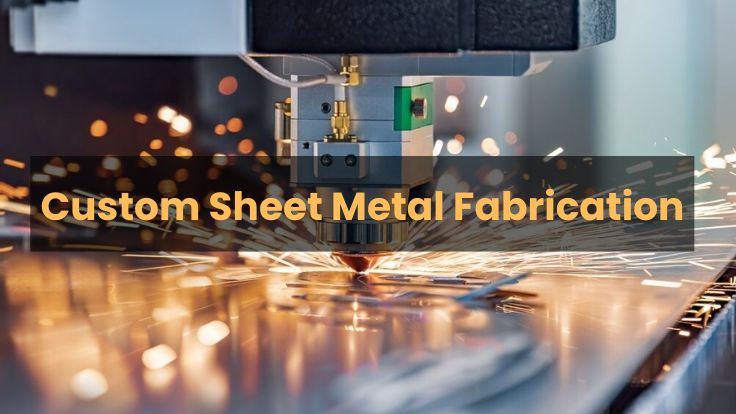
Custom sheet metal fabrication is now an activity that has established manufacturing industries in a variety of categories in the modern face of manufacturing. Whether in the form of cars and electronics, construction and healthcare, fabricated metal components play an essential role in the design, operation and durability of the enormous variety of products. It entails the sheet metal being cut, bent, shaped and assembled, based on specifications to fit the match, and manufacturers can make highly customised, durable and efficient parts. Among the most important industries that depend on this capacity is the automotive industry, in cases where the so-called custom automotive sheet metal fabrication will guarantee the production of high-performance body panels, supporting structure, and engine components. Such components should also have high standards in terms of weight, strength, and safety; hence, precision and customisation are essential. More and more foreign companies are resorting to the services provided by more advanced manufacturers like the car sheet metal fabrication in China because of favourable cost rates. Chinese manufacturers provide comprehensive services using advanced CNC equipment and short production schedules, which makes they useful partners in the global supply chain. Along with cars, the fabrication of sheet metal is a vital aspect in such areas as the aerospace industry, electronics, medical equipment, and the food processing industry. Such industries require great tolerances, corrosion resistance, and customised surface finishes, all of which can be provided by sheet metal fabrication. In this article, we are going to look at the complete range of this discipline, beginning with classic methods to the state of the art automation, mainly concentrating on automotive uses and the contribution of leading world actors, such as China. What is Custom Sheet metal fabrication? The term custom sheet metal fabrication is used when it comes to designing and manufacturing metal members or structures that can meet the specific needs of a particular project. In contrast to the mass-produced components, custom fabrications take unique solutions to specific sizes, materials and applications. This fabrication incorporates laser cutting, water jet cutting, punching, welding, forming and finishing of the surface. The most common ones are stainless steel, aluminum, galvanized steel, copper, and brass, among others, all selected due to their strength, conductivity, corrosion, and weight requirements. Manufacturers and engineers work hand in hand to make sure that all specifications are followed to the micrometre. Main Items in the Process 1. Design and Prototyping: A digital blueprint is sketched with the aid of CAD (Computer-Aided Design) software. Prototypes are frequently manufactured in order to run tests on how they work before large-scale production can commence. 2. Cutting and Shaping: The metal sheet is precisely shaped by using high-precision cutting tools to give very little tolerance. 3. Bending and Forming: The Sheet is curved to form complex shapes by bending and forming equipment, which includes press brakes. 4. Welding and Assembly: There are various parts which are assembled through TIG welding, MIG welding or spot welding. 5. Finishing: Finishing processes such as powder coating, polishing or anodising increase strength and aesthetics. Custom Automotive Sheet Metal Fabrication Rise  The Rise of custom automotive sheet metal fabrication began in the late nineteenth century, which saw the birth of the automobile industry. This period saw many people lose their lives and even more become injured by automobile accidents. This again led to the production and use of automobile insurance as a solution to automobile accidents. Precision and customization are vital in the car manufacturing business.  The custom automotive sheet metal fabrication is a significant element in the production of car body panels, chassis parts, heat shields, as well as engine enclosures. Such parts should be of high safety rating, aerodynamic, and aesthetically pleasing. Customisation gains significant relevance in the performance car, restoration car, electric car, and luxury vehicle production. The engineers may also need some special structural bracing or a project in terms of aerodynamic panels, which cannot be produced by general mass production. The benefits of the exercise of best sheet metal car fabrication are that: Common Materials in Sheet Metal Fabrication One most crucial decisions of the custom sheet metal fabrication is the choice of material. Whether it is carbon steel or stainless steel, it traverses all the aspects, including strength and corrosion resistance and even weight and workability. Knowing the nature of widely used metals enables an engineer to make a wise decision to maximise the efficiency and economic gains. Aluminium: Extremely Light and Non-Corrosive Aluminum is the most common material that is used in fabrication custom sheet metal. It is perfect for aerospace, electronic, and transport application materials because of its inherent corrosion resistance, easy weight, and good formability. It is also a highly conductive material, such that it can be used in enclosures and parts that radiate heat. As per the custom automotive sheet metal fabrication, aluminium is frequently used in the body parts and as a heat deflector to lighten the weight of the vehicle, without compromising its strength. Stainless Steel: Strong and Clean Stainless Steel  The strength of stainless and the fact that stainless is non-corrosive an attributes of the material. It is mainly utilized in food grade, medical and architectural applications where cleanliness and strength are important. Stainless steel may be specified in use of products that are under severe conditions of weather or that need a high-end finish in the custom sheet metal fabrication services. It is resistant to the effects of chemicals, water or high temperatures, hence its common use in many industries. Cold Rolled Steel: Versatile, Tough and Economical In the field of sheet metal custom fabrication, cold rolled steel (CRS) can be a common decision in construction when tight tolerances and a smooth surface are needed. It is cheap to weld or machine. Although it is likely to rust when not coated, it can be applied in buildings or painted. CSR is mostly applied in the cabinet, brackets, as well as enclosures in numerous industries such as the automotive industry, the construction industry and consumer

صب الألومنيوم بالرمل

تحليل تقني شامل لسبك الألومنيوم بالرمل في التصنيع الحديث

صب الألومنيوم

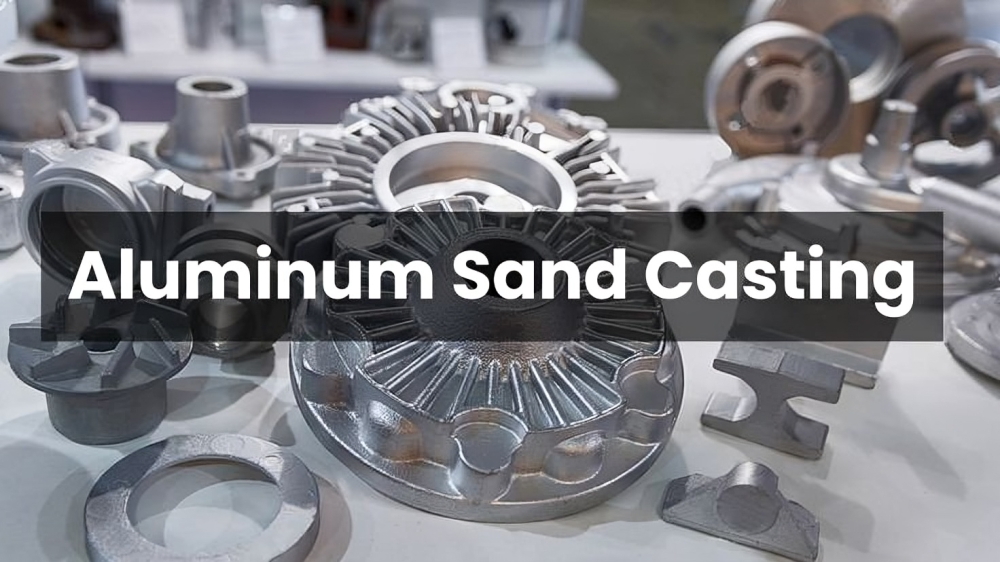
Aluminum sand casting is one of the oldest and most versatile metal casting processes, widely used in modern manufacturing to produce complex, durable, and cost-effective components. Aluminum Sand casting Manufacturers can generate complex geometries with intricate features that would have otherwise been either impractical or unprofitable to machine out of solid material through pouring molten aluminum into prepared sand molds. This method is especially suitable in low to medium-volume production, prototyping, and high structural castings on applications spanning the aerospace, automotive, defence, and energy industries. The most interesting about the sand-casting aluminum is that it is both flexible and functional. Aluminum has a very good strength versus weight, corrosion resistance, and recyclability, and thus makes it an excellent casting material. Together with the thermal resistance of sand and its high moulding capability, the process provides scalable production capability with excellent dimensional accuracy. Pattern design, the makeup of the mold, the quality of the melt, and gating design are key factors to the success of every casting. An excellent foundry of aluminum sand castings has to control not only the classic facts in metal technology but also touch on innovations in the processes. The current facilities apply the latest technology to prevent defects and ensure the best performance of the casting by using 3D sand printing, simulation software, and real-time process monitoring. Precision-engineered and casting aluminum parts are now capable of meeting stringent engineering standards for safety, tolerance, and durability. As demand grows for complex components with faster lead times and lower environmental impact, professional aluminum sand casting services must continue evolving. This article goes into the technical ins and outs of the process itself, its engineering workflow, materials, challenges, innovations, and so on. The Fundamentals of Aluminum Sand Casting At its core, aluminum sand casting involves pouring molten aluminum into a sand mold cavity, which is shaped by a pattern that replicates the final part’s geometry. When the aluminum solidifies, the sand mold is shaken off, leaving the cast piece. The process also has an outstanding dimensional flexibility and scalability capability in high-mix low-volume manufacturing conditions. The process is based on the use of a non-permanent mould, sand, that may be recycled and re-utilized, minimizing the waste of materials and expenses. Sand molds most commonly consist of silica sand with a binder added, and the nature of the binder system generally influences considerably the resulting surface finish, dimensional accuracy, and rate of cooling. The process of Flow in the Engineering of Sand Casting Aluminum Sand casting aluminum is an engineering process that consists of a set of accurately calibrated activities that aim at transforming raw aluminum into specific, well-built, and accurately dimensioned parts. Both the material and mechanical expertise are required to be in-depth to make all of the stages of the process successful. The following is a step-by-step analysis of the way in which sand casting of aluminum is implemented professionally and technically. 1. Pattern Design and making In the sand casting aluminum process, the initial step is designing and manufacturing the pattern, a physical copy of the final casting. The allowances that must be included in patterns are rather critical, such as shrinkage, draft, and machining stock. As aluminum contracts, during cooling patterns are laid out a little bigger than the finished component. The shrinkage rate of aluminum alloys is normally applied at 1.3 per cent; however, depending upon the alloy and the conditions of cooling, it may vary. Vertical portions of moulds are given draft angles, normally a few degrees between 1 and 3, to ensure that the pattern can be removed easily in the sand mold, being careful not to destroy the cavity. Additional allowances (machining allowances) are included such that there is no adverse interaction between the post-processing and the final part. Patterns may be made out of wood, metal, resin, or even 3D-printed polymer materials, depending on the accuracy demands and the needs of the production volume. 2. Mold Making (Molding and Core Setting) After preparing the pattern, the mold is to be prepared. For the sand cast, aluminum mold, there are two separate halves: the cope (upper half) and the drag (lower half). They are produced by stuffing the sand around the mold in a flask. Depending on the application, the sand is generally silica-based and is amalgamated with binders such as clay (green sand) or chemical resins (no-bake sand). In case the part design has internal space and hollow parts, it necessitates the use of sand cores. They are placed in the mold cavity, after which the metal is poured. Cores can be fabricated using core boxes, and in precision production, they can be printed with greater precision using 3D sand printing. The exact footprint of the core is very important in order to have a rigid structure and adherence to the final part dimension. 3. The Design of the Gating System The timeliness and effectiveness of the gating system formed are significant towards the success of the process of sand casting aluminum. This system consists of a pouring basin, sprue, runners, and gates, which coerce the impounded aluminum into the involvement of the mold. Adequate gating will prevent a lot of turbulence, minimize airlock, and also make sure that there is an even fill. Risers (alternatively called feeders) are also required, and these can be seen as a reservoir of molten metal that offsets the direction of shrinkage that comes after solidification. Casting simulation software is usually utilized by engineers to study and optimize the gating and riser systems. Prediction takes place by using simulation tools such as MAGMASoft or ProCAST so that typical defects such as cold shuts, misruns, and shrinkage porosity can all be corrected virtually before any production takes place. 4. Cu Melting and Metal Treating Aluminum is usually melted by a reverberatory furnace, a crucible furnace, or an induction furnace, and the choice depends on the batch volume, alloy needs, and the amount of energy needed. The melting temperature of pure aluminum is about 660 degrees

لحام الألومنيوم TIG

لحام الألومنيوم بتيغ: دليل تقني شامل

صب الألومنيوم

TIG Welding Aluminum is widely regarded as one of the most technically demanding processes in the field of welding. When working with aluminium, the metal that is characterised by its light weight, corrosion resistance, and high conductivity, a set of unprecedented problems emerges, which distinguishes it so much in terms of steel or stainless steel. Poor handling of aluminum can cause the natural oxide layer to provide a weak, porous, or otherwise structurally undesirable weld due to its natural oxide level, low melting point and its ability to absorb hydrogen gas. Thus, the TIG (Tungsten Inert Gas) process, or the Gas Tungsten Arc Welding (GTAW) process, is the process of choice by the industry to use in instances when precision, aesthetics, and weld integrity are the main factors. These will cover the behaviour of materials, selection of equipment, choice of shielding gas, joint preparation and troubleshooting methods, although much emphasis will be placed on quality control and repeatability. Additionally, the article will detail how to correctly select and operate an aluminum tig welder, manage various types of aluminum welding parts, and produce consistent, defect-free joints when attempting to weld aluminium TIG. By the end, the reader will have a thorough knowledge of how to create a good, clean, structurally good-looking tig-welded aluminium assembly as per the industry standard in the aerospace, automotive industry, marine industry, as well as the manufacturing industry.  This article discusses the science, methods as well and practical aspects of TIG welding on aluminium. It is meant to be used by experts and technically trained people who want to extend their knowledge about the welding of aluminium in high-performance or industrial processes. What is TIG Welding Aluminum? TIG Welding Aluminum refers to the process of joining aluminium components using Tungsten Inert Gas (TIG) welding, also known as Gas Tungsten Arc Welding (GTAW). Here, an electric arc is generated by a non-consumable tungsten electrode and aluminium base metal and a filler rod are melted in a protective cover of inert gas, usually argon. Since aluminium has high thermal conductivity, low melting point and a high melting oxide layer, welding aluminium has unique colouring, and drying must be done carefully. TIG welding has a situated control of heat input and weld puddle, which means it is perfect in thin materials, advanced assemblies and other high-performance applications. The aerospace, automotive, and marine industries, among others, use TIG welding to manufacture resistant, non-corrosive, and neat-looking welding video. Successful “TIG Welding Aluminum” requires skilled technique, proper equipment, and careful surface preparation to ensure weld integrity and strength. Why Aluminum TIG Welding? Gas Tungsten Arc Welding (GTAW), which is also known as Tungsten Inert Gas (TIG), is the ideal technique to use where precision, control and a fine look are requisite. It offers unparalleled control in the amount of input heat so that welders have the opportunity to control the fluidity of the weld pool of the aluminum. The TIG welding, when utilized with aluminum is quite convenient mainly because: Welding aluminum involves a better understanding of its physical and chemical properties and which are much different compared to other widely used metals. Below are the key challenges associated with TIG Welding Aluminum. 1. Very High Thermal Conductivity Aluminum carries heat 5 times than steel. This means that heat dissipates quickly from the weld zone, requiring higher amperage when attempting to weld aluminium TIG, especially with thick materials. When not done best can end up in gap fusion or irregular weld penetration. 2. Oxide Layer Problems When aluminum surfaces are exposed to air, a layer of oxide (reliably adherent) forms instantly, and it is thin. This layer is melted at approximately 2050 °C, which is well above the base metal melting point of aluminium, which is 660 °C. TIG welding, when AC mode is used, assists in breaking this layer, but it is also important that pre-cleaning is done to produce high-quality TIG-welded aluminium. 3. Hydrogen Porosity Susceptibility Hydrogen readily absorbs in molten aluminum, and this can create porosity or cause cracks during cooling. Oil, moisture, or dirty filler rods acted as a source of contaminants that caused the hydrogen to get into the weld pool. Proper cleaning and using dry filler rods are essential to avoid defects in aluminum welding parts. Technical Summary Table for TIG Welding Aluminum Here is a comprehensive technical table summarising the key aspects of TIG Welding Aluminum, including welding parameters, joint types, common defects, and how to manage them. In this table, you combine the ideas of your article, and it is original and highly technical. Category Technical Detail Recommendations / Parameters Base Material 1xxx to 6xxx aluminum alloys are most commonly TIG welded Clean all surfaces before welding; avoid 7xxx for high-crack sensitivity Main Process TIG Welding Aluminum using alternating current (AC) Use an inverter TIG with AC balance, high-frequency start, and stable arc control Primary Keyword Weld aluminum tig Use appropriate AC balance and amperage; optimize puddle control and filler deposition Electrode Type 2% Lanthanated or Ceriated Tungsten (1/16″, 3/32″, or 1/8″) Sharpen to a truncated point or ball tip (for AC), depending on application Shielding Gas High-purity Argon (99.99%) Flow rate: 15–20 CFH; add Helium for thicker materials or deeper penetration Filler Rods ER4043, ER5356 Match filler to base alloy and application (ER5356 for strength, ER4043 for crack resistance) Joint Types Butt, Lap, T, Corner Design with small gaps (~1/16”) and allow for thermal expansion Weld Preparation Degrease + stainless steel wire brush No touching after cleaning; remove the oxide layer before welding Torch Technique Short arc length (<1/8”), 10–15° travel angle Keep filler outside the arc cone to prevent oxidation Amperage Settings 1 amp per 0.001” thickness baseline 60–130 amps for most thin-to-mid aluminium applications AC Frequency Controls the arc focus 120–200 Hz for clean, narrow arc on thin aluminum welding parts AC Balance 70% EN / 30% EP typical Adjust toward more EN for deeper penetration; more EP for cleaning oxide Tip: Make sure to calibrate your aluminum tig welder properly

صب الألومنيوم عالي الضغط بالقالب

مُصنِّع قوالب الألومنيوم عالية الضغط ومصنع IATF 16949

صب القوالب الألومنيوم

Modern manufacturing uses aluminium high-pressure die casting to make parts that are strong, light, and have many complex shapes. The reason automotive, aerospace, telecommunications, and consumer electronics all use it is that it can do both mass production and create very accurate pieces. Because the demand for quality aluminium high-pressure die-cast parts keeps increasing, it is important to deal with a well-known and certified supplier. In this area, the IATF 16949 certification is very important because it is a respected quality management standard used worldwide in the automotive industry. Such certification guarantees that quality control, proper risk handling, and continuous improvement are used during every stage of manufacturing. A certified aluminum die-casting and ISO 16949 company demonstrates its commitment to consistent product quality and customer satisfaction. Being a high precision die casting manufacturer and ITAF 16949 means meeting rigorous international standards and having the processes in place to minimize defects, enhance production efficiency, and ensure complete traceability of components. They can meet Tier 1 suppliers and OEMs by delivering components that exactly follow the business’s specifications. In addition, complying with aluminum die casting and 16949 standards means a manufacturer can meet expectations worldwide, mainly in areas where it is important to focus on safety and secure performance. Working with a suitable aluminium die casing partner that has IATF 16949 certification benefits your products, helps cut costs in the future, and strengthens the links in your supply chain. This article looks into how an aluminium high-pressure die casting manufacturer follows the IATF 16949 standard and its role. Aluminium High Pressure Die Casting  Aluminium high-pressure die casting helps make metal parts that are accurate in shape and have a perfect non-porous surface. When molten aluminium is injected into a steel mold at high pressure, it makes it possible to quickly fabricate complex parts and reduces later processing steps. Because it is strong and light, aluminium is widely used in many industries. The products made from this process are commonly seen in cars’ engines, housings, and brackets. For any aluminum die-casting and ITAF 16949 certified operation, maintaining the integrity of this process is vital to both quality and compliance. How IATF 16949 Helps in Die Casting? IATF 16949 is an international standard made for cars, and it uses quality management to ensure the reliability of products and their processes. Continuous development, prevention of quality issues, and lowering waste in the supply chain are the main elements of the system, which was created by the International Automotive Task Force. For manufacturers engaged in aluminum die-casting and ISO 16949 certification, certification is not just a regulatory requirement; it’s a badge of trust. It guarantees that the manufacturer follows quality rules that are respected everywhere. Besides, since IATF 16949 matches ISO 9001, it ensures full and proper quality management. Why is aluminium used in High Pressure Die Casting? Die casting benefits a lot from aluminium due to its ability to resist corrosion, its strong thermal conductivity, and being lighter than other metals like steel and brass. Because of these qualities, this material is suitable for cars since both light weight and performance depend on fuel efficiency. An IATF 16949 certification shows that all of these benefits are achieved by the business. For instance, manufacturers focusing on “high precision die casting manufacturer and ISO 16949 standards can assure customers of consistent product performance and minimal variance in production. What Makes an Aluminium Die Casting Manufacturer Reliable? Selecting a competent manufacturer is very important for firms doing aluminium die casting. A manufacturer should not only have the necessary know-how but also follow all quality standards. These are some of the essential traits you should notice: Using Precision in Die Casting Good die casting depends mostly on precise engineering. It confirms that components follow the tight guidelines of both dimensions and performance. Manufacturers who identify as high precision die casting manufacturers and ITA 16949 go to great lengths to implement exacting standards across the design and production cycle. Because of CAD/CAM software, quality inspection, and automated processes, production is kept as close as possible to the specific requirements. For applications like transmission housings, electronic enclosures, and important car components, the exactness needed is very important. Why Managing Quality Is Important? A well-structured quality management system (QMS) makes it possible to produce the same quality goods all the time. In the aluminium die casting industry, following the principles of IATF 16949 gives a way to control processes, reduce risks, and improve constantly. By following IATF 16949, a high precision die casting manufacturer and itaf 16949 ensures not only quality but also traceability and accountability. Everything is checked and confirmed along the supply chain to lower the chances of issues and defects. Below is a detailed and professional table that outlines key aspects of Aluminium High Pressure Die Casting Manufacturer and IATF 16949, integrating relevant information across different categories such as process, benefits, certification, and industry relevance. This table is ideal for use on a website, brochure, or presentation. Aluminium High Pressure Die Casting & IATF 16949 – Comprehensive Overview Category Details Manufacturing Process Aluminium is melted and injected into a steel mold under high pressure, producing complex shapes with excellent dimensional accuracy. Key Material Used Aluminium alloys (e.g., A380, ADC12, AlSi10Mg) are known for their strength, light weight, and thermal conductivity. Application Industries Automotive, Aerospace, Electronics, Industrial Equipment, Telecommunications, Consumer Goods. Advantages of Aluminium Die Casting – Lightweight components- High strength-to-weight ratio- Excellent surface finish- High-volume efficiency- Corrosion resistance Importance of Precision Tight tolerances and fine details can be achieved, ideal for engine parts, housings, connectors, brackets, and structural components. What is IATF 16949? A global quality management standard for the automotive industry, based on ISO 9001 with additional requirements specific to auto manufacturing. Benefits of IATF 16949 Certification – Consistent product quality- Risk-based thinking- Defect prevention- Better customer satisfaction- Competitive advantage Why Certification Matters Ensures traceability, standardized procedures, regulatory compliance, and ongoing performance improvement. Target Clients OEMs, Tier 1 & Tier 2 automotive suppliers, industrial system designers, and

حامل عمود ترطيب المغزل لجهاز جون ديري لقطاف القطن

صب الألومنيوم

In the world of modern agriculture, efficiency and reliability are crucial. For cotton growers using John Deere cotton pickers, one often overlooked yet vital component is the spindle moistener column holder. This small but essential part plays a critical role in ensuring high picking efficiency, reduced wear on spindles, and consistent cotton quality. What Is a Spindle Moistener Column Holder? The spindle moistener column holder is a structural support component designed to secure the spindle moistening system in place. In cotton pickers like the John Deere 9976, 9996, and newer CP690 models, the spindle moistener system ensures that the rotating spindles are continuously lubricated and cleaned during operation. The column holder keeps the moistening pads and spray nozzles aligned properly, allowing for precise spindle contact. Key Functions: Why It Matters in Cotton Harvesting Cotton pickers operate in demanding environments. Dust, plant debris, and sticky sap can quickly reduce spindle performance. The spindle moistener system combats this by applying water or a moistening solution to the spindles, keeping them clean and cool. A worn or misaligned column holder can lead to: Replacing or upgrading the spindle moistener column holder as part of regular maintenance is a simple way to avoid these issues. OEM vs Aftermarket Spindle Moistener Column Holders Farmers and equipment maintenance teams can choose between OEM (Original Equipment Manufacturer) parts or aftermarket alternatives. OEM parts from John Deere guarantee compatibility and long-term durability. However, high-quality aftermarket options often offer: When selecting a replacement, always verify the part number and ensure it matches your picker model. Compatibility with John Deere Cotton Pickers The spindle moistener column holder is typically used in models such as: Always consult your equipment manual or supplier to confirm fitment. Maintenance Tips for Long-Term Performance To maximize the lifespan of your spindle moistener system: Proactive maintenance can extend the life of the entire moistening system and reduce costly downtime during peak harvest season. Where to Buy Spindle Moistener Column Holders Quality spindle moistener column holders for John Deere cotton pickers are available from: For international buyers, ensure your supplier provides ISO-certified parts, offers reliable shipping options, and supports bulk orders if needed. Final Thoughts Though small in size, the spindle moistener column holder is a critical component in your cotton harvesting system. Keeping it in good condition ensures your John Deere cotton picker operates at peak efficiency, delivering high-quality cotton with less downtime and maintenance cost. Whether you’re replacing a damaged unit or stocking spares for the next season, choosing the right holder can make a measurable difference in your harvest results. If you are looking for Spindle Moistener Column Holder for your cotton machine, you are welcome to contact us.

انتقل إلى الأعلى

احصل على عرض أسعار