أجزاء الصب بالقالب

صب الزنك بالقالب

إرشادات تصميم قوالب الزنك المصبوبة بالزنك للأجزاء الدقيقة

زماك 5, صب الزنك بالقالب

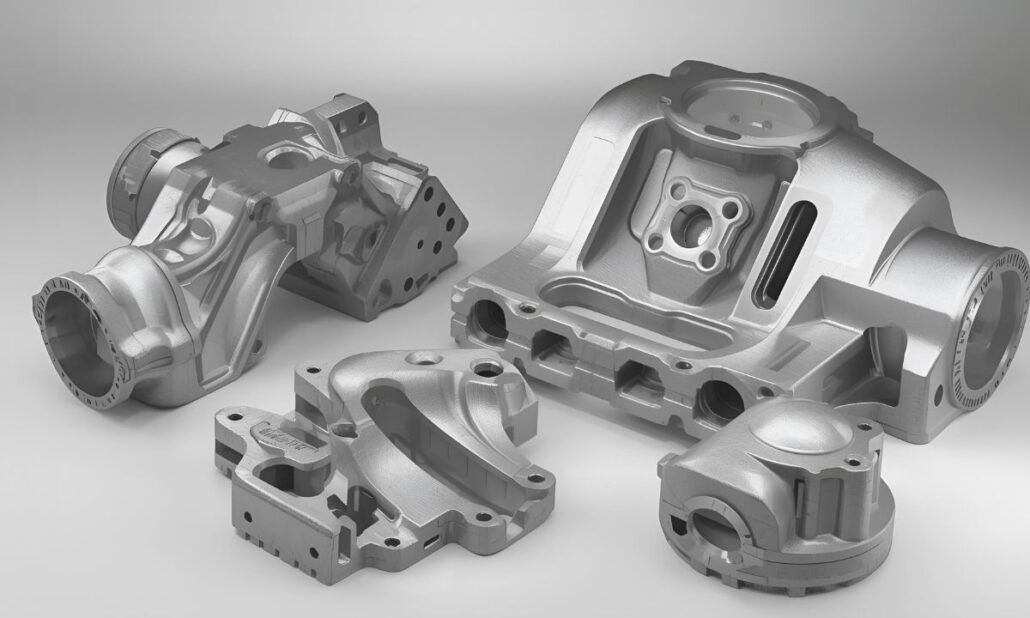
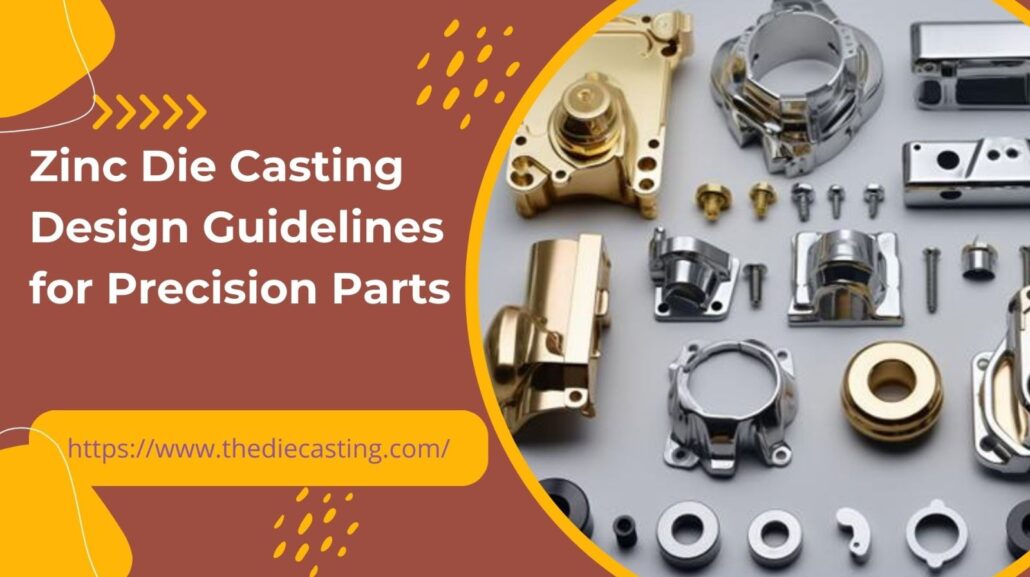
Zinc die casting is a flexible production method which entails an injection of zinc alloy molten matter into a specially designed mold with high pressure in order to create complex and high-precision parts. Such an approach is especially appropriate for precision parts because zinc has high fluidity, a low melting point, and can be machined to tight tolerances without much post-processing. Zamak die casting is used in industries such as automotive, electronics, consumer goods, and medical devices for parts, including connectors, gears, housings, and complex mechanisms that require dimensional tolerances and longevity. Most zinc alloys are processed using hot-chamber machines, which enable quick cycle times and a steady quality. Accurate parts benefit from zinc’s ability to produce thin walls, complex geometries, and net-shape parts, reducing material waste and assembly time. Nevertheless, high success rates are achieved when specific design rules are followed, and material properties, shape, form, and processing parameters are considered. These rules help reduce defects, improve manufacturability, and enhance precision. This article identifies major guidelines supported by industry standards set by organizations to help engineers design zinc die-cast precision parts. Advantages of Zinc Die Casting of Precision Parts The use of zinc die casting offers several benefits, making it one of the best materials for precision applications. Selection Material: Zinc Alloys Selecting the correct zinc alloy is important for precision parts because it affects mechanical properties, castability, and tolerances. The Zamak die-casting series (2, 3, 5, 7) and the ZA series (8, 12, 27) have specific compositions and performance properties. The table below will summarize the kinds of zinc alloy used in the manufacture of precision parts: Types of Zinc Alloy Tensile strength (ksi/MPa) Elongation % Hardness (BHN)   Density g/cm³   Yield strength (MPa) Melting point °C Zamak 2 52/359 7 100 6.6 283 379-390 Zamak 3 41/283 10 82 6.6 269 381-387 Zamak 5 48/328 7 91 6.6 283-269 380-386 Zamak 7 41/283 13 80 6.6 310-331 381-387 ZA 8 54/372 6-10 100-106 6.3 359-379 375-404 ZA-12 59/400 4-7 95-105 6.03 145 377-432 ZA-27 62/426 2.0-3.5 116-122 5.3 N/A 372-484 These properties can be used to ensure that zinc alloys meet precision specifications and that complex parts have high fluidity scores (1-2 on a 1-4 scale; 1 best). To be more exact, manufacturers would want to choose alloys such as Zamak 3 or ZA-8 due to their stability and ability to withstand tight tolerances. Key Design Guidelines Good zinc die casting is designed to facilitate flow and ejection while maintaining strength at minimal cost. Wall Thickness The wall thickness should be uniform to avoid porosity and distortion. For precision parts, keep it within +/-10% and use a minimum thickness of 0.040 inches (1 mm) for a good surface finish, and as fine as 0.020 inches (0.5 mm) in miniature models. Ratios of thick to thin sections should be kept to less than 3:1 to minimize the chance of porosity; preferably the inscribed sphere diameter ratios should not exceed 6:1. Thickening walls enhances flow but raises the cycle time and consumption. To distances away from the ingate, minimum thickness changes: below 0.5 mm in areas less than 50 mm, up to 2 mm at 200 mm. Different simulations can be used to check designs. In zinc casting, specify a minimum of 0.025 inches (0.635 mm) in selected locations, but 0.040 inches (1.016 mm) in best-as-cast locations. Draft Angles Draft angles help eject parts and prevent damage to the die. For zinc, the minimum drafts are 0.5 ° -1 on outside surfaces, 1- -1 on internal surfaces, and 0.1 ° -1 on round holes. Short features that use moving parts (die elements) can be printed in zero, but it is more expensive. For ribs, a 5-10 taper is used when it is not parallel to the shrinkage. Different standards give draft calculations: standard tolerances are 50 (draft angle approximately 1.9 degrees at a 1-inch depth) for inside walls and 100 for outside walls. There are also precision tolerances that permit 60 and 120 constant drafts. Fillets and Radii Fillets and radii should always be added since sharp edges lead to stress concentrations and die erosion. Minimum radius of inside fillet is 0.016 inches (0.4 mm), and outside 0.031 inches (0.8 mm). Radii of larger size (up to 0.063 inches or 1.6 mm) enhance flow and strength. Minimum radii should be used (0.060 inches (1.5 mm) for bosses and ribs). Radius at high stress should not be less than 1 mm; standards suggest ±0.08/±0.04 inches (±2/±1 mm) in fillets. This improves the part’s life and reduces cracking. Ribs and Bosses Ribs enhance reinforcement without adding bulk. Create shallow, rounded ribs (height-to-thickness ratio no more than 3:1) and evenly space them so they are not distorted. Adhesion ribs to walls with fillets to avoid porosity in the intersection. The height of bosses used to mount or thread must be equal to their diameter, and when the diameter is large, they must have ribs. Keep 0.25 inches (6.5 mm) distance between bosses. Tolerances of critical heights can be contained in ribs, such as in the precision designs of ±0.001 inches (±0.025 mm) ribs. Cored Holes and Threads Holes made in the core make it lighter and allow elements such as threads. Maximum depths are around 3 mm diameter, 9 mm blind or 24 mm through; up to 12 mm diameter with larger openings. At least 0.25 inches (6 mm) in diameter, L/D ratio not more than 4:1 in small holes. Parting Line Considerations It is best to place the parting line in the largest section possible to produce the least amount of flash and to allow easy trimming. Vertical or complicated lines should be avoided; die motion plane right angles are best. Tolerances on parting lines are the sum of linear ones, by projected area. Projected area Tolerance (+in) Upto 10 +0.0045 11-20 +0.005 21-50 +0.006 51-100 +0.009 Tolerances of Precision Parts Zinc die casting has even higher precision tolerances than standard, and sometimes 65% of those special controls are
أفضل شركات صب قوالب السيارات في الصين والعالم 

صب القوالب الألومنيوم, شركات صب القوالب, شركة صب القوالب, مُصنِّع قوالب الصب بالقالب

تُعد عملية صب الألومنيوم بالقالب واحدة من أكثر عمليات التصنيع موثوقية وفعالية من حيث التكلفة في الصناعة المعاصرة. إنها عملية الحقن بالضغط العالي للألومنيوم المصهور بدرجة حرارة عالية في قالب دقيق لإنشاء أجزاء قوية وخفيفة الوزن ودقيقة الأبعاد. وهي مفيدة بشكل خاص في إنتاج الأشكال المعقدة للغاية ذات التشطيبات السطحية العالية، وبالتالي فهي عملية مفضلة في صناعات السيارات والفضاء والإلكترونيات والمنتجات الاستهلاكية والآلات الصناعية. وقد زاد الطلب على صب الألومنيوم في السنوات الماضية. وقد وضع اتجاه العالم نحو السيارات الكهربائية والإنشاءات خفيفة الوزن وكفاءة الطاقة سبائك الألومنيوم في مقدمة الابتكار. وقد قام المصنعون الآن بتطوير مكونات عالية التقنية مثل كتل المحركات، ومبيتات ناقل الحركة، وحاويات البطاريات، والمشتتات الحرارية التي تتميز بالمتانة وخفة الوزن. كما أن قابلية إعادة التدوير ومقاومة التآكل تجعل الألومنيوم مفيدًا أيضًا في التوجهات العالمية لإنتاج منتجات مستدامة وصديقة للبيئة. اثنان من مراكز صب قوالب الألومنيوم الرئيسية هما الولايات المتحدة الأمريكية والصين. ومن المعروف أن الشركات المصنعة في الولايات المتحدة الأمريكية تتسم بالابتكار، ولديها معايير عالية في الجودة، وتستخدم مستويات عالية من الأتمتة ويمكن اعتبارها استثمارًا جيدًا في الصناعات عالية الدقة. وعلى العكس من ذلك، اكتسبت الشركات الصينية قدرة تنافسية كبيرة على السوق العالمية، وقدمت حلولاً فعالة من حيث التكلفة وقدرة إنتاجية عالية وتقنيات أكثر تقدماً. ستناقش هذه الورقة البحثية بعضًا من أنجح صناعات صب قوالب الألومنيوم في الولايات المتحدة الأمريكية والصين، ونقاط قوتها وقدراتها والعوامل التي تجعلها أكثر الشركاء الموثوق بهم الذين يمكن للشركات في جميع أنحاء العالم أن تكون المورد المفضل لها في الصناعة التحويلية. ما هو صب السيارات بالقالب؟ عملية الصب بالقالب هي عملية إنتاج يتم من خلالها دفع المعدن المنصهر، عادةً من الألومنيوم أو المغنيسيوم أو الزنك، تحت ضغط كبير في قالب به مساحة مفتوحة. ويتيح ذلك إنتاج كميات كبيرة من المكونات عالية القوة ذات الوظائف المعقدة وذات تشطيبات سطحية جيدة ودقة في الأبعاد. ويسمح الصب بالقالب في صناعة السيارات بإنتاج مكونات ذات وظائف معقدة وذات تشطيب سطحي جيد ودقة في الأبعاد: لقد أحدث استخدام الصب بالقالب ثورة في صناعة السيارات المعاصرة حيث يمكن توفير الوزن مع الحفاظ على الأداء في نفس الوقت. وقد ساهم هذا الطلب في ارتفاع معدل تطور شركات صب قوالب السيارات الرئيسية في الصين وأوروبا وأمريكا واليابان. لماذا تُعد الصين رائدة في مجال صب قوالب قوالب السيارات تمتلك الصين بعضًا من أكبر الشركات في العالم في مجال تصنيع قوالب قوالب صب السيارات بسبب: وقد مكنت هذه المجموعة من نقاط القوة شركات صب قوالب قوالب السيارات الصينية من أن تكون مراكز قوة ليس فقط في السوق المحلية ولكن أيضًا على المستوى الدولي في سلسلة التوريد. شركة CNM Tech Diecasting Company هي شركة رائدة في إنتاج منتجات الألومنيوم المسبوكة بالقالب المتفوقة. فهي تقدم العديد من القطاعات مثل السيارات والإلكترونيات والاتصالات السلكية واللاسلكية بمكونات مصممة بدقة عالية تهدف إلى الحفاظ على أعلى معايير الجودة. ويمكنهم إنتاج أجزاء خفيفة وقوية باستخدام عمليات الإنتاج المتقدمة مثل صب القوالب عالية الضغط والتصنيع باستخدام الحاسب الآلي. تؤمن شركة ديكاستنغ بقوة الابتكار المستمر، ولذلك فهي تستثمر في الآلات الحديثة وخطوط الإنتاج الآلية والأهم من ذلك أنظمة مراقبة الجودة التي تساعد على تقديم نفس النتائج في جميع الأوقات. كما أن مصنعي المعدات الأصلية والموردين من المستوى الأول هم أيضًا ضمن قاعدة عملائها العالمية، وبالتالي، فهي شريك موثوق به في تلبية احتياجات الإنتاج المعقدة وكبيرة الحجم. الموقع الإلكتروني: https://www.thediecasting.com/ لماذا تختارهم شركة The Diecasting Company هي الشركة المفضلة لدى الشركات لأنها تركز على الجودة والدقة والابتكار. إن تطبيقهم لأحدث تقنيات الصب بالقالب ومراقبة الجودة القوية والتسليم في الوقت المحدد يضمن حصول عملائهم على المكونات التي يمكن أن تلبي المعايير الدولية ويجعلهم الخيار المفضل عندما يتعلق الأمر بمصنعي المعدات الأصلية للسيارات والمصنعين الذين يرغبون في العثور على مزود حلول صب القوالب الموثوق به. الصناعات التي تخدمها شركة Sincere Tech تُعد شركة Sincere Tech أحد منتجي القوالب عالية الدقة في حقن البلاستيك والقوالب المصبوبة. وتتمتع الشركة بخلفية في تصميم القوالب والنماذج الأولية وتصنيع المنتج النهائي مما يوفر حلاً شاملاً لعملائها في جميع أنحاء العالم. وهم يستخدمون برامج CAD/CAM المحوسبة والتصنيع الآلي بحيث تكون جميع القوالب المصنعة دقيقة للغاية. تتمتع شركة بلاستيك مودل بسنوات من الخبرة في تلبية احتياجات صناعات السيارات والإلكترونيات الاستهلاكية والأجهزة الطبية مع القدرة على تقديم قوالب معقدة بكفاءة. وتتميز الشركة بابتكارها ومراقبة الجودة والسرعة في التسليم، مما يجعلها موردًا موثوقًا به للشركات التي ترغب في الحصول على حل القوالب المخصص. الموقع الإلكتروني: https://www.plasticmold.net/ لماذا تختارهم يتم اختيارهم القوالب البلاستيكية نظرًا لأنظمة تصنيع القوالب الكاملة ومهاراتهم الفنية وقدرتهم على التوافق مع وقت الإنتاج المحدود. تقلل قوالبهم عالية الجودة من الأخطاء وتعزز الإنتاجية وتساعد العملاء في الحصول على منتجات مصبوبة أو مصبوبة بالحقن دقيقة ويمكن الاعتماد عليها. الصناعات التي تخدمها GC Precision Mould GC Precision Mould هي شركة منتجة لقوالب الصب في الصين والتي توفر قوالب صب الألومنيوم والزنك والمغنيسيوم. وتتمتع الشركة بسمعة طيبة في تصنيع قطع غيار عالية الجودة وفعالة من حيث التكلفة وخفيفة الوزن في قطاعات السيارات والإلكترونيات والإضاءة. وتتمتع الشركة بقدرات الصب بالقالب بالضغط العالي، والتصنيع باستخدام الحاسب الآلي وعمليات التشطيب الثانوية. تركز شركة Alu Diecasting على الدقة وطول العمر والإنتاجية. كما أنها ترقى دائماً إلى المعايير الدولية باستخدام المرافق الحديثة والخطوط الآلية والمهندسين المهرة. كما أنها تلبي احتياجات العملاء على الصعيدين المحلي والدولي مثل مصنعي المعدات الأصلية والموردين من المستوى الأول، وتتمتع بمكانة مرموقة كأفضل مصنع صيني لمسبوكات القوالب في صناعة السيارات. الموقع الإلكتروني: https://aludiecasting.com/ لماذا تختارهم إنهم يستخدمون Alu Diecasting لأنهم يقدمون مزيجًا من الأسعار التنافسية والمعايير عالية الجودة والتكنولوجيا. لديهم سجل حافل من السبائك المختلفة والتصنيع الآلي الدقيق والإنتاج في الوقت المحدد مما يحافظ على أجزاء يمكن الاعتماد عليها وذات عمر طويل وخفيفة الوزن تلبي متطلبات صناعة السيارات العالمية. الصناعات التي تخدمها شركة Get It Made Get It Made هي شركة منتجة للتصنيع الآلي باستخدام الحاسب الآلي، والطباعة ثلاثية الأبعاد، وصب القوالب، وتشكيل المعادن ومقرها المملكة المتحدة. وهي تدعم كلاً من النماذج الأولية والإنتاج منخفض الحجم,

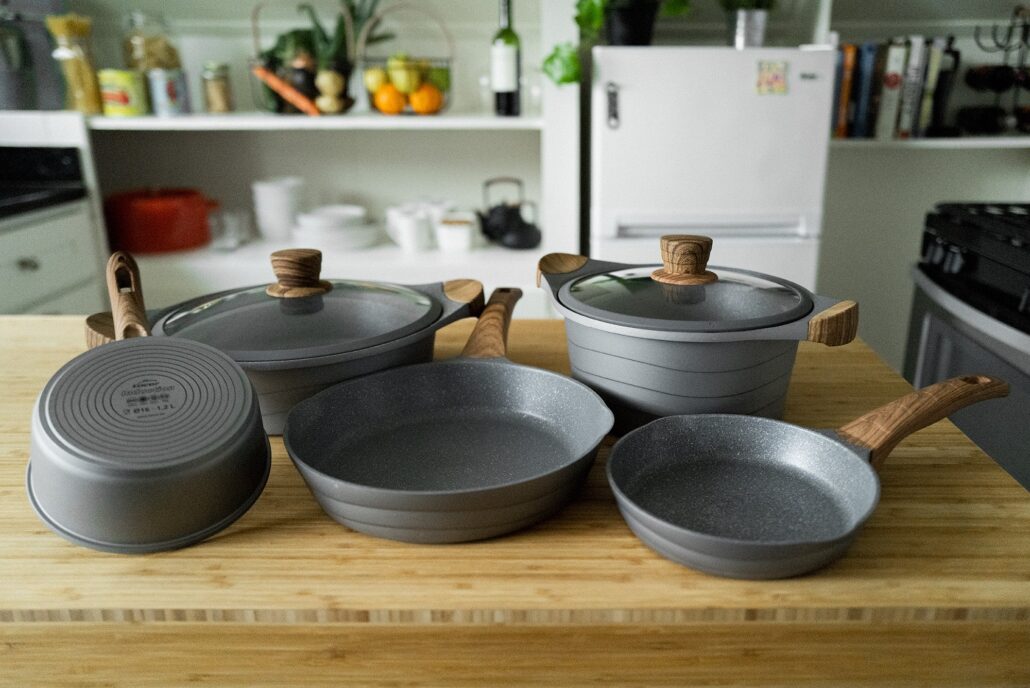
ما هي أواني الطهي المصنوعة من الألمنيوم المصبوب؟

ما هي أواني الطهي المصنوعة من الألمنيوم المصبوب؟ دليل كامل

ألومنيوم, صب الألومنيوم

Cast aluminum cookware is becoming popular in kitchens worldwide. It is lightweight, inexpensive, and easy to use. The food can have a different taste depending on the cookware that is used, including the easy cooking process. Cookware is also time-saving and long-lasting. The cast aluminum is made by pouring molten aluminum into a mold. The method gives the cookware both a concrete structure and consistency in the thickness. It allows the pan or the pot to warm up quickly and evenly spread the heat. This simplifies and reduces the time spent preparing day-to-day meals. Cast aluminum is another relatively lightweight material that many people have been using since it is relatively inexpensive when compared to stainless steel. It may also be prepared in different shapes and sizes; therefore, it may be fried, baked, and boiled. However, cast aluminum has its negative sides. It is not as tough as stainless steel nor as tough as cast iron. There are also some types of cooking utensils that need a non-stick or anodized coating so that the food does not stick or is not in contact with acidic foods. In this article, all of these will be expounded using simple language. You will be introduced to the advantages, disadvantages, security, and treatment of cast aluminum cookware. How Cast Aluminum Cookware is Made? Cast aluminum cooking utensils are produced as a result of pouring the melted aluminum into a mold. The metal (aluminum) will then be in the shape of a pan, pot, or baking dish after cooling down. The process makes the cookware tougher and heavier than the traditional pressed or rolled aluminum. The two big stages of the process are: Such casting makes the coocooklightlightut strong enough that it can be used daily. Others are non-stick envelopings on them to prevent the sticking of food, and to facilitate their cleaning. Cast Aluminum Process of Cookware Preparing the Aluminum The initial step entails the selection of aluminum. Pure aluminum or recycled aluminum can be used by manufacturers. This is put into large furnaces where it is heated to over 660 °Cuntil it melts to form a liquid. This stage is where purification of the aluminum is done to determine that it will be strong and safe in the final product. Creating the Mold Once the aluminum is on hand, the mold is created. The form is determined by the mould, and it may be a frying pan, a pot, or a baking pan. These moulds are mostly sandy or steely. The thinness, balance, and durability of the copopotterarere dare be determined by the type of mold and the level of exquisiteness. Pouring the Molten Aluminum The mold is then filled with liquid aluminum. It is filled to the very brim in every crevice of design. It is the process that also causes cast aluminum cookware to be heavier and stronger than pressed aluminum cookware. Cooling and Solidifying After being poured, the aluminum is expected to cool down. It is stiffening and depressing when it comes to cooling and acquires the shape of the mold. The cooling is required as it removes cracks, air bubbles, or weak areas that can jeopardize the quality of the cookware. Trimming and Finishing Once hardened, cookware is removed from the mold. Such is where a crude surface gets cut and polished. Other features are also incorporated, such as handles and bases. This is to ensure that the cook’s uniform is smooth, safe, and ready to be coated. Surface Coating and Finishing Most cast aluminum cooking utensils are surface-treated. They have most of them supplied with non-sticky surfaces, such that the food does not stick on the surfaces,, and the cleaning does not take much time. They can be anodized by others, and this increases their resistance to corrosion and scratches. These finishes are also resistant to the reactivity with acidic food. Quality Testing The quality control is the last one. All of the works are inspected on balance, durability, and coating safety. Cookware that has been carefully checked is packed and only sent into the market. It will ensure the customers receive durable, quality, and safe cookware. Cast Aluminum Cookware advantages What is the reason not to use other materials, to use cast aluminum? Here are the key benefits: Lightweight In comparison to cast iron, it is very light in cast aluminum. It does not take much time tocleanna, and it is more so when one has a cook who prepares meals regularly for the elderly. Superb Heat Distribution Aluminium is a thermal conductor. Cast aluminum utensils are quick to cook and evenly cook. This means that there would be fewer hot spots and even cooking. Affordable It is normally cheaper than stainless steel or copper cookware. It has decent performance at an affordable price. Versatile Cast aluminum may be fried, baked, boiled, or simmered. Some are even oven-safe. Quick Heating The aluminum makes food cook more quickly since it reacts to heat faster. This saves time and energy. Disadvantages of Cast Aluminum Cookware Despite several advantages of cast aluminum cookware, it also possesses several limitations: Durability Issues The cast aluminum is softer than the cast iron or stainless steel. Eventually,, it is likely to be dented or scratched, especially when it is not handled properly. Reactivity with Food The uncoated aluminium can react with acids such as tomatoes or vinegar. This may either render it metallic or discoloured. The majority of modern cast aluminium pans are coated to such effects. Coating Problems The non-stick film on the pan may be of poor quality, and thus, it may wear away with time. It can be scrubbed with hard sponges or metal utensils, and this decreases its life span. Aluminum Cast And Other Cookware The choice of cookware is more of a choice. The cast Aluminum performance when compared with the popular substitutes stands as follows: Cast Aluminum and Stainless steel The first distinguishable difference in the case of the cast aluminum and stainless steel is the heat

أجهزة الخزائن النحاسية: دليل كامل للأناقة والوظيفة والمتانة

أجهزة الخزائن النحاسية: دليل كامل للأناقة والوظيفة والمتانة

تجهيزات خزانة نحاسية للخزانة

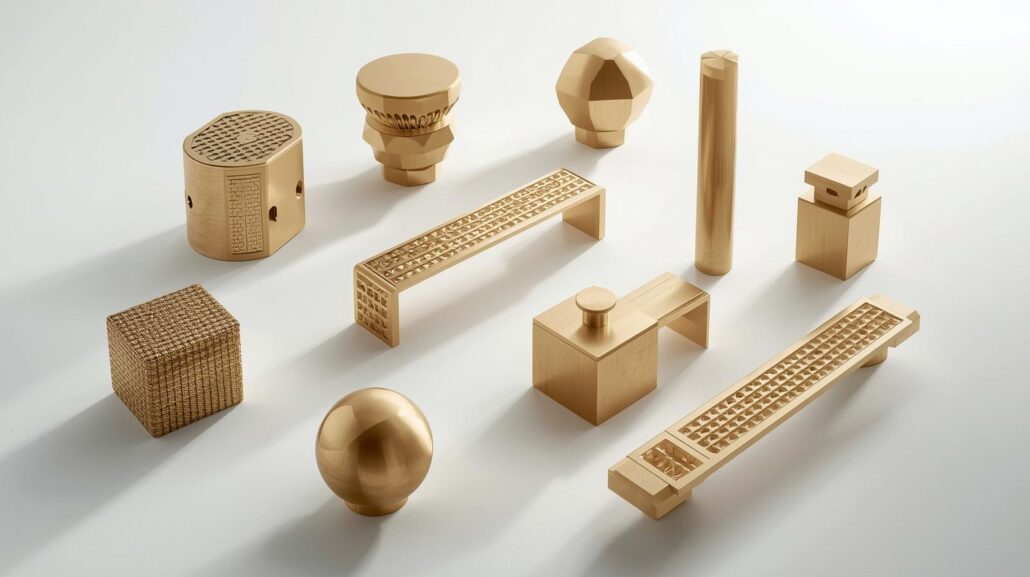
يمكن النظر إلى أجهزة الخزانة على أنها تفاصيل بسيطة، ومع ذلك يمكنها تغيير مظهر الغرفة ووظائفها. من بين التشطيبات العديدة التي يمكن استخدامها، فإن أجهزة الخزائن النحاسية هي اختبار الزمن من حيث الجمال والقوة والتنوع. عند التفكير في إعادة تصميم المطبخ، أو ترقية منضدة الحمام، أو حتى تجديد أثاث التخزين، فإن الطلاء النحاسي هو الذي سيكون متينًا وأنيقًا للغاية في الوقت نفسه. لا يزال كل من المصممين وأصحاب المنازل يفضلون استخدام الأجهزة النحاسية لأنها تضفي أهمية إضافية على الديكورات الداخلية الحديثة والتقليدية. كما أن نغماته الدافئة ذات اللون الذهبي تتناسب بشكل جيد مع الخزائن الخشبية أو الحجرية أو المطلية، مما يجعلها واحدة من أكثر التشطيبات تكيفاً. كما أن مقابض الخزائن النحاسية البسيطة والعصرية مثل المقابض الفاخرة والعتيقة، فإن أجهزة الخزائن النحاسية هي ميزة تضفي على تصميم المساحة بأكملها مظهرًا راقيًا. النحاس، على عكس المعادن الأخرى، هو عنصر حسن المظهر، ولكنه يوفر قيمة طويلة الأمد. تقاوم أجهزة المطبخ النحاسية والأجهزة النحاسية المصقولة التآكل، ويمكن استخدامها في الحياة اليومية، وتكتسب صفة الخلود. هذا المزيج من الأناقة والأداء يجعل من النحاس النحاسي استثمارًا يعزز من مظهر ووظائف الخزائن بحيث يتم تحسينها على مر السنين القادمة. تاريخ وشعبية النحاس الأصفر في التصميم النحاس الأصفر هو سبيكة من النحاس والزنك وقد تم استخدامه في مختلف الهياكل والأثاث والحلي منذ قرون. كان النحاس النحاسي من التجهيزات والتركيبات الزخرفية الشائعة حيث كان يُعتبر في الماضي من التجهيزات الجميلة والأنيقة للغاية. كما لا تزال الأجهزة النحاسية تُستخدم في الوقت الحاضر نظراً لمظهرها ومتانتها وقوتها، كما أنها تُستخدم في الديكورات الداخلية الحالية نظراً للتطبيق العملي في استخدامها ومظهرها الذي يعد أكثر من رائع. وتتمثل الجودة الخالدة لأدوات الخزائن النحاسية في مرونتها. فقد يكون لامعًا لامعًا وعاكسًا مثل المرآة، أو قد يكون مظهره أكثر هدوءًا ويتم تشطيبه بألوان هادئة. منذ تحول الديكور الداخلي نحو الألوان المعدنية الأكثر دفئًا، يظل النحاس النحاسي أحد التشطيبات التي يمكن مزجها مع الخزائن الفاتحة والداكنة. ماذا تعني أجهزة الخزائن النحاسية؟ تجهيزات الخزائن النحاسية هي المقابض والسحابات والمفصلات والمقابض والتجهيزات الأخرى المصنوعة من سبيكة النحاس والزنك المعروفة باسم النحاس الأصفر. هذه الأجهزة شائعة جدًا في المطبخ والحمامات والأثاث لأنها قوية ومتينة ولا تبطل موضتها. وبالمقارنة بالمعادن الأرخص ثمناً، لا يتآكل النحاس الأصفر ويتقادم بشكل طبيعي مع مرور الزمن، ويمكن صقله أو تركه بطبقة نهائية ساتانية أو عتيقة أو تركه بما يسمى بالأدوات النحاسية المصقولة. يفضل المصممون وأصحاب المنازل استخدام الأجهزة النحاسية نظراً لتنوعها. وعلى وجه التحديد، فإن أجهزة المطبخ النحاسية عملية وأنيقة، وقد أصبحت واحدة من أكثر الخيارات شيوعًا لترقية الخزائن. أنواع تجهيزات الخزائن النحاسية تأتي ملحقات الخزائن النحاسية في مجموعة من الأشكال المختلفة المصنوعة من النحاس الأصفر، حيث يتم استخدام كل منها بطريقة مختلفة. وأكثرها شعبية هي: في أي مشروع تصميم، تعتبر تجهيزات الخزائن النحاسية، بغض النظر عن نوعها، إضافة مفيدة من حيث الأغراض التزيينية والوظيفية. تصنيع عتاد الخزائن النحاسية إن إنتاج ما يسمى بعتاد الخزائن النحاسية هو عملية تصنيع منتجات على مراحل طويلة تعتمد على متطلبات المتانة والفائدة والجمال. وهي عملية تستخدم مزيجاً من تقنيات التشطيبات المعدنية التقليدية والحديثة. تحضير السبائك يبدأ بصهر خليط من النحاس والزنك لتشكيل النحاس الأصفر. يمكن إضافة عناصر إضافية حسب اللمسة النهائية المطلوبة. وهذا ما يجعل الأجهزة النحاسية ذات قوة وقابلية تشغيل آلي ولون مناسبين. الصب أو التشكيل بعد تحضير سبيكة النحاس الأصفر يتم بعد ذلك صبها (نحاس مصهور يُصب في مصبوبات) أو تشكيلها (نحاس مضغوط ومسخن مضغوط في مصبوبات). تكون نسخ أدوات المطبخ النحاسية النحاسية أكثر قوة ومتانة. التصنيع الآلي والتشكيل ثم يتم تحويلها بعد ذلك إلى أشكال دقيقة أو مقابض أو مقابض أو مقابض أو مقابض أو مفصلات. تميل ماكينات التصنيع باستخدام الحاسب الآلي والمخارط القديمة إلى بناء ما يسمى بأدوات الخزائن النحاسية. التشطيب السطحي عندما يتم تشكيل القطع، يتم طحنها وصقلها تلقائياً للحصول على تشطيبات نهائية ناعمة. وتتضمن التشطيبات التي يتم تطبيقها في هذه المرحلة الأجهزة النحاسية المصقولة أو العتيقة أو الساتان أو المصقولة لإعطائها المظهر المطلوب. الطلاء أو الطلاء (اختياري) في حالات أخرى، يتم عمل طلاء واقي من الطلاء أو طلاء إضافي لزيادة مقاومة التآكل. ومن الشائع ترك النحاس الصلب غير مطلي بالورنيش بأسلوب الزنجار الطبيعي. التجميع الميكانيكي ومراقبة الجودة وأخيراً، يتم فحص جودة وملاءمة وتشطيب كل عنصر من عناصر أجهزة الخزانة النحاسية. يتم تجميع البراغي والتجهيزات وتغليفها قبل توزيعها. مزايا معدات الخزائن النحاسية المتانة النحاس الأصفر مادة معروفة بقوتها وقدرتها على التحمل. فالنحاس الصلب، على عكس السبائك الأرخص ثمناً، لا ينحني أو ينثني أو ينكسر، مما يعني أن خزائنك ستكون مفيدة مع مرور الوقت. ومن المهم بشكل خاص أن أجهزة المطبخ النحاسية يجب أن تتحمل التآكل اليومي. جماليات خالدة تجعل الديكورات الداخلية دافئة وغنية بالألوان الذهبية للنحاس الأصفر. ويتميز بلمسات نهائية ناعمة وتلميع أنيق، كما أن الأجهزة مصنوعة من النحاس الأصفر المصقول، مما يمنحها مظهراً عصرياً وراقياً. مقاومة التآكل الطبيعة المتأصلة في النحاس الأصفر تجعله مقاومًا للتآكل والتلطيخ، وبالتالي يجب استخدامه في المطبخ والحمام حيث الرطوبة العالية. تعدد الاستخدامات بدءاً من مطابخ المزرعة الخشنة إلى الحمامات العصرية المصقولة، تتناسب قطع الخزائن النحاسية مع جميع أنواع الأنماط. لقد كانت مرنة، وهذا هو السبب في أنها لا تزال تستخدم في مختلف مشاريع الأجهزة النحاسية من قبل المصممين. الاستخدام في الحمامات والمطابخ من أكثر التفاصيل الملحوظة في المطابخ والحمامات هي أجهزة الخزانة، حيث يجب أن تكون العملية والتصميم متناغمين. وتوفر أجهزة الخزائن النحاسية القوة اللازمة في المناطق المزدحمة، فضلاً عن كونها مركزاً زخرفياً. المطابخ إن أنماط المطابخ العصرية أكثر من رائعة مع

شركات صب الألومنيوم بالقالب في الولايات المتحدة الأمريكية

شركات صب الألومنيوم بالقالب في الولايات المتحدة الأمريكية

صب القوالب الألومنيوم, شركات صب القوالب, شركة صب القوالب

يُعد صب الألومنيوم بالقالب الآن أحد أضمن إجراءات الإنتاج وأكثرها اقتصادية في الولايات المتحدة الأمريكية، خاصةً للمصنعين الذين يحتاجون إلى المتانة وطول العمر والدقة. ويتم ذلك عن طريق الحقن بالضغط العالي للألومنيوم المصهور في مصبوبات الفولاذ، وهذا ينتج أجزاء ليست خفيفة الوزن فحسب، بل دقيقة الأبعاد ومتينة أيضًا. إن هذه القوة والوزن الخفيف هي التي تجعل من مصبوبات الألومنيوم المادة المفضلة في صناعة السيارات والفضاء والإلكترونيات والآلات الصناعية والسلع الاستهلاكية. يضم سوق الولايات المتحدة بعضاً من أكثر صناعات صب قوالب الألومنيوم رسوخاً في جميع أنحاء العالم في شكل شركات تصنيع كبيرة ذات حضور عالمي إلى شركات صغيرة ومتخصصة متخصصة في الأجزاء المخصصة والتطبيقات المتخصصة. وتعد هذه الشركات حاسمة للغاية في دعم الصناعة الرئيسية من خلال توريد قطاعات الصناعة مثل كتل المحركات، وأغطية ناقل الحركة، والحاويات الإلكترونية، والأجزاء الهيكلية. وقد اكتسبت الشركات المصنعة التي تتخذ من الولايات المتحدة الأمريكية مقرًا لها سمعة موثوقيتها ومنتجاتها المبتكرة في العالم من خلال تقنياتها عالية الجودة وشهاداتها وتركيزها على جودة المنتجات. وقد شهد الاتجاه في السنوات القليلة الماضية زيادة هائلة في الطلب على قطع الألومنيوم المصبوب بسبب التطورات الأخيرة في مجال تخفيف وزن السيارات، وإنتاج السيارات الكهربائية، والسعي لتصنيع السيارات الكهربائية والسعي لتصنيع الطاقة بكفاءة. تتبنى الشركات الأمريكية الأتمتة والمسبوكات المستدامة والسبائك المتفوقة لتحقيق نتائج عالية لتلبية هذه المتطلبات. تسرد هذه المقالة بعضًا من أفضل مصنعي قوالب صب الألومنيوم في الولايات المتحدة الأمريكية وإنجازاتهم وإمكاناتهم ومساهماتهم في الصناعة المعاصرة. لا يهم ما إذا كنت تحصل على قطع غيار لتنفيذ عملية تصنيع واسعة النطاق أو تطبيق عالي التقنية، فإن هؤلاء المصنعين هم تجسيد لأرقى التقنيات الأمريكية في مجال صب الألومنيوم بالقالب. ما هو صب الألومنيوم بالقالب؟ الصب بالقالب المصنوع من الألومنيوم هو تقنية إنتاج يتم فيها الضغط العالي على الألومنيوم المصهور في قالب فولاذي يُشار إليه أيضًا بالقالب. عندما يبرد المعدن ويتصلب يتم فتح القالب وإخراج الجزء المكتمل. هذه هي العملية التي يمكن للمصنعين من خلالها إنشاء مكونات قوية وخفيفة ومفصلة للغاية مع مستوى عالٍ من الدقة في الأبعاد والتشطيبات السطحية الملساء. إن حقيقة أن عملية صب الألومنيوم بالقالب يمكن أن تنتج أشكالاً معقدة قد يكون إنتاجها صعباً أو مكلفاً باستخدام عمليات التصنيع الأخرى هي الفائدة الرئيسية. ويستخدم على نطاق واسع في تصنيع أجزاء مثل كتل المحركات، وأغلفة ناقل الحركة، والحاويات الإلكترونية، والمشتتات الحرارية والمكونات الهيكلية. يتميز قالب الصب بالقالب المصنوع من الألومنيوم بالعديد من المزايا الرئيسية: وبفضل نقاط القوة هذه، برز صب الألومنيوم بالقالب كبديل أفضل في الصناعات التي تتطلب مكونات عالية الجودة يمكن الاعتماد عليها وفعالة لتتناسب مع احتياجاتها التقنية والاقتصادية. أفضل شركات صب الألومنيوم بالقالب في الولايات المتحدة الأمريكية 1. Dynacast International تعد شركة Dynacast International واحدة من أفضل الشركات المعروفة في مجال الصب الدقيق للقالب على مستوى العالم. تتمتع الشركة بعقود من الخبرة في إنتاج المكونات الصغيرة والمعقدة باستخدام سبائك الألومنيوم والزنك والمغنيسيوم. وهي بارعة في إنتاج المكونات ذات التفاوتات الصارمة والميزات المعقدة التي تحتاجها صناعات السيارات والإلكترونيات الاستهلاكية والاتصالات والأجهزة الطبية. وكونها شركة عالمية يعني أيضاً أن Dynacast قادرة على خدمة الشركات الصغيرة والشركات متعددة الجنسيات بمرونة وابتكارات وجودة لا تختلف بين المشاريع. 2. صناعات بيس بعد أن أصبحت أكبر شركات صب القوالب في أمريكا الشمالية، اكتسبت صناعات بيس سمعة جيدة في تقديم حلول متكاملة. وتشمل مجموعة خدماتها التصاميم والدعم الهندسي، والمسبوكات بالقالب، والتشغيل الآلي، والتشطيب السطحي، والتجميع النهائي؛ فهي تقدم حلًا شاملاً للعملاء في قطاعات السيارات والصناعات والصناعات الاستهلاكية. يمكن التعامل مع المشاريع ذات الحجم الكبير والمشاريع المخصصة بسبب حجم عملياتهم. كما تتبع شركة Pace ثقافة توظيف الأموال في التكنولوجيا الحديثة والممارسات المستدامة بحيث تكون قادرة على الحفاظ على قدرتها التنافسية في الصناعة سريعة التغير. 3. Ryobi Die Casting (الولايات المتحدة الأمريكية), Inc. ريوبي هي علامة تجارية مشهورة في قطاع الصب بالقالب في العالم، ولها حضور كبير في الولايات المتحدة. تتركز عملياتها في الولايات المتحدة على مكونات الألومنيوم المصبوبة بالقالب على نطاق متوسط إلى كبير الحجم، خاصةً في قطاع السيارات. تقوم شركة ريوبي بتصنيع كتلة المحرك، ومبيت ناقل الحركة، والأجزاء الهيكلية التي تحتاجها لتكون متينة ودقيقة. وقد استخدمت الشركة أحدث التقنيات المتطورة وإدارة الجودة مما جعلها تصبح المورد المفضل لكبار مصنعي السيارات في العالم. 4. شركة Gibbs Die Casting Gibbs Die Casting، الشركة الرائدة الأخرى في السوق الأمريكية ومقرها في هندرسون بولاية كنتاكي. تتخصص الشركة في مصبوبات الألومنيوم والمغنيسيوم في صناعة السيارات، خاصةً علب ناقل الحركة وأجزاء قطار الطاقة. تركز جيبس تركيزاً كبيراً على الابتكار حيث يتم استخدام الأتمتة وتقنيات التصنيع المتطورة لضمان معايير عالية من الكفاءة وجودة العمل. كما تدمج الشركة مفهوم الاستدامة في أعمالها من خلال الحد من الهدر وتشجيع الممارسات التجارية الصديقة للبيئة. 5. شركة Apex Aluminum Die Casting Co., inc. تقع شركة Apex Aluminium Die Casting في ولاية أوهايو وتستخدم في صناعات السيارات والإلكترونيات والأجهزة المنزلية. وتتمتع الشركة بسمعة طيبة في العمل مع حصص الإنتاج متوسطة الحجم، مما يجعلها الخيار الأمثل مع الشركات التي تتطلب جودة إنتاج ثابتة ولكنها لا تتطلب القوى الهائلة للمستوردين الكبار. يهتم فريق أبيكس برضا العملاء وموثوقية الخدمة والهندسة والدقة في التصنيع. وقد أثبتوا أنفسهم كشريك موثوق به لعدد من الشركات الأمريكية بسبب سمعتهم الجيدة في تقديم نتائج ثابتة. 6. شركة KenWalt Die Casting Company يقع مقر شركة KenWalt Die Casting في كاليفورنيا ولديها أكثر من عدة عقود من الخبرة في إنتاج مصبوبات القوالب؛ الألومنيوم والزنك. تركز الشركة أيضًا على الأعمال المصممة حسب الطلب وتخدم صناعات كل من المعدات الصناعية والسلع الاستهلاكية. تتميز شركة KenWalt بأنها شركة تتعاون بشكل وثيق مع العميل أثناء

صب قوالب الألومنيوم للسيارات في الصين

صب قوالب الألومنيوم للسيارات في الصين

صب القوالب الألومنيوم, أجزاء الصب بالقالب

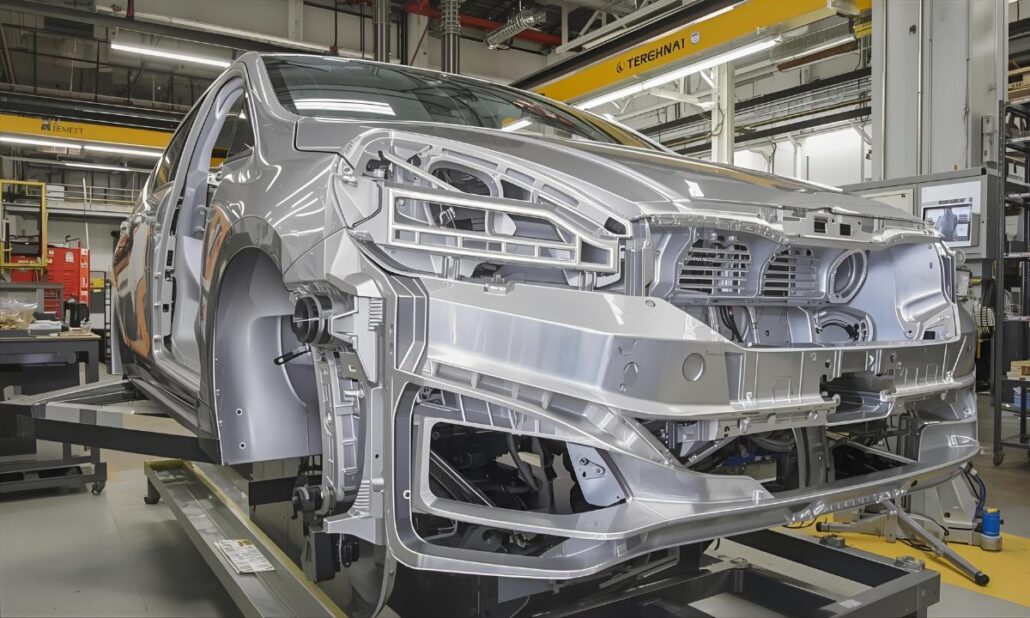
Aluminium automotive die casting in China has become an essential process within the international automotive supply chain that contributes to efficiency, sustainability, and innovation in vehicle production. Lightweight and strong, aluminium provides a special balance between mechanical performance and fuel consumption, which contemporary car manufacturers require. Through minimised vehicle weight, aluminium die-cast components have a direct impact on reducing fuel consumption, longer battery range in electric vehicles (EVs), and carbon emissions. This not only renders the technology significant to the manufacturers, but also to environmental regulations across the world. This domination in the automotive industry of China is a natural extension of aluminium die casting. Being the largest producer, the country with huge production rates, with its large supply chain and the support of the government through industrial policy, China has already established itself as the largest producer and one of the greatest innovators in the area. The die casting sector of the country serves both local car manufacturing industries and foreign brands, and it provides engine blocks and transmission housings, as well as high-tech giga castings, applied to the body of EVs. The development of lightweight materials and more environmentally friendly production technologies has become even faster. This congruence between industrial competency and the world sustainability targets will keep China on the frontline of the technology of aluminium die casting, which is the future of automotive engineering. What is Die Casting of Aluminium? Aluminium die casting is the production technique where molten aluminium is pressurized and injected into a high-pressure steel mold (die). Upon cooling and solidification, the metal produces complex and precise components with very favourable strength-to-weight ratios. The automotive parts that are commonly manufactured are engine blocks, transmission housings, wheels, brackets, and structural body parts. Why China Leads in Aluminium Die Casting? Aluminium Die Casting Process Aluminium die casting is one of the most specialized manufacturing techniques that allows the creation of complex and accurate automotive components with great mechanical properties. It does include several well-regulated phases, and each of them can be seen as a step toward the quality, strength, and durability of a final product. The following is a discussion of each of the stages: 1. Mold Preparation The steel mold, usually of hardened tool steel, is completely cleaned and checked before production starts and should be free of wear or damage. Then the release agent or lubricant is applied to the cavity of the mold, which has a variety of significant purposes. It avoids the sticking of the molten aluminium to the die, provides smooth part ejection and assists in maintaining mold temperature in successive casting cycles. It is important to prepare the mold properly, as this has a direct relation to the surface quality and dimensional accuracy of the finished component. 2. Melting & Alloy Preparation It begins with the melting of aluminium ingots or recycled scrap in a high-temperature furnace that can be either gas-powered, electrically powered or induced. At this phase, molten aluminium is observed keenly to maintain an optimal temperature range of around 660 to 700 °C to provide a fluid mass and reduce defects. Elements like silicon, magnesium, and copper are alloyed in order to improve certain properties such as strength, corrosion resistance, or thermal conductivity. It is important to keep the chemical composition accurate since a slight change in it might greatly affect the functionality of automotive elements. 3. High-Pressure Die Casting (injection) After the molten aluminium attains the desired state, it is poured into the prepared steel casting mould by a high-pressure die casting (HPDC) machine. The pressure of injection is usually between 110 and 175 MPa, and this makes the liquid metal fill even in the most complex molding cavities with accuracy. High pressure also aids in reducing porosity and shrinkage flaws to produce high-strength and dense parts. This is regarded as the centre point of the process since it determines the quality of the casting and whether complicated shapes can be produced without breaking the structural integrity. 4. Cooling & Solidification The molten aluminium is then injected and quickly cools down and hardens in the steel mould. The rate of cooling is maintained throughout to make sure that the crystallization is uniform and internal stresses or warping are minimized. Cooling time varies greatly with the thickness and intricacy of the component being cast; a thin-walled component could be solidified in a matter of seconds, whereas a more complex part could take a longer cycle to solidify. Well-organised cooling circuits (water channels or oil circuits built into the die) are commonplace with the aim of ensuring consistency throughout the production runs. It is essential to attain a balance of strength, ductility, and dimensional accuracy by proper solidification. 5. Ejection After the part has hardened, ejector pins in the mold force the casting out. In this step, accuracy is needed to prevent burning sensitive areas or thin walls of the part. Large-scale automotive manufacturing often relies on automated ejection systems, which guarantee the consistency of cycle times and minimize manual work. The process of ejection may appear to be easy, yet with improper application, it might cause surface defects, cracks or misalignment, which will adversely affect the usability of the final product. 6. Trimming & Finishing Raw casting may contain large quantities of extraneous material, such as flash, runners or even gates, after ejection, and this needs to be removed. A hydraulic press or a CNC machine is usually used in trimming to attain an accurate edge line. Other finishing processes like shot blasting enhance the texture of the surface, and machining provides the high dimensional tolerance needed by engine or transmission components. They can be heat-treated to increase strength and hardness, and coating or anodizing may increase corrosion resistance. These are the necessary secondary processes because through them the raw casting is taken to the next level, where it is turned into a functional and reliable automotive component. 7. Inspection & Quality Control The last step is the intensive inspection, whereby all castings will be

قطع غيار السيارات المصبوبة بالقالب عالي الضغط من الألومنيوم

قطع غيار سيارات مصبوبة بالقالب عالي الضغط من الألومنيوم: متينة وفعالة

صب القوالب الألومنيوم, صب القوالب بالضغط العالي

The automotive industry is changing due to the use of aluminum high pressure die-casting auto parts. They provide manufacturers with the power to design lighter, stronger and more efficient cars. With this technology, the car manufacturers can save on weight, become fuel efficient and have green mobility without compromising on the durability of the car. Auto parts die casting is the process whereby molten aluminum is injected into a steel mold at a very high pressure. This produces a strong shape that is smooth and sharp. The method allows faster production, reduced machining and consistent quality. In die casting auto parts, the companies are able to design complex components in a single step, which saves them time and money. Auto parts made in aluminium die casting are now much needed in modern vehicles. This is a frequent method of producing engine blocks, transmission housings, brake parts, and battery casings in electric cars. Lightweight, but tough, corrosion-resistant, and designed to meet tough conditions on the road, these parts are made. Auto parts made with aluminum die casting are increasing in demand rapidly, particularly as we move to electric and hybrid cars. Loss of total weight of cars increases battery life, performance and reduces emissions. This makes aluminum die casting a major component of green production. In brief, the use of aluminum high pressure die-casting auto parts in car manufacturing is no longer a choice. They have played a key role in creating the modern vehicles, which will not only be up to the present performance standards, but also be green. Powerful, effective, and stable, they will also be at the very centre of automotive design in the future. What Is Aluminum High Pressure Die-Casting? Die casting is a process of molding metal. In this, molten aluminum is forced under a very high pressure into a cavity in a steel mold. When cooled, the metal hardens in the same shape as the mold. The outcome is smooth, accurate and long-lasting. That is why die casting became one of the most popular ways of producing modern car parts. In comparison with the traditional technique, high pressure die casting can make complicated parts in one time. This saves time, machining requirements and costs to manufacturers. Why Aluminum for Auto Parts? The reason why aluminum high pressure die-casting auto parts are so popular is that there is no other material that has a combination of qualities as much as aluminum. It is green and rough; therefore, it is light and, therefore, can be used in the automobile industry. Increasing efficiency and environmental requirements have made aluminum the die casting of choice in auto parts. Weight loss is one of the largest benefits. Steel is a lot heavier than aluminum. Carmakers can lighten an overall vehicle by incorporating die casting auto parts produced using aluminum. The lighter a car is, the better its fuel economy, emissions, and performance. This would be important in both a conventional and an electric vehicle. Meanwhile, aluminum does not lose strength. It has a good strength-to-weight ratio, and this is good because even when the part is strained, it does not become soft. This is what renders aluminium die cast auto parts so useful in engines, transmission and chassis parts. The other important advantage is corrosion resistance. Aluminum does not rust and wear out like other metals. This provides increased life to aluminum die casting auto parts and decreased maintenance expenses to vehicle owners. Major Auto Parts are produced using Die Casting Automobile manufacturers cast most of their components using aluminum die casting. These are lightweight yet powerful parts that can be used in conventional as well as electric cars. Engine Blocks Engine blocks have to deal with heat, vibration and pressure. When it comes to auto parts die casting, aluminum blocks weigh less but are firm enough to work in very harsh conditions. This will conserve the overall weight of the engine and fuel consumption. Transmission Housings The transmission housings have to be precise and durable. Die casting auto parts are used in order to achieve the accuracy of smooth-running gears. This guarantees high reliability over time, and minimal machining is required. Brake Components Brakes face constant stress. Manufacturers produce strong components that are not heavy since they use aluminum die casting auto parts. This balance is applied to increase the braking force and to decrease the vehicle’s weight. Chassis Parts The chassis parts are used to provide safety and stability. They are strong but not bulky when made using aluminium die casting auto parts. This increases the management and productivity. EV Electric Housing’s motor and battery The auto parts that shield the motors and batteries are constructed using aluminum high pressure die-casting in electric vehicles. The housings protect delicate systems and still provide a lightweight frame, increasing the distance covered during driving. Collectively, these elements bring out the role of auto parts die casting in helping to design new cars. Aluminum die casting has made engines, EV batteries, and more perform efficiently, last longer, and be durable. Process of Aluminum High Pressure Die Casting 1. Mold Preparation Preparation of the moulds starts. The die of steel is thoroughly washed in order to eliminate all materials that are impurities and heated to the appropriate temperature. A protective coating is applied to the surface that prevents the sticking of the molten aluminum to the surface, and helps in controlling the cooling rate. This is done to ensure enhanced circulation of metals and longer life of moulds and consistency of parts per production cycle. 2. Melting the Aluminum These aluminum alloys are melted in a furnace with specific controlled temperatures. But sufficient temperature is also required, as that prevents oxidation, and the molten metal will flow easily into the mold cavity. Any impurities are removed by refining the agents or filters. This ensures that aluminum die cast auto parts contain no defects and are of good and consistent properties. 3. Under high pressure injection. Then the molten aluminum is forced into

قطع غيار السيارات المصنوعة عن طريق الصب:

قطع غيار السيارات المصنوعة عن طريق الصب: اختيار المواد والعملية

أجزاء الصب بالقالب

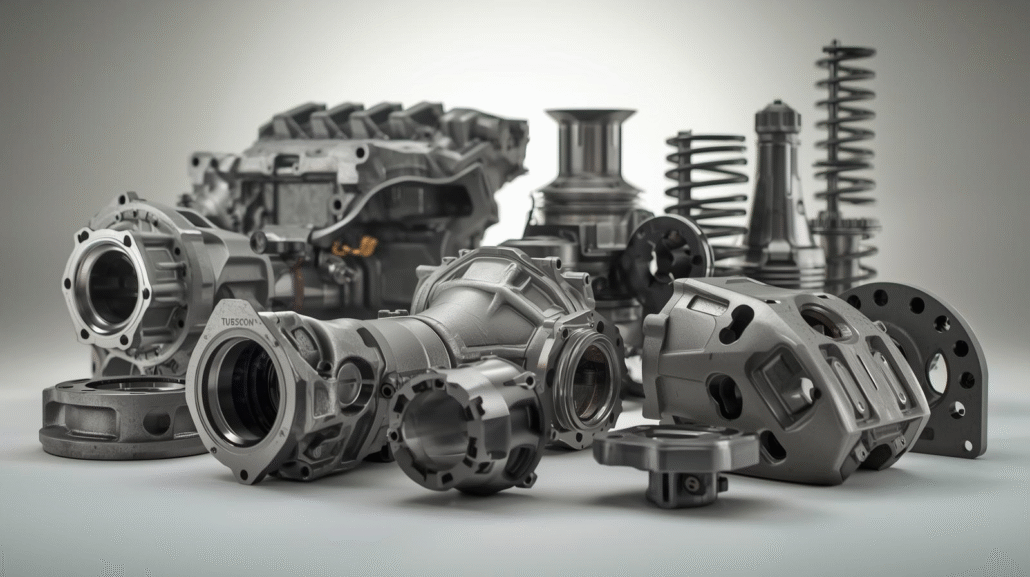
The modern automobile is a sophisticated machine that consists of thousands of separate parts with their own purpose to provide safety, performance, and reliability. Casting is one of the various manufacturing processes that are employed in the automotive industry. Casting is now an irreversible procedure where major parts of a vehicle are formed by shaping molten metal into extremely detailed and strong parts. The engines, transmissions, and braking systems of most vehicles are among the most significant systems that require parts made by casting. Indeed, when designers and builders discuss efficiency, durability, and cost-effectiveness in the production, casting of automobile parts are often at the centre stage of the debate. The art of casting is not new; it was invented thousands of years ago. However, its application in the motor industry has undergone a revolutionary shift to harness hi-tech technologies and the most recent alloys that can fit the high demands of the modern car. Casting has been instrumental in enabling cars to maintain high-performance standards at a relatively low cost through lightweight aluminum engine blocks that are tough and, resilient cast-iron brake components. The article will review the history of the automobile casting parts, processes, advantages, and future trends of automobile casting parts and reveal the reasons why the automobile casting parts continue to be a pillar in the automotive manufacturing industry. History  of Casting It was actually the aluminum casting process that penetrated the sphere in the middle of the 20th century. Casting has been in use in vehicles since the late 19th and early 20th centuries, when the automobile was first developed to replace the horse-drawn carriage. Early engines demanded powerful but inexpensive parts, and casting was the right way to go. One of the first methods to make engine blocks, crankshafts, and housings was iron casting. With the increase in the automobile industry, casting techniques increased and became advanced. The automobile manufacturers learned that they could increase fuel efficiency without reducing the lifetime of the vehicles due to lighter engines and structural parts. Casting is applied to different systems of vehicles in accordance with their application and importance. Finally, the automobile casting parts have the important role of giving strength, accuracy, and cost-effectiveness to reduce the cost, which is why automobile parts are the giants of the automotive industry. What are Automobile Casting Parts? Automobile Casting Parts can be defined as parts of a vehicle that are produced through pouring molten metal into a mold, and the resulting molten metal hardens into a desired shape. This has enabled the manufacture of robust, sturdy, and intricate components that are utilized in automobiles, including engine blocks, cylinder heads, transmission housings, brake drums, and wheels. They are very popular since casting offers: Taking the case of an engine block, the block has various chambers and coolant passages with threaded openings that can be cast correctly. What is Casting? The process of casting is a type of manufacturing where molten metal is poured into a mold and allowed to cool in the shape of the mold. After cooling, the casting is removed, machined (where needed),, and fitted into the finished product. It is an operation in which it is possible to produce both strong and geometrically complex parts. The reason why automobile manufacturers like to use casting is that they can produce large quantities of complicated parts of uniform quality. The proper melting temperature should also be maintained to remove defects such as porosity or underfill We are discussing not only structurally significant parts of automobiles, but also those that must be precise and durable under severe conditions of high temperatures, pressures, and constant wear. Process of Casting in Automobile Parts High-volume production also automates machines or high-pressure systems to ensure a high level of accuracy and consistency. 1. Pattern Making It starts with the production of a pattern, an imitation of the finished part. Patterns tend to be made of wood, metal, or plastic. They also determine the accurate shape and size of the mold cavity into which the molten metal will be poured. 2. Mold Preparation Sand, metal, or ceramic materials are used to form a mold. The two halves of the mold make the cavity to shape the part. Hollows can also be introduced within the mold,, such as internal passages within an engine block. 3. Melting the Metal In a furnace, a controlled temperature is used to melt the selected metal or alloy (cast iron, aluminum, or magnesium). This is to bring mechanical properties to high-performance applications such as engines or gearboxes. 4. Pouring When the metal is melted, it is filled into the mold. The proper sizes and finishes are ensured during drilling, milling, and turning. 5. Solidification and Cooling The heated material is left to cool and harden within the mold, assuming the shape of the mold. The part should avoid a shrinkage defect or crack due to uncontrolled cooling rates. 6. Mold Removal When solidifying, the mold is broken (in sand casting) or the mold is opened (in permanent and die casting). A raw casting is then removed and processed further as a casting blank. 7. Fettling and Cleaning Unneeded material, including sprues, risers, or flash, is eliminated. The casting could be shot blasted or ground to clean up the surface to make it easy to machine. 8. Heat Treatment (if required) Cast parts can be heat-treated to enhance their strength, hardness, or toughness. Sand Casting – Sand casting is one of the oldest and most common ways in which a mold of sand is molded into a more complicated shape. 9. Machining and Finishing Despite the fact that casting generates near-net shapes, a lot of automobile parts have to be machined to be precise. It is used with the engine block, cylinder head, and manifold. 10. Inspection and Testing Lastly, quality checks are done on the cast part. Non-destructive testing (NDT), dimensional testing, and material inspection are conducted to ensure that the part is up to industry standards before assembly into

لماذا الألومنيوم المطروق أفضل من المعدن المصبوب؟

لماذا الألومنيوم المطروق أفضل من المعدن المصبوب؟

ألومنيوم مطروق

Forged aluminum is among the most trusted materials in contemporary engineering practice. It is formed by pressing solid aluminum with a high amount of heat and pressure. It alters the internal structure of the metal and makes it stronger and tougher than cast aluminum. Due to this, industries that require safety and durability use forged aluminum. Aluminum in itself is already rated as lightweight, resistant to corrosion and versatile. It is present in vehicles, aircraft, buildings, electronics and even in common tools. Not everything that is made of aluminum is the same, though. The performance of the metal is directly affected by how the metal is formed. Aluminium is melted and poured into molds when it is cast. This may cause flaws such as air bubbles and holes. Forging eliminates those issues. Rather than melting, the aluminum is pressed into form so that the grain is forced to conform to the design of the part. This yields a very powerful and homogeneous material. Forged aluminum has become popular now that industries are shifting to lighter, safer and more efficient solutions. This paper tells us why it is better than cast metal, the process involved in forging metals, where it is applied and the future of forging of aluminum. What Is Forged Aluminum? Forged aluminum is done by pressing solid aluminum under high pressure. The metal is not melted all the way as in casting. Rather, it is heated till it turns soft and malleable. After being softened, the aluminum is stamped or beaten into the required shape by means of heavy forging machines. This stress flattens the metal and also perfects its internal grains. The grain is oriented in the shape direction, and it contributes to the part’s better strength and toughness. Such a fine structure also removes numerous defects present in cast aluminum, including pores or cracks. Consequently, forged aluminum is safer, more durable and stronger. How an Aluminum Forge Works? Forging is done in an aluminum forge. There are a few steps involved in the process: This process ends up with a thick, solid, and homogeneous portion. It does not have weak spots or air bubbles like casting. Benefits of Forged Aluminum Cast metal and other materials cannot do what forged aluminum can do. It has become the tool of preference in industries where we cannot afford to compromise on performance and safety. Superior Strength Forged aluminum is very strong, and this is one of the key benefits of forged aluminum. The grain structure of the metal is refined through the forging process. The tensile and fatigue strength are enhanced by this alignment. False components can bear heavy loads as well as stresses and strains repeatedly without failure. This also positions them very well in high-performance activities like plane landing gear, suspension systems, and industrial machinery. Lightweight but Tough Aluminum is inherently lighter than steel, and forging goes even deeper with it. Forged aluminum is very strong for its weight. This enables engineers to ensure that they make lighter machines and vehicles that are still safe and strong. The weight loss makes cars and aeroplanes more fuel efficient, but also gives them durability. Increased Resistance to Fatigue Cast parts wear out much more than forged aluminum. Fatigue is a condition in which a part has worn out due to multiple stress cycles. Due to weak grain structure, cast parts tend to crack. Aluminum that has been forged does not crack easily, and thus parts made with this material will survive long in the hands of those who use them. Uniform Grain Structure The forging process is used to match the part shape with the grain in the metal. Such homogeneous graining makes it harder and harder to strike. Quite the contrary, casting gives arbitrary grain structures that create weak positions. Safety and Reliability Safety is the first priority in high-pressure industries like aerospace, automotive and defense. Forged aluminum is reliable as it provides power, hardness and steadiness over time, even in extreme circumstances. Aluminum Forging uses Aluminum forging has made an impression in the world where weightless, powerful and enduring parts are required. Forged aluminum parts are believed to be safe and, therefore, are commonly trusted in critical applications related to safety. Automotive Industry Modern automobiles are involved in fraudulent aluminum. A very common application is in wheels. Compared to cast wheels, forged wheels are lighter, more durable and safer. This type of weight loss improves manoeuvrability and fuel efficiency. Suspension parts are another significant use that should resist heavy loads, impact, and vibration on the road. The aluminum used is forged, so they are not stressed. Moreover, most engine parts, including connecting rods and pistons, are forged. These sections can withstand high pressure and hot temperatures with long durability. Concisely, forged aluminum improves the automobile’s performance and safety. Aerospace Industry Aircraft require components that are lightweight in nature and strong. Forged aluminum fits this specification. It applies to landing gears, which are supposed to withstand high levels of impact during landing and takeoff. It also occurs in wing structures where efficiency depends on lightness. Forged aluminum parts deal with pressure, heat and vibration in aircraft engines. Failure is not an option in flight; this is why the aerospace industry relies on forging. Military and Defense Defense applications require forged aluminum. Forged parts of tanks, aircraft, and naval ships have to endure the extreme conditions of combat. Forging guarantees maximum toughness, strength and reliability even in the most strenuous conditions. Industrial Machinery Major equipment is usually operated at full load. Forged aluminum products are wear-resistant and minimize downtime. This makes them cost-effective and long-term solutions for manufacturers. Sports and Lifestyle The sports and lifestyle items also use forged aluminum. Forged components are used to manufacture high-end bicycles, climbing gear and sports equipment. Such objects need to be lightweight and durable over a long period of time, which is why forging is the best method. The Reason Why Industries use forging rather than casting? Forging is the option

مستقبل مصبوبات السيارات

مستقبل مصبوبات السيارات: الابتكار والكفاءة والأداء

مُصنِّع قوالب الصب بالقالب, صب القوالب

لم تتخلف السيارات أبداً عن ركب التطور التكنولوجي. فمنذ التأطير الأول للفولاذ في صناعة السيارات وصولاً إلى أحدث السبائك خفيفة الوزن، تم تحسين كل جزء من أجزاء السيارة من خلال الابتكار لتعزيز السلامة والمتانة والأداء. يكمن أحد أهم مجالات التقدم في عالم مصبوبات السيارات. وقد ساعد ذلك في تصميم السيارات وإنتاجها وتحسينها. بعبارات بسيطة، يمكن تعريف مصطلح مصبوبات السيارات على أنها العملية التي يتم من خلالها قياس المعدن المنصهر وصبّه في القوالب لتشكيل الأجزاء المعقدة من السيارة. تتسم هذه الطريقة بالدقة والفعالية من حيث التكلفة ويمكن تحجيمها لتناسب الإنتاج بكميات كبيرة. هذه العمليات مهمة في هذه الصناعة لأن جميع المركبات الموجودة على الطريق اليوم تقريبًا تحتوي على العديد من الأجزاء التي تم صبها. تتناول هذه المقالة تاريخ ما يُسمى بمسبوكات السيارات وتصنيعها ومزاياها ومستقبلها، كما تلقي نظرة على كيفية مساهمة ما يُسمى بمسبوكات السيارات، وقطع غيار السيارات المصبوبة بالقالب وقطع غيار السيارات المصبوبة في تشكيل السيارات الحديثة. تاريخ مصبوبات السيارات يعود تاريخ طرق الصب إلى عدة آلاف من السنين، على الرغم من أنه لم يتم استخدامها في صناعة السيارات إلا في نهاية القرن التاسع عشر وأوائل القرن العشرين. كانت السيارات الأولى غير فعالة وذات وزن كبير، وكانت معظم مكوناتها من الفولاذ المطروق. ومع ازدياد الحاجة إلى الإنتاج بكميات كبيرة، طُلب من المصنعين إيجاد حل أرخص وأسرع. ثم جاءت الفترة التي بدأت فيها تقنيات صب السيارات لتحل محل التقنيات التقليدية. فمن خلال الصب، أصبح بإمكان مصنعي السيارات إنتاج العديد من الأجزاء نفسها بكميات كبيرة مع إهدار أقل للمواد. وقد أدى ذلك إلى الإنتاج بكميات كبيرة، وهو أحد الأسباب التي جعلت السيارات في متناول الناس العاديين في الطفرة الصناعية. وتستخدم مصبوبات السيارات الحديثة اليوم أحدث السبائك والقوالب الدقيقة والأتمتة لتلبية المعايير العالية للمعايير الدولية للسيارات. ما هو صب السيارات؟ صب السيارات هو عملية تصنيع يتم تطبيقها في صناعة السيارات لصنع أجزاء من سياراتهم من خلال صب المعدن المنصهر في القوالب، حيث يتصلب ويتصلب إلى الشكل المطلوب. وهي تقنية تمكّن المصنّعين من صنع أجزاء معقدة وطويلة الأمد ودقيقة بتكلفة منخفضة وجهد أقل مقارنةً بالتشغيل الآلي التقليدي أو التشكيل. ويتم تطبيق هذه التقنية في أجزاء كتلة المحرك، وأجزاء رأس الأسطوانة، وأجزاء مبيت ناقل الحركة، وأجزاء المكابح، وأجزاء التعليق. من خلال سبائك مختلفة مثل الألومنيوم والحديد الزهر والصلب والمغنيسيوم، يوفر صب السيارات القوة والتصميم خفيف الوزن والمتانة اللازمة في السيارات الحديثة. هذه التقنية شائعة للأسباب التالية: قطع غيار السيارات الشائعة المصنوعة عن طريق الصب: أنواع صب السيارات باختصار، يُعد صب السيارات ضروريًا لأنه يساعد صانعي السيارات في تطوير مكونات يمكن الاعتماد عليها وخفيفة الوزن وفعالة من حيث التكلفة على أساس جماعي. لا يمكن إنتاج السيارات الحديثة بكميات كبيرة بدونها. المواد المستخدمة في مصبوبات السيارات الألومنيوم يعتبر الألومنيوم خفيف الوزن ومقاوم للتآكل، وهو من بين أكثر المواد المفضلة في مجال مصبوبات السيارات. فهو يحقق وفورات كبيرة في الوزن الإجمالي للسيارات، مما يعزز كفاءة استهلاك الوقود والقدرة على المناورة. كما أن الألومنيوم موصل حراري جيد، وبالتالي فهو جيد في كتل المحرك ورؤوس الأسطوانات وأغطية ناقل الحركة. يُستخدم الألومنيوم في صناعة العديد من أجزاء السيارات المصبوبة بالقالب لأنه يمكّن المصنّعين من صناعة مكونات عالية الدقة وخفيفة الوزن دون فقدان القوة. وبفضل مرونته وثباته، يُعد الألومنيوم أحد أفضل المواد في صناعة السيارات المعاصرة. الحديد الزهر المواد الأخرى الشائعة في مصبوبات السيارات هي الحديد الزهر لأن هذه المادة تتمتع بقوة عالية ومقاومة للحرارة وخصائص تآكل. الحديد الزهر أثقل من الألومنيوم، وهو مناسب للاستخدامات الهيكلية والاستخدامات الشاقة مثل كتل المحرك وبراميل المكابح وأجزاء أخرى من نظام التعليق. ويتميز هيكله بالمتانة الشديدة، ما يعني أن هذه الأجزاء يمكن أن تقاوم ضغوط الخدمة طويلة الأمد وظروف درجات الحرارة العالية، ما يجعله حيوياً للسيارات التي تحتاج إلى أداء قوي وموثوق. الفولاذ في مصبوبات السيارات، يُفضّل استخدام الفولاذ في مصبوبات السيارات نظراً لقوته ومرونته العالية. تزيد المعالجة الحرارية للأجزاء المصنوعة من الفولاذ من المتانة، لذا فهي مثالية في أجزاء الهيكل والأقواس والإطارات الهيكلية. على الرغم من أن وزن الفولاذ أكثر من الألومنيوم، إلا أنه يوفر القوة والقدرة على التحمل لبعض الأجزاء الحرجة للسلامة في السيارة. إنه مرن، ويمكن للمهندسين ابتكار مكونات تفي بكل من الأداء والمتطلبات التنظيمية. سبائك المغنيسيوم تجد سبائك المغنيسيوم تطبيقات متزايدة فيما يسمى بمسبوكات السيارات حيث يكون فقدان الوزن أولوية. هذه السبائك خفيفة للغاية، ومع ذلك توفر قوة كافية للأجزاء غير الهيكلية. يمكن استخدام أجزاء المغنيسيوم في التركيبات الداخلية وأغطية المحرك وبعض الأجزاء الهيكلية، خاصةً في السيارات عالية الأداء والسيارات الكهربائية، حيث يكون تقليل الوزن الإجمالي مهمًا للأداء والتعامل. سبائك النحاس تُصنع سبائك النحاس أحياناً في ما يسمى بمسبوكات السيارات نظراً لتوصيلها الكهربائي والحراري العالي. وهي مواد مقاومة للتآكل ومواد قوية يمكن استخدامها في بعض المكونات الكهربائية أو الأجزاء الحساسة للحرارة في السيارة الحديثة. لا تُستخدم سبائك النحاس على نطاق واسع مثل الألومنيوم أو الفولاذ، ولكن لها استخدامات متخصصة، مثل الحالات التي يكون فيها الأداء والتوصيل مهمين. المواد المركبة تقوم بعض الشركات المصنعة بتجربة المواد المركبة في أجزاء السيارات المصبوبة مع تطور تكنولوجيا السيارات. وقد تم تطوير هذه المواد لتوفير الوزن مع توفير القوة، ويمكن أن تكون مفيدة جداً في السيارات الكهربائية والهجينة. كما تتمتع المواد المركبة أيضاً بتنظيم حراري أفضل ومقاومة أفضل للتآكل، وهي تقنية جديدة في الجيل القادم من قطع غيار السيارات. أنواع عمليات صب السيارات تستخدم صناعة السيارات عدداً من تقنيات الصب، ولكل منها أجزاؤها وموادها الخاصة. سننظر في أكثرها شيوعاً: الصب بالرمل واحدة من أقدم التقنيات هي الصب بالرمل، حيث يتم تصنيع المكونات الكبيرة والمعقدة بواسطة قوالب رملية. وهي الأنسب للنماذج الأولية والأجزاء الثقيلة مثل كتل المحرك. الصب بالقالب الصب بالقالب هي العملية التي تتطلب حقن معدن منصهر عالي الضغط في قوالب فولاذية قابلة لإعادة الاستخدام. وهي تقنية ذات أهمية خاصة في تصنيع الأجزاء الخفيفة ولكن

انتقل إلى الأعلى

احصل على عرض أسعار