أجزاء الصب بالقالب

لماذا يفضل المصنعون الرائدون قطع غيار السيارات المصبوبة بالقالب الألومنيوم

قطع غيار السيارات المصبوبة بالقالب الألومنيوم: لماذا يفضل المصنعون الرائدون

صب القوالب الألومنيوم

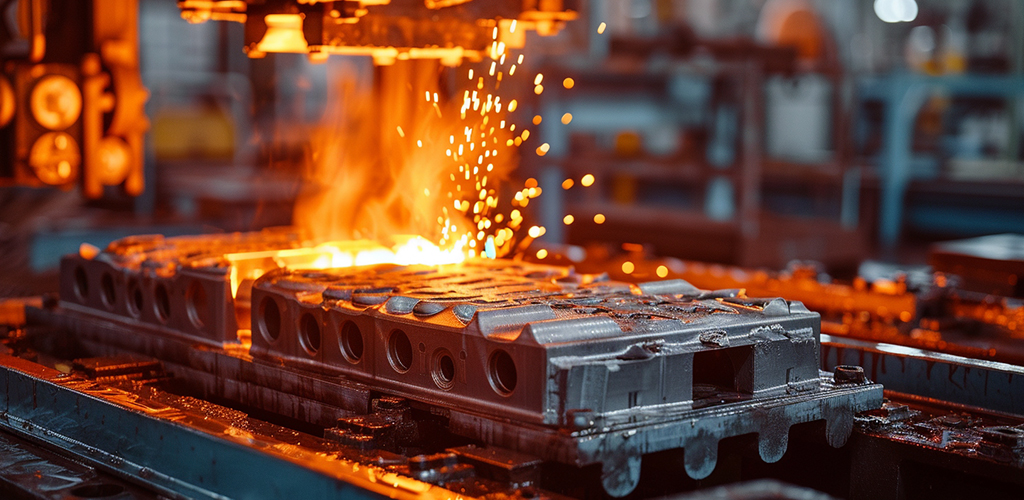
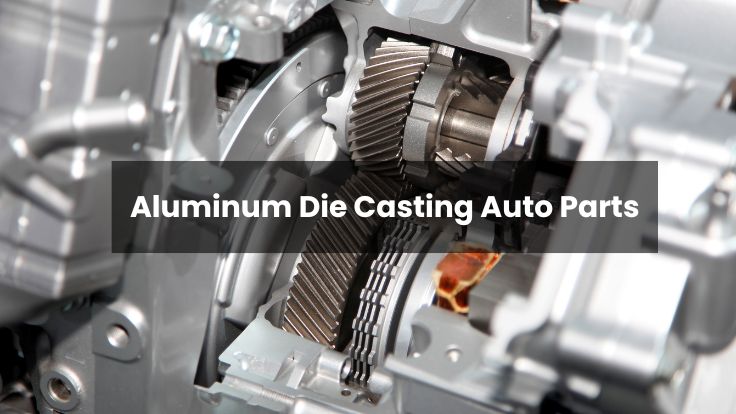
Aluminum Die Casting Auto Parts are now a common practice for industry-leading designs of engine blocks, transmission housings and a wide range of brackets. The method makes it possible to include complex designs and ensures both lightness and durability in parts crucial for strong performance and better fuel efficiency. Because it is fast and produces very little scrap waste, aluminum die casting is widely used by automakers everywhere. Auto diecasting is essential when building parts for modern cars. This manufacturing process melts aluminum into shapes required by dies, since the moulds are strong and reusable. The increasing emphasis on improved and more energy-efficient vehicles has caused companies to use more aluminum. Producing these parts dependably at a high level of accuracy often depends on aluminum die casting. The auto diecasting parts manufacturer is central to these manufacturing developments. Because electric vehicles and hybrids are getting more common, manufacturers will need more aluminum components that are both light and don’t rust or corrode easily. Because of these qualities, aluminum die casting is important to the development of transportation technology. In this article, we will cover the auto diecasting process, its advantages, common applications in automobiles and how leading die casting manufacturers make outstanding diecasting parts for today’s vehicles. What Exactly Is Aluminum Die Casting? Aluminum die casting happens when molten aluminum is pushed under high pressure into a cavity in a mould. Generally, the mould consists of hardened tool steel and shapes repeatable forms of high precision. As soon as the casting is solid and cool, the die is opened so the cast can be removed. Key Features: What Makes Die Casting With Aluminium Useful? Aluminum die casting enables producers to make high-quality components at reasonable and flexible costs. Main Benefits: When several features are present, numerous components can be assembled together into one unit. What is Auto DieCasting? Auto diecasting is the process of forcing liquid aluminum into special die or mold to shape automotive components. Many consider it known for producing extremely detailed and correct parts to tight tolerances. Because it is faster, cleaner and less costly, “auto diecasting” is now used instead of other approaches to make many vehicle components. High quality Steel dies or die casting molds are used in the manufacturing process, allowing them to handle the heat used over and over again. The cooling and ejection of the demolded aluminum part are simple, so very little finishing is needed. Therefore, the process achieves greater efficiency than machining and similar metal-forming techniques. The need for using auto die casting increases as auto designers and engineers try to build lighter, more efficient vehicles with aluminum. Uses of Aluminum Die Casting The reason aluminum die casting is important in several sectors is that it creates parts that are both strong, light and very precise. Since it performs very well mechanically, aluminum is highly appreciated in fields that demand top performance, lasting use and unique geometry. You’ll find ceramics in cars, planes, electronics, appliances and other equipment, and these applications are always increasing. Automotive Industry Aluminum die-cast parts are used most by the automotive industry. The use of this method grows as it helps manufacturers cut vehicle weight, improve mileage and fulfil tight environmental rules. Part of any auto engine, transmission, cylinder head, suspension unit or support structure may be made of aluminium. Increasing numbers of electric vehicles make die casting in aluminum necessary, since lightweight components help prolong battery life and make driving more enjoyable. Good dimensional accuracy in parts allows several components to be shaped into complex shapes, which then saves on costs by needing fewer processes and pieces. Aerospace Industry In aerospace, aluminum die casting is chosen because it gives the best strength and weight reduction. Customers turn to die-cast aluminium for aircraft frames, flight systems, gearbox coverings and engines. They are subjected to tough loads and various oil field conditions while staying the same size and remaining safe. Because of the process, parts for aerospace can be fully customized to meet high standards, all within a quicker timeframe and while working more efficiently. Because commercial and defence aviation is advancing, more demand for advanced aluminium parts is appearing. Consumer Electronics Aluminum die casting is popular in the consumer electronics industry for making parts that are both attractive, durable and good at handling heat. Internal parts of many laptops, tablets, smartphones, and camera bodies are commonly protected by die-cast aluminium housings which also give them an elegant appearance. Apart from how it lookaluminiumnum is great at conducting heat, so it’s often used in heat sinks and cooling systems. Because of die casting, small and complex designs can be manufactured, answering the industry’s desire for gadgets that use less power and take up less space. Lighting Industry There would be no excellent outdoors or industrial lighting without die-cast aluminum. Because of its advantages, aluminum is used to create street lights, LED covers and floodlight covers. That’s why lighting components can last a long time in all sorts of weather conditions. As a result, die casting makes it possible to put detailed features into a single part, so manufacturers may not have to add additional items or assemble different parts, saving them further money. Industrial machinery and equipment Aluminum die-cast parts are frequently employed in machines and equipment in industry because they last, offer high accuracy and protect against environmental damage. Examples of applications include pump housings, valve bases, gearboxes, motor cases and different structural components. Using this type of process allows the production of powerful parts that must function reliably in tough conditions.  Different Types of Aluminum Die Casting Different types of aluminum die casting are chosen based on what type of part, how many and the desired quality. Every process comes with specific pros, and one is picked depending on what the product requires. Die casting that uses high pressure (HPDC) Most of the time, high-pressure die casting is the process used. The aluminium is poured into the mould when pressured at a very high

قطع غيار السيارات المصبوبة بالزنك للمركبات عالية الأداء

أجزاء الصب بالقالب

In automotive manufacturing, it is important to have precision, solid components, and cost efficiency to produce top-performance parts. Meeting these demands can be done reliably with zinc die casting. Many manufacturers now use zinc die casting for automotive parts to obtain tough parts, exactly the right size, and protected against corrosion. Because they cast well, zinc alloys work great in large-scale automotive production. Owing to their easy melting and good flow, these alloys can be formed inside detailed molds with tight levels of accuracy. Zinc alloy casting is vital for building die-cast zinc parts in automobiles, such as housings for locks, brackets, door handles, and many under-the-hood fittings. Apart from needing mechanical power, these parts should also resist changes in temperature, vibration, and outside influences. Because the auto zinc-alloy die-cast process provides a better finish, manufacturers can also reduce or cancel out the need for extra finishing operations such as machining or polishing. What’s more, zinc can be used with many types of plating and coating, which boosts both how useful and attractive the parts become. Because zinc alloys are recyclable, manufacturing with them fits well with the industry’s move toward eco-efficiency. The following sections will focus on understanding the main features, weaknesses, areas of application, and related topics of zinc die casting in the automotive industry, underscoring the trend of greater interest in zinc die casting for mobility by examining a series of auto zinc alloy case studies. What is zinc die casting?  Zinc alloy is injected into a steel mold at high pressure in order to make accurate metal parts through zinc die casting. Because complex parts are produced with stability and top-quality smoothness, and exact fits, EBM is seen as particularly valued. What Are the Important Features of Zinc Die Casting? 1. When working with high-pressure injection, molten zinc is introduced quickly into a precise mold at high pressure, so that every part of the mold is filled. 2. Zinc cools and hardens very fast, which is why the process is suited to mass manufacturing. 3. Made of durably hardened steel, the dies are designed for many uses and are therefore suitable for large-volume production. Why Zinc? Because of its properties, zinc is frequently employed in die casting. Zinc Alloys: What Makes Them Unique? Zinc alloys include important mechanical and physical features required for good automotive performance. These include: The reasons behind these properties mean that zinc alloys are a common pick for brackets, housings, handles, lock components, and trim parts placed inside or outside a car. A strong benefit of automotive parts zinc die casting is that you can build many useful functions into a single, detailed part, which makes assembly less necessary and drops the product cost. What is the Die Casting Process? In die casting, the mold or die holds molten metal that is pressed under high pressure. For every part, a mold is made that ensures parts are produced quickly, exactly the same, and accurately. The most important parts of zinc die casting are: Great attention is paid to these stages to guarantee that zinc-cast vehicle parts are top quality. Zinc Die Casting Process and Its Characteristics Parameter Typical Value / Range Unit Description Injection Pressure 35 – 120 MPa High pressure ensures complete mold filling and detail replication. Injection Time 0.02 – 0.15 seconds Fast cycle times are possible due to zinc’s excellent fluidity. Die Temperature 150 – 250 °C Optimal temperature for mold longevity and casting quality. Melting Point of Zinc Alloy 380 – 390 °C Low melting point reduces energy consumption and tool wear. Solidification Time 0.1 – 1.0 seconds Zinc solidifies quickly, allowing short cycle times. Density 6.6 – 6.9 g/cm³ Zinc is denser than aluminum, offering better damping and strength. Tensile Strength (Zamak 3) ~280 MPa Sufficient for structural and mechanical automotive parts. Elongation at Break 10 – 15 % Indicates ductility; zinc alloys can absorb impact without cracking. Surface Finish Quality Excellent – Zinc supports high cosmetic quality with minimal post-processing. Tolerance Control ±0.02 – ±0.05 mm Tight tolerances are achievable, reducing the need for secondary machining. Reasons to Use Zinc Alloys Excellent Castability Zinc alloys are valued for their excellent ability to be cast. Because zinc melts at a low temperature and has great flow, it fills complex mold shapes perfectly. Therefore, zinc alloys are best for precise designs, as found in automotive zinc die casting parts, where getting consistent detail and form is important. Thin-walled sections and intricate forms, available with minimal porosity, are highly desirable in mass production. High levels of accurate matching Because of zinc alloys, it becomes very simple for manufacturers to achieve accurate dimensions. This matters a lot in industries such as automotive and electronics, since components should be accurate and barely vary. Because zinc die-cast components usually do not need post-machining, manufacturing costs are reduced. Thanks to their consistency, zinc alloys help keep quality high and the products reliable throughout massive production. Superb surface finish Zinc alloys are valuable because their superior surface finish is possible to obtain directly during molding. Reduced requirements for finishers’ operations come from the natural surface finish of the parts. Polishing, painting, or chrome or nickel plating zinc alloy parts is easy, so they serve well in places where both how they look and how they perform are important. In both consumer goods and automotive interiors, things like handles and buttons benefit a lot from this type of coating. Good Performance for Mechanical Strength and Toughness Zinc alloys bring together solid strength, a high resistance to being bent or broken, and a limited tendency to be malleable. As a result, we use metals with these properties wherever mechanical stress or strong wear occurs. Because they are impact resistant, zinc alloy components are strong and last a long time. Because they are strong, most structural and working parts, such as brackets, housings, and locking pieces, are built from plastics. Corrosion Resistance Because a zinc oxide layer forms on them, zinc alloys do not easily corrode.

مستقبل التصنيع: استكشاف صب الألومنيوم بالقالب في السيارات

مستقبل التصنيع: استكشاف صب الألومنيوم بالقالب في السيارات

صب الألومنيوم, صب القوالب الألومنيوم

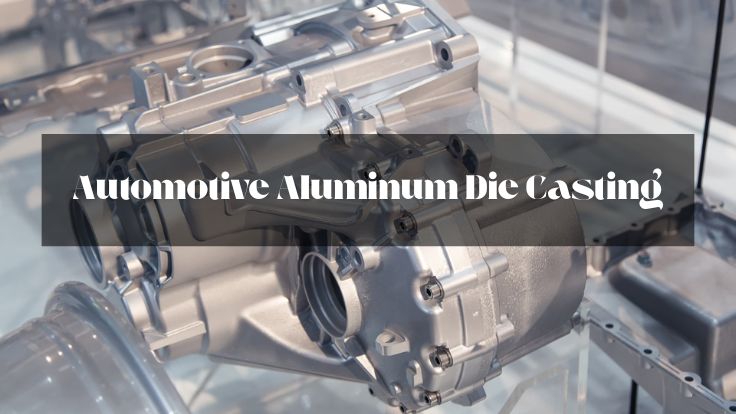
The rapid changes in the automotive industry mean car companies always need to build vehicles that are lighter, safer, and save energy. One key technology behind this change is automotive aluminum die casting. Thanks to this process, manufacturers can form metal parts that are both strong and light, maintaining the necessary complex figures and precision needed today in automotive work. As there is growing interest in EVs, improved security, and fuel savings, automotive die casting is now used more than ever. In die casting, aluminum is poured into a small, highly accurate steel mold at considerable force. The process allows for quick and regularly repeatable results and the parts have precise dimensions and look great. Right now, many die casting products are put to great use in important parts of cars such as engine blocks, transmission housings, car suspensions and battery enclosures. The construction must be solid, but it also has to meet high standards for heat and stress. Because people are choosing aluminum more than steel, many makers are turning to automotive aluminum die casting since it helps lower vehicle weight without hurting strength. Modern advances in machines, materials and sustainability make it possible for manufacturers to produce aluminium die casting parts for vehicles that satisfy modern regulations and please the environment. We go over the main ideas in automotive die casting which include materials, machines, design criteria and examples of their use. No matter if you work in the industry or not, understanding automotive die casting helps you see the evolution of manufacturing and the future of vehicles. What is the process known as automotive aluminum die casting? Automotive aluminum die casting takes place by injecting melting aluminum into steel dies using tremendous pressure. As soon as the aluminum becomes solid, it establishes a part that is both precise and tough, with a fine surface finish and good dimensions. Because safety, performance, and efficiency matter most in the automotive sector, these features are vital. This way of manufacturing helps produce complex designs that cannot be achieved with traditional production. Because it is light, using aluminum helps vehicles shed weight without becoming weaker. Design Engineering All automotive casting starts with a complete design and engineering phase. With 3D CAD software, engineers can make a model and test it to predict its actions in reality. The molding simulations show how molten metal is shaped inside the mold, how it will set, and where possible problems with air pockets or shrinkage could happen. The goal is to enhance the performance, strength, and ease of manufacturing of the part. The team also figures out the end joining process and the aluminum alloy suitable for the application. The process of making a Die (Mold) The design is followed by creating the die, which will shape the molten material in the process. These dies are expertly made to measure with tight tolerances and resist many casting attempts. Whether the job is complex or produced in high volume, the die may be made to work with more than one cavity. The die will also hold special channels for cooling and pins that will eject the part as soon as it is done solidifying. A well-designed die helps ensure the product is dimensionally accurate, has a good surface, and the tools last a long time. Adjust the Metal After that, aluminum ingots are melted further in industrial furnaces that work beyond 660°C (1220°F), the melting point for aluminum. The molten material is held at a constant temperature and is often freed from hydrogen, which might otherwise cause empty spaces inside. Sometimes chemicals are combined to provide extra strength, increased flexibility, or less susceptibility to corrosion of the aluminum. Since impurities in the molten metal may create flaws in the final item, the metal needs to be clean. Injection and Casting High-pressure die casting is a key process since the molten aluminum is shot into the mold at super-fast and extremely high pressure. Fast filling the metal into all corners of the die catches the tiny details from the part design. All the stress involved helps to reduce air pockets inside the components, which makes them powerful and solid. Just after the die is filled, the aluminum starts to cool and harden in only a few seconds. A fast initial cooling allows for a good grain structure and a perfect surface finish. Finished air tanks are sent through cooling and then ejected The air in the die is released and, with automated pins, the molded part is ejected after the aluminum has solidified. Throughout the die, temperature is controlled, and cycle times are cut down because of the cooling channels. The process at this phase requires attention because crooked cooling may result in either cracks or warping. Even after being ejected, the casting keeps its warmth and may undergo more treatment before entering the next step. The trimmers and finishers are part of this, too Often, in the casting process, some runner and flash pieces are left that have to be cut off. Trimming or machining the ends is how this is done. Sometimes, drilling, threading, surface grinding, or applying a coating is needed to finish the item accurately for its purpose. Sometimes, shops apply heat treatments to help increase a metal’s strength and ability to resist fatigue. After everything is finished, the parts are inspected for both inside and outside problems with measurements, X-rays, or ultrasonic machines. The assembly or shipping of objects is accomplished in stages A thorough check and finish mean the casting can either go to the customer or be carried forward for assembly systems. Before going into vehicles, the housing, brackets, and mounts are assembled with many other mechanical or electronic elements. Castings are best protected during transportation, and the supply chain moves smoothly if logistics and packing are effective. Benefits of Automotive Die Casting in the Automotive Industry More automakers are adopting aluminum components because of the benefits made possible by automotive die casting. The main benefit is that vehicles

أفضل 10 خدمات صب القوالب حسب الطلب في الصين

أفضل 10 خدمات صب القوالب حسب الطلب في الصين

الماكينات الهندسية الصينية, شركات صب القوالب, مُصنِّع قوالب الصب بالقالب

تشتهر الصين بمكانتها الرائدة عالمياً في مجال التصنيع، بما في ذلك صناعة الصب بالقالب التي تخدم صناعات السيارات والفضاء والإلكترونيات والسلع الاستهلاكية والآلات الصناعية. وتتطلب كل هذه الصناعات مكونات معدنية عالية الجودة. من بين جميع تقنيات تشكيل المعادن، فإن الصب بالقالب هو الأكثر تميزًا من بين جميع تقنيات تشكيل المعادن، حيث أنه الأكثر تميزًا من حيث القدرة على تحقيق مستويات عالية الدقة في التشكيل المعقد، والتشطيب السطحي، والقوة، وفعالية التكلفة. وفي الصين، تبرز صناعة خدمات الصب بالقالب حسب الطلب في الصين لتحتل مكانة عالمية المستوى بسبب دقة التسويق والتركيز على التكنولوجيا. إن إنشاء النماذج الأولية للشركات الناشئة وحلول الإنتاج القابلة للتطوير للشركات متعددة الجنسيات مصممة خصيصًا للخدمات التي يقدمها مقدمو خدمات صب القوالب في الصين. فهم يمتلكون المعدات والقدرة الهندسية لتحويل المفاهيم إلى واقع ملموس. دعونا الآن نتعمق أكثر في أفضلهم وما يميزهم عن المنافسين العالميين الآخرين. يمكن أن يؤثر اختيار شريك مناسب لصب القوالب في الصين تأثيرًا استراتيجيًا على جودة منتجاتك وكفاءة تكلفتها وموثوقيتها. يقدم كبار مصنعي قوالب الصب في الصين خدمات ذات قيمة مضافة تتجاوز مجرد صب القوالب. تشمل هذه الخدمات استشارات التصميم، وصناعة القوالب، والتصنيع باستخدام الحاسب الآلي، والتشطيبات السطحية، ومراقبة الجودة، وحتى التجميع، وكلها تتم داخل الشركة. وقد اكتسبت هذه الشركات عملاء دوليين بسبب قدرتها على تحقيق إنتاج بكميات كبيرة باستمرار. لقد أعددنا لك قائمة بأفضل 10 خدمات صب القوالب المخصصة في الصين بناءً على تطور معداتها وقدرتها الإنتاجية وشهاداتها - ISO 9001 و IATF 16949، بالإضافة إلى ملاحظات العملاء والتعرض للأعمال الأجنبية. تلتزم هذه الشركات الرائدة في الصناعة بتحسين عمليات الإنتاج الفعالة مع تلبية متطلبات العملاء المتغيرة باستمرار. شركة سينسير تيك سنة التأسيس: 2005عدد الموظفين: 100-500نوع العمل: تصنيع قوالب حقن البلاستيك، صب القوالب، التصنيع باستخدام الحاسب الآلي، خدمات التجميع الموقع الإلكتروني والاتصال: الموقع الإلكتروني: plasticmold.netالبريد الإلكتروني: info@plasticmold.netPhone: +86 135 135 30801277العنوان: المبنى رقم 1، رقم 30 طريق هوان تشن، قرية شانغ دونغ، مدينة تشي شي، مدينة دونغقوان، مقاطعة قوانغدونغ، الصين، 523000 الملف التجاري شركة سينسير تيك هي إحدى الشركات الرائدة في مجال صب القوالب المخصصة في الصين. ويقع مقرها الرئيسي في مدينة دونغقوان بمقاطعة قوانغدونغ، وهي مجهزة بمصانع وقوة عاملة تتراوح بين 100 إلى 500 موظف. وبالإضافة إلى صب القوالب، تشمل خبرات شركة Sincere Tech قولبة حقن البلاستيك والتصنيع باستخدام الحاسب الآلي وغيرها. وعلى مدار عقود، اكتسبت شركة Sincere Tech سمعة طيبة على مدار عقود من الزمن في مجال الدقة والموثوقية كشركة مصنعة متعاقدة مع عملاء متعددي الجنسيات في قطاعات السيارات والإلكترونيات والقطاعات الطبية والصناعية والقطاعات الصناعية والقطاعات الصناعية. التزامات الجودة إن شركة Sincere Tech حاصلة على شهادة الأيزو 9001، وبالتالي فإن بروتوكولاتها وضوابطها الداخلية تخضع لمعايير صارمة. كما تضمن هذه الشهادة توافق المؤسسة مع المعايير الدولية لأنظمة إدارة الجودة. تضيف شركة Sincere Tech قيمة مضافة لعملائها من خلال دمج الجودة في كل مرحلة من مراحل الإنتاج، بما في ذلك: اختيار المواد الخام، والأدوات، والإنتاج، وكلها تستخدم أحدث أجهزة قياس الضغط المتسلسل وأجهزة العرض لضمان دقة القياسات. لماذا تختار شركة سينسير للتكنولوجيا؟ شركة GC Precision Mould Co., Ltd سنة التأسيس: 1999عدد الموظفين: 100-200+ نوع العمل: صب الألومنيوم والزنك والمغنيسيوم بالقالب، التصنيع باستخدام الحاسب الآلي، صب حقن البلاستيك الموقع الإلكتروني والاتصال: الموقع الإلكتروني: aludiecasting.comالبريد الإلكتروني: info@aludiecasting.comPhone: +86 131 131 4886 5556العنوان: No. 30 Huan Zhen Rd, Qi Shi Town, Dongguan City, Guangdong County, Guangdong County China, 523516 الملف التجاري تأسست شركة GC Precision Mould Co., Ltd. في عام 1999، ويقع مقرها في مدينة دونغقوان بمقاطعة قوانغدونغ بالصين. وهي متخصصة في صب القوالب حسب الطلب ولديها قوة عاملة من حوالي 100 إلى 200 موظف. تقدم الشركة خدمات صب قوالب الألومنيوم والزنك والمغنيسيوم، والتصنيع باستخدام الحاسب الآلي، وخدمات صب حقن البلاستيك. مع شركة GC Precision، يمكن للعملاء الحصول على خدمات كاملة من تصميم القوالب إلى الإنتاج بغض النظر عن مدى بساطة أو تعقيد المشروع. التزامات الجودة تحافظ شركة GC Precision على أسعار تنافسية مع تقديم حلول صب القوالب المخصصة عالية الجودة لعملائها. وتتبع الشركة إرشادات ISO 9001، وبالتالي فإن إجراءات الجودة الخاصة بها مثل فحص القوالب، وفحص المادة الأولى، وعمليات الفحص أثناء العملية، والفحص النهائي تضمن تلبية متطلبات العملاء دائمًا. لماذا تختار GC Precision Mould؟ شركة CNM Tech Co., Ltd. سنة التأسيس: منذ أكثر من 20 عامًاعدد الموظفين: 100-400نوع العمل: صب القوالب الدقيقة، التصنيع باستخدام الحاسب الآلي، خدمات التجميع الموقع الإلكتروني والاتصال: الموقع الإلكتروني: diecastingschina.comالبريد الإلكتروني: info@diecastingschina.comPhone: +86 130 130 4589 8002 العنوان: Rm 101, No.40, Donghu road, Jinglian, Qiaotou town, Dongguan city, Guangdong Province, China. 523520. ملف تعريف الشركة بعد فترة وجيزة من استكمال تسجيل الأعمال في مدينة دونغقوان بمقاطعة قوانغدونغ، أصبحت شركة CNM Tech Co. Ltd. معروفة في صناعة الصب بالقالب المخصص. بقوة 100-400 موظف، تتخصص الشركة في صب قوالب الألومنيوم بالقالب مع التصنيع باستخدام الحاسب الآلي والتجميع الكامل الخدمات. وهي تلبي احتياجات صناعات السيارات، والإلكترونيات، والصناعات الطبية، والمنتجات الاستهلاكية. تضمن شركة CNM Tech الجودة في كل خطوة من خطوات العملية بفضل حصولها على شهادة الأيزو 9001 ISO 9001. توظف الشركة أجهزة اختبار بالموجات فوق الصوتية، وماسحات ضوئية ثلاثية الأبعاد، وأجهزة قياس المسح الضوئي ثلاثية الأبعاد، وأجهزة قياس المسافة المقطعية لإجراء عمليات فحص شاملة خلال جميع مراحل الإنتاج لضمان الدقة والجودة. لماذا تختار شركة CNM Tech؟ شركة Sunrise Metal Technology Co., Ltd. سنة التأسيس: 2010عدد الموظفين: 100-300نوع العمل: مُصنِّع قوالب صب الألومنيوم عالية الدقة والمخصصة للقالب والتصنيع باستخدام الحاسب الآلي ومزود خدمة تجميع المنتجات. الموقع الإلكتروني والاتصال: الموقع الإلكتروني: sunrise-metal.comالبريد الإلكتروني: sales@sunrise-metal.comPhone: (+86) 139 1265 1818+العنوان: رقم 1456، طريق فوشيكانج، كونشان، جيانغسو، الصين (215300) نبذة عن الشركة بدأت شركة Sunrise Metal Technology Co., Ltd. عملياتها في عام 2010 ويقع مقرها في مدينة شينزين. تركز الشركة على قطاعات مثل صب قوالب الألومنيوم، والنماذج الأولية السريعة، والتصنيع باستخدام الحاسب الآلي، والتشطيب السطحي، وهي مورد للصناعات الطبية وصناعة السيارات والاتصالات السلكية واللاسلكية والمعدات الصناعية. التزامات الجودة تعمل شركة Sunrise Metal وفقًا لمعيار ISO 9001:2015 و IATF 16949:2016. ويمثل الالتزام باللوائح علامة على اليقظة الصارمة بشأن الدقة في القياسات. يتم إجراء ضوابط الجودة المتقدمة مثل محاكاة تدفق القوالب، وعمليات الفحص بالأشعة السينية، وقياسات CMM، وفحص المادة الأولى (FAI). لماذا تختار Sunrise Metal Technology؟ شركة EMP Tech Co., Ltd. سنة التأسيس: 1990عدد الموظفين: 500+نوع العمل: شركة تصنيع قوالب الصب المخصصة المتخصصة في صب قوالب الألومنيوم بالقالب والتصنيع باستخدام الحاسب الآلي وتجميع المنتجات. الموقع الإلكتروني والاتصال: الموقع الإلكتروني: empcasting.comالبريد الإلكتروني: info@empcasting.comPhone: +86 180 180 3316 3576 العنوان: رقم 38 طريق دوانزو الثالث، تشاوتشينغ (526060)، قوانغدونغ، الصين. نبذة عن الشركة بدءًا من عام 1990، تتمتع شركة EMP Tech Co. Ltd. بسمعة طيبة في تقديم خدمات صب قوالب الألومنيوم عالية الدقة إلى جانب خدمات التصنيع باستخدام الحاسب الآلي. EMP

ما هو الزاماك؟ ما هو ولماذا يستخدم على نطاق واسع في التصنيع

ما هو الزاماك؟ ما هو ولماذا يستخدم على نطاق واسع في التصنيع

زماك 5, زاماك 2 قالب الصب بالقالب, زماك 3, زاماك 3 للقالب الصب بالقالب, زماك 3 مسبوك زنك 3

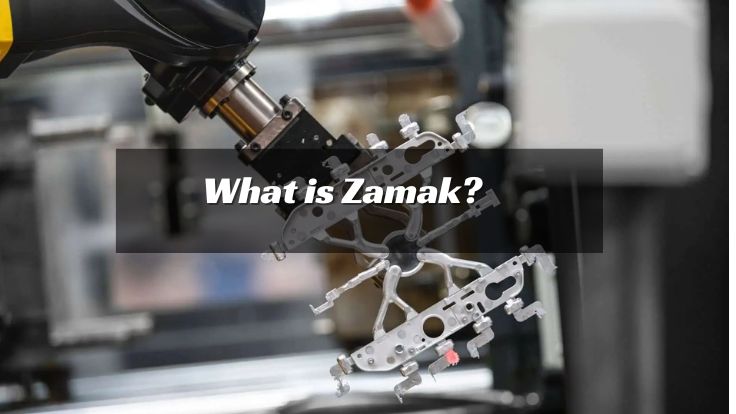
Alloys contribute significantly to the development of delicate electronic parts as well as heavy parts used in vehicles. For example, zamak metal has quietly changed the way many industries operate.  This metal is renowned because it is strong, can be molded easily and is versatile. The word Zamak originates from German and stands for zinc, aluminum, magnesium and copper. During the early years of the 20th century, the production of brass alloys aimed to improve on the brittleness found in previous zinc-based products. Today, zamak is used widely in vehicle, electronic device, and hardware manufacturing. It is appreciated both for its sturdy structure and for finishing smoothly with only a little work. Producing aluminum requires less energy than other materials since it melts easily, and it is also attractive because it can be recycled. Each different grade of zamak fits various needs, such as zamak 3 being softer than zamak 5, which is stronger than zamak 12. Most household goods and industrial products made with zamak metal meet the rising needs of manufacturing because they are practical and of good quality. Here, we will explain what zamak metal is made from, types such as zamak 3, zamak 5, and zamak 12, its functions, plus the positives and negatives. Zamak is a type of zinc alloy Zamak is made from zinc, mixed with a small amount of aluminum, magnesium, and copper. The word Zamak stands for Zink, Aluminum, Magnesium, and Kupfer, which are the German names for the metals involved. Due to its high-quality casting and appearance, zamak metal is popular in manufacturing automotive, electronic, furniture, and consumer goods. The process called die casting allows Zamak metal to shape complex, strong, and cost-efficient parts. Bending zamak into steel forms shaped like the finished goods is done at high pressure, producing many complex shapes very rapidly while needing only a minimal amount of machining. Because its melting temperature (around 385°C) is lower, zinc is more efficiently shaped than metals such as steel or aluminum in a foundry. What is Zamak, and how is it made? Zamak is a name formed from the German words for the main metals: Zink (zinc), Aluminium (aluminum), Magnesium, and Kupfer (copper). In the 1920s, the New Jersey Zinc Company created zamak to help overcome brittleness that affected some zinc alloys. It is viewed as a high-quality type of zinc that gives better die casting than most other materials. The usual elements in zamak metal are 96% zinc, 4% aluminum, a little bit of magnesium and some copper. As a result of this mix, its metal product is very strong, lasts a long time and can be formed into exact shapes with high precision. Key points about Zamak Metal A highlight of zamak metal is that it is very easy to cast. Manufacturers can create shapes with thin walls out of aluminum that would usually be pricey or difficult to produce using other materials. In addition, zamak has a polished surface, which makes it suitable for use in parts that need painting or plating. One more advantage is that steel retains its shape. Because Zamak does not change shape easily, it is commonly used in car and electronics manufacturing. The material is strong relative to its weight, making it attractive. Unlike aluminum, zamak does not weigh very little, but it offers a good level of durability that makes it useful for items that must be manageable. Uses of Zamak Metal Because it has great mechanical characteristics, zamak metal is applied in many products. In this industry, stainless steel is found in door handles, mirrors and several interior parts. A variety of electronic parts use Zamak because it is both precise and can resist heat. The furniture sector uses zamak because it is so versatile, fitting into hinges, brackets, and other decorations. Many fancy pieces in fashion include zamak since it is shiny and does not get tarnished easily. The process of making Zamak metal by casting 1. Alloy Preparation To produce zamak metal, you need to combine zinc, aluminum, magnesium and copper in the right ratios. To extract metals from these ones, the raw materials are melted at moderate temperatures. The right ratios are necessary to ensure that zamak 3, zamak 5 and zamak 12 provide the desired qualities. 2. Melting The blend of materials is put into a furnace and brought up to the zamak melting point of 385°C (725°F). During this step, the alloy flows very well and is therefore excellent for high-pressure die casting. 3. Die Casting The zamak is melted and then put into a die casting machine to be injected into a metal mold. Thanks to this process, items are shaped into very detailed and sturdy forms. Depending on how the casting will be used, manufacturers select from products classified as zamak 3, zamak 5, or zamak 12, since each is meant for a different purpose. 4. Injection and Outflow As soon as the zamak is injected, cooling the mold causes the metal to harden fast. After removing the part from the mold, it may not need machining because the alloy has a clean finish. 5. Finished and Plated When the model is cast, it might be polished, painted, or electroplated in materials such as nickel or chrome. The processes improve the look and resilience to corrosion of the manufactured product, mostly when used outside. Applications of Zamak Metal Zamak metal is used in several industries because of its superior casting, its strong properties and attractive smoothness. Even in the automotive industry, zamak metal plays a key role by being useful and attractive. 1. Automotive Industry Many door handles, emblems, mirror housings and interior details in motor vehicles are manufactured using zamak metal. Because it can be designed intricately and held to small measurements, it’s useful in parts that are either noticeable or not. The reason Zamak 5 is used most often here is that it is more durable and wears less easily. 2. Consumer Electronics Its stable dimensions and smooth appearance

هيكل مصباح الشارع المصبوب من الألومنيوم المصبوب

هيكل مصباح الشارع المصبوب من الألومنيوم المصبوب: إضاءة تدوم طويلاً

صب القوالب الألومنيوم

Because of modern, energy-saving technology, it is crucial nowadays for lighting products to be strong and reliable. Almost all modern outdoor lighting systems include a die cast aluminium body for their street lights. Because it is highly thermal, corrosion-resistant, and strong, this housing lasts long despite harsh events in the environment. It shields the LED’s circuits and also lets heat escape, which maintains their life. The aluminum LED street light casings are designed to ensure safety and quality on a global level. Because they are well-built and versatile, you can often see these enclosures along streets, highways, in industries, and in parks. Thanks to design progress, many kinds of LED street lights die cast aluminum bodies are being made now to suit numerous needs and preferences in light fixtures. While LED street light housing was formerly designed for efficiency, it now offers modular designs, smart features, and pleasing looks. This article discusses the features, types, series, specifications, and benefits of using die-cast aluminium in street lighting for those who plan, design, and select street lighting fixtures. This article covers how important, advantageous and in-demand die cast aluminium street light bodies are, as well as the steps involved in making them and modern trends in the market. What is meant by a die-cast aluminum Street Light Body? Die-cast aluminium is the process used to make the protective and supporting body of LED street lights. Within this body are placed all the important things in the lighting unit, like the LED driver, circuit board and lens and they are all protected from things like dust, water and hot or cold temperatures. Die-casting aluminum allows manufacturers to create LED street light housings that are strong, uniform, precise, and lightweight. The item that results is durable and also looks stylish, usually including smooth, stylish lines. The Steps Involved in the Die Casting Process In die casting, molten aluminium is pushed by high pressure into a shape cavity in the mold. Once the procedure is finished and the metal has fully solidified, it forms to the shape of the mold and is afterward pulled out, trimmed, cleaned up and polished. A major reason to use this process in LED street lighting is the ability to produce pieces with precise accuracy, the same features every time, and excellent surface and physical qualities. Here is a simple outline of what you have to do: It allows manufacturers to make many products at a low cost since it minimizes waste. Why You Should Use Die-Cast Aluminium for Street Light Housings? There are many benefits to using a die-cast aluminium body for a street light. 1. Heat Dissipation Aluminium is excellent at transferring heat. Heat generated by the LEDs is dispersed by the body and stops the components from overheating and ultimately damaging them. By using this feature, the vehicle is able to handle stable performance in different kinds of weather. 2. Toughness and Sturdiness The material does not add weight, but it’s durable enough to face harsh weather conditions. 3. Corrosion Resistance Applying coating or anodizing to aluminium makes it very resistant to corrosion, so the housing for LED street lights lasts for a long time in rough places, including by the sea or around factories. 4. Design Flexibility With die casting, it is possible to create objects with extra features and shapes, meaning the need for other types of assembly is reduced. 5. Aesthetic Appeal Nowadays, modern city planners prefer fixtures that are clean and sleek. Both the purpose and appearance of a city can be shaped by LED street lights with a die cast aluminum body. Tools for Use in Urban and Industrial Areas The body of a die-cast aluminium street light is found in places such as: This kind of housing can be used with LEDs that draw light at all levels, from lighting to smart controls. Why Die Casting Aluminum LED Street Light Housing is Favorable in the Market? In the last several years, more and more companies have switched to aluminum die-cast LED street light housing. It is influenced by a variety of different aspects. The trend will continue since many cities invest in updating their infrastructure and prefer energy-saving lighting systems. The Quality Control and Standards function Manufacturers of LED street light housing must strictly follow industry rules to ensure it operates safely, works properly, and lasts long. Businesses should check the following qualities: To gain worldwide approval and trust from buyers, a high-quality LED street light should pass CE, RoHS and ISO certifications. Production of a Series of Die-Cast Aluminium Street Light Bodies Many manufacturers separate their products into series based on how they look, their output, where they are used, and their technical attributes. Thanks to the street light body series, buyers can easily select a product that suits their needs. The following are the most common types of TV series seen: 1. Miniseries 20W–50W The Mini Series has compact housing units for LED street lights that are meant for narrow roads, walkways and homes. Because they’re all very light and efficient, these models are common in locations that do not need much light. 2. Standard Series (60- 120W) This is the group of literature that most people read. The LED street lighting housings in this series are both strong and save on costs. It is perfect for driving on roads, parking lots, and guarding plants and factories. 3. The range covers from 150W to 250W As they are meant for highways, broad streets and expansive outdoor areas, these products have LED street lights in sturdy aluminum casting with extra heat dissipation. Many such phones include smart features and higher levels of dust and water resistance. 4. Smart/Intelligent Series These hosts are configured to support motion sensors, IoT modules, or smart drivers. In the series, aluminium street lights are equipped with wireless technology, allowing them to respond to remote control for new smart city technology. 5. Designer or Architectural series The series joins music with the beauty of art.

ما هو صب القوالب بالجاذبية؟ رؤى رئيسية للمصنعين

ما هو الصب بالجاذبية؟ الرؤى الرئيسية للمصنعين

صب الجاذبية, مُصنِّع قوالب الصب بالقالب

في أيام التصنيع الحديثة، يعد صب المعادن أمرًا بالغ الأهمية عندما يتعلق الأمر بإنتاج مكونات ذات أشكال هندسية معقدة ذات جودة عالية. ومن أكثر الطرق فعالية للقيام بذلك هي عملية الصب بالقالب بالجاذبية. هذه العملية هي مزيج من الدقة والكفاءة والفعالية من حيث التكلفة؛ ومن ثم فهي الحل المفضل لصناعات مثل السيارات والفضاء والمعدات الصناعية. في جوهرها، تتضمن عملية الصب بالقالب بالجاذبية استخدام قوة الجاذبية لملء قالب من المعدن دون الحاجة إلى استخدام معدات الضغط العالي، مما يجعل العملية غير معقدة في إعدادها. إذا كنت طالبًا في الهندسة، أو مدير إنتاج، أو مهتمًا فقط بتقنيات الصب، فإن التعرف على الصب بالجاذبية أمر بالغ الأهمية لتبني نظرة عامة لإنتاج المعادن. تتناول هذه المقالة المبادئ الأساسية لصب الألومنيوم بالقالب بالجاذبية وكيفية إجرائها والعوامل المهمة مثل درجة الحرارة والوقت ونوع المواد المستخدمة، بالإضافة إلى مزاياها وعيوبها، إلى جانب التطبيقات الشائعة. كيف يعمل صب الألومنيوم بالقالب بالجاذبية؟ صب الألومنيوم بالقالب بالجاذبية هو عملية صب القالب الدائم التي يتم تطبيقها عادةً لتصنيع الأجزاء المعدنية غير الحديدية من الألومنيوم. تتضمن عملية صب الألومنيوم بالقالب بالجاذبية صب معدن الألومنيوم المنصهر في قالب معدني قابل لإعادة الاستخدام بتأثير الجاذبية فقط. وبالاستغناء عن صب القالب بالضغط العالي الذي يستخدم ضغط آلاف البوصة المربعة لضغط المعدن في القالب، يستخدم الصب بالجاذبية قوى الجاذبية الطبيعية وحدها، مما يسمح لسبائك المعدن المنصهر بالتدفق في تجاويف القالب دون قيود. وفيما يلي العملية النموذجية التي تنطوي على هذا النشاط: نظرًا لأن هذه العملية تنطوي على استخدام الجاذبية وليس الضغط الميكانيكي، فإن إعداد المعدات يكون مبسطًا وعادةً ما تكون تكاليف الصيانة وكذلك تكاليف الأدوات أقل. عملية الصب بالقالب بالجاذبية تشتهر تقنية الصب بالقالب بالجاذبية لسهولة تكرارها كما أنها قادرة على إنتاج معدن عالي الجودة بتفاوتات ضيقة. على عكس الصب بالقالب بالضغط العالي، فهي تطبق قوة الجاذبية وحدها وتملأ تجويف القالب، مما يجعل العملية برمتها أكثر فعالية من حيث التكلفة وأقل تعقيدًا من الناحية الميكانيكية. فيما يلي دليل تفصيلي خطوة بخطوة حول كيفية إجراء عملية صب الألومنيوم بالجاذبية في إعداد عادي: 1. تحضير القالب تستخدم العملية الأولية في صب الألومنيوم بالجاذبية في تحضير القالب، أو ما يعرف بالقالب. عادة ما يتم استخدام الفولاذ أو الحديد الزهر في صنع هذه القوالب المخصصة للاستخدامات المتكررة. يتم تنظيف القالب بشكل صحيح بعد سكب أي معدن لإزالة أي بقايا متبقية من المسبوكات السابقة. بعد التنظيف، يتم تسخين القالب مسبقًا عند درجة حرارة تتراوح بين 150 درجة مئوية و300 300 درجة مئوية. يعني التسخين المسبق عدم تبريد سبيكة الألومنيوم المنصهر بسرعة كبيرة عند التلامس، مما يؤدي إلى عيوب مثل الإغلاق البارد أو الحشو غير الكافي. يتم وضع عامل تحرير، وعادةً ما يكون من الجرافيت أو طلاء من السيراميك، على السطح الداخلي للقالب. ويؤدي ذلك وظيفتين: ضمان عدم التصاق سبائك الألومنيوم المنصهر على القالب، والمساعدة في الحصول على تشطيب أكثر سلاسة على المنتج النهائي. 2. ذوبان سبائك الألومنيوم يتبع تحضير القالب ذوبان السبيكة المعدنية المختارة. يتم وضع كميات السبائك المعدنية في الفرن وصهرها إلى درجة حرارة الصب التي تعتمد على السبيكة. على سبيل المثال، عادةً ما تكون نقاط انصهار سبائك الألومنيوم في نطاق 650 درجة مئوية - 750 درجة مئوية، في حين أن السبائك النحاسية قد تتطلب نقاط انصهار تتراوح بين 900 درجة مئوية و1100 درجة مئوية. ومن الأهمية بمكان توفير تحكم دقيق في درجة حرارة الانصهار. قد يؤدي الإفراط في التسخين إلى زيادة الأكسدة أو امتصاص الغاز، في حين أن التسخين الناقص قد يؤدي إلى ملء غير كامل للقوالب أو ضعف الخواص الميكانيكية. 3. صب السبيكة المعدنية المنصهرة عندما يتم الوصول إلى درجة حرارة الذوبان المناسبة، يتم صب المعدن المنصهر في القالب المسخن مسبقاً. وفي عملية الصب بالجاذبية، لا يتم استخدام أي قوة ميكانيكية أو حتى ضغط. حيث تتسبب الجاذبية في تدفق سبائك الألومنيوم بالوسائل الطبيعية إلى مدخل تجويف القالب من خلال مجموعة من الرفوف والبوابات. ستحتاج هذه الخطوة إلى صب بطيء ومضبوط حتى لا تحدث اضطرابات، والتي يمكن أن تحبس الغازات وتؤدي إلى مسامية في الصب. في بعض الأنظمة المتطورة، هناك إمكانية إمالة القالب ببطء شديد أثناء الصب - الصب بالجاذبية المائلة لخلق تدفق معدني سلس ومتساوٍ. 4. ملء تجويف القالب بمجرد أن يخترق المعدن المنصهر القالب، فإنه يملأ جميع أجزاء التجويف تحت شكل القالب. تصميم القالب مهم جدًا في هذه المرحلة. ستعمل أنظمة البوابات المصممة بشكل صحيح على توزيع المعدن لتجنب الاضطرابات، أو البقع الباردة، أو المناطق التي يحتمل أن يحدث بها انكماش. وبما أن الجاذبية وحدها تستخدم لتدفق المعدن، فمن الضروري أن يتم صب المعدن بالسرعة ودرجة الحرارة المناسبتين. قد يتسبب عدم التحكم في التدفق في حدوث عيوب مثل التعبئة غير المكتملة أو الإغلاق البارد - الأماكن التي تتلامس فيها جبهتان معدنيتان ولكن لا تنصهران معًا. 5. التصلب والتبريد بعد ملء التجويف إذا تم ملء التجويف، تبدأ السبيكة المعدنية المنصهرة في التبريد وتصبح صلبة. يعتمد وقت التبريد على حجم الصب ومدى تعقيده وكذلك نوع المعدن المستخدم. على سبيل المثال، يمكن أن تتصلب أجزاء الألومنيوم الصغيرة في وقت مبكر من 20-30 ثانية، في حين أن الأجزاء الكبيرة أو السميكة قد تستغرق 60-90 ثانية وأكثر. يتم تبريد القالب في معظم الحالات بالماء للمساعدة في التحكم في معدل التبريد. يعمل التبريد المتحكم فيه على تحسين بنية الحبيبات والضغوط الداخلية وتقليلها وبالتالي إنتاج مصبوبات أقوى وموثوقة. 6. فتح القالب وإزالة الجزء يتم فتح القالب بعد تصلب سبيكة الألومنيوم. واعتمادًا على التصميم، يمكن إزالة القالب يدويًا أو إخراجه من خلال الضغط الذي توفره دبابيس القاذف الميكانيكية المدمجة في القالب. ونظرًا لأن الصب بالدرجة يستخدم قالبًا معدنيًا، يمكن إعادة استخدام القالب لآلاف الدورات، وبالتالي، فإن العملية فعالة من حيث التكلفة لعمليات التشغيل المتوسطة إلى الكبيرة الحجم. وبقدر ما يجب إزالة الجزء، يجب توخي الحذر لضمان ما يلي

أفضل 10 خدمات صب القوالب حسب الطلب في الصين

شركات صب القوالب, مُصنِّع قوالب الصب بالقالب, قالب الصب بالقالب

تتغير الصناعة التحويلية باستمرار، وإحدى أهم العمليات التي يجب أن تكون لديها لإنتاج أجزاء معدنية دقيقة وعالية الجودة بكفاءة هي صب القوالب المخصصة. على وجه الخصوص، تتصدر العديد من الشركات في الصين، وهي مركز عالمي للتميز في التصنيع، الطريق بخدمة من الدرجة الأولى لصب القوالب المخصصة. وسرعان ما أصبح هؤلاء المزودون خبراء في صناعة صب قوالب الألومنيوم الدقيقة من الألومنيوم في غرف الأبحاث وغيرها للعملاء في مجموعة متنوعة من الصناعات. ينطوي الصب بالقالب على استخدام الضغط العالي لإجبار المعدن المنصهر على منطقة تسمى القوالب، مما يسمح بصب أشكال دقيقة للغاية أو ناعمة أو محكمة، أو حتى أشكالاً مصبوبة. وقد تمكن مصنعو الصب بالقالب المخصص الصينيون من إتقان هذا الفن وإضافة القدرة التنافسية في التسعير والنماذج الأولية السريعة والأدوات الدقيقة والقدرة الإنتاجية الكاملة. بالإضافة إلى ذلك، يعملون مع عملاء عالميين لتحقيق معايير الجودة العالمية مثل ISO 9001 و TS16949 و AS9100. بصرف النظر عن إنتاج قوالب الصب، فإن عددًا كبيرًا من الشركات لا تعمل فقط كإنتاج قوالب الصب ولكن أيضًا كموردي قوالب الصب للحصول على تحكم كامل في مراحل التصميم والنماذج الأولية والأدوات والإنتاج الضخم. في هذه المقالة، تم إدراج شركة Sincere Tech، و GC Precision Mould، و CNM Tech، هذه الشركات الرائدة في الصناعة من الصين، من بين أفضل 10 خدمات مخصصة لصب القوالب في الصين. سنقدم لك أيضًا بعض الشركات الشهيرة الأخرى خارج الصين التي أحدثت أيضًا تأثيرًا كبيرًا في صناعة صب القوالب. هذه هي أفضل الشركات لخدمات صب القوالب عالية الضغط، وصب قوالب الزنك، وخدمات صب قوالب الألومنيوم المخصصة. لقد حان الوقت لإلقاء نظرة على الأسماء الرائدة في تغيير عالم صناعة الصب بالقالب المخصص الآن! 1. Sincere Tech سنة التأسيس: 2005عدد الموظفين: 100-500نوع العمل: تصنيع قوالب حقن البلاستيك، صب القوالب، التصنيع باستخدام الحاسب الآلي، خدمات التجميع الموقع الإلكتروني والاتصال: الموقع الإلكتروني: plasticmold.netالبريد الإلكتروني: info@plasticmold.netPhone: +86 135 135 30801277العنوان: المبنى رقم 1، رقم 30 طريق هوان تشن، قرية شانغ دونغ، مدينة تشي شي، مدينة دونغقوان، مقاطعة قوانغدونغ، الصين، 523000 ملف تعريف الشركة مع سنوات من الممارسة منذ تأسيسها، تطورت شركة Sincere Tech لتصبح واحدة من الشركات الرائدة في مجال الصب بالقالب المخصص في الصين. يقع مكان عمل الشركة في مدينة دونغقوان بمقاطعة قوانغدونغ، ويعمل بها أكثر من 100 إلى 500 موظف في منشأة شاملة. إلى جانب ذلك، تتمتع الشركة أيضًا بخبرة في قولبة حقن البلاستيك، والتصنيع باستخدام الحاسب الآلي، والتطبيقات الاحترافية. وعلى مدار عقود، أنتجت الشركة حلولاً دقيقة ومتسقة وغير مكلفة للعلامات التجارية متعددة الجنسيات في قطاعات IAT، والسيارات، والإلكترونيات، والقطاعات الطبية والصناعية. تضمن شركة Sincere Tech، المعروفة بتعاملها مع دورة حياة الإنتاج بأكملها، بما في ذلك مورّدي قوالب الصب بالقالب إلى تجميع المنتج النهائي، مراقبة الجودة المتسقة التي يتم بذلها في كل مرحلة. إن توفير آلات متطورة مع معايير جودة صارمة لكل عميل هو ما يجعل خدماتهم أولوية قصوى للشركات عندما يتعلق الأمر بالحصول على مصنع مخصص لصب القوالب في الصين. التزاماتهم المتعلقة بالجودة الجودة مدمجة في كل عملية من عمليات المنتج في شركة Sincere Tech. في ظل إدارة الجودة الصارمة لمعيار ISO 9001، فإنهم يقدمون أفضل خدمات صب القوالب المخصصة. يتم فحص المواد الخام، والأدوات، وقوالب الصب بالقالب، والمنتجات النهائية بدقة من قِبل فريق ضمان الجودة لديهم باستخدام معدات قياس متطورة مثل أجهزة القياس وأجهزة العرض CMM. ويتم فحص جودة كل مشروع مرارًا وتكرارًا من حيث الأبعاد والأسطح الملساء والمتانة على المدى الطويل. وعلاوة على ذلك، تعمل شركة Sincere Tech أيضًا على تحقيق التوازن بين ملاحظات العملاء والتحسين المستمر لتلبية معايير الصناعة المتطورة. الالتزام بسيط: تقديم قطع مصممة بدقة تلبي توقعات العميل في كل مرة. لماذا تختار شركة Sincere Tech؟ 2. GC Precision Mould سنة التأسيس: 1999عدد الموظفين: 100-200+ نوع العمل: صب الألومنيوم والزنك والمغنيسيوم بالقالب، التصنيع باستخدام الحاسب الآلي، صب حقن البلاستيك الموقع الإلكتروني والاتصال: الموقع الإلكتروني: aludiecasting.comالبريد الإلكتروني: info@aludiecasting.comPhone: +86 131 131 4886 5556العنوان: رقم 30 طريق هوان تشن، مدينة تشي شي، مدينة دونغقوان، مقاطعة قوانغدونغ الصين، 523516 نبذة عن الشركة تأسست شركة GC Precision Mould Co. Ltd. في عام 1999، وهي شركة متخصصة في خدمات الصب بالقالب حسب الطلب. لدى شركة GC Precision أكثر من 100-200 موظف ماهر يخدمون خدمات صب قوالب الألومنيوم المخصصة، وصب قوالب الزنك، وصب قوالب المغنيسيوم، والصب باستخدام الحاسب الآلي، وصب حقن البلاستيك. وباعتبارها شركة مسجلة، فإنها تفتخر بقدرتها على التعامل مع جميع أنواع المشروعات ذات التعقيدات المختلفة والحجم الكبير، وتوفر الدعم الكامل بدءًا من تصميم القالب الأولي وحتى الإنتاج الضخم. كشركة تخدم صناعات مثل السيارات والفضاء والطيران والطب والإلكترونيات الاستهلاكية، تتعهد GC Precision بتوريد قطع عالية الدقة ومتينة وفقًا للمعايير الدولية. هذا هو المكان الذي يلتزم فيه موردو قوالب الصب بالقالب، مثلهم، بسياسة الابتكار والجودة ورضا العملاء. ويعتمد عملاؤهم في جميع أنحاء العالم على مهاراتهم الهندسية ومعداتهم الحديثة وموظفيهم المدربين تدريبًا عاليًا لإنجاز المشاريع الصعبة في الوقت المناسب وبالشكل الملائم. التزاماتهم المتعلقة بالجودة ضمان الجودة هو دائمًا مفتاح خدمات صب القوالب المخصصة التي يمكن أن تقدمها شركة GC Precision Mould بأسعار معقولة جدًا. حيث يتم تنفيذ كل مشروع من قبلهم وفقًا لنظام إدارة الجودة ISO 9001، مما يضمن أن كل مشروع يلبي توقعات العملاء أو يتجاوزها. وتتمثل عمليات مراقبة الجودة في الفحص المتعمق للقوالب، واختبار المادة الأولى، والمراقبة أثناء العملية، والفحص النهائي. بالنسبة لمكونات القوالب المصبوبة، تستخدم شركة GC Precision Mould معدات عالية الدقة مثل أجهزة قياس الطيف الترددي ومقاييس الطيف وآلات اختبار الشد، والتي تضمن أن تكون مكونات القوالب المصبوبة ذات خصائص ميكانيكية أفضل بكثير وتوفر تشطيبات لا تشوبها شائبة أيضًا. ويرجع جزء من السبب في ذلك إلى أن فريقهم يعمل باستمرار لجعل عمليات التصنيع أكثر دقة وصقلًا، ونتيجة لذلك يستثمرون أيضًا في برامج تدريب موظفيهم. الجودة هي التزامهم بالجودة، وهم يضمنون حصول العملاء على جميع المنتجات بموثوقية وأداء وقيمة ممتازة. لماذا تختار GC Precision Mould؟ 3. CNM Tech سنة التأسيس: منذ أكثر من 20 عامًاعدد الموظفين: 100-400نوع العمل: صب القوالب الدقيقة، التصنيع باستخدام الحاسب الآلي، خدمات التجميع الموقع الإلكتروني والاتصال: الموقع الإلكتروني: diecastingschina.comالبريد الإلكتروني: info@diecastingschina.comPhone: +86 130 130 4589 8002 العنوان: Rm 101, No.40, Donghu road, Jinglian, Qiaotou town, Dongguan city, Guangdong Province, China. 523520. نبذة عن الشركة شركة CNM Tech Co., Ltd هي

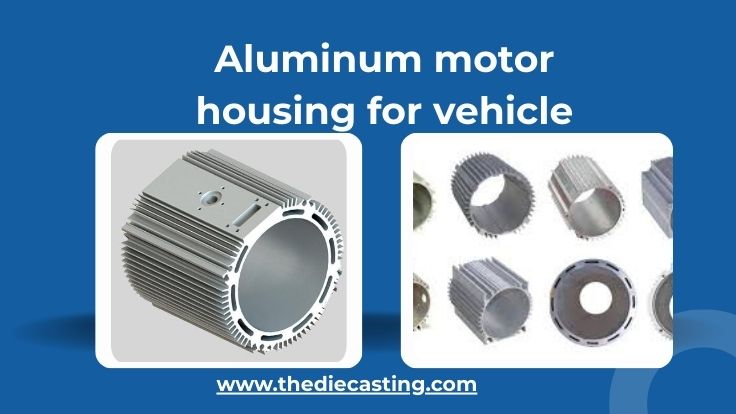
مبيت المحرك الألومنيوم للمركبة

مبيت محرك الألومنيوم للمركبة

صب الألومنيوم

Due to the persistence of the aluminum motor housing as a critical component in electric and hybrid vehicle design, understanding of behaviour is important to the product life cycle. As a protective enclosure for the motor, it protects the motor from environmental contaminants, mechanical impact, and heat buildup. This application is the reason aluminium is a gold standard in its selection. The lightweight nature of aluminum is one of the major benefits of employing this material in the first place. For example, with aluminum motor housings in electric vehicles (EVs), weight reduces directly with range and performance due to the batteries. Furthermore, the thermal conductivity of aluminum is excellent, as it is of importance to dissipate the heat produced during motor operation. It helps maintain an optimal motor performance to prevent overheating. Not only is aluminum naturally corrosion resistant, but this is important for vehicle applications that experience large variations from hot to cold, wet, or dry conditions. It is a machinable material that is meaningful for practising various manufacturing methods like die casting, sand casting, and CNC machining. Based on these methods, it is possible to integrate complex features as cooling fins, mounting brackets, and channels for a liquid cooling system. Often, common aluminium alloys such as A356, 6061-T6, and AlSi10Mg are used in terms of material selection. Therefore, each of them provides a good balance between strength, durability, and ease of production. In electric drivetrains, vibration-damping and electromagnetic interference (EMI) features may also be considered for the design of an aluminium motor housing. Aluminum motor housing is all in all superior to enhance vehicle motor’s performance, reliability and longevity. While the automotive industry is moving towards electrification and lightweight materials, aluminum is being chosen because its ability to perform and its adaptability to modern manufacturing technologies has already proven to be the preferred choice. Understanding Aluminum Motor Housing An aluminum motor housing is a protective casing for a motor to protect the inside components of the motor, i.e., the rotor, stator, and bearings. Motor housings are designed to give both mechanical protection and thermal management, and have a critical part to play in ensuring the long-term reliability of the motor. As regards its excellent properties, aluminum has already gained a market share as the material of choice for motor housing in major industries, like automotive, aerospace, manufacturing, as well as renewable energy. Another great advantage of using aluminum because of its lightweight nature and outstanding strength. As opposed to traditional materials such as steel, aluminum significantly lessens the overall weight of a motor without sacrificing its durability. Especially in industries such as electric vehicles (EVs), weight reduction is important because of the need for energy efficiency and a range. Another vital factor in the thermal conductivity. Heat generated during operation of the motors is significant, and an aluminum housing serves as an efficient heat sink, allowing the heat to be quickly dissipated, which avoids the motor overheating and conserves energy produced thereby. In addition, aluminum is a naturally corrosion-resistant material, meaning that the housing will be able to handle some of the least resistant tendencies. In a lot of cases, companies require specific designs that have been optimized for a given application. But custom aluminum die casting is just what manufacturers need in these situations, enabling the creation of motor housing parts with complex shapes and integrated cooling fins all in one process, as well as additional features for mounting. Moreover, working with the custom die casting manufacturer also guarantees that the housing meets the quality, strength, and precision standards. Further refinement through custom-machined aluminum parts can be done when needed and provides the perfect fit and finish, improving the motor’s looks while adding functionality. Aluminium motor housing A vehicle’s aluminum motor housing has the task of encasing and supporting the electric or combustion motor and protecting it. It is commonly applied in electric vehicles (EVs) and hybrids, or other kinds of automotive powertrains, to do the following: Aluminium has many key benefits for a motor housing 1. Lightweight: This decreases vehicle overall weight to, in turn, increase fuel efficiency or battery range. 2. Thermal Conductivity: It dissipated the heat produced by the motor efficiently. 3. Corrosion Resistance: Reaches deeper into the bottom waters; therefore, it extends lifespan, especially when there are harsh environments. 4. Machinability: CNC machinable and easily cast or die-cast for complex geometries. 5. Strength-to-Weight Ratio: Offers structural integrity without heavy mass. Common Aluminium Alloys Used: AlSi10Mg (for die casting): Excellent thermal and mechanical properties. 6061-T6: Usual for CNC-machined housings, they provide good strength and corrosion resistance. A356: Due to good fluidity and strength, it is often used for casting. Design Considerations: Cooling Integration: It is often fins, channels, or a cooling jacket for active/passive cooling. Vibration Dampening: Bushings or mounts may be required to reduce noise or vibration. EMI Shielding: The electric drivetrains may require blocking of electromagnetic interference in the designs. Manufacturing Methods: Die Casting: Cost-effective for high-volume production. Sand Casting: Small to medium scale production, and can also be used in prototype manufacturing.CNC Machining: Highly accurate cutting is done using it, especially when tight tolerances are required in the production of the parts. Why Aluminum for Motor Housings? Aluminum tops out all other material alternatives like steel, plastics, and composites when deciding what material should be used for motor housings. The best qualities of copper make it the material of choice for enabling applications that require performance, that require durability, and that require cost-efficiency. The second reason why aluminium is used is that it is lightweight. Motors, especially electric vehicles, industrial equipment, and aerospace motors, need to be as light as possible without compromising their strength. These properties of low density of aluminum greatly decrease the overall weight of the motor assembly, increasing efficiency, consuming less energy, and enabling the design of more flexible solutions. Aluminum’s excellent thermal conductivity is another very compelling advantage. Anything that generates heat, like inside a motor, will cook itself if the heat is not dissipated.

أفضل مصنعي قوالب الصب بالقالب في الصين والعالم

أفضل مصنعي قوالب الصب بالقالب في الصين والعالم

مُصنِّع قوالب الصب بالقالب

تنطوي أعمال صب القوالب في جميع أنحاء العالم على عملية التصنيع من خلال تصنيع الأجزاء الدقيقة القوية التي تتطلبها قطاعات السيارات والفضاء والإلكترونيات والمنتجات الاستهلاكية. عندما يصنع صانعو قوالب الصب بالقالب أدوات متخصصة لصنع أجزاء معدنية مفصلة بقياسات محددة ومقاييس منطقية ذات نتائج مصقولة، فإنهم يشكلون جزءًا من الشبكة التي تقود عملية التصنيع. ونظرًا لحاجة السوق المتزايدة للألومنيوم خفيف الوزن ومواد المغنيسيوم، هناك طلب كبير على موردي قوالب صب المغنيسيوم المتخصصة وصانعي قوالب الصب. يتجه العالم الآن إلى الصين بفضل بنيتها التحتية الصلبة وجودة عمالها الذين ينتجون نتائج أسرع في صناعة قوالب الصب بالقالب. في الوقت الحالي، يمكن لأفضل موردي قوالب الصب بالقالب في الصين تقديم خدمات في جميع أنحاء العالم، وهم جيدون في إنتاج الأدوات والتصنيع باستخدام الحاسب الآلي، والحلول السطحية، والنماذج الأولية السريعة. ونظرًا لحلولها الذكية، وعملها المتميز، ومشاريعها الدولية الناجحة، اكتسبت شركات Sincere Tech، وGC Precision Mould، وCNM Tech سمعة طيبة. وبعيدًا عن الصين، تحرز الشركات في جميع أنحاء العالم تقدمًا مستمرًا في تطوير أدوات صب القوالب وأنظمة التشغيل الآلي مع مواكبة المعايير البيئية. وتشمل الأبحاث على المواد الجديدة التركيز المذكور أعلاه. تشدد الشركات في جميع أنحاء العالم التي تقود إنتاج قوالب الصب بالقالب على أساليب التصنيع الجديدة والصديقة للبيئة. يتم توفير خيارات الخدمة الكاملة مثل إنشاء تصميم القالب، واختبارات المحاكاة، وتقييم الإعداد، ومعالجة المخرجات. تدرس هذه الورقة البحثية نقاط القوة وخطوط الخدمة الخاصة بمنتجي قوالب الصب في الصين والعالم. سيساعدك هذا الدليل في العثور على أي نوع من خبراء صب القوالب، من مزودي خدمة قوالب الصب العالمية إلى موردي لوازم صب قوالب المغنيسيوم. ما هي شركات تصنيع قوالب الصب بالقالب؟ تُعرف شركات تصنيع قوالب الصب بالقالب أيضًا باسم مصنعي قوالب الصب بالقالب وهي شركات خاصة تقوم بتصميم وهندسة وإنتاج القوالب الدقيقة (المعروفة أيضًا باسم القوالب) المستخدمة في عملية الصب بالقالب. تحت ضغط عالٍ، يتم إنتاج الأجزاء المعدنية المعقدة ذات الدقة العالية والتشطيب السطحي السلس وثبات الأبعاد عن طريق حقن معدن الألومنيوم أو الزنك أو المغنيسيوم المنصهر في تجويف قالب فولاذي. ويُعد مصنِّعو قوالب الصب بالقالب جزءًا أساسيًا لأن جودة القالب (بدرجات عديدة) تحدد إلى حد كبير جودة النتيجة، أي أداء المنتج النهائي والدقة والمتانة. يتعاون هؤلاء المصنعون تعاونًا وثيقًا مع العملاء في العديد من الصناعات، بما في ذلك صناعة السيارات والفضاء والإلكترونيات والأجهزة الطبية والسلع الاستهلاكية، لتوفير حلول قوالب مخصصة تتوافق مع متطلبات منتجات محددة. ويتم تقديم خدمات تصميم القوالب، والمحاكاة الهندسية بمساعدة الحاسوب (CAE)، والتصنيع باستخدام الحاسب الآلي، ومعالجة الأسطح، واختبار القوالب، وعمليات الصيانة أو الترقية في النطاق المستهدف من خدماتها. ويتم تزويد البعض الآخر بخدمات ذات قيمة مضافة مثل النماذج الأولية، والتجميع، وعمليات التصنيع الآلي بعد الصب. يستخدم موردو قوالب الصب بالقالب المتقدمون الفولاذ H13 أو SKD61 لأنه متين ويوفر مقاومة للحرارة، ويطورون قوالب مزودة بأنظمة مسامير طرد، وصب بالتفريغ، وأنظمة تنظيم حراري مدمجة. يتبع أفضل مصنعي قوالب الصب بالقالب المعترف بهم دوليًا في الصين وحول العالم المعايير الدولية (على سبيل المثال، ISO 9001 و IATF 16949) لتوفير الاتساق وجعلها آمنة ومنتجة. بالنسبة للمصنعين في جميع أنحاء العالم، تساعد خبراتهم على إنتاج مكونات عالية الدقة على نطاق واسع، وخفض تكلفة الإنتاج، والتغلب على الوقت اللازم للتسويق. وباختصار، فإن مصنعي قوالب الصب بالقالب هم شريان الحياة لهذه المشاريع الخاصة بصب المعادن الدقيقة، حيث يدمجون الخبرة الهندسية وأحدث ماكينات الصب والفهم الواسع للصناعة لإنتاج تلك الأدوات التي تجعل المنتجات اليومية ممكنة. شركة سينسير تيك سنة التأسيس: 2005عدد الموظفين: 100-500نوع العمل: تصنيع قوالب حقن البلاستيك، وصب القوالب، والتصنيع باستخدام الحاسب الآلي، وخدمات التجميع الموقع الإلكتروني والاتصال: الموقع الإلكتروني: plasticmold.netالبريد الإلكتروني: info@plasticmold.netPhone: +86 135 135 30801277العنوان: المبنى رقم 1، رقم 30 طريق هوان تشن، قرية شانغ دونغ، مدينة تشي شي، مدينة دونغقوان، قوانغدونغ، الصين، 523000 نبذة عن الشركة شركة Sincere Tech هي شركة تصنيع قوالب الصب بالقالب ومزود قوالب حقن البلاستيك التي تتمتع بأسلوب دولي نسبيًا منذ تأسيسها في عام 2005. لدى شركة Sincere Tech قوة عاملة من 100-500 من المهنيين المهرة وقاعدة تصنيع في دونغقوان بمقاطعة قوانغدونغ، والتي تقدم خدمات صب القوالب، وصنع القوالب، وقوالب حقن البلاستيك، والتشغيل الآلي الدقيق، وتجميع المنتجات الكاملة، وما إلى ذلك. وتخدم الشركة عملاءها في قطاعات السيارات والإلكترونيات والقطاعات الطبية والصناعية. تُعد شركة Sincere Tech موردًا متكامل الخدمات، حيث تشارك في المشاريع بدءًا من بريق المفهوم إلى التصنيع النهائي في مكانها. بالإضافة إلى ذلك، تمتد قاعدة عملائها الدوليين إلى أمريكا الشمالية وأوروبا وجنوب شرق آسيا، وقد أدى التزامها بالتسليم في الوقت المناسب وخبرتها الغنية في هذا المجال إلى استخدام معدات متطورة. تمتلك شركة Sincere Tech فريقًا هندسيًا قويًا وقدرات داخلية في مجال تصنيع أدوات القوالب، وتتصدر باستمرار السوق باعتبارها واحدة من أكثر موردي قوالب الصب بالقالب الصين وموردي قوالب صب المغنيسيوم تميزًا. التزاماتهم بالجودة تشدد شركة Sincere Tech على الجودة في جميع مراحل عملية صناعة قوالب الصب بالقالب. تتبع شركة القوالب بأكملها معايير ISO 9001 وقد وصلت إلى مستوى من الصرامة في الفحص للتأكد من أن كل قالب مطابق تمامًا لمواصفات العميل الدقيقة. ونظراً لأن عملية التندب عادةً ما تكون معقدة، يتم تطبيق برنامج حساب التصنيع التشكيلي بمساعدة الحاسوب (CAD/CAM/CAE). يتم إجراء اختبار الصلابة ودقة الأبعاد وتقييم تشطيب السطح على كل مكون. لديهم فريق مدرب لمراقبة الجودة يتمتع بمجموعة مهارات تحليل الأسباب الجذرية ومنهجيات التحسين المستمر، مما يساعد على تقليل العيوب والحفاظ على مستوى عالٍ من رضا العملاء. ولهذا السبب، تُعد شركة Sincere Tech موردًا موثوقًا لقوالب الصب بالقالب. لماذا تختار شركة Sincere Tech؟ شركة GC Precision Mould سنة التأسيس: 1999عدد الموظفين: 100-200+ نوع العمل: صب القوالب من الألومنيوم والزنك والمغنيسيوم، وصب حقن البلاستيك، والتصنيع باستخدام الحاسب الآلي الموقع الإلكتروني والاتصال: الموقع الإلكتروني: aludiecasting.comالبريد الإلكتروني: info@aludiecasting.comPhone: +86 131 131 4886 5556العنوان: رقم 30 طريق هوان تشن، مدينة تشى شي، مدينة دونغقوان، مقاطعة قوانغدونغ الصين، 523516 نبذة عن الشركة: شركة GC Precision Mold Co. Ltd، التي تأسست في عام 1999، هي واحدة من أكبر الأسماء في صناعة قوالب الصب بالقالب، حيث تقدم خدمات صب قوالب الألومنيوم والزنك والمغنيسيوم. وتتمتع الشركة بأكثر من عقدين من الخبرة مع فريق من 100-200 من المهنيين المهرة في مدينة دونغقوان بمقاطعة قوانغدونغ بالصين، مركز التصنيع عالي الدقة. تمتلك Hammercast منتجات يمكنها صب وتشكيل وقولبة أي شكل خاص بدقة. ما وراء الصب فقط

انتقل إلى الأعلى

احصل على عرض أسعار