صب الألومنيوم بالقالب

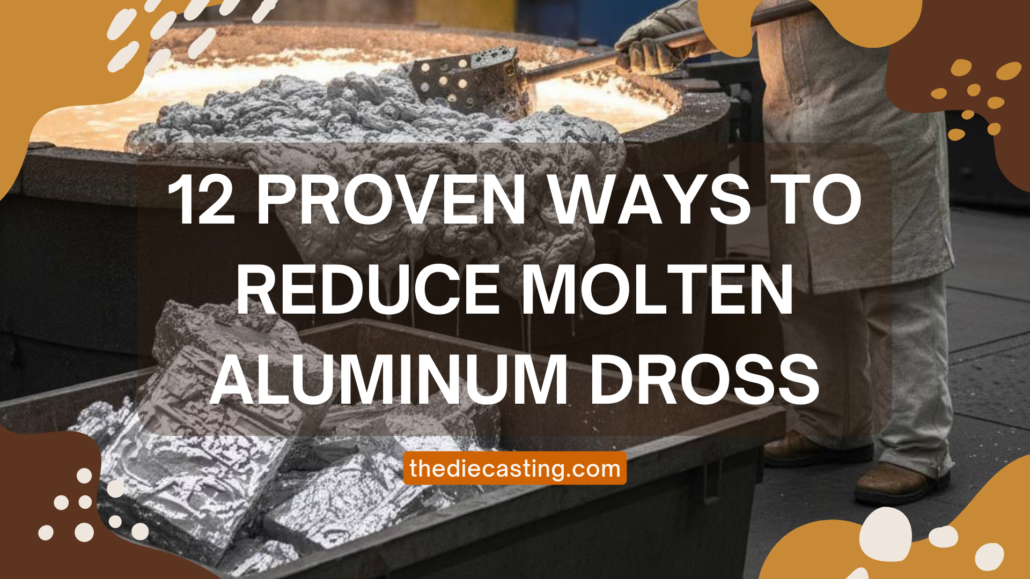
تقليل خبث الألومنيوم المصهور

12 طريقة مثبتة لتقليل خبث الألومنيوم المصهور وتعزيز الاسترداد

صب الألومنيوم

اليوم نشمر اليوم عن سواعدنا ونتوجه إلى قلب المسبك لمعالجة واحدة من أكثر المشاكل تكلفة في هذه الصناعة: خبث ذوبان الألومنيوم. إذا كنت قد نظرت من قبل في فرن ارتدادي نموذجي لصهر الألومنيوم الصلب، فأنت تعلم أن ما يحدث على سطح هذا الذوبان يمكن أن يحقق هوامش الربح أو يحطمها. ولكي تظل قادرًا على المنافسة، يحتاج كل مدير مسبك إلى معرفة كيفية تقليل خبث الألومنيوم المصهور قبل أن يأكل من أرباحه النهائية. عندما نتحدث عن استعادة الألومنيوم، فإننا نتحدث حقًا عن حرب ضد الأكسدة. تحتوي كل قطعة من خردة الألومنيوم التي يتم تلقيمها في الفرن على قشرة رقيقة جدًا من أكسيد الألومنيوم. لا يهم ما إذا كانت سبيكة ثقيلة أو خفيفة، فهذه القشرة موجودة. عندما يتم تسخين الخردة في الفرن، تتسبب درجات الحرارة المرتفعة في نمو الجلد بسرعة أكبر، خاصةً إذا تم تسخين الخردة في الهواء أو في بيئة مؤكسدة. إذا تُركت هذه الأكسدة دون رادع، فإنها تؤدي إلى هدر هائل، مما يجعل من الضروري تنفيذ استراتيجيات تقلل من خبث الألومنيوم المصهور أثناء دورة الصهر. تم تصميم هذا الدليل لمساعدتك على تقليل خبث الألومنيوم المصهور وزيادة استرداد الألومنيوم إلى أقصى حد باستخدام كل من الصيانة المنطقية والاستراتيجيات الكيميائية المتقدمة. فهم خبث ذوبان الألومنيوم لتقليل خبث الألومنيوم المصهور بفعالية للحد من خبث الألومنيوم المصهور، عليك أولاً أن تفهم ما هو بالضبط. عندما يذوب الألومنيوم، يطفو أكسيد الألومنيوم على السطح، مكونًا مرحلة ثانية تعرف باسم الخبث. لكنها ليست مجرد “نفايات”. فنظرًا للتوتر السطحي لجلد الأكسيد، يحتجز الألومنيوم المعدني أيضًا في الخبث من 15% إلى 80%. فكّر في ذلك للحظة: الهدف الأساسي لأي مسبك هو تقليل خبث الألومنيوم المصهور لأن ما يصل إلى 80% من تلك “الزبالة” التي تقوم بإزالتها قد تكون في الواقع معدنًا جيدًا وصالحًا للاستخدام. تتمتع مخزونات الذوبان الكبيرة ذات المقطع الثقيل بأكبر نسبة من الكتلة إلى مساحة السطح وتتحمل الحد الأدنى من فقدان الذوبان. ومع ذلك، فإن إعادة الصهر الداخلية للخردة النظيفة ستزيد من فقدان الذوبان بسبب زيادة مساحة السطح، مما يجعل من الصعب تقليل خبث الألومنيوم المصهور. إذا كنت ترغب في الغوص بشكل أعمق في أساسيات جودة الذوبان، فراجع دليلنا حول عوامل التكرير. التكلفة العالية للتلوث ومساحة السطح من أسرع الطرق لخسارة المال هي شحن المواد “القذرة”، مما يجعل من المستحيل تقريبًا تقليل خبث الألومنيوم المصهور. مقابل كل 1% من المواد العضوية والرطوبة، سينتج عن ذلك فقدان 2% من الذوبان. هذا هو السبب في أن استخدام مواد شحن نظيفة وجافة هو القاعدة الأولى إذا كنت ترغب في تقليل خبث الألومنيوم المصهور وتحسين استرداد الألومنيوم. وعلاوة على ذلك، فإن شكل الخردة مهم. يؤدي شحن الخراطة والحفريات وبُرادة الماكينات إلى تكوين خبث يصل إلى 10% إلى 15%. ويرجع ذلك إلى مساحة السطح الهائلة المعرضة لجو الفرن. إذا كنت تعاني من ارتفاع معدلات الخردة أثناء تصنيع آلات الصب بالقالب، فمن المحتمل أن المشكلة بدأت هنا في الفرن لأنك لم يكن لديك خطة لتقليل خبث الألومنيوم المصهور. تأثير درجة الحرارة على تكوين الخبث أحد العوامل المهمة في سعيك لتقليل خبث الألومنيوم المصهور هو درجة حرارة الاحتفاظ بالذوبان. قد تعتقد أن بعض الدرجات القليلة لا تهم، ولكن تأثير ارتفاع درجة الحرارة من 25 إلى 55 درجة مئوية فقط يمكن أن يكون كبيرًا جدًا. تعمل درجات الحرارة المرتفعة على تسريع تفاعل الأكسدة، لذا فإن الحفاظ على برودة المصهور هو أسهل طريقة لتقليل خبث الألومنيوم المصهور. وعلاوة على ذلك، فإن سمك طبقة الخبث فوق المصهور يعطي تأثيرًا عازلًا ويتطلب زيادة في معدل إطلاق نظام الحرق. إنها حلقة مفرغة: كلما زادت نسبة الخبث لديك، زادت صعوبة إطلاق الشعلات، مما يؤدي بدوره إلى زيادة نسبة الخبث. ولذلك، لتقليل خبث الألومنيوم المصهور، يتم الحفاظ على سمك الطبقة على أسطح المصهر عادةً عند أقل من 40 مم للحفاظ على كفاءة الفرن. كيفية إزالة الخبث من الألومنيوم بشكل صحيح عندما يحين وقت إزالة الخبث من الألومنيوم، لا يجب عليك كشطه وهو “رطب”. إذا قمت بذلك، فأنت تهدر أرباحك. يؤدي التطبيق الصحيح للتركيب الصحيح للتدفق المناسب إلى تكسير فيزيائي لطبقة أكسيد ضعيفة الارتباط، مما يساعد على تقليل خبث الألومنيوم المصهور عن طريق حبس الألومنيوم الطازج وإعادته إلى الحمام. وهذا يسمح لقطرات السبيكة السائلة المعدنية بالاندماج، وهي “الخلطة السرية” لنجاح استعادة الألومنيوم. يمكنك معرفة ما إذا كنت تستخدم التدفق بنجاح لتقليل خبث الألومنيوم المصهور من خلال مظهر المادة. فالخبث الغني بالمعادن يبدو ساطعًا ولامعًا ومليئًا بالألومنيوم المعدني بالتأكيد، في حين أن الخبث المعالج سيبدو باهتًا ومساحيق. ولإزالة الخبث من الألومنيوم بفعالية، فإنك تريد هذا المظهر البودرة. يبلغ متوسط محتوى الألومنيوم في الخبث غير المعالج 85 إلى 90%، ولكن يمكن أن تستعيد المعالجة بالأفران نصف هذه الكمية تقريبًا، مما يعزز بشكل كبير معدلات استرداد الألومنيوم لديك. عشرة إجراءات منطقية لتقليل خبث الألومنيوم أفضل طريقة للتعامل مبدئيًا مع تكوين الخبث هي تقليلها. ويمكن تحقيق ذلك من خلال عدد من إجراءات الصيانة المنطقية والواعية: أنظمة استرداد الألومنيوم المتقدمة التي تتجاوز القشط اليدوي، فإن استخدام نظام استخلاص الكَدَر الاحترافي هو تغيير كامل للعبة بالنسبة للمسابك ذات الحجم الكبير التي تتطلع إلى تقليل خبث الألومنيوم المصهور. وتستخدم هذه الأنظمة المتقدمة العمل الميكانيكي والتحكم الدقيق في درجة الحرارة “لعصر” الألومنيوم المعدني المتبقي من خبث الألومنيوم المنصهر قبل أن تتاح له فرصة للتبريد والتصلب. من خلال معالجة المادة وهي لا تزال ساخنة، يمكنك تحقيق مستوى أعلى بكثير من استرداد الألومنيوم من الطرق اليدوية وحدها. بالإضافة إلى ذلك، لتقليل خبث الألومنيوم المصهور باستمرار، يجب عليك التأكد من أن جميع المزدوجات الحرارية في حالة عمل جيدة. إذا كانت أجهزة الاستشعار لديك معطلة، فستكون درجة حرارة الاحتفاظ غير دقيقة، وسيرتفع إنتاج خبث الألومنيوم المصهور لديك بسبب الحرارة الزائدة. المراقبة الحرارية الدقيقة هي العمود الفقري لأي استراتيجية لتقليل خبث الألومنيوم المصهور. لمزيد من المعلومات عن المعدات الاحترافية والمصادر المتخصصة، تفضل بزيارة مصنعي قوالب الصب الصينية. الأدوات
سبائك الألومنيوم

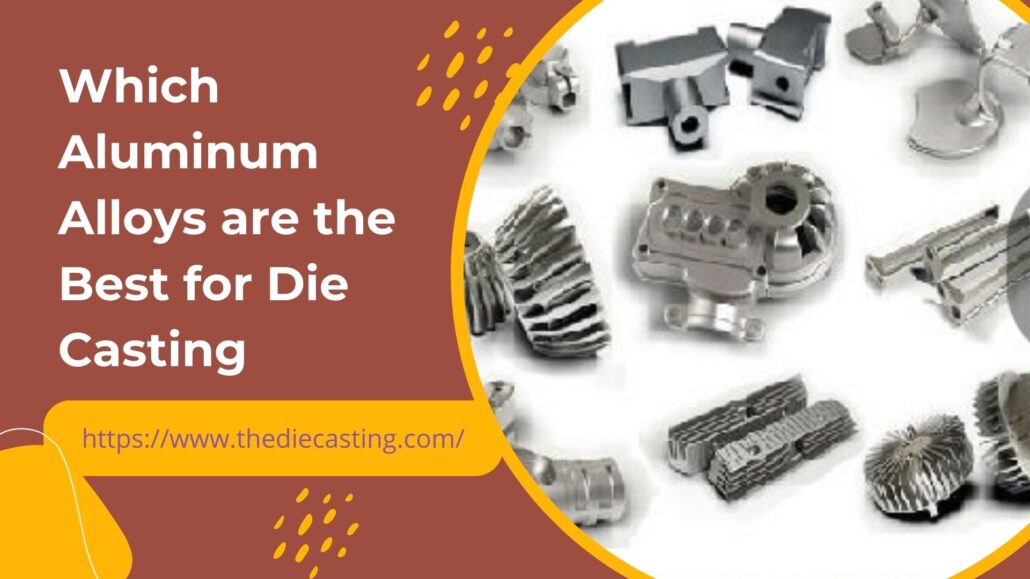
Which Aluminum Alloys are the Best for Die Casting

ألومنيوم, صب الألومنيوم, خلائط AlZn10Si8Mg

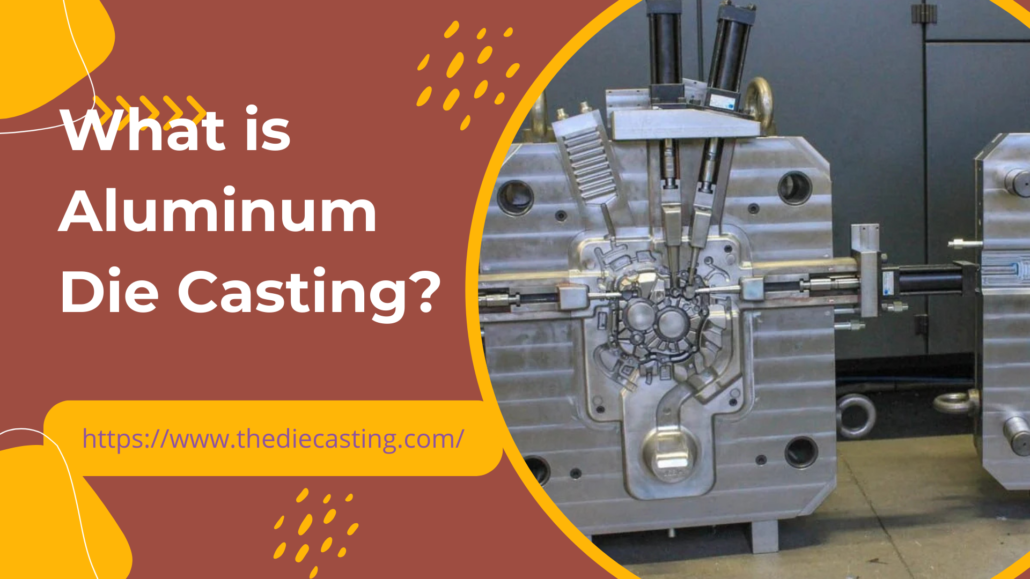
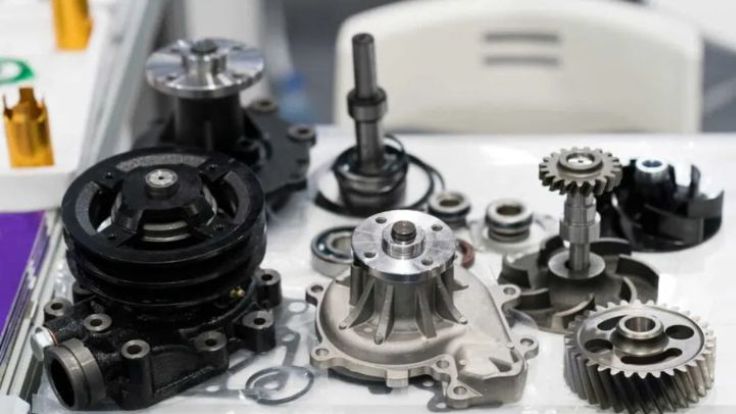
Introduction to Die Casting of Aluminum Aluminum alloy die casting is a highly efficient manufacturing process and is used to produce complex metal components at high volume. It is the process of injecting molten aluminum alloy into a hardened steel mold (commonly called a die) at high pressure. The process is particularly appreciated in the automotive, electronics, telecommunications, and industrial equipment industries, as it produces lightweight components with good dimensional accuracy and surface finish. The excellent strength-to-weight ratio is a key reason aluminum is a preferred metal for die casting. The aluminum alloy components may provide the required mechanical performance for the structural application and offer a material with a high level of product weight reduction. There is also die casting, which enables manufacturers to incorporate multiple functions into a single part. Ribs, bosses, mounting points, and thin walls can be cast in a single operation, eliminating the need for secondary machining and assembly. This, in turn, reduces production costs and increases consistency and repeatability. Owing to these merits, aluminum die casting has emerged as one of the most popular metal-forming processes for medium- to high-volume production. The Die Casting Process of Aluminium Mold Preparation and Setup It starts with preparing the steel die. The die is a two-part die casting: a stationary half and a moving half. The die cavity is sprayed and cleaned after every shot. This coating enables control of die temperature and makes the cast solid easy to eject without sticking to the mold surface or being damaged. Molten Aluminum Injection In a furnace, the aluminum alloy is melted and held at a controlled temperature to achieve the proper fluidity. During high-pressure die casting, a specified quantity of molten metal is injected into the die cavity at high pressure by a hydraulic piston. The pressure may range from several thousand to more than 20,000 psi, allowing the metal to fill small areas and complex geometries before solidification. Solidification and Cooling Pressure is kept after filling up the cavity until the aluminum cools and solidifies. The rapid cooling of the steel die yields a fine microstructure that enhances mechanical properties and surface finish. Channel cooling within the die regulates temperature and ensures consistent cycle times. Ejection and Finishing When the die is hardened, the halves open, and the die is ejected from the mold by ejector pins. Any unnecessary material, including runners, gates, and flash, is trimmed. Secondary operations, such as machining, surface treatment, or heat treatment, may then be performed on the part, depending on the application. The result is a near-net-shaped aluminum part suitable for demanding industrial applications. Aluminum Alloys in Die Casting Alloy-based castings: Aluminum die-casting alloys are designed to balance castability, mechanical strength, corrosion resistance, and thermal performance. In contrast to pure aluminum, these alloys have controlled levels of silicon, copper, magnesium, iron, and other alloying elements to enhance liquid flow, solidification, and serviceability of the molten metal. Selecting an appropriate alloy is essential, since each composition offers a unique balance of strength, durability, weight, cost, and manufacturability. This is a closer examination of the most popular high-performance aluminum die-casting alloys and what makes each one suitable for a particular application. A380 Aluminum Alloy Mechanical Performance and Strength A380 has been referred to as the workhorse of aluminum die casting. It has good tensile strength (approximately 320 MPa) and yield strength (approximately 160 MPa) in the as-cast form. Although not the best aluminum alloy on the market, it offers the best combination of strength and ductility for structural housings, covers, and brackets. Advantages A360 Aluminum Alloy Mechanical Performance and Strength A360 offers the same tensile strength as A380 and has improved performance at higher temperatures. The yield strength is typically 170 MPa, and this aluminum alloy is stable under hot-working conditions, such as in engine compartments. Advantages ADC12 (A383 Equivalent) Aluminum Alloy Mechanical Performance and Strength The counterpart of A383 is ADC12, which is of moderate strength, and the tensile strength is commonly 180230 Mpa. Although a bit weaker than the A380, it is still sufficient for the structural performance of numerous industrial and automotive components. Advantages Al-Si11Cu3 Aluminum Alloy Mechanical Performance and Strength The balanced mechanical properties characterize Al-Si11Cu3. Tensile strength is typically above 300 MPa, with good hardness and moderate ductility. It is stronger than ADC12 and is similar to A380 in most structural applications. Advantages B390 Aluminum Alloy Mechanical Performance and Strength B390 has been manufactured to be as hard and wear-resistant as possible. It has an incredibly high yield strength (approximately 240 MPa) and a tensile strength of 350 MPa. It is hard enough, up to 120 Brinell, which is very high by the standards of most die casting alloys. Advantages Comparative Summary The alloys of aluminum die casting are used as follows: The choice of an appropriate alloy is determined by the design factor, which may be strength, corrosion resistance, wear life, weight reduction, or casting complexity. Summary of Physical and Chemical Properties of Aluminum Alloys Alloy A380 A360 ADC12 / A383 Al-Si11Cu3 B390 Silicon % 7.5–9.5 9–10 9.5–11.5 9.6–12 16–18 Copper % 3–4   ≤0.6 2–3 1.5–3.5 4–5 Magnesium % ≤0.1 0.4–0.6 ≤0.3 ≤0.35 ≤0.1 Density (g/cm³) 2.71   2.63 2.70 2.70 2.75 Tensile Strength (MPa) ~324 ~317 180–230 ~300 320–360 Yield Strength (MPa) ~160 ~170 ~150 ~140 240–250 Elongation (%) ~3.5 ~3.5 ~3 ~2–3 <1 Hardness ~80 ~75 ~75 ~85 ~120 Corrosion Resistance Moderate Excellent Fair Moderate Fair Castability Excellent Fair Excellent Very good Moderate Wear Resistance Good Good Moderate Good Excellent Applications of Aluminum Alloys Automotive Industry Lightweight Structural and Powertrain Components Automotive aluminum alloys are widely used in the manufacture of automotive engine blocks, transmission housings, suspension components, and structural brackets. They are powerful per unit weight, reducing the vehicle’s total mass and improving fuel efficiency, thereby increasing the range an electric vehicle can travel. This aluminum alloy also improves heat dissipation in engines and battery systems, enhancing performance and durability. Aerospace Sector Airframe structures and Interior structures The properties that make aluminum

Hot Chamber Die Casting and Cold Chamber Die Casting

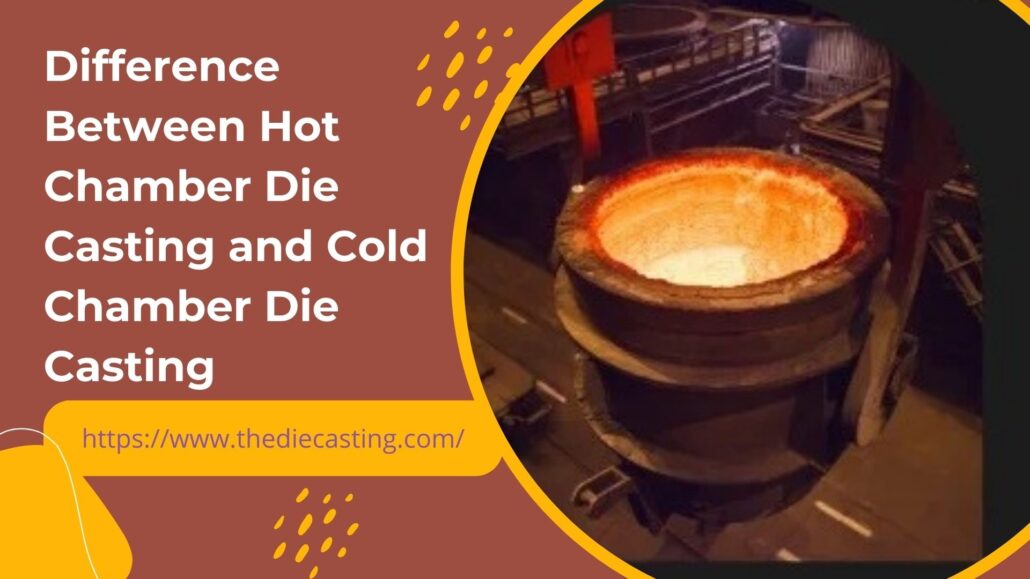
Difference Between Hot Chamber Die Casting and Cold Chamber Die Casting

صب الألومنيوم

Die casting is a metal casting process that uses high pressure to produce complex, high-volume, precise metal components with superior surface finish and dimensional accuracy. This is achieved by high-speed, high-pressure injection of molten metal into a hardened steel mold, known as a die. After the metal solidifies, the die is opened, and the completed component is ejected, trimmed, or lightly secondary processed. Due to its speed, reproducibility, and ability to produce thin-walled, detailed casts, die casting is widely used across the automotive, electronics, aerospace, appliance, and consumer products sectors. High-pressure die casting processes fall into two major types: hot-chamber and cold-chamber die casting. Although both processes use pressure to force molten metal into a die, the ways the metal is melted, manipulated, and injected differ markedly. The differences influence the type of metals used, cycle time, production cost, tooling life, and part size. Hot-chamber die casting integrates the melting furnace with the casting machine, enabling faster processing and improved suitability for low-melting-point alloys. In cold-chamber die casting, however, a separate furnace is used, and molten metal is poured into the machine each time. This arrangement is preferable when the alloy has a higher melting point, e.g., aluminum and copper. Knowledge of the differences between these two processes helps Die Castings China select the most effective, cost-effective, and technically viable method for the company’s application. Hot Chamber Die Casting: Process and Technical Knowledge Hot-chamber die casting is a high-pressure metal casting process primarily used for low-melting-point alloys. It has extensive applications in the automotive hardware, electronics, telecommunications, and consumer goods industries, as well as in sectors that require high production speeds, tight dimensional tolerances, and good surface finish. The key feature of this process is that the melting furnace is integrated into the casting machine. In this type of design, the molten metal is kept in a continuously ready-to-inject state, reducing handling time and resulting in production that is much more efficient than in other casting methods. Summary of the Process Process Explanation Melting Metal is maintained in a furnace inbuilt as molten at about 400 -450 °C in the case of zinc alloys and 600 °C in the case of some magnesium alloys. Filling the Gooseneck In this setup, a hydraulic plunger is used to withdraw until molten metal fills the gooseneck chamber. Injection The plunger moves forward and injects metal into the die cavity at rates up to 3060 m/s. Solidification The metal’s cooling and solidification take 2-10 seconds, depending on the part’s thickness. Ejection This is where the die opens, and the casting is removed by die ejection pins. Repeat The total cycle time is 3 to 15 seconds, enabling high production volumes. The Process of the Hot Chamber Die Casting In hot-chamber die casting, the molten metal is retained in an in-built furnace mounted on the machine. The molten metal submerges a component called a gooseneck. When the plunger is retracted, an intake port supplies molten metal to the injection chamber. The plunger is then hydraulically actuated, driving the metal through the gooseneck and into the die cavity at high velocity. The injection rates may reach 30-60 meters per second, filling the cavity before the metal solidifies. After being cast, the molten metal is pressurized and cooled. Solidification typically takes 2-10 seconds, depending on wall thickness and alloy. With the part already solid, the die is opened, and the ejector pins force the casting out. The machine thereafter shuts and initiates the subsequent cycle. Technical Parameters and the Operating Conditions The process is carried out within well-controlled temperature and high-pressure ranges to ensure tooling quality and safety. Zinc alloys can be cast at temperatures between 400 and 450 °C. In contrast, magnesium alloys can be cast at temperatures closer to 600 °C. The injection pressure is typically 7-35 MPa (approximately 1,000-5,000 psi). The die temperature is maintained between 150 and 250 °C to ensure consistent metal flow and controlled cooling. Due to the wide range of machine sizes, the clamping force typically ranges from 20 to 500 tons. Shot weights are usually less than 1 kilogram, but machines can handle up to 5 kilograms. This is one of the fastest metal-forming methods, with production rates often reaching 300-700 parts per hour due to its high cycle rate. Applicable Material Limits and Alloys Hot-chamber die casting applies only to alloys that do not attack iron at high temperatures. The most common are zinc alloys, including Zamak 3 and Zamak 5, which have melting points near 385 °C. It is also commonly used with magnesium alloys such as AZ91D, which melts at about 595 °C. It is also possible to process lead-tin alloys, but their industrial applications are more limited. This process cannot be applied to aluminum, which has a melting point of approximately 660 degrees Celsius, which can destroy the submerged injection elements. Performance Benefits and Practices Limitations Parameter Typical Range Metal Temperature 400–450°C (Zinc), up to 600°C (Magnesium) Injection Pressure 7–35 MPa (1,000–5,000 psi) Cycle Time 3–15 seconds Machine Tonnage 20–500 tons Production Rate 300–700 parts/hour Die Temperature 150–250°C Typical Part Weight 0.02–5 kg Cold Chamber Die Casting: Process and Technical Observations Cold-chamber die casting is a high-pressure metal casting process suitable for alloys with medium- to high-melting points. It is commonly used in industries such as automotive, aerospace, industrial machinery, and electronics that require strong, lightweight components with precise dimensions. This process uses a separate furnace to melt the metal, rather than a hot-chamber die casting. Each shot is moved into the casting machine with the molten metal, making the system suitable for materials that would harm a permanently submerged injection process. This geometric distinction characterizes the operating mode, production speed, and material range of the cold-chamber process. Process Overview During cold-chamber die casting, the metal is melted in an external furnace at the appropriate alloy-specific temperature. The melting temperature of aluminum alloys is generally in the range of 660- 700 °C, and copper-based alloys might be melted at temperatures exceeding 1,000 °C. After melting,

ألومنيوم

ألومنيوم أو ألومنيوم

صب الألومنيوم

Flexible Metal Fashioning the Modern World One of the most important materials that contributes to modern civilization is aluminium. From high-tech aerospace and electric cars to simple things like food packaging and consumer electronics, this silvery-white metalloid is probably found in almost every sphere of modern life. Aluminium is a chemical with the chemical symbol Al and atomic number 13. It is prized for its outstanding light weight, strength, corrosion resistance, electrical and thermal conductivity, and complete recyclability. The only difference between Aluminum or aluminium is that it is able to respond to the increased world demand for materials that not only perform well but are also environmentally friendly. With industries shifting towards sustainability, lightweight design, and reduced energy consumption, aluminium has become one of the backbone metals of the 21st century.  This paper provides an in-depth description of the nomenclature of aluminum and aluminium, physical and chemical characteristics, history of aluminium, how it is made, its uses in industry, systems of alloys, its sustainability, and trends in its future in a fast-changing world. The Lingistic Dilemma: Aluminum vs. Aluminium Among the most widely observed peculiarities of this metal are the two spellings it has, i.e., aluminum or aluminium. Both terms mean the same thing, although regional language customs and the historical development of the scientific world explain their use. Aspect Aluminum Aluminium Chemical symbol Al Al Atomic number 13 13 Original term used Aluminum Aluminium Regions using the term United states British Dictionary Preference American dictionaries British dictionaries Scientific use U.S. publications European publications Industrial standards ASTM Standards ISO Standards Language influences American English British English Related Chemical Terms Al₂O₃, Al₄C₃ Al₂O₃, Al₄C₃ Naming Convention Originated with the Following The name itself can be traced back to the early 19th century, and it is strongly linked to Sir Humphry Davy, a British chemist who helped identify and name several chemical elements. During one of his experiments with alumina (aluminium oxide), Davy first suggested the name alumium. Soon, he amended it to aluminium. Nevertheless, certain contemporaries of Davy contended that the name ought to be stricter in accordance with the classical Latin style of naming as applied to other elements, e.g., sodium and potassium. Consequently, the name aluminum became common, especially in Britain and Europe. Local Tastes and Unification Regional tastes were, over time, entrenched in North America. The spelling aluminum was officially adopted and made uniform by the American Chemical Society (ACS) in 1925. In 1990, on the other hand, the International Union of Pure and Applied Chemistry (IUPAC) formally accepted the spelling aluminum as the standard international scientific spelling. Even today, aluminum is more common in the United States and Canada, whereas in most other regions, including the United Kingdom, Europe, and Australia, aluminium is more common. Implication on Global Communication Although there are dual spellings, scientific, technical, or industrial communication is not ambiguous at all. The two terms are universally applicable, and the international standards, product specifications and trade documentation routinely consider this linguistic variation but do not have an operational effect. Aluminium Physical and Chemical Properties The popularity of aluminium or aluminum lies in its exceptional physical and chemical properties. It is the most common metallic element in the Earth’s crust, accounting for approximately 8.1%, but it is never found in pure metallic form. Main Physical Characteristics Aluminum has some of the most interesting physical properties, which include: Aluminium is an excellent material for heat exchangers, radiators, and cooling electronic systems due to its excellent heat dissipation. Ductility and Malleability Aluminium can be beaten into foils less than 0.01 mm thick and pulled into very fine wires without breaking. This makes aluminium an ideal material for a wide range of frames and products acrossindustries. Chemical Behaviour and Resistance to Corrosion Corrosion resistance is also a natural characteristic of aluminium, which is very desirable. The presence of air leads to the immediate formation of a dense, adherent layer of aluminium oxide (Al2O3) on aluminium. This coated film prevents further oxidation and shields the underlying metal from environmental degradation. Additionally, aluminium is: History of the Discovery of Aluminum or Aluminium Early Isolation Efforts Although aluminium compounds have been in use since antiquity, isolating the pure metal was not an easy task. In 1825, Danish physicist Hans Christian Oersted was able to reduce small amounts of aluminium chloride, producing small amounts of aluminium. It was soon followed by an improvement by Friedrich Woehler in 1827, but production remained costly and low. Aluminum was an expensive material at this time, more precious than gold, and was actually used to top the Washington Monument as a technological showcase. Breakthrough in the Hall-Héroult In 1886, breakthroughs were made when Charles Martin Hall, then in the United States, and Paul Heroult, then in France, independently developed the electrolytic reduction process for aluminium extraction. The process is called the Hall-Héroult process, and it consists of dissolving alumina in a molten cryolite solution and passing an electric current through the solution to obtain molten aluminium. This invention, added to the Bayer process (invented in 1887 to process bauxite into alumina), significantly reduced production costs and enabled large-scale industrialisation. The Development into Mass Production At the beginning of the 20th century, aluminium production increased rapidly. Its strategic significance was fully realised during World War I and World War II, especially in aircraft production. Since then, aluminium die casting has ceased to be a rare novelty and has become an essential part of industry. Contemporary Processes of Production Primary Production: Bauxite to Metal Bauxite mining is the starting point of primary aluminium production, and the ores usually contain 30-60 per cent alumina ). It consists of two major phases: Bayer Process Through this process, bauxite is purified into alumina using sodium hydroxide. Hall-Héroult Process Alumina undergoes electrolytic reduction to molten aluminium, which requires about 13-15 kWh of electricity per kilogram. The World Production and Main manufacturers By 2024, the world had a steady output of about 72 million metric tons of aluminum. Major producers include: Secondary

أفضل شركات صب قوالب السيارات في الصين والعالم 

صب القوالب الألومنيوم, شركات صب القوالب, شركة صب القوالب, مُصنِّع قوالب الصب بالقالب

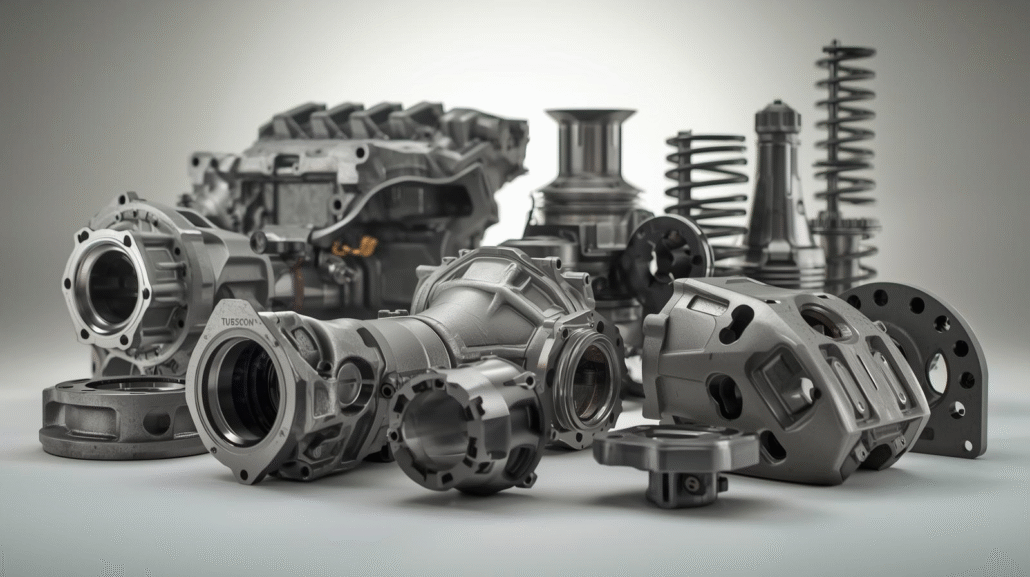
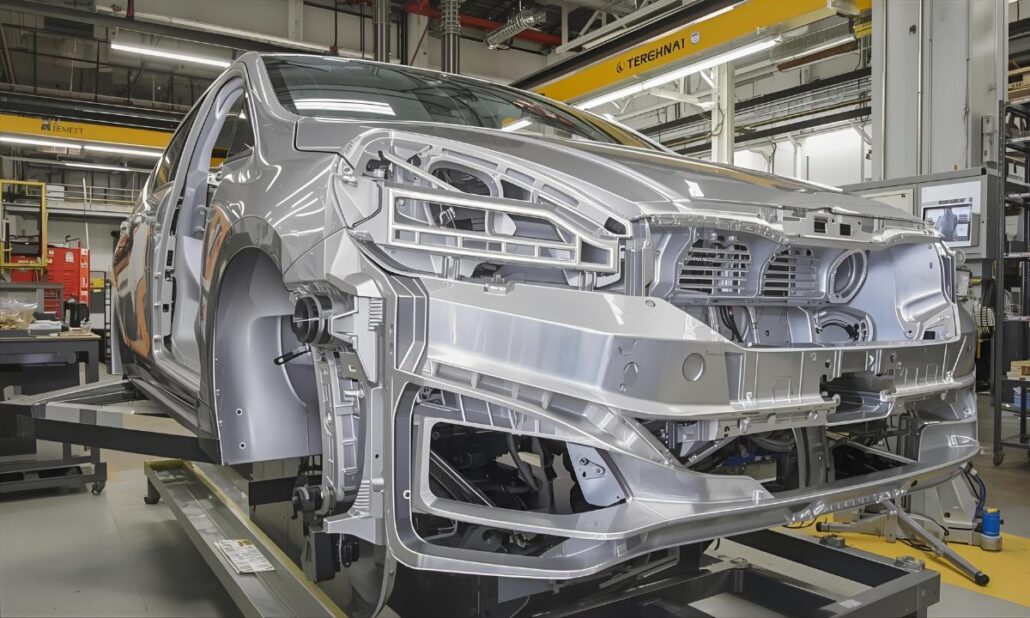
تُعد عملية صب الألومنيوم بالقالب واحدة من أكثر عمليات التصنيع موثوقية وفعالية من حيث التكلفة في الصناعة المعاصرة. إنها عملية الحقن بالضغط العالي للألومنيوم المصهور بدرجة حرارة عالية في قالب دقيق لإنشاء أجزاء قوية وخفيفة الوزن ودقيقة الأبعاد. وهي مفيدة بشكل خاص في إنتاج الأشكال المعقدة للغاية ذات التشطيبات السطحية العالية، وبالتالي فهي عملية مفضلة في صناعات السيارات والفضاء والإلكترونيات والمنتجات الاستهلاكية والآلات الصناعية. وقد زاد الطلب على صب الألومنيوم في السنوات الماضية. وقد وضع اتجاه العالم نحو السيارات الكهربائية والإنشاءات خفيفة الوزن وكفاءة الطاقة سبائك الألومنيوم في مقدمة الابتكار. وقد قام المصنعون الآن بتطوير مكونات عالية التقنية مثل كتل المحركات، ومبيتات ناقل الحركة، وحاويات البطاريات، والمشتتات الحرارية التي تتميز بالمتانة وخفة الوزن. كما أن قابلية إعادة التدوير ومقاومة التآكل تجعل الألومنيوم مفيدًا أيضًا في التوجهات العالمية لإنتاج منتجات مستدامة وصديقة للبيئة. اثنان من مراكز صب قوالب الألومنيوم الرئيسية هما الولايات المتحدة الأمريكية والصين. ومن المعروف أن الشركات المصنعة في الولايات المتحدة الأمريكية تتسم بالابتكار، ولديها معايير عالية في الجودة، وتستخدم مستويات عالية من الأتمتة ويمكن اعتبارها استثمارًا جيدًا في الصناعات عالية الدقة. وعلى العكس من ذلك، اكتسبت الشركات الصينية قدرة تنافسية كبيرة على السوق العالمية، وقدمت حلولاً فعالة من حيث التكلفة وقدرة إنتاجية عالية وتقنيات أكثر تقدماً. ستناقش هذه الورقة البحثية بعضًا من أنجح صناعات صب قوالب الألومنيوم في الولايات المتحدة الأمريكية والصين، ونقاط قوتها وقدراتها والعوامل التي تجعلها أكثر الشركاء الموثوق بهم الذين يمكن للشركات في جميع أنحاء العالم أن تكون المورد المفضل لها في الصناعة التحويلية. ما هو صب السيارات بالقالب؟ عملية الصب بالقالب هي عملية إنتاج يتم من خلالها دفع المعدن المنصهر، عادةً من الألومنيوم أو المغنيسيوم أو الزنك، تحت ضغط كبير في قالب به مساحة مفتوحة. ويتيح ذلك إنتاج كميات كبيرة من المكونات عالية القوة ذات الوظائف المعقدة وذات تشطيبات سطحية جيدة ودقة في الأبعاد. ويسمح الصب بالقالب في صناعة السيارات بإنتاج مكونات ذات وظائف معقدة وذات تشطيب سطحي جيد ودقة في الأبعاد: لقد أحدث استخدام الصب بالقالب ثورة في صناعة السيارات المعاصرة حيث يمكن توفير الوزن مع الحفاظ على الأداء في نفس الوقت. وقد ساهم هذا الطلب في ارتفاع معدل تطور شركات صب قوالب السيارات الرئيسية في الصين وأوروبا وأمريكا واليابان. لماذا تُعد الصين رائدة في مجال صب قوالب قوالب السيارات تمتلك الصين بعضًا من أكبر الشركات في العالم في مجال تصنيع قوالب قوالب صب السيارات بسبب: وقد مكنت هذه المجموعة من نقاط القوة شركات صب قوالب قوالب السيارات الصينية من أن تكون مراكز قوة ليس فقط في السوق المحلية ولكن أيضًا على المستوى الدولي في سلسلة التوريد. شركة CNM Tech Diecasting Company هي شركة رائدة في إنتاج منتجات الألومنيوم المسبوكة بالقالب المتفوقة. فهي تقدم العديد من القطاعات مثل السيارات والإلكترونيات والاتصالات السلكية واللاسلكية بمكونات مصممة بدقة عالية تهدف إلى الحفاظ على أعلى معايير الجودة. ويمكنهم إنتاج أجزاء خفيفة وقوية باستخدام عمليات الإنتاج المتقدمة مثل صب القوالب عالية الضغط والتصنيع باستخدام الحاسب الآلي. تؤمن شركة ديكاستنغ بقوة الابتكار المستمر، ولذلك فهي تستثمر في الآلات الحديثة وخطوط الإنتاج الآلية والأهم من ذلك أنظمة مراقبة الجودة التي تساعد على تقديم نفس النتائج في جميع الأوقات. كما أن مصنعي المعدات الأصلية والموردين من المستوى الأول هم أيضًا ضمن قاعدة عملائها العالمية، وبالتالي، فهي شريك موثوق به في تلبية احتياجات الإنتاج المعقدة وكبيرة الحجم. الموقع الإلكتروني: https://www.thediecasting.com/ لماذا تختارهم شركة The Diecasting Company هي الشركة المفضلة لدى الشركات لأنها تركز على الجودة والدقة والابتكار. إن تطبيقهم لأحدث تقنيات الصب بالقالب ومراقبة الجودة القوية والتسليم في الوقت المحدد يضمن حصول عملائهم على المكونات التي يمكن أن تلبي المعايير الدولية ويجعلهم الخيار المفضل عندما يتعلق الأمر بمصنعي المعدات الأصلية للسيارات والمصنعين الذين يرغبون في العثور على مزود حلول صب القوالب الموثوق به. الصناعات التي تخدمها شركة Sincere Tech تُعد شركة Sincere Tech أحد منتجي القوالب عالية الدقة في حقن البلاستيك والقوالب المصبوبة. وتتمتع الشركة بخلفية في تصميم القوالب والنماذج الأولية وتصنيع المنتج النهائي مما يوفر حلاً شاملاً لعملائها في جميع أنحاء العالم. وهم يستخدمون برامج CAD/CAM المحوسبة والتصنيع الآلي بحيث تكون جميع القوالب المصنعة دقيقة للغاية. تتمتع شركة بلاستيك مودل بسنوات من الخبرة في تلبية احتياجات صناعات السيارات والإلكترونيات الاستهلاكية والأجهزة الطبية مع القدرة على تقديم قوالب معقدة بكفاءة. وتتميز الشركة بابتكارها ومراقبة الجودة والسرعة في التسليم، مما يجعلها موردًا موثوقًا به للشركات التي ترغب في الحصول على حل القوالب المخصص. الموقع الإلكتروني: https://www.plasticmold.net/ لماذا تختارهم يتم اختيارهم القوالب البلاستيكية نظرًا لأنظمة تصنيع القوالب الكاملة ومهاراتهم الفنية وقدرتهم على التوافق مع وقت الإنتاج المحدود. تقلل قوالبهم عالية الجودة من الأخطاء وتعزز الإنتاجية وتساعد العملاء في الحصول على منتجات مصبوبة أو مصبوبة بالحقن دقيقة ويمكن الاعتماد عليها. الصناعات التي تخدمها GC Precision Mould GC Precision Mould هي شركة منتجة لقوالب الصب في الصين والتي توفر قوالب صب الألومنيوم والزنك والمغنيسيوم. وتتمتع الشركة بسمعة طيبة في تصنيع قطع غيار عالية الجودة وفعالة من حيث التكلفة وخفيفة الوزن في قطاعات السيارات والإلكترونيات والإضاءة. وتتمتع الشركة بقدرات الصب بالقالب بالضغط العالي، والتصنيع باستخدام الحاسب الآلي وعمليات التشطيب الثانوية. تركز شركة Alu Diecasting على الدقة وطول العمر والإنتاجية. كما أنها ترقى دائماً إلى المعايير الدولية باستخدام المرافق الحديثة والخطوط الآلية والمهندسين المهرة. كما أنها تلبي احتياجات العملاء على الصعيدين المحلي والدولي مثل مصنعي المعدات الأصلية والموردين من المستوى الأول، وتتمتع بمكانة مرموقة كأفضل مصنع صيني لمسبوكات القوالب في صناعة السيارات. الموقع الإلكتروني: https://aludiecasting.com/ لماذا تختارهم إنهم يستخدمون Alu Diecasting لأنهم يقدمون مزيجًا من الأسعار التنافسية والمعايير عالية الجودة والتكنولوجيا. لديهم سجل حافل من السبائك المختلفة والتصنيع الآلي الدقيق والإنتاج في الوقت المحدد مما يحافظ على أجزاء يمكن الاعتماد عليها وذات عمر طويل وخفيفة الوزن تلبي متطلبات صناعة السيارات العالمية. الصناعات التي تخدمها شركة Get It Made Get It Made هي شركة منتجة للتصنيع الآلي باستخدام الحاسب الآلي، والطباعة ثلاثية الأبعاد، وصب القوالب، وتشكيل المعادن ومقرها المملكة المتحدة. وهي تدعم كلاً من النماذج الأولية والإنتاج منخفض الحجم,

ما هي أواني الطهي المصنوعة من الألمنيوم المصبوب؟

ما هي أواني الطهي المصنوعة من الألمنيوم المصبوب؟ دليل كامل

ألومنيوم, صب الألومنيوم

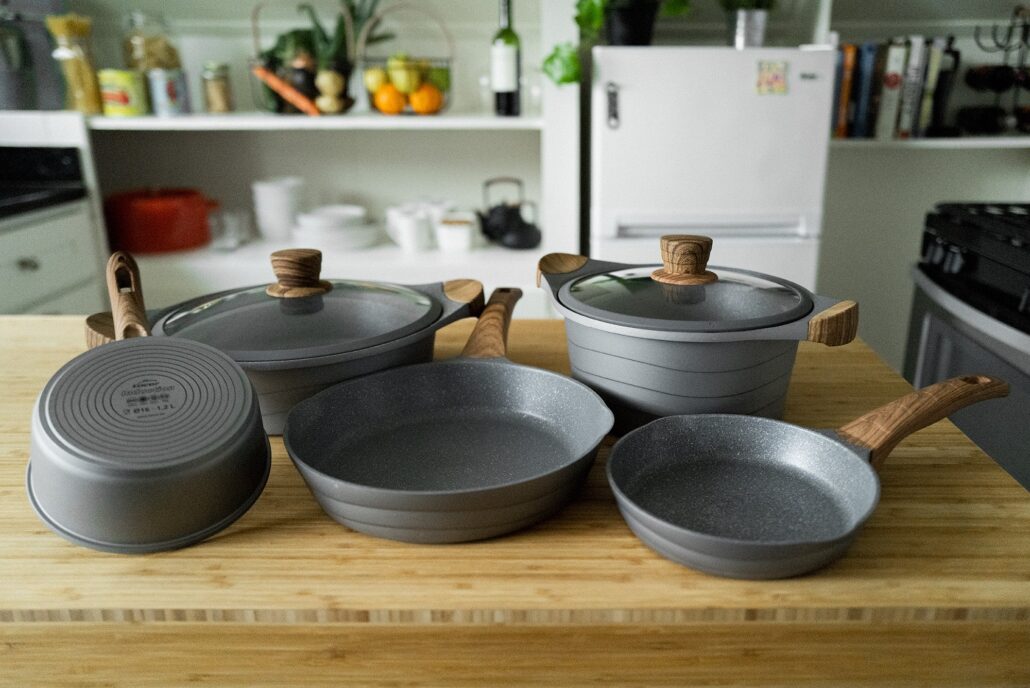
Cast aluminum cookware is becoming popular in kitchens worldwide. It is lightweight, inexpensive, and easy to use. The food can have a different taste depending on the cookware that is used, including the easy cooking process. Cookware is also time-saving and long-lasting. The cast aluminum is made by pouring molten aluminum into a mold. The method gives the cookware both a concrete structure and consistency in the thickness. It allows the pan or the pot to warm up quickly and evenly spread the heat. This simplifies and reduces the time spent preparing day-to-day meals. Cast aluminum is another relatively lightweight material that many people have been using since it is relatively inexpensive when compared to stainless steel. It may also be prepared in different shapes and sizes; therefore, it may be fried, baked, and boiled. However, cast aluminum has its negative sides. It is not as tough as stainless steel nor as tough as cast iron. There are also some types of cooking utensils that need a non-stick or anodized coating so that the food does not stick or is not in contact with acidic foods. In this article, all of these will be expounded using simple language. You will be introduced to the advantages, disadvantages, security, and treatment of cast aluminum cookware. How Cast Aluminum Cookware is Made? Cast aluminum cooking utensils are produced as a result of pouring the melted aluminum into a mold. The metal (aluminum) will then be in the shape of a pan, pot, or baking dish after cooling down. The process makes the cookware tougher and heavier than the traditional pressed or rolled aluminum. The two big stages of the process are: Such casting makes the coocooklightlightut strong enough that it can be used daily. Others are non-stick envelopings on them to prevent the sticking of food, and to facilitate their cleaning. Cast Aluminum Process of Cookware Preparing the Aluminum The initial step entails the selection of aluminum. Pure aluminum or recycled aluminum can be used by manufacturers. This is put into large furnaces where it is heated to over 660 °Cuntil it melts to form a liquid. This stage is where purification of the aluminum is done to determine that it will be strong and safe in the final product. Creating the Mold Once the aluminum is on hand, the mold is created. The form is determined by the mould, and it may be a frying pan, a pot, or a baking pan. These moulds are mostly sandy or steely. The thinness, balance, and durability of the copopotterarere dare be determined by the type of mold and the level of exquisiteness. Pouring the Molten Aluminum The mold is then filled with liquid aluminum. It is filled to the very brim in every crevice of design. It is the process that also causes cast aluminum cookware to be heavier and stronger than pressed aluminum cookware. Cooling and Solidifying After being poured, the aluminum is expected to cool down. It is stiffening and depressing when it comes to cooling and acquires the shape of the mold. The cooling is required as it removes cracks, air bubbles, or weak areas that can jeopardize the quality of the cookware. Trimming and Finishing Once hardened, cookware is removed from the mold. Such is where a crude surface gets cut and polished. Other features are also incorporated, such as handles and bases. This is to ensure that the cook’s uniform is smooth, safe, and ready to be coated. Surface Coating and Finishing Most cast aluminum cooking utensils are surface-treated. They have most of them supplied with non-sticky surfaces, such that the food does not stick on the surfaces,, and the cleaning does not take much time. They can be anodized by others, and this increases their resistance to corrosion and scratches. These finishes are also resistant to the reactivity with acidic food. Quality Testing The quality control is the last one. All of the works are inspected on balance, durability, and coating safety. Cookware that has been carefully checked is packed and only sent into the market. It will ensure the customers receive durable, quality, and safe cookware. Cast Aluminum Cookware advantages What is the reason not to use other materials, to use cast aluminum? Here are the key benefits: Lightweight In comparison to cast iron, it is very light in cast aluminum. It does not take much time tocleanna, and it is more so when one has a cook who prepares meals regularly for the elderly. Superb Heat Distribution Aluminium is a thermal conductor. Cast aluminum utensils are quick to cook and evenly cook. This means that there would be fewer hot spots and even cooking. Affordable It is normally cheaper than stainless steel or copper cookware. It has decent performance at an affordable price. Versatile Cast aluminum may be fried, baked, boiled, or simmered. Some are even oven-safe. Quick Heating The aluminum makes food cook more quickly since it reacts to heat faster. This saves time and energy. Disadvantages of Cast Aluminum Cookware Despite several advantages of cast aluminum cookware, it also possesses several limitations: Durability Issues The cast aluminum is softer than the cast iron or stainless steel. Eventually,, it is likely to be dented or scratched, especially when it is not handled properly. Reactivity with Food The uncoated aluminium can react with acids such as tomatoes or vinegar. This may either render it metallic or discoloured. The majority of modern cast aluminium pans are coated to such effects. Coating Problems The non-stick film on the pan may be of poor quality, and thus, it may wear away with time. It can be scrubbed with hard sponges or metal utensils, and this decreases its life span. Aluminum Cast And Other Cookware The choice of cookware is more of a choice. The cast Aluminum performance when compared with the popular substitutes stands as follows: Cast Aluminum and Stainless steel The first distinguishable difference in the case of the cast aluminum and stainless steel is the heat

أجهزة الخزائن النحاسية: دليل كامل للأناقة والوظيفة والمتانة

أجهزة الخزائن النحاسية: دليل كامل للأناقة والوظيفة والمتانة

تجهيزات خزانة نحاسية للخزانة

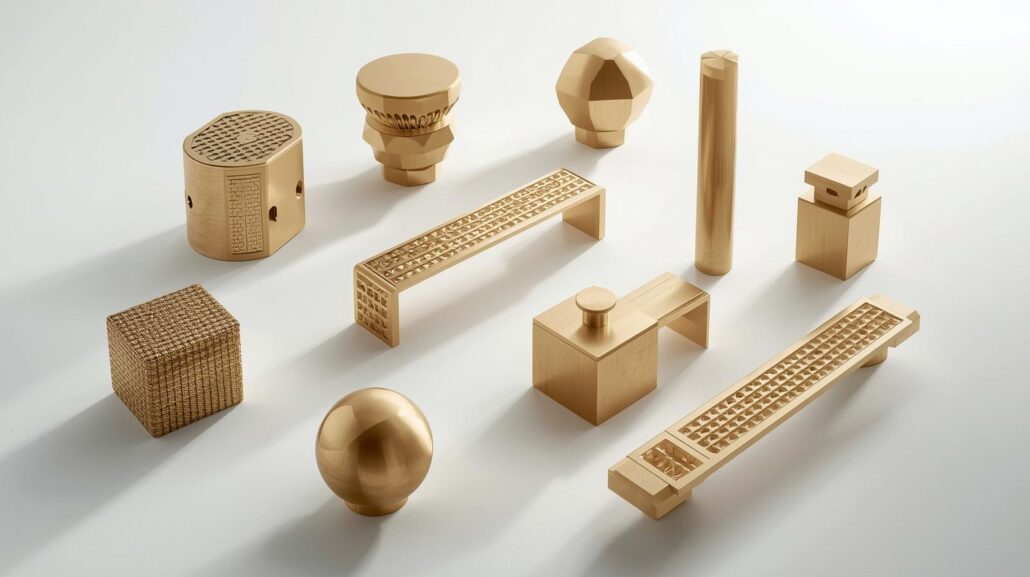
يمكن النظر إلى أجهزة الخزانة على أنها تفاصيل بسيطة، ومع ذلك يمكنها تغيير مظهر الغرفة ووظائفها. من بين التشطيبات العديدة التي يمكن استخدامها، فإن أجهزة الخزائن النحاسية هي اختبار الزمن من حيث الجمال والقوة والتنوع. عند التفكير في إعادة تصميم المطبخ، أو ترقية منضدة الحمام، أو حتى تجديد أثاث التخزين، فإن الطلاء النحاسي هو الذي سيكون متينًا وأنيقًا للغاية في الوقت نفسه. لا يزال كل من المصممين وأصحاب المنازل يفضلون استخدام الأجهزة النحاسية لأنها تضفي أهمية إضافية على الديكورات الداخلية الحديثة والتقليدية. كما أن نغماته الدافئة ذات اللون الذهبي تتناسب بشكل جيد مع الخزائن الخشبية أو الحجرية أو المطلية، مما يجعلها واحدة من أكثر التشطيبات تكيفاً. كما أن مقابض الخزائن النحاسية البسيطة والعصرية مثل المقابض الفاخرة والعتيقة، فإن أجهزة الخزائن النحاسية هي ميزة تضفي على تصميم المساحة بأكملها مظهرًا راقيًا. النحاس، على عكس المعادن الأخرى، هو عنصر حسن المظهر، ولكنه يوفر قيمة طويلة الأمد. تقاوم أجهزة المطبخ النحاسية والأجهزة النحاسية المصقولة التآكل، ويمكن استخدامها في الحياة اليومية، وتكتسب صفة الخلود. هذا المزيج من الأناقة والأداء يجعل من النحاس النحاسي استثمارًا يعزز من مظهر ووظائف الخزائن بحيث يتم تحسينها على مر السنين القادمة. تاريخ وشعبية النحاس الأصفر في التصميم النحاس الأصفر هو سبيكة من النحاس والزنك وقد تم استخدامه في مختلف الهياكل والأثاث والحلي منذ قرون. كان النحاس النحاسي من التجهيزات والتركيبات الزخرفية الشائعة حيث كان يُعتبر في الماضي من التجهيزات الجميلة والأنيقة للغاية. كما لا تزال الأجهزة النحاسية تُستخدم في الوقت الحاضر نظراً لمظهرها ومتانتها وقوتها، كما أنها تُستخدم في الديكورات الداخلية الحالية نظراً للتطبيق العملي في استخدامها ومظهرها الذي يعد أكثر من رائع. وتتمثل الجودة الخالدة لأدوات الخزائن النحاسية في مرونتها. فقد يكون لامعًا لامعًا وعاكسًا مثل المرآة، أو قد يكون مظهره أكثر هدوءًا ويتم تشطيبه بألوان هادئة. منذ تحول الديكور الداخلي نحو الألوان المعدنية الأكثر دفئًا، يظل النحاس النحاسي أحد التشطيبات التي يمكن مزجها مع الخزائن الفاتحة والداكنة. ماذا تعني أجهزة الخزائن النحاسية؟ تجهيزات الخزائن النحاسية هي المقابض والسحابات والمفصلات والمقابض والتجهيزات الأخرى المصنوعة من سبيكة النحاس والزنك المعروفة باسم النحاس الأصفر. هذه الأجهزة شائعة جدًا في المطبخ والحمامات والأثاث لأنها قوية ومتينة ولا تبطل موضتها. وبالمقارنة بالمعادن الأرخص ثمناً، لا يتآكل النحاس الأصفر ويتقادم بشكل طبيعي مع مرور الزمن، ويمكن صقله أو تركه بطبقة نهائية ساتانية أو عتيقة أو تركه بما يسمى بالأدوات النحاسية المصقولة. يفضل المصممون وأصحاب المنازل استخدام الأجهزة النحاسية نظراً لتنوعها. وعلى وجه التحديد، فإن أجهزة المطبخ النحاسية عملية وأنيقة، وقد أصبحت واحدة من أكثر الخيارات شيوعًا لترقية الخزائن. أنواع تجهيزات الخزائن النحاسية تأتي ملحقات الخزائن النحاسية في مجموعة من الأشكال المختلفة المصنوعة من النحاس الأصفر، حيث يتم استخدام كل منها بطريقة مختلفة. وأكثرها شعبية هي: في أي مشروع تصميم، تعتبر تجهيزات الخزائن النحاسية، بغض النظر عن نوعها، إضافة مفيدة من حيث الأغراض التزيينية والوظيفية. تصنيع عتاد الخزائن النحاسية إن إنتاج ما يسمى بعتاد الخزائن النحاسية هو عملية تصنيع منتجات على مراحل طويلة تعتمد على متطلبات المتانة والفائدة والجمال. وهي عملية تستخدم مزيجاً من تقنيات التشطيبات المعدنية التقليدية والحديثة. تحضير السبائك يبدأ بصهر خليط من النحاس والزنك لتشكيل النحاس الأصفر. يمكن إضافة عناصر إضافية حسب اللمسة النهائية المطلوبة. وهذا ما يجعل الأجهزة النحاسية ذات قوة وقابلية تشغيل آلي ولون مناسبين. الصب أو التشكيل بعد تحضير سبيكة النحاس الأصفر يتم بعد ذلك صبها (نحاس مصهور يُصب في مصبوبات) أو تشكيلها (نحاس مضغوط ومسخن مضغوط في مصبوبات). تكون نسخ أدوات المطبخ النحاسية النحاسية أكثر قوة ومتانة. التصنيع الآلي والتشكيل ثم يتم تحويلها بعد ذلك إلى أشكال دقيقة أو مقابض أو مقابض أو مقابض أو مقابض أو مفصلات. تميل ماكينات التصنيع باستخدام الحاسب الآلي والمخارط القديمة إلى بناء ما يسمى بأدوات الخزائن النحاسية. التشطيب السطحي عندما يتم تشكيل القطع، يتم طحنها وصقلها تلقائياً للحصول على تشطيبات نهائية ناعمة. وتتضمن التشطيبات التي يتم تطبيقها في هذه المرحلة الأجهزة النحاسية المصقولة أو العتيقة أو الساتان أو المصقولة لإعطائها المظهر المطلوب. الطلاء أو الطلاء (اختياري) في حالات أخرى، يتم عمل طلاء واقي من الطلاء أو طلاء إضافي لزيادة مقاومة التآكل. ومن الشائع ترك النحاس الصلب غير مطلي بالورنيش بأسلوب الزنجار الطبيعي. التجميع الميكانيكي ومراقبة الجودة وأخيراً، يتم فحص جودة وملاءمة وتشطيب كل عنصر من عناصر أجهزة الخزانة النحاسية. يتم تجميع البراغي والتجهيزات وتغليفها قبل توزيعها. مزايا معدات الخزائن النحاسية المتانة النحاس الأصفر مادة معروفة بقوتها وقدرتها على التحمل. فالنحاس الصلب، على عكس السبائك الأرخص ثمناً، لا ينحني أو ينثني أو ينكسر، مما يعني أن خزائنك ستكون مفيدة مع مرور الوقت. ومن المهم بشكل خاص أن أجهزة المطبخ النحاسية يجب أن تتحمل التآكل اليومي. جماليات خالدة تجعل الديكورات الداخلية دافئة وغنية بالألوان الذهبية للنحاس الأصفر. ويتميز بلمسات نهائية ناعمة وتلميع أنيق، كما أن الأجهزة مصنوعة من النحاس الأصفر المصقول، مما يمنحها مظهراً عصرياً وراقياً. مقاومة التآكل الطبيعة المتأصلة في النحاس الأصفر تجعله مقاومًا للتآكل والتلطيخ، وبالتالي يجب استخدامه في المطبخ والحمام حيث الرطوبة العالية. تعدد الاستخدامات بدءاً من مطابخ المزرعة الخشنة إلى الحمامات العصرية المصقولة، تتناسب قطع الخزائن النحاسية مع جميع أنواع الأنماط. لقد كانت مرنة، وهذا هو السبب في أنها لا تزال تستخدم في مختلف مشاريع الأجهزة النحاسية من قبل المصممين. الاستخدام في الحمامات والمطابخ من أكثر التفاصيل الملحوظة في المطابخ والحمامات هي أجهزة الخزانة، حيث يجب أن تكون العملية والتصميم متناغمين. وتوفر أجهزة الخزائن النحاسية القوة اللازمة في المناطق المزدحمة، فضلاً عن كونها مركزاً زخرفياً. المطابخ إن أنماط المطابخ العصرية أكثر من رائعة مع

شركات صب الألومنيوم بالقالب في الولايات المتحدة الأمريكية

شركات صب الألومنيوم بالقالب في الولايات المتحدة الأمريكية

صب القوالب الألومنيوم, شركات صب القوالب, شركة صب القوالب

يُعد صب الألومنيوم بالقالب الآن أحد أضمن إجراءات الإنتاج وأكثرها اقتصادية في الولايات المتحدة الأمريكية، خاصةً للمصنعين الذين يحتاجون إلى المتانة وطول العمر والدقة. ويتم ذلك عن طريق الحقن بالضغط العالي للألومنيوم المصهور في مصبوبات الفولاذ، وهذا ينتج أجزاء ليست خفيفة الوزن فحسب، بل دقيقة الأبعاد ومتينة أيضًا. إن هذه القوة والوزن الخفيف هي التي تجعل من مصبوبات الألومنيوم المادة المفضلة في صناعة السيارات والفضاء والإلكترونيات والآلات الصناعية والسلع الاستهلاكية. يضم سوق الولايات المتحدة بعضاً من أكثر صناعات صب قوالب الألومنيوم رسوخاً في جميع أنحاء العالم في شكل شركات تصنيع كبيرة ذات حضور عالمي إلى شركات صغيرة ومتخصصة متخصصة في الأجزاء المخصصة والتطبيقات المتخصصة. وتعد هذه الشركات حاسمة للغاية في دعم الصناعة الرئيسية من خلال توريد قطاعات الصناعة مثل كتل المحركات، وأغطية ناقل الحركة، والحاويات الإلكترونية، والأجزاء الهيكلية. وقد اكتسبت الشركات المصنعة التي تتخذ من الولايات المتحدة الأمريكية مقرًا لها سمعة موثوقيتها ومنتجاتها المبتكرة في العالم من خلال تقنياتها عالية الجودة وشهاداتها وتركيزها على جودة المنتجات. وقد شهد الاتجاه في السنوات القليلة الماضية زيادة هائلة في الطلب على قطع الألومنيوم المصبوب بسبب التطورات الأخيرة في مجال تخفيف وزن السيارات، وإنتاج السيارات الكهربائية، والسعي لتصنيع السيارات الكهربائية والسعي لتصنيع الطاقة بكفاءة. تتبنى الشركات الأمريكية الأتمتة والمسبوكات المستدامة والسبائك المتفوقة لتحقيق نتائج عالية لتلبية هذه المتطلبات. تسرد هذه المقالة بعضًا من أفضل مصنعي قوالب صب الألومنيوم في الولايات المتحدة الأمريكية وإنجازاتهم وإمكاناتهم ومساهماتهم في الصناعة المعاصرة. لا يهم ما إذا كنت تحصل على قطع غيار لتنفيذ عملية تصنيع واسعة النطاق أو تطبيق عالي التقنية، فإن هؤلاء المصنعين هم تجسيد لأرقى التقنيات الأمريكية في مجال صب الألومنيوم بالقالب. ما هو صب الألومنيوم بالقالب؟ الصب بالقالب المصنوع من الألومنيوم هو تقنية إنتاج يتم فيها الضغط العالي على الألومنيوم المصهور في قالب فولاذي يُشار إليه أيضًا بالقالب. عندما يبرد المعدن ويتصلب يتم فتح القالب وإخراج الجزء المكتمل. هذه هي العملية التي يمكن للمصنعين من خلالها إنشاء مكونات قوية وخفيفة ومفصلة للغاية مع مستوى عالٍ من الدقة في الأبعاد والتشطيبات السطحية الملساء. إن حقيقة أن عملية صب الألومنيوم بالقالب يمكن أن تنتج أشكالاً معقدة قد يكون إنتاجها صعباً أو مكلفاً باستخدام عمليات التصنيع الأخرى هي الفائدة الرئيسية. ويستخدم على نطاق واسع في تصنيع أجزاء مثل كتل المحركات، وأغلفة ناقل الحركة، والحاويات الإلكترونية، والمشتتات الحرارية والمكونات الهيكلية. يتميز قالب الصب بالقالب المصنوع من الألومنيوم بالعديد من المزايا الرئيسية: وبفضل نقاط القوة هذه، برز صب الألومنيوم بالقالب كبديل أفضل في الصناعات التي تتطلب مكونات عالية الجودة يمكن الاعتماد عليها وفعالة لتتناسب مع احتياجاتها التقنية والاقتصادية. أفضل شركات صب الألومنيوم بالقالب في الولايات المتحدة الأمريكية 1. Dynacast International تعد شركة Dynacast International واحدة من أفضل الشركات المعروفة في مجال الصب الدقيق للقالب على مستوى العالم. تتمتع الشركة بعقود من الخبرة في إنتاج المكونات الصغيرة والمعقدة باستخدام سبائك الألومنيوم والزنك والمغنيسيوم. وهي بارعة في إنتاج المكونات ذات التفاوتات الصارمة والميزات المعقدة التي تحتاجها صناعات السيارات والإلكترونيات الاستهلاكية والاتصالات والأجهزة الطبية. وكونها شركة عالمية يعني أيضاً أن Dynacast قادرة على خدمة الشركات الصغيرة والشركات متعددة الجنسيات بمرونة وابتكارات وجودة لا تختلف بين المشاريع. 2. صناعات بيس بعد أن أصبحت أكبر شركات صب القوالب في أمريكا الشمالية، اكتسبت صناعات بيس سمعة جيدة في تقديم حلول متكاملة. وتشمل مجموعة خدماتها التصاميم والدعم الهندسي، والمسبوكات بالقالب، والتشغيل الآلي، والتشطيب السطحي، والتجميع النهائي؛ فهي تقدم حلًا شاملاً للعملاء في قطاعات السيارات والصناعات والصناعات الاستهلاكية. يمكن التعامل مع المشاريع ذات الحجم الكبير والمشاريع المخصصة بسبب حجم عملياتهم. كما تتبع شركة Pace ثقافة توظيف الأموال في التكنولوجيا الحديثة والممارسات المستدامة بحيث تكون قادرة على الحفاظ على قدرتها التنافسية في الصناعة سريعة التغير. 3. Ryobi Die Casting (الولايات المتحدة الأمريكية), Inc. ريوبي هي علامة تجارية مشهورة في قطاع الصب بالقالب في العالم، ولها حضور كبير في الولايات المتحدة. تتركز عملياتها في الولايات المتحدة على مكونات الألومنيوم المصبوبة بالقالب على نطاق متوسط إلى كبير الحجم، خاصةً في قطاع السيارات. تقوم شركة ريوبي بتصنيع كتلة المحرك، ومبيت ناقل الحركة، والأجزاء الهيكلية التي تحتاجها لتكون متينة ودقيقة. وقد استخدمت الشركة أحدث التقنيات المتطورة وإدارة الجودة مما جعلها تصبح المورد المفضل لكبار مصنعي السيارات في العالم. 4. شركة Gibbs Die Casting Gibbs Die Casting، الشركة الرائدة الأخرى في السوق الأمريكية ومقرها في هندرسون بولاية كنتاكي. تتخصص الشركة في مصبوبات الألومنيوم والمغنيسيوم في صناعة السيارات، خاصةً علب ناقل الحركة وأجزاء قطار الطاقة. تركز جيبس تركيزاً كبيراً على الابتكار حيث يتم استخدام الأتمتة وتقنيات التصنيع المتطورة لضمان معايير عالية من الكفاءة وجودة العمل. كما تدمج الشركة مفهوم الاستدامة في أعمالها من خلال الحد من الهدر وتشجيع الممارسات التجارية الصديقة للبيئة. 5. شركة Apex Aluminum Die Casting Co., inc. تقع شركة Apex Aluminium Die Casting في ولاية أوهايو وتستخدم في صناعات السيارات والإلكترونيات والأجهزة المنزلية. وتتمتع الشركة بسمعة طيبة في العمل مع حصص الإنتاج متوسطة الحجم، مما يجعلها الخيار الأمثل مع الشركات التي تتطلب جودة إنتاج ثابتة ولكنها لا تتطلب القوى الهائلة للمستوردين الكبار. يهتم فريق أبيكس برضا العملاء وموثوقية الخدمة والهندسة والدقة في التصنيع. وقد أثبتوا أنفسهم كشريك موثوق به لعدد من الشركات الأمريكية بسبب سمعتهم الجيدة في تقديم نتائج ثابتة. 6. شركة KenWalt Die Casting Company يقع مقر شركة KenWalt Die Casting في كاليفورنيا ولديها أكثر من عدة عقود من الخبرة في إنتاج مصبوبات القوالب؛ الألومنيوم والزنك. تركز الشركة أيضًا على الأعمال المصممة حسب الطلب وتخدم صناعات كل من المعدات الصناعية والسلع الاستهلاكية. تتميز شركة KenWalt بأنها شركة تتعاون بشكل وثيق مع العميل أثناء

صب قوالب الألومنيوم للسيارات في الصين

صب قوالب الألومنيوم للسيارات في الصين

صب القوالب الألومنيوم, أجزاء الصب بالقالب

Aluminium automotive die casting in China has become an essential process within the international automotive supply chain that contributes to efficiency, sustainability, and innovation in vehicle production. Lightweight and strong, aluminium provides a special balance between mechanical performance and fuel consumption, which contemporary car manufacturers require. Through minimised vehicle weight, aluminium die-cast components have a direct impact on reducing fuel consumption, longer battery range in electric vehicles (EVs), and carbon emissions. This not only renders the technology significant to the manufacturers, but also to environmental regulations across the world. This domination in the automotive industry of China is a natural extension of aluminium die casting. Being the largest producer, the country with huge production rates, with its large supply chain and the support of the government through industrial policy, China has already established itself as the largest producer and one of the greatest innovators in the area. The die casting sector of the country serves both local car manufacturing industries and foreign brands, and it provides engine blocks and transmission housings, as well as high-tech giga castings, applied to the body of EVs. The development of lightweight materials and more environmentally friendly production technologies has become even faster. This congruence between industrial competency and the world sustainability targets will keep China on the frontline of the technology of aluminium die casting, which is the future of automotive engineering. What is Die Casting of Aluminium? Aluminium die casting is the production technique where molten aluminium is pressurized and injected into a high-pressure steel mold (die). Upon cooling and solidification, the metal produces complex and precise components with very favourable strength-to-weight ratios. The automotive parts that are commonly manufactured are engine blocks, transmission housings, wheels, brackets, and structural body parts. Why China Leads in Aluminium Die Casting? Aluminium Die Casting Process Aluminium die casting is one of the most specialized manufacturing techniques that allows the creation of complex and accurate automotive components with great mechanical properties. It does include several well-regulated phases, and each of them can be seen as a step toward the quality, strength, and durability of a final product. The following is a discussion of each of the stages: 1. Mold Preparation The steel mold, usually of hardened tool steel, is completely cleaned and checked before production starts and should be free of wear or damage. Then the release agent or lubricant is applied to the cavity of the mold, which has a variety of significant purposes. It avoids the sticking of the molten aluminium to the die, provides smooth part ejection and assists in maintaining mold temperature in successive casting cycles. It is important to prepare the mold properly, as this has a direct relation to the surface quality and dimensional accuracy of the finished component. 2. Melting & Alloy Preparation It begins with the melting of aluminium ingots or recycled scrap in a high-temperature furnace that can be either gas-powered, electrically powered or induced. At this phase, molten aluminium is observed keenly to maintain an optimal temperature range of around 660 to 700 °C to provide a fluid mass and reduce defects. Elements like silicon, magnesium, and copper are alloyed in order to improve certain properties such as strength, corrosion resistance, or thermal conductivity. It is important to keep the chemical composition accurate since a slight change in it might greatly affect the functionality of automotive elements. 3. High-Pressure Die Casting (injection) After the molten aluminium attains the desired state, it is poured into the prepared steel casting mould by a high-pressure die casting (HPDC) machine. The pressure of injection is usually between 110 and 175 MPa, and this makes the liquid metal fill even in the most complex molding cavities with accuracy. High pressure also aids in reducing porosity and shrinkage flaws to produce high-strength and dense parts. This is regarded as the centre point of the process since it determines the quality of the casting and whether complicated shapes can be produced without breaking the structural integrity. 4. Cooling & Solidification The molten aluminium is then injected and quickly cools down and hardens in the steel mould. The rate of cooling is maintained throughout to make sure that the crystallization is uniform and internal stresses or warping are minimized. Cooling time varies greatly with the thickness and intricacy of the component being cast; a thin-walled component could be solidified in a matter of seconds, whereas a more complex part could take a longer cycle to solidify. Well-organised cooling circuits (water channels or oil circuits built into the die) are commonplace with the aim of ensuring consistency throughout the production runs. It is essential to attain a balance of strength, ductility, and dimensional accuracy by proper solidification. 5. Ejection After the part has hardened, ejector pins in the mold force the casting out. In this step, accuracy is needed to prevent burning sensitive areas or thin walls of the part. Large-scale automotive manufacturing often relies on automated ejection systems, which guarantee the consistency of cycle times and minimize manual work. The process of ejection may appear to be easy, yet with improper application, it might cause surface defects, cracks or misalignment, which will adversely affect the usability of the final product. 6. Trimming & Finishing Raw casting may contain large quantities of extraneous material, such as flash, runners or even gates, after ejection, and this needs to be removed. A hydraulic press or a CNC machine is usually used in trimming to attain an accurate edge line. Other finishing processes like shot blasting enhance the texture of the surface, and machining provides the high dimensional tolerance needed by engine or transmission components. They can be heat-treated to increase strength and hardness, and coating or anodizing may increase corrosion resistance. These are the necessary secondary processes because through them the raw casting is taken to the next level, where it is turned into a functional and reliable automotive component. 7. Inspection & Quality Control The last step is the intensive inspection, whereby all castings will be

انتقل إلى الأعلى

احصل على عرض أسعار