صب الزنك بالقالب

صب الزنك بالقالب

كيفية اختيار الشركة المصنعة لصب قوالب الزنك لإنتاج الدُفعات الصغيرة

صب الألومنيوم

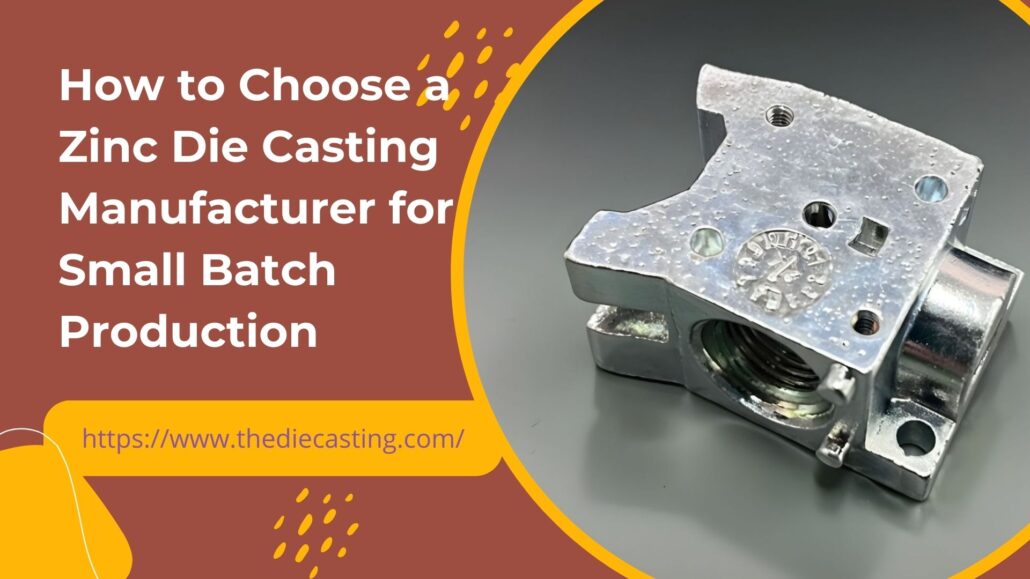
Zinc die casting has emerged as one of the most popular manufacturing processes used to generate the precision metal parts, which require high quality on the surfaces, tight tolerances and geometric shapes. The automotive industry, electronic industry, construction hardware, consumer goods and decorative fittings industry are some of the industries that are highly dependent on zinc or ZAMAK die casting since they possess excellent mechanical properties and finishing capabilities. In cases where the volumes of production are low, the choice of the appropriate zinc die casting manufacturer is even more valuable. Low batch production needs flexibility, control of cost, reduced lead time and engineering skills, which many manufacturers may lack due to the need to deal with mass production. The instructional manual describes the method of selecting an appropriate zinc die casting vendor that handles small orders and names seven reputable Chinese manufacturers, plus six reputable international companies. The Knowledge of Zinc Die Casting Small Batch Manufacturing Zinc die casting is one of the metal casting technologies in which the molten zinc alloy is injected into a steel mold under high pressure.  Zinc alloys have a lower melting point, higher fluidity and longer tool life compared to the aluminum or magnesium which is particularly well suited to low to medium volume production. In the case of small batch projects, zinc die casting has enormous benefits. The tooling costs are usually cheaper, the cycle time is shorter, and parts can be near net shape in nature, hence do not require much machining. Zinc can also be used as decorative and functional components to be polished, electroplated, chrome plated, powder coated or painted. Small batch manufacturing frequently includes prototype testing, small market rollouts or specialised industry use. Thus, the manufacturers have to offer flexibility in the tooling, responsiveness in communication, and maintain uniformity even at reduced volumes. The Special Consideration of Small-Batch Zinc Die Casting Small batch zinc die casting is not just a smaller variant of mass production. Manufacturers have to change their operations to make sure they are efficient without adding unnecessarily high costs. The tooling plan is paramount. Although the tooling of zinc will outlive that of aluminum, the initial cost may still be a burden in small amounts. A company that sells simplified molds, modular tooling or even rapid tooling would be more adaptable to a small batch. The flexibility of production is also significant. Small quantity orders can be characterized with design modification, numerous revisions, or bespoke finishing. An efficient supplier has to be in a position to handle such changes without causing any delays. The other determinant is surface finishing capability. Zinc elements are usually employed in the visible or ornamental industry, and in such cases, the look of the surface is equally crucial as the dimensional precision. In-house finishing enables manufacturers to have more quality control and delivery schedules. Some of the considerations that are important to make when selecting a manufacturer of zinc die castings include; Experience and Technical Knowledge in Manufacturing The experience of a manufacturer in zinc alloys has a direct influence on the quality and consistency of parts. Alloy casting suppliers Zinc die casting companies know more about the choice of alloys, mold design, the positioning of gates and the control of processes than general metal casting suppliers. In small-scale projects, the engineering experience becomes even more helpful. Experienced manufacturers have the capability to propose design refinements which would have lower tooling complexity, fewer defects, and yield. Mold Design Capabilities and Tooling One of the most expensive aspects of die casting is tooling. In small batches, manufacturers with in-house design and fabrication of molds are cheaper to deal with and can deliver faster. Die casting moulds of Zinc can have thin walls and fine details. Nevertheless, these mold designs should be done correctly to prevent porosity, sink marks, or surface defects. Suppliers that have simulation software and mold flow analysis are in a better position to provide consistent results. Surface Finishing and Secondary Operations Zinc alloys have a high preference due to their outstanding surface finishing properties. Manufacturers are supposed to provide secondary services like polishing, electroplating, chrome plating, nickel plating, powder coating and painting. When working with small batch production, the outsourcing of finishing may worsen the lead time and quality risks. One vendor who finishes in-house gives a homogenous effect and expedited delivery. Quality Management and Certifications Even when making a small order, quality assurance must not be compromised. The manufacturers who have received the ISO-certified quality management systems show devotion to consistency and traceability. Such inspection devices as CMM machines, roughness testers, and material testing facilities are signs of a good supplier. Responsiveness and Communication Close cooperation is frequently needed on small-scale projects. There should be effective communication, quick quotation turnover and a proactive solution to problems. Companies that offer project managers tend to perform well when it comes to low-volume production. Best Chinese Zinc Die Casting Maker for a Minimum Batch GC MOLD (aludiecasting.com) GC MOLD is a Chinese manufacturer of zinc die cast that has a good reputation due to its tooling accuracy and versatility. The company deals in die casting of zinc, aluminum, and magnesium and assists small to medium batch production for the global clients. GC MOLD is a company that provides all the services such as designing of molds, die casting, CNC machining and surface finishing. Their engineering team collaborates intimately with customers to ensure an optimization of part design, which makes them a good option for start-ups and OEMs that demand small volumes of production with high accuracy. This is because the company can process decorative zinc parts, functional industrial components, as well as automotive applications, which makes it one of the surest bets in China in terms of small batch zinc die casting. CNM CASTING (diecasting.com / diecastingschina.com) CNM CASTING is a special-purpose manufacturer of zinc alloy die castings with one-stop manufacturing solutions. The company has experience in manufacturing high cosmetic geometries and precision zinc components with complex geometries. CNM
صب الزنك بالقالب

شركات صب قوالب قوالب الزنك المخصصة بالقرب مني

سبائك الزنك المسبوكة بالقالب, صب الزنك بالقالب

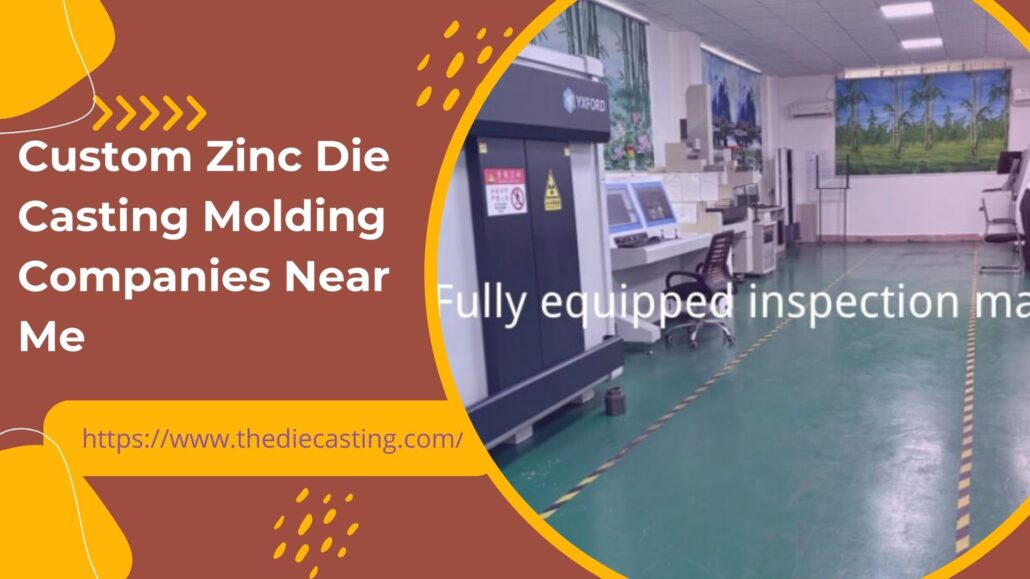
مقدمة يعتمد قطاع التصنيع في جميع أنحاء العالم بشكل متزايد على شركات صب قوالب الزنك المخصصة لإنتاج أجزاء معدنية متينة ودقيقة وفعالة من حيث التكلفة. كما يُعرف صب الزنك بالقالب أيضًا بقدرته على إنتاج أشكال هندسية معقدة، وتفاوتات متقاربة، وتشطيبات سطحية ناعمة، وقوة ميكانيكية عالية، بتكلفة إنتاج منخفضة إلى حد ما. هذه المزايا تجعل من صب الزنك بالقالب تقنية تصنيع مواتية في قطاعات مثل السيارات والإلكترونيات والأجهزة الطبية والمعدات الصناعية والمنتجات الاستهلاكية والاتصالات السلكية واللاسلكية. عندما يقوم الأفراد بإدخال الاستعلام “شركات صب قوالب الزنك المخصصة بالقرب مني”، فقد يشيرون إلى الشركات المصنعة القريبة من المكان الذي يعيشون فيه. تُعرف الصين بأنها أكبر مركز لصب القوالب في العالم، وهي مورد موثوق به للسوق الدولية التي يمكنها تلبية متطلبات تلك الأسواق بفعالية. ولا تزال قاعدة التصنيع في الصين رائدة في هذا المجال، حيث تتمتع بمرافق إنتاج متطورة وقوى عاملة عالية المهارة وسلاسل توريد كاملة وأسعار منخفضة. وفي الوقت نفسه، هناك بعض شركات صب قوالب الزنك ذات الشهرة العالمية في الولايات المتحدة الأمريكية وأوروبا وغيرها من الأسواق التي توفر التكنولوجيا العالية والأتمتة ومعايير الجودة الصارمة في الصناعات الراقية الخاضعة للرقابة. هذا دليل كامل يهتم بذكر أكبر موردي ومصنعي منتجات صب قوالب الزنك وأكثرهم كفاءة. ثلاث شركات صينية كبرى في مجال صب قوالب الزنك بالقرب من الصين ومع ذلك، يمكن القول بأن العملية معقدة ومكلفة، وتتطلب كلاً من الآلات وتكاليف العمالة لبناء علامة تجارية جديدة. ومع ذلك، يمكن القول بأن هذه العملية ليست عملية سهلة ورخيصة، حيث تتطلب كلاً من المعدات ونفقات العمالة عند إنشاء علامة تجارية جديدة. هناك ما لا يقل عن خمس شركات عالمية كبرى مصنعة لمنتجات الزنك المصبوب. تقدم هذه الشركات خدمات راقية للأسواق الدولية. وستشهد كل شركة نفس التنظيم والمواصفات الفنية المناسبة والبيانات المفيدة لمساعدة مصنعي المعدات الأصلية ومطوري المنتجات ومحترفي المشتريات على اختيار شريك التصنيع المناسب على المدى الطويل. ما هو السبب وراء شعبية صب قوالب الزنك المخصصة؟ يمكن تخصيص سبائك الزنك المصبوبة بالقالب حسب الطلب، والتي لها العديد من الفوائد التي تجعلها مناسبة للتصنيع الحديث: ثبات الأبعاد توفر سبائك الزنك ثباتًا ممتازًا في الأبعاد، مما يمكّن المصنّعين من إنتاج أجزاء ذات تفاوتات ضيقة وقابلية عالية للتكرار. وتساعد هذه العملية في إنتاج أشكال رقيقة الجدران ومعقدة وذات سمات سطحية دقيقة، وتقلل من التصنيع الثانوي. الخصائص الفيزيائية إن نسبة القوة إلى الوزن العالية ومقاومة التآكل والتوصيل الحراري/الكهربائي هي أيضًا من ميزات الزنك التي تجعله مادة مناسبة للأغراض التطبيقية والزخرفية على حد سواء. التكلفة والفوائد من الناحية الاقتصادية، يسهّل صب الزنك بالقالب إنتاج كميات كبيرة، ومعدلات خردة منخفضة، وعمر طويل للقالب، وأوقات دورة أقصر مقارنةً بطرق الصب الأخرى. هذا المزيج من الجودة والكفاءة والتكلفة المنخفضة هو ما يجعل الصناعات في جميع أنحاء العالم تستخدم صب الزنك عندما تحتاج إلى مكونات دقيقة. شركات صب قوالب الزنك المخصصة بالقرب من الصين شركة سينسير تيك (الصين) - موقع إلكتروني قريب جدًا من الصين: https://plas.co نظرة عامة على الشركة تُعد شركة سينسير تيك من بين أكثر شركات قوالب صب قوالب الزنك المخصصة استقرارًا في المنطقة المجاورة للصين، وهي معروفة بخدماتها المتكاملة في التصنيع والهندسة. تتعامل الشركة مع مصبوبات الزنك، ومصبوبات الألومنيوم المصبوبة، وصناعة القوالب، وصب حقن البلاستيك، والتصنيع باستخدام الحاسب الآلي، وخدمات التجميع الكاملة. تزود شركة Sincere Tech العملاء بالمساعدة الفنية ومعدات الإنتاج الضخم، مدعومة بأنظمة إنتاج مبتكرة وفرق عمل محترفة. ويرتكز نموذج التصنيع لدى شركة Sincere Tech على دقة الأدوات، وكفاءة سير عمل الإنتاج، والرقابة الصارمة على الجودة للحفاظ على اتساق دقة الأجزاء وجودة السطح. تقدم الشركة خدماتها لمصنعي السيارات والأجهزة الطبية والإلكترونيات والمعدات الصناعية وصناعات المنتجات الاستهلاكية. القدرات والخدمات كما تقدم شركة Sincere Tech أيضًا خدمات المشاريع الشاملة، بما في ذلك تصميم القوالب، وصناعة القوالب، وصناعة النماذج الأولية، وصب القوالب بكميات كبيرة، وما بعد التصنيع، والتشطيب السطحي، وتجميع المنتجات. يتم تبسيط عملية صب قوالب الزنك الخاصة بهم من أجل الأجزاء ذات التحمل الضيق، والأشكال الهندسية المعقدة، والإنتاج بكميات كبيرة، وبالتالي تلبية متطلبات مصنعي المعدات الأصلية الذين يسعون إلى تحالفات إنتاج طويلة الأجل. لماذا تختار شركة Sincere Tech ستكون شركة Sincere Tech الأنسب للشركات التي تبحث عن مورد صيني لصب قوالب الزنك ذات الجدوى الاقتصادية والقريبة من الصين وتقدم دعمًا فنيًا قويًا ومهل زمنية سريعة وخدمات تصدير عالية الجودة. ويمكنها استيعاب عمليات التصنيع المختلفة تحت سقف واحد، مما يقلل من مخاطر المشروع والتكلفة والجدول الزمني للإنتاج. الموقع الإلكتروني لشركة GC Precision (الصين): https://www.aludiecasting.com لمحة عامة عن الشركة GC MOULD هي واحدة من أكثر الشركات المصنعة لصب قوالب الزنك المخصصة في المنطقة القريبة من الصين، مع التركيز على الهندسة الدقيقة وتصميم القوالب المتطورة وصب القوالب متعددة المواد. تقوم الشركة بتوريد سبائك الزنك والألومنيوم والمغنيسيوم للعملاء في قطاعات السيارات والإلكترونيات والإضاءة والآلات الصناعية والأجهزة الطبية. وقد اكتسبت شركة GC MOULD سمعة طيبة من حيث قابلية التكرار العالية، ودقة الأبعاد، وجودة الإنتاج المستقرة على مدار عقود من الخبرة. تستوعب مرافقها كلاً من الإنتاج على نطاق صغير وكبير، مما يجعلها قابلة للتطبيق على الشركات الناشئة والعلامات التجارية العالمية الأخرى. الإمكانيات والخدمات شركة GC MOULD هي شركة تصنيع متكاملة تقدم خدمات تشمل تصميم القوالب، وصب القوالب بالضغط العالي، والصب بالجاذبية، والصب بالجاذبية، والتصنيع باستخدام الحاسب الآلي، والتشطيب السطحي، والتجميع. تركز عملياتها في صب قوالب الزنك على الأجزاء الدقيقة والسلامة الهيكلية العالية بالإضافة إلى التشطيبات السطحية العالية، مما يقلل من المعالجة الثانوية. لماذا تختار شركة GC MOULD تُعد GC MOULD خيارًا جيدًا لأي شركة تبحث عن شركة صب قوالب الزنك المصبوبة بالقالب حسب الطلب بالقرب من الصين وتتمتع بخبرة هندسية، فضلاً عن كونها فعالة من حيث التكلفة. وهي شريك موثوق به على المدى الطويل بسبب قدرتها على التعامل مع المشاريع المعقدة، والحفاظ على مستوى ثابت من الجودة، والعمل في جميع أنحاء العالم. الموقع الإلكتروني لشركة CNM CASTING (الصين): نظرة عامة على الشركة تعد شركة CNM CASTING من بين أقدم شركات صب قوالب الزنك المخصصة الموجودة في الصين وتقدم خدمات تصنيع شاملة في مجال صب قوالب الزنك والألومنيوم والمغنيسيوم. وقد اشتهرت الشركة بتصميمها الجيد للقوالب، وأنظمة الإنتاج المدمجة، واستراتيجية التصنيع الموجهة نحو المستهلك. تخدم شركة CNM CASTING مجموعة من الصناعات، بما في ذلك صناعة السيارات والإلكترونيات والاتصالات السلكية واللاسلكية والأجهزة المنزلية والمعدات الصناعية. يركز نموذج الإنتاج الخاص بها على الأدوات المتينة، والكفاءة الكبيرة الحجم، والجودة الموحدة في الإنتاج. الإمكانيات والخدمات تقدم شركة CNM CASTING تصميم القوالب، ومسبوكات القوالب، ومسبوكات الزنك، والتصنيع باستخدام الحاسب الآلي، والتشطيبات السطحية، وفحص الجودة، والتجميع النهائي. إن مصبوبات الزنك مناسبة لكل من المكونات الزخرفية الوظيفية والهيكلية على حد سواء، وهي مرنة في مختلف أنواع المنتجات. لماذا تختار CNM CASTING

صب الزنك بالقالب

استكشاف عيوب عيوب قوالب الزنك المصبوبة بالقالب وإصلاحها ونصائح ضمان الجودة

زاماك لصب القوالب, صب الزنك بالقالب

إن صب الزنك بالقالب هو عملية تصنيع فعالة للغاية تُستخدم على نطاق واسع في قطع غيار السيارات، والمبيتات الإلكترونية، والتجهيزات والتركيبات والأجهزة والمعدات الطبية والسلع الاستهلاكية. وهي تحظى بالتقدير لقدرتها على إنشاء أشكال هندسية معقدة بدقة أبعاد عالية الجودة، وتشطيبات سطحية نظيفة، ومعدلات إنتاج عالية. وعلى الرغم من هذه الفوائد، فإن صب الزنك بالقالب ليس تقنية محصنة ضد مشاكل الجودة. فقد تحدث العيوب بسبب عدم انتظام المواد المستخدمة، أو سعة الأداة، أو نقص التحكم في العملية، أو التصميم. إن الوقاية الجيدة من العيوب، وحل المشاكل، ومراقبة الجودة أمر بالغ الأهمية لضمان جودة موحدة في الإنتاج، وتقليل معدلات الخردة، وتعزيز الكفاءة الكلية لعملية التصنيع. ستقدم هذه الورقة مناقشة متعمقة للعيوب الأكثر شيوعًا في صب الزنك بالقالب وأسبابها والإجراءات التصحيحية الفعالة وأفضل الممارسات لضمان الجودة في كل دورة إنتاج. مشاكل الجودة في عملية صب الزنك بالقالب تتضمن عملية صب الزنك بالقالب حقن سبيكة الزنك المنصهر تحت ضغط عالٍ في قالب فولاذي عالي التشكيل. يكون معدل تصلب المعدن سريعًا، مما يؤدي إلى أوقات دورات قصيرة وإمكانية تكرار عالية. ومع ذلك، فإن الضغط العالي والسرعة العالية التي تعمل بها العملية هي نفس العوامل التي تساهم في كل من فعاليتها وقابليتها للعيوب عندما لا تتم مراقبة المعلمات. وغالبًا ما ترتبط مشكلات مراقبة الجودة في صب الزنك بالقالب بالأداء الميكانيكي أو جودة الأبعاد أو المظهر السطحي أو مقاومة التآكل أو ملاءمة التجميع. معظم العيوب مترابطة، حيث يمكن أن يؤدي سبب جذري واحد إلى مشاكل متعددة في الجودة. من المهم فهم العلاقات بين سلوك المواد وتصميم القالب ومعلمات المعالجة لتمكين استكشاف الأخطاء وإصلاحها بكفاءة. عيوب قوالب الصب بالزنك يمكن تصنيف معظم العيوب الشائعة في قوالب الصب بالزنك حسب المظهر وتأثيرها على أداء الجزء. يرد في الجدول التالي نظرة عامة على العيوب الشائعة وتأثيرها الكلي. نوع العيب المظهر المظهر التأثير المسامية الفراغات أو الثقب الداخلي سوف يقلل من القوة قد يسبب تسرباً الإغلاق البارد الخطوط والدرزات المرئية سيؤدي ذلك إلى ضعف الترابط بين التدفق. التجاويف وعلامات الانكماش وعلامات الغرق تغير أبعاد الأجزاء. سيؤدي ذلك إلى عدم دقة القياس. تعبئة غير مكتملة الأجزاء المفقودة أو الرقيقة سيؤدي ذلك إلى فشل وظيفي. لحام المعادن الملتصقة بالقالب سيؤدي هذا إلى تلف الأداة شقوق كسور داخلية أو سطحية يشير هذا المظهر إلى تلف أو فشل هيكلي. ظهور تقرحات تشبه الفقاعات على السطح مظهر يشبه الفقاعات على السطح تشطيب السطح الرديء وميض فائض المعدن عند خطوط الفراق سيتضرر المظهر الجمالي المسامية في مصبوبات القوالب مسامية الزنك تشير المسامية إلى وجود فراغات أو فقاعات غازية فارغة في الصب. يمكن أن توجد هذه التجاويف على السطح أو داخل الجسم؛ ومن الصعب جداً اكتشافها بدون تقنيات فحص متطورة. تكسر المسامية السلامة الميكانيكية للصب وقد تؤدي إلى تسرب في المكونات المحتوية على الضغط. نوع المسامية وصف نوع المسامية الأصل المسامية الغازية المسامية الغازية المسامية الفراغات الدائرية الملساء الفراغات الدائرية الملساء احتباس الغاز أو الهواء مسامية الانكماش المسامية الانكماش التجاويف غير المنتظمة التغذية غير الكافية المسامية الدقيقة المسامية الدقيقة الفراغات الدقيقة جدًا التصلب السريع المسببات والوقاية قد تنتج المسامية عن الهواء المحتبس أثناء الحقن، أو الاضطراب العالي في تدفق المعدن المنصهر، أو سوء تنفيس تجويف القالب. قد يكون تكوين الغاز أيضًا بسبب ارتفاع نسبة الرطوبة على أسطح القالب أو بسبب درجة حرارة الذوبان غير المناسبة. يتم تقليل المسامية من خلال التحكم الدقيق في سرعة الحقن والضغط، وتنفيس القوالب، واستخدام أنظمة التفريغ بكفاءة عند الضرورة. كما أن الحفاظ على درجة الحرارة المثلى للذوبان والحفاظ على أسطح القوالب نظيفة وجافة سيقلل أيضًا من انحباس الغازات. في معظم الحالات، يمكن أن تؤدي إعادة بناء نظام البوابات لتسهيل التدفق السلس للمعادن إلى قطع شوط طويل نحو تقليل المسامية. الإغلاق البارد وعيوب خط التدفق الوصف والتأثير الإغلاق البارد: يحدث هذا عندما يلتقي تياران من الزنك المصهور ولا يندمجان بشكل صحيح، تاركين خطًا أو خطًا مرئيًا على سطح الصب. تقلل هذه العيوب من السلامة الهيكلية ويمكن أن تسبب انهيارًا مبكرًا تحت الضغط الميكانيكي. الأسباب الجذرية والحلول يمكن أن يؤدي انخفاض درجة حرارة الذوبان أو عدم كفاية سرعة الحقن أو مسارات التدفق الطويلة إلى التصلب المبكر والإغلاق البارد. كما يؤدي سوء وضع البوابات والمقاطع الجدارية الرقيقة إلى تفاقم المشكلة. ولمنع الانغلاق البارد، من الضروري تحسين خصائص تدفق المعدن. ويمكن تحقيق ذلك من خلال رفع درجات حرارة الذوبان والقوالب ضمن نطاقات معقولة، وتحسين سرعة الحقن، وإعادة تصميم البوابات للسماح بالتعبئة المتوازنة. كما يتم تعزيز استمرارية التدفق من خلال تغيير هندسة الأجزاء للقضاء على المقاطع الرقيقة والزوايا الحادة. عيوب الانكماش في صب الزنك بالقالب معرفة سلوك الانكماش عندما يتصلب الزنك المصهور، فإنه يتقلص، مما يسبب انكماشًا. ما لم تتم إضافة المزيد من المعدن المنصهر لتعويض هذا الانكماش، يمكن أن تتشكل تجاويف داخلية أو علامات غرق سطحية. عادةً ما تنشأ عيوب الزنك في شكل انكماش في مناطق الصب السميكة والتي يمكن التأكد من أنها تصلبت في النهاية. الأسباب والتدابير العلاجية غالبًا ما تكون أسباب عيوب الانكماش هي عدم كفاية ضغط التثبيت، أو عدم كفاية تصميم نظام التغذية، أو التغيرات المفاجئة في سُمك الجدار. يمكن أن تتسبب معدلات التبريد غير المتساوية أيضًا في حدوث انكماش موضعي. ولمنع ذلك، من المهم تصميم العدّادات والبوابات للحفاظ على تغذية معدنية ثابتة طوال عملية التصلب. من خلال تطبيق ضغط تثبيت أعلى وزيادة الوقت تحت الضغط، يمكن للمعدن المنصهر تعويض الانكماش. كما أن الحفاظ على سمك موحد للجدار وتعزيز التوازن الحراري في القالب يقلل أيضًا من مخاطر العيوب المرتبطة بالانكماش. تكوين الوميض والتحكم فيه وصف الوميض يكون الوميض على شكل طبقات رقيقة من المعدن الزائد على طول خط فراق القالب أو دبوس القاذف أو على شكل فتحات. على الرغم من أن الوميض لا يضر بالضرورة بوظيفة الجزء، إلا أنه غالبًا ما يتطلب عمليات تشذيب ثانوية ويمكن أن يؤثر على المظهر. غالبًا ما يرتبط تكوين الوميض والوقاية منه بارتفاع ضغط الحقن أو تآكل مكونات القالب أو حتى اختلال محاذاة القالب. كما يمكن أن تكون أسطح القوالب غير محكمة الغلق بسبب وجود مواد غريبة عليها. لتجنب الوميض، من الضروري الحفاظ على المقدار الصحيح لضغط الحقن وقوة التثبيت الكافية والصيانة الروتينية للقالب. فحص التآكل والتلف في القوالب، و

صب الزنك بالقالب

أفضل منتجات الصب بالقالب الزنك لأجهزة الديكور

صب الزنك بالقالب

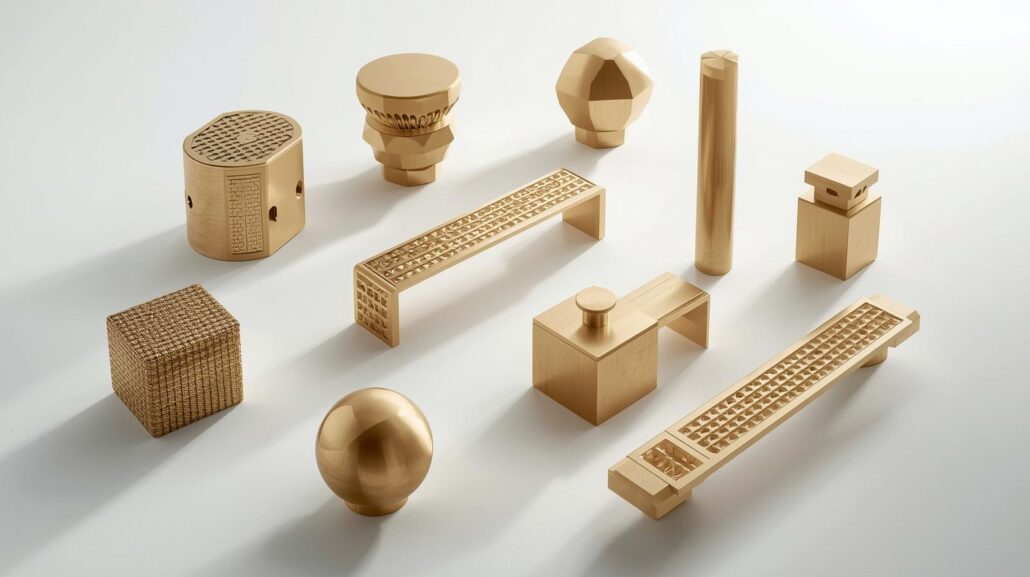
Zinc die casting is considered one of the preferred production processes for decorative hardware because it can produce complex, high-quality finishes at a cost-effective rate. This is done by forcing molten zinc alloy under high pressure into a precision steel mould to produce parts with superior surface finish, tight tolerances, and intricate geometries. Decorative hardware comprises door handles, cabinet knobs, pulls, hinges, scutcheons, and decorative accents for residential, commercial, and architectural applications. The low melting point (380-390 °C) and high fluidity of zinc allow for finely detailed thin walls (down to 0.5 mm), extended tool life (typically over 1 million shots), and large dimensions. These features make it suitable for decorative works that need to be both appealing and functional in the long term. Finishes such as chrome, nickel, brass imitation, or antique bronze enhance visual luxury and offer corrosion resistance. Ordinary Zinc Die Casting Decorative Hardware Alloys The choice of the right zinc alloy in the production of decorative hardware is critical to the performance, stability, appearance, and overall cost-effectiveness of the products. Zinc alloys are popular because they offer a good compromise between castability, strength, and finish. Alloy Composition Hardness Tensile strength (Mpa) Elongation % Applications Zamak 3 Zn 96% Al 4% Mg 0.03% 82   283   10   Doorknobs, escutcheons, ornamental plates Zamak 5 Zn 95% Al 4% Cu 1% 91   331   7   Cabinet pulls, hinges, locksets. Zamak 7 Zn 95.9% Al 4% Ni 0.02% 80   285   13   Intricate finials, decorative brackets ZA-8 Zn 91% Al 8.4% Cu 1% 103   372   6-10   Heavy-duty hardware like gate latches Zamak 3 The most common decorative hardware application is Zamak 3. It offers great castability, dimensional stability and a smooth as-cast surface. These characteristics make it suitable for door handles, cabinet knobs, rosettes, and other parts exposed to view. Zamak 3 also offers good compatibility with plating, painting, and powder coating, enabling manufacturers to achieve high-quality decorative finishes with minimal surface preparation. Zamak 5 Zamak 5 is enhanced with a small amount of copper, which enhances hardness and creep resistance. The alloy is typically used to make load-bearing decorative hardware, including hinges, locks, latches, and structural fittings. The increased mechanical strength enables the parts to withstand repeated stress and prolonged use, maintain good surface condition, and maintain good dimensions. Zamak 7 Zamak 7 is appreciated for its purity and fluidity. These features make it particularly appropriate for intricate, thin-walled, and ornate designs. It is frequently employed with complex hardware components that require sharp edges, fine finishes, and a high-quality surface appearance. ZA-8 ZA-8 has greater wear resistance and strength than standard Zamak alloys. Its application is commonly referred to as decorative hardware that is higher stress or mechanical load, and both durability and appearance are needed. Best Zinc Die Casting Products of Decorative Hardware Zinc die casting is critical in the manufacture of decorative hardware, as it provides a perfect blend of strength, accuracy, surface quality, and cost-effectiveness. Ornamental hardware accents are not merely useful; they also play a major role in the appearance of doors, furniture, and architectural interiors. Zinc die casting enables manufacturers to form complex shapes with tight tolerances and surface features, making it the choice for both high-end and mass-market decorative hardware. Zinc die-cast products, whether door handles and cabinet pulls, hinges, or ornamental accessories, are designed to withstand heavy use while retaining their beauty. Door Handles and Levers Decorative hardware products, such as zinc die-cast door handles and levers, are widely used for their flexibility in design, mechanical performance, and ergonomic comfort. These parts are typically designed with wall thicknesses of 1 to 2mm, making them very lightweight yet structurally sound. Draft angles of 1 to 2 degrees are commonly used to ensure easy ejection and maintain fine surface detailing. In fact, modern zinc die-cast lever designs are frequently designed with internal springs and mounting provisions. This integration reduces assembly complexity and enhances its smooth operation. These handles are made from high-quality zinc alloys to ensure tensile strengths up to 300 MPa and long-term resistance to bending and deformation. Well-designed zinc levers can withstand 500,000 or more cycles and are therefore used in entry doors, interior passages, and busy commercial settings. Cabinet Knobs and Pulls One of the most economical uses of zinc die casting is for cabinet knobs and pulls, as well as small, very delicate parts. Zinc also has great fluidity, which enables the manufacture of small designs with fine textures, impressed logos, and fine threading. Common cabinet knobs are about 1-1.5 inches in diameter, and common pulls have a 3-12-inch centre-to-centre spacing, all with high dimensional accuracy. Zinc die-cast cabinet hardware is so lightweight (typically 50-150 grams) that it is simple to install and use daily. The texture of the grips and the contour design promote comfortable handling, whereas the inner hardness of the zinc alloys provides resistance to scratches, fingerprints, and wear. Popular finishes include brushed antique brass, satin nickel, and oil-rubbed bronze, which are timeless and will fit both modern and antique furniture designs. Furniture and Door Hinges Hinges made by zinc die casting are appreciated for their smooth operation, consistent dimensions, and ability to incorporate functional features. The typical hinge types are hinges, concealed hinges, and pie-cut corner hinges. These hinges usually have loads of 20-50 kg, depending on the use. Zinc die casting enables the addition of self-lubricating properties, built-in stops, and accurate pivot points, thereby enabling smooth, quiet operation. Close dimensional tolerances of 0.05 mm ensure a tight fit between the doors and frames. Zinc hinges can be used in both the residential and light commercial markets, with nickel plating and other protective coatings providing up to 500 hours of corrosion protection. Keyhole Covers and Escutcheons Escutcheons and keyhole covers can be used to protect as well as be decorative. Zinc die casting allows making thin sections as small as 1 mm, while also enabling high-resolution details of 0.1 mm. Such accuracy enables manufacturers to create

صب الزنك بالقالب

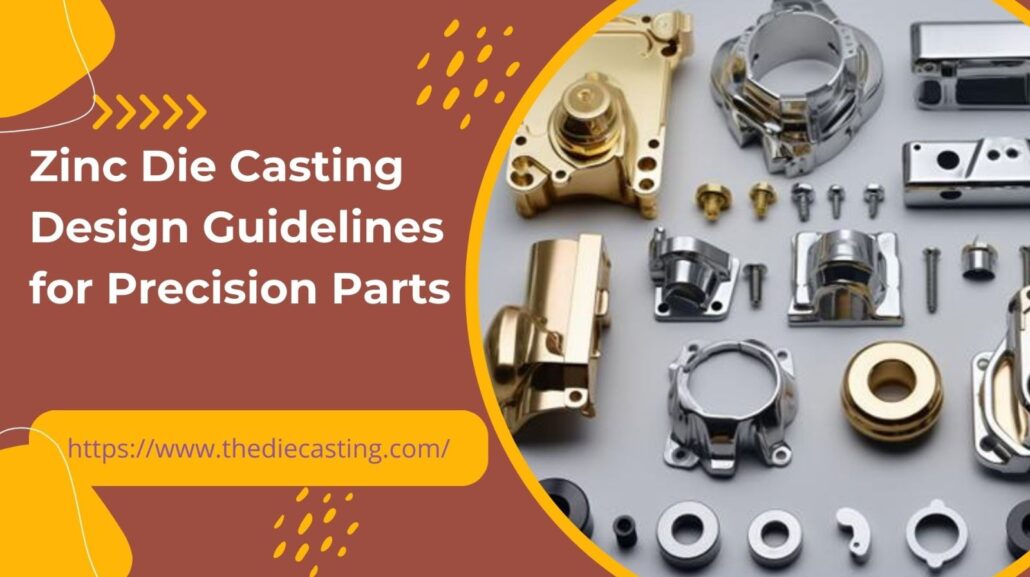
إرشادات تصميم قوالب الزنك المصبوبة بالزنك للأجزاء الدقيقة

زماك 5, صب الزنك بالقالب

Zinc die casting is a flexible production method which entails an injection of zinc alloy molten matter into a specially designed mold with high pressure in order to create complex and high-precision parts. Such an approach is especially appropriate for precision parts because zinc has high fluidity, a low melting point, and can be machined to tight tolerances without much post-processing. Zamak die casting is used in industries such as automotive, electronics, consumer goods, and medical devices for parts, including connectors, gears, housings, and complex mechanisms that require dimensional tolerances and longevity. Most zinc alloys are processed using hot-chamber machines, which enable quick cycle times and a steady quality. Accurate parts benefit from zinc’s ability to produce thin walls, complex geometries, and net-shape parts, reducing material waste and assembly time. Nevertheless, high success rates are achieved when specific design rules are followed, and material properties, shape, form, and processing parameters are considered. These rules help reduce defects, improve manufacturability, and enhance precision. This article identifies major guidelines supported by industry standards set by organizations to help engineers design zinc die-cast precision parts. Advantages of Zinc Die Casting of Precision Parts The use of zinc die casting offers several benefits, making it one of the best materials for precision applications. Selection Material: Zinc Alloys Selecting the correct zinc alloy is important for precision parts because it affects mechanical properties, castability, and tolerances. The Zamak die-casting series (2, 3, 5, 7) and the ZA series (8, 12, 27) have specific compositions and performance properties. The table below will summarize the kinds of zinc alloy used in the manufacture of precision parts: Types of Zinc Alloy Tensile strength (ksi/MPa) Elongation % Hardness (BHN)   Density g/cm³   Yield strength (MPa) Melting point °C Zamak 2 52/359 7 100 6.6 283 379-390 Zamak 3 41/283 10 82 6.6 269 381-387 Zamak 5 48/328 7 91 6.6 283-269 380-386 Zamak 7 41/283 13 80 6.6 310-331 381-387 ZA 8 54/372 6-10 100-106 6.3 359-379 375-404 ZA-12 59/400 4-7 95-105 6.03 145 377-432 ZA-27 62/426 2.0-3.5 116-122 5.3 N/A 372-484 These properties can be used to ensure that zinc alloys meet precision specifications and that complex parts have high fluidity scores (1-2 on a 1-4 scale; 1 best). To be more exact, manufacturers would want to choose alloys such as Zamak 3 or ZA-8 due to their stability and ability to withstand tight tolerances. Key Design Guidelines Good zinc die casting is designed to facilitate flow and ejection while maintaining strength at minimal cost. Wall Thickness The wall thickness should be uniform to avoid porosity and distortion. For precision parts, keep it within +/-10% and use a minimum thickness of 0.040 inches (1 mm) for a good surface finish, and as fine as 0.020 inches (0.5 mm) in miniature models. Ratios of thick to thin sections should be kept to less than 3:1 to minimize the chance of porosity; preferably the inscribed sphere diameter ratios should not exceed 6:1. Thickening walls enhances flow but raises the cycle time and consumption. To distances away from the ingate, minimum thickness changes: below 0.5 mm in areas less than 50 mm, up to 2 mm at 200 mm. Different simulations can be used to check designs. In zinc casting, specify a minimum of 0.025 inches (0.635 mm) in selected locations, but 0.040 inches (1.016 mm) in best-as-cast locations. Draft Angles Draft angles help eject parts and prevent damage to the die. For zinc, the minimum drafts are 0.5 ° -1 on outside surfaces, 1- -1 on internal surfaces, and 0.1 ° -1 on round holes. Short features that use moving parts (die elements) can be printed in zero, but it is more expensive. For ribs, a 5-10 taper is used when it is not parallel to the shrinkage. Different standards give draft calculations: standard tolerances are 50 (draft angle approximately 1.9 degrees at a 1-inch depth) for inside walls and 100 for outside walls. There are also precision tolerances that permit 60 and 120 constant drafts. Fillets and Radii Fillets and radii should always be added since sharp edges lead to stress concentrations and die erosion. Minimum radius of inside fillet is 0.016 inches (0.4 mm), and outside 0.031 inches (0.8 mm). Radii of larger size (up to 0.063 inches or 1.6 mm) enhance flow and strength. Minimum radii should be used (0.060 inches (1.5 mm) for bosses and ribs). Radius at high stress should not be less than 1 mm; standards suggest ±0.08/±0.04 inches (±2/±1 mm) in fillets. This improves the part’s life and reduces cracking. Ribs and Bosses Ribs enhance reinforcement without adding bulk. Create shallow, rounded ribs (height-to-thickness ratio no more than 3:1) and evenly space them so they are not distorted. Adhesion ribs to walls with fillets to avoid porosity in the intersection. The height of bosses used to mount or thread must be equal to their diameter, and when the diameter is large, they must have ribs. Keep 0.25 inches (6.5 mm) distance between bosses. Tolerances of critical heights can be contained in ribs, such as in the precision designs of ±0.001 inches (±0.025 mm) ribs. Cored Holes and Threads Holes made in the core make it lighter and allow elements such as threads. Maximum depths are around 3 mm diameter, 9 mm blind or 24 mm through; up to 12 mm diameter with larger openings. At least 0.25 inches (6 mm) in diameter, L/D ratio not more than 4:1 in small holes. Parting Line Considerations It is best to place the parting line in the largest section possible to produce the least amount of flash and to allow easy trimming. Vertical or complicated lines should be avoided; die motion plane right angles are best. Tolerances on parting lines are the sum of linear ones, by projected area. Projected area Tolerance (+in) Upto 10 +0.0045 11-20 +0.005 21-50 +0.006 51-100 +0.009 Tolerances of Precision Parts Zinc die casting has even higher precision tolerances than standard, and sometimes 65% of those special controls are

صب الزنك بالقالب

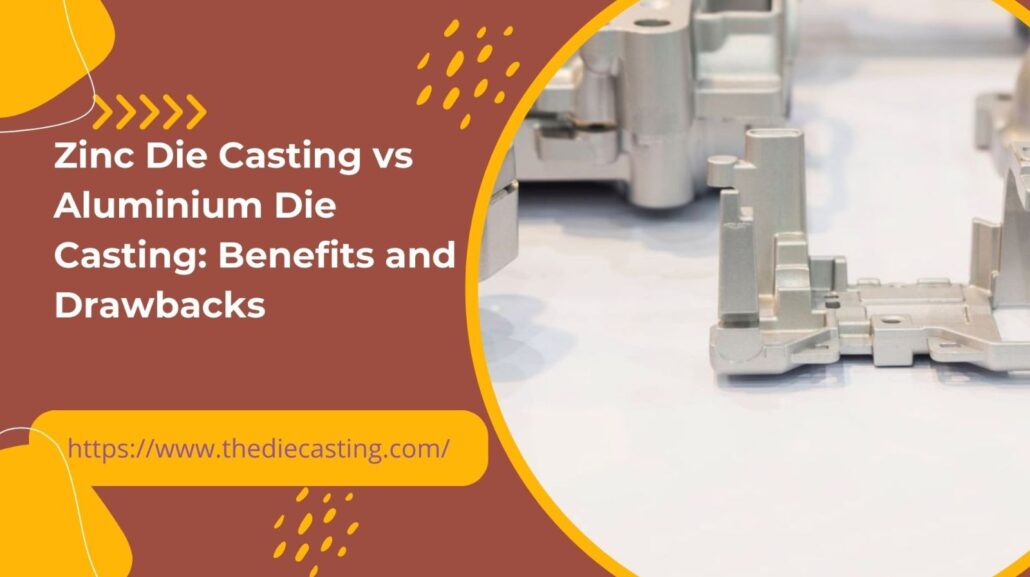
صب الزنك بالقالب مقابل صب الألومنيوم بالقالب: المزايا والعيوب

صب الألومنيوم, صب الزنك بالقالب

Die casting has also been a viable and versatile process in the manufacturing sector for producing high-precision metal products. Aluminum and zinc are among the most common die-casting alloys. Supposing that you are engaged in the production of a product, engineering, or locating the ingredients, you have to realize the difference between zinc die casting and aluminum die casting. The guide will help manufacturers to choose the most appropriate alloy for their project, whether it’s automotive parts, electronics, or consumer goods. Die casting is a process of pouring hot molten metal into a mold under high pressure to produce intricate shapes with a high level of surface finishes. Both Zinc and aluminum die casting have their own merits and demerits. We will also provide in-depth comparisons, a tabular, fast-tracked view, and professional commentary to help you make an informed decision. At the end, you will clearly understand the difference between zinc die casting and aluminum die casting, and when to use either of them. Let’s explore the key factors. What is Die Casting? A Quick Overview It is vital to understand the die casting process before comparing zinc die casting and aluminum die casting. Die casting is a process of forcing molten metal into a mold cavity under high pressure (1,000 to 20,000 psi). The hardened steel mold or die can typically produce thousands of similar parts with tight tolerances. Die Casting Types Hot Chamber Die Casting  It is applied in low-melting-point metals such as zinc. The injection system is dipped in molten metal. Cold Chamber Die Casting It is best when the metal has a higher melting temperature, such as aluminum. Lading of molten metal into the chamber is done to prevent damage to the machine. It is preferred for its speed, accuracy, and ability to create complex designs without extensive post-processing. At this point, we will compare the two star alloys: zinc and aluminum. Primary Properties of Zinc and Aluminum Die Casting The decision between zinc and aluminum die casting is often reduced to material characteristics. Zinc (and is commonly alloyed as Zamak) and aluminum (such as ADC12 or A380) do not share the same strengths, weight, corrosion resistance, etc. Strength and Durability Zinc alloys are reported to possess great impact strength and ductility. They can withstand significant stress without breaking, making them suitable for components that should be bent or shaped after casting. Aluminum alloys, on the other hand, are superior in tensile strength and hardness, particularly in structures. Weight and Density Compared to zinc, which has a density of 6.6 g/cm 3, aluminum is lighter (d = 2.7 g/cm 3). This contributes to the use of aluminum in industries that require low weight, such as the aerospace industry. Melting Point and Castability Zinc melts at approximately 380-390 °C, allowing hot-chamber machines to run faster. Aluminum-only melts at 660 °C, which means cold-chamber processes that may slow production but enable thinner walls to. Corrosion Resistance Both have good resistance; however, aluminium performs better under harsh conditions because it naturally forms a protective oxide coating. Outdoor use of zinc demands coating. Features Zinc die casting Aluminum die casting Melting point 380-390 degrees 660 degrees Tensile strength 280-400 200-300 Density 6.6 2.7 Thermal conductivity 109 100-140 Electrical conductivity High Very high Impact strength Ductile Brittle Corrosion resistance Good Best Benefits of Zinc Die Casting The versatility of zinc die casting has made it a reliable option for more than a hundred years. That is why manufacturers are fond of it: Outstanding Dimensional Accuracy Zinc remains intact to 0.05mm or less, eliminating the need for secondary machining. The manufacturer can achieve extreme dimensional accuracy with zinc die casting moulds. High Finish The raw material itself has a high-quality finish. Parts emerge clean and frequently do not require additional polishing before being plated or painted. Prolonged Tool Life Zinc melts easily, so the dies wear out less, resulting in lower long-term tooling costs. The products are corrosion- and wear-resistant, resulting in a longer lifespan. Fast Speed of Production The molten material solidifies within 15-30 seconds. It makes zinc die casting suitable for high-volume production. Large-scale industry uses it to improve and increase production. Affordable for Small Components Zinc is ideal for complex, small parts such as locks, gears, and hardware. But weight-sensitive applications may make zinc less desirable due to its greater density. Examples of standard alloys include Zamak 3 (general-purpose) and Zamak 5 (higher strength). Applications In other industries, such as the automotive sector, zinc is utilized in door handles and brackets. In the case of electronics, it is preferred in connection because it can shield against EMI. Benefits of Aluminum Die Casting In larger and structural components, aluminum die casting is leading. Its benefits include: Lightweight and Strong Aluminum components can reduce the product’s total weight by 50 percent compared to steel or zinc. Aluminum is light but strong. That makes aluminum die casting ideal for producing products suited to high-strength applications.   Excellent Corrosion Resistance It does not need further coating in most instances, which is time- and money-saving. The products made from aluminum die casting have a longer lifespan and remain intact. Good Thermal and Electrical Conductivity Aluminum’s ability to conduct electricity and heat makes it ideal for a wide range of applications. It is perfect for use in heat sinks, engine blocks, and electrical housings. Recyclability The aluminum die-casting process is best because of its high recyclability—100 percent aluminum recycling, in line with sustainable manufacturing trends. Thin-Wall Capability Aluminum die casting can produce walls as thin as 0.5mm, enabling complex designs. Drawbacks Contradictions and Disadvantages Not any material is perfect. In the case of zinc die casting as compared to aluminum die casting, these are the cons: Zinc Die Casting Limitations Aluminum Die Casting Restrictions Comparison of Costs: Zinc Die Casting vs Aluminum Die Casting A significant factor in the zinc die versus aluminum die casting is cost. Raw materials are usually cheaper, getting Zinc (2-3/kg) as compared to aluminum (2-4/kg), yet tooling and manufacturing

صب الزنك بالقالب

تقييمات مقدمي خدمات صب الزنك بالقالب لقطع غيار السيارات

صب الزنك بالقالب

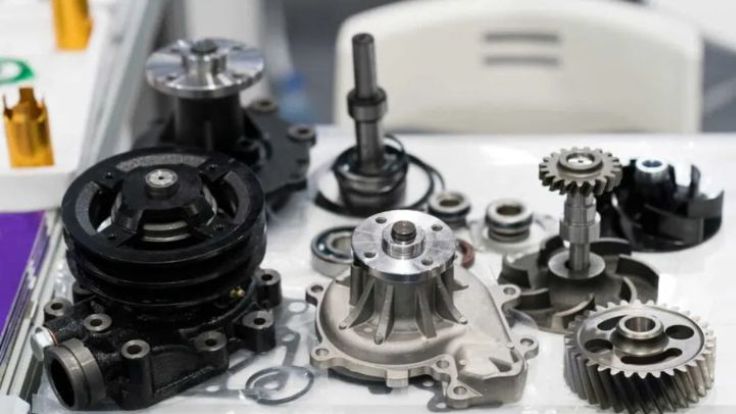
Introduction In the automotive industry, zinc has been a pillar raw material for die casting because it has a remarkable mixture of precision, strength, durability and cost-effectiveness. Automakers are also turning to the use of zinc alloys in those parts that demand tight tolerances, thin walls, high surface finishes, wear and corrosion resistance. This is used in common applications such as door handles, lock housings, seat belt mechanisms, gears, brackets, sensor housings and inner trim pieces. The technology is to inject high-pressure molten zinc into steel moulds, which can be of complex geometry and volumes with limited secondary machining. Chinese Mold Manufacturer has already dominated the world of zinc die casting by being able to offer tailor-made prices, facilities and the necessary certification, such as the IATF 16949, that is required by automobile suppliers. This paper summarizes the top zinc die casting service companies focusing on automotive parts, based on the capabilities of the companies, customer reviews and industry reputation. We are targeting the Chinese manufacturers, who are the major source of worldwide provision of low-priced yet high-quality motor parts. Key Advantages of Zinc Die Casting With the latest development of vehicles towards electrification and lightweighting, zinc die casting services are important to making dependable, high-performance components. The Zinc Die Casting Process Zinc die casting is a very efficient production process that is accurate in making complex metal parts that have superior surface finishes. It is especially well used in the auto industry with parts that have thin wall requirements, are high strength and have better plating compatibility. Just like aluminum die casting, zinc employs the hot-chamber process because it melts at a lower temperature (approximately 420 °C), providing it with short cycle times and extended tool life. Principles of the Zinc Die Casting Process Mold Preparation To ease ejection and temperature control, the steel die (mold) is sprayed with lubricant. The mold is made from strengthen material like steel that contains all the details of the automotive parts. Melting and Injection Zinc alloy (usually Zamak 3, 5 or ZA-8) is melted in a furnace that is connected to the machine. A gooseneck plunger is inserted into the molten metal and forces the final under high pressure (as much as 30 MPa) into the die cavity. Solidification The metal solidifies (a few seconds) in the water-cooled die, and the metal is solidified in its form of choice. Ejection The die is cast, and ejector pins push out the casting. The final shape of the product is solidified. Trimming and Finishing Flash (runners) is removed. The secondary processes, such as machining, plating or powder coating, are included. Trimming the unwanted part of the zinc automotive product is the final step. Why Zinc Die Casting is Superior in Automotive Applications Zinc alloys (i.e., Zamak 3, 5, and ZA-8) have distinct advantages compared to such alternatives as aluminum: High Quality Finish and Surface Finish Zinc fluidity allows adding thinner walls (down to 0.5mm) and finer details to minimize the post-processing. The automotive parts made from zinc have thinner walls and greater strength. Increased Strength and Impact Resistance Suited to components with safety-critical functions such as seat belt retractors and locks. The automakers preferred using these products. Extended Tool Life Due to the low melting point, zinc die casting products’ life is increased, and high-volume runs have reduced costs. Outstanding Plating Compatibility The process of zinc die casting is ideal for exterior or interior parts, as these are chrome-plated. Economical with Medium Volumes The automotive parts made by zinc diecasting use hot-chamber processes and have faster cycle times than aluminum. Zinc vs. Aluminum Die Casting Comparison for Automotive Parts Automotive parts could be made from zinc or aluminum. Here is the comparison table for the users to make the best decision according to their need of product. Features Zinc die casting Aluminum die casting Wall thickness Thinner (0.5-1.5mm) Thicker (2-5mm) Weight Higher High Melting point Low High Thermal conductivity High Low Corrosion resistance Higher Low Impact/strength High impact resistance Greater ductility Tool life Longer Shorter Cost Better for smaller parts Better for larger parts Applications Auto marine Power steering system Fuel system Engine system Automotive components Aerospace House appliances Medical automotive Best Die Casting Providers of Zinc                                                                                      Die Castings China (CNM Tech) This is a company that deals with zinc die casting and aluminum in the automotive parts industry in Dongguan, which is a die-casting hub. They have machines ranging from 120 to 1600 tons and in-house machining, deburring, plating, and powder coating. Strengths full service (one-stop), IATF 16949-certified, high concentration on automotive (e.g., brackets, housings). High-quality deburring provides parts without an accent. Customer Reviews Compliments on consistency, speedy delivery and competitive prices. Plated finishes are ideal for OEMs. Rating 4.8/5 -Dependable when using on mid-to-high volume automotive runs. GC Precision Mold Co., Ltd. GC, a zinc die casting manufacturer, was founded in 1999 in Dongguan, and it provides IATF 16949 certified zinc, aluminum and magnesium die cast. They cover the automotive, electronics and hardware industries. Strengths Large assortment of alloys, integration of CNC machining, and extreme care to tight tolerances. Verified in automotive components such as gears and housings. Customer Reviews Customer satisfaction rating (transparency, responsiveness, and consistency of quality) was high. Customers report about superior English communication. Rating 4.9/5 -Best selection of precision automotive parts. Sincere Tech (Dongguan Sincere Tech Co., Ltd.) Although its major operations are plastic injection and general die casting, Sincere Tech also offers zinc die casting services, together with machining and assembly. They refer to die cast of metal components, including the automobile. Strengths All-in-one services (design to assembly), ISO 9001:2015, 18 plus years of experience. DFM and fluent English assistance. Customer Reviews Favorable response towards project management and problem-solving. Excellent in problem-solving according to foreign clients. Rating 4.7/5: Strong on combined projects of zinc and plastic parts. PHB Inc. PHB is a hundred-year-old American company that deals with aluminum and zinc die casting. They work with large car manufacturers, making components such as drilling, milling

أفضل شركات صب قوالب السيارات في الصين والعالم 

صب القوالب الألومنيوم, شركات صب القوالب, شركة صب القوالب, مُصنِّع قوالب الصب بالقالب

تُعد عملية صب الألومنيوم بالقالب واحدة من أكثر عمليات التصنيع موثوقية وفعالية من حيث التكلفة في الصناعة المعاصرة. إنها عملية الحقن بالضغط العالي للألومنيوم المصهور بدرجة حرارة عالية في قالب دقيق لإنشاء أجزاء قوية وخفيفة الوزن ودقيقة الأبعاد. وهي مفيدة بشكل خاص في إنتاج الأشكال المعقدة للغاية ذات التشطيبات السطحية العالية، وبالتالي فهي عملية مفضلة في صناعات السيارات والفضاء والإلكترونيات والمنتجات الاستهلاكية والآلات الصناعية. وقد زاد الطلب على صب الألومنيوم في السنوات الماضية. وقد وضع اتجاه العالم نحو السيارات الكهربائية والإنشاءات خفيفة الوزن وكفاءة الطاقة سبائك الألومنيوم في مقدمة الابتكار. وقد قام المصنعون الآن بتطوير مكونات عالية التقنية مثل كتل المحركات، ومبيتات ناقل الحركة، وحاويات البطاريات، والمشتتات الحرارية التي تتميز بالمتانة وخفة الوزن. كما أن قابلية إعادة التدوير ومقاومة التآكل تجعل الألومنيوم مفيدًا أيضًا في التوجهات العالمية لإنتاج منتجات مستدامة وصديقة للبيئة. اثنان من مراكز صب قوالب الألومنيوم الرئيسية هما الولايات المتحدة الأمريكية والصين. ومن المعروف أن الشركات المصنعة في الولايات المتحدة الأمريكية تتسم بالابتكار، ولديها معايير عالية في الجودة، وتستخدم مستويات عالية من الأتمتة ويمكن اعتبارها استثمارًا جيدًا في الصناعات عالية الدقة. وعلى العكس من ذلك، اكتسبت الشركات الصينية قدرة تنافسية كبيرة على السوق العالمية، وقدمت حلولاً فعالة من حيث التكلفة وقدرة إنتاجية عالية وتقنيات أكثر تقدماً. ستناقش هذه الورقة البحثية بعضًا من أنجح صناعات صب قوالب الألومنيوم في الولايات المتحدة الأمريكية والصين، ونقاط قوتها وقدراتها والعوامل التي تجعلها أكثر الشركاء الموثوق بهم الذين يمكن للشركات في جميع أنحاء العالم أن تكون المورد المفضل لها في الصناعة التحويلية. ما هو صب السيارات بالقالب؟ عملية الصب بالقالب هي عملية إنتاج يتم من خلالها دفع المعدن المنصهر، عادةً من الألومنيوم أو المغنيسيوم أو الزنك، تحت ضغط كبير في قالب به مساحة مفتوحة. ويتيح ذلك إنتاج كميات كبيرة من المكونات عالية القوة ذات الوظائف المعقدة وذات تشطيبات سطحية جيدة ودقة في الأبعاد. ويسمح الصب بالقالب في صناعة السيارات بإنتاج مكونات ذات وظائف معقدة وذات تشطيب سطحي جيد ودقة في الأبعاد: لقد أحدث استخدام الصب بالقالب ثورة في صناعة السيارات المعاصرة حيث يمكن توفير الوزن مع الحفاظ على الأداء في نفس الوقت. وقد ساهم هذا الطلب في ارتفاع معدل تطور شركات صب قوالب السيارات الرئيسية في الصين وأوروبا وأمريكا واليابان. لماذا تُعد الصين رائدة في مجال صب قوالب قوالب السيارات تمتلك الصين بعضًا من أكبر الشركات في العالم في مجال تصنيع قوالب قوالب صب السيارات بسبب: وقد مكنت هذه المجموعة من نقاط القوة شركات صب قوالب قوالب السيارات الصينية من أن تكون مراكز قوة ليس فقط في السوق المحلية ولكن أيضًا على المستوى الدولي في سلسلة التوريد. شركة CNM Tech Diecasting Company هي شركة رائدة في إنتاج منتجات الألومنيوم المسبوكة بالقالب المتفوقة. فهي تقدم العديد من القطاعات مثل السيارات والإلكترونيات والاتصالات السلكية واللاسلكية بمكونات مصممة بدقة عالية تهدف إلى الحفاظ على أعلى معايير الجودة. ويمكنهم إنتاج أجزاء خفيفة وقوية باستخدام عمليات الإنتاج المتقدمة مثل صب القوالب عالية الضغط والتصنيع باستخدام الحاسب الآلي. تؤمن شركة ديكاستنغ بقوة الابتكار المستمر، ولذلك فهي تستثمر في الآلات الحديثة وخطوط الإنتاج الآلية والأهم من ذلك أنظمة مراقبة الجودة التي تساعد على تقديم نفس النتائج في جميع الأوقات. كما أن مصنعي المعدات الأصلية والموردين من المستوى الأول هم أيضًا ضمن قاعدة عملائها العالمية، وبالتالي، فهي شريك موثوق به في تلبية احتياجات الإنتاج المعقدة وكبيرة الحجم. الموقع الإلكتروني: https://www.thediecasting.com/ لماذا تختارهم شركة The Diecasting Company هي الشركة المفضلة لدى الشركات لأنها تركز على الجودة والدقة والابتكار. إن تطبيقهم لأحدث تقنيات الصب بالقالب ومراقبة الجودة القوية والتسليم في الوقت المحدد يضمن حصول عملائهم على المكونات التي يمكن أن تلبي المعايير الدولية ويجعلهم الخيار المفضل عندما يتعلق الأمر بمصنعي المعدات الأصلية للسيارات والمصنعين الذين يرغبون في العثور على مزود حلول صب القوالب الموثوق به. الصناعات التي تخدمها شركة Sincere Tech تُعد شركة Sincere Tech أحد منتجي القوالب عالية الدقة في حقن البلاستيك والقوالب المصبوبة. وتتمتع الشركة بخلفية في تصميم القوالب والنماذج الأولية وتصنيع المنتج النهائي مما يوفر حلاً شاملاً لعملائها في جميع أنحاء العالم. وهم يستخدمون برامج CAD/CAM المحوسبة والتصنيع الآلي بحيث تكون جميع القوالب المصنعة دقيقة للغاية. تتمتع شركة بلاستيك مودل بسنوات من الخبرة في تلبية احتياجات صناعات السيارات والإلكترونيات الاستهلاكية والأجهزة الطبية مع القدرة على تقديم قوالب معقدة بكفاءة. وتتميز الشركة بابتكارها ومراقبة الجودة والسرعة في التسليم، مما يجعلها موردًا موثوقًا به للشركات التي ترغب في الحصول على حل القوالب المخصص. الموقع الإلكتروني: https://www.plasticmold.net/ لماذا تختارهم يتم اختيارهم القوالب البلاستيكية نظرًا لأنظمة تصنيع القوالب الكاملة ومهاراتهم الفنية وقدرتهم على التوافق مع وقت الإنتاج المحدود. تقلل قوالبهم عالية الجودة من الأخطاء وتعزز الإنتاجية وتساعد العملاء في الحصول على منتجات مصبوبة أو مصبوبة بالحقن دقيقة ويمكن الاعتماد عليها. الصناعات التي تخدمها GC Precision Mould GC Precision Mould هي شركة منتجة لقوالب الصب في الصين والتي توفر قوالب صب الألومنيوم والزنك والمغنيسيوم. وتتمتع الشركة بسمعة طيبة في تصنيع قطع غيار عالية الجودة وفعالة من حيث التكلفة وخفيفة الوزن في قطاعات السيارات والإلكترونيات والإضاءة. وتتمتع الشركة بقدرات الصب بالقالب بالضغط العالي، والتصنيع باستخدام الحاسب الآلي وعمليات التشطيب الثانوية. تركز شركة Alu Diecasting على الدقة وطول العمر والإنتاجية. كما أنها ترقى دائماً إلى المعايير الدولية باستخدام المرافق الحديثة والخطوط الآلية والمهندسين المهرة. كما أنها تلبي احتياجات العملاء على الصعيدين المحلي والدولي مثل مصنعي المعدات الأصلية والموردين من المستوى الأول، وتتمتع بمكانة مرموقة كأفضل مصنع صيني لمسبوكات القوالب في صناعة السيارات. الموقع الإلكتروني: https://aludiecasting.com/ لماذا تختارهم إنهم يستخدمون Alu Diecasting لأنهم يقدمون مزيجًا من الأسعار التنافسية والمعايير عالية الجودة والتكنولوجيا. لديهم سجل حافل من السبائك المختلفة والتصنيع الآلي الدقيق والإنتاج في الوقت المحدد مما يحافظ على أجزاء يمكن الاعتماد عليها وذات عمر طويل وخفيفة الوزن تلبي متطلبات صناعة السيارات العالمية. الصناعات التي تخدمها شركة Get It Made Get It Made هي شركة منتجة للتصنيع الآلي باستخدام الحاسب الآلي، والطباعة ثلاثية الأبعاد، وصب القوالب، وتشكيل المعادن ومقرها المملكة المتحدة. وهي تدعم كلاً من النماذج الأولية والإنتاج منخفض الحجم,

ما هي أواني الطهي المصنوعة من الألمنيوم المصبوب؟

ما هي أواني الطهي المصنوعة من الألمنيوم المصبوب؟ دليل كامل

ألومنيوم, صب الألومنيوم

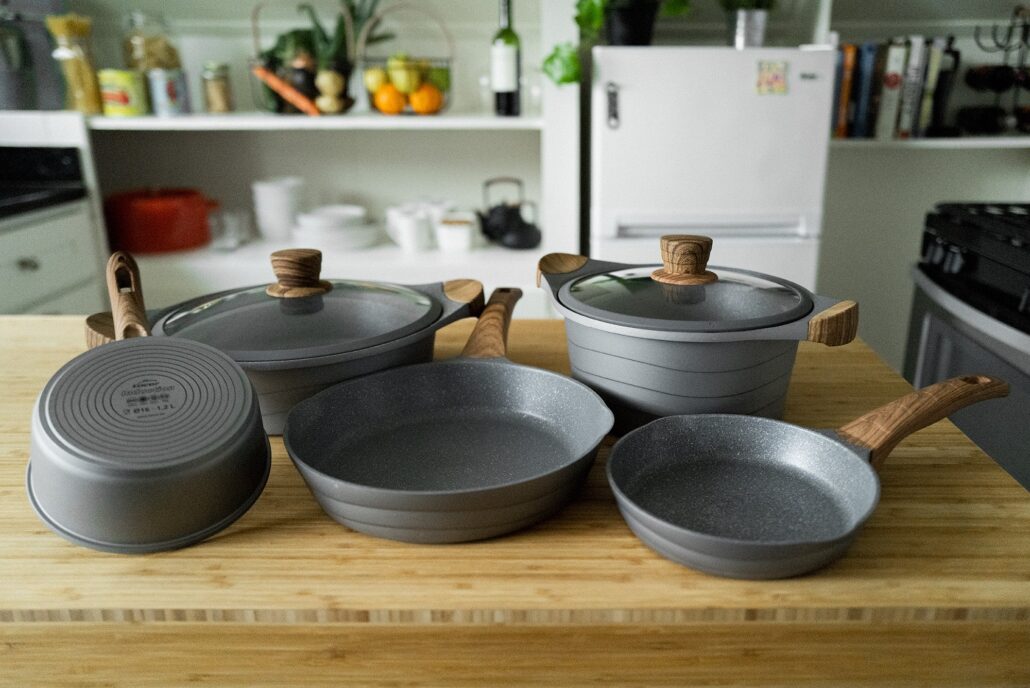
Cast aluminum cookware is becoming popular in kitchens worldwide. It is lightweight, inexpensive, and easy to use. The food can have a different taste depending on the cookware that is used, including the easy cooking process. Cookware is also time-saving and long-lasting. The cast aluminum is made by pouring molten aluminum into a mold. The method gives the cookware both a concrete structure and consistency in the thickness. It allows the pan or the pot to warm up quickly and evenly spread the heat. This simplifies and reduces the time spent preparing day-to-day meals. Cast aluminum is another relatively lightweight material that many people have been using since it is relatively inexpensive when compared to stainless steel. It may also be prepared in different shapes and sizes; therefore, it may be fried, baked, and boiled. However, cast aluminum has its negative sides. It is not as tough as stainless steel nor as tough as cast iron. There are also some types of cooking utensils that need a non-stick or anodized coating so that the food does not stick or is not in contact with acidic foods. In this article, all of these will be expounded using simple language. You will be introduced to the advantages, disadvantages, security, and treatment of cast aluminum cookware. How Cast Aluminum Cookware is Made? Cast aluminum cooking utensils are produced as a result of pouring the melted aluminum into a mold. The metal (aluminum) will then be in the shape of a pan, pot, or baking dish after cooling down. The process makes the cookware tougher and heavier than the traditional pressed or rolled aluminum. The two big stages of the process are: Such casting makes the coocooklightlightut strong enough that it can be used daily. Others are non-stick envelopings on them to prevent the sticking of food, and to facilitate their cleaning. Cast Aluminum Process of Cookware Preparing the Aluminum The initial step entails the selection of aluminum. Pure aluminum or recycled aluminum can be used by manufacturers. This is put into large furnaces where it is heated to over 660 °Cuntil it melts to form a liquid. This stage is where purification of the aluminum is done to determine that it will be strong and safe in the final product. Creating the Mold Once the aluminum is on hand, the mold is created. The form is determined by the mould, and it may be a frying pan, a pot, or a baking pan. These moulds are mostly sandy or steely. The thinness, balance, and durability of the copopotterarere dare be determined by the type of mold and the level of exquisiteness. Pouring the Molten Aluminum The mold is then filled with liquid aluminum. It is filled to the very brim in every crevice of design. It is the process that also causes cast aluminum cookware to be heavier and stronger than pressed aluminum cookware. Cooling and Solidifying After being poured, the aluminum is expected to cool down. It is stiffening and depressing when it comes to cooling and acquires the shape of the mold. The cooling is required as it removes cracks, air bubbles, or weak areas that can jeopardize the quality of the cookware. Trimming and Finishing Once hardened, cookware is removed from the mold. Such is where a crude surface gets cut and polished. Other features are also incorporated, such as handles and bases. This is to ensure that the cook’s uniform is smooth, safe, and ready to be coated. Surface Coating and Finishing Most cast aluminum cooking utensils are surface-treated. They have most of them supplied with non-sticky surfaces, such that the food does not stick on the surfaces,, and the cleaning does not take much time. They can be anodized by others, and this increases their resistance to corrosion and scratches. These finishes are also resistant to the reactivity with acidic food. Quality Testing The quality control is the last one. All of the works are inspected on balance, durability, and coating safety. Cookware that has been carefully checked is packed and only sent into the market. It will ensure the customers receive durable, quality, and safe cookware. Cast Aluminum Cookware advantages What is the reason not to use other materials, to use cast aluminum? Here are the key benefits: Lightweight In comparison to cast iron, it is very light in cast aluminum. It does not take much time tocleanna, and it is more so when one has a cook who prepares meals regularly for the elderly. Superb Heat Distribution Aluminium is a thermal conductor. Cast aluminum utensils are quick to cook and evenly cook. This means that there would be fewer hot spots and even cooking. Affordable It is normally cheaper than stainless steel or copper cookware. It has decent performance at an affordable price. Versatile Cast aluminum may be fried, baked, boiled, or simmered. Some are even oven-safe. Quick Heating The aluminum makes food cook more quickly since it reacts to heat faster. This saves time and energy. Disadvantages of Cast Aluminum Cookware Despite several advantages of cast aluminum cookware, it also possesses several limitations: Durability Issues The cast aluminum is softer than the cast iron or stainless steel. Eventually,, it is likely to be dented or scratched, especially when it is not handled properly. Reactivity with Food The uncoated aluminium can react with acids such as tomatoes or vinegar. This may either render it metallic or discoloured. The majority of modern cast aluminium pans are coated to such effects. Coating Problems The non-stick film on the pan may be of poor quality, and thus, it may wear away with time. It can be scrubbed with hard sponges or metal utensils, and this decreases its life span. Aluminum Cast And Other Cookware The choice of cookware is more of a choice. The cast Aluminum performance when compared with the popular substitutes stands as follows: Cast Aluminum and Stainless steel The first distinguishable difference in the case of the cast aluminum and stainless steel is the heat

أجهزة الخزائن النحاسية: دليل كامل للأناقة والوظيفة والمتانة

أجهزة الخزائن النحاسية: دليل كامل للأناقة والوظيفة والمتانة

تجهيزات خزانة نحاسية للخزانة

يمكن النظر إلى أجهزة الخزانة على أنها تفاصيل بسيطة، ومع ذلك يمكنها تغيير مظهر الغرفة ووظائفها. من بين التشطيبات العديدة التي يمكن استخدامها، فإن أجهزة الخزائن النحاسية هي اختبار الزمن من حيث الجمال والقوة والتنوع. عند التفكير في إعادة تصميم المطبخ، أو ترقية منضدة الحمام، أو حتى تجديد أثاث التخزين، فإن الطلاء النحاسي هو الذي سيكون متينًا وأنيقًا للغاية في الوقت نفسه. لا يزال كل من المصممين وأصحاب المنازل يفضلون استخدام الأجهزة النحاسية لأنها تضفي أهمية إضافية على الديكورات الداخلية الحديثة والتقليدية. كما أن نغماته الدافئة ذات اللون الذهبي تتناسب بشكل جيد مع الخزائن الخشبية أو الحجرية أو المطلية، مما يجعلها واحدة من أكثر التشطيبات تكيفاً. كما أن مقابض الخزائن النحاسية البسيطة والعصرية مثل المقابض الفاخرة والعتيقة، فإن أجهزة الخزائن النحاسية هي ميزة تضفي على تصميم المساحة بأكملها مظهرًا راقيًا. النحاس، على عكس المعادن الأخرى، هو عنصر حسن المظهر، ولكنه يوفر قيمة طويلة الأمد. تقاوم أجهزة المطبخ النحاسية والأجهزة النحاسية المصقولة التآكل، ويمكن استخدامها في الحياة اليومية، وتكتسب صفة الخلود. هذا المزيج من الأناقة والأداء يجعل من النحاس النحاسي استثمارًا يعزز من مظهر ووظائف الخزائن بحيث يتم تحسينها على مر السنين القادمة. تاريخ وشعبية النحاس الأصفر في التصميم النحاس الأصفر هو سبيكة من النحاس والزنك وقد تم استخدامه في مختلف الهياكل والأثاث والحلي منذ قرون. كان النحاس النحاسي من التجهيزات والتركيبات الزخرفية الشائعة حيث كان يُعتبر في الماضي من التجهيزات الجميلة والأنيقة للغاية. كما لا تزال الأجهزة النحاسية تُستخدم في الوقت الحاضر نظراً لمظهرها ومتانتها وقوتها، كما أنها تُستخدم في الديكورات الداخلية الحالية نظراً للتطبيق العملي في استخدامها ومظهرها الذي يعد أكثر من رائع. وتتمثل الجودة الخالدة لأدوات الخزائن النحاسية في مرونتها. فقد يكون لامعًا لامعًا وعاكسًا مثل المرآة، أو قد يكون مظهره أكثر هدوءًا ويتم تشطيبه بألوان هادئة. منذ تحول الديكور الداخلي نحو الألوان المعدنية الأكثر دفئًا، يظل النحاس النحاسي أحد التشطيبات التي يمكن مزجها مع الخزائن الفاتحة والداكنة. ماذا تعني أجهزة الخزائن النحاسية؟ تجهيزات الخزائن النحاسية هي المقابض والسحابات والمفصلات والمقابض والتجهيزات الأخرى المصنوعة من سبيكة النحاس والزنك المعروفة باسم النحاس الأصفر. هذه الأجهزة شائعة جدًا في المطبخ والحمامات والأثاث لأنها قوية ومتينة ولا تبطل موضتها. وبالمقارنة بالمعادن الأرخص ثمناً، لا يتآكل النحاس الأصفر ويتقادم بشكل طبيعي مع مرور الزمن، ويمكن صقله أو تركه بطبقة نهائية ساتانية أو عتيقة أو تركه بما يسمى بالأدوات النحاسية المصقولة. يفضل المصممون وأصحاب المنازل استخدام الأجهزة النحاسية نظراً لتنوعها. وعلى وجه التحديد، فإن أجهزة المطبخ النحاسية عملية وأنيقة، وقد أصبحت واحدة من أكثر الخيارات شيوعًا لترقية الخزائن. أنواع تجهيزات الخزائن النحاسية تأتي ملحقات الخزائن النحاسية في مجموعة من الأشكال المختلفة المصنوعة من النحاس الأصفر، حيث يتم استخدام كل منها بطريقة مختلفة. وأكثرها شعبية هي: في أي مشروع تصميم، تعتبر تجهيزات الخزائن النحاسية، بغض النظر عن نوعها، إضافة مفيدة من حيث الأغراض التزيينية والوظيفية. تصنيع عتاد الخزائن النحاسية إن إنتاج ما يسمى بعتاد الخزائن النحاسية هو عملية تصنيع منتجات على مراحل طويلة تعتمد على متطلبات المتانة والفائدة والجمال. وهي عملية تستخدم مزيجاً من تقنيات التشطيبات المعدنية التقليدية والحديثة. تحضير السبائك يبدأ بصهر خليط من النحاس والزنك لتشكيل النحاس الأصفر. يمكن إضافة عناصر إضافية حسب اللمسة النهائية المطلوبة. وهذا ما يجعل الأجهزة النحاسية ذات قوة وقابلية تشغيل آلي ولون مناسبين. الصب أو التشكيل بعد تحضير سبيكة النحاس الأصفر يتم بعد ذلك صبها (نحاس مصهور يُصب في مصبوبات) أو تشكيلها (نحاس مضغوط ومسخن مضغوط في مصبوبات). تكون نسخ أدوات المطبخ النحاسية النحاسية أكثر قوة ومتانة. التصنيع الآلي والتشكيل ثم يتم تحويلها بعد ذلك إلى أشكال دقيقة أو مقابض أو مقابض أو مقابض أو مقابض أو مفصلات. تميل ماكينات التصنيع باستخدام الحاسب الآلي والمخارط القديمة إلى بناء ما يسمى بأدوات الخزائن النحاسية. التشطيب السطحي عندما يتم تشكيل القطع، يتم طحنها وصقلها تلقائياً للحصول على تشطيبات نهائية ناعمة. وتتضمن التشطيبات التي يتم تطبيقها في هذه المرحلة الأجهزة النحاسية المصقولة أو العتيقة أو الساتان أو المصقولة لإعطائها المظهر المطلوب. الطلاء أو الطلاء (اختياري) في حالات أخرى، يتم عمل طلاء واقي من الطلاء أو طلاء إضافي لزيادة مقاومة التآكل. ومن الشائع ترك النحاس الصلب غير مطلي بالورنيش بأسلوب الزنجار الطبيعي. التجميع الميكانيكي ومراقبة الجودة وأخيراً، يتم فحص جودة وملاءمة وتشطيب كل عنصر من عناصر أجهزة الخزانة النحاسية. يتم تجميع البراغي والتجهيزات وتغليفها قبل توزيعها. مزايا معدات الخزائن النحاسية المتانة النحاس الأصفر مادة معروفة بقوتها وقدرتها على التحمل. فالنحاس الصلب، على عكس السبائك الأرخص ثمناً، لا ينحني أو ينثني أو ينكسر، مما يعني أن خزائنك ستكون مفيدة مع مرور الوقت. ومن المهم بشكل خاص أن أجهزة المطبخ النحاسية يجب أن تتحمل التآكل اليومي. جماليات خالدة تجعل الديكورات الداخلية دافئة وغنية بالألوان الذهبية للنحاس الأصفر. ويتميز بلمسات نهائية ناعمة وتلميع أنيق، كما أن الأجهزة مصنوعة من النحاس الأصفر المصقول، مما يمنحها مظهراً عصرياً وراقياً. مقاومة التآكل الطبيعة المتأصلة في النحاس الأصفر تجعله مقاومًا للتآكل والتلطيخ، وبالتالي يجب استخدامه في المطبخ والحمام حيث الرطوبة العالية. تعدد الاستخدامات بدءاً من مطابخ المزرعة الخشنة إلى الحمامات العصرية المصقولة، تتناسب قطع الخزائن النحاسية مع جميع أنواع الأنماط. لقد كانت مرنة، وهذا هو السبب في أنها لا تزال تستخدم في مختلف مشاريع الأجهزة النحاسية من قبل المصممين. الاستخدام في الحمامات والمطابخ من أكثر التفاصيل الملحوظة في المطابخ والحمامات هي أجهزة الخزانة، حيث يجب أن تكون العملية والتصميم متناغمين. وتوفر أجهزة الخزائن النحاسية القوة اللازمة في المناطق المزدحمة، فضلاً عن كونها مركزاً زخرفياً. المطابخ إن أنماط المطابخ العصرية أكثر من رائعة مع

انتقل إلى الأعلى

احصل على عرض أسعار