صب الزنك بالقالب

ما هو الصب بالقالب؟ كل ما تحتاج إلى معرفته عن صب المعادن

ما هو الصب بالقالب؟ كل ما تحتاج إلى معرفته عن صب المعادن

صب القوالب

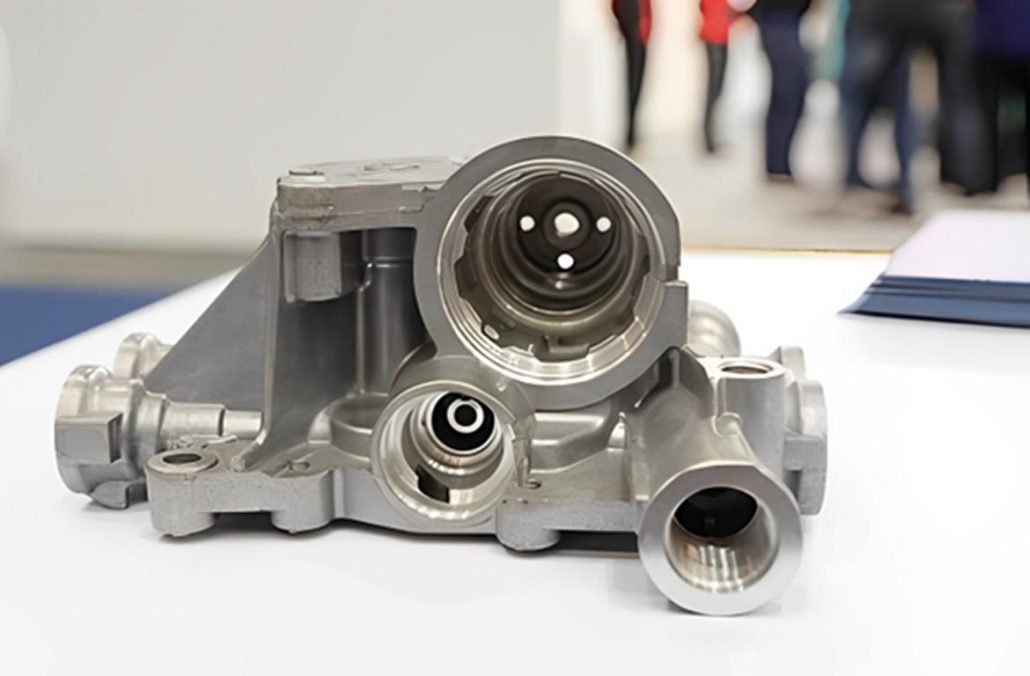
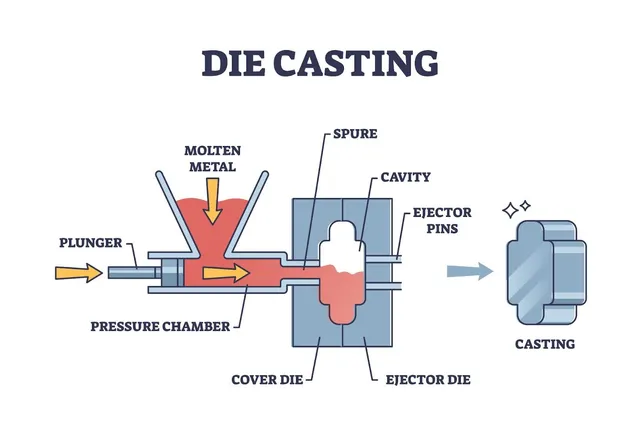
This is a manufacturing process in which molten metal is forced using pressure to fill a mold cavity also known as die casting. The mold is usually of high-quality steel and hence the part can be produced in large quantities the term is used to mean the manufacture of many parts. The finished part is then produced by opening the mold after the molten metal is cooled and forms a solid layer. This kind of use of the process is mostly applied in making intricate metal used in the production of different parts that require high accuracy in measurement and polished surfaces. Die casting can be done on aluminium, zinc, and magnesium but other metals can also be used on a case depending on application and other requirements. Die casting is considered to be one of the expert manufacturing techniques in the conception of mass production of small to medium-sized components out of metals. The popularity of the method has been spread across automotive, aerospace, electronics, and industrial machines due to its ability to produce durable lightweight intricately tailored parts. However, this process is widely recognized for its ability to manufacture products with complex geometry that would be very hard to make using conventional techniques. How Die Casting Works Molding is the first part of the die-casting process. On one side of the mold, there is a half, and it is a half of a particular design to make the mold shaped like the final product. Cavities and cores are designed for the molds that are usually custom-made so that the part can be replicated as closely as possible. 1. Molten Metal Injection: Then the molten metal is injected into the mold cavity under high pressure to form the desired shape. The metal is usually heated to one degree above the melting strain to make it fluid. In die casting, the pressure that the molten metal is pushed into the mold can be from several thousand to tens of thousands of psi (pounds per square inch), to be sure that the molten metal gets into every detail of the mold. 2. Solidification: This occurs when the metal is injected into the casing cavity whereby it cools and the metal hardens. The quality of the casting depends upon the cooling rate. Additional modes of failure (shear, climb, and glide) come into play in this case and result in faster cooling higher strength better surface finish, and slower cooling which could result in more internal defects and lower mechanical properties. Water-cooling systems built into the mold are usually used to assist the cooling process. 3. Ejection: Following this, the metal is allowed to cool and solidify and it is then easy to remove the mold from the larger casting and eject the part. Then most of the time is used in the pushing out part from the mold using a mechanical ejector system. This depends on the complexity of the part that requires other extra steps, namely trimming and machining to deliver the final shape and dimension. 4. Quality Control: A quality check is then performed on a part after ejection. It can involve dimensional verification, visual inspection, and mechanical testing to confirm that the part is equal to or better than the requirements. High precision and repeatability are theoretically achieved in die casting. Types of Die Casting There are two types of Die casting, they are hot chamber die casting and cold chamber die casting. These are all good and have their advantages, limitations and ideal applications. 1. Hot Chamber Die Casting The process most suitable for metals such as zinc, magnesium, and lead is a hot chamber die casting since the process is done at high temperatures, and melting points. The injection system is installed inside the melting furnace in this way, the metal is always in contact with the chamber. Advantages: Disadvantages: 2. Cold Chamber Die Casting The metals that have higher melting points like aluminium, brass and copper are cast in cold chamber die casting. In this case, the molten metal is tapped from a second furnace injected into the cold chamber then into the mold cavity. Advantages: Disadvantages: The Comparison of Die Casting Methods: Hot Chamber vs. Cold Chamber Here is a comparison of the most common types of two die-casting methods, Feature Hot Chamber Die Casting Cold Chamber Die Casting Metal Compatibility Best for low-melting-point metals (e.g., zinc, lead) Best for high-melting-point metals (e.g., aluminium, brass) Cycle Time Faster cycle times Slower cycle times Mold Wear Higher mold wear due to direct contact with molten metal Lower mold wear Cost Lower cost for high-volume production Higher initial cost, but better for high-strength metals Complexity of Parts Good for simpler parts Better for more complex, larger parts Advantages of Die Casting It is one of the largest advantages that die casting is one of the main preferred methods of large-scale production of products from metal alloys. 1. High Precision and Accuracy There are many advantages of die casting, which makes it convenient to offer high die precision. This method of production is also widely used for the production of parts, which requires good dimensional accuracy which is very crucial as it defines tolerance levels required in a specific job. One should note that die casting is the only manufacturing technique that can produce given parts with the utmost complexities such as the intricacies of its geometries.  2. High Production Rates In terms of large volumes, die casting is very efficient. Parts are quickly and cheaply produced once the first mold is created with very little labor involved. The demand for simulated powders is particularly high in industries like automotive and electronics where large volumes of the same parts are required. 3. Complex Designs and Thin Walls Complex design can be achieved by die casting, which would be difficult or impossible to achieve by traditional manufacturing methods. The process can make parts with thin walls, and complex internal structures, and can accommodate undercuts; thus making it the
اختيار شركة سبائك الصب بالقالب المناسبة: دليل كامل

اختيار شركة سبائك الصب بالقالب المناسبة: دليل كامل

صب القوالب الألومنيوم, شركات صب القوالب

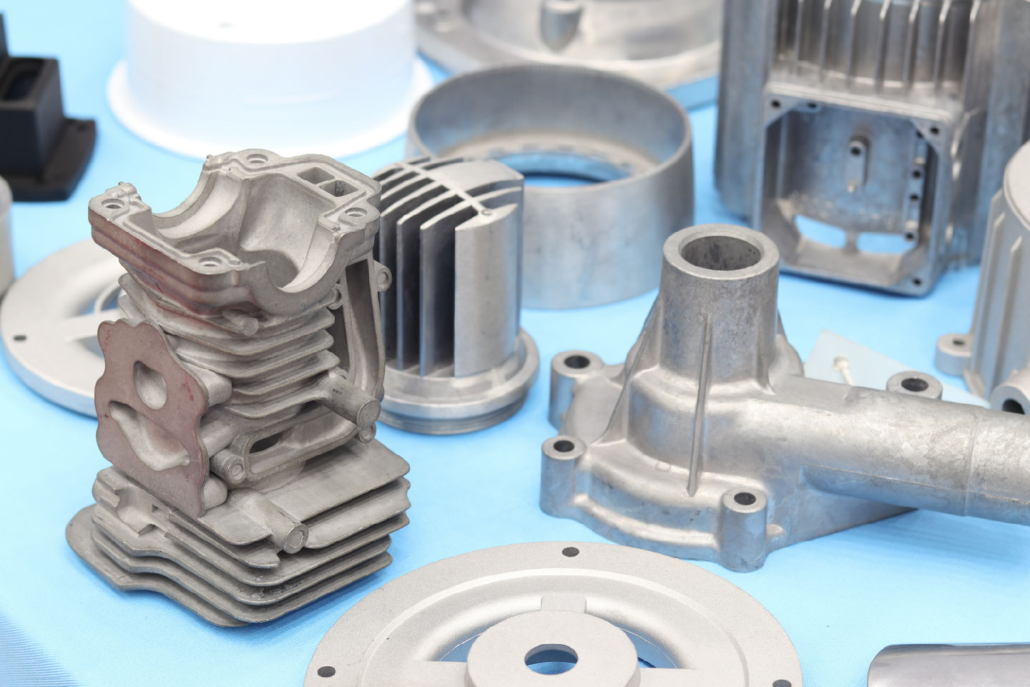
تُعد عملية صب السبائك المعدنية بالقالب ضرورية للصناعة التحويلية لأنها تعتمد بشكل كبير على مكونات معدنية عالية الدقة ومتينة وفعالة من حيث التكلفة. وفي تأثير ثوري على التصنيع الحديث، أتاحت هذه العملية إمكانية إنتاج كميات كبيرة من الأجزاء المعدنية المعقدة بمعايير عالية جدًا من الدقة والاتساق. من قبل شركات متخصصة كشركات صب السبائك المعدنية في الصناعات الخدمية مثل السيارات، والفضاء، والإلكترونيات، والطبية، والآلات الثقيلة لبناء مكونات معدنية مصممة خصيصًا لتلبية احتياجاتها الخاصة. تستفيد شركة صب السبائك المعدنية المحترفة من أحدث التقنيات والمواد عالية الجودة إلى جانب عملية مراقبة الجودة الصارمة لتقديم منتجاتك التي تناسب معايير الصناعة. إذا كان اختيار الشركة المناسبة أمرًا مهمًا، فقد تختار بطريقة أو بأخرى بين منتج موثوق حقًا يدوم لسنوات ومكون معيب يفشل مبكرًا. تقدم لك هذه المقالة نظرة عامة مفصلة عن سبائك الصب بالقالب السبائكي مع التركيز على أهميتها وفوائدها وأهم العوامل الأساسية التي يجب مراعاتها عند اختيار أفضل شركة لصب السبائك. تُعد معرفة سبائك الصب بالقالب السبيكي أمرًا ضروريًا إذا كنت مُصنِّعًا يسعى لتصنيع أجزاء مصممة بدقة أو شركة تبحث عن خيارات التصنيع الاقتصادية. ما هي سبائك الصب بالقالب؟ يُطلق على عملية تصنيع المعادن التي يتم فيها حقن المعدن المنصهر في قالب (قالب) تحت ضغط عالٍ عملية صب السبائك بالقالب. يُستخدم تنفيذ هذه الطريقة على نطاق واسع لإنتاج أشكال معقدة ذات تفاوتات ضيقة. ويرجع الاستخدام الشائع لمختلف السبائك المعدنية، مثل الألومنيوم والزنك والمغنيسيوم في الصب بالقالب إلى خصائصها الجيدة في القوة ومقاومتها للتآكل. أنواع السبائك المستخدمة في الصب بالقالب للسبائك المستخدمة في الصب بالقالب للسبائك تأثير كبير على الاختيارات في عملية الصب بالقالب، فهي تؤدي مباشرة إلى القوة والوزن ومقاومة التآكل والأداء العام للمنتج النهائي. تختلف السبائك التي تختلف باختلاف الصناعات بناءً على خواصها الميكانيكية ومتانتها والاستخدام النهائي اللازم لها. السبائك الأكثر استخدامًا في صب القوالب مذكورة أدناه. 1. سبائك الألومنيوم إن التوصيل الحراري الجيد، إلى جانب مقاومة التآكل والقوة الخفيفة الوزن، يعني أن سبائك الألومنيوم المصبوبة بالقالب هي المفضلة لدى الباحثين والمصنعين في جميع أنحاء العالم. في الصناعات التي تتطلب مكونات متينة وخفيفة الوزن نسبياً، يتم استخدام هذا النوع من السبائك. الميزات الرئيسية: التطبيقات: 2. سبائك الزنك نظرًا لأنه يتمتع بقوة عالية ونقطة انصهار منخفضة ودقة ممتازة، فإن الزنك هو سبيكة أخرى شائعة الاستخدام في صب القوالب. وهو مثالي لتصنيع الأجزاء الصغيرة والمفصلة. الخصائص الرئيسية: التطبيقات: 3. سبائك المغنيسيوم خفة وزنه تجعله مناسباً للغاية للاستخدام في الصناعات التي تسعى إلى خفض الوزن دون المساومة على القوة، ومن هنا سُمّي هذا المعدن بالمغنيسيوم. الميزات الرئيسية: الميزات الرئيسية: التطبيقات: 4. السبائك القائمة على النحاس النحاس الأصفر والبرونز هما مثالان على السبائك القائمة على النحاس والتي تعتبر موصلات كهربائية عالية ومقاومة للتآكل ومقاومة جيدة للتآكل. تُستخدم هذه السبائك في التطبيقات التي يجب أن يكون فيها الأداء الكهربائي والحراري رائعاً. الميزات الرئيسية: التطبيقات: فوائد العمل مع شركة موثوق بها لسبائك القوالب المسبوكة تتيح لك شركة سبائك القوالب المناسبة اختيار منتجات عالية الجودة تتبع معايير الصناعة. فيما يلي الفوائد الرئيسية: 1. الدقة العالية والاتساق تمتلك أفضل شركة لصب القوالب آلات جيدة وإجراءات صارمة لمراقبة الجودة لإنتاج الأبعاد مع عيوب قليلة جدًا. 2. الفعالية من حيث التكلفة تُعد عملية الصب بالقالب عملية فعالة للغاية تقلل أيضًا من تكاليف المواد والطاقة للمنتج النهائي بشكل كبير مقارنةً بعمليات تشكيل المعادن الأخرى. 3. التخصيص والتنوع شركة الصب بالقالب هي شركة ذات سمعة طيبة توفر حلولاً مخصصة تستند إلى احتياجات صناعة معينة وتوفر خيارات سبائك مختلفة. 4. إنتاج أسرع وفترات زمنية قصيرة تستخدم الأنظمة الآلية في شركات الصب بالقالب الحديثة لزيادة سرعة الإنتاج والوفاء بالمواعيد النهائية الصارمة. 5. المتانة والقوة من المعروف جيدًا أن الأجزاء المصبوبة بالسبائك المصبوبة من السبائك متينة للغاية، وبالتالي فهي مناسبة للاستخدام في ظل الظروف الصعبة. كيفية اختيار أفضل شركة لسبائك الصب بالقالب عندما تختار شركة صب القوالب، يجب عليك مراعاة ما يلي: 1. الخبرة والخبرة في الصناعة تحقق من سجل الشركة ، إذا كان لديها سنوات من الخبرة في صب القوالب المصنوعة من السبائك ، إذا كانت محاولتها في مجال عملك مثبتة. 2. شهادات ومعايير الجودة تأكد من أن الشركة تتبع برنامج الترميز الخاص بالصناعة التي قد تكون: 3. التكنولوجيا والمعدات المتطورة للحفاظ على الدقة وتقليل الحاجة إلى العمل البدني، ستستخدم شركة صب القوالب الحديثة معدات مثل ماكينة CNC، والصب بالتفريغ، والأتمتة الآلية الآلية. 4. اختيار المواد والتخصيص احصل على شركة لديها خيارات متعددة من السبائك والتخصيص حتى تتمكن من العثور على التصميم المحدد الذي تقدمه شركتك. 5. سلسلة توريد قوية والتسليم في الوقت المحدد يتم توفير الخدمات اللوجستية الفعّالة والتسليم السريع للمنتجات من قِبل موردين موثوقين. 6. قدرات النماذج الأولية والاختبار من الأهمية بمكان وضع نماذج أولية واختبارات جودة صارمة (الفحص بالأشعة السينية وقوة الشد) على المنتج. 7. التسعير التنافسي على الرغم من أن السعر يجب ألا يكون السعر هو الاعتبار الوحيد، إلا أن شركة صب القوالب الجيدة يمكنها تقديم أسعار تنافسية دون التضحية بالجودة. الصناعات التي تعتمد على سبائك الصب بالقالب 1. صناعة السيارات 2. صناعة الطيران 3. صناعة الإلكترونيات 4. المعدات الطبية 5. التحديات التي تواجه المنتجات الاستهلاكية في مجال سبائك الصب بالقالب وكيف تتغلب الشركات عليها يُعد صب السبائك بالقالب عملية تصنيع معروفة جيدًا، والتي تواجه بعض التحديات التي لها تأثير على الجودة والتكلفة والاستدامة. كما يتم تنفيذ حلول مبتكرة من قبل الشركات الرائدة في مجال صب السبائك للتغلب على هذه المشاكل مما يؤدي إلى إنتاج عالي الجودة وتكاليف محسنة بالإضافة إلى تقليل التأثير على البيئة. 1. إدارة المسامية والعيوب تُعد المسامية واحدة من أكثر المشاكل شيوعًا التي تواجهها في صب القوالب حيث تحدث فقاعات غازية أو تجاويف انكماش داخل المعدن. كما أنها يمكن أن تقلل من السلامة الهيكلية للجزء وتؤثر على الأداء الوظيفي. ويمكن معالجة ذلك من قبل الشركات المصنعة باستخدام استخدام الصب بالقالب بمساعدة التفريغ، مما يؤدي إلى احتواء الحد الأدنى من الهواء وتحسين كثافة المعدن. وعلاوة على ذلك، يمكن تقليل المسامية باستخدام تقنيات الصب المحكم للضغط، وتصميم القالب، والتصميم المناسب

صب الزنك بالقالب

أهمية صب قوالب الزنك في صناعة السيارات

ألومنيوم الصب بالقالب, شركات صب القوالب, شركة صب القوالب, مُصنِّع قوالب الصب بالقالب, أجزاء الصب بالقالب, زاماك 3 للقالب الصب بالقالب, زماك 3 مسبوك زنك 3, زماك 5, زاماك 5 للقالب الصب بالقالب, زاماك لصب القوالب, سبائك الزنك المسبوكة بالقالب, صب الزنك بالقالب

ما هو الصب بالقالب؟ الصب بالقالب هو عملية صب المعادن التي تتميز بضغط المعدن المنصهر في تجويف القالب. يُصنع تجويف القالب باستخدام قالبين من الفولاذ المقوى للأدوات يتم العمل عليهما أثناء المعالجة ويعملان بشكل مشابه لقوالب الحقن. تُصنع معظم عمليات الصب بالقالب من المعادن غير الحديدية، وخاصة الزنك والنحاس والألومنيوم والمغنيسيوم والقصدير والرصاص والسبائك القائمة على القصدير. واعتمادًا على نوع المعدن الذي يتم طرحه، يتم استخدام محرك حراري أو بارد. تحظى عملية صب الزنك بالقالب بشعبية كبيرة في صناعة الأجزاء في مجالات البناء والمجالات الصناعية، ولكن التطبيق الأكثر شيوعًا هو في صناعة السيارات. في الواقع، تحتوي السيارات على أجزاء مختلفة يمكن تصنيعها من خلال الصب بالقالب، بحيث أن عملية الصب بالقالب الحديثة بدأت في الأصل لصناعة السيارات. مع عملية الصب غالبًا ما لا تكون هناك حاجة إلى مزيد من المعالجة الآلية بعد الصب: لا تصل الدقة إلى 99.8% فحسب، بل يمكن أيضًا استخدام المنتجات المصبوبة خامًا لأنها تتمتع بلمسة نهائية لطيفة. يبلغ استخدام الزنك المصبوب بالقالب 28% تقريبًا في صناعة السيارات، يليه قطاع البناء والأجهزة. وقد أصبح الزنك أحد أهم المعادن في صناعة قطع غيار السيارات، خاصة بالنسبة لمنتجات مثل مبيت قفل الباب، والدبابيس، والتروس، وبكرات السحب في أنظمة أحزمة الأمان، وكذلك بالنسبة لمكونات عمود الكامات والمستشعرات. وباستخدام هذا المعدن وسبائكه، من الممكن تحقيق القوة والليونة والمرونة التي لا يمكن تحقيقها باستخدام مواد أخرى. بالإضافة إلى ذلك، يمكن أن يكون الزنك هو الخيار الصحيح للحصول على مكونات جمالية عالية الجودة، مع تفاوتات ضيقة غير ممكنة مع المواد الأخرى، وللحصول على نقوش وأخاديد للمكونات الميكانيكية أو التروس. آليات صب الزنك بالقالب في السيارات كما ذكرنا سابقًا، فإن صناعة السيارات هي أكثر تطبيقات الصب بالقالب شيوعًا: يتيح استخدام الزنك وسبائكه إنتاج مكونات قادرة على تحقيق جودة جمالية عالية، مع تفاوتات ضيقة وضيقة للتشكيل الشكلي. كما تُستخدم سبائك الزنك أيضًا في الطلاء نظرًا لفوائدها العديدة، مثل تحسين الخصائص المضادة للتآكل للزنك والتي هي بالفعل مثيرة للإعجاب. يمكنك العثور أدناه على عدد من الأمثلة الممكنة لطلاء الزنك: القسم الجمالي الداخلي قسم فتحة السقف قسم الأجزاء الميكانيكية المحرك والمكونات الأخرى أسفل هيكل السيارة أجزاء نظام التوجيه الكهربائي ونظام المكابح ومكونات وأنظمة تكييف الهواء أجزاء في نظام حزام الأمان مكونات نظام التحكم في المناخ نظام الوقود مزايا صب الزنك بالقالب: عملية فعالة واقتصادية تقدم أشكالاً وأشكالاً متنوعة ممكنة. سرعة عالية في الإنتاج دقة الأبعاد والثبات القوة والوزن تتوفر العديد من تقنيات التشطيب التجميع البسيط بدأت عملية الصب بالقالب باستخدام سبائك الرصاص والرصاص وسبائك المغنيسيوم والنحاس التي سرعان ما تبعتها سبائك الرصاص، وفي الثلاثينيات من القرن الماضي، وتتوفر العديد من السبائك الحديثة التي لا تزال مستخدمة حتى اليوم. تطورت هذه العملية من صب الحقن بالضغط المنخفض إلى الحقن الحديث بالضغط العالي الذي يبلغ 4500 رطل لكل بوصة مربعة. إن العملية الحديثة قادرة على إنتاج أشكال صب عالية التكامل ونظيفة مع تشطيبات سطحية ممتازة. سبائك صب الزنك هي مادة هندسية قوية ومتينة وفعالة من حيث التكلفة. خواصها الميكانيكية تنافسية وعادةً ما تكون أعلى من الألومنيوم المصبوب والمغنيسيوم والبرونز والبلاستيك ومعظم الحديد المصبوب.

صب الزنك بالقالب

التصنيع المواتي لعمليات الصب بالقالب الزنك

صب القوالب الألومنيوم, ألومنيوم الصب بالقالب, شركات صب القوالب, صب الزنك بالقالب

The process of die casting with pressure injection can be followed until mid-1800. The components used were tin and lead, but the use has disappeared with the introduction of zinc and Aluminium alloys. This process has evolved over the years, from low-pressure injection molds to casting molds at pressures of up to 4,500 psi. The process can create high-quality products with excellent end surfaces. Die Casting is an economical and efficient process for making various shapes. Considered superior to other manufacturing techniques, it is durable and aesthetic and combines perfectly with other parts of the machine that are part thereof. Dying has many advantages. Among these, the main is its ability to produce complex forms with a higher tolerance level than other mass-production methods. Thousands of identical prints can be produced before you need to add new mold tools. High Die-pressure is a manufacturing process where aluminum that has been melted is injected by a casting machine under extreme pressure on steel or molds to make the design and detail parts of the model you want to make. Casting in tons of universal tightening. This record reflects the amount of pressure given on the matrix. The engine size varies from 400 to 4000 tons. There are many advantages to using the die casting process compared to others. Die casting produces parts with thinner walls, narrower size limits and processes can be accelerated. Labor costs and finishing are the lowest with the dice. This process facilitates to obtain intricate forms with narrower tolerances. Unlike the forgery process, you can insert the kernel into the product created by this process. Forms that cannot be obtained from rods or tubes can be easily achieved with casting. The number of operational processes is smaller, which leads to the reduction of waste materials. Die casting is used when you need a stable, dimensional and durable component. They withstand heat and maintain a good level of tolerance, an important condition for each part of a good machine. They are stronger and lighter than the part made by other printing methods. Its parts are not welded or screwed, which greatly increases its efficiency. Another advantage is the many workarounds that you can get with the launch. Surfaces can be smooth or textured, which facilitates the application and its use. Hopefully, this information can help you and thank you for reading the article about Zinc Die casting.

ما هي أجزاء زماك الزنك المصبوبة بالقالب الزنك

شركة صب القوالب, مُصنِّع قوالب الصب بالقالب, أجزاء الصب بالقالب, منتجات الصب بالقالب, صب الزنك بالقالب

يُشار إلى أجزاء صب الزنك بالقالب بالقالب بعملية الغرفة الساخنة. إنها الطريقة التي يتم من خلالها تسخين الزنك (الزماك) تحت درجات حرارة عالية ويتم دفع المادة المنصهرة في قالب الصب بالقالب الزنك تحت ضغط عالٍ لإنتاج منتج بشكل مماثل للقالب. وبينما يتحرك المعدن عبر القالب، يتسرب الهواء من خلال الفتحات. وبمجرد أن يمتلئ القالب، يتم الحفاظ على الضغط العالي حتى يتصلب ويتم فصل القالب لتحرير قالب الزنك المصبوب النهائي. بعد الصب، لا يلزم عادةً إجراء أي تعديل إضافي. استخدام الزنك الصب بالقالب الزنك يُعرف الزنك (الزماك) بقوته العالية ودقته وليونته وسهولة صبه وتوصيله الحراري والكهربائي العالي وعمره الطويل. وعلى هذا النحو، يتم استخدام قالب الصب بالزنك في تصنيع مواد صناعية ومواد بناء عالية الجودة. بدأ الصب بالقالب في صناعة السيارات ولا يزال يستخدم على نطاق واسع في تصنيع مكونات السيارات. غلاف أقفال الأبواب، والبكرة، وعمود الكامات هي بعض أجزاء السيارة المصنوعة من الزنك المصبوب. وفي صناعة البناء والتشييد، يُستخدم صب الزنك في تصنيع مكونات مثل مقابض الأبواب والحنفيات والأسقف. من ناحية أخرى، هناك العديد من أجزاء ماكينات صب الزنك، مثل التركيبات الكهربائية. عملية صب الزنك بالقالب يتم صب الزنك باستخدام عملية الغرفة الساخنة نظراً لانخفاض درجات حرارة انصهاره. يتم تطبيق عملية الغرفة الباردة في صب المعادن ذات درجات حرارة الانصهار العالية مثل الألومنيوم. تتضمن عملية صب الزنك بالقالب تحضير المعدن وإعداد القالب والتشطيب. وتبدأ بتحضير القالب متبوعًا بالمعدن. وتجدر الإشارة إلى أنه يمكن استخدام القالب مرة واحدة أو عدة مرات حسب المكوّن الذي يتم تصنيعه. إذا تم استخدامه من قبل، فيجب تشحيمه لتسهيل إزالة المعدن المصبوب. بعد ذلك، يتم شد نصف قالب القاذف ونصف قالب الغطاء. يحتوي نصف قالب الغطاء على ذرب يتم من خلاله حقن المعدن المنصهر بينما يحتوي قالب القاذف على دبابيس قاذفة لإزالة المسبوكات. ويتبع تحضير القالب صهر سبيكة ZA أو سبيكة ZAMALAK في فرن. تحدد الخصائص الفيزيائية للمنتج اختيار السبيكة. نظرًا لصلابة المعدن وقوته، عادةً ما تكون درجة حرارة الفرن عالية جدًا. تتم إزالة الأجزاء المؤكسدة من المعدن في هذه المرحلة لرفع نقاء المنتج النهائي. ويمكن إضافة مواد كيميائية مختلفة لتحسين الخواص الفيزيائية للسبيكة النهائية. بمجرد تحضير المعدن المنصهر، يتم حقنه في نظام التغذية تحت ضغط عالٍ. تحتوي معظم الأنظمة على العديد من القوالب لتحقيق الكفاءة والإنتاج الضخم. ويضمن الضغط المرتفع دخول سبيكة الزنك المنصهر إلى القالب بأسرع ما يمكن، وعدم دخول الهواء إلى المعدن المنصهر، وطرد الهواء الموجود في القالب من خلال فتحات التهوية. بعد ملء القالب، يتم رفع الضغط أكثر حتى تتصلب سبائك الزنك المصبوبة. تتضمن العملية أيضًا التبريد باستخدام الماء. بعد ذلك، يتم فصل القالبين وإزالة المعدن المصبوب. ويلي ذلك تنظيف نظام التغذية للتخلص من الوميض. يمكن إجراء المزيد من التشطيبات اعتمادًا على الاستخدام النهائي للمنتج. عادةً ما يتم إعادة تدوير العداء الذي تتم إزالته من المنتج النهائي والفلاش.

صب الألومنيوم بالقالب

خدمة صب القوالب الصينية

صب القوالب الألومنيوم, شركة صب القوالب, مُصنِّع قوالب الصب بالقالب, صب الزنك بالقالب

القدرة على تلبية احتياجاتك من الألومنيوم والمغنيسيوم والزنك والصب بالقالب الفراغي. الألومنيوم الصب بالقالب الألومنيوم يتطلب توفير أجزاء صب قوالب الألومنيوم عالية الجودة بأسعار تنافسية معدات صب القوالب الحديثة. ولتقليل الآثار التي تتركها درجات حرارة التبريد القصوى على القوالب تقوم شركة CNM TECH بتحويل نظام تبريد القوالب من الماء إلى الزيت. يحافظ الزيت على درجة حرارة أكثر دفئًا للقالب مما يساهم في الحصول على صب أكثر اتساقًا ويطيل عمر القالب، وهو عامل مهم في تكاليف القِطع. تعمل شركة CNM TECH لصب القوالب على تكييف أدوات التحكم الآلي لتشغيل ماكينات الصب بالقالب. وهذا يسمح بزيادة كبيرة في معدلات الإنتاج، وهو أمر مهم في كل من التحكم في التكاليف وتلبية متطلبات التسليم. كما يتيح لنا أيضًا استخدام موظفينا بطرق تستفيد بشكل أفضل من مهاراتهم وخبراتهم. ولخفض تكاليف الإنتاج، قامت شركة CNM TECH لتصنيع قوالب الصب بالقالب بتطوير أفران صهر الألومنيوم الجديدة منخفضة الحجم والموفرة للطاقة وحصلت على براءة اختراعها. نظرًا لإمكانية صهر الألومنيوم بكفاءة بكميات صغيرة، فإن ذلك يسمح للشركة بتزويد ماكينات الصب بسبائك مختلفة من الألومنيوم في وقت واحد. لا يتعين على آلات الصب أن تقف في انتظار فرن كبير لتزويدها بالسبائك المناسبة. لا يتم بناء الجداول الزمنية حول السبيكة الموجودة في الفرن. صب الزنك بالقالب بالنسبة للتطبيقات التي تكون فيها قوة الصدمات العالية والتكلفة المنخفضة وحدود الأبعاد القريبة من اعتبارات التصميم المهمة، يلعب صب الزنك بالقالب دورًا مهمًا. يسمح الزنك عادةً بمعدلات إنتاج أعلى من الألومنيوم ويمكن تصميم الأجزاء بمقاطع عرضية أرق. وتتميز الأجزاء الناتجة بمقاومة عالية للتآكل وتقبل مجموعة متنوعة من التشطيبات الجميلة. يتم الحفاظ على معدلات إنتاج عالية وجودة موحدة من خلال ماكينات الصب بالقالب المزودة بمستخلصات أوتوماتيكية. الصب بالقالب بالقالب التفريغي يُفضل العديد من مشتري الصب بالقالب التفريغي لأنه ينتج عنه جزء أقل مسامية. إن ماكينات Vert-a-Cast من شركة CNM TECH، التي تتمتع بقوة تثبيت تبلغ 400 طن، قادرة على إنتاج المسبوكات آليًا بوتيرة أسرع بكثير من الماكينات الأفقية التي يتم تشغيلها يدويًا. غالبًا ما تكون عملية الصب بالقالب بالتفريغ، وهي إحدى قدرات CNM TECH منذ عشر سنوات، هي الطريقة الاقتصادية الوحيدة لتلبية مواصفات المسامية الحرجة. يتم إنجاز أعمال الصيانة والإصلاح والتغييرات والتصحيحات على القوالب على الفور في ورشة الأدوات والقوالب المجهزة بالكامل في CNM TECH. يتم صهر مواد السبائك وتدفقها وتنظيفها في الفرن المركزي قبل نقلها إلى معدات الصب بالقالب. إذا كان لديك أي متطلبات لصب القوالب، فنحن نرحب بك لإرسال متطلباتك إلينا للحصول على عرض أسعار.

نبذة عن خدمات صب المعادن

صب القوالب الألومنيوم, شركات صب القوالب, أجزاء الصب بالقالب, صب القوالب بالضغط العالي, صب المغنيسيوم, صب المغنيسيوم بالقالب المغنيسيوم, صب الزنك بالقالب

Metal casting services involve the shaping of free-flowing liquid metals through the use of dies, molds, or patterns.  Castings are generally roughly finished due to the nature of their production.  In many cases, additional finishing is required to remove burrs and other artefacts of the casting process.  Metal castings services are used to design a wide range of components and finished products.  Everything from simple nails and fasteners to engine blocks can be fabricated using metal casting services.  Common metal casting processes include sand casting, die casting, permanent mold casting, investment casting, centrifugal casting, and lost foam casting. Sand Casting Sand casting is used to make large parts (typically iron, but also bronze, brass, aluminum). Molten metal is poured into a mold cavity formed out of sand (natural or synthetic). Sand castings generally have a rough surface, sometimes with surface impurities and surface variations. Die-casting includes a number of processes in which reusable dies or molds are used to produce casting.  The die contains an impression of the finished product together with it’s running, feeding and venting systems.  The die is capable of a regular cycle and of (quickly) dissipating the heat of the metal poured into it.  Once the liquid metal has cooled sufficiently, the mold is opened and the casting can be removed and finished. Permanent Mold Casting In permanent mold casting, molten metal is poured into cast iron molds, coated with a ceramic mold wash. Cores can be a metal, sand, sand shell, or other materials. When completed, the molds are opened and the castings are ejected.   Investment casting services involve molding patterns by the injection of a special wax into a metal die.  The patterns are assembled into a cluster around a wax runner system. The ‘tree’ of patterns is then coated with 8-10 layers of refractory material. The assembly is heated to remove the wax.  The hot mold is cast, and when cool, the mold material is removed by impact, vibration, grit blasting, high-pressure water blasting or chemical dissolution leaving the castings, which are then removed from the runner system. Centrifugal casting Centrifugal casting services are used to produce castings that are cylindrical in shape.  In centrifugal casting, a permanent mold is rotated about its axis at high speeds as the molten metal is poured. The molten metal is centrifugally thrown towards the inside mold wall, where it solidifies. The casting is usually a fine grain casting with a very fine-grained outer diameter, which is resistant to atmospheric corrosion, a typical need with pipes. The inside diameter has more impurities and inclusions, which can be machined away. Lost foam casting Lost foam casting (LFC) is metal casting services that use foam filled patterns to produce castings.  Foam is injected into a pattern, filling all areas, leaving no cavities.  When molten metal is injected into the pattern, the foam is burned off allowing the casting to take shape. Die casting Die casting and metal casting includes a number of processes in which reusable dies or molds are used to produce casting. The die is capable of a regular cycle and of (quickly) dissipating the heat of the metal poured into it. Once the liquid metal has cooled sufficiently, the mold or is opened and the casting can be removed and finished.   In the die casting process, molten metal is injected under pressure into a reusable mold or die. The die contains an impression of the casting together with it’s running, feeding and venting systems. The die is capable of a regular cycle and of (quickly) dissipating the heat of the metal poured into them. Once the liquid metal has cooled sufficiently, the mold or is opened and the metal casting can be removed and finished. high pressure die casting The high pressure die casting process is the most widely used, representing about 50% of all light alloy casting production. Low pressure die casting currently accounts for about 20% of production and its use is increasing. Gravity die casting accounts for the rest, with the exception of a small but growing contribution from the recently introduced vacuum die casting and squeeze casting process. the design of low pressure and gravity die casting dies for improved die filling, optimized solidification pattern and maximum yield. Gravity die-casting is suitable for mass production and for fully mechanized casting. Low-pressure die casting is especially suited to the production of components that are symmetric about an axis of rotation. Light automotive wheels are normally manufactured by this technique. Die casting metals can vary widely, and different die casting companies may have the ability to work with anyone or number of them. Some of the most common metal casting types include aluminum die casting, brass die casting, lead die casting (the most popular for model die casting), magnesium die casting, and zinc die casting. Hope all of that information is enough for your reference, but if you want to know more information, you are welcome to contact us by phone or email.

جزء الصب بالقالب بالضغط العالي

ما هو الصب بالقالب

صب القوالب

What is die casting Die casting is a manufacturing process for producing accurately dimension, sharply defined, smooth or textured-surface metal parts. It is accomplished by forcing molten metal under high pressure into reusable metal dies. The process is often described as the shortest distance between raw material and finished product. The term, “die casting,” is also used to describe the finished part. The term “gravity die casting” refers to castings made in metal molds under a gravity head. It is known as permanent mold casting in the U.S.A. and Canada. What we call “die casting” here is known as “high pressure die casting” in Europe. How are die castings produced First, a steel mold capable of producing tens of thousands of castings in rapid succession must be made in at least two sections to permit removal of castings. These sections are mounted securely in a machine and are arranged so that one is stationary (fixed die half) while the other is moveable (injector die half). To begin the casting cycle, the two die halves are clamped tightly together by the die casting machine. Molten metal is injected into the die cavity where it solidifies quickly. The die halves are drawn apart and the casting is ejected. Die casting dies can be simple or complex, having moveable slides, cores, or other sections depending on the complexity of the casting. The complete cycle of the die casting process is by far the fastest known for producing precise non-ferrous metal parts. This is in marked contrast to sand casting which requires a new sand mold for each casting. While the permanent mold process uses iron or steel molds instead of sand, it is considerably slower, and not as precise as die casting. Types of machines for die casting Regardless of the type of machine used, it is essential that die halves, cores and/or other moveable sections be securely locked in place during the casting cycle. Generally, the clamping force of the machine is governed by (a) the projected surface area of the casting (measured at the die parting line) and (b) the pressure used to inject metal into the die. Most machines use toggle type mechanisms actuated by hydraulic cylinders (sometimes air pressure) to achieve locking. Others use direct acting hydraulic pressure. Safety interlock systems are used to prevent the die from opening during the casting cycles. Die casting machines, large or small, very fundamentally only in the method used to inject molten metal into the die. These are classified and described as either hot or cold chamber die casting machines. Hot Chamber die casting machines Hot chamber machines (Fig.1) are used primarily for zinc, and low melting point alloys which do not readily attack and erode metal pots, cylinders and plungers. Advanced technology and development of new, higher temperature materials have extended the use of this equipment for magnesium alloy die casting. Figure 1: Hot Chamber Machine. Diagram illustrates the plunger mechanism which is submerged in molten metal. Modern machines are hydraulically operated and equipped with automatic cycling controls and safety devices. In the hot chamber machine, the injection mechanism is immersed in molten metal in a furnace attached to the machine. As the plunger is raised, a port opens allowing molten metal to fill the cylinder. As the plunger moves downward sealing the port, it forces molten metal through the gooseneck and nozzle into the die. After the metal has solidified, the plunger is withdrawn, the die opens, and the resulting casting is ejected. Hot chamber machines are rapid in operation. Cycle times vary from less than one second for small components weighing less than one ounce to thirty seconds for a casting of several pounds. Dies are filled quickly (normally between five and forty milliseconds) and metal is injected at high pressures (1,500 to over 4,500 psi). Nevertheless, modern technology gives close control over these values, thus producing castings with fine detail, close tolerances and high strength. Cold Chamber die casting machines Cold chamber machines (Fig. 2) differ from hot chamber machines primarily in one respect; the injection plunger and cylinder are not submerged in molten metal. The molten metal is poured into a “cold chamber” through a port or pouring slot by a hand or automatic ladle. A hydraulically operated plunger, advancing forward, seals the port forcing the metal into the locked die at high pressures. Injection pressures range from 3,000 to over 10,000 psi for both aluminum and magnesium alloys, and from 6,000 to over 15,000 psi for copper base alloys. Figure 2: Cold Chamber Machine. Diagram illustrates die, cold chamber and horizontal ram or plunger (in charging position). Die casting provides complex shapes within closer tolerances than many other mass production processes. In a cold chamber machine, more molten metal is poured into the chamber that is needed to fill the die cavity. This helps sustain sufficient pressure to pack the cavity solidly with casting alloy. Excess metal is ejected along with the casting and is part of the complete shot. Operation of a “cold chamber” machine is a little slower than a “hot chamber” machine because of the ladling operation. A cold chamber machine is used for high melting point die casting alloys because plunger and cylinder assemblies are less subject to attack since they are not submerged in molten metal. Die casting and their construction Die casting dies (Fig. 3) are made of alloy tool steels in at least two sections called fixed die half and ejector die half. The fixed die half is mounted on the side toward the molten metal injection system. The ejector die half, to which the die casting adheres, and from which it is ejected when the die is opened, is mounted on the moveable platen of the machine. The fixed die half of the die is designed to contain the sprue hole through which molten metal enters the die. The ejector half usually contains the runners (passageways) and gates (inlets) which route molten metal to the cavity (or cavities) of the die. The ejector

انتقل إلى الأعلى

احصل على عرض أسعار