صب القوالب المغنيسيوم

أواني خبز الألمنيوم المصبوب

لماذا تسخن أواني الخبز المصنوعة من الألومنيوم المصبوب بشكل أفضل وتدوم لفترة أطول؟

صب الألومنيوم

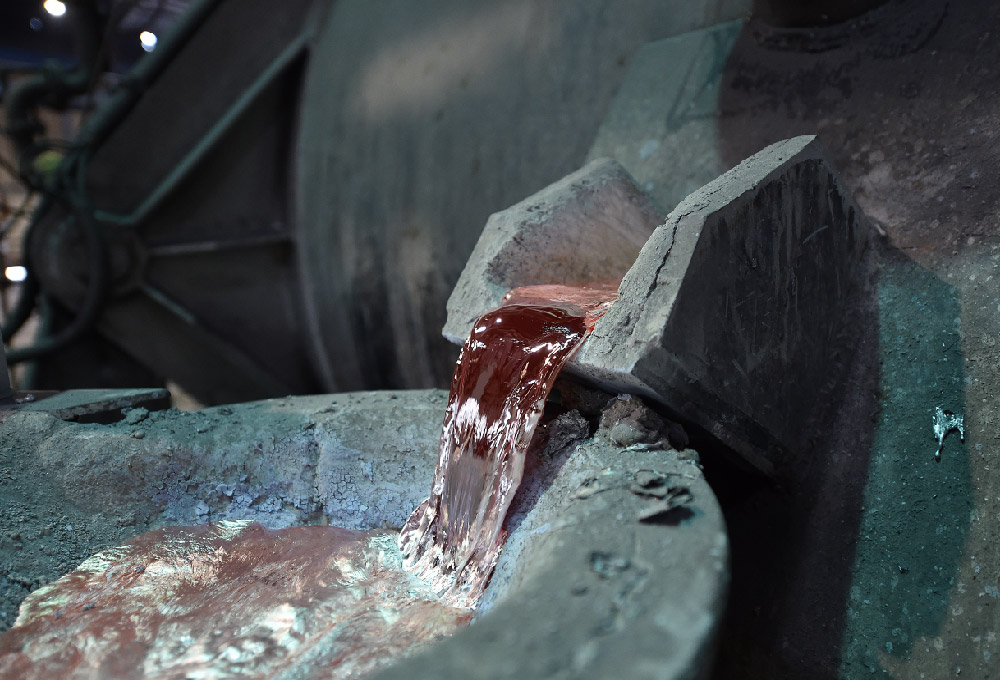
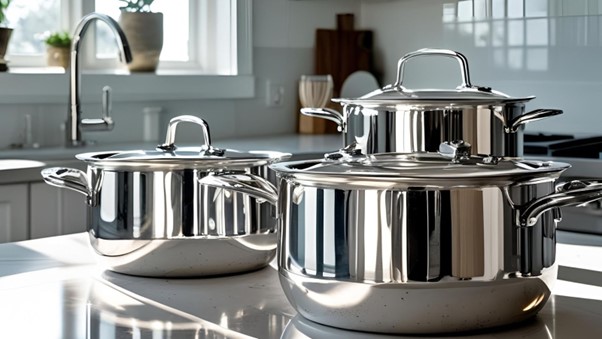
Due to the features of lightweight, strength, and dense heat distribution, cast aluminum bakeware has been getting popular among bakers, especially with those who want first-rate and durable products. Cast aluminum is the right balance of performance and effortless use, unlike other traditional bakeware materials such as cast iron and stainless steel. It is cast in molten aluminum molds and comes out as one strong, durable and convenient to use even to an amateur baker. Cast aluminum has excellent heat conductivity, which guarantees even cooking of edibles, especially baked goods, to prevent overcooking and non-uniform browning. The great one among the benefits of cast aluminum bakeware is the consistency of temperature, which is the key element of impeccable baking. It heats faster than others; therefore, it is available sooner, and its light weight makes it easier to handle around the kitchen. Most pieces of aluminum bakeware that are cast also possess a non-stick coating, which makes the release of food even easier and the after-baking clean up much easier. Cast aluminum bakeware also provides greater durability and strength with resistance to warping as compared to glass and stainless steel. Although cast iron is unparalleled in heat retention, cast aluminum has close to the same amount of heat distribution but with less weight. Cast Aluminum bakeware has been of great favourite among professional bakers, and also among people cooking at home, all because of the desire to have effective and durable baking tools. What is cast aluminum bakeware? Based on the bakeware molding method, casting aluminum, this is produced through the use of molten aluminum poured into already prepared molds to produce baking trays, cake moulds, pie dishes and various other cooking necessities. The process makes the bakeware strong but light in weight, such that there is efficient handling of the bakeware during baking and during serving. Among the best features of the so-called cast aluminum bakeware is its even heat-conducting properties. This implies that baked products like cakes, cookies and breads are well-cooked with no hot areas or burned sides. There are additional advantages to the speed at which the metal heats and cools off, which in turn saves some time in cooking, and this is a plus to busy bakers. The material is so strong and does not rust or corrode easily, hence this would make it last longer in the kitchen. In addition, it does not involve a lot of maintenance and wear and tear as compared to some of the other materials that will wear with time, as there will be a lot of usage. Advantages of Cast aluminum Bakeware 1. Durability Bakeware is made of cast aluminum, so it lasts a long time. The aluminum is almost immune to wear and tear, i.e. it will not crack or warp with frequent usage. Your bakeware will last even if you are using it on a daily basis or irregularly. 2. Uniform Distribution of heat Among the most striking properties of the term cast aluminum bakeware is that it transfers the heat all over the surface. This reduces inconsistent baking, as the end product is regular in texture and color. It is ideal among bakers who aspire to bring consistency in performance. 3. Lightweight The cast aluminum bakeware is much lighter as compared to other bulkier materials, such as cast iron and therefore easy to handle. The heavy-duty baking trays or cake pans can be lifted, transferred, and stored very easily, and that is ideal for any baker, whether they are professional or not. 4. Non-stick Properties Also, most products of the “cast aluminum bakeware” are equipped with a non-stick coating, which makes them even more convenient to use. The presence of this feature will make it easy to cook baked goods; therefore, less oil or spray will be used. It also makes cleanup effortless since there is little residue that stays after baking. 5. Corrosion Resistance Contrary to most metals, cast aluminum bakeware does not easily rust. It does not corrode, and therefore it is the ideal material to use when one wants to use it in the long term. This aspect comes in handy particularly in areas that experience different degrees of humidity and temperature. Cast aluminum bakeware: Making Process Manufacturing of cast aluminum bakeware entails careful and very consistent production devised to maintain quality and performance. The most important ones are: 1. Die Casting Die casting will be the first stage of the process, i.e. molten aluminum will be injected into steel molds at high pressure. This technique is a way of ensuring that the bakeware is shaped and molded in a very accurate and consistent manner. The molten metal enters all the mold cavity spaces, resulting in complex shapes and minute details of the various bakeware, including cake pans, muffin trays, and loaf pans. 1. Solidification and Cooling After the molten aluminum has been injected into the mold, it is left to cool and harden. The cooling is also regulated so as to have the desired properties of the aluminum, like strength and heat resistance. As the bakeware hardens, it slowly assumes its final form, and it normally requires only a few minutes to some hours, depending on how thick and elaborate the shape is. 2. Ejection and Inspection Once the aluminum pieces have cooled completely, they are removed and the mould is opened, releasing the cast aluminum bakeware. The second procedure consists of a complete inspection of the defect, such as the presence of air bubbles and cracks, or the presence of roughness. Any bakeware that is flawed is either repaired or discarded, and only good-quality bakeware would be passed further into the production process. 3. Surface Finishing After the inspection is over, the bakeware is provided with surface finishing treatments. These may involve such things as anodizing, making the surface rougher to resist corrosion and abrasion, or coating it with non-stick material so that it is easier to release baked goods and to clean up after baking. The finishing on the
صب القوالب على البارد

الاتجاهات الحديثة في تكنولوجيا الصب بالقالب على البارد

صب القوالب, مُصنِّع قوالب الصب بالقالب, أجزاء الصب بالقالب

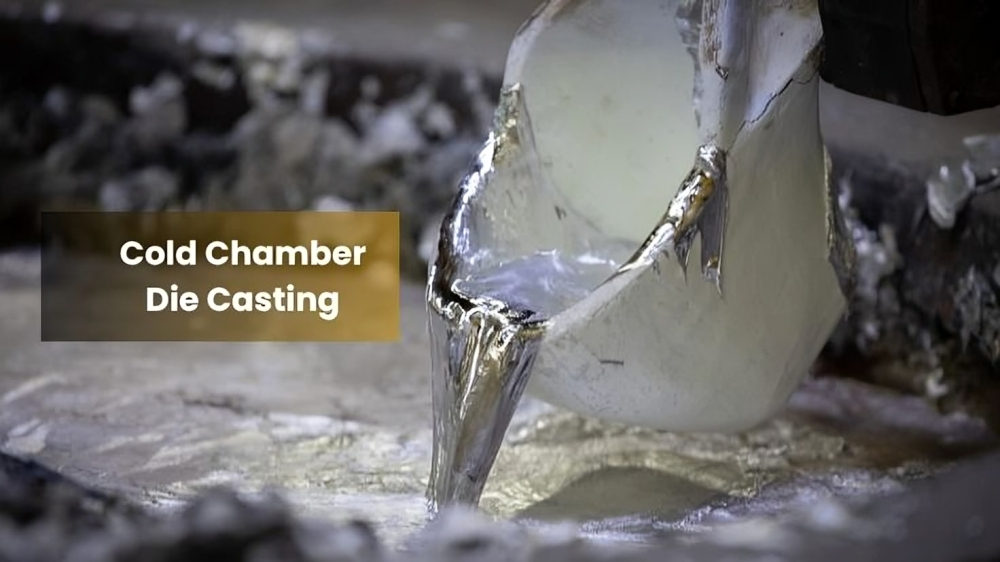
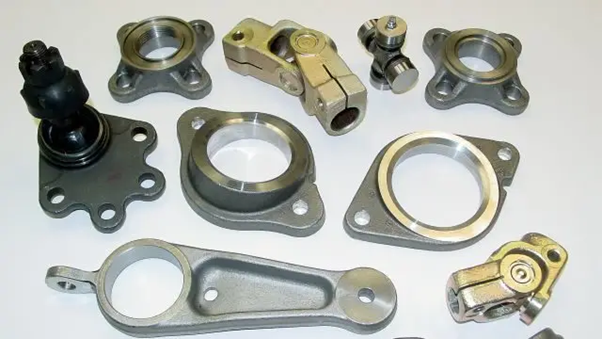
الصب بالقالب بالغرفة الباردة هو نوع دقيق من تقنيات التصنيع المطبقة في تصنيع المكونات المعدنية المعقدة التي تتميز بمستويات عالية من القوة والدقة. يمكن استخدام هذه العملية على أفضل وجه في المعادن ذات درجة انصهار عالية، مثل الألومنيوم والنحاس الأصفر وسبائك النحاس. لا يتم وضع أنظمة الصب بالقالب بالغرفة الباردة في المعدن المنصهر مثل نظام الصب بالقالب بالغرفة الساخنة؛ وبدلاً من ذلك، يتم وضع المعدن في آلة الصب بالقالب بالغرفة الباردة عن طريق غَرْف المعدن يدويًا في آلة الصب بالقالب بالغرفة الباردة بعد صهره في فرن آخر. وهذا الترتيب يقلل من تآكل الماكينة ويستخدم سبائك أكثر صلابة. من بين العوامل المهمة التي تجعل الشركات تختار استخدام هذه الطريقة هي مزايا وعيوب الصب بالقالب بالغرفة الباردة الخاصة. فهي تتميز بأعلى دقة في الأبعاد، وتشطيبات سطحية ناعمة، بالإضافة إلى أوقات دورات طويلة. ومع ذلك، فإن قوتها ومتانة مكوناتها هي المفضلة في أسواق السيارات والفضاء والإلكترونيات. يعد الفرق بين الصب بالقالب بالغرفة الساخنة والباردة أمرًا بالغ الأهمية لاتخاذ القرار الصحيح للعملية. تُعد عملية الصب بالقالب بالغرفة الساخنة أكثر سرعة ويتم تطبيقها على المعادن ذات درجة الانصهار المنخفضة، مثل الزنك، في حين أن نظام الصب بالقالب بالغرفة الباردة مصمم للتعامل مع درجات حرارة أعلى ومعادن أقوى. سيتمكن المصنعون أيضًا من تصنيع أجزاء طويلة الأمد وموثوقة بهذه العملية التي تتمتع بدرجة عالية من الدقة في مواصفاتها. في هذه المقالة، سنناقش مبدأ تشغيل عملية الصب بالقالب بالغرفة الباردة، وأجزائها الرئيسية، وطبيعة المعدن المستخدم، والمعايير التكنولوجية لعملية الصب بالقالب بالغرفة الباردة، بما في ذلك قوة التثبيت وزمن الدورة. سيتم أيضًا النظر في مزايا وعيوب الصب بالقالب بالغرفة الباردة لتزويدك بصورة كاملة عن عملية التصنيع المهمة هذه. ما هو صب القوالب بالغرفة الباردة؟ صب القوالب بالغرفة الباردة: إن عملية الصب بالقالب بالغرفة الباردة هي عملية صب المعدن حيث يتم صب المعدن المنصهر إما يدويًا أو آليًا في غرفة باردة منفصلة خارج نظام الحقن. بعد ذلك، يتم دفع المعدن بضغط عالٍ في تجويف القالب، مما يؤدي إلى تبريد المعدن وتبلوره بالشكل المطلوب. وعادةً ما يتم تطبيقه على المعادن ذات درجة انصهار كبيرة، مثل النحاس الأصفر والألومنيوم وسبائك النحاس. والغرض من ذلك هو تجنب التآكل والإجهاد الحراري الذي يمكن أن يؤدي إلى عمل مكونات نظام الحقن بشكل غير سليم، على عكس عملية الصب بالقالب في الغرفة الساخنة، حيث يتم تعليق آلية الحقن في المعدن المنصهر، فإن عملية الغرفة الباردة تحافظ على مرافق الحقن منفصلة. يعتبر تطبيق هذه الممارسة الأخيرة، أي عملية الصب بالقالب بالغرفة الباردة، مفيدًا بشكل خاص، حيث أن المعادن المستخدمة من شأنها أن تضر بالمكونات التي تلامسها. يمكن استخدام الضغط العالي في عملية الحقن نفسها، ويمكن استخدام مكونات أكثر كثافة وأقوى مع تشطيب سطحي لامع وثبات في الأبعاد. عملية الصب بالقالب - خطوة بخطوة إن الهدف من تقنية الصب بالقالب بالغرفة الباردة هو صنع أجزاء معدنية عالية الدقة والصلابة والتي تتكون في كثير من الأحيان من سبائك ذات نقاط انصهار في درجات حرارة عالية، مثل الألومنيوم والنحاس الأصفر. دعونا نتناول تفصيلاً خطوة بخطوة لكيفية عملها: 1. يتم استخدام الفرن الخارجي لصهر المعدن تشبه العملية عملية الصب بالغرفة الساخنة باستثناء أن صهر المعدن يتم في فرن منفصل بالخارج. وهذا مطلوب حيث أن المعدن المنصهر في صب الغرفة الباردة سيتسبب في حدوث مستوى عالٍ من الحرارة داخليًا لا يمكن التعامل معه. يتم صهر المعدن، وبعد ذلك يمكن نقله إلى ماكينة الصب. 2. سكب المعدن المنصهر في غلاف الطلقة بعد ذلك، يتم صب المعدن المنصهر في غلاف الطلقة في ماكينة الصب بالقالب. ويتم ذلك يدويًا أو يدويًا أو بواسطة ذراع. ويكون غلاف الطلقة عبارة عن أنبوب قوي ومقاوم للحرارة يستقر فيه المعدن ويتم حقنه فيما بعد. يجب أن يتم ذلك بسرعة كبيرة لمنع التصلب المبكر. 3. يقوم المكبس بدفع المعدن داخل القالب. ينتقل مكبس فولاذي داخل غلاف القالب ويضغط على المعدن المنصهر بضغط عالٍ في تجاويف القالب. تتأكد القوة من أن المعدن يملأ القالب حتى في أي نمط معقد أو بجدار رقيق للغاية، وتقلل من فرص حدوث أي عيوب، مثل الجيوب الهوائية. 4. هناك تصلب المعدن داخل القالب عندما يتم ملء القالب، يبدأ المعدن في التبريد والتصلب داخل القالب. تعتبر خطوة التصلب هذه مهمة جدًا في الحصول على جزء جيد ودقيق. يعتمد وقت التبريد على معدن الجزء وسمك الجزء ودرجة حرارة القالب. 5. يقوم القالب النحاسي ودبابيس القاذف بإخراج القالب بالقوة عندما يتصلب الجزء، تقوم وحدة التثبيت في الماكينة بفتح القالب، وتقوم دبابيس القاذف بإخراج القالب بالقوة من تجويف القالب. ثم يتم نقل الجزء إلى محطة التبريد أو محطة التشذيب. 6. إزالة الوميض (إزالة المعدن الزائد) يوجد بعض المعدن الزائد على الجانبين يسمى الوميض الذي يكون حول حواف الصب حيث يلتقي نصفا القالب معًا. ثم يتم إزالتها عن طريق التشذيب الميكانيكي أو الطحن أو التصنيع الآلي، اعتمادًا على ما تتطلبه اللمسة النهائية. سيمنع ذلك من أن تكون الأعمال النهائية أقل من الشكل والتفاوت المطلوب. 7. إعادة ضبط دورة القالب والتشحيم يتم غسل القالب وتشحيمه قبل الدخول في الدورة التالية لكي يكون ذا نوعية جيدة وتجنب الالتصاق. عند الانتهاء من التزييت، يتم تثبيت القالب مرة أخرى، ويتم تبديل الماكينة لإعادة ضبطها لمزيد من الدورات. 8. فحص الجودة والتشطيب هذا هو الجزء الكامل الذي يتم فحصه للتأكد من عدم وجود عيوب في الجودة، مثل الشقوق أو الانكماش أو التشوهات على السطح. واعتمادًا على متطلبات الاستخدام النهائي للجزء، يمكن إخضاعه لعملية تصنيع إضافية، أو معالجة السطح، أو تجميعه (إذا لزم الأمر). المعادن المستخدمة في

صب القوالب على الساخن

الصب بالقالب بالغرفة الساخنة: الغوص العميق في عملية تصنيع حاسمة الأهمية

صب القوالب

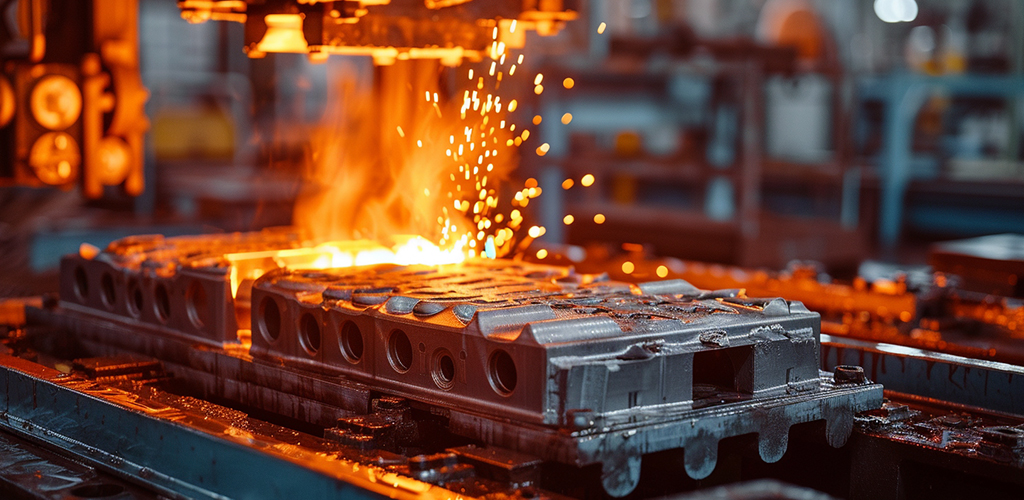
Hot Chamber Die Casting is a very effective manufacturing process which is used very widely to produce metal parts to very high precision and an excellent finish on the surface. It is particularly suitable for casting metals with low melting points like zinc, magnesium and some alloys containing lead. It is typified by the fact that the injection system is immersed in molten metal, and so, high-speed cycle times and economy of mass manufacturing are possible. One similar place of comparison always pops up when the castings are considered regarding cold chamber die casting versus hot chamber. Although they are both variations of pressure die casting, they differ so much in terms of design, applications, and compatibility of materials used. An example is the hot chamber die casting, which is high-speed die casting where the furnace has been replaced with a machine. That comes with the limitation of the lower-melting-point metals. Conversely, the cold chamber type of machines is more aptly used with those liquids of a high melting point, such as aluminium and brass, since the hot metal does not come in direct contact with the equipment. Hot Chamber Die Casting process is characterised by minimal waste of material, low costs of labour, and complex shapes manufacture with high tolerances. It is popular in such industries as automotive, electronics, plumbing and consumer products. Nevertheless, the decision on whether to use cold chamber die casting or hot chamber is also dependent on the type of material used and the part design aspect. The article examines the important details of Hot Chamber Die Casting, its parts, materials, process description, constraints, and reasons as to why it is an essential process in the contemporary manufacturing industry. What is Hot Chamber Die Casting? Hot Chamber Die Casting is a metal casting technique where the molten metal is injected into a mould cavity at high pressure. The unique part of the given method is where the injection mechanism is placed: It goes directly to the molten metal. Cycle times and production efficiency are high with this setup, especially in metals of low melting point like zinc, magnesium and some lead alloys. Hot chamber. The name describes the system’s hot chamber as the injection mechanism (a plunger and gooseneck) is in constant contact (filled) with the molten metal area. As the plunger descends, it compresses the molten metal through the gooseneck and into the die cavity. As the metal sets, the mould opens, and the part is ejected, and this process is repeated innumerable times. Hot Chamber Die Casting Process Hot Chamber Die Casting Process is a process of high-precision and speed manufacturing technology utilised in the manufacture of metal parts, where the accuracy of the tool is very important, with great surface finishing. It is most appropriate in the alloys of low melting points; zinc, magnesium, and lead are examples of low melting point alloys. Its main characteristics are short cycle times and great material efficiency. The process is extensive in the manufacturing of a variety of products mainly found in the automotive, electronic, appliance, and hardware industry because of its capability to create complicated ends easily at an affordable per-piece price. The hot chamber die casting process is listed below in a stepwise manner: Hot Chamber Die Casting Process- Step by Step Overview 1. The Metal is melted It starts with the molten moulding of the metal (which is usually zinc or magnesium), in an incorporated furnace of the die casting machine. The molten metal is kept at a constant temperature within the metal pot that is directly connected to the casting machine. This unending heat provision ensures that the casting processes are continuous. 2. The process of filling the Injection System In hot chamber systems, there is a portion of the molten metal with a part of a component known as the gooseneck submerged. The plunger, which runs inside the cylinder of injection, is pulled backwards to a position where the molten metal may gush down to the gooseneck into the inlet hole of injection. The next step will involve injecting this metal into the die cavity. 3. Molten Metal injection When the gooseneck is filled, the plunger is either pushed forward by hydraulic or pneumatic pressure, which forces the molten metal through the gooseneck channel into the mould cavity (also called the die). This is done at a high rate and pressure to make sure that the cavity is totally filled before the metal begins to harden. 4. Casting and solidifying in the mould This hot metal in the die is quickly cooled down by the comparatively cold steel of the mould. Solidification takes several seconds, based on the size and complexity of the part. In this step, die cooling channels assist in the removal of heat to ensure that the cycle speed is not reduced and defects such as shrinkage or porosity are avoided. 5. Ejecting and opening of the mould Once the metal has been solidified, the die halves are opened. The ejector system is placed on the movable half of the mould, and it operates under force via the use of ejector pins and forces the completed casting out of the cavity. It is ensured that the part can come out without being damaged during ejection. 6. Secondary operation and Trimming After it is ejected, the piece might contain an extra material called flash, runners or sprues. These are either hand-trimmed or auto-trimmed. The part can be processed further depending on the application, like surface finishing, machining or coating. 7. Repeat Cycle The machine clears and cleans up to be used again. Hot chamber die casting is characterised by having such a quick cycle time, sometimes creating a few finished parts in just 10 to 20seconds according to the complexity and size of the part. Cycle Time and Efficiency The speed is the greatest advantage of the process of hot chamber process. Hot chamber machines. Unlike cold chamber die casting, where the metal has to be ladled

صب الألومنيوم بالرمل

تحليل تقني شامل لسبك الألومنيوم بالرمل في التصنيع الحديث

صب الألومنيوم

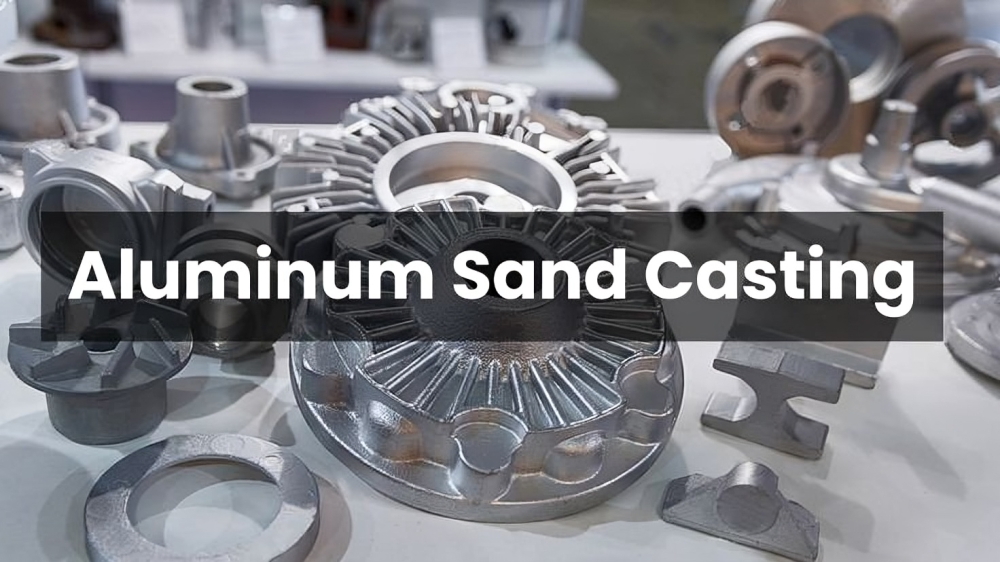
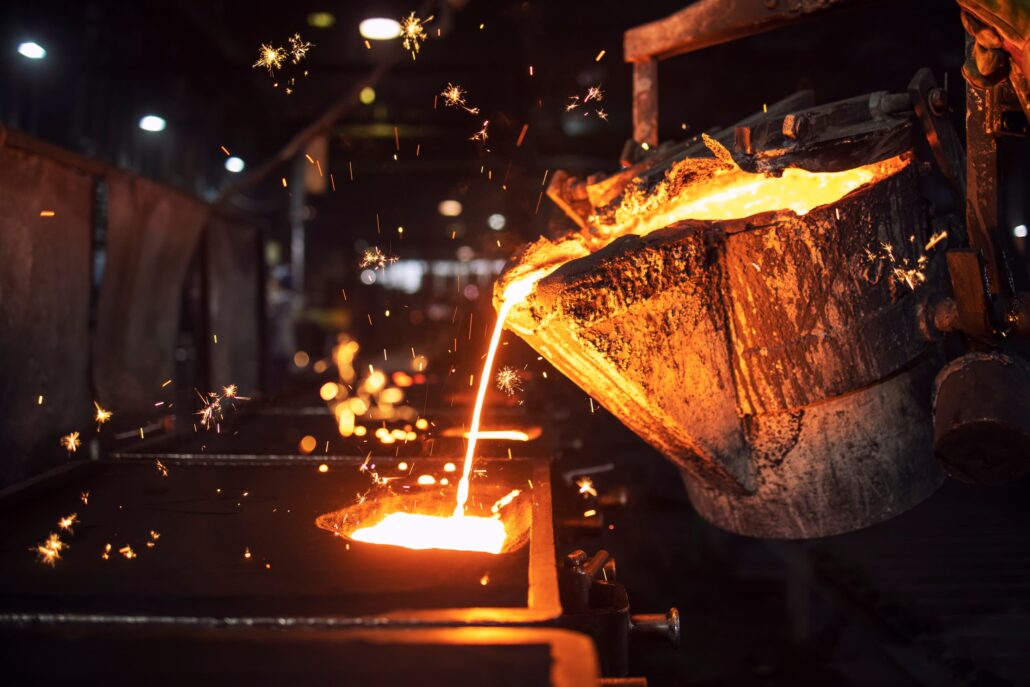
Aluminum sand casting is one of the oldest and most versatile metal casting processes, widely used in modern manufacturing to produce complex, durable, and cost-effective components. Aluminum Sand casting Manufacturers can generate complex geometries with intricate features that would have otherwise been either impractical or unprofitable to machine out of solid material through pouring molten aluminum into prepared sand molds. This method is especially suitable in low to medium-volume production, prototyping, and high structural castings on applications spanning the aerospace, automotive, defence, and energy industries. The most interesting about the sand-casting aluminum is that it is both flexible and functional. Aluminum has a very good strength versus weight, corrosion resistance, and recyclability, and thus makes it an excellent casting material. Together with the thermal resistance of sand and its high moulding capability, the process provides scalable production capability with excellent dimensional accuracy. Pattern design, the makeup of the mold, the quality of the melt, and gating design are key factors to the success of every casting. An excellent foundry of aluminum sand castings has to control not only the classic facts in metal technology but also touch on innovations in the processes. The current facilities apply the latest technology to prevent defects and ensure the best performance of the casting by using 3D sand printing, simulation software, and real-time process monitoring. Precision-engineered and casting aluminum parts are now capable of meeting stringent engineering standards for safety, tolerance, and durability. As demand grows for complex components with faster lead times and lower environmental impact, professional aluminum sand casting services must continue evolving. This article goes into the technical ins and outs of the process itself, its engineering workflow, materials, challenges, innovations, and so on. The Fundamentals of Aluminum Sand Casting At its core, aluminum sand casting involves pouring molten aluminum into a sand mold cavity, which is shaped by a pattern that replicates the final part’s geometry. When the aluminum solidifies, the sand mold is shaken off, leaving the cast piece. The process also has an outstanding dimensional flexibility and scalability capability in high-mix low-volume manufacturing conditions. The process is based on the use of a non-permanent mould, sand, that may be recycled and re-utilized, minimizing the waste of materials and expenses. Sand molds most commonly consist of silica sand with a binder added, and the nature of the binder system generally influences considerably the resulting surface finish, dimensional accuracy, and rate of cooling. The process of Flow in the Engineering of Sand Casting Aluminum Sand casting aluminum is an engineering process that consists of a set of accurately calibrated activities that aim at transforming raw aluminum into specific, well-built, and accurately dimensioned parts. Both the material and mechanical expertise are required to be in-depth to make all of the stages of the process successful. The following is a step-by-step analysis of the way in which sand casting of aluminum is implemented professionally and technically. 1. Pattern Design and making In the sand casting aluminum process, the initial step is designing and manufacturing the pattern, a physical copy of the final casting. The allowances that must be included in patterns are rather critical, such as shrinkage, draft, and machining stock. As aluminum contracts, during cooling patterns are laid out a little bigger than the finished component. The shrinkage rate of aluminum alloys is normally applied at 1.3 per cent; however, depending upon the alloy and the conditions of cooling, it may vary. Vertical portions of moulds are given draft angles, normally a few degrees between 1 and 3, to ensure that the pattern can be removed easily in the sand mold, being careful not to destroy the cavity. Additional allowances (machining allowances) are included such that there is no adverse interaction between the post-processing and the final part. Patterns may be made out of wood, metal, resin, or even 3D-printed polymer materials, depending on the accuracy demands and the needs of the production volume. 2. Mold Making (Molding and Core Setting) After preparing the pattern, the mold is to be prepared. For the sand cast, aluminum mold, there are two separate halves: the cope (upper half) and the drag (lower half). They are produced by stuffing the sand around the mold in a flask. Depending on the application, the sand is generally silica-based and is amalgamated with binders such as clay (green sand) or chemical resins (no-bake sand). In case the part design has internal space and hollow parts, it necessitates the use of sand cores. They are placed in the mold cavity, after which the metal is poured. Cores can be fabricated using core boxes, and in precision production, they can be printed with greater precision using 3D sand printing. The exact footprint of the core is very important in order to have a rigid structure and adherence to the final part dimension. 3. The Design of the Gating System The timeliness and effectiveness of the gating system formed are significant towards the success of the process of sand casting aluminum. This system consists of a pouring basin, sprue, runners, and gates, which coerce the impounded aluminum into the involvement of the mold. Adequate gating will prevent a lot of turbulence, minimize airlock, and also make sure that there is an even fill. Risers (alternatively called feeders) are also required, and these can be seen as a reservoir of molten metal that offsets the direction of shrinkage that comes after solidification. Casting simulation software is usually utilized by engineers to study and optimize the gating and riser systems. Prediction takes place by using simulation tools such as MAGMASoft or ProCAST so that typical defects such as cold shuts, misruns, and shrinkage porosity can all be corrected virtually before any production takes place. 4. Cu Melting and Metal Treating Aluminum is usually melted by a reverberatory furnace, a crucible furnace, or an induction furnace, and the choice depends on the batch volume, alloy needs, and the amount of energy needed. The melting temperature of pure aluminum is about 660 degrees

لحام الألومنيوم TIG

لحام الألومنيوم بتيغ: دليل تقني شامل

صب الألومنيوم

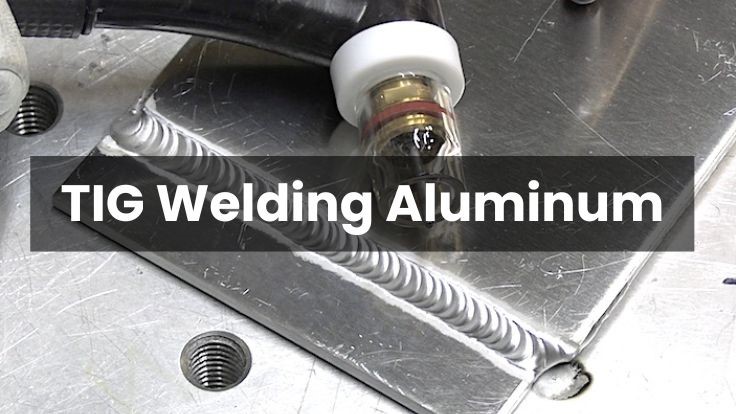
TIG Welding Aluminum is widely regarded as one of the most technically demanding processes in the field of welding. When working with aluminium, the metal that is characterised by its light weight, corrosion resistance, and high conductivity, a set of unprecedented problems emerges, which distinguishes it so much in terms of steel or stainless steel. Poor handling of aluminum can cause the natural oxide layer to provide a weak, porous, or otherwise structurally undesirable weld due to its natural oxide level, low melting point and its ability to absorb hydrogen gas. Thus, the TIG (Tungsten Inert Gas) process, or the Gas Tungsten Arc Welding (GTAW) process, is the process of choice by the industry to use in instances when precision, aesthetics, and weld integrity are the main factors. These will cover the behaviour of materials, selection of equipment, choice of shielding gas, joint preparation and troubleshooting methods, although much emphasis will be placed on quality control and repeatability. Additionally, the article will detail how to correctly select and operate an aluminum tig welder, manage various types of aluminum welding parts, and produce consistent, defect-free joints when attempting to weld aluminium TIG. By the end, the reader will have a thorough knowledge of how to create a good, clean, structurally good-looking tig-welded aluminium assembly as per the industry standard in the aerospace, automotive industry, marine industry, as well as the manufacturing industry.  This article discusses the science, methods as well and practical aspects of TIG welding on aluminium. It is meant to be used by experts and technically trained people who want to extend their knowledge about the welding of aluminium in high-performance or industrial processes. What is TIG Welding Aluminum? TIG Welding Aluminum refers to the process of joining aluminium components using Tungsten Inert Gas (TIG) welding, also known as Gas Tungsten Arc Welding (GTAW). Here, an electric arc is generated by a non-consumable tungsten electrode and aluminium base metal and a filler rod are melted in a protective cover of inert gas, usually argon. Since aluminium has high thermal conductivity, low melting point and a high melting oxide layer, welding aluminium has unique colouring, and drying must be done carefully. TIG welding has a situated control of heat input and weld puddle, which means it is perfect in thin materials, advanced assemblies and other high-performance applications. The aerospace, automotive, and marine industries, among others, use TIG welding to manufacture resistant, non-corrosive, and neat-looking welding video. Successful “TIG Welding Aluminum” requires skilled technique, proper equipment, and careful surface preparation to ensure weld integrity and strength. Why Aluminum TIG Welding? Gas Tungsten Arc Welding (GTAW), which is also known as Tungsten Inert Gas (TIG), is the ideal technique to use where precision, control and a fine look are requisite. It offers unparalleled control in the amount of input heat so that welders have the opportunity to control the fluidity of the weld pool of the aluminum. The TIG welding, when utilized with aluminum is quite convenient mainly because: Welding aluminum involves a better understanding of its physical and chemical properties and which are much different compared to other widely used metals. Below are the key challenges associated with TIG Welding Aluminum. 1. Very High Thermal Conductivity Aluminum carries heat 5 times than steel. This means that heat dissipates quickly from the weld zone, requiring higher amperage when attempting to weld aluminium TIG, especially with thick materials. When not done best can end up in gap fusion or irregular weld penetration. 2. Oxide Layer Problems When aluminum surfaces are exposed to air, a layer of oxide (reliably adherent) forms instantly, and it is thin. This layer is melted at approximately 2050 °C, which is well above the base metal melting point of aluminium, which is 660 °C. TIG welding, when AC mode is used, assists in breaking this layer, but it is also important that pre-cleaning is done to produce high-quality TIG-welded aluminium. 3. Hydrogen Porosity Susceptibility Hydrogen readily absorbs in molten aluminum, and this can create porosity or cause cracks during cooling. Oil, moisture, or dirty filler rods acted as a source of contaminants that caused the hydrogen to get into the weld pool. Proper cleaning and using dry filler rods are essential to avoid defects in aluminum welding parts. Technical Summary Table for TIG Welding Aluminum Here is a comprehensive technical table summarising the key aspects of TIG Welding Aluminum, including welding parameters, joint types, common defects, and how to manage them. In this table, you combine the ideas of your article, and it is original and highly technical. Category Technical Detail Recommendations / Parameters Base Material 1xxx to 6xxx aluminum alloys are most commonly TIG welded Clean all surfaces before welding; avoid 7xxx for high-crack sensitivity Main Process TIG Welding Aluminum using alternating current (AC) Use an inverter TIG with AC balance, high-frequency start, and stable arc control Primary Keyword Weld aluminum tig Use appropriate AC balance and amperage; optimize puddle control and filler deposition Electrode Type 2% Lanthanated or Ceriated Tungsten (1/16″, 3/32″, or 1/8″) Sharpen to a truncated point or ball tip (for AC), depending on application Shielding Gas High-purity Argon (99.99%) Flow rate: 15–20 CFH; add Helium for thicker materials or deeper penetration Filler Rods ER4043, ER5356 Match filler to base alloy and application (ER5356 for strength, ER4043 for crack resistance) Joint Types Butt, Lap, T, Corner Design with small gaps (~1/16”) and allow for thermal expansion Weld Preparation Degrease + stainless steel wire brush No touching after cleaning; remove the oxide layer before welding Torch Technique Short arc length (<1/8”), 10–15° travel angle Keep filler outside the arc cone to prevent oxidation Amperage Settings 1 amp per 0.001” thickness baseline 60–130 amps for most thin-to-mid aluminium applications AC Frequency Controls the arc focus 120–200 Hz for clean, narrow arc on thin aluminum welding parts AC Balance 70% EN / 30% EP typical Adjust toward more EN for deeper penetration; more EP for cleaning oxide Tip: Make sure to calibrate your aluminum tig welder properly

صب الألومنيوم عالي الضغط بالقالب

مُصنِّع قوالب الألومنيوم عالية الضغط ومصنع IATF 16949

صب القوالب الألومنيوم

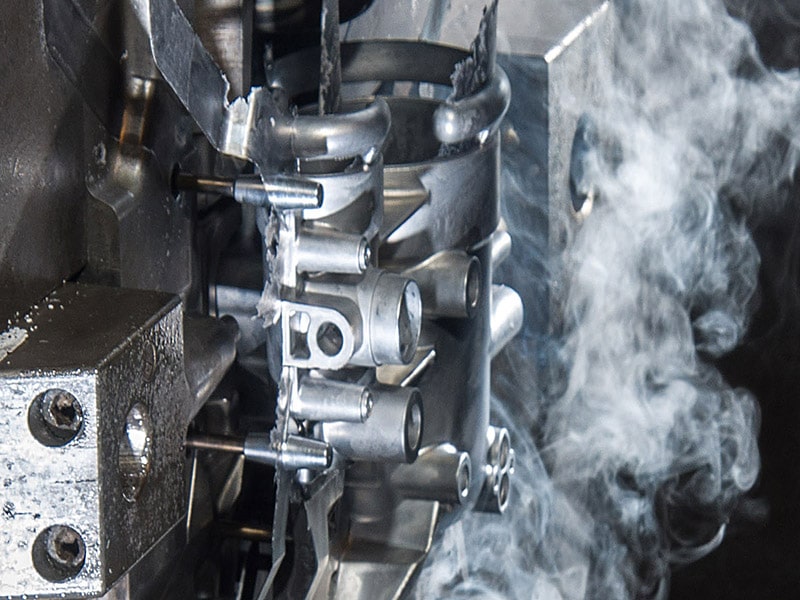
Modern manufacturing uses aluminium high-pressure die casting to make parts that are strong, light, and have many complex shapes. The reason automotive, aerospace, telecommunications, and consumer electronics all use it is that it can do both mass production and create very accurate pieces. Because the demand for quality aluminium high-pressure die-cast parts keeps increasing, it is important to deal with a well-known and certified supplier. In this area, the IATF 16949 certification is very important because it is a respected quality management standard used worldwide in the automotive industry. Such certification guarantees that quality control, proper risk handling, and continuous improvement are used during every stage of manufacturing. A certified aluminum die-casting and ISO 16949 company demonstrates its commitment to consistent product quality and customer satisfaction. Being a high precision die casting manufacturer and ITAF 16949 means meeting rigorous international standards and having the processes in place to minimize defects, enhance production efficiency, and ensure complete traceability of components. They can meet Tier 1 suppliers and OEMs by delivering components that exactly follow the business’s specifications. In addition, complying with aluminum die casting and 16949 standards means a manufacturer can meet expectations worldwide, mainly in areas where it is important to focus on safety and secure performance. Working with a suitable aluminium die casing partner that has IATF 16949 certification benefits your products, helps cut costs in the future, and strengthens the links in your supply chain. This article looks into how an aluminium high-pressure die casting manufacturer follows the IATF 16949 standard and its role. Aluminium High Pressure Die Casting  Aluminium high-pressure die casting helps make metal parts that are accurate in shape and have a perfect non-porous surface. When molten aluminium is injected into a steel mold at high pressure, it makes it possible to quickly fabricate complex parts and reduces later processing steps. Because it is strong and light, aluminium is widely used in many industries. The products made from this process are commonly seen in cars’ engines, housings, and brackets. For any aluminum die-casting and ITAF 16949 certified operation, maintaining the integrity of this process is vital to both quality and compliance. How IATF 16949 Helps in Die Casting? IATF 16949 is an international standard made for cars, and it uses quality management to ensure the reliability of products and their processes. Continuous development, prevention of quality issues, and lowering waste in the supply chain are the main elements of the system, which was created by the International Automotive Task Force. For manufacturers engaged in aluminum die-casting and ISO 16949 certification, certification is not just a regulatory requirement; it’s a badge of trust. It guarantees that the manufacturer follows quality rules that are respected everywhere. Besides, since IATF 16949 matches ISO 9001, it ensures full and proper quality management. Why is aluminium used in High Pressure Die Casting? Die casting benefits a lot from aluminium due to its ability to resist corrosion, its strong thermal conductivity, and being lighter than other metals like steel and brass. Because of these qualities, this material is suitable for cars since both light weight and performance depend on fuel efficiency. An IATF 16949 certification shows that all of these benefits are achieved by the business. For instance, manufacturers focusing on “high precision die casting manufacturer and ISO 16949 standards can assure customers of consistent product performance and minimal variance in production. What Makes an Aluminium Die Casting Manufacturer Reliable? Selecting a competent manufacturer is very important for firms doing aluminium die casting. A manufacturer should not only have the necessary know-how but also follow all quality standards. These are some of the essential traits you should notice: Using Precision in Die Casting Good die casting depends mostly on precise engineering. It confirms that components follow the tight guidelines of both dimensions and performance. Manufacturers who identify as high precision die casting manufacturers and ITA 16949 go to great lengths to implement exacting standards across the design and production cycle. Because of CAD/CAM software, quality inspection, and automated processes, production is kept as close as possible to the specific requirements. For applications like transmission housings, electronic enclosures, and important car components, the exactness needed is very important. Why Managing Quality Is Important? A well-structured quality management system (QMS) makes it possible to produce the same quality goods all the time. In the aluminium die casting industry, following the principles of IATF 16949 gives a way to control processes, reduce risks, and improve constantly. By following IATF 16949, a high precision die casting manufacturer and itaf 16949 ensures not only quality but also traceability and accountability. Everything is checked and confirmed along the supply chain to lower the chances of issues and defects. Below is a detailed and professional table that outlines key aspects of Aluminium High Pressure Die Casting Manufacturer and IATF 16949, integrating relevant information across different categories such as process, benefits, certification, and industry relevance. This table is ideal for use on a website, brochure, or presentation. Aluminium High Pressure Die Casting & IATF 16949 – Comprehensive Overview Category Details Manufacturing Process Aluminium is melted and injected into a steel mold under high pressure, producing complex shapes with excellent dimensional accuracy. Key Material Used Aluminium alloys (e.g., A380, ADC12, AlSi10Mg) are known for their strength, light weight, and thermal conductivity. Application Industries Automotive, Aerospace, Electronics, Industrial Equipment, Telecommunications, Consumer Goods. Advantages of Aluminium Die Casting – Lightweight components- High strength-to-weight ratio- Excellent surface finish- High-volume efficiency- Corrosion resistance Importance of Precision Tight tolerances and fine details can be achieved, ideal for engine parts, housings, connectors, brackets, and structural components. What is IATF 16949? A global quality management standard for the automotive industry, based on ISO 9001 with additional requirements specific to auto manufacturing. Benefits of IATF 16949 Certification – Consistent product quality- Risk-based thinking- Defect prevention- Better customer satisfaction- Competitive advantage Why Certification Matters Ensures traceability, standardized procedures, regulatory compliance, and ongoing performance improvement. Target Clients OEMs, Tier 1 & Tier 2 automotive suppliers, industrial system designers, and

شركات صب قوالب السيارات في الصين والعالم

شركات صب قوالب السيارات في الصين والعالم

صب الألومنيوم, شركات صب القوالب

يتأثر مستقبل صناعة السيارات إلى حد كبير بظهور صناعة قوالب الصب. تُعد مكونات المحركات، وعلب بطاريات السيارات الكهربائية وغيرها من الأجزاء المصنوعة عن طريق الصب بالقالب أساسية للحصول على سيارات قوية ودقيقة وأخف وزنًا. ونظرًا لأن الناس يشترون السيارات الكهربائية والسيارات الموفرة للوقود بأعداد أكبر، فإن الشركات العاملة في مجال الصب بالقالب في طليعة التقدم والحلول واسعة النطاق في هذا المجال. وقد أصبحت الصين، أكثر من أي بلد آخر، لاعباً رئيسياً في مجال صب القوالب بسبب الأدوات المتقدمة والقوى العاملة الماهرة والتصنيع بأسعار معقولة. الشركات الرائدة في هذا المجال هي شركة سينسير للتكنولوجيا وشركة سي إن إم تيك المحدودة وشركة جي سي بريسيجن مالدج المحدودة، والتي تتولى تصميم القوالب وكذلك التصنيع باستخدام الحاسب الآلي والتشطيب السطحي. وتقوم هذه الشركات بتصنيع أعداد كبيرة من القطع باستخدام كل من فحوصات الجودة والنماذج الأولية السريعة، مما يجذب شركات تصنيع السيارات المحلية والعالمية كشركاء. تتواجد في مختلف الدول شركات مثل "ويسكونسن ألومنيوم فاوندري" (الولايات المتحدة الأمريكية)، و"غيت إت ميد" (المملكة المتحدة)، و"إم إي إس" (الولايات المتحدة الأمريكية)، والتي تعمل على تغيير الصناعة. إن عقوداً من الخبرة وشهادات الأيزو 9001 و IATF 16949 والتركيز على أن تكون صديقة للبيئة ومبتكرة تضمن لهذه الشركات دعم التوقعات المحسنة لشركات صناعة السيارات من حيث الدقة والاعتمادية والاهتمام بالبيئة. يشير المقال إلى بعض اللاعبين الرئيسيين الذين يقودون التغييرات في صناعة صب قوالب السيارات. نظرًا لاتجاهات مثل الكهربة والرقمنة واستخدام الأساليب المستدامة، يُنظر إلى شركات صب القوالب على مستوى العالم، بما في ذلك في الصين، على أنها لاعبون رئيسيون في تحقيق التميز في السيارات. 1. شركة سينسير تيك سنة التأسيس: 2005عدد الموظفين: 100-200نوع العمل: شركة Sincere Tech هي واحدة من أكبر مصنعي قوالب حقن البلاستيك ومنتجي قوالب الصب ومزودي الآلات ومزودي خدمات التجميع في الصين. الموقع الإلكتروني وموقع الاتصال: https://plas.co/Phone: +86 135 135 30801277البريد الإلكتروني: steve@sincere-tech.comAddress: Rm101، N041، طريق دونغهو، جينغليان كون، بلدة تشياوتو، مدينة دونغقوان، مقاطعة قوانغدونغ، الصين. 523000. نبذة عن الشركة المورد الصيني لقوالب حقن البلاستيك وخدمات التشكيل، شركة سينسير تيك (Sincere Tech)، هي من بين الشركات الرائدة في الصين. منذ عام 2005، نتجت هذه الشركة من الجمع بين ختم المعادن والبلاستيك، وقوالب حقن البلاستيك الدقيقة، والتصنيع باستخدام الحاسب الآلي، وصب القوالب، وصب السيليكون. ماكينات متقدمة، وحماية المعلومات من خلال اتفاقيات عدم الإفصاح، والأسعار العادلة، وما يقرب من عقدين من الإنتاج الممتاز في انتظار عملائنا في شركة Sincere Tech. تُستخدم ماكينات القولبة بالحقن لما يتراوح وزنها من 60 إلى 1800 طن لخدمة صناعات مثل الإلكترونيات أو الطب أو السيارات أو مستحضرات التجميل ويتراوح وزن أجزائها من أقل من جرام إلى 8 كيلوجرامات. تهدف شركة Sincere Tech إلى بناء منتجات مقبولة في جميع أنحاء العالم وفقًا لالتزاماتها بالجودة العالية وفقًا لمعياري ISO 9001:2015 وISO 9000:2015. وقد أتاح الاهتمام بالجودة للشركة أن تخلق طلبًا كبيرًا على منتجاتها، لذا فهي تصدّر منتجاتها إلى فنلندا وعدد من الدول الأخرى. وباعتبارها من بين الشركات التي تقدم خدمات مماثلة، فإن شركة Sincere Tech معترف بها كشريك جدير بالثقة ومبتكر في مجال قولبة حقن البلاستيك. لماذا تختارنا؟ 2. شركة CNM Tech Co., Ltd. سنة التأسيس: 20+عدد الموظفين: 100-200 نوع العمل: شركة CNM Tech Co., Ltd. هي شركة تصنيع دقيقة تركز على خدمات صب القوالب والتصنيع باستخدام الحاسب الآلي وخدمات التجميع. الموقع الإلكتروني وموقع الاتصال: https://www.thediecasting.com/Contact: +86 13045898898002البريد الإلكتروني: sales@thediecasting.comAddress: عنوان المصنع: Rm 101, No.40, Donghu Road, Jinglian, Qiaotou town, Dongguan city, Guangdong Province, China. 523520. نبذة عن الشركة Thediecasting.com هو النطاق الرسمي الذي تعمل تحته شركة CNM Tech Co., Ltd. وهي شركة صينية متميزة في مجال حلول صب القوالب. الشركة هي شركة صينية تعمل في مجال صب قوالب الألومنيوم والمغنيسيوم والزنك؛ والتصنيع باستخدام الحاسب الآلي؛ وتشطيب الأسطح والتجميع ومقرها في دونغقوان بالصين. تتمتع شركة CNM Tech بأكثر من 20 عاماً من الخبرة في مجالات السيارات، والفضاء، والإلكترونيات، وغيرها. ونظراً للدقة العالية في التصنيع، فإن ورشة الأدوات الداخلية وماكينات التصنيع باستخدام الحاسب الآلي المتقدمة تضمن أيضاً. توفر شركة CNM Tech جميع أنواع التلميع، والسفع الرملي، والطلاء بالمسحوق، والطلاء بالزيت، وما إلى ذلك، مع منتجات تشطيبات عالية الجودة تتوافق مع احتياجات المستخدمين في جميع أنحاء العالم. التزاماتها بالجودة توفر شركة CNM Tech Co. المحدودة وثائق ISO 9001:2008، و TS16949، و ISO 14001:2015. وفي معظم الحالات، ستوفر لك هذه الوثائق ضمانًا بأن إدارة شركتك من الدرجة الأولى وستضمن أيضًا الامتثال لمعايير صناعة السيارات والأنشطة الصديقة للبيئة التي تقوم بها الشركة المعنية. نتيجة للالتزام الصارم بلوائح الجودة والبيئة، توفر شركة CNM Tech حلولاً رائعة لصب القوالب بأقل تأثير على البيئة، مع سمعتها الممتازة في السوق. لماذا تختارنا؟ 3. شركة GC Precision Mould Co., Ltd. سنة التأسيس: 1999عدد الموظفين: 100-200 نوع العمل: تقوم شركتنا، شركة GC Precision Mould Co., Ltd.، بصناعة قوالب الألومنيوم والزنك والمغنيسيوم والصب بالقالب باستخدام الحاسب الآلي وصب البلاستيك بالحقن. الموقع الإلكتروني وموقع الاتصال: https://aludiecasting.com/Contact: +86 131 131 4886 5556البريد الإلكتروني: info@aludiecasting.comAddress: عنوان المصنع 1: رقم 30 طريق هوان تشن هوان تشن، مدينة تشي شي، مدينة دونغقوان، مقاطعة قوانغدونغ، الصين، 523516 نبذة عن الشركة شركة GC Precision Mold Co., Ltd.، التي تعمل تحت اسم Aludiecasting.com، هي شركة صب القوالب وتصنيع الآلات الدقيقة وهي واحدة من الشركات الصينية الرائدة في مجال التصنيع. تأسست الشركة في عام 1999، وتشمل خدماتها صب قوالب الألومنيوم والزنك والمغنيسيوم، وصب البلاستيك بالحقن، والتشغيل الآلي باستخدام الحاسب الآلي والتشطيب السطحي. لديهم أحدث الماكينات مثل ماكينات الصب بالقالب بالضغط العالي (120 - 1600 طن) وماكينات القولبة بالحقن (80 - 2800 طن متصلة بصناعات مثل السيارات والفضاء والإلكترونيات. لديهم جودة صارمة للغاية لتوفير حلول التصنيع الدقيقة والمتينة والأرخص في جميع أنحاء العالم. التزامات الجودة الخاصة بهم توفر شركة GC Precision Mold Co., Ltd أفضل حلول صب القوالب والتصنيع الآلي كما هو محدد في شهادة ISO 9001. كما أن مراقبة الجودة لديهم صارمة للغاية لدرجة أنهم يقومون باختبار الدقة وآلات CMM والأشعة السينية وأجهزة قياس الطيف لضمان الحصول على منتج موثوق به. ومن خلال الالتزام الصارم بالمعايير الدولية، تضمن الشركة تسليم مكونات متناسقة وعالية الجودة مع الحد الأدنى من شكاوى العملاء بسبب جانب الموثوقية، وذلك للأسباب المشار إليها في كل مشروع. لماذا تختار شركة GC Precision Mould Co., Ltd؟ 4. الحصول عليها سنة التأسيس: 2011عدد الموظفين: 50-100نوع العمل: مُصنِّع ومورِّد لأجزاء صب قوالب السيارات. الموقع الإلكتروني وموقع الاتصال: https://get-it-made.co.uk/ البريد الإلكتروني: team@get-it-made.co.ukContact: +44 (0) 20 3286 6002+العنوان: Get It Made Ltd، الوحدة 1 Southbrook Mews، لندن SE12 8LG. نبذة عن الشركة تأسست Get It Made في لندن,

شركة سبائك الصب بالقالب في الصين والعالم 

شركة سبائك الصب بالقالب في الصين والعالم 

صب القوالب, شركات صب القوالب, شركة صب القوالب

يُستخدم الصب بالقالب السبيكي لإنتاج قطع معدنية معقدة تتطلب تفاوتات ضيقة وتشطيبات نهائية جيدة للغاية. ومن بين أمور أخرى، لها دور رئيسي في صناعات السيارات والفضاء والإلكترونيات والدفاع والأجهزة الطبية والمنتجات الاستهلاكية. يعمل المصنعون في جميع أنحاء العالم معًا، وتتصدر الصين هذه الصناعة لأن لديها بنية تحتية قوية وأشخاصًا مدربين تدريبًا جيدًا وأسعارًا جيدة. تعد شركة CNM Tech Co. Ltd. وشركة Sincere Tech وشركة GC Precision Mould Co. Ltd. من الشركات المعروفة في قطاع صب القوالب في الصين، وجميعها تتولى تصميم القوالب، والتصنيع باستخدام الحاسب الآلي، والتجميع النهائي. تستخدم هذه الشركات أحدث التقنيات وتتبع معايير الجودة العالمية مثل ISO 9001. وتدعم معظم خدماتها العملاء الدوليين، مما يمنحها دوراً رئيسياً في شبكات التوريد العالمية. تُعد شركات مثل Nemak (المكسيك)، وMRT Castings Ltd وHaworth Castings (المملكة المتحدة)، وPHB Inc. (الولايات المتحدة الأمريكية) أمثلة جيدة على تكنولوجيا الصب بالقالب المتقدمة خارج آسيا. ويُعد الابتكار والاستدامة والإنتاج الدقيق من الأمور الأساسية لهذه الشركات التي تقدم منتجاتها لقطاعات الطيران والطب والسيارات الكهربائية التي لديها لوائح صارمة. وتختلف هاتان الشركتان عن غيرهما من حيث المهارة العالية والتركيز القوي على الجودة والاهتمام بالعملاء والتغييرات الخضراء. يناقش هذا المقال العديد من الشركات الرائدة في مجال صب القوالب في الصين وحول العالم، مع تسليط الضوء على صفاتها الرئيسية ونقاط قوتها وسبب نجاحها في سوق العمل هذا. وبغض النظر عن أي جزء من العالم تتطلع إلى الاستعانة بمصادر خارجية، فإن الملفات التعريفية المقدمة تمنحك نصائح مفيدة حول أفضل خياراتك. سبائك الصب بالقالب في عملية الصب بالقالب السبيكي، يتم ضغط السبيكة المعدنية السائلة بقوة كبيرة في قوالب مصنوعة من الفولاذ، والتي يمكن إعادة استخدامها عدة مرات. تساعد طريقة الإنتاج هذه على إنشاء أجزاء معدنية دقيقة للغاية في أبعادها وسلسة ويمكن إنتاجها بكفاءة عالية. الخصائص الرئيسية لسبائك الصب بالقالب: 1. السبائك المستخدمة: تعتمد معظم هذه العمليات على السبائك المعدنية غير الحديدية، على سبيل المثال الألومنيوم والزنك والمغنيسيوم، والتي لها مزاياها المهمة المتعلقة بالوزن ومدى قوتها ومقاومتها للتآكل والتوصيل الحراري. 2. نظرة عامة على العملية: يحدث صهر السبيكة بعد ذلك، ويتم ذلك عن طريق وضع المادة في فرن. يستقبل القالب الصلب المقوى المعدن المنصهر الذي يدخل من خلال آلة الصب بالقالب. 3. أنواع الصب بالقالب هي: فيما يلي نقاط القوة الرئيسية لصب السبائك بالقالب: التطبيقات الشائعة: 1. شركة CNM Tech Co., Ltd. سنة التأسيس: 20+عدد الموظفين: 100-200نوع العمل: شركة CNM Tech Co., Ltd. هي شركة تصنيع دقيقة تركز على خدمات صب القوالب والتصنيع باستخدام الحاسب الآلي وخدمات التجميع. الموقع الإلكتروني وموقع الاتصال: https://www.thediecasting.com/Contact: +86 13045898898002البريد الإلكتروني: sales@thediecasting.comAddress: عنوان المصنع: Rm 101, No.40, Donghu Road, Jinglian, Qiaotou town, Dongguan City, Guangdong Province, China. 523520. نبذة عن الشركة إن صناعة مكونات الألومنيوم والزنك المصبوبة بالقالب بدقة هو ما تشتهر به شركة The Die Casting Company. تقدم الشركة خدمات صب كاملة من خلال امتلاكها للقدرات اللازمة لتصميم القوالب، وتصنيع الأدوات، والتصنيع باستخدام الحاسب الآلي، والتشطيب السطحي، واختبار الجودة داخل الشركة. تخدم الشركة صناعات السيارات، والكهرباء، والآلات الصناعية، وتجمع بين المعرفة الهندسية وشهادات الأيزو 9001. وبمساعدة التكنولوجيا الحديثة والنهج الصديق للعملاء، تقدم شركة The Die Casting Company أداءً عاليًا وتكلفة منخفضة وجودة لا تتغير. وبوجود مقرها الرئيسي في الهند، توفر شركة Codeplay الدعم المخصص والتسليم في الوقت المحدد للعملاء في جميع أنحاء العالم. الالتزام بالجودة الجودة العالية الجودة العالية مهمة في كل مهمة في شركة The Die Casting Company. بدءاً من فحص المواد الخام، تستخدم الشركة إجراءات صارمة لمراقبة الجودة وصولاً إلى اختبار المنتجات النهائية. ولأنها حاصلة على شهادة الأيزو 9001، تستخدم منشآتها أحدث المعدات ولديها فريق من العمال المدربين. يتم فحص كل قالب من القوالب بعناية من حيث القياسات والقوة والمظهر لتلبية ما يحتاجه العميل وما تتطلبه الصناعة. وبسبب هذا الالتزام، يشعر العملاء بالسعادة، وتحقق المنتجات أداءً موثوقًا به، ويتم بناء الثقة على المدى الطويل. لماذا شركتنا؟ 2. تقنية صادقة سنة التأسيس: 2005عدد الموظفين: 100-200نوع العمل: شركة Sincere Tech هي واحدة من أكبر الشركات المصنعة لقوالب حقن البلاستيك في الصين، ومنتجي قوالب الصب، ومزودي الآلات، ومزودي خدمات التجميع. الموقع الإلكتروني وموقع الاتصال: https://plas.co/Phone: +86 135 135 30801277البريد الإلكتروني: steve@sincere-tech.comAddress: Rm101، N041، طريق دونغهو، جينغليان كون، بلدة تشياوتو، مدينة دونغقوان، مقاطعة قوانغدونغ، الصين. 523000. نبذة عن الشركة في عام 2005، تأسست شركة سينسير تيك (plas.co)، وأصبحت مزودًا صينيًا رئيسيًا لقوالب حقن البلاستيك المخصصة وخدمات التشكيل. وبفضل عملها لمدة 18 عامًا في هذا المجال، فإن الشركة قادرة على تقديم حلول واسعة النطاق مثل تصميم القوالب، والتصنيع باستخدام الحاسب الآلي، وصب القوالب، وصب السيليكون، والتجميع. تعمل الشركة في مجال الإلكترونيات والسيارات والأدوية والأجهزة المنزلية، وتعتمد على آلات عالية التقنية مثل ماكينات التصنيع باستخدام الحاسب الآلي ذات 5 محاور وأجهزة القياس الآلي باستخدام الحاسب الآلي لضمان الدقة والجودة. وتلتزم الشركة بالمعايير الدولية، حيث تلتزم الشركة بشهادتي ISO 9001:2015 وQS 9000:2015 لضمان حصول العملاء على منتجات عالية الجودة في حدود الميزانية. الالتزام بالجودة في شركة Sincere Tech، يجب أن يتم كل شيء مع مراعاة الجودة. تستخدم الشركة معايير ISO 9001:2015 و QS 9000:2015 أثناء تصنيع جميع منتجاتها. من خلال الأدوات الحديثة واللوائح الصارمة، تضمن شركة Sincere Tech أن جميع منتجاتها مصنوعة وفقًا للمواصفات تمامًا. تتم مراقبة جميع العمليات، بدءًا من وضع التصميم وحتى الانتهاء من التجميع، عن كثب لضمان أن تكون بعض الأجزاء قوية ودقيقة وتجعل العملاء سعداء، وهذا هو السبب في أنها تحظى باحترام الصناعة. لماذا شركتنا؟ 3. شركة GC Precision Mould Co., Ltd. سنة التأسيس: 1999عدد الموظفين: 100-200 نوع العمل: شركتنا، شركة GC PrecisionMould Co., Ltd، تقوم بصب الألومنيوم والزنك والمغنيسيوم بالقالب والصب باستخدام الحاسب الآلي وصب حقن البلاستيك الموقع الإلكتروني وموقع الاتصال: https://aludiecasting.com/Contact: +86 131 131 4886 5556البريد الإلكتروني: info@aludiecasting.comAddress: عنوان المصنع 1: رقم 30 طريق هوان تشن هوان تشن، مدينة تشي شي، مدينة دونغقوان، مقاطعة قوانغدونغ، الصين، 523516 نبذة عن الشركة بدأت شركة GC PrecisioMould Co., Ltd. في عام 1999 وأصبحت الآن واحدة من أكبر الموردين العالميين لفنون الصب الفردي والمنتجات المصنوعة آليًا من المعادن غير الحديدية. تعمل شركة Fireray Precision Equipment في هذا المجال منذ أكثر من عقدين من الزمن، وتقوم في المقام الأول بصب الألومنيوم بالقالب وصب الزنك بالقالب وصب الرمل البرونزي وصب الألومنيوم بالجاذبية والصب بالجاذبية والصب الدقيق باستخدام الحاسب الآلي. يقع مقرها في مدينة دونغقوان بمقاطعة قوانغدونغ بالصين، شركة GC PrecisionMould Co.

مستقبل التصنيع: استكشاف صب الألومنيوم بالقالب في السيارات

مستقبل التصنيع: استكشاف صب الألومنيوم بالقالب في السيارات

صب الألومنيوم, صب القوالب الألومنيوم

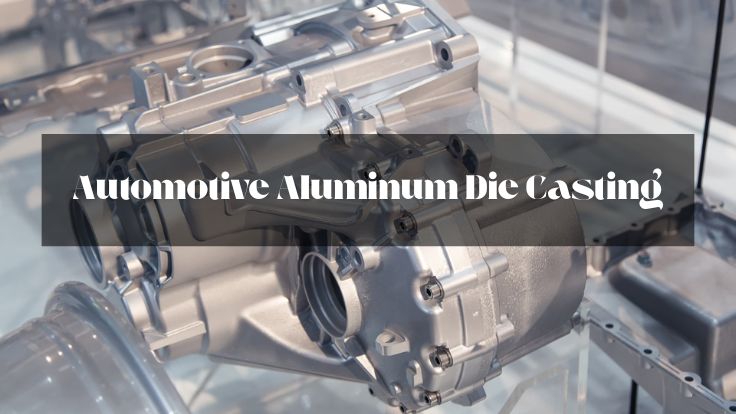
The rapid changes in the automotive industry mean car companies always need to build vehicles that are lighter, safer, and save energy. One key technology behind this change is automotive aluminum die casting. Thanks to this process, manufacturers can form metal parts that are both strong and light, maintaining the necessary complex figures and precision needed today in automotive work. As there is growing interest in EVs, improved security, and fuel savings, automotive die casting is now used more than ever. In die casting, aluminum is poured into a small, highly accurate steel mold at considerable force. The process allows for quick and regularly repeatable results and the parts have precise dimensions and look great. Right now, many die casting products are put to great use in important parts of cars such as engine blocks, transmission housings, car suspensions and battery enclosures. The construction must be solid, but it also has to meet high standards for heat and stress. Because people are choosing aluminum more than steel, many makers are turning to automotive aluminum die casting since it helps lower vehicle weight without hurting strength. Modern advances in machines, materials and sustainability make it possible for manufacturers to produce aluminium die casting parts for vehicles that satisfy modern regulations and please the environment. We go over the main ideas in automotive die casting which include materials, machines, design criteria and examples of their use. No matter if you work in the industry or not, understanding automotive die casting helps you see the evolution of manufacturing and the future of vehicles. What is the process known as automotive aluminum die casting? Automotive aluminum die casting takes place by injecting melting aluminum into steel dies using tremendous pressure. As soon as the aluminum becomes solid, it establishes a part that is both precise and tough, with a fine surface finish and good dimensions. Because safety, performance, and efficiency matter most in the automotive sector, these features are vital. This way of manufacturing helps produce complex designs that cannot be achieved with traditional production. Because it is light, using aluminum helps vehicles shed weight without becoming weaker. Design Engineering All automotive casting starts with a complete design and engineering phase. With 3D CAD software, engineers can make a model and test it to predict its actions in reality. The molding simulations show how molten metal is shaped inside the mold, how it will set, and where possible problems with air pockets or shrinkage could happen. The goal is to enhance the performance, strength, and ease of manufacturing of the part. The team also figures out the end joining process and the aluminum alloy suitable for the application. The process of making a Die (Mold) The design is followed by creating the die, which will shape the molten material in the process. These dies are expertly made to measure with tight tolerances and resist many casting attempts. Whether the job is complex or produced in high volume, the die may be made to work with more than one cavity. The die will also hold special channels for cooling and pins that will eject the part as soon as it is done solidifying. A well-designed die helps ensure the product is dimensionally accurate, has a good surface, and the tools last a long time. Adjust the Metal After that, aluminum ingots are melted further in industrial furnaces that work beyond 660°C (1220°F), the melting point for aluminum. The molten material is held at a constant temperature and is often freed from hydrogen, which might otherwise cause empty spaces inside. Sometimes chemicals are combined to provide extra strength, increased flexibility, or less susceptibility to corrosion of the aluminum. Since impurities in the molten metal may create flaws in the final item, the metal needs to be clean. Injection and Casting High-pressure die casting is a key process since the molten aluminum is shot into the mold at super-fast and extremely high pressure. Fast filling the metal into all corners of the die catches the tiny details from the part design. All the stress involved helps to reduce air pockets inside the components, which makes them powerful and solid. Just after the die is filled, the aluminum starts to cool and harden in only a few seconds. A fast initial cooling allows for a good grain structure and a perfect surface finish. Finished air tanks are sent through cooling and then ejected The air in the die is released and, with automated pins, the molded part is ejected after the aluminum has solidified. Throughout the die, temperature is controlled, and cycle times are cut down because of the cooling channels. The process at this phase requires attention because crooked cooling may result in either cracks or warping. Even after being ejected, the casting keeps its warmth and may undergo more treatment before entering the next step. The trimmers and finishers are part of this, too Often, in the casting process, some runner and flash pieces are left that have to be cut off. Trimming or machining the ends is how this is done. Sometimes, drilling, threading, surface grinding, or applying a coating is needed to finish the item accurately for its purpose. Sometimes, shops apply heat treatments to help increase a metal’s strength and ability to resist fatigue. After everything is finished, the parts are inspected for both inside and outside problems with measurements, X-rays, or ultrasonic machines. The assembly or shipping of objects is accomplished in stages A thorough check and finish mean the casting can either go to the customer or be carried forward for assembly systems. Before going into vehicles, the housing, brackets, and mounts are assembled with many other mechanical or electronic elements. Castings are best protected during transportation, and the supply chain moves smoothly if logistics and packing are effective. Benefits of Automotive Die Casting in the Automotive Industry More automakers are adopting aluminum components because of the benefits made possible by automotive die casting. The main benefit is that vehicles

أفضل 10 خدمات صب القوالب حسب الطلب في الصين

أفضل 10 خدمات صب القوالب حسب الطلب في الصين

الماكينات الهندسية الصينية, شركات صب القوالب, مُصنِّع قوالب الصب بالقالب

تشتهر الصين بمكانتها الرائدة عالمياً في مجال التصنيع، بما في ذلك صناعة الصب بالقالب التي تخدم صناعات السيارات والفضاء والإلكترونيات والسلع الاستهلاكية والآلات الصناعية. وتتطلب كل هذه الصناعات مكونات معدنية عالية الجودة. من بين جميع تقنيات تشكيل المعادن، فإن الصب بالقالب هو الأكثر تميزًا من بين جميع تقنيات تشكيل المعادن، حيث أنه الأكثر تميزًا من حيث القدرة على تحقيق مستويات عالية الدقة في التشكيل المعقد، والتشطيب السطحي، والقوة، وفعالية التكلفة. وفي الصين، تبرز صناعة خدمات الصب بالقالب حسب الطلب في الصين لتحتل مكانة عالمية المستوى بسبب دقة التسويق والتركيز على التكنولوجيا. إن إنشاء النماذج الأولية للشركات الناشئة وحلول الإنتاج القابلة للتطوير للشركات متعددة الجنسيات مصممة خصيصًا للخدمات التي يقدمها مقدمو خدمات صب القوالب في الصين. فهم يمتلكون المعدات والقدرة الهندسية لتحويل المفاهيم إلى واقع ملموس. دعونا الآن نتعمق أكثر في أفضلهم وما يميزهم عن المنافسين العالميين الآخرين. يمكن أن يؤثر اختيار شريك مناسب لصب القوالب في الصين تأثيرًا استراتيجيًا على جودة منتجاتك وكفاءة تكلفتها وموثوقيتها. يقدم كبار مصنعي قوالب الصب في الصين خدمات ذات قيمة مضافة تتجاوز مجرد صب القوالب. تشمل هذه الخدمات استشارات التصميم، وصناعة القوالب، والتصنيع باستخدام الحاسب الآلي، والتشطيبات السطحية، ومراقبة الجودة، وحتى التجميع، وكلها تتم داخل الشركة. وقد اكتسبت هذه الشركات عملاء دوليين بسبب قدرتها على تحقيق إنتاج بكميات كبيرة باستمرار. لقد أعددنا لك قائمة بأفضل 10 خدمات صب القوالب المخصصة في الصين بناءً على تطور معداتها وقدرتها الإنتاجية وشهاداتها - ISO 9001 و IATF 16949، بالإضافة إلى ملاحظات العملاء والتعرض للأعمال الأجنبية. تلتزم هذه الشركات الرائدة في الصناعة بتحسين عمليات الإنتاج الفعالة مع تلبية متطلبات العملاء المتغيرة باستمرار. شركة سينسير تيك سنة التأسيس: 2005عدد الموظفين: 100-500نوع العمل: تصنيع قوالب حقن البلاستيك، صب القوالب، التصنيع باستخدام الحاسب الآلي، خدمات التجميع الموقع الإلكتروني والاتصال: الموقع الإلكتروني: plasticmold.netالبريد الإلكتروني: info@plasticmold.netPhone: +86 135 135 30801277العنوان: المبنى رقم 1، رقم 30 طريق هوان تشن، قرية شانغ دونغ، مدينة تشي شي، مدينة دونغقوان، مقاطعة قوانغدونغ، الصين، 523000 الملف التجاري شركة سينسير تيك هي إحدى الشركات الرائدة في مجال صب القوالب المخصصة في الصين. ويقع مقرها الرئيسي في مدينة دونغقوان بمقاطعة قوانغدونغ، وهي مجهزة بمصانع وقوة عاملة تتراوح بين 100 إلى 500 موظف. وبالإضافة إلى صب القوالب، تشمل خبرات شركة Sincere Tech قولبة حقن البلاستيك والتصنيع باستخدام الحاسب الآلي وغيرها. وعلى مدار عقود، اكتسبت شركة Sincere Tech سمعة طيبة على مدار عقود من الزمن في مجال الدقة والموثوقية كشركة مصنعة متعاقدة مع عملاء متعددي الجنسيات في قطاعات السيارات والإلكترونيات والقطاعات الطبية والصناعية والقطاعات الصناعية والقطاعات الصناعية. التزامات الجودة إن شركة Sincere Tech حاصلة على شهادة الأيزو 9001، وبالتالي فإن بروتوكولاتها وضوابطها الداخلية تخضع لمعايير صارمة. كما تضمن هذه الشهادة توافق المؤسسة مع المعايير الدولية لأنظمة إدارة الجودة. تضيف شركة Sincere Tech قيمة مضافة لعملائها من خلال دمج الجودة في كل مرحلة من مراحل الإنتاج، بما في ذلك: اختيار المواد الخام، والأدوات، والإنتاج، وكلها تستخدم أحدث أجهزة قياس الضغط المتسلسل وأجهزة العرض لضمان دقة القياسات. لماذا تختار شركة سينسير للتكنولوجيا؟ شركة GC Precision Mould Co., Ltd سنة التأسيس: 1999عدد الموظفين: 100-200+ نوع العمل: صب الألومنيوم والزنك والمغنيسيوم بالقالب، التصنيع باستخدام الحاسب الآلي، صب حقن البلاستيك الموقع الإلكتروني والاتصال: الموقع الإلكتروني: aludiecasting.comالبريد الإلكتروني: info@aludiecasting.comPhone: +86 131 131 4886 5556العنوان: No. 30 Huan Zhen Rd, Qi Shi Town, Dongguan City, Guangdong County, Guangdong County China, 523516 الملف التجاري تأسست شركة GC Precision Mould Co., Ltd. في عام 1999، ويقع مقرها في مدينة دونغقوان بمقاطعة قوانغدونغ بالصين. وهي متخصصة في صب القوالب حسب الطلب ولديها قوة عاملة من حوالي 100 إلى 200 موظف. تقدم الشركة خدمات صب قوالب الألومنيوم والزنك والمغنيسيوم، والتصنيع باستخدام الحاسب الآلي، وخدمات صب حقن البلاستيك. مع شركة GC Precision، يمكن للعملاء الحصول على خدمات كاملة من تصميم القوالب إلى الإنتاج بغض النظر عن مدى بساطة أو تعقيد المشروع. التزامات الجودة تحافظ شركة GC Precision على أسعار تنافسية مع تقديم حلول صب القوالب المخصصة عالية الجودة لعملائها. وتتبع الشركة إرشادات ISO 9001، وبالتالي فإن إجراءات الجودة الخاصة بها مثل فحص القوالب، وفحص المادة الأولى، وعمليات الفحص أثناء العملية، والفحص النهائي تضمن تلبية متطلبات العملاء دائمًا. لماذا تختار GC Precision Mould؟ شركة CNM Tech Co., Ltd. سنة التأسيس: منذ أكثر من 20 عامًاعدد الموظفين: 100-400نوع العمل: صب القوالب الدقيقة، التصنيع باستخدام الحاسب الآلي، خدمات التجميع الموقع الإلكتروني والاتصال: الموقع الإلكتروني: diecastingschina.comالبريد الإلكتروني: info@diecastingschina.comPhone: +86 130 130 4589 8002 العنوان: Rm 101, No.40, Donghu road, Jinglian, Qiaotou town, Dongguan city, Guangdong Province, China. 523520. ملف تعريف الشركة بعد فترة وجيزة من استكمال تسجيل الأعمال في مدينة دونغقوان بمقاطعة قوانغدونغ، أصبحت شركة CNM Tech Co. Ltd. معروفة في صناعة الصب بالقالب المخصص. بقوة 100-400 موظف، تتخصص الشركة في صب قوالب الألومنيوم بالقالب مع التصنيع باستخدام الحاسب الآلي والتجميع الكامل الخدمات. وهي تلبي احتياجات صناعات السيارات، والإلكترونيات، والصناعات الطبية، والمنتجات الاستهلاكية. تضمن شركة CNM Tech الجودة في كل خطوة من خطوات العملية بفضل حصولها على شهادة الأيزو 9001 ISO 9001. توظف الشركة أجهزة اختبار بالموجات فوق الصوتية، وماسحات ضوئية ثلاثية الأبعاد، وأجهزة قياس المسح الضوئي ثلاثية الأبعاد، وأجهزة قياس المسافة المقطعية لإجراء عمليات فحص شاملة خلال جميع مراحل الإنتاج لضمان الدقة والجودة. لماذا تختار شركة CNM Tech؟ شركة Sunrise Metal Technology Co., Ltd. سنة التأسيس: 2010عدد الموظفين: 100-300نوع العمل: مُصنِّع قوالب صب الألومنيوم عالية الدقة والمخصصة للقالب والتصنيع باستخدام الحاسب الآلي ومزود خدمة تجميع المنتجات. الموقع الإلكتروني والاتصال: الموقع الإلكتروني: sunrise-metal.comالبريد الإلكتروني: sales@sunrise-metal.comPhone: (+86) 139 1265 1818+العنوان: رقم 1456، طريق فوشيكانج، كونشان، جيانغسو، الصين (215300) نبذة عن الشركة بدأت شركة Sunrise Metal Technology Co., Ltd. عملياتها في عام 2010 ويقع مقرها في مدينة شينزين. تركز الشركة على قطاعات مثل صب قوالب الألومنيوم، والنماذج الأولية السريعة، والتصنيع باستخدام الحاسب الآلي، والتشطيب السطحي، وهي مورد للصناعات الطبية وصناعة السيارات والاتصالات السلكية واللاسلكية والمعدات الصناعية. التزامات الجودة تعمل شركة Sunrise Metal وفقًا لمعيار ISO 9001:2015 و IATF 16949:2016. ويمثل الالتزام باللوائح علامة على اليقظة الصارمة بشأن الدقة في القياسات. يتم إجراء ضوابط الجودة المتقدمة مثل محاكاة تدفق القوالب، وعمليات الفحص بالأشعة السينية، وقياسات CMM، وفحص المادة الأولى (FAI). لماذا تختار Sunrise Metal Technology؟ شركة EMP Tech Co., Ltd. سنة التأسيس: 1990عدد الموظفين: 500+نوع العمل: شركة تصنيع قوالب الصب المخصصة المتخصصة في صب قوالب الألومنيوم بالقالب والتصنيع باستخدام الحاسب الآلي وتجميع المنتجات. الموقع الإلكتروني والاتصال: الموقع الإلكتروني: empcasting.comالبريد الإلكتروني: info@empcasting.comPhone: +86 180 180 3316 3576 العنوان: رقم 38 طريق دوانزو الثالث، تشاوتشينغ (526060)، قوانغدونغ، الصين. نبذة عن الشركة بدءًا من عام 1990، تتمتع شركة EMP Tech Co. Ltd. بسمعة طيبة في تقديم خدمات صب قوالب الألومنيوم عالية الدقة إلى جانب خدمات التصنيع باستخدام الحاسب الآلي. EMP

انتقل إلى الأعلى

احصل على عرض أسعار