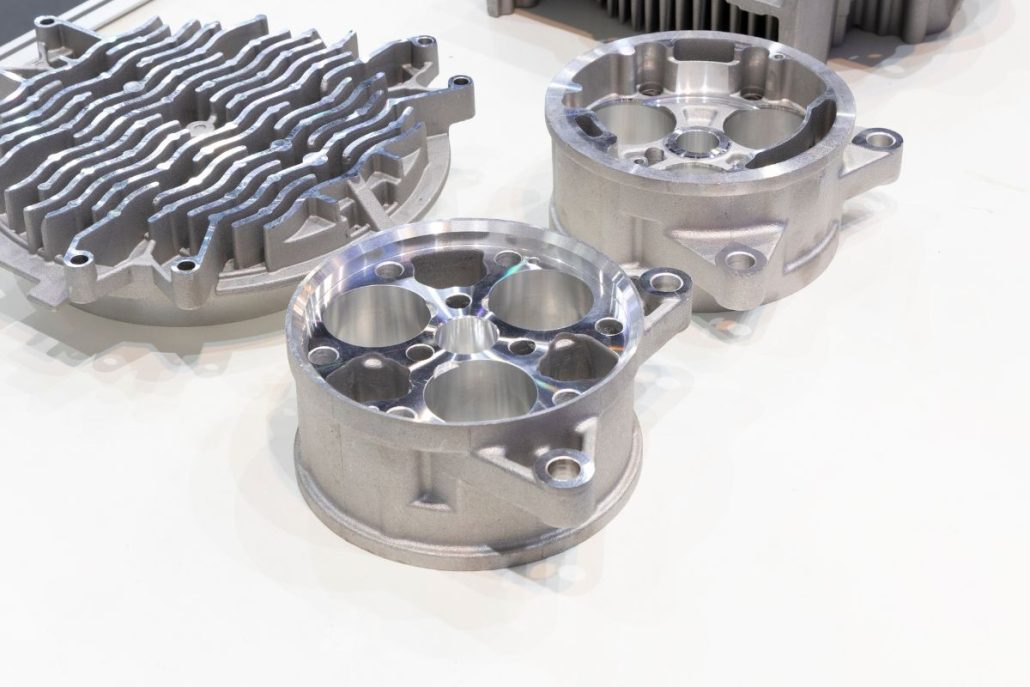
صب القوالب بالضغط العالي

أفضل 10 شركات لصب القوالب في الصين والولايات المتحدة الأمريكية

أفضل 10 شركات لصب القوالب في الصين والولايات المتحدة الأمريكية

صب القوالب, شركات صب القوالب, شركة صب القوالب

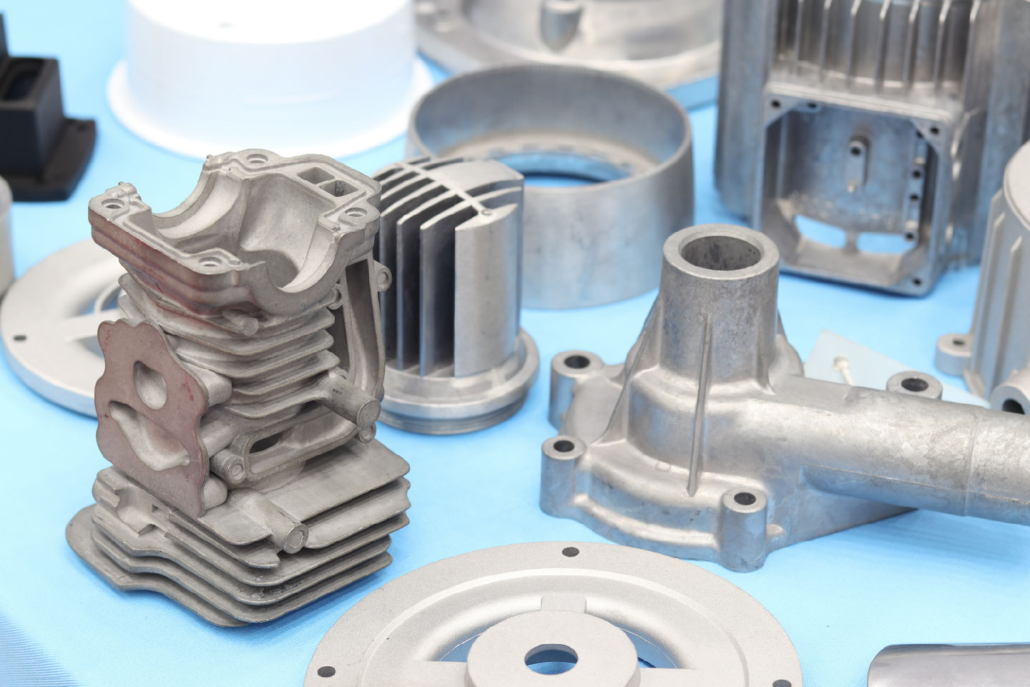
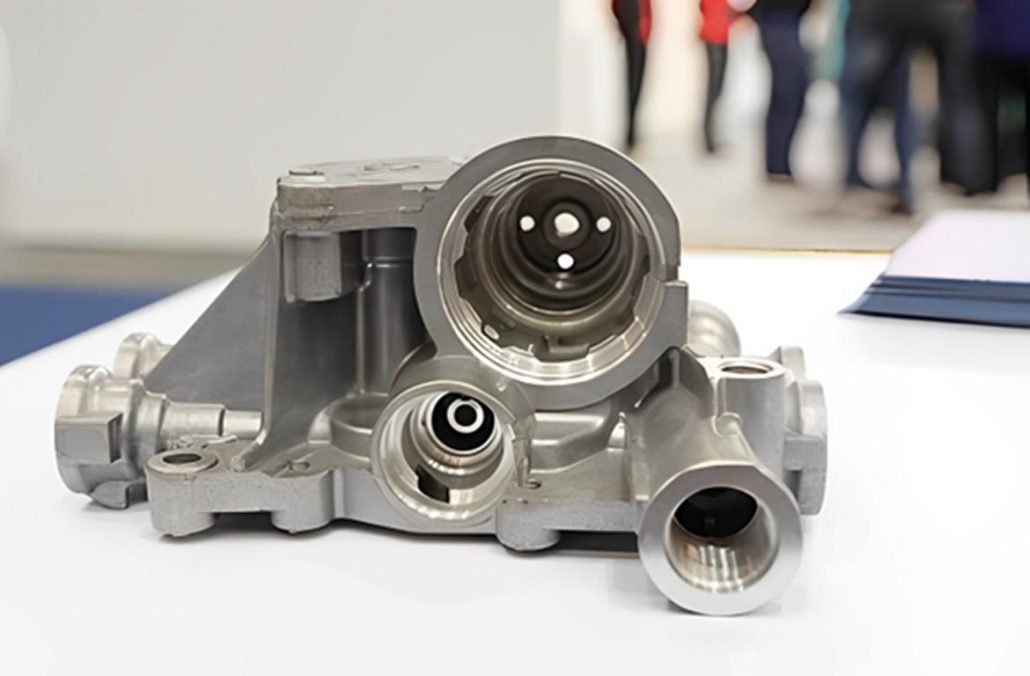
لا تزال طريقة إنتاج الصب بالقالب عملية أساسية في صناعة المنتجات المختلفة في العديد من الصناعات بما في ذلك إنتاج السيارات إلى جانب تطبيقات الطيران والمكونات الإلكترونية إلى جانب إنتاج الآلات الصناعية. إنها عملية حقن المعدن المنصهر في تجويف القالب تحت ضغط عالٍ للحصول على مكونات معدنية عالية الدقة ومتينة. وقد ظهرت العديد من شركات خدمات صب القوالب بسبب ارتفاع الطلب في السوق على حلول التصنيع عالية الجودة. ويعمل أكثر منتجي الصب بالقالب إنجازًا في العالم من الصين والولايات المتحدة الأمريكية مدفوعين بالتقدم في قدراتهم التكنولوجية والتفاني القوي في التميز في التصنيع. يعمل السوق الصيني كمركز عالمي لصب القوالب حيث تقدم الشركات خدمات بأسعار معقولة مع متطلبات الصناعة الصارمة. وتوفر هذه الشركات المصنعة حزم خدمات كاملة تشمل تصميم القوالب إلى جانب خدمات الإنتاج إلى جانب حلول التشطيب السطحي والتجميع. تعمل الولايات المتحدة الأمريكية من خلال نظام يركز على الابتكار مع الحفاظ على معايير الجودة الصارمة بالإضافة إلى الممارسات الهندسية الدقيقة. وتوفر شركات صب القوالب في أمريكا حلولاً في مختلف القطاعات الصناعية التي تقدم صفات أداء استثنائية. هذا المنشور عبارة عن قائمة بأفضل 10 شركات لصب القوالب في الصين والولايات المتحدة الأمريكية، مع عرض تاريخها وقدراتها. تتصدر الشركات المذكورة هذه الصناعة لأنها تقدم خدمات إنتاج يمكن الاعتماد عليها في كل نطاق إلى جانب الخبرة المتخصصة في مجال صب القوالب. 1. Sincere Tech سنة التأسيس: 2005عدد الموظفين: 100-200نوع العمل: شركة Sincere Tech هي واحدة من أكبر مصنعي قوالب حقن البلاستيك في الصين، ومنتجي قوالب الصب، ومقدمي خدمات التصنيع والتجميع. الموقع الإلكتروني وموقع الاتصال: https://plas.co/Phone: +86 135 135 30801277البريد الإلكتروني: steve@sincere-tech.comAddress: Rm101، N041، طريق دونغهو، جينغليان كون، بلدة تشياوتو، مدينة دونغجوان، مقاطعة قوانغدونغ، الصين. 523000. نبذة عن الشركة شركة Sincere Tech، وهي شركة صينية رائدة في مجال توريد قوالب حقن البلاستيك وخدمات التشكيل. تأسست هذه الشركة في عام 2005، وتُعد قوالب ختم المعادن والبلاستيك، وقوالب حقن البلاستيك الدقيقة، والتصنيع باستخدام الحاسب الآلي، وصب القوالب، وصب السيليكون من ميزاتها التنافسية في السوق. تمتلك شركة Sincere Tech معدات متطورة، وحماية NDA، وأسعار تنافسية وخبرة 18 عامًا في الإنتاج عالي الجودة. وبفضل ماكينات القولبة بالحقن التي يتراوح وزنها من 60 إلى 1800 طن والتي تخدم صناعات الإلكترونيات أو الصناعات الطبية أو السيارات أو مستحضرات التجميل، يتم إنتاج مكوناتها التي يقل وزنها عن 1 جرام إلى 8 كيلوجرامات بكفاءة. التزاماتهم بالجودة تكرس شركة Sincere Tech جهودها لتصنيع منتجات تلبي معايير الجودة العالمية وفقًا لمعايير الجودة العالمية وفقًا لمعيار ISO 9001:2015 وQS 9000:2015. لقد كرسوا جهودهم للجودة وهذا ما مكّن الشركة من تنمية الطلب الهائل على منتجاتهم وتصديرها إلى فنلندا وبلدان أخرى. من بين جميع شركاء صناعة قولبة حقن البلاستيك الذين يقدمون نفس جودة الخدمات تقريبًا، فإن شركة Sincere Tech هي التي تبرز كشريك جدير بالثقة ومبتكر في مجال قولبة حقن البلاستيك. لماذا تختار شركة Sincere Tech؟ يجب على العملاء الذين يسعون للحصول على خدمات صب القوالب من الصين أو الولايات المتحدة الأمريكية التواصل مع شركات التصنيع الجديرة بالثقة التي ستقدم مساعدة احترافية. 2. شركة CNM Tech Co., Ltd. سنة التأسيس: 20+عدد الموظفين: 100-200نوع العمل: شركة CNM Tech Co., Ltd. هي شركة تصنيع دقيقة تركز على خدمات صب القوالب والتصنيع باستخدام الحاسب الآلي وخدمات التجميع. الموقع الإلكتروني وموقع الاتصال: https://www.thediecasting.com/Contact: +86 13045898898002البريد الإلكتروني: sales@thediecasting.comAddress: عنوان المصنع: Rm 101, No.40, Donghu Road, Jinglian, Qiaotou town, Dongguan city, Guangdong Province, China. 523520. نبذة عن الشركة Thediecasting.com هو النطاق الرسمي الذي تعمل تحته شركة CNM Tech Co., Ltd. وهي شركة صينية متميزة في مجال حلول صب القوالب. الشركة هي شركة صينية تعمل في مجال صب قوالب الألومنيوم والمغنيسيوم والزنك؛ والتصنيع باستخدام الحاسب الآلي؛ وتشطيب الأسطح والتجميع ومقرها في دونغقوان بالصين. تتمتع شركة CNM Tech بأكثر من 20 عاماً من الخبرة في مجالات السيارات، والفضاء، والإلكترونيات، وغيرها. ونظرًا لدقة التصنيع العالية التي يضمنها متجر الأدوات الداخلي وماكينات التصنيع باستخدام الحاسب الآلي المتقدمة. توفر شركة CNM Tech جميع أنواع التلميع، والسفع الرملي، والطلاء بالمسحوق، والطلاء بالزيت، وما إلى ذلك بمنتجات تشطيبات عالية الجودة تتوافق مع احتياجات المستخدمين في جميع أنحاء العالم. التزاماتهم بالجودة تقدم شركة CNM Tech Co., Ltd. وثائق ISO 9001:2008 و TS16949 و ISO 14001:2015. في معظم الحالات، ستوفر لك هذه الوثائق ضمانًا بأن إدارة الشركة من الدرجة الأولى وستضمن أيضًا الامتثال لمعايير صناعة السيارات والأنشطة الصديقة للبيئة التي تقوم بها الشركة المعنية. ونتيجة لاتباعها الصارم للوائح الجودة واللوائح البيئية، توفر شركة CNM Tech حلولاً رائعة لصب القوالب بأقل تأثير بيئي ممكن، فضلاً عن سمعتها الممتازة في السوق. لماذا تختار شركة CNM Tech Co., Ltd؟ يجب على العملاء الذين يسعون للحصول على خدمات صب القوالب من الصين أو الولايات المتحدة الأمريكية أن يتواصلوا مع شركات التصنيع الجديرة بالثقة التي ستقدم مساعدة احترافية. 3. شركة GC Precision Mold Co., Ltd. سنة التأسيس: 1999عدد الموظفين: 100-200نوع العمل: تقوم شركتنا GC Precision Mold Co., Ltd. بصب قوالب الألومنيوم والزنك والمغنيسيوم والصب باستخدام الحاسب الآلي وصب حقن البلاستيك. الموقع الإلكتروني وموقع الاتصال: https://aludiecasting.com/Contact: +86 131 131 4886 5556البريد الإلكتروني: info@aludiecasting.comAddress: عنوان المصنع 1: رقم 30 طريق هوان تشن هوان تشن، مدينة تشي شي، مدينة دونغقوان، مقاطعة قوانغدونغ الصين، 523516 نبذة عن الشركة شركة GC Precision Mold Co., Ltd.، التي تعمل تحت اسم Aludiecasting.com هي شركة لصب القوالب وتصنيع الآلات الدقيقة وهي واحدة من الشركات الصينية الرائدة في مجال التصنيع. تأسست الشركة في عام 1999، وتشمل خدماتها صب قوالب الألومنيوم والزنك والمغنيسيوم، وصب البلاستيك بالحقن، والتصنيع باستخدام الحاسب الآلي والتشطيب السطحي. لديهم أحدث الآلات الفنية مثل ماكينات صب القوالب عالية الضغط (120 - 1600 طن) وماكينات حقن القوالب (80 - 2800 طن متصلة بصناعات مثل السيارات والفضاء والإلكترونيات. لديهم جودة صارمة للغاية لتوفير حلول التصنيع الدقيقة والمتينة والأرخص في جميع أنحاء العالم. التزاماتهم المتعلقة بالجودة توفر شركة GC Precision Mold Co Ltd أفضل حلول صب القوالب والتصنيع الآلي كما هو محدد في شهادة الأيزو 9001 التي تمنحهم شهادة الأيزو 9001 حيث إن مراقبة الجودة لديهم صارمة للغاية لدرجة أنهم يختبرون الدقة وآلات CMM والأشعة السينية وأجهزة قياس الطيف لضمان منتج موثوق به. ومن خلال الالتزام الصارم بالمعايير الدولية، تضمن الشركة تسليم مكونات متناسقة وعالية الجودة مع الحد الأدنى من شكاوى العملاء بسبب جانب الموثوقية للأسباب المشار إليها في كل مشروع. لماذا تختار شركة GC Precision Mould المحدودة؟ يجب على العملاء الذين يسعون للحصول على خدمات صب القوالب من الصين أو الولايات المتحدة الأمريكية أن يتواصلوا مع شركات التصنيع الجديرة بالثقة التي ستقدم المساعدة المهنية. 4.

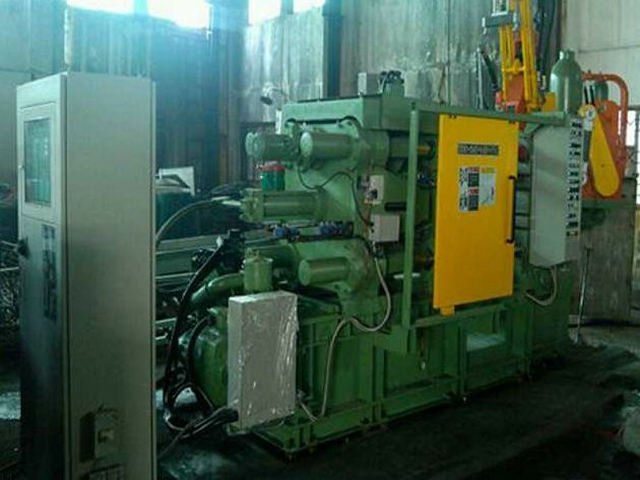
أفضل 10 شركات لتصنيع مصبوبات الألومنيوم في الصين والولايات المتحدة الأمريكية

صب الألومنيوم

Because it is lightweight, strong, and durable, aluminum casting is widely used throughout different industries from automotive to aerospace, electronics to consumer goods. The manufacturing process calls for aluminum parts to be made by pouring molten metal into molds for the production of highly detailed and precise components. Aluminum is a very versatile metal as it is easily recyclable and corrosion resistant and hence provides an excellent option for many applications. China and the USA, in recent years, are the two major global hubs for aluminum casting production and they both have a wide manufacturer range in the various industries and sectors. Mass production is the hallmark of China, which can then deliver reasonable prices and a variety of casting solutions for large production. However, the USA boasts a great number of top-tier companies that specialize in high quality, precision casting, advanced technology, and ecofriendly approaches, working with those industries that require sophisticated and custom-made aluminum cast components. In this article, we will overview the top 10 aluminum casting companies in China and the USA describing their capabilities, experience in the industry, and something unique to help the companies choose the right aluminum casting manufacturing partner. 1.  GC Precision Mold Co., Ltd. Year of Establishment: 1999Number of Employees: 100-200Business Type: Serving industries such as the auto, aero, and electronics industries, the company has gained international market trust. Website and Contact: Website: https://aludiecasting.com/Contact: +86 131 4886 5556Email: info@aludiecasting.comAddress: Factory Address 1: No. 30 Huan Zhen Rd, Qi Shi Town, Dongguan City, Guangdong Province China, 523516 Company Profile Founded in 1999, GC Precision Mold Co., Ltd. is a global leader in high-quality aluminum die casting and nonferrous metal products. It has two special properties plants located in Dongguan, China, and offers services including high-pressure die casting, sand casting, and forging. As a result of over two decades of experience, the company delivers precision, consistent quality, and flexible material offerings to a variety of industries such as automotive, aerospace, and electronics. Both client satisfaction and GC Precision Mold commit to honorable words and behavior in providing the best product. Their Quality Commitments Its various certificates are proof that GC Precision Mold Co., Ltd. adheres to the highest standards of quality and operational excellence. The company possesses certificates from ISO 9001 on Quality Management Systems, which demonstrates the company’s ability to provide the product according to customer requirements at all stages and to enhance quality systematically. Why Choose GC Precision Mold Co., Ltd.? When you are choosing a company in pursuit of top-grade die casting and metal products, there are many benefits to choosing GC Precision Mold Co., Ltd. 2.  CNM Tech Co., Ltd. Year of Establishment: 20+Number of Employees: 100-200Business Type: CNM Tech is focused on aluminum, magnesium, and zinc die casting, CNC machining, surface finishing, and assembly. Website and Contact: Website: https://www.thediecasting.com/Contact: +86 13045898002Email: sales@thediecasting.comAddress: Factory Address: Rm 101, No.40, Donghu Road, Jinglian, Qiaotou town, Dongguan city, Guangdong Province, China. 523520. Company Profile Founded over 20 years ago, CNM Tech Co., Ltd., is one of the leading Chinese manufacturers of die-casting solutions. The company is based in Dongguan, China, where it provides a thorough assortment of services including aluminum, magnesium, and zinc die casting, precision CNC machining, surface finishing, and assembly. They have expertise in automobile, electronics, aerospace, and hospitality appliance markets, to name a few.  Their Quality Commitments CNM Tech is dedicated to providing high-quality, low-cost products while abiding by extremely tight quality control standards under the auspices of ISO 9001. They take a customer-centric approach, providing personalized services from the time of initial consultation and beyond, from availability to post-production support services to maintain long-term partnerships all over the world.  Why Choose CNM Casting? As a name known in the die-casting industry, CNM Tech specializes in providing high-quality manufacturing solutions with advanced technology, and a customer-oriented approach. These are reasons why CNM Tech is your number one reason. The choice of CNM Tech guarantees a reliable manufacturing partner that implements innovations and focuses on quality and customer success. 3. Delron Industrial Co., ltd Year of Establishment: 1990Number of Employees: 300+Business Type: Delron Industrial Co., Ltd. provides die casting, CNC machining, precision forging, assembly, and automotive, LED lighting solutions. Website and Contact: Website: https://www.delron.com.cn/Contact: +86-574-88106850Email: info@delron.com.cnAddress: South Building, No. 1299, East Yinxian Avenue, Ningbo, China, 315100. Company Profile Founded in 1990, Delron Industrial Co., Ltd. is recognized as one of the top die-casting and precision machining service providers in China (Ningbo). With subsidiary activities including CNC machining, die casting, turning, milling, forging, etc., the company serves diverse industries like automotive, LED lighting, aviation, etc. Delron emphasizes a high-quality product, and on-time delivery, at a competitive price. Using the most advanced technology to provide a variety of services such as heat treatment, chrome plating, and assembling.  Their Quality Commitments Delron Industrial Co., Ltd. strives to supply high-quality merchandise utilizing advanced manufacturing know-how while following rigorous standards. As the company is customer-oriented and as the company puts very much emphasis on precision and reliability, it has strict quality control procedures in place for all products. They aim to always keep and satisfy customer expectations, all in a cost-efficient and timely manner. Why Choose Delron industrial Co., ltd Casting? 4.  American Precision Die Casting Year of Establishment: 2006Number of Employees: 150-300Business Type: Suppliers of high-impact components for the automotive, military, industrial, and consumer business sectors. Website and Contact: Website: https://apdiecasting.com/Contact: (573) 885-0018Email: lhoffman@apdiecasting.comAddress: 100 American Way, Cuba, MO 65453 Company Profile American Precision Die Casting (APDC), started in 2006 in Cuba, Missouri (USA), is a leading aluminum die casting maker. APDC has over 200 years of combined expertise serving these industries, automotive, military, and consumer products. Precision Aluminum die-cast parts formed by the company are durable, lightweight, and precise components using tight tolerances. APDC carries out high-volume as well as low-quantity specialized projects using advanced technology which provides cost efficiency quality and customer satisfaction. Their Quality Commitments APDC strictly practices to guarantee that each product exceeds customer expectations and exceeds or matches standards.

شركة الزنك يموت الصب بالقالب

نظرة عامة على صناعة شركات صب الزنك بالقالب

صب الألومنيوم

Zinc die casting is a manufacturing process that involves the production of intricate and strong metal parts using molten zinc. This is one of the most economical and efficient ways of making high-quality components with high dimensional accuracy. It is a process of injecting molten zinc into a steel mold under high pressure to create parts that are strong, lightweight, and corrosion-resistant. The characteristics of zinc die casting make it suitable for use in industries like automotive, electronics, aerospace, consumer goods and industrial equipment. In today’s manufacturing world, zinc die casting companies are critical because they provide high-quality precision-engineered components specifically what industries need. The majority of these kinds of companies specialize in creating parts with sophisticated shapes, fine surfaces, and tight tolerances. Besides producing high-performance die-cast components, most zinc die casting manufacturers also provide value-added services like designing, tooling, machining and finishing to satisfy customer’s requirements. The zinc die-casting market is spread wide across the globe, from North America to Asia and Europe, and companies are bringing their expertise, technological advancements and manufacturing capabilities to the table. The companies in these regions are known for their innovation, quality and sustainability in the manufacturing process. Using state-of-the-art equipment and advanced technologies they guarantee that each product will be of the highest standard in terms of strength, durability and precision. Zinc die casting is of utmost importance as it is the central process of producing components that enable the functionality of many products we use daily. Zinc die casting companies are important suppliers for industries that need automotive parts such as gears and engine components, electronic housings and medical devices. The demand for high-quality, low-cost components is expected to continue to rise and these zinc die casting companies are expected to be the leaders in innovation, product development and sustainability practices of the die-casting industry. The following sections will cover some of the major players in the zinc die-casting industry, their capabilities and how they contribute to the zinc die-casting market. What is Zinc Die Casting? The manufacturing process of zinc die casting is to inject molten zinc or a zinc alloy under high pressure into pre pre-designed steel mold or die. It quickly solidifies into a metal part that is detailed and uniform without much post-processing. The process, which is very fast, precise, and able to produce lightweight metal parts that are strong enough, is called this. Because of zinc’s unusual properties, such as its low melting point and high fluidity, intricate designs that are difficult to produce with other metals can be made using zinc. Zinc Die Casting Key Characteristics: Because it is repeatable and can produce large amounts of identical parts with very little variation, the process is widely used in mass production. The History and Evolution of Zinc Die Casting The history of zinc die casting goes back to the early 19th century. With the evolution over time, the process has gone through a lot of evolution with the move of the advancement in the materials, machinery and the manufacturing techniques. Early Developments (19th Century) The first die-casting processes occurred in the 1830s and were used to make movable type for printing presses. Although an important printing industry has existed since ancient times, the introduction of die casting substantially changed the printing industry by making the manufacture of metal parts more rapid and more exact. Growth in the 20th Century By the early 1900s, die casting had grown beyond printing to other industries such as automotive and consumer goods. Stronger, more versatile die-cast products were invented in the 1920s when zinc and aluminium alloys were invented. Zinc die casting was all the more essential in World War II since manufacturers required lightweight, tough and high-precision components for military and aircraft production. After the war, the technologies of die casting grew with the expansion of post-war industrial growth. Modern Advancements (21st Century) Today, cutting-edge innovations like automated machines, computer-aided design (CAD) and 3D printing for mod development exist in the use of zinc die casting. The use of recycled zinc has also increased sustainability efforts, which has made die-casting more environmentally friendly. However, due to Industry 4.0, manufacturers are joining robotics, AI autonomous quality control and real-time data monitoring to boost the efficiency of production and decrease defects. This is what has made zinc die casting such an important part of modern manufacturing. Importance of Zinc Die Casting in Modern Manufacturing Zinc die casting is an important part of many industries as it offers manufacturers a dependable, efficient and cost-effective way of producing precision-engineered parts. As such, it becomes increasingly important as industries require lighter, stronger and more complex components for modern applications. 1. Automotive Industry In the automotive sector, zinc die casting is widely used to manufacture: Zinc’s durability, lightweight properties and corrosion resistance make these parts more efficient and more durable, which in turn makes vehicles more efficient and more durable. 2. Electronics and Telecommunications Zinc is a preferred material for electronic devices due to its excellent thermal and electrical conductivity. The following uses zinc die-cast parts: 3. Consumer Goods and Home Appliances Zinc die-cast components are used in many everyday household products such as: Manufacturers can produce durable and aesthetically pleasing components having smooth surface finish using zinc die casting. 4. Industrial and Aerospace Applications Zinc die casting also leads to the production of high precision, lightweight parts that can withstand harsh environments and extreme temperatures and find its use in industrial and aerospace applications. These parts are critical parts for safety and reliability in the critical area. 5. Environmental and Sustainability Benefits Zinc is a fully recyclable metal, so there is less waste produced and reduced manufacturing and sustainability costs. Zinc die casting requires lower energy consumption than other metals and is therefore an eco-friendly option for mass production. The Zinc Die Casting Process There are several critical steps in zinc die casting: 1. The steel mold is coated with a lubricant to ease the release of cast parts during mold preparation. 2. Molten zinc is injected into the

ما هو الصب بالقالب؟ كل ما تحتاج إلى معرفته عن صب المعادن

ما هو الصب بالقالب؟ كل ما تحتاج إلى معرفته عن صب المعادن

صب القوالب

This is a manufacturing process in which molten metal is forced using pressure to fill a mold cavity also known as die casting. The mold is usually of high-quality steel and hence the part can be produced in large quantities the term is used to mean the manufacture of many parts. The finished part is then produced by opening the mold after the molten metal is cooled and forms a solid layer. This kind of use of the process is mostly applied in making intricate metal used in the production of different parts that require high accuracy in measurement and polished surfaces. Die casting can be done on aluminium, zinc, and magnesium but other metals can also be used on a case depending on application and other requirements. Die casting is considered to be one of the expert manufacturing techniques in the conception of mass production of small to medium-sized components out of metals. The popularity of the method has been spread across automotive, aerospace, electronics, and industrial machines due to its ability to produce durable lightweight intricately tailored parts. However, this process is widely recognized for its ability to manufacture products with complex geometry that would be very hard to make using conventional techniques. How Die Casting Works Molding is the first part of the die-casting process. On one side of the mold, there is a half, and it is a half of a particular design to make the mold shaped like the final product. Cavities and cores are designed for the molds that are usually custom-made so that the part can be replicated as closely as possible. 1. Molten Metal Injection: Then the molten metal is injected into the mold cavity under high pressure to form the desired shape. The metal is usually heated to one degree above the melting strain to make it fluid. In die casting, the pressure that the molten metal is pushed into the mold can be from several thousand to tens of thousands of psi (pounds per square inch), to be sure that the molten metal gets into every detail of the mold. 2. Solidification: This occurs when the metal is injected into the casing cavity whereby it cools and the metal hardens. The quality of the casting depends upon the cooling rate. Additional modes of failure (shear, climb, and glide) come into play in this case and result in faster cooling higher strength better surface finish, and slower cooling which could result in more internal defects and lower mechanical properties. Water-cooling systems built into the mold are usually used to assist the cooling process. 3. Ejection: Following this, the metal is allowed to cool and solidify and it is then easy to remove the mold from the larger casting and eject the part. Then most of the time is used in the pushing out part from the mold using a mechanical ejector system. This depends on the complexity of the part that requires other extra steps, namely trimming and machining to deliver the final shape and dimension. 4. Quality Control: A quality check is then performed on a part after ejection. It can involve dimensional verification, visual inspection, and mechanical testing to confirm that the part is equal to or better than the requirements. High precision and repeatability are theoretically achieved in die casting. Types of Die Casting There are two types of Die casting, they are hot chamber die casting and cold chamber die casting. These are all good and have their advantages, limitations and ideal applications. 1. Hot Chamber Die Casting The process most suitable for metals such as zinc, magnesium, and lead is a hot chamber die casting since the process is done at high temperatures, and melting points. The injection system is installed inside the melting furnace in this way, the metal is always in contact with the chamber. Advantages: Disadvantages: 2. Cold Chamber Die Casting The metals that have higher melting points like aluminium, brass and copper are cast in cold chamber die casting. In this case, the molten metal is tapped from a second furnace injected into the cold chamber then into the mold cavity. Advantages: Disadvantages: The Comparison of Die Casting Methods: Hot Chamber vs. Cold Chamber Here is a comparison of the most common types of two die-casting methods, Feature Hot Chamber Die Casting Cold Chamber Die Casting Metal Compatibility Best for low-melting-point metals (e.g., zinc, lead) Best for high-melting-point metals (e.g., aluminium, brass) Cycle Time Faster cycle times Slower cycle times Mold Wear Higher mold wear due to direct contact with molten metal Lower mold wear Cost Lower cost for high-volume production Higher initial cost, but better for high-strength metals Complexity of Parts Good for simpler parts Better for more complex, larger parts Advantages of Die Casting It is one of the largest advantages that die casting is one of the main preferred methods of large-scale production of products from metal alloys. 1. High Precision and Accuracy There are many advantages of die casting, which makes it convenient to offer high die precision. This method of production is also widely used for the production of parts, which requires good dimensional accuracy which is very crucial as it defines tolerance levels required in a specific job. One should note that die casting is the only manufacturing technique that can produce given parts with the utmost complexities such as the intricacies of its geometries.  2. High Production Rates In terms of large volumes, die casting is very efficient. Parts are quickly and cheaply produced once the first mold is created with very little labor involved. The demand for simulated powders is particularly high in industries like automotive and electronics where large volumes of the same parts are required. 3. Complex Designs and Thin Walls Complex design can be achieved by die casting, which would be difficult or impossible to achieve by traditional manufacturing methods. The process can make parts with thin walls, and complex internal structures, and can accommodate undercuts; thus making it the

عيوب التصنيع المعتادة في الصب بالقالب عالي الضغط: الأسباب والوقاية والحلول

صب الألومنيوم, صب القوالب, صب القوالب بالضغط العالي

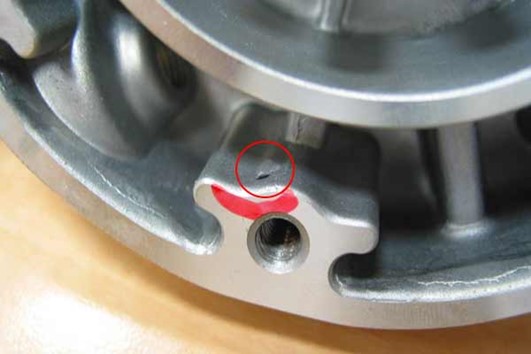
High-pressure die Casting (HPDC) is one of the most frequently utilized metal casting processes in current manufacturing. Manufacturers choose HPDC because it enables the production of complex metal parts that achieve both high precision and rapid production rates superior dimensional accuracy and smooth finishes. HPDC enables automotive and aerospace industries and the production of electronics components and consumer goods to manufacture lightweight durable parts for applications like engines and housings, structural elements, and mechanical assemblies. The manufacturing process of high-pressure die casting faces numerous risks that create substantial defects that decrease product quality while shortening the lifespan and compromising performance. Various defects form from improper mold design, turbulent molten metal flow, trapped gases, inconsistent cooling rates, and thermal stress during the production process. HPDC technology encounters seven primary defects which include porosity, cold shuts, shrinkage defects, flash formation, surface defects, misruns, die erosion, and soldering. These types of manufacturing defects cause deterioration of material strength while producing irregular dimensions and undesirable visual effects which can instigate component breakdown. Manufacturers combat production problems through the optimization of processing parameters and better-undermining methods along with controlled temperature systems and vacuum-assisted casting procedures. Real-time monitoring and simulation software are advanced quality control methods with further efficiency and reliability in the die-casting process. This article provides a comprehensive analysis of standard manufacturing issues during high-pressure die-casting technology with explanations of root causes and solution strategies to decrease these defects. It is only by understanding these challenges and applying best practices that manufacturers can improve the quality, longevity, and, of course, the performance of their die-cast components and simultaneously cut down on waste, and production costs. Proficiency in these manufacturing defects will assist die-casting engineers, production managers, and quality control specialists to optimize their processes for the best die-casting outcomes. 1. Porosity Porosity is defined by small holes or gas inclusions found within the metal matrix, and as a result, affects the mechanical properties, decreasing the strength, including allowing for air and gasses to pass through the structure, and leading to visible surface defects in die-casted products. Causes: Prevention & Solutions: 2. Cold Shut A cold shut is created when two streams of molten metal do not fuse properly and form weak bonding areas or visible seams in the casting. This defect not only decreases the mechanical strength but also increases the risk of a fracture, as well as negatively affects the component’s durability and appearance. Causes: Prevention & Solutions: 3. Shrinkage Defects Shrinkage defects occur due to shrinkage of metal during cooling which leads to internal voids or cavities, which deteriorate the structural integrity of casting. As a result, these defects reduce the mechanical strength of the final product, cause potential failure under stress, and cause poor surface quality, thus affecting both the functionality and aesthetics of the final products. Causes: Prevention & Solutions: 4. Flash Formation Excess thin metal layers formed at the parting line or die gap due to high-pressure metal escape are referred to as flash. Although flash can be trimmed off post-casting, over-flash leads to increased material waste, tool wear, and associated production costs and thus reduces the overall efficiency of the die-casting process. Causes: Prevention & Solutions: 5. Inspection of Surface Defects (Blisters, Crack and Wrinkles) A variety of surface defects, blisters, cracks, and wrinkles, degrade the visual appearance and mechanical strength of the casting and need to be prevented and eliminated. It causes weld defects that reduce the durability of the product, increase the rejection rate, and make the product stick poorly after post-casting treatments such as painting or coating. Causes: Prevention & Solutions: 6. Inclusions and Contamination Unwanted foreign particles, such as slag, oxide films, dirt, or other impurities, which are trapped in a final casting, create poor mechanical properties, weak structural integrity, and surface defects and are called inclusions. The presence of these contaminants can reduce die-cast component performance and durability so that they are not suitable for high-precision applications. Causes: Prevention & Solutions: 7. Misruns and Incomplete Fill A misrun occurs where there is a short filling of the mold cavity, which causes missing sections, thin walls, and weak points in the final component. Negative effects on the structural integrity and functionality of the part and in this way unsuitable for performance applications. Causes: Prevention & Solutions: 8. Die Erosion and Wear Molten erosion dies wear is the loss of the mold surfaces due to the high-speed metal continuously wearing the mold part surfaces until the required dimensions are achieved, which results in poor surface finish and short mold tool life. If this defect occurs, die replacement is common and consequently, production costs increase while casting quality varies. Causes: Prevention & Solutions: 9. Hot Cracking Cracks that occur during the semi-solid state of the metal, is due to high thermal stress and excessive shrinkage are known as hot cracking. These cracks degrade the mechanical integrity of the casting that is increase the chance of failure of the casting at the place where the cracks are present under stress or load. Causes: Prevention & Solutions: 10. Soldering The molten metal adheres to the die surface, which is difficult to remove with casting, causing surface defects, die wear as well as prolonged production downtime. Dimensional inaccuracies and poor surface finish are also caused by this defect, as it results in the overall compromised quality of the final product. Causes: Prevention & Solutions: Conclusion The high-pressure die casting is a powerful manufacturing process that creates complex metal parts at high accuracy at maximum efficiency. However, different kinds of defects arise using improper process parameters, material issues, and/or mold design flaws. Manufacturers can take preventive measures, e.g. optimal process control mold, properly selected material, etc., after understanding these usual manufacturing defects. A company can improve product quality, lower production costs, and achieve higher production efficiency in die-casting operations by emphasizing continuous process improvement as well as defect prevention strategies. Frequently Asked Questions (FAQs) 1. What are the major reasons for defects in high-pressure die casting? The main causes

اختيار شركة سبائك الصب بالقالب المناسبة: دليل كامل

اختيار شركة سبائك الصب بالقالب المناسبة: دليل كامل

صب القوالب الألومنيوم, شركات صب القوالب

تُعد عملية صب السبائك المعدنية بالقالب ضرورية للصناعة التحويلية لأنها تعتمد بشكل كبير على مكونات معدنية عالية الدقة ومتينة وفعالة من حيث التكلفة. وفي تأثير ثوري على التصنيع الحديث، أتاحت هذه العملية إمكانية إنتاج كميات كبيرة من الأجزاء المعدنية المعقدة بمعايير عالية جدًا من الدقة والاتساق. من قبل شركات متخصصة كشركات صب السبائك المعدنية في الصناعات الخدمية مثل السيارات، والفضاء، والإلكترونيات، والطبية، والآلات الثقيلة لبناء مكونات معدنية مصممة خصيصًا لتلبية احتياجاتها الخاصة. تستفيد شركة صب السبائك المعدنية المحترفة من أحدث التقنيات والمواد عالية الجودة إلى جانب عملية مراقبة الجودة الصارمة لتقديم منتجاتك التي تناسب معايير الصناعة. إذا كان اختيار الشركة المناسبة أمرًا مهمًا، فقد تختار بطريقة أو بأخرى بين منتج موثوق حقًا يدوم لسنوات ومكون معيب يفشل مبكرًا. تقدم لك هذه المقالة نظرة عامة مفصلة عن سبائك الصب بالقالب السبائكي مع التركيز على أهميتها وفوائدها وأهم العوامل الأساسية التي يجب مراعاتها عند اختيار أفضل شركة لصب السبائك. تُعد معرفة سبائك الصب بالقالب السبيكي أمرًا ضروريًا إذا كنت مُصنِّعًا يسعى لتصنيع أجزاء مصممة بدقة أو شركة تبحث عن خيارات التصنيع الاقتصادية. ما هي سبائك الصب بالقالب؟ يُطلق على عملية تصنيع المعادن التي يتم فيها حقن المعدن المنصهر في قالب (قالب) تحت ضغط عالٍ عملية صب السبائك بالقالب. يُستخدم تنفيذ هذه الطريقة على نطاق واسع لإنتاج أشكال معقدة ذات تفاوتات ضيقة. ويرجع الاستخدام الشائع لمختلف السبائك المعدنية، مثل الألومنيوم والزنك والمغنيسيوم في الصب بالقالب إلى خصائصها الجيدة في القوة ومقاومتها للتآكل. أنواع السبائك المستخدمة في الصب بالقالب للسبائك المستخدمة في الصب بالقالب للسبائك تأثير كبير على الاختيارات في عملية الصب بالقالب، فهي تؤدي مباشرة إلى القوة والوزن ومقاومة التآكل والأداء العام للمنتج النهائي. تختلف السبائك التي تختلف باختلاف الصناعات بناءً على خواصها الميكانيكية ومتانتها والاستخدام النهائي اللازم لها. السبائك الأكثر استخدامًا في صب القوالب مذكورة أدناه. 1. سبائك الألومنيوم إن التوصيل الحراري الجيد، إلى جانب مقاومة التآكل والقوة الخفيفة الوزن، يعني أن سبائك الألومنيوم المصبوبة بالقالب هي المفضلة لدى الباحثين والمصنعين في جميع أنحاء العالم. في الصناعات التي تتطلب مكونات متينة وخفيفة الوزن نسبياً، يتم استخدام هذا النوع من السبائك. الميزات الرئيسية: التطبيقات: 2. سبائك الزنك نظرًا لأنه يتمتع بقوة عالية ونقطة انصهار منخفضة ودقة ممتازة، فإن الزنك هو سبيكة أخرى شائعة الاستخدام في صب القوالب. وهو مثالي لتصنيع الأجزاء الصغيرة والمفصلة. الخصائص الرئيسية: التطبيقات: 3. سبائك المغنيسيوم خفة وزنه تجعله مناسباً للغاية للاستخدام في الصناعات التي تسعى إلى خفض الوزن دون المساومة على القوة، ومن هنا سُمّي هذا المعدن بالمغنيسيوم. الميزات الرئيسية: الميزات الرئيسية: التطبيقات: 4. السبائك القائمة على النحاس النحاس الأصفر والبرونز هما مثالان على السبائك القائمة على النحاس والتي تعتبر موصلات كهربائية عالية ومقاومة للتآكل ومقاومة جيدة للتآكل. تُستخدم هذه السبائك في التطبيقات التي يجب أن يكون فيها الأداء الكهربائي والحراري رائعاً. الميزات الرئيسية: التطبيقات: فوائد العمل مع شركة موثوق بها لسبائك القوالب المسبوكة تتيح لك شركة سبائك القوالب المناسبة اختيار منتجات عالية الجودة تتبع معايير الصناعة. فيما يلي الفوائد الرئيسية: 1. الدقة العالية والاتساق تمتلك أفضل شركة لصب القوالب آلات جيدة وإجراءات صارمة لمراقبة الجودة لإنتاج الأبعاد مع عيوب قليلة جدًا. 2. الفعالية من حيث التكلفة تُعد عملية الصب بالقالب عملية فعالة للغاية تقلل أيضًا من تكاليف المواد والطاقة للمنتج النهائي بشكل كبير مقارنةً بعمليات تشكيل المعادن الأخرى. 3. التخصيص والتنوع شركة الصب بالقالب هي شركة ذات سمعة طيبة توفر حلولاً مخصصة تستند إلى احتياجات صناعة معينة وتوفر خيارات سبائك مختلفة. 4. إنتاج أسرع وفترات زمنية قصيرة تستخدم الأنظمة الآلية في شركات الصب بالقالب الحديثة لزيادة سرعة الإنتاج والوفاء بالمواعيد النهائية الصارمة. 5. المتانة والقوة من المعروف جيدًا أن الأجزاء المصبوبة بالسبائك المصبوبة من السبائك متينة للغاية، وبالتالي فهي مناسبة للاستخدام في ظل الظروف الصعبة. كيفية اختيار أفضل شركة لسبائك الصب بالقالب عندما تختار شركة صب القوالب، يجب عليك مراعاة ما يلي: 1. الخبرة والخبرة في الصناعة تحقق من سجل الشركة ، إذا كان لديها سنوات من الخبرة في صب القوالب المصنوعة من السبائك ، إذا كانت محاولتها في مجال عملك مثبتة. 2. شهادات ومعايير الجودة تأكد من أن الشركة تتبع برنامج الترميز الخاص بالصناعة التي قد تكون: 3. التكنولوجيا والمعدات المتطورة للحفاظ على الدقة وتقليل الحاجة إلى العمل البدني، ستستخدم شركة صب القوالب الحديثة معدات مثل ماكينة CNC، والصب بالتفريغ، والأتمتة الآلية الآلية. 4. اختيار المواد والتخصيص احصل على شركة لديها خيارات متعددة من السبائك والتخصيص حتى تتمكن من العثور على التصميم المحدد الذي تقدمه شركتك. 5. سلسلة توريد قوية والتسليم في الوقت المحدد يتم توفير الخدمات اللوجستية الفعّالة والتسليم السريع للمنتجات من قِبل موردين موثوقين. 6. قدرات النماذج الأولية والاختبار من الأهمية بمكان وضع نماذج أولية واختبارات جودة صارمة (الفحص بالأشعة السينية وقوة الشد) على المنتج. 7. التسعير التنافسي على الرغم من أن السعر يجب ألا يكون السعر هو الاعتبار الوحيد، إلا أن شركة صب القوالب الجيدة يمكنها تقديم أسعار تنافسية دون التضحية بالجودة. الصناعات التي تعتمد على سبائك الصب بالقالب 1. صناعة السيارات 2. صناعة الطيران 3. صناعة الإلكترونيات 4. المعدات الطبية 5. التحديات التي تواجه المنتجات الاستهلاكية في مجال سبائك الصب بالقالب وكيف تتغلب الشركات عليها يُعد صب السبائك بالقالب عملية تصنيع معروفة جيدًا، والتي تواجه بعض التحديات التي لها تأثير على الجودة والتكلفة والاستدامة. كما يتم تنفيذ حلول مبتكرة من قبل الشركات الرائدة في مجال صب السبائك للتغلب على هذه المشاكل مما يؤدي إلى إنتاج عالي الجودة وتكاليف محسنة بالإضافة إلى تقليل التأثير على البيئة. 1. إدارة المسامية والعيوب تُعد المسامية واحدة من أكثر المشاكل شيوعًا التي تواجهها في صب القوالب حيث تحدث فقاعات غازية أو تجاويف انكماش داخل المعدن. كما أنها يمكن أن تقلل من السلامة الهيكلية للجزء وتؤثر على الأداء الوظيفي. ويمكن معالجة ذلك من قبل الشركات المصنعة باستخدام استخدام الصب بالقالب بمساعدة التفريغ، مما يؤدي إلى احتواء الحد الأدنى من الهواء وتحسين كثافة المعدن. وعلاوة على ذلك، يمكن تقليل المسامية باستخدام تقنيات الصب المحكم للضغط، وتصميم القالب، والتصميم المناسب

نبذة عن خدمات صب المعادن

صب القوالب الألومنيوم, شركات صب القوالب, أجزاء الصب بالقالب, صب القوالب بالضغط العالي, صب المغنيسيوم, صب المغنيسيوم بالقالب المغنيسيوم, صب الزنك بالقالب

Metal casting services involve the shaping of free-flowing liquid metals through the use of dies, molds, or patterns.  Castings are generally roughly finished due to the nature of their production.  In many cases, additional finishing is required to remove burrs and other artefacts of the casting process.  Metal castings services are used to design a wide range of components and finished products.  Everything from simple nails and fasteners to engine blocks can be fabricated using metal casting services.  Common metal casting processes include sand casting, die casting, permanent mold casting, investment casting, centrifugal casting, and lost foam casting. Sand Casting Sand casting is used to make large parts (typically iron, but also bronze, brass, aluminum). Molten metal is poured into a mold cavity formed out of sand (natural or synthetic). Sand castings generally have a rough surface, sometimes with surface impurities and surface variations. Die-casting includes a number of processes in which reusable dies or molds are used to produce casting.  The die contains an impression of the finished product together with it’s running, feeding and venting systems.  The die is capable of a regular cycle and of (quickly) dissipating the heat of the metal poured into it.  Once the liquid metal has cooled sufficiently, the mold is opened and the casting can be removed and finished. Permanent Mold Casting In permanent mold casting, molten metal is poured into cast iron molds, coated with a ceramic mold wash. Cores can be a metal, sand, sand shell, or other materials. When completed, the molds are opened and the castings are ejected.   Investment casting services involve molding patterns by the injection of a special wax into a metal die.  The patterns are assembled into a cluster around a wax runner system. The ‘tree’ of patterns is then coated with 8-10 layers of refractory material. The assembly is heated to remove the wax.  The hot mold is cast, and when cool, the mold material is removed by impact, vibration, grit blasting, high-pressure water blasting or chemical dissolution leaving the castings, which are then removed from the runner system. Centrifugal casting Centrifugal casting services are used to produce castings that are cylindrical in shape.  In centrifugal casting, a permanent mold is rotated about its axis at high speeds as the molten metal is poured. The molten metal is centrifugally thrown towards the inside mold wall, where it solidifies. The casting is usually a fine grain casting with a very fine-grained outer diameter, which is resistant to atmospheric corrosion, a typical need with pipes. The inside diameter has more impurities and inclusions, which can be machined away. Lost foam casting Lost foam casting (LFC) is metal casting services that use foam filled patterns to produce castings.  Foam is injected into a pattern, filling all areas, leaving no cavities.  When molten metal is injected into the pattern, the foam is burned off allowing the casting to take shape. Die casting Die casting and metal casting includes a number of processes in which reusable dies or molds are used to produce casting. The die is capable of a regular cycle and of (quickly) dissipating the heat of the metal poured into it. Once the liquid metal has cooled sufficiently, the mold or is opened and the casting can be removed and finished.   In the die casting process, molten metal is injected under pressure into a reusable mold or die. The die contains an impression of the casting together with it’s running, feeding and venting systems. The die is capable of a regular cycle and of (quickly) dissipating the heat of the metal poured into them. Once the liquid metal has cooled sufficiently, the mold or is opened and the metal casting can be removed and finished. high pressure die casting The high pressure die casting process is the most widely used, representing about 50% of all light alloy casting production. Low pressure die casting currently accounts for about 20% of production and its use is increasing. Gravity die casting accounts for the rest, with the exception of a small but growing contribution from the recently introduced vacuum die casting and squeeze casting process. the design of low pressure and gravity die casting dies for improved die filling, optimized solidification pattern and maximum yield. Gravity die-casting is suitable for mass production and for fully mechanized casting. Low-pressure die casting is especially suited to the production of components that are symmetric about an axis of rotation. Light automotive wheels are normally manufactured by this technique. Die casting metals can vary widely, and different die casting companies may have the ability to work with anyone or number of them. Some of the most common metal casting types include aluminum die casting, brass die casting, lead die casting (the most popular for model die casting), magnesium die casting, and zinc die casting. Hope all of that information is enough for your reference, but if you want to know more information, you are welcome to contact us by phone or email.

جزء الصب بالقالب بالضغط العالي

ما هو الصب بالقالب

صب القوالب

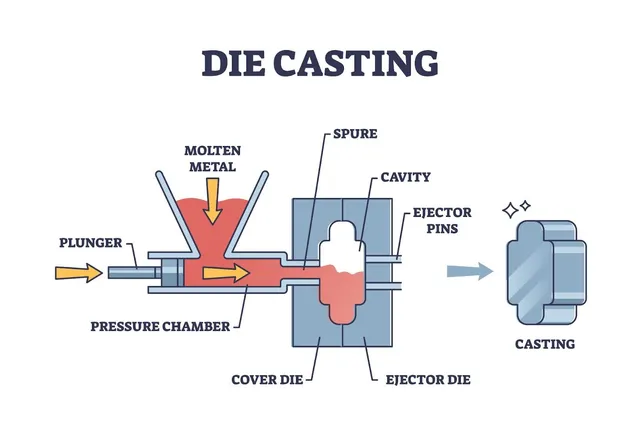
What is die casting Die casting is a manufacturing process for producing accurately dimension, sharply defined, smooth or textured-surface metal parts. It is accomplished by forcing molten metal under high pressure into reusable metal dies. The process is often described as the shortest distance between raw material and finished product. The term, “die casting,” is also used to describe the finished part. The term “gravity die casting” refers to castings made in metal molds under a gravity head. It is known as permanent mold casting in the U.S.A. and Canada. What we call “die casting” here is known as “high pressure die casting” in Europe. How are die castings produced First, a steel mold capable of producing tens of thousands of castings in rapid succession must be made in at least two sections to permit removal of castings. These sections are mounted securely in a machine and are arranged so that one is stationary (fixed die half) while the other is moveable (injector die half). To begin the casting cycle, the two die halves are clamped tightly together by the die casting machine. Molten metal is injected into the die cavity where it solidifies quickly. The die halves are drawn apart and the casting is ejected. Die casting dies can be simple or complex, having moveable slides, cores, or other sections depending on the complexity of the casting. The complete cycle of the die casting process is by far the fastest known for producing precise non-ferrous metal parts. This is in marked contrast to sand casting which requires a new sand mold for each casting. While the permanent mold process uses iron or steel molds instead of sand, it is considerably slower, and not as precise as die casting. Types of machines for die casting Regardless of the type of machine used, it is essential that die halves, cores and/or other moveable sections be securely locked in place during the casting cycle. Generally, the clamping force of the machine is governed by (a) the projected surface area of the casting (measured at the die parting line) and (b) the pressure used to inject metal into the die. Most machines use toggle type mechanisms actuated by hydraulic cylinders (sometimes air pressure) to achieve locking. Others use direct acting hydraulic pressure. Safety interlock systems are used to prevent the die from opening during the casting cycles. Die casting machines, large or small, very fundamentally only in the method used to inject molten metal into the die. These are classified and described as either hot or cold chamber die casting machines. Hot Chamber die casting machines Hot chamber machines (Fig.1) are used primarily for zinc, and low melting point alloys which do not readily attack and erode metal pots, cylinders and plungers. Advanced technology and development of new, higher temperature materials have extended the use of this equipment for magnesium alloy die casting. Figure 1: Hot Chamber Machine. Diagram illustrates the plunger mechanism which is submerged in molten metal. Modern machines are hydraulically operated and equipped with automatic cycling controls and safety devices. In the hot chamber machine, the injection mechanism is immersed in molten metal in a furnace attached to the machine. As the plunger is raised, a port opens allowing molten metal to fill the cylinder. As the plunger moves downward sealing the port, it forces molten metal through the gooseneck and nozzle into the die. After the metal has solidified, the plunger is withdrawn, the die opens, and the resulting casting is ejected. Hot chamber machines are rapid in operation. Cycle times vary from less than one second for small components weighing less than one ounce to thirty seconds for a casting of several pounds. Dies are filled quickly (normally between five and forty milliseconds) and metal is injected at high pressures (1,500 to over 4,500 psi). Nevertheless, modern technology gives close control over these values, thus producing castings with fine detail, close tolerances and high strength. Cold Chamber die casting machines Cold chamber machines (Fig. 2) differ from hot chamber machines primarily in one respect; the injection plunger and cylinder are not submerged in molten metal. The molten metal is poured into a “cold chamber” through a port or pouring slot by a hand or automatic ladle. A hydraulically operated plunger, advancing forward, seals the port forcing the metal into the locked die at high pressures. Injection pressures range from 3,000 to over 10,000 psi for both aluminum and magnesium alloys, and from 6,000 to over 15,000 psi for copper base alloys. Figure 2: Cold Chamber Machine. Diagram illustrates die, cold chamber and horizontal ram or plunger (in charging position). Die casting provides complex shapes within closer tolerances than many other mass production processes. In a cold chamber machine, more molten metal is poured into the chamber that is needed to fill the die cavity. This helps sustain sufficient pressure to pack the cavity solidly with casting alloy. Excess metal is ejected along with the casting and is part of the complete shot. Operation of a “cold chamber” machine is a little slower than a “hot chamber” machine because of the ladling operation. A cold chamber machine is used for high melting point die casting alloys because plunger and cylinder assemblies are less subject to attack since they are not submerged in molten metal. Die casting and their construction Die casting dies (Fig. 3) are made of alloy tool steels in at least two sections called fixed die half and ejector die half. The fixed die half is mounted on the side toward the molten metal injection system. The ejector die half, to which the die casting adheres, and from which it is ejected when the die is opened, is mounted on the moveable platen of the machine. The fixed die half of the die is designed to contain the sprue hole through which molten metal enters the die. The ejector half usually contains the runners (passageways) and gates (inlets) which route molten metal to the cavity (or cavities) of the die. The ejector

صب الألومنيوم وتصنيعه آلياً

صب القوالب ذات الضغط العالي

ألومنيوم الصب بالقالب, شركات صب القوالب, صب القوالب بالضغط العالي, صب القوالب بالضغط

صب المعادن أمر بالغ الأهمية في التصنيع الحديث. فهي تشكل العالم بأسره من الناحية التقنية. كما تعلم، يمكنك إنشاء مجموعة واسعة من الأجزاء المعدنية من هذه الطريقة. تُعد طريقة الصب بالقالب بالضغط العالي من أكثر طرق صب المعادن شيوعًا هنا. تقوم طريقة الصب المعدني النموذجية بصب المعدن المنصهر في قالب لإنشاء أشكال معقدة ودقيقة. تحتاج كل صناعة إلى أجزاء الصب هذه للعديد من التطبيقات. فقد يحتاجون إليها للدعم الهيكلي أو في منتجاتهم الرئيسية. وإحدى الطرق الشائعة لتشكيل المعادن هي من خلال الصب بالقالب، ويعد الصب بالقالب بالضغط العالي أحد أكثر طرق الصب بالقالب شيوعًا. هذه الطريقة هي ما يدور حوله هذا المقال في الغالب. سوف تتعرف على كيفية صنعها وفوائدها وكيفية استخدامها. سوف تكتشف أيضًا كيف يختلف كل من HPDC و LPDC. نظرة عامة على الصب بالقالب بالضغط العالي (HPDC) HPDC تعني الصب بالضغط العالي. كما يوحي الاسم، تحتاج طريقة صب المعادن هذه إلى ضغط عالٍ. صب HPDC مناسب لصنع العديد من الأجزاء المعدنية ذات التفاوتات العالية. في عملية الصب بالقالب HPDC، يتم حقن المعدن المنصهر في قالب أو قالب فولاذي بسرعات وضغط عاليين. ونتيجة لذلك، يمكنك إنشاء مئات من أجزاء الصب في وقت أقل. الضغط المطلوب هنا هو التأكد من أن المعدن المنصهر يملأ الميزة التفصيلية للقالب. ولهذا السبب، فإن الصب بالقالب عالي الضغط مناسب للإنتاج بكميات كبيرة. تتكون آلة الصب بالقالب بالضغط العالي من عدة مكونات أساسية. وكلها مهمة جدًا للنظام. قد تجد أيضًا أجزاء أخرى. ومع ذلك، فإن هذه الأجزاء الأربعة هي أهم الأشياء في عملية الصب بالقالب بالضغط العالي. وعادة ما يقررون مدى جودة أجزاء الصب في النهاية. قوالب الصب بالقالب قوالب الصب بالقالب، أو القوالب، هي أجزاء آلة الصب بالقالب بالضغط العالي التي تحدد بشكل عام الشكل النهائي. لها نصفان رئيسيان: ثابت ومتحرك. وعادة ما تكون مصنوعة من الفولاذ عالي القوة. يُطلق على صنع هذه القوالب المصبوبة بالقالب HPDC اسم أدوات الصب بالضغط العالي. لاحظ أن أدوات HPDC ضرورية للحصول على أفضل جودة لصب المعادن. دبابيس القاذف دبابيس القاذف هي مكونات مهمة أخرى في قالب الصب بالضغط العالي. فهي تسهل إزالة القالب المتصلب من القالب. يمكنك العثور على هذه الدبابيس داخل نصف القالب المتحرك. بمجرد أن يتم تبريد الصب المعدني وتصلبه، يمكنك تشغيل هذه المسامير لإزالته. وهي تلعب بشكل أساسي دورًا حاسمًا في دورة الإنتاج. آلة الصب بالقالب بالغرفة الباردة آلة الصب بالقالب بالغرفة الباردة هي أهم الماكينات التي تحتوي على نظام الحقن ونظام الضغط وأنظمة الطرد وما إلى ذلك. مكونات التسخين قد تشمل مكونات التسخين الأفران وعناصر التسخين. وهي عادةً لا تقوم بصهر المعدن ولكنها تحافظ على درجة الحرارة ثابتة. الهدف الرئيسي من هذا الجزء من ماكينة الصب بالقالب بالضغط العالي هو ضمان أن يكون المعدن في شكل سائل. لاحظ أن التسخين المتسق أمر بالغ الأهمية لجودة واتساق المسبوكات النهائية. كيف يعمل الصب بالقالب بالضغط العالي؟ بشكل عام، يعمل الصب بالقالب بالضغط العالي في خمس خطوات. كل خطوة حاسمة للجودة النهائية للمسبوكات. لذلك، عند بدء عملية الصب بالقالب، افحص الجهاز دائمًا. تحقق من وجود أي عيوب أو براغي مفكوكة. اضبط الجهاز دائمًا على الإعدادات المثلى. تحقق مما إذا كان نظام التبريد يعمل بشكل صحيح أم لا. بمجرد التحقق من جهازك بشكل صحيح، يمكنك المتابعة إلى عملية الصب بالقالب بالضغط العالي الأولية. ارتدِ دائمًا معدات السلامة، مثل القفازات والملابس والنظارات. الخطوة #1 تحضير قالب الصب بالقالب يمكنك تحضير قالب الصب بالقالب بالضغط العالي في خطوتين رئيسيتين. أولاً، إذا كان قد تم تصنيعه بالفعل، افحصه بحثًا عن العيوب والتلوث قبل استخدامه. ثانيًا، تصميم القالب ضروري للمنتجات المخصصة. يتضمن تصميم قالب الصب بالقالب عدة مراحل. أولاً، يمكنك رسم تصميمك باستخدام برامج ثلاثية الأبعاد مثل SolidWorks و AutoCAD وغيرها. تأكد من تنظيم عداء البوابة وقاعدة القالب بشكل صحيح عند تصميمه. يعد نظام التبريد أيضًا جزءًا مهمًا من عملية التصميم هذه. وأخيرًا، تحقق من نظام التنفيس والطرد. بمجرد الانتهاء من التصميم، تابع تحليل المسودة. يمكنك التحقق من وظائفه على برامج المحاكاة المختلفة. بعد الاختبار وفحص الجودة، يمكنك استخدام أدوات الصب بالقالب للإنتاج النهائي. الخطوة #2 حقن المعدن المنصهر في عملية الصب بالضغط العالي في عملية الصب بالضغط العالي هذه، تقوم الماكينة بحقن المعدن المنصهر في تجويف القالب. على عكس الطرق الأخرى، تستخدم عملية الصب بالضغط العالي الضغط العالي والسرعة العالية لهذه المهمة، ولهذا السبب يطلق عليها صب القالب بالضغط العالي. أولاً، يتم توصيل نصفي قالب الصب بالقالب بإحكام. ثم، بضغطة زر، تدفع ماكينة الصب بالضغط العالي الضغط المعدن المنصهر إلى داخل الحجرة. يضمن هذا الضغط تقنياً أن يملأ المعدن المنصهر التجويف بأكمله. وبمجرد الانتهاء من الحقن، يُترك المعدن المنصهر ليبرد ويتصلب. يتم استخدام طريقتين أساسيتين للحقن في نظام الصب بالقالب HPDC. يمكنك اختيار الطريقة الصحيحة للمهمة بناءً على احتياجات مشروعك. الحقن بالغرفة الساخنة عندما تكون آلية الحقن مغمورة في خزان المعدن المنصهر، يُطلق عليها الحقن بالغرفة الساخنة. عندما يتحرك المكبس، فإنه يسحب المعدن المنصهر إلى الحجرة ويحقنه في تجويف القالب. هذا النوع من الحقن مناسب للمعادن ذات درجات الانصهار المنخفضة. قد تجد غالبًا ما تستخدم آلة الصب بالقالب بالغرفة الساخنة هذه سبائك الزنك والمغنيسيوم. الحقن بالغرفة الباردة من ناحية أخرى، يستخدم الحقن بالغرفة الباردة فرن صهر منفصل. يمكنك صب المعدن المنصهر باستخدام نظام يدوي أو آلي. في التصنيع، يتم تشغيل النظام الآلي بشكل عام بواسطة مكبس هيدروليكي. وهو يجبر المعدن المنصهر على الدخول في تجويف القالب. حقن الغرفة الباردة هو تقنية شائعة لصب الألومنيوم HPDC. الخطوة #3 التبريد والتصلب بعد الحقن، يبرد المعدن المنصهر بسرعة داخل تجويف القالب. بعض

صب الألومنيوم بالقالب

صب الألومنيوم بالقالب

صب الألومنيوم, قوالب صب الألومنيوم, صب القوالب الألومنيوم, صب القوالب, ألومنيوم الصب بالقالب, شركات صب القوالب, قالب الصب بالقالب, أجزاء الصب بالقالب, صب القوالب بالضغط العالي, صب المغنيسيوم بالقالب المغنيسيوم, صب القوالب بالضغط

ما هو الألومنيوم الصب بالقالب صب الألومنيوم بالقالب هو طريقة الصب بالقالب السائل. عملية الصب بالقالب هي نوع من آلات الصب بالقالب ذات الضغط العالي الخاصة لإنجاز العملية. عمليتها التكنولوجية الأساسية هي: أولًا سائل معدني أو سبيكة ألومنيوم سائل في صب منخفض أو عالي السرعة يملأ تجويف قالب القالب، يموت بسطح تجويف من النوع المتحرك. إنه مع عملية تبريد سائل سبائك الألومنيوم السائل عملية التبريد بالضغط على تجويف القالب الفارغ، وكلاهما يزيل عيوب الانكماش، كما يجعل منظمة صب الألومنيوم الداخلية الخام الداخلية لتشكيل البلورة المكسورة. تم تحسين الخواص الميكانيكية الشاملة الخام بشكل كبير. فوائد الألومنيوم الصب يموت الصب المعادن والاحتياطات المتعلقة بالألومنيوم الصب يموت. يمكن استخدام أنواع مختلفة من سبائك الألومنيوم في قوالب الصب بالقالب وقوالب الألومنيوم، وتستخدم أنواع من الطرق لقوالب صب الألومنيوم، صب الزنك بالقالب، صب الألومنيوم بالقالب وغيرها الكثير نوع عملية الصب الصب هو عملية جعل الألومنيوم مناسبًا لإنتاج أنواع مختلفة من المنتجات. إنها طريقة بسيطة وغير مكلفة لتوفير مجموعة متنوعة من منتجات الألمنيوم. ومن الأمثلة على ذلك نصب واشنطن التذكاري ومحركات السيارات وناقل الحركة الكهربائية وغيرها، والتي تم إنتاجها جميعاً من خلال عملية صب سبائك الألومنيوم. يمكن إجراء عملية صب الألومنيوم بثلاث طرق: - صب الألومنيوم بالقالب صب القوالب صب القوالب صب الرمل الصب بالقالب الصب بالقالب هو عملية تصنيع لإنتاج الأجزاء المعدنية. في الصب بالقالب، يتم إنشاء تجاويف القوالب أو القوالب باستخدام فولاذ الأدوات المقوى الذي تم تشكيله مسبقاً بشكل معين. هنا في عملية الصب بالقالب، يتم صهر الألومنيوم أولاً ثم يُصب في قالب فولاذي تحت ضغط عالٍ بقوة. تُستخدم تقنية التصنيع هذه عادةً للإنتاج بكميات كبيرة، وعادةً ما تسمى هذه العملية بعملية الصب بالضغط العالي أو عملية الصب بالضغط Mould CASTING حول صب القالب، يمكن أن يكون القالب والقالب من الفولاذ أو أي معدن آخر. هنا أيضًا يتم صهر الألومنيوم أولاً ويتم سكبه في القالب المقدم. وأحياناً يتم استخدام التفريغ أيضاً. في بعض الحالات، يبدو أن الصب بالقالب الدائم أقوى من كل من طرق الصب بالقالب والصب بالرمل. تُستخدم تقنيات الصب بالقالب شبه الدائم عندما يكون من المستحيل إزالة القوالب الدائمة من الجزء النهائي. الصب بالرمل: الصب بالرمل هو الطريقة الأكثر تنوعاً لإنتاج منتجات الألومنيوم. عادةً ما يتم صب الألمنيوم المصبوب في قالب يتم ضغطه فعلياً في خليط رملي ناعم. يكون القالب أكبر بقليل مما يلزم لانكماش الألمنيوم أثناء التصلب والتبريد. عادةً ما تكون عملية الصب بالرمل أبطأ من كل من الصب بالقالب والصب بالقالب. وعادةً ما يتم استخدامه للمنتجات ذات الكمية الصغيرة. سبائك الألومنيوم المسبوكة الألومنيوم أهم نظام سبائك الألومنيوم المسبوكة الألومنيوم المصبوب هو Al-Si. هنا تساهم مستويات عالية من السيليكون في إعطاء خصائص صب جيدة. تُستخدم سبائك الألومنيوم المصبوب على نطاق واسع في الهياكل والمكونات الهندسية حيث يتطلب الأمر خفة الوزن أو مقاومة التآكل. طرق وفوائد الألومنيوم الصب يموت الصب المعادن والاحتياطات المتعلقة بالألومنيوم الصب يموت يمكن استخدام أنواع مختلفة من الألومنيوم لصب القوالب، يتم استخدام الشركة المصنعة لصب الألومنيوم وسبائك الألومنيوم من أجل تغطية أنواع مختلفة من المعادن باستخدام أنواع مختلفة من الطرق. هناك العديد من الطرق المستخدمة في صب الألومنيوم ويتم الحصول على أنواع مختلفة من الفوائد. بمساعدة صب الألومنيوم وصب الألومنيوم بالقالب من الممكن زيادة عمر المعادن ويمكن استخدامها لفترة طويلة مع مظهر مذهل وسحر المعدن. الطرق تستخدم أنواع مختلفة من الطرق لصب الألومنيوم بالقالب. الشيء الرئيسي هو صهر الألومنيوم. هناك حاجة إلى درجة حرارة عالية لصهر الألومنيوم. يتم استخدام هياكل خاصة لصهر الألومنيوم. عندما يتم صهر الألومنيوم المصبوب ثم يتم سكبه على المعادن المستهدفة. ثم يُسمح لسبك الألومنيوم المصهور بأن يصبح صلبًا ويصبح جاهزًا للاستخدام بعد فترة زمنية معينة. هناك حاويات خاصة مصنوعة لاستخدامها في صهر الألومنيوم. هذه الهياكل متوفرة في السوق بأشكال وأحجام مختلفة. يمكنك أيضًا صنع هذه الهياكل في المنزل باستخدام المكونات المطلوبة. لديك العديد من الخيارات في صنع هذه الهياكل. إذا كنت ستشتري هذا الهيكل من السوق، فعليك اختيار الحجم والأشكال. هناك العديد من الخيارات من حيث الأحجام والأشكال وأنواع مختلفة من الأسعار التي يتقاضاها الصانعون. يختلف عمل هذه الهياكل أيضًا حيث يستخدم البعض الوقود والبعض الآخر يستخدم الجهود اليدوية للحصول على الحرارة للتأكد من إمكانية تسخين وصهر الألومنيوم المصبوب بشكل فعال. يتم الحصول على درجات حرارة عالية في هذه الهياكل ومن ثم يتم صهر الألومنيوم المصبوب ثم استخدامه على المعادن المستهدفة لعملية الصب. فوائد صب الألومنيوم يموت الصب هناك العديد من أنواع فوائد صب الألومنيوم يموت الصب. يتم إجراء هذا النوع من الصب بشكل أساسي للتأكد من أن المعدن يمكن أن يظل في مأمن من التآكل. ظروف الغلاف الجوي والرطوبة ضارة بالحديد ويمكن أن يساعد الصب في حماية الحديد وزيادة عمره الإنتاجي. صب الألومنيوم يموت الصب قادر على مقاومة الرطوبة والآثار الضارة الأخرى للبيئة بسبب إمكانية استخدامه على المعادن من خلال الصب. يتم صنع الدرع الواقي على الحديد للتأكد من إمكانية استخدامه لفترة طويلة من الزمن. يمكن لشركات صب قوالب الألومنيوم المصبوب على الحديد وصنع صفيحة واقية. تكون هذه الحماية على شكل طبقة لامعة يتم الحصول عليها باستخدام درجات حرارة عالية. هذه الطبقة دائمة وحسنة المظهر إلى جانب زيادة القوة والعمر الإنتاجي للمعدن. يتم صب الحديد في الغالب بمساعدة الألومنيوم. هذه عملية رخيصة الثمن ويمكن للمستخدم الحصول على فوائد مع زيادة عمر الحديد. يمكن استخدام قالب الصب بالقالب من الألومنيوم لصب الحديد والمعادن الأخرى. هناك العديد من الطرق المتاحة لهذه العملية. بمساعدة أي طريقة موثوقة ، يمكن للمستخدم الحصول على فوائد حيث يتم حفظ المعدن من التآكل وغيرها

انتقل إلى الأعلى

احصل على عرض أسعار