زماك 3

ما هو الزاماك؟ ما هو ولماذا يستخدم على نطاق واسع في التصنيع

ما هو الزاماك؟ ما هو ولماذا يستخدم على نطاق واسع في التصنيع

زماك 5, زاماك 2 قالب الصب بالقالب, زماك 3, زاماك 3 للقالب الصب بالقالب, زماك 3 مسبوك زنك 3

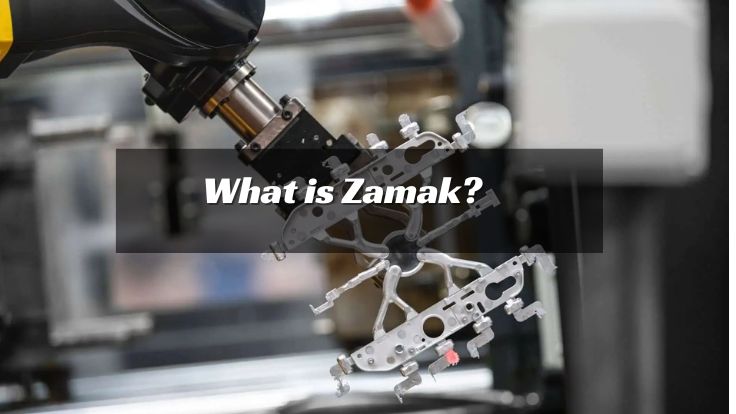
Alloys contribute significantly to the development of delicate electronic parts as well as heavy parts used in vehicles. For example, zamak metal has quietly changed the way many industries operate.  This metal is renowned because it is strong, can be molded easily and is versatile. The word Zamak originates from German and stands for zinc, aluminum, magnesium and copper. During the early years of the 20th century, the production of brass alloys aimed to improve on the brittleness found in previous zinc-based products. Today, zamak is used widely in vehicle, electronic device, and hardware manufacturing. It is appreciated both for its sturdy structure and for finishing smoothly with only a little work. Producing aluminum requires less energy than other materials since it melts easily, and it is also attractive because it can be recycled. Each different grade of zamak fits various needs, such as zamak 3 being softer than zamak 5, which is stronger than zamak 12. Most household goods and industrial products made with zamak metal meet the rising needs of manufacturing because they are practical and of good quality. Here, we will explain what zamak metal is made from, types such as zamak 3, zamak 5, and zamak 12, its functions, plus the positives and negatives. Zamak is a type of zinc alloy Zamak is made from zinc, mixed with a small amount of aluminum, magnesium, and copper. The word Zamak stands for Zink, Aluminum, Magnesium, and Kupfer, which are the German names for the metals involved. Due to its high-quality casting and appearance, zamak metal is popular in manufacturing automotive, electronic, furniture, and consumer goods. The process called die casting allows Zamak metal to shape complex, strong, and cost-efficient parts. Bending zamak into steel forms shaped like the finished goods is done at high pressure, producing many complex shapes very rapidly while needing only a minimal amount of machining. Because its melting temperature (around 385°C) is lower, zinc is more efficiently shaped than metals such as steel or aluminum in a foundry. What is Zamak, and how is it made? Zamak is a name formed from the German words for the main metals: Zink (zinc), Aluminium (aluminum), Magnesium, and Kupfer (copper). In the 1920s, the New Jersey Zinc Company created zamak to help overcome brittleness that affected some zinc alloys. It is viewed as a high-quality type of zinc that gives better die casting than most other materials. The usual elements in zamak metal are 96% zinc, 4% aluminum, a little bit of magnesium and some copper. As a result of this mix, its metal product is very strong, lasts a long time and can be formed into exact shapes with high precision. Key points about Zamak Metal A highlight of zamak metal is that it is very easy to cast. Manufacturers can create shapes with thin walls out of aluminum that would usually be pricey or difficult to produce using other materials. In addition, zamak has a polished surface, which makes it suitable for use in parts that need painting or plating. One more advantage is that steel retains its shape. Because Zamak does not change shape easily, it is commonly used in car and electronics manufacturing. The material is strong relative to its weight, making it attractive. Unlike aluminum, zamak does not weigh very little, but it offers a good level of durability that makes it useful for items that must be manageable. Uses of Zamak Metal Because it has great mechanical characteristics, zamak metal is applied in many products. In this industry, stainless steel is found in door handles, mirrors and several interior parts. A variety of electronic parts use Zamak because it is both precise and can resist heat. The furniture sector uses zamak because it is so versatile, fitting into hinges, brackets, and other decorations. Many fancy pieces in fashion include zamak since it is shiny and does not get tarnished easily. The process of making Zamak metal by casting 1. Alloy Preparation To produce zamak metal, you need to combine zinc, aluminum, magnesium and copper in the right ratios. To extract metals from these ones, the raw materials are melted at moderate temperatures. The right ratios are necessary to ensure that zamak 3, zamak 5 and zamak 12 provide the desired qualities. 2. Melting The blend of materials is put into a furnace and brought up to the zamak melting point of 385°C (725°F). During this step, the alloy flows very well and is therefore excellent for high-pressure die casting. 3. Die Casting The zamak is melted and then put into a die casting machine to be injected into a metal mold. Thanks to this process, items are shaped into very detailed and sturdy forms. Depending on how the casting will be used, manufacturers select from products classified as zamak 3, zamak 5, or zamak 12, since each is meant for a different purpose. 4. Injection and Outflow As soon as the zamak is injected, cooling the mold causes the metal to harden fast. After removing the part from the mold, it may not need machining because the alloy has a clean finish. 5. Finished and Plated When the model is cast, it might be polished, painted, or electroplated in materials such as nickel or chrome. The processes improve the look and resilience to corrosion of the manufactured product, mostly when used outside. Applications of Zamak Metal Zamak metal is used in several industries because of its superior casting, its strong properties and attractive smoothness. Even in the automotive industry, zamak metal plays a key role by being useful and attractive. 1. Automotive Industry Many door handles, emblems, mirror housings and interior details in motor vehicles are manufactured using zamak metal. Because it can be designed intricately and held to small measurements, it’s useful in parts that are either noticeable or not. The reason Zamak 5 is used most often here is that it is more durable and wears less easily. 2. Consumer Electronics Its stable dimensions and smooth appearance
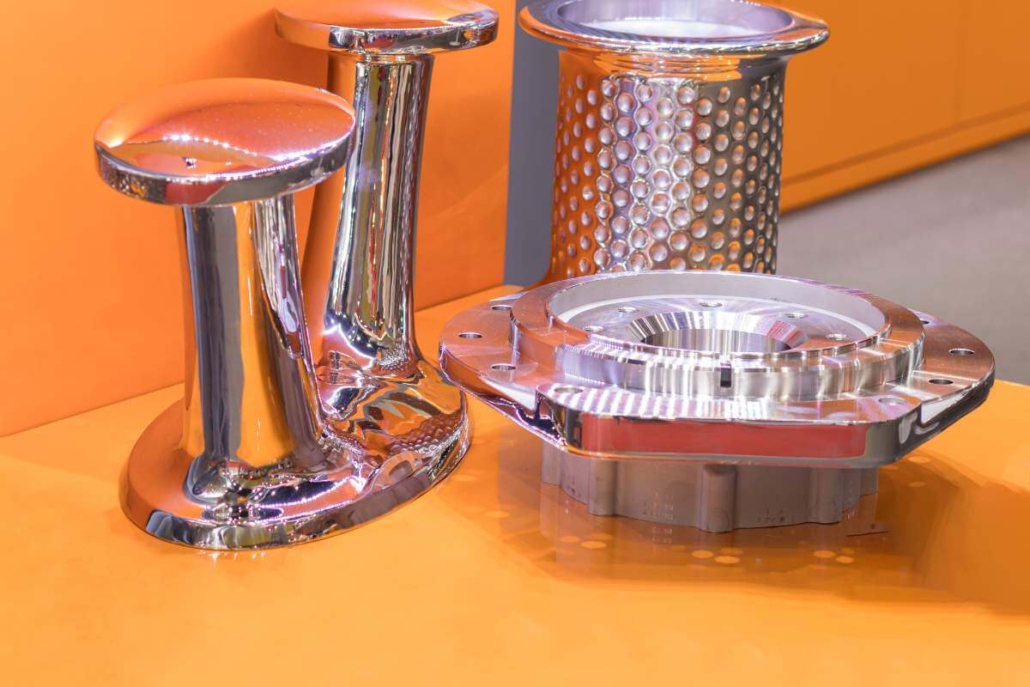
الدليل الشامل للزاماك 3 وتطبيقاته

الدليل الشامل للزاماك 3 وتطبيقاته

زماك 3

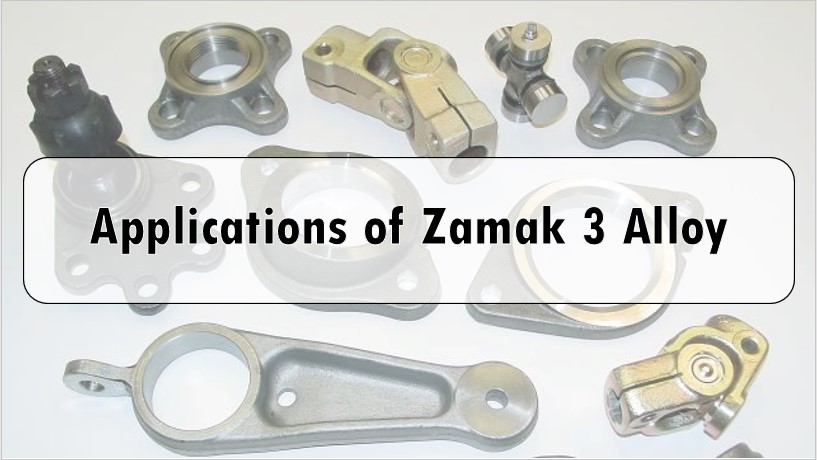
Among the Zamac alloys, Zamak 3 is the most popular due to its well balanced strength, durability and ease of casting. Zinc is the main component of this alloy containing small amounts of aluminum (3.5 -4%), magnesium (0.03 – 0.06%), and copper (0.25%) in all. Because of its very specific composition, it makes this sample more mechanically stable, less prone to corrosion, and capable of retaining dimensions more accurately. Zamak is a group of alloys consisting of zinc, which are widely used in manufacturing as they have good mechanical properties and as also affordable. It is derived from German words Zink (zinc), Aluminum, Magnesium and Kopper (copper) and the term is followed by the name of the symbols of these elements: ‘Zamak’. In the 1920s, these alloys were developed, and today they are now basic in industries that require precision metal components. This is one of the main advantages of Zamak 3 zinc alloy as it can be die cast. The low melting point (around 385°C) means that it was used for relatively low cost manufacturing of parts with intricate and detailed features. When the casting process is completed, it has maintained its fluidity to provide smooth surface finishes that do not require excessive post production treatment. Zamak 3 casting has got such good performance of it that it is used in many industries. It is present in the majority of the automotive component, electrical housing, hardware and consumer goods. Since the material is corrosion resistant and dimensionally accurate, its use is particularly appropriate for such demanding applications where long term reliability is required. Overall, Zamak 3 alloy is a cost effective and a versatile material that has continued to remain in use in modern manufacturing. The strength, durability, casting efficiency combination associated with it makes it most sought after for the industries that are heavily dependent on the quality metal component. What is Zamak 3? It can be described as zinc zinc-based alloy comprising zinc, aluminum and magnesium, with copper. Zamak is a family of alloys, which were invented in the 1920s. The name ‘Zamak’ is based on German expeditions (Zink, Aluminium, and Magnesium) plus (Kopper, or Cu) for the main components of the material.Zamak 3 (also specified as ASTM AG40A, Z33520 UNS) is one of the most commonly used zinc alloys in the die casting industry. Zamak 3 is known for its outstanding mechanical and physical properties and is a preferred choice for many industries across the board. This material has excellent castability, dimensional stability and durability that make it one of the key materials used to manufacture precision parts.Zamak 3 zinc alloy is considered to be among all the Zamak alloys because of its good mechanical properties and low cost. One offers excellent balance between hardness, impact strength, and dimensional stability, thus making this one a good industrial application. Composition and Properties of Zamak 3 Alloy Zamak 3 Alloy Composition Zamak 3 alloy is based on zinc with some aluminum and various trace metals, adding different beneficial properties. Zamak 3 alloy composition is chosen to provide the strength, durability and easy manufacturability of die casting. Zamak 3 consist of the following keys components. They work as a combination to form an alloy that features very excellent mechanical and physical properties and Zamak 3 is very popular in sectors like automotive, electronics and for manufacturing purposes. Chemical Composition of Zamak 3 Alloy The four primary elements of the Zamak 3 alloy are zinc, aluminum, magnesium and copper. The alloy characteristics are defined and its mechanical properties are enhanced by each element playing a particular role. Zamak 3 zinc alloy is normally available with typical compositions comprised of: Zinc (Zn) – 96% Zamak 3 alloy consists of Zinc as the base metal with excellent corrosion resistance, good casting properties and affordability. Additionally, it facilitates easy melting and molding, and can be mass produced in the die casting industry. Aluminum (Al) – 3.5% to 4% Aluminum also increases the strength, hardness and corrosion resistance of the alloy. In addition, it increases the fluidity of molten metal, and this allows Zamak 3 casting to produce precise and complex shapes witha  smooth finish. Magnesium (Mg) – 0.03% to 0.06% Magnesium provides significant improvement to the mechanical strength and impact resistance even in small amounts in Zamak 3 zinc alloy. In addition, the casting of the alloy is also made more stable and durable as it helps reduce oxidation during this process. Copper (Cu) – 0.25% The hardness and tensile strength of the alloy are increased by copper. But, it is kept at a very low percentage to avoid excessive brittleness of Zamak 3 alloy. Key Properties of Zamak 3 Alloy Zamak 3 zinc alloy is carefully balanced to make it a suitable industrial application because of its advantageous properties that include: 1. High Strength and Hardness The characteristics of Zamak 3 alloy produce an excellent balance between strength and ductility suitable forthese typese of components, which require durability under mechanical stress. It has tensile strength of about 283 MPa (41,000 PSI) and a hardness rating of 82 Brinell (HB). This combination makes it wear and tear resistant for such applications as automotive, and structural components. 2. Excellent Dimensional Stability Zamak 3 casting is one of the most valuable casting characteristic for maintaining precise dimensions even at high stress conditions. Zamak 3 zinc alloy is unlike some other metal alloys which expand or contract greatly with the temperature fluctuation. It becomes ideal for the applications where the tolerances should be tight and the fit should get exact, such as gears, locks and industrial machinery parts. 3. Corrosion Resistance Zamak 3 alloy contains aluminum and magnesium it which provide an additional source for oxidation and environmental corrosion. Pure zinc, however, is prone to corrosion over time, and a corrosion-resistant layer is formed on the surface after the additional elements in Zamak 3 zinc alloy. Due to this, it is good for outdoor applications, automotive components, and electrical enclosures. 4. Superior Castability and Fluidity

أجزاء الصب بالقالب

الفروق بين سبيكة زماك 3 وسبائك زماك 5

زماك 3, زماك 5

Zamak alloys used commonly in die casting have attractive characteristics which include versatility, strength, and durability. Of all the Zinc die-casting alloys, Zamak3 and Zamak5 are the most prevalent due to their special characteristics and the versatility of the application areas. To avoid compromising its functions, it is important for manufacturers and engineers who make choices to learn and distinguish the various qualities of those alloys. This guide discusses all the differences and similarities between Zamak 3 and Zamak 5 as well as their use in multiple settings and their capabilities. What is Zamak? Zamak, a term that is an acronym for Zinc, Aluminum, Magnesium, and Kupfer, (original German for copper), denotes a group of zinc-based alloys widely used for die casting. Some of the properties that make these alloys desirable is; polished appearance, precise dimension, and high corrosion resistance. The Zamak type of alloy varies depending on the proportion of aluminum, magnesium, and copper it contains. The two common forms are Zamak 3 and Zamak 5, which have Different settings of parameters for different industries. Chemical Composition of Zamak 3 and Zamak 5 This is because the performance of Zamak 3 and Zamak 5 depends on the chemical composition. These two alloys contain major proportions of zinc but they differ in secondary elements which result in different properties. Element Zamak 3 Composition (%) Zamak 5 Composition (%)   Zinc (Zn) ~96 ~95.5 Aluminum (Al) ~3.9 ~3.9 Magnesium (Mg) ~0.04 ~0.04 Copper (Cu) 0 ~0.75 Key Differences Zamak 3 lacks copper, giving it slightly better corrosion resistance in specific environments. Zamak 5 contains about 0.75% copper, enhancing its strength and hardness. Mechanical Properties Comparison It is for this reason that Zamak 3 and Zamak 5 have some variations of the mechanical properties, which are a result of the differences in their formulation. This affects their usage as well as working efficiency under different circumstances. Table: Mechanical Properties of Zamak 3 vs. Zamak 5 Property Zamak 3 Zamak 5   Density (g/cm³) 6.6 6.7 Yield Strength (Mpa) 220 250 Elongation (%) 10 7 Hardness (Brinell) 82 90 Impact Strength (J) Higher than Zamak 5 Lower than Zamak 3 Analysis Strength: Zamak 5 has higher tensile and yield strength, making it more robust for demanding applications. Ductility: Zamak 3 exhibits better elongation and impact resistance, suitable for parts requiring flexibility. Hardness: Zamak 5’s higher hardness ensures better wear resistance. Applications of Zamak 3 and Zamak 5 die casting products Namely, the properties of Zamak 3 and Zamak 5 make them suitable for particular uses. Zamak 3 casting Applications Consumer Goods: Commonly seen on die-cast end products such as car door handles, zippers, and other small ornamental parts. Electronics: Zamak 3 die casting parts can also maintain a more stable dimension than other die-cast alloys, especially for housing or enclosure applications. Toys: Otherwise known for its good surface finish and easy-to-machine material, many die cast toys made with zamak 3 die casting process Zamak 5 die casting Applications Automotive Industry: Owing to high strength, Zamak 5 alloy die casting parts are used in the structural and functional parts of a variety of apparatus. Hardware: Writing instrument parts – zinc die casting hinges, brackets, locks, benefit from its increased hardness. Industrial Equipment: Zamak 5 die casting parts are the choice for all the zinc alloy parts experiencing high stresses. Table: Applications by Industry Industry Zamak 3 die casting   Zamak 5 die casting Consumer Goods Small decorative items Heavy-duty functional parts Automotive Low-stress interior parts High-stress structural parts Electronics Precision housings Heat-resistant components Advantages and Limitations Advantages of Zamak 3 die casting products Cost-Effective: Lower material cost compared to Zamak 5 alloys. Corrosion Resistance: Excellent in environments where copper would accelerate corrosion. Ease of Casting: Offers better fluidity during zinc die casting manufacturing process. Advantages of Zamak 5 die casting products Strength and Hardness: Higher mechanical strength and wear resistance. Durability: Better suited for high-stress applications. Surface Treatment: Enhanced suitability for plating and finishing. Limitations Zamak 3:      Maintenance of limited power when required to operate under high stress conditions. Zamak 5: This is another reason for a slightly lower corrosion resistance at higher concentrations of                                        copper present in the alloy. Die Casting Zamak 3 vs. Die Casting Zamak 5                Die casting is a process of forcing a metal at high pressure into a mold cavity. Both die-casting Zamak 3 and die-casting Zamak 5 excel in producing intricate shapes with tight tolerances, but there are notable differences: Parameter Die Casting Zamak 3 Die Casting Zamak 5 Fluidity Superior Slightly lower Shrinkage Minimal Slightly higher Casting Temperature Lower (~380°C) Slightly higher (~385°C) Machinability Excellent Good Die Casting Process Overview  Key Considerations: Ease of Use: Zamak 3 die casting also has drawing advantages over the other because of its comparatively lower casting temperature and better fluidity. Stress Tolerance: Therefore, Zamak 5 die casting can be used in an application with robust parts and components. Choosing the Right Alloy Factors to Consider Application Requirements: For applications that need high dimensional stability, corrosion resistance, and low-stress bearing: the Zamak 3 alloy material should be used. When selecting for strength and hardness choose Zamak 5 alloy for parts that require high levels of durability, and lower stress tolerance. Cost: It is observed that Zamak 3 alloy is slightly cheaper than Zamak 5 alloy. Environment: Zamak 3 may do better in corrosive circumstances because of a lack of copper in the alloy. Decision Table: Zamak 3 vs. Zamak 5 Requirement Recommended Alloy   High strength Zamak 5 alloy Cost efficiency Zamak 3 alloy Corrosion resistance Zamak 3 alloy Wear resistance Zamak 5 alloy Practical Use Cases for Zamak 3 and Zamak 5 Thus, we will investigate how adopted scenarios of Zamak 3 and Zamak 5 work in practice. This will also make clear to them the benefits and the nature of their applicability to certain functions. Zamak 3 in Practice  Electronics Industry: Zamak 3 die casting is used predominantly for applications in

زماك 3 مسبوك زنك 3

زماك 3 قالب الصب بالقالب

صب الألومنيوم, زماك 3, زاماك 3 للقالب الصب بالقالب, زماك 3 مسبوك زنك 3, زماك 5, زاماك لصب القوالب, سبائك الزنك المسبوكة بالقالب, صب الزنك بالقالب

نحن نقدم قالب الصب ZAMAK 3 لتصنيع منتجات ZAMAK 3. ستمنحك منتجاتنا من ZAMAK 3 وقدراتنا الإنتاجية ومرافق التخزين لدينا قطعًا عالية الجودة بأسعار تنافسية. ZAMAK 3 هو الأكثر شيوعًا من سلسلة سبائك ZAMAK لسبائك الزنك المصبوبة بالزنك نظرًا لقابليتها للصب وثبات أبعادها. خصائص ZAMAK 3: قوة الشد القصوى: رطل لكل بوصة مربعة × 103 (ميجا باسكال) 41 (283) قوة الخضوع - 0.2% الإزاحة: رطل لكل بوصة مربعة × 103 (ميجا باسكال) 32 (221) استطالة: % في 2 "10" قوة القص: رطل × 103 (ميجا باسكال) 31 (214) صلابة: برينل 82 قوة التصادم: قدم رطل (J) 432 (58) قوة التعب الانحناء الدوارة - 5 × 10⁸ دورات: رطل × 103 (MPa) 6.9 (48) قوة العائد الانضغاطي 0.1% الإزاحة: رطل × 103 (MPa) 604 (414) معامل المرونة - رطل × 106 (MPa × 103) 12.46 (85.5) نسبة بواسون 0.27 الكثافة: رطل/وحدة مكعبة (جم/سم3) .24 (6.6) مدى الانصهار: ⊽فهرنهايت (⊽ج) 718-728 (381-387) الموصلية الكهربائية: %IACS 27 الموصلية الحرارية: وحدة حرارية بريطانية / قدم / ساعة / 𠯟 فهرنهايت (واط / م / ساعة / ⃟) 65.3 (113.0) معامل التمدد الحراري: 68-212 ȍ ⃛ في / ⃛ (100-200 ⃛ ⃛ ⃛) 15.2 (27.4) الحرارة النوعية: وحدة حرارية بريطانية / رطل / ⃛ فهرنهايت (J / كجم / ⃛) .10 (419) نمط انكماش القالب: في / ⃛.007 تطبيقات مصبوبات الزنك المصبوبة بالقالب 007 السلع الرياضية - طرق موفرة للتكلفة للمكونات المشكّلة آليًا؛ - طلاءات لمطابقة أجزاء الزنك المتزاوجة؛ - القوة للتطبيقات الصعبة؛ الطب - قدرات مبتكرة؛ - تصميمات دقيقة كمسبوكات؛ - للاستخدام في العديد من التطبيقات الصعبة؛ التبديل - تجاويف متعددة لتوفير التكاليف؛ - متعدد الشرائح؛ السحابات - العديد من أحجام صواميل الألواح المجهزة بالفعل؛ - قدرات التنصت عالية السرعة؛ الموصل - تقنية الشرائح الأربع للتخلص من الثانوية المكلفة؛ - طلاء البرميل بالنيكل عديم الكهرباء يوفر حماية وجماليات فعالة من حيث التكلفة; - السبائك الموصلة الممتازة؛ الألياف البصرية - القدرة على صب التصاميم المعقدة؛ - مكونات متقاربة التحمل، كما هي مصبوبة؛ - المعدات والخبرة لتوفير مكونات صغيرة؛ الأجهزة - مصبوبات رقيقة الجدران ذات قوة تتحمل التطبيقات؛ - التشطيبات السطحية توفر مقاومة التآكل؛ - السبائك المصممة لخصائص التطبيقات؛ السيارات - القدرة على دمج مكونات متعددة في مصبوب زنك واحد؛ - المسبوكات والصفائح المقاومة للتآكل؛ - قدرات التنصت الثانوية؛ - الزنك مادة تخميد ممتازة؛ تفاصيل مسبوكات الزنك زماك 3 رقم الموديل: زماك 3 مسبوكات الزنك المصبوبة بالزنك اسم المنتج: زماك 3 أو 5 يموت الصب المنتج الصب المنتج المنشأ: الصين اسم العلامة التجارية: CNM TECH شروط السعر: فوب SZ شروط الدفع: T / T CIF L / C القدرة على التوريد: 300،000-400،000 مجموعة / شهر مهلة التسليم: حوالي 30 يومًا إذا كنت ترغب في شراء أو معرفة المزيد من المعلومات حول صب الزنك Zamak 3,

أجزاء الصب بالقالب الزنك

سبائك الزنك المسبوكة بالقالب Zamak 3 Zamak 5

صب الألومنيوم, زاماك 2 قالب الصب بالقالب, زماك 3, زاماك 3 للقالب الصب بالقالب, زماك 5, زاماك 5 للقالب الصب بالقالب, زاماك لصب القوالب, سبائك الزنك المسبوكة بالقالب, صب الزنك بالقالب

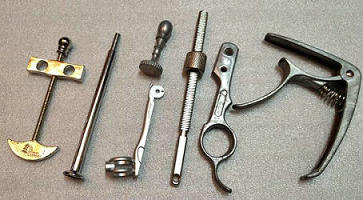
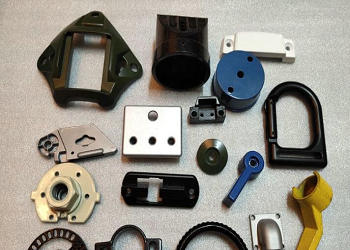
وصف سبائك الزنك المصبوبة بالقالب: نستخدم أربع سبائك زنك عالية الجودة لأجزاء مصبوبات الزنك المصبوبة بالقالب - زاماك 3، وزاماك 5، وزاماك 8، وزاماك 2 - لأنها توفر مزايا فريدة لصنع مصبوبات عالية الدقة. Zamak 3: باعتبارها سبيكة الزنك الأكثر شيوعًا، تتميز Zamak 3 بالليونة الاستثنائية وقوة الصدم. وهي تعمل بشكل جيد للغاية مع خيارات الطلاء والتشطيب المتعددة، زاماك 5: تُستخدم عادةً في تطبيقات السيارات والمحركات الصغيرة، وتتميز زاماك 5 بمقاومة ممتازة للزحف والصلابة والقوة. أجزاء زاماك 3 أو 5 المصبوبة بالقالب؟ بالنسبة لجميع مصبوبات الزنك المصبوبة بالقالب لدينا، نستخدم إما سبيكة الزنك Zamak 3 أو Zamak 5. خاص. تتم عملية السبائك في قسم سبائك الزنك الداخلي الأوتوماتيكي بالكامل حيث نقوم بتصنيع جميع أنواع سبائك الزنك لسبائك القوالب. تبلغ سعة سبائك الزنك اليومية لدينا 16 طنًا متريًا. يتم اختبار كل سبيكة من السبائك بواسطة مطياف محوسب للتركيب المعدني. يسعدنا تقديم عروض أسعار لمتطلباتك من مكونات صب الزنك بالقالب منخفضة التكلفة وعالية الدقة وصغيرة الحجم، والتي يتراوح وزنها بين 0.25 جرام إلى 125 جرام. نحن متخصصون في مزيج نادر من الاثنين - الأحجام الدقيقة والتشطيب السطحي الزنك ZA-8: حتى أنه أقوى من الزنك 3 و5، فإن الزنك ZA-زاماك 8 هو الخيار المثالي لمشاريع الصب بالغرفة الساخنة. كما أنه يعمل بشكل جيد مع خيارات الطلاء والتشطيب المتعددة. Zamak 2: بالمقارنة مع سبائك Zamak الأخرى، يوفر Zamak 2 أداء زحف أعلى وقوة وصلابة طويلة الأجل. وهي بمثابة مادة تحمل ممتازة ومعروف أنها تلغي الحاجة إلى البطانات وإدخالات التآكل في مكونات الصب بالقالب. زاماك 3، وزاماك 5، وزاماك 8، وزاماك 2 مناسبة تمامًا لعملية الصب بالقالب نظرًا لقدرتها على: - إنتاج جدران رقيقة للغاية وأشكال قريبة من الصافي - تحقيق مستويات عالية من الدقة - توفير مرونة في درجات الحرارة تصل إلى 150 درجة فهرنهايت - توفير الموثوقية مع خصائص تحمل فائقة - إظهار مقاومة متزايدة للتآكل يرجى إرسال العينات والرسم والتفاصيل الأخرى الخاصة بك وسوف نرسل لك عرض الأسعار على الفور.

انتقل إلى الأعلى

احصل على عرض أسعار