صب الألومنيوم

صب الزنك بالقالب

صب الزنك بالقالب مقابل صب الألومنيوم بالقالب: المزايا والعيوب

صب الألومنيوم, صب الزنك بالقالب

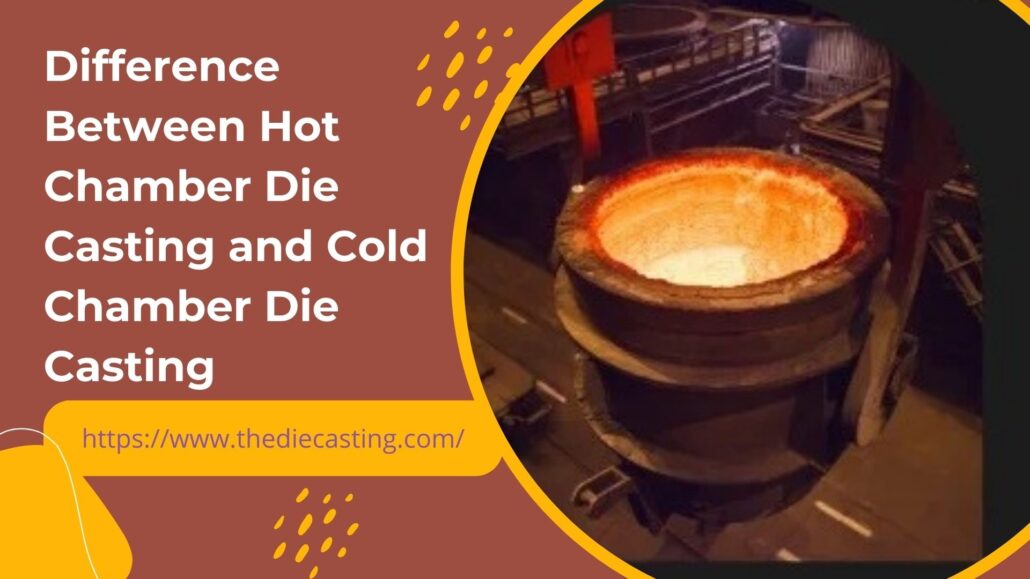
Die casting has also been a viable and versatile process in the manufacturing sector for producing high-precision metal products. Aluminum and zinc are among the most common die-casting alloys. Supposing that you are engaged in the production of a product, engineering, or locating the ingredients, you have to realize the difference between zinc die casting and aluminum die casting. The guide will help manufacturers to choose the most appropriate alloy for their project, whether it’s automotive parts, electronics, or consumer goods. Die casting is a process of pouring hot molten metal into a mold under high pressure to produce intricate shapes with a high level of surface finishes. Both Zinc and aluminum die casting have their own merits and demerits. We will also provide in-depth comparisons, a tabular, fast-tracked view, and professional commentary to help you make an informed decision. At the end, you will clearly understand the difference between zinc die casting and aluminum die casting, and when to use either of them. Let’s explore the key factors. What is Die Casting? A Quick Overview It is vital to understand the die casting process before comparing zinc die casting and aluminum die casting. Die casting is a process of forcing molten metal into a mold cavity under high pressure (1,000 to 20,000 psi). The hardened steel mold or die can typically produce thousands of similar parts with tight tolerances. Die Casting Types Hot Chamber Die Casting  It is applied in low-melting-point metals such as zinc. The injection system is dipped in molten metal. Cold Chamber Die Casting It is best when the metal has a higher melting temperature, such as aluminum. Lading of molten metal into the chamber is done to prevent damage to the machine. It is preferred for its speed, accuracy, and ability to create complex designs without extensive post-processing. At this point, we will compare the two star alloys: zinc and aluminum. Primary Properties of Zinc and Aluminum Die Casting The decision between zinc and aluminum die casting is often reduced to material characteristics. Zinc (and is commonly alloyed as Zamak) and aluminum (such as ADC12 or A380) do not share the same strengths, weight, corrosion resistance, etc. Strength and Durability Zinc alloys are reported to possess great impact strength and ductility. They can withstand significant stress without breaking, making them suitable for components that should be bent or shaped after casting. Aluminum alloys, on the other hand, are superior in tensile strength and hardness, particularly in structures. Weight and Density Compared to zinc, which has a density of 6.6 g/cm 3, aluminum is lighter (d = 2.7 g/cm 3). This contributes to the use of aluminum in industries that require low weight, such as the aerospace industry. Melting Point and Castability Zinc melts at approximately 380-390 °C, allowing hot-chamber machines to run faster. Aluminum-only melts at 660 °C, which means cold-chamber processes that may slow production but enable thinner walls to. Corrosion Resistance Both have good resistance; however, aluminium performs better under harsh conditions because it naturally forms a protective oxide coating. Outdoor use of zinc demands coating. Features Zinc die casting Aluminum die casting Melting point 380-390 degrees 660 degrees Tensile strength 280-400 200-300 Density 6.6 2.7 Thermal conductivity 109 100-140 Electrical conductivity High Very high Impact strength Ductile Brittle Corrosion resistance Good Best Benefits of Zinc Die Casting The versatility of zinc die casting has made it a reliable option for more than a hundred years. That is why manufacturers are fond of it: Outstanding Dimensional Accuracy Zinc remains intact to 0.05mm or less, eliminating the need for secondary machining. The manufacturer can achieve extreme dimensional accuracy with zinc die casting moulds. High Finish The raw material itself has a high-quality finish. Parts emerge clean and frequently do not require additional polishing before being plated or painted. Prolonged Tool Life Zinc melts easily, so the dies wear out less, resulting in lower long-term tooling costs. The products are corrosion- and wear-resistant, resulting in a longer lifespan. Fast Speed of Production The molten material solidifies within 15-30 seconds. It makes zinc die casting suitable for high-volume production. Large-scale industry uses it to improve and increase production. Affordable for Small Components Zinc is ideal for complex, small parts such as locks, gears, and hardware. But weight-sensitive applications may make zinc less desirable due to its greater density. Examples of standard alloys include Zamak 3 (general-purpose) and Zamak 5 (higher strength). Applications In other industries, such as the automotive sector, zinc is utilized in door handles and brackets. In the case of electronics, it is preferred in connection because it can shield against EMI. Benefits of Aluminum Die Casting In larger and structural components, aluminum die casting is leading. Its benefits include: Lightweight and Strong Aluminum components can reduce the product’s total weight by 50 percent compared to steel or zinc. Aluminum is light but strong. That makes aluminum die casting ideal for producing products suited to high-strength applications.   Excellent Corrosion Resistance It does not need further coating in most instances, which is time- and money-saving. The products made from aluminum die casting have a longer lifespan and remain intact. Good Thermal and Electrical Conductivity Aluminum’s ability to conduct electricity and heat makes it ideal for a wide range of applications. It is perfect for use in heat sinks, engine blocks, and electrical housings. Recyclability The aluminum die-casting process is best because of its high recyclability—100 percent aluminum recycling, in line with sustainable manufacturing trends. Thin-Wall Capability Aluminum die casting can produce walls as thin as 0.5mm, enabling complex designs. Drawbacks Contradictions and Disadvantages Not any material is perfect. In the case of zinc die casting as compared to aluminum die casting, these are the cons: Zinc Die Casting Limitations Aluminum Die Casting Restrictions Comparison of Costs: Zinc Die Casting vs Aluminum Die Casting A significant factor in the zinc die versus aluminum die casting is cost. Raw materials are usually cheaper, getting Zinc (2-3/kg) as compared to aluminum (2-4/kg), yet tooling and manufacturing

ما هي قوالب الصب بالضغط العالي؟

صب الألومنيوم

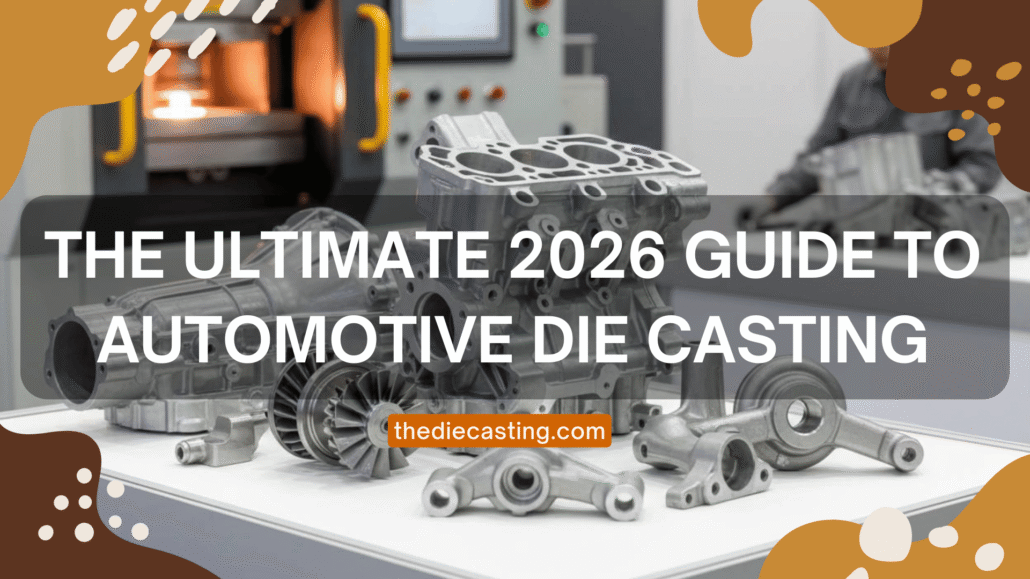
One of the most important metal processes, which is used today, is high pressure die casting. It is characterized by the capability to manufacture high-precision components. It is a process that manufacturers resort to when they require quality parts in large quantities. The process is achieved by placing a lot of pressure on molten metal and forcing it into a steel mold, referred to as a die. The pressure is used to maintain the flow of the metal to all corners of the mold. It produces components of small details, narrow walls and smooth surfaces. Because of this, the high pressure die casting would be a convenient choice in the case of an industry that has to be precise and uniform. Examples of the metals that are usually utilized during the process are aluminum, zinc, and magnesium. The materials have their own advantages. Die casting Aluminum is light and undergoes no corrosion. The reason is that Zinc die casting can be cast in thin and intricate designs. The strength of magnesium die casting is very light. High pressure die casting serves most industries. It provides vital parts in automotive, aerospace, electronic and consumer goods manufacturing industries.  This process provides durability and performance in engine housings, and in electronics cases, among other things. This article will discuss the functionality of high-pressure die casting, the material used, its advantages, constraints and its numerous applications. High Pressure Die Casting Die casting under high pressure has a history of over 100 years. Its creation dates back to the 19th century when it was used to create printing type. With time, technology was enhanced and became an essential procedure in the automotive and aerospace industries. One of the most effective methods of producing composite metal parts nowadays is high pressure die casting. It can be employed in cases where accuracy, durability, and speed are needed. This process has been adopted by manufacturers because it provides substantial production which is regular in quality, smooth, and detailed shapes which are in line with the requirements of modern engineering. The Die Casting Process of High Pressure High-pressure die casting is a rapid process that is accurate and applicable in mass production. It is a combination of high machines with molten metal that makes accurate and detailed parts. This is made efficient as the whole process enables the manufacturers to produce thousands of components of similar quality. Die Preparation It starts with the preparation of the die. The steel mold or die is meticulously washed and sprayed with a lubricant. This is to regulate the temperature and ensure that the metal does not adhere to the die surface. It should be properly prepared since it is the way to a smooth ejection of the final casting. Metal Melting After reading a die, the preferred material- aluminum, zinc or magnesium is molten down in a furnace. The metal should be heated to the right degree of temperature to attain a complete liquid state. The strength and the finish of the final casting largely depend on the quality of the melting. Metal Injection The molten metal is then forced into the die under a very high pressure. This pressure presses the metal in all corners of the mold cavity. It enables the process to make thin walls, sharp edges and complex shapes which are hard to make in other casting processes. Cooling and Solidification The metal freezes quickly within the steel mold after injection. Cooling periods are also extremely short; they may take only a few seconds. Quick cooling provides the part with its strength and assists in keeping the part at the proper size. Ejection from the Die When the solidification of the metal is done, the die is opened. The casting is forced out of the mold by ejector pins. The part is shaped at this phase except that it still contains additional material that must be eliminated. Trimming and Finishing The last phase is finishing and preparing. The metal that is kept in excess is removed, known as flash. Depending on the needs, the part can then be machined, polished, painted or coated. This will guarantee that the component is prepared to be used. Automation in Modern Factories The high pressure die casting is completely automated in modern factories. The steps of injection, cooling and ejection are performed with accuracy by robots. Automation enhances consistency, lowers labour expenses, and makes it an ideal way of undertaking mass production. Raw Materials of High Pressure Die Casting High pressure die casting is ideal for non-ferrous metals that have relatively low melting points. The most frequent are: Aluminum The most popular one is aluminum die casting. It is a low-weight, high-strength combination. Aluminum products are also resistant to corrosion, thus suitable for cars, aeroplanes and electronics. Zinc Small parts that are fine and precise are best cast with zinc. Zinc is of good toughness and strength. Thin walls and fine details are also enabled. That is why it is suitable for connectors, housings and decorative parts. Magnesium Magnesium is the lightest structural die cast metal. It possesses a good strength-to-weight ratio. It is commonly applied in aerospace, automobile, and consumer electronics in areas where a lightweight is a factor. Copper Alloys Alloys can also be made of copper, but this is not common. They are very hard, have high wear resistance and high electrical conductivity. All the materials possess their strengths depending on the usage. Aluminum is selected as a strong and corrosion-resistant material, zinc as an accurate one, and magnesium as a lightweight component. High Pressure Die Casting Tooling and Dies The most important aspect of the process is the die, or the mold. Hardened tool steel is used in making dies, and it is constructed to resist excessive heat and pressure. Dies are of two major types: It is also possible to design a die that will transfer the creation of a variety of parts in a single cycle, a combination die. The tooling costs are also expensive,

ما هي أواني الطهي المصنوعة من الألمنيوم المصبوب؟

ما هي أواني الطهي المصنوعة من الألمنيوم المصبوب؟ دليل كامل

ألومنيوم, صب الألومنيوم

Cast aluminum cookware is becoming popular in kitchens worldwide. It is lightweight, inexpensive, and easy to use. The food can have a different taste depending on the cookware that is used, including the easy cooking process. Cookware is also time-saving and long-lasting. The cast aluminum is made by pouring molten aluminum into a mold. The method gives the cookware both a concrete structure and consistency in the thickness. It allows the pan or the pot to warm up quickly and evenly spread the heat. This simplifies and reduces the time spent preparing day-to-day meals. Cast aluminum is another relatively lightweight material that many people have been using since it is relatively inexpensive when compared to stainless steel. It may also be prepared in different shapes and sizes; therefore, it may be fried, baked, and boiled. However, cast aluminum has its negative sides. It is not as tough as stainless steel nor as tough as cast iron. There are also some types of cooking utensils that need a non-stick or anodized coating so that the food does not stick or is not in contact with acidic foods. In this article, all of these will be expounded using simple language. You will be introduced to the advantages, disadvantages, security, and treatment of cast aluminum cookware. How Cast Aluminum Cookware is Made? Cast aluminum cooking utensils are produced as a result of pouring the melted aluminum into a mold. The metal (aluminum) will then be in the shape of a pan, pot, or baking dish after cooling down. The process makes the cookware tougher and heavier than the traditional pressed or rolled aluminum. The two big stages of the process are: Such casting makes the coocooklightlightut strong enough that it can be used daily. Others are non-stick envelopings on them to prevent the sticking of food, and to facilitate their cleaning. Cast Aluminum Process of Cookware Preparing the Aluminum The initial step entails the selection of aluminum. Pure aluminum or recycled aluminum can be used by manufacturers. This is put into large furnaces where it is heated to over 660 °Cuntil it melts to form a liquid. This stage is where purification of the aluminum is done to determine that it will be strong and safe in the final product. Creating the Mold Once the aluminum is on hand, the mold is created. The form is determined by the mould, and it may be a frying pan, a pot, or a baking pan. These moulds are mostly sandy or steely. The thinness, balance, and durability of the copopotterarere dare be determined by the type of mold and the level of exquisiteness. Pouring the Molten Aluminum The mold is then filled with liquid aluminum. It is filled to the very brim in every crevice of design. It is the process that also causes cast aluminum cookware to be heavier and stronger than pressed aluminum cookware. Cooling and Solidifying After being poured, the aluminum is expected to cool down. It is stiffening and depressing when it comes to cooling and acquires the shape of the mold. The cooling is required as it removes cracks, air bubbles, or weak areas that can jeopardize the quality of the cookware. Trimming and Finishing Once hardened, cookware is removed from the mold. Such is where a crude surface gets cut and polished. Other features are also incorporated, such as handles and bases. This is to ensure that the cook’s uniform is smooth, safe, and ready to be coated. Surface Coating and Finishing Most cast aluminum cooking utensils are surface-treated. They have most of them supplied with non-sticky surfaces, such that the food does not stick on the surfaces,, and the cleaning does not take much time. They can be anodized by others, and this increases their resistance to corrosion and scratches. These finishes are also resistant to the reactivity with acidic food. Quality Testing The quality control is the last one. All of the works are inspected on balance, durability, and coating safety. Cookware that has been carefully checked is packed and only sent into the market. It will ensure the customers receive durable, quality, and safe cookware. Cast Aluminum Cookware advantages What is the reason not to use other materials, to use cast aluminum? Here are the key benefits: Lightweight In comparison to cast iron, it is very light in cast aluminum. It does not take much time tocleanna, and it is more so when one has a cook who prepares meals regularly for the elderly. Superb Heat Distribution Aluminium is a thermal conductor. Cast aluminum utensils are quick to cook and evenly cook. This means that there would be fewer hot spots and even cooking. Affordable It is normally cheaper than stainless steel or copper cookware. It has decent performance at an affordable price. Versatile Cast aluminum may be fried, baked, boiled, or simmered. Some are even oven-safe. Quick Heating The aluminum makes food cook more quickly since it reacts to heat faster. This saves time and energy. Disadvantages of Cast Aluminum Cookware Despite several advantages of cast aluminum cookware, it also possesses several limitations: Durability Issues The cast aluminum is softer than the cast iron or stainless steel. Eventually,, it is likely to be dented or scratched, especially when it is not handled properly. Reactivity with Food The uncoated aluminium can react with acids such as tomatoes or vinegar. This may either render it metallic or discoloured. The majority of modern cast aluminium pans are coated to such effects. Coating Problems The non-stick film on the pan may be of poor quality, and thus, it may wear away with time. It can be scrubbed with hard sponges or metal utensils, and this decreases its life span. Aluminum Cast And Other Cookware The choice of cookware is more of a choice. The cast Aluminum performance when compared with the popular substitutes stands as follows: Cast Aluminum and Stainless steel The first distinguishable difference in the case of the cast aluminum and stainless steel is the heat

ما هي سبائك الألومنيوم الأفضل للحام؟

ما هي سبائك الألومنيوم الأفضل للحام؟

صب الألومنيوم, صب القوالب الألومنيوم

Which Aluminum Alloys Are Best for Welding? Aluminum has become the most popular of the metals used in contemporary industries because of its high portability, strong resistance to the elements and ease of fabrication. Its alloys are invaluable in the aerospace, automotive and marine as well as housing and building industries. But the challenges created by welding aluminum are different to welding other metals, in part because of the high thermal conductivity, speed of oxide formation and distortion and cracking characteristics of aluminum in the welding process. Knowledge of the properties and the characteristics of various aluminum alloys is important in the choice of the material that suits a particular task. Not every aluminum alloy is equally weldable, whereas some are well-adapted to traditional welding, others need some special welding procedure like friction stir welding. The alloy selection and method of welding depends on such factors as strength, resistance to corrosion, ductility, and the ability of heat-treating. Surfaces must also be properly prepared, filler metals need to be compatible and post-weld treatments must consider to achieve high-quality junctions. The article will give an in-depth report on the best types of aluminum alloy to be welded, their characteristics, the benefits associated with their usage, recommendations to follow and the challenges to expect when welding these types of aluminium alloy. Based on such knowledge, professionals will be in a position to achieve durable, reliable and good performing welded structures across diverse industrial and structural applications. What is aluminum alloys Aluminum alloys are the materials used by adding other metals to the aluminum to enhance its qualities like strength, corrosion resistant, machinability or weldability. Pure aluminum is weak, lightweight, soft, and very well resistant to corrosion. By mixing additional elements (such as copper (Cu), magnesium (Mg), silicon (Si), manganese (Mn), or zinc (Zn)), engineers can make alloys suitable to a variety of types of applications, including aerospace, automotive parts, marine and building structures. A few points of aluminum alloys Simply put, aluminum alloys have the lightweight, corrosion-resistant properties of aluminum with extra favorable qualities needed to suit the needs of an industrial application. Knowing the Aluminum Alloys Aluminum alloys have been divided into wrought alloys and cast alloys. Mechanically worked alloys are wrought into sheets, plates or extrusions but casting alloys are in form of poured molten aluminum into molds. The wrought alloys are further divided into series according to the alloying elements: Conditions which Affect Weldability Aluminum alloys can be welded, depending upon a variety of factors: The best Aluminum Alloys to weld on 5052 Alloy Al-Mg (aluminum-magnesium) alloy 5052 is considered by many to be one of the most welding friendly alloys. This is due to its high magnesium content and therefore it has good resistance to corrosion, especially in marine environments and applications in chemical processing. Applications: Moderate-to-high strength, high ductile and above-average corrosion resistance. Advantages: Materials: Marine structures, Chemical tanks, automotive panels, roofing sheets and industrial equipment. Alloy 5083 Aluminum-magnesium alloy 5083 has high strength at low temperatures and thus is applicable in marine and cryogenics. It resists corrosion especially in industrial and seawater. Characteristics: Extra-high strength, good corrosion protection, good fatigue resistance. Advantages: Applications: Shipbuilding, pressure vessels and tanks, automotive frames and equipment and transportation equipment. 5754 Alloy Another Al-Mg alloy is A-Mg 5754 which can be described as medium strength with high corrosion resistance and high formability. It also achieves structural strength, as well as, weldability and that is why it is commonly used where structural strength is key as well as weldability. Characteristics: Moderate strength, high ductility, is corrosion resistant. Advantages: Applications: Auto Body panels, structural panels, construction cladding, and marine. 6061 Alloy Al-Mg-Si alloy with the composition 6061 has found wide usage in the structural and aerospace fields. It is a compromise between toughness, corrosion resistance and utility. Type of properties: Medium-high strength, very good corrosion resistance, and moderate ductility. Advantages: Applications: Aircraft structures, pipeline, automotive components, bridge structures and structural products. 6063 Alloy Al-Mg-Si alloy (6063) is another architectural and decorative Al alloy that is noted to have a smooth finish on its surface and the ability to resist corrosion. Properties: A strong or moderate strength, good corrosion resistance, a good surface finish. Advantages: Applications: Architectural structure, window frames, doors, curtain walls and extrusions. Alloy 1100 Aluminum alloy 1100 can almost seem a pure aluminum alloy (it is 99% aluminum). It is soft, ductile and very easy to weld so it is suitable where resistivity is the issue rather than strength. High ductility: Excellent corrosion resistance, Low strength. Advantages: 1350 Alloy Another aluminum alloy of high purity applicable in the electrical and chemical industries is1350. It is incredibly strong and has great corrosion resistance as well as being very weldable and is a very dependable metal when used in specialized settings. Advantages: Immune to corrosion, excellent welding ability and low weight. Advantages: Aluminum Alloys, as well as of their major properties and the ability to be welded The technical table below contains the list of the full proper names of the aluminum alloys, as well as of their major properties and the ability to be welded: Alloy (Proper Name) Density (g/cm³) Melting Temp (°C) Tensile Strength (MPa) Yield Strength (MPa) Elongation (%) Hardness (HB) Weldability Aluminium 1100 (Commercially Pure Aluminum) 2.71 640 90 35 35 40 Excellent Aluminium 1350 (High Purity Aluminum, Electrical Grade) 2.71 640 110 40 20 50 Excellent Aluminium 5052 (Aluminium-Magnesium Alloy) 2.68 607–650 228 193 12 60 Excellent Aluminium 5083 (Aluminium-Magnesium Alloy, Marine Grade) 2.66 635 317 228 12 70 Excellent Aluminium 5754 (Aluminium-Magnesium Alloy) 2.67 637 250 190 15 60 Excellent Aluminium 6061 (Aluminium-Magnesium-Silicon Alloy) 2.70 582–652 310 276 12 95 Good Aluminium 6063 (Aluminium-Magnesium-Silicon Alloy, Architectural Grade) 2.70 615 241 214 8 90 Good Aluminium 2024 (Aluminium-Copper Alloy, Aerospace Grade) 2.78 500–640 483 345 20 120 Difficult Aluminium 2219 (Aluminium-Copper Alloy, High Strength Aerospace) 2.84 509–638 470 330 18 130 Difficult Aluminium 7075 (Aluminium-Zinc-Copper Alloy, Aerospace Grade) 2.81 477–635 572 503 11 150 Very Difficult This is

ما هي عملية بثق الألومنيوم؟ 

صب الألومنيوم, صب القوالب الألومنيوم

Aluminum extrusion has not only been appreciated in the respect that it makes a strong, yet lightweight part, but also its flexible and cost-effective designs are a factor. It is used in construction, aerospace, automotive and electronic industries, and nearly everywhere in between. Aluminium extrusion is among the processes that indicate an equalization between innovative designs and effective production, which is just about to become one of the dominating procedures of the manufacturing industry. Aluminum is one of the most popular metals in the modern industries, being appreciated because of its light weight, strength, durability and also its capacity to resist corrosion. Aluminum is more conspicuous in our lives; in the construction of skyscrapers in our cities, the cars we drive and other gadgets that we use in our daily lives. One of the most vital processes of manufacturing that has ensured the versatility is the aluminum extrusion process. Extrusion refers broadly to methods of metal deformation whereby metal is pushed or squeezed through a die in a similar fashion to toothpaste. In aluminum, longer continuous sections of final, predetermined cross-sectional shapes are formed by ramming solid block-like objects (known as billets) through an already heated die. These profiles may be plain rods, tubes or highly complex and specially made to the extent that they will meet the demands of a given industry. In this article, we will learn everything about the aluminium extrusion process; its history, the extrusion process, types, applications, advantages and limitations and its rising capabilities in future of manufacturing. Historical Background The idea of extrusion as a manufacturing process has been traced back to the late 18th century. The first well-known extrusion was that of the British inventor Joseph Bramah, who patented his exactly in 1797. Instead, he used a process that involved pushing pliable metals such as lead through a die to shape long, identical-looking pieces and primarily pipes. The preconditioning of the process of extrusion was an invention. Until much of the 19th century, the extrusion of softer metals had been inhibited by technology. The real breakthrough came about in the early 220thcenturies when economical ways of producing aluminium were discovered. The acquisition of aluminium was brought to lower prices and large-scale production by the invention in 1886 by Charles Martin Hall in the United States and separately by Paul H. Roult in France of the Hall-Heroult process. After the invention of aluminum, it did not take long before scientists and manufacturers saw the potential extrusion had to offer. The use of aluminum extrusion technology began gaining steam in the 20s, especially coming into force in Europe and North America. It was on a large scale utilized in the Second World War when the industries required a lightweight but durable material in aircraft, vehicles used by the military, and buildings. Since then, the line-casting technology has been invented and has been extended far farther than the aluminum extrusion that first emerged in the military sectors. What is Aluminum extruded? Aluminum extrusion is the commercial physical method that is used in plasticizing solid aluminum into shapes that are long with specific cross-sections. The idea is simple: a block of aluminum (a billet) is heated to a malleable stage and forced under intense pressure of a die made of steel. In pressing through the die, the aluminum takes on the shape of the opening, either straight, hollow, or solid, or in a highly complicated profile. The analogy that is best applied in extrusion is the extrusion of a toothpaste tube. Same as the toothpaste- it takes the shape of the nozzle, and similarly, the extruded aluminum takes the shape of the die. The advantage of aluminium extrusion is the ability to manufacture lightweight yet strong components of the exact shape. The resultant extruded profiles can be strippable to various lengths and are also subjected to further finishing, including anodising, powder coating, and finishing. All these upgrades raise performance, wear and look. Due to its flexibility, it has become one of the extrusion processes whose scope has been resorted to within different discourses like the construction industry, the aviation industry, the electronic industry, the transport and even the consumer products industry. It is not just the process but a vital bridge between the native stainless steel and absorbed functionality that defines the current engineering and high-construction. Aluminium Extrusion Process in Steps Characterise the Profile & Select the Alloy Cast and Christen the Billet Scalp or Saw Inspect Billet Heat the Billet Make the Die & Tooling Lubricate and Prepare the Press Load the Billet and QC Start the Press Breakthrough Extrusion, Steady Chinking on the Table Fast Cooling (Immediate Quenching) Handling temperature for cooling Profiles cool on the table after quenching until they are able to be handled without imprint or warping. Soft, controlled cooling minimises residual stress. Stretching / Straightening Cutting Back to Length Heat Treatment (Where Necessary) Surface Finish (Optional) Machining & Fabrication (As required) Profiles are CNC-machined, punched, drilled, tapped or bent. Jigs/ fixtures provide repeatability of tolerance control on thin or complex sections. Test and On-Quality Control Die Tuning & Maintenance When dimension control or surface finish is out of control, the length of the bearings and flow balance can be modified; dies may be polished and, when absolutely not required, nitrided; dies are polished and cleaned. Packing & Logistics Why every step counts The Components Used in Aluminum Extrusion Aluminum extrusion draws on choosing the correct aluminum alloy to suit the mechanical, thermal, and corrosion requirements. The properties required by different industries differ, thus selection of alloys is determined by strength, ductility, corrosion resistance and heat-treatability. 1000 Series (Practically Pure Aluminum) 3000 Series (Al-Mn Alloys) 5000 Series (Al-Mg Alloys) 6000 Series (Al-Mg-Si Alloys) 7000 Series (Al-Zn-Mg-Cu Alloys) Allothers Speciality Alloys To keep composition similarity, recyclable aluminum scrap containing the same alloy is frequently reused. Aluminum Extrusion Materials Quick Reference Table A technical table of probable common aluminum alloys used in extrusions, major properties and established extrusion parameters as follows: Alloy Series

الصب مقابل التشكيل

الصب مقابل التشكيل: فهم عمليات التصنيع الرئيسية

صب الألومنيوم

Casting and forging are two of the most commonly used metalworking methods, both of which have different applications in the manufacturing sector. Such techniques are essential in the manufacture of metal parts that diversify in automotive, aerospace, defence, and goliath machinery industries. Although both of them look to create functional parts by shaping metal, they ultimately achieve that goal in definitively different ways, creating different material properties and uses. Casting makes use of processes of melting down metal and pouring it into a mold, where it takes on a permanent shape. It is most suitable for the production of intricate and complicated shapes that would otherwise be difficult to acquire through other machinery. It works very well in mass production, particularly where large volumes of identical parts are manufactured. Casting is very flexible and can use a vast number of metals and alloys, thus casting can be used in industries where fine quality designs matter, aerospace, automotive and art. Forging, on the other hand, is a process of shaping metal through compressive forces, usually when the material is at a high temperature. This process makes the metal stronger by straightening up its grain structure, thus making the parts stronger and durable. The particular benefit of forging is that it is highly applicable in the manufacturing of parts that have to be hardened or exposed to extreme conditions, including high stresses, as in the automotive, aerospace, and defence industries. This article will discuss the main differences concerning casting and forging, the benefits and drawbacks of each, and the areas of application in modern manufacturing and what role each process holds in these processes. What is Casting? A manufacturing process preserved in casting involves pouring a liquid material, typically metallic, into a mold to set and acquire the shape of the mold cavity. It starts as the material is melted, poured into a special shape, and cooled. After this material hardens, the mold is removed, and a solid object is left, which is an almost perfect copy of the mold shape. What is Forging? Forging is a metalworking process that makes use of compressive force, with the metal typically heated to high temperatures. The metal is either beaten, pressed into shape or rolled to the required shape. Forging is commonly done at high temperatures, at which point in time the metal becomes malleable and a lot easier to work with. It is a process that is mostly employed to create robust, wearable components and is widely employed in such industries as automotive, aerospace, as well as heavy machinery. Casting Process The casting involves some major steps: Forging Process Forging is less complicated in the manufacturing process; however, one has to have greater control over temperature and pressure: The Pros of Casting and Forging Casting Advantages: Forging Advantages: Cons of Casting and Forging Casting Disadvantages: Forging Disadvantages: Casting and Forging Materials Casting Materials This casting process is a diverse process that may be conducted using a wide range of materials in relation to the needs of the application. Metals commonly used in casting are aluminum, steel, iron, bronze and brass, which are characterised by unique properties which qualify them to be utilized in various industries. As another example, aluminum is lightweight and has good resistance to corrosion, which will be ideal in automotive and aerospace markets. Steel and iron are more preferred due to their durability and strength, and are usually put to use in components of heavy machinery and industries. Bronze and brass can be seen in the use of metal when the element of strength is needed, but also the need for resistance to corrosion and appealing to the eye has to be considered, like decorative pieces or equipment on ships. Besides these common metals, casting may also entail specialized alloys, such as magnesium, zinc alloys and copper base alloys that are selected to fit certain applications because they possess specific functioning properties. An example of magnesium alloys is employed in the industries that need lightweight components, another example being the zinc alloys that might be applied in various industries where there is a need to cast certain parts that should not be vulnerable to wear and tear. Such copper alloys are dominant in electrical and plumbing works because of their high resistance to corrosion and electrical conductivity. Casting can use different metals and alloys, which means that manufacturers can modify the parts to best suit that application. Forging Materials Materials used to make forgings are usually chosen because of their strength in terms of stress and pressure-resistant properties. Steel alloys comprising carbon steel, stainless steel and tool steel are the most frequently used materials in forging. Carbon steel is strong and hard, and as a result, it is used when building structures and heavy machinery components. The advantage of stainless steel is that it cannot be easily corroded, thus it is ideal in places where parts are inhospitable, like the automotive and medical industries. Tool steel is particularly made and works well against wear and is hence applicable in tools, dies, and other parts of high-performance machines. Uses of Casting and Forging The casting and forging have more similar applications in different industries, and every type is specialized to suit the needs of the end product. The type of casting or forging is determined by strength, complexity, properties of the used material, and end use. The main applications of the processes are the following. Uses of Casting Casting has also proved to come in handy in the production of parts of complex shapes or large volumes. Some of the most important applications in industries are as follows: Uses of Forging Forging. In cases where high strength, durability and material integrity are demanded of the end product, the process is carried out by forging. These are common industries and parts in which forging is important: The Major Distinctions between Forging and Casting Although casting and forging are quite similar manufacturing techniques, it is important to realize the main peculiarities of

كيفية طلاء الألومنيوم بأكسيد الألومنيوم؟ الخطوات الأساسية وأفضل الممارسات

كيفية طلاء الألومنيوم بأكسيد الألومنيوم؟ الخطوات الأساسية وأفضل الممارسات

صب الألومنيوم

Anodize aluminum is one of the most popular electrochemical processes that are aimed at improving the surface characteristics of aluminum and aluminum alloys. Through the increment of the natural oxide layer on the surface of the aluminum, anodizing contributes largely to the durability of the material, corrosion resistance, and wear resistance. It also increases the aesthetic quality of the aluminum, providing a range of different looks and shine, and even the capability of taking on a dyed color. This is achieved by dipping aluminum in an acidic electrolyte bath (acidic), and an electric current is then introduced to react the aluminum with oxygen to form a denser oxide layer. Not only is this associated oxide layer tough and durable, but it also bonds well with the base metal. Anodizing has seen a wide, or rather, the highest demand in cases where the aluminum parts are exposed to extreme environments, like in the construction of aerospace, automobile, and building bodies. An example of where the anodized aluminum is utilized includes aircraft components, automobile wheels, facades, and consumer electronics, where not only does appearance matter, but functionality is also essential. Anodizing offers flexibility and invaluable diversity in today’s manufacturing because of the capacity to enhance physical qualities and aesthetic improvement of aluminum. What is Aluminum Anodizing? Anodizing is an electrochemical process of increasing the thickness of the native oxide film existing on the surface of aluminum. Oxygen gets mixed with the aluminum metal during an acidic bath, and using an electric current, the oxide structure of aluminum is formed, which gives the metal excellent properties of resistance to acid and oxygen. The process increases the material’s resistance to corrosion, hit resistance, and durability. Dyes can also be used on anodized aluminum because the oxide layer on anodized aluminum is porous, which enables rich colors to be used. The industries typically utilizing the process include aerospace, automotive, architecture, and consumer electronics industries because the process is able to add better performance and visual elements to aluminum materials used in harsh conditions. Fundamentals of Aluminum Anodizing The basis of anodizing is to immerse aluminum in a sulfuric acid electrolyte and then subject it to an electric current. This makes the oxygen react with the aluminum surface to form aluminum oxide (Al2O3) that is far more solid and tougher compared with the actual metal beneath it. This delivers a corrosion-resistant, wear-resistant finish, usually of matte, satin, or shiny finish. The anodized layer is subject to variation with reference to the time of the anodizing process, and sometimes the temperature and voltage. Anodizing Materials Required There are a couple of materials you are going to require before you proceed with the anodizing process: Step-by-Step Process of Anodizing Aluminum  1. Surface Treatment of Aluminum Preparing the aluminum surface is the initial stage of anodizing. This will be done by cleaning the aluminum by removing any dirt, grease, or oxidation that would be in it. Wet anecdote loss may be wiped off with a mixture of mild detergents and rinsed off using distilled water. A more rigorous cleaning should be done with a caustic soda solution to etch the surface and rinse off any naturally occurring aluminum oxide. Examine the cleaned surface of the aluminum and remove any flaws in it because anodizing would not conceal marks and dents. Care should also be taken to make sure that the aluminum is not covered in oils or grease that would impede the anodization process. 2. Anodizing Bath Preparation Then, an anodizing bath should be prepared by adding distilled water and sulfuric acid. The acid ought to have a concentration of about 15-20 percent. In a small batch, the usual plastic or glass container will do, but it should be inert to the acid. Make sure that the aluminum piece is in the bath, and the anode (positive lead) is touching / in contact with the aluminum using a conducting lead. 3. The Electrical Current Applied When the aluminum portion is clamped inside the bath, the electric current is administered. The aluminum will be the cathode ( negative ) terminal, and the anode is a lead or stainless steel electrode. The actual current density (amperage) and voltage are of the utmost importance as the parameters to control the quality of the anodized layer. With more current, we shall have a thicker oxide and lesser currents finer detailing. The anodizing process is about 30 minutes or one hour, depending on how thick the oxide layer is. In the process, aluminum is bound to the oxygen ions to make the aluminum oxide on the surface. 4. Neutralizing and Rinsing After the anodizing has finished, carefully take the aluminum out of the bath and rinse out under running distilled water to get rid of any acid on it. This will be imperative in avoiding any acid residue that may cause damage to the surface in a later period. In case of a required neutralizing step, the aluminum can be put in a neutralizing bath, which is usually in a mild alkaline solution to restore a neutral pH on the surface. 5. Finish of the Anodized Layer Anodizing is completed with the last process of sealing the aluminum oxide film. This process assists in raising the level of corrosion resistance of the anodized surface by sealing the holes of the oxide coat. The aluminum is normally sealed by soaking it in hot distilled water (about 95 °C or 203 o F) within a span of half an hour. The incident results in a hydrated aluminum oxide, which is corrosion and wear-resistant. Some of them you can even choose to dye the anodized aluminum, preferably before sealing. An oxide layer has a porous nature, which enables it to absorb dye, hence its ability to have a broad spectrum of surface colors. It is permanently colored by sealing, and the surface is very strong. Anodizing Process Factors Several factors can affect the result of the anodizing process, which include: Uses of anodized Aluminium Aerospace Industry 

ألومنيوم مصبوب

ما هو الألومنيوم المصبوب؟ المعدن متعدد الاستخدامات المستخدم في التصنيع الحديث

ألومنيوم, صب الألومنيوم

Aluminium castings are one of the most adaptable and common materials in contemporary manufacturing. It is used to melt and pour molten aluminum into moulds to adopt desired shapes, and in this process, complex and intricate parts can be constructed that would otherwise have a tough time coming out using alternative techniques, and hence, the process can generate a lot of such parts at a relatively lower cost. The cast aluminum products have found their value through various purposes that stretch to auto engine parts, aerospace, coffee pots, cookware and even household. The incredible weightlessness, plus concurrent strengths and resistances against corrosion and good thermal conductivity, make it the best supplier to numerous industries. Cast aluminum also provides the manufacturer with a lot of design flexibility, allowing the creation of complex geometries that can optimise performance without using a lot of material.  The process of casting is also very efficient and economically viable, particularly when mass production of parts is involved. Moreover, aluminium is one of the categories of metal that is easy to recycle, which means it can decrease the ecological costs of production. Although cast aluminum has a lot of advantages, it also has some shortfalls, such as its brittle nature when compared to wrought aluminum and that it is difficult to weld. These factors have to be taken into consideration when choosing cast aluminum for particular applications. This article will give a broad perspective of the properties, advantages and applications of cast aluminum, one of the most common substances in the contemporary world. What is Aluminium Cast? Cast aluminum consists of the quite liquid appearance of aluminum that has been remoulded into a shape that forms a product. This process, or casting, is a very old manufacturing process adapted to present-day practices. Unlike wrought aluminum, which is cast using the rolling process or extrusion, aluminum is poured into the mould as molten metal, after which it is left to harden. Casting provides more complex, hollow and even three dimensional shapes that could not be readily or cost within easy reach to form by machining or forging, since it begins as a liquid. It is this versatility that makes cast aluminum products so widely used right across our spectrum of products; that is, engine parts, as well as electronic equipment and cookware, to name a few. Simple Cast Aluminum Composition Aluminum, most of the time, is not pure aluminum. Instead, it is an alloy, i.e. a mixture of aluminum and other materials in order to improve strength or fluidity, or both. The most frequent aspect of the alloy is The combination is particular, which is dependent on use. To illustrate, alloys with high heat conductivity and corrosion resistance would be used on high-temperature equipment like automotive parts, and cookware would take the one with the high silicon-aluminium content that has high thermal performance and wear resistance. History and Development of Cast Aluminum Casting of metals has a history in the order of thousands of years since the early societies were known to cast bronze and cast iron to produce tools and weapons. Aluminum was not extracted until the early 19th century, and it was uneconomical to do so until the creation of the Hall-Héoult process late in the 19th century. The casting of aluminum became one of the processes of the aviation and cookware industries by the beginning of the 20th century. It is during the World War II era that aluminum demand was at its highest because of its strength-to-weight ratio that made it most suitable in aeroplanes. After the war, aluminum casting had more commercial applications in consumer products, automobile manufacturing and architecture.Due to the advancement of the design engineering of moulds, metallurgy, and castings, cast aluminum is part of the present-day production. Process of Cast Aluminum  Cast aluminum is a process which requires a number of major steps to turn melted aluminum into parts that can be used in the form of specific shapes. The work of the basic explanation of the process goes in the following way: 1. Mould Preparation The initial procedure of casting is making a mould in which molten aluminum will be cast. Depending on the casting method, the mould may consist of such materials as sand, metal or ceramic, among others. It is also designed with a good mould to have the desired shape to ensure that the aluminum solidifies in the right shape. 2. Melting Aluminum When the mould is ready, some scraps of aluminum or aluminum ingots are placed in a furnace where they are melted at a temperature range of 660 to 750 °C (1220 to 1382 o F). The molten aluminum is also continuously watched with the aim of obtaining the right pouring temperature and quality. 3. Pouring the Molten Aluminum into its Mold Once the melted aluminium is poured into the cavity of the mould, the molten metal is poured into the cavity of the mould. The pouring is done, depending on the kind of casting, i.e. die casting, sand casting or investment casting. Some of the techniques used include die casting, where molten aluminum is injected under pressure, whereas in other techniques, the molten aluminum is just poured into the mould and left to cool. 4. Cooling and Solidification Building and Overseeing: Having too thick or complicated a part will take a long time to cool. At this stage, the melted-down aluminum cools into the required shape and expels internal pressure. 5. Installation and Inspection After the aluminum is cooled down and solidified, the mould is then released, and the cast part remains. The separation in some cases is done by breaking the mould piece, particularly with casting in sand, and with other techniques such as die casting, mould opening and the part is ejected. 6. Finishing and Inspection After cutting the part, it is usually processed further using finishing operations such as grinding, polishing, machining, etc., in order to smooth the surface or attain closer tolerances. With the part, it is then checked

أواني خبز الألمنيوم المصبوب

لماذا تسخن أواني الخبز المصنوعة من الألومنيوم المصبوب بشكل أفضل وتدوم لفترة أطول؟

صب الألومنيوم

Due to the features of lightweight, strength, and dense heat distribution, cast aluminum bakeware has been getting popular among bakers, especially with those who want first-rate and durable products. Cast aluminum is the right balance of performance and effortless use, unlike other traditional bakeware materials such as cast iron and stainless steel. It is cast in molten aluminum molds and comes out as one strong, durable and convenient to use even to an amateur baker. Cast aluminum has excellent heat conductivity, which guarantees even cooking of edibles, especially baked goods, to prevent overcooking and non-uniform browning. The great one among the benefits of cast aluminum bakeware is the consistency of temperature, which is the key element of impeccable baking. It heats faster than others; therefore, it is available sooner, and its light weight makes it easier to handle around the kitchen. Most pieces of aluminum bakeware that are cast also possess a non-stick coating, which makes the release of food even easier and the after-baking clean up much easier. Cast aluminum bakeware also provides greater durability and strength with resistance to warping as compared to glass and stainless steel. Although cast iron is unparalleled in heat retention, cast aluminum has close to the same amount of heat distribution but with less weight. Cast Aluminum bakeware has been of great favourite among professional bakers, and also among people cooking at home, all because of the desire to have effective and durable baking tools. What is cast aluminum bakeware? Based on the bakeware molding method, casting aluminum, this is produced through the use of molten aluminum poured into already prepared molds to produce baking trays, cake moulds, pie dishes and various other cooking necessities. The process makes the bakeware strong but light in weight, such that there is efficient handling of the bakeware during baking and during serving. Among the best features of the so-called cast aluminum bakeware is its even heat-conducting properties. This implies that baked products like cakes, cookies and breads are well-cooked with no hot areas or burned sides. There are additional advantages to the speed at which the metal heats and cools off, which in turn saves some time in cooking, and this is a plus to busy bakers. The material is so strong and does not rust or corrode easily, hence this would make it last longer in the kitchen. In addition, it does not involve a lot of maintenance and wear and tear as compared to some of the other materials that will wear with time, as there will be a lot of usage. Advantages of Cast aluminum Bakeware 1. Durability Bakeware is made of cast aluminum, so it lasts a long time. The aluminum is almost immune to wear and tear, i.e. it will not crack or warp with frequent usage. Your bakeware will last even if you are using it on a daily basis or irregularly. 2. Uniform Distribution of heat Among the most striking properties of the term cast aluminum bakeware is that it transfers the heat all over the surface. This reduces inconsistent baking, as the end product is regular in texture and color. It is ideal among bakers who aspire to bring consistency in performance. 3. Lightweight The cast aluminum bakeware is much lighter as compared to other bulkier materials, such as cast iron and therefore easy to handle. The heavy-duty baking trays or cake pans can be lifted, transferred, and stored very easily, and that is ideal for any baker, whether they are professional or not. 4. Non-stick Properties Also, most products of the “cast aluminum bakeware” are equipped with a non-stick coating, which makes them even more convenient to use. The presence of this feature will make it easy to cook baked goods; therefore, less oil or spray will be used. It also makes cleanup effortless since there is little residue that stays after baking. 5. Corrosion Resistance Contrary to most metals, cast aluminum bakeware does not easily rust. It does not corrode, and therefore it is the ideal material to use when one wants to use it in the long term. This aspect comes in handy particularly in areas that experience different degrees of humidity and temperature. Cast aluminum bakeware: Making Process Manufacturing of cast aluminum bakeware entails careful and very consistent production devised to maintain quality and performance. The most important ones are: 1. Die Casting Die casting will be the first stage of the process, i.e. molten aluminum will be injected into steel molds at high pressure. This technique is a way of ensuring that the bakeware is shaped and molded in a very accurate and consistent manner. The molten metal enters all the mold cavity spaces, resulting in complex shapes and minute details of the various bakeware, including cake pans, muffin trays, and loaf pans. 1. Solidification and Cooling After the molten aluminum has been injected into the mold, it is left to cool and harden. The cooling is also regulated so as to have the desired properties of the aluminum, like strength and heat resistance. As the bakeware hardens, it slowly assumes its final form, and it normally requires only a few minutes to some hours, depending on how thick and elaborate the shape is. 2. Ejection and Inspection Once the aluminum pieces have cooled completely, they are removed and the mould is opened, releasing the cast aluminum bakeware. The second procedure consists of a complete inspection of the defect, such as the presence of air bubbles and cracks, or the presence of roughness. Any bakeware that is flawed is either repaired or discarded, and only good-quality bakeware would be passed further into the production process. 3. Surface Finishing After the inspection is over, the bakeware is provided with surface finishing treatments. These may involve such things as anodizing, making the surface rougher to resist corrosion and abrasion, or coating it with non-stick material so that it is easier to release baked goods and to clean up after baking. The finishing on the

انتقل إلى الأعلى

احصل على عرض أسعار