صب القوالب بالضغط العالي

قطع غيار السيارات المصبوبة بالقالب عالي الضغط من الألومنيوم

قطع غيار سيارات مصبوبة بالقالب عالي الضغط من الألومنيوم: متينة وفعالة

صب القوالب الألومنيوم, صب القوالب بالضغط العالي

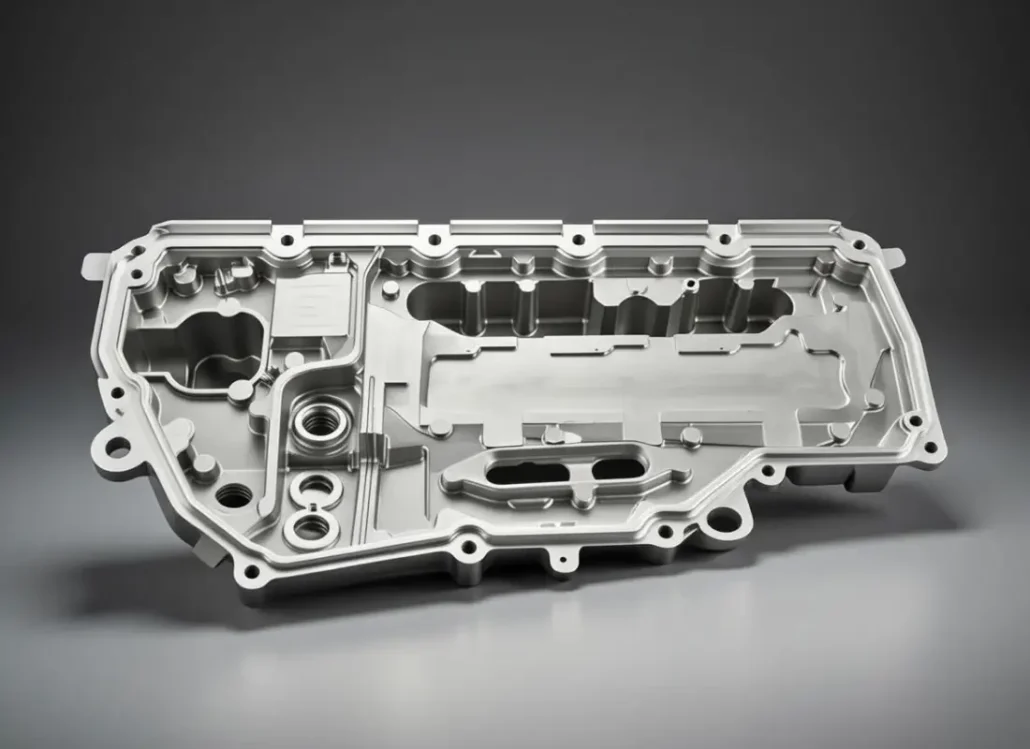
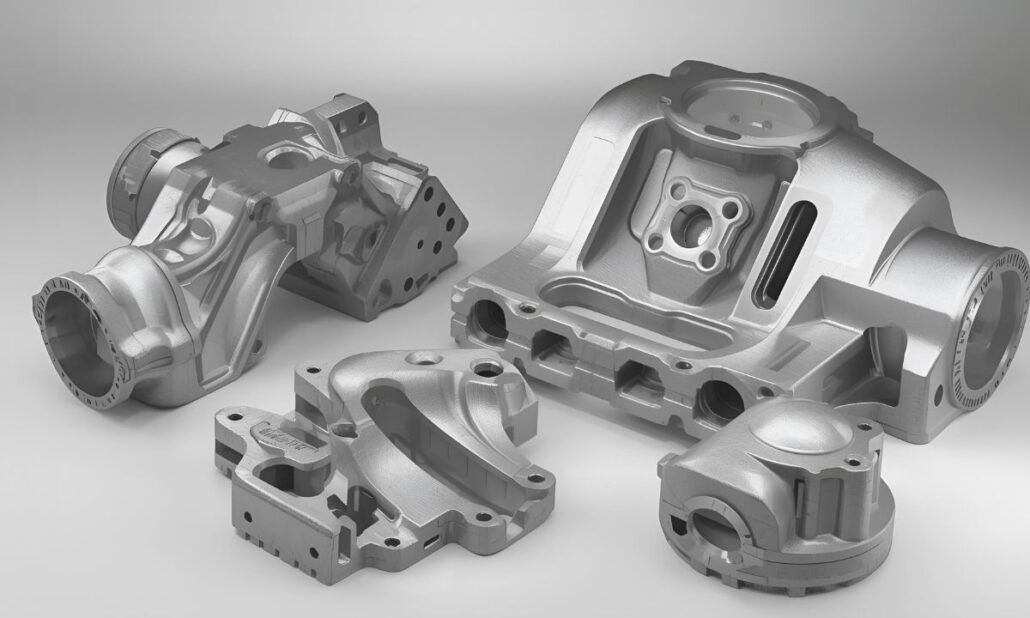
The automotive industry is changing due to the use of aluminum high pressure die-casting auto parts. They provide manufacturers with the power to design lighter, stronger and more efficient cars. With this technology, the car manufacturers can save on weight, become fuel efficient and have green mobility without compromising on the durability of the car. Auto parts die casting is the process whereby molten aluminum is injected into a steel mold at a very high pressure. This produces a strong shape that is smooth and sharp. The method allows faster production, reduced machining and consistent quality. In die casting auto parts, the companies are able to design complex components in a single step, which saves them time and money. Auto parts made in aluminium die casting are now much needed in modern vehicles. This is a frequent method of producing engine blocks, transmission housings, brake parts, and battery casings in electric cars. Lightweight, but tough, corrosion-resistant, and designed to meet tough conditions on the road, these parts are made. Auto parts made with aluminum die casting are increasing in demand rapidly, particularly as we move to electric and hybrid cars. Loss of total weight of cars increases battery life, performance and reduces emissions. This makes aluminum die casting a major component of green production. In brief, the use of aluminum high pressure die-casting auto parts in car manufacturing is no longer a choice. They have played a key role in creating the modern vehicles, which will not only be up to the present performance standards, but also be green. Powerful, effective, and stable, they will also be at the very centre of automotive design in the future. What Is Aluminum High Pressure Die-Casting? Die casting is a process of molding metal. In this, molten aluminum is forced under a very high pressure into a cavity in a steel mold. When cooled, the metal hardens in the same shape as the mold. The outcome is smooth, accurate and long-lasting. That is why die casting became one of the most popular ways of producing modern car parts. In comparison with the traditional technique, high pressure die casting can make complicated parts in one time. This saves time, machining requirements and costs to manufacturers. Why Aluminum for Auto Parts? The reason why aluminum high pressure die-casting auto parts are so popular is that there is no other material that has a combination of qualities as much as aluminum. It is green and rough; therefore, it is light and, therefore, can be used in the automobile industry. Increasing efficiency and environmental requirements have made aluminum the die casting of choice in auto parts. Weight loss is one of the largest benefits. Steel is a lot heavier than aluminum. Carmakers can lighten an overall vehicle by incorporating die casting auto parts produced using aluminum. The lighter a car is, the better its fuel economy, emissions, and performance. This would be important in both a conventional and an electric vehicle. Meanwhile, aluminum does not lose strength. It has a good strength-to-weight ratio, and this is good because even when the part is strained, it does not become soft. This is what renders aluminium die cast auto parts so useful in engines, transmission and chassis parts. The other important advantage is corrosion resistance. Aluminum does not rust and wear out like other metals. This provides increased life to aluminum die casting auto parts and decreased maintenance expenses to vehicle owners. Major Auto Parts are produced using Die Casting Automobile manufacturers cast most of their components using aluminum die casting. These are lightweight yet powerful parts that can be used in conventional as well as electric cars. Engine Blocks Engine blocks have to deal with heat, vibration and pressure. When it comes to auto parts die casting, aluminum blocks weigh less but are firm enough to work in very harsh conditions. This will conserve the overall weight of the engine and fuel consumption. Transmission Housings The transmission housings have to be precise and durable. Die casting auto parts are used in order to achieve the accuracy of smooth-running gears. This guarantees high reliability over time, and minimal machining is required. Brake Components Brakes face constant stress. Manufacturers produce strong components that are not heavy since they use aluminum die casting auto parts. This balance is applied to increase the braking force and to decrease the vehicle’s weight. Chassis Parts The chassis parts are used to provide safety and stability. They are strong but not bulky when made using aluminium die casting auto parts. This increases the management and productivity. EV Electric Housing’s motor and battery The auto parts that shield the motors and batteries are constructed using aluminum high pressure die-casting in electric vehicles. The housings protect delicate systems and still provide a lightweight frame, increasing the distance covered during driving. Collectively, these elements bring out the role of auto parts die casting in helping to design new cars. Aluminum die casting has made engines, EV batteries, and more perform efficiently, last longer, and be durable. Process of Aluminum High Pressure Die Casting 1. Mold Preparation Preparation of the moulds starts. The die of steel is thoroughly washed in order to eliminate all materials that are impurities and heated to the appropriate temperature. A protective coating is applied to the surface that prevents the sticking of the molten aluminum to the surface, and helps in controlling the cooling rate. This is done to ensure enhanced circulation of metals and longer life of moulds and consistency of parts per production cycle. 2. Melting the Aluminum These aluminum alloys are melted in a furnace with specific controlled temperatures. But sufficient temperature is also required, as that prevents oxidation, and the molten metal will flow easily into the mold cavity. Any impurities are removed by refining the agents or filters. This ensures that aluminum die cast auto parts contain no defects and are of good and consistent properties. 3. Under high pressure injection. Then the molten aluminum is forced into
عيوب التصنيع المعتادة في الصب بالقالب عالي الضغط: الأسباب والوقاية والحلول

صب الألومنيوم, صب القوالب, صب القوالب بالضغط العالي

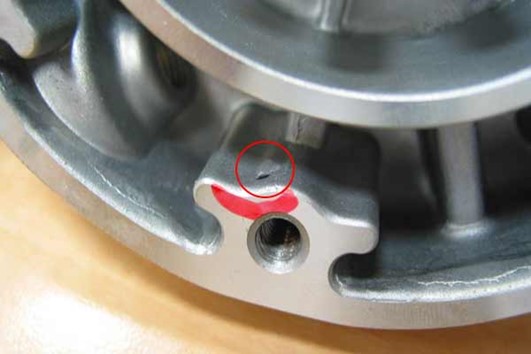
High-pressure die Casting (HPDC) is one of the most frequently utilized metal casting processes in current manufacturing. Manufacturers choose HPDC because it enables the production of complex metal parts that achieve both high precision and rapid production rates superior dimensional accuracy and smooth finishes. HPDC enables automotive and aerospace industries and the production of electronics components and consumer goods to manufacture lightweight durable parts for applications like engines and housings, structural elements, and mechanical assemblies. The manufacturing process of high-pressure die casting faces numerous risks that create substantial defects that decrease product quality while shortening the lifespan and compromising performance. Various defects form from improper mold design, turbulent molten metal flow, trapped gases, inconsistent cooling rates, and thermal stress during the production process. HPDC technology encounters seven primary defects which include porosity, cold shuts, shrinkage defects, flash formation, surface defects, misruns, die erosion, and soldering. These types of manufacturing defects cause deterioration of material strength while producing irregular dimensions and undesirable visual effects which can instigate component breakdown. Manufacturers combat production problems through the optimization of processing parameters and better-undermining methods along with controlled temperature systems and vacuum-assisted casting procedures. Real-time monitoring and simulation software are advanced quality control methods with further efficiency and reliability in the die-casting process. This article provides a comprehensive analysis of standard manufacturing issues during high-pressure die-casting technology with explanations of root causes and solution strategies to decrease these defects. It is only by understanding these challenges and applying best practices that manufacturers can improve the quality, longevity, and, of course, the performance of their die-cast components and simultaneously cut down on waste, and production costs. Proficiency in these manufacturing defects will assist die-casting engineers, production managers, and quality control specialists to optimize their processes for the best die-casting outcomes. 1. Porosity Porosity is defined by small holes or gas inclusions found within the metal matrix, and as a result, affects the mechanical properties, decreasing the strength, including allowing for air and gasses to pass through the structure, and leading to visible surface defects in die-casted products. Causes: Prevention & Solutions: 2. Cold Shut A cold shut is created when two streams of molten metal do not fuse properly and form weak bonding areas or visible seams in the casting. This defect not only decreases the mechanical strength but also increases the risk of a fracture, as well as negatively affects the component’s durability and appearance. Causes: Prevention & Solutions: 3. Shrinkage Defects Shrinkage defects occur due to shrinkage of metal during cooling which leads to internal voids or cavities, which deteriorate the structural integrity of casting. As a result, these defects reduce the mechanical strength of the final product, cause potential failure under stress, and cause poor surface quality, thus affecting both the functionality and aesthetics of the final products. Causes: Prevention & Solutions: 4. Flash Formation Excess thin metal layers formed at the parting line or die gap due to high-pressure metal escape are referred to as flash. Although flash can be trimmed off post-casting, over-flash leads to increased material waste, tool wear, and associated production costs and thus reduces the overall efficiency of the die-casting process. Causes: Prevention & Solutions: 5. Inspection of Surface Defects (Blisters, Crack and Wrinkles) A variety of surface defects, blisters, cracks, and wrinkles, degrade the visual appearance and mechanical strength of the casting and need to be prevented and eliminated. It causes weld defects that reduce the durability of the product, increase the rejection rate, and make the product stick poorly after post-casting treatments such as painting or coating. Causes: Prevention & Solutions: 6. Inclusions and Contamination Unwanted foreign particles, such as slag, oxide films, dirt, or other impurities, which are trapped in a final casting, create poor mechanical properties, weak structural integrity, and surface defects and are called inclusions. The presence of these contaminants can reduce die-cast component performance and durability so that they are not suitable for high-precision applications. Causes: Prevention & Solutions: 7. Misruns and Incomplete Fill A misrun occurs where there is a short filling of the mold cavity, which causes missing sections, thin walls, and weak points in the final component. Negative effects on the structural integrity and functionality of the part and in this way unsuitable for performance applications. Causes: Prevention & Solutions: 8. Die Erosion and Wear Molten erosion dies wear is the loss of the mold surfaces due to the high-speed metal continuously wearing the mold part surfaces until the required dimensions are achieved, which results in poor surface finish and short mold tool life. If this defect occurs, die replacement is common and consequently, production costs increase while casting quality varies. Causes: Prevention & Solutions: 9. Hot Cracking Cracks that occur during the semi-solid state of the metal, is due to high thermal stress and excessive shrinkage are known as hot cracking. These cracks degrade the mechanical integrity of the casting that is increase the chance of failure of the casting at the place where the cracks are present under stress or load. Causes: Prevention & Solutions: 10. Soldering The molten metal adheres to the die surface, which is difficult to remove with casting, causing surface defects, die wear as well as prolonged production downtime. Dimensional inaccuracies and poor surface finish are also caused by this defect, as it results in the overall compromised quality of the final product. Causes: Prevention & Solutions: Conclusion The high-pressure die casting is a powerful manufacturing process that creates complex metal parts at high accuracy at maximum efficiency. However, different kinds of defects arise using improper process parameters, material issues, and/or mold design flaws. Manufacturers can take preventive measures, e.g. optimal process control mold, properly selected material, etc., after understanding these usual manufacturing defects. A company can improve product quality, lower production costs, and achieve higher production efficiency in die-casting operations by emphasizing continuous process improvement as well as defect prevention strategies. Frequently Asked Questions (FAQs) 1. What are the major reasons for defects in high-pressure die casting? The main causes

نبذة عن خدمات صب المعادن

صب القوالب الألومنيوم, شركات صب القوالب, أجزاء الصب بالقالب, صب القوالب بالضغط العالي, صب المغنيسيوم, صب المغنيسيوم بالقالب المغنيسيوم, صب الزنك بالقالب

تتضمن خدمات صب المعادن تشكيل المعادن السائلة المتدفقة بحرية من خلال استخدام القوالب أو القوالب أو النماذج. يتم تشطيب المسبوكات بشكل عام بشكل تقريبي بسبب طبيعة إنتاجها. وفي كثير من الحالات، يلزم إجراء تشطيب إضافي لإزالة النتوءات وغيرها من الآثار الناتجة عن عملية الصب. تُستخدم خدمات المسبوكات المعدنية لتصميم مجموعة واسعة من المكونات والمنتجات النهائية. يمكن تصنيع كل شيء بدءًا من المسامير والمثبتات البسيطة إلى كتل المحرك باستخدام خدمات صب المعادن. تشمل عمليات صب المعادن الشائعة الصب بالرمل، والصب بالقالب، والصب بالقالب الدائم، والصب الاستثماري، والصب بالطرد المركزي، والصب بالرغوة المفقودة. الصب بالرمل يُستخدم الصب بالرمل لصنع الأجزاء الكبيرة (عادةً ما تكون من الحديد، ولكن أيضاً من البرونز والنحاس والألومنيوم). يتم سكب المعدن المنصهر في تجويف قالب مصنوع من الرمل (طبيعي أو صناعي). وعادةً ما يكون للمسبوكات الرملية سطح خشن، وأحياناً مع وجود شوائب سطحية وتغيرات سطحية. ويشمل الصب بالقالب عدداً من العمليات التي يتم فيها استخدام قوالب أو قوالب قابلة لإعادة الاستخدام لإنتاج الصب. يحتوي القالب على انطباع للمنتج النهائي مع أنظمة التشغيل والتغذية والتنفيس. القالب قادر على دورة منتظمة وعلى تبديد حرارة المعدن المصبوب فيه (بسرعة). وبمجرد أن يبرد المعدن السائل بما فيه الكفاية، يتم فتح القالب ويمكن إزالة الصب والانتهاء منه. الصب بالقالب الدائم في الصب بالقالب الدائم، يتم صب المعدن المنصهر في قوالب من الحديد المصبوب المغطاة بغسل القالب بالسيراميك. يمكن أن تكون القوالب من معدن أو رمل أو قشرة رملية أو مواد أخرى. عند الانتهاء، يتم فتح القوالب وإخراج المسبوكات. تتضمن خدمات الصب الاستثماري أنماط صب القوالب عن طريق حقن شمع خاص في قالب معدني. يتم تجميع الأنماط في مجموعة حول نظام عداء الشمع. ثم يتم طلاء ‘شجرة’ الأنماط ب 8-10 طبقات من المواد الحرارية. يتم تسخين التجميع لإزالة الشمع. يتم صب القالب الساخن، وعندما يبرد، تتم إزالة مادة القالب عن طريق الصدم أو الاهتزاز أو السفع بالحصى أو السفع بالماء عالي الضغط أو الذوبان الكيميائي تاركاً المسبوكات التي تتم إزالتها بعد ذلك من نظام العداء. الصب بالطرد المركزي تُستخدم خدمات الصب بالطرد المركزي لإنتاج مصبوبات أسطوانية الشكل. في الصب بالطرد المركزي، يتم تدوير قالب دائم حول محوره بسرعات عالية أثناء صب المعدن المنصهر. يتم قذف المعدن المنصهر بالطرد المركزي نحو جدار القالب الداخلي حيث يتصلب. وعادةً ما يكون الصب عادةً صباً دقيق الحبيبات بقطر خارجي دقيق الحبيبات للغاية، وهو مقاوم للتآكل الجوي، وهو حاجة نموذجية في الأنابيب. يحتوي القطر الداخلي على المزيد من الشوائب والشوائب، والتي يمكن تشكيلها آلياً. الصب بالرغوة المفقودة الصب بالرغوة المفقودة (LFC) هي خدمات صب المعادن التي تستخدم أنماط مملوءة بالرغوة لإنتاج المسبوكات. يتم حقن الرغوة في النمط وملء جميع المناطق، دون ترك أي تجاويف. عندما يتم حقن المعدن المنصهر في النموذج، يتم حرق الرغوة مما يسمح للقالب بالتشكل. الصب بالقالب يشمل الصب بالقالب وصب المعادن عدداً من العمليات التي يتم فيها استخدام قوالب أو قوالب قابلة لإعادة الاستخدام لإنتاج الصب. القالب قادر على دورة منتظمة وعلى تبديد حرارة المعدن المصبوب فيه (بسرعة). وبمجرد أن يبرد المعدن السائل بما فيه الكفاية، يتم فتح القالب أو القالب ويمكن إزالة الصب والانتهاء منه. في عملية الصب بالقالب، يتم حقن المعدن المنصهر تحت الضغط في قالب أو قالب قابل لإعادة الاستخدام. يحتوي القالب على انطباع للقالب مع أنظمة التشغيل والتغذية والتنفيس. القالب قادر على دورة منتظمة وعلى تبديد حرارة المعدن المصبوب فيه (بسرعة). وبمجرد أن يبرد المعدن السائل بما فيه الكفاية، يتم فتح القالب أو فتح القالب ويمكن إزالة المعدن المصبوب والانتهاء منه. الصب بالقالب بالضغط العالي عملية الصب بالقالب بالضغط العالي هي الأكثر استخداماً، حيث تمثل حوالي 50% من جميع إنتاج سبائك الصب الخفيفة. ويمثل الصب بالقالب بالضغط المنخفض حالياً حوالي 20% من الإنتاج ويتزايد استخدامه. ويستحوذ الصب بالقالب بالجاذبية على الباقي، باستثناء مساهمة صغيرة ولكنها متزايدة من عملية الصب بالقالب بالتفريغ والضغط التي تم إدخالها مؤخرًا. الصب بالقالب بالجاذبية مناسب للإنتاج بكميات كبيرة وللصب الآلي بالكامل. الصب بالقالب منخفض الضغط مناسب بشكل خاص لإنتاج المكونات المتماثلة حول محور الدوران. وعادةً ما يتم تصنيع عجلات السيارات الخفيفة بهذه التقنية. يمكن أن تتنوع معادن الصب بالقالب على نطاق واسع، وقد يكون لدى شركات الصب بالقالب المختلفة القدرة على العمل مع أي شخص أو عدد منها. تشمل بعض أنواع القوالب المعدنية الأكثر شيوعًا صب الألومنيوم بالقالب وسبك القوالب النحاسية وسبك القوالب النحاسية وسبك القوالب الرصاصية (الأكثر شيوعًا لصب القوالب النموذجية) وسبك قوالب المغنيسيوم وسبك قوالب الزنك. نأمل أن تكون كل هذه المعلومات كافية للرجوع إليها، ولكن إذا كنت ترغب في معرفة المزيد من المعلومات، فنحن نرحب بك للاتصال بنا عبر الهاتف أو البريد الإلكتروني.

صب الألومنيوم وتصنيعه آلياً

صب القوالب ذات الضغط العالي

ألومنيوم الصب بالقالب, شركات صب القوالب, صب القوالب بالضغط العالي, صب القوالب بالضغط

صب المعادن أمر بالغ الأهمية في التصنيع الحديث. فهي تشكل العالم بأسره من الناحية التقنية. كما تعلم، يمكنك إنشاء مجموعة واسعة من الأجزاء المعدنية من هذه الطريقة. تُعد طريقة الصب بالقالب بالضغط العالي من أكثر طرق صب المعادن شيوعًا هنا. تقوم طريقة الصب المعدني النموذجية بصب المعدن المنصهر في قالب لإنشاء أشكال معقدة ودقيقة. تحتاج كل صناعة إلى أجزاء الصب هذه للعديد من التطبيقات. فقد يحتاجون إليها للدعم الهيكلي أو في منتجاتهم الرئيسية. وإحدى الطرق الشائعة لتشكيل المعادن هي من خلال الصب بالقالب، ويعد الصب بالقالب بالضغط العالي أحد أكثر طرق الصب بالقالب شيوعًا. هذه الطريقة هي ما يدور حوله هذا المقال في الغالب. سوف تتعرف على كيفية صنعها وفوائدها وكيفية استخدامها. سوف تكتشف أيضًا كيف يختلف كل من HPDC و LPDC. نظرة عامة على الصب بالقالب بالضغط العالي (HPDC) HPDC تعني الصب بالضغط العالي. كما يوحي الاسم، تحتاج طريقة صب المعادن هذه إلى ضغط عالٍ. صب HPDC مناسب لصنع العديد من الأجزاء المعدنية ذات التفاوتات العالية. في عملية الصب بالقالب HPDC، يتم حقن المعدن المنصهر في قالب أو قالب فولاذي بسرعات وضغط عاليين. ونتيجة لذلك، يمكنك إنشاء مئات من أجزاء الصب في وقت أقل. الضغط المطلوب هنا هو التأكد من أن المعدن المنصهر يملأ الميزة التفصيلية للقالب. ولهذا السبب، فإن الصب بالقالب عالي الضغط مناسب للإنتاج بكميات كبيرة. تتكون آلة الصب بالقالب بالضغط العالي من عدة مكونات أساسية. وكلها مهمة جدًا للنظام. قد تجد أيضًا أجزاء أخرى. ومع ذلك، فإن هذه الأجزاء الأربعة هي أهم الأشياء في عملية الصب بالقالب بالضغط العالي. وعادة ما يقررون مدى جودة أجزاء الصب في النهاية. قوالب الصب بالقالب قوالب الصب بالقالب، أو القوالب، هي أجزاء آلة الصب بالقالب بالضغط العالي التي تحدد بشكل عام الشكل النهائي. لها نصفان رئيسيان: ثابت ومتحرك. وعادة ما تكون مصنوعة من الفولاذ عالي القوة. يُطلق على صنع هذه القوالب المصبوبة بالقالب HPDC اسم أدوات الصب بالضغط العالي. لاحظ أن أدوات HPDC ضرورية للحصول على أفضل جودة لصب المعادن. دبابيس القاذف دبابيس القاذف هي مكونات مهمة أخرى في قالب الصب بالضغط العالي. فهي تسهل إزالة القالب المتصلب من القالب. يمكنك العثور على هذه الدبابيس داخل نصف القالب المتحرك. بمجرد أن يتم تبريد الصب المعدني وتصلبه، يمكنك تشغيل هذه المسامير لإزالته. وهي تلعب بشكل أساسي دورًا حاسمًا في دورة الإنتاج. آلة الصب بالقالب بالغرفة الباردة آلة الصب بالقالب بالغرفة الباردة هي أهم الماكينات التي تحتوي على نظام الحقن ونظام الضغط وأنظمة الطرد وما إلى ذلك. مكونات التسخين قد تشمل مكونات التسخين الأفران وعناصر التسخين. وهي عادةً لا تقوم بصهر المعدن ولكنها تحافظ على درجة الحرارة ثابتة. الهدف الرئيسي من هذا الجزء من ماكينة الصب بالقالب بالضغط العالي هو ضمان أن يكون المعدن في شكل سائل. لاحظ أن التسخين المتسق أمر بالغ الأهمية لجودة واتساق المسبوكات النهائية. كيف يعمل الصب بالقالب بالضغط العالي؟ بشكل عام، يعمل الصب بالقالب بالضغط العالي في خمس خطوات. كل خطوة حاسمة للجودة النهائية للمسبوكات. لذلك، عند بدء عملية الصب بالقالب، افحص الجهاز دائمًا. تحقق من وجود أي عيوب أو براغي مفكوكة. اضبط الجهاز دائمًا على الإعدادات المثلى. تحقق مما إذا كان نظام التبريد يعمل بشكل صحيح أم لا. بمجرد التحقق من جهازك بشكل صحيح، يمكنك المتابعة إلى عملية الصب بالقالب بالضغط العالي الأولية. ارتدِ دائمًا معدات السلامة، مثل القفازات والملابس والنظارات. الخطوة #1 تحضير قالب الصب بالقالب يمكنك تحضير قالب الصب بالقالب بالضغط العالي في خطوتين رئيسيتين. أولاً، إذا كان قد تم تصنيعه بالفعل، افحصه بحثًا عن العيوب والتلوث قبل استخدامه. ثانيًا، تصميم القالب ضروري للمنتجات المخصصة. يتضمن تصميم قالب الصب بالقالب عدة مراحل. أولاً، يمكنك رسم تصميمك باستخدام برامج ثلاثية الأبعاد مثل SolidWorks و AutoCAD وغيرها. تأكد من تنظيم عداء البوابة وقاعدة القالب بشكل صحيح عند تصميمه. يعد نظام التبريد أيضًا جزءًا مهمًا من عملية التصميم هذه. وأخيرًا، تحقق من نظام التنفيس والطرد. بمجرد الانتهاء من التصميم، تابع تحليل المسودة. يمكنك التحقق من وظائفه على برامج المحاكاة المختلفة. بعد الاختبار وفحص الجودة، يمكنك استخدام أدوات الصب بالقالب للإنتاج النهائي. الخطوة #2 حقن المعدن المنصهر في عملية الصب بالضغط العالي في عملية الصب بالضغط العالي هذه، تقوم الماكينة بحقن المعدن المنصهر في تجويف القالب. على عكس الطرق الأخرى، تستخدم عملية الصب بالضغط العالي الضغط العالي والسرعة العالية لهذه المهمة، ولهذا السبب يطلق عليها صب القالب بالضغط العالي. أولاً، يتم توصيل نصفي قالب الصب بالقالب بإحكام. ثم، بضغطة زر، تدفع ماكينة الصب بالضغط العالي الضغط المعدن المنصهر إلى داخل الحجرة. يضمن هذا الضغط تقنياً أن يملأ المعدن المنصهر التجويف بأكمله. وبمجرد الانتهاء من الحقن، يُترك المعدن المنصهر ليبرد ويتصلب. يتم استخدام طريقتين أساسيتين للحقن في نظام الصب بالقالب HPDC. يمكنك اختيار الطريقة الصحيحة للمهمة بناءً على احتياجات مشروعك. الحقن بالغرفة الساخنة عندما تكون آلية الحقن مغمورة في خزان المعدن المنصهر، يُطلق عليها الحقن بالغرفة الساخنة. عندما يتحرك المكبس، فإنه يسحب المعدن المنصهر إلى الحجرة ويحقنه في تجويف القالب. هذا النوع من الحقن مناسب للمعادن ذات درجات الانصهار المنخفضة. قد تجد غالبًا ما تستخدم آلة الصب بالقالب بالغرفة الساخنة هذه سبائك الزنك والمغنيسيوم. الحقن بالغرفة الباردة من ناحية أخرى، يستخدم الحقن بالغرفة الباردة فرن صهر منفصل. يمكنك صب المعدن المنصهر باستخدام نظام يدوي أو آلي. في التصنيع، يتم تشغيل النظام الآلي بشكل عام بواسطة مكبس هيدروليكي. وهو يجبر المعدن المنصهر على الدخول في تجويف القالب. حقن الغرفة الباردة هو تقنية شائعة لصب الألومنيوم HPDC. الخطوة #3 التبريد والتصلب بعد الحقن، يبرد المعدن المنصهر بسرعة داخل تجويف القالب. بعض

ألومنيوم الصب بالقالب

صب الألومنيوم بالقالب

صب الألومنيوم, قوالب صب الألومنيوم, صب القوالب الألومنيوم, صب القوالب, ألومنيوم الصب بالقالب, شركات صب القوالب, قالب الصب بالقالب, أجزاء الصب بالقالب, صب القوالب بالضغط العالي, صب المغنيسيوم بالقالب المغنيسيوم, صب القوالب بالضغط

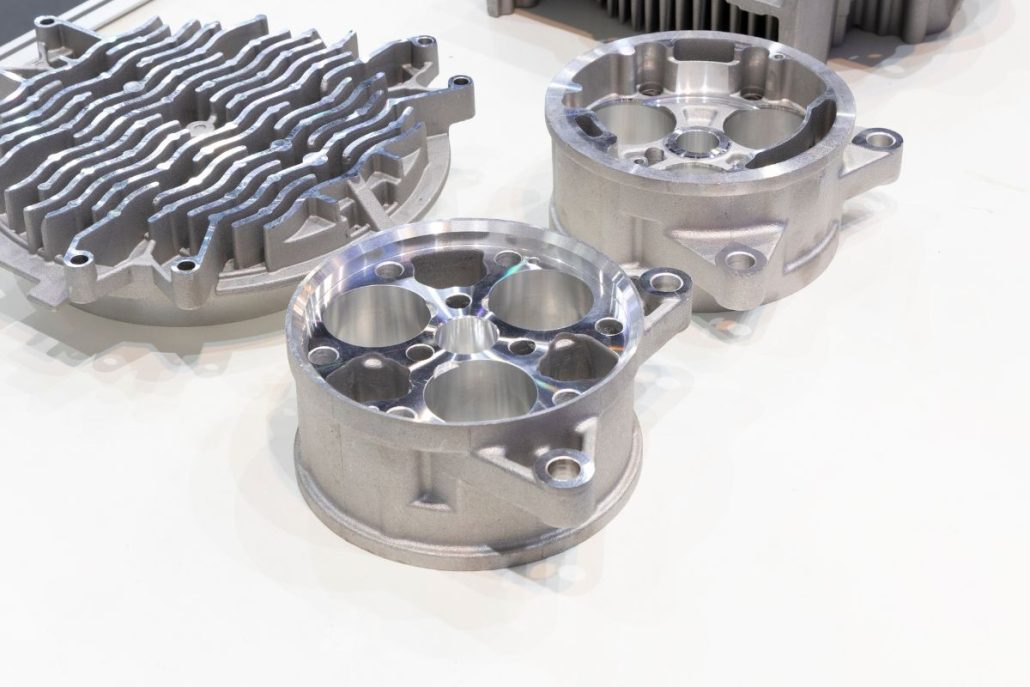
What is Aluminum die Casting Aluminum die casting can be understood as a highly controlled metal “injection” process rather than a simple pouring method. In a typical aluminum die casting manufacturing company, molten aluminum is forced into a hardened steel die under high pressure, allowing the metal alloys to fill even very thin sections and complex geometries within milliseconds. What makes this process valuable is not just speed, but repeatability—once the mold is tuned, thousands of parts can be produced with consistent dimensions and surface quality. From a practical manufacturing perspective, die casting is often chosen when a part demands tight tolerances, good surface finish, and minimal secondary machining. The upfront investment in tooling is relatively high, but it is offset by lower per-unit cost in volume production. Engineers also favor aluminum die casting because it combines lightweight properties with decent strength, corrosion resistance, and thermal conductivity. Benefits of aluminum die casting Metals and precautions related to aluminium die casting. Different types of aluminium alloys can be used in die Casting and aluminium molds, types of casting methods are used for making aluminum die casting, zinc die casting, magnesium die casting and many more. Type of Die Casting process Die Casting is the process of making Aluminium suitable for producing different types of products. It is a simple and inexpensive way to provide a wide variety of aluminium products. Some of the examples are Washington Monument, car engines, and power transmissions, etc, which were all produced through aluminum casting alloys process. Aluminium casting can be done in 3 ways:- Auminum die casting Mold Casting Sand Casting DIE CASTING Die casting is a manufacturing process for producing metal parts.  In die casting, die or mold cavities are created with hardened tool steel that has been previously machined to a particular shape. Here in die casting, Aluminium is melted first and is poured into a steel die under high pressure forcefully. This manufacturing technique is normally used for high volume production, the process we normally called high pressure die casting or pressure die casting process MOLD CASTING About mold casting, mold and cores can be of either steel or any other metal. Here also the aluminium is melted first and is poured in the mold provided. Sometimes vacuum is also applied. In some situations, Permanent mold casting is seemed to be stronger than both die casting and sand casting methods. Semi-permanent mold casting techniques are used when permanent cores are impossible to remove from the finished part. SAND CASTING: Sand casting is the most versatile method of producing aluminium products. Usually, the molted aluminium is poured into a mold which is virtually pressed into a fine sand mixture. The pattern will be little larger than which needed for the aluminium shrinkage during solidification and cooling. Sand Casting is usually a slow process than both die casting and mold casting. Usually, it is used for small quantity products. Aluminum Casting Alloys The most important cast aluminum casting alloys system is Al-Si. Here high levels of Silicon contribute to give good casting characteristics. aluminum casting alloys are widely used in engineering structures and components where lightweight or corrosion-resistant is required. Methods and benefits of Aluminium die casting Metals and precautions related with aluminium die casting Different types of aluminium can be used for die Casting, Aluminum casting manufacturer & aluminum casting is used in order to cover different types of metals by using different types of methods. There are many methods used for aluminum casting and different types of benefits are obtained. With the help of aluminum casting and aluminum die casting it is possible to increase the life of metals and these can be used for a long time period with an amazing look and charm of metal. Methods Different types of methods are used for aluminium die casting. The main thing is to melt aluminum. High temperature is needed for melting aluminum. Special structures are used for the melting of aluminum. When aluminum casting is melted then it is poured on the target metals. Then the melted aluminum casting is allowed to get hard and it is ready to be used after some time period. There are special containers that are made to be used for the melting of aluminum. These structures are available in the market in different shapes and sizes. You are also able to make these structures at home by using the desired ingredients. You have many options in making these structures. If you are going to buy this structure from the market then you have to make a selection of the size and shapes. There are many options in terms of sizes and shapes and different types of prices are charged by makers. Working of these structures is also different as some use fuels and some use manual efforts for getting heat to make sure that aluminum casting could be heated and melted effectively. High temperatures are obtained in these structures and then aluminum casting is melted and then used on the target metals for the casting process. Benefits Aluminium Die Casting There are many types of benefits of aluminum die casting. Mainly this type of casting is done to make sure that the metal can remain safe from corrosion. Atmosphere conditions and moisture is bad for iron and casting can help to protect iron and increase its useful life. aluminium die casting is able to resist moisture and other harmful effects of the environment due to which it can be used on metals through casting. The protective shield is made on iron to make sure that it can be used for a long time period. aluminium die casting companies can be cast on iron and make a protective sheet. This protection is in the form of a shining layer which is obtained by using high temperatures. This layer is permanent and good looking along with increasing strength and useful life of metal. Mostly iron is cast with the help of aluminum. This is a cheap process and the user is able

انتقل إلى الأعلى

احصل على عرض أسعار