
طلاء النيكل

طلاء النيكل الأسود بالكهرباء: دليل كامل

طلاء النيكل الأسود بالكهرباء: دليل كامل

طلاء النيكل

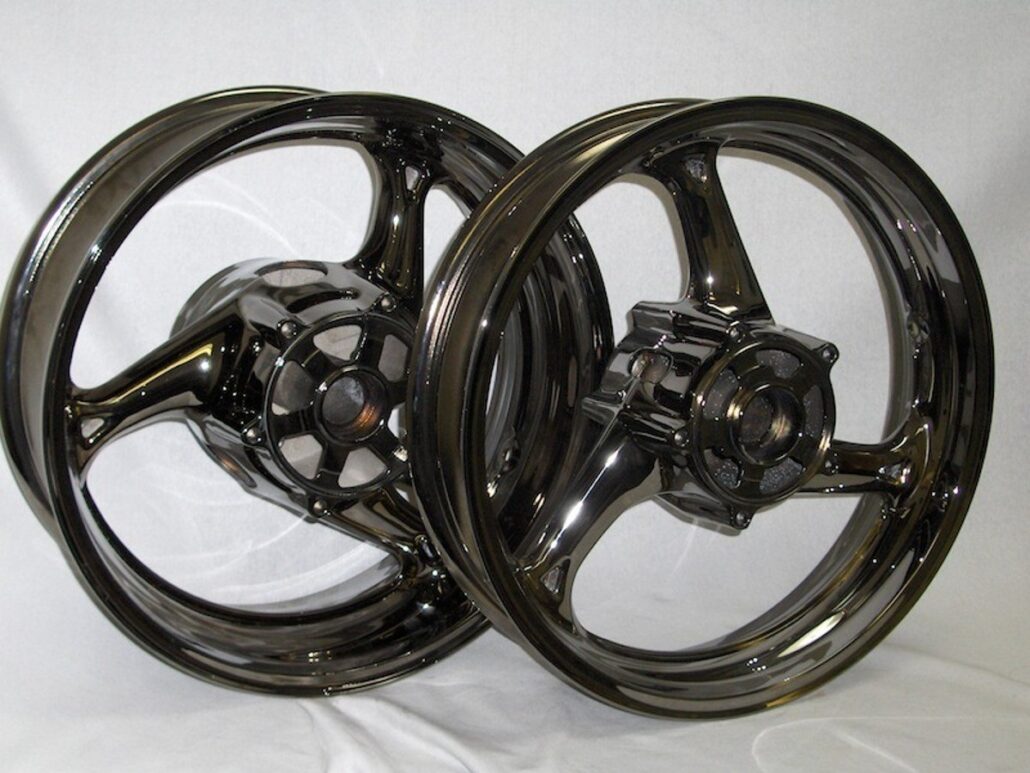
Black nickel electroplating is one of the common ways of finishing, which enhances the appearance and longevity of metal pieces. It gives it a smooth dark appearance and enhances corrosion resistance and hardness of the surface. This has made it popular in most sectors, such as the automotive industry, electronics, jewelry, and ornamental hardware. The question of nickel plating aluminum has been a subject of debate among many novices and experts, as the natural oxide layer on aluminum makes it harder to plate. The nickel layer can fail to stick on efficiently without proper preparation, whereby it can peel or result in an uneven outcome. The other question that is frequently asked is whether black nickel electroplating is possible at home or in a small workshop. Small-scale arrangements can be made, but professional processes result in more reliable and stable outcomes. Black electroplated nickel is a valuable material because it has a protective value as well as an aesthetic value. The black finish gives a modern and sophisticated appearance to the tools, trims, jewelry, and industrial parts. In this manual, we shall discuss the entire process of black nickel electroplating. You will get to know the preparation of the surfaces, the plating process, the post-treatment process, and typical pitfalls. At the end, you will know why black nickel is the most used finish in comparison to other finishes and the way it is both functional and decorative. What does Black Nickel Electroplating mean? The black nickel electroplating is an electrochemical process whereby an alloy of nickel is deposited onto a metal surface. In contrast to conventional nickel plating, the final finish is a dark, matte, or semi-gloss finish. This renders it very much sought after as a decoration. The process also makes the metal surface strong, which makes it less susceptible to scratches, wear, and corrosion. During aluminum plating, it is more complicated. Naturally, metallic oxide is formed on aluminum, which inhibits the adhesion of the metal. This is the reason why the nickel plating of aluminum must be specially cleaned and pre-treated before applying the black nickel layer. Nevertheless, black electroplated nickel has great protective qualities and a dark appearance as well. Benefits of Black Nickel Electroplating Corrosion Resistance Corrosion protection is one of the primary reasons why electroplating black nickel would be chosen. The nickel layer protects the underlying metal against the environmental factors, including moisture, salt, and chemicals. This is especially crucial concerning car components, hardware devices, and factory equipment. Enhanced Surface Hardness Nickel electroplating black enhances the hardness of surfaces. This enhances wear resistance and reduces scratches on the parts. This additional durability is highly valuable to tools, machine components, and hardware. Aesthetic Appeal The black nickel is dark and classy, and the finish is appealing to the eyes. It finds extensive application in decoration, jewelry, car interiors, and electrical casing. Although the conventional nickel plating results in a bright silver appearance, black nickel creates a modern and high-quality appearance. A Longer Life and Economy Black nickel plating increases the life of parts by coating them so that they do not corrode or wear out. This lowers the maintenance and replacement expenses and is therefore an affordable solution for both the industries and hobbyists. Versatility Black nickel plating may be done on metal, such as aluminum, steel, and brass. This flexibility makes it suitable for a large variety of applications. Nickel Plating Aluminum Problems Although nickel plating of aluminum can be done, there are difficulties with it. The natural oxide layer of aluminum is an obstacle to the adhesion of the nickel layer. It is important to clean, etch, and activate the pre-treatment steps to get successful plating. Lack of proper preparation will result in peeling, uneven coverage, or flawed quality of the finish. The other difficulty is the ability to control the final color. Black nickel electroplating may be darker or uneven when the parameters of the plating are not optimized. It is due to this reason that professional setups are usually suggested for industrial-grade output. Black Nickel Electroplating Process Step-by-Step Surface Preparation Surface preparation must be done properly. Wash the aluminum or other metal to eliminate grease, dirt, and oxidation. In the case of aluminum, the zinc casting step is regularly carried out. This forms a thin layer of zinc, which enhances the adhesion of the nickel. Wash it after cleaning and activation. Electroplating Setup Warm the black nickel bath using the suggested chemicals and temperature levels. Power supply is needed to deliver the current needed. The workpiece should then be connected as the anode and a cathode material (usually lead or stainless steel) to complete the circuit. Electroplating Process Add the metal piece to the black nickel solution. Connect the electric current according to the specifications of the bath. The nickel ions get deposited on the metal surface, forming a dark colored and uniform, and protective coating. Temperature, current, and plating time are to be closely observed. Rinsing and Drying Plate. Rinse the part under clean water to cleanse the part of the remaining chemicals. Wipe to avoid water spots or areas that which is unevenly finished. Post-Treatment Heat curing or sealing may be done after treatment in order to enhance corrosion resistance and hardness. This is done to ensure that the plated layer is long-lasting and tough. Uses of Black Nickel Electroplating Jewelry and Accessories Jewelry is made to look smooth and modern with the help of black nickel. Both rings, bracelets, and watches enjoy the advantage of being aesthetically appealing as well as corrosion-resistant. Automotive Industry Trims and handles on the car, as well as decorative pieces, are usually black nickel-plated. This offers durability and a high-quality look. Electronics and Hardware Electroplating black nickel on electronic housings, switches, and connectors is also aimed at preventing wear and making them more aesthetically attractive. Industrial Tools Black electroplated nickel is useful in parts and tools of machines as it enhances the hardness and longevity of the machinery. Mistakes in Black Nickel Electroplating
الطلاء بالنيكل عديم النيكل الكهربائي

الطلاء بالنيكل غير الكهربائي: دليل تقني كامل

طلاء النيكل

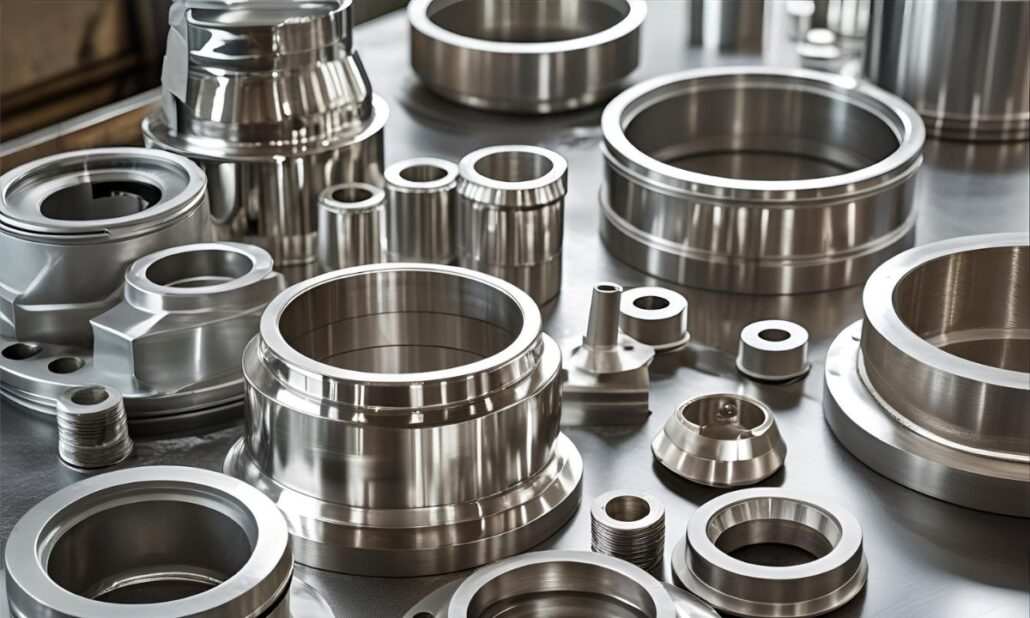
Electroless nickel plating can be considered one of the most accurate, versatile, and reliable processes in the field of surface engineering and metal finishing, which allows improving the surface properties of numerous materials. This, contrary to ordinary electroplating, does not need an outside electric current. It depends instead on a controlled chemical reaction that deposits a uniform film of nickel-phosphorus or nickel-boron by alloying them evenly on a surface. This process provides the best corrosion resistance, wear factor, and consistent thickness, even on intricate shapes. Electroless coating has often been selected by manufacturers, engineers, and designers instead of other coating procedures due to its performance and cosmetic benefits. Regardless, whether they are aerospace, automotive parts, molds, or industrial machinery, the process provides repeatable results capable of prolonging the life of a component and cutting down on the expenses of its maintenance. In this tutorial, we shall delve into the ins and outs of the Electroless nickel plating, its positive attributes, uses, the steps involved, and how it compares with other processes such as the nickel plating, the hard anodizing of die cast aluminum, and nickel chrome plating used in contemporary production. What is Electroless Nickel Plating? Electroless nickel plating refers to the deposition of a nickel alloy onto a metallic or non-metallic surface, since an autocatalytic reaction takes place. The chemical bath includes nickel salts and a reducing agent, usually sodium hypophosphite, which converts the nickel ions to metal, and they are able to adhere to the substrate. In contrast to the electroplating process of deposition called nickel plating, where nickel has to be deposited through the use of electric current, in electroless nickel, the process does not need any outside power supply. This results in uniformity of the thickness of the coating in even recessed sections, threads, or internal cavities. The outcome is a non-porous, hard finish and corrosion-resistant resistant applies to challenging industrial conditions. Major Advantages of Nickel Plating without Electroless 1. Even Coating Thickness The deposition is the same regardless of the part shape or the complexity. 2. Better Corrosion Property The layer of nickel-phosphorus alloy offers superior protection against oxidation and attack by chemicals. 3. Better Hardness and Wear Upon heat-treatment, electroless nickel can hit a hardness very similar to that of hard chrome. 4. Dimensional Precision The uniformity in thickness is small, hence usable in precision engineering applications. 5. Ability to be Compatible with Other Materials It can be used on steel, copper, aluminum, brass, and must be used on some plastics with only a minor surface preparation.  Electroless Nickel Plating Types Electroless nickel plating is commonly classified by the amount of phosphorus in the alloy of nickel and phosphorus. Every type has varied requirements in the case of hardness, corrosion resistance, and wear, hence apt usage in individual applications. 1. Low-phosphorus electroless nickel plating (2 to 5 per cent phosphorus) 2. Med-Phos Electroless Nickel Plating (6-9 percent phosphorus ) 3. High-Phosphorus Electroless Nickel Plating (10 13-per cent phosphorus) Uses Of Electroless Nickel Plating Electroless nickel plating is popular throughout industries because it gives a thick, uniform coating, corrosion resistance, and wear protection. It is all versatile and can serve in numerous engineering and painting needs. 1. Aerospace Industry 2. Automotive Industry 3. Electronics Industry 4. Oil and gas sector 5. Mold & Tooling Industry 6. Marine Applications Electroless Nickel Plating Process Step by Step Comparisons to Nickel chrome plating Nickel chrome plating is effectively a step electroplating, i.e., first depositing a nickel layer and then chromium on top. This forms a great mirror-like finish and is very good in resistance to corrosion. Electroless nickel plating, in contrast, lays down a uniform nickel-phosphorus layer by a non-electric process. This enables the metallization of intricate structures, recessed areas, and fine tolerance and may not be covered uniformly when using nickel chrome plating. Though nickel chrome plating offers better aesthetics, electroless nickel plating has better thickness uniformity, superior wear resistance, and wider substrate compatibility. Electroless nickel plating is widely used in so many industries on those pieces that are critical to performance, but nickel chrome plating is used on decorative items. Electroless Nickel Plating vs Electrolytic Nickel Plating Although both of these processes are categorized to coat a surface using nickel, their working principles exhibit a big difference: Feature Electroless Nickel Plating Electrolytic “nickel plating” Power Source None (autocatalytic) External electric current Coating Uniformity Excellent Less uniform on complex shapes Cost Higher chemical cost Lower chemical cost Precision High Moderate Table of Comparisons Hard Anodizing As has been stated about aluminum parts, in particular, nickel plating is frequently viewed as a substitute for the hard anodizing die cast aluminum. Nevertheless, anodizing forms an oxide layer instead of a deposit. Feature Electroless Nickel Plating “hard anodizing die cast aluminum” Material Compatibility Multiple metals & plastics Only aluminum & titanium Corrosion Resistance Excellent Excellent, but specific to aluminum Wear Resistance High (after heat treatment) High Coating Type Nickel alloy layer Aluminum oxide layer Comparison against Nickel Chrome Plating The process of nickel chrome plating is a two-step electroplating treatment, where the first layer is nickel to prevent corrosion, and a secondary protective finish is a thin layer of chrome. Feature Electroless Nickel Plating Nickel chrome plating Appearance Satin to bright finish Bright, mirror-like finish Corrosion Resistance Excellent Very high Thickness Uniformity Perfect Moderate Durability High High Influences on Plating Quality There are a number of factors that will have an immediate impact on the quality of the performance, appearance, and durability of an electroless nickel coating. Regulation of such parameters will lead to steady results and a lower number of defects. Electroless Nickel Plating Materials Nickel Source A nickel salt, either nickel sulfate or nickel chloride, is present in the plating bath. These give the nickel Ions, which will compose the coating in the reaction. Reducing Agent The most popular reducing agent is the hypophosphite. It also reduces nickel ions to metallic nickel chemically, but does not require electricity. Stabilizers Very little of metallic salts or organic stabilizers

انتقل إلى الأعلى

احصل على عرض أسعار