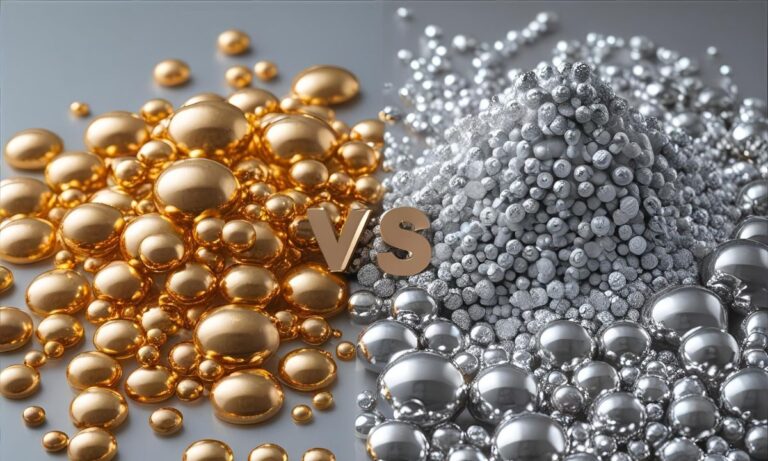
Powder Metallurgy is a specialized and vital branch of Metallurgy dealing with metal and non-metal powders and then using them for economical manufacturing of high precision components. In the modern industrial landscape, a powder metallurgy company provides the technical expertise required to transform loose particles into robust, functional parts. This process is favored because the properties of powder metallurgy components depend largely on the properties of loose metal from which they are made, allowing for a level of customization and purity that traditional casting often cannot match.
For industries requiring exact specifications, working with experienced powder metallurgy manufacturers is essential. You can explore further technical resources on precision die casting manufacturing at صب القوالب الألومنيوم page or precision injection molding manufacturing at plasticmold.net.
The Six Basic Steps of Powder Metallurgy
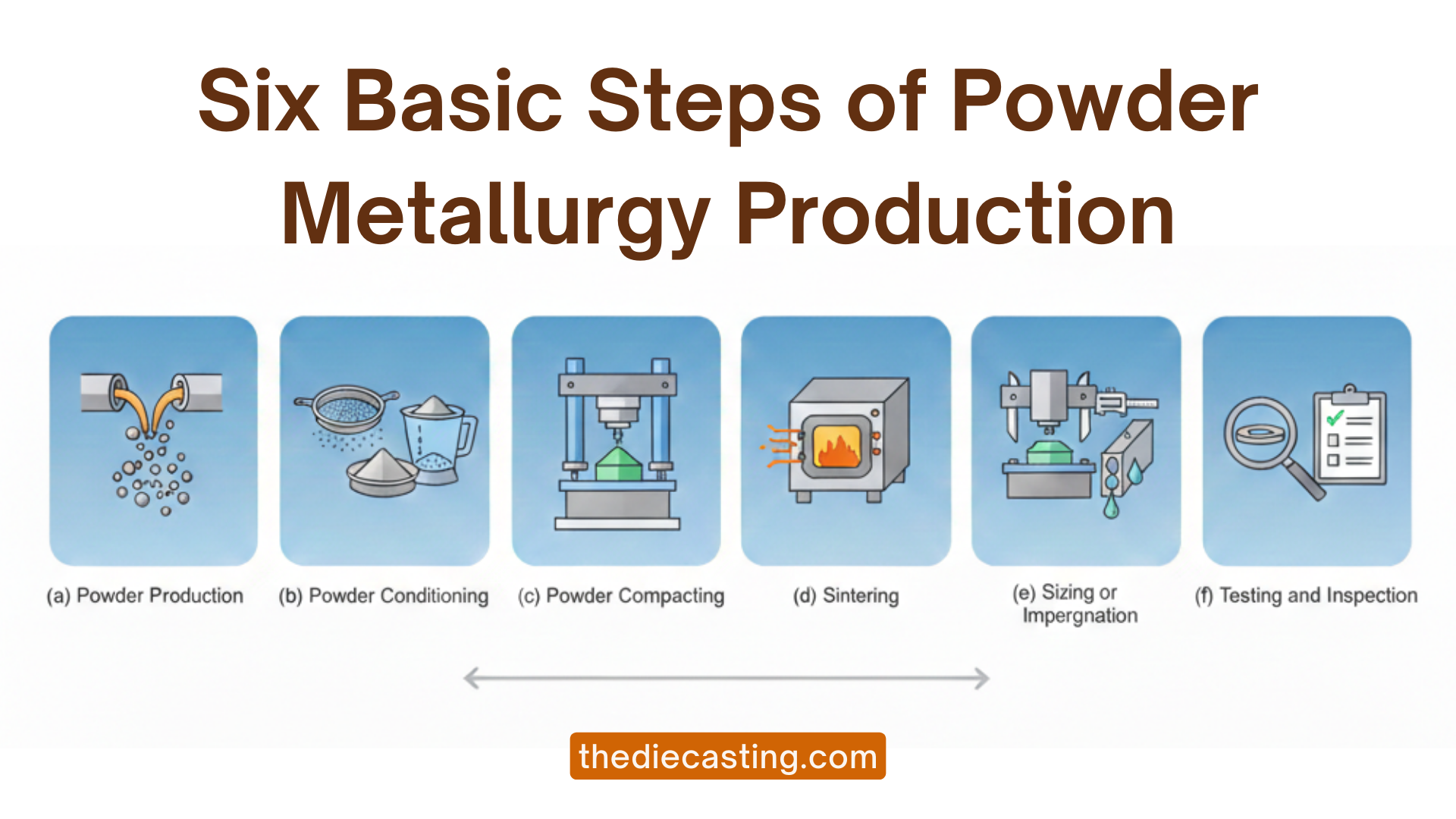
Powder Metallurgy consists of the following six basic steps namely: (a) Powder Production, (b) Powder Conditioning, (c) Powder Compacting or pressing, (d) Sintering, (e) Sizing or Impregnation, and (f) Testing and Inspection.
1. Powder Production
First comes Powder Production in which the metal or non-metal undergoes various mechanical processes like machining, crushing, Milling, Shotting, Graining and Atomization to produce powder in the form of small chips, filings, break-offs etc.
For volatile metals and carbon carbonyls, physicals processes like condensation and thermal decomposition are used to carry out powder production. The powders produced through these processes are mainly spherical in shape. These processes are usually carried out in closed containers to avoid formation of metal oxides.
For metals in their oxide, oxalate, formate or halide states, reduction principle is used where reducing agents like carbon, hydrogen, ammonia and carbon monoxide are used for economical and flexible powder production of irregular shape. For Metals in their aqueous solution or fused salts, electro-chemical processes are used. They ensure perfect control of powder size and type by varying parameters like high current, low metal ion concentration, low temperature and thus obtain highly pure crystalline shape.
2. Powder Conditioning
Second comes Powder Conditioning which makes use of heat treatment, sieving and blending to reduce impurities and oxide content, obtain desired powder size and obtain a homogeneous mixture of powders. This step is critical for a powder metallurgy company to ensure the raw material is ready for the high-pressure environment of the die.
3. Powder Compacting (Pressing)
Third comes Powder Compacting which is the process of pressing and imparting shape to the powder mix using a die and punch arrangement. The powder mix is fed through a vibrating hopper and feeder which allows for smooth flow of powder in die. Pressure is then applied in the powder mix through the upper punch.
After sufficient time and pressure application, the upper punch is lifted and the compact powder mix is called Green Compact, is ejected out with the help of bottom punch. The density of this compact depends on pressure applied. For insights into how die designs are optimized for these pressures, visit diecastingschina.com.
4. Sintering
Next comes sintering processes which makes use of heat and soaking to help the compact crystal undergo Neck Formation, Neck Growth and pore rounding resulting in increased strength and hardness of compact. This thermal treatment is what transforms the fragile green compact into a durable metal part.
5. Sizing or Impregnation
Next comes Sizing or Impregnation, which is the process of rectifying the sintered compact to the final required dimensions. Sizing is done by placing the compact in a master die and applying pressure. Impregnation is often used for specialized powder metallurgy components that require internal lubrication.
6. Testing and Inspection
Last comes testing and inspection, which tests the components after sintering and sizing for compressive strength, Tensile Strength, Porosity, Density, Hardness, and Micro-structure.
Powder Metallurgy Components: Testing Group and Material Properties
Because the final product’s quality is so closely linked to the raw powder, powder metallurgy manufacturers test materials under three main groups:
Group 1: Basic Properties
These tests analyze the chemical composition, shape, size, porosity and specific surface of the material.
Group 2: Compacting Properties
- Apparent Density: Defined as mass per unit volume of loose unpacked powder.
- Compressibility: Defined as ability of the powder to undergo compression under applied pressure.
- Green Strength: Defined as mechanical strength of a green compact.
- Green Spring: Defined as expansion of compact after ejection from die.
Group 3: Sintering Properties
This consists of dimensional changes during sintering calculated by the ratio of change in length to sintered length. Sintering density is calculated again as the ratio of density of solid material to that of the sintered compact. Finally, micro-structure examination is usually done by etching the sample followed by visual observation through a microscope.
المزايا والعيوب
Advantages of Powder Metallurgy include special characteristics due to mixing of both metallic and non-metallic powders and high purity components. This makes it an ideal choice for complex alloys. However, there is a drawback of high equipment cost, limited size of production and storage issues. Companies like aludiecasting.com provide alternative solutions like aluminum die casting when part sizes exceed the typical limits of powder pressing.
Key Applications of Powder Metallurgy
Self-Lubricating Bearings
These are the bearings which do not require any external lubrication during its functional working. Small amount of graphite is used for increasing porosity in which oil is impregnated with the help of high pressure or vacuum. These bearings work due to the temperature rise caused by friction from rotating shaft inducing a reduction in the viscosity of oil thereby increasing its flow rate. Hence, the oil is pulled out from the pores and starts to circulate rapidly.
Cermets
A cermet is a combination of two words “cer” from ceramics and “mets” from metals. Ceramic powders have high temperature strength and hardness whereas metal powders have good shock resisting ability. Hence cermets have both these properties and are combined using approximately 20 to 60% ratio of metallic binders. Cermet are used in flame holders and nozzles of jet propulsion.
Sintered Metal Friction Materials
These materials are used in clutches, brakes and places where controlled friction is necessary. The precision offered by a powder metallurgy company ensures these materials perform reliably under extreme heat.
Production of Refractory Materials
Used in filament of electric bulbs, electrical contacts, high temperature furnaces, and rocket nozzles. These materials during casting or forging react with the environment and hence powder metallurgy is used for their production.
Summary and Technical Terms
In conclusion, Powder Metallurgy is an essential manufacturing process for creating high-performance parts. To better understand the field, one must be familiar with key terms such as Atomization and Coalescence.
What is Atomization? It is a mechanical process used to produce powder where molten metal is broken into small particles.
What is Coalescence? In engineering, Coalescence means to bond pieces of metal into a continuous whole by liquefying parts of each piece, bringing the liquids into contact and allowing the combined liquid to solidify.
The Future of Powder Metallurgy Companies
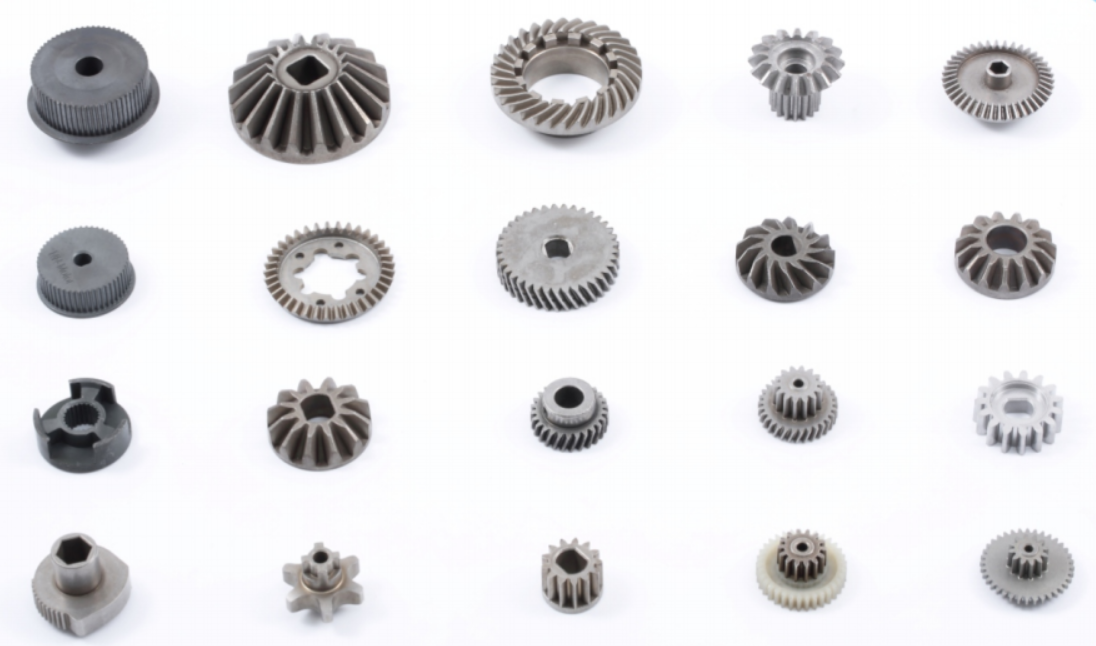
As the demands for global manufacturing increases, higher efficiency and more sustainable practices are required. Thus, the role of the powder metallurgy company continues to expand. By mastering the six basic steps, from the initial mechanical processes of powder production to the final testing of micro-structure and density, manufacturers can deliver parts that are stronger, lighter, and more complex than ever before. This process is not just a secondary alternative to casting; it is a primary driver of innovation in sectors like jet propulsion and renewable energy. If you are looking to optimize your production line with high-precision, economical solutions, now is the time to explore how these advanced metallurgical techniques can be tailored to your specific industrial needs.
Optimize Your Manufacturing with a Powder Metallurgy Manufacturer
Are you interested in leveraging the precision and cost-effectiveness of powder metallurgy components for your next project? Whether you need self-lubricating bearings or high-temperature refractory materials, our team is here to guide you through the technical selection process. Explore our full range of metal forming solutions, or contact our experts to discuss how we can help you achieve your production goals with unparalleled accuracy. Let us help you transform your raw concepts into high-performance realities.