
Nikkelbelægning

Galvanisering af sort nikkel: En komplet guide

Galvanisering af sort nikkel: En komplet guide

Nikkelbelægning

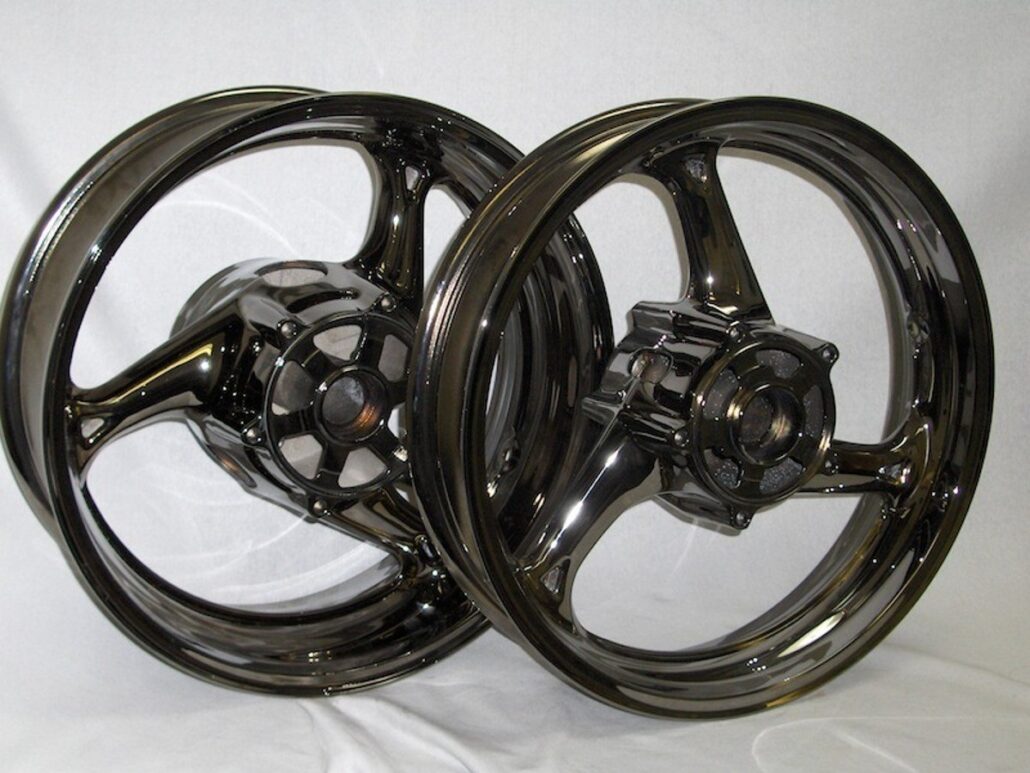
Black nickel electroplating is one of the common ways of finishing, which enhances the appearance and longevity of metal pieces. It gives it a smooth dark appearance and enhances corrosion resistance and hardness of the surface. This has made it popular in most sectors, such as the automotive industry, electronics, jewelry, and ornamental hardware. The question of nickel plating aluminum has been a subject of debate among many novices and experts, as the natural oxide layer on aluminum makes it harder to plate. The nickel layer can fail to stick on efficiently without proper preparation, whereby it can peel or result in an uneven outcome. The other question that is frequently asked is whether black nickel electroplating is possible at home or in a small workshop. Small-scale arrangements can be made, but professional processes result in more reliable and stable outcomes. Black electroplated nickel is a valuable material because it has a protective value as well as an aesthetic value. The black finish gives a modern and sophisticated appearance to the tools, trims, jewelry, and industrial parts. In this manual, we shall discuss the entire process of black nickel electroplating. You will get to know the preparation of the surfaces, the plating process, the post-treatment process, and typical pitfalls. At the end, you will know why black nickel is the most used finish in comparison to other finishes and the way it is both functional and decorative. What does Black Nickel Electroplating mean? The black nickel electroplating is an electrochemical process whereby an alloy of nickel is deposited onto a metal surface. In contrast to conventional nickel plating, the final finish is a dark, matte, or semi-gloss finish. This renders it very much sought after as a decoration. The process also makes the metal surface strong, which makes it less susceptible to scratches, wear, and corrosion. During aluminum plating, it is more complicated. Naturally, metallic oxide is formed on aluminum, which inhibits the adhesion of the metal. This is the reason why the nickel plating of aluminum must be specially cleaned and pre-treated before applying the black nickel layer. Nevertheless, black electroplated nickel has great protective qualities and a dark appearance as well. Benefits of Black Nickel Electroplating Corrosion Resistance Corrosion protection is one of the primary reasons why electroplating black nickel would be chosen. The nickel layer protects the underlying metal against the environmental factors, including moisture, salt, and chemicals. This is especially crucial concerning car components, hardware devices, and factory equipment. Enhanced Surface Hardness Nickel electroplating black enhances the hardness of surfaces. This enhances wear resistance and reduces scratches on the parts. This additional durability is highly valuable to tools, machine components, and hardware. Aesthetic Appeal The black nickel is dark and classy, and the finish is appealing to the eyes. It finds extensive application in decoration, jewelry, car interiors, and electrical casing. Although the conventional nickel plating results in a bright silver appearance, black nickel creates a modern and high-quality appearance. A Longer Life and Economy Black nickel plating increases the life of parts by coating them so that they do not corrode or wear out. This lowers the maintenance and replacement expenses and is therefore an affordable solution for both the industries and hobbyists. Versatility Black nickel plating may be done on metal, such as aluminum, steel, and brass. This flexibility makes it suitable for a large variety of applications. Nickel Plating Aluminum Problems Although nickel plating of aluminum can be done, there are difficulties with it. The natural oxide layer of aluminum is an obstacle to the adhesion of the nickel layer. It is important to clean, etch, and activate the pre-treatment steps to get successful plating. Lack of proper preparation will result in peeling, uneven coverage, or flawed quality of the finish. The other difficulty is the ability to control the final color. Black nickel electroplating may be darker or uneven when the parameters of the plating are not optimized. It is due to this reason that professional setups are usually suggested for industrial-grade output. Black Nickel Electroplating Process Step-by-Step Surface Preparation Surface preparation must be done properly. Wash the aluminum or other metal to eliminate grease, dirt, and oxidation. In the case of aluminum, the zinc casting step is regularly carried out. This forms a thin layer of zinc, which enhances the adhesion of the nickel. Wash it after cleaning and activation. Electroplating Setup Warm the black nickel bath using the suggested chemicals and temperature levels. Power supply is needed to deliver the current needed. The workpiece should then be connected as the anode and a cathode material (usually lead or stainless steel) to complete the circuit. Electroplating Process Add the metal piece to the black nickel solution. Connect the electric current according to the specifications of the bath. The nickel ions get deposited on the metal surface, forming a dark colored and uniform, and protective coating. Temperature, current, and plating time are to be closely observed. Rinsing and Drying Plate. Rinse the part under clean water to cleanse the part of the remaining chemicals. Wipe to avoid water spots or areas that which is unevenly finished. Post-Treatment Heat curing or sealing may be done after treatment in order to enhance corrosion resistance and hardness. This is done to ensure that the plated layer is long-lasting and tough. Uses of Black Nickel Electroplating Jewelry and Accessories Jewelry is made to look smooth and modern with the help of black nickel. Both rings, bracelets, and watches enjoy the advantage of being aesthetically appealing as well as corrosion-resistant. Automotive Industry Trims and handles on the car, as well as decorative pieces, are usually black nickel-plated. This offers durability and a high-quality look. Electronics and Hardware Electroplating black nickel on electronic housings, switches, and connectors is also aimed at preventing wear and making them more aesthetically attractive. Industrial Tools Black electroplated nickel is useful in parts and tools of machines as it enhances the hardness and longevity of the machinery. Mistakes in Black Nickel Electroplating
Elektroløs nikkelbelægning

Elektroløs nikkelbelægning: En komplet teknisk vejledning

Nikkelbelægning

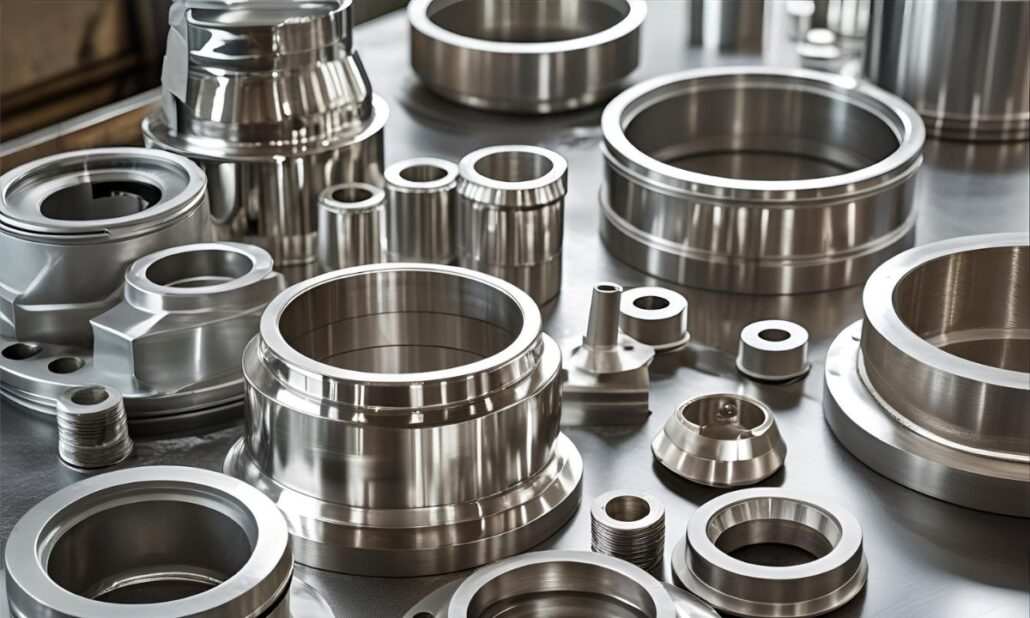
Elektroløs nikkelbelægning kan betragtes som en af de mest nøjagtige, alsidige og pålidelige processer inden for overfladeteknik og metalfinish, som gør det muligt at forbedre overfladeegenskaberne for mange materialer. I modsætning til almindelig galvanisering er der ikke brug for elektrisk strøm udefra. Den afhænger i stedet af en kontrolleret kemisk reaktion, der afsætter en ensartet film af nikkel-fosfor eller nikkel-bor ved at legere dem jævnt på en overflade. Denne proces giver den bedste korrosionsbestandighed, slidstyrke og ensartede tykkelse, selv på komplicerede former. Producenter, ingeniører og designere har ofte valgt elektroløs belægning i stedet for andre belægningsprocedurer på grund af dens ydeevne og kosmetiske fordele. Uanset om der er tale om rumfart, bildele, forme eller industrimaskiner, giver processen gentagelige resultater, der kan forlænge en komponents levetid og skære ned på udgifterne til vedligeholdelse. I denne vejledning skal vi dykke ned i detaljerne ved kemisk nikkelbelægning, dens positive egenskaber, anvendelser, de involverede trin, og hvordan den sammenlignes med andre processer såsom nikkelbelægning, hård anodisering af trykstøbt aluminium og nikkelforkromning, der bruges i moderne produktion. Hvad er kemisk nikkelbelægning? Kemiløs nikkelbelægning henviser til aflejring af en nikkellegering på en metallisk eller ikke-metallisk overflade, da der finder en autokatalytisk reaktion sted. Det kemiske bad indeholder nikkelsalte og et reduktionsmiddel, normalt natriumhypofosfit, som omdanner nikkelionerne til metal, og de er i stand til at klæbe til underlaget. I modsætning til den galvaniske aflejringsproces kaldet nikkelbelægning, hvor nikkel skal aflejres ved hjælp af elektrisk strøm, behøver processen i kemisk nikkel ikke nogen ekstern strømforsyning. Dette resulterer i ensartethed i belægningens tykkelse i selv forsænkede sektioner, gevind eller indre hulrum. Resultatet er en ikke-porøs, hård finish og korrosionsbestandig modstandsdygtighed over for udfordrende industrielle forhold. Store fordele ved fornikling uden kemisk behandling 1. Jævn belægningstykkelse Aflejringen er den samme uanset emnets form eller kompleksitet. 2. Bedre korrosionsegenskaber Laget af nikkel-fosfor-legering giver overlegen beskyttelse mod oxidation og angreb fra kemikalier. 3. Bedre hårdhed og slid Ved varmebehandling kan kemisk nikkel opnå en hårdhed, der minder meget om hårdkrom. 4. Dimensionel præcision Ensartetheden i tykkelsen er lille og kan derfor bruges i præcisionstekniske applikationer. 5. Kompatibel med andre materialer Den kan bruges på stål, kobber, aluminium, messing og skal bruges på nogle plastmaterialer med kun en mindre overfladebehandling. Typer af kemisk nikkelbelægning Kemisk nikkelbelægning klassificeres almindeligvis efter mængden af fosfor i legeringen af nikkel og fosfor. Hver type har forskellige krav til hårdhed, korrosionsbestandighed og slitage og er derfor velegnet til individuelle anvendelser. 1. Elektroløs nikkelbelægning med lavt fosforindhold (2 til 5 procent fosfor) 2. Med-Phos kemisk nikkelbelægning (6-9 procent fosfor) 3. Elektroløs nikkelbelægning med højt fosforindhold (10-13 procent fosfor) Anvendelse af elektroløs nikkelbelægning Elektroløs nikkelbelægning er populær i hele industrien, fordi den giver en tyk, ensartet belægning, korrosionsbestandighed og slidbeskyttelse. Den er meget alsidig og kan bruges til mange tekniske formål og til maling. 1. Luft- og rumfartsindustrien 2. Bilindustrien 3. Elektronikindustrien 4. Olie- og gassektoren 5. Form- og værktøjsindustrien 6. Marineapplikationer Processen for kemisk nikkelbelægning trin for trin Sammenligninger med nikkelforkromning Nikkelforkromning er faktisk en trinvis galvanisering, dvs. at der først aflejres et nikkellag og derefter krom ovenpå. Det giver en flot spejllignende finish og en meget god korrosionsbestandighed. Elektroløs nikkelbelægning lægger derimod et ensartet nikkel-fosfor-lag ved en ikke-elektrisk proces. Det gør det muligt at metallisere indviklede strukturer, forsænkede områder og fine tolerancer, som måske ikke dækkes ensartet ved brug af nikkelforkromning. Selv om nikkelforkromning giver bedre æstetik, har kemisk nikkelbelægning bedre ensartethed i tykkelsen, overlegen slidstyrke og bredere substratkompatibilitet. Kemisk fornikling er meget udbredt i mange industrier på de dele, der er kritiske for ydeevnen, men nikkelforkromning bruges på dekorative genstande. Kemisk fornikling vs. elektrolytisk fornikling Selvom begge disse processer er kategoriseret til at belægge en overflade med nikkel, er der stor forskel på deres arbejdsprincipper: Funktion Kemisk fornikling Elektrolytisk “fornikling” Strømkilde Ingen (autokatalytisk) Ekstern elektrisk strøm Belægningens ensartethed Fremragende Mindre ensartet på komplekse former Omkostninger Højere kemiske omkostninger Lavere kemiske omkostninger Præcision Høj Moderat Sammenligningstabel Hård anodisering Som det især er blevet sagt om aluminiumsdele, betragtes fornikling ofte som en erstatning for den hårde anodisering af støbt aluminium. Ikke desto mindre danner anodisering et oxidlag i stedet for en aflejring. Funktion Elektroløs nikkelbelægning “hård anodisering af støbt aluminium” Materialekompatibilitet Flere metaller og plast Kun aluminium og titanium Korrosionsbestandighed Fremragende Fremragende, men specifik for aluminium Slidstyrke Høj (efter varmebehandling) Høj Belægningstype Nikkellegeringslag Aluminiumoxidlag Sammenligning med nikkelforkromning Processen med nikkelforkromning er en totrins elektropletteringsbehandling, hvor det første lag er nikkel for at forhindre korrosion, og en sekundær beskyttende finish er et tyndt lag krom. Funktion Elektroløs nikkelbelægning Nikkelforkromning Udseende Satin til blank finish Blank, spejllignende finish Korrosionsbestandighed Fremragende Meget høj Ensartethed i tykkelsen Perfekt Moderat Holdbarhed Høj Høj Indflydelse på belægningskvaliteten Der er en række faktorer, der vil have en umiddelbar indvirkning på kvaliteten af ydeevnen, udseendet og holdbarheden af en elektroløs nikkelbelægning. Regulering af sådanne parametre vil føre til stabile resultater og et lavere antal defekter. Materialer til kemisk nikkelbelægning Nikkelkilde Et nikkelsalt, enten nikkelsulfat eller nikkelklorid, er til stede i belægningsbadet. Disse giver de nikkelioner, som vil udgøre belægningen i reaktionen. Reduktionsmiddel Det mest populære reduktionsmiddel er hypofosfit. Det reducerer også nikkelioner til metallisk nikkel kemisk, men kræver ikke elektricitet. Stabilisatorer Meget lidt af metalliske salte eller organiske stabilisatorer

Rul til toppen

Få et tilbud