
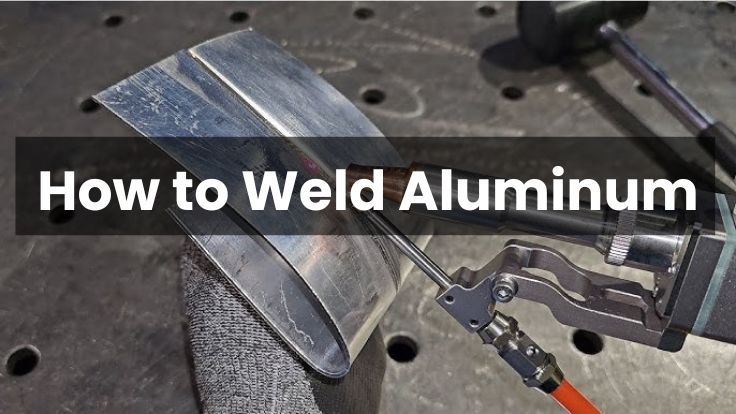
Sådan svejser du aluminium: Tips, værktøjer og teknikker
Svejsning af aluminiumAluminum is a common metal that has been used over the years due to its lightweight, resistance to corrosion, and strength properties and thus is vital in industries such as automobiles, aerospace, and construction. Nevertheless, the process of learning to weld aluminum is not as stripped down as when you are welding steel or iron. Interesting properties of aluminum like high thermal conductivity and easily formed protective oxide coating demand a special modus operandi and a delicate touch. Aluminum welding can be easily done, even by a novice, as long as you know the correct techniques, equipment, and safety measures. This requires clean working surfaces, and suitable filler material, whereas the adjustment of equipment is vital. Aluminum does not turn color before melting its position unlike steel, which makes it difficult to estimate the amount of heat needed. Moreover, it is soft, which is why it can bend or burn down fast unless manipulated properly. The question people frequently come up with is whether it is possible to weld aluminum amid simple, ordinary items associated with welding. Yes, but the result will be based on your preparation, practice, and adjusting of your ways. With TIG and MIG welding to more rare methods such as stick or oxy-fuel, there is a method fit for every task and job. You will find tips, tools, and the most common mistakes in this guide to help you get a firm footing in welding aluminum safely and efficiently. As you gain time and experience, you can make clear, good welds in aluminum no matter at a shop at home. What Is Welding Of Aluminum? A welding process is the joining together of two or more metal pieces of aluminum metal through heat and potentially filler material. It is generally adapted to an automotive company, aerospace industry, marine industry, and construction industries because aluminum is bone-light and does not easily scratch away Nevertheless, the subject of welding aluminum is more complicated as compared to welding steel. This is so because aluminum: What makes Welding Aluminum Different? Aluminum, as a metal, is quite different and before venturing into how to weld aluminum, it is important to establish what makes it unique. Unlike steel, aluminum also melts at a significantly lower temperature (approximately 660 C or 1220 F), and it does not alter in color before melting. This implies that it is prone to overheat and burn when not well handled. Moreover, when aluminum is out in the air, it instantly develops a thin film of oxide film. This layer of oxide melts at a temperature of greater than 2000 (close to 3700 ) so the weld has a hard time penetrating the weld. That is why aluminum welding usually should be carefully prepared and equipped. Suggestions to a New Weld Aluminum by TIG Welding Welding aluminum using TIG welding is a good skill to have and it can be deceptive to an amateur. Through the proper procedure and preparation, you can achieve clean solid welds. Following are the five important tips, which can put you on the right path. 1. The Metal should be Cleaned Thoroughly During the time before welding, ensure the aluminum is clean. The oxide layer should be removed using a special stainless steel wire brush and then wiped down with acetone so as to clear oils or moisture. Aluminium is highly sensitive to contamination and a single spot of dirt or grease can well destroy your weld. Clean surfaces guarantee improved arc stability and firm bonds. 2. Put your machine in AC and balance it out When welding aluminum, it is always preferable to affect the process with alternating current (AC). AC offers penetration of the base metal and cleaning of the oxide film at the same time. Tune such a cleaning action by using your TIG balance control setting. Most aluminum work benefits by starting the setting at about 65 to 70 percent negative on the electrodes. The correct balance enhances the quality weld and less contamination. 3. Apply Proper Tungsten and Shape It in The Right Way To TIG weld aluminum the best electrodes are pure tungsten or lanthanated tungsten 2%. When compared to steel, the welding of aluminum needs a rounded or balled tip to sustain a stable arc unlike in the case of steel which employs a sharp tungsten tip. In the case where the arc becomes unstable or begins to wander, then it may be high time to regrind or change the tungsten. A well-ground electrode is a key factor in easing and precision of your welds. 4. Foot Pedal Controlled Heat Aluminum warms fast and retains warmth longer in comparison to steel. In excess, heat will result in burn-through or distortion. 1- A foot pedal will enable you to control the amperage during the welding process where you start hot to form a puddle and then back off as much as you want. This will allow you to have greater control of the weld pool and less risk of overheating because it happens to thinner materials. 5. Training on scrap before you weld your project Practice on scrap aluminum of the same type and size as used on the actual project before you start working on your project. This will make you accustomed to the heat control, filler rod technique, and the movement of the torch in order to achieve clean welds. Also, practice will make you confident and less likely to make expensive errors in your end piece. 6. The position of the hand counts as well You should rest your welding hand on the workbench or surface so that it has more control of it. Hold the torch straight in some backward direction in order to have a clear view of your journey. Do not angle too much as the welding pool will run and overheat the metal. The filler rod is fed with one hand; the torch is directed with the other, both without stopping but with no participation in each other. 7.