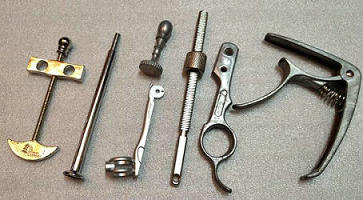
Trykstøbning af zink

Trykstøbning af zink

Brugerdefinerede zinkstøbningsvirksomheder i nærheden af mig

Trykstøbning af zinklegering, Trykstøbning af zink

Introduktion Den verdensomspændende produktionssektor er i stigende grad afhængig af specialfremstillede zinkstøbningsfirmaer til at producere omkostningseffektive, holdbare og præcise metaldele. Zinkstøbning er også kendt for sin evne til at fremstille komplekse geometrier, tætte tolerancer, glat overfladefinish og høj mekanisk styrke til en ret lav produktionsomkostning. Disse fordele gør zinkstøbning til en fordelagtig produktionsteknik på tværs af sektorer som biler, elektronik, medicinsk udstyr, industrielt udstyr, forbrugerprodukter og telekommunikation. Når folk søger efter “specialfremstillede zinkstøbningsvirksomheder i nærheden af mig”, henviser de måske til producenter tæt på, hvor de bor. Kina er kendt som det største trykstøbningscenter i verden, en pålidelig leverandør til det internationale marked, som effektivt kan opfylde disse markeders krav. Kinas produktionsbase er fortsat førende med veludviklede produktionsfaciliteter, en højt kvalificeret arbejdsstyrke, komplette forsyningskæder og lave priser. I mellemtiden er der nogle verdenskendte zinkstøbningsfirmaer i USA, Europa og andre markeder, der leverer højteknologi, automatisering og strenge kvalitetsstandarder i avancerede, kontrollerede industrier. Dette er en komplet guide, der handler om at nævne de største og mest effektive leverandører og producenter af zinkstøbningsprodukter. Tre store kinesiske trykstøbningsfirmaer af zink i nærheden af Kina Ikke desto mindre kan det hævdes, at processen er kompleks og dyr og kræver både maskiner og arbejdsomkostninger for at opbygge et nyt brand. Man kan dog sige, at det ikke er en nem og billig proces, da det kræver både udstyr og lønudgifter at etablere et nyt brand. Der er mindst fem store globale producenter af trykstøbte zinkprodukter. Disse virksomheder leverer avancerede tjenester til internationale markeder. Hver virksomhed vil se den samme organisation, passende tekniske specifikationer og nyttige data til at hjælpe OEM'er, produktudviklere og indkøbere med at vælge den rigtige langsigtede produktionspartner. Hvad er årsagen til populariteten af brugerdefineret zinkstøbning? Zinkstøbning kan tilpasses, hvilket har flere fordele, der gør den velegnet til moderne produktion: Dimensionsstabilitet Zinklegeringer giver fremragende dimensionsstabilitet, hvilket gør det muligt for producenterne at fremstille dele med snævre tolerancer og høj repeterbarhed. Processen hjælper med at producere tyndvæggede, indviklede former og præcise overfladeegenskaber og minimerer sekundær bearbejdning. Fysiske egenskaber Højt styrke-til-vægt-forhold, korrosionsbestandighed og termisk/elektrisk ledningsevne er også egenskaber ved zink, der gør det til et passende materiale til både anvendte og dekorative formål. Omkostninger og fordele Økonomisk set muliggør zinkstøbning produktion af store mængder, lave skrotprocenter, lang formlevetid og kortere cyklustider sammenlignet med andre støbemetoder. Denne kombination af kvalitet, effektivitet og lavere omkostninger er det, der får industrier verden over til at bruge zinkstøbning, når de har brug for præcisionskomponenter. Brugerdefinerede zinkstøbningsfirmaer i nærheden af Kina Sincere Tech (Kina) - Meget tæt på Kina Hjemmeside: https://plas.co Virksomhedsoversigt Sincere Tech er blandt de mest stabile brugerdefinerede zinkstøbningsfirmaer i nærheden af Kina, kendt for sine integrerede produktions- og ingeniørtjenester. Virksomheden beskæftiger sig med zinkstøbegods, aluminiumsstøbegods, formfremstilling, plastsprøjtestøbning, CNC-bearbejdning og komplette monteringstjenester. Sincere Tech giver kunderne teknisk assistance og masseproduktionsudstyr, understøttet af innovative produktionssystemer og professionelle teams. Sincere Techs produktionsmodel er centreret om præcisionsværktøj, effektive produktionsworkflows og streng kvalitetskontrol for at opretholde ensartetheden i delens nøjagtighed og overfladekvalitet. Virksomheden henvender sig til bilproducenter, medicinsk udstyr, elektronik, industrielt udstyr og forbrugerprodukter. Evner og tjenester Sincere Tech tilbyder også altomfattende projekttjenester, herunder formdesign, formfremstilling, prototyper, trykstøbning i store mængder, efterbearbejdning, overfladebehandling og produktsamling. Deres zinkstøbning er strømlinet til dele med snævre tolerancer, komplekse geometrier og volumenproduktion og opfylder dermed kravene fra OEM'er, der søger langsigtede produktionsalliancer. Hvorfor vælge Sincere Tech Sincere Tech passer bedst til virksomheder, der leder efter en kinesisk leverandør af zinkstøbning, som er økonomisk levedygtig, tæt på Kina og tilbyder stærk teknisk support, hurtige leveringstider og eksporttjenester af høj kvalitet. De kan rumme forskellige fremstillingsprocesser under ét tag, hvilket minimerer projektrisikoen, omkostningerne og produktionsplanen. GC Precision (China) Website: https://www.aludiecasting.com Company Overview GC MOULD er en af de mest velrenommerede producenter af specialfremstillet zinkstøbning i regionen nær Kina med fokus på præcisionsteknik, sofistikeret formdesign og trykstøbning i flere materialer. Virksomheden leverer zink-, aluminium- og magnesiumlegeringer til kunder inden for bilindustrien, elektronik, belysning, industrimaskiner og medicinsk udstyr. GC MOULD har opbygget et ry for høj reproducerbarhed, dimensionsnøjagtighed og stabil produktionskvalitet gennem årtiers erfaring. Deres faciliteter rummer både småskalaproduktion og masseproduktion, hvilket gør dem anvendelige for nystartede virksomheder og andre internationale brands. Kapaciteter og tjenester GC MOULD er en produktionsvirksomhed med fuld cyklus, der leverer tjenester, herunder formdesign, højtryksstøbning, gravitationsstøbning, CNC-bearbejdning, overfladebehandling og montering. Deres aktiviteter inden for zinkstøbning lægger vægt på præcisionsdele og høj strukturel integritet samt høj overfladefinish, hvilket sænker den sekundære forarbejdning. Hvorfor vælge GC MOULD GC MOULD er en god mulighed for enhver virksomhed, der søger et skræddersyet zinkstøbningsfirma tæt på Kina med teknisk ekspertise, og som samtidig er omkostningseffektivt. De er en pålidelig partner på lang sigt på grund af deres evne til at håndtere komplekse projekter, opretholde et ensartet kvalitetsniveau og operere i hele verden. CNM CASTING (Kina) hjemmeside: Virksomhedsoversigt CNM CASTING Virksomheden er blandt de ældste specialiserede zinkstøbningsfirmaer i Kina og leverer omfattende produktionstjenester inden for zink-, aluminium- og magnesiumstøbning. Virksomheden er blevet kendt for sit gode formdesign, kombinerede produktionssystemer og forbrugerorienterede produktionsstrategi. CNM CASTING betjener en række industrier, herunder bilindustrien, elektronik, telekommunikation, husholdningsapparater og industrielt udstyr. Deres produktionsmodel fokuserer på holdbart værktøj, effektivitet i store mængder og ensartet kvalitet. Funktioner og tjenester CNM CASTING tilbyder formdesign, trykstøbning, zinkstøbning, CNC-bearbejdning, overfladebehandling, kvalitetskontrol og slutmontering. Deres zinkstøbning er velegnet til både funktionelle og strukturelle dekorative komponenter, og den er fleksibel på tværs af forskellige produkttyper. Hvorfor vælge CNM CASTING

Trykstøbning af zink

Tips til fejlfinding og kvalitetssikring af zinkstøbning

zamak trykstøbning, Trykstøbning af zink

Zinc die casting is a very efficient process of manufacturing, which is widely used in automobile parts, electronic housing, fittings, hardware, medical equipment, and consumer goods. It is appreciated for its ability to create complex geometries with high-quality dimensional accuracy, clean surface finishes, and high production rates. Despite these benefits, zinc die casting is not a technology immune to quality issues. The defects may occur due to irregularities in the materials used, tool capacity, lack of process control, or design. Good defect prevention, problem shooting, and quality control are critical to ensuring uniform quality in production, reducing scrap rates, and enhancing the overall efficiency of the manufacturing process. This paper will provide an in-depth discussion of the most common defects in zinc die casting, their causes, effective corrective actions, and profile best practices to ensure quality in each production cycle. Quality Problems in Zinc Die Casting The process of zinc die casting involves injecting molten zinc alloy under high pressure into a highly machined steel die. The metal’s solidification rate is fast, resulting in short cycle times and high repeatability. Nevertheless, the high pressure and high speed at which the process operates are the same factors that contribute to both its effectiveness and its susceptibility to defects when the parameters are not monitored. Quality control issues in zinc die casting are often associated with mechanical performance, dimensional quality, surface appearance, corrosion resistance, or assembly fit. Most defects are interconnected, as a single root cause can lead to multiple quality issues. It is important to understand the relationships among material behavior, die design, and processing parameters to enable efficient troubleshooting. Zinc Die Casting Defects Most common defects in zinc die casting can be classified by appearance and their effect on part performance. An overview of common defects and their overall effect is given in the following table. Defect type Appearance Impact Porosity Voids or pinhole internally It will reduce the strength It may cause leakage Cold shuts Visible lines and seams This will result in weak bonding between the flow. Shrinkage Cavities and sink marks The dimensions of the parts change. This will lead to measurement inaccuracies. Incomplete filling Missing or thin sections This will cause the functional failure. Soldering Metal adhering to the die This will cause tool damage Cracks Internal or surface fractures This appearance indicates structural damage or failure. Blistering Bubble-like appearance on the surface Poor surface finish Flash Excess of metal at parting lines The aesthetic appearance will be damaged Porosity in Die Castings Zinc Porosity refers to the presence of empty spaces or gas bubbles in the casting. These cavities can be located on the surface or within the body; they are very difficult to detect without sophisticated inspection techniques. Porosity breaks the mechanical integrity of the casting and may result in leakage in pressure-containing components. Porosity type Description Origin Gas Porosity Smooth rounded voids Gas or air gets trapped Shrinkage Porosity Irregular cavities Inadequate feeding Micro Porosity Very fine void Rapid solidification Etiology and Prophylaxis The porosity may result from trapped air during injection, high turbulence in the molten metal flow, or poor die-cavity venting. Gas formation may also be due to high moisture content on die surfaces or due to inappropriate melt temperature. The porosity reduction is achieved by closely controlling injection speed and pressure, venting the dies, and efficiently utilizing vacuum systems where necessary. Maintaining an optimal melt temperature and keeping die surfaces clean and dry will also reduce gas entrapment. In most cases, reconstructing the gating system to facilitate smooth metal flow can go a long way toward minimizing porosity. Cold Shuts and Flow Line Defects Description and Impact Cold shut: This happens when two molten zinc streams meet and do not fuse correctly, leaving a visible seam or line on the casting surface. Such flaws reduce structural integrity and can cause early collapse under mechanical pressure. Root Causes and Solutions Low melt temperature, inadequate injection speed, or long flow paths can lead to premature solidification and cold shuts. Poor positioning of gates and thin wall sections also worsens the matter. To prevent cold shuts, it is necessary to improve the metal’s flow characteristics. These may be accomplished by raising the melt and die temperatures within reasonable ranges, optimizing injection velocity, and redesigning the gates to allow balanced filling. Flow continuity is also enhanced by changing part geometry to eradicate thin sections and acute angles. Zinc Die Casting Defects of Shrinkage Knowledge about Shrinkage Behavior When molten zinc solidifies, it contracts, causing shrinkage. Unless more molten metal is added to offset this contraction, internal cavities or surface sink marks can form. The zinc defects in the form of shrinkage usually arise in the areas of casting that are thick and can be ascertained to have solidified last. Reasons and Remedial Measures Insufficient holding pressure, inadequate feeding system design, or sudden changes in wall thickness are often the causes of shrinkage defects. Uneven cooling rates can also cause localized shrinkage. To prevent it, it is important to design the runners and gates to maintain a constant metal feed throughout the solidification process. By applying higher holding pressure and increasing the time under pressure, molten metal can compensate for shrinkage. Maintaining uniform wall thickness and enhancing thermal balance in the die also minimizes the risk of shrinkage-related defects. Flash Formation and Its Control Description of Flash Flash is in the form of thin layers of excess metal along the die parting line, ejector pin, or in the form of vents. Even though the flash does not necessarily compromise the part’s functionality, it often requires secondary trimming processes and can affect the appearance. Causes and Prevention Flash formation has often been linked to high injection pressure, die component wear, or even die misalignment. Die surfaces can also not seal properly due to foreign material on them. To avoid flash, it is necessary to maintain the correct amount of injection pressure, adequate clamping force, and routine die maintenance. Wearing and damage checking of dies, and

Trykstøbning af zink

Bedste zinkstøbningsprodukter til dekorativt isenkram

Trykstøbning af zink

Zinc die casting is considered one of the preferred production processes for decorative hardware because it can produce complex, high-quality finishes at a cost-effective rate. This is done by forcing molten zinc alloy under high pressure into a precision steel mould to produce parts with superior surface finish, tight tolerances, and intricate geometries. Decorative hardware comprises door handles, cabinet knobs, pulls, hinges, scutcheons, and decorative accents for residential, commercial, and architectural applications. The low melting point (380-390 °C) and high fluidity of zinc allow for finely detailed thin walls (down to 0.5 mm), extended tool life (typically over 1 million shots), and large dimensions. These features make it suitable for decorative works that need to be both appealing and functional in the long term. Finishes such as chrome, nickel, brass imitation, or antique bronze enhance visual luxury and offer corrosion resistance. Ordinary Zinc Die Casting Decorative Hardware Alloys The choice of the right zinc alloy in the production of decorative hardware is critical to the performance, stability, appearance, and overall cost-effectiveness of the products. Zinc alloys are popular because they offer a good compromise between castability, strength, and finish. Alloy Composition Hardness Tensile strength (Mpa) Elongation % Applications Zamak 3 Zn 96% Al 4% Mg 0.03% 82   283   10   Doorknobs, escutcheons, ornamental plates Zamak 5 Zn 95% Al 4% Cu 1% 91   331   7   Cabinet pulls, hinges, locksets. Zamak 7 Zn 95.9% Al 4% Ni 0.02% 80   285   13   Intricate finials, decorative brackets ZA-8 Zn 91% Al 8.4% Cu 1% 103   372   6-10   Heavy-duty hardware like gate latches Zamak 3 The most common decorative hardware application is Zamak 3. It offers great castability, dimensional stability and a smooth as-cast surface. These characteristics make it suitable for door handles, cabinet knobs, rosettes, and other parts exposed to view. Zamak 3 also offers good compatibility with plating, painting, and powder coating, enabling manufacturers to achieve high-quality decorative finishes with minimal surface preparation. Zamak 5 Zamak 5 is enhanced with a small amount of copper, which enhances hardness and creep resistance. The alloy is typically used to make load-bearing decorative hardware, including hinges, locks, latches, and structural fittings. The increased mechanical strength enables the parts to withstand repeated stress and prolonged use, maintain good surface condition, and maintain good dimensions. Zamak 7 Zamak 7 is appreciated for its purity and fluidity. These features make it particularly appropriate for intricate, thin-walled, and ornate designs. It is frequently employed with complex hardware components that require sharp edges, fine finishes, and a high-quality surface appearance. ZA-8 ZA-8 has greater wear resistance and strength than standard Zamak alloys. Its application is commonly referred to as decorative hardware that is higher stress or mechanical load, and both durability and appearance are needed. Best Zinc Die Casting Products of Decorative Hardware Zinc die casting is critical in the manufacture of decorative hardware, as it provides a perfect blend of strength, accuracy, surface quality, and cost-effectiveness. Ornamental hardware accents are not merely useful; they also play a major role in the appearance of doors, furniture, and architectural interiors. Zinc die casting enables manufacturers to form complex shapes with tight tolerances and surface features, making it the choice for both high-end and mass-market decorative hardware. Zinc die-cast products, whether door handles and cabinet pulls, hinges, or ornamental accessories, are designed to withstand heavy use while retaining their beauty. Door Handles and Levers Decorative hardware products, such as zinc die-cast door handles and levers, are widely used for their flexibility in design, mechanical performance, and ergonomic comfort. These parts are typically designed with wall thicknesses of 1 to 2mm, making them very lightweight yet structurally sound. Draft angles of 1 to 2 degrees are commonly used to ensure easy ejection and maintain fine surface detailing. In fact, modern zinc die-cast lever designs are frequently designed with internal springs and mounting provisions. This integration reduces assembly complexity and enhances its smooth operation. These handles are made from high-quality zinc alloys to ensure tensile strengths up to 300 MPa and long-term resistance to bending and deformation. Well-designed zinc levers can withstand 500,000 or more cycles and are therefore used in entry doors, interior passages, and busy commercial settings. Cabinet Knobs and Pulls One of the most economical uses of zinc die casting is for cabinet knobs and pulls, as well as small, very delicate parts. Zinc also has great fluidity, which enables the manufacture of small designs with fine textures, impressed logos, and fine threading. Common cabinet knobs are about 1-1.5 inches in diameter, and common pulls have a 3-12-inch centre-to-centre spacing, all with high dimensional accuracy. Zinc die-cast cabinet hardware is so lightweight (typically 50-150 grams) that it is simple to install and use daily. The texture of the grips and the contour design promote comfortable handling, whereas the inner hardness of the zinc alloys provides resistance to scratches, fingerprints, and wear. Popular finishes include brushed antique brass, satin nickel, and oil-rubbed bronze, which are timeless and will fit both modern and antique furniture designs. Furniture and Door Hinges Hinges made by zinc die casting are appreciated for their smooth operation, consistent dimensions, and ability to incorporate functional features. The typical hinge types are hinges, concealed hinges, and pie-cut corner hinges. These hinges usually have loads of 20-50 kg, depending on the use. Zinc die casting enables the addition of self-lubricating properties, built-in stops, and accurate pivot points, thereby enabling smooth, quiet operation. Close dimensional tolerances of 0.05 mm ensure a tight fit between the doors and frames. Zinc hinges can be used in both the residential and light commercial markets, with nickel plating and other protective coatings providing up to 500 hours of corrosion protection. Keyhole Covers and Escutcheons Escutcheons and keyhole covers can be used to protect as well as be decorative. Zinc die casting allows making thin sections as small as 1 mm, while also enabling high-resolution details of 0.1 mm. Such accuracy enables manufacturers to create

Trykstøbning af zink

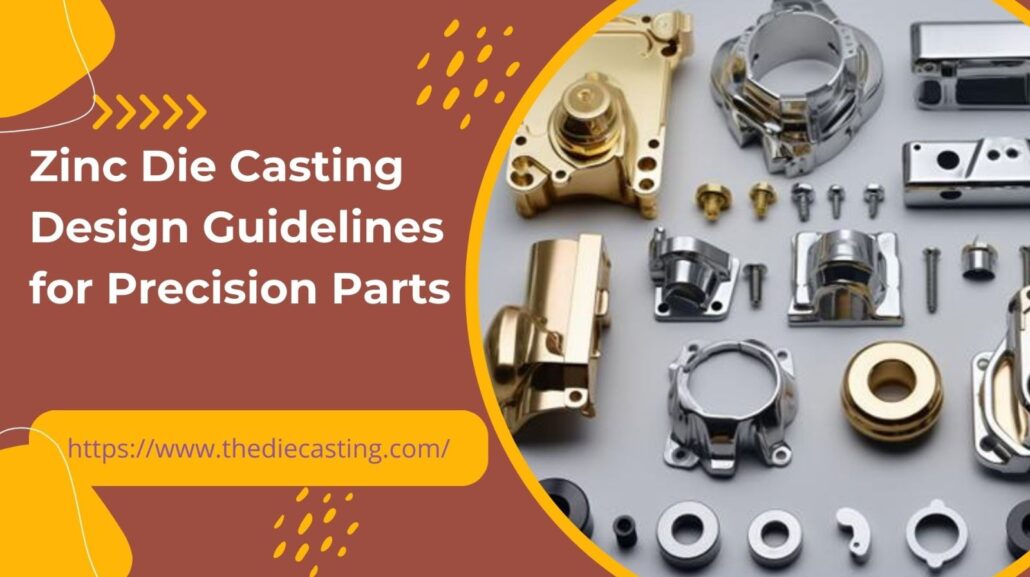
Retningslinjer for design af præcisionsdele i zinkstøbning

zamak 5, Trykstøbning af zink

Zinc die casting is a flexible production method which entails an injection of zinc alloy molten matter into a specially designed mold with high pressure in order to create complex and high-precision parts. Such an approach is especially appropriate for precision parts because zinc has high fluidity, a low melting point, and can be machined to tight tolerances without much post-processing. Zamak die casting is used in industries such as automotive, electronics, consumer goods, and medical devices for parts, including connectors, gears, housings, and complex mechanisms that require dimensional tolerances and longevity. Most zinc alloys are processed using hot-chamber machines, which enable quick cycle times and a steady quality. Accurate parts benefit from zinc’s ability to produce thin walls, complex geometries, and net-shape parts, reducing material waste and assembly time. Nevertheless, high success rates are achieved when specific design rules are followed, and material properties, shape, form, and processing parameters are considered. These rules help reduce defects, improve manufacturability, and enhance precision. This article identifies major guidelines supported by industry standards set by organizations to help engineers design zinc die-cast precision parts. Advantages of Zinc Die Casting of Precision Parts The use of zinc die casting offers several benefits, making it one of the best materials for precision applications. Selection Material: Zinc Alloys Selecting the correct zinc alloy is important for precision parts because it affects mechanical properties, castability, and tolerances. The Zamak die-casting series (2, 3, 5, 7) and the ZA series (8, 12, 27) have specific compositions and performance properties. The table below will summarize the kinds of zinc alloy used in the manufacture of precision parts: Types of Zinc Alloy Tensile strength (ksi/MPa) Elongation % Hardness (BHN)   Density g/cm³   Yield strength (MPa) Melting point °C Zamak 2 52/359 7 100 6.6 283 379-390 Zamak 3 41/283 10 82 6.6 269 381-387 Zamak 5 48/328 7 91 6.6 283-269 380-386 Zamak 7 41/283 13 80 6.6 310-331 381-387 ZA 8 54/372 6-10 100-106 6.3 359-379 375-404 ZA-12 59/400 4-7 95-105 6.03 145 377-432 ZA-27 62/426 2.0-3.5 116-122 5.3 N/A 372-484 These properties can be used to ensure that zinc alloys meet precision specifications and that complex parts have high fluidity scores (1-2 on a 1-4 scale; 1 best). To be more exact, manufacturers would want to choose alloys such as Zamak 3 or ZA-8 due to their stability and ability to withstand tight tolerances. Key Design Guidelines Good zinc die casting is designed to facilitate flow and ejection while maintaining strength at minimal cost. Wall Thickness The wall thickness should be uniform to avoid porosity and distortion. For precision parts, keep it within +/-10% and use a minimum thickness of 0.040 inches (1 mm) for a good surface finish, and as fine as 0.020 inches (0.5 mm) in miniature models. Ratios of thick to thin sections should be kept to less than 3:1 to minimize the chance of porosity; preferably the inscribed sphere diameter ratios should not exceed 6:1. Thickening walls enhances flow but raises the cycle time and consumption. To distances away from the ingate, minimum thickness changes: below 0.5 mm in areas less than 50 mm, up to 2 mm at 200 mm. Different simulations can be used to check designs. In zinc casting, specify a minimum of 0.025 inches (0.635 mm) in selected locations, but 0.040 inches (1.016 mm) in best-as-cast locations. Draft Angles Draft angles help eject parts and prevent damage to the die. For zinc, the minimum drafts are 0.5 ° -1 on outside surfaces, 1- -1 on internal surfaces, and 0.1 ° -1 on round holes. Short features that use moving parts (die elements) can be printed in zero, but it is more expensive. For ribs, a 5-10 taper is used when it is not parallel to the shrinkage. Different standards give draft calculations: standard tolerances are 50 (draft angle approximately 1.9 degrees at a 1-inch depth) for inside walls and 100 for outside walls. There are also precision tolerances that permit 60 and 120 constant drafts. Fillets and Radii Fillets and radii should always be added since sharp edges lead to stress concentrations and die erosion. Minimum radius of inside fillet is 0.016 inches (0.4 mm), and outside 0.031 inches (0.8 mm). Radii of larger size (up to 0.063 inches or 1.6 mm) enhance flow and strength. Minimum radii should be used (0.060 inches (1.5 mm) for bosses and ribs). Radius at high stress should not be less than 1 mm; standards suggest ±0.08/±0.04 inches (±2/±1 mm) in fillets. This improves the part’s life and reduces cracking. Ribs and Bosses Ribs enhance reinforcement without adding bulk. Create shallow, rounded ribs (height-to-thickness ratio no more than 3:1) and evenly space them so they are not distorted. Adhesion ribs to walls with fillets to avoid porosity in the intersection. The height of bosses used to mount or thread must be equal to their diameter, and when the diameter is large, they must have ribs. Keep 0.25 inches (6.5 mm) distance between bosses. Tolerances of critical heights can be contained in ribs, such as in the precision designs of ±0.001 inches (±0.025 mm) ribs. Cored Holes and Threads Holes made in the core make it lighter and allow elements such as threads. Maximum depths are around 3 mm diameter, 9 mm blind or 24 mm through; up to 12 mm diameter with larger openings. At least 0.25 inches (6 mm) in diameter, L/D ratio not more than 4:1 in small holes. Parting Line Considerations It is best to place the parting line in the largest section possible to produce the least amount of flash and to allow easy trimming. Vertical or complicated lines should be avoided; die motion plane right angles are best. Tolerances on parting lines are the sum of linear ones, by projected area. Projected area Tolerance (+in) Upto 10 +0.0045 11-20 +0.005 21-50 +0.006 51-100 +0.009 Tolerances of Precision Parts Zinc die casting has even higher precision tolerances than standard, and sometimes 65% of those special controls are

Trykstøbning af zink

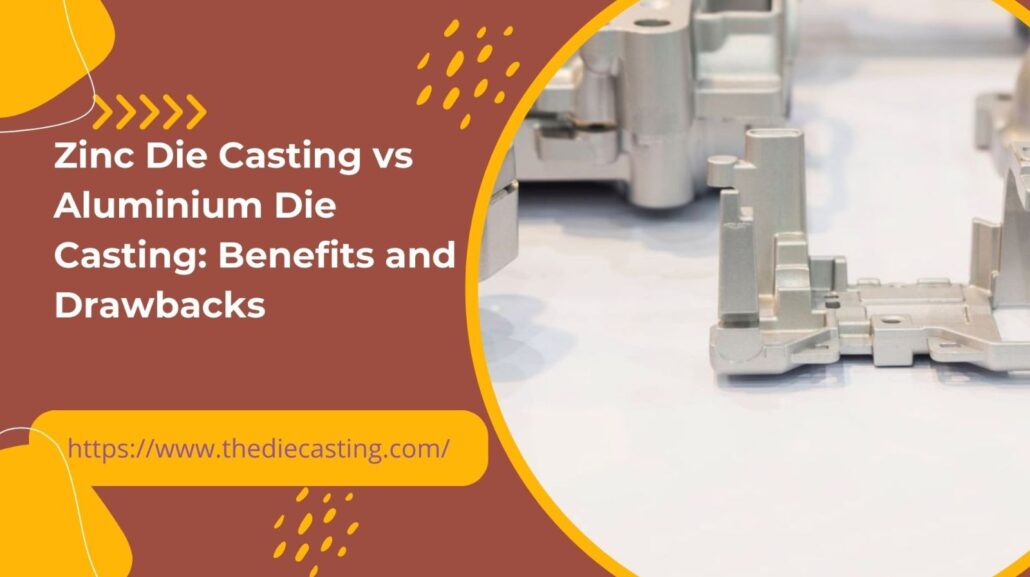
Trykstøbning i zink vs. trykstøbning i aluminium: Fordele og ulemper

Støbning af aluminium, Trykstøbning af zink

Die casting has also been a viable and versatile process in the manufacturing sector for producing high-precision metal products. Aluminum and zinc are among the most common die-casting alloys. Supposing that you are engaged in the production of a product, engineering, or locating the ingredients, you have to realize the difference between zinc die casting and aluminum die casting. The guide will help manufacturers to choose the most appropriate alloy for their project, whether it’s automotive parts, electronics, or consumer goods. Die casting is a process of pouring hot molten metal into a mold under high pressure to produce intricate shapes with a high level of surface finishes. Both Zinc and aluminum die casting have their own merits and demerits. We will also provide in-depth comparisons, a tabular, fast-tracked view, and professional commentary to help you make an informed decision. At the end, you will clearly understand the difference between zinc die casting and aluminum die casting, and when to use either of them. Let’s explore the key factors. What is Die Casting? A Quick Overview It is vital to understand the die casting process before comparing zinc die casting and aluminum die casting. Die casting is a process of forcing molten metal into a mold cavity under high pressure (1,000 to 20,000 psi). The hardened steel mold or die can typically produce thousands of similar parts with tight tolerances. Die Casting Types Hot Chamber Die Casting  It is applied in low-melting-point metals such as zinc. The injection system is dipped in molten metal. Cold Chamber Die Casting It is best when the metal has a higher melting temperature, such as aluminum. Lading of molten metal into the chamber is done to prevent damage to the machine. It is preferred for its speed, accuracy, and ability to create complex designs without extensive post-processing. At this point, we will compare the two star alloys: zinc and aluminum. Primary Properties of Zinc and Aluminum Die Casting The decision between zinc and aluminum die casting is often reduced to material characteristics. Zinc (and is commonly alloyed as Zamak) and aluminum (such as ADC12 or A380) do not share the same strengths, weight, corrosion resistance, etc. Strength and Durability Zinc alloys are reported to possess great impact strength and ductility. They can withstand significant stress without breaking, making them suitable for components that should be bent or shaped after casting. Aluminum alloys, on the other hand, are superior in tensile strength and hardness, particularly in structures. Weight and Density Compared to zinc, which has a density of 6.6 g/cm 3, aluminum is lighter (d = 2.7 g/cm 3). This contributes to the use of aluminum in industries that require low weight, such as the aerospace industry. Melting Point and Castability Zinc melts at approximately 380-390 °C, allowing hot-chamber machines to run faster. Aluminum-only melts at 660 °C, which means cold-chamber processes that may slow production but enable thinner walls to. Corrosion Resistance Both have good resistance; however, aluminium performs better under harsh conditions because it naturally forms a protective oxide coating. Outdoor use of zinc demands coating. Features Zinc die casting Aluminum die casting Melting point 380-390 degrees 660 degrees Tensile strength 280-400 200-300 Density 6.6 2.7 Thermal conductivity 109 100-140 Electrical conductivity High Very high Impact strength Ductile Brittle Corrosion resistance Good Best Benefits of Zinc Die Casting The versatility of zinc die casting has made it a reliable option for more than a hundred years. That is why manufacturers are fond of it: Outstanding Dimensional Accuracy Zinc remains intact to 0.05mm or less, eliminating the need for secondary machining. The manufacturer can achieve extreme dimensional accuracy with zinc die casting moulds. High Finish The raw material itself has a high-quality finish. Parts emerge clean and frequently do not require additional polishing before being plated or painted. Prolonged Tool Life Zinc melts easily, so the dies wear out less, resulting in lower long-term tooling costs. The products are corrosion- and wear-resistant, resulting in a longer lifespan. Fast Speed of Production The molten material solidifies within 15-30 seconds. It makes zinc die casting suitable for high-volume production. Large-scale industry uses it to improve and increase production. Affordable for Small Components Zinc is ideal for complex, small parts such as locks, gears, and hardware. But weight-sensitive applications may make zinc less desirable due to its greater density. Examples of standard alloys include Zamak 3 (general-purpose) and Zamak 5 (higher strength). Applications In other industries, such as the automotive sector, zinc is utilized in door handles and brackets. In the case of electronics, it is preferred in connection because it can shield against EMI. Benefits of Aluminum Die Casting In larger and structural components, aluminum die casting is leading. Its benefits include: Lightweight and Strong Aluminum components can reduce the product’s total weight by 50 percent compared to steel or zinc. Aluminum is light but strong. That makes aluminum die casting ideal for producing products suited to high-strength applications.   Excellent Corrosion Resistance It does not need further coating in most instances, which is time- and money-saving. The products made from aluminum die casting have a longer lifespan and remain intact. Good Thermal and Electrical Conductivity Aluminum’s ability to conduct electricity and heat makes it ideal for a wide range of applications. It is perfect for use in heat sinks, engine blocks, and electrical housings. Recyclability The aluminum die-casting process is best because of its high recyclability—100 percent aluminum recycling, in line with sustainable manufacturing trends. Thin-Wall Capability Aluminum die casting can produce walls as thin as 0.5mm, enabling complex designs. Drawbacks Contradictions and Disadvantages Not any material is perfect. In the case of zinc die casting as compared to aluminum die casting, these are the cons: Zinc Die Casting Limitations Aluminum Die Casting Restrictions Comparison of Costs: Zinc Die Casting vs Aluminum Die Casting A significant factor in the zinc die versus aluminum die casting is cost. Raw materials are usually cheaper, getting Zinc (2-3/kg) as compared to aluminum (2-4/kg), yet tooling and manufacturing

Trykstøbning af zink

Anmeldelser af leverandører af zinkstøbning til bildele

Trykstøbning af zink

Introduction In the automotive industry, zinc has been a pillar raw material for die casting because it has a remarkable mixture of precision, strength, durability and cost-effectiveness. Automakers are also turning to the use of zinc alloys in those parts that demand tight tolerances, thin walls, high surface finishes, wear and corrosion resistance. This is used in common applications such as door handles, lock housings, seat belt mechanisms, gears, brackets, sensor housings and inner trim pieces. The technology is to inject high-pressure molten zinc into steel moulds, which can be of complex geometry and volumes with limited secondary machining. Chinese Mold Manufacturer has already dominated the world of zinc die casting by being able to offer tailor-made prices, facilities and the necessary certification, such as the IATF 16949, that is required by automobile suppliers. This paper summarizes the top zinc die casting service companies focusing on automotive parts, based on the capabilities of the companies, customer reviews and industry reputation. We are targeting the Chinese manufacturers, who are the major source of worldwide provision of low-priced yet high-quality motor parts. Key Advantages of Zinc Die Casting With the latest development of vehicles towards electrification and lightweighting, zinc die casting services are important to making dependable, high-performance components. The Zinc Die Casting Process Zinc die casting is a very efficient production process that is accurate in making complex metal parts that have superior surface finishes. It is especially well used in the auto industry with parts that have thin wall requirements, are high strength and have better plating compatibility. Just like aluminum die casting, zinc employs the hot-chamber process because it melts at a lower temperature (approximately 420 °C), providing it with short cycle times and extended tool life. Principles of the Zinc Die Casting Process Mold Preparation To ease ejection and temperature control, the steel die (mold) is sprayed with lubricant. The mold is made from strengthen material like steel that contains all the details of the automotive parts. Melting and Injection Zinc alloy (usually Zamak 3, 5 or ZA-8) is melted in a furnace that is connected to the machine. A gooseneck plunger is inserted into the molten metal and forces the final under high pressure (as much as 30 MPa) into the die cavity. Solidification The metal solidifies (a few seconds) in the water-cooled die, and the metal is solidified in its form of choice. Ejection The die is cast, and ejector pins push out the casting. The final shape of the product is solidified. Trimming and Finishing Flash (runners) is removed. The secondary processes, such as machining, plating or powder coating, are included. Trimming the unwanted part of the zinc automotive product is the final step. Why Zinc Die Casting is Superior in Automotive Applications Zinc alloys (i.e., Zamak 3, 5, and ZA-8) have distinct advantages compared to such alternatives as aluminum: High Quality Finish and Surface Finish Zinc fluidity allows adding thinner walls (down to 0.5mm) and finer details to minimize the post-processing. The automotive parts made from zinc have thinner walls and greater strength. Increased Strength and Impact Resistance Suited to components with safety-critical functions such as seat belt retractors and locks. The automakers preferred using these products. Extended Tool Life Due to the low melting point, zinc die casting products’ life is increased, and high-volume runs have reduced costs. Outstanding Plating Compatibility The process of zinc die casting is ideal for exterior or interior parts, as these are chrome-plated. Economical with Medium Volumes The automotive parts made by zinc diecasting use hot-chamber processes and have faster cycle times than aluminum. Zinc vs. Aluminum Die Casting Comparison for Automotive Parts Automotive parts could be made from zinc or aluminum. Here is the comparison table for the users to make the best decision according to their need of product. Features Zinc die casting Aluminum die casting Wall thickness Thinner (0.5-1.5mm) Thicker (2-5mm) Weight Higher High Melting point Low High Thermal conductivity High Low Corrosion resistance Higher Low Impact/strength High impact resistance Greater ductility Tool life Longer Shorter Cost Better for smaller parts Better for larger parts Applications Auto marine Power steering system Fuel system Engine system Automotive components Aerospace House appliances Medical automotive Best Die Casting Providers of Zinc                                                                                      Die Castings China (CNM Tech) This is a company that deals with zinc die casting and aluminum in the automotive parts industry in Dongguan, which is a die-casting hub. They have machines ranging from 120 to 1600 tons and in-house machining, deburring, plating, and powder coating. Strengths full service (one-stop), IATF 16949-certified, high concentration on automotive (e.g., brackets, housings). High-quality deburring provides parts without an accent. Customer Reviews Compliments on consistency, speedy delivery and competitive prices. Plated finishes are ideal for OEMs. Rating 4.8/5 -Dependable when using on mid-to-high volume automotive runs. GC Precision Mold Co., Ltd. GC, a zinc die casting manufacturer, was founded in 1999 in Dongguan, and it provides IATF 16949 certified zinc, aluminum and magnesium die cast. They cover the automotive, electronics and hardware industries. Strengths Large assortment of alloys, integration of CNC machining, and extreme care to tight tolerances. Verified in automotive components such as gears and housings. Customer Reviews Customer satisfaction rating (transparency, responsiveness, and consistency of quality) was high. Customers report about superior English communication. Rating 4.9/5 -Best selection of precision automotive parts. Sincere Tech (Dongguan Sincere Tech Co., Ltd.) Although its major operations are plastic injection and general die casting, Sincere Tech also offers zinc die casting services, together with machining and assembly. They refer to die cast of metal components, including the automobile. Strengths All-in-one services (design to assembly), ISO 9001:2015, 18 plus years of experience. DFM and fluent English assistance. Customer Reviews Favorable response towards project management and problem-solving. Excellent in problem-solving according to foreign clients. Rating 4.7/5: Strong on combined projects of zinc and plastic parts. PHB Inc. PHB is a hundred-year-old American company that deals with aluminum and zinc die casting. They work with large car manufacturers, making components such as drilling, milling

Plettering af zinkstøbning:

Overfladebehandling af zinkstøbning: Teknikker, fordele og industrielle anvendelser

Trykstøbning af zink

Trykstøbning af zink er en almindelig produktionsmetode, der ofte anvendes i industrier, hvor hastighed, nøjagtighed, styrke og overkommelige priser virkelig betyder noget. Zinklegeringer bruges i bilindustrien, luft- og rumfart, forbrugerelektronik og meget mere på grund af deres høje støbeegenskaber, dimensionskontrol, styrke og alsidighed. De kan bruges til at lave komplicerede former med glatte overflader, og det gør dem meget eftertragtede at bruge i masseproduktion. Bare zinkoverflader har tendens til at blive let korroderede, anløbne og generelt slidte, når de udsættes for ugunstige miljøer, hvilket gør det nødvendigt at påføre en beskyttende finish. Det er her, at plettering bliver et af de vigtigste trin, både når det gælder produkternes anvendelighed og levetid, og når det gælder produkternes tiltrækningskraft og professionelle udseende på markedet. Når det drejer sig om overfladebehandling, garanterer plettering af trykstøbte zinkdele forbedret modstandsdygtighed over for ældningsmiljøer, udseende og holdbarhed. De mest almindelige processer i fremstillingsindustrien over hele verden er forkromning, zinkstøbning og fornikling på zinkstøbning. Ud over levetiden skaber plettering også kommerciel værdi, fordi kunderne altid vil have produkter, der er stærke og samtidig har en skinnende finish af høj kvalitet. Dette gør plettering til en grundlæggende aktivitet i de nuværende industrier. I denne artikel vil jeg give en detaljeret ekstrapolering af argumenter for, hvorfor plettering er nødvendig, hvordan den tekniske proces fungerer, udfordringer og de industrielle fordele, der er knyttet til processen. Hvad er trykstøbning med zinkbelægning? Trykstøbning med zink er den proces, der bruges til at påføre en beskyttende og dekorativ metalbelægning på komponenter, der er støbt ved hjælp af trykstøbning med zink. Da zinklegeringer er stærke og omkostningseffektive, men ætsende og slidtageafhængige, forlænger belægningen holdbarheden, udseendet og driften. Enkelt sagt er zinkstøbning den proces, der fremstiller den egentlige del eller komponent, mens plettering lægger et ekstra lag, som placerer en beskyttende belægning på overfladen og giver den nødvendige finish. Plettering og plettering af zinkstøbte produkter for at opnå en spejlfinish gennem forkromning af zinkstøbning eller en beskyttende, eksklusiv finish gennem nikkelplettering, zinkstøbning. Denne sammensætning fører til, at den belagte zinkstøbning finder en bred vifte af anvendelser i bilbeklædning, elektroniske huse, husholdnings- og industriudstyr, hvor godt udseende og styrke er potentielle krav. Hvad er plettering? Plettering er tilføjelsen af et tyndt lag metal på overfladen af et andet materiale, enten ved elektroplettering (brug af elektrisk strøm) eller ved kemisk plettering (uden brug af elektrisk strøm). Plettering udføres for at forbedre substratets æstetik, slidstyrke, korrosionsbestandighed, ledningsevne og slidstyrke. Et eksempel er, når vi bruger nikkel eller krom på trykstøbte zinkdele for at tilføje beskyttelse og glans til den basale zink, som giver styrke og form. Den blanke overflade på en bils skinnende kromhåndtag eller en badeværelsesfunktion er et direkte resultat af plettering. Kort sagt er plettering en lignende proces, hvor et produkt forsynes med et skjold og en smuk finish, så tingene fremstår mere holdbare og attraktive. Grunden til, at zinkstøbning har brug for plettering På trods af styrken ved zinklegeringer, der kan bruges i en række forskellige applikationer, er der nogle begrænsninger, når de er rå. Ubelagt zink er udsat for anløbning eller ætsende angreb fra fugt, kemikalier og termiske ændringer. Den almindelige, ubelagte del er ikke tilstrækkelig i mange brancher til at være pålidelig på lang sigt. Overfladebehandling ved hjælp af plettering tjener ikke kun det kosmetiske formål, men giver også forskellige fordele inden for teknikken. Producenter øger sikkerhedsforanstaltningerne mod korrosion, slid og oxidering ved at bruge de såkaldte pletteringszinkstøbningsteknikker. Dette garanterer produktets holdbarhed både med hensyn til strukturens integritet og dets æstetiske appel i det lange løb. Desuden er der mulighed for særlige belægninger som f.eks. forkromning, zinkstøbning, som giver en højglansfinish, der er bedst egnet til komponenter til forbrugerprodukter, samt fornikling på zinkstøbning, som både er en beskyttende og en dekorativ belægning. Processen med plettering på zinkstøbegods Plettering er en kompliceret proces, der kræver omhyggelig forberedelse og gennemførelse. I modsætning til aluminium og stål giver zinklegeringer usædvanlige udfordringer på grund af zinks reaktivitet. Derfor forudsætter plettering på zink en særlig behandling for at sikre en god vedhæftning. Overfladebehandling 1: Overfladeforberedelse Den første proces er affedtning, hvor olie, smøremiddel og urenheder fjernes fra støbegodset. Uden streng rensning vil der opstå afskalning eller afsmitning, hvilket betyder dårlig vedhæftning ved brug af zinkstøbte dele. Trin 2: Udvælgelse Støbegodset afoxideres og afrenses ved nedsænkning i syre. Dette gør overfladen ren, aktiv og i stand til at modtage pletteringslag. Trin 3: Påføring af dæklag Zinklegeringerne er meget reaktive, og derfor bruges der normalt et tyndt dæklag af kobber eller nikkel for at forbedre vedhæftningen inden færdiggørelsen. Dette er et afgørende trin for både forkromning, trykstøbning i zink og nikkelbelægning på trykstøbt zink. Trin 4, sidste pletteringslag Ikke-resistente metaller, krom, nikkel eller andre legeringer elektropletteres for at dække overfladen. Det færdige produkts holdbarhed og udseende afhænger af dette lag og dets tykkelse og kvalitet. Forkromning af zinkstøbegods Den mest værdsatte efterbehandlingsteknik, der anvendes til zinkstøbegods, kaldes forkromning; denne type efterbehandling bruges til at øge zinkdelens holdbarhed, dens funktionalitet samt dens skønhed. Forkromning betyder, at en meget tynd film af krommet metal klæbes på overfladen af trykstøbte zinkgenstande gennem en galvaniseringsproces. Resultatet er en skinnende, spejllignende belægning, der kan forbedre æstetikken, men som også forstærker delen mod korrosion, ridser og daglig slitage. Origins har fundet ud af, at forkromede genstande vil beskytte en rå zinkoverflade, der har tendens til at anløbe hurtigt under mere vanskelige forhold, og produkterne er holdbare. Vigtige fordele ved

producent af zinkstøbning i Kina

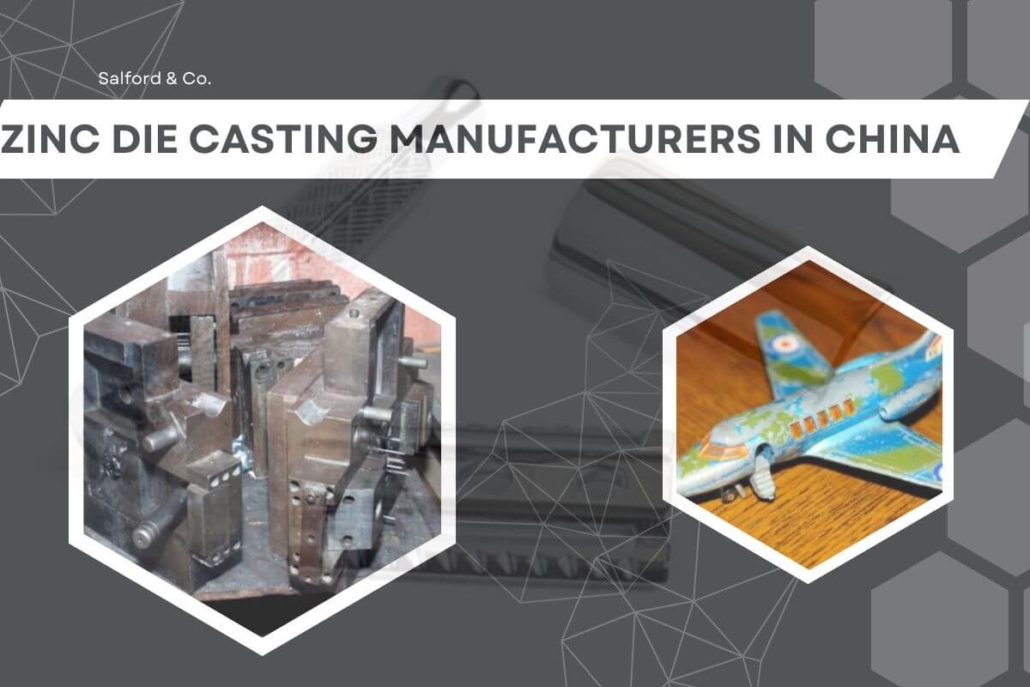
De 11 bedste zinkstøbningsvirksomheder i Kina og USA

Dele til trykstøbning, Trykstøbning af zink

If you have metal alloy casting parts that require a high quality surface finish, such as polishing, plating, or electronic plating, then you should look for zinc die casting parts. Zinc or zamak die casting is frequently used in the production of precisely decorative parts, building accessories, door and window accessories, door hingers, die cast models, and other similar alloy products. The purpose of this article is to provide you with a concise introduction to the best 11 zinc die casting companies in China and the United States of America, as well as their casting capabilities and competitive advantages. With that in mind, let’s take a look at some of the most well-known businesses in this extensive guide. 1. Dongguan Sincere Tech Co., Ltd Dongguan Sincere Tech Co., Ltd is a mold manufacturer and zinc die casting company based in China. High-quality injection molds are the specialty of the company. It provides die-casting molds of aluminum, zinc, and magnesium along with the accuracy in plastic molding as well as molding. Services offered are for automotive, medical, and other sectors. The customers gain precision reliability and competitive charges for all the projects offered. The use of high-quality machines and equipment means that there is quality output with minimal deviations. Oversight of each project is left in the hands of skilled professionals to ensure that high standards are followed. The company has established a reputation as one of the leading companies because international clients have confidence in Dongguan Sincere Tech for success. Services Offered Dongguan Sincere Tech provides clients with a wide range of product development solutions. It ranges from the design process to the creation of prototypes, from production design to actual mass manufacturing. That is why mold creation and tooling services are considered to incorporate high precision of output product assembly, testing, and packaging. The company has immense experience in Die casting and plastic molding. Every move is performed with precision and clarity. The company makes sure that its products are according to the industry standards and values. Quick turnaround times and good results are guaranteed. Why Choose Dongguan Sincere Tech? Quality, precision, and reliability are the core values of Dongguan Sincere Tech Company. Quality assurance measures applied to the greatest level ensure the high quality and standards of the product. Raw materials of fine quality are used in the production of various products. The sophistication of manufacturing processes is used for better sturdiness. Every client is provided with high-performance and low-cost services. Accuracy and durability are the foremost aspects of designing the product. Professionals receive optimum levels of satisfaction in the services they offer to the customers as well as the products they manufacture. If you are seeking reliable and affordable molds, then Sincere Tech is a company you should look at. If you are looking for plastic injection molding, product assembly services China, and zinc die casting companies in China, you are welcome to contact with them for price. 2. GC Precision Mold Co., Ltd. GC Precision Mold Co., Ltd. is a leading Zinc die casting company in China offering vast experience of over two decades. Founded in 1999 and is primarily involved in the business of aluminum, zinc, and magnesium die-casting. In addition, they provide services for plastic molding, CNC machining, and surface finishing. GC Precision Mould works with different sectors of the economy such as automobile, electronics, and the healthcare sector. The company holds a reputation for its efficient production line. Its advanced machines are from 120 tons to 1650 tons. The services offered by the company include gravity casting, high-pressure die casting, and sand casting. They design and develop molds of specific interest. The accuracy and quality are ensured on every project to the maximum level. GC Precision Mould sells its products in the international market, specifically in North America and Europe. These companies provide efficient and convenient delivery and shipping for their customers in different parts of the globe. This has made them certified under the International Organization for Standardization (ISO) 9001 on quality. The company delivers customized solutions according to the client’s demand, thereby adding value. Core Services Provided GC Precision Mould Co., Ltd. provides a wide range of services: Die Casting: The materials used are aluminum, magnesium, zinc, and other custom alloys. Plastic Injection Molding: High precision in molding with a range of surface finishes. CNC Machining: CNC lathe turning and component manufacturing with high levels of accuracy. Surface Finish: Anodizing, powder coating, painting, and plating with chromium. Custom die casting Tooling: Equipment for difficult die casting and molding applications. Their die-casting services target the automotive, electronics, and consumer products industries. For every project, they employ modern tools and techniques, thus meeting the highest levels of production. They satisfy various customer needs since the machines used in manufacturing have a part-making capability of up to 50kg in weight. Why Choose GC Precision Mould Co. Ltd? GC Precision Mould is a reliable supplier of Zinc Die Casting Services. They provide steady and affordable services grounded on their many years of experience. The company emphasizes and assures a fast response time and works at a reasonable budget. GC Precision Mold offers a full spectrum of customer support starting from the time the project is initiated. From die casting, and CNC machining to plastic molding the company guarantees satisfaction to their customers. G.C Precision Mold Co., Ltd. focuses on constant innovation. They are always giving their best to advance their production systems and techniques. They are ISO 9001 certified and follow rigorous international standards for their products. They meet both small and big production needs in terms of service delivery. If you are looking for plastic injection molding, CNC machining, surface finish like anodzing, electronic plasting, 6063 or 6061 high pressure die casting, and zinc die casting manufacturers in China, you are welcome to contact with them for price. 3. CNM Casting CNM TECH is an advanced industrial zinc die casting company based in China, the CNM casting company is mainly involved in precision die-casting

Trykstøbning af zink

Betydningen af zinkstøbning i bilindustrien

trykstøbning af aluminium, Trykstøbningsvirksomheder, trykstøbningsfirma, Producent af trykstøbning, Dele til trykstøbning, zamak 3 trykstøbning, Zamak 3 zinkstøbning, zamak 5, zamak 5 trykstøbning, zamak trykstøbning, Trykstøbning af zinklegering, Trykstøbning af zink

Hvad er trykstøbning? Trykstøbning er en metalstøbningsproces, som er kendetegnet ved at presse smeltet metal ind i formhulrummet. Formhulrummet laves ved hjælp af to hærdede værktøjsstålforme, der bearbejdes under forarbejdningen og fungerer på samme måde som sprøjtestøbeforme. Det meste trykstøbning er lavet af ikke-jernholdige metaller, især zink, kobber, aluminium, magnesium, tin, bly og tinbaserede legeringer. Afhængigt af hvilken type metal, der støbes, bruges en termisk eller kold motor. Zinkstøbningsprocessen er meget populær til fremstilling af dele inden for byggeri og industri, men den mest almindelige anvendelse er i bilindustrien. Faktisk har biler forskellige dele, der kan fremstilles gennem trykstøbning, på en sådan måde, at den moderne proces med trykstøbning oprindeligt blev startet til bilindustrien. Med støbeprocessen er der ofte ikke behov for yderligere bearbejdning efter støbning: ikke alene er nøjagtigheden op til 99,8%, men de støbte produkter kan også bruges rå, fordi de har en behagelig finish. Brugen af zinkstøbning er næsten 28% i bilindustrien, efterfulgt af bygge- og hardwaresektoren. Zink er blevet et af de vigtigste metaller i bildelsindustrien, især til produkter som dørlåshus, pal, tandhjul og tilbagetrækningsskiver i sikkerhedssele-systemer, men også til knastaksel- og sensorkomponenter. Ved at bruge dette metal og dets legeringer er det muligt at opnå styrke, duktilitet og fleksibilitet, som ikke ville være mulig med andre materialer. Derudover kan zink være det rigtige valg til at få æstetiske komponenter af høj kvalitet med snævre tolerancer, som ikke er mulige med andre materialer, og til at få prægninger og riller til mekaniske komponenter eller tandhjul. Zinkstøbemekanismer i bilindustrien Som sagt er bilindustrien den mest almindelige anvendelse af trykstøbning: Brug af zink og dets legeringer gør det muligt at producere komponenter, der er i stand til at opnå høj æstetisk kvalitet med stramme og snævre tolerancer for formmorfologi. Zinklegeringer bruges også til belægninger på grund af deres mange fordele, f.eks. forbedring af zinkens korrosionsbeskyttende egenskaber, som allerede er imponerende. Nedenfor kan du finde en række mulige eksempler på zinkbelægning: Interiør æstetisk sektion Soltag Sektion Mekaniske dele Motor og andre komponenter under motorhjelmen Servostyringssystem Dele og bremsesystem Klimaanlægskomponenter og -systemer Chassis hardware Dele i sikkerhedssele-systemet Komponenter til klimakontrol Brændstofsystem Fordele ved trykstøbning i zink: En effektiv og økonomisk proces, der giver mulighed for forskellige former. Højhastighedsproduktion Dimensionsnøjagtighed og stabilitet Styrke og vægt Flere efterbehandlingsteknikker er tilgængelige Enkel montering Trykstøbningsprocessen begyndte med brugen af bly og blylegeringer, magnesium- og kobberlegeringer, som hurtigt blev fulgt, og i 1930'erne er mange moderne legeringer, der stadig bruges i dag, tilgængelige. Denne proces udviklede sig fra lavtryksindsprøjtning til moderne højtryksindsprøjtning på 4.500 pund pr. kvadrattomme. Den moderne proces er i stand til at producere rene støbeformer med høj integritet og fremragende overfladefinish. Zinkstøbelegering er et stærkt, holdbart og omkostningseffektivt teknisk materiale. Deres mekaniske egenskaber er konkurrencedygtige og er normalt højere end støbt aluminium, magnesium, bronze, plast og det meste støbejern.

Zamak 3 zinkstøbning

Zamak 3 Trykstøbning

Støbning af aluminium, zamak 3, zamak 3 trykstøbning, Zamak 3 zinkstøbning, zamak 5, zamak trykstøbning, Trykstøbning af zinklegering, Trykstøbning af zink

Vi tilbyder ZAMAK 3 trykstøbning til fremstilling af ZAMAK 3-produkter. Vores ZAMAK 3-produkter, produktionskapacitet og lagerfaciliteter giver dig kvalitetsdele til konkurrencedygtige priser. ZAMAK 3 er den mest populære af ZAMAK-serien af legeringer til zinkstøbning på grund af dens støbbarhed og dimensionsstabilitet. ZAMAK 3 egenskaber: Ultimate Tensile Strength: psi x 103 (MPa) 41 (283) Yield Strength - 0.2% Offset: psi x 103 (MPa) 32 (221) Elongation: % i 2″ 10 Forskydningsstyrke: psi x 103 (MPa) 31 (214) Hårdhed: Brinell 82 Slagstyrke: ft-lb (J) 432 (58) Udmattelsesstyrke Rotationsbøjning - 5×10⁸ cyklusser: psi x 103 (MPa) 6,9 (48) Trykudbyttestyrke 0,1% Offset: psi x 103 (MPa) 604 (414) Elasticitetsmodul - psi x 106 (MPa x 103) 12.46 (85.5) Poisson¡¯s Ratio 0.27 Densitet: lb/cu in (g/cm3) .24 (6.6) Smelteområde: ¡ãF (¡ãC) 718-728 (381-387) Elektrisk ledningsevne: %IACS 27 Varmeledningsevne: BTU/ft/hr/¡ãF (W/m/hr/¡ãC) 65,3 (113,0) Termisk udvidelseskoefficient: 68-212¡ãF µin/in/¡ãF (100-200¡ãC µm/mm/¡ãC) 15,2 (27,4) Specifik varme: BTU/lb/¡ãF (J/kg/¡ãC) .10 (419) Krympemønster: in/in .007 Zinc Die Castings Applikationer Sportsudstyr - Omkostningsbesparende tilgange til bearbejdede komponenter; - Belægninger, der matcher zinkdele; - Styrke til hårde applikationer; Medicinsk - Innovative evner; - Præcisionsdesign som støbt; - Til brug i mange vanskelige applikationer; Kontakt - Flere hulrum for omkostningsbesparelser; - Multislide; Fastgørelsesmidler - Mange størrelser af panelmøtrikker, der allerede er værktøjsbehandlet; - Højhastighedstappeevner; Stik - Fire slide-teknologi for at eliminere dyre sekundære; - Tøndebelægning til kemisk nikkel giver omkostningseffektiv beskyttelse og æstetik; - Fremragende ledende legeringer; Fiberoptik - I stand til at støbe komplekse designs; - Tæt tolerance, som støbte, komponenter; - Udstyr og erfaring til at levere små komponenter; Apparater - Tynde vægstøbninger med styrken til at holde op i applikationer; - Overfladebehandlinger giver slidstyrke; - Legeringer designet til applikationsspecifikationer; Automotive - Evne til at indarbejde flere komponenter i en enkelt zinkstøbning; - Korrosionsbestandige støbninger og plader; - Sekundære tappekapaciteter; - Zink er et fremragende dæmpningsmateriale; Detaljen af Zamak 3 zinkstøbning Model No: Zamak 3 zinkstøbning Produktnavn: Zamak 3 eller 5 trykstøbning Produktets oprindelse: Kina Mærkenavn: CNM TECH Prisbetingelser: FOB SZ Betalingsbetingelser: T / T CIF L / C Forsyningsevne: 300.000-400.000 sæt / måned Leveringstid: ca. 30 dage Hvis du vil købe eller vide mere information om Zamak 3 zinkstøbning,

Rul til toppen

Få et tilbud