
Gear Manufacturing by Powder Metallurgy: The Ultimate 2026 Guide
Støbning af aluminiumMaster high-precision gear manufacturing by powder metallurgy. Our guide covers sintering, density control, and how to save 50% on costs with near-net shapes.
Master high-precision gear manufacturing by powder metallurgy. Our guide covers sintering, density control, and how to save 50% on costs with near-net shapes.
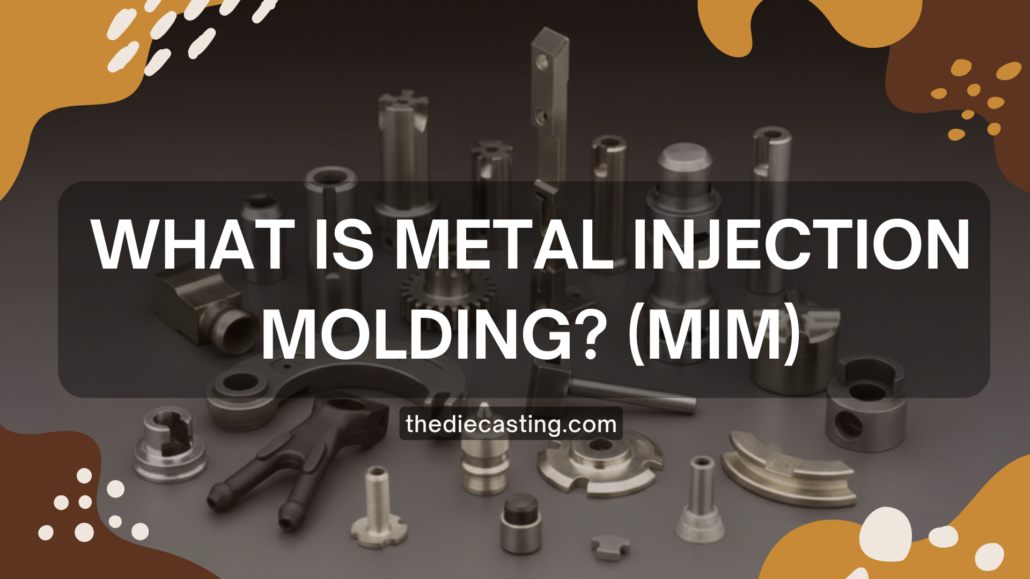
Metal injection molding is a transformative manufacturing technology that utilizes metal powders combined with organic binders using injection molding technology to produce highly complex structural metal components. Within the first 10% of this guide, we will explore why MIM metal injection molding is the “marriage” between two existing technologies: powder metallurgy and plastic injection molding. Parts are subsequently processed and sintered to yield high-strength, intricately shaped parts. As a solution for high-volume manufacturing, MIM metal injection molding is growing at a very rapid rate because the technology solves a lot of problems that are not easily addressed by other methods. Whether the goal is to produce complex parts for medical devices, automotive assemblies, defense, or consumer electronics, understanding what is MIM metal injection molding is the first step toward leveraging its outstanding value for parts requiring intricate geometry and superior material properties. For global industries requiring exact specifications, working with experienced manufacturers is essential. Further technical resources on precision manufacturing can be explored at plasticmold.net and plas.co. What is MIM Metal Injection Molding? In its simplest terms, MIM metal injection molding allows for the injection molding of metal powders instead of just pressing them. By mixing fine metal powders with a plastic binder, the material flows like a semi-solid under heat and pressure. This enables the creation of complex three-dimensional shapes that were previously impossible with conventional powder metal processes. Conventional powder metallurgy, often called “press and sinter,” takes metal powders and presses them with high pressure in a die using top and bottom punches. While this is a great process, it is limited to two-dimensional shapes and can suffer from lower material properties. MIM molding overcomes these limitations by utilizing the 360-degree design freedom of injection molding. Read more on Metal Injection Modeling The Four-Step Process Cycle of MIM Metal Injection Molding The production cycle for MIM metal injection molding services is generally categorized into four critical stages that ensure the economical manufacturing of high-precision components. Each stage must be meticulously controlled to ensure the final product meets the rigorous standards of modern engineering. Step 1: Compounding and Feedstock Preparation The metal injection molding MIM services process begins with the selection of raw materials. Fine metal powders, often produced through gas atomization to ensure spherical particle shapes, are the foundation. This powder is blended with thermoplastic and wax binders in proportional amounts to make the MIM feedstock. Mixing is performed under heat so the binder material melts and coats each metal particle, producing a homogeneous mix. The mix is then cooled and converted into small pellets for easy storage and transfer. The quality of the feedstock determines the consistency of the final part’s dimensions and strength. Step 2: MIM Molding (Injection) The feedstock pellets are fed into an injection molding press where the components are shaped under high pressure. During this stage, the MIM molding feedstock is heated just enough to melt the plastic binders, injecting the semi-solid material into a custom-engineered mold. The parts produced at this stage are known as green parts. While they possess the final geometry of the component, they are significantly larger (to account for future shrinkage) and consist of approximately 40% binder by volume. Because they are held together only by plastic binders, they are relatively fragile and must be handled with care to avoid structural damage. Step 3: Debinding (Primary Binder Removal) This step of metal injection molding MIM services involves removing a significant portion of the binders. This is achieved through solvent extraction, catalytic processing, or thermal evaporation. Once the primary binders are removed, the components are called brown parts. At this stage, the part is held together by a “backbone” binder and possesses a network of interconnected porosity. This porosity is vital because it allows the remaining binders to escape as gas during the final heating stage without cracking the part. Solvent-based processing is often considered the most economical and efficient method for high-volume MIM services. Step 4: Sintering (Densification) The brown parts are moved to batch vacuum furnaces or continuous atmosphere furnaces to remove the secondary binders and densify the component. High temperatures typically between 2300°F and 2500°F (1260°C to 1370°C) enable the metal particles to fuse and diffuse with each other. This results in 100% metal components with no remaining binder material and a minimum 97% density. During this stage, the part undergoes its final “shrinkage” to reach the specified blueprint dimensions. Benefits of MIM and Material Performance One of the primary benefits of MIM is the design freedom to make more complex geometry with tighter tolerances and improved density. Because metal injection molding MIM services utilize a technology that creates a simpler tool with fewer moving parts, engineers can achieve higher cycle rates and better cost controls. Mechanical and Physical Properties Components produced by this method lead the industry in mechanical and physical properties. Because the MIM services sintering process achieves high density, the final products display very similar material properties to corresponding wrought materials. Unlike conventional powder metal processes, MIM molding materials achieve nearly 95% to 99% of wrought material properties. Sintered components are highly versatile and can be: Is My Part a Good Fit for MIM Services? To determine if a component is a good fit for MIM services, engineers look for the intersection of four factors: material performance, component cost, production quantity, and shape complexity. The closer an application gets to the intersection of these four categories, the better the application is for metal injection molding MIM services. Criteria MIM Compatibility Weight Range Sweet spot is 0.20g to 30g; viable up to 100g. Wall Thickness Best between 2mm and 4mm; minimum 0.3mm. Production Volume Scalable from 5,000 to millions per year. Geometry High complexity; internal/external threads and logos. Generally, components less than 100 grams are economically viable for MIM metal injection molding, with a “sweet spot” weight range between 0.20 to 30 grams. The process is highly scalable, addressing volumes from less than 5,000 pieces per year to several millions per year. Read
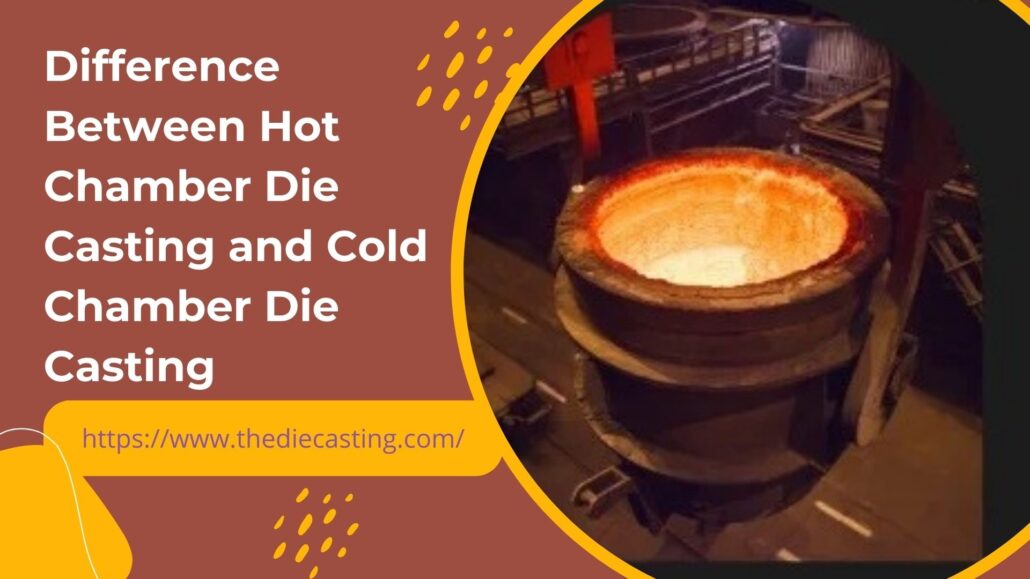
Die casting is a metal casting process that uses high pressure to produce complex, high-volume, precise metal components with superior surface finish and dimensional accuracy. This is achieved by high-speed, high-pressure injection of molten metal into a hardened steel mold, known as a die. After the metal solidifies, the die is opened, and the completed component is ejected, trimmed, or lightly secondary processed. Due to its speed, reproducibility, and ability to produce thin-walled, detailed casts, die casting is widely used across the automotive, electronics, aerospace, appliance, and consumer products sectors. High-pressure die casting processes fall into two major types: hot-chamber and cold-chamber die casting. Although both processes use pressure to force molten metal into a die, the ways the metal is melted, manipulated, and injected differ markedly. The differences influence the type of metals used, cycle time, production cost, tooling life, and part size. Hot-chamber die casting integrates the melting furnace with the casting machine, enabling faster processing and improved suitability for low-melting-point alloys. In cold-chamber die casting, however, a separate furnace is used, and molten metal is poured into the machine each time. This arrangement is preferable when the alloy has a higher melting point, e.g., aluminum and copper. Knowledge of the differences between these two processes helps Die Castings China select the most effective, cost-effective, and technically viable method for the company’s application. Hot Chamber Die Casting: Process and Technical Knowledge Hot-chamber die casting is a high-pressure metal casting process primarily used for low-melting-point alloys. It has extensive applications in the automotive hardware, electronics, telecommunications, and consumer goods industries, as well as in sectors that require high production speeds, tight dimensional tolerances, and good surface finish. The key feature of this process is that the melting furnace is integrated into the casting machine. In this type of design, the molten metal is kept in a continuously ready-to-inject state, reducing handling time and resulting in production that is much more efficient than in other casting methods. Summary of the Process Process Explanation Melting Metal is maintained in a furnace inbuilt as molten at about 400 -450 °C in the case of zinc alloys and 600 °C in the case of some magnesium alloys. Filling the Gooseneck In this setup, a hydraulic plunger is used to withdraw until molten metal fills the gooseneck chamber. Injection The plunger moves forward and injects metal into the die cavity at rates up to 3060 m/s. Solidification The metal’s cooling and solidification take 2-10 seconds, depending on the part’s thickness. Ejection This is where the die opens, and the casting is removed by die ejection pins. Repeat The total cycle time is 3 to 15 seconds, enabling high production volumes. The Process of the Hot Chamber Die Casting In hot-chamber die casting, the molten metal is retained in an in-built furnace mounted on the machine. The molten metal submerges a component called a gooseneck. When the plunger is retracted, an intake port supplies molten metal to the injection chamber. The plunger is then hydraulically actuated, driving the metal through the gooseneck and into the die cavity at high velocity. The injection rates may reach 30-60 meters per second, filling the cavity before the metal solidifies. After being cast, the molten metal is pressurized and cooled. Solidification typically takes 2-10 seconds, depending on wall thickness and alloy. With the part already solid, the die is opened, and the ejector pins force the casting out. The machine thereafter shuts and initiates the subsequent cycle. Technical Parameters and the Operating Conditions The process is carried out within well-controlled temperature and high-pressure ranges to ensure tooling quality and safety. Zinc alloys can be cast at temperatures between 400 and 450 °C. In contrast, magnesium alloys can be cast at temperatures closer to 600 °C. The injection pressure is typically 7-35 MPa (approximately 1,000-5,000 psi). The die temperature is maintained between 150 and 250 °C to ensure consistent metal flow and controlled cooling. Due to the wide range of machine sizes, the clamping force typically ranges from 20 to 500 tons. Shot weights are usually less than 1 kilogram, but machines can handle up to 5 kilograms. This is one of the fastest metal-forming methods, with production rates often reaching 300-700 parts per hour due to its high cycle rate. Applicable Material Limits and Alloys Hot-chamber die casting applies only to alloys that do not attack iron at high temperatures. The most common are zinc alloys, including Zamak 3 and Zamak 5, which have melting points near 385 °C. It is also commonly used with magnesium alloys such as AZ91D, which melts at about 595 °C. It is also possible to process lead-tin alloys, but their industrial applications are more limited. This process cannot be applied to aluminum, which has a melting point of approximately 660 degrees Celsius, which can destroy the submerged injection elements. Performance Benefits and Practices Limitations Parameter Typical Range Metal Temperature 400–450°C (Zinc), up to 600°C (Magnesium) Injection Pressure 7–35 MPa (1,000–5,000 psi) Cycle Time 3–15 seconds Machine Tonnage 20–500 tons Production Rate 300–700 parts/hour Die Temperature 150–250°C Typical Part Weight 0.02–5 kg Cold Chamber Die Casting: Process and Technical Observations Cold-chamber die casting is a high-pressure metal casting process suitable for alloys with medium- to high-melting points. It is commonly used in industries such as automotive, aerospace, industrial machinery, and electronics that require strong, lightweight components with precise dimensions. This process uses a separate furnace to melt the metal, rather than a hot-chamber die casting. Each shot is moved into the casting machine with the molten metal, making the system suitable for materials that would harm a permanently submerged injection process. This geometric distinction characterizes the operating mode, production speed, and material range of the cold-chamber process. Process Overview During cold-chamber die casting, the metal is melted in an external furnace at the appropriate alloy-specific temperature. The melting temperature of aluminum alloys is generally in the range of 660- 700 °C, and copper-based alloys might be melted at temperatures exceeding 1,000 °C. After melting,
Master the art of making something from nothing with this comprehensive guide to sand casting aluminum. Discover the 6 essential stages of aluminium sand casting, from preparing green sand casting molds to finishing high-precision sand casting aluminum components.
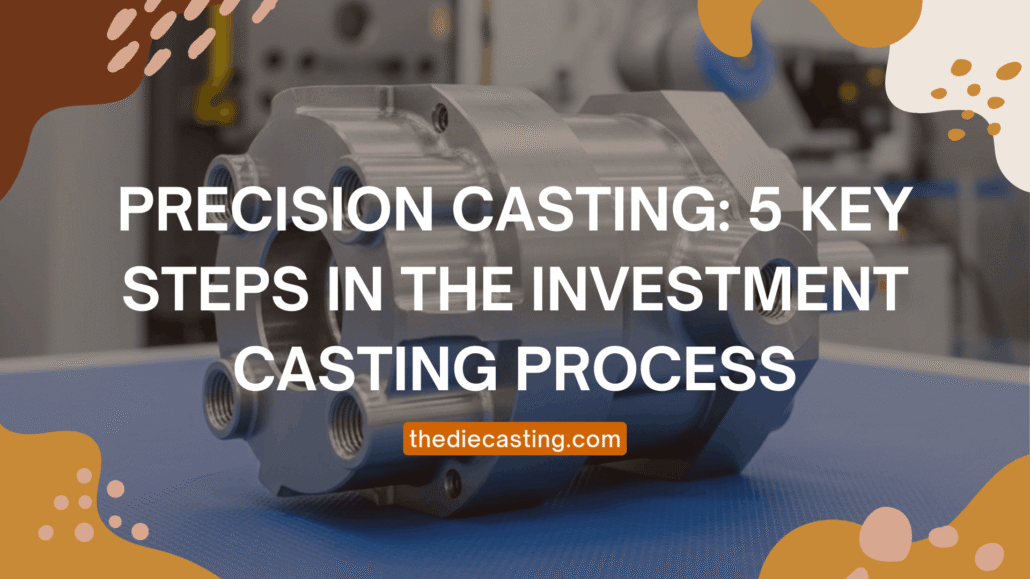
Precision casting, also known as precision investment casting, is the highest fidelity casting process on earth. It is a manufacturing process that can produce very thin and most complex features, and it will capture down the fingerprint detail. Whether you are making precision cast parts for the aerospace industry or you are a sculptor creating small works and also a monumental scale, it offers excellent surface finish and excellent dimensional accuracy. Virtually there is no alloy which cannot be manufactured using investment casting process. That is the unique and greatest feature of the investment casting process. The range of alloys covers virtually the complete spectrum of alloys in engineering use. The History and Evolution of Precision Casting In the twentieth century, several developments of the investment casting process occurred. Initially, the solid mould or the block mould investment casting was used where the entire mould was filled with the ceramic material. Later the ceramic material was replaced by the plaster mould to give a better surface finish. Later mercast process was developed where mercury was used as the pattern material, but this is no more in use. Finally ceramic shell investment casting was developed recently and this has gained importance all over the world. Very little has changed in the 3000 years that bronze has been cast. We now have electric blowers rather than bellows and we have natural gas instead of dried animal dung, otherwise everything else is the same. The mold is made out of earthen materials just like in the old days and we burn out the wax. Special Features of the Investment Casting Process What are these special features of investment casting process? It can produce very thin and most complex features. Second feature is it offers excellent surface finish; most of the times no machining is required or very negligible machining is required. Next special feature is it offers excellent dimensional accuracy. Finally it can be used to cast all metals and alloys. If we see different manufacturing process or the casting process, ductile iron, tool steel, and super alloys cannot be cast using die casting process. Titanium alloys cannot be manufactured using sand casting process. But in the investment casting process, all the alloys can be manufactured. Virtually there is no alloy which cannot be manufactured using investment casting process. The Ceramic Shell Investment Casting Process Steps These are the major steps involved in the ceramic shell investment casting process: Shell Building: Ingredients and Slurry Stages How do we make the ceramic shell? We need to learn the ingredients of the ceramic slurry. One is the refractory powder or flour, which comprises sixty to eighty percent. The most commonly used refractory powders are zirconium silicate, fused silica, and fused aluminum oxide. Second ingredient is the liquid binder, comprising fifteen to thirty percent, mainly ethyl silicate or colloidal silica. Finally a solid binder will be used from five to ten percent. The first dip slurry is a fine texture that can easily get down to the details of the grooves and engraving graphics. The next slurry coating is coarser than the first dips as it builds a thick ceramic shell around the wax tree. This cycle will be repeated about five to seven times. The slurry has to dry between successive dippings; temperature and humidity are carefully controlled. The Science of Dewaxing and the Autoclave Oven Prior to the pouring of the molten metal into the ceramic shell, wax inside the shell has to be drained out completely and this process is known as dewaxing. Generally an autoclave oven is used. High steam pressure at about 8 kg per square centimeters is injected into the sealed oven. The wax will be melted and it will be removed from the ceramic shell. We make really sure to burn these molds out clean. If the bronze came in contact with wax it would be a real problem. The bronze would make the wax immediately turn to a gas and a gas is a sudden expansion of volume. The definition of an explosion is a sudden expansion of volume. The bronze could quite well shoot back up out of the mold because of the explosion of a wax in contact with bronze. This wax again it will be refined, it will be purified, and again it will be used for making the pattern. Precision Casting: Melting and Solidifying the Metal The ceramic moulds must be heated up before molten metal can be poured into them. We preheat the mold until it is orange hot so that it offers the least amount of chill resistance to the bronze as the bronze floods the chamber. Bronze literally solidifies at 1850 degrees; we melt it to about 2000 degrees and pour soon thereafter. During the melting of the bronze ingots, imperfections such as sand or mold material float to the surface. We skimmed off the dross on the surface. After the shell is filled with the liquid metal, it must be set aside to cool down. Freshly poured ceramic shells generate a lot of ambient heat. Inside the mold, the thinnest areas solidify first and then the thicker areas. Post Investment Casting: Knockout, Cut Off, and Finishing Knockout means breaking that shell and removing the casting outside. A motorized chisel is used to break the ceramic shell away from the cast part. The metal tree is sand blasted to remove any remaining ceramic shell traces. Traces are to be removed from the casting; that’s why we are using a sand blasting system. The castings are cut at the gates, which leaves the excess material on the gate areas; this is the cut off. For that, most of the times a grinding wheel is used. The castings are heat treated to normalize the metal. Appropriate surface finish is polished on the parts; mirror and satin finishes are the most common these days. The final product will be free from flaws and visually appealing. Investment Cast Alloys and Their Industrial Applications Common
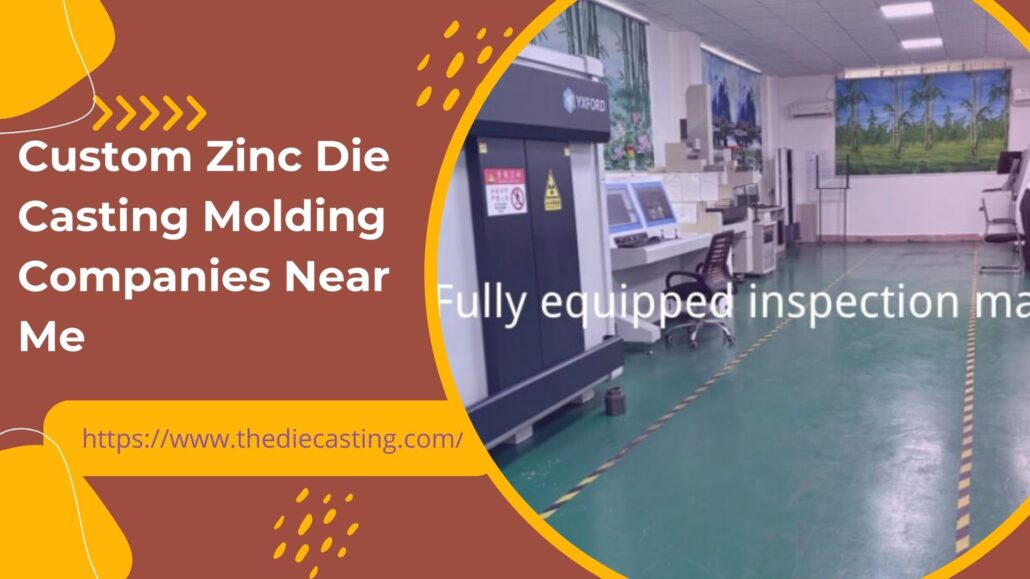
Introduktion Den verdensomspændende produktionssektor er i stigende grad afhængig af specialfremstillede zinkstøbningsfirmaer til at producere omkostningseffektive, holdbare og præcise metaldele. Zinkstøbning er også kendt for sin evne til at fremstille komplekse geometrier, tætte tolerancer, glat overfladefinish og høj mekanisk styrke til en ret lav produktionsomkostning. Disse fordele gør zinkstøbning til en fordelagtig produktionsteknik på tværs af sektorer som biler, elektronik, medicinsk udstyr, industrielt udstyr, forbrugerprodukter og telekommunikation. Når folk søger efter “specialfremstillede zinkstøbningsvirksomheder i nærheden af mig”, henviser de måske til producenter tæt på, hvor de bor. Kina er kendt som det største trykstøbningscenter i verden, en pålidelig leverandør til det internationale marked, som effektivt kan opfylde disse markeders krav. Kinas produktionsbase er fortsat førende med veludviklede produktionsfaciliteter, en højt kvalificeret arbejdsstyrke, komplette forsyningskæder og lave priser. I mellemtiden er der nogle verdenskendte zinkstøbningsfirmaer i USA, Europa og andre markeder, der leverer højteknologi, automatisering og strenge kvalitetsstandarder i avancerede, kontrollerede industrier. Dette er en komplet guide, der handler om at nævne de største og mest effektive leverandører og producenter af zinkstøbningsprodukter. Tre store kinesiske trykstøbningsfirmaer af zink i nærheden af Kina Ikke desto mindre kan det hævdes, at processen er kompleks og dyr og kræver både maskiner og arbejdsomkostninger for at opbygge et nyt brand. Man kan dog sige, at det ikke er en nem og billig proces, da det kræver både udstyr og lønudgifter at etablere et nyt brand. Der er mindst fem store globale producenter af trykstøbte zinkprodukter. Disse virksomheder leverer avancerede tjenester til internationale markeder. Hver virksomhed vil se den samme organisation, passende tekniske specifikationer og nyttige data til at hjælpe OEM'er, produktudviklere og indkøbere med at vælge den rigtige langsigtede produktionspartner. Hvad er årsagen til populariteten af brugerdefineret zinkstøbning? Zinkstøbning kan tilpasses, hvilket har flere fordele, der gør den velegnet til moderne produktion: Dimensionsstabilitet Zinklegeringer giver fremragende dimensionsstabilitet, hvilket gør det muligt for producenterne at fremstille dele med snævre tolerancer og høj repeterbarhed. Processen hjælper med at producere tyndvæggede, indviklede former og præcise overfladeegenskaber og minimerer sekundær bearbejdning. Fysiske egenskaber Højt styrke-til-vægt-forhold, korrosionsbestandighed og termisk/elektrisk ledningsevne er også egenskaber ved zink, der gør det til et passende materiale til både anvendte og dekorative formål. Omkostninger og fordele Økonomisk set muliggør zinkstøbning produktion af store mængder, lave skrotprocenter, lang formlevetid og kortere cyklustider sammenlignet med andre støbemetoder. Denne kombination af kvalitet, effektivitet og lavere omkostninger er det, der får industrier verden over til at bruge zinkstøbning, når de har brug for præcisionskomponenter. Brugerdefinerede zinkstøbningsfirmaer i nærheden af Kina Sincere Tech (Kina) - Meget tæt på Kina Hjemmeside: https://plas.co Virksomhedsoversigt Sincere Tech er blandt de mest stabile brugerdefinerede zinkstøbningsfirmaer i nærheden af Kina, kendt for sine integrerede produktions- og ingeniørtjenester. Virksomheden beskæftiger sig med zinkstøbegods, aluminiumsstøbegods, formfremstilling, plastsprøjtestøbning, CNC-bearbejdning og komplette monteringstjenester. Sincere Tech giver kunderne teknisk assistance og masseproduktionsudstyr, understøttet af innovative produktionssystemer og professionelle teams. Sincere Techs produktionsmodel er centreret om præcisionsværktøj, effektive produktionsworkflows og streng kvalitetskontrol for at opretholde ensartetheden i delens nøjagtighed og overfladekvalitet. Virksomheden henvender sig til bilproducenter, medicinsk udstyr, elektronik, industrielt udstyr og forbrugerprodukter. Evner og tjenester Sincere Tech tilbyder også altomfattende projekttjenester, herunder formdesign, formfremstilling, prototyper, trykstøbning i store mængder, efterbearbejdning, overfladebehandling og produktsamling. Deres zinkstøbning er strømlinet til dele med snævre tolerancer, komplekse geometrier og volumenproduktion og opfylder dermed kravene fra OEM'er, der søger langsigtede produktionsalliancer. Hvorfor vælge Sincere Tech Sincere Tech passer bedst til virksomheder, der leder efter en kinesisk leverandør af zinkstøbning, som er økonomisk levedygtig, tæt på Kina og tilbyder stærk teknisk support, hurtige leveringstider og eksporttjenester af høj kvalitet. De kan rumme forskellige fremstillingsprocesser under ét tag, hvilket minimerer projektrisikoen, omkostningerne og produktionsplanen. GC Precision (China) Website: https://www.aludiecasting.com Company Overview GC MOULD er en af de mest velrenommerede producenter af specialfremstillet zinkstøbning i regionen nær Kina med fokus på præcisionsteknik, sofistikeret formdesign og trykstøbning i flere materialer. Virksomheden leverer zink-, aluminium- og magnesiumlegeringer til kunder inden for bilindustrien, elektronik, belysning, industrimaskiner og medicinsk udstyr. GC MOULD har opbygget et ry for høj reproducerbarhed, dimensionsnøjagtighed og stabil produktionskvalitet gennem årtiers erfaring. Deres faciliteter rummer både småskalaproduktion og masseproduktion, hvilket gør dem anvendelige for nystartede virksomheder og andre internationale brands. Kapaciteter og tjenester GC MOULD er en produktionsvirksomhed med fuld cyklus, der leverer tjenester, herunder formdesign, højtryksstøbning, gravitationsstøbning, CNC-bearbejdning, overfladebehandling og montering. Deres aktiviteter inden for zinkstøbning lægger vægt på præcisionsdele og høj strukturel integritet samt høj overfladefinish, hvilket sænker den sekundære forarbejdning. Hvorfor vælge GC MOULD GC MOULD er en god mulighed for enhver virksomhed, der søger et skræddersyet zinkstøbningsfirma tæt på Kina med teknisk ekspertise, og som samtidig er omkostningseffektivt. De er en pålidelig partner på lang sigt på grund af deres evne til at håndtere komplekse projekter, opretholde et ensartet kvalitetsniveau og operere i hele verden. CNM CASTING (Kina) hjemmeside: Virksomhedsoversigt CNM CASTING Virksomheden er blandt de ældste specialiserede zinkstøbningsfirmaer i Kina og leverer omfattende produktionstjenester inden for zink-, aluminium- og magnesiumstøbning. Virksomheden er blevet kendt for sit gode formdesign, kombinerede produktionssystemer og forbrugerorienterede produktionsstrategi. CNM CASTING betjener en række industrier, herunder bilindustrien, elektronik, telekommunikation, husholdningsapparater og industrielt udstyr. Deres produktionsmodel fokuserer på holdbart værktøj, effektivitet i store mængder og ensartet kvalitet. Funktioner og tjenester CNM CASTING tilbyder formdesign, trykstøbning, zinkstøbning, CNC-bearbejdning, overfladebehandling, kvalitetskontrol og slutmontering. Deres zinkstøbning er velegnet til både funktionelle og strukturelle dekorative komponenter, og den er fleksibel på tværs af forskellige produkttyper. Hvorfor vælge CNM CASTING

Aluminium er et vigtigt teknisk materiale i nutidens produktion, især inden for trykstøbning. Det fremstilles i så store mængder, fordi det er præcist, har et højt styrke/vægt-forhold, er korrosionsbestandigt, har varmeledningsevne og er let. Blandt andre egenskaber, der bestemmer, hvor let aluminium kan forarbejdes og støbes til industriprodukter, er den mest betydningsfulde fysiske egenskab aluminiums smeltetemperatur. Producenten af trykstøbte produkter skal være opmærksom på, at 660,32 °C (1220,58 °F) er smeltepunktet for rent aluminium, selvom rent aluminium i praksis sjældent smeltes i industrien. I stedet behandles det som en legering, og inddragelsen af andre elementer som silicium, kobber, magnesium og zink ændrer ikke kun dets mekaniske styrke og korrosionsbestandighed, men også dets smelteegenskaber. Disse legeringselementer har et smelteområde snarere end et smeltepunkt, hvilket har direkte konsekvenser for trykstøbning. Smeltetemperaturen er ikke en samling laboratorieværdier i trykstøbningsindustrien; den definerer ovndesign, strømforbrug, formens levetid, strømningsadfærd, defekter, størkningsstruktur, mekaniske egenskaber og produktionseffektivitet. Smeltning, strømning og størkning af aluminium er afgørende for at producere støbegods af høj kvalitet, der er dimensionelt nøjagtigt inden for en millimeter og strukturelt sundt. Aluminium eller aluminiumslegeringer: Forskellige smeltetemperaturer Smeltetemperaturen er den temperatur, hvor et fast metal ændrer sig til en væske. I rent aluminium sker denne tilstandsændring ved 660,32 °C. Dette er dog ikke tilfældet med industrielle legeringer. De smelter over en række temperaturer, hvilket betyder, at noget af materialet smelter, mens resten forbliver fast. Dette kaldes smeltepunktsdepression, hvor legeringselementer forstyrrer aluminiums krystalgitter. Dette danner en grødet zone, en halvfast tilstand i trykstøbning, der har en direkte indvirkning på metallernes flow, opførsel ved formfyldning, dannelse af krympninger og interne defekter. Denne række af smeltepunkter er vigtigere for trykstøbningsingeniører end det absolutte smeltepunkt, da det bestemmer: Smeltepunkt for aluminium: Trykstøbningsindustrien I støbeprocessen tvinges smeltet aluminium ned i stålforme. Smeltepunktet for aluminium styrer alle faser af denne proces. Ovn- og energisystemeffektivitet Reducerede smeltepunkter betyder mindre energiforbrug og driftsudgifter. Den relativt lave smeltetemperatur for aluminium sammenlignet med stål eller titanium gør det muligt for støberier at bruge lavere ovntemperaturer, hvilket gør trykstøbning mindre energikrævende og mere omkostningseffektivt at skalere. Effekt på flydeadfærd og støbeviskositet er direkte proportional med smeltetemperaturen. Legeringer med lavere smeltetemperatur er lettere at støbe i tynde sektioner og komplicerede geometrier og foretrækkes derfor til præcisionsstøbning af f.eks. bilhuse, elektroniske kabinetter og konstruktionsbeslag. Indvirkning på defektdannelse Den uhensigtsmæssige smeltetemperatur forårsager: Her er en oversigt over forskellige aluminiumslegeringer i trykstøbningsindustrien: Legeringer Smeltepunkter Trykstøbning Industriens anvendelse A360 557 - 596 °C Denne legering kan bruges til trykstøbning under højt tryk og har en høj flydeevne. A380 538 - 593 °C Støbeindustrien bruger denne legering på grund af dens fremragende støbbarhed til fremstilling af konstruktionsdele. A413 574 - 582 °C Den kan bruges til at fremstille tyndvæggede støbeprodukter. B390 510 - 649 °C Den gør produkterne mere slidstærke. A356 555 - 615°C Bil- og konstruktionsprodukter fremstilles af aluminiumslegeringen A356. Smelteområder for almindelige trykstøbelegeringer 2024 Legering Industriel adfærd og smeltetemperatur Aluminium 2024 smelter ved 500-638 °C. Dette brede smelteområde gør den følsom over for temperaturkontrol under støbning. Denne legering er følsom over for termisk kontrol under trykstøbning, da den delvist kan smelte og danne adskilte, svage områder. Selv om den ikke er populær til højtryksstøbning på grund af dens tendens til at korrodere, bruges 2024-aluminium til at illustrere, hvordan smelteområdet påvirker udviklingen af mikrostrukturer og mekaniske egenskaber. 3003-legering Karakteristik af smeltetemperatur Aluminium 3003 smelter mellem 643 °C og 654 °C, hvilket er tæt på smeltepunktet for rent aluminium. Dette relativt snævre smelteområde giver en ensartet flowadfærd. Anvendelse til støbning og fremstilling Selvom det er mere almindeligt i fremstilling end i trykstøbning, har det en stabil smelteprofil, hvilket tyder på, at højere smeltetemperaturer kan forbedre den dimensionelle stabilitet. 5052-legeringens termiske adfærd I aluminium smeltes 5052-legeringen ved 607-649 °C, hvilket giver en balance mellem fluiditet og styrke. Implikationer for trykstøbning Selvom det ikke er en primær trykstøbningslegering, viser dens smelteområde, hvorfor magnesiumbaserede legeringer kræver kontrolleret opvarmning for at forhindre oxidering og brintoptagelse. 6061-legeringens smeltetemperaturområde Smelteområdet for 6061-aluminium er 582 °C - 652 °C. Position i industriel forarbejdning Selvom trykstøbning er sjælden, viser dens fusionsomfang temperaturens betydning for regulering af størkningsprocessen og mekanisk stabilitet i aluminiumsproduktion. 7075-legeringens lave smeltepunkt 7075-aluminium smelter ved 477-635 °C, hvilket er et af de laveste smeltepunkter for alle strukturelle aluminiumlegeringer. Betydning for produktionen Dette lave smeltepunkt viser sammenhængen mellem legeringernes kemiske sammensætning og den termiske følsomhed. I trykstøbningsprocessen skal disse legeringer opretholde høj temperaturpræcision for at forhindre for tidlig smeltning og adskillelse. A356 Alloy Melting Curve Profile A356 har et smeltepunkt på mellem 555 og 615 C og er derfor meget anvendelig til trykstøbning. Import af trykstøbning A356 er en meget populær legering i bil- og trykstøbningsindustrien, fordi den har gode flydeegenskaber, kontrollerbar størkning og et afbalanceret smelteområde, der muliggør formfyldning af høj kvalitet. A360-legeringens termiske egenskaber A360 har et temperaturområde på 557 °C til 596 °C, hvilket giver den en fremragende flydeevne. Rolle i trykstøbning Det er en superlegering, der bruges i tryktætte trykstøbninger, hvor dimensionel præcision og overfladekvalitet er altafgørende. Den har en bred frysetemperatur og fryser let. A380-legeringens smelteadfærd A380 smelter mellem 538 °C og 593 °C. Industriens dominans Den mest populære legering i verden er A380, en legering til trykstøbning af aluminium. Aluminiums smeltepunkt giver den bedste flydeevne, reduceret sammentrækning og god formfyldning, hvilket gør den bedst til bilhuse, elektroniske kabinetter og strukturelle elementer.
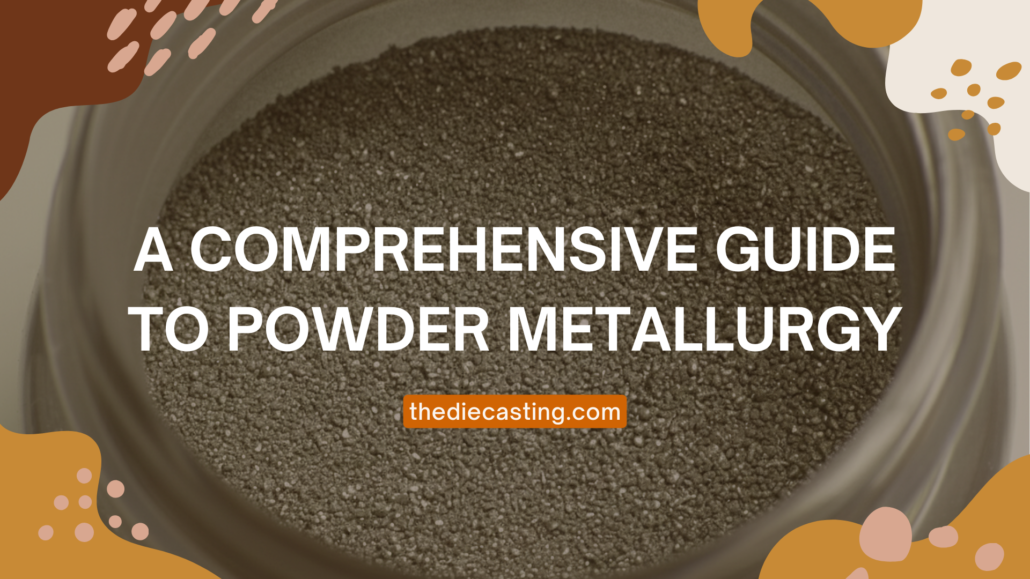
Powder Metallurgy is a specialized and vital branch of Metallurgy dealing with metal and non-metal powders and then using them for economical manufacturing of high precision components. In the modern industrial landscape, a powder metallurgy company provides the technical expertise required to transform loose particles into robust, functional parts. This process is favored because the properties of powder metallurgy components depend largely on the properties of loose metal from which they are made, allowing for a level of customization and purity that traditional casting often cannot match. For industries requiring exact specifications, working with experienced powder metallurgy manufacturers is essential. You can explore further technical resources on precision die casting manufacturing at aluminum die casting page or precision injection molding manufacturing at plasticmold.net. The Six Basic Steps of Powder Metallurgy Powder Metallurgy consists of the following six basic steps namely: (a) Powder Production, (b) Powder Conditioning, (c) Powder Compacting or pressing, (d) Sintering, (e) Sizing or Impregnation, and (f) Testing and Inspection. 1. Powder Production First comes Powder Production in which the metal or non-metal undergoes various mechanical processes like machining, crushing, Milling, Shotting, Graining and Atomization to produce powder in the form of small chips, filings, break-offs etc. For volatile metals and carbon carbonyls, physicals processes like condensation and thermal decomposition are used to carry out powder production. The powders produced through these processes are mainly spherical in shape. These processes are usually carried out in closed containers to avoid formation of metal oxides. For metals in their oxide, oxalate, formate or halide states, reduction principle is used where reducing agents like carbon, hydrogen, ammonia and carbon monoxide are used for economical and flexible powder production of irregular shape. For Metals in their aqueous solution or fused salts, electro-chemical processes are used. They ensure perfect control of powder size and type by varying parameters like high current, low metal ion concentration, low temperature and thus obtain highly pure crystalline shape. 2. Powder Conditioning Second comes Powder Conditioning which makes use of heat treatment, sieving and blending to reduce impurities and oxide content, obtain desired powder size and obtain a homogeneous mixture of powders. This step is critical for a powder metallurgy company to ensure the raw material is ready for the high-pressure environment of the die. 3. Powder Compacting (Pressing) Third comes Powder Compacting which is the process of pressing and imparting shape to the powder mix using a die and punch arrangement. The powder mix is fed through a vibrating hopper and feeder which allows for smooth flow of powder in die. Pressure is then applied in the powder mix through the upper punch. After sufficient time and pressure application, the upper punch is lifted and the compact powder mix is called Green Compact, is ejected out with the help of bottom punch. The density of this compact depends on pressure applied. For insights into how die designs are optimized for these pressures, visit diecastingschina.com. 4. Sintering Next comes sintering processes which makes use of heat and soaking to help the compact crystal undergo Neck Formation, Neck Growth and pore rounding resulting in increased strength and hardness of compact. This thermal treatment is what transforms the fragile green compact into a durable metal part. 5. Sizing or Impregnation Next comes Sizing or Impregnation, which is the process of rectifying the sintered compact to the final required dimensions. Sizing is done by placing the compact in a master die and applying pressure. Impregnation is often used for specialized powder metallurgy components that require internal lubrication. 6. Testing and Inspection Last comes testing and inspection, which tests the components after sintering and sizing for compressive strength, Tensile Strength, Porosity, Density, Hardness, and Micro-structure. Powder Metallurgy Components: Testing Group and Material Properties Because the final product’s quality is so closely linked to the raw powder, powder metallurgy manufacturers test materials under three main groups: Group 1: Basic Properties These tests analyze the chemical composition, shape, size, porosity and specific surface of the material. Group 2: Compacting Properties Group 3: Sintering Properties This consists of dimensional changes during sintering calculated by the ratio of change in length to sintered length. Sintering density is calculated again as the ratio of density of solid material to that of the sintered compact. Finally, micro-structure examination is usually done by etching the sample followed by visual observation through a microscope. Advantages and Disadvantages Advantages of Powder Metallurgy include special characteristics due to mixing of both metallic and non-metallic powders and high purity components. This makes it an ideal choice for complex alloys. However, there is a drawback of high equipment cost, limited size of production and storage issues. Companies like aludiecasting.com provide alternative solutions like aluminum die casting when part sizes exceed the typical limits of powder pressing. Key Applications of Powder Metallurgy Self-Lubricating Bearings These are the bearings which do not require any external lubrication during its functional working. Small amount of graphite is used for increasing porosity in which oil is impregnated with the help of high pressure or vacuum. These bearings work due to the temperature rise caused by friction from rotating shaft inducing a reduction in the viscosity of oil thereby increasing its flow rate. Hence, the oil is pulled out from the pores and starts to circulate rapidly. Cermets A cermet is a combination of two words “cer” from ceramics and “mets” from metals. Ceramic powders have high temperature strength and hardness whereas metal powders have good shock resisting ability. Hence cermets have both these properties and are combined using approximately 20 to 60% ratio of metallic binders. Cermet are used in flame holders and nozzles of jet propulsion. Sintered Metal Friction Materials These materials are used in clutches, brakes and places where controlled friction is necessary. The precision offered by a powder metallurgy company ensures these materials perform reliably under extreme heat. Production of Refractory Materials Used in filament of electric bulbs, electrical contacts, high temperature furnaces, and rocket nozzles. These materials during casting or forging react with the

Flexible Metal Fashioning the Modern World One of the most important materials that contributes to modern civilization is aluminium. From high-tech aerospace and electric cars to simple things like food packaging and consumer electronics, this silvery-white metalloid is probably found in almost every sphere of modern life. Aluminium is a chemical with the chemical symbol Al and atomic number 13. It is prized for its outstanding light weight, strength, corrosion resistance, electrical and thermal conductivity, and complete recyclability. The only difference between Aluminum or aluminium is that it is able to respond to the increased world demand for materials that not only perform well but are also environmentally friendly. With industries shifting towards sustainability, lightweight design, and reduced energy consumption, aluminium has become one of the backbone metals of the 21st century. This paper provides an in-depth description of the nomenclature of aluminum and aluminium, physical and chemical characteristics, history of aluminium, how it is made, its uses in industry, systems of alloys, its sustainability, and trends in its future in a fast-changing world. The Lingistic Dilemma: Aluminum vs. Aluminium Among the most widely observed peculiarities of this metal are the two spellings it has, i.e., aluminum or aluminium. Both terms mean the same thing, although regional language customs and the historical development of the scientific world explain their use. Aspect Aluminum Aluminium Chemical symbol Al Al Atomic number 13 13 Original term used Aluminum Aluminium Regions using the term United states British Dictionary Preference American dictionaries British dictionaries Scientific use U.S. publications European publications Industrial standards ASTM Standards ISO Standards Language influences American English British English Related Chemical Terms Al₂O₃, Al₄C₃ Al₂O₃, Al₄C₃ Naming Convention Originated with the Following The name itself can be traced back to the early 19th century, and it is strongly linked to Sir Humphry Davy, a British chemist who helped identify and name several chemical elements. During one of his experiments with alumina (aluminium oxide), Davy first suggested the name alumium. Soon, he amended it to aluminium. Nevertheless, certain contemporaries of Davy contended that the name ought to be stricter in accordance with the classical Latin style of naming as applied to other elements, e.g., sodium and potassium. Consequently, the name aluminum became common, especially in Britain and Europe. Local Tastes and Unification Regional tastes were, over time, entrenched in North America. The spelling aluminum was officially adopted and made uniform by the American Chemical Society (ACS) in 1925. In 1990, on the other hand, the International Union of Pure and Applied Chemistry (IUPAC) formally accepted the spelling aluminum as the standard international scientific spelling. Even today, aluminum is more common in the United States and Canada, whereas in most other regions, including the United Kingdom, Europe, and Australia, aluminium is more common. Implication on Global Communication Although there are dual spellings, scientific, technical, or industrial communication is not ambiguous at all. The two terms are universally applicable, and the international standards, product specifications and trade documentation routinely consider this linguistic variation but do not have an operational effect. Aluminium Physical and Chemical Properties The popularity of aluminium or aluminum lies in its exceptional physical and chemical properties. It is the most common metallic element in the Earth’s crust, accounting for approximately 8.1%, but it is never found in pure metallic form. Main Physical Characteristics Aluminum has some of the most interesting physical properties, which include: Aluminium is an excellent material for heat exchangers, radiators, and cooling electronic systems due to its excellent heat dissipation. Ductility and Malleability Aluminium can be beaten into foils less than 0.01 mm thick and pulled into very fine wires without breaking. This makes aluminium an ideal material for a wide range of frames and products acrossindustries. Chemical Behaviour and Resistance to Corrosion Corrosion resistance is also a natural characteristic of aluminium, which is very desirable. The presence of air leads to the immediate formation of a dense, adherent layer of aluminium oxide (Al2O3) on aluminium. This coated film prevents further oxidation and shields the underlying metal from environmental degradation. Additionally, aluminium is: History of the Discovery of Aluminum or Aluminium Early Isolation Efforts Although aluminium compounds have been in use since antiquity, isolating the pure metal was not an easy task. In 1825, Danish physicist Hans Christian Oersted was able to reduce small amounts of aluminium chloride, producing small amounts of aluminium. It was soon followed by an improvement by Friedrich Woehler in 1827, but production remained costly and low. Aluminum was an expensive material at this time, more precious than gold, and was actually used to top the Washington Monument as a technological showcase. Breakthrough in the Hall-Héroult In 1886, breakthroughs were made when Charles Martin Hall, then in the United States, and Paul Heroult, then in France, independently developed the electrolytic reduction process for aluminium extraction. The process is called the Hall-Héroult process, and it consists of dissolving alumina in a molten cryolite solution and passing an electric current through the solution to obtain molten aluminium. This invention, added to the Bayer process (invented in 1887 to process bauxite into alumina), significantly reduced production costs and enabled large-scale industrialisation. The Development into Mass Production At the beginning of the 20th century, aluminium production increased rapidly. Its strategic significance was fully realised during World War I and World War II, especially in aircraft production. Since then, aluminium die casting has ceased to be a rare novelty and has become an essential part of industry. Contemporary Processes of Production Primary Production: Bauxite to Metal Bauxite mining is the starting point of primary aluminium production, and the ores usually contain 30-60 per cent alumina ). It consists of two major phases: Bayer Process Through this process, bauxite is purified into alumina using sodium hydroxide. Hall-Héroult Process Alumina undergoes electrolytic reduction to molten aluminium, which requires about 13-15 kWh of electricity per kilogram. The World Production and Main manufacturers By 2024, the world had a steady output of about 72 million metric tons of aluminum. Major producers include: Secondary
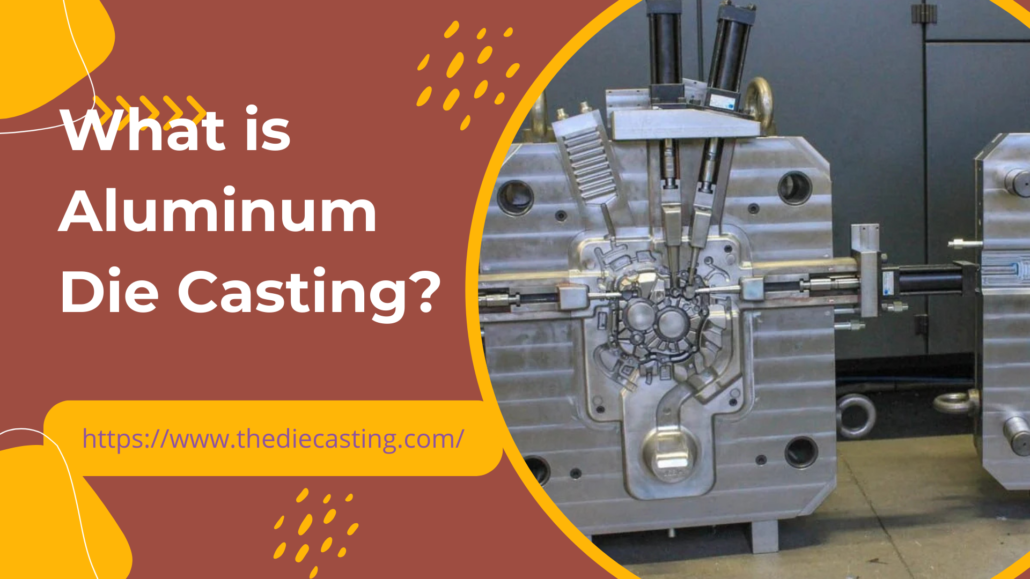
One of the most popular manufacturing processes for producing high-precision metal parts on a large scale is aluminum die casting. It is important in contemporary industries that require high precision in dimensions, mechanical strength, light weight, and cost-effectiveness.