Χυτό αλουμίνιο

Τι είναι το χυτό αλουμίνιο; Το ευπροσάρμοστο μέταλλο που χρησιμοποιείται στη σύγχρονη μεταποίηση

Αλουμίνιο, χύτευση αλουμινίου

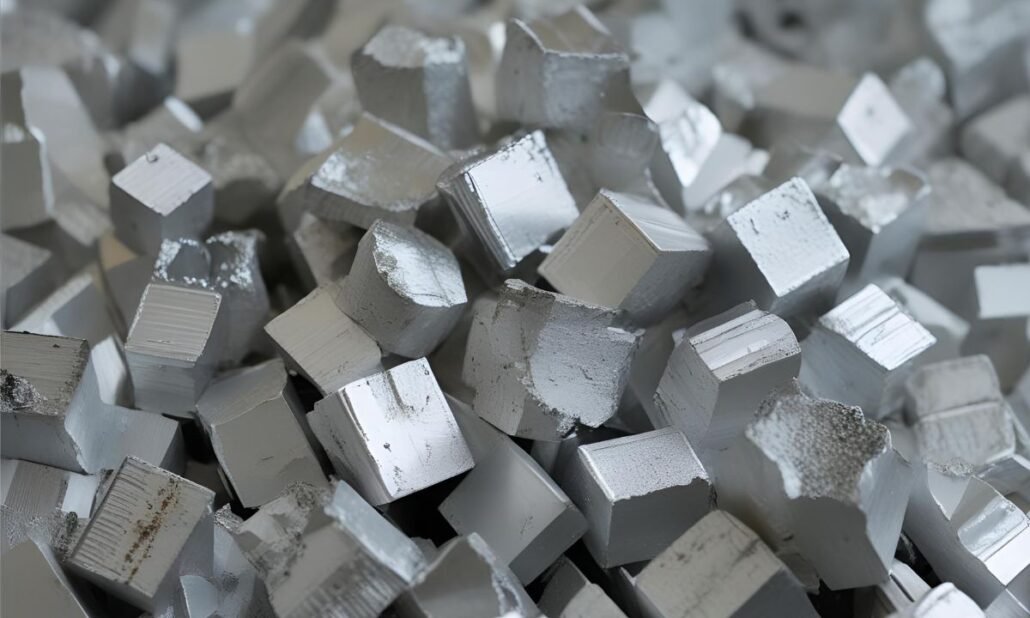
Τα χυτά αλουμινίου είναι ένα από τα πιο ευπροσάρμοστα και συνηθισμένα υλικά στη σύγχρονη μεταποίηση. Χρησιμοποιείται για την τήξη και την έκχυση λιωμένου αλουμινίου σε καλούπια για την υιοθέτηση των επιθυμητών σχημάτων, και με αυτή τη διαδικασία μπορούν να κατασκευαστούν πολύπλοκα και περίπλοκα εξαρτήματα που διαφορετικά θα ήταν δύσκολο να βγουν με τη χρήση εναλλακτικών τεχνικών, και ως εκ τούτου, η διαδικασία μπορεί να παράγει πολλά τέτοια εξαρτήματα με σχετικά χαμηλότερο κόστος. Τα προϊόντα χύτευσης αλουμινίου έχουν βρει την αξία τους μέσω διαφόρων χρήσεων που εκτείνονται σε μέρη κινητήρων αυτοκινήτων, αεροδιαστημικής, καφετιέρες, μαγειρικά σκεύη και ακόμη και οικιακά. Η απίστευτη έλλειψη βάρους, καθώς και οι ταυτόχρονες αντοχές και αντιστάσεις έναντι της διάβρωσης και η καλή θερμική αγωγιμότητα, το καθιστούν τον καλύτερο προμηθευτή σε πολυάριθμες βιομηχανίες. Το χυτό αλουμίνιο παρέχει επίσης στον κατασκευαστή μεγάλη σχεδιαστική ευελιξία, επιτρέποντας τη δημιουργία πολύπλοκων γεωμετριών που μπορούν να βελτιστοποιήσουν τις επιδόσεις χωρίς τη χρήση πολλών υλικών. Η διαδικασία της χύτευσης είναι επίσης πολύ αποτελεσματική και οικονομικά βιώσιμη, ιδίως όταν πρόκειται για μαζική παραγωγή εξαρτημάτων. Επιπλέον, το αλουμίνιο είναι μία από τις κατηγορίες μετάλλων που ανακυκλώνονται εύκολα, πράγμα που σημαίνει ότι μπορεί να μειώσει το οικολογικό κόστος της παραγωγής. Παρόλο που το χυτό αλουμίνιο έχει πολλά πλεονεκτήματα, έχει επίσης ορισμένα μειονεκτήματα, όπως η εύθραυστη φύση του σε σύγκριση με το σφυρηλατημένο αλουμίνιο και ότι είναι δύσκολο να συγκολληθεί. Αυτοί οι παράγοντες πρέπει να λαμβάνονται υπόψη όταν επιλέγεται το χυτό αλουμίνιο για συγκεκριμένες εφαρμογές. Αυτό το άρθρο θα δώσει μια ευρεία εικόνα των ιδιοτήτων, των πλεονεκτημάτων και των εφαρμογών του χυτό αλουμινίου, μιας από τις πιο κοινές ουσίες στον σύγχρονο κόσμο. Τι είναι το χυτό αλουμίνιο; Το χυτό αλουμίνιο αποτελείται από την αρκετά υγρή εμφάνιση του αλουμινίου που έχει αναδιαμορφωθεί σε ένα σχήμα που σχηματίζει ένα προϊόν. Αυτή η διαδικασία, ή αλλιώς χύτευση, είναι μια πολύ παλιά διαδικασία κατασκευής προσαρμοσμένη στις σημερινές πρακτικές. Σε αντίθεση με το σφυρηλατημένο αλουμίνιο, το οποίο χύνεται με τη διαδικασία έλασης ή διέλασης, το αλουμίνιο χύνεται στο καλούπι ως λιωμένο μέταλλο, μετά το οποίο αφήνεται να σκληρυνθεί. Η χύτευση παρέχει πιο πολύπλοκα, κοίλα και ακόμη και τρισδιάστατα σχήματα που δεν θα μπορούσαν να διαμορφωθούν εύκολα ή με εύκολο κόστος με μηχανική κατεργασία ή σφυρηλάτηση, δεδομένου ότι ξεκινά ως υγρό. Αυτή η ευελιξία είναι που κάνει τα προϊόντα από χυτό αλουμίνιο να χρησιμοποιούνται τόσο ευρέως σε όλο το φάσμα των προϊόντων μας- δηλαδή, εξαρτήματα κινητήρων, καθώς και ηλεκτρονικός εξοπλισμός και μαγειρικά σκεύη, για να αναφέρουμε μερικά. Απλή σύνθεση χυτού αλουμινίου Το αλουμίνιο, τις περισσότερες φορές, δεν είναι καθαρό αλουμίνιο. Αντίθετα, είναι κράμα, δηλαδή μείγμα αλουμινίου και άλλων υλικών προκειμένου να βελτιωθεί η αντοχή ή η ρευστότητα ή και τα δύο. Η πιο συχνή πτυχή του κράματος είναι Ο συνδυασμός είναι συγκεκριμένος, ο οποίος εξαρτάται από τη χρήση. Ενδεικτικά, κράματα με υψηλή θερμική αγωγιμότητα και αντοχή στη διάβρωση θα χρησιμοποιούνταν σε εξοπλισμό υψηλής θερμοκρασίας, όπως εξαρτήματα αυτοκινήτων, και μαγειρικά σκεύη θα έπαιρναν αυτό με την υψηλή περιεκτικότητα σε πυρίτιο-αλουμίνιο που έχει υψηλή θερμική απόδοση και αντοχή στη φθορά. Ιστορία και ανάπτυξη του χυτού αλουμινίου Η χύτευση των μετάλλων έχει ιστορία της τάξης των χιλιάδων ετών από τότε που οι πρώτες κοινωνίες ήταν γνωστό ότι έριχναν χαλκό και χυτοσίδηρο για την παραγωγή εργαλείων και όπλων. Το αλουμίνιο δεν εξορύχθηκε μέχρι τις αρχές του 19ου αιώνα και ήταν ασύμφορο μέχρι τη δημιουργία της διαδικασίας Hall-Héoult στα τέλη του 19ου αιώνα. Η χύτευση αλουμινίου έγινε μια από τις διαδικασίες της αεροπορίας και των μαγειρικών σκευών στις αρχές του 20ού αιώνα. Κατά την εποχή του Β' Παγκοσμίου Πολέμου η ζήτηση του αλουμινίου ήταν η υψηλότερη, λόγω της αναλογίας αντοχής προς βάρος που το καθιστούσε καταλληλότερο στα αεροπλάνα. Μετά τον πόλεμο, η χύτευση αλουμινίου είχε περισσότερες εμπορικές εφαρμογές στα καταναλωτικά προϊόντα, την αυτοκινητοβιομηχανία και την αρχιτεκτονική. χάρη στην πρόοδο της μηχανικής σχεδιασμού των καλουπιών, της μεταλλουργίας και των χυτών, το χυτό αλουμίνιο αποτελεί μέρος της σημερινής παραγωγής. Διαδικασία χύτευσης αλουμινίου Η χύτευση αλουμινίου είναι μια διαδικασία που απαιτεί μια σειρά από σημαντικά στάδια για τη μετατροπή του λιωμένου αλουμινίου σε εξαρτήματα που μπορούν να χρησιμοποιηθούν με τη μορφή συγκεκριμένων σχημάτων. Το έργο της βασικής επεξήγησης της διαδικασίας εξελίσσεται ως εξής: 1. Προετοιμασία καλουπιού Η αρχική διαδικασία της χύτευσης είναι η κατασκευή ενός καλουπιού στο οποίο θα χυθεί το λιωμένο αλουμίνιο. Ανάλογα με τη μέθοδο χύτευσης, το καλούπι μπορεί να αποτελείται, μεταξύ άλλων, από υλικά όπως άμμος, μέταλλο ή κεραμικό. Σχεδιάζεται επίσης με ένα καλό καλούπι ώστε να έχει το επιθυμητό σχήμα για να διασφαλιστεί ότι το αλουμίνιο στερεοποιείται στο σωστό σχήμα. 2. Λιώσιμο του αλουμινίου Όταν το καλούπι είναι έτοιμο, κάποια θραύσματα αλουμινίου ή ράβδοι αλουμινίου τοποθετούνται σε κλίβανο όπου λιώνουν σε θερμοκρασία 660 έως 750 °C (1220 έως 1382 o F). Το λιωμένο αλουμίνιο παρακολουθείται επίσης συνεχώς με σκοπό να επιτευχθεί η σωστή θερμοκρασία και ποιότητα χύτευσης. 3. Έκχυση του λιωμένου αλουμινίου στο καλούπι του Μόλις το λιωμένο αλουμίνιο χυθεί στην κοιλότητα του καλουπιού, το λιωμένο μέταλλο χύνεται στην κοιλότητα του καλουπιού. Η χύτευση γίνεται, ανάλογα με το είδος της χύτευσης, δηλαδή χύτευση με μήτρα, χύτευση με άμμο ή χύτευση με επένδυση. Ορισμένες από τις τεχνικές που χρησιμοποιούνται περιλαμβάνουν τη χύτευση με μήτρα, όπου το λιωμένο αλουμίνιο εγχέεται υπό πίεση, ενώ σε άλλες τεχνικές, το λιωμένο αλουμίνιο απλώς χύνεται στο καλούπι και αφήνεται να κρυώσει. 4. Ψύξη και στερεοποίηση Κατασκευή και επίβλεψη: Έχοντας ένα πολύ παχύ ή περίπλοκο εξάρτημα θα χρειαστεί πολύς χρόνος για να ψυχθεί. Σε αυτό το στάδιο, το λιωμένο αλουμίνιο ψύχεται στο απαιτούμενο σχήμα και αποβάλλει την εσωτερική πίεση. 5. Εγκατάσταση και επιθεώρηση Αφού το αλουμίνιο κρυώσει και στερεοποιηθεί, το καλούπι στη συνέχεια απελευθερώνεται και το χυτευμένο εξάρτημα παραμένει. Ο διαχωρισμός σε ορισμένες περιπτώσεις γίνεται με το σπάσιμο του τεμαχίου του καλουπιού, ιδίως με τη χύτευση σε άμμο, ενώ με άλλες τεχνικές, όπως η χύτευση με μήτρα, το άνοιγμα του καλουπιού και η εκτίναξη του τεμαχίου. 6. Φινίρισμα και επιθεώρηση Μετά την κοπή του τεμαχίου, αυτό συνήθως υφίσταται περαιτέρω επεξεργασία με εργασίες φινιρίσματος, όπως λείανση, στίλβωση, μηχανική κατεργασία κ.λπ. προκειμένου να εξομαλυνθεί η επιφάνεια ή να επιτευχθούν στενότερες ανοχές. Με το τεμάχιο, στη συνέχεια ελέγχεται

τι είναι τα μαγειρικά σκεύη από χυτό αλουμίνιο

Τι είναι τα μαγειρικά σκεύη από χυτό αλουμίνιο;

Αλουμίνιο

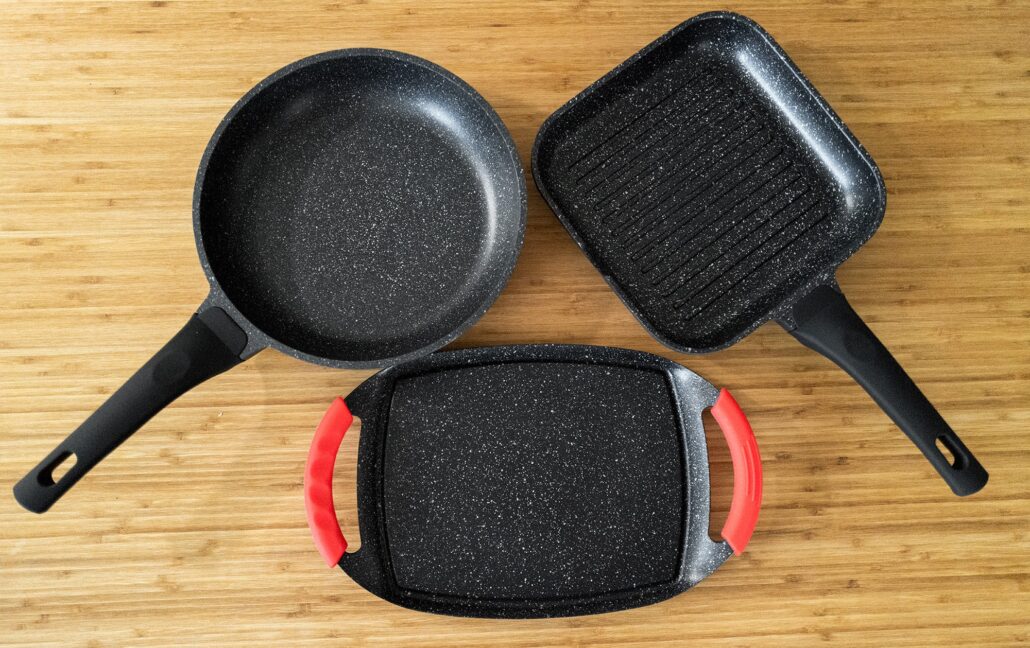
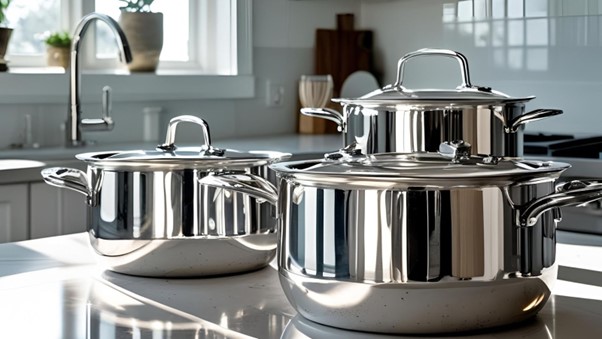
Τα μαγειρικά σκεύη από χυτό αλουμίνιο χρησιμοποιούνται συχνά από οικιακούς μάγειρες και επαγγελματίες σεφ και είναι γνωστά και εκτιμώνται επειδή είναι ανθεκτικά και ελαφριά ταυτόχρονα, με υψηλή κατανομή της θερμότητας. Τα μαγειρικά σκεύη από χυτό αλουμίνιο κατασκευάζονται με τη χύτευση λιωμένου αλουμινίου σε καλούπια- ο κύριος στόχος αυτών των μαγειρικών σκευών είναι να διασφαλίζεται ότι δίνουν ομοιόμορφη θέρμανση, δεν πρέπει να στρεβλώνονται και πρέπει να είναι σε θέση να διαρκέσουν για μεγάλο χρονικό διάστημα. Η εφαρμογή του το έχει καταστήσει ένα πολυχρηστικό στοιχείο στην κουζίνα, καθώς μπορεί να εφαρμοστεί στις περισσότερες μεθόδους μαγειρέματος, όπως το τηγάνισμα και το σοτάρισμα, το ψήσιμο και το ψήσιμο. μεταξύ των πιο αξιοσημείωτων πλεονεκτημάτων των μαγειρικών σκευών από χυτό αλουμίνιο είναι το γεγονός ότι θερμαίνονται γρήγορα και ισόρροπα. Τα μαγειρικά σκεύη από χυτό αλουμίνιο μπορούμε επίσης να πούμε ότι είναι παχύτερα από τα αντίστοιχα λεπτότερα, όπως το χυτό αλουμίνιο, γεγονός που τα κάνει να έχουν καλό πάχος για να διατηρούν ομοιογενή θερμοκρασία μαγειρέματος. Συνήθως κατασκευάζονται επίσης για να έχουν αντικολλητικά στρώματα και έτσι μειώνεται επίσης η ποσότητα του λαδιού που χρησιμοποιείται και ο καθαρισμός γίνεται ευκολότερος. με την πάροδο του χρόνου, οι κατασκευαστές μαγειρικών σκευών από χυτό αλουμίνιο έχουν προχωρήσει και τα καθιστούν εξαιρετικά μέσω νέων υλικών, φιλικών προς το περιβάλλον επιστρώσεων και άλλων αντικολλητικών τεχνολογιών. Αυτές οι εξελίξεις το καθιστούν επίσης ακόμη πιο δημοφιλές και παρέχουν στους πελάτες του μια πιο αποτελεσματική, πιο υγιεινή και πιο βιώσιμη διαδικασία μαγειρέματος. Προσκαλείτε τους φίλους σας, είστε στη διαδικασία να ετοιμάσετε ένα απλό ή ένα περίπλοκο γεύμα- τα μαγειρικά σκεύη από χυτό αλουμίνιο έρχονται βολικά για να κάνουν τη δουλειά, αυτό συμβαίνει επειδή η απόδοσή τους είναι αξιόπιστη και λειτουργεί παράλληλα με τις απαιτήσεις μιας σύγχρονης κουζίνας. Κατανόηση των μαγειρικών σκευών από χυτό αλουμίνιο Τα μαγειρικά σκεύη από χυτό αλουμίνιο αναφέρονται σε κατσαρόλες, τηγάνια και τηγάνια, καθώς και στον υπόλοιπο εξοπλισμό κουζίνας που κατασκευάζεται σε τοπικό επίπεδο με τη ρίψη λιωμένου αλουμινίου σε καλούπια. Η χύτευση των μαγειρικών σκευών τα καθιστά αρκετά ανθεκτικά στη δομή τους, γεγονός που τα καθιστά επομένως σημαντικά ισχυρότερα σε σύγκριση με το συνηθισμένο αλουμίνιο. Σε σύγκριση με το χυτό αλουμίνιο (που παρασκευάζεται σε λεπτά φύλλα), τα μαγειρικά σκεύη από χυτό αλουμίνιο είναι πολύ πιο παχιά, προσφέροντας έτσι μεγαλύτερη συγκράτηση και κατανομή θερμότητας. Ο παράγοντας στρέβλωσης με την πάροδο του χρόνου είναι ένας από τους πρωταρχικούς παράγοντες που οι άνθρωποι αγαπούν να χρησιμοποιούν μαγειρικά σκεύη από χυτό αλουμίνιο, καθώς το πρόβλημα είναι διαδεδομένο με το λεπτό υλικό. Αυτό βοηθά επίσης στην ομοιόμορφη θερμοκρασία μαγειρέματος, έτσι ώστε το μαγείρεμα διαφορετικών πιάτων είναι πιθανό να δώσει πιο παρόμοια αποτελέσματα. Μαγειρικά σκεύη από χυτό αλουμίνιο Τα μαγειρικά σκεύη από χυτό αλουμίνιο ακολουθούν τη χρήση αλουμινίου που υφίσταται τη διαδικασία χύτευσης. Αυτό γίνεται μέσω της έκχυσης λιωμένου και υπό πίεση αλουμινίου σε μια κοιλότητα. Με αυτόν τον τρόπο, το σχήμα και το πάχος των μαγειρικών σκευών μπορούν να ελεγχθούν με ακρίβεια. Τα μαγειρικά σκεύη από χυτό αλουμίνιο είναι συνήθως πιο εκλεπτυσμένα σε σύγκριση με το κανονικό χυτό αλουμίνιο, καθώς έχουν εκλεπτυσμένη υφή και λεία επιφάνεια. το πλεονέκτημα των μαγειρικών σκευών από χυτό αλουμίνιο είναι ότι δεν είναι τόσο βαριά όσο ορισμένα από τα άλλα υλικά, όπως ο χυτοσίδηρος. Αυτό είναι πιο βολικό κατά το μαγείρεμα και το καθάρισμα, επομένως Ιδανικό στην επιλογή του μαγειρέματος, ειδικά όταν κάποιος απαιτεί μαγειρικά σκεύη που είναι καλής ποιότητας αλλά όχι βαριά.Το άλλο χαρακτηριστικό των μαγειρικών σκευών από χυτό αλουμίνιο είναι ότι είναι ευπροσάρμοστο. Εφαρμόζεται σε μεγάλο αριθμό διαδικασιών, όπως το τηγάνισμα, το ψήσιμο και το σιγοβράσιμο. Συνήθως, επίσης, έχει προστεθεί σε αυτό μια αντικολλητική επίστρωση, η οποία συμβάλλει στο να είναι εύκολο στη χρήση και στον καθαρισμό του. Παρ' όλα αυτά, θα πρέπει να έχετε κατά νου ότι η αντικολλητική επίστρωση μπορεί να φθαρεί με την πάροδο του χρόνου, εκτός αν συντηρείται προσεκτικά. Τι είναι τα μαγειρικά σκεύη; Ως μαγειρικά σκεύη μπορούν επίσης να οριστούν τα διάφορα είδη κατσαρολών, τηγανιών και άλλων μαγειρικών σκευών που χρησιμοποιούνται για την παρασκευή φαγητού. Τα αντικείμενα αυτά παράγονται συχνά με υλικά όπως ο ανοξείδωτος χάλυβας, το αλουμίνιο, ο χυτοσίδηρος, το κεραμικό, τα αντικείμενα με αντικολλητική επίστρωση και ο χαλκός. Ο πρωταρχικός στόχος των μαγειρικών σκευών είναι να βοηθούν στην προετοιμασία και το μαγείρεμα των υλικών τροφίμων με τη χρήση διαφόρων μεθόδων, δηλαδή βρασμού, τηγανίσματος, σοτάρισμα, ψήσιμο ή ψήσιμο στη σχάρα. Το είδος των μαγειρικών σκευών: 1. Κατσαρόλες και τηγάνια μαγειρέματος: Το μαγείρεμα γίνεται με τη χρήση των δύο πιο βασικών μαγειρικών σκεύη. Έχουν διαφορετικά σχήματα και μεγέθη, όπως τηγάνια, κατσαρόλες, κατσαρόλες για ζωμό και τηγάνια για σοτάρισμα. 2. Πιάτα ψησίματος: Σε αυτή την κατηγορία θα ανήκουν τα ταψιά, τα σκεύη για πίτες και τα ταψιά για κέικ, τα οποία χρησιμοποιούνται μόνο για το ψήσιμο.3. Ειδικά μαγειρικά σκεύη: Αυτά είναι τα γουόκ, οι ψησταριές, οι ολλανδικοί φούρνοι και οι χύτρες ταχύτητας. Υλικά που χρησιμοποιούνται στα μαγειρικά σκεύη Η διαδικασία κατασκευής μαγειρικών σκευών από χυτό αλουμίνιο Η κατασκευή μαγειρικών σκευών από χυτό αλουμίνιο αποτελείται από τα ακόλουθα στάδια, τα οποία περιλαμβάνουν την τήξη του αλουμινίου, τη χύτευση, το φινίρισμα και την επίστρωση. Η διαδικασία κατασκευής μαγειρικών σκευών από χυτό αλουμίνιο περιγράφεται παρακάτω σε όσο το δυνατόν περισσότερα βήματα: 1. Λιώσιμο του αλουμινίου Το μέταλλο αλουμινίου πρέπει να λιώσει για να προετοιμαστεί, και αυτό είναι το πρώτο στάδιο της παραγωγής του μαγειρικά σκεύη από χυτό αλουμίνιο. Η άμμος, το μέταλλο ή τα κεραμικά είναι τυπικά υλικά που συνθέτουν αυτό το είδος καλουπιού. Η ρύθμιση της θερμοκρασίας γίνεται με ακρίβεια, ώστε το αλουμίνιο να φτάσει στο σωστό ιξώδες για να χυθεί με αυτό. 2. Προετοιμασία του καλουπιού Αφού λιώσει το αλουμίνιο, ξεκινάει η δημιουργία ενός καλουπιού για τη διαμόρφωσή του στην προτιμώμενη μορφή μαγειρικών σκευών. Το αλουμίνιο χύνεται σε μορφή αλουμινίου. Όπου χρησιμοποιείται το ίδιο το χυτό αλουμίνιο, οι φόρμες είναι συχνά χυτές με άμμο και είναι ειδικά σχεδιασμένες για να κατασκευάσουν ένα μεμονωμένο κομμάτι μαγειρικών σκευών (ένα τηγάνι, μια κατσαρόλα, ένα τηγάνι κ.λπ.) Μόλις προετοιμαστεί η φόρμα, το λιωμένο αλουμίνιο υποτίθεται ότι χύνεται στην κοιλότητα της φόρμας. Αυτή η κοιλότητα παίρνει τη μορφή του μαγειρικού σκεύους που πρόκειται να παραχθεί. Μεταλλικά καλούπια: Υπάρχουν μεταλλικά καλούπια που μπορούν να επαναχρησιμοποιηθούν, τα οποία επαναχρησιμοποιούνται και είναι σε θέση να διατηρήσουν τη θερμότητα σε μεγαλύτερες θερμοκρασίες. 3. Έκχυση του λιωμένου αλουμινίου Μόλις το αλουμίνιο χυθεί στο καλούπι, ψύχεται. Το υγρό μέταλλο προστίθεται σε όλες τις περιοχές του καλουπιού και παίρνει τη μορφή του μαγειρικού σκεύους. Αυτή η διαδικασία έκχυσης πρέπει να είναι ακριβής, ώστε και τα μαγειρικά σκεύη να διαμορφωθούν σωστά και άψογα. σε αυτή τη φάση, η έκχυση του αλουμινίου στο καλούπι γίνεται είτε χειροκίνητα είτε αυτόματα (ανάλογα με το μέγεθος του

Ανοδιωμένο αλουμίνιο: Κατανόηση της διαδικασίας και των πολλών πλεονεκτημάτων της

Ανοδιωμένο αλουμίνιο: Κατανόηση της διαδικασίας και των πολλών πλεονεκτημάτων της

Αλουμίνιο

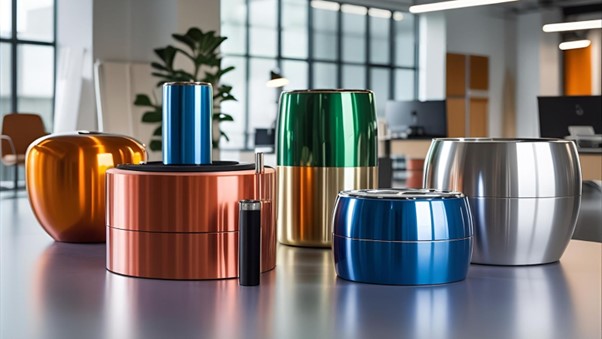
Το ανοδιωμένο αλουμίνιο είναι ένα εξαιρετικά ανθεκτικό και ανθεκτικό στη διάβρωση είδος υλικού που σχηματίζεται με μια διαδικασία ηλεκτροχημικής μηχανικής που προωθεί το εγγενές στρώμα οξειδίου στο αλουμίνιο. Αυτό γίνεται με εμβάπτιση του αλουμινίου σε ηλεκτρολύτη, δηλαδή θειικό οξύ, και διέλευση ηλεκτρικού ρεύματος. Αυτό οδηγεί σε ένα οξείδιο του αλουμινίου που είναι παχύτερο και συνδέεται εσωτερικά στο υλικό και όχι απλώς στην επιφάνεια του υλικού. Αυτό έχει κάνει το ανοδιωμένο αλουμίνιο να είναι πιο ισχυρό, ανθεκτικό στη φθορά και τη διάβρωση και ικανό να επιβιώνει σε δύσκολες καιρικές συνθήκες.κατά τη διάρκεια της ανοδίωσης, ενισχύονται ορισμένα χαρακτηριστικά του αλουμινίου που το καθιστούν εύχρηστο και επιπλέον μπορούν να προσαρμοστούν αισθητικά. Είναι δυνατή η απόκτηση διαυγών και σταθερών χρωμάτων με την απορρόφηση χρωστικών ουσιών στο πορώδες στρώμα οξειδίου που σχηματίζεται με την ανοδίωση. Αυτό το χαρακτηριστικό επιτρέπει τη χρήση του ανοδιωμένου αλουμινίου στην αρχιτεκτονική, τα αυτοκίνητα και τις εφαρμογές καταναλωτικών ηλεκτρονικών ειδών, όπου απαιτείται να εξισορροπείται η ανθεκτικότητα με την καλή εμφάνιση. η αντοχή στη διάβρωση είναι ένα από τα μεγαλύτερα πλεονεκτήματα του ανοδιωμένου αλουμινίου. Αυτό το στρώμα οξειδίου του αλουμινίου καλύπτει το αλουμίνιο από την υγρασία, το αλάτι και τις χημικές ουσίες, και ως εκ τούτου, το αλουμίνιο λειτουργεί καλύτερα σε εξωτερικές συνθήκες καθώς και σε θαλάσσιες συνθήκες. Επίσης, το ανοδιωμένο αλουμίνιο είναι εξαιρετικά ανθεκτικό στην τριβή, πράγμα που σημαίνει ότι το απαιτούμενο υλικό έχει σχεδιαστεί για να διαρκεί για μεγάλο χρονικό διάστημα σε ένα προϊόν που εκτίθεται σε φθορά, όπως εξαρτήματα αυτοκινήτων, βιομηχανικά εργαλεία ή ακόμη και μαγειρικά σκεύη. Τι είναι η ανοδίωση; Μια διαδικασία που πυκνώνει το φυσικό στρώμα οξειδίου στο αλουμίνιο και είναι γνωστή ως ανοδίωση, είναι μια ηλεκτροχημική διαδικασία. Το αλουμίνιο τοποθετείται σε ένα διάλυμα ηλεκτρολύτη, γενικά ένα διάλυμα θειικού οξέος, και εφαρμόζεται ηλεκτρικό ρεύμα σε αυτό, παράγοντας έτσι ένα ισχυρό φινίρισμα ανθεκτικό στη διάβρωση. Η διαδικασία αυτή αυξάνει την αντοχή του μετάλλου και την αντοχή στη φθορά, καθώς και επιτρέπει τη βαφή χρωμάτων. Το τελικό προϊόν είναι το ανοδιωμένο αλουμίνιο και είναι ισχυρότερο και διαρκεί περισσότερο από το μη επεξεργασμένο αλουμίνιο. Τι είναι το ανοδιωμένο αλουμίνιο; Ως ανοδιωμένο αλουμίνιο νοείται το αλουμίνιο που έχει ήδη υποστεί επεξεργασία με τη λεγόμενη διαδικασία ανοδίωσης. Αυτό επιτυγχάνεται με την αλλοίωση της επιφάνειας του αλουμινίου μέσω του σχηματισμού ενός παχύ, ανθεκτικού στρώματος οξειδίου. Οι κανονικές επιστρώσεις απλώς βρίσκονται στην επιφάνεια, ενώ το στρώμα οξειδίου που σχηματίζεται στο ανοδιωμένο αλουμίνιο γίνεται μέρος του ίδιου του αλουμινίου. Το αποτέλεσμα αυτού είναι ένα πιο ανθεκτικό, αντιδιαβρωτικό και ανθεκτικό στις γρατζουνιές υλικό. Σε μια τυπική διαδικασία ανοδίωσης, ένα εναιώρημα αλουμινίου τοποθετείται σε μια ηλεκτρολυτική εμβάπτιση, η οποία είναι συνήθως θειικό οξύ, και η διαδικασία γίνεται με τη διέλευση ηλεκτρικού ρεύματος. Αυτό έχει ως αποτέλεσμα το σχηματισμό του οξειδίου του αλουμινίου στην επιφάνεια του μετάλλου. Το στρώμα οξειδίου μπορεί να ποικίλει και σε άλλες περιπτώσεις, μπορείτε να προσθέσετε χρωστικές ουσίες στη διαδικασία, προκειμένου να αποκτήσετε ένα έγχρωμο οξείδιο. Οι κύριες παράμετροι του ανοδιωμένου αλουμινίου είναι οι εξής: Ανάλογα με τη μέθοδο παραγωγής του, το ανοδιωμένο αλουμίνιο είναι αρκετά διαδεδομένο στην αεροδιαστημική, την αυτοκινητοβιομηχανία, την αρχιτεκτονική και την ηλεκτρονική βιομηχανία, προσφέροντας μια συνέργεια αντοχής, λειτουργικότητας και αισθητικής. Η ανοδίωση του αλουμινίου συνοδεύεται από πρακτικά και αισθητικά οφέλη, είτε χρησιμοποιείται σε εξαρτήματα υψηλής απόδοσης, είτε σε διακοσμητικές εφαρμογές αλουμινίου, είτε σε προϊόντα που υποβάλλονται σε περιβάλλοντα που είναι ακραία. Διαδικασία ανοδίωσης αλουμινίου Ανοδίωση: Μια ηλεκτροχημική μέθοδος φινιρίσματος κατά την οποία η επιφάνεια του αλουμινίου μετατρέπεται σε ένα πολύ ισχυρό και ανθεκτικό στη διάβρωση στρώμα οξειδίου. Υπάρχουν πολλά σημαντικά βήματα που εμπλέκονται στη διαδικασία, και όλα αυτά τα βήματα συμβάλλουν στο τελικό προϊόν όσον αφορά τις λειτουργικές και αισθητικές ανάγκες. Αυτό είναι ένα περίγραμμα της διαδικασίας ανοδίωσης του αλουμινίου: Βήμα πρώτο: Προετοιμασία του αλουμινίου Κατά τη διάρκεια της προετοιμασίας του αλουμινίου, μπορούν να ληφθούν τα ακόλουθα: Το αλουμίνιο καθαρίζεται πρώτα πριν από την ανοδίωση για να εξαλειφθούν τυχόν ρύποι, λάδια ή προσμίξεις. Συνήθως, αυτό μπορεί να γίνει με τη χρήση αλκαλικού διαλύματος ή χημικού καθαριστικού. Είναι σημαντικό να καθαριστεί η επιφάνεια, καθώς οποιαδήποτε ακαθαρσία θα φτάσει στην ανοδίωση και θα δημιουργήσει δυσκολίες στην ποιότητα του στρώματος οξειδίου. Βήμα 2: Ηλεκτρολυτικό λουτρό Μετά τον καθαρισμό, το αλουμίνιο εμβαπτίζεται σε ηλεκτρολυτικό διάλυμα, το οποίο μπορεί να είναι θειικό οξύ, και διαρρέεται από ηλεκτρικό ρεύμα. Το αποτέλεσμα αυτής της ηλεκτροχημικής αντίδρασης είναι η οξείδωση του αλουμινίου- ένα άκαμπτο στρώμα οξειδίου καλύπτει την επιφάνεια αυτού του στοιχείου, σχηματίζοντας ένα παχύ προστατευτικό στρώμα πάνω του, και το αλουμίνιο οξειδώνεται. Η τάση, η θερμοκρασία και η διάρκεια στο λουτρό έχουν ως αποτέλεσμα το πάχος του στρώματος οξειδίου. Βήμα 3: Επιθεώρηση Κατά τη διάρκεια αυτού του βήματος, το ανοδιωμένο αλουμίνιο μπορεί να χρωματιστεί με μια χρωστική ουσία χρώματος για να επιτευχθεί. Η απορρόφηση της χρωστικής οδηγεί στην απορρόφησή της από το πορώδες στρώμα οξειδίου για να σχηματιστούν τα όμορφα χρώματα. Η βαφή μπορεί να χρησιμοποιηθεί αφού η επιφάνεια του αλουμινίου έχει ανοδιωθεί και το χρώμα ενσωματώνεται στο φιλμ οξειδίου, καθιστώντας το μακράς διαρκείας και μη επιρρεπές στο ξεθώριασμα. Βήμα 4: Σφράγιση Το χρωματισμένο αλουμίνιο σφραγίζεται μετά την ανοδίωση και τη βαφή για να σφραγιστούν οι πόροι στο στρώμα οξειδίου. Αυτό είναι απολύτως σημαντικό για την ενίσχυση της αντίστασης στη διάβρωση και για τη διατήρηση του χρώματος. Σε αυτή τη διαδικασία χρησιμοποιούνται στεγανωτικά οξικού νικελίου ή ακόμη και βραστού νερού. Το υλικό είναι επίσης ανθεκτικό όταν σφραγιστεί και έτσι έχει ποικίλες εφαρμογές. Βήμα 5: Έλεγχος Η ποιοτική επιθεώρηση του αλουμινίου γίνεται μετά την ολοκλήρωση των διαδικασιών ανοδίωσης, χρωματισμού και σφράγισης και την επίτευξη ποιοτικών εξαρτημάτων. Σε αυτόν τον έλεγχο ελέγχεται η ομοιομορφία του στρώματος οξειδίου ως προς το πάχος, το χρώμα και το συνολικό φινίρισμα. Αντιμετωπίζονται τυχόν βλάβες ή αποκλίσεις και στη συνέχεια το αλουμίνιο αποστέλλεται για να τοποθετηθεί στις ικανοποιητικές του εφαρμογές. Είδη ανοδίωσης αλουμινίου Το ανοδιωμένο αλουμίνιο διατίθεται σε ποικιλίες ανάλογα με το τι χρειάζεται και ανάλογα με την εφαρμογή. Οι περισσότερες παραλλαγές βασίζονται στο πάχος του ανοδιωμένου στρώματος, στο φινίρισμα και στην ηλεκτρολυτική διαδικασία που εφαρμόζεται. Οι κυριότερες μορφές ανοδιωμένου αλουμινίου είναι οι ακόλουθες: 1. Τύπος I: Ανατοδίωση με χρωμικό οξύ Schulze Μία από τις παλαιότερες τεχνικές ανοδίωσης του αλουμινίου είναι η τεχνική ανοδίωσης με χρωμικό οξύ. Εδώ, το λουτρό χρωμικού οξέος

Χυτά σκεύη ψησίματος από αλουμίνιο

Γιατί τα σκεύη ψησίματος από χυτό αλουμίνιο θερμαίνονται καλύτερα και διαρκούν περισσότερο;

χύτευση αλουμινίου

Λόγω των χαρακτηριστικών του ελαφρού βάρους, της αντοχής και της πυκνής κατανομής της θερμότητας, τα χυτά σκεύη ψησίματος από αλουμίνιο έχουν γίνει δημοφιλή μεταξύ των αρτοποιών, ειδικά σε εκείνους που θέλουν πρώτης τάξεως και ανθεκτικά προϊόντα. Το χυτό αλουμίνιο είναι η σωστή ισορροπία απόδοσης και εύκολης χρήσης, σε αντίθεση με άλλα παραδοσιακά υλικά ψησίματος, όπως ο χυτοσίδηρος και ο ανοξείδωτος χάλυβας. Χύνεται σε καλούπια λιωμένου αλουμινίου και βγαίνει ένα ισχυρό, ανθεκτικό και βολικό στη χρήση ακόμη και σε έναν ερασιτέχνη αρτοποιό. Το χυτό αλουμίνιο έχει εξαιρετική θερμική αγωγιμότητα, η οποία εγγυάται το ομοιόμορφο ψήσιμο των φαγώσιμων, ειδικά των ψημένων προϊόντων, ώστε να αποφεύγεται το υπερβολικό ψήσιμο και το ανομοιόμορφο μαύρισμα. Το σπουδαίο μεταξύ των πλεονεκτημάτων των χυτών αλουμινένιων σκεύη ψησίματος είναι η συνέπεια της θερμοκρασίας, η οποία είναι το βασικό στοιχείο του άψογου ψησίματος. Θερμαίνεται ταχύτερα από τα άλλα- επομένως, είναι διαθέσιμο νωρίτερα και το μικρό του βάρος το καθιστά ευκολότερο στο χειρισμό του στην κουζίνα. Τα περισσότερα κομμάτια αλουμινένιου σκεύους ψησίματος που είναι χυτά διαθέτουν επίσης αντικολλητική επίστρωση, η οποία κάνει την απελευθέρωση των τροφίμων ακόμη πιο εύκολη και το καθάρισμα μετά το ψήσιμο πολύ πιο εύκολο. Τα σκεύη ψησίματος από χυτό αλουμίνιο παρέχουν επίσης μεγαλύτερη ανθεκτικότητα και αντοχή με αντίσταση στο στρέβλωμα σε σύγκριση με το γυαλί και τον ανοξείδωτο χάλυβα. Αν και ο χυτοσίδηρος είναι απαράμιλλος στη διατήρηση της θερμότητας, το χυτοπρεσσαριστό αλουμίνιο έχει σχεδόν την ίδια ποσότητα κατανομής θερμότητας, αλλά με μικρότερο βάρος. Τα σκεύη ψησίματος από χυτό αλουμίνιο έχουν γίνει πολύ αγαπητά στους επαγγελματίες αρτοποιούς, αλλά και στους ανθρώπους που μαγειρεύουν στο σπίτι, και όλα αυτά λόγω της επιθυμίας να έχουν αποτελεσματικά και ανθεκτικά εργαλεία ψησίματος. Τι είναι τα σκεύη ψησίματος από χυτό αλουμίνιο; Με βάση τη μέθοδο χύτευσης ψησίματος, τη χύτευση αλουμινίου, αυτό παράγεται με τη χρήση λιωμένου αλουμινίου που χύνεται σε ήδη προετοιμασμένα καλούπια για την παραγωγή δίσκων ψησίματος, καλουπιών για κέικ, πιάτων για πίτες και διαφόρων άλλων αναγκών μαγειρικής. Η διαδικασία καθιστά τα σκεύη ψησίματος ισχυρά αλλά ελαφριά σε βάρος, έτσι ώστε να υπάρχει αποτελεσματικός χειρισμός των σκεύη ψησίματος κατά το ψήσιμο και κατά το σερβίρισμα. Μεταξύ των καλύτερων χαρακτηριστικών των λεγόμενων χυτών αλουμινένιων μαγειρικών σκευών είναι οι ομοιόμορφες θερμοαγώγιμες ιδιότητές τους. Αυτό συνεπάγεται ότι τα ψημένα προϊόντα, όπως κέικ, μπισκότα και ψωμιά, ψήνονται καλά χωρίς καυτές περιοχές ή καμένες πλευρές. Υπάρχουν πρόσθετα πλεονεκτήματα στην ταχύτητα με την οποία το μέταλλο θερμαίνεται και κρυώνει, γεγονός που με τη σειρά του εξοικονομεί κάποιο χρόνο στο μαγείρεμα, και αυτό είναι ένα πλεονέκτημα για τους πολυάσχολους αρτοποιούς. Το υλικό είναι τόσο ισχυρό και δεν σκουριάζει ή διαβρώνεται εύκολα, επομένως αυτό θα το έκανε να διαρκέσει περισσότερο στην κουζίνα. Επιπλέον, δεν συνεπάγεται πολλή συντήρηση και φθορά σε σύγκριση με ορισμένα από τα άλλα υλικά που θα φθαρούν με τον καιρό, καθώς θα υπάρχει πολλή χρήση. Πλεονεκτήματα των ψησίματος από χυτό αλουμίνιο 1. Ανθεκτικότητα Τα σκεύη ψησίματος είναι κατασκευασμένα από χυτό αλουμίνιο, οπότε διαρκούν πολύ καιρό. Το αλουμίνιο είναι σχεδόν άτρωτο στη φθορά, δηλαδή δεν θα ραγίσει ή θα παραμορφωθεί με τη συχνή χρήση. Τα σκεύη ψησίματος θα αντέξουν ακόμα και αν τα χρησιμοποιείτε καθημερινά ή ακανόνιστα. 2. Ομοιόμορφη κατανομή της θερμότητας Από τις πιο εντυπωσιακές ιδιότητες του όρου χυτά σκεύη ψησίματος από αλουμίνιο είναι ότι μεταφέρει τη θερμότητα σε όλη την επιφάνεια. Αυτό μειώνει το ασυνεχές ψήσιμο, καθώς το τελικό προϊόν είναι κανονικό σε υφή και χρώμα. Είναι ιδανικό μεταξύ των αρτοποιών που φιλοδοξούν να φέρουν συνέπεια στην απόδοση. 3. Ελαφρύς Ο χυτός σκεύος ψησίματος από αλουμίνιο είναι πολύ ελαφρύτερος σε σύγκριση με άλλα πιο ογκώδη υλικά, όπως ο χυτοσίδηρος, και ως εκ τούτου είναι εύκολος ο χειρισμός του. Οι βαρέως τύπου δίσκοι ψησίματος ή τα ταψιά για κέικ μπορούν να ανυψωθούν, να μεταφερθούν και να αποθηκευτούν πολύ εύκολα και αυτό είναι ιδανικό για κάθε αρτοποιό, είτε είναι επαγγελματίας είτε όχι. 4. Αντικολλητικές ιδιότητες Επίσης, τα περισσότερα προϊόντα των “χυτών αλουμινένιων σκευών ψησίματος” είναι εξοπλισμένα με αντικολλητική επίστρωση, γεγονός που τα καθιστά ακόμη πιο βολικά στη χρήση. Η παρουσία αυτής της ιδιότητας θα διευκολύνει το μαγείρεμα των ψημένων προϊόντων- ως εκ τούτου, θα χρησιμοποιείται λιγότερο λάδι ή σπρέι. Κάνει επίσης το καθάρισμα αβίαστο, αφού δεν μένουν πολλά υπολείμματα μετά το ψήσιμο. 5. Αντίσταση στη διάβρωση Σε αντίθεση με τα περισσότερα μέταλλα, τα χυτά σκεύη ψησίματος από αλουμίνιο δεν σκουριάζουν εύκολα. Δεν διαβρώνεται, και ως εκ τούτου είναι το ιδανικό υλικό για χρήση όταν κάποιος θέλει να το χρησιμοποιήσει μακροπρόθεσμα. Αυτή η πτυχή είναι χρήσιμη ιδιαίτερα σε περιοχές που παρουσιάζουν διαφορετικούς βαθμούς υγρασίας και θερμοκρασίας. Είδη ψησίματος από χυτό αλουμίνιο: Η κατασκευή των χυτών αλουμινένιων ειδών ψησίματος συνεπάγεται προσεκτική και πολύ συνεπή παραγωγή που σχεδιάστηκε για να διατηρήσει την ποιότητα και την απόδοση. 1. Χύτευση σε μήτρα Η χύτευση σε μήτρα θα είναι το πρώτο στάδιο της διαδικασίας, δηλαδή το λιωμένο αλουμίνιο θα εγχυθεί σε χαλύβδινα καλούπια υπό υψηλή πίεση. Αυτή η τεχνική είναι ένας τρόπος για να διασφαλιστεί ότι τα σκεύη ψησίματος διαμορφώνονται και χυτεύονται με πολύ ακριβή και συνεπή τρόπο. Το λιωμένο μέταλλο εισέρχεται σε όλους τους χώρους των κοιλοτήτων του καλουπιού, με αποτέλεσμα να προκύπτουν πολύπλοκα σχήματα και μικροσκοπικές λεπτομέρειες των διαφόρων ειδών αρτοποιίας, συμπεριλαμβανομένων των ταψιών για κέικ, των ταψιών για μάφιν και των ταψιών για ψωμί. 1. Στερεοποίηση και ψύξη Αφού το λιωμένο αλουμίνιο εγχυθεί στο καλούπι, αφήνεται να κρυώσει και να σκληρυνθεί. Η ψύξη ρυθμίζεται επίσης έτσι ώστε να έχουμε τις επιθυμητές ιδιότητες του αλουμινίου, όπως η αντοχή και η θερμική αντίσταση. Καθώς το ψήσιμο σκληραίνει, παίρνει σιγά-σιγά την τελική του μορφή και συνήθως απαιτούνται μόνο λίγα λεπτά έως μερικές ώρες, ανάλογα με το πόσο παχύ και περίτεχνο είναι το σχήμα. 2. Εκτίναξη και επιθεώρηση Μόλις τα κομμάτια αλουμινίου κρυώσουν εντελώς, αφαιρούνται και ανοίγει το καλούπι, απελευθερώνοντας το χυτό σκεύος ψησίματος αλουμινίου. Η δεύτερη διαδικασία συνίσταται στην πλήρη επιθεώρηση του ελαττώματος, όπως η παρουσία φυσαλίδων αέρα και ρωγμών ή η παρουσία τραχύτητας. Κάθε σκεύος ψησίματος που παρουσιάζει ελαττώματα είτε επισκευάζεται είτε απορρίπτεται, και μόνο τα καλής ποιότητας σκεύη ψησίματος θα περάσουν περαιτέρω στη διαδικασία παραγωγής. 3. Επιφανειακό φινίρισμα Αφού ολοκληρωθεί η επιθεώρηση, τα ψησίματα εφοδιάζονται με επιφανειακές επεξεργασίες φινιρίσματος. Αυτές μπορεί να περιλαμβάνουν πράγματα όπως η ανοδίωση, που κάνει την επιφάνεια πιο τραχιά για να αντιστέκεται στη διάβρωση και την τριβή, ή η επικάλυψη με αντικολλητικό υλικό, ώστε να είναι ευκολότερη η απελευθέρωση των ψημένων προϊόντων και ο καθαρισμός μετά το ψήσιμο. Το φινίρισμα στο

Ανοδίωση χυτό αλουμίνιο: Αλουμινίου: Τεχνικές, Προκλήσεις και Εφαρμογές

Ανοδίωση χυτό αλουμίνιο: Αλουμινίου: Τεχνικές, Προκλήσεις και Εφαρμογές

χύτευση αλουμινίου, χύτευση αλουμινίου

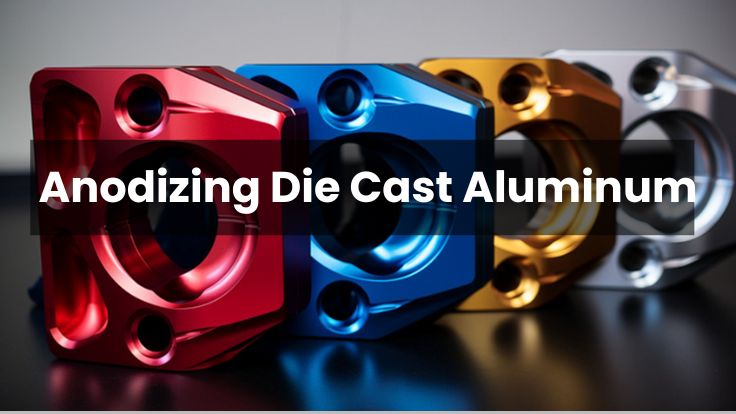
Anodizing die cast aluminum is a key metal finishing process that enhances durability, anti-seizing/corrosion and the looks of aluminum products that are extracted through die casting. With the ever-increasing demands of the industry to produce lighter-weight high-strength components for everything from car parts to electronics housing, its surface properties have become one of the most important things to add to it. Working behind the anodizing process is a controlled oxide layer that forms on the surface of aluminum by a technique of electrochemistry. Although the method has been thoroughly developed with regard to pure aluminum, its use with the alloy that is created in die casting has particular difficulties associated with it due to the inclusion of other elements such as silicon and zinc. This then brings the question to the mind of manufacturers as to whether you can anodise die-cast aluminum without sacrificing quality and appearance. To achieve performance levels under severe conditions, a combination of the techniques will be used by some industries that today are referred to as aluminum alloy die casting, plating anodizing. The technique is a combination of the strength of electroplating and anodizing, therefore, presenting better surface hardness, conductivity, and corrosion resistance. This article presents the science, techniques, and differences in anodizing die cast aluminum in order to give the complete picture to engineers, designers, and manufacturers who want to use a reliable and long-lasting surface finishing technology. What is die cast aluminum? Die casting entails pressing molten metal into a cavity of the mold at high pressure. Aluminum is lightweight and strong, making it an effective material for making durable parts with high dimensional accuracy. Nevertheless, due to a few impurities and porosities found in the process, surface finishing procedures such as anodizing die cast aluminum are made complex. It is also common to add silicon and other additives to die-casting alloys of aluminium in order to improve fluidity and other mechanical properties. However, it complicates the work on surface treatment, because these very additives will disturb the process of anodizing.  The Science of Anodizing Anodizing is an electrochemical treatment to strengthen and thicken the oxide film that occurs naturally on metal and makes it harder. The method will increase service life/durability, resistance to corrosion, and appearance. Anodized finish on aluminum has a porous structure that is perfect to absorb sealed dyes and sealants, thus they provide good decorative and functional applications. The difficulty with anodizing die cast aluminum lies in its composition. High-silicon alloy does not anodize well, and a blotchy finish or diminished corrosion resistance can be a consequence. Therefore, alloy composition is important to get a successful anodized finish. What is an Anodizing Die Cast Aluminum? Anodizing die cast aluminum. The anodizing of die-cast aluminium is the electrochemical treatment of die-cast aluminium parts to produce a permanent, protective, frequently decorative layer of corrosion-resistant oxide on the surface. The technique comes in handy, especially in areas that require protection against corrosion, advancement of surface hardness, and a limited aesthetic effect. In the process known as the anodizing die cast aluminum, the aluminum part is inserted into an electrolytic bath of acid, usually sulfuric acid, and an electric current is generated in it. This leads to the oxidation of surface of the aluminium to produce an oxide film, which is controlled and uniform. The process can be complicated, though, given the particular make-up of die-cast aluminum, commonly containing high silicon and other alloying components. Nonetheless, industries keep on investing in technologies that help to maximize the quality of anodizing die cast aluminum. The final preparation of anodized finishing is performed by methods of surface preparation like polishing, acid etching and smutting to remove the contaminants. The list of items where anodising die cast aluminum is used and utilized is long, including automotive parts, consumer electronics and many more, either to serve some functional purpose, or as an ornament. Its capability to augment the life span of parts, as well as their vulnerability to environmental degradation, makes it a vital surface treatment technique in the contemporary manufacturing industry. Process The anodizing of die cast aluminium process consists of various important steps that must be followed to achieve a good, uniform, and quality finish, even though this is a challenging process due to factors that surround the use of die-cast metals. All steps should be well-regulated in order to address such challenges as porosity of the surface and inconsistency of alloys. 1. Cleaning & Degreasing Paint, grease and oil stick to a surface and need to be removed before anodising through cleaning. This will make the process of having the oxide formed over the surface of the material even throughout the process of the anodising die die-cast aluminium. 2. Etching And De-Smuttering The outer layer is then removed, leaving a clean metallic surface by etching using an alkaline solution. This is followed by a de-smutting process to remove the residues left over by the alloying elements, a common occurrence in anodising die cast aluminium. 3. Anodising ( Electrolytic Oxidation ) The component is immersed in an electrolytic solution, normally sulfuric acid, and attached as an anode. A controlled layer of oxide is generated by the use of an electric current. This step lies at the heart of the process of anodising die cast aluminium, because it defines the thickness, porosity and longevity of the final finish. 4. Colouring (Optional) Where the finish is colored, dyes may be added to the porous anodised surface. This process is normally applied in decorative processes where looks count as much as performance in anodising die cast aluminium. 5. Sealing Lastly, the part is sealed using hot water or nickel acetate; frequently, the sealing is done in hot water or nickel acetate to seal the pores and improve corrosion resistance. This process seals dyes and reinforces the oxide layer, nd the process of anodising die-cast aluminium is complete. All the steps of this process must be controlled accurately, and so must the types of die-cast materials which are

Οι καλύτεροι μεντεσέδες μεταλλικών πυλών για ανθεκτικότητα, ασφάλεια και στυλ

χύτευση αλουμινίου

The metal gate hinges are of various designs, styles and types to cover the varied requirements of the installation of gates. They are normally constructed using such sturdy elements as steel, stainless steel, or wrought iron, which are weather-resistant and durable. The right hinge would make a gate swing easily and safely, so that the gate will not sag and fall. A hinge is one of the most fundamental parts of gates that are usually ignored. The hinge is considered to be an essential thing in the work of any gate, its durability and performance in general. In both a residential garden gate, a heavy-duty commercial barrier and an ornamental entry, it is crucial to select the correct hinges.  The most popular of all the other options comprising the metal gate hinges are solid and durable, as well as versatile. These hinges are used to take the weight and the movement of gates and offer long-term performance. Custom hinges are the best way to get homeowners and the ones wishing to own a particular appearance, or hardness to use. Custom-made hinges can be made to suit specific needs, e.g. to accommodate unusual gate sizes, weights and weather conditions. This is also done in order to make sure that the hinge fits in the aesthetics of the gate. In this article, we are going to take the time to explore the world of what is known as metal gate hinges, what types of them there are and what the advantages are of having your set of hinges customised to fit what you need. What are the Metal Gate Hinges? Essentially, metal gate hinges are mechanisms that enable the movement of a gate on a swinging motion, as well as to fix a gate to a post, a wall, or a frame. The parts used in its making are usually sturdy metals like steel, brass, or even wrought iron, and these kinds are sure to sustain any form of weight or movement of gates in the coming years. The selection of the right type of metal gate hinges should depend on the description of the gate being applied, whether it is some kind of residential garden gate, a heavy-duty commercial gate, or some ornamental driveway gate. Metal gate hinges have various designs, all of which fit different types of gates and the climates of places where they are being installed. Butt hinges, continuous hinges and heavy-duty are the most prevalent types of designs. All these hinges have different functions associated with them that help in the performance of the gate in a way that it can tolerate the bad weather and corrosion over a period of time.  What are Hinges? The concept of the hinge is a mechanical attachment between one objects, and each one can move and pivot around the other. They are widely applied pins to be employed to fix doors, gates, cabinets, lids on movable parts of a structure, and other movable sections on immovable structures, so that there can be easy movement as well as controlled movement. The hinge is made up of two moving parts, with one of these parts fastened to the thing that is moving (such as a door or gate), and the other part fastened to whatever is not moving (such as a door frame or gate post). Upon affixing these components, this enables the object to swing closed and open. The kinds of Metal Gate Hinges are 1. Butt Hinges Hinging. Most gates, perhaps, use butt hinges. Such hinges are constructed in pairs, and they consist of two parts which fit together so that one of them is attached to the gate and another is attached to the post or the wall. They are also designed simply, thus can be installed easily and used on most gates since they will last a long time. In the case of residential and light commercial installations, butt hinges represent the most desirable option that fits into the category of the so-called metal gate hinges. 2. Continuous Hinges Continuous hinges are the perfect ones for bigger gates that demand more power and steadiness. The full length of the gate is hinged, and this offers even support at all parts of the gate to avoid sagging of the gate. In case of heavy gates or oversized gates, continuous hinges are particularly of use in the construction of such a gate. 3. Heavy-Duty Hinges Heavy-duty (metal gate hinges) are necessary in gates which receive a lot of traffic or are required to support a heavy weight. These are normally constructed of reinforced steel and are applied in industrial or commercial buildings, which offers the highest strength and hardness to heavy loads. 4. T-Hinges T hinges are pa rettier form of hinge which can be found in both useful and decorative gates. Because of their characteristically shaped T, they make excellent fits on gates where aesthetics concerns must be as much a focal point as performance. The most usual are the residential and aesthetic metal gate hinges. The Reason to Use Metal Door Hinges on Your Gate As metal door hinges are constructed and made in a similar way, they all have much in common. Although the metal gate hinges are exclusively made to work with gates, they are still similar to their door colleagues in many aspects. A smaller gate or the ones that require being closed and opened with ease, such as doors, can be fitted with what is described as metal door hinges. Although these hinges have the same kind of structure as the ones found in regular doors, they are normally built to carry bigger, heavier gates. Metal door hinges are available in a few types,s one is the concealed type, the pivoting type and the usual butt hinges. In case you want to install a gate that would require ease of use and an attractive image, then you can consider using the metal door hinges, which can give you the best solution. Although they

Τεχνικές κοπής αλουμινίου: από τις βασικές στις προηγμένες μεθόδους

Τεχνικές κοπής αλουμινίου: από τις βασικές στις προηγμένες μεθόδους

χύτευση αλουμινίου

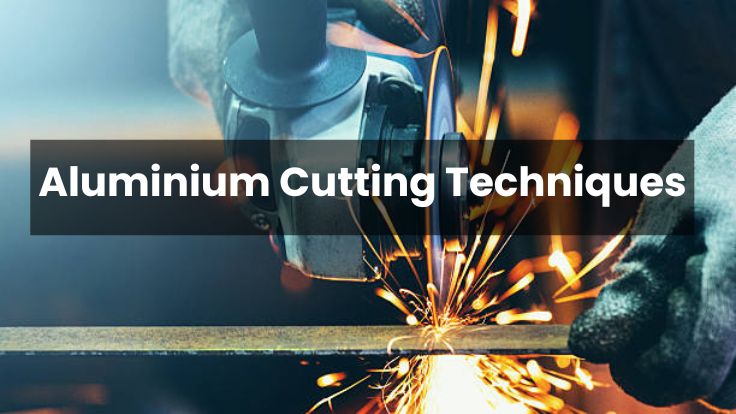
In numerous industries, such as the automotive or aerospace industries, electronics or construction, aluminum cutting is a significant process. The lightweight strength of aluminum and its corrosion resistance have made it a preference to manufacturers as well as to do-it-yourselfers. However, aluminum has to be cut with proper tools and a defensible strategy, so as to attain perfect cuts without destroying the material. Being a hobbyist or a professional fabricator, this knowledge will make your choices better, mistake-free, and the most excellent results in every aluminium cutting project. The hand tools, power saws and more recently, more sophisticated such as the aluminum laser cutting, are some modes of aluminum cutting. Laser-cut aluminum is a new and currently fast-growing alternative to classic techniques (that can complement more basic shapes). In case you intend to incorporate in your next project the so-called aluminium laser cutting, we will also present some design suggestions and cost-conscious recommendations. Here in this article, we will see all about what you need to know about the process of aluminum cutting, starting with the ancient ways of doing it, to the new form of laser process. We will discuss the advantages and disadvantages of each of the techniques, typical issues of the so-called laser cut aluminium, safety precautions to consider and which tools and equipment will be required.  What Is Aluminum Cutting? Cutting of aluminum material is the act of shaping, trimming or cutting aluminum material pieces, or proportioning the material into particular sizes or shapes through different tools and strategies. Since aluminium is light, strong, and corrosion-resistant, it finds its applications across a variety of industries: construction, aerospace, automotive, electronics, home DIY projects, etc. A lot of cutting methods of aluminium exist, depending on the thickness of the material, the shape wanted, or the required accuracy. Possible ways are: Pros and cons can be attributed to both of them, yet about the intention of cutting aluminum, there can never be a difference, and that is to get clean, precise and safe cuts with minimum waste and maximum productivity. Some of the Main Properties of Aluminium We cannot ignore the material before we start discussing the process of cutting it in the name of aluminium cutting. Aluminium is soft in its strength and more robust than numerous metals. It transfers heat fast, and this may be a source of challenge during the use of the cutting tools. Left unchecked, aluminium can clog up tools or give a poor finish. These properties have led to the involvement of various methods that facilitate in the cutting of aluminum in a better and precise manner. The selection of the method is based on the thickness of material, precision needed and the tools available. Conventional Names for Aluminium Cutting Before the invention of advanced machines and laser technologies, aluminium cutting was performed using primitive, manual methods. Although such techniques cannot bring the accuracy of the modern instruments, they are still commonly used in small projects, repairs and where cheapness and simplicity are essential interests. What about the old ways of aluminium cutting that have survived the test of time? 1. Hacksaws A hacksaw is a low mechanism, hand operated equipment manufactured to cut aluminium. It involves finely toothed blade which cuts soft metals. It is suitable in thin sheets, pipes or bars and cutting straight cuts on small aluminum pieces. Advantages   Disadvantages   2. Aviation Shears and Tin Snips   Tin snips, or aviation shears, can be used on thin aluminium. They are available in straight-cut, left-cut and right-cut versions of these scissors-like tools designed to work in sheet metal and, therefore, allow working with curves and angles that are very tight.   Advantages   Disadvantages   3. Handheld Nibblers   A portable nibbler nips off tiny bits of the aluminium as it travels over a line. It is perfect to cut curves, circles, or various patterns on sheet aluminium.   Advantages   Disadvantages   4. Jigsaws   A jigsaw is a power type of tool which can move in the up and down direction. it can cut through aluminum sheet or tubing when supplied with a fine-tooth metal blade. Jigsaws are quite handy in cutting customized shapes or curves.   Advantages   Disadvantages   5. Circular Saws   If a thicker sheet of aluminium is to be cut, a non-ferrous metal blade section can be mounted on a circular saw. These are the tools which are commonly used in construction and fabrication to cut straight lines.   Advantages   Disadvantages   6. Bandsaws   A bandsaw is a type of saw and incorporates a continuous looped blade that makes it suitable when cutting thicker stock and when straight lines or Geometry are needed. A lot of metal shops use bandsaws due to their flexibility and speed. Advantages Disadvantages Best Traditional Cutting Practices Typical Issues of Laser Cutting Aluminium  1. Reflective Surface On older CO 2 machines, lasers are reflected by aluminium, and fewer watts irradiate the material.Solution: Go with fibre lasers and adjust the angle or coat it. 2. Rough or hough Edges The edges are scorched or jagged on occasion.Fix: An alternative would be to use nitrogen rather than oxygen in the fixing phase, also to change the laser speed and power. 3. Heat Warping Aluminium can conduct heat very fast, and therefore, thin layers can get curved or warped during the cutting process.Solution: Employ less power and speedier speeds. Crimp the workpiece. 4. Sticky residue, Dross  Molten aluminium may attach to the bottom edge, resulting in a rough termination.Fix: Run high pressure of gas and maintain a clean as well as straight nozzle. 5. Unfinished or Unsuccessful Cuts The laser, in some cases, does not pierce well, or it leaves parts incomplete.Repair: Wash the metal, upgrade the software and check all worn components. 6. Discolouration and Oxidation Oxidation tends to darken or wear out a cut surface.Fix: clean the edges afterwards (if necessary) with nitrogen gas. 7. Cracks on the Edges Cuts that are very fast or hot may produce minute cracks and make the aluminium weak. New Technologies: Laser Cut Aluminium In laser-cut aluminium, a

Προσαρμοσμένη κατασκευή αλουμινίου Όλα όσα πρέπει να ξέρετε

Προσαρμοσμένη κατασκευή αλουμινίου: Αλουμίνιο: Όλα όσα πρέπει να ξέρετε

Κατασκευή αλουμινίου

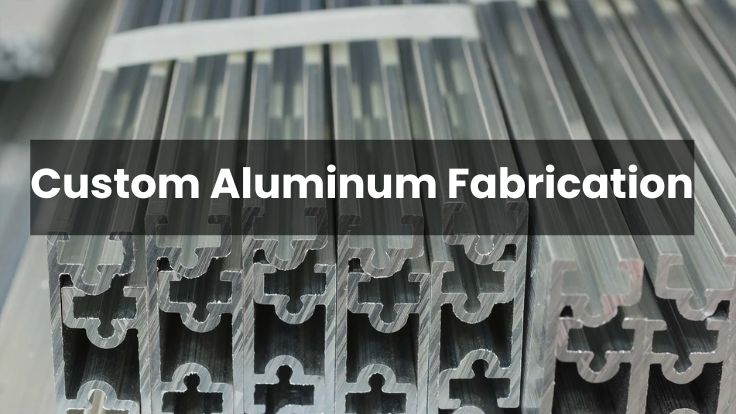
Custom aluminum fabrication has emerged to be a pillar of many industries in the contemporary era of innovation and design. Whether it is used in aircraft parts, buildings, or bridges, aluminum is utilized because of its power, ductility, and corrosion resistance. It does not just relate to getting aluminum but forming it to fit specific requirements. And that is where the notion of custom aluminum fabrication comes out on top, providing a tailor-made approach to the needs of industrial structures, as well as home interiors and exteriors.  Carbon steel is ideal because, in custom fabrication, you can get this kind of flexibility to customize it to address very particular needs, unlike standard metal parts, which are mass-produced with limited flexibility.  In the design and creation of architectural accents, machine enclosures, or custom furniture, aluminum represents the optimal combination of strength and workability. The steps include cutting, shaping, welding, and assembling items made of aluminum into products that look good and serve a purpose. As fabrication technology evolves and as the need to solve more personalized problems grows, citizens are specifically looking at the phrase: custom aluminum fabrication in my area to implement their ideas. As a company seeking reliable business signage or a homeowner with a design in mind, having an experienced custom aluminum fabricator will guarantee a solution to your project that fits your perception and lasts for years. This article talks in depth about the entire custom aluminum fabrication process, its advantages, its applications, and how to find the right partner for your next project. And it is time to enter the fantasy with metal is ready to meet your unique solution. What is Custom Aluminum Fabrication? In its simplest terms, custom aluminum fabrication is simply the design, cutting, and shaping of aluminum, its welding, and assembly into a complete product that can fit the specific needs of a client. This may be as simple bracket or even as complicated as machine pieces. Aluminum is used in these operations since it is light but strong, and does not rust or corrode. What makes aluminum great is that it is workable. It is malleable, can be welded and machined as well as bent easily. It makes it possible to be creative with structural as well as aesthetic use. Experienced personnel handle different tools and machinery to shape aluminum sheets or extrusions into useful products. Why Aluminum? It is also best to know why aluminum has been widely used in custom metalwork before discussing deeper into the:.Weak, yet Stable: Aluminum has a great ratio of strength and weight. These benefits have rendered the term aluminum custom fabrication as one of the options in many industries.  What is the meaning of the word Custom? The term custom is what is produced or created to suit an individual or a purpose, as opposed to something that is generally mass-produced or standard. Otherwise said, when something is custom, then it would be made in order to accommodate just what you require, or what you prefer, or what you would like to be made especially. Examples: Thus, when we speak of custom aluminum fabrication then the term custom underlines the fact that the pieces or products of aluminum are uniquely made to fit a specific customer or application, or design, hence being specific and tailor-made. The Fabricating Process Custom aluminum formation engulfs several distinct vital processes: 1. Design and Planning Clients will come with their idea or drawing, or applications. The fabricator analyses the specifications and recommends the most suitable form of aluminum and the procedure to be used. 2.  Cutting and Shaping Aluminum is cut into required shapes with the help of saws, lasers, or CNC machines. There is bending, forming so as to produce the precise structure or contour required. 3. Assembly and welding Special aluminum welding methods, such as the TIG welding technique, are used to join pieces. Close construction guarantees stability and beauty. 4. Finishing Touches The piece is finally sanded, polished, painted, or anodized ,depending on the look desired and protection. These treatments are value added, particularly to those aluminum products that were to be exposed to the elements or put on display, that would be branded as custom aluminum fabricated products. Common Applications There is hardly a limit to what may be produced using the help of custom aluminum fabricated products: When individuals are going to search on their search engine for custom aluminum fabrication near me, they are usually in need of a qualified local machine shop to execute these visions and turn them into a reality. Selecting The Right Fabricator Not every time is it easy to decide between the alternatives of choosing the custom aluminum fabricators. There are so many shops that would define themselves as freezing shops that it is very important to seek some qualities: Whenever you visit a search engine and type in custom aluminum fabrication near me, you should not consider only the distance. Check the abilities, feedback, and previous work of a shop to make sure that everything fits. Advantages of Going Custom Not being generic is not the only purpose of going custom; it has very real, practical benefits: That is why in the numerous industries, the concepts of custom aluminum fabrication put the money in the parts and installations that are needed. Aluminum vs. Other Metals in Custom Fabrication To select the materials in a fabrication project, it is important to have a background on which metal is better compared to others, and aluminum is not an exception. Metals bear specific characteristics that influence their applications in weight, strength, costs, and the usage they are suitable. This is a breakdown: Aluminum Aluminum is a lightweight material, resistant to rusting, and strong. It is commonly employed in fabrication works that require durability, but do not want the excess weight. It can also be easily cut, bent, and welde,d and this makes it an ideal material in custom aluminum fabrication. Besides, aluminum can be recycled completely and it also

Πώς να βρείτε τους καλύτερους κατασκευαστές αλουμινίου κοντά μου

Πώς να βρείτε τους καλύτερους κατασκευαστές αλουμινίου κοντά μου

Κατασκευή αλουμινίου

Aluminum fabrication is an important part of present-day construction, manufacturing, and design. In custom gates, machine frames or industrial panels, aluminium is durable, lightweight and resistant to corrosion. It is the most versatile metal in existence, and this flexibility qualifies it to be applied to thousands of uses- from small residential to large commercial projects. When someone uses the internet to find things like where to buy aluminum fabrication near me, one is likely going through local hence local professionals who can cut, form and craft an aluminum so that it fits a particular project. These facilities are offered as complete as the sheet cutting, extrusion to welding, finishing and installation. The ski lift manufacturers are very well trained in the method of working using various grades and thicknesses of aluminum so that there would be accuracy and strength in the end product. A great variety of finishes is also possible (power coating or anodising) to enhance aesthetics and performance in the fabrication process. Regardless of whether you are interested in functionality, beauty, or both, the solution is easy to find when browsing local results with a search for possibilities for aluminum fabricators near me. This article will guide you through all you ought to know about aluminum fabrication, the importance of local expertise and how to select the perfect aluminum fabricators near you when implementing your project or concept. What is Fabrication? Modern construction and development of products require the art of fabrication. It is the procedure that converts raw materials, particularly metals, into useful and tailor-made parts and structures. An insight into the Word Fabrication Fundamentally, fabrication can be described as the action of cutting, shaping, assembling and finishing raw material into a final product. Nevertheless, in contrast to mass production, where the same product is produced anyway, fabrication can be very individual and oriented towards a project. This is particularly so in the aluminum fabrication enterprise, where every piece may be required to be customised as far as strength, aesthetics, and fitting are concerned. The Reasons Aluminum Is Perfect for Fabrication The aluminum has been widely used in fabrication due to its low weight, strength, corrosion-resistant nature and versatility. It can be shaped into complex patterns, and yet it can be durable. This is why, when people want to find some aluminum fabrication, they may type in such a request as aluminum fabrication near me in a search. And people are usually interested in custom production to deal with architectural, industrial, or even artistic needs. The Important Processes in Aluminum Fabrication Aluminum fabrication involves some of the primary techniques, which are as follows: Welding: The joining of pieces with the help of heatCutting: Globally, cutting is done using lasers, pulsed jets or sand.Forming: Bending/rolling of aluminum to get favourable shapesFinishing: appearance, sandblasting, painting, coating, and protection. Apply finishing, such as sandblasting, painting, or coating, to complete the finishing. These procedures require skill, particularly those using aluminum, like aluminum fabricators who are well aware of the special characteristics of aluminum. Any faulty technique may ruin strength or appearance. The part of the local Aluminum specialists Proximity of services through local professionals has the advantage of being accountable and on-ground service. In case you have a time-sensitive or tailored task, you can find time to cooperate offline with the help of the search for the words: aluminum fabricators near me, as it will allow you to discuss the changes in design or even visit the shop. This helps you with faster delivery, enhanced communication and personalised outcomes. What Does Aluminium Fabrication Mean? Before proceeding to tips on how to get services in your local area, it is essential to get a clear picture of what the term aluminum fabrication means. In simple terms, aluminum fabrication involves forming, cutting and joining aluminum to complete the processing of making the finished goods or parts. These may include window frames and signs to sophisticated parts of industrial equipment. As opposed to generic metalwork, a person needs particular knowledge and tools to use in the process of aluminum fabrication. Aluminum is not the same as steel or copper; it is soft, and it is sensitive to heat. It implies that anyone cannot work with it properly. Experienced aluminum fabricators understand just how to manage these properties so as to guarantee long-term outcomes. The Reason to Select Local Aluminum Fabricators Near Me. On searching the term aluminum fabricators near me, you are not only seeking convenience, it is also the quality of work, communication and trust. There are various unique benefits of working with local experts. 1. Face-to-face communication: It is simpler to describe what you need face-to-face, and you can look at references or examples of the previous work.2. reduced turnaround: Local stores eliminate shipping time and delays.3. Convenience in working together: It is easier to make subsequent changes, modifications or follow-up with your fabricator so long as you are around. Above all, something that aluminum fabricators near me comprehend is your local regulations and climatic conditions that imply that they are able to advise on what finish or structural solution is best with regard to what is required where you live. Important Aluminum Fabrication Techniques An aluminum fabrication process encompasses a row of technical and precise operations of transforming aluminum dross into a practical structure or part. By searching the phrase, aluminum fabrication near me, you probably seek experts that provide a variety of such services at one location. Now, we can get acquainted with the most significant processes employed by the industry nowadays. 1. Cutting The initial stage in the fabrication process is cutting, which involves a reduction in aluminum sheets, tubes, or bars to the desired size. Laser, water jets, plasma cutters, and saws are some of the tools that enable fabricators to attain clean and precise cuts. Accuracy during this phase can be considered the key to success in the project, and there is no exception when it comes to the approach of professional aluminum fabricators. 2. Moulding

Πώς να συγκολλήσετε αλουμίνιο: Αλουμινίου: Συμβουλές, εργαλεία και τεχνικές

Πώς να συγκολλήσετε αλουμίνιο: Αλουμινίου: Συμβουλές, εργαλεία και τεχνικές

Συγκόλληση αλουμινίου

Aluminum is a common metal that has been used over the years due to its lightweight, resistance to corrosion, and strength properties and thus is vital in industries such as automobiles, aerospace, and construction. Nevertheless, the process of learning to weld aluminum is not as stripped down as when you are welding steel or iron. Interesting properties of aluminum like high thermal conductivity and easily formed protective oxide coating demand a special modus operandi and a delicate touch. Aluminum welding can be easily done, even by a novice, as long as you know the correct techniques, equipment, and safety measures.  This requires clean working surfaces, and suitable filler material, whereas the adjustment of equipment is vital.  Aluminum does not turn color before melting its position unlike steel, which makes it difficult to estimate the amount of heat needed. Moreover, it is soft, which is why it can bend or burn down fast unless manipulated properly. The question people frequently come up with is whether it is possible to weld aluminum amid simple, ordinary items associated with welding. Yes, but the result will be based on your preparation, practice, and adjusting of your ways. With TIG and MIG welding to more rare methods such as stick or oxy-fuel, there is a method fit for every task and job. You will find tips, tools, and the most common mistakes in this guide to help you get a firm footing in welding aluminum safely and efficiently. As you gain time and experience, you can make clear, good welds in aluminum no matter at a shop at home. What Is Welding Of Aluminum? A welding process is the joining together of two or more metal pieces of aluminum metal through heat and potentially filler material. It is generally adapted to an automotive company, aerospace industry, marine industry, and construction industries because aluminum is bone-light and does not easily scratch away Nevertheless, the subject of welding aluminum is more complicated as compared to welding steel. This is so because aluminum: What makes Welding Aluminum Different? Aluminum, as a metal, is quite different and before venturing into how to weld aluminum, it is important to establish what makes it unique. Unlike steel, aluminum also melts at a significantly lower temperature (approximately 660 C or 1220 F), and it does not alter in color before melting. This implies that it is prone to overheat and burn when not well handled. Moreover, when aluminum is out in the air, it instantly develops a thin film of oxide film. This layer of oxide melts at a temperature of greater than 2000 (close to 3700 ) so the weld has a hard time penetrating the weld. That is why aluminum welding usually should be carefully prepared and equipped.  Suggestions to a New Weld Aluminum by TIG Welding Welding aluminum using TIG welding is a good skill to have and it can be deceptive to an amateur. Through the proper procedure and preparation, you can achieve clean solid welds. Following are the five important tips, which can put you on the right path. 1. The Metal should be Cleaned Thoroughly During the time before welding, ensure the aluminum is clean. The oxide layer should be removed using a special stainless steel wire brush and then wiped down with acetone so as to clear oils or moisture. Aluminium is highly sensitive to contamination and a single spot of dirt or grease can well destroy your weld. Clean surfaces guarantee improved arc stability and firm bonds. 2. Put your machine in AC and balance it out When welding aluminum, it is always preferable to affect the process with alternating current (AC). AC offers penetration of the base metal and cleaning of the oxide film at the same time. Tune such a cleaning action by using your TIG balance control setting. Most aluminum work benefits by starting the setting at about 65 to 70 percent negative on the electrodes. The correct balance enhances the quality weld and less contamination. 3. Apply Proper Tungsten and Shape It in The Right Way To TIG weld aluminum the best electrodes are pure tungsten or lanthanated tungsten 2%. When compared to steel, the welding of aluminum needs a rounded or balled tip to sustain a stable arc unlike in the case of steel which employs a sharp tungsten tip. In the case where the arc becomes unstable or begins to wander, then it may be high time to regrind or change the tungsten. A well-ground electrode is a key factor in easing and precision of your welds. 4. Foot Pedal Controlled Heat Aluminum warms fast and retains warmth longer in comparison to steel. In excess, heat will result in burn-through or distortion. 1- A foot pedal will enable you to control the amperage during the welding process where you start hot to form a puddle and then back off as much as you want. This will allow you to have greater control of the weld pool and less risk of overheating because it happens to thinner materials. 5. Training on scrap before you weld your project Practice on scrap aluminum of the same type and size as used on the actual project before you start working on your project. This will make you accustomed to the heat control, filler rod technique, and the movement of the torch in order to achieve clean welds. Also, practice will make you confident and less likely to make expensive errors in your end piece.  6. The position of the hand counts as well You should rest your welding hand on the workbench or surface so that it has more control of it. Hold the torch straight in some backward direction in order to have a clear view of your journey. Do not angle too much as the welding pool will run and overheat the metal. The filler rod is fed with one hand; the torch is directed with the other, both without stopping but with no participation in each other. 7.

Κύλιση στην κορυφή

Αποκτήστε μια προσφορά