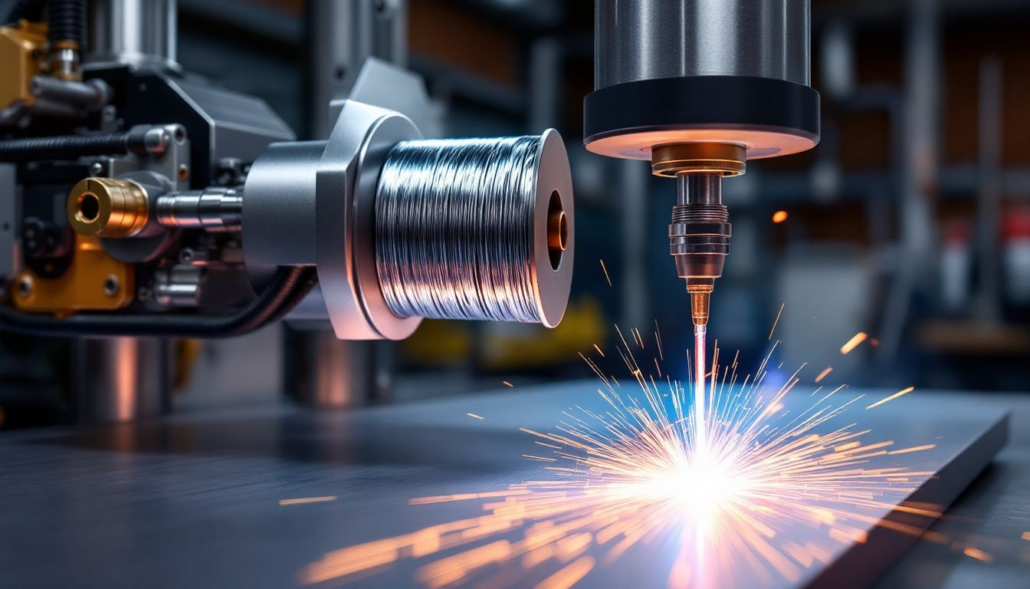
Συγκόλληση χυτού αλουμινίου: Αλουμινίου: Ένας ολοκληρωμένος οδηγός
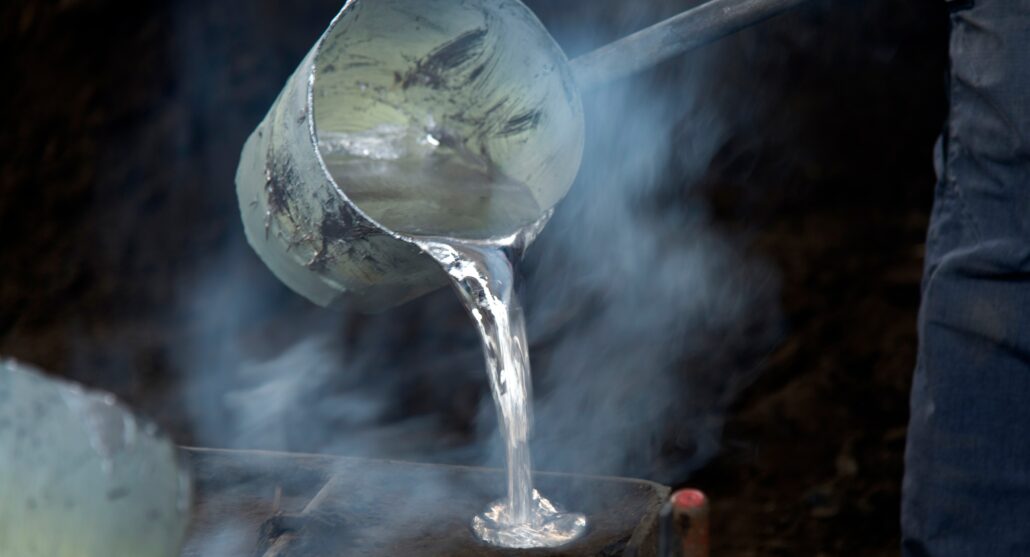
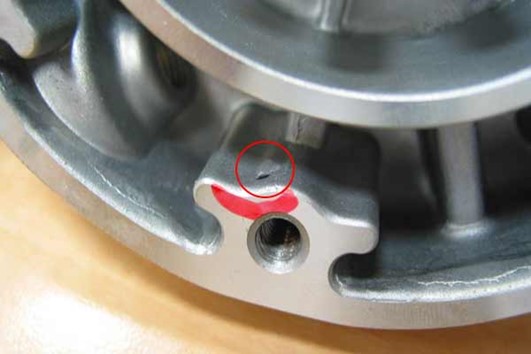
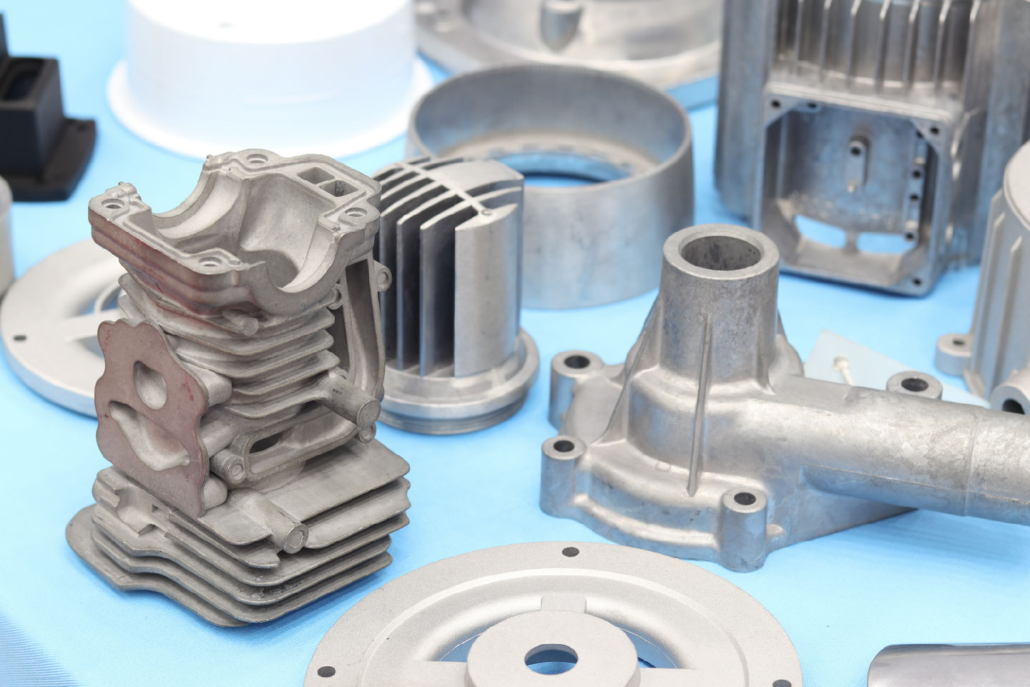
χύτευση αλουμινίου, χύτευση αλουμινίουΥπάρχουν πολύ λίγα μέρη στα οποία μπορεί κανείς να πάει για να μάθει για τη συγκόλληση χυτού αλουμινίου, και οι δεξιότητες που απαιτούνται για να γίνει κάτι τέτοιο είναι πολύ εξειδικευμένες. Ωστόσο, το χυτό αλουμίνιο είναι ένα υλικό που δημιουργείται με τη χύτευση λιωμένου αλουμινίου σε καλούπι, το οποίο έχει ως αποτέλεσμα ένα πορώδες υλικό με ακαθαρσίες. Αυτό δεν συμβαίνει με τα συνήθη κράματα αλουμινίου. Εξαιτίας αυτών των χαρακτηριστικών, η συγκόλληση είναι πιο δύσκολη και η προσεκτική προετοιμασία, η διατήρηση της θερμότητας ακριβώς υπό έλεγχο και η χρήση των κατάλληλων τεχνικών είναι απαραίτητες για την παραγωγή ισχυρών και ανθεκτικών συγκολλήσεων. Η οξείδωση είναι ένα από τα μεγαλύτερα εμπόδια κατά τη συγκόλληση χυτού αλουμινίου. Αυτό το λεπτό στρώμα οξειδίου, που σχηματίζεται όταν εκτίθεται στον αέρα, είναι πολύ παχύτερο από αυτό που σχηματίζεται φυσικά στο αλουμίνιο και λιώνει σε πολύ υψηλότερη θερμοκρασία από το ίδιο το αλουμίνιο, καθιστώντας τη σύντηξη δύσκολη. Επιπλέον, η παρουσία ακαθαρσιών και παγιδευμένων αερίων στο χυτό αλουμίνιο μπορεί να οδηγήσει σε πορώδες, το οποίο παρέχει αδύναμες συγκολλήσεις εάν δεν καθαριστεί και δεν προθερμανθεί σωστά. Η TIG (αδρανές αέριο βολφραμίου) είναι η μέθοδος επιλογής για ακρίβεια και καθαριότητα, ενώ η MIG (αδρανές αέριο μετάλλου) είναι χρήσιμη για ταχύτητα και παχύτερο υλικό. Για να επιτευχθεί μια ισχυρή και χωρίς ελαττώματα συγκόλληση, είναι απαραίτητο να χρησιμοποιηθεί το σωστό μέταλλο πλήρωσης (όπως 4045, 5356 ή 4047) και συνδυασμός προστατευτικού αερίου (από καθαρό αργό ή μίγματα αργού-ηλίου). Η καλή προετοιμασία περιλαμβάνει επαρκή καθαρισμό και προθέρμανση στο μέτρο του δυνατού, ώστε να ελαχιστοποιηθούν οι ρωγμές, το πορώδες και η έλλειψη τήξης. Η αντοχή και η διάρκεια ζωής των συγκολλημένων συνδέσεων βελτιώνονται περαιτέρω με μετασυγκολλητικές κατεργασίες, όπως ανακούφιση από τις τάσεις, λείανση και αντιδιαβρωτική προστασία μετά τη συγκόλληση. Ενώ η πλειονότητα των συγκολλητών χυτού αλουμινίου συγκολλούν χάλυβα, οι συγκολλητές μπορούν να εργαστούν με επιτυχία με χυτό αλουμίνιο χρησιμοποιώντας τις σωστές τεχνικές, εργαλεία και προσοχή στη λεπτομέρεια, εφόσον στις βιομηχανίες απαιτούνται ελαφριά, υψηλής αντοχής εξαρτήματα. Πρόκειται για μια διαδικασία που μπορεί να κατακτηθεί και η οποία οδηγεί σε περαιτέρω ανάπτυξη των εφαρμογών συγκόλλησης αλουμινίου και σε μια αξιόπιστη και προβλέψιμη απόδοση των δομών αλουμινίου σε κρίσιμα περιβάλλοντα. Κατανόηση του χυτού αλουμινίου Ωστόσο, προτού προχωρήσετε στις τεχνικές συγκόλλησης που απαιτούνται για το χυτό αλουμίνιο, είναι ζωτικής σημασίας να έχετε μια σταθερή κατανόηση του τι συνιστά το χυτό αλουμίνιο και τι το κάνει μοναδικό σε σχέση με άλλα μέταλλα. Το χυτό αλουμίνιο διαφέρει από το σφυρηλατημένο αλουμίνιο, το οποίο διαμορφώνεται μηχανικά με τη χρήση έλασης ή διέλασης, στο ότι το χυτό αλουμίνιο μπορεί να διαμορφωθεί σε πολύπλοκα σχήματα υψηλής ακρίβειας με την τήξη του αλουμινίου και την έκχυση αυτής της λιωμένης μορφής σε ένα καλούπι. Η μοναδική εσωτερική δομή που παράγεται με αυτόν τον τρόπο, η οποία συνήθως χαρακτηρίζεται από πορώδες, ακαθαρσίες και διαφορετική σύνθεση κράματος, έχει σημαντική επίδραση στη συγκολλησιμότητα. Για να μπορέσει κανείς να συγκολλήσει με επιτυχία χυτό αλουμίνιο, θα πρέπει να γνωρίζει τις χημικές και φυσικές του ιδιότητες, τα πλεονεκτήματα και τα μειονεκτήματά του, καθώς και τους διαφορετικούς τύπους κραμάτων χυτό αλουμίνιο από διάφορες βιομηχανίες. Αυτοί οι παράγοντες θα ληφθούν υπόψη για τον καθορισμό της απαραίτητης μεθόδου συγκόλλησης, την επιλογή του υλικού πλήρωσης και τις τεχνικές προετοιμασίας πριν από τη συγκόλληση για την κατασκευή ισχυρών και χωρίς ελαττώματα συγκολλήσεων. Ιδιότητες χυτού αλουμινίου: Τι κάνει ένα χυτό αλουμίνιο διαφορετικό; Μια άλλη σημαντική παρατήρηση ότι η χρήση χυτού αλουμινίου έχει διάφορες ιδιότητες που το καθιστούν ελαφρύ, αντιδιαβρωτικό και πολύ ευέλικτο. Ωστόσο, οι ίδιες ιδιότητες δημιουργούν και κάποιες δυσκολίες κατά τη συγκόλληση, εφόσον δεν ληφθούν τα κατάλληλα μέτρα. 1. Πορώδες: Η κρυφή πρόκληση Πιθανώς μία από τις μεγαλύτερες ανησυχίες σχετικά με τη συγκόλληση χυτού αλουμινίου είναι το πορώδες- είναι γνωστό ως οι μικρές φυσαλίδες αερίου που παγιδεύονται στο μέταλλο κατά τη χύτευσή του. Αυτές οι οκτώ προκύπτουν από τον εγκλωβισμό αερίων όπως το υδρογόνο, το σχηματισμό μικρών πόρων ως αποτέλεσμα της συρρίκνωσης κατά την ψύξη του μετάλλου αλουμινίου και των ακαθαρσιών. ???? Πώς το πορώδες επηρεάζει τη συγκόλληση ???? Πώς να ελαχιστοποιήσετε το πορώδες κατά τη συγκόλληση 2. Οξείδωση: Το εμπόδιο για καθαρές συγκολλήσεις Είναι ένα στοιχείο που αντιδρά με άλλα στοιχεία ιδιαίτερα με το οξυγόνο που βρίσκεται στο χώρο που περιβάλλει το μέταλλο. Αυτή η οξείδωση δημιουργεί ένα πολύ λεπτό αλλά εξαιρετικά σκληρό δέρμα οξειδίου του αλουμινίου (Al₂O₃) μέσω του οποίου εμποδίζεται η περαιτέρω διάβρωση του αλουμινίου. Παρ' όλα αυτά, το στρώμα οξειδίου είναι ένα κρίσιμο ζήτημα κατά τη συγκόλληση, καθώς η θερμοκρασία τήξης του είναι περίπου 3700°F (2037°C), η οποία είναι πολύ υψηλότερη από εκείνη του αλουμινίου, 1221°F (660°C). Διερεύνηση του γιατί η οξείδωση αποτελεί πρόβλημα στη συγκόλληση ???? Διαφορετικές τεχνικές αφαίρεσης και ελέγχου της οξείδωσης 3. Ευαισθησία στη θερμότητα: Διαχείριση της θερμικής αγωγιμότητας Διαφορετικά από τον χάλυβα, το αλουμίνιο έχει υψηλή θερμική αγωγιμότητα και μπορεί εύκολα να απορροφήσει και να εκπέμψει θερμότητα. Αυτό αποτελούσε πάντα πρόβλημα στη διατήρηση μιας τυπικής θερμοκρασίας συγκόλλησης- αυτό τείνει να προκαλεί τα εξής: ???? Πώς να ξεπεράσετε τις προκλήσεις της θερμικής ευαισθησίας Συνήθεις τύποι χυτών κραμάτων αλουμινίου Διάφοροι τύποι χυτών κραμάτων αλουμινίου μπορούν να χυτευτούν ανάλογα με τη χημική τους σύνθεση και τις μηχανικές τους ιδιότητες. Ακολουθούν μερικά από τα πλεονεκτήματα και τα μειονεκτήματα κάθε τύπου, καθώς και εφαρμογές στις οποίες θα ήταν πιο χρήσιμα. 1. Χυτό αλουμίνιο A356: Το κράμα υψηλής αντοχής Η σύνθεσή του: Περιλαμβάνει κυρίως αλουμίνιο (Al), πυρίτιο (Si) και μαγνήσιο (Mg). ???? Βασικά χαρακτηριστικά ???? Συνήθεις εφαρμογές 2. 319 Χυτό αλουμίνιο: Σύνθεση: Το ανθεκτικό στη φθορά αλουμίνιο: Περιέχει υψηλότερα επίπεδα πυριτίου (Si) και χαλκού (Cu) από το A356. ???? Βασικά χαρακτηριστικά ???? Κοινές εφαρμογές 3. 535 Χυτό αλουμίνιο: Σύνθεση κράματος θαλάσσιου τύπου: Περιέχει υψηλό ποσοστό μαγνησίου (Mg) για αντοχή στη διάβρωση. ???? Βασικά χαρακτηριστικά ???? Συνήθεις εφαρμογές Γιατί η κατανόηση του χυτού αλουμινίου έχει σημασία για τη συγκόλληση Ξεκινώντας με τη γνώση της συγκόλλησης χυτού αλουμινίου, το θέμα είναι να προσδιορίσετε από τι αποτελείται το χυτό αλουμίνιο, τις ιδιότητές του και τις σχετικές προκλήσεις. Επομένως, καθώς το χυτό αλουμίνιο χρησιμοποιείται εκτενώς στην αυτοκινητοβιομηχανία, την αεροδιαστημική και τη ναυπηγική, οι συγκολλητές χρειάζονται στρατηγικές για το πορώδες του χύτευσης, την οξείδωση και την ευαισθησία στη θερμότητα. Οι διαφορετικοί τύποι κραμάτων χυτού αλουμινίου ανταποκρίνονται διαφορετικά στη συγκόλληση και θα πρέπει να επιλέξετε τα σωστά υλικά πλήρωσης, το προστατευτικό αέριο και την τεχνική συγκόλλησης σημαίνει τη διαφορά μεταξύ μιας ισχυρής, αξιόπιστης συγκόλλησης ή μιας αδύναμης, πορώδους σύνδεσης. Με την προετοιμασία του υλικού, τη χρήση των σωστών διαδικασιών καθαρισμού και τη ρύθμιση της εισροής θερμότητας, οι συγκολλητές μπορούν να αντιμετωπίσουν τα προβλήματα που σχετίζονται με το χυτό αλουμίνιο και να δημιουργήσουν ισχυρές, μακράς διάρκειας συγκολλήσεις που συμμορφώνονται με τις σκληρές εφαρμογές. Προκλήσεις στη συγκόλληση χυτού αλουμινίου Η συγκόλληση του χυτού αλουμινίου είναι διαβόητα δύσκολη λόγω των μοναδικών φυσικών και χημικών ιδιοτήτων του