χύτευση αλουμινίου

Τι είναι τα μαγειρικά σκεύη από χυτό αλουμίνιο;

Τι είναι τα μαγειρικά σκεύη από χυτό αλουμίνιο; Ένας πλήρης οδηγός

Αλουμίνιο, χύτευση αλουμινίου

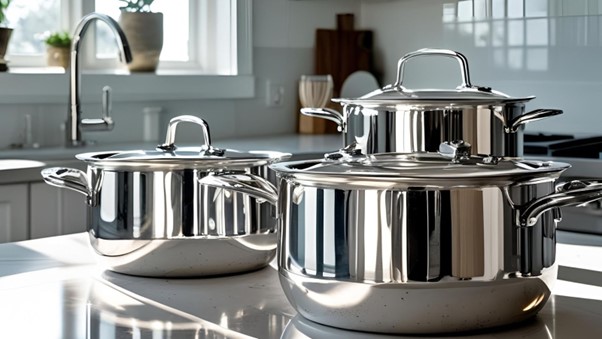
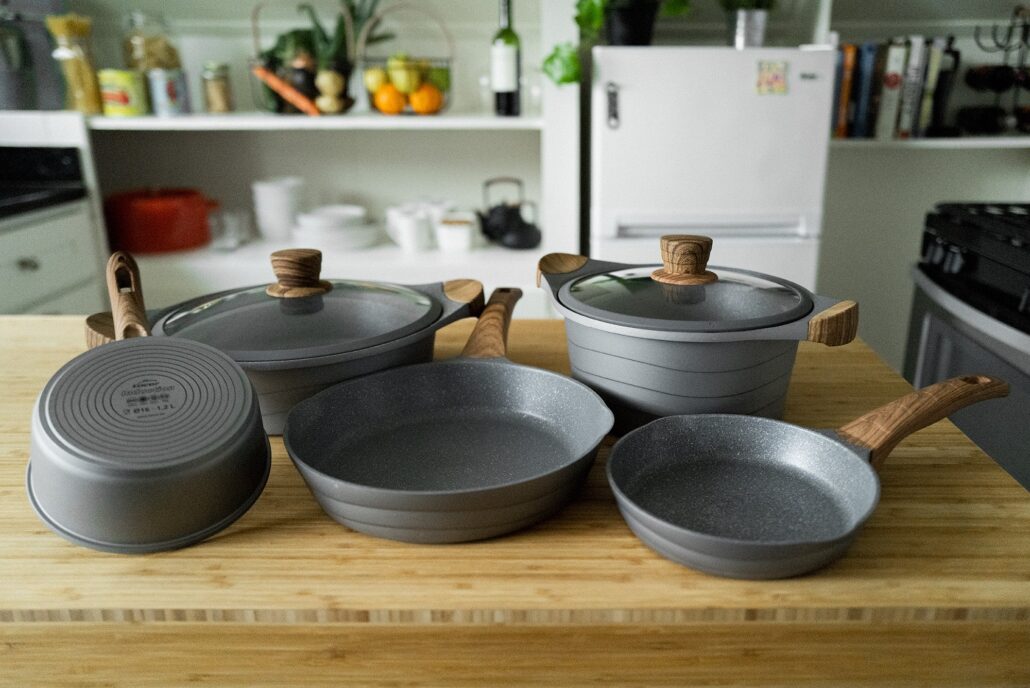
Cast aluminum cookware is becoming popular in kitchens worldwide. It is lightweight, inexpensive, and easy to use. The food can have a different taste depending on the cookware that is used, including the easy cooking process. Cookware is also time-saving and long-lasting. The cast aluminum is made by pouring molten aluminum into a mold. The method gives the cookware both a concrete structure and consistency in the thickness. It allows the pan or the pot to warm up quickly and evenly spread the heat. This simplifies and reduces the time spent preparing day-to-day meals. Cast aluminum is another relatively lightweight material that many people have been using since it is relatively inexpensive when compared to stainless steel. It may also be prepared in different shapes and sizes; therefore, it may be fried, baked, and boiled. However, cast aluminum has its negative sides. It is not as tough as stainless steel nor as tough as cast iron. There are also some types of cooking utensils that need a non-stick or anodized coating so that the food does not stick or is not in contact with acidic foods. In this article, all of these will be expounded using simple language. You will be introduced to the advantages, disadvantages, security, and treatment of cast aluminum cookware. How Cast Aluminum Cookware is Made? Cast aluminum cooking utensils are produced as a result of pouring the melted aluminum into a mold. The metal (aluminum) will then be in the shape of a pan, pot, or baking dish after cooling down. The process makes the cookware tougher and heavier than the traditional pressed or rolled aluminum. The two big stages of the process are: Such casting makes the coocooklightlightut strong enough that it can be used daily. Others are non-stick envelopings on them to prevent the sticking of food, and to facilitate their cleaning. Cast Aluminum Process of Cookware Preparing the Aluminum The initial step entails the selection of aluminum. Pure aluminum or recycled aluminum can be used by manufacturers. This is put into large furnaces where it is heated to over 660 °Cuntil it melts to form a liquid. This stage is where purification of the aluminum is done to determine that it will be strong and safe in the final product. Creating the Mold Once the aluminum is on hand, the mold is created. The form is determined by the mould, and it may be a frying pan, a pot, or a baking pan. These moulds are mostly sandy or steely. The thinness, balance, and durability of the copopotterarere dare be determined by the type of mold and the level of exquisiteness. Pouring the Molten Aluminum The mold is then filled with liquid aluminum. It is filled to the very brim in every crevice of design. It is the process that also causes cast aluminum cookware to be heavier and stronger than pressed aluminum cookware. Cooling and Solidifying After being poured, the aluminum is expected to cool down. It is stiffening and depressing when it comes to cooling and acquires the shape of the mold. The cooling is required as it removes cracks, air bubbles, or weak areas that can jeopardize the quality of the cookware. Trimming and Finishing Once hardened, cookware is removed from the mold. Such is where a crude surface gets cut and polished. Other features are also incorporated, such as handles and bases. This is to ensure that the cook’s uniform is smooth, safe, and ready to be coated. Surface Coating and Finishing Most cast aluminum cooking utensils are surface-treated. They have most of them supplied with non-sticky surfaces, such that the food does not stick on the surfaces,, and the cleaning does not take much time. They can be anodized by others, and this increases their resistance to corrosion and scratches. These finishes are also resistant to the reactivity with acidic food. Quality Testing The quality control is the last one. All of the works are inspected on balance, durability, and coating safety. Cookware that has been carefully checked is packed and only sent into the market. It will ensure the customers receive durable, quality, and safe cookware. Cast Aluminum Cookware advantages What is the reason not to use other materials, to use cast aluminum? Here are the key benefits: Lightweight In comparison to cast iron, it is very light in cast aluminum. It does not take much time tocleanna, and it is more so when one has a cook who prepares meals regularly for the elderly. Superb Heat Distribution Aluminium is a thermal conductor. Cast aluminum utensils are quick to cook and evenly cook. This means that there would be fewer hot spots and even cooking. Affordable It is normally cheaper than stainless steel or copper cookware. It has decent performance at an affordable price. Versatile Cast aluminum may be fried, baked, boiled, or simmered. Some are even oven-safe. Quick Heating The aluminum makes food cook more quickly since it reacts to heat faster. This saves time and energy. Disadvantages of Cast Aluminum Cookware Despite several advantages of cast aluminum cookware, it also possesses several limitations: Durability Issues The cast aluminum is softer than the cast iron or stainless steel. Eventually,, it is likely to be dented or scratched, especially when it is not handled properly. Reactivity with Food The uncoated aluminium can react with acids such as tomatoes or vinegar. This may either render it metallic or discoloured. The majority of modern cast aluminium pans are coated to such effects. Coating Problems The non-stick film on the pan may be of poor quality, and thus, it may wear away with time. It can be scrubbed with hard sponges or metal utensils, and this decreases its life span. Aluminum Cast And Other Cookware The choice of cookware is more of a choice. The cast Aluminum performance when compared with the popular substitutes stands as follows: Cast Aluminum and Stainless steel The first distinguishable difference in the case of the cast aluminum and stainless steel is the heat
Ποια κράματα αλουμινίου είναι καλύτερα για συγκόλληση;

Ποια κράματα αλουμινίου είναι καλύτερα για συγκόλληση;

χύτευση αλουμινίου, χύτευση αλουμινίου

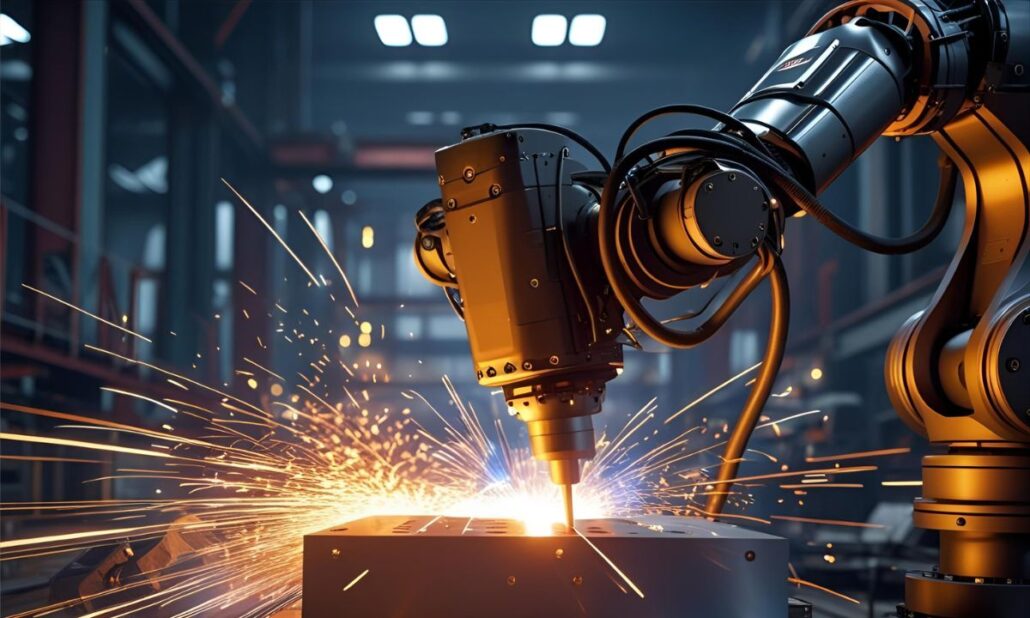
Which Aluminum Alloys Are Best for Welding? Aluminum has become the most popular of the metals used in contemporary industries because of its high portability, strong resistance to the elements and ease of fabrication. Its alloys are invaluable in the aerospace, automotive and marine as well as housing and building industries. But the challenges created by welding aluminum are different to welding other metals, in part because of the high thermal conductivity, speed of oxide formation and distortion and cracking characteristics of aluminum in the welding process. Knowledge of the properties and the characteristics of various aluminum alloys is important in the choice of the material that suits a particular task. Not every aluminum alloy is equally weldable, whereas some are well-adapted to traditional welding, others need some special welding procedure like friction stir welding. The alloy selection and method of welding depends on such factors as strength, resistance to corrosion, ductility, and the ability of heat-treating. Surfaces must also be properly prepared, filler metals need to be compatible and post-weld treatments must consider to achieve high-quality junctions. The article will give an in-depth report on the best types of aluminum alloy to be welded, their characteristics, the benefits associated with their usage, recommendations to follow and the challenges to expect when welding these types of aluminium alloy. Based on such knowledge, professionals will be in a position to achieve durable, reliable and good performing welded structures across diverse industrial and structural applications. What is aluminum alloys Aluminum alloys are the materials used by adding other metals to the aluminum to enhance its qualities like strength, corrosion resistant, machinability or weldability. Pure aluminum is weak, lightweight, soft, and very well resistant to corrosion. By mixing additional elements (such as copper (Cu), magnesium (Mg), silicon (Si), manganese (Mn), or zinc (Zn)), engineers can make alloys suitable to a variety of types of applications, including aerospace, automotive parts, marine and building structures. A few points of aluminum alloys Simply put, aluminum alloys have the lightweight, corrosion-resistant properties of aluminum with extra favorable qualities needed to suit the needs of an industrial application. Knowing the Aluminum Alloys Aluminum alloys have been divided into wrought alloys and cast alloys. Mechanically worked alloys are wrought into sheets, plates or extrusions but casting alloys are in form of poured molten aluminum into molds. The wrought alloys are further divided into series according to the alloying elements: Conditions which Affect Weldability Aluminum alloys can be welded, depending upon a variety of factors: The best Aluminum Alloys to weld on 5052 Alloy Al-Mg (aluminum-magnesium) alloy 5052 is considered by many to be one of the most welding friendly alloys. This is due to its high magnesium content and therefore it has good resistance to corrosion, especially in marine environments and applications in chemical processing. Applications: Moderate-to-high strength, high ductile and above-average corrosion resistance. Advantages: Materials: Marine structures, Chemical tanks, automotive panels, roofing sheets and industrial equipment. Alloy 5083 Aluminum-magnesium alloy 5083 has high strength at low temperatures and thus is applicable in marine and cryogenics. It resists corrosion especially in industrial and seawater. Characteristics: Extra-high strength, good corrosion protection, good fatigue resistance. Advantages: Applications: Shipbuilding, pressure vessels and tanks, automotive frames and equipment and transportation equipment. 5754 Alloy Another Al-Mg alloy is A-Mg 5754 which can be described as medium strength with high corrosion resistance and high formability. It also achieves structural strength, as well as, weldability and that is why it is commonly used where structural strength is key as well as weldability. Characteristics: Moderate strength, high ductility, is corrosion resistant. Advantages: Applications: Auto Body panels, structural panels, construction cladding, and marine. 6061 Alloy Al-Mg-Si alloy with the composition 6061 has found wide usage in the structural and aerospace fields. It is a compromise between toughness, corrosion resistance and utility. Type of properties: Medium-high strength, very good corrosion resistance, and moderate ductility. Advantages: Applications: Aircraft structures, pipeline, automotive components, bridge structures and structural products. 6063 Alloy Al-Mg-Si alloy (6063) is another architectural and decorative Al alloy that is noted to have a smooth finish on its surface and the ability to resist corrosion. Properties: A strong or moderate strength, good corrosion resistance, a good surface finish. Advantages: Applications: Architectural structure, window frames, doors, curtain walls and extrusions. Alloy 1100 Aluminum alloy 1100 can almost seem a pure aluminum alloy (it is 99% aluminum). It is soft, ductile and very easy to weld so it is suitable where resistivity is the issue rather than strength. High ductility: Excellent corrosion resistance, Low strength. Advantages: 1350 Alloy Another aluminum alloy of high purity applicable in the electrical and chemical industries is1350. It is incredibly strong and has great corrosion resistance as well as being very weldable and is a very dependable metal when used in specialized settings. Advantages: Immune to corrosion, excellent welding ability and low weight. Advantages: Aluminum Alloys, as well as of their major properties and the ability to be welded The technical table below contains the list of the full proper names of the aluminum alloys, as well as of their major properties and the ability to be welded: Alloy (Proper Name) Density (g/cm³) Melting Temp (°C) Tensile Strength (MPa) Yield Strength (MPa) Elongation (%) Hardness (HB) Weldability Aluminium 1100 (Commercially Pure Aluminum) 2.71 640 90 35 35 40 Excellent Aluminium 1350 (High Purity Aluminum, Electrical Grade) 2.71 640 110 40 20 50 Excellent Aluminium 5052 (Aluminium-Magnesium Alloy) 2.68 607–650 228 193 12 60 Excellent Aluminium 5083 (Aluminium-Magnesium Alloy, Marine Grade) 2.66 635 317 228 12 70 Excellent Aluminium 5754 (Aluminium-Magnesium Alloy) 2.67 637 250 190 15 60 Excellent Aluminium 6061 (Aluminium-Magnesium-Silicon Alloy) 2.70 582–652 310 276 12 95 Good Aluminium 6063 (Aluminium-Magnesium-Silicon Alloy, Architectural Grade) 2.70 615 241 214 8 90 Good Aluminium 2024 (Aluminium-Copper Alloy, Aerospace Grade) 2.78 500–640 483 345 20 120 Difficult Aluminium 2219 (Aluminium-Copper Alloy, High Strength Aerospace) 2.84 509–638 470 330 18 130 Difficult Aluminium 7075 (Aluminium-Zinc-Copper Alloy, Aerospace Grade) 2.81 477–635 572 503 11 150 Very Difficult This is

Τι είναι η διαδικασία διέλασης αλουμινίου; 

χύτευση αλουμινίου, χύτευση αλουμινίου

Aluminum extrusion has not only been appreciated in the respect that it makes a strong, yet lightweight part, but also its flexible and cost-effective designs are a factor. It is used in construction, aerospace, automotive and electronic industries, and nearly everywhere in between. Aluminium extrusion is among the processes that indicate an equalization between innovative designs and effective production, which is just about to become one of the dominating procedures of the manufacturing industry. Aluminum is one of the most popular metals in the modern industries, being appreciated because of its light weight, strength, durability and also its capacity to resist corrosion. Aluminum is more conspicuous in our lives; in the construction of skyscrapers in our cities, the cars we drive and other gadgets that we use in our daily lives. One of the most vital processes of manufacturing that has ensured the versatility is the aluminum extrusion process. Extrusion refers broadly to methods of metal deformation whereby metal is pushed or squeezed through a die in a similar fashion to toothpaste. In aluminum, longer continuous sections of final, predetermined cross-sectional shapes are formed by ramming solid block-like objects (known as billets) through an already heated die. These profiles may be plain rods, tubes or highly complex and specially made to the extent that they will meet the demands of a given industry. In this article, we will learn everything about the aluminium extrusion process; its history, the extrusion process, types, applications, advantages and limitations and its rising capabilities in future of manufacturing. Historical Background The idea of extrusion as a manufacturing process has been traced back to the late 18th century. The first well-known extrusion was that of the British inventor Joseph Bramah, who patented his exactly in 1797. Instead, he used a process that involved pushing pliable metals such as lead through a die to shape long, identical-looking pieces and primarily pipes. The preconditioning of the process of extrusion was an invention. Until much of the 19th century, the extrusion of softer metals had been inhibited by technology. The real breakthrough came about in the early 220thcenturies when economical ways of producing aluminium were discovered. The acquisition of aluminium was brought to lower prices and large-scale production by the invention in 1886 by Charles Martin Hall in the United States and separately by Paul H. Roult in France of the Hall-Heroult process. After the invention of aluminum, it did not take long before scientists and manufacturers saw the potential extrusion had to offer. The use of aluminum extrusion technology began gaining steam in the 20s, especially coming into force in Europe and North America. It was on a large scale utilized in the Second World War when the industries required a lightweight but durable material in aircraft, vehicles used by the military, and buildings. Since then, the line-casting technology has been invented and has been extended far farther than the aluminum extrusion that first emerged in the military sectors. What is Aluminum extruded? Aluminum extrusion is the commercial physical method that is used in plasticizing solid aluminum into shapes that are long with specific cross-sections. The idea is simple: a block of aluminum (a billet) is heated to a malleable stage and forced under intense pressure of a die made of steel. In pressing through the die, the aluminum takes on the shape of the opening, either straight, hollow, or solid, or in a highly complicated profile. The analogy that is best applied in extrusion is the extrusion of a toothpaste tube. Same as the toothpaste- it takes the shape of the nozzle, and similarly, the extruded aluminum takes the shape of the die. The advantage of aluminium extrusion is the ability to manufacture lightweight yet strong components of the exact shape. The resultant extruded profiles can be strippable to various lengths and are also subjected to further finishing, including anodising, powder coating, and finishing. All these upgrades raise performance, wear and look. Due to its flexibility, it has become one of the extrusion processes whose scope has been resorted to within different discourses like the construction industry, the aviation industry, the electronic industry, the transport and even the consumer products industry. It is not just the process but a vital bridge between the native stainless steel and absorbed functionality that defines the current engineering and high-construction. Aluminium Extrusion Process in Steps Characterise the Profile & Select the Alloy Cast and Christen the Billet Scalp or Saw Inspect Billet Heat the Billet Make the Die & Tooling Lubricate and Prepare the Press Load the Billet and QC Start the Press Breakthrough Extrusion, Steady Chinking on the Table Fast Cooling (Immediate Quenching) Handling temperature for cooling Profiles cool on the table after quenching until they are able to be handled without imprint or warping. Soft, controlled cooling minimises residual stress. Stretching / Straightening Cutting Back to Length Heat Treatment (Where Necessary) Surface Finish (Optional) Machining & Fabrication (As required) Profiles are CNC-machined, punched, drilled, tapped or bent. Jigs/ fixtures provide repeatability of tolerance control on thin or complex sections. Test and On-Quality Control Die Tuning & Maintenance When dimension control or surface finish is out of control, the length of the bearings and flow balance can be modified; dies may be polished and, when absolutely not required, nitrided; dies are polished and cleaned. Packing & Logistics Why every step counts The Components Used in Aluminum Extrusion Aluminum extrusion draws on choosing the correct aluminum alloy to suit the mechanical, thermal, and corrosion requirements. The properties required by different industries differ, thus selection of alloys is determined by strength, ductility, corrosion resistance and heat-treatability. 1000 Series (Practically Pure Aluminum) 3000 Series (Al-Mn Alloys) 5000 Series (Al-Mg Alloys) 6000 Series (Al-Mg-Si Alloys) 7000 Series (Al-Zn-Mg-Cu Alloys) Allothers Speciality Alloys To keep composition similarity, recyclable aluminum scrap containing the same alloy is frequently reused. Aluminum Extrusion Materials Quick Reference Table A technical table of probable common aluminum alloys used in extrusions, major properties and established extrusion parameters as follows: Alloy Series

Χύτευση έναντι σφυρηλάτησης

Χύτευση έναντι σφυρηλάτησης: Χύτευση: Κατανόηση των βασικών διαδικασιών κατασκευής

χύτευση αλουμινίου

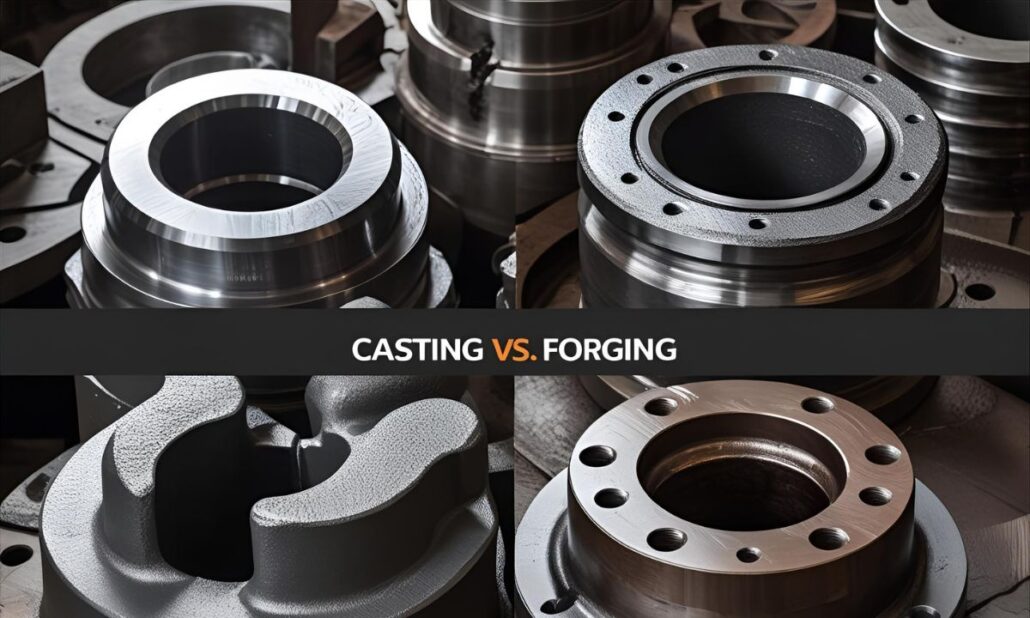
Η χύτευση και η σφυρηλάτηση είναι δύο από τις πιο συχνά χρησιμοποιούμενες μεθόδους επεξεργασίας μετάλλων, οι οποίες έχουν διαφορετικές εφαρμογές στον τομέα της μεταποίησης. Οι τεχνικές αυτές είναι απαραίτητες για την κατασκευή μεταλλικών εξαρτημάτων που διαφοροποιούνται στην αυτοκινητοβιομηχανία, την αεροδιαστημική βιομηχανία, την αμυντική βιομηχανία και τις βιομηχανίες μηχανημάτων γολγοθάς. Παρόλο που και οι δύο επιδιώκουν τη δημιουργία λειτουργικών εξαρτημάτων μέσω της διαμόρφωσης του μετάλλου, τελικά επιτυγχάνουν αυτόν τον στόχο με οριστικά διαφορετικούς τρόπους, δημιουργώντας διαφορετικές ιδιότητες και χρήσεις υλικών. Η χύτευση χρησιμοποιεί διαδικασίες τήξης του μετάλλου και έκχυσης του σε καλούπι, όπου παίρνει μόνιμο σχήμα. Είναι πιο κατάλληλη για την παραγωγή περίπλοκων και πολύπλοκων σχημάτων που διαφορετικά θα ήταν δύσκολο να αποκτηθούν μέσω άλλων μηχανημάτων. Λειτουργεί πολύ καλά στη μαζική παραγωγή, ιδίως όταν κατασκευάζονται μεγάλες ποσότητες πανομοιότυπων εξαρτημάτων. Η χύτευση είναι πολύ ευέλικτη και μπορεί να χρησιμοποιήσει έναν τεράστιο αριθμό μετάλλων και κραμάτων, επομένως η χύτευση μπορεί να χρησιμοποιηθεί σε βιομηχανίες όπου τα σχέδια υψηλής ποιότητας έχουν σημασία, στην αεροδιαστημική, την αυτοκινητοβιομηχανία και την τέχνη. Η σφυρηλάτηση, από την άλλη πλευρά, είναι μια διαδικασία διαμόρφωσης του μετάλλου μέσω δυνάμεων συμπίεσης, συνήθως όταν το υλικό βρίσκεται σε υψηλή θερμοκρασία. Η διαδικασία αυτή καθιστά το μέταλλο ισχυρότερο, ισιώνοντας τη δομή των κόκκων του, καθιστώντας έτσι τα εξαρτήματα ισχυρότερα και ανθεκτικότερα. Το ιδιαίτερο πλεονέκτημα της σφυρηλάτησης είναι ότι βρίσκει μεγάλη εφαρμογή στην κατασκευή εξαρτημάτων που πρέπει να σκληρυνθούν ή να εκτεθούν σε ακραίες συνθήκες, συμπεριλαμβανομένων των υψηλών καταπονήσεων, όπως στην αυτοκινητοβιομηχανία, την αεροδιαστημική και την αμυντική βιομηχανία. Στο παρόν άρθρο θα συζητηθούν οι κύριες διαφορές όσον αφορά τη χύτευση και τη σφυρηλάτηση, τα πλεονεκτήματα και τα μειονεκτήματα του καθενός, καθώς και οι τομείς εφαρμογής στη σύγχρονη μεταποίηση και ο ρόλος που κατέχει η κάθε διαδικασία σε αυτές τις διαδικασίες. Τι είναι η χύτευση; Μια κατασκευαστική διαδικασία που διατηρείται στη χύτευση περιλαμβάνει τη ρίψη ενός υγρού υλικού, συνήθως μεταλλικού, σε ένα καλούπι για να σταθεροποιηθεί και να αποκτήσει το σχήμα της κοιλότητας του καλουπιού. Ξεκινά καθώς το υλικό λιώνει, χύνεται σε ένα ειδικό σχήμα και ψύχεται. Αφού το υλικό αυτό σκληρύνει, το καλούπι αφαιρείται και απομένει ένα στερεό αντικείμενο, το οποίο είναι ένα σχεδόν τέλειο αντίγραφο του σχήματος του καλουπιού. Τι είναι η σφυρηλάτηση; Η σφυρηλάτηση είναι μια διαδικασία μεταλλοτεχνίας που κάνει χρήση της δύναμης συμπίεσης, με το μέταλλο να θερμαίνεται συνήθως σε υψηλές θερμοκρασίες. Το μέταλλο είτε χτυπιέται, είτε πιέζεται σε σχήμα είτε κυλίεται στο απαιτούμενο σχήμα. Η σφυρηλάτηση γίνεται συνήθως σε υψηλές θερμοκρασίες, οπότε το μέταλλο γίνεται εύπλαστο και πολύ πιο εύκολο στην επεξεργασία. Πρόκειται για μια διαδικασία που χρησιμοποιείται κυρίως για τη δημιουργία ανθεκτικών, φθαρτών εξαρτημάτων και χρησιμοποιείται ευρέως σε βιομηχανίες όπως η αυτοκινητοβιομηχανία, η αεροδιαστημική, καθώς και τα βαρέα μηχανήματα. Διαδικασία χύτευσης Η χύτευση περιλαμβάνει ορισμένα σημαντικά βήματα: Διαδικασία σφυρηλάτησης Η σφυρηλάτηση είναι λιγότερο περίπλοκη στη διαδικασία κατασκευής, ωστόσο, πρέπει να έχει κανείς μεγαλύτερο έλεγχο της θερμοκρασίας και της πίεσης: Τα πλεονεκτήματα της χύτευσης και της σφυρηλάτησης Πλεονεκτήματα χύτευσης: Σφυρηλάτηση: Πλεονεκτήματα της χύτευσης και της σφυρηλάτησης: Μειονεκτήματα της χύτευσης και της σφυρηλάτησης Μειονεκτήματα της χύτευσης: Μειονεκτήματα της χύτευσης και της σφυρηλάτησης: Μειονεκτήματα της χύτευσης και της σφυρηλάτησης: Υλικά χύτευσης και σφυρηλάτησης Υλικά χύτευσης Αυτή η διαδικασία χύτευσης είναι μια ποικιλόμορφη διαδικασία που μπορεί να διεξαχθεί χρησιμοποιώντας ένα ευρύ φάσμα υλικών σε σχέση με τις ανάγκες της εφαρμογής. Τα μέταλλα που χρησιμοποιούνται συνήθως στη χύτευση είναι το αλουμίνιο, ο χάλυβας, ο σίδηρος, ο μπρούντζος και ο ορείχαλκος, τα οποία χαρακτηρίζονται από μοναδικές ιδιότητες που τα καθιστούν ικανά να χρησιμοποιηθούν σε διάφορες βιομηχανίες. Ως άλλο παράδειγμα, το αλουμίνιο είναι ελαφρύ και έχει καλή αντοχή στη διάβρωση, γεγονός που θα είναι ιδανικό για την αυτοκινητοβιομηχανία και την αεροδιαστημική αγορά. Ο χάλυβας και ο σίδηρος προτιμώνται περισσότερο λόγω της ανθεκτικότητας και της δύναμής τους και συνήθως χρησιμοποιούνται σε εξαρτήματα βαρέων μηχανημάτων και βιομηχανιών. Ο μπρούντζος και ο ορείχαλκος μπορούν να παρατηρηθούν στη χρήση μετάλλων όταν απαιτείται το στοιχείο της αντοχής, αλλά πρέπει επίσης να ληφθεί υπόψη η ανάγκη για αντοχή στη διάβρωση και ελκυστικότητα στο μάτι, όπως διακοσμητικά κομμάτια ή εξοπλισμός σε πλοία. Εκτός από αυτά τα κοινά μέταλλα, η χύτευση μπορεί επίσης να περιλαμβάνει εξειδικευμένα κράματα, όπως το μαγνήσιο, τα κράματα ψευδαργύρου και τα κράματα βάσης χαλκού, τα οποία επιλέγονται για να ταιριάζουν σε ορισμένες εφαρμογές επειδή διαθέτουν συγκεκριμένες λειτουργικές ιδιότητες. Ένα παράδειγμα των κραμάτων μαγνησίου χρησιμοποιείται στις βιομηχανίες που χρειάζονται ελαφριά εξαρτήματα, ενώ ένα άλλο παράδειγμα είναι τα κράματα ψευδαργύρου που μπορεί να εφαρμοστούν σε διάφορες βιομηχανίες όπου υπάρχει ανάγκη χύτευσης ορισμένων εξαρτημάτων που δεν πρέπει να είναι ευάλωτα στη φθορά. Τέτοια κράματα χαλκού κυριαρχούν στις ηλεκτρικές και υδραυλικές εργασίες λόγω της υψηλής αντοχής τους στη διάβρωση και της ηλεκτρικής αγωγιμότητας. Η χύτευση μπορεί να χρησιμοποιήσει διαφορετικά μέταλλα και κράματα, πράγμα που σημαίνει ότι οι κατασκευαστές μπορούν να τροποποιήσουν τα εξαρτήματα ώστε να ταιριάζουν καλύτερα στην εκάστοτε εφαρμογή. Υλικά σφυρηλάτησης Τα υλικά που χρησιμοποιούνται για την κατασκευή σφυρηλατημένων τεμαχίων επιλέγονται συνήθως λόγω της αντοχής τους όσον αφορά την καταπόνηση και τις ιδιότητες αντοχής στην πίεση. Τα κράματα χάλυβα που περιλαμβάνουν ανθρακούχο χάλυβα, ανοξείδωτο χάλυβα και χάλυβα εργαλείων είναι τα πιο συχνά χρησιμοποιούμενα υλικά στη σφυρηλάτηση. Ο ανθρακούχος χάλυβας είναι ισχυρός και σκληρός, με αποτέλεσμα να χρησιμοποιείται κατά την κατασκευή κατασκευών και εξαρτημάτων βαρέων μηχανημάτων. Το πλεονέκτημα του ανοξείδωτου χάλυβα είναι ότι δεν διαβρώνεται εύκολα, επομένως είναι ιδανικός σε μέρη όπου τα εξαρτήματα είναι αφιλόξενα, όπως η αυτοκινητοβιομηχανία και η ιατρική βιομηχανία. Ο χάλυβας εργαλείων είναι ιδιαίτερα κατασκευασμένος και λειτουργεί καλά έναντι της φθοράς και ως εκ τούτου εφαρμόζεται σε εργαλεία, μήτρες και άλλα μέρη μηχανών υψηλής απόδοσης. Χρήσεις της χύτευσης και της σφυρηλάτησης Η χύτευση και η σφυρηλάτηση έχουν πιο παρόμοιες εφαρμογές σε διαφορετικές βιομηχανίες και κάθε τύπος εξειδικεύεται ανάλογα με τις ανάγκες του τελικού προϊόντος. Ο τύπος χύτευσης ή σφυρηλάτησης καθορίζεται από την αντοχή, την πολυπλοκότητα, τις ιδιότητες του χρησιμοποιούμενου υλικού και την τελική χρήση. Οι κύριες εφαρμογές των διεργασιών είναι οι ακόλουθες. Χρήσεις της χύτευσης Η χύτευση έχει επίσης αποδειχθεί χρήσιμη στην παραγωγή εξαρτημάτων πολύπλοκων σχημάτων ή μεγάλων όγκων. Ορισμένες από τις σημαντικότερες εφαρμογές στις βιομηχανίες είναι οι ακόλουθες: Χρήσεις της σφυρηλάτησης. Σε περιπτώσεις όπου απαιτείται υψηλή αντοχή, ανθεκτικότητα και ακεραιότητα υλικού από το τελικό προϊόν, η διαδικασία πραγματοποιείται με σφυρηλάτηση. Αυτές είναι οι συνήθεις βιομηχανίες και τα μέρη στα οποία η σφυρηλάτηση είναι σημαντική: Οι κύριες διαφορές μεταξύ σφυρηλάτησης και χύτευσης Αν και η χύτευση και η σφυρηλάτηση είναι αρκετά παρόμοιες τεχνικές κατασκευής, είναι σημαντικό να συνειδητοποιήσουμε τις κύριες ιδιαιτερότητες της

Πώς να ανοδίσετε το αλουμίνιο; Βασικά βήματα και βέλτιστες πρακτικές

Πώς να ανοδίσετε το αλουμίνιο; Βασικά βήματα και βέλτιστες πρακτικές

χύτευση αλουμινίου

Anodize aluminum is one of the most popular electrochemical processes that are aimed at improving the surface characteristics of aluminum and aluminum alloys. Through the increment of the natural oxide layer on the surface of the aluminum, anodizing contributes largely to the durability of the material, corrosion resistance, and wear resistance. It also increases the aesthetic quality of the aluminum, providing a range of different looks and shine, and even the capability of taking on a dyed color. This is achieved by dipping aluminum in an acidic electrolyte bath (acidic), and an electric current is then introduced to react the aluminum with oxygen to form a denser oxide layer. Not only is this associated oxide layer tough and durable, but it also bonds well with the base metal. Anodizing has seen a wide, or rather, the highest demand in cases where the aluminum parts are exposed to extreme environments, like in the construction of aerospace, automobile, and building bodies. An example of where the anodized aluminum is utilized includes aircraft components, automobile wheels, facades, and consumer electronics, where not only does appearance matter, but functionality is also essential. Anodizing offers flexibility and invaluable diversity in today’s manufacturing because of the capacity to enhance physical qualities and aesthetic improvement of aluminum. What is Aluminum Anodizing? Anodizing is an electrochemical process of increasing the thickness of the native oxide film existing on the surface of aluminum. Oxygen gets mixed with the aluminum metal during an acidic bath, and using an electric current, the oxide structure of aluminum is formed, which gives the metal excellent properties of resistance to acid and oxygen. The process increases the material’s resistance to corrosion, hit resistance, and durability. Dyes can also be used on anodized aluminum because the oxide layer on anodized aluminum is porous, which enables rich colors to be used. The industries typically utilizing the process include aerospace, automotive, architecture, and consumer electronics industries because the process is able to add better performance and visual elements to aluminum materials used in harsh conditions. Fundamentals of Aluminum Anodizing The basis of anodizing is to immerse aluminum in a sulfuric acid electrolyte and then subject it to an electric current. This makes the oxygen react with the aluminum surface to form aluminum oxide (Al2O3) that is far more solid and tougher compared with the actual metal beneath it. This delivers a corrosion-resistant, wear-resistant finish, usually of matte, satin, or shiny finish. The anodized layer is subject to variation with reference to the time of the anodizing process, and sometimes the temperature and voltage. Anodizing Materials Required There are a couple of materials you are going to require before you proceed with the anodizing process: Step-by-Step Process of Anodizing Aluminum  1. Surface Treatment of Aluminum Preparing the aluminum surface is the initial stage of anodizing. This will be done by cleaning the aluminum by removing any dirt, grease, or oxidation that would be in it. Wet anecdote loss may be wiped off with a mixture of mild detergents and rinsed off using distilled water. A more rigorous cleaning should be done with a caustic soda solution to etch the surface and rinse off any naturally occurring aluminum oxide. Examine the cleaned surface of the aluminum and remove any flaws in it because anodizing would not conceal marks and dents. Care should also be taken to make sure that the aluminum is not covered in oils or grease that would impede the anodization process. 2. Anodizing Bath Preparation Then, an anodizing bath should be prepared by adding distilled water and sulfuric acid. The acid ought to have a concentration of about 15-20 percent. In a small batch, the usual plastic or glass container will do, but it should be inert to the acid. Make sure that the aluminum piece is in the bath, and the anode (positive lead) is touching / in contact with the aluminum using a conducting lead. 3. The Electrical Current Applied When the aluminum portion is clamped inside the bath, the electric current is administered. The aluminum will be the cathode ( negative ) terminal, and the anode is a lead or stainless steel electrode. The actual current density (amperage) and voltage are of the utmost importance as the parameters to control the quality of the anodized layer. With more current, we shall have a thicker oxide and lesser currents finer detailing. The anodizing process is about 30 minutes or one hour, depending on how thick the oxide layer is. In the process, aluminum is bound to the oxygen ions to make the aluminum oxide on the surface. 4. Neutralizing and Rinsing After the anodizing has finished, carefully take the aluminum out of the bath and rinse out under running distilled water to get rid of any acid on it. This will be imperative in avoiding any acid residue that may cause damage to the surface in a later period. In case of a required neutralizing step, the aluminum can be put in a neutralizing bath, which is usually in a mild alkaline solution to restore a neutral pH on the surface. 5. Finish of the Anodized Layer Anodizing is completed with the last process of sealing the aluminum oxide film. This process assists in raising the level of corrosion resistance of the anodized surface by sealing the holes of the oxide coat. The aluminum is normally sealed by soaking it in hot distilled water (about 95 °C or 203 o F) within a span of half an hour. The incident results in a hydrated aluminum oxide, which is corrosion and wear-resistant. Some of them you can even choose to dye the anodized aluminum, preferably before sealing. An oxide layer has a porous nature, which enables it to absorb dye, hence its ability to have a broad spectrum of surface colors. It is permanently colored by sealing, and the surface is very strong. Anodizing Process Factors Several factors can affect the result of the anodizing process, which include: Uses of anodized Aluminium Aerospace Industry 

Χυτό αλουμίνιο

Τι είναι το χυτό αλουμίνιο; Το ευπροσάρμοστο μέταλλο που χρησιμοποιείται στη σύγχρονη μεταποίηση

Αλουμίνιο, χύτευση αλουμινίου

Τα χυτά αλουμινίου είναι ένα από τα πιο ευπροσάρμοστα και συνηθισμένα υλικά στη σύγχρονη μεταποίηση. Χρησιμοποιείται για την τήξη και την έκχυση λιωμένου αλουμινίου σε καλούπια για την υιοθέτηση των επιθυμητών σχημάτων, και με αυτή τη διαδικασία μπορούν να κατασκευαστούν πολύπλοκα και περίπλοκα εξαρτήματα που διαφορετικά θα ήταν δύσκολο να βγουν με τη χρήση εναλλακτικών τεχνικών, και ως εκ τούτου, η διαδικασία μπορεί να παράγει πολλά τέτοια εξαρτήματα με σχετικά χαμηλότερο κόστος. Τα προϊόντα χύτευσης αλουμινίου έχουν βρει την αξία τους μέσω διαφόρων χρήσεων που εκτείνονται σε μέρη κινητήρων αυτοκινήτων, αεροδιαστημικής, καφετιέρες, μαγειρικά σκεύη και ακόμη και οικιακά. Η απίστευτη έλλειψη βάρους, καθώς και οι ταυτόχρονες αντοχές και αντιστάσεις έναντι της διάβρωσης και η καλή θερμική αγωγιμότητα, το καθιστούν τον καλύτερο προμηθευτή σε πολυάριθμες βιομηχανίες. Το χυτό αλουμίνιο παρέχει επίσης στον κατασκευαστή μεγάλη σχεδιαστική ευελιξία, επιτρέποντας τη δημιουργία πολύπλοκων γεωμετριών που μπορούν να βελτιστοποιήσουν τις επιδόσεις χωρίς τη χρήση πολλών υλικών. Η διαδικασία της χύτευσης είναι επίσης πολύ αποτελεσματική και οικονομικά βιώσιμη, ιδίως όταν πρόκειται για μαζική παραγωγή εξαρτημάτων. Επιπλέον, το αλουμίνιο είναι μία από τις κατηγορίες μετάλλων που ανακυκλώνονται εύκολα, πράγμα που σημαίνει ότι μπορεί να μειώσει το οικολογικό κόστος της παραγωγής. Παρόλο που το χυτό αλουμίνιο έχει πολλά πλεονεκτήματα, έχει επίσης ορισμένα μειονεκτήματα, όπως η εύθραυστη φύση του σε σύγκριση με το σφυρηλατημένο αλουμίνιο και ότι είναι δύσκολο να συγκολληθεί. Αυτοί οι παράγοντες πρέπει να λαμβάνονται υπόψη όταν επιλέγεται το χυτό αλουμίνιο για συγκεκριμένες εφαρμογές. Αυτό το άρθρο θα δώσει μια ευρεία εικόνα των ιδιοτήτων, των πλεονεκτημάτων και των εφαρμογών του χυτό αλουμινίου, μιας από τις πιο κοινές ουσίες στον σύγχρονο κόσμο. Τι είναι το χυτό αλουμίνιο; Το χυτό αλουμίνιο αποτελείται από την αρκετά υγρή εμφάνιση του αλουμινίου που έχει αναδιαμορφωθεί σε ένα σχήμα που σχηματίζει ένα προϊόν. Αυτή η διαδικασία, ή αλλιώς χύτευση, είναι μια πολύ παλιά διαδικασία κατασκευής προσαρμοσμένη στις σημερινές πρακτικές. Σε αντίθεση με το σφυρηλατημένο αλουμίνιο, το οποίο χύνεται με τη διαδικασία έλασης ή διέλασης, το αλουμίνιο χύνεται στο καλούπι ως λιωμένο μέταλλο, μετά το οποίο αφήνεται να σκληρυνθεί. Η χύτευση παρέχει πιο πολύπλοκα, κοίλα και ακόμη και τρισδιάστατα σχήματα που δεν θα μπορούσαν να διαμορφωθούν εύκολα ή με εύκολο κόστος με μηχανική κατεργασία ή σφυρηλάτηση, δεδομένου ότι ξεκινά ως υγρό. Αυτή η ευελιξία είναι που κάνει τα προϊόντα από χυτό αλουμίνιο να χρησιμοποιούνται τόσο ευρέως σε όλο το φάσμα των προϊόντων μας- δηλαδή, εξαρτήματα κινητήρων, καθώς και ηλεκτρονικός εξοπλισμός και μαγειρικά σκεύη, για να αναφέρουμε μερικά. Απλή σύνθεση χυτού αλουμινίου Το αλουμίνιο, τις περισσότερες φορές, δεν είναι καθαρό αλουμίνιο. Αντίθετα, είναι κράμα, δηλαδή μείγμα αλουμινίου και άλλων υλικών προκειμένου να βελτιωθεί η αντοχή ή η ρευστότητα ή και τα δύο. Η πιο συχνή πτυχή του κράματος είναι Ο συνδυασμός είναι συγκεκριμένος, ο οποίος εξαρτάται από τη χρήση. Ενδεικτικά, κράματα με υψηλή θερμική αγωγιμότητα και αντοχή στη διάβρωση θα χρησιμοποιούνταν σε εξοπλισμό υψηλής θερμοκρασίας, όπως εξαρτήματα αυτοκινήτων, και μαγειρικά σκεύη θα έπαιρναν αυτό με την υψηλή περιεκτικότητα σε πυρίτιο-αλουμίνιο που έχει υψηλή θερμική απόδοση και αντοχή στη φθορά. Ιστορία και ανάπτυξη του χυτού αλουμινίου Η χύτευση των μετάλλων έχει ιστορία της τάξης των χιλιάδων ετών από τότε που οι πρώτες κοινωνίες ήταν γνωστό ότι έριχναν χαλκό και χυτοσίδηρο για την παραγωγή εργαλείων και όπλων. Το αλουμίνιο δεν εξορύχθηκε μέχρι τις αρχές του 19ου αιώνα και ήταν ασύμφορο μέχρι τη δημιουργία της διαδικασίας Hall-Héoult στα τέλη του 19ου αιώνα. Η χύτευση αλουμινίου έγινε μια από τις διαδικασίες της αεροπορίας και των μαγειρικών σκευών στις αρχές του 20ού αιώνα. Κατά την εποχή του Β' Παγκοσμίου Πολέμου η ζήτηση του αλουμινίου ήταν η υψηλότερη, λόγω της αναλογίας αντοχής προς βάρος που το καθιστούσε καταλληλότερο στα αεροπλάνα. Μετά τον πόλεμο, η χύτευση αλουμινίου είχε περισσότερες εμπορικές εφαρμογές στα καταναλωτικά προϊόντα, την αυτοκινητοβιομηχανία και την αρχιτεκτονική. χάρη στην πρόοδο της μηχανικής σχεδιασμού των καλουπιών, της μεταλλουργίας και των χυτών, το χυτό αλουμίνιο αποτελεί μέρος της σημερινής παραγωγής. Διαδικασία χύτευσης αλουμινίου Η χύτευση αλουμινίου είναι μια διαδικασία που απαιτεί μια σειρά από σημαντικά στάδια για τη μετατροπή του λιωμένου αλουμινίου σε εξαρτήματα που μπορούν να χρησιμοποιηθούν με τη μορφή συγκεκριμένων σχημάτων. Το έργο της βασικής επεξήγησης της διαδικασίας εξελίσσεται ως εξής: 1. Προετοιμασία καλουπιού Η αρχική διαδικασία της χύτευσης είναι η κατασκευή ενός καλουπιού στο οποίο θα χυθεί το λιωμένο αλουμίνιο. Ανάλογα με τη μέθοδο χύτευσης, το καλούπι μπορεί να αποτελείται, μεταξύ άλλων, από υλικά όπως άμμος, μέταλλο ή κεραμικό. Σχεδιάζεται επίσης με ένα καλό καλούπι ώστε να έχει το επιθυμητό σχήμα για να διασφαλιστεί ότι το αλουμίνιο στερεοποιείται στο σωστό σχήμα. 2. Λιώσιμο του αλουμινίου Όταν το καλούπι είναι έτοιμο, κάποια θραύσματα αλουμινίου ή ράβδοι αλουμινίου τοποθετούνται σε κλίβανο όπου λιώνουν σε θερμοκρασία 660 έως 750 °C (1220 έως 1382 o F). Το λιωμένο αλουμίνιο παρακολουθείται επίσης συνεχώς με σκοπό να επιτευχθεί η σωστή θερμοκρασία και ποιότητα χύτευσης. 3. Έκχυση του λιωμένου αλουμινίου στο καλούπι του Μόλις το λιωμένο αλουμίνιο χυθεί στην κοιλότητα του καλουπιού, το λιωμένο μέταλλο χύνεται στην κοιλότητα του καλουπιού. Η χύτευση γίνεται, ανάλογα με το είδος της χύτευσης, δηλαδή χύτευση με μήτρα, χύτευση με άμμο ή χύτευση με επένδυση. Ορισμένες από τις τεχνικές που χρησιμοποιούνται περιλαμβάνουν τη χύτευση με μήτρα, όπου το λιωμένο αλουμίνιο εγχέεται υπό πίεση, ενώ σε άλλες τεχνικές, το λιωμένο αλουμίνιο απλώς χύνεται στο καλούπι και αφήνεται να κρυώσει. 4. Ψύξη και στερεοποίηση Κατασκευή και επίβλεψη: Έχοντας ένα πολύ παχύ ή περίπλοκο εξάρτημα θα χρειαστεί πολύς χρόνος για να ψυχθεί. Σε αυτό το στάδιο, το λιωμένο αλουμίνιο ψύχεται στο απαιτούμενο σχήμα και αποβάλλει την εσωτερική πίεση. 5. Εγκατάσταση και επιθεώρηση Αφού το αλουμίνιο κρυώσει και στερεοποιηθεί, το καλούπι στη συνέχεια απελευθερώνεται και το χυτευμένο εξάρτημα παραμένει. Ο διαχωρισμός σε ορισμένες περιπτώσεις γίνεται με το σπάσιμο του τεμαχίου του καλουπιού, ιδίως με τη χύτευση σε άμμο, ενώ με άλλες τεχνικές, όπως η χύτευση με μήτρα, το άνοιγμα του καλουπιού και η εκτίναξη του τεμαχίου. 6. Φινίρισμα και επιθεώρηση Μετά την κοπή του τεμαχίου, αυτό συνήθως υφίσταται περαιτέρω επεξεργασία με εργασίες φινιρίσματος, όπως λείανση, στίλβωση, μηχανική κατεργασία κ.λπ. προκειμένου να εξομαλυνθεί η επιφάνεια ή να επιτευχθούν στενότερες ανοχές. Με το τεμάχιο, στη συνέχεια ελέγχεται

Χυτά σκεύη ψησίματος από αλουμίνιο

Γιατί τα σκεύη ψησίματος από χυτό αλουμίνιο θερμαίνονται καλύτερα και διαρκούν περισσότερο;

χύτευση αλουμινίου

Λόγω των χαρακτηριστικών του ελαφρού βάρους, της αντοχής και της πυκνής κατανομής της θερμότητας, τα χυτά σκεύη ψησίματος από αλουμίνιο έχουν γίνει δημοφιλή μεταξύ των αρτοποιών, ειδικά σε εκείνους που θέλουν πρώτης τάξεως και ανθεκτικά προϊόντα. Το χυτό αλουμίνιο είναι η σωστή ισορροπία απόδοσης και εύκολης χρήσης, σε αντίθεση με άλλα παραδοσιακά υλικά ψησίματος, όπως ο χυτοσίδηρος και ο ανοξείδωτος χάλυβας. Χύνεται σε καλούπια λιωμένου αλουμινίου και βγαίνει ένα ισχυρό, ανθεκτικό και βολικό στη χρήση ακόμη και σε έναν ερασιτέχνη αρτοποιό. Το χυτό αλουμίνιο έχει εξαιρετική θερμική αγωγιμότητα, η οποία εγγυάται το ομοιόμορφο ψήσιμο των φαγώσιμων, ειδικά των ψημένων προϊόντων, ώστε να αποφεύγεται το υπερβολικό ψήσιμο και το ανομοιόμορφο μαύρισμα. Το σπουδαίο μεταξύ των πλεονεκτημάτων των χυτών αλουμινένιων σκεύη ψησίματος είναι η συνέπεια της θερμοκρασίας, η οποία είναι το βασικό στοιχείο του άψογου ψησίματος. Θερμαίνεται ταχύτερα από τα άλλα- επομένως, είναι διαθέσιμο νωρίτερα και το μικρό του βάρος το καθιστά ευκολότερο στο χειρισμό του στην κουζίνα. Τα περισσότερα κομμάτια αλουμινένιου σκεύους ψησίματος που είναι χυτά διαθέτουν επίσης αντικολλητική επίστρωση, η οποία κάνει την απελευθέρωση των τροφίμων ακόμη πιο εύκολη και το καθάρισμα μετά το ψήσιμο πολύ πιο εύκολο. Τα σκεύη ψησίματος από χυτό αλουμίνιο παρέχουν επίσης μεγαλύτερη ανθεκτικότητα και αντοχή με αντίσταση στο στρέβλωμα σε σύγκριση με το γυαλί και τον ανοξείδωτο χάλυβα. Αν και ο χυτοσίδηρος είναι απαράμιλλος στη διατήρηση της θερμότητας, το χυτοπρεσσαριστό αλουμίνιο έχει σχεδόν την ίδια ποσότητα κατανομής θερμότητας, αλλά με μικρότερο βάρος. Τα σκεύη ψησίματος από χυτό αλουμίνιο έχουν γίνει πολύ αγαπητά στους επαγγελματίες αρτοποιούς, αλλά και στους ανθρώπους που μαγειρεύουν στο σπίτι, και όλα αυτά λόγω της επιθυμίας να έχουν αποτελεσματικά και ανθεκτικά εργαλεία ψησίματος. Τι είναι τα σκεύη ψησίματος από χυτό αλουμίνιο; Με βάση τη μέθοδο χύτευσης ψησίματος, τη χύτευση αλουμινίου, αυτό παράγεται με τη χρήση λιωμένου αλουμινίου που χύνεται σε ήδη προετοιμασμένα καλούπια για την παραγωγή δίσκων ψησίματος, καλουπιών για κέικ, πιάτων για πίτες και διαφόρων άλλων αναγκών μαγειρικής. Η διαδικασία καθιστά τα σκεύη ψησίματος ισχυρά αλλά ελαφριά σε βάρος, έτσι ώστε να υπάρχει αποτελεσματικός χειρισμός των σκεύη ψησίματος κατά το ψήσιμο και κατά το σερβίρισμα. Μεταξύ των καλύτερων χαρακτηριστικών των λεγόμενων χυτών αλουμινένιων μαγειρικών σκευών είναι οι ομοιόμορφες θερμοαγώγιμες ιδιότητές τους. Αυτό συνεπάγεται ότι τα ψημένα προϊόντα, όπως κέικ, μπισκότα και ψωμιά, ψήνονται καλά χωρίς καυτές περιοχές ή καμένες πλευρές. Υπάρχουν πρόσθετα πλεονεκτήματα στην ταχύτητα με την οποία το μέταλλο θερμαίνεται και κρυώνει, γεγονός που με τη σειρά του εξοικονομεί κάποιο χρόνο στο μαγείρεμα, και αυτό είναι ένα πλεονέκτημα για τους πολυάσχολους αρτοποιούς. Το υλικό είναι τόσο ισχυρό και δεν σκουριάζει ή διαβρώνεται εύκολα, επομένως αυτό θα το έκανε να διαρκέσει περισσότερο στην κουζίνα. Επιπλέον, δεν συνεπάγεται πολλή συντήρηση και φθορά σε σύγκριση με ορισμένα από τα άλλα υλικά που θα φθαρούν με τον καιρό, καθώς θα υπάρχει πολλή χρήση. Πλεονεκτήματα των ψησίματος από χυτό αλουμίνιο 1. Ανθεκτικότητα Τα σκεύη ψησίματος είναι κατασκευασμένα από χυτό αλουμίνιο, οπότε διαρκούν πολύ καιρό. Το αλουμίνιο είναι σχεδόν άτρωτο στη φθορά, δηλαδή δεν θα ραγίσει ή θα παραμορφωθεί με τη συχνή χρήση. Τα σκεύη ψησίματος θα αντέξουν ακόμα και αν τα χρησιμοποιείτε καθημερινά ή ακανόνιστα. 2. Ομοιόμορφη κατανομή της θερμότητας Από τις πιο εντυπωσιακές ιδιότητες του όρου χυτά σκεύη ψησίματος από αλουμίνιο είναι ότι μεταφέρει τη θερμότητα σε όλη την επιφάνεια. Αυτό μειώνει το ασυνεχές ψήσιμο, καθώς το τελικό προϊόν είναι κανονικό σε υφή και χρώμα. Είναι ιδανικό μεταξύ των αρτοποιών που φιλοδοξούν να φέρουν συνέπεια στην απόδοση. 3. Ελαφρύς Ο χυτός σκεύος ψησίματος από αλουμίνιο είναι πολύ ελαφρύτερος σε σύγκριση με άλλα πιο ογκώδη υλικά, όπως ο χυτοσίδηρος, και ως εκ τούτου είναι εύκολος ο χειρισμός του. Οι βαρέως τύπου δίσκοι ψησίματος ή τα ταψιά για κέικ μπορούν να ανυψωθούν, να μεταφερθούν και να αποθηκευτούν πολύ εύκολα και αυτό είναι ιδανικό για κάθε αρτοποιό, είτε είναι επαγγελματίας είτε όχι. 4. Αντικολλητικές ιδιότητες Επίσης, τα περισσότερα προϊόντα των “χυτών αλουμινένιων σκευών ψησίματος” είναι εξοπλισμένα με αντικολλητική επίστρωση, γεγονός που τα καθιστά ακόμη πιο βολικά στη χρήση. Η παρουσία αυτής της ιδιότητας θα διευκολύνει το μαγείρεμα των ψημένων προϊόντων- ως εκ τούτου, θα χρησιμοποιείται λιγότερο λάδι ή σπρέι. Κάνει επίσης το καθάρισμα αβίαστο, αφού δεν μένουν πολλά υπολείμματα μετά το ψήσιμο. 5. Αντίσταση στη διάβρωση Σε αντίθεση με τα περισσότερα μέταλλα, τα χυτά σκεύη ψησίματος από αλουμίνιο δεν σκουριάζουν εύκολα. Δεν διαβρώνεται, και ως εκ τούτου είναι το ιδανικό υλικό για χρήση όταν κάποιος θέλει να το χρησιμοποιήσει μακροπρόθεσμα. Αυτή η πτυχή είναι χρήσιμη ιδιαίτερα σε περιοχές που παρουσιάζουν διαφορετικούς βαθμούς υγρασίας και θερμοκρασίας. Είδη ψησίματος από χυτό αλουμίνιο: Η κατασκευή των χυτών αλουμινένιων ειδών ψησίματος συνεπάγεται προσεκτική και πολύ συνεπή παραγωγή που σχεδιάστηκε για να διατηρήσει την ποιότητα και την απόδοση. 1. Χύτευση σε μήτρα Η χύτευση σε μήτρα θα είναι το πρώτο στάδιο της διαδικασίας, δηλαδή το λιωμένο αλουμίνιο θα εγχυθεί σε χαλύβδινα καλούπια υπό υψηλή πίεση. Αυτή η τεχνική είναι ένας τρόπος για να διασφαλιστεί ότι τα σκεύη ψησίματος διαμορφώνονται και χυτεύονται με πολύ ακριβή και συνεπή τρόπο. Το λιωμένο μέταλλο εισέρχεται σε όλους τους χώρους των κοιλοτήτων του καλουπιού, με αποτέλεσμα να προκύπτουν πολύπλοκα σχήματα και μικροσκοπικές λεπτομέρειες των διαφόρων ειδών αρτοποιίας, συμπεριλαμβανομένων των ταψιών για κέικ, των ταψιών για μάφιν και των ταψιών για ψωμί. 1. Στερεοποίηση και ψύξη Αφού το λιωμένο αλουμίνιο εγχυθεί στο καλούπι, αφήνεται να κρυώσει και να σκληρυνθεί. Η ψύξη ρυθμίζεται επίσης έτσι ώστε να έχουμε τις επιθυμητές ιδιότητες του αλουμινίου, όπως η αντοχή και η θερμική αντίσταση. Καθώς το ψήσιμο σκληραίνει, παίρνει σιγά-σιγά την τελική του μορφή και συνήθως απαιτούνται μόνο λίγα λεπτά έως μερικές ώρες, ανάλογα με το πόσο παχύ και περίτεχνο είναι το σχήμα. 2. Εκτίναξη και επιθεώρηση Μόλις τα κομμάτια αλουμινίου κρυώσουν εντελώς, αφαιρούνται και ανοίγει το καλούπι, απελευθερώνοντας το χυτό σκεύος ψησίματος αλουμινίου. Η δεύτερη διαδικασία συνίσταται στην πλήρη επιθεώρηση του ελαττώματος, όπως η παρουσία φυσαλίδων αέρα και ρωγμών ή η παρουσία τραχύτητας. Κάθε σκεύος ψησίματος που παρουσιάζει ελαττώματα είτε επισκευάζεται είτε απορρίπτεται, και μόνο τα καλής ποιότητας σκεύη ψησίματος θα περάσουν περαιτέρω στη διαδικασία παραγωγής. 3. Επιφανειακό φινίρισμα Αφού ολοκληρωθεί η επιθεώρηση, τα ψησίματα εφοδιάζονται με επιφανειακές επεξεργασίες φινιρίσματος. Αυτές μπορεί να περιλαμβάνουν πράγματα όπως η ανοδίωση, που κάνει την επιφάνεια πιο τραχιά για να αντιστέκεται στη διάβρωση και την τριβή, ή η επικάλυψη με αντικολλητικό υλικό, ώστε να είναι ευκολότερη η απελευθέρωση των ψημένων προϊόντων και ο καθαρισμός μετά το ψήσιμο. Το φινίρισμα στο

Ανοδίωση χυτό αλουμίνιο: Αλουμινίου: Τεχνικές, Προκλήσεις και Εφαρμογές

Ανοδίωση χυτό αλουμίνιο: Αλουμινίου: Τεχνικές, Προκλήσεις και Εφαρμογές

χύτευση αλουμινίου, χύτευση αλουμινίου

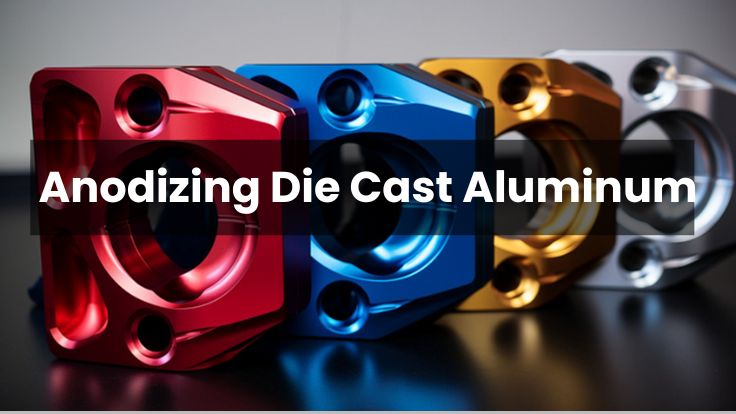
Anodizing die cast aluminum is a key metal finishing process that enhances durability, anti-seizing/corrosion and the looks of aluminum products that are extracted through die casting. With the ever-increasing demands of the industry to produce lighter-weight high-strength components for everything from car parts to electronics housing, its surface properties have become one of the most important things to add to it. Working behind the anodizing process is a controlled oxide layer that forms on the surface of aluminum by a technique of electrochemistry. Although the method has been thoroughly developed with regard to pure aluminum, its use with the alloy that is created in die casting has particular difficulties associated with it due to the inclusion of other elements such as silicon and zinc. This then brings the question to the mind of manufacturers as to whether you can anodise die-cast aluminum without sacrificing quality and appearance. To achieve performance levels under severe conditions, a combination of the techniques will be used by some industries that today are referred to as aluminum alloy die casting, plating anodizing. The technique is a combination of the strength of electroplating and anodizing, therefore, presenting better surface hardness, conductivity, and corrosion resistance. This article presents the science, techniques, and differences in anodizing die cast aluminum in order to give the complete picture to engineers, designers, and manufacturers who want to use a reliable and long-lasting surface finishing technology. What is die cast aluminum? Die casting entails pressing molten metal into a cavity of the mold at high pressure. Aluminum is lightweight and strong, making it an effective material for making durable parts with high dimensional accuracy. Nevertheless, due to a few impurities and porosities found in the process, surface finishing procedures such as anodizing die cast aluminum are made complex. It is also common to add silicon and other additives to die-casting alloys of aluminium in order to improve fluidity and other mechanical properties. However, it complicates the work on surface treatment, because these very additives will disturb the process of anodizing.  The Science of Anodizing Anodizing is an electrochemical treatment to strengthen and thicken the oxide film that occurs naturally on metal and makes it harder. The method will increase service life/durability, resistance to corrosion, and appearance. Anodized finish on aluminum has a porous structure that is perfect to absorb sealed dyes and sealants, thus they provide good decorative and functional applications. The difficulty with anodizing die cast aluminum lies in its composition. High-silicon alloy does not anodize well, and a blotchy finish or diminished corrosion resistance can be a consequence. Therefore, alloy composition is important to get a successful anodized finish. What is an Anodizing Die Cast Aluminum? Anodizing die cast aluminum. The anodizing of die-cast aluminium is the electrochemical treatment of die-cast aluminium parts to produce a permanent, protective, frequently decorative layer of corrosion-resistant oxide on the surface. The technique comes in handy, especially in areas that require protection against corrosion, advancement of surface hardness, and a limited aesthetic effect. In the process known as the anodizing die cast aluminum, the aluminum part is inserted into an electrolytic bath of acid, usually sulfuric acid, and an electric current is generated in it. This leads to the oxidation of surface of the aluminium to produce an oxide film, which is controlled and uniform. The process can be complicated, though, given the particular make-up of die-cast aluminum, commonly containing high silicon and other alloying components. Nonetheless, industries keep on investing in technologies that help to maximize the quality of anodizing die cast aluminum. The final preparation of anodized finishing is performed by methods of surface preparation like polishing, acid etching and smutting to remove the contaminants. The list of items where anodising die cast aluminum is used and utilized is long, including automotive parts, consumer electronics and many more, either to serve some functional purpose, or as an ornament. Its capability to augment the life span of parts, as well as their vulnerability to environmental degradation, makes it a vital surface treatment technique in the contemporary manufacturing industry. Process The anodizing of die cast aluminium process consists of various important steps that must be followed to achieve a good, uniform, and quality finish, even though this is a challenging process due to factors that surround the use of die-cast metals. All steps should be well-regulated in order to address such challenges as porosity of the surface and inconsistency of alloys. 1. Cleaning & Degreasing Paint, grease and oil stick to a surface and need to be removed before anodising through cleaning. This will make the process of having the oxide formed over the surface of the material even throughout the process of the anodising die die-cast aluminium. 2. Etching And De-Smuttering The outer layer is then removed, leaving a clean metallic surface by etching using an alkaline solution. This is followed by a de-smutting process to remove the residues left over by the alloying elements, a common occurrence in anodising die cast aluminium. 3. Anodising ( Electrolytic Oxidation ) The component is immersed in an electrolytic solution, normally sulfuric acid, and attached as an anode. A controlled layer of oxide is generated by the use of an electric current. This step lies at the heart of the process of anodising die cast aluminium, because it defines the thickness, porosity and longevity of the final finish. 4. Colouring (Optional) Where the finish is colored, dyes may be added to the porous anodised surface. This process is normally applied in decorative processes where looks count as much as performance in anodising die cast aluminium. 5. Sealing Lastly, the part is sealed using hot water or nickel acetate; frequently, the sealing is done in hot water or nickel acetate to seal the pores and improve corrosion resistance. This process seals dyes and reinforces the oxide layer, nd the process of anodising die-cast aluminium is complete. All the steps of this process must be controlled accurately, and so must the types of die-cast materials which are

Οι καλύτεροι μεντεσέδες μεταλλικών πυλών για ανθεκτικότητα, ασφάλεια και στυλ

χύτευση αλουμινίου

The metal gate hinges are of various designs, styles and types to cover the varied requirements of the installation of gates. They are normally constructed using such sturdy elements as steel, stainless steel, or wrought iron, which are weather-resistant and durable. The right hinge would make a gate swing easily and safely, so that the gate will not sag and fall. A hinge is one of the most fundamental parts of gates that are usually ignored. The hinge is considered to be an essential thing in the work of any gate, its durability and performance in general. In both a residential garden gate, a heavy-duty commercial barrier and an ornamental entry, it is crucial to select the correct hinges.  The most popular of all the other options comprising the metal gate hinges are solid and durable, as well as versatile. These hinges are used to take the weight and the movement of gates and offer long-term performance. Custom hinges are the best way to get homeowners and the ones wishing to own a particular appearance, or hardness to use. Custom-made hinges can be made to suit specific needs, e.g. to accommodate unusual gate sizes, weights and weather conditions. This is also done in order to make sure that the hinge fits in the aesthetics of the gate. In this article, we are going to take the time to explore the world of what is known as metal gate hinges, what types of them there are and what the advantages are of having your set of hinges customised to fit what you need. What are the Metal Gate Hinges? Essentially, metal gate hinges are mechanisms that enable the movement of a gate on a swinging motion, as well as to fix a gate to a post, a wall, or a frame. The parts used in its making are usually sturdy metals like steel, brass, or even wrought iron, and these kinds are sure to sustain any form of weight or movement of gates in the coming years. The selection of the right type of metal gate hinges should depend on the description of the gate being applied, whether it is some kind of residential garden gate, a heavy-duty commercial gate, or some ornamental driveway gate. Metal gate hinges have various designs, all of which fit different types of gates and the climates of places where they are being installed. Butt hinges, continuous hinges and heavy-duty are the most prevalent types of designs. All these hinges have different functions associated with them that help in the performance of the gate in a way that it can tolerate the bad weather and corrosion over a period of time.  What are Hinges? The concept of the hinge is a mechanical attachment between one objects, and each one can move and pivot around the other. They are widely applied pins to be employed to fix doors, gates, cabinets, lids on movable parts of a structure, and other movable sections on immovable structures, so that there can be easy movement as well as controlled movement. The hinge is made up of two moving parts, with one of these parts fastened to the thing that is moving (such as a door or gate), and the other part fastened to whatever is not moving (such as a door frame or gate post). Upon affixing these components, this enables the object to swing closed and open. The kinds of Metal Gate Hinges are 1. Butt Hinges Hinging. Most gates, perhaps, use butt hinges. Such hinges are constructed in pairs, and they consist of two parts which fit together so that one of them is attached to the gate and another is attached to the post or the wall. They are also designed simply, thus can be installed easily and used on most gates since they will last a long time. In the case of residential and light commercial installations, butt hinges represent the most desirable option that fits into the category of the so-called metal gate hinges. 2. Continuous Hinges Continuous hinges are the perfect ones for bigger gates that demand more power and steadiness. The full length of the gate is hinged, and this offers even support at all parts of the gate to avoid sagging of the gate. In case of heavy gates or oversized gates, continuous hinges are particularly of use in the construction of such a gate. 3. Heavy-Duty Hinges Heavy-duty (metal gate hinges) are necessary in gates which receive a lot of traffic or are required to support a heavy weight. These are normally constructed of reinforced steel and are applied in industrial or commercial buildings, which offers the highest strength and hardness to heavy loads. 4. T-Hinges T hinges are pa rettier form of hinge which can be found in both useful and decorative gates. Because of their characteristically shaped T, they make excellent fits on gates where aesthetics concerns must be as much a focal point as performance. The most usual are the residential and aesthetic metal gate hinges. The Reason to Use Metal Door Hinges on Your Gate As metal door hinges are constructed and made in a similar way, they all have much in common. Although the metal gate hinges are exclusively made to work with gates, they are still similar to their door colleagues in many aspects. A smaller gate or the ones that require being closed and opened with ease, such as doors, can be fitted with what is described as metal door hinges. Although these hinges have the same kind of structure as the ones found in regular doors, they are normally built to carry bigger, heavier gates. Metal door hinges are available in a few types,s one is the concealed type, the pivoting type and the usual butt hinges. In case you want to install a gate that would require ease of use and an attractive image, then you can consider using the metal door hinges, which can give you the best solution. Although they

Τεχνικές κοπής αλουμινίου: από τις βασικές στις προηγμένες μεθόδους

Τεχνικές κοπής αλουμινίου: από τις βασικές στις προηγμένες μεθόδους

χύτευση αλουμινίου

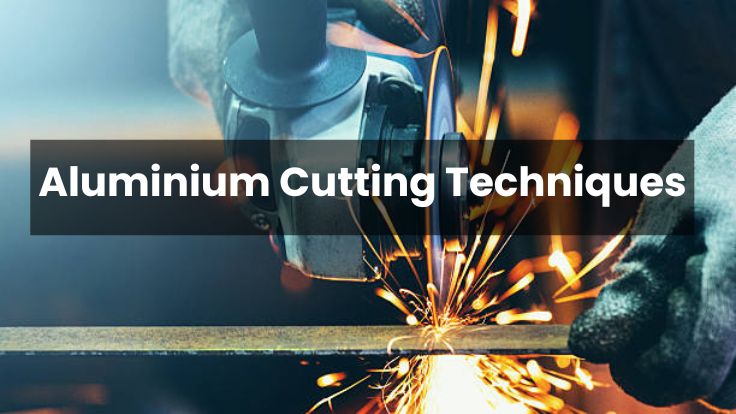
In numerous industries, such as the automotive or aerospace industries, electronics or construction, aluminum cutting is a significant process. The lightweight strength of aluminum and its corrosion resistance have made it a preference to manufacturers as well as to do-it-yourselfers. However, aluminum has to be cut with proper tools and a defensible strategy, so as to attain perfect cuts without destroying the material. Being a hobbyist or a professional fabricator, this knowledge will make your choices better, mistake-free, and the most excellent results in every aluminium cutting project. The hand tools, power saws and more recently, more sophisticated such as the aluminum laser cutting, are some modes of aluminum cutting. Laser-cut aluminum is a new and currently fast-growing alternative to classic techniques (that can complement more basic shapes). In case you intend to incorporate in your next project the so-called aluminium laser cutting, we will also present some design suggestions and cost-conscious recommendations. Here in this article, we will see all about what you need to know about the process of aluminum cutting, starting with the ancient ways of doing it, to the new form of laser process. We will discuss the advantages and disadvantages of each of the techniques, typical issues of the so-called laser cut aluminium, safety precautions to consider and which tools and equipment will be required.  What Is Aluminum Cutting? Cutting of aluminum material is the act of shaping, trimming or cutting aluminum material pieces, or proportioning the material into particular sizes or shapes through different tools and strategies. Since aluminium is light, strong, and corrosion-resistant, it finds its applications across a variety of industries: construction, aerospace, automotive, electronics, home DIY projects, etc. A lot of cutting methods of aluminium exist, depending on the thickness of the material, the shape wanted, or the required accuracy. Possible ways are: Pros and cons can be attributed to both of them, yet about the intention of cutting aluminum, there can never be a difference, and that is to get clean, precise and safe cuts with minimum waste and maximum productivity. Some of the Main Properties of Aluminium We cannot ignore the material before we start discussing the process of cutting it in the name of aluminium cutting. Aluminium is soft in its strength and more robust than numerous metals. It transfers heat fast, and this may be a source of challenge during the use of the cutting tools. Left unchecked, aluminium can clog up tools or give a poor finish. These properties have led to the involvement of various methods that facilitate in the cutting of aluminum in a better and precise manner. The selection of the method is based on the thickness of material, precision needed and the tools available. Conventional Names for Aluminium Cutting Before the invention of advanced machines and laser technologies, aluminium cutting was performed using primitive, manual methods. Although such techniques cannot bring the accuracy of the modern instruments, they are still commonly used in small projects, repairs and where cheapness and simplicity are essential interests. What about the old ways of aluminium cutting that have survived the test of time? 1. Hacksaws A hacksaw is a low mechanism, hand operated equipment manufactured to cut aluminium. It involves finely toothed blade which cuts soft metals. It is suitable in thin sheets, pipes or bars and cutting straight cuts on small aluminum pieces. Advantages   Disadvantages   2. Aviation Shears and Tin Snips   Tin snips, or aviation shears, can be used on thin aluminium. They are available in straight-cut, left-cut and right-cut versions of these scissors-like tools designed to work in sheet metal and, therefore, allow working with curves and angles that are very tight.   Advantages   Disadvantages   3. Handheld Nibblers   A portable nibbler nips off tiny bits of the aluminium as it travels over a line. It is perfect to cut curves, circles, or various patterns on sheet aluminium.   Advantages   Disadvantages   4. Jigsaws   A jigsaw is a power type of tool which can move in the up and down direction. it can cut through aluminum sheet or tubing when supplied with a fine-tooth metal blade. Jigsaws are quite handy in cutting customized shapes or curves.   Advantages   Disadvantages   5. Circular Saws   If a thicker sheet of aluminium is to be cut, a non-ferrous metal blade section can be mounted on a circular saw. These are the tools which are commonly used in construction and fabrication to cut straight lines.   Advantages   Disadvantages   6. Bandsaws   A bandsaw is a type of saw and incorporates a continuous looped blade that makes it suitable when cutting thicker stock and when straight lines or Geometry are needed. A lot of metal shops use bandsaws due to their flexibility and speed. Advantages Disadvantages Best Traditional Cutting Practices Typical Issues of Laser Cutting Aluminium  1. Reflective Surface On older CO 2 machines, lasers are reflected by aluminium, and fewer watts irradiate the material.Solution: Go with fibre lasers and adjust the angle or coat it. 2. Rough or hough Edges The edges are scorched or jagged on occasion.Fix: An alternative would be to use nitrogen rather than oxygen in the fixing phase, also to change the laser speed and power. 3. Heat Warping Aluminium can conduct heat very fast, and therefore, thin layers can get curved or warped during the cutting process.Solution: Employ less power and speedier speeds. Crimp the workpiece. 4. Sticky residue, Dross  Molten aluminium may attach to the bottom edge, resulting in a rough termination.Fix: Run high pressure of gas and maintain a clean as well as straight nozzle. 5. Unfinished or Unsuccessful Cuts The laser, in some cases, does not pierce well, or it leaves parts incomplete.Repair: Wash the metal, upgrade the software and check all worn components. 6. Discolouration and Oxidation Oxidation tends to darken or wear out a cut surface.Fix: clean the edges afterwards (if necessary) with nitrogen gas. 7. Cracks on the Edges Cuts that are very fast or hot may produce minute cracks and make the aluminium weak. New Technologies: Laser Cut Aluminium In laser-cut aluminium, a

Κύλιση στην κορυφή

Αποκτήστε μια προσφορά