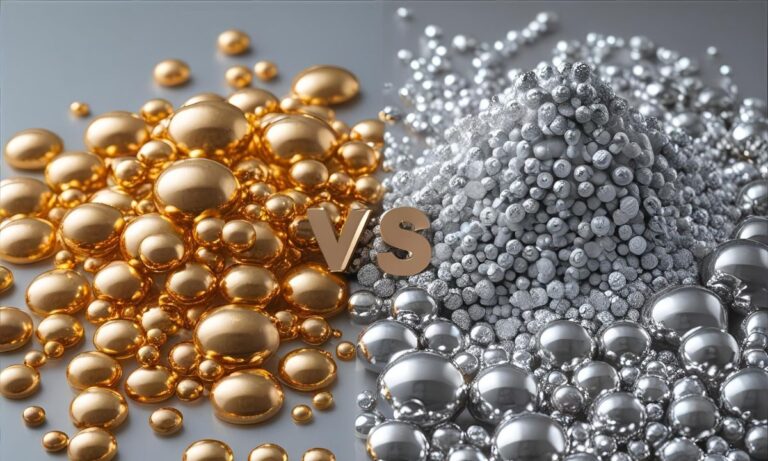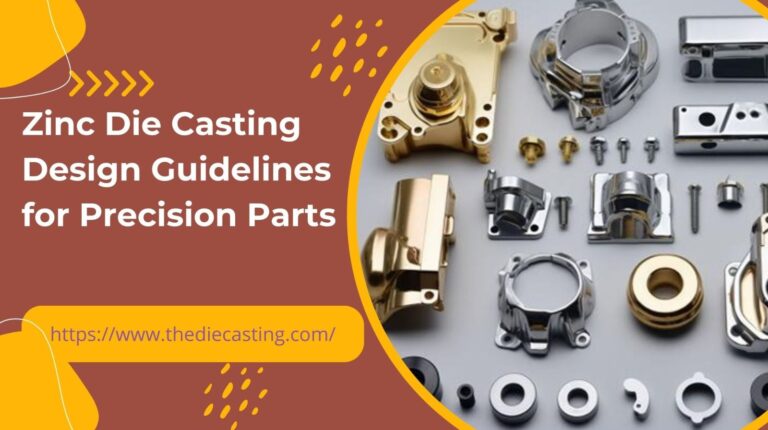
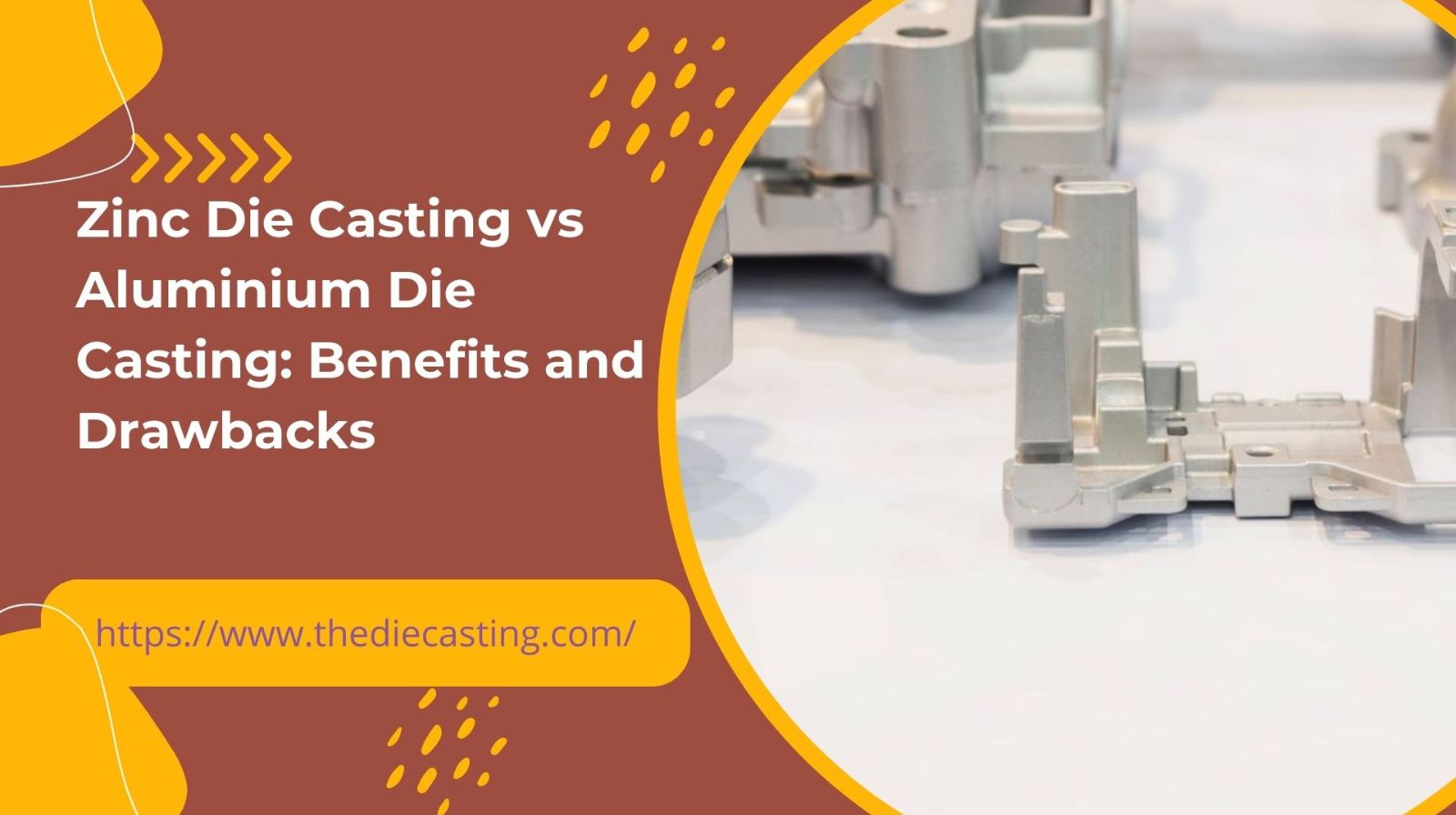
Η χύτευση υπό πίεση αποτελεί επίσης μια βιώσιμη και ευέλικτη διαδικασία στον κατασκευαστικό τομέα για την παραγωγή μεταλλικών προϊόντων υψηλής ακρίβειας. Το αλουμίνιο και ο ψευδάργυρος είναι από τα πιο κοινά κράματα χύτευσης υπό πίεση. Αν υποθέσουμε ότι ασχολείστε με την παραγωγή ενός προϊόντος, τη μηχανική ή τον εντοπισμό των συστατικών, θα πρέπει να συνειδητοποιήσετε τη διαφορά μεταξύ της χύτευσης με εκμαγείο ψευδαργύρου και της χύτευσης με εκμαγείο αλουμινίου.
Ο οδηγός θα βοηθήσει τους κατασκευαστές να επιλέξουν το καταλληλότερο κράμα για το έργο τους, είτε πρόκειται για εξαρτήματα αυτοκινήτων, ηλεκτρονικά ή καταναλωτικά αγαθά. Η χύτευση υπό πίεση είναι μια διαδικασία έκχυσης θερμού λιωμένου μετάλλου σε καλούπι υπό υψηλή πίεση για την παραγωγή περίπλοκων σχημάτων με υψηλό επίπεδο επιφανειακών τελειωμάτων. Τόσο ο ψευδάργυρος όσο και το χύτευση αλουμινίου έχουν τα δικά τους πλεονεκτήματα και μειονεκτήματα.
Θα παρέχουμε επίσης λεπτομερείς συγκρίσεις, μια ταχεία προβολή σε μορφή πίνακα και επαγγελματικά σχόλια για να σας βοηθήσουμε να λάβετε μια τεκμηριωμένη απόφαση. Στο τέλος, θα κατανοήσετε σαφώς τη διαφορά μεταξύ χύτευση ψευδαργύρου και χύτευση αλουμινίου, και πότε να χρησιμοποιήσετε οποιοδήποτε από αυτά. Ας εξερευνήσουμε τους βασικούς παράγοντες.
Τι είναι η χύτευση σε μήτρα; Μια γρήγορη επισκόπηση
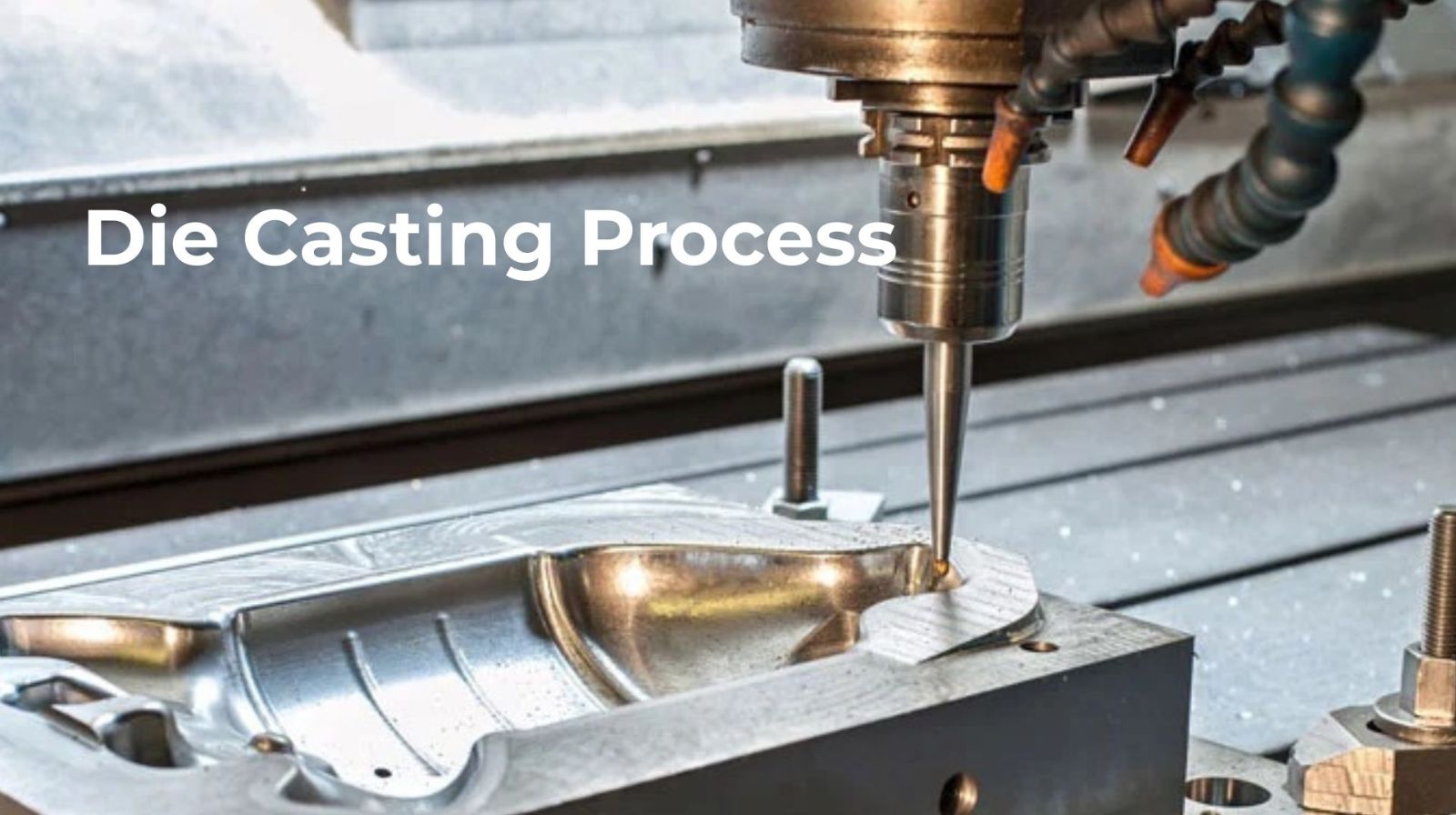
Είναι ζωτικής σημασίας να κατανοήσετε τη διαδικασία χύτευσης πριν συγκρίνετε τη χύτευση ψευδαργύρου και τη χύτευση αλουμινίου. Η χύτευση με εκμαγείο είναι μια διαδικασία πίεσης λιωμένου μετάλλου σε κοιλότητα καλουπιού υπό υψηλή πίεση (1.000 έως 20.000 psi). Το σκληρυμένο χαλύβδινο καλούπι ή μήτρα μπορεί συνήθως να παράγει χιλιάδες παρόμοια εξαρτήματα με στενές ανοχές.
Τύποι χύτευσης
Χύτευση σε καυτό θάλαμο
Εφαρμόζεται σε μέταλλα χαμηλού σημείου τήξης, όπως ο ψευδάργυρος. Το σύστημα έγχυσης βυθίζεται σε λιωμένο μέταλλο.
Χύτευση ψυχρού θαλάμου
Είναι καλύτερο όταν το μέταλλο έχει υψηλότερη θερμοκρασία τήξης, όπως το αλουμίνιο. Η φόρτωση του λιωμένου μετάλλου στο θάλαμο γίνεται για να αποφευχθεί η πρόκληση ζημιών στη μηχανή.
Προτιμάται για την ταχύτητα, την ακρίβεια και την ικανότητά του να δημιουργεί πολύπλοκα σχέδια χωρίς εκτεταμένη μετα-επεξεργασία. Σε αυτό το σημείο, θα συγκρίνουμε τα δύο κράματα αστέρων: τον ψευδάργυρο και το αλουμίνιο.
Πρωταρχικές ιδιότητες της χύτευσης ψευδαργύρου και αλουμινίου
Η απόφαση μεταξύ χύτευσης ψευδαργύρου και αλουμινίου περιορίζεται συχνά στα χαρακτηριστικά του υλικού. Ο ψευδάργυρος (και είναι συνήθως κραματωμένος ως Zamak) και το αλουμίνιο (όπως το ADC12 ή το A380) δεν έχουν τις ίδιες αντοχές, βάρος, αντοχή στη διάβρωση κ.λπ.
Αντοχή και ανθεκτικότητα
Κράματα ψευδαργύρου αναφέρεται ότι διαθέτουν μεγάλη αντοχή σε κρούση και ολκιμότητα. Μπορούν να αντέξουν σημαντικές καταπονήσεις χωρίς να σπάσουν, γεγονός που τα καθιστά κατάλληλα για εξαρτήματα που πρέπει να κάμπτονται ή να διαμορφώνονται μετά τη χύτευση. Κράματα αλουμινίου, από την άλλη πλευρά, υπερτερούν σε αντοχή σε εφελκυσμό και σκληρότητα, ιδίως σε δομές.
Βάρος και πυκνότητα
Σε σύγκριση με τον ψευδάργυρο, ο οποίος έχει πυκνότητα 6,6 g/cm 3, το αλουμίνιο είναι ελαφρύτερο (d = 2,7 g/cm 3). Αυτό συμβάλλει στη χρήση του αλουμινίου σε βιομηχανίες που απαιτούν χαμηλό βάρος, όπως η αεροδιαστημική βιομηχανία.
Σημείο τήξης και χυτευσιμότητα
Ο ψευδάργυρος λιώνει στους 380-390 °C περίπου, επιτρέποντας στις μηχανές θερμού θαλάμου να λειτουργούν ταχύτερα. Το αλουμίνιο λιώνει μόνο στους 660 °C, πράγμα που σημαίνει διεργασίες ψυχρού θαλάμου που μπορεί να επιβραδύνουν την παραγωγή αλλά επιτρέπουν λεπτότερα τοιχώματα.
Αντοχή στη διάβρωση
Και τα δύο έχουν καλή αντοχή- ωστόσο, το αλουμίνιο αποδίδει καλύτερα σε δύσκολες συνθήκες, επειδή σχηματίζει φυσικά μια προστατευτική επίστρωση οξειδίου. Η χρήση ψευδαργύρου σε εξωτερικούς χώρους απαιτεί επίστρωση.
| Χαρακτηριστικά | Χύτευση ψευδαργύρου | Χύτευση αλουμινίου |
| Σημείο τήξης | 380-390 μοίρες | 660 μοίρες |
| Αντοχή σε εφελκυσμό | 280-400 | 200-300 |
| Πυκνότητα | 6.6 | 2.7 |
| Θερμική αγωγιμότητα | 109 | 100-140 |
| Ηλεκτρική αγωγιμότητα | Υψηλή | Πολύ υψηλή |
| Αντοχή στην κρούση | Εύκαμπτο | Εύθραυστο |
| Αντοχή στη διάβρωση | Καλή | Το καλύτερο |
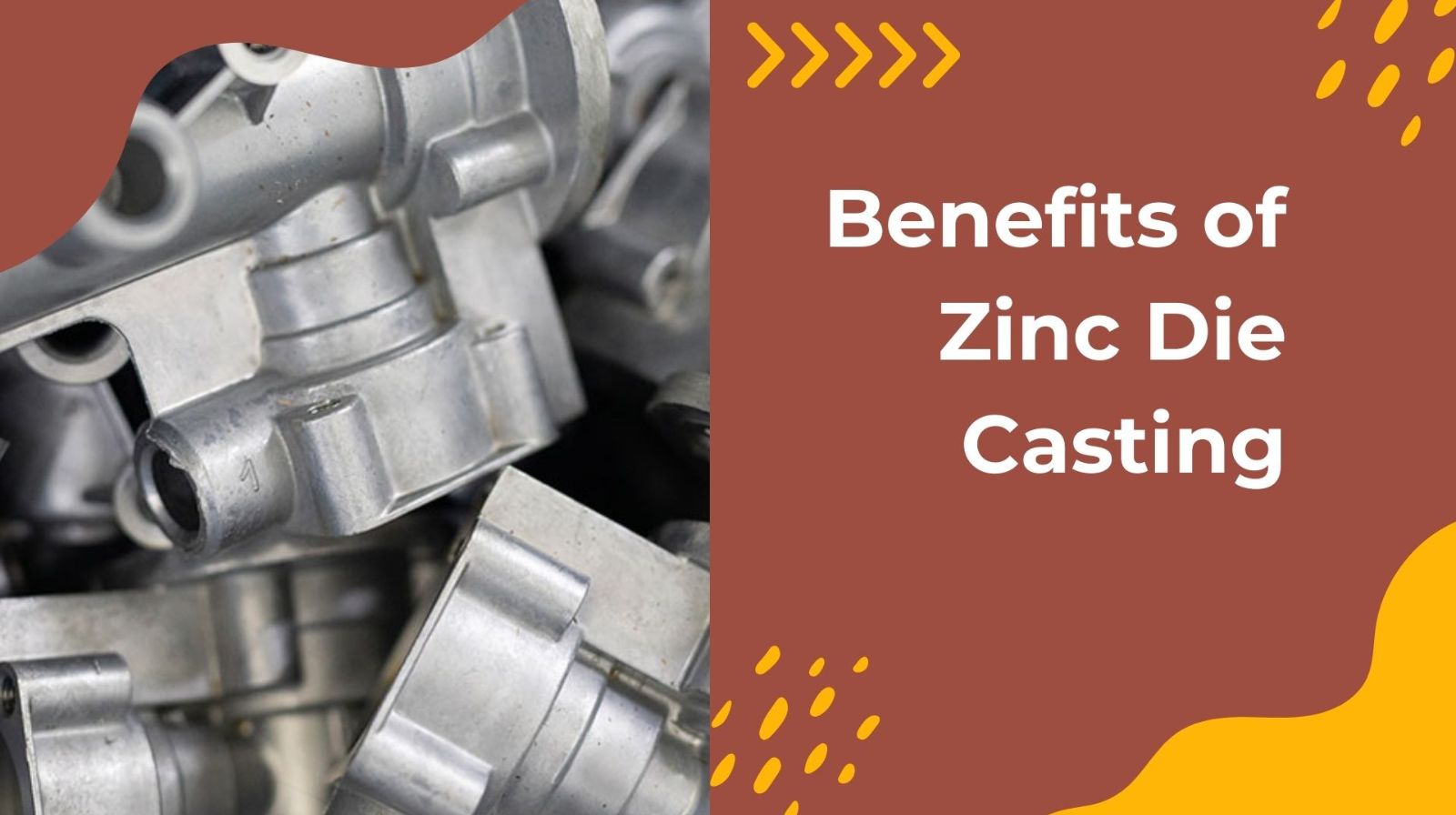
Οφέλη της χύτευσης ψευδαργύρου
Η ευελιξία της χύτευσης ψευδαργύρου έχει καταστήσει τη χύτευση ψευδαργύρου μια αξιόπιστη επιλογή για περισσότερα από εκατό χρόνια. Αυτός είναι ο λόγος για τον οποίο οι κατασκευαστές την αγαπούν:
Εξαιρετική ακρίβεια διαστάσεων
Ο ψευδάργυρος παραμένει άθικτος σε 0,05 mm ή λιγότερο, εξαλείφοντας την ανάγκη για δευτερογενή κατεργασία. Ο κατασκευαστής μπορεί να επιτύχει ακραία ακρίβεια διαστάσεων με καλούπια χύτευσης ψευδαργύρου.
Υψηλό φινίρισμα
Η ίδια η πρώτη ύλη έχει φινίρισμα υψηλής ποιότητας. Τα μέρη βγαίνουν καθαρά και συχνά δεν απαιτούν πρόσθετη στίλβωση πριν από την επιμετάλλωση ή τη βαφή.
Παρατεταμένη διάρκεια ζωής εργαλείων
Ο ψευδάργυρος λιώνει εύκολα, οπότε οι μήτρες φθείρονται λιγότερο, με αποτέλεσμα χαμηλότερο μακροπρόθεσμο κόστος εργαλείων. Τα προϊόντα είναι ανθεκτικά στη διάβρωση και τη φθορά, με αποτέλεσμα μεγαλύτερη διάρκεια ζωής.
Γρήγορη ταχύτητα παραγωγής
Το λιωμένο υλικό στερεοποιείται μέσα σε 15-30 δευτερόλεπτα. Αυτό καθιστά τη χύτευση ψευδαργύρου κατάλληλη για παραγωγή μεγάλου όγκου. Η μεγάλης κλίμακας βιομηχανία το χρησιμοποιεί για να βελτιώσει και να αυξήσει την παραγωγή.
Προσιτό για μικρά εξαρτήματα
Ο ψευδάργυρος είναι ιδανικός για σύνθετα, μικρά εξαρτήματα, όπως κλειδαριές, γρανάζια και σιδηρικά. Όμως, οι εφαρμογές που είναι ευαίσθητες στο βάρος μπορεί να κάνουν τον ψευδάργυρο λιγότερο επιθυμητό λόγω της μεγαλύτερης πυκνότητάς του. Παραδείγματα τυποποιημένων κραμάτων περιλαμβάνουν το Zamak 3 (γενικής χρήσης) και το Zamak 5 (υψηλότερης αντοχής).
Εφαρμογές
Σε άλλες βιομηχανίες, όπως ο τομέας της αυτοκινητοβιομηχανίας, ο ψευδάργυρος χρησιμοποιείται σε χειρολαβές θυρών και στηρίγματα. Στην περίπτωση των ηλεκτρονικών, προτιμάται σε συνδέσεις επειδή μπορεί να θωρακίσει έναντι της ηλεκτρομαγνητικής ακτινοβολίας.
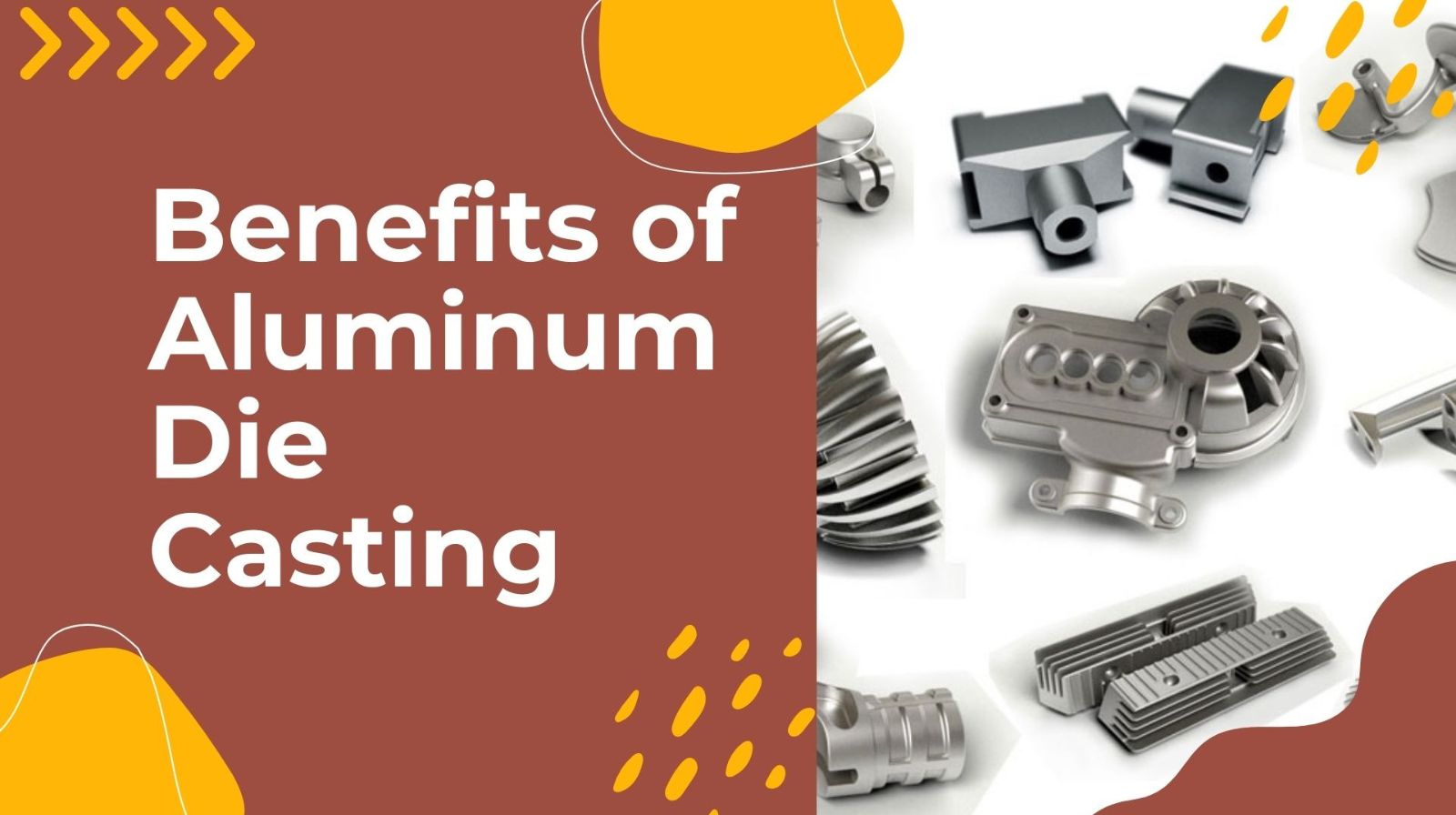
Οφέλη της χύτευσης αλουμινίου
Σε μεγαλύτερα και δομικά εξαρτήματα, η χύτευση αλουμινίου με χύτευση υπό πίεση κατέχει ηγετική θέση. Τα πλεονεκτήματά της περιλαμβάνουν:
Ελαφρύ και ισχυρό
Τα εξαρτήματα αλουμινίου μπορούν να μειώσουν το συνολικό βάρος του προϊόντος κατά 50 τοις εκατό σε σύγκριση με τον χάλυβα ή τον ψευδάργυρο. Το αλουμίνιο είναι ελαφρύ αλλά ισχυρό. Αυτό καθιστά τη χύτευση αλουμινίου ιδανική για την παραγωγή προϊόντων που είναι κατάλληλα για εφαρμογές υψηλής αντοχής.
Εξαιρετική αντοχή στη διάβρωση
Δεν χρειάζεται περαιτέρω επίστρωση στις περισσότερες περιπτώσεις, γεγονός που εξοικονομεί χρόνο και χρήμα. Τα προϊόντα που κατασκευάζονται από χύτευση αλουμινίου έχουν μεγαλύτερη διάρκεια ζωής και παραμένουν ανέπαφα.
Καλή θερμική και ηλεκτρική αγωγιμότητα
Η ικανότητα του αλουμινίου να άγει τον ηλεκτρισμό και τη θερμότητα το καθιστά ιδανικό για ένα ευρύ φάσμα εφαρμογών. Είναι ιδανικό για χρήση σε ψύκτρες, μπλοκ κινητήρα και ηλεκτρικά περιβλήματα.
Ανακυκλωσιμότητα
Η διαδικασία χύτευσης αλουμινίου είναι η καλύτερη λόγω της υψηλής ανακυκλωσιμότητάς της -100% ανακύκλωση αλουμινίου, σύμφωνα με τις τάσεις βιώσιμης παραγωγής.
Δυνατότητα λεπτού τοιχώματος
Η χύτευση αλουμινίου μπορεί να παράγει τοιχώματα τόσο λεπτά όσο 0,5 mm, επιτρέποντας πολύπλοκα σχέδια.
Μειονεκτήματα
- Το αλουμίνιο είναι λιγότερο αποδοτικό και πιο δύσκολο στην κατεργασία.
- Η χυτευσιμότητα και η ισορροπία αντοχής είναι το κλειδί για κράματα όπως το A380.
- Το αλουμίνιο εφαρμόζεται σε πλαίσια και εξαρτήματα στην αεροδιαστημική βιομηχανία.
- Χρησιμοποιείται για ελαφριά ανθεκτικότητα στο περίβλημα του φορητού υπολογιστή στα ηλεκτρονικά είδη ευρείας κατανάλωσης.
Αντιφάσεις και μειονεκτήματα
Κανένα υλικό δεν είναι τέλειο. Στην περίπτωση της χύτευσης ψευδαργύρου σε σύγκριση με τη χύτευση αλουμινίου, αυτά είναι τα μειονεκτήματα:
Περιορισμοί χύτευσης ψευδαργύρου
- Ο ψευδάργυρος είναι βαρύτερος και έχει χαμηλότερο σημείο τήξης.
- Επομένως, δεν μπορεί να χρησιμοποιηθεί σε υψηλές θερμοκρασίες.
- Υπό συνεχή φορτία θα ερπάζει ή θα παραμορφώνεται.
Περιορισμοί χύτευσης αλουμινίου
- Το πορώδες είναι επικίνδυνο- είναι εύθραυστο και πιο περίπλοκο να λιώσει.
- Επομένως, απαιτείται περισσότερη ενέργεια για την παραγωγή του, γεγονός που το καθιστά ακριβότερο.
- Οι περιβαλλοντικοί παράγοντες τους επηρεάζουν.
- Η εξόρυξη ψευδαργύρου μπορεί να είναι εντατική και η παραγωγή αλουμινίου εκπέμπει περισσότερο CO2, αλλά η ανακύκλωση το εξαλείφει αυτό.
Σύγκριση του κόστους: Χύτευση ψευδαργύρου έναντι χύτευσης αλουμινίου
Ένας σημαντικός παράγοντας στη μήτρα ψευδαργύρου έναντι χύτευση αλουμινίου είναι το κόστος. Οι πρώτες ύλες είναι συνήθως φθηνότερες, όπως ο ψευδάργυρος (2-3/kg) σε σύγκριση με το αλουμίνιο (2-4/kg), αλλά η κατασκευή εργαλείων και η κατασκευή είναι διαφορετικές.
Κόστος εργαλείων
Οι μήτρες ψευδαργύρου έχουν μεγαλύτερη διάρκεια ζωής (έως και 1 εκατομμύριο βολές) και κοστίζουν $5,000-50,000. Παρόμοιες, αλλά φθείρονται πιο γρήγορα, είναι οι μήτρες αλουμινίου (100.000-500.000 βολές).
Κόστος παραγωγής
Ο ψευδάργυρος έχει συντομότερους κύκλους και ελαχιστοποιεί το κόστος ανά τεμάχιο σε μεγάλες ποσότητες. Η τιμή του αλουμινίου μπορεί να αυξηθεί κατά 20-30% λόγω του υψηλότερου ενεργειακού κόστους.
Συνολική εξοικονόμηση
Ο ψευδάργυρος επικρατεί σε μικρές παρτίδες (λιγότερο από 10.000 τεμάχια). Η ανθεκτικότητα του αλουμινίου είναι εμφανής σε μεγάλα, ελαφριά εξαρτήματα.
| Παράγοντες κόστους | Χύτευση αλουμινίου | Χύτευση ψευδαργύρου |
| Πρώτες ύλες | 2-4$ | 2-3$ |
| Διάρκεια ζωής εργαλείων | 100.000-500.000 λήψεις | 500.000-1.000.000 λήψεις |
| Χρόνος κύκλου | 30-60 | 15-30 |
| Δευτερογενής επεξεργασία | Μέτρια | Χαμηλή |
| Κόστος ανά τεμάχιο | $0.75-3.00 | $0.50-2.00 |
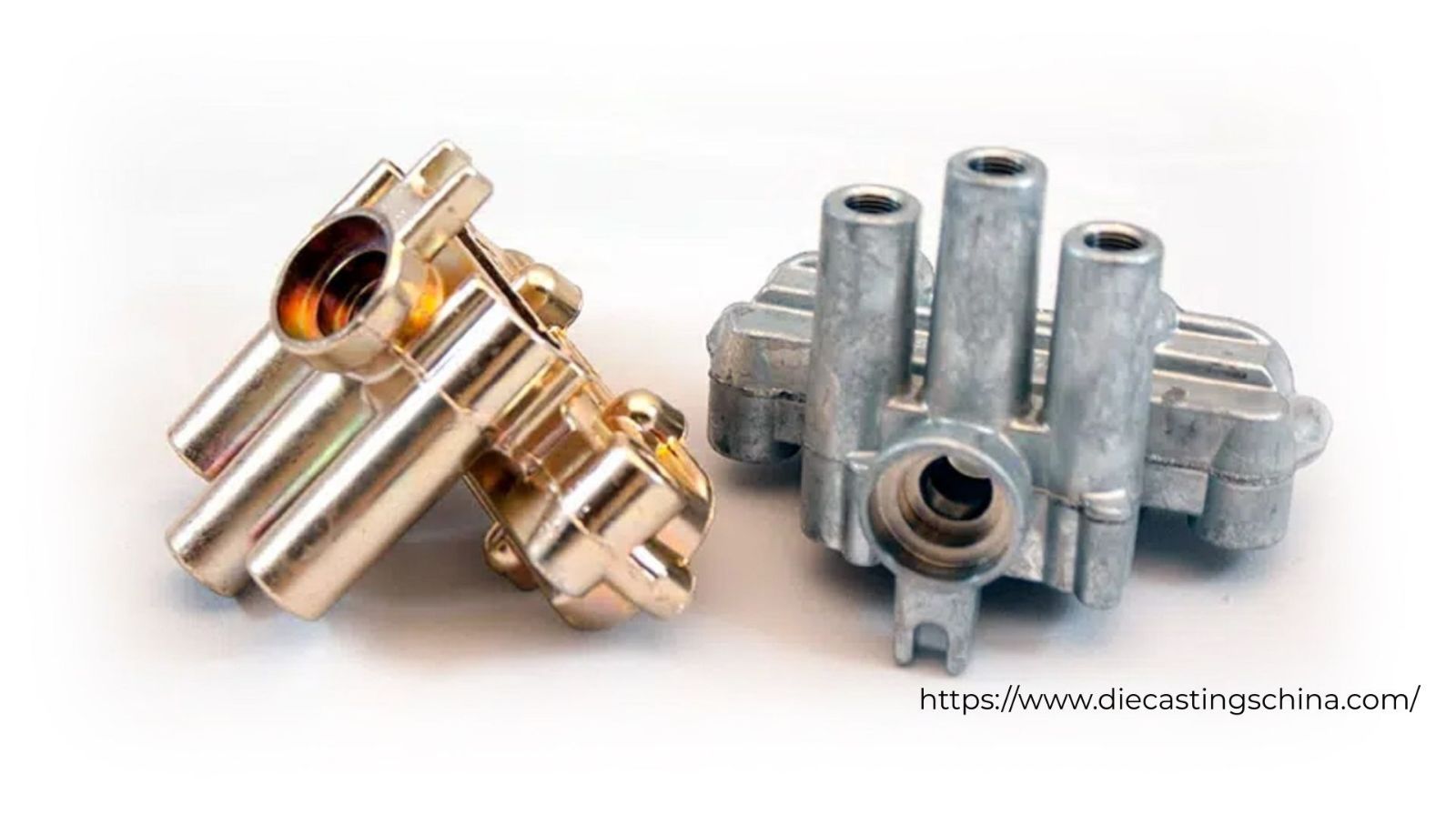
Εφαρμογές: Πού λάμπει το καθένα
Η επιλογή μεταξύ χύτευσης ψευδαργύρου και χύτευσης αλουμινίου εξαρτάται από την τελική χρήση.
Εφαρμογές της χύτευσης ψευδαργύρου
Η χρήση των χύτευση ψευδαργύρου σε διάφορους κλάδους έχει ως εξής:
- Στην αυτοκινητοβιομηχανία, η χύτευση ψευδαργύρου χρησιμοποιείται για την κατασκευή σωμάτων καρμπυρατέρ και αντλιών καυσίμου.
- Στην ηλεκτρολογική βιομηχανία, η χύτευση ψευδαργύρου χρησιμοποιείται για εφαρμογές τοποθέτησης και μεταγωγής.
- Οι κατασκευαστές υλικού το χρησιμοποιούν για την κατασκευή κλειδαριών και μεντεσέδων.
- Το φινίρισμα της επιφάνειας του προϊόντος από χυτοπρεσσαριστό ψευδάργυρο ενισχύει την αισθητική του. Τα προϊόντα αυτά μπορούν να χρησιμοποιηθούν σε διακοσμητικά προϊόντα.
Εφαρμογές της χύτευσης αλουμινίου
Διαφορετικές βιομηχανίες χρησιμοποιούν χύτευση αλουμινίου ως πρωταρχική παραγωγική διαδικασία για την παραγωγή προϊόντων.
- Η χύτευση αλουμινίου είναι ιδανική για την κατασκευή κιβωτίων ταχυτήτων και μπλοκ κινητήρων στην αυτοκινητοβιομηχανία.
- Διάφορα εξαρτήματα στην αεροδιαστημική βιομηχανία κατασκευάζονται από χύτευση αλουμινίου.
- Τα περιβλήματα LED και τα εξαρτήματα υπολογιστών στα ηλεκτρονικά κατασκευάζονται με χύτευση αλουμινίου.
- Αυτή η διαδικασία παράγει αντλίες και βαλβίδες.
- Η αντοχή του αλουμινίου είναι κατάλληλη για την ανάληψη φορτίου.
- Τα περιβλήματα των μπαταριών στα ηλεκτρικά οχήματα είναι κατασκευασμένα από αλουμίνιο για εξοικονόμηση βάρους και οι πιο μικροσκοπικοί σύνδεσμοι είναι κατασκευασμένοι από ψευδάργυρο.
Διαφορές στη διαδικασία κατασκευής
Κατασκευή χύτευσης ψευδαργύρου έναντι χύτευσης αλουμινίου οι διαδικασίες είναι ελαφρώς διαφορετικές:
- Προετοιμασία: και οι δύο ξεκινούν με την τήξη ενός κράματος.
- Ένεση: Ψυχρός θάλαμος που χρησιμοποιείται στο αλουμίνιο.
- Ψύξη και εκτίναξη: Ψύξη ψευδαργύρου με μεγαλύτερο ρυθμό.
- Η τελική επεξεργασία και των δύο, ωστόσο, μπορεί να γίνει με μηχανική κατεργασία, με τον ψευδάργυρο να είναι ευκολότερη.
Ο έλεγχος της ποιότητας περιλαμβάνει την εξέταση του πορώδους (εγκλωβισμός αερίων) και της συστολής. Πολύπλοκες διεργασίες όπως η χύτευση υπό κενό ελαχιστοποιούν τις ατέλειες στο αλουμίνιο.
Μεταγενέστερη επεξεργασία και φινίρισμα επιφανειών
Η λειτουργικότητα και το στυλ βελτιώνονται μέσω της μετα-επεξεργασίας.
- Στο φινίρισμα χύτευσης ψευδαργύρου, ένα εξαιρετικό φινίρισμα σε έναν καθρέφτη (χρώμιο, νικέλιο) επιτυγχάνεται με ηλεκτρολυτική επίστρωση. Η επίστρωση σε σκόνη είναι στάνταρ.
- Ενώ στο χύτευση αλουμινίου, το χρώμα και η προστασία επιτυγχάνονται μέσω ανοδίωσης, η αισθητική μέσω βαφής.
| Χαρακτηριστικά | Χύτευση ψευδαργύρου | Χύτευση αλουμινίου | Επίπτωση στο κόστος |
| Ζωγραφική | Καλή | Εξαιρετικό | Μεσαίο |
| Στίλβωση | Υψηλή λάμψη | Μέτρια | Χαμηλός αντίκτυπος |
| Επίστρωση σε σκόνη | Καλή | Δίκαιη | Χαμηλή |
| Ανοδίωση | Φτωχό | Εξαιρετικό | Χαμηλή |
| Ηλεκτρολυτική επιμετάλλωση | Εξαιρετικό | Καλή | Μεσαίο |
Αειφορία και περιβαλλοντική διαχείριση
Στη σημερινή μεταποίηση, η βιωσιμότητα διαδραματίζει σημαντικό ρόλο. Οι περιβαλλοντικές επιπτώσεις της χύτευσης ψευδαργύρου και της χύτευσης αλουμινίου διαφέρουν.
- Χύτευση ψευδαργύρου: Αυτό δεν είναι μόνο πλήρως ανακυκλώσιμο, αλλά εξάγεται επίσης με τη χρήση βαρέων μετάλλων. Η ενέργεια για την τήξη είναι χαμηλότερη.
- Χύτευση αλουμινίου: Ωστόσο, η ανακύκλωση καταναλώνει το 95% της ενέργειας. Είναι απεριόριστα ανακυκλώσιμο.
- Οι δύο αυτές συσκευές είναι σύμφωνες με τα πρότυπα RoHS. Χρησιμοποιήστε προμηθευτές πιστοποιημένους κατά ISO 14001 για πρακτικές φιλικές προς το περιβάλλον.
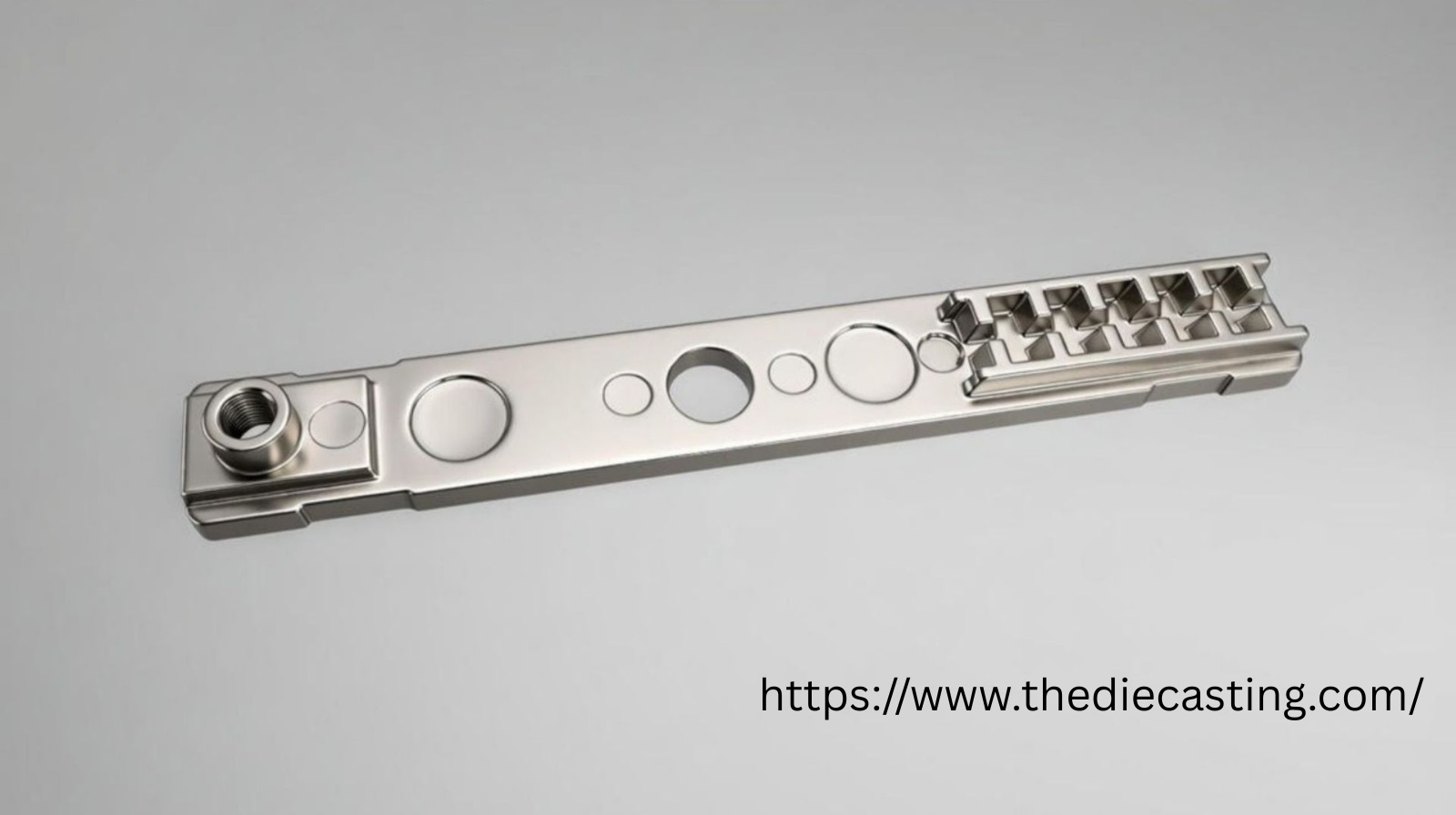
Ποιο είναι καλύτερο: Ψευδάργυρος ή Αλουμίνιο; Ένα πλαίσιο απόφασης
Για να πάρετε μια απόφαση σχετικά με τη χύτευση ψευδαργύρου ή τη χύτευση αλουμινίου, ρωτήστε:
- Το βάρος αποτελεί προτεραιότητα; Ο κατασκευαστής πρέπει να επιλέξει αλουμίνιο.
- Απαιτείται υψηλή αντοχή σε μικρά μέρη; Η χύτευση ψευδαργύρου είναι η καλύτερη λύση.
- Περιορισμοί στον προϋπολογισμό; Ο κατασκευαστής μπορεί να χρησιμοποιήσει χύτευση ψευδαργύρου για χαμηλότερο αρχικό κόστος.
- Όταν απαιτούνται ανοχές σε υψηλές θερμοκρασίες, τα χυτά προϊόντα αλουμινίου είναι ιδανικά.
Το κατασκευαστές χύτευσης μήτρας πρέπει:
- Καθορίστε τις ανάγκες του εξαρτήματος (μέγεθος και αντοχή)
- Αξιολογήστε τους όγκους παραγωγής
- Λάβετε υπόψη τους περιβαλλοντικούς παράγοντες
- Λήψη δειγμάτων από τους κατασκευαστές
- Συγκρίνετε τιμές
Αφού αξιολογήσει όλους αυτούς τους παράγοντες, ο αγοραστής μπορεί να λάβει τεκμηριωμένη απόφαση. Η χρήση της χύτευσης ψευδαργύρου ή της χύτευσης αλουμινίου είναι μια απόφαση που εξαρτάται αποκλειστικά από την εφαρμογή. Η χρήση του προϊόντος εξαρτάται από την επιλογή και των δύο υλικών.
Καλύτεροι κατασκευαστές χυτοπρεσαρίσματος ψευδαργύρου και αλουμινίου
Η Κίνα οδηγεί στη χύτευση. Οι κορυφαίες εταιρείες περιλαμβάνουν:
- GC Precision Mold Co., Ltd..: Κράματα ειδικεύονται και στα δύο.
- Die Castings Κίνα: Παρέχει ψευδάργυρο και αλουμίνιο.
- TheDiecasting.com: Ειδικεύεται σε ειδικές εργασίες.
Ελέγξτε για να βρείτε την πιστοποίηση ποιότητας IATF 16949 στον τομέα της αυτοκινητοβιομηχανίας.
Μελλοντικές τάσεις στη χύτευση υπό πίεση
Στη βιομηχανία, υπάρχει μια αλλαγή σε:
- Καινοτομίες κράματος: κράματα ψευδαργύρου-αλουμινίου.
- Ρομποτοποίηση: Ρομποτοποίηση: Τεχνητή Νοημοσύνη στην ανίχνευση ελαττωμάτων.
- Βιωσιμότητα: Λιπαντικά από προϊόντα βιολογικής προέλευσης.
- Τα ηλεκτρικά αυτοκίνητα μπορούν να αυξήσουν τη ζήτηση αλουμινίου κατά 20 τοις εκατό έως το 2030.
Συμπέρασμα
Χύτευση ψευδαργύρου και η χύτευση αλουμινίου έχουν σαφή πλεονεκτήματα και μειονεκτήματα. Ο ψευδάργυρος εφαρμόζεται καλύτερα σε μικρά, περίπλοκα εξαρτήματα που είναι πολύ ακριβή, έχουν λεπτό φινίρισμα και μπορούν να κατασκευαστούν γρήγορα και με χαμηλό κόστος. Είναι αποτελεσματικός σε σημαντικούς όγκους παραγωγής όπου η στεγανότητα είναι υψίστης σημασίας.
Το αλουμίνιο, με τη σειρά του, είναι καταλληλότερο για ελαφριές και δομικές εφαρμογές, καθώς και για εφαρμογές υψηλής θερμοκρασίας. Η αναλογία βάρους προς αντοχή, η αντοχή στη διάβρωση και η ανακυκλωσιμότητα το έχουν καταστήσει προτιμώμενο υλικό στην αυτοκινητοβιομηχανία, την αεροδιαστημική και την ηλεκτρονική βιομηχανία.
Η σωστή επιλογή εξαρτάται από το μέγεθος του εξαρτήματος, το φορτίο, τις συνθήκες εργασίας, την παραγωγή και τον προϋπολογισμό. Η κριτική αξιολόγηση αυτών των παραμέτρων θα επιτρέψει στις κατασκευαστικές εταιρείες να επιλέξουν το κράμα που παρέχει την ιδανική απόδοση, το κόστος και την αξιοπιστία μακροπρόθεσμα.