alumiinivalu

12 todistettua tapaa vähentää sulan alumiinin kuonaa ja tehostaa talteenottoa

alumiinivalu

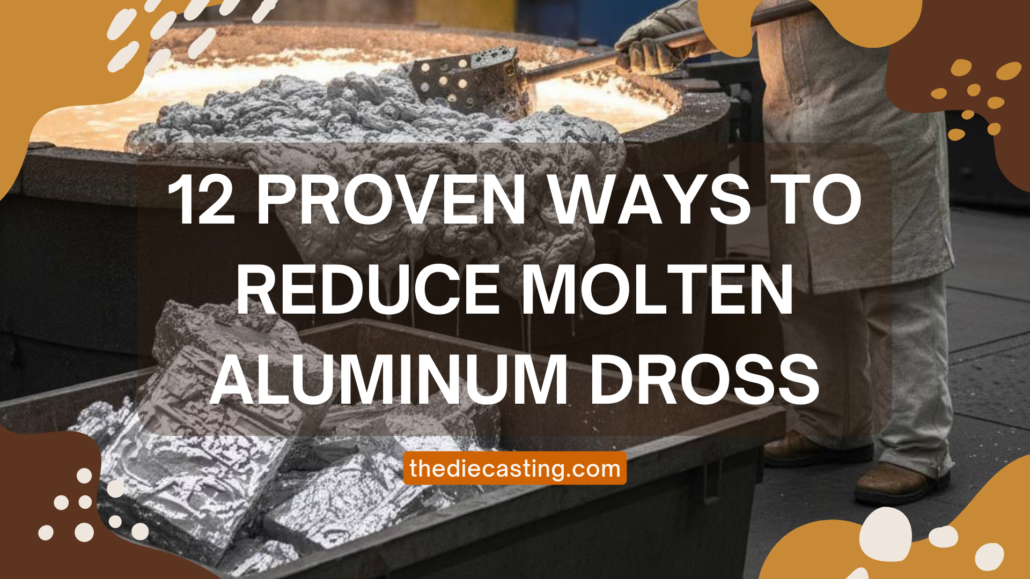
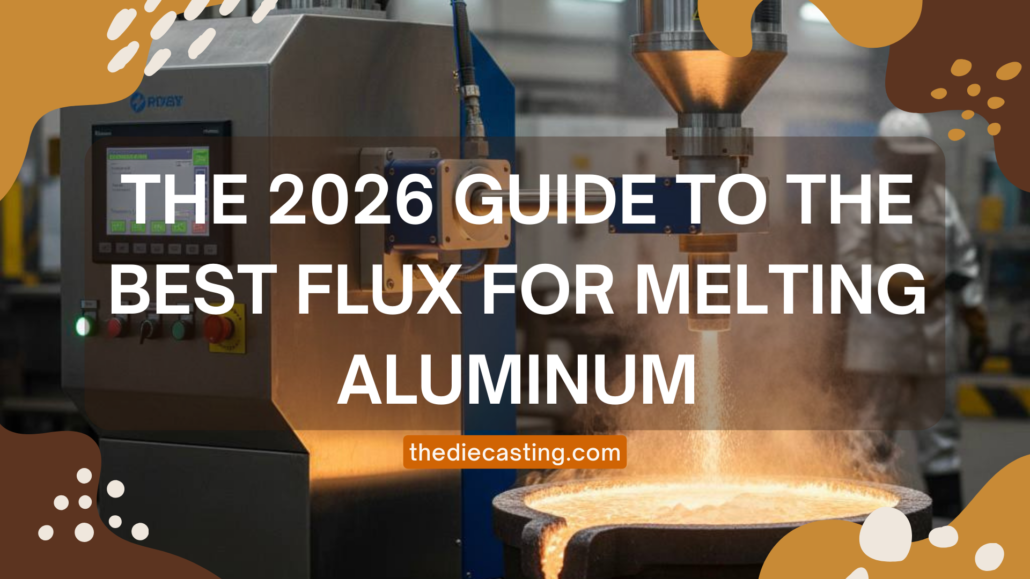
Tänään käärimme hihat ja suuntaamme valimon sydämeen puuttumaan yhteen alan kalleimmista päänvaivoista: alumiinin sulatuskuonaan. Jos olet koskaan tutustunut tyypilliseen, kiinteää alumiinia sulattavaan reverberatoriouuniin, tiedät, että se, mitä sulan pinnalla tapahtuu, voi tehdä tai rikkoa voittomarginaalisi. Säilyttääkseen kilpailukykynsä jokaisen valimon johtajan on tiedettävä tarkalleen, miten alumiinisulan kuona-aineita voidaan vähentää ennen kuin ne syövät heidän tuloksensa. Kun puhumme alumiinin talteenotosta, puhumme oikeastaan sodasta hapettumista vastaan. Jokaisessa uuniin syötettävässä alumiiniromussa on hyvin ohut alumiinioksidipeite. Sillä ei ole väliä, onko kyseessä raskas harkko vai kevyt sorvaus; tämä iho on olemassa. Kun romua kuumennetaan uunissa, korkeammat lämpötilat saavat kuoren kasvamaan nopeammin, varsinkin jos romua kuumennetaan ilmassa tai hapettavassa ympäristössä. Jos tätä hapettumista ei valvota, se johtaa valtavaan jätteeseen, minkä vuoksi on ratkaisevan tärkeää ottaa käyttöön strategioita, joilla vähennetään sulan alumiinikuonaa sulatussyklin aikana. Tämä opas on suunniteltu auttamaan sinua vähentämään sulan alumiinin kuonaa ja maksimoimaan alumiinin talteenotto käyttämällä sekä maalaisjärjen mukaista huoltoa että kehittyneitä kemiallisia strategioita. Alumiinisulatuksen kuonan ymmärtäminen Jotta voit vähentää tehokkaasti sulan alumiinin kuonaa, sinun on ensin ymmärrettävä tarkalleen, mitä se on. Kun alumiini sulaa, alumiinioksidi kelluu pinnalle muodostaen toisen faasin, joka tunnetaan nimellä kuona. Mutta se ei ole pelkkää “roskaa”. Oksidikalvon pintajännityksen vuoksi myös metallinen alumiini on loukussa kuonassa 15%:stä 80%:hen. Ajattele tätä hetki: minkä tahansa valimon ensisijainen tavoite on vähentää sulan alumiinin kuonaa, koska jopa 80% tuosta “roskasta”, jonka kuorit pois, saattaa itse asiassa olla hyvää, käyttökelpoista metallia. Suurissa, raskaissa sulakekannoissa on suurin massan ja pinta-alan suhde, ja niiden sulahävikki on minimaalinen. Puhtaan romun sisäinen uudelleen sulattaminen lisää kuitenkin sulahäviötä suuremman pinta-alan vuoksi, mikä vaikeuttaa sulan alumiinikuonan vähentämistä entisestään. Jos haluat sukeltaa syvemmälle sulan laadun perusteisiin, tutustu oppaaseemme jalostusaineista. Kontaminaation ja pinta-alan korkeat kustannukset Yksi nopeimmista tavoista menettää rahaa on ladata “likaista” materiaalia, mikä tekee sulan alumiinikuonan vähentämisestä lähes mahdotonta. Jokaista 1% orgaanista ainetta ja kosteutta kohti syntyy 2% sulan häviötä. Tämän vuoksi puhtaiden, kuivien panosmateriaalien käyttö on sääntö numero yksi, jos haluat vähentää sulan alumiinin kuonaa ja parantaa alumiinin talteenottoa. Lisäksi romun muodolla on merkitystä. Sorvausten, porauskappaleiden ja työstölastujen lataaminen johtaa jopa 10% - 15% kuonan muodostumiseen. Tämä johtuu massiivisesta pinta-alasta, joka altistuu uunin ilmakehälle. Jos kamppailet suurten romumäärät painevalun työstön aikana, ongelma alkoi todennäköisesti juuri täällä uunissa, koska sinulla ei ollut suunnitelmaa sulan alumiinin kuonan vähentämiseksi. Lämpötilan vaikutus kuonan muodostumiseen Tärkeä tekijä pyrkiessäsi vähentämään sulan alumiinikuonaa on sulan säilytyslämpötila. Saatat ajatella, että muutamalla asteella ei ole merkitystä, mutta vain 25-55 °C:n lämpötilan nousun vaikutus voi olla varsin merkittävä. Korkeat lämpötilat kiihdyttävät hapettumisreaktiota, joten sulan pitäminen viileänä on helpoin tapa vähentää sulan alumiinikuonaa. Lisäksi kuonakerroksen paksuus sulan päällä antaa eristävän vaikutuksen ja edellyttää polttimen polttonopeuden nostamista. Kyseessä on noidankehä: mitä enemmän kuonaa on, sitä kovemmin polttimia on poltettava, mikä puolestaan luo lisää kuonaa. Siksi sulan alumiinikrödin vähentämiseksi sulattimen pinnoilla olevan kerroksen paksuus pidetään useimmiten alle 40 mm:ssä, jotta uuni pysyy tehokkaana. Miten kuona poistetaan alumiinista oikein Kun on aika poistaa kuona alumiinista, sitä ei pidä vain kaapia pois, kun se on “märkää”. Jos teet niin, heität voitot hukkaan. Oikeanlaisen flux-koostumuksen oikea käyttö johtaa heikosti sidotun oksidikerroksen fyysiseen rikkoutumiseen, mikä auttaa vähentämään sulan alumiinin kuonaa ottamalla mukaansa tuoretta alumiinia ja palauttamalla sen kylpyyn. Näin metalliset nestemäiset metalliseospisarat voivat sulautua yhteen, mikä on “salainen kastike” onnistuneelle alumiinin talteenotolle. Materiaalin ulkonäöstä voi päätellä, onko sulan alumiinikuonan vähentäminen onnistunut vuon avulla. Metallipitoinen kuona näyttää kirkkaalta ja kiiltävältä, varmasti täynnä metallista alumiinia, kun taas käsitelty kuona näyttää tylsemmältä ja jauhemaiselta. Jos haluat poistaa kuonaa alumiinista tehokkaasti, haluat jauhemaisen pinnan. Käsittelemättömän kuonan alumiinipitoisuus on keskimäärin 85-90%, mutta uunikäsittelyllä voidaan ottaa talteen noin puolet tästä määrästä, mikä parantaa alumiinin talteenottoprosenttia merkittävästi. Kymmenen maalaisjärjellä toimivaa menettelyä alumiinikuonan vähentämiseksi Paras tapa käsitellä kuonanmuodostusta on aluksi minimoida se. Tämä voidaan saavuttaa useilla maalaisjärjellä ja tunnollisilla huoltotoimenpiteillä: Ammattimaisen kuonan talteenottojärjestelmän käyttäminen on manuaalisen kuorinnan ohella täydellinen pelimuutos suurille valimoille, jotka haluavat vähentää sulan alumiinin kuonaa. Näissä kehittyneissä järjestelmissä käytetään mekaanista toimintaa ja tarkkaa lämpötilan säätöä jäljellä olevan metallisen alumiinin “puristamiseksi” pois alumiinisulan kuonasta ennen kuin sillä on mahdollisuus jäähtyä ja jähmettyä. Käsittelemällä materiaalia sen ollessa vielä kuumaa voidaan saavuttaa paljon korkeampi alumiinin talteenottotaso kuin pelkillä manuaalisilla menetelmillä. Lisäksi sulan alumiinikuonan vähentämiseksi johdonmukaisesti sinun on varmistettava, että kaikki termoparit ovat kunnossa. Jos anturisi ovat epäkunnossa, säilytyslämpötilasi on epätarkka, ja alumiinisulan kuonatuotanto kasvaa räjähdysmäisesti liiallisen kuumuuden vuoksi. Tarkka lämpövalvonta on kaikkien sulan alumiinin kuonan vähentämiseen tähtäävien strategioiden selkäranka. Jos haluat lisätietoja ammattimaisista laitteista ja erikoistuneesta hankinnasta, käy osoitteessa Kiina Die Casting Manufacturers. Työkalu

Alumiini Die Casting

Miten valita paras alumiini valu toimittaja Automotive Parts?

alumiinivalu

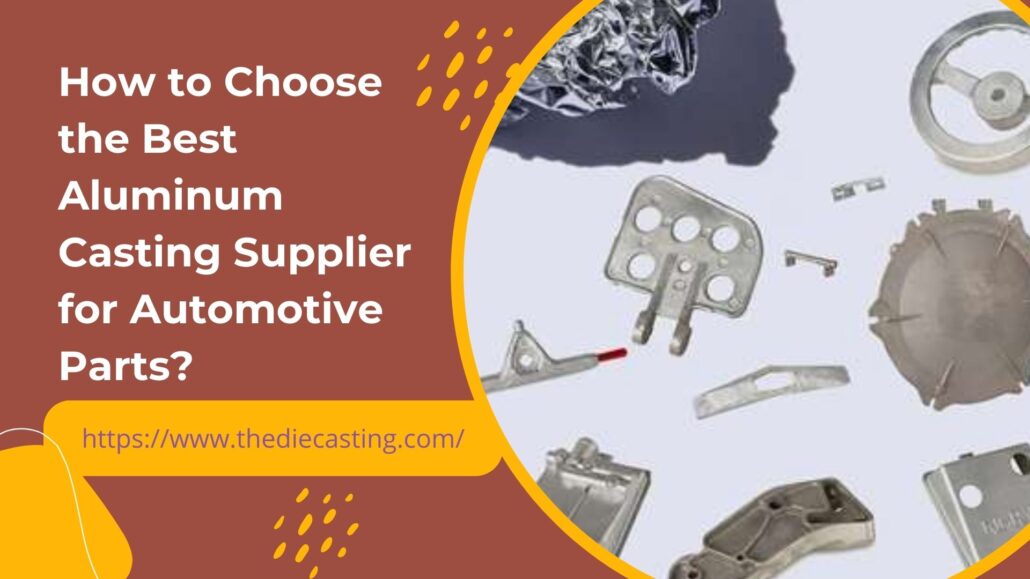
The automotive industry in the world is developing fast due to the need for lightweight cars, better fuel efficiency, lower emissions, and high-performance parts. Aluminum die casting has emerged as one of the most important manufacturing processes, which has been amazingly supportive of this transformation. In the electric car design, aluminum die-cast components are crucial in the modern automotive design, including engine housings and transmission cases, as well as structural components of the car. The selection of an appropriate automotive parts aluminum casting supplier is no longer an easy-purchasing choice. It is a strategic alliance that influences the quality of products, production efficiency, cost control, and business success in the long run. This paper describes the steps involved in identifying the most optimal aluminum die-casting supplier, as well as identifies some of the leading manufacturers of aluminum die-casting auto parts in China and globally. Why Automotive Manufacturing Requires Aluminum Die Casting Through aluminum die casting, manufacturers are able to develop complicated, high-precision components at massive volumes with high surface finish and dimensional accuracy. Aluminum has a better strength-to-weight ratio, resistance to corrosion, and thermal conductivity than conventional materials, it is the perfect material to be used in automobiles. Aluminum die casting is becoming even more significant with the emergence of electric vehicles. Die-casting technology is important in battery casings, motor frames, inverter casings, and massive structural parts. With the increased complexity of the automotive designs, the suppliers have to provide casting services along with the engineering services, machining, surface finishing, and quality control. Essential Factors to be Considered When Selecting an Aluminum Casting Supplier Car and Automotive Knowledge and Experience The experience of the aluminum die casting supplier in automotive die casting is one of the first factors that should be considered. Car parts have to be of high safety, durability, and compliance with regulations. A supplier who has been long term in experience in automotive projects knows the choice of materials, control of tolerances, and process stability. The suppliers who have engaged in partnership with automotive OEMs, with Tier-1 or Tier-2 suppliers, tend to produce steady quality and handle complicated production specifications. Production Facilities and Resources A trusted aluminum die-casting company must possess up-to-date production facilities such as high-pressure die-casting machines of different tonnages, CNC machining centres, and surface finishing. It is a great strength to be able to deal with small precision castings as well as large structural castings. Automation, robotics, and digital monitoring are other technologies that are also frequently used by advanced suppliers to attain repeatability and minimize defects in mass production. Quality Control and Certifications In car production, quality control plays a key role. The most effective suppliers have been developed on internationally recognized systems of quality like ISO 9001, IATF 16949 (previously TS 16949), and ISO 14001. These certifications are an indication of quality management, process control, and environmental responsibility. The inspections are also checked in-house by CMM machines, X-ray tests, spectrometers, and pressure leak testing systems, which also ensure that the product has high reliability. Engineering Customisation and Support Automotive projects are normally customized as opposed to off-the-shelf products. An effective supplier of aluminum die-casting must be able to provide engineering services to the initial design phase, such as design of the mould, optimization of materials, and design-for-manufacturing (DFM) analysis. Aluminum die casting suppliers are the ones where customers can find prototyping, rapid tooling, and design validation services, which would reduce the development time and eliminate expensive redesigns. International Supply Chain and Delivery Performance World and China Leaders of Auto Parts Suppliers: Aluminum Die Casting CNM Tech Co., Ltd Company Overview CNM Tech Co., Ltd. is an experienced manufacturer of aluminum die-casting auto parts with over 20 years of working experience in the industry, based in Dongguan, China. The firm deals with aluminum, magnesium, and zinc die casting, CNC machining, surface finishing, and assembly. CNM Tech manufactures components of aluminum, zinc, and some magnesium that weigh not more than 12 kg, 2 kg, and others, respectively. Its vertically integrated production system includes sourcing of raw materials, tooling, casting, machining, finishing, and final packaging. Why Choose CNM Tech CNM Tech has the advantage of end-to-end capabilities of manufacturing. The company has retained tooling, machining, and surface finishing, resulting in complete control of quality and lead times. The company works on the basis of ISO 9001, TS 16949, and ISO 14001 quality systems, which guarantee high-quality production with automotive standards. CNM Tech provides aluminum die-casting auto parts at competitive prices; therefore, it offers its customers a reliable partner in supplying high-precision parts worldwide. Industries Served CNM Tech also deals with the medical equipment, home appliances, LED electronics, power tools, and mechanical equipment segments in the automotive industry. Sincere Tech Company Overview Sincere Tech is a full-service manufacturing firm with its headquarters located in Dongguan, China, and was established in 2005. The company is a specialist in die castings in aluminum, plastic injection molding, CNC machining, silicone rubber components, and entire assembly solutions. Sincere Tech offers small-tolerance parts to the high-pressure industries with highly modernized production equipment like CNC machines, EDM systems, and CMM inspection equipment. Why Choose Sincere Tech Sincere Tech has a real one-stop point of manufacture. All processes are handled in a single location, starting with product designing, prototyping, mould making, die casting, machining, and packaging. This combined solution will minimize the risk of coordination and enhance efficiency in production. The company has excellent project management, English-speaking abilities, and experience in delivering world domination, making it a good partner to automotive customers who want consistency and cost-efficient production. Industries Served Sincere Tech is a manufacturer of die-cast parts made of aluminum and sold to automotive manufacturers, electronic manufacturers, medical equipment manufacturers, home appliances manufacturers, and industrial machinery manufacturers. GC Precision Mould Co., Ltd Company Overview Aludiecasting, the Chinese company is called GC Precision Mould Co. Ltd., a major manufacturer of auto parts under die-casting of aluminum, and is based in Dongguan, Guangdong, China. The company is over 20 years old, ISO 9001

Alumiini Die Casting

Mitkä ovat huippuluokitellut alumiinin painevalupalveluntarjoajat autojen osien valmistukseen?

alumiinivalu

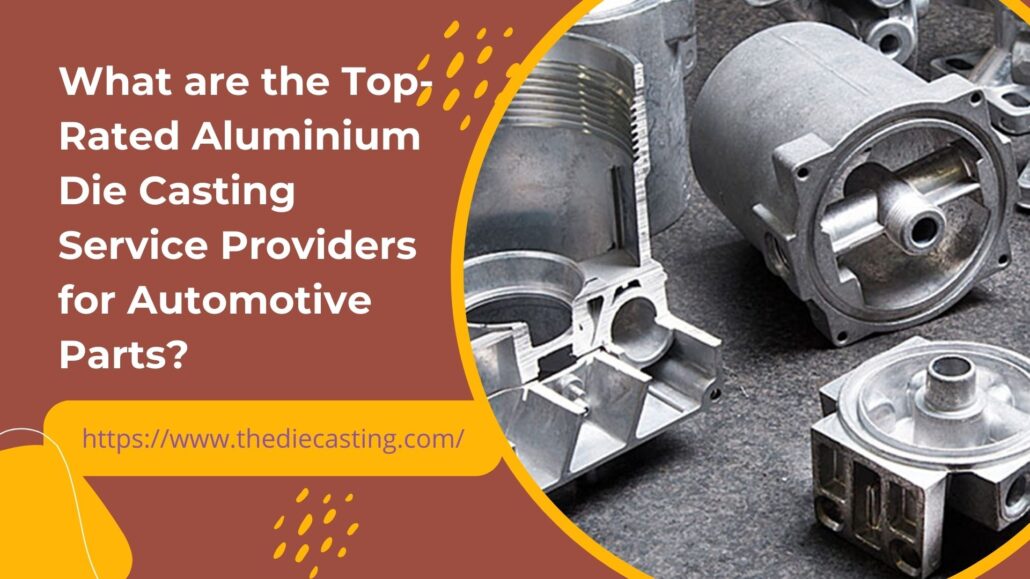
Selecting an appropriate aluminum die-casting service provider is a critical decision for car manufacturers. Aluminum die casting has been at the forefront of producing light, high-strength, dimensionally accurate parts that comply with stringent current fuel-efficiency, safety, and emissions requirements. Despite the acknowledged performance advantages of aluminum alloys, the final quality of automotive components still depends on the supplier’s skills, technologies, and quality systems. Due to the change in the automotive industry to the production of lighter cars and electric mobility, the need to find a reliable aluminum die-casting partner is growing. Tier 1 suppliers and OEMs do not intend to focus solely on price. They consider factors such as suppliers’ engineering capacity, manufacturing reliability, certifications, overseas experience, and the potential for long-term cooperation. The article points out three notable die casting service firms based in China, including GC Precision Mold (Aludiecasting), CNM Casting, and Sincere Tech, and five widely known aluminum die casting firms in other parts of the world. These companies are the most reputable brands in international aluminum die casting for the automotive sector. Aluminum Die Casting in the Auto Industry: Overview Aluminum die casting is a high-pressure production process whereby molten aluminum alloy is forced into a hardened steel mold, producing complex parts with high dimensional accuracy and surface finish. Die casting is used to produce high volumes with tight tolerances, unlike other forming methods, which is why it is widely used in the automotive industry. Automotive manufacturers increasingly use aluminum for its low weight, corrosion resistance, and strong mechanical properties. Other components typically produced by aluminum die casting include engine housings, transmission cases, motor housings, structural brackets, battery enclosures, and chassis components. The use of aluminum die casting has also increased in electric vehicles, as they require balancing bulky battery packs. Nevertheless, the unique thermal and flow properties of aluminum require specific tooling design, controlled casting parameters, and advanced quality control. That is why automotive project editions require selecting an experienced, skilled aluminum die-casting service provider. Aluminum Die Casting- Auto Market The global automotive aluminum die-casting market has been growing steadily. As of 2025, the market is valued at USD 31.27 billion and is expected to exceed USD 41 billion in 2029, with a compound annual growth rate of over 7%. The emergency increase is driven by policies such as lightweighting, more stringent emissions standards, and the adoption of electric vehicles. China has been the world’s largest hub for aluminum die-casting production, with a well-developed manufacturing infrastructure, strong supply chains, and economies of scale. Meanwhile, its global partners, including Europe, Japan, Korea, and North America, continue to lead in innovation across large structural castings, automation, and sustainability. Aluminum Die Casting Service Companies Specifications State of the Art Die Casting By 2025, the best suppliers of aluminum die casting services will have been those that have the capability of producing the required components of the automotive systems accurately. They offer various casting methods, including high-pressure, low-pressure, and vacuum-assisted die casting, enabling manufacturers to produce lightweight parts with high strength and minimal defects. These capabilities are required for engine and structural parts and for safety-critical applications. Contemporary Technology and Machinery The major suppliers invest heavily in modern die-casting machines, automation, and simulation. Analysis of mold flow and real-time process monitoring helps ensure production stability and quality consistency. Modern casting technology also enables large, single-piece aluminum production, saving assembly time and reducing vehicle weight. Custom Design and Support for Manufacturing Leading aluminum casting firms offer comprehensive solutions, including design and engineering analysis, prototyping, and mass production. This combined methodology ensures design optimization, functionality, and flexibility to meet OEM and supplier needs. Quality Control and International Certifications Leaders in an industry are characterized by strict quality control. IATF 16949 and ISO standards, and X-ray and CMM tests are all the certifications that guarantee that each component meets the international safety and performance standards. Customer Support and Cost Effectiveness Their strong technical support, effective communication, and reasonable pricing make these vendors strong long-term partners for automotive manufacturers worldwide. Top-Rated Aluminium Die Casting Service Providers GC Precision Mold (Aludiecasting.com) -China Aludiecasting, or GC Precision Mold, is a reputable automotive and industrial die-casting service provider of aluminum die castings in China. The company, founded in 1999 and headquartered in Dongguan, Guangdong Province, has built a strong reputation for providing a comprehensive, end-to-end die-casting solution. Aludiecasting specializes in aluminum alloys, including ADC12, A380, A360, and A356. Its services include designing molds, high-pressure die casting, CNC machining, surface finishing, and final assembly. The company can handle not only small parts requiring high accuracy but also larger automotive components, using modern die-casting machines up to large-tonnage machines. Aludiecasting has a major strength: a vertically integrated manufacturing model. The company retains tooling, casting, machining, and finishing under one roof, enabling it to tightly control quality, cost, and lead time. This makes it a partner of choice for automotive customers seeking a reliable production partner and competitive pricing. CNM Casting (diecastingschina.com)-China Another reputable aluminum die-casting service provider in China is CNM Casting, with over 20 years of industry experience. The company provides die casting in aluminum, zinc, and magnesium for automotive, lighting, electronics, and industrial equipment manufacturers. The key strength of CNM Casting is its adaptive production strategy. In addition to die casting, the company offers CNC machining, surface finishing, and design optimization services. Automotive customers appreciate that CNM can facilitate product development by enhancing mould efficiency and minimizing waste. The company places a strong emphasis on quality assurance; in this case, inspection tools include CMM measurements, dimensional testing, and surface quality checks. CNM Casting would be best suited to small- to medium-sized automotive initiatives, where cost-effectiveness and engineering guidance are equally important. Sincere Tech (plas.co / plasticmold.net) -China Sincere Tech is a flexible production firm that provides aluminum die casting, plastic injection molding, and CNC machining. Sincere Tech, based in Dongguan, China, has gained popularity among customers seeking flexibility, rapid prototyping, and small production runs. Sincere Tech specializes in precision aluminum component housings, brackets, and functional
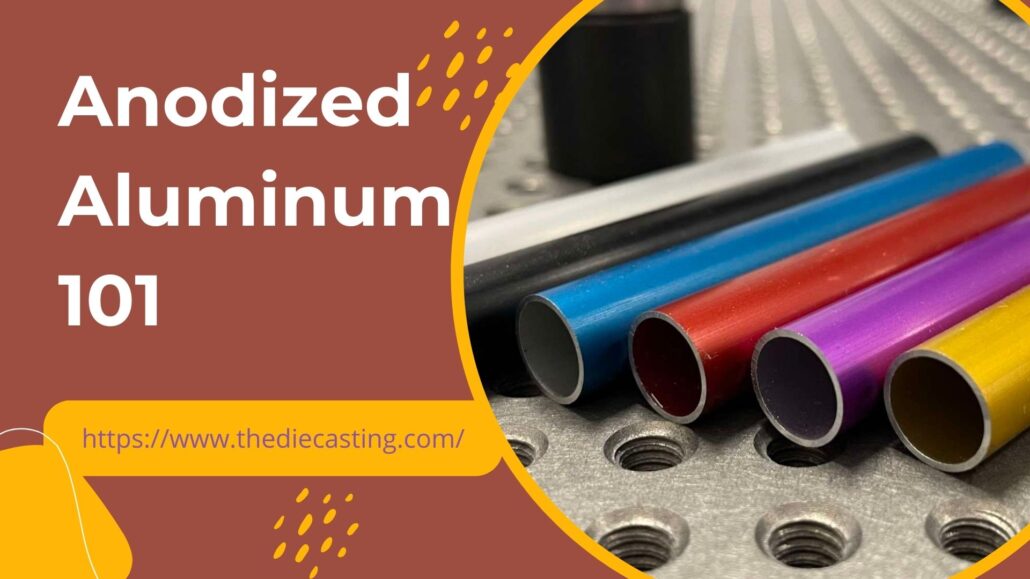
Anodisoitu alumiini

Anodisoitu alumiini 101

alumiinivalu

Anodized aluminum 101 refers to aluminum that has undergone a controlled electrochemical process to create a stable layer of oxide on its surface. This anodic oxide, as opposed to paint or plating, forms part of the metal and enhances aluminum’s resistance to corrosion, wear, and environmental exposure, thereby maintaining the usefulness of lightweight aluminum and its strength. Surface hardness can also be increased, and a variety of decorative and functional finishes are possible through the process. Anodizing is essential in contemporary manufacturing and product design, as it enhances performance and appearance without compromising dimensional stability. Anodized aluminum has been used as a material of choice due to its durability, cost-effectiveness, and sustainability. It has extensive applications in architecture, automotive, aerospace, consumer electronics, medical equipment, and industrial equipment. Additionally, alongside wrought aluminum products, there is an increasing use of aluminum die-cast components to which anodized aluminum is applied. Anodizing can improve corrosion resistance, surface life, and service life for various functional applications, although die-cast alloys present challenges, particularly with silicon alloys. This article will provide a detailed description of anodized aluminum 101, including the anodizing process, alloy considerations, design, advantages, and practical applications, to help readers determine when to use anodized aluminum in their projects. What Is Anodizing? The process of deliberately oxidizing aluminum to thicken the natural oxide on the material’s surface is called anodizing. In anodizing, the aluminum component is immersed in an acidic electrolyte and serves as the anode in an electrical circuit. Oxygen ions reactive with the aluminum surface are generated when an electric current flows through the solution, thereby forming a controlled, uniform layer of aluminum oxide. This oxide is grown on the substrate rather than being applied as a surface coating, which is applied later. This is the major difference between anodizing and painting or plating. Mechanical adhesion holds paints and plated finishes to the metal and relies on this mechanism to remain in place. With time, they may peel, crack, and chip. However, with anodizing, a finish is formed that is part of the metal and much more durable and reliable in harsh conditions. The anodic oxide layer confers several important performance benefits on aluminum. To a great extent, it enhances corrosion resistance by forming a protective coating against moisture, chemicals, and atmospheric exposure. Surface hardness is also increased by the process, which enhances abrasion and mechanical wear resistance. Moreover, the anodic layer is inherently porous, capturing dyes for coloration and serving as an important sealant that further enhances its durability. Lastly, anodized aluminium provides electrical insulation because the oxide layer is non-conductive and is therefore used in electrical, electronic, and industrial applications. The Aluminum Anodizing Process Explained Surface Preparation One of the most important steps in the anodizing process is surface preparation, because the final surface appearance and performance of anodized aluminum require high surface uniformity and cleanliness. Any oil, grease, oxide, or surface flaw left on the part may cause uneven coating or visible flaws after anodizing. Surface imperfections can be removed by mechanical finishing, or a desired texture can be imparted. Typical methods include buffing and polishing to achieve smooth or reflective finishes, sanding to produce directional finishes, and blasting to achieve uniform matte finishes. Anodic finishes are always present because they are transparent; therefore, they are visible after anodizing. Chemical pretreatment is the next step in mechanical finishing and typically comprises several steps. The cleaning and degreasing processes remove oils, machining fluids, and contaminants. Deoxidizing removes the natural scale and oxide layer and then heat-treats, thereby exposing fresh aluminum. Surfaces are then controlled in terms of appearance: etching produces a uniform matte finish by abrasion, whereas bright dipping uses chemicals to smooth the surface and create a high-luster, reflective appearance. Anodizing Step The aluminum components are prepared, then immersed in an electrolyte bath containing sulfuric acid, and the anode is connected to the electric circuit. The circuit is completed by a cathode typically made of lead or aluminum. Upon application of direct current, oxygen ions interact with the aluminum surface, forming an anodic oxide layer. This oxide structure consists of two layers: a thin, dense barrier layer at the metal interface and a thicker, porous layer atop it. Adhesion and protection are achieved through the barrier layer, whereas coloring and sealing are performed through the porous layer. Coloring (Optional) The porous nature of the anodic oxide is such that it can be coloured in different ways. A wider color palette can be achieved by absorbing organic or inorganic dyes into the pores. Metal salts are deposited into pores via an electrolytic process to produce bronze and black finishes that are highly durable. Integral coloring is a method for producing color during anodizing using a specialized electrolyte. In contrast, interference coloring is a coloring method that produces unique colors by manipulating light reflection. Sealing It is necessary to seal the pores of the anodic coating to retain the color and increase corrosion resistance. Hot-water sealing, steam sealing, and nickel acetate sealing are common sealing techniques that provide extended service life and high finish stability. Aluminum Alloy and Its Effects on Anodizing Wrought Aluminum Alloys A strong relationship exists between the anodizing behavior, appearance, and performance of aluminum and its alloy composition. Produced by rolling, extrusion, or forging, wrought aluminum alloys tend to anodize more evenly than cast alloys because their composition is more precisely controlled and their impurity content is lower. The 2xxx series alloys contain high copper content and exhibit high strength and machinability. Their high copper content, however, makes anodizing more difficult, and the finished products tend to have softer oxide layers that are less corrosion-resistant and exhibit darker, less uniform finishes. The 3xxx alloy family, which is primarily alloyed with manganese, offers moderate strength and formability. Such alloys are easy to anodize and typically yield silver, gray, or light brown finishes, depending on the anodizing conditions. The 5xxx series is magnesium-based and is known for producing aesthetically pleasing decorative finishes. Some low-iron-content alloys in this series are

alumiiniseos

Which Aluminum Alloys are the Best for Die Casting

Alumiini, alumiinivalu, AlZn10Si8Mg seokset

Introduction to Die Casting of Aluminum Aluminum alloy die casting is a highly efficient manufacturing process and is used to produce complex metal components at high volume. It is the process of injecting molten aluminum alloy into a hardened steel mold (commonly called a die) at high pressure. The process is particularly appreciated in the automotive, electronics, telecommunications, and industrial equipment industries, as it produces lightweight components with good dimensional accuracy and surface finish. The excellent strength-to-weight ratio is a key reason aluminum is a preferred metal for die casting. The aluminum alloy components may provide the required mechanical performance for the structural application and offer a material with a high level of product weight reduction. There is also die casting, which enables manufacturers to incorporate multiple functions into a single part. Ribs, bosses, mounting points, and thin walls can be cast in a single operation, eliminating the need for secondary machining and assembly. This, in turn, reduces production costs and increases consistency and repeatability. Owing to these merits, aluminum die casting has emerged as one of the most popular metal-forming processes for medium- to high-volume production. The Die Casting Process of Aluminium Mold Preparation and Setup It starts with preparing the steel die. The die is a two-part die casting: a stationary half and a moving half. The die cavity is sprayed and cleaned after every shot. This coating enables control of die temperature and makes the cast solid easy to eject without sticking to the mold surface or being damaged. Molten Aluminum Injection In a furnace, the aluminum alloy is melted and held at a controlled temperature to achieve the proper fluidity. During high-pressure die casting, a specified quantity of molten metal is injected into the die cavity at high pressure by a hydraulic piston. The pressure may range from several thousand to more than 20,000 psi, allowing the metal to fill small areas and complex geometries before solidification. Solidification and Cooling Pressure is kept after filling up the cavity until the aluminum cools and solidifies. The rapid cooling of the steel die yields a fine microstructure that enhances mechanical properties and surface finish. Channel cooling within the die regulates temperature and ensures consistent cycle times. Ejection and Finishing When the die is hardened, the halves open, and the die is ejected from the mold by ejector pins. Any unnecessary material, including runners, gates, and flash, is trimmed. Secondary operations, such as machining, surface treatment, or heat treatment, may then be performed on the part, depending on the application. The result is a near-net-shaped aluminum part suitable for demanding industrial applications. Aluminum Alloys in Die Casting Alloy-based castings: Aluminum die-casting alloys are designed to balance castability, mechanical strength, corrosion resistance, and thermal performance. In contrast to pure aluminum, these alloys have controlled levels of silicon, copper, magnesium, iron, and other alloying elements to enhance liquid flow, solidification, and serviceability of the molten metal. Selecting an appropriate alloy is essential, since each composition offers a unique balance of strength, durability, weight, cost, and manufacturability. This is a closer examination of the most popular high-performance aluminum die-casting alloys and what makes each one suitable for a particular application. A380 Aluminum Alloy Mechanical Performance and Strength A380 has been referred to as the workhorse of aluminum die casting. It has good tensile strength (approximately 320 MPa) and yield strength (approximately 160 MPa) in the as-cast form. Although not the best aluminum alloy on the market, it offers the best combination of strength and ductility for structural housings, covers, and brackets. Advantages A360 Aluminum Alloy Mechanical Performance and Strength A360 offers the same tensile strength as A380 and has improved performance at higher temperatures. The yield strength is typically 170 MPa, and this aluminum alloy is stable under hot-working conditions, such as in engine compartments. Advantages ADC12 (A383 Equivalent) Aluminum Alloy Mechanical Performance and Strength The counterpart of A383 is ADC12, which is of moderate strength, and the tensile strength is commonly 180230 Mpa. Although a bit weaker than the A380, it is still sufficient for the structural performance of numerous industrial and automotive components. Advantages Al-Si11Cu3 Aluminum Alloy Mechanical Performance and Strength The balanced mechanical properties characterize Al-Si11Cu3. Tensile strength is typically above 300 MPa, with good hardness and moderate ductility. It is stronger than ADC12 and is similar to A380 in most structural applications. Advantages B390 Aluminum Alloy Mechanical Performance and Strength B390 has been manufactured to be as hard and wear-resistant as possible. It has an incredibly high yield strength (approximately 240 MPa) and a tensile strength of 350 MPa. It is hard enough, up to 120 Brinell, which is very high by the standards of most die casting alloys. Advantages Comparative Summary The alloys of aluminum die casting are used as follows: The choice of an appropriate alloy is determined by the design factor, which may be strength, corrosion resistance, wear life, weight reduction, or casting complexity. Summary of Physical and Chemical Properties of Aluminum Alloys Alloy A380 A360 ADC12 / A383 Al-Si11Cu3 B390 Silicon % 7.5–9.5 9–10 9.5–11.5 9.6–12 16–18 Copper % 3–4   ≤0.6 2–3 1.5–3.5 4–5 Magnesium % ≤0.1 0.4–0.6 ≤0.3 ≤0.35 ≤0.1 Density (g/cm³) 2.71   2.63 2.70 2.70 2.75 Tensile Strength (MPa) ~324 ~317 180–230 ~300 320–360 Yield Strength (MPa) ~160 ~170 ~150 ~140 240–250 Elongation (%) ~3.5 ~3.5 ~3 ~2–3 <1 Hardness ~80 ~75 ~75 ~85 ~120 Corrosion Resistance Moderate Excellent Fair Moderate Fair Castability Excellent Fair Excellent Very good Moderate Wear Resistance Good Good Moderate Good Excellent Applications of Aluminum Alloys Automotive Industry Lightweight Structural and Powertrain Components Automotive aluminum alloys are widely used in the manufacture of automotive engine blocks, transmission housings, suspension components, and structural brackets. They are powerful per unit weight, reducing the vehicle’s total mass and improving fuel efficiency, thereby increasing the range an electric vehicle can travel. This aluminum alloy also improves heat dissipation in engines and battery systems, enhancing performance and durability. Aerospace Sector Airframe structures and Interior structures The properties that make aluminum

Selaa alkuun

Pyydä tarjous