
Gear Manufacturing by Powder Metallurgy: The Ultimate 2026 Guide
alumiinivaluMaster high-precision gear manufacturing by powder metallurgy. Our guide covers sintering, density control, and how to save 50% on costs with near-net shapes.
Master high-precision gear manufacturing by powder metallurgy. Our guide covers sintering, density control, and how to save 50% on costs with near-net shapes.
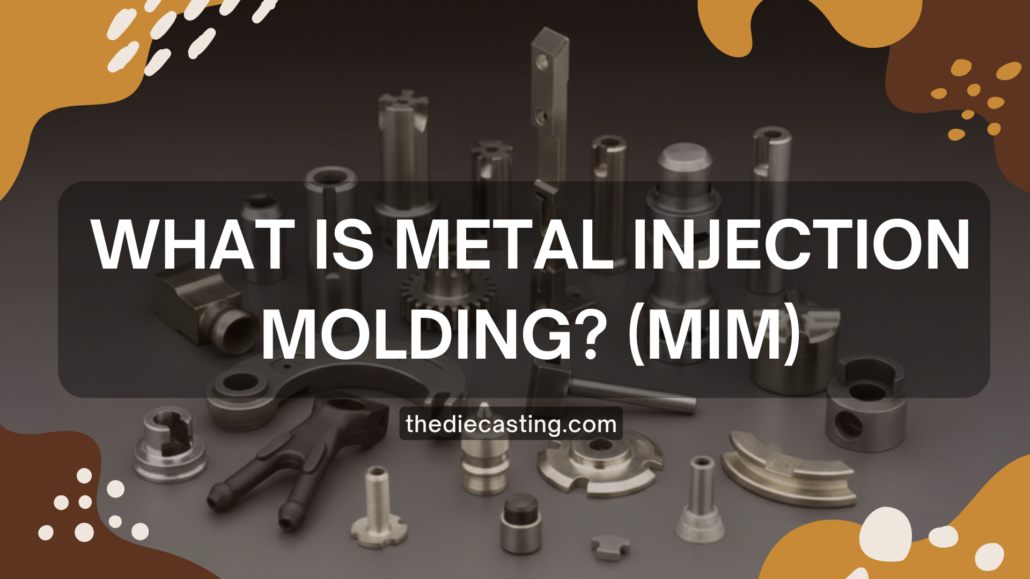
Metal injection molding is a transformative manufacturing technology that utilizes metal powders combined with organic binders using injection molding technology to produce highly complex structural metal components. Within the first 10% of this guide, we will explore why MIM metal injection molding is the “marriage” between two existing technologies: powder metallurgy and plastic injection molding. Parts are subsequently processed and sintered to yield high-strength, intricately shaped parts. As a solution for high-volume manufacturing, MIM metal injection molding is growing at a very rapid rate because the technology solves a lot of problems that are not easily addressed by other methods. Whether the goal is to produce complex parts for medical devices, automotive assemblies, defense, or consumer electronics, understanding what is MIM metal injection molding is the first step toward leveraging its outstanding value for parts requiring intricate geometry and superior material properties. For global industries requiring exact specifications, working with experienced manufacturers is essential. Further technical resources on precision manufacturing can be explored at plasticmold.net and plas.co. What is MIM Metal Injection Molding? In its simplest terms, MIM metal injection molding allows for the injection molding of metal powders instead of just pressing them. By mixing fine metal powders with a plastic binder, the material flows like a semi-solid under heat and pressure. This enables the creation of complex three-dimensional shapes that were previously impossible with conventional powder metal processes. Conventional powder metallurgy, often called “press and sinter,” takes metal powders and presses them with high pressure in a die using top and bottom punches. While this is a great process, it is limited to two-dimensional shapes and can suffer from lower material properties. MIM molding overcomes these limitations by utilizing the 360-degree design freedom of injection molding. Read more on Metal Injection Modeling The Four-Step Process Cycle of MIM Metal Injection Molding The production cycle for MIM metal injection molding services is generally categorized into four critical stages that ensure the economical manufacturing of high-precision components. Each stage must be meticulously controlled to ensure the final product meets the rigorous standards of modern engineering. Step 1: Compounding and Feedstock Preparation The metal injection molding MIM services process begins with the selection of raw materials. Fine metal powders, often produced through gas atomization to ensure spherical particle shapes, are the foundation. This powder is blended with thermoplastic and wax binders in proportional amounts to make the MIM feedstock. Mixing is performed under heat so the binder material melts and coats each metal particle, producing a homogeneous mix. The mix is then cooled and converted into small pellets for easy storage and transfer. The quality of the feedstock determines the consistency of the final part’s dimensions and strength. Step 2: MIM Molding (Injection) The feedstock pellets are fed into an injection molding press where the components are shaped under high pressure. During this stage, the MIM molding feedstock is heated just enough to melt the plastic binders, injecting the semi-solid material into a custom-engineered mold. The parts produced at this stage are known as green parts. While they possess the final geometry of the component, they are significantly larger (to account for future shrinkage) and consist of approximately 40% binder by volume. Because they are held together only by plastic binders, they are relatively fragile and must be handled with care to avoid structural damage. Step 3: Debinding (Primary Binder Removal) This step of metal injection molding MIM services involves removing a significant portion of the binders. This is achieved through solvent extraction, catalytic processing, or thermal evaporation. Once the primary binders are removed, the components are called brown parts. At this stage, the part is held together by a “backbone” binder and possesses a network of interconnected porosity. This porosity is vital because it allows the remaining binders to escape as gas during the final heating stage without cracking the part. Solvent-based processing is often considered the most economical and efficient method for high-volume MIM services. Step 4: Sintering (Densification) The brown parts are moved to batch vacuum furnaces or continuous atmosphere furnaces to remove the secondary binders and densify the component. High temperatures typically between 2300°F and 2500°F (1260°C to 1370°C) enable the metal particles to fuse and diffuse with each other. This results in 100% metal components with no remaining binder material and a minimum 97% density. During this stage, the part undergoes its final “shrinkage” to reach the specified blueprint dimensions. Benefits of MIM and Material Performance One of the primary benefits of MIM is the design freedom to make more complex geometry with tighter tolerances and improved density. Because metal injection molding MIM services utilize a technology that creates a simpler tool with fewer moving parts, engineers can achieve higher cycle rates and better cost controls. Mechanical and Physical Properties Components produced by this method lead the industry in mechanical and physical properties. Because the MIM services sintering process achieves high density, the final products display very similar material properties to corresponding wrought materials. Unlike conventional powder metal processes, MIM molding materials achieve nearly 95% to 99% of wrought material properties. Sintered components are highly versatile and can be: Is My Part a Good Fit for MIM Services? To determine if a component is a good fit for MIM services, engineers look for the intersection of four factors: material performance, component cost, production quantity, and shape complexity. The closer an application gets to the intersection of these four categories, the better the application is for metal injection molding MIM services. Criteria MIM Compatibility Weight Range Sweet spot is 0.20g to 30g; viable up to 100g. Wall Thickness Best between 2mm and 4mm; minimum 0.3mm. Production Volume Scalable from 5,000 to millions per year. Geometry High complexity; internal/external threads and logos. Generally, components less than 100 grams are economically viable for MIM metal injection molding, with a “sweet spot” weight range between 0.20 to 30 grams. The process is highly scalable, addressing volumes from less than 5,000 pieces per year to several millions per year. Read
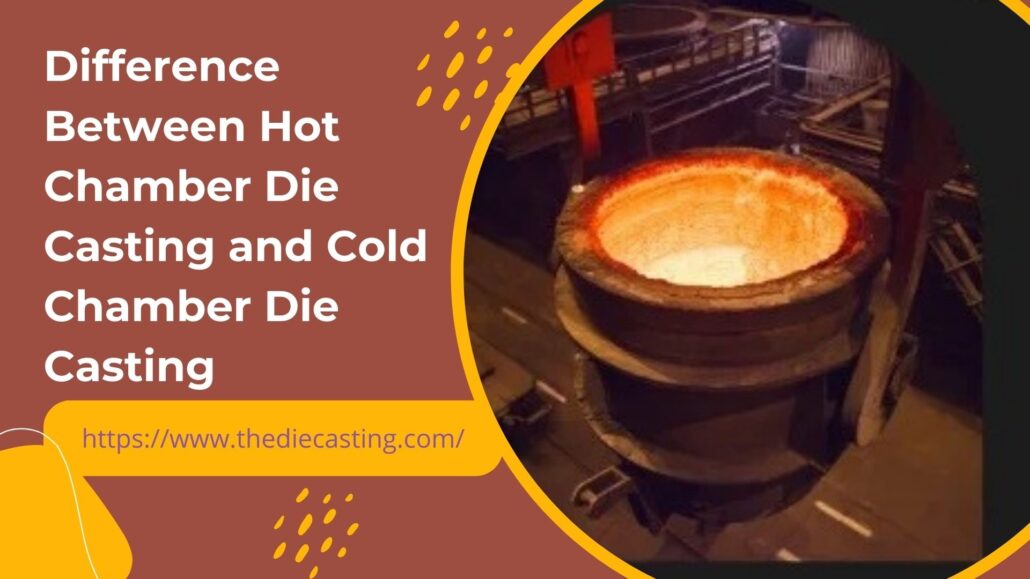
Die casting is a metal casting process that uses high pressure to produce complex, high-volume, precise metal components with superior surface finish and dimensional accuracy. This is achieved by high-speed, high-pressure injection of molten metal into a hardened steel mold, known as a die. After the metal solidifies, the die is opened, and the completed component is ejected, trimmed, or lightly secondary processed. Due to its speed, reproducibility, and ability to produce thin-walled, detailed casts, die casting is widely used across the automotive, electronics, aerospace, appliance, and consumer products sectors. High-pressure die casting processes fall into two major types: hot-chamber and cold-chamber die casting. Although both processes use pressure to force molten metal into a die, the ways the metal is melted, manipulated, and injected differ markedly. The differences influence the type of metals used, cycle time, production cost, tooling life, and part size. Hot-chamber die casting integrates the melting furnace with the casting machine, enabling faster processing and improved suitability for low-melting-point alloys. In cold-chamber die casting, however, a separate furnace is used, and molten metal is poured into the machine each time. This arrangement is preferable when the alloy has a higher melting point, e.g., aluminum and copper. Knowledge of the differences between these two processes helps Die Castings China select the most effective, cost-effective, and technically viable method for the company’s application. Hot Chamber Die Casting: Process and Technical Knowledge Hot-chamber die casting is a high-pressure metal casting process primarily used for low-melting-point alloys. It has extensive applications in the automotive hardware, electronics, telecommunications, and consumer goods industries, as well as in sectors that require high production speeds, tight dimensional tolerances, and good surface finish. The key feature of this process is that the melting furnace is integrated into the casting machine. In this type of design, the molten metal is kept in a continuously ready-to-inject state, reducing handling time and resulting in production that is much more efficient than in other casting methods. Summary of the Process Process Explanation Melting Metal is maintained in a furnace inbuilt as molten at about 400 -450 °C in the case of zinc alloys and 600 °C in the case of some magnesium alloys. Filling the Gooseneck In this setup, a hydraulic plunger is used to withdraw until molten metal fills the gooseneck chamber. Injection The plunger moves forward and injects metal into the die cavity at rates up to 3060 m/s. Solidification The metal’s cooling and solidification take 2-10 seconds, depending on the part’s thickness. Ejection This is where the die opens, and the casting is removed by die ejection pins. Repeat The total cycle time is 3 to 15 seconds, enabling high production volumes. The Process of the Hot Chamber Die Casting In hot-chamber die casting, the molten metal is retained in an in-built furnace mounted on the machine. The molten metal submerges a component called a gooseneck. When the plunger is retracted, an intake port supplies molten metal to the injection chamber. The plunger is then hydraulically actuated, driving the metal through the gooseneck and into the die cavity at high velocity. The injection rates may reach 30-60 meters per second, filling the cavity before the metal solidifies. After being cast, the molten metal is pressurized and cooled. Solidification typically takes 2-10 seconds, depending on wall thickness and alloy. With the part already solid, the die is opened, and the ejector pins force the casting out. The machine thereafter shuts and initiates the subsequent cycle. Technical Parameters and the Operating Conditions The process is carried out within well-controlled temperature and high-pressure ranges to ensure tooling quality and safety. Zinc alloys can be cast at temperatures between 400 and 450 °C. In contrast, magnesium alloys can be cast at temperatures closer to 600 °C. The injection pressure is typically 7-35 MPa (approximately 1,000-5,000 psi). The die temperature is maintained between 150 and 250 °C to ensure consistent metal flow and controlled cooling. Due to the wide range of machine sizes, the clamping force typically ranges from 20 to 500 tons. Shot weights are usually less than 1 kilogram, but machines can handle up to 5 kilograms. This is one of the fastest metal-forming methods, with production rates often reaching 300-700 parts per hour due to its high cycle rate. Applicable Material Limits and Alloys Hot-chamber die casting applies only to alloys that do not attack iron at high temperatures. The most common are zinc alloys, including Zamak 3 and Zamak 5, which have melting points near 385 °C. It is also commonly used with magnesium alloys such as AZ91D, which melts at about 595 °C. It is also possible to process lead-tin alloys, but their industrial applications are more limited. This process cannot be applied to aluminum, which has a melting point of approximately 660 degrees Celsius, which can destroy the submerged injection elements. Performance Benefits and Practices Limitations Parameter Typical Range Metal Temperature 400–450°C (Zinc), up to 600°C (Magnesium) Injection Pressure 7–35 MPa (1,000–5,000 psi) Cycle Time 3–15 seconds Machine Tonnage 20–500 tons Production Rate 300–700 parts/hour Die Temperature 150–250°C Typical Part Weight 0.02–5 kg Cold Chamber Die Casting: Process and Technical Observations Cold-chamber die casting is a high-pressure metal casting process suitable for alloys with medium- to high-melting points. It is commonly used in industries such as automotive, aerospace, industrial machinery, and electronics that require strong, lightweight components with precise dimensions. This process uses a separate furnace to melt the metal, rather than a hot-chamber die casting. Each shot is moved into the casting machine with the molten metal, making the system suitable for materials that would harm a permanently submerged injection process. This geometric distinction characterizes the operating mode, production speed, and material range of the cold-chamber process. Process Overview During cold-chamber die casting, the metal is melted in an external furnace at the appropriate alloy-specific temperature. The melting temperature of aluminum alloys is generally in the range of 660- 700 °C, and copper-based alloys might be melted at temperatures exceeding 1,000 °C. After melting,
Hallitse taito tehdä jotain tyhjästä tämän kattavan alumiinin hiekkavalun oppaan avulla. Tutustu alumiinin hiekkavalun kuuteen keskeiseen vaiheeseen, vihreiden hiekkavalumuottien valmistelusta alumiinisten huipputarkkojen hiekkavalukomponenttien viimeistelyyn.
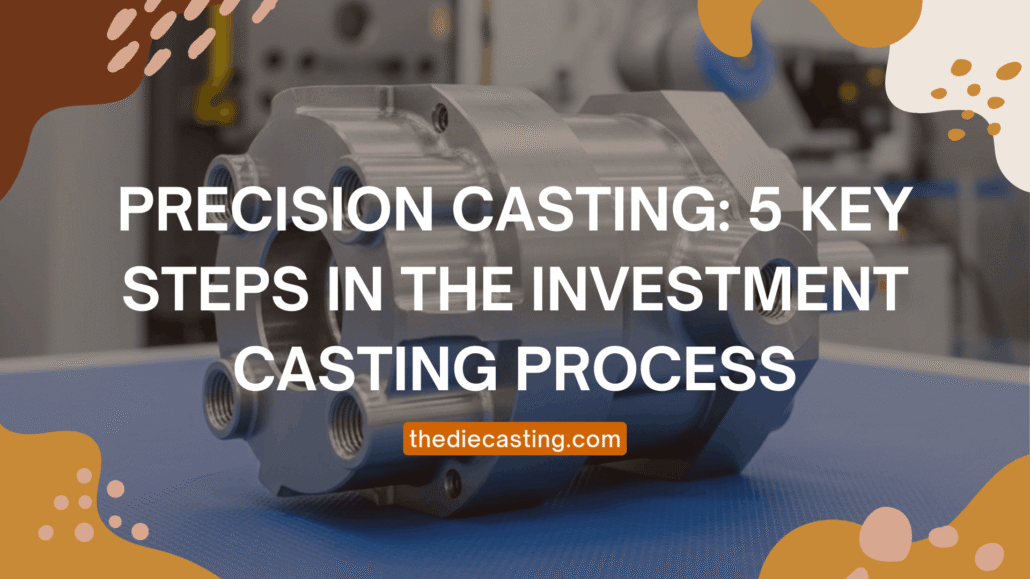
Precision casting, also known as precision investment casting, is the highest fidelity casting process on earth. It is a manufacturing process that can produce very thin and most complex features, and it will capture down the fingerprint detail. Whether you are making precision cast parts for the aerospace industry or you are a sculptor creating small works and also a monumental scale, it offers excellent surface finish and excellent dimensional accuracy. Virtually there is no alloy which cannot be manufactured using investment casting process. That is the unique and greatest feature of the investment casting process. The range of alloys covers virtually the complete spectrum of alloys in engineering use. The History and Evolution of Precision Casting In the twentieth century, several developments of the investment casting process occurred. Initially, the solid mould or the block mould investment casting was used where the entire mould was filled with the ceramic material. Later the ceramic material was replaced by the plaster mould to give a better surface finish. Later mercast process was developed where mercury was used as the pattern material, but this is no more in use. Finally ceramic shell investment casting was developed recently and this has gained importance all over the world. Very little has changed in the 3000 years that bronze has been cast. We now have electric blowers rather than bellows and we have natural gas instead of dried animal dung, otherwise everything else is the same. The mold is made out of earthen materials just like in the old days and we burn out the wax. Special Features of the Investment Casting Process What are these special features of investment casting process? It can produce very thin and most complex features. Second feature is it offers excellent surface finish; most of the times no machining is required or very negligible machining is required. Next special feature is it offers excellent dimensional accuracy. Finally it can be used to cast all metals and alloys. If we see different manufacturing process or the casting process, ductile iron, tool steel, and super alloys cannot be cast using die casting process. Titanium alloys cannot be manufactured using sand casting process. But in the investment casting process, all the alloys can be manufactured. Virtually there is no alloy which cannot be manufactured using investment casting process. The Ceramic Shell Investment Casting Process Steps These are the major steps involved in the ceramic shell investment casting process: Shell Building: Ingredients and Slurry Stages How do we make the ceramic shell? We need to learn the ingredients of the ceramic slurry. One is the refractory powder or flour, which comprises sixty to eighty percent. The most commonly used refractory powders are zirconium silicate, fused silica, and fused aluminum oxide. Second ingredient is the liquid binder, comprising fifteen to thirty percent, mainly ethyl silicate or colloidal silica. Finally a solid binder will be used from five to ten percent. The first dip slurry is a fine texture that can easily get down to the details of the grooves and engraving graphics. The next slurry coating is coarser than the first dips as it builds a thick ceramic shell around the wax tree. This cycle will be repeated about five to seven times. The slurry has to dry between successive dippings; temperature and humidity are carefully controlled. The Science of Dewaxing and the Autoclave Oven Prior to the pouring of the molten metal into the ceramic shell, wax inside the shell has to be drained out completely and this process is known as dewaxing. Generally an autoclave oven is used. High steam pressure at about 8 kg per square centimeters is injected into the sealed oven. The wax will be melted and it will be removed from the ceramic shell. We make really sure to burn these molds out clean. If the bronze came in contact with wax it would be a real problem. The bronze would make the wax immediately turn to a gas and a gas is a sudden expansion of volume. The definition of an explosion is a sudden expansion of volume. The bronze could quite well shoot back up out of the mold because of the explosion of a wax in contact with bronze. This wax again it will be refined, it will be purified, and again it will be used for making the pattern. Precision Casting: Melting and Solidifying the Metal The ceramic moulds must be heated up before molten metal can be poured into them. We preheat the mold until it is orange hot so that it offers the least amount of chill resistance to the bronze as the bronze floods the chamber. Bronze literally solidifies at 1850 degrees; we melt it to about 2000 degrees and pour soon thereafter. During the melting of the bronze ingots, imperfections such as sand or mold material float to the surface. We skimmed off the dross on the surface. After the shell is filled with the liquid metal, it must be set aside to cool down. Freshly poured ceramic shells generate a lot of ambient heat. Inside the mold, the thinnest areas solidify first and then the thicker areas. Post Investment Casting: Knockout, Cut Off, and Finishing Knockout means breaking that shell and removing the casting outside. A motorized chisel is used to break the ceramic shell away from the cast part. The metal tree is sand blasted to remove any remaining ceramic shell traces. Traces are to be removed from the casting; that’s why we are using a sand blasting system. The castings are cut at the gates, which leaves the excess material on the gate areas; this is the cut off. For that, most of the times a grinding wheel is used. The castings are heat treated to normalize the metal. Appropriate surface finish is polished on the parts; mirror and satin finishes are the most common these days. The final product will be free from flaws and visually appealing. Investment Cast Alloys and Their Industrial Applications Common

Aluminum is an important engineering material in present-day manufacturing, particularly in die-casting. It is manufactured in such quantities because it is exact, has a high strength-to-weight ratio, is corrosion-resistant, has thermal conductivity, and is lightweight. Among other characteristics that determine how readily aluminum can be processed and molded into industrial products, the most significant physical property is the aluminum melting temperature. The producer of die-casting products should be aware that 660.32 °C (1220.58 °F) is the melting point of pure aluminum, although in practice pure aluminum is rarely melted in industry. Instead, it is treated as an alloy, and the inclusion of other elements such as silicon, copper, magnesium, and zinc not only alters its mechanical strength and corrosion resistance but also its melting characteristics. These alloying elements have a melting range rather than a melting point, with direct implications for die-casting operations. The melting temperature is not a collection of laboratory values in the die-casting industry; it defines furnace design, power consumption, mold life, flow behavior, defects, solidification structure, mechanical properties, and production efficiency. Melting, flow, and solidification of aluminum are essential to producing high-quality castings that are dimensionally accurate to within a millimeter and structurally sound. Aluminum or Aluminum Alloys: Different Melting Temperatures The melting temperature is the temperature at which a solid metal changes into a liquid. In pure aluminum, this change of state occurs at 660.32 °C. However, this is not the case with industrial alloys. They melt over a range of temperatures, meaning some of the material melts while the rest remains solid. This is referred to as melting-point depression, in which alloying elements disrupt aluminum’s crystal lattice. This forms a mushy zone, a semi-solid state in die casting operations that has a direct impact on the flow of metals, behavior in mold filling, formation of shrinkages, and internal defects. This range of melting points is significant to die, casting engineers, more than the absolute melting point, since it determines: Melting Point of Aluminum: Die Casting Industry In the casting process, molten aluminum is forced into steel molds. The aluminum melting temperature controls all the stages of this process. Furnace and Energy Systems Efficiency Reduced melting points mean less energy use and operational expenses. The relatively low melting temperature of aluminum compared to steel or titanium enables foundries to use lower furnace temperatures, making die casting less energy-intensive and more cost-effective to scale. Effect on Flow Behavior and Molding Viscosity is directly proportional to melting temperature. Lower-melting alloys are easier to pour into thin sections and intricate geometries and are therefore preferred for precision die casting, such as vehicle housings, electronic casings, and structural brackets. Impact on Defect Formation The inappropriate melting temperature causes: Here is the summary of different Aluminum alloys in the die casting industry: Alloys Melting points Die casting Industry usage A360 557 – 596 °C This alloy can be used in high-pressure, tight-die casting and exhibits high fluidity. A380 538 – 593 °C The casting industry uses this alloy for its excellent castability in making structural parts. A413 574 – 582°C This could be used to make thin-wall casting products. B390 510 – 649 °C It makes products more wear-resistant. A356 555 – 615°C Automotive and structural products are made from the A356 aluminum alloy. Melting Ranges of Common Die Casting Alloys 2024 Alloy Industrial Behavior and Melting Temperature Aluminum 2024 fuses at 500-638 °C. This wide melting range makes it sensitive to temperature control during casting. This alloy is sensitive to thermal control during die casting, as it can partially melt and form segregated, weak areas. Role in Manufacturing Although it is not popular for high-pressure casting due to its tendency to corrode, 2024 aluminum is used to illustrate how the melting range influences the development of microstructures and mechanical properties. 3003 Alloy Characteristics of melting temperature Aluminum 3003 melts between 643 °C and 654 °C, which is near the melting point of pure aluminum. This relatively narrow melting range provides consistent flow behavior. Applicability to Casting and Fabrication Although more common in fabrication than in die casting, it has a stable melting profile, suggesting that higher melting temperatures can enhance dimensional stability. 5052 Alloy Thermal Behavior In aluminum, 5052 alloy is melted at 607 -649 °C, providing a balance of fluidity and strength. Die Casting Implications Although it is not a primary die-casting alloy, its melting range demonstrates why magnesium-based alloys require controlled heating to prevent oxidation and hydrogen uptake. 6061 Alloy Melting Temperature Range The melting range of 6061 aluminum is 582 °C- 652 °C. Position in Industry Processing Though die-casting is infrequent, its fusion scope demonstrates the importance of temperature in regulating the solidification process and mechanical stability in aluminum production. 7075 Alloy Low Melting Range 7075 aluminum melts at 477-635 °C, which is one of the lowest melting points of all structural aluminum alloys. Manufacturing Significance This low melting point outlines the correlation between the chemical composition of alloys and thermal sensitivity. In the die-casting process, these alloys must maintain high-temperature precision to prevent premature melting and separation. A356 Alloy Melting Curve Profile A356 has a melting point of between 555 and 615 C and is therefore very useful in die casting. Die Casting Importance A356 is a very popular alloy in the automotive and die-casting industries because it offers good flow properties, controllable solidification, and a balanced meltability range that enables high-quality mold filling. A360 Alloy Thermal Properties A360 has a temperature range of 557 °C to 596 °C, giving it excellent fluidity. Role in Die Casting It is a super alloy used in pressure-tight die castings, where dimensional precision and surface quality are paramount. It has a wide freezing temperature and easily freezes. A380 Alloy Melting Behavior A380 melts between 538°C and 593°C. Industry Dominance The most popular alloy in the world is A380, an aluminum die-casting alloy. Aluminum’s melting point offers the best fluidity, reduced contraction, and good mold filling, making it the best for automotive housing, electronic enclosures, and structural elements.

Joustava metalli modernin maailman muokkaajana Yksi tärkeimmistä materiaaleista, joka vaikuttaa nykyaikaiseen sivilisaatioon, on alumiini. Tämä hopeanvalkoinen metalloidi löytyy todennäköisesti lähes jokaiselta modernin elämän alueelta, aina huipputeknologian ilmailu- ja avaruustekniikasta ja sähköautoista yksinkertaisiin asioihin, kuten elintarvikepakkauksiin ja kulutuselektroniikkaan. Alumiini on kemikaali, jonka kemiallinen symboli on Al ja atomiluku 13. Sitä arvostetaan erinomaisen keveytensä, lujuutensa, korroosionkestävyytensä, sähkön- ja lämmönjohtavuutensa sekä täydellisen kierrätettävyytensä vuoksi. Alumiini tai alumiini eroaa vain siinä, että se pystyy vastaamaan maailman kasvaneeseen kysyntään materiaaleista, jotka eivät ainoastaan suoriudu hyvin vaan ovat myös ympäristöystävällisiä. Kun teollisuus on siirtynyt kohti kestävyyttä, kevyttä suunnittelua ja pienempää energiankulutusta, alumiinista on tullut yksi 2000-luvun selkärangan metalleista. Tässä asiakirjassa kuvataan perusteellisesti alumiinin ja alumiinin nimikkeistöä, fysikaalisia ja kemiallisia ominaisuuksia, alumiinin historiaa, sen valmistusta, käyttöä teollisuudessa, seosjärjestelmiä, kestävyyttä ja alumiinin tulevaisuutta nopeasti muuttuvassa maailmassa koskevia suuntauksia. Lingvistinen dilemma: alumiini vs. alumiini Tämän metallin yleisimmin havaittuihin erityispiirteisiin kuuluvat sen kaksi kirjoitusasua, eli alumiini tai alumiini. Molemmat termit tarkoittavat samaa asiaa, vaikka alueelliset kielitavat ja tieteen historiallinen kehitys selittävät niiden käyttöä. Aspekti Alumiini Alumiini Kemiallinen symboli Al Al Atomiluku 13 13 Alkuperäinen käytetty termi Alumiini Alumiini Alueita, jotka käyttävät termiä Yhdysvallat Brittiläinen sanakirja Suositus Amerikkalaiset sanakirjat Brittiläiset sanakirjat Tieteellinen käyttö U.S. julkaisut Eurooppalaiset julkaisut Teollisuusstandardit ASTM-standardit ISO-standardit Kielivaikutukset amerikanenglanti brittienglanti Aiheeseen liittyvät kemialliset termit Al₂O₃, Al₄C₃ Al₂O₃, Al₄C₃ Nimitysperiaate Alkuperä Seuraavasta Itse nimi voidaan jäljittää 1800-luvun alkupuolelle, ja se liittyy vahvasti Sir Humphry Davyyn, brittiläiseen kemistiin, joka auttoi tunnistamaan ja nimeämään useita kemiallisia alkuaineita. Erään alumiinioksidilla (alumiinioksidilla) tekemänsä kokeen aikana Davy ehdotti ensimmäisen kerran nimeä alumiini. Pian hän muutti sen alumiiniksi. Eräät Davyn aikalaiset kuitenkin väittivät, että nimen olisi pitänyt olla tiukempi, sillä se vastasi klassista latinalaista nimeämistapaa, jota sovellettiin muihin alkuaineisiin, esimerkiksi natriumiin ja kaliumiin. Näin ollen nimi alumiini yleistyi erityisesti Isossa-Britanniassa ja Euroopassa. Paikalliset makutottumukset ja yhtenäistäminen Alueelliset makutottumukset vakiintuivat ajan myötä Pohjois-Amerikassa. American Chemical Society (ACS) otti alumiinin kirjoitusasun virallisesti käyttöön ja yhtenäisti sen vuonna 1925. Kansainvälinen puhtaan ja sovelletun kemian liitto (IUPAC) puolestaan hyväksyi vuonna 1990 virallisesti kirjoitusasun alumiini kansainväliseksi tieteelliseksi standardikirjoitusasuksi. Vielä nykyäänkin alumiini on yleisempi Yhdysvalloissa ja Kanadassa, kun taas useimmilla muilla alueilla, kuten Yhdistyneessä kuningaskunnassa, Euroopassa ja Australiassa, alumiini on yleisempi. Vaikutukset maailmanlaajuiseen viestintään Vaikka on olemassa kaksi kirjoitusasua, tieteellinen, tekninen tai teollinen viestintä ei ole lainkaan epäselvää. Molemmat termit ovat yleisesti sovellettavissa, ja kansainvälisissä standardeissa, tuotespesifikaatioissa ja kaupallisissa asiakirjoissa otetaan rutiininomaisesti huomioon tämä kielellinen vaihtelu, mutta niillä ei ole toiminnallista vaikutusta. Alumiinin fysikaaliset ja kemialliset ominaisuudet Alumiinin eli alumiinin suosio perustuu sen poikkeuksellisiin fysikaalisiin ja kemiallisiin ominaisuuksiin. Se on maankuoren yleisin metallinen alkuaine, jota on noin 8,1%, mutta sitä ei koskaan esiinny puhtaassa metallisessa muodossa. Tärkeimmät fysikaaliset ominaisuudet Alumiinilla on joitakin mielenkiintoisimpia fysikaalisia ominaisuuksia, joita ovat mm: Alumiini on erinomainen materiaali lämmönvaihtimiin, jäähdyttimiin ja elektronisten järjestelmien jäähdyttämiseen, koska se johtaa erinomaisesti lämpöä. Taipuisuus ja muovautuvuus Alumiinia voidaan hakata alle 0,01 mm:n paksuiseksi kalvoksi ja vetää hyvin hienoiksi langoiksi rikkoutumatta. Tämä tekee alumiinista ihanteellisen materiaalin monenlaisiin kehyksiin ja tuotteisiin eri teollisuudenaloilla. Kemiallinen käyttäytyminen ja korroosionkestävyys Korroosionkestävyys on myös alumiinin luonnollinen ominaisuus, joka on erittäin toivottava. Ilman läsnä ollessa alumiiniin muodostuu välittömästi tiivis, kiinni oleva alumiinioksidikerros (Al2O3). Tämä pinnoitettu kalvo estää hapettumisen jatkumisen ja suojaa alla olevaa metallia ympäristön aiheuttamalta hajoamiselta. Lisäksi alumiini on: Alumiinin tai alumiinin löytämisen historia Varhaiset eristämispyrkimykset Vaikka alumiiniyhdisteitä on käytetty antiikin ajoista lähtien, puhtaan metallin eristäminen ei ollut helppo tehtävä. Vuonna 1825 tanskalainen fyysikko Hans Christian Oersted pystyi pelkistämään pieniä määriä alumiinikloridia, jolloin saatiin pieniä määriä alumiinia. Friedrich Woehler paransi sitä pian vuonna 1827, mutta tuotanto oli edelleen kallista ja vähäistä. Alumiini oli tuohon aikaan kallis materiaali, arvokkaampi kuin kulta, ja sitä käytettiin itse asiassa Washingtonin muistomerkin kattoon teknologisena näytteenä. Hall-Héroult'n läpimurto Vuonna 1886 tehtiin läpimurto, kun Charles Martin Hall, tuolloin Yhdysvalloissa, ja Paul Heroult, tuolloin Ranskassa, kehittivät itsenäisesti elektrolyyttisen pelkistysprosessin alumiinin talteenottoa varten. Prosessia kutsutaan Hall-Héroult-prosessiksi, ja siinä alumiinioksidi liuotetaan sulaan kryoliitti-liuokseen ja liuoksen läpi johdetaan sähkövirta, jolloin saadaan sulaa alumiinia. Tämä keksintö, joka lisättiin Bayerin prosessiin (joka keksittiin vuonna 1887 bauksiitin jalostamiseksi alumiinioksidiksi), alensi merkittävästi tuotantokustannuksia ja mahdollisti laajamittaisen teollistumisen. Kehitys massatuotantoon 1900-luvun alussa alumiinin tuotanto kasvoi nopeasti. Sen strateginen merkitys realisoitui täysin ensimmäisen ja toisen maailmansodan aikana erityisesti lentokonetuotannossa. Sittemmin alumiinin painevalu ei ole enää ollut harvinainen uutuus, vaan siitä on tullut olennainen osa teollisuutta. Nykyaikaiset tuotantoprosessit Alkutuotanto: Bauksiitista metalliin Bauksiitin louhinta on alumiinin alkutuotannon lähtökohta, ja malmit sisältävät yleensä 30-60 prosenttia alumiinioksidia ). Se koostuu kahdesta päävaiheesta: Bayer-prosessi Tässä prosessissa bauksiitti puhdistetaan alumiinioksidiksi natriumhydroksidin avulla. Hall-Héroult-prosessi Alumiinioksidi pelkistetään elektrolyyttisesti sulaksi alumiiniksi, mikä vaatii noin 13-15 kWh sähköä kilogrammaa kohti. Maailman tuotanto ja tärkeimmät valmistajat Vuoteen 2024 mennessä maailmassa tuotettiin tasaisesti noin 72 miljoonaa tonnia alumiinia. Tärkeimpiä tuottajia ovat mm: Toissijaiset
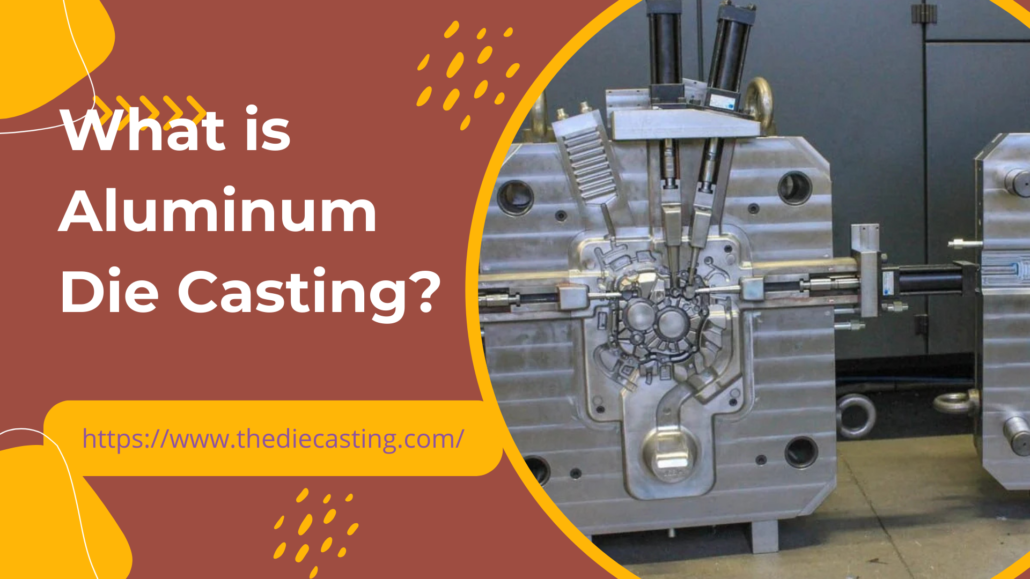
One of the most popular manufacturing processes for producing high-precision metal parts on a large scale is aluminum die casting. It is important in contemporary industries that require high precision in dimensions, mechanical strength, light weight, and cost-effectiveness.
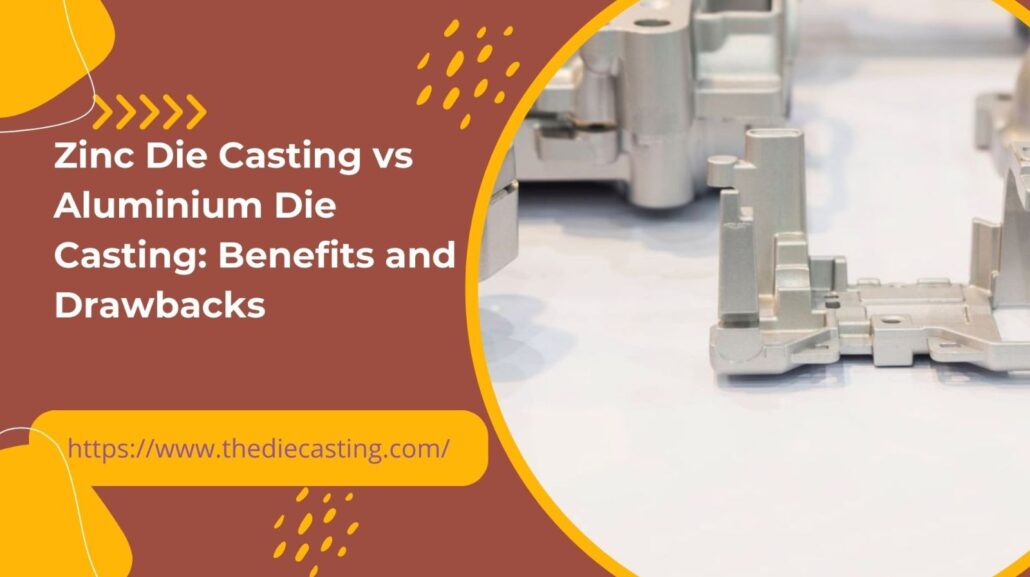
Myös painevalu on ollut käyttökelpoinen ja monipuolinen prosessi valmistusteollisuudessa, kun on kyse korkean tarkkuuden metallituotteiden valmistuksesta. Alumiini ja sinkki ovat yleisimpiä painevaluseoksia. Olettaen, että olet mukana tuotteen valmistuksessa, suunnittelussa tai ainesosien paikallistamisessa, sinun on ymmärrettävä ero sinkkivalun ja alumiinin painevalun välillä. Opas auttaa valmistajia valitsemaan sopivimman metalliseoksen projektiinsa, olipa kyse autonosista, elektroniikasta tai kulutustavaroista. Muottiinvalu on prosessi, jossa kuumaa sulaa metallia kaadetaan muottiin korkeassa paineessa monimutkaisten muotojen tuottamiseksi, joissa on korkeatasoiset pintakäsittelyt. Sekä sinkki- että alumiinin painevalulla on omat hyvät ja huonot puolensa. Tarjoamme myös perusteellisia vertailuja, taulukkomuotoisen pikakuvauksen ja ammattimaisia kommentteja, jotka auttavat sinua tekemään tietoon perustuvan päätöksen. Lopulta ymmärrät selvästi, mitä eroa on sinkkipuristusvalun ja alumiinipuristusvalun välillä ja milloin kumpaakin niistä kannattaa käyttää. Tutustutaan avaintekijöihin. Mitä on painevalu? Nopea yleiskatsaus On erittäin tärkeää ymmärtää painevaluprosessi ennen sinkkivalun ja alumiinin painevalun vertailua. Muottiinvalu on prosessi, jossa sula metalli pakotetaan muotin onteloon korkeassa paineessa (1 000-20 000 psi). Karkaistusta teräksestä valmistetusta muotista tai muotista voidaan tyypillisesti valmistaa tuhansia samanlaisia osia, joissa on tiukat toleranssit. Muottien painevalutyypit Kuumakammiomuovivalu Sitä sovelletaan matalan sulamispisteen metalleihin, kuten sinkkiin. Ruisku kastetaan sulaan metalliin. Kylmäkammiovalu Se sopii parhaiten, kun metallilla on korkeampi sulamislämpötila, kuten alumiinilla. Sulan metallin lastaaminen kammioon tehdään koneen vaurioitumisen estämiseksi. Sitä suositaan sen nopeuden, tarkkuuden ja kyvyn luoda monimutkaisia malleja ilman laajaa jälkikäsittelyä. Tässä vaiheessa vertaamme kahta tähtiseosta: sinkkiä ja alumiinia. Sinkki- ja alumiinin painevalun ensisijaiset ominaisuudet Päätös sinkki- ja alumiinin painevalun välillä pelkistyy usein materiaaliominaisuuksiin. Sinkillä (ja se seostetaan yleisesti Zamakiksi) ja alumiinilla (kuten ADC12 tai A380) ei ole samoja lujuuksia, painoa, korroosionkestävyyttä jne. Lujuus ja kestävyys Sinkkiseoksilla on raportoitu olevan suuri iskunkestävyys ja sitkeys. Ne kestävät huomattavaa rasitusta murtumatta, joten ne soveltuvat komponentteihin, joita on taivutettava tai muotoiltava valun jälkeen. Alumiiniseokset taas ovat vetolujuudeltaan ja kovuudeltaan ylivoimaisia erityisesti rakenteissa. Paino ja tiheys Alumiini on kevyempi (d = 2,7 g/cm 3) kuin sinkki, jonka tiheys on 6,6 g/cm 3. Alumiini on kevyempi kuin sinkki, jonka tiheys on 6,6 g/cm 3 . Tämän vuoksi alumiinia käytetään teollisuudenaloilla, jotka vaativat pientä painoa, kuten ilmailu- ja avaruusteollisuudessa. Sulamispiste ja valettavuus Sinkki sulaa noin 380-390 °C:n lämpötilassa, jolloin kuumakammiokoneet toimivat nopeammin. Alumiini sulaa 660 °C:ssa, mikä tarkoittaa kylmäkammiomenetelmiä, jotka saattavat hidastaa tuotantoa, mutta mahdollistavat ohuempien seinämien. Korroosionkestävyys Molemmilla on hyvä kestävyys; alumiini toimii kuitenkin paremmin ankarissa olosuhteissa, koska se muodostaa luonnostaan suojaavan oksidipinnoitteen. Sinkin ulkokäyttö edellyttää pinnoitusta. Ominaisuudet Sinkkipainevalu Alumiinipainevalu Sulamispiste 380-390 astetta 660 astetta Vetolujuus 280-400 200-300 Tiheys 6,6 2,7 Lämmönjohtavuus 109 100-140 Sähkönjohtavuus Suuri Erittäin suuri Iskulujuus Taivutuskyky Hauras Korroosionkestävyys Hyvä Sinkkipainevalun parhaat edut Sinkkipainevalun monipuolisuus on tehnyt siitä luotettavan vaihtoehdon yli sadan vuoden ajan. Siksi valmistajat pitävät siitä: Sinkki säilyy ehjänä 0,05 mm:n tai alle 0,05 mm:n tarkkuudella, jolloin jälkityöstöä ei tarvita. Valmistaja voi saavuttaa äärimmäisen mittatarkkuuden sinkkivalumuottien avulla. Korkea viimeistely Raaka-aineella itsellään on korkealaatuinen viimeistely. Osat syntyvät puhtaina, eivätkä ne useinkaan vaadi lisähiontaa ennen pinnoitusta tai maalausta. Pidentynyt työkalujen käyttöikä Sinkki sulaa helposti, joten muotit kuluvat vähemmän, mikä alentaa pitkän aikavälin työkalukustannuksia. Tuotteet ovat korroosion- ja kulutuksenkestäviä, mikä johtaa pidempään käyttöikään. Nopea tuotantonopeus Sula materiaali jähmettyy 15-30 sekunnissa. Sen ansiosta sinkkipuristusvalu soveltuu suuren volyymin tuotantoon. Suurteollisuus käyttää sitä tuotannon parantamiseen ja lisäämiseen. Edullinen pienille komponenteille Sinkki soveltuu erinomaisesti monimutkaisiin, pieniin osiin, kuten lukkoihin, hammaspyöriin ja laitteisiin. Mutta painoherkät sovellukset saattavat tehdä sinkistä vähemmän toivottavaa sen suuremman tiheyden vuoksi. Esimerkkejä standardiseoksista ovat Zamak 3 (yleiskäyttöinen) ja Zamak 5 (korkeampi lujuus). Käyttökohteet Muilla teollisuudenaloilla, kuten autoteollisuudessa, sinkkiä käytetään ovenkahvoissa ja kiinnikkeissä. Elektroniikan yhteydessä sitä käytetään mieluiten, koska se voi suojata sähkömagneettiselta sähkömagneettiselta säteilyltä. Alumiinivalun edut Suuremmissa ja rakenteellisissa komponenteissa alumiinin painevalu on johtava. Sen etuja ovat mm: Kevyt ja vahva Alumiinikomponentit voivat vähentää tuotteen kokonaispainoa 50 prosenttia verrattuna teräkseen tai sinkkiin. Alumiini on kevyttä mutta vahvaa. Tämän vuoksi alumiinin painevalu sopii erinomaisesti sellaisten tuotteiden valmistukseen, jotka soveltuvat lujateknisiin sovelluksiin. Erinomainen korroosionkestävyys Se ei useimmissa tapauksissa tarvitse lisäpinnoitusta, mikä säästää aikaa ja rahaa. Alumiinista painevalulla valmistettujen tuotteiden käyttöikä on pidempi ja ne pysyvät ehjinä. Hyvä lämmön- ja sähkönjohtavuus Alumiinin kyky johtaa sähköä ja lämpöä tekee siitä ihanteellisen monenlaisiin sovelluksiin. Se sopii erinomaisesti käytettäväksi jäähdytyslevyissä, moottorilohkoissa ja sähkökoteloissa. Kierrätettävyys Alumiinin painevaluprosessi on paras sen korkean kierrätettävyyden vuoksi - 100-prosenttinen alumiinin kierrätys kestävän valmistussuuntauksen mukaisesti. Ohutseinäisyys Alumiinilla voidaan painevalulla valmistaa jopa 0,5 mm:n ohuita seinämiä, mikä mahdollistaa monimutkaisen muotoilun. Haitat Ristiriidat ja haitat Mikään materiaali ei ole täydellinen. Sinkkipainevalun tapauksessa verrattuna alumiinipainevaluun nämä ovat haittoja: Sinkkipainevalun rajoitukset Alumiinipainevalun rajoitukset Kustannusten vertailu: Sinkkivalu vs. alumiinin painevalu Merkittävä tekijä sinkkivalun ja alumiinin painevalun vertailussa on kustannukset. Raaka-aineet ovat yleensä halvempia, sinkki (2-3/kg) verrattuna alumiiniin (2-4/kg).
One of the most important metal processes, which is used today, is high pressure die casting. It is characterized by the capability to manufacture high-precision components. It is a process that manufacturers resort to when they require quality parts in large quantities. The process is achieved by placing a lot of pressure on molten metal and forcing it into a steel mold, referred to as a die. The pressure is used to maintain the flow of the metal to all corners of the mold. It produces components of small details, narrow walls and smooth surfaces. Because of this, the high pressure die casting would be a convenient choice in the case of an industry that has to be precise and uniform. Examples of the metals that are usually utilized during the process are aluminum, zinc, and magnesium. The materials have their own advantages. Die casting Aluminum is light and undergoes no corrosion. The reason is that Zinc die casting can be cast in thin and intricate designs. The strength of magnesium die casting is very light. High pressure die casting serves most industries. It provides vital parts in automotive, aerospace, electronic and consumer goods manufacturing industries. This process provides durability and performance in engine housings, and in electronics cases, among other things. This article will discuss the functionality of high-pressure die casting, the material used, its advantages, constraints and its numerous applications. High Pressure Die Casting Die casting under high pressure has a history of over 100 years. Its creation dates back to the 19th century when it was used to create printing type. With time, technology was enhanced and became an essential procedure in the automotive and aerospace industries. One of the most effective methods of producing composite metal parts nowadays is high pressure die casting. It can be employed in cases where accuracy, durability, and speed are needed. This process has been adopted by manufacturers because it provides substantial production which is regular in quality, smooth, and detailed shapes which are in line with the requirements of modern engineering. The Die Casting Process of High Pressure High-pressure die casting is a rapid process that is accurate and applicable in mass production. It is a combination of high machines with molten metal that makes accurate and detailed parts. This is made efficient as the whole process enables the manufacturers to produce thousands of components of similar quality. Die Preparation It starts with the preparation of the die. The steel mold or die is meticulously washed and sprayed with a lubricant. This is to regulate the temperature and ensure that the metal does not adhere to the die surface. It should be properly prepared since it is the way to a smooth ejection of the final casting. Metal Melting After reading a die, the preferred material- aluminum, zinc or magnesium is molten down in a furnace. The metal should be heated to the right degree of temperature to attain a complete liquid state. The strength and the finish of the final casting largely depend on the quality of the melting. Metal Injection The molten metal is then forced into the die under a very high pressure. This pressure presses the metal in all corners of the mold cavity. It enables the process to make thin walls, sharp edges and complex shapes which are hard to make in other casting processes. Cooling and Solidification The metal freezes quickly within the steel mold after injection. Cooling periods are also extremely short; they may take only a few seconds. Quick cooling provides the part with its strength and assists in keeping the part at the proper size. Ejection from the Die When the solidification of the metal is done, the die is opened. The casting is forced out of the mold by ejector pins. The part is shaped at this phase except that it still contains additional material that must be eliminated. Trimming and Finishing The last phase is finishing and preparing. The metal that is kept in excess is removed, known as flash. Depending on the needs, the part can then be machined, polished, painted or coated. This will guarantee that the component is prepared to be used. Automation in Modern Factories The high pressure die casting is completely automated in modern factories. The steps of injection, cooling and ejection are performed with accuracy by robots. Automation enhances consistency, lowers labour expenses, and makes it an ideal way of undertaking mass production. Raw Materials of High Pressure Die Casting High pressure die casting is ideal for non-ferrous metals that have relatively low melting points. The most frequent are: Aluminum The most popular one is aluminum die casting. It is a low-weight, high-strength combination. Aluminum products are also resistant to corrosion, thus suitable for cars, aeroplanes and electronics. Zinc Small parts that are fine and precise are best cast with zinc. Zinc is of good toughness and strength. Thin walls and fine details are also enabled. That is why it is suitable for connectors, housings and decorative parts. Magnesium Magnesium is the lightest structural die cast metal. It possesses a good strength-to-weight ratio. It is commonly applied in aerospace, automobile, and consumer electronics in areas where a lightweight is a factor. Copper Alloys Alloys can also be made of copper, but this is not common. They are very hard, have high wear resistance and high electrical conductivity. All the materials possess their strengths depending on the usage. Aluminum is selected as a strong and corrosion-resistant material, zinc as an accurate one, and magnesium as a lightweight component. High Pressure Die Casting Tooling and Dies The most important aspect of the process is the die, or the mold. Hardened tool steel is used in making dies, and it is constructed to resist excessive heat and pressure. Dies are of two major types: It is also possible to design a die that will transfer the creation of a variety of parts in a single cycle, a combination die. The tooling costs are also expensive,