alumiinivalu

Mikä on valettu alumiini keittoastia?

Mikä on valettu alumiini keittoastia? Täydellinen opas

Alumiini, alumiinivalu

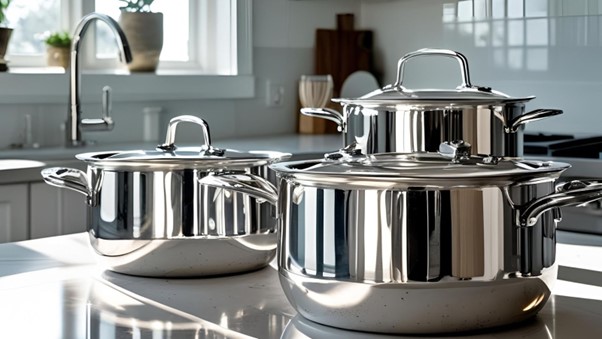
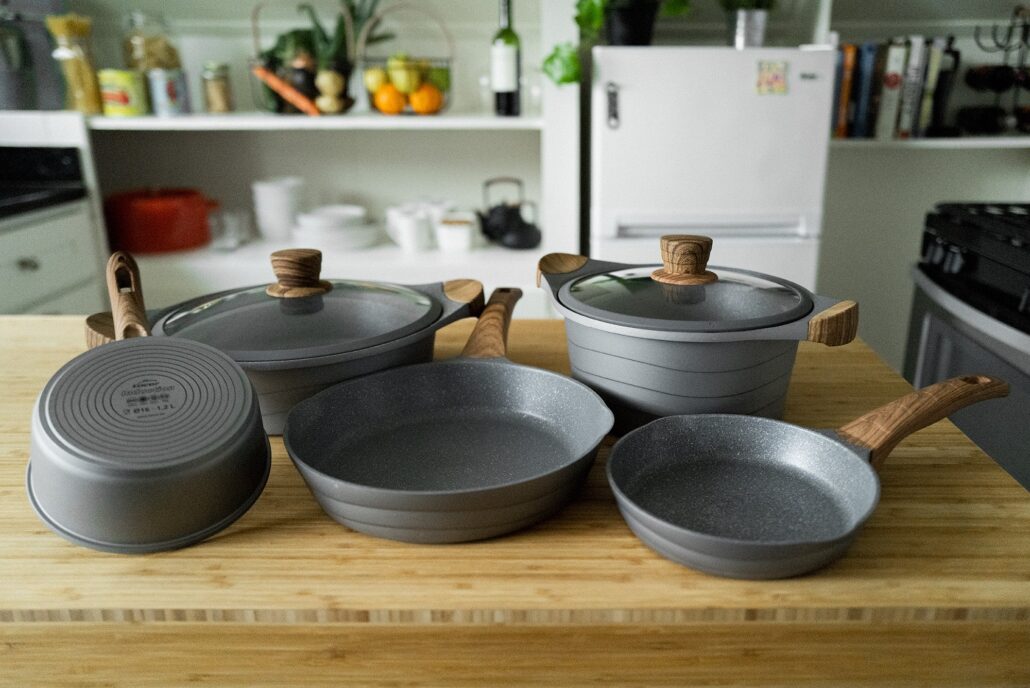
Valualumiiniset keittoastiat ovat tulossa suosituiksi keittiöissä kaikkialla maailmassa. Se on kevyttä, edullista ja helppokäyttöistä. Ruoka voi maistua erilaiselta riippuen käytetystä keittoastiasta, mukaan lukien helppo kypsennysprosessi. Keittoastiat ovat myös aikaa säästäviä ja pitkäikäisiä. Valettu alumiini valmistetaan kaatamalla sulaa alumiinia muottiin. Menetelmä antaa keittoastioille sekä konkreettisen rakenteen että johdonmukaisuuden paksuuden. Sen ansiosta pannu tai kattila lämpiää nopeasti ja lämpö leviää tasaisesti. Tämä yksinkertaistaa ja vähentää päivittäisten aterioiden valmistamiseen kuluvaa aikaa. Valualumiini on toinen suhteellisen kevyt materiaali, jota monet ihmiset ovat käyttäneet, koska se on suhteellisen edullinen verrattuna ruostumattomaan teräkseen. Sitä voidaan myös valmistaa eri muotoisina ja kokoisina; siksi sitä voidaan paistaa, paistaa ja keittää. Alumiinivalulla on kuitenkin myös kielteiset puolensa. Se ei ole yhtä sitkeä kuin ruostumaton teräs eikä yhtä sitkeä kuin valurauta. On myös olemassa joitakin ruoanlaittovälineitä, jotka tarvitsevat tarttumattoman tai anodisoidun pinnoitteen, jotta ruoka ei tartu kiinni tai ole kosketuksissa happamien ruokien kanssa. Tässä artikkelissa näitä kaikkia selitetään yksinkertaista kieltä käyttäen. Sinulle esitellään valualumiinisten keittoastioiden edut, haitat, turvallisuus ja käsittely. Miten valualumiiniset keittoastiat valmistetaan? Valetut alumiiniset keittoastiat valmistetaan kaatamalla sulatettua alumiinia muottiin. Metalli (alumiini) on sitten jäähtymisen jälkeen pannun, kattilan tai leivinpannun muotoinen. Prosessi tekee keittoastioista kovempia ja painavampia kuin perinteinen puristettu tai valssattu alumiini. Prosessin kaksi suurta vaihetta ovat: Tällainen valu tekee keittoastiasta riittävän vahvan, jotta sitä voidaan käyttää päivittäin. Toiset ovat tarttumattomia kuoria niissä, jotka estävät ruoan tarttumisen ja helpottavat niiden puhdistamista. Valettu alumiini Keittoastioiden prosessi Alumiinin valmistelu Alkuvaiheeseen kuuluu alumiinin valinta. Valmistajat voivat käyttää puhdasta alumiinia tai kierrätettyä alumiinia. Alumiini laitetaan suuriin uuneihin, joissa se kuumennetaan yli 660 °C:een, kunnes se sulaa nesteeksi. Tässä vaiheessa alumiini puhdistetaan sen varmistamiseksi, että se on vahvaa ja turvallista lopputuotteessa. Muotin luominen Kun alumiini on käsillä, luodaan muotti. Muotin muoto määräytyy muotin mukaan, ja se voi olla paistinpannu, kattila tai leivinpannu. Nämä muotit ovat useimmiten hiekkaisia tai teräksisiä. Kopopotterin ohuus, tasapaino ja kestävyys määräytyvät muotin tyypin ja hienouden tason mukaan. Sulan alumiinin kaataminen Muotti täytetään nestemäisellä alumiinilla. Se täytetään ääriään myöten jokaiseen muotoilun rakoon. Tämä prosessi aiheuttaa myös sen, että valetut alumiiniset keittoastiat ovat painavampia ja vahvempia kuin puristetut alumiiniset keittoastiat. Jäähtyminen ja jähmettyminen Kun alumiini on valettu, sen odotetaan jäähtyvän. Jäähtyessään se jäykistyy ja painuu ja saa muotin muodon. Jäähtyminen on välttämätöntä, koska se poistaa halkeamat, ilmakuplat tai heikot kohdat, jotka voivat vaarantaa keittoastian laadun. Trimmaus ja viimeistely Kun keittoastia on kovettunut, se irrotetaan muotista. Silloin karkea pinta leikataan ja kiillotetaan. Myös muita ominaisuuksia, kuten kahvoja ja pohjia, lisätään. Näin varmistetaan, että keittoastia on sileä, turvallinen ja valmis päällystettäväksi. Pintakäsittely ja viimeistely Useimmat valetut alumiiniset keittoastiat ovat pintakäsiteltyjä. Ne on useimmiten varustettu tarttumattomilla pinnoilla, jolloin ruoka ei tartu pinnoille, eikä puhdistaminen vie paljon aikaa. Muut voivat anodisoida ne, mikä lisää niiden korroosion- ja naarmunkestävyyttä. Nämä pinnoitteet kestävät myös reaktiivisuutta happamien elintarvikkeiden kanssa. Laadun testaus Laadunvalvonta on viimeinen. Kaikki työt tarkastetaan tasapainon, kestävyyden ja pinnoitteen turvallisuuden osalta. Huolellisesti tarkastetut keittoastiat pakataan ja lähetetään vasta markkinoille. Näin varmistetaan, että asiakkaat saavat kestäviä, laadukkaita ja turvallisia keittoastioita. Valetut alumiiniset keittoastiat edut Mikä on syy olla käyttämättä muita materiaaleja, käyttää valettua alumiinia? Tässä ovat tärkeimmät edut: Kevyt Alumiinivalu on valurautaan verrattuna erittäin kevyttä. Se ei vie paljon aikaa, ja se on sitäkin enemmän, kun on kokki, joka valmistaa aterioita säännöllisesti vanhuksille. Erinomainen lämmönjako Alumiini on lämmönjohdin. Valetut alumiiniset astiat kypsyvät nopeasti ja tasaisesti. Tämä tarkoittaa, että kuumia kohtia olisi vähemmän ja kypsennys olisi tasaista. Edullinen Se on yleensä halvempaa kuin ruostumattomasta teräksestä tai kuparista valmistetut keittoastiat. Siinä on kunnollinen suorituskyky edulliseen hintaan. Monipuolinen Valualumiinia voidaan paistaa, leipoa, keittää tai hauduttaa. Jotkut ovat jopa uuninkestäviä. Nopea kuumeneminen Alumiini saa ruoan kypsymään nopeammin, koska se reagoi lämpöön nopeammin. Tämä säästää aikaa ja energiaa. Alumiinivaluastioiden haitat Alumiinivaluastioiden useista eduista huolimatta niillä on myös useita rajoituksia: Kestävyysongelmat Valualumiini on pehmeämpää kuin valurauta tai ruostumaton teräs. Lopulta se todennäköisesti kolhiintuu tai naarmuuntuu, varsinkin jos sitä ei käsitellä oikein. Reaktiivisuus elintarvikkeiden kanssa Pinnoittamaton alumiini voi reagoida happojen, kuten tomaatin tai etikan, kanssa. Tämä voi tehdä siitä joko metallisen tai värittyneen. Suurin osa nykyaikaisista valualumiinipannuista on pinnoitettu tällaisten vaikutusten varalta. Pinnoitusongelmat Pannun tarttumaton kalvo voi olla huonolaatuinen, ja siksi se voi kulua pois ajan myötä. Sitä voi hangata kovilla sienillä tai metalliastioilla, ja tämä vähentää sen käyttöikää. Alumiinivaletut ja muut keittoastiat Keittoastian valinta on enemmänkin valinta. Alumiinivalun suorituskyky verrattuna suosittuihin korvikkeisiin on seuraava: Alumiinivalu ja ruostumaton teräs Ensimmäinen erottuva ero valualumiinin ja ruostumattoman teräksen tapauksessa on lämpö
Mitkä alumiiniseokset ovat parhaita hitsaukseen?

Mitkä alumiiniseokset ovat parhaita hitsaukseen?

alumiinivalu, alumiinin painevalu

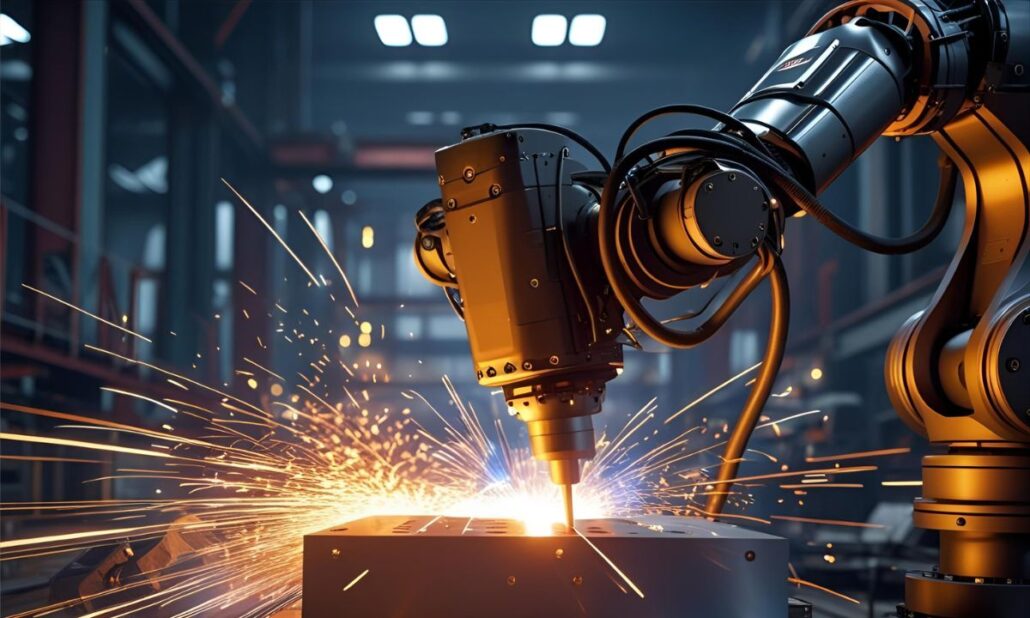
Which Aluminum Alloys Are Best for Welding? Aluminum has become the most popular of the metals used in contemporary industries because of its high portability, strong resistance to the elements and ease of fabrication. Its alloys are invaluable in the aerospace, automotive and marine as well as housing and building industries. But the challenges created by welding aluminum are different to welding other metals, in part because of the high thermal conductivity, speed of oxide formation and distortion and cracking characteristics of aluminum in the welding process. Knowledge of the properties and the characteristics of various aluminum alloys is important in the choice of the material that suits a particular task. Not every aluminum alloy is equally weldable, whereas some are well-adapted to traditional welding, others need some special welding procedure like friction stir welding. The alloy selection and method of welding depends on such factors as strength, resistance to corrosion, ductility, and the ability of heat-treating. Surfaces must also be properly prepared, filler metals need to be compatible and post-weld treatments must consider to achieve high-quality junctions. The article will give an in-depth report on the best types of aluminum alloy to be welded, their characteristics, the benefits associated with their usage, recommendations to follow and the challenges to expect when welding these types of aluminium alloy. Based on such knowledge, professionals will be in a position to achieve durable, reliable and good performing welded structures across diverse industrial and structural applications. What is aluminum alloys Aluminum alloys are the materials used by adding other metals to the aluminum to enhance its qualities like strength, corrosion resistant, machinability or weldability. Pure aluminum is weak, lightweight, soft, and very well resistant to corrosion. By mixing additional elements (such as copper (Cu), magnesium (Mg), silicon (Si), manganese (Mn), or zinc (Zn)), engineers can make alloys suitable to a variety of types of applications, including aerospace, automotive parts, marine and building structures. A few points of aluminum alloys Simply put, aluminum alloys have the lightweight, corrosion-resistant properties of aluminum with extra favorable qualities needed to suit the needs of an industrial application. Knowing the Aluminum Alloys Aluminum alloys have been divided into wrought alloys and cast alloys. Mechanically worked alloys are wrought into sheets, plates or extrusions but casting alloys are in form of poured molten aluminum into molds. The wrought alloys are further divided into series according to the alloying elements: Conditions which Affect Weldability Aluminum alloys can be welded, depending upon a variety of factors: The best Aluminum Alloys to weld on 5052 Alloy Al-Mg (aluminum-magnesium) alloy 5052 is considered by many to be one of the most welding friendly alloys. This is due to its high magnesium content and therefore it has good resistance to corrosion, especially in marine environments and applications in chemical processing. Applications: Moderate-to-high strength, high ductile and above-average corrosion resistance. Advantages: Materials: Marine structures, Chemical tanks, automotive panels, roofing sheets and industrial equipment. Alloy 5083 Aluminum-magnesium alloy 5083 has high strength at low temperatures and thus is applicable in marine and cryogenics. It resists corrosion especially in industrial and seawater. Characteristics: Extra-high strength, good corrosion protection, good fatigue resistance. Advantages: Applications: Shipbuilding, pressure vessels and tanks, automotive frames and equipment and transportation equipment. 5754 Alloy Another Al-Mg alloy is A-Mg 5754 which can be described as medium strength with high corrosion resistance and high formability. It also achieves structural strength, as well as, weldability and that is why it is commonly used where structural strength is key as well as weldability. Characteristics: Moderate strength, high ductility, is corrosion resistant. Advantages: Applications: Auto Body panels, structural panels, construction cladding, and marine. 6061 Alloy Al-Mg-Si alloy with the composition 6061 has found wide usage in the structural and aerospace fields. It is a compromise between toughness, corrosion resistance and utility. Type of properties: Medium-high strength, very good corrosion resistance, and moderate ductility. Advantages: Applications: Aircraft structures, pipeline, automotive components, bridge structures and structural products. 6063 Alloy Al-Mg-Si alloy (6063) is another architectural and decorative Al alloy that is noted to have a smooth finish on its surface and the ability to resist corrosion. Properties: A strong or moderate strength, good corrosion resistance, a good surface finish. Advantages: Applications: Architectural structure, window frames, doors, curtain walls and extrusions. Alloy 1100 Aluminum alloy 1100 can almost seem a pure aluminum alloy (it is 99% aluminum). It is soft, ductile and very easy to weld so it is suitable where resistivity is the issue rather than strength. High ductility: Excellent corrosion resistance, Low strength. Advantages: 1350 Alloy Another aluminum alloy of high purity applicable in the electrical and chemical industries is1350. It is incredibly strong and has great corrosion resistance as well as being very weldable and is a very dependable metal when used in specialized settings. Advantages: Immune to corrosion, excellent welding ability and low weight. Advantages: Aluminum Alloys, as well as of their major properties and the ability to be welded The technical table below contains the list of the full proper names of the aluminum alloys, as well as of their major properties and the ability to be welded: Alloy (Proper Name) Density (g/cm³) Melting Temp (°C) Tensile Strength (MPa) Yield Strength (MPa) Elongation (%) Hardness (HB) Weldability Aluminium 1100 (Commercially Pure Aluminum) 2.71 640 90 35 35 40 Excellent Aluminium 1350 (High Purity Aluminum, Electrical Grade) 2.71 640 110 40 20 50 Excellent Aluminium 5052 (Aluminium-Magnesium Alloy) 2.68 607–650 228 193 12 60 Excellent Aluminium 5083 (Aluminium-Magnesium Alloy, Marine Grade) 2.66 635 317 228 12 70 Excellent Aluminium 5754 (Aluminium-Magnesium Alloy) 2.67 637 250 190 15 60 Excellent Aluminium 6061 (Aluminium-Magnesium-Silicon Alloy) 2.70 582–652 310 276 12 95 Good Aluminium 6063 (Aluminium-Magnesium-Silicon Alloy, Architectural Grade) 2.70 615 241 214 8 90 Good Aluminium 2024 (Aluminium-Copper Alloy, Aerospace Grade) 2.78 500–640 483 345 20 120 Difficult Aluminium 2219 (Aluminium-Copper Alloy, High Strength Aerospace) 2.84 509–638 470 330 18 130 Difficult Aluminium 7075 (Aluminium-Zinc-Copper Alloy, Aerospace Grade) 2.81 477–635 572 503 11 150 Very Difficult This is

Mikä on alumiinin suulakepuristusprosessi? 

alumiinivalu, alumiinin painevalu

Aluminum extrusion has not only been appreciated in the respect that it makes a strong, yet lightweight part, but also its flexible and cost-effective designs are a factor. It is used in construction, aerospace, automotive and electronic industries, and nearly everywhere in between. Aluminium extrusion is among the processes that indicate an equalization between innovative designs and effective production, which is just about to become one of the dominating procedures of the manufacturing industry. Aluminum is one of the most popular metals in the modern industries, being appreciated because of its light weight, strength, durability and also its capacity to resist corrosion. Aluminum is more conspicuous in our lives; in the construction of skyscrapers in our cities, the cars we drive and other gadgets that we use in our daily lives. One of the most vital processes of manufacturing that has ensured the versatility is the aluminum extrusion process. Extrusion refers broadly to methods of metal deformation whereby metal is pushed or squeezed through a die in a similar fashion to toothpaste. In aluminum, longer continuous sections of final, predetermined cross-sectional shapes are formed by ramming solid block-like objects (known as billets) through an already heated die. These profiles may be plain rods, tubes or highly complex and specially made to the extent that they will meet the demands of a given industry. In this article, we will learn everything about the aluminium extrusion process; its history, the extrusion process, types, applications, advantages and limitations and its rising capabilities in future of manufacturing. Historical Background The idea of extrusion as a manufacturing process has been traced back to the late 18th century. The first well-known extrusion was that of the British inventor Joseph Bramah, who patented his exactly in 1797. Instead, he used a process that involved pushing pliable metals such as lead through a die to shape long, identical-looking pieces and primarily pipes. The preconditioning of the process of extrusion was an invention. Until much of the 19th century, the extrusion of softer metals had been inhibited by technology. The real breakthrough came about in the early 220thcenturies when economical ways of producing aluminium were discovered. The acquisition of aluminium was brought to lower prices and large-scale production by the invention in 1886 by Charles Martin Hall in the United States and separately by Paul H. Roult in France of the Hall-Heroult process. After the invention of aluminum, it did not take long before scientists and manufacturers saw the potential extrusion had to offer. The use of aluminum extrusion technology began gaining steam in the 20s, especially coming into force in Europe and North America. It was on a large scale utilized in the Second World War when the industries required a lightweight but durable material in aircraft, vehicles used by the military, and buildings. Since then, the line-casting technology has been invented and has been extended far farther than the aluminum extrusion that first emerged in the military sectors. What is Aluminum extruded? Aluminum extrusion is the commercial physical method that is used in plasticizing solid aluminum into shapes that are long with specific cross-sections. The idea is simple: a block of aluminum (a billet) is heated to a malleable stage and forced under intense pressure of a die made of steel. In pressing through the die, the aluminum takes on the shape of the opening, either straight, hollow, or solid, or in a highly complicated profile. The analogy that is best applied in extrusion is the extrusion of a toothpaste tube. Same as the toothpaste- it takes the shape of the nozzle, and similarly, the extruded aluminum takes the shape of the die. The advantage of aluminium extrusion is the ability to manufacture lightweight yet strong components of the exact shape. The resultant extruded profiles can be strippable to various lengths and are also subjected to further finishing, including anodising, powder coating, and finishing. All these upgrades raise performance, wear and look. Due to its flexibility, it has become one of the extrusion processes whose scope has been resorted to within different discourses like the construction industry, the aviation industry, the electronic industry, the transport and even the consumer products industry. It is not just the process but a vital bridge between the native stainless steel and absorbed functionality that defines the current engineering and high-construction. Aluminium Extrusion Process in Steps Characterise the Profile & Select the Alloy Cast and Christen the Billet Scalp or Saw Inspect Billet Heat the Billet Make the Die & Tooling Lubricate and Prepare the Press Load the Billet and QC Start the Press Breakthrough Extrusion, Steady Chinking on the Table Fast Cooling (Immediate Quenching) Handling temperature for cooling Profiles cool on the table after quenching until they are able to be handled without imprint or warping. Soft, controlled cooling minimises residual stress. Stretching / Straightening Cutting Back to Length Heat Treatment (Where Necessary) Surface Finish (Optional) Machining & Fabrication (As required) Profiles are CNC-machined, punched, drilled, tapped or bent. Jigs/ fixtures provide repeatability of tolerance control on thin or complex sections. Test and On-Quality Control Die Tuning & Maintenance When dimension control or surface finish is out of control, the length of the bearings and flow balance can be modified; dies may be polished and, when absolutely not required, nitrided; dies are polished and cleaned. Packing & Logistics Why every step counts The Components Used in Aluminum Extrusion Aluminum extrusion draws on choosing the correct aluminum alloy to suit the mechanical, thermal, and corrosion requirements. The properties required by different industries differ, thus selection of alloys is determined by strength, ductility, corrosion resistance and heat-treatability. 1000 Series (Practically Pure Aluminum) 3000 Series (Al-Mn Alloys) 5000 Series (Al-Mg Alloys) 6000 Series (Al-Mg-Si Alloys) 7000 Series (Al-Zn-Mg-Cu Alloys) Allothers Speciality Alloys To keep composition similarity, recyclable aluminum scrap containing the same alloy is frequently reused. Aluminum Extrusion Materials Quick Reference Table A technical table of probable common aluminum alloys used in extrusions, major properties and established extrusion parameters as follows: Alloy Series

Valu vs. taonta

Valu vs. taonta: Valaminen: Keskeisten valmistusprosessien ymmärtäminen

alumiinivalu

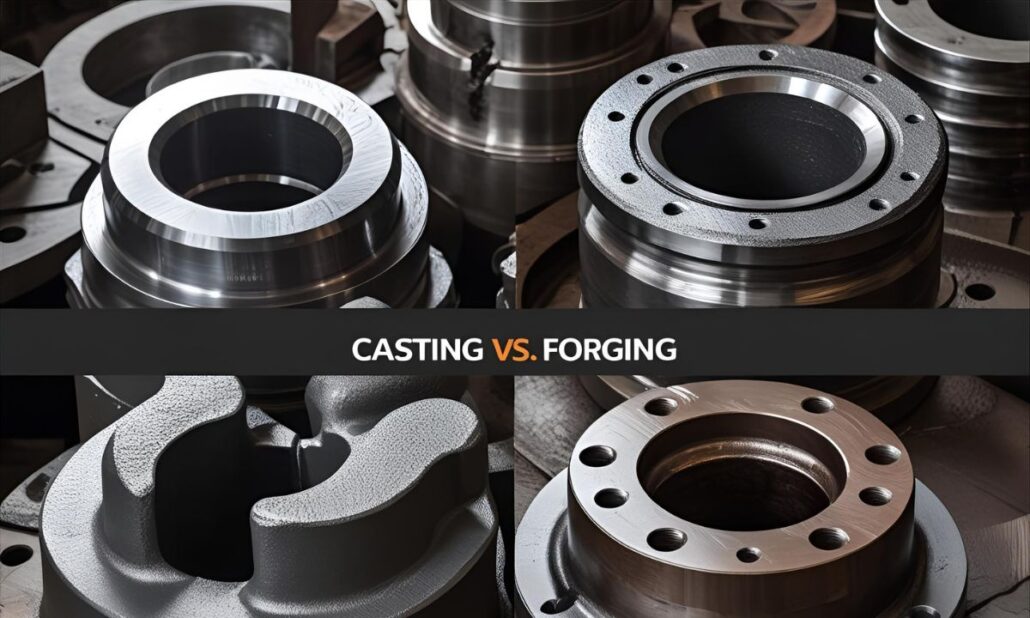
Casting and forging are two of the most commonly used metalworking methods, both of which have different applications in the manufacturing sector. Such techniques are essential in the manufacture of metal parts that diversify in automotive, aerospace, defence, and goliath machinery industries. Although both of them look to create functional parts by shaping metal, they ultimately achieve that goal in definitively different ways, creating different material properties and uses. Casting makes use of processes of melting down metal and pouring it into a mold, where it takes on a permanent shape. It is most suitable for the production of intricate and complicated shapes that would otherwise be difficult to acquire through other machinery. It works very well in mass production, particularly where large volumes of identical parts are manufactured. Casting is very flexible and can use a vast number of metals and alloys, thus casting can be used in industries where fine quality designs matter, aerospace, automotive and art. Forging, on the other hand, is a process of shaping metal through compressive forces, usually when the material is at a high temperature. This process makes the metal stronger by straightening up its grain structure, thus making the parts stronger and durable. The particular benefit of forging is that it is highly applicable in the manufacturing of parts that have to be hardened or exposed to extreme conditions, including high stresses, as in the automotive, aerospace, and defence industries. This article will discuss the main differences concerning casting and forging, the benefits and drawbacks of each, and the areas of application in modern manufacturing and what role each process holds in these processes. What is Casting? A manufacturing process preserved in casting involves pouring a liquid material, typically metallic, into a mold to set and acquire the shape of the mold cavity. It starts as the material is melted, poured into a special shape, and cooled. After this material hardens, the mold is removed, and a solid object is left, which is an almost perfect copy of the mold shape. What is Forging? Forging is a metalworking process that makes use of compressive force, with the metal typically heated to high temperatures. The metal is either beaten, pressed into shape or rolled to the required shape. Forging is commonly done at high temperatures, at which point in time the metal becomes malleable and a lot easier to work with. It is a process that is mostly employed to create robust, wearable components and is widely employed in such industries as automotive, aerospace, as well as heavy machinery. Casting Process The casting involves some major steps: Forging Process Forging is less complicated in the manufacturing process; however, one has to have greater control over temperature and pressure: The Pros of Casting and Forging Casting Advantages: Forging Advantages: Cons of Casting and Forging Casting Disadvantages: Forging Disadvantages: Casting and Forging Materials Casting Materials This casting process is a diverse process that may be conducted using a wide range of materials in relation to the needs of the application. Metals commonly used in casting are aluminum, steel, iron, bronze and brass, which are characterised by unique properties which qualify them to be utilized in various industries. As another example, aluminum is lightweight and has good resistance to corrosion, which will be ideal in automotive and aerospace markets. Steel and iron are more preferred due to their durability and strength, and are usually put to use in components of heavy machinery and industries. Bronze and brass can be seen in the use of metal when the element of strength is needed, but also the need for resistance to corrosion and appealing to the eye has to be considered, like decorative pieces or equipment on ships. Besides these common metals, casting may also entail specialized alloys, such as magnesium, zinc alloys and copper base alloys that are selected to fit certain applications because they possess specific functioning properties. An example of magnesium alloys is employed in the industries that need lightweight components, another example being the zinc alloys that might be applied in various industries where there is a need to cast certain parts that should not be vulnerable to wear and tear. Such copper alloys are dominant in electrical and plumbing works because of their high resistance to corrosion and electrical conductivity. Casting can use different metals and alloys, which means that manufacturers can modify the parts to best suit that application. Forging Materials Materials used to make forgings are usually chosen because of their strength in terms of stress and pressure-resistant properties. Steel alloys comprising carbon steel, stainless steel and tool steel are the most frequently used materials in forging. Carbon steel is strong and hard, and as a result, it is used when building structures and heavy machinery components. The advantage of stainless steel is that it cannot be easily corroded, thus it is ideal in places where parts are inhospitable, like the automotive and medical industries. Tool steel is particularly made and works well against wear and is hence applicable in tools, dies, and other parts of high-performance machines. Uses of Casting and Forging The casting and forging have more similar applications in different industries, and every type is specialized to suit the needs of the end product. The type of casting or forging is determined by strength, complexity, properties of the used material, and end use. The main applications of the processes are the following. Uses of Casting Casting has also proved to come in handy in the production of parts of complex shapes or large volumes. Some of the most important applications in industries are as follows: Uses of Forging Forging. In cases where high strength, durability and material integrity are demanded of the end product, the process is carried out by forging. These are common industries and parts in which forging is important: The Major Distinctions between Forging and Casting Although casting and forging are quite similar manufacturing techniques, it is important to realize the main peculiarities of

Miten anodisoida alumiinia? Olennaiset vaiheet ja parhaat käytännöt

Miten anodisoida alumiinia? Olennaiset vaiheet ja parhaat käytännöt

alumiinivalu

Anodize aluminum is one of the most popular electrochemical processes that are aimed at improving the surface characteristics of aluminum and aluminum alloys. Through the increment of the natural oxide layer on the surface of the aluminum, anodizing contributes largely to the durability of the material, corrosion resistance, and wear resistance. It also increases the aesthetic quality of the aluminum, providing a range of different looks and shine, and even the capability of taking on a dyed color. This is achieved by dipping aluminum in an acidic electrolyte bath (acidic), and an electric current is then introduced to react the aluminum with oxygen to form a denser oxide layer. Not only is this associated oxide layer tough and durable, but it also bonds well with the base metal. Anodizing has seen a wide, or rather, the highest demand in cases where the aluminum parts are exposed to extreme environments, like in the construction of aerospace, automobile, and building bodies. An example of where the anodized aluminum is utilized includes aircraft components, automobile wheels, facades, and consumer electronics, where not only does appearance matter, but functionality is also essential. Anodizing offers flexibility and invaluable diversity in today’s manufacturing because of the capacity to enhance physical qualities and aesthetic improvement of aluminum. What is Aluminum Anodizing? Anodizing is an electrochemical process of increasing the thickness of the native oxide film existing on the surface of aluminum. Oxygen gets mixed with the aluminum metal during an acidic bath, and using an electric current, the oxide structure of aluminum is formed, which gives the metal excellent properties of resistance to acid and oxygen. The process increases the material’s resistance to corrosion, hit resistance, and durability. Dyes can also be used on anodized aluminum because the oxide layer on anodized aluminum is porous, which enables rich colors to be used. The industries typically utilizing the process include aerospace, automotive, architecture, and consumer electronics industries because the process is able to add better performance and visual elements to aluminum materials used in harsh conditions. Fundamentals of Aluminum Anodizing The basis of anodizing is to immerse aluminum in a sulfuric acid electrolyte and then subject it to an electric current. This makes the oxygen react with the aluminum surface to form aluminum oxide (Al2O3) that is far more solid and tougher compared with the actual metal beneath it. This delivers a corrosion-resistant, wear-resistant finish, usually of matte, satin, or shiny finish. The anodized layer is subject to variation with reference to the time of the anodizing process, and sometimes the temperature and voltage. Anodizing Materials Required There are a couple of materials you are going to require before you proceed with the anodizing process: Step-by-Step Process of Anodizing Aluminum  1. Surface Treatment of Aluminum Preparing the aluminum surface is the initial stage of anodizing. This will be done by cleaning the aluminum by removing any dirt, grease, or oxidation that would be in it. Wet anecdote loss may be wiped off with a mixture of mild detergents and rinsed off using distilled water. A more rigorous cleaning should be done with a caustic soda solution to etch the surface and rinse off any naturally occurring aluminum oxide. Examine the cleaned surface of the aluminum and remove any flaws in it because anodizing would not conceal marks and dents. Care should also be taken to make sure that the aluminum is not covered in oils or grease that would impede the anodization process. 2. Anodizing Bath Preparation Then, an anodizing bath should be prepared by adding distilled water and sulfuric acid. The acid ought to have a concentration of about 15-20 percent. In a small batch, the usual plastic or glass container will do, but it should be inert to the acid. Make sure that the aluminum piece is in the bath, and the anode (positive lead) is touching / in contact with the aluminum using a conducting lead. 3. The Electrical Current Applied When the aluminum portion is clamped inside the bath, the electric current is administered. The aluminum will be the cathode ( negative ) terminal, and the anode is a lead or stainless steel electrode. The actual current density (amperage) and voltage are of the utmost importance as the parameters to control the quality of the anodized layer. With more current, we shall have a thicker oxide and lesser currents finer detailing. The anodizing process is about 30 minutes or one hour, depending on how thick the oxide layer is. In the process, aluminum is bound to the oxygen ions to make the aluminum oxide on the surface. 4. Neutralizing and Rinsing After the anodizing has finished, carefully take the aluminum out of the bath and rinse out under running distilled water to get rid of any acid on it. This will be imperative in avoiding any acid residue that may cause damage to the surface in a later period. In case of a required neutralizing step, the aluminum can be put in a neutralizing bath, which is usually in a mild alkaline solution to restore a neutral pH on the surface. 5. Finish of the Anodized Layer Anodizing is completed with the last process of sealing the aluminum oxide film. This process assists in raising the level of corrosion resistance of the anodized surface by sealing the holes of the oxide coat. The aluminum is normally sealed by soaking it in hot distilled water (about 95 °C or 203 o F) within a span of half an hour. The incident results in a hydrated aluminum oxide, which is corrosion and wear-resistant. Some of them you can even choose to dye the anodized aluminum, preferably before sealing. An oxide layer has a porous nature, which enables it to absorb dye, hence its ability to have a broad spectrum of surface colors. It is permanently colored by sealing, and the surface is very strong. Anodizing Process Factors Several factors can affect the result of the anodizing process, which include: Uses of anodized Aluminium Aerospace Industry 

Valettu alumiini

Mitä on valettu alumiini? Monipuolinen metalli, jota käytetään nykyaikaisessa valmistuksessa

Alumiini, alumiinivalu

Aluminium castings are one of the most adaptable and common materials in contemporary manufacturing. It is used to melt and pour molten aluminum into moulds to adopt desired shapes, and in this process, complex and intricate parts can be constructed that would otherwise have a tough time coming out using alternative techniques, and hence, the process can generate a lot of such parts at a relatively lower cost. The cast aluminum products have found their value through various purposes that stretch to auto engine parts, aerospace, coffee pots, cookware and even household. The incredible weightlessness, plus concurrent strengths and resistances against corrosion and good thermal conductivity, make it the best supplier to numerous industries. Cast aluminum also provides the manufacturer with a lot of design flexibility, allowing the creation of complex geometries that can optimise performance without using a lot of material.  The process of casting is also very efficient and economically viable, particularly when mass production of parts is involved. Moreover, aluminium is one of the categories of metal that is easy to recycle, which means it can decrease the ecological costs of production. Although cast aluminum has a lot of advantages, it also has some shortfalls, such as its brittle nature when compared to wrought aluminum and that it is difficult to weld. These factors have to be taken into consideration when choosing cast aluminum for particular applications. This article will give a broad perspective of the properties, advantages and applications of cast aluminum, one of the most common substances in the contemporary world. What is Aluminium Cast? Cast aluminum consists of the quite liquid appearance of aluminum that has been remoulded into a shape that forms a product. This process, or casting, is a very old manufacturing process adapted to present-day practices. Unlike wrought aluminum, which is cast using the rolling process or extrusion, aluminum is poured into the mould as molten metal, after which it is left to harden. Casting provides more complex, hollow and even three dimensional shapes that could not be readily or cost within easy reach to form by machining or forging, since it begins as a liquid. It is this versatility that makes cast aluminum products so widely used right across our spectrum of products; that is, engine parts, as well as electronic equipment and cookware, to name a few. Simple Cast Aluminum Composition Aluminum, most of the time, is not pure aluminum. Instead, it is an alloy, i.e. a mixture of aluminum and other materials in order to improve strength or fluidity, or both. The most frequent aspect of the alloy is The combination is particular, which is dependent on use. To illustrate, alloys with high heat conductivity and corrosion resistance would be used on high-temperature equipment like automotive parts, and cookware would take the one with the high silicon-aluminium content that has high thermal performance and wear resistance. History and Development of Cast Aluminum Casting of metals has a history in the order of thousands of years since the early societies were known to cast bronze and cast iron to produce tools and weapons. Aluminum was not extracted until the early 19th century, and it was uneconomical to do so until the creation of the Hall-Héoult process late in the 19th century. The casting of aluminum became one of the processes of the aviation and cookware industries by the beginning of the 20th century. It is during the World War II era that aluminum demand was at its highest because of its strength-to-weight ratio that made it most suitable in aeroplanes. After the war, aluminum casting had more commercial applications in consumer products, automobile manufacturing and architecture.Due to the advancement of the design engineering of moulds, metallurgy, and castings, cast aluminum is part of the present-day production. Process of Cast Aluminum  Cast aluminum is a process which requires a number of major steps to turn melted aluminum into parts that can be used in the form of specific shapes. The work of the basic explanation of the process goes in the following way: 1. Mould Preparation The initial procedure of casting is making a mould in which molten aluminum will be cast. Depending on the casting method, the mould may consist of such materials as sand, metal or ceramic, among others. It is also designed with a good mould to have the desired shape to ensure that the aluminum solidifies in the right shape. 2. Melting Aluminum When the mould is ready, some scraps of aluminum or aluminum ingots are placed in a furnace where they are melted at a temperature range of 660 to 750 °C (1220 to 1382 o F). The molten aluminum is also continuously watched with the aim of obtaining the right pouring temperature and quality. 3. Pouring the Molten Aluminum into its Mold Once the melted aluminium is poured into the cavity of the mould, the molten metal is poured into the cavity of the mould. The pouring is done, depending on the kind of casting, i.e. die casting, sand casting or investment casting. Some of the techniques used include die casting, where molten aluminum is injected under pressure, whereas in other techniques, the molten aluminum is just poured into the mould and left to cool. 4. Cooling and Solidification Building and Overseeing: Having too thick or complicated a part will take a long time to cool. At this stage, the melted-down aluminum cools into the required shape and expels internal pressure. 5. Installation and Inspection After the aluminum is cooled down and solidified, the mould is then released, and the cast part remains. The separation in some cases is done by breaking the mould piece, particularly with casting in sand, and with other techniques such as die casting, mould opening and the part is ejected. 6. Finishing and Inspection After cutting the part, it is usually processed further using finishing operations such as grinding, polishing, machining, etc., in order to smooth the surface or attain closer tolerances. With the part, it is then checked

Valetut alumiiniset leivonta-astiat

Miksi valetut alumiiniset leivontatuotteet lämpenevät paremmin ja kestävät kauemmin?

alumiinivalu

Keveyden, lujuuden ja tiheän lämmönjakautumisen ominaisuuksien ansiosta valetut alumiiniset leivontatuotteet ovat tulleet suosituiksi leipureiden keskuudessa, erityisesti niiden keskuudessa, jotka haluavat ensiluokkaisia ja kestäviä tuotteita. Valualumiini on oikea tasapaino suorituskyvyn ja vaivattoman käytön välillä, toisin kuin muut perinteiset leivontamateriaalit, kuten valurauta ja ruostumaton teräs. Se valetaan sulatetussa alumiinimuotissa, ja siitä tulee vahva, kestävä ja kätevä käyttää jopa amatöörileipurille. Valualumiinilla on erinomainen lämmönjohtavuus, joka takaa syötävien, erityisesti leivonnaisten, tasaisen kypsymisen, jotta estetään ylikypsyminen ja epätasainen ruskistuminen. Valualumiinista valmistettujen leivontavälineiden eduista hienoin on lämpötilan tasaisuus, joka on moitteettoman leivonnan keskeinen tekijä. Se lämpenee nopeammin kuin muut, joten se on käytettävissä nopeammin, ja sen keveys helpottaa sen käsittelyä keittiössä. Useimmissa valetuissa alumiinisissa leivontavälineissä on myös tarttumaton pinnoite, joka helpottaa ruoan irrottamista ja paiston jälkeistä siivousta. Valetut alumiiniset leivonta-astiat ovat myös kestävämpiä ja lujatekoisempia, ja ne kestävät vääntymistä lasiin ja ruostumattomaan teräkseen verrattuna. Vaikka valurauta on vertaansa vailla lämmönsäilytyksessä, valualumiinilla on lähes yhtä hyvä lämmönjakautuminen, mutta sen paino on pienempi. Valualumiiniset leivontatarvikkeet ovat olleet suuressa suosiossa ammattilaisleipureiden ja myös kotona kokkaavien ihmisten keskuudessa, koska he haluavat tehokkaita ja kestäviä leivontatyökaluja. Mitä ovat valetut alumiiniset leivontatuotteet? Perustuu leivontatarvikkeiden valumenetelmään, valualumiiniin, tämä valmistetaan käyttämällä sulaa alumiinia, joka kaadetaan jo valmiisiin muotteihin leivonta-alustojen, kakkumuottien, piirakkavuokien ja monien muiden ruoanlaittotarvikkeiden valmistamiseksi. Prosessi tekee leivonta-astioista vahvoja mutta kevyitä, jotta niitä voidaan käsitellä tehokkaasti leivonnan ja tarjoilun aikana. Niin sanottujen valualumiinisten leivonta-astioiden parhaita ominaisuuksia on niiden tasainen lämmönjohtokyky. Tämä tarkoittaa, että leivonnaiset, kuten kakut, keksit ja leivät, kypsyvät hyvin ilman kuumia alueita tai palaneita sivuja. Lisäetuja on metallin nopeasta lämpenemisestä ja jäähtymisestä, mikä puolestaan säästää jonkin verran aikaa ruoanvalmistuksessa, ja tämä on plussaa kiireisille leipojille. Materiaali on niin vahvaa, eikä se ruostu tai syövy helposti, joten se kestää keittiössä pidempään. Lisäksi siihen ei liity paljon huoltoa ja kulumista verrattuna joihinkin muihin materiaaleihin, jotka kuluvat ajan myötä, koska niitä käytetään paljon. Alumiinivalettujen leivontatuotteiden edut 1. Kestävyys Leipomotuotteet on valmistettu valualumiinista, joten ne kestävät pitkään. Alumiini on lähes immuuni kulumiselle, eli se ei halkeile tai vääntyile usein käytettäessä. Leipomotuotteesi kestävät, vaikka käyttäisit niitä päivittäin tai epäsäännöllisesti. 2. Lämmön tasainen jakautuminen Termi valetut alumiiniset leivinuunit ovat yksi silmiinpistävimmistä ominaisuuksista on se, että ne siirtävät lämpöä koko pinnalle. Tämä vähentää epäjohdonmukaista paistamista, sillä lopputuote on rakenteeltaan ja väriltään tasainen. Se on ihanteellinen niiden leipureiden keskuudessa, jotka pyrkivät tuomaan suoritukseen johdonmukaisuutta. 3. Kevyt Alumiinivaletut leivonta-astiat ovat paljon kevyempiä verrattuna muihin järeämpiin materiaaleihin, kuten valurautaan, ja siksi niitä on helppo käsitellä. Raskaita leivontalevyjä tai kakkupannuja voidaan nostaa, siirtää ja säilyttää erittäin helposti, ja se on ihanteellinen kaikille leipureille, olivatpa he sitten ammattilaisia tai eivät. 4. Tarttumattomuusominaisuudet Myös useimmat “valualumiinista valmistetut leivontatuotteet” on varustettu tarttumattomalla pinnoitteella, mikä tekee niistä entistäkin kätevämpiä käyttää. Tämän ominaisuuden läsnäolo helpottaa leivonnaisten valmistusta; siksi käytetään vähemmän öljyä tai suihketta. Se tekee myös siivoamisesta vaivatonta, koska paistamisen jälkeen jää vain vähän jäämiä. 5. Korroosionkestävyys Toisin kuin useimmat metallit, valetut alumiiniset leivonta-astiat eivät ruostu helposti. Se ei ruostu, ja siksi se on ihanteellinen materiaali, kun sitä halutaan käyttää pitkällä aikavälillä. Tämä näkökohta on kätevä erityisesti alueilla, joissa esiintyy eriasteista kosteutta ja lämpötilaa. Valetut alumiiniset leivonta-astiat: Alumiinivalettujen leivonta-astioiden valmistus edellyttää huolellista ja erittäin johdonmukaista tuotantoa, joka on suunniteltu laadun ja suorituskyvyn säilyttämiseksi. Tärkeimmät niistä ovat: 1. Muottiinvalu Muottiinvalu on prosessin ensimmäinen vaihe, eli sulaa alumiinia ruiskutetaan teräsmuottiin korkeassa paineessa. Tällä tekniikalla varmistetaan, että leivinlaite muotoillaan ja valetaan erittäin tarkasti ja johdonmukaisesti. Sula metalli tunkeutuu kaikkiin muotin ontelotiloihin, jolloin saadaan monimutkaisia muotoja ja pieniä yksityiskohtia erilaisiin leivontatuotteisiin, kuten kakkuvuokiin, muffinssivuokiin ja leipäpannuihin. 1. Jähmettyminen ja jäähtyminen Kun sula alumiini on ruiskutettu muottiin, sen annetaan jäähtyä ja kovettua. Jäähtymistä säädellään myös siten, että alumiinille saadaan halutut ominaisuudet, kuten lujuus ja lämmönkestävyys. Kun leivinmuotti kovettuu, se saa hitaasti lopullisen muotonsa, ja siihen kuluu yleensä vain muutamasta minuutista muutamaan tuntiin riippuen siitä, kuinka paksu ja taidokas muoto on. 2. Ulosheitto ja tarkastus Kun alumiinikappaleet ovat jäähtyneet täysin, ne poistetaan ja muotti avataan, jolloin valetut alumiiniset leivontatuotteet vapautuvat. Toinen menettely koostuu täydellisestä tarkastuksesta, jossa tarkastetaan esimerkiksi ilmakuplien ja halkeamien esiintyminen tai karheus. Kaikki virheelliset leivonta-astiat joko korjataan tai hylätään, ja vain hyvälaatuiset leivonta-astiat jatkavat tuotantoprosessia. 3. Pintakäsittely Kun tarkastus on ohi, leivontatuotteille tehdään pintakäsittelyt. Näitä voivat olla esimerkiksi anodisointi, jolla pinnasta tehdään karheampi korroosion ja kulumisen kestämiseksi, tai pinnoitus tarttumattomalla materiaalilla, jotta leivonnaiset irtoavat helpommin ja jotta ne on helpompi puhdistaa paistamisen jälkeen. Viimeistely

Anodisoitu painevalettu alumiini: Tekniikat, haasteet ja sovellukset

Anodisoitu painevalettu alumiini: Tekniikat, haasteet ja sovellukset

alumiinivalu, alumiinin painevalu

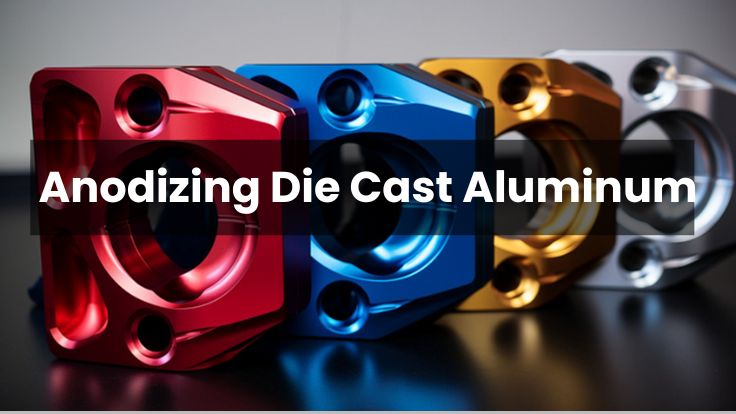
Anodizing die cast aluminum is a key metal finishing process that enhances durability, anti-seizing/corrosion and the looks of aluminum products that are extracted through die casting. With the ever-increasing demands of the industry to produce lighter-weight high-strength components for everything from car parts to electronics housing, its surface properties have become one of the most important things to add to it. Working behind the anodizing process is a controlled oxide layer that forms on the surface of aluminum by a technique of electrochemistry. Although the method has been thoroughly developed with regard to pure aluminum, its use with the alloy that is created in die casting has particular difficulties associated with it due to the inclusion of other elements such as silicon and zinc. This then brings the question to the mind of manufacturers as to whether you can anodise die-cast aluminum without sacrificing quality and appearance. To achieve performance levels under severe conditions, a combination of the techniques will be used by some industries that today are referred to as aluminum alloy die casting, plating anodizing. The technique is a combination of the strength of electroplating and anodizing, therefore, presenting better surface hardness, conductivity, and corrosion resistance. This article presents the science, techniques, and differences in anodizing die cast aluminum in order to give the complete picture to engineers, designers, and manufacturers who want to use a reliable and long-lasting surface finishing technology. What is die cast aluminum? Die casting entails pressing molten metal into a cavity of the mold at high pressure. Aluminum is lightweight and strong, making it an effective material for making durable parts with high dimensional accuracy. Nevertheless, due to a few impurities and porosities found in the process, surface finishing procedures such as anodizing die cast aluminum are made complex. It is also common to add silicon and other additives to die-casting alloys of aluminium in order to improve fluidity and other mechanical properties. However, it complicates the work on surface treatment, because these very additives will disturb the process of anodizing.  The Science of Anodizing Anodizing is an electrochemical treatment to strengthen and thicken the oxide film that occurs naturally on metal and makes it harder. The method will increase service life/durability, resistance to corrosion, and appearance. Anodized finish on aluminum has a porous structure that is perfect to absorb sealed dyes and sealants, thus they provide good decorative and functional applications. The difficulty with anodizing die cast aluminum lies in its composition. High-silicon alloy does not anodize well, and a blotchy finish or diminished corrosion resistance can be a consequence. Therefore, alloy composition is important to get a successful anodized finish. What is an Anodizing Die Cast Aluminum? Anodizing die cast aluminum. The anodizing of die-cast aluminium is the electrochemical treatment of die-cast aluminium parts to produce a permanent, protective, frequently decorative layer of corrosion-resistant oxide on the surface. The technique comes in handy, especially in areas that require protection against corrosion, advancement of surface hardness, and a limited aesthetic effect. In the process known as the anodizing die cast aluminum, the aluminum part is inserted into an electrolytic bath of acid, usually sulfuric acid, and an electric current is generated in it. This leads to the oxidation of surface of the aluminium to produce an oxide film, which is controlled and uniform. The process can be complicated, though, given the particular make-up of die-cast aluminum, commonly containing high silicon and other alloying components. Nonetheless, industries keep on investing in technologies that help to maximize the quality of anodizing die cast aluminum. The final preparation of anodized finishing is performed by methods of surface preparation like polishing, acid etching and smutting to remove the contaminants. The list of items where anodising die cast aluminum is used and utilized is long, including automotive parts, consumer electronics and many more, either to serve some functional purpose, or as an ornament. Its capability to augment the life span of parts, as well as their vulnerability to environmental degradation, makes it a vital surface treatment technique in the contemporary manufacturing industry. Process The anodizing of die cast aluminium process consists of various important steps that must be followed to achieve a good, uniform, and quality finish, even though this is a challenging process due to factors that surround the use of die-cast metals. All steps should be well-regulated in order to address such challenges as porosity of the surface and inconsistency of alloys. 1. Cleaning & Degreasing Paint, grease and oil stick to a surface and need to be removed before anodising through cleaning. This will make the process of having the oxide formed over the surface of the material even throughout the process of the anodising die die-cast aluminium. 2. Etching And De-Smuttering The outer layer is then removed, leaving a clean metallic surface by etching using an alkaline solution. This is followed by a de-smutting process to remove the residues left over by the alloying elements, a common occurrence in anodising die cast aluminium. 3. Anodising ( Electrolytic Oxidation ) The component is immersed in an electrolytic solution, normally sulfuric acid, and attached as an anode. A controlled layer of oxide is generated by the use of an electric current. This step lies at the heart of the process of anodising die cast aluminium, because it defines the thickness, porosity and longevity of the final finish. 4. Colouring (Optional) Where the finish is colored, dyes may be added to the porous anodised surface. This process is normally applied in decorative processes where looks count as much as performance in anodising die cast aluminium. 5. Sealing Lastly, the part is sealed using hot water or nickel acetate; frequently, the sealing is done in hot water or nickel acetate to seal the pores and improve corrosion resistance. This process seals dyes and reinforces the oxide layer, nd the process of anodising die-cast aluminium is complete. All the steps of this process must be controlled accurately, and so must the types of die-cast materials which are

Parhaat metalliportin saranat kestävyyden, turvallisuuden ja tyylin kannalta

alumiinivalu

The metal gate hinges are of various designs, styles and types to cover the varied requirements of the installation of gates. They are normally constructed using such sturdy elements as steel, stainless steel, or wrought iron, which are weather-resistant and durable. The right hinge would make a gate swing easily and safely, so that the gate will not sag and fall. A hinge is one of the most fundamental parts of gates that are usually ignored. The hinge is considered to be an essential thing in the work of any gate, its durability and performance in general. In both a residential garden gate, a heavy-duty commercial barrier and an ornamental entry, it is crucial to select the correct hinges.  The most popular of all the other options comprising the metal gate hinges are solid and durable, as well as versatile. These hinges are used to take the weight and the movement of gates and offer long-term performance. Custom hinges are the best way to get homeowners and the ones wishing to own a particular appearance, or hardness to use. Custom-made hinges can be made to suit specific needs, e.g. to accommodate unusual gate sizes, weights and weather conditions. This is also done in order to make sure that the hinge fits in the aesthetics of the gate. In this article, we are going to take the time to explore the world of what is known as metal gate hinges, what types of them there are and what the advantages are of having your set of hinges customised to fit what you need. What are the Metal Gate Hinges? Essentially, metal gate hinges are mechanisms that enable the movement of a gate on a swinging motion, as well as to fix a gate to a post, a wall, or a frame. The parts used in its making are usually sturdy metals like steel, brass, or even wrought iron, and these kinds are sure to sustain any form of weight or movement of gates in the coming years. The selection of the right type of metal gate hinges should depend on the description of the gate being applied, whether it is some kind of residential garden gate, a heavy-duty commercial gate, or some ornamental driveway gate. Metal gate hinges have various designs, all of which fit different types of gates and the climates of places where they are being installed. Butt hinges, continuous hinges and heavy-duty are the most prevalent types of designs. All these hinges have different functions associated with them that help in the performance of the gate in a way that it can tolerate the bad weather and corrosion over a period of time.  What are Hinges? The concept of the hinge is a mechanical attachment between one objects, and each one can move and pivot around the other. They are widely applied pins to be employed to fix doors, gates, cabinets, lids on movable parts of a structure, and other movable sections on immovable structures, so that there can be easy movement as well as controlled movement. The hinge is made up of two moving parts, with one of these parts fastened to the thing that is moving (such as a door or gate), and the other part fastened to whatever is not moving (such as a door frame or gate post). Upon affixing these components, this enables the object to swing closed and open. The kinds of Metal Gate Hinges are 1. Butt Hinges Hinging. Most gates, perhaps, use butt hinges. Such hinges are constructed in pairs, and they consist of two parts which fit together so that one of them is attached to the gate and another is attached to the post or the wall. They are also designed simply, thus can be installed easily and used on most gates since they will last a long time. In the case of residential and light commercial installations, butt hinges represent the most desirable option that fits into the category of the so-called metal gate hinges. 2. Continuous Hinges Continuous hinges are the perfect ones for bigger gates that demand more power and steadiness. The full length of the gate is hinged, and this offers even support at all parts of the gate to avoid sagging of the gate. In case of heavy gates or oversized gates, continuous hinges are particularly of use in the construction of such a gate. 3. Heavy-Duty Hinges Heavy-duty (metal gate hinges) are necessary in gates which receive a lot of traffic or are required to support a heavy weight. These are normally constructed of reinforced steel and are applied in industrial or commercial buildings, which offers the highest strength and hardness to heavy loads. 4. T-Hinges T hinges are pa rettier form of hinge which can be found in both useful and decorative gates. Because of their characteristically shaped T, they make excellent fits on gates where aesthetics concerns must be as much a focal point as performance. The most usual are the residential and aesthetic metal gate hinges. The Reason to Use Metal Door Hinges on Your Gate As metal door hinges are constructed and made in a similar way, they all have much in common. Although the metal gate hinges are exclusively made to work with gates, they are still similar to their door colleagues in many aspects. A smaller gate or the ones that require being closed and opened with ease, such as doors, can be fitted with what is described as metal door hinges. Although these hinges have the same kind of structure as the ones found in regular doors, they are normally built to carry bigger, heavier gates. Metal door hinges are available in a few types,s one is the concealed type, the pivoting type and the usual butt hinges. In case you want to install a gate that would require ease of use and an attractive image, then you can consider using the metal door hinges, which can give you the best solution. Although they

Alumiinin leikkaustekniikat: Menetelmät: Perusmenetelmistä edistyneisiin menetelmiin

Alumiinin leikkaustekniikat: Perusmenetelmistä edistyneisiin menetelmiin

alumiinivalu

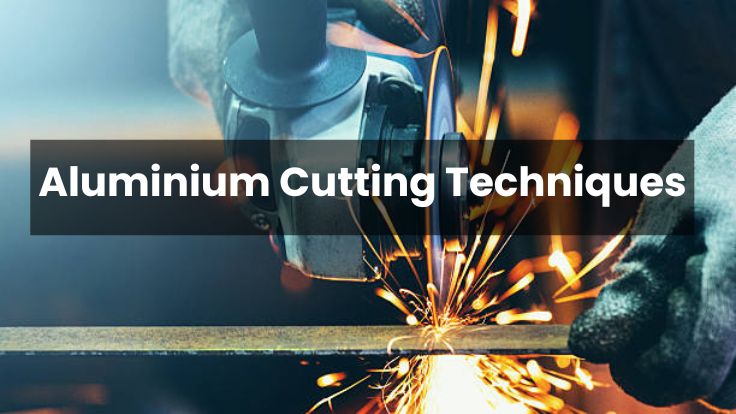
In numerous industries, such as the automotive or aerospace industries, electronics or construction, aluminum cutting is a significant process. The lightweight strength of aluminum and its corrosion resistance have made it a preference to manufacturers as well as to do-it-yourselfers. However, aluminum has to be cut with proper tools and a defensible strategy, so as to attain perfect cuts without destroying the material. Being a hobbyist or a professional fabricator, this knowledge will make your choices better, mistake-free, and the most excellent results in every aluminium cutting project. The hand tools, power saws and more recently, more sophisticated such as the aluminum laser cutting, are some modes of aluminum cutting. Laser-cut aluminum is a new and currently fast-growing alternative to classic techniques (that can complement more basic shapes). In case you intend to incorporate in your next project the so-called aluminium laser cutting, we will also present some design suggestions and cost-conscious recommendations. Here in this article, we will see all about what you need to know about the process of aluminum cutting, starting with the ancient ways of doing it, to the new form of laser process. We will discuss the advantages and disadvantages of each of the techniques, typical issues of the so-called laser cut aluminium, safety precautions to consider and which tools and equipment will be required.  What Is Aluminum Cutting? Cutting of aluminum material is the act of shaping, trimming or cutting aluminum material pieces, or proportioning the material into particular sizes or shapes through different tools and strategies. Since aluminium is light, strong, and corrosion-resistant, it finds its applications across a variety of industries: construction, aerospace, automotive, electronics, home DIY projects, etc. A lot of cutting methods of aluminium exist, depending on the thickness of the material, the shape wanted, or the required accuracy. Possible ways are: Pros and cons can be attributed to both of them, yet about the intention of cutting aluminum, there can never be a difference, and that is to get clean, precise and safe cuts with minimum waste and maximum productivity. Some of the Main Properties of Aluminium We cannot ignore the material before we start discussing the process of cutting it in the name of aluminium cutting. Aluminium is soft in its strength and more robust than numerous metals. It transfers heat fast, and this may be a source of challenge during the use of the cutting tools. Left unchecked, aluminium can clog up tools or give a poor finish. These properties have led to the involvement of various methods that facilitate in the cutting of aluminum in a better and precise manner. The selection of the method is based on the thickness of material, precision needed and the tools available. Conventional Names for Aluminium Cutting Before the invention of advanced machines and laser technologies, aluminium cutting was performed using primitive, manual methods. Although such techniques cannot bring the accuracy of the modern instruments, they are still commonly used in small projects, repairs and where cheapness and simplicity are essential interests. What about the old ways of aluminium cutting that have survived the test of time? 1. Hacksaws A hacksaw is a low mechanism, hand operated equipment manufactured to cut aluminium. It involves finely toothed blade which cuts soft metals. It is suitable in thin sheets, pipes or bars and cutting straight cuts on small aluminum pieces. Advantages   Disadvantages   2. Aviation Shears and Tin Snips   Tin snips, or aviation shears, can be used on thin aluminium. They are available in straight-cut, left-cut and right-cut versions of these scissors-like tools designed to work in sheet metal and, therefore, allow working with curves and angles that are very tight.   Advantages   Disadvantages   3. Handheld Nibblers   A portable nibbler nips off tiny bits of the aluminium as it travels over a line. It is perfect to cut curves, circles, or various patterns on sheet aluminium.   Advantages   Disadvantages   4. Jigsaws   A jigsaw is a power type of tool which can move in the up and down direction. it can cut through aluminum sheet or tubing when supplied with a fine-tooth metal blade. Jigsaws are quite handy in cutting customized shapes or curves.   Advantages   Disadvantages   5. Circular Saws   If a thicker sheet of aluminium is to be cut, a non-ferrous metal blade section can be mounted on a circular saw. These are the tools which are commonly used in construction and fabrication to cut straight lines.   Advantages   Disadvantages   6. Bandsaws   A bandsaw is a type of saw and incorporates a continuous looped blade that makes it suitable when cutting thicker stock and when straight lines or Geometry are needed. A lot of metal shops use bandsaws due to their flexibility and speed. Advantages Disadvantages Best Traditional Cutting Practices Typical Issues of Laser Cutting Aluminium  1. Reflective Surface On older CO 2 machines, lasers are reflected by aluminium, and fewer watts irradiate the material.Solution: Go with fibre lasers and adjust the angle or coat it. 2. Rough or hough Edges The edges are scorched or jagged on occasion.Fix: An alternative would be to use nitrogen rather than oxygen in the fixing phase, also to change the laser speed and power. 3. Heat Warping Aluminium can conduct heat very fast, and therefore, thin layers can get curved or warped during the cutting process.Solution: Employ less power and speedier speeds. Crimp the workpiece. 4. Sticky residue, Dross  Molten aluminium may attach to the bottom edge, resulting in a rough termination.Fix: Run high pressure of gas and maintain a clean as well as straight nozzle. 5. Unfinished or Unsuccessful Cuts The laser, in some cases, does not pierce well, or it leaves parts incomplete.Repair: Wash the metal, upgrade the software and check all worn components. 6. Discolouration and Oxidation Oxidation tends to darken or wear out a cut surface.Fix: clean the edges afterwards (if necessary) with nitrogen gas. 7. Cracks on the Edges Cuts that are very fast or hot may produce minute cracks and make the aluminium weak. New Technologies: Laser Cut Aluminium In laser-cut aluminium, a

Selaa alkuun

Pyydä tarjous