fonte d'aluminium

Principaux fournisseurs d'aluminium moulé sous pression en Chine et dans le monde

Principaux fournisseurs d'aluminium moulé sous pression en Chine et dans le monde

fonte d'aluminium

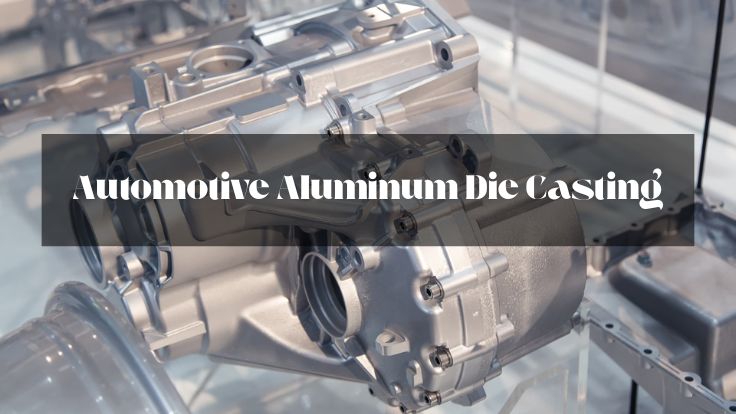
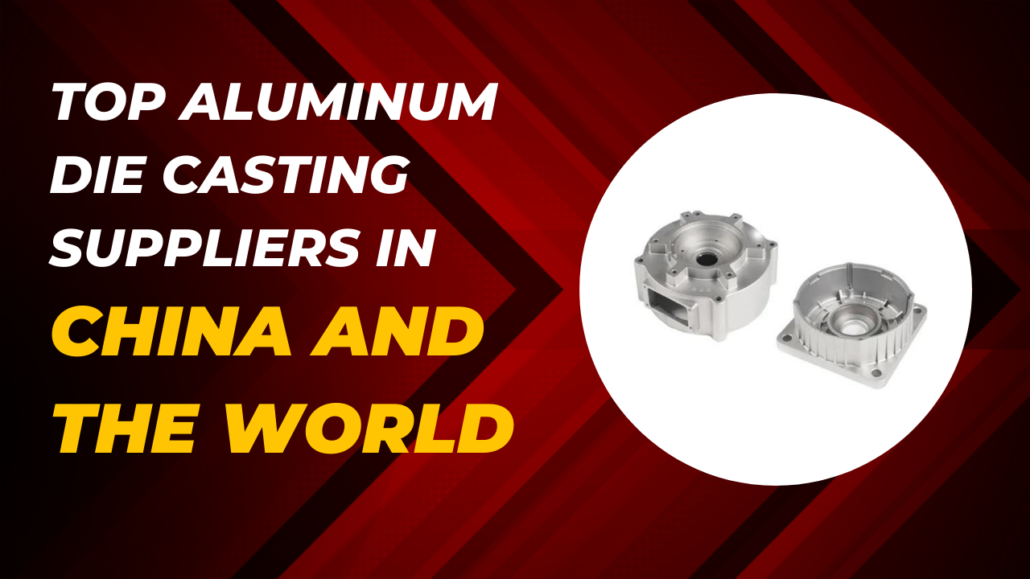
The precise metal component market experiences rapid growth globally across aerospace technology sectors and industry, including automobile, electronics and medical devices and industrial machinery. Advanced metal parts produced industrially for low-weight applications require the high-pressure die casting method. The superior position among die casting techniques belongs to aluminium since it merges durable performance with weight reduction potential while protecting against corrosion, as well as efficient heat transfer capabilities and the flexibility to shape designs. Organisations pursue efficient manufacturing by choosing experienced die casting suppliers based at locations all across the world. Businesses make their supplier selection choices based on an assessment of engineering competence, combined with quality controls and operational growth capacity and material management capabilities and tooling speed and delivery. The conditions serve as fundamental factors to preserve industry compliance while maintaining consistent, large-scale product outputs. Suppliers emerge as the best options depending on their advanced CNC machinery, as well as their mould development and surface finishing capabilities. Aluminium die casting operations in China bring together people from around the world to maintain low manufacturing costs and a consistent supply system. Performance. The aluminium die casting suppliers Sincere Tech and GC Precision Mould, and CNM Tech have established themselves through impressive manufacturing innovation and industry accreditations, which they match with personalised customer service. Global businesses can access die casting mould suppliers who deliver equal usability through U.S., European, Indian and Mexican operations, which include manufacturers who optimize technology advancement to achieve premium-quality standards. The following article analyses China-based suppliers alongside international suppliers of die casting services. The companies on this list received thorough evaluation based on operational characteristics while also considering their track record of successful projects plus client feedback about quality aluminum die casting and tool development services. What is Aluminium Die Casting? Molten aluminium experiences high-pressure injection into a die mould during aluminium die casting to create precise aluminium components. The production method serves multiple manufacturing sectors because it creates durable metal components with complex shapes and delivers superior finish quality. The production of metal parts through aluminium die casting attracts major demand from automotive and aerospace industries, alongside consumer electronics manufacturers, because of its important advantages. The processing begins with aluminium melting in a furnace until liquefaction, then dies into a steel mould by the force of a die-casting machine. The aluminium solidifies inside the mould when it cools down, since the mould contains a precise representation of the part design. The operator removes the part through the mould opening after casting is complete. Manufacturers achieve parts with complex and precise geometries through this technique, which they cannot create with conventional manufacturing tools. HPDC and low-pressure die casting represent the two principal forms within the die-casting process. HPDC requires high-speed pressures between 1,500 and 20,000 psi to inject molten metal into the mold which generates fine surface details and products with smooth finishing. For producing large-scale products experts employ low-pressure die casting technology because it delivers the metal at reduced pressure thus producing less defective outcomes. Advantages of Aluminium Die Casting The primary reason for aluminium preference as a die casting material is the combined qualities of light weight and a superior strength-to-weight ratio because of the qualities of aluminium to produce items that will have to be durable and light alike. Its good thermal and electrical conductivity, corrosion resistance, and ease of machining also make aluminium popular in industries such as automotive, aerospace, and electronics. Additionally, die-cast aluminium parts are recognised for their exact dimensional accuracy and smooth surface finish, where often their need renders secondary processing in the way of machining unnecessary, saving time and costs. Other than the high-pressure injection method, it also guarantees that all of the components have the same thickness, which reduces the possibility of having weak spots or flaws in the finished part. Applications of Aluminium Die Casting The automotive industry shapes components such as engine blocks and transmission casings, as well as cylinder heads, by using aluminium die casting technology. The aerospace industry employs aluminium die casting for producing lightweight, strong components, which serve to improve product strength, together with lowered fuel usage and safety levels. The process finds great favour in the production of electronic housings as well as heat sinks and a variety of complex elements that require exceptional reliability and strength. Aluminum die casting operates as a flexible production technique that enables the construction of complex intricate products with superior quality characteristics. For achieving durable components and precise product specifications manufacturers must utilize pointed-aluminum from its molten state. The requirement emerges from business demands for top performance quality parts. Sincere Tech Year of Establishment: 2005No. of Employees: 100–500Business Type: Plastic injection mould manufacturing, aluminium die casting, CNC machining, and assembly. Website and Contact: Website: plasticmold.netEmail: info@plasticmold.netPhone: +86 135 30801277Address: Building 1, No. 30 Huan Zhen Rd, Shang Dong village, Qi Shi Town, Dongguan City, Guangdong, China, 523000 Company Profile Sincere Tech is one of China’s top manufacturers of development of plastic moulds, aluminium die casting, high precision CNC machining, and full assembly. Located in Dongguan City, Guangdong Province of China, the company has between 100 and 500 skilled professionals with the capability of providing complete product development solutions from initial concept to final product. Based on a client-centric approach and cutting-edge equipment, Sincere Tech provides precision turning of die-cast aluminium parts to satisfy the stringent requirements of the automotive, electronics, medical and consumer products industries. On top of being an established die casting mould supplier, the company provides added value to customers, with services like surface finishing, prototyping, as well as quality testing. For North America, Europe and Southeast Asia, the clients have relied on sincere tech to build long-term partnerships on top aluminium die casting suppliers. Their Quality Commitments Through the entire manufacturing process, the sincere tech is committed to satisfactory quality without compromise. The company follows international standards such as ISO 9001 and ensures its quality methods, such as in-process inspection, mould flow analysis, and final dimensional validation. Sincere Tech guarantees that

Principaux fabricants de produits moulés sous pression en zinc et en aluminium en Chine et dans le monde

Principaux fabricants de produits moulés sous pression en zinc et en aluminium en Chine et dans le monde

fonte d'aluminium

The die casting has now evolved into a crucial manufacturing step in today’s rapid, pre-precise computer controlled industrial environment. The die-cast parts can be from automobile components to home appliances, aerospace parts, and even consumer electronics etc., which helps rule out the requirement of heavy machining, making the production of complex metal parts at scale through die casting with consistent quality. As industries increase their demand for lightweight, durable, and complex design products, there is a constant demand for high-performance die casting produced from increasingly exotic alloys. Nowadays, industries require increased quality, cost-efficient, and lightweight components, and hence increasing demand on the zinc and aluminum die casting products manufacturers. Zinc and aluminum alloys are used to produce precision parts that are used in automotive engines, aerospace structures, and also as electronic devices. As businesses push towards sustainability, as well as increased performance, suppliers are becoming more and more sought after by businesses that are looking for the consistency of quality and quick turnaround times. With time, the industries grow and increase demand for die castings, the aforementioned technologies need to be exploited by manufacturers to produce more durable, functional, and aesthetically appealing die castings on a global scale. One of the types of die casting materials that you can opt for is zinc and aluminum metals. Among these two materials, they offer unique advantages: strong, cost-efficient, resistant to corrosion, and suitable for a high volume of production. Both zinc die casting products and aluminium die casting products are gaining more and more applications in the related industries all over the world, under the trend of energy efficiency, electric mobility, and sustainable manufacturing. In this article, we take a deep dive into the world of zinc and aluminum die casting, including manufacturers who are based in China, a global hub for manufacturing, and the top companies throughout the world. In this article, before digging into the most important players in the market, we will explore what die casting is and what roles zinc and aluminum play in the process. What is Die Casting? Die casting is a type of metal casting where molten metal is forced under high pressure at high velocity into a steel mold cavity (may be called ‘die’), known as a die, thus giving the name to this casting process. The two common types of these molds are usually made out of hardened tool steel and they are designed in such a way to produce complex high precision components which are otherwise impossible or would cost very high if produced through other means. Key Characteristics of Die Casting The process of die casting is very efficient and agile with large scale production and hence is widely popular in the automotive, aerospace and consumer electronics industries. Types of Die Casting Materials Die casting can be done with different materials, which have various attributes.  The most common metals include: In all of these, the most widely used are zinc and aluminum because of their superior properties, low cost, and versatility. Zinc Casting Products are created by an economical process The die-casting product is made of zinc or zinc-based alloys using the die-casting process. Zinc is easily cast and offers many desirable properties. Zinc has the following key benefits in the die casting process: The products made from zinc die casting are usually hardware components, automotive parts, connectors, locks and some consumer goods. Products Made From Aluminium Die Casting? Aluminium die casting products are those parts which are made by injecting molten aluminum into steel molds under high pressure. Because aluminum is light and does not corrosion, it is very useful for structural purposes when strength and weight matter. Aluminum is useful for die casting due to the following benefits. Amongst this, aluminium pressure die casting products are a subset of the foregoing, which specifically applies to aluminum cast by the high-pressure die casting (HPDC) method. HPDC is utilized widely for the production of engine blocks, transmission cases, electronic enclosures, and much more. What Are Cast Products? Cast products is a general term for any item formed by pouring molten metal into a mold allowing it to Solidified and then removing the formed objects from the mold. Although die casting is one type of casting method, there are certain other types of casting processes such as sand casting, gravity casting, and investment casting. Difference between General Cast Products and Die Casting Products Feature Die Casting General Cast Products Process High-pressure injection Often relies on gravity or manual pouring Precision Very high Moderate Surface Finish Smooth Usually rougher Production Volume High Medium to low Material Waste Low Higher Cycle Time Fast Slower Zinc die casting, however, is a method of creating zinc parts through high-pressure die casting for cases where the requirement of high precision is present, implying that they are not processed through simpler gravity-based casting methods. Why Are Zinc and Aluminium So Popular in Die Casting?  Here are some of the reasons why these two metals are the main contenders in the die casting industry. 1. Economy & Efficiency Zinc and aluminum are quite cheap, probably cheaper than they would be with other alloys used in casting. Moreover, they allow rapid cycle times and long mold life, which reduces manufacturing costs. 2. Versatility Such material can be used to manufacture micro components, large structural parts, or practically anything else that one might imagine. Zinc and aluminum are dependable choices for such things as making intricate gears or lightweight engine parts. 3. Sustainability Both metals are 100% recyclable. Mostly, it works with recycled aluminum and zinc and is called a greener process than casting. 4. Adaptability to Finishing Processes Zinc and aluminum parts can be finished with, among others, painting, powder coating, plating, and anodizing. That gives functional pluses such as corrosion resistance, together with the eye-pleasing qualities. How to Choose the Right Die Casting Manufacturer? The price discovery is less than finding the right supplier. To wrap up, let us first look at the following: 1. Material Expertise Manufacturers

Qu'est-ce que la coulée sous pression par gravité ?

Qu'est-ce que la coulée sous pression par gravité ?

fonte d'aluminium

Gravity die casting is a commonly used metal casting process in which the shape of the mold is provided by a die, and molten metal is forced into the die by gravity, rather than an external die location (positive locating). This method differs from high-pressure die casting in that the molten metal is forced into the die under pressure, but using gravity is the only way to feed material into the die. The mold is usually made of durable metals such as steel or cast iron, reusable with high dimensional accuracy and a high surface finish. As well, this technique is very favored in the production of nonferrous metal parts like aluminum, zinc, magnesium, and their alloys. Heating the metal to the metal state and thereafter pouring it into a preheated permanent mold. The molten metal flows toward the gravity and down to the mold cavity, which causes it to fill. Afterwards, the mold is opened and the casting is ejected, which may need to be trimmed, machined, or otherwise treated to improve the surface. One of the most common applications of this process is in aluminum gravity die casting, because aluminum is lightweight, corrosion-resistant, and has good mechanical properties. The technique is extensively used in various industries, including automotive, aerospace, industrial machinery, and consumer goods, to make durable, complex parts, such as engine parts, housings, brackets, and the like. One of the reasons for respecting gravity casting is the ability to cast medium to high volumes of parts of high quality (low porosity) for good mechanical strength. While there are some limitations, such as higher initial tooling costs and less complex products than other casting systems, its advantages make this a suitable and low-cost method for many manufacturing needs. In essence, gravity die casting is a precision, repeatable, and rational material, which is important in modern metal working process. How to Understand the Gravity Die Casting Process? That was an easy, efficient technique at the core of gravity die casting. Preheated metal mold of steel or iron is coated with a release agent, ready to cast, the castings are easily removed. After the mold is ready, molten metal such as aluminum, magnesium or copper alloys, is poured into the mold. In order for the metal to fill the cavity, the mold simply cools and solidifies, with gravity alone. After that, the mold is opened, and the casting is removed. If not, the excess material remains, be it the gate or runner system or some other part, it is cut off, and the casting may be finished by machining or in other ways. Compared to sand casting, moulds in which casts are produced from sand are only used once. The component being cast in a gravity die is significantly improved in terms of production efficiency and product consistency because metal dies in gravity casting can be reused. Various surface finish options for gravity die casting Another of the advantages of gravity die casting is that it can enable parts with smooth, consistent surface finishes directly from the mold. However, other surface finishing techniques (s), depending upon the functional and aesthetic requirements of the final product, may be added to the finishing process to improve the appearance, durability, or prepare the part for further processes such as painting or plating. The most frequently used surface finishes on gravity die-cast parts are listed below: 1. As-Cast Finish It is the natural surface resulting directly from the casting process. If prepared properly, however, and process conditions are optimum, gravity casting can produce a rather smooth surface as compared to sand casting. Internal components or parts for which appearance is not critical usually accept as cast surfaces. 2. Shot Blasting / Grit Blasting This forms the Shot blasting, propelling of small steel or ceramic beads on the casting surface to remove the scale, flash, or any residues. This process makes a uniform matte texture of the surface, as well as cleans the surface better and much suitable for such parts that further go through finishing like powder coating or painting.  3. Polishing Mechanical removal of minor imperfections is used for polishing to improve the surface smoothness and shine. Particularly aesthetic parts and where lower friction is needed. Polishing can be basic buffing, manual or automated, or encompass a mirror finish. 4. Powder Coating In powder coating, powder is applied on the casting surface and cured under heat, forming a hard and protective layer. The excellent resistance to corrosion, impact, and UV has made it suitable for automotive components and outdoor components produced in aluminum gravity die casting. 5. Anodizing Aluminum gravity casting parts have many reasons of choice for choosing anodizing. The surface is thickened by a natural oxide layer electrochemically, which improves corrosion resistance and provides the ability to customize the color. Anodized surfaces are durable, the colors won’t tire, and they have a sleek, professional appearance. 6. Machining for Precision Surfaces In many instances, the gravity cast parts are at least partially machined post-casting casting particularly to exact tolerances or render critical surfaces smooth. CNC machining is utilized to refine flat faces and threads, along with sealing areas where the need for precision is beyond the ability of the die itself. 7. Painting and Coating Parts requiring branding, color coding, or protection can be done in any of the methods used in conventional wet painting. The application of paint coatings is usually done by either applying them manually or using automated spray lines, frequently after surface cleaning or priming. 8. Chromating / Chemical Treatments Chromating or chemical conversion coatings may be applied for enhanced corrosion protection as well as improved paint adhesion. The passive protective film produced by such treatments has little influence on dimensions, but does protect the aluminum surface. Advantages of Gravity Die Casting The superior mechanical properties are one of the main reasons of why manufacturers prefer gravity die casting. As a result, castings produced by this process tend to have fewer air pockets, or porosities, and therefore,

La précision du zinc : la puissance de la coulée sous pression du zamak

La précision du zinc : la puissance de la coulée sous pression du zamak

fonte d'aluminium, zamak die casting

ZAMAK is the name given to a zinc-based alloy that is used with aluminum, copper (Kupfer), and magnesium. ZAMAK was named in German from these words. This alloy usually contains 94% to 96% zinc, the other material being added to foil or sheet. Several remarkable qualities make ZAMAK alloys good for die casting applications. The fact that these alloys have a low melting point, high fluidity, and high strength per weight makes them extraordinarily useful for making hard, tough and accurate parts. In addition to these key features, ZAMAK alloys offer other features that qualify them for several industrial applications.Zamak die casting has established itself in the world of metal casting as a highly cost-effective and cozy method of metal casting. Zamak is a zinc family of alloys used widely to build complex high quality parts in many industries. The process involves injecting molten Zamak alloy into a metal mold or die under high pressure. The process is capable of making intricate parts to very close tolerances with very good surface finishes, which makes it suitable for manufacturing precision parts. The more critical role of Zamak die casting is here because, as industries evolve with the increased need for durable, lightweight and strong materials. In this article, we analyze the significance of Zamak die casting and why a person should prefer Zamak die casting over other casting methods. ZAMAK alloys are used in die casting foundries for casting parts, and their cast parts comprise many industries such as automotive, electronics and hardware. This also adds an extra edge because these alloys are fully recyclable, as per the sustainability goals. However, ZAMAK die-cast parts have additional surface options, which will be of help to manufacturers to have aesthetically appealing products with a premium look, especially these decorative parts. What Is ZAMAK Die Casting? ZAMAK die casting is a metal casting technique widely used in which molten ZAMAK alloy is injected under high pressure into a mold. Typical in this process is the die or mold made from durable tool steel. Various molds are needed for each shape, and the ZAMAK die casting process just requires a hot chamber die casting machine. A two-halve hot chamber die casting machine is arranged with one stationary half and one movable half. These halves are then closed, and molten metal is injected into the mold by an injection chamber. When the metal is solidified, the cast part is removed from the mold by ejector pins. ZAMAK die casting uses this method on ZAMAK alloys. Hot Chamber Die Casting (HPDC), Low Pressure Die Casting (LPDC), and Gravity Die Casting (GDC) are possible types of ZAMAK alloys suitable for die casting processes with their respective advantages for different applications. 1. The ZAMAK Die Casting Process Like other types of aluminum or magnesium die casting, the ZAMAK die casting method needs attention to be paid wherever possible because the results are only as good as the ZAMAK casting process. The typical ZAMAK die casting process is written below in a breakdown: Step#1: Designing and Creating the Die The process starts with mold or die design and the final part design in the ZAMAK die casting process. It is important as it determines the final result of the casting as such. The first is that engineers first design a 3D model of the part to be cast using specialized CAD software. Typically, a prototype is made and tested, the design is improved until approval of the final version. Secondly, once there is a final part design, the mold is created, which means: The injection type: The melting point of the ZAMAK is low enough that it has to be hot enough to be injected into the mold. Step #2: Preparing the ZAMAK Alloy After that, prepare ZAMAK alloy. The ZAMAK alloy is purified with several refining methods such as thermal refining, chemical reaction, electrolytic refining and zone refining. The alloy is melted in a furnace at strictly controlled temperatures to prevent the alloy from coming to a liquid state with impurities. After the final refining, the molten metal is kept in an injection chamber to control temperature to prevent contamination. Step #3: Injecting the Molten ZAMAK into the Die. One of the critical phases of die casting is the injection of molten ZAMAK into the mold. After preparation and storage of the molten metal in the injection chamber, it is then injected under high pressure into the die with a plunger or piston. The molten alloy undergoes pressure, forcing it into every corner of the mold since all the space of the cavity is filled. In this way, one can have the part’s surface even and smooth, and produce good quality results through proper injection techniques. Also, the design of the mold’s injection channels is a key determinant of accomplishing this. Step 4: Cooling and Solidifying the Part However, as soon as the molten metal enters the mold, cooling begins. They quickly cycle the high-quality tool steel mold to draw the heat of the molten metal quickly enough for it to solidify. The cooling system is also used by many molds to accelerate the solidification process. Simply, to achieve the desired part quality and prevent defects, a consistent cooling rate is required, and are most commonly used are water and air cooling systems. Step #5: Solidified ZAMAK Casting Ejection The next step from the ZAMAK alloy to solidify is to eject the casting from the die. Care is taken in this to retain the quality of the part. To expel the solidified part out of the mold, ejector pins are used. The mold breaks open into two halves, the ejector pin is actuated, and the casting is released. There is a nice degree of precision to do this step, because too much force on the casting cay damage it. Proper alignment of the ejector pin will also ensure no surface imperfections or dents. Step #6: Finishing and Trimming The casting is usually ejected with excess material on it,

Exploration de la puissance du moulage sous pression du zinc sur mesure pour les pièces de précision

Exploration de la puissance du moulage sous pression du zinc sur mesure pour les pièces de précision 

fonte d'aluminium

Custom zinc die casting has become a cornerstone of modern manufacturing, offering businesses the ability to produce complex, durable, and high-precision parts at scale. Unlike standard casting methods, customized zinc die casting allows manufacturers to create components that meet exact design, dimensional, and performance requirements. This flexibility makes it an ideal solution for industries such as automotive, electronics, aerospace, and consumer products, where reliability and accuracy are critical. Zinc alloys like Zamak 2, Zamak 3, Zamak 5 and ZA 8 are commonly used Zinc die-cast alloys, which are selected based on their mechanical and thermal requirements. Zamak 2 has approximately 4 percent aluminium, about 3 percent copper and a bit of magnesium, giving it great strength and hardness with a tensile strength very close to 330 MPa. Zamak 3 is, by far, the most used and is virtually copper-free (about 4 % aluminium and similar magnesium content) and thus hard and easy to cast with a tensile strength of about 280 MPa. A 1% copper-containing zinc-based alloy, which improves the strength and hardness a little bit up to 310 MPa of the tensile strength, is known as Zamak 5, which has good castability. ZA-8 is a near 8.5% aluminum and about 1% copper alloy with tensile strength nearly 390 MPa and good wear resistance and performance under elevated temperature conditions. Custom zinc die casting, the process as such, and the use of business of China’s customized zinc alloy die casting services will be explored in this article.  What is Zinc Die Casting? Zinc die casting is a method of injecting molten zinc at high pressure into a steel mold. When the metal solidifies, it assumes the shape of the mold making a particular and everlasting part. Compared to other metals, zinc possesses great fluidity, excellent strength and the ability of die casting components with fine details. Its strength makes zinc an attractive option from a performance standpoint, but it is also a relatively low-cost material, and is an attractive option for companies that want to balance performance with production costs. It’s particularly true with any type of custom zinc die casting since this process allows businesses to design customized components for their individual needs. Advantages of Customized Zinc Die Casting 1. Precision and Accuracy The customization of zinc die casting has one of the most significant advantages, which is the ability to make highly accurate and precise parts. This process of die casting makes sure that the components remain consistent in the dimensions and the surface finish, even for the complex designs. In the fields of electronics, automotive and aerospace, where there is a need for tolerance and fit, this precision becomes very important. Fine detail parts that can not be created through other means and parts with intricate sculptured detailed geometries can be produced using custom zinc die casting. While other manufacturing methods may be able to produce some parts with high volumes of identical parts with minimal variation, die casting is truly the way to go for parts that require a high level of consistency. 2. Durability and Strength It’s a robust metal and it’s very durable and corrosion resistant. It is, therefore, perfect for making parts that will be subjected to abrasive conditions. Zinc die casting offers custom ability to produce custom parts that are designed to be used effectively over periods of use. Zinc alloy die castings provide outstanding strength to weight ratios so the products will be strong but not too heavy. As with most industries, this is crucial (particularly in automotive manufacturing) where reducing the mass of the system is critical to performance, fuel efficiency, etc. 3. Cost-Effectiveness For many businesses, cost effective is a very important thing. This challenge can be solved quite well using custom zinc die casting process because of its ability to create high quality parts at a relatively lower cost. Due to Zinc’s relatively low material cost and the efficiency of die casting process there is little argument that Zinc is a very cost effective choice for manufacturers. Die casting is also very precise high level precisely, so it can reduce post-production costs or secondary machine Work. It also allows a high level of identical parts production in a single production run and therefore further reduces costs, making it the perfect solution for mass production. 4. Design Flexibility The main advantage of zinc die casting utilizing customized design is that there is flexibility with respect of design. This allows manufacturers to create parts with complex shapes, thin walls and intricate features which otherwise would have been impractical to manufacture. Such flexibility allows businesses to invent and create different parts that provide particular functions and a specific look. Additionally, parts can be created with various surface finishes such as smooth and polished, to textured or matte using this custom zinc alloy die casting. The versatility in design makes zinc die casting suitable for many more applications other than consumer electronics – industrial machinery, vehicular parts, etc. 5. Short Lead Times Today, time is of the essence in the high speed, high volume manufacturing environment. Custom zinc die casting helps businesses to hit the mark with quick production lead times, as they bring their products to market fast. The casting process is pretty fast once the molds are made so actually the entire process is pretty quick and allows for quick production of a large quantity of parts in a minimum amount of time. Additionally, it is useful in the industries where the time to market is critical. Proper use of zinc die casting helps companies avoid delays and inventory shortage and result in high quality of parts. The Process of Custom Zinc Die Casting This is the case with the mass custom zinc die casting process, which has many key steps to be performed to make it accomplish what is necessary. These steps are: 1. Mold Design and Creation The first thing that is done to make a mold is to design the mold using steel. The part being

Soudage de l'aluminium moulé : Un guide complet

fonte d'aluminium, moulage sous pression de l'aluminium

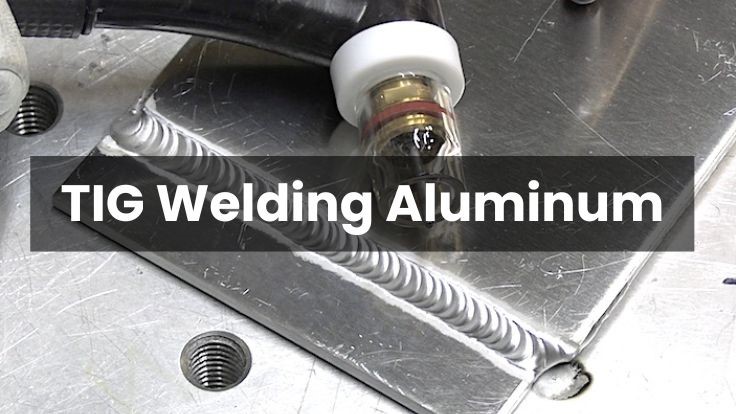
There are very few places one can go to learn about welding cast aluminum, and the skill set needed to do so is highly specialized. However, cast aluminum is a material created by pouring molten aluminum into a mold, which results in a porous material with impurities. This does not occur with standard aluminum alloys. Because of these characteristics, welding is more difficult, and preparing carefully, keeping the heat precisely in check, and using the appropriate techniques is necessary to produce strong, robust welds. Oxidation is one of the greatest hurdles when welding cast aluminum. This thin oxide layer, formed when exposed to air is much thicker than what naturally forms on aluminum, and it melts at a much higher temperature than aluminum itself, making fusion difficult. Furthermore, the presence of impurities and trapped gases in the cast aluminum can result in porosity, which provides weak welds if not properly cleaned and preheated. TIG (Tungsten Inert Gas) is the method of choice for precision and cleanliness, while MIG (Metal Inert Gas) is useful for speed and thicker material. To obtain a strong and defect-free weld, it is necessary to use the correct filler metal (such as 4045, 5356, or 4047) and shielding gas combination (of pure argon or argon-helium mixtures). Good preparation includes adequately cleaning and preheating as far as possible to minimize cracking, porosity and lack of fusion. Endurance and life of the welded joints is further improved by post-weld treatments like stress relief, grinding and corrosion protection after welding. While the majority of cast aluminum welders are welded steel, welders can successfully work with cast aluminum using the right techniques, tools, and attention to detail so long as lightweight, high strength components are required in industries. This is a masterable process that leads to further development of aluminum welding applications and to a reliable and predictable performance of aluminum structures in critical environments. Understanding Cast Aluminum  However, before proceeding with the welding techniques needed for cast aluminum, it is crucial to have a firm understanding of what constitutes cast aluminum and what makes it unique from other metals. Cast aluminum differs from wrought aluminum, which is mechanically shaped by using rolling or extruding, in that cast aluminum can be formed in complex shapes of high precision by melting aluminum and pouring this molten form into a mold. The unique internal structure so produced, usually characterized by porosity, impurities and varying alloy composition, has an important effect on weldability. To be able to weld cast aluminum successfully, one should know its chemical and physical properties, its pros and cons as well as the different types of cast aluminium alloys from various industries. These factors will be taken into consideration for the determining the necessary welding method, selection of filler material and preweld preparation techniques to make strong and defect free welds. Cast aluminum properties: What makes a cast different? Another important consideration that use of cast aluminum has several properties that make it light weight, anti- corrosive and very flexible. However, the same properties also pose some difficulties when welding is being done, provided that proper measures are not taken. 1. Porosity: The Hidden Challenge Possibly one of the biggest concerns about welding cast aluminum is porosity; it is known as the small bubbles of gas that get trapped in the metal when it is being cast. These eight are resulted from the entrapment of gases such as hydrogen, formation of small pores as a result of shrinkage during cooling of the aluminum metal and impurities. 🔹 How Porosity Affects Welding 🔹 How to Minimize Porosity During Welding 2. Oxidation: The Barrier to Clean Welds It is an element that reacts with other elements particularly oxygen found in the space surrounding the metal. This oxidation generates a very thin but extremely hard skin of aluminum oxide (Al₂O₃) through which the further corrosion of aluminum is prevented. Nevertheless, oxide layer is a critical issue when welding since its melting temperature is around 3700°F (2037°C), which is much higher than that of aluminum, 1221°F (660°C). Investigation on Why Oxidation is a Problem in Welding 🔹 Different Techniques of Removing and Controlling Oxidation 3. Heat Sensitivity: Managing Thermal Conductivity Different from steel, aluminum has high thermal conductivity and it can easily absorb and emit heat. This has always been a problem in maintaining a standard welding temperature; this tends to cause the following: 🔹 How to Overcome Heat Sensitivity Challenges Common Types of Cast Aluminum Alloys Various types of cast aluminum alloys can be cast according to their chemical composition and mechanical properties. Here are a few of the advantages and disadvantages of each type, as well as applications where they would be most useful. 1. A356 Cast Aluminum: The High-Strength Alloy  Its composition: Mainly encompasses aluminum (Al), silicon (Si) and magnesium (Mg). 🔹 Key Features 🔹 Common Applications 2. 319 Cast Aluminum: The Wear-Resistant Allo Composition: Contains higher levels of silicon (Si) and copper (Cu) than A356. 🔹 Key Features 🔹 Common Applications 3. 535 Cast Aluminum: The Marine-Grade Alloy Composition: Contains a high percentage of magnesium (Mg) for corrosion resistance. 🔹 Key Features 🔹 Common Applications Why Understanding Cast Aluminum Matters for Welding Starting with cast aluminum welding mastery is all about determining what cast aluminum is made of, its properties, and associated challenges. Therefore, as cast aluminum is used extensively in automotive, aerospace and marine engineering, welders require strategies for casting porosity, oxidation and sensitivity to heat. Different types of cast aluminum alloys respond to welding differently, and you should choose the correct filler materials, shielding gas and welding technique means the difference between a strong, reliable weld or a weak, porous joint. With preparation of the material, using the correct cleaning procedures, and regulating heat input, welders can address the issues associated with cast aluminum and generate powerful, long lasting welds that comply with harsh applications. Challenges in Welding Cast Aluminum  Welding of cast aluminum is notoriously difficult because of the unique physical and chemical properties of

Le guide ultime des meubles d'extérieur en aluminium moulé

Le guide ultime des meubles d'extérieur en aluminium moulé

fonte d'aluminium, moulage sous pression de l'aluminium

When in search of good material for outdoor furniture, durability, style, but also low maintenance rates, must be considered. Extensive popularity for cast aluminum outdoor furniture has been for its endurance during plenty of weather situations and gleaming style. However, cast aluminum is different from wood, which can rot, or wrought iron, prone to rust, and it has a perfect balance of strength and longevity. It is one of the greatest advantages of cast aluminum patio furniture to have resistance against rust and corrosion. Since it is water proof, it makes it an excellent choice for locations that are prone to rain often or where constant humidity exists or if the regions are coastal and salt air begins corroding other materials. It is also light and yet sturdy enough to take outdoors, given its aluminum embodiment and also quite easy to move around. Another strong point of cast aluminum is customization. Having a mix of finishes, colors and intricate designs it can go with any outdoor aesthetics from a modern patio to a classic garden setting. The added bonus of being able to customize the furniture even further with cushions, pillows and mixed materials is also appreciated by many homeowners. There are a few common misconceptions about cast aluminum, for instance being too hot to touch in the sun or being more costly than other materials, but this is far from the case. Minimal upkeep and will keep its appearance decade after decade with only simple care. However, cast aluminum offers both cushioned comfort that wood can’t and a stylish affair you won’t regret. What is Cast Aluminum Outdoor Furniture? Sometimes referred to as ‘aluminoxide’, the name cast aluminum refers to a type of metal melted and poured into molds to make sculpted designs. Cast aluminum patio furniture is not rugged like wrought iron or steel, it’s lightweight, rustproof, and can withstand all of the elements. If you desire elegant furniture that takes little maintenance while withstanding harsh out of doors components, it is a very good alternative. What is the Advantage of Cast Aluminum Outdoor Furniture? 1. Weather Resistance Cast aluminum outdoor furniture is unlike wood or wrought iron: it will never rot or rust and is ideal for outdoor use, as it is resistant to moisture. It absorbs no water and thus does not crack, warp, or weaken from exposure to rain, snow and humidity. 2. Rustproof and Corrosion-Resistant Cast aluminum patio furniture has one of the major advantages because it does not rust. Hence, it is the perfect option for humid and coastal regions as it is likely to withstand heavy rainfall. 3. Lightweight Yet Sturdy As you could expect, cast aluminium is very light compared to wrought iron, allowing it to be moved around and rearranged with far less difficulty. The wind and general wear and tear will not get to it, but still sturdy enough. 4. Elegant and Stylish Designs Cast aluminum has its particular style and is often used for patio set furniture, patio furniture, which is mostly decorated or designed carefully with intricate patterns related to some elegance. It has a detailed craftsmanship that gives the patio a sophisticated look, and the process of casting helps achieve this. 5. Low Maintenance Cast aluminum patio furniture is almost maintenance-free as it does not require staining or sealing like wooden furniture does. It will look new with a simple wipe using mild soap and water. 6. Long Lifespan Due to its ultimate durability and the fact that it is not bothered by the outdoor elements, cast aluminum furniture is long-lasting and an investment worth making by homeowners. Types of Cast Aluminum Outdoor Furniture 1. Cast Aluminum Patio Dining Sets A patio set cast aluminum dining set will be a nice addition to any yard or garden. Typically, it’s a table and matching chairs suitable for dining outside, on the patio or enjoying a BBQ with friends and family. 2. Cast Aluminum Lounge Chairs In case they love to lie outside, cast aluminum lounge chairs are a stylish and comfortable optioptionclining feature, and cushions are available in many models. 3. Cast Aluminum Benches Cast aluminum benches look attractive for parks, gardens or patios. On the other hand, they possess classic and timeless appeal and are very durable. 4. Cast Aluminum Coffee Tables Cast aluminum coffee tables are used that fit underneath outdoor seating areas. These are the ideal placplacesstick glasses, snacks or decorative items. 5. Cast Aluminum Bistro Sets If you have a small patio or balcony, a good choice for you is a bistro set that is made from cast aluminum. It adds to your decor with cozy and stylish seating for 2 persons. Cast Aluminum Patio Furniture: The Perfect Blend of Durability and Style Patio furniture made from cast aluminum is the best outdoor choice due to their resistance to rust, light weight and durability. Cast aluminum is much less heavy or prone to rust than wrought iron, and it doesn’t require near constant maintenance, like wood for a patio, garden or outdoor lounge area does. This is something that is done by molding molten aluminum into a desired shape to yield intricate designs and trendy finishes. Why are many homeowners who want a uniform look without the burden of labor preferring cast aluminum? There are many styles to choose from when you need a dining set, lounge chairs or even a decorative bench and cast aluminum furniture is available in all these options. Among its major advantages, weather resistance is one of them. Cast aluminum will not rot, rust away like steel, and will not crumble to dust like wood due to rain, sun, and even salty coastal air. Another benefit, wiping it with soap and water occasionally will keep it looking brand new, far easier than you might expect. Customization features also enable homeowners to personalize the patio furniture with the choice of cushions, pillows, and finishing with various powder-coated finishes. Thus, it is easy to match any outdoor décor. Furthermore,

Peut-on souder de l'aluminium moulé ? Un guide complet

Peut-on souder de l'aluminium moulé ? Un guide complet

fonte d'aluminium

If you’re thinking, can you weld cast aluminum, the answer is yes, but you have to have the right setup, preparation and equipment to weld to cast aluminum. Welding cast aluminum is different from welding standard aluminum sheets since cast aluminium has impurities and a different grain structure, which impact weldability. The main properties of aluminium make it a popular metal used in industries such as automotive, aerospace and construction. Nevertheless, welding becomes a major issue with aluminum particularly the cast aluminum. Therefore, can you weld cast aluminum? Sure, you can, but there is a right way and a wrong way to do it, and this means you will need some techniques, preparation, and most importantly of all, equipment, to create a strong, durable weld. The problem is that cast aluminum is not regular general aluminum sheets. And is often impure and has a not-so-gripping fusion with a different grain in it, as poor, if not properly handled, this causes cracking, porosity, poor fusion, etc. But one big hurdle is that aluminum oxidizes (oxide layer forms). Your welding creates an inadequate joint because this layer is higher than the melting point of the aluminum itself, and if you don’t clean around it properly before you weld, it will stick. Control of heat is also an issue—it is neither constructive to work with too much heat, nor is it productive to have too little. They can successfully weld cast aluminum if you pick the right filler, temperature and shielding gas. TIG (Tungsten Inert Gas), MIG (Metal Inert Gas), even stick welding, and so on, are various welding methods, but not all are optimal for welding aluminium cast. This is a guide on how to weld cast aluminum with the best techniques, common problems and tips from experts so you get a nice strong and clean weld. When working with a broken aluminum part or your new project, you need to know how it works in order to avoid typical blunders and achieve the best outcomes. Learning About Cast Aluminum and Its Problems Production of cast aluminum, with direction for a specific shape, comes from melting aluminum and pouring the product into a mold. It is a widely used method of making engine blocks, transmission housings and other such mechanical parts. However, since cast aluminum is cast, it is likely to have impurities, porosity and high silicon content and therefore difficult to weld. Common Challenges in Welding Cast Aluminum 1. Shrinkage: After casting, aluminum can shrink in various parts due to its thermal coefficient of expansion. These gas pockets will expand during welding and resulting welds may be weak. 2. Aluminum:  Naturally has an oxide that must be cleaned before welding. It may otherwise interfere with the weld penetration. 3. The cast aluminum parts are also often impure (Oil, grease, dirt) if not cleaned they can pollute the weld. 4. Cracking of Welded Artwork: Some cast aluminum alloys can have high silicon content, which makes cracking during welding more likely. 5. Aluminum is Heat Sensitivity:  Aluminum conducts heat quickly, making it difficult to keep a weld pool stable without overheating. Having an understanding of these challenges will help pick the best welding technique with the most suited prep methods for getting a strong weld. Can You Weld Cast Aluminum? The Best Welding Methods You can perform welds on cast aluminum provided that you implement proper welding methods and proper materials along with appropriate preparations. Cast aluminum material becomes difficult to weld because of its impurities and voids which standard aluminum lacks. The correct weld-forming technique stands essential for creating effective durable welds. Three excellent methods exist for welding cast aluminum, including: 1. The GTAW stands for Gas Tungsten Arc Welding which functions as TIG Welding.   The best application exists for welds made of precise aluminum that require thin sections and produce excellent results. Why Use TIG Welding? Welding cast aluminum requires TIG welding because this process provides accurate heat management which generates clean and high-quality welds with very low staining. How to TIG Weld Cast Aluminum Pros & Cons of TIG Welding for Cast Aluminum 2. MIG welding systems under the name GMAW employ Gas Metal Arc Welding techniques.  The method works best for welding thick aluminum pieces when making big size repairs and demands fast work. Why Use MIG Welding? TIG welding might be slower than MIG welding while MIG welding proves to be excellent for joining thicker cast aluminum parts. MIG welding aluminum wire demands two things: first, extra setup equipment and second, a spool gun to manage wire supply. How to MIG Weld Cast Aluminum Pros & Cons of MIG Welding for Cast Aluminum 3. Shielded Metal Arc Welding operates via Stick Welding to correct broken or compromised areas.  The technique provides optimal benefits during emergency fixes as well as outdoor situations and large-scale metallic pieces. Why Use Stick Welding? Stick welding remains a valid choice for cast aluminum maintenance when no other suitable welding methods are accessible in outdoor emergency applications. Two Steps for Performing Stick Welds on Cast Aluminum Include Pros & Cons of Stick Welding for Cast Aluminum 4. Oxy-Fuel Welding functions under the name OAW (Oxyacetylene Welding) The technique is suitable for fixing minor aluminum components and basic welding jobs. Why Use Oxy-Fuel Welding? The technique of oxy-fuel welding provides a suitable option for doing small repairs on aluminum materials when TIG or MIG systems are not available. How to Oxy-Fuel Weld Cast Aluminum: Pros & Cons of Oxy-Fuel Welding for Cast Aluminum 5. Friction Stir Welding (FSW) Best for: Industrial applications, aerospace, and high-strength welds. Why Use Friction Stir Welding? The aluminum material undergoes friction stir welding in a solid-state fashion because the process heats and joins materials mechanically rather than melting them. Proficient welds without defects develop because of this process. How Friction Stir Welding Works Pros & Cons of Friction Stir Welding for Cast Aluminum Which Welding Method is Best for Cast Aluminum?  Welding Method Best For Pros Cons TIG Welding

Aluminium anodisé transparent : avantages, finition de surface et guide d'anodisation pour les bricoleurs

Aluminium anodisé transparent : avantages, finition de surface et guide d'anodisation pour les bricoleurs 

fonte d'aluminium

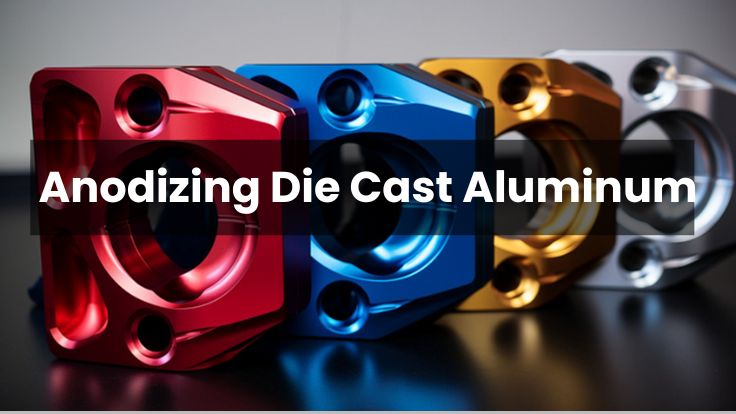
L'aluminium anodisé transparent est un métal durable résistant à la corrosion et recouvert d'une couche d'oxyde transparente. Il augmente la solidité, la résistance à l'usure et les propriétés esthétiques, ce qui en fait un matériau de choix pour les applications architecturales, automobiles, aérospatiales et industrielles. L'aluminium est l'un des métaux les plus utilisés en raison de sa légèreté, de sa solidité et de sa résistance naturelle à la corrosion. L'aluminium peut toutefois s'oxyder, s'user et se dégrader dans l'environnement s'il n'est pas traité. L'aluminium anodisé transparent est couramment utilisé pour renforcer sa durabilité et améliorer certaines de ses propriétés de surface. L'anodisation est un processus électrochimique par lequel la surface de l'aluminium est recouverte d'une couche d'oxyde transparente qui rend l'aluminium plus résistant à la corrosion, aux rayures et à la décoloration. L'anodisation se lie toujours au métal, ce qui garantit en fin de compte la protection et l'attrait esthétique sans revêtement ni peinture. Dans ce guide, vous comprendrez les avantages de l'aluminium anodisé transparent, les différentes finitions de surface, son application dans l'anodisation de différents alliages d'aluminium et les diverses industries qui utilisent l'anodisation. Il examine également si l'aluminium anodisé est sûr et propose un guide d'anodisation pour les personnes souhaitant essayer le processus à la maison. L'aluminium anodisé est un matériau polyvalent et durable qui peut être utilisé dans des applications architecturales, automobiles, aérospatiales ou industrielles. Qu'est-ce que l'aluminium anodisé transparent ? L'aluminium anodisé (par voie électrochimique) pour former une couche d'oxyde transparente sur la surface est un aluminium anodisé transparent. Le revêtement métallique améliore efficacement la résistance à la corrosion, la résistance à l'usure et la dureté de la surface du métal, ce qui accroît sa durabilité pour une utilisation à long terme dans des environnements difficiles. Contrairement à la peinture ou aux revêtements, la teinture du métal est intégrée au métal, de sorte que la finition résiste à la décoloration et aux rayures pendant très longtemps. Spécifications générales Matériau Les alliages d'aluminium sont généralement anodisés. Épaisseur de la couche anodisée L'épaisseur de la couche anodisée dépend de son application. Aspect de la surface Conformité aux normes Pourquoi choisir l'aluminium anodisé transparent ? Résistance supérieure à la corrosion → Idéal pour les applications marines, aérospatiales et extérieures. Durable → Finition résistante aux rayures et à la décoloration. Peu d'entretien → Il suffit d'un nettoyage minimal de temps en temps pour conserver son aspect. L'anodisation est également un procédé écologique → cette méthode de finition est non toxique et durable. L'option colorée étant opaque, elle ne peut pas être anodisée, et elle s'usera très rapidement et durera rarement très longtemps. L'aluminium anodisé transparent est l'une des finitions les plus couramment utilisées dans l'architecture, les transports, les produits électroniques grand public et les machines industrielles, offrant une finition attrayante et fonctionnelle qui dure longtemps. Processus d'anodisation transparente de l'aluminium L'anodisation transparente est un traitement électrochimique spécialement conçu pour rendre la surface de l'aluminium anodisé résistante à la corrosion, durable et dure. Il s'agit d'un procédé courant qui est largement utilisé dans les applications industrielles, architecturales et décoratives, car il crée un effet solide et esthétique. 1. Nettoyage La première phase du processus d'anodisation consiste à nettoyer la surface de l'aluminium de l'huile, de la poussière ou de l'oxydation naturelle. Après le dégraissage, la surface est trempée dans une solution de dégraissage (par exemple, R 105), puis rincée à l'eau claire pour s'assurer que tous les contaminants ont été éliminés. Il s'agit d'une étape critique pour obtenir une finition anodisée lisse et sans défaut. 2. Décapage alcalin L'aluminium est ensuite plongé dans une solution d'hydroxyde de sodium à une température contrôlée de 70 à 90 degrés C afin d'éliminer les impuretés et les irrégularités de la surface. Cette étape permet d'éliminer la couche d'oxyde naturelle afin de permettre un traitement ultérieur jusqu'à l'obtention d'une surface uniforme. 3. Polissage chimique Une fois le processus de gravure terminé, le polissage chimique est appliqué à l'aluminium. Ce processus permet non seulement de lisser la surface, mais aussi d'éliminer les microdéformations et d'améliorer la vivacité du métal. En fonction de l'application finale, cette étape peut créer une finition mate ou brillante. 4. Activation L'aluminium doit être activé avant l'étape d'anodisation pour obtenir une surface conductrice uniforme. Lors de cette étape, le matériau est préparé pour servir d'anode à la réaction électrochimique en utilisant une solution électrolytique particulière. L'activation permet de recouvrir toute la surface de l'aluminium d'une couche anodisée uniforme. 5. Anodisation L'anodisation est une réaction électrochimique au cours de laquelle l'aluminium est immergé dans un bain électrolytique et sert d'anode. Lorsqu'un courant électrique est appliqué au métal, une couche d'oxyde (Al₂O₃) est déposée, ce qui augmente la corrosion et la durabilité du métal. L'électrolyte utilisé, le plus souvent, est l'acide sulfurique ; les paramètres du processus changent en fonction de la finition requise. La section suivante traite en détail de ces paramètres. Paramètres clés de l'anodisation Pour garantir une finition anodisée claire et réussie, les paramètres du processus doivent être étroitement contrôlés : Les paramètres de la couche anodisée sont tels que la couche est uniforme, résistante et viable dans les conditions ambiantes. Les propriétés finales de l'aluminium anodisé peuvent être modifiées en changeant la température, la tension et la durée du traitement. Alliages d'aluminium pour l'anodisation L'utilisation d'alliages d'aluminium pour l'anodisation s'explique par leur forte résistance à la corrosion et leur valeur esthétique de longue date. Les différentes séries d'alliages d'aluminium ont des caractéristiques uniques qui correspondent aux différents besoins des produits. Cette liste présente les principaux alliages d'aluminium utilisés dans l'anodisation, leur composition et leurs avantages, ainsi que leurs applications typiques. 1. Série 1000 (aluminium pur) La série 1000 contient de l'aluminium d'une pureté de 99% mélangé à des additifs mineurs de fer et de silicium. Ces alliages métalliques présentent une excellente conductivité électrique et luttent contre la corrosion tout en conservant leur flexibilité. Au cours du processus d'anodisation, l'aluminium pur crée une couche claire ou translucide qui augmente sa résistance et le protège des influences extérieures. Les alliages de la série 1000 fonctionnent bien parce qu'ils possèdent ces caractéristiques. 2. Série 2000 (alliages aluminium-cuivre) La série 2000 contient de l'aluminium mélangé à du cuivre de 2% à 7% et à de petites quantités de manganèse et de magnésium. Ces alliages offrent une excellente résistance et une grande facilité d'usinage, tout en offrant une protection raisonnable contre la corrosion. Lorsque les alliages aluminium-cuivre sont anodisés, ils bénéficient d'une meilleure protection contre l'usure et la corrosion, ainsi que d'un traitement de surface attrayant. Ils sont donc idéaux pour : 3. Les séries

L'aluminium pour le moulage : Un guide complet

L'aluminium pour le moulage : Un guide complet

fonte d'aluminium

Le moulage est l'un des procédés de transformation des métaux les plus anciens et les plus polyvalents, qui permet aux fabricants de produire des formes complexes de la plus haute précision. En raison des excellentes propriétés de l'aluminium pour le moulage, telles que sa légèreté, sa résistance à la corrosion et sa conductivité thermique élevée, l'aluminium pour le moulage est un métal spécial parmi les divers métaux utilisés dans le moulage. Cet article traite de l'utilisation de l'aluminium pour le moulage, de ses avantages, de ses types, de ses applications et de ses techniques. Parmi les métaux les plus couramment utilisés en fonderie, l'aluminium se distingue par son poids, son excellente résistance à la corrosion et sa haute conductivité thermique. Pour obtenir la forme souhaitée, l'aluminium est fondu et coulé ou injecté dans un moule de coulée. Il existe plusieurs méthodes de moulage, comme le moulage en sable, le moulage sous pression, le moulage à la cire perdue et le moulage en moule permanent, qui dépendent des exigences de l'application. Le choix de la méthode de moulage doit être basé sur la taille des composants, la précision requise, les propriétés mécaniques et le volume de production. La sélection de la composition de l'alliage de fonderie d'aluminium est l'une des décisions les plus critiques dans la production de pièces moulées en aluminium. Parmi les alliages de fonderie d'aluminium les plus courants, citons les alliages A356, 319 et 380, ainsi que l'alliage 7075, qui peuvent offrir une résistance mécanique, une ductilité et une résistance à la corrosion différentes pour toute une série d'applications. Le contrôle de la température, l'application de la pression, les taux de refroidissement et l'atténuation des défauts influencent également grandement la production de pièces moulées en aluminium de haute qualité avec peu de porosité ou de défauts de rétrécissement. Les progrès récents de la technologie de coulée, notamment la coulée assistée sous vide, le traitement des métaux semi-solides et l'impression 3D des moules, ont permis d'améliorer considérablement la précision, l'efficacité et la durabilité de la coulée de l'aluminium. En outre, les industries se concentrent davantage sur le recyclage de l'aluminium afin de réduire l'impact sur l'environnement tout en maintenant les mêmes niveaux de performance. Le guide le plus complet sur l'aluminium pour le moulage couvre des facteurs clés tels que la température, le contrôle de la pression, les propriétés mécaniques et chimiques, la prévention des défauts et la sélection des alliages. La connaissance de ces aspects permet aux ingénieurs et aux fabricants de mettre en œuvre un processus de moulage de l'aluminium productif, de produire des produits de meilleure qualité et de bénéficier d'une meilleure efficacité de production. Pourquoi utiliser l'aluminium pour le moulage ? Les excellentes propriétés de l'aluminium justifient son utilisation dans l'industrie du moulage et c'est pourquoi il s'agit d'un choix de métal approprié pour les fabricants travaillant dans divers secteurs. Voici quelques-unes des principales raisons d'opter pour le moulage en aluminium. 1. Léger et solide : Comme on peut s'y attendre, l'aluminium est très léger par rapport à d'autres métaux, ce qui le rend idéal pour être utilisé dans les industries où la réduction du poids est importante lors de la construction de véhicules ou d'avions. 2. L'aluminium offre une excellente résistance à la corrosion : Les pièces moulées bénéficient de la couche d'oxyde naturelle qui constitue une barrière contre la rouille et contribue à prolonger la durée de vie de la pièce moulée. 3. Conductivité thermique et électrique élevée : L'aluminium convient donc parfaitement aux échangeurs de chaleur, aux boîtiers électroniques et aux composants de moteurs. 4. Pièces moulées en aluminium - Grande facilité d'usinage : La fonte d'aluminium peut être facilement usinée, polie et finie pour une application de haute précision. 5. Moins cher : L'aluminium est beaucoup moins cher que la plupart des autres métaux et sa recyclabilité le rend respectueux de l'environnement. Types d'aluminium utilisés pour le moulage Plusieurs alliages d'aluminium sont utilisés pour le moulage et présentent des caractéristiques adaptées à différentes applications. Quels sont les alliages d'aluminium les plus couramment utilisés pour le moulage ? 1. Alliages aluminium-silicium (Al-Si) 2. Alliages aluminium-cuivre (Al-Cu) 3. Alliages aluminium-magnésium (Al-Mg) 4. Alliages aluminium-zinc (Al-Zn) Alliages d'aluminium pour le moulage sous pression Le processus de fabrication du moulage sous pression est très efficace : un moule de précision est utilisé pour injecter de l'aluminium en fusion sous haute pression. Ce procédé est devenu une méthode bien connue pour fabriquer des composants métalliques complexes, durables, légers et dimensionnellement précis. La faible densité, la bonne résistance à la corrosion et l'excellente conductivité thermique de l'aluminium en font le matériau de prédilection pour le moulage sous pression. Il existe plusieurs alliages d'aluminium spécifiquement formulés pour être utilisés dans le moulage sous pression afin d'offrir des propriétés mécaniques et physiques adaptées à diverses applications. Nous décrivons ci-dessous les alliages d'aluminium les plus utilisés pour le moulage sous pression. 1. Alliage d'aluminium 380 (A380) L'alliage d'aluminium A380 est l'alliage d'aluminium le plus couramment utilisé dans le moulage sous pression en raison de sa polyvalence et de ses caractéristiques de moulage supérieures. Propriétés clés Applications courantes Ces propriétés font de l'A380 un alliage très utilisé dans l'automobile, l'aérospatiale et l'électronique grand public, où le rapport résistance/poids, la coulabilité et la rentabilité sont nécessaires. 2. Alliage d'aluminium 383 (A383) L'alliage A383 offre une meilleure résistance à la corrosion et de meilleures performances à haute température que l'A380. Principales propriétés Applications courantes Applicable aux boîtiers électriques, aux boîtiers, ainsi qu'aux pièces de machines industrielles nécessitant une stabilité dimensionnelle et une résistance à la chaleur. 3. Alliage d'aluminium 360 (A360) Cependant, l'A360 est connu pour avoir d'excellentes propriétés mécaniques, telles qu'une résistance et une ductilité élevées. Principales propriétés Applications courantes Par exemple, l'A360 est souvent utilisé dans les boîtiers de transmission automobile, les carters de moteur, l'aérospatiale et les pièces qui nécessitent une grande intégrité mécanique. 4. Alliage d'aluminium 413 (A413) L'A413 est un matériau haute pression conçu pour une grande fluidité et une grande étanchéité à la pression. Principales propriétés Applications courantes Souvent utilisé dans les composants hydrauliques, les corps de pompe et les échangeurs de chaleur, où il est utilisé pour fabriquer des pièces qui doivent être étanches et très résistantes. 5. Alliage d'aluminium 390 (A390) L'alliage A390 a été conçu pour résister aux charges élevées et à l'usure extrême. Propriétés principales Applications courantes L'A390 est couramment utilisé dans les blocs moteurs automobiles, les pistons à haute performance et les engrenages mécaniques où la résistance à l'usure et la solidité aux températures de service sont importantes. 6. Alliage d'aluminium 356 (A356) L'aluminium de haute pureté A356 possède une excellente coulabilité ainsi qu'une bonne résistance mécanique. Principales propriétés Applications courantes L'A356 est utilisé pour la fabrication de pièces de suspension automobile, de pièces aérospatiales et de pièces moulées industrielles à haute résistance. 7. Alliage d'aluminium 319 (A319) L'A319 est un alliage de résistance moyenne conçu pour offrir une bonne coulabilité, une bonne résistance à la corrosion et une bonne conductivité thermique. Propriétés clés Applications courantes L'A319 est largement utilisé dans les culasses automobiles, les boîtiers de transmission et les composants aéronautiques qui requièrent des performances thermiques fiables et une résistance modérée. Le bon alliage d'aluminium à sélectionner pour le moulage sous pression En fonction de plusieurs facteurs, nous devons choisir l'alliage d'aluminium approprié pour le moulage sous pression. 1. Exigences mécaniques : Solidité, dureté, ductilité et résistance à l'usure. 2. Exigences en matière de corrosion

Retour en haut

Obtenir un devis