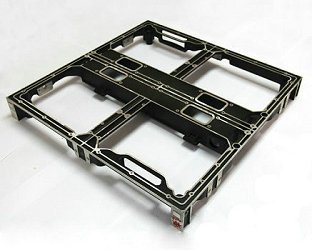
Pressofusione di zinco

Pressofusione di bronzo

colata di alluminio

Che cos'è la pressofusione del bronzo? La pressofusione del bronzo è un processo di produzione che consente di creare parti precise e complesse in lega di bronzo attraverso l'uso di stampi riutilizzabili per la pressofusione del bronzo, o matrici. È un metodo economicamente vantaggioso per la produzione di alti volumi di pezzi di piccole e medie dimensioni e viene spesso utilizzato nella produzione di componenti automobilistici, aerospaziali e militari, oltre che nella creazione di oggetti decorativi come maniglie per porte e apparecchi di illuminazione. Il processo inizia con la creazione dello stampo, in genere realizzato in acciaio o in un altro materiale durevole e resistente al calore. Lo stampo è progettato secondo specifiche precise, con cavità a forma del prodotto finale desiderato. Successivamente, la lega di bronzo viene fusa e versata nello stampo. Lo stampo viene quindi chiuso e viene applicata una pressione che spinge il bronzo fuso nelle cavità dello stampo. Dopo che il bronzo si è raffreddato e solidificato, lo stampo viene aperto e il pezzo appena formato viene espulso. Vantaggi della pressofusione in bronzo Uno dei principali vantaggi della pressofusione in bronzo è la capacità di produrre pezzi con un'elevata precisione dimensionale e un'eccellente finitura superficiale. Il processo consente inoltre di creare forme complesse e pareti sottili, rendendolo adatto a un'ampia gamma di applicazioni. Le leghe di bronzo sono note per la loro resistenza e durata, che le rendono adatte all'uso in ambienti ad alta sollecitazione come le applicazioni automobilistiche e aerospaziali. Sono inoltre resistenti alla corrosione, il che le rende una scelta popolare per i prodotti da esterno e i componenti marini. Oltre alla forza e alla resistenza alla corrosione, il bronzo ha un'eccellente lavorabilità e può essere facilmente rifinito con un alto grado di lucidatura. Questo lo rende un materiale ideale per l'uso in oggetti decorativi come maniglie e apparecchi di illuminazione. Sebbene la pressofusione del bronzo offra molti vantaggi, presenta alcune limitazioni rispetto alla pressofusione dell'alluminio. Non è adatta alla produzione di pezzi molto grandi, in quanto la pressione necessaria per riempire lo stampo può essere difficile da raggiungere su scale maggiori. Inoltre, non è il metodo più conveniente per la produzione di bassi volumi di pezzi, poiché il costo di creazione dello stampo può essere significativo. Nonostante queste limitazioni, la pressofusione in bronzo rimane una scelta popolare per i produttori grazie alla sua capacità di produrre pezzi di alta qualità con tolleranze precise. È un processo versatile che può essere utilizzato per creare un'ampia gamma di prodotti, dai componenti automobilistici e aerospaziali agli articoli decorativi. Se avete bisogno di parti in bronzo di alta qualità per il vostro prossimo progetto, considerate i vantaggi della pressofusione di bronzo. Grazie alle tolleranze precise, all'eccellente finitura superficiale, alla forza e alla resistenza alla corrosione, è una scelta affidabile per un'ampia gamma di applicazioni. Costo della pressofusione di bronzo Il costo della pressofusione di bronzo può variare notevolmente in base a una serie di fattori, tra cui le dimensioni e la complessità dei pezzi da produrre, la quantità di pezzi da produrre e il costo della lega di bronzo utilizzata. In generale, il costo della pressofusione in bronzo tende a essere più elevato rispetto ad altri metodi di fusione, a causa dell'elevato costo di creazione dello stampo e della necessità di attrezzature specializzate e di operatori qualificati. Tuttavia, il costo per pezzo tende a diminuire con l'aumentare del volume di pezzi prodotti, rendendo la pressofusione in bronzo una scelta economicamente vantaggiosa per i grandi volumi di produzione. Un modo per ridurre il costo della pressofusione in bronzo è quello di ottimizzare la progettazione dei pezzi da produrre. Razionalizzare il progetto per ridurre al minimo il numero di pezzi e la quantità di bronzo necessaria può contribuire a diminuire il costo complessivo del progetto. È anche importante scegliere la lega di bronzo giusta per l'applicazione. Leghe diverse hanno proprietà e costi diversi e la scelta della lega giusta può contribuire a ottimizzare le prestazioni e il costo dei pezzi finali. In generale, il costo della pressofusione di bronzo dipende in larga misura dalle esigenze e dai requisiti specifici del progetto. La collaborazione con un fornitore esperto di pressofusione può aiutare a identificare le opportunità di risparmio e a garantire la scelta della soluzione più conveniente. Se state cercando un produttore di pressofusione in bronzo dalla Cina per realizzare la vostra fusione in bronzo personalizzata, non esitate a contattarci.

Produttore di pressofusioni

zinco pressofuso vs alluminio pressofuso

colata di alluminio

Zinc die casting vs aluminum die casting which one is the best alloy Both zinc die casting and aluminum die casting have their advantages and disadvantages depending on the specific requirements of the part being produced. Zinc die casting is known for its good dimensional accuracy, easy machinability and high strength-to-weight ratio. It also has excellent electrical conductivity and is highly resistant to corrosion. Zinc die casting is also a good choice for parts with complex shapes and thin walls. However, it has a lower melting point than aluminum and is not as tough and durable as aluminum. Aluminum die casting, on the other hand, is widely used for producing larger parts with thin walls and complex shapes, due to its high strength and durability. It is also highly resistant to corrosion and has good thermal conductivity. However, it is generally more expensive than zinc and is more difficult to machine. Ultimately, the choice between zinc die casting vs aluminum die casting will depend on the specific requirements of the part being produced, including size, shape, durability, and cost considerations.   Difference between zinc die casting vs aluminum die casting Zinc and aluminum are two popular materials that are commonly used in die casting, a manufacturing process that involves injecting molten metal alloy into a die casting mold to create a desired metal shape or component. While both materials have their own unique properties and benefits, there are some key differences between zinc and aluminum die casting that can influence the decision of which material to use for a particular application. One of the main differences between zinc and aluminum die casting is their strength and durability. Zinc is a relatively soft and ductile metal, which means that it is easy to work with and can be molded into complex shapes. However, it is also relatively low in strength and may not be suitable for applications that require high levels of wear and tear. Aluminum, on the other hand, is a much stronger and more durable metal. It is often used in applications where strength and durability are important, such as in the construction of aircraft and automotive parts. Another important difference between the two materials is their weight. Zinc is a relatively heavy metal, while aluminum is much lighter. This makes aluminum an attractive choice for applications where weight is a major concern, such as in the aerospace and automotive industries. In terms of cost, zinc die casting is generally less expensive than aluminum die casting. This is due in part to the fact that zinc is a more abundant and readily available metal, while aluminum is more rare and expensive to extract. However, it is important to note that the cost of a particular die casting project will depend on a number of factors, including the size and complexity of the component, the material being used, and the amount of post-processing required. One advantage of zinc die casting is that it has a relatively low melting point, which makes it easier to work with and allows for faster production times. Aluminum, on the other hand, has a higher melting point and may require more specialized equipment and longer production times. In terms of surface finish, zinc die casting generally produces a smoother and more consistent surface than aluminum die casting. This is because zinc has a lower coefficient of expansion, which means that it expands and contracts less as it cools. As a result, zinc die castings are less likely to experience warping or other surface defects during the cooling process. There are also some environmental considerations to take into account when choosing between zinc and aluminum die casting. Zinc is a more sustainable metal and can be recycled indefinitely, while aluminum is more energy-intensive to produce and requires more energy to recycle. In conclusion, there are a number of factors to consider when choosing between zinc and aluminum die casting, including strength and durability, weight, cost, production times, surface finish, and environmental impact. The right choice will depend on the specific requirements of the application and the trade-offs that are most important to the designer or manufacturer. Hope this answer could give you some advice regarding to zinc die casting vs aluminum die casting, if have any project that requires zine or aluminum die casting, welcome to contact, we are China die casting company that offers custom die casting parts to the world.

Lavorazione CNC dell'alluminio

Fabbriche di servizi di lavorazione CNC dell'alluminio

colata di alluminio

Se state cercando fabbriche di servizi di lavorazione CNC dell'alluminio, avrete probabilmente notato che esiste una pletora di fabbriche di lavorazione che offrono questi servizi. Con così tante opzioni tra cui scegliere, trovare quella giusta per le vostre esigenze può essere un'impresa travolgente. In questa guida completa, esploreremo tutto quello che c'è da sapere sulle fabbriche di servizi di lavorazione CNC dell'alluminio, per permettervi di scegliere quella giusta per il vostro progetto, siete invitati a inviarci il vostro progetto di lavorazione, vi citeremo il nostro prezzo per il vostro riferimento, CNM TECH ha una ricca esperienza nella pressofusione, nella lavorazione, nella plastica, nel metallo, nello zinco, nella finitura superficiale, nei servizi di assemblaggio. Cosa sono le fabbriche di servizi di lavorazione CNC dell'alluminio? Le fabbriche di servizi di lavorazione CNC (controllo numerico computerizzato) in alluminio sono specializzate nella produzione di parti e componenti in alluminio su misura utilizzando la tecnologia di lavorazione CNC. La lavorazione CNC è un processo di produzione che prevede l'uso di macchine utensili controllate da computer per modellare e formare i materiali in forme e dimensioni precise, oppure la lavorazione di parti in alluminio pressofuso. Nel caso della lavorazione CNC dell'alluminio, queste fabbriche utilizzano macchine utensili e software CNC avanzati per tagliare, forare e fresare l'alluminio in un'ampia gamma di forme e dimensioni. Il processo inizia con la creazione di un modello di progettazione computerizzata (CAD) in 3D della parte o del componente da realizzare. Questo modello viene poi utilizzato per guidare le macchine utensili CNC mentre tagliano, forano e fresano l'alluminio nella forma desiderata. Come funzionano le fabbriche di servizi di lavorazione CNC dell'alluminio? Il processo di lavorazione CNC dell'alluminio in fabbrica segue in genere le seguenti fasi: Progettazione: La prima fase del processo consiste nel creare un modello CAD 3D della parte o del componente da realizzare. Questo modello può essere creato utilizzando software specializzati come UG, Pro/e o SolidWorks. Naturalmente, se si lavorano parti in pressofusione di alluminio, non è necessario eseguire questa progettazione, ma è comunque necessario apportare alcune piccole modifiche per la programmazione. Programmazione CNC: Una volta completato il modello CAD, il passo successivo è la creazione di un programma di lavorazione CNC che guiderà le macchine utensili a modellare e formare l'alluminio. Questo programma viene in genere creato utilizzando un software specializzato come il codice G o il CAM (computer-aided manufacturing). Impostazione: Prima di iniziare il processo di lavorazione CNC, la fabbrica imposta gli strumenti di fissaggio e si assicura che siano calibrati e configurati correttamente. Questo include il collegamento degli strumenti e delle attrezzature giuste alla macchina, nonché l'assicurazione che il materiale di alluminio sia tenuto saldamente in posizione. Lavorazione: Con la macchina impostata e pronta per l'uso, può iniziare il processo di lavorazione. Le macchine utensili CNC seguiranno le istruzioni programmate per tagliare, forare e fresare l'alluminio nella forma desiderata. Controllo qualità: Una volta completato il processo di lavorazione, la fabbrica esegue un controllo di qualità approfondito per garantire che il pezzo o il componente finito soddisfi tutte le specifiche richieste. Questo include ispezioni visive, controlli dimensionali e test funzionali. Finitura: a seconda dell'applicazione finale del pezzo in alluminio, la fabbrica può eseguire ulteriori processi di finitura come anodizzazione, lucidatura, verniciatura a polvere, ecc. Vantaggi della lavorazione CNC dell'alluminio L'utilizzo di servizi di lavorazione CNC dell'alluminio presenta numerosi vantaggi, tra cui: Precisione: La lavorazione CNC consente un controllo estremamente preciso della forma e delle dimensioni del pezzo o componente finito. Ciò la rende ideale per la produzione di pezzi con tolleranze strette o geometrie complesse. Coerenza: La lavorazione CNC è un processo altamente ripetibile, il che significa che le fabbriche possono produrre più parti o componenti esattamente uguali. È l'ideale per le applicazioni in cui la coerenza è importante, come nell'industria aerospaziale o automobilistica. Velocità: La lavorazione CNC consente tempi rapidi, in quanto la macchina può lavorare ininterrottamente senza la necessità di frequenti interventi da parte dell'operatore. Ciò può essere particolarmente vantaggioso per i progetti con scadenze ravvicinate. Economicità per piccoli lotti di pezzi: La lavorazione CNC può essere più conveniente rispetto ad altri metodi di produzione, in particolare per i lotti di produzione di piccole e medie dimensioni. Versatilità: La lavorazione CNC può essere utilizzata per produrre un'ampia gamma di parti e componenti in diversi materiali, tra cui alluminio, acciaio, ottone e plastica. Come scegliere le fabbriche di servizi di lavorazione CNC dell'alluminio È importante fare la dovuta diligenza e trovare le fabbriche di servizi di lavorazione CNC dell'alluminio più adatte al vostro progetto. Ecco alcuni fattori chiave da considerare quando si valutano i potenziali stabilimenti: Capacità: Innanzitutto, dovrete assicurarvi che le fabbriche di servizi di lavorazione CNC dell'alluminio abbiano le capacità necessarie per soddisfare le vostre specifiche esigenze di lavorazione. Ciò include i tipi di macchine CNC disponibili, nonché la capacità di lavorare con diverse leghe di alluminio e di gestire geometrie complesse. Qualità: La qualità è della massima importanza quando si parla di lavorazione CNC. Assicuratevi di chiedere informazioni sui processi di controllo della qualità della fabbrica e su eventuali certificazioni, come la ISO 9001. Tempi di consegna: A seconda delle esigenze del vostro progetto, potreste avere una scadenza ravvicinata da rispettare. Assicuratevi di discutere i tempi di consegna con la fabbrica e assicuratevi che sia in grado di rispettare le vostre tempistiche. Costi: Come per ogni progetto di produzione, il costo è un fattore importante da considerare. Assicuratevi di ottenere preventivi da più fabbriche di lavorazione CNC e confrontateli per trovare il miglior valore per il vostro progetto. Servizio clienti: Un buon servizio clienti è essenziale quando si lavora con una fabbrica di servizi di lavorazione CNC dell'alluminio. Assicuratevi di scegliere una fabbrica che sia reattiva, comunicativa e disposta a lavorare con voi per garantire il successo del vostro progetto. Conclusione Le fabbriche di servizi di lavorazione CNC dell'alluminio sono una risorsa preziosa per la produzione di parti e componenti in alluminio su misura. Sfruttando la tecnologia avanzata di lavorazione CNC, queste fabbriche possono produrre pezzi precisi e coerenti con tempi di consegna rapidi. Quando scegliete una fabbrica di servizi di lavorazione CNC dell'alluminio, assicuratevi di considerare le sue capacità, la qualità, i tempi di consegna, i costi e il servizio clienti per trovare la soluzione giusta per il vostro progetto. Se state cercando prodotti per la lavorazione CNC dell'alluminio,

Fusione di alluminio Cina

Strumenti di rifilatura per la pressofusione

colata di alluminio

Die casting is a metal manufacturing process that involves the use of die casting molds to create aluminum, zinc, metal parts. The process involves injecting molten metal alloys into a die casting tooling, which is then allowed to cool and solidify. Once the metal alloy has hardened, it is removed from the die casting tool and any excess material is trimmed away to create a finished product. Die casting trimming tools are an essential part of the die casting process, as they are used to remove excess material and create a smooth, finished edge on the parts. There are a variety of different trimming tools available, each with its own unique features and benefits. In this article, we will explore the different types of trimming tools used in die casting and their advantages and disadvantages. One of the most common types of trimming tools used in die casting is the cutting tool. These tools are designed to cut away excess material and create precise, clean edges on the parts. Cutting tools come in a variety of shapes and sizes, and can be made from a variety of materials including steel, carbide, and diamond. One advantage of cutting tools is their versatility. They can be used to trim a wide range of materials, including aluminum, zinc, and brass. Cutting tools are also able to produce very precise cuts, making them ideal for creating intricate parts with tight tolerances. However, cutting tools do have some disadvantages. They can generate a lot of heat during the cutting process, which can affect the integrity of the material being trimmed. In addition, cutting tools can produce a lot of vibration, which can be hard on the operator and the equipment. Another type of die casting trimming tool used is the grinding tool. Grinding tools use abrasive action to remove excess material and create a smooth finish on the parts. Grinding tools come in a variety of shapes and sizes, and can be made from a variety of abrasive materials such as aluminum oxide, silicon carbide, and diamond. One advantage of grinding tools is their ability to produce a very smooth finish on the parts. Grinding tools can also be used to remove deep burrs and other defects from the surface of the parts. However, grinding tools do have some disadvantages. They can generate a lot of heat and noise during the grinding process, which can be hard on the operator and the equipment. In addition, grinding tools can produce a lot of dust and debris, which can be hazardous to the operator and the environment. A third type of die casting trim tooling is the sanding tool. Sanding tools use abrasive action to remove excess material and create a smooth finish on the parts. Sanding tools come in a variety of shapes and sizes, and can be made from a variety of abrasive materials such as aluminum oxide, silicon carbide, and diamond. One advantage of sanding tools is their ability to produce a very smooth finish on the parts. Sanding tools can also be used to remove deep burrs and other defects from the surface of the parts. However, sanding tools do have some disadvantages. They can generate a lot of heat and noise during the sanding process, which can be hard on the operator and the equipment. In addition, sanding tools can produce a lot of dust and debris, which can be hazardous to the operator and the environment. A fourth type of die casting trim tooling is the deburring tool. Deburring tools are designed to remove burrs and other defects from the surface of the parts. Deburring tools come in a variety of shapes and sizes, and can be made from a variety of materials such as steel, carbide, and diamond. One advantage of deburring tools is their ability to remove burrs and other defects from the surface of the parts, resulting in a smooth, finished product. Deburring tools are also able to remove deep burrs that may be difficult to remove with other trimming tools. However, deburring tools do have some disadvantages. They can be time-consuming to use, as they may require multiple passes to completely remove all the burrs and defects. In addition, deburring tools can produce a lot of heat and vibration during the deburring process, which can be hard on the operator and the equipment. In conclusion, there are a variety of trimming tools used in the die casting process, each with its own unique features and benefits. Cutting tools are versatile and can produce precise cuts, but can generate a lot of heat and vibration. Grinding tools can produce a smooth finish but can generate a lot of heat, noise, and debris. Sanding tools can also produce a smooth finish but can generate a lot of heat, noise, and debris. Deburring tools are effective at removing burrs and defects, but can be time-consuming and generate heat and vibration. When selecting trimming tools for your die casting process, it is important to consider the specific requirements of your application and choose the tool that will best meet your needs.

colata di alluminio - rivestimento in polvere

Utensili per la pressofusione

colata di alluminio

Die casting tooling is a critical aspect of the die casting process, as it determines the shape and size of the final product. The design and construction of die cast tooling is crucial to the success of the die casting process and the quality of the final product. In this article, we will delve into the details of die cast tooling and its importance in the die casting process. Die casting is a metal casting process that involves injecting molten metal under high pressure into a mold or die. The mold is typically made of steel such as 8407, 1.2344, SKD61 and is specially designed to produce a specific shape or design. Die casting is a fast and efficient way to produce high volumes of metal parts with a high level of accuracy and consistency. Type of die casting machine There are two main types of die casting processes: hot chamber die casting and cold chamber die casting. In hot chamber die casting, the molten metal is poured into a chamber that is connected to the mold. A plunger then pushes the molten metal into the mold under high pressure. This process is typically used for casting metals with low melting points, such as aluminum, zinc, and copper alloys. In cold chamber die casting, the molten metal is poured into a separate chamber called a shot sleeve, which is then injected into the mold by a separate mechanical or hydraulic plunger. This process is typically used for casting metals with higher melting points, such as steel, brass, and bronze. Die casting tooling, also known as dies, are the tooling used in the die casting process to create the desired shape and size of the final product. The design and construction of the die cast tooling are crucial to the success of the process and the quality of the final product. There are two main types of die casting tooling: single cavity dies and multi-cavity dies. Single cavity dies are used to produce one part at a time, while multi-cavity dies can produce multiple parts simultaneously. Multi-cavity dies are typically used for high volume production runs to increase efficiency and reduce production costs. The design of the die casting tooling is critical to the success of the process and the quality of the final product. The die must be carefully designed to ensure that it can withstand the high pressure and temperature of the molten metal injection process. It must also be properly machined and finished to ensure a precise and accurate final product. The construction of the die casting tooling is also important. The die is typically made of hardened steel or aluminum, and it must be able to withstand the wear and tear of the high-pressure injection process. The die must also be properly maintained and regularly serviced to ensure its longevity and accuracy. Die casting tooling design Die casting tooling design is the process of designing the tooling used in the die casting process to produce the desired shape and size of the final product. The design of the die cast tool is critical to the success of the die casting process and the quality of the final product. There are several factors to consider when designing die cast tooling. One of the most important factors is the type of metal being cast. Different metals have different properties and require different types of tooling to produce high-quality parts. The shape and size of the final product are also important considerations when designing die cast tooling. The die must be designed to produce the desired shape and size with a high level of accuracy and consistency. Other factors to consider in die cast tool design include the production volume and frequency, the type of surface finish desired on the final product, and any special requirements or features needed in the final product. The design of the die must also consider the strength and durability of the tooling, as it must be able to withstand the high pressure and temperature of the molten metal injection process. There are several different approaches to die casting tool design, including computer-aided design (CAD) and 3D modeling. These tools allow designers to create detailed, accurate designs and test them virtually before the tool is built. This can help to identify any potential issues or problems before the tool is constructed, saving time and resources. Die casting tool material The material used for die casting tools, also known as dies, is an important consideration as it must be able to withstand the high pressure and temperature of the molten metal injection process. The most common materials used for die casting tools are hardened steel and aluminum. Hardened steel is a strong and durable material that is well-suited for die casting tools. It is able to withstand the high pressure and temperature of the molten metal injection process and has a long lifespan. However, it is also more expensive and difficult to machine than aluminum. Aluminum is a lighter and more cost-effective alternative to hardened steel. It is also easier to machine, which can reduce the cost and time required for tool construction. However, it is not as strong or durable as hardened steel and may not be suitable for all die casting applications. Other materials that may be used for die casting tools include bronze, brass, and various steel alloys. The choice of material will depend on the specific requirements of the application, including the type of metal being cast, the production volume and frequency, and any special requirements or features needed in the final product. Die casting tools manufacturer Die casting tools manufacturers produce the tooling used in the die casting process to create the desired shape and size of the final product. Die casting tools, also known as dies, are typically made of hardened steel or aluminum and are designed to withstand the high pressure and temperature of the molten metal injection process. Die casting tools manufacturers offer a range of services,

alloggiamento in alluminio pressofuso per display a LED

Cina produttori di pressofusione di alluminio

colata di alluminio

China aluminium die casting manufacturers are leading producer of aluminum die casting products on the world, with many die casting manufacturers offering high-quality products for a wide range of industries. In this article, we will take a closer look at the aluminum die casting industry in China, including the process of aluminum die casting, the top manufacturers in the country, and the benefits of working with Chinese aluminum die casting companies. What is Aluminum Die Casting? Aluminum die casting is a manufacturing process in which molten aluminum is injected into a mold or die under high pressure. The aluminum takes the shape of the mold as it cools and solidifies, resulting in a near-net-shape part with a high level of accuracy and surface finish. The process of aluminum die casting involves heating aluminum alloy to its melting point, injecting it into a steel mold or die using a hydraulic or mechanical plunger, and allowing it to cool and solidify. The mold or die is made of two halves that are held together under pressure during the injection process. Once the aluminum has solidified, the mold is opened and the casting is ejected. One of the key benefits of aluminum die casting is the ability to produce parts with a high level of accuracy and surface finish. The process also allows for the production of complex shapes and thin walls, as well as the use of insert molding to incorporate other materials into the casting. China Aluminium Die Casting Manufacturers: Choosing the Right One When looking for aluminium die casting manufacturers in China, it can be easy to feel overwhelmed with the number of options available. However, if you want to ensure that you are working with a reliable and high-quality manufacturer, it’s vital to conduct the necessary research and choose wisely. This article provides an overview of two of the top China aluminum die casting manufacturers, with tips on how to choose the right one. CNM TECH CO., LTD. CNM TECH CO., LTD. is a leading die casting manufacturer headquartered in Dongguan city, Guangdong province, China. The company specializes in aluminum die casting products, aluminum CNC machining parts, plastic molding parts, stamping die parts, aluminum profile, and other precision components. What sets CNM TECH apart from many other China aluminum die casting manufacturers is its comprehensive service offerings, which include design, tooling, production, and assembly. In addition to its extensive service offerings, CNM TECH also boasts a team of experienced engineers and technicians who are committed to providing high-quality products and excellent customer service. The company uses advanced production equipment and processes, including CNC machining centers, wire cutting machines, and automated polishing machines. CNM TECH has also obtained ISO 9001:2015 certification, which demonstrates its commitment to quality management systems. GC Precision Mould Co., Ltd. GC Precision Mould Co., Ltd. is another top China aluminum die casting manufacturer based in Dongguan city, Guangdong province. The company specializes in aluminum die casting products, aluminum forge parts, machining parts, plastics molds, and parts. Like CNM TECH, GC Precision Mould offers a range of services, including design, die casting tooling, machining, powder coating or anodizing, sandblasting assembly, inspection, and packing. One of the things that set GC Precision Mould Co., Ltd. apart is its focus on technology and innovation. The company has one of the most advanced production facilities in the industry, including advanced CNC machines, spark machines, and wire cutting machines. The company’s experienced and skilled technicians and engineers are committed to using the latest techniques to produce high-quality products. Tips on Choosing the Right China Aluminium Die Casting Manufacturers When it comes to choosing the right China aluminium die casting manufacturers, there are a few essential factors to consider. First, it’s crucial to evaluate the company’s experience and expertise in the industry. Look for a manufacturer with a track record of quality products and satisfied customers. Secondly, consider the company’s service offerings. Choose a manufacturer who offers a range of services, including design, tooling, production, and assembly. This will help to ensure that your production process is seamless and efficient. Finally, look for a manufacturer with a commitment to using the latest technology and equipment and is certified by renowned standards organizations such as ISO. This will give you confidence in the quality of the products you receive. Benefits of Working with Chinese Aluminum Die Casting Manufacturers There are many benefits to working with Chinese aluminum die casting manufacturers, including: Cost-effectiveness: China is known for its competitive prices and high-quality aluminum die casting products, and aluminum die casting is no exception. Chinese die casting manufacturers are able to offer competitive prices due to their economies of scale and access to raw materials , as well as their efficient production processes. This can help to reduce production costs and make it more affordable to manufacture aluminum die casting products. Advanced technology: Many Chinese aluminum die casting manufacturers are equipped with advanced equipment and technology, which allows them to produce high-quality products with a high level of accuracy and surface finish. Experienced technology personnel: Many Chinese aluminum die casting manufacturers have a team of experienced engineers and technicians who are skilled in the design and production of aluminium die casting products. This expertise can be beneficial in the development and production of high-quality aluminum casting products. Wide range of capabilities: Chinese aluminum die casting manufacturers offer a wide range of capabilities, including part design, die casting tooling, massive production, machining, powder coating or anodizing, sand blasting, assembly, inspection, and packing. This can help to streamline the manufacturing process and ensure that all aspects of the project are handled by a single supplier. Strong supply chain: China has a strong supply chain network, which can help to ensure timely delivery of raw materials and finished aluminum die casting products. Overall, working with Chinese aluminum die casting manufacturers can offer a cost-effective and efficient solution for the production of high-quality aluminum die casting products. By leveraging the advanced technology, experienced personnel, and wide range of

Come si migliora la qualità dei pezzi in pressofusione di alluminio

colata di alluminio

There are several steps that can be taken to improve the quality of aluminum die casting parts: Use high-quality aluminum alloys: The quality of the aluminum alloy used in the casting process can have a significant impact on the quality of the finished parts. Using a high-quality alloy that has good casting properties and a consistent composition can help improve the dimensional accuracy and surface finish of the parts. Optimize the design of the mold: The design of the mold can have a big impact on the quality of the finished parts. Using a well-designed mold that has the proper dimensional tolerances, gate locations, and venting can help improve the dimensional accuracy and surface finish of the parts. Control the casting process: Properly controlling the casting process can also help improve the quality of the finished parts. This may involve carefully controlling the temperature of the molten metal, the pressure applied during the casting process, and the speed at which the metal is injected into the mold. Implement robust quality control processes: Having robust quality control processes in place can help identify and correct problems before they result in defective parts. This may involve inspecting and testing the parts at various stages of the manufacturing process to ensure that they meet the required specifications. Overall, improving the quality of aluminum die casting parts requires careful attention to the quality of the materials being used, the design of the mold, and the control of the casting process. By following these steps, it is possible to produce high-quality aluminum die casting parts with excellent dimensional accuracy and surface finish.

L'alluminio pressofuso può essere anodizzato

colata di alluminio

Yes, die-cast aluminum can be anodized. Anodizing is a process in which a layer of oxide is applied to the surface of the aluminum to improve its corrosion resistance and wear resistance, and to provide a decorative finish. Anodizing is typically done on aluminum alloys that have a high purity and a high strength-to-weight ratio, such as 6061 and 7075. These alloys are well-suited for die casting, and are often used to produce parts and components that require high strength and corrosion resistance. To anodize die-cast aluminum, the parts are first cleaned and prepared by removing any surface contaminants and defects. The parts are then immersed in an electrolytic solution and subjected to an electrical current, which causes the oxide layer to form on the surface of the aluminum. The thickness and properties of the oxide layer can be controlled by adjusting the parameters of the anodizing process, such as the electrical current and the concentration of the electrolytic solution. Overall, anodizing can be a useful process for improving the corrosion resistance and wear resistance of die-cast aluminum parts and components. It can also be used to provide a decorative finish, such as a colored or textured surface.

Quali sono i difetti superficiali delle pressofusioni di alluminio?

colata di alluminio

There are several common surface defects that can occur on aluminum die castings. Some examples include: Porosity: Porosity refers to the presence of small voids or pores on the surface of the casting. Porosity can be caused by a variety of factors, including the quality of the aluminum alloy, the temperature of the molten metal, and the design of the mold. Cold shuts: Cold shuts are defects that occur when two streams of molten metal do not merge properly during the casting process. They appear as lines or seams on the surface of the casting. Shrinkage porosity: Shrinkage porosity is a type of porosity that occurs when the metal shrinks during solidification, creating small voids or pores on the surface of the casting. Scabs: Scabs are small, rough protuberances that can form on the surface of the casting. They are often caused by foreign materials that become trapped in the mold during the casting process. Misruns: Misruns are defects that occur when the molten metal does not completely fill the mold during the casting process, resulting in incomplete or distorted parts. Flash: Flash is a thin layer of excess metal that can form along the edges of the casting or in the corners of the mold. It is often caused by a poor fit between the two halves of the mold. Overall, surface defects on aluminum die castings can be caused by a variety of factors, including the quality of the aluminum alloy, the temperature of the molten metal, and the design of the mold. It’s important to work with a supplier that has robust quality control processes in place to minimize the risk of surface defects. How to solve surface defects on aluminum die castings There are several steps that can be taken to help solve surface defects on aluminum die castings: Identify the root cause of the defect: In order to effectively solve surface defects on aluminum die castings, it’s important to identify the root cause of the defect. This may involve analyzing the casting process, the aluminum alloy being used, and the design of the mold. Modify the process or materials: Once the root cause of the defect has been identified, it may be necessary to modify the casting process or the materials being used to eliminate the defect. For example, if the defect is caused by a problem with the aluminum alloy, it may be necessary to switch to a different alloy. Repair the defect: In some cases, it may be possible to repair surface defects on aluminum die castings using techniques such as grinding, filling, or polishing. However, it’s important to keep in mind that these techniques may not always be effective, and may not restore the casting to its original strength and appearance. Inspect and test the casting: Once the defect has been addressed, it’s important to carefully inspect and test the casting to ensure that the defect has been completely eliminated. This may involve visual inspection, dimensional measurement, and mechanical testing. Overall, solving surface defects on aluminum die castings requires a thorough understanding of the root cause of the defect and a willingness to make the necessary changes to the process or materials being used. It’s important to work with a supplier that has the expertise and experience to help identify and solve surface defects on aluminum die castings.

Come si seleziona un fornitore affidabile di pressofusione di alluminio in Cina?

colata di alluminio

When selecting an aluminum die casting supplier in China, it’s important to do your research and carefully consider the capabilities and reputation of the company. Here are a few steps you can follow to help you choose a reliable supplier: Research the company’s history and experience: Look for a supplier with a track record of producing high-quality aluminum die casting parts and components. It can be helpful to read reviews and ask for references from other customers. Consider the company’s capabilities: Look for a supplier with the necessary equipment and expertise to produce the parts and components you need. Be sure to ask about their capabilities in terms of size, weight, and complexity of the parts they can produce. Check the company’s quality control processes: It’s important to work with a supplier that has robust quality control processes in place to ensure that the parts and components they produce meet your specifications. Ask about their testing and inspection procedures, and consider visiting their facility to see their processes firsthand. Consider the company’s customer service and communication: Look for a supplier that is responsive and communicative, and that is willing to work with you to ensure your satisfaction. Consider the company’s pricing and delivery times: It’s important to find a supplier that can meet your budget and delivery requirements. Be sure to ask about their pricing and delivery terms and compare them to other suppliers to ensure you are getting a competitive offer. Overall, choosing a reliable aluminum die casting supplier in China requires careful research and due diligence. By following these steps, you can help ensure that you find a supplier that is capable of meeting your needs and delivering high-quality parts and components.

Torna in alto

Richiedi un preventivo