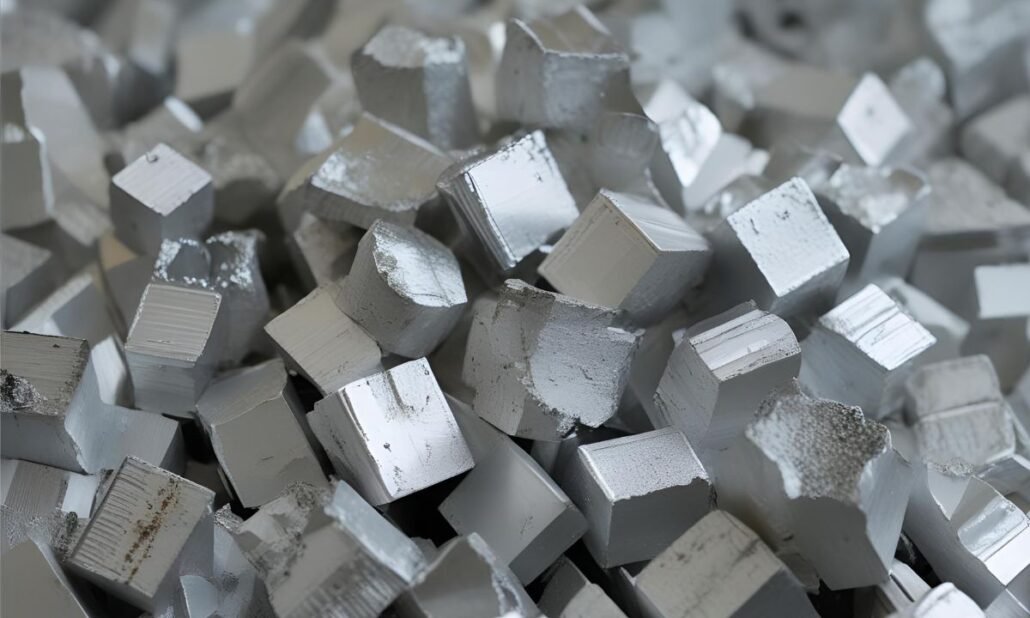
アルミニウム

アルミニウム合金

ダイカストに最適なアルミニウム合金は?

アルミニウム, アルミ鋳造, AlZn10Si8Mg合金

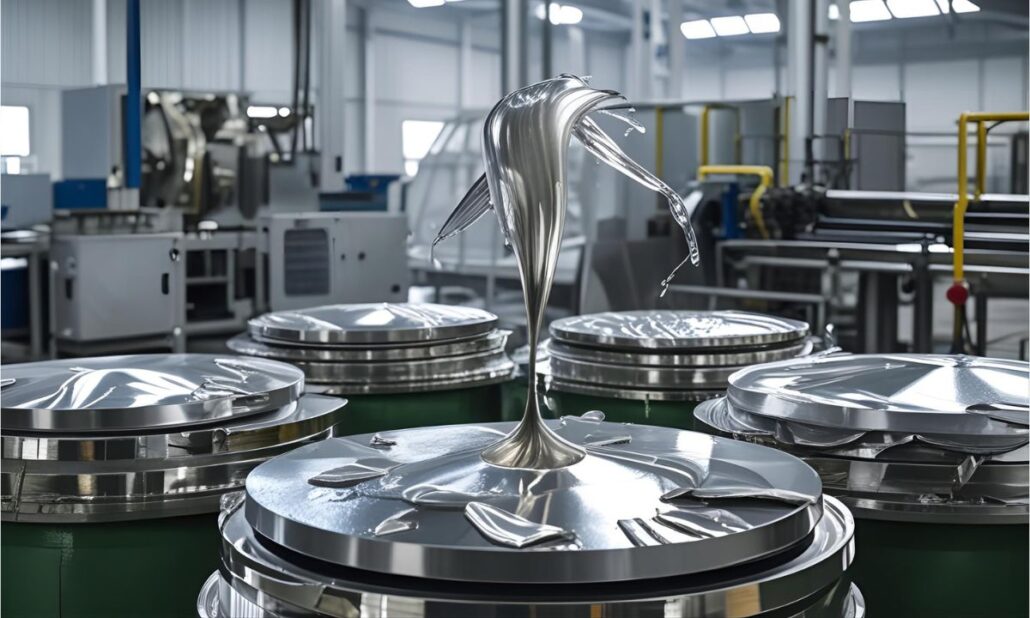
アルミニウムダイカスト入門 アルミニウム合金ダイカストは、非常に効率的な製造プロセスであり、複雑な金属部品を大量生産するために使用されます。溶融アルミニウム合金を硬化鋼の金型(一般にダイと呼ばれる)に高圧で注入するプロセスです。この製法は、寸法精度と表面仕上げに優れた軽量部品を製造できるため、自動車、電子機器、電気通信、産業機器業界で特に高く評価されている。優れた強度対重量比は、アルミニウムがダイカスト用金属として好まれる主な理由です。アルミニウム合金の部品は、構造用途に必要な機械的性能を提供し、製品の軽量化を高いレベルで実現する材料を提供することができます。また、複数の機能を1つの部品に組み込むことができるダイカストもあります。リブ、ボス、取り付け部、薄肉部などを一度の作業で鋳造できるため、二次加工や組み立てが不要になる。その結果、製造コストを削減し、一貫性と再現性を高めることができます。このような利点から、アルミダイカストは、中量から大量生産のための最も一般的な金属成形プロセスの1つとして浮上しています。アルミダイカストの工程 金型の準備と段取り 金型の準備から始まります。金型は、固定された半分と動く半分の2つの部分からなるダイカストです。ダイキャビティはショットごとにスプレーされ、洗浄されます。このコーティングにより、金型の温度制御が可能になり、鋳造された固体が金型表面に付着したり破損したりすることなく、容易に排出されるようになります。溶融アルミニウム射出 炉でアルミニウム合金を溶かし、適切な流動性を得るために制御された温度に保持します。高圧ダイカストでは、指定された量の溶融金属が油圧ピストンによって高圧で金型キャビティに注入されます。圧力は数千から20,000psi以上に及ぶこともあり、金属が凝固する前に小さな領域や複雑な形状を満たすことができます。凝固と冷却 アルミニウムが冷えて凝固するまで、キャビティ充填後の圧力は維持されます。スチールダイの急速冷却により、機械的特性と表面仕上げを向上させる微細構造が得られます。ダイ内の流路冷却が温度を調整し、安定したサイクルタイムを保証します。金型の排出と仕上げ 金型が硬化すると半割が開き、エジェクターピンによって金型から排出されます。ランナー、ゲート、バリなど、不要な材料はすべて取り除かれます。その後、用途に応じて機械加工、表面処理、熱処理などの二次加工が行われる。その結果、要求の厳しい産業用途に適したニアネットシェイプのアルミニウム部品が出来上がります。ダイカストにおけるアルミニウム合金 合金ベースの鋳物:アルミダイカスト合金は、鋳造性、機械的強度、耐食性、熱的性能のバランスをとるように設計されています。純アルミニウムとは対照的に、これらの合金は、液体流動、凝固、および溶湯の耐用性を向上させるために、ケイ素、銅、マグネシウム、鉄、およびその他の合金元素のレベルを制御しています。各合金は、強度、耐久性、重量、コスト、および製造可能性のユニークなバランスを提供するため、適切な合金を選択することが不可欠です。ここでは、最も一般的な高性能アルミダイカスト合金と、各合金が特定の用途に適している理由について詳しく説明します。A380アルミニウム合金の機械的性能と強度 A380は、アルミニウムダイカストの主力製品と呼ばれています。鋳造時の引張強さ(約320MPa)と降伏強さ(約160MPa)に優れています。市場で最高のアルミニウム合金ではありませんが、構造用ハウジング、カバー、ブラケットに強度と延性の最高の組み合わせを提供します。長所 A360アルミニウム合金の機械的性能と強度 A360はA380と同等の引張強度を持ち、高温での性能が向上しています。降伏強度は通常170MPaで、このアルミニウム合金はエンジンコンパートメントのような熱間加工条件下でも安定しています。利点 ADC12(A383相当)アルミニウム合金の機械的性能と強度 A383の対極にあるのがADC12で、中程度の強度を持ち、引張強度は一般的に180230Mpaです。A380に比べるとやや弱いものの、多くの工業部品や自動車部品の構造性能としては十分です。利点 Al-Si11Cu3アルミニウム合金の機械的性能と強度 Al-Si11Cu3の特徴として、バランスの取れた機械的特性が挙げられます。引張強さは通常300MPa以上で、良好な硬度と適度な延性を備えています。ADC12よりも強く、ほとんどの構造用途においてA380に類似しています。利点 B390アルミニウム合金の機械的性能と強度 B390は、可能な限り硬く、耐摩耗性に優れるよう製造されています。降伏強度は約240MPaと非常に高く、引張強度は350MPaです。120ブリネルまで十分に硬く、これはほとんどのダイカスト合金の基準からすると非常に高いものです。利点 比較概要 アルミニウムダイカストの合金は、以下のように使用されます:適切な合金の選択は、強度、耐食性、摩耗寿命、軽量化、または鋳造の複雑さなどの設計要因によって決定されます。アルミニウム合金の物理的および化学的特性の概要 合金 A380 A360 ADC12 / A383 Al-Si11Cu3 B390 シリコン % 7.5-9.5 9-10 9.5-11.5 9.6-12 16-18 銅 % 3-4 ≤0.6 2-3 1.5-3.5 4-5 マグネシウム % ≤0.1 0.4-0.6 ≤0.3 ≤0.35 ≤0.1 密度 (g/cm³) 2.71 2.63 2.70 2.70 2.75 引張強さ (MPa) ~324 ~317 180-230 ~300 320-360 降伏強さ (MPa) ~160 ~170 ~150 ~140 240-250 伸び (%) ~3.5 ~3.5 ~3 ~2-3 <1 硬さ ~80 ~75 ~75 ~85 ~120 耐食性 中程度 優れている 普通である 普通である 普通である 鋳造性 優れている 普通である 非常に良い 中程度である 耐摩耗性 良好である 普通である 優れたアルミニウム合金の用途 自動車産業 軽量構造部品およびパワートレイン部品 自動車用アルミニウム合金は、自動車のエンジンブロック、トランスミッションハウジング、サスペンション部品、構造用ブラケットなどの製造に広く使用されています。アルミニウム合金は、単位重量当たりの強度が高く、自動車の総質量を減らし、燃費を向上させ、電気自動車の走行可能距離を伸ばします。このアルミニウム合金はまた、エンジンとバッテリーシステムの放熱を改善し、性能と耐久性を高めます。航空宇宙分野 機体構造および内装構造 アルミニウムの優れた特性は、航空宇宙分野でも生かされています。

アルミ鋳物製調理器具とは?

アルミ鋳物製調理器具とは?完全ガイド

アルミニウム, アルミ鋳造

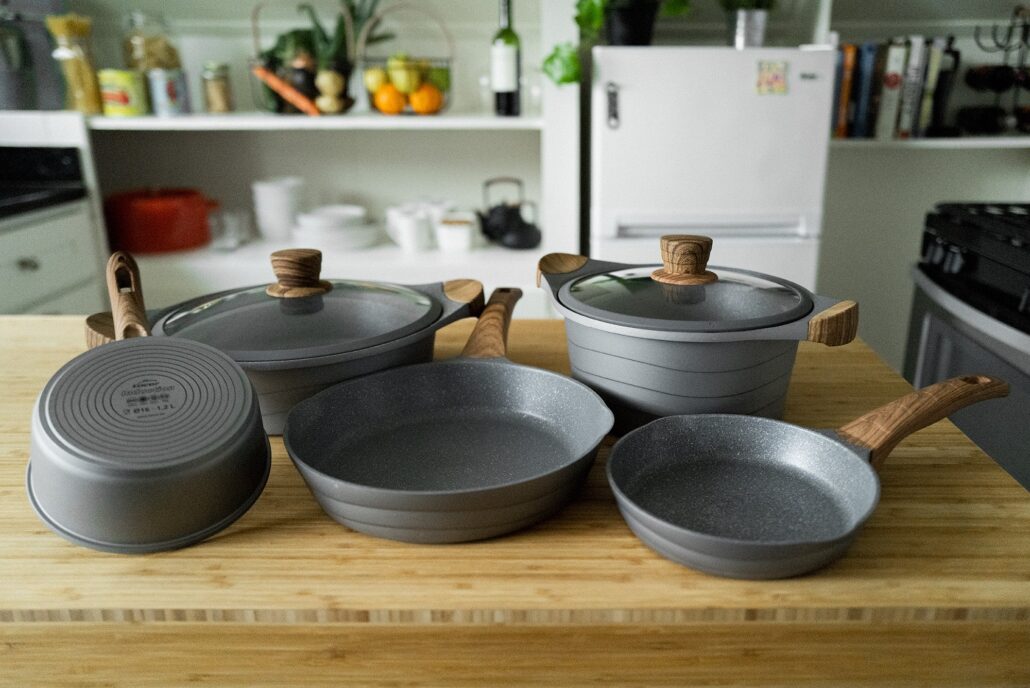
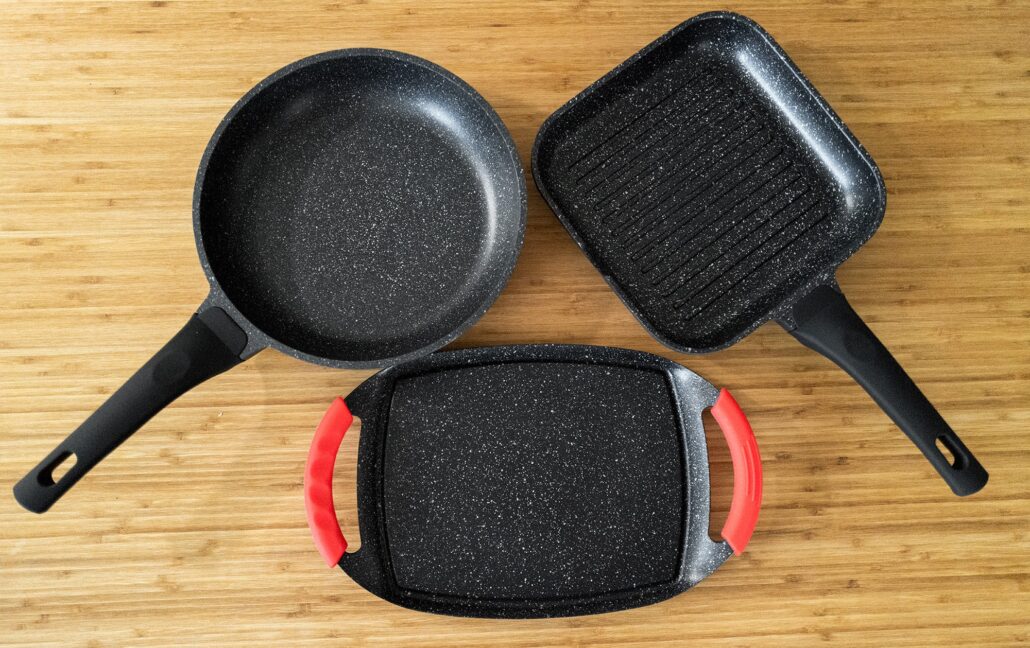
アルミ鋳物製の調理器具は、世界中のキッチンで人気を集めている。軽くて安価で使いやすい。調理が簡単なことも含め、使用する調理器具によって料理の味も違ってくる。また、調理器具は時間を節約でき、長持ちする。アルミ鋳物は、溶かしたアルミを型に流し込んで作ります。この方法によって、調理器具は具体的な構造を持ち、厚みにも一貫性が生まれます。そのため、フライパンや鍋が素早く温まり、均等に熱が伝わります。そのため、毎日の食事の準備にかかる時間が短縮され、シンプルになります。アルミ鋳物も比較的軽量な素材で、ステンレスと比べると比較的安価なため、多くの人が使用している。また、さまざまな形や大きさで調理できるため、揚げたり、焼いたり、煮たりすることもできる。しかし、アルミ鋳物にはマイナス面もある。ステンレスほど丈夫ではなく、鋳鉄ほども強くない。また、調理器具の種類によっては、食品がこびりつかないように、あるいは酸性の食品と接触しないように、ノンスティック加工やアルマイト加工が必要なものもある。この記事では、これらすべてを簡単な言葉で説明する。アルミ鋳物調理器具の長所、短所、安全性、扱い方などをご紹介します。アルミ鋳物調理器具はどのように作られるのか?アルミ鋳物調理器具は、溶かしたアルミを型に流し込んで作られます。その後、金属(アルミニウム)は冷却された後、フライパン、鍋、またはベーキングディッシュの形になります。この工程により、調理器具は従来のプレスや圧延アルミニウムよりも丈夫で重くなる。プロセスには大きく分けて2つの段階がある:このような鋳造によって、クックライトラットは毎日使用できるほど丈夫になる。このような鋳造により、クックライトは毎日使用できるほど丈夫になる。また、食品のこびりつきを防ぎ、洗浄を容易にするため、こびりつかない包材が施されている。調理器具のアルミ鋳造工程 アルミニウムの準備 最初のステップは、アルミニウムの選択を伴う。メーカーは純アルミニウムまたはリサイクルアルミニウムを使用することができます。これを大きな炉に入れて660℃以上に加熱し、溶かして液体にします。この段階でアルミニウムの精製が行われ、最終製品の強度と安全性が決定されます。金型の作成 アルミニウムが手元に届いたら、金型を作成します。型によって形が決まり、フライパンであったり、鍋であったり、天板であったりします。これらの型は砂型か鉄型が多い。コポポターレの薄さ、バランス、耐久性は、あえて型の種類と精巧さのレベルによって決定される。溶けたアルミニウムを流し込む 金型にアルミニウムを流し込む。デザインの隙間なく、目一杯詰め込まれる。鋳造アルミ調理器具がプレスアルミ調理器具よりも重く丈夫なのも、この工程によるものです。冷却と固化 アルミニウムは、流し込まれた後、冷却されます。冷えると硬くなり、型に収まります。冷却は、調理器具の品質を損なうひび割れや気泡、弱い部分を取り除くために必要です。トリミングと仕上げ 固まったら、調理器具を型から外します。ここで、粗い表面が削られ、磨かれる。取っ手や台座など、他の機能も組み込まれる。これは、調理器具が滑らかで、安全で、コーティングする準備が整っていることを確認するためです。表面コーティングと仕上げ ほとんどのアルミ鋳造調理器具は表面処理されています。表面はべたつかず、食材がこびりつきにくく、お手入れに時間がかかりません。また、アルマイト加工を施すことで、耐腐食性や耐傷性が向上する。これらの仕上げは、酸性食品との反応性にも耐性がある。品質検査 品質管理は最後に行われる。バランス、耐久性、コーティングの安全性など、すべての作品が検査されます。入念にチェックされた調理器具は梱包され、市場に出荷される。これにより、顧客は耐久性があり、品質が高く、安全な調理器具を受け取ることができる。アルミ鋳物調理器具の利点 他の素材を使わず、アルミ鋳物を使う理由は何でしょうか?主な利点は以下の通りです:軽量 鋳鉄に比べ、アルミ鋳物は非常に軽い。調理に時間がかからないので、高齢者の食事を定期的に作る料理人がいる場合はなおさらです。優れた熱伝導性 アルミニウムは熱伝導性があります。アルミ鋳造の調理器具は調理が早く、均一に火が通る。つまり、ホットスポットが少なく、均一な調理が可能です。手ごろな価格 ステンレスや銅の調理器具よりも安価です。手頃な価格で、きちんとした性能があります。多用途 アルミ鋳物は、揚げたり、焼いたり、煮たり、茹でたりすることができます。オーブンにも使えるものもあります。素早く加熱 アルミニウムは熱に素早く反応するため、食材がより素早く調理されます。時間とエネルギーの節約になります。鋳造アルミ調理器具の欠点 鋳造アルミ調理器具にはいくつかの利点がありますが、いくつかの制限もあります:耐久性の問題 アルミ鋳物は、鋳鉄やステンレス鋼よりも柔らかい。最終的には、特に適切な取り扱いをしないと、へこんだり傷がついたりする可能性が高い。食品との反応性 コーティングされていないアルミニウムは、トマトや酢などの酸と反応することがあります。そのため、金属色になったり、変色したりすることがあります。最近の鋳造アルミ鍋の大半は、このような影響を防ぐためにコーティングされています。コーティングの問題 フライパンの焦げ付き防止フィルムは質が悪いため、時間の経過とともに摩耗することがあります。硬いスポンジや金属製の器具でこすると、寿命が短くなります。アルミ鋳物とその他の調理器具 調理器具の選択は、選択の幅が広がります。一般的な代用品と比較した場合、アルミ鋳物の性能は以下のようになる:鋳造アルミとステンレス鋳造アルミとステンレス鋼の場合、最初に区別できる違いは熱です。

塗装 アルマイト

アルマイトの塗装は可能か?完全ガイド

アルミニウム

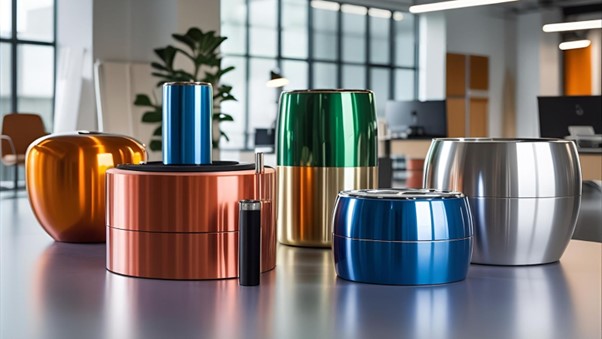
Anodized aluminum finds extensive uses in both household and industrial products since it is strong, resistant to corrosion and has a smooth metallic appearance. Its resistance renders it a favourite in windows, doors, auto parts, kitchen appliances and decor. One of the most common questions amongst DIY makers and professionals, nonetheless, is: can you paint anodized aluminum? The answer to this is yes, although it must be properly prepared on the surface, with the correct paint, and applied with care to achieve a long-lasting professional job. As compared to bare aluminum, anodized aluminum has a protective layer of oxide, which prevents corrosion and wear, but at the same time increases its resistance to paint adhesion. This is the reason why a lot of individuals are afraid to try to paint anodized aluminium themselves, since they are scared of peeling, chipping, or patchy textures. Luckily, anyone can adequately paint anodized aluminum surfaces using the appropriate measures. The selection of the appropriate paint is as important as preparation. Alternatives are anodized aluminum paint (formulated to adhere to anodized surfaces) or anodized aluminum spray paint, which is handy when a smooth finish is required over a complex or detailed surface. General-purpose paints can be used, although more primers and handling are needed to avoid adhesion problems. In this step-by-step guide, we are going to discuss the materials, preparation, methods of painting, common errors, and maintenance required to make a painting project successful. You might be a skilled do-it-yourselfer or a novice painter, but this article will provide you with the answer to the question: Can you paint anodized aluminum and give you practical steps to take to bring a durable and beautiful finish to your object? The facts of Anodized Aluminum It is good to comprehend what anodized aluminum is before discussing the question, Can you paint anodized aluminum? A process called electrochemical oxidizing, known as anodizing, produces a protective coating of oxide on the surface of aluminum. The layer increases the corrosion resistance and strengthens the aluminum. Nevertheless, the same layer may cause the paint to stick hard and hence proper preparation is paramount. Anodized aluminum is not innately porous like bare metal, so paints and primers do not easily adhere without appropriate surface treatment. Discussing painting anodized aluminum, it is imperative to also be aware of the nature of the material to attain a professional finish. Can You Paint Anodized Aluminum? It is a yes to the question, can you paint anodized aluminum, but this has to be prepared, and the right material has to be used. Due to the properties of anodized aluminum, which make it resistant to corrosion and wear, paint does not easily bond to it. Omission of processes such as cleaning, sanding or priming may result in a peeling or chipping process with time. The thing is that many individuals may have doubts about whether they should be able to paint anodized aluminum or whether they should employ a professional. Although there are professional methods at hand, DIYers can also attain very good outcomes at home by being patient and giving details a lot of thought. Painting Preparation Preparation is one of the most important stages in the successful process of painting anodized aluminum. Correct preparation is to make sure that the paint applies and will last. Here’s a step-by-step approach: The failure of adhesion and flaking may happen when these preparation steps are skipped, and that is why anyone who says Can you paint anodized aluminum should consider these steps seriously. Step-by-Step Process to Paint Anodized Aluminum It might seem quite daunting to paint anodized aluminum, but the correct steps can make it simple. To have a smooth, long-lasting finish, proper preparation, the correct paint and proper application are the keys. Here’s a detailed guide: Gather Your Materials It is better to prepare all the materials before starting. You will use a mild detergent or aluminum cleaner to get the grease and dirt off, surface preparation with fine-grit sandpaper (400-600 grit), a tack cloth to take the dust off, and a primer that can be used on metal or on the anodized surfaces. When it comes to the paint itself, you have a choice of either of the two: anodized aluminum paint or anodized aluminum spray paint, which can be used either using a brush or a spray technique. An option is the clear protective coat that promotes durability and preserves a vivid look. This is done by ensuring all materials are prepared beforehand, thereby giving a smooth process of painting without being interrupted. Clean the Surface Successful anodized aluminum painting is based on cleaning. Even residue, oil or fingerprint on the surface can make the paint not stick. Wash the aluminum using a small amount of detergent in water. Wipe down and leave to dry. After it is dry, take a tack cloth and wipe it clean. Careful cleaning is essential to professional outcomes when trying to paint anodized aluminum. Failure to do this step normally results in uneven or peeling paint. Sand the Surface It is important to sand the aluminum slightly in order to form a texture that the primer and paint can adhere to. Sandpaper of around 400-600 grit should be used on the surface to gently sand the surface in a circular or back-and-forth motion. It is not aimed at the removal of the anodized layer, but in order to roughen it by a small portion. Once it is sanded, clean the dust with a tack cloth. A common mistake by beginners is the lack of proper sanding to help give the anodized aluminum a good adhesion once painted. Sanding is an additional technique to take the time to ensure the finish is smooth and long-lasting. Apply Primer The use of a primer is among the most significant actions when painting. Primer closes microscopic pores created in the aluminum surface, enhancing bonding and a stable base where paint is applied. Put a highly uniform layer of metal primer over the

アルミニウムに粉体塗装はできますか?

アルミニウムに粉体塗装はできますか?

アルミニウム

アルミニウムは、産業界で最も重要な素材のひとつである。軽量、耐腐食性、強度を兼ね備えているため、建築から自動車産業、航空宇宙、消費財に至るまで、あらゆる分野で欠かせないものとなっている。しかし、顧客がより安定した、着色された、保護的な仕上げを望む場合、いつもひとつの疑問が持ち上がります:アルミニウムに粉体塗装はできますか?簡単に答えれば、「はい」です。耐久性、耐食性、全体的な外観を向上させるために、アルミニウムに粉体塗装を施すことは間違いありません。しかし、アルミニウムには天然の酸化皮膜があり、十分な密着性を得るためには適切な下地処理が重要です。正しい手順を踏まないと、仕上がりが剥がれてしまったり、むしろ早く剥がれてしまったりします。ここでは、粉体塗装とは何か、なぜアルミニウムに効果的なのか、粉体塗装とアルマイトの違いを含め、そのプロセス、利点、用途、メンテナンスのアドバイスについて詳しく説明します。最後には、アルミニウムへの効果的な粉体塗装についてすでに知っていることでしょう。粉体塗装とは?粉体塗装とは、乾燥した粉体(細かく粉砕された樹脂、顔料、添加剤から作られる)を静電気の力を利用して金属表面に塗る仕上げ方法です。その後、コーティングされた部分をオーブンで加熱し、溶けた粉が流動して硬化し、固形の硬い保護材になります。粉体塗装は溶剤を含まず、液体塗料に比べて揮発性有機化合物(VOC)の排出が少ない。アルミニウムの場合、耐摩耗性、耐紫外線性、装飾性に優れたオプションとして、粉体塗装アルミニウムが知られています。なぜ粉体塗装なのか?メーカーがアルミの粉体塗装を行う理由はいくつかあります:伝統的な塗装と比較すると、アルミの粉体塗装は、より均一な被覆が可能で、一般的に厚く、信頼性が高く、耐久性のある塗装ができるという利点があります。塗装面としてのアルミニウムを学ぶ 塗装について語るには、まずアルミニウムの物理的、化学的特性について知る必要があります:この酸化皮膜は防御機構として機能しますが、塗装手順に困難をもたらす可能性があります。アルミニウム粉体塗装の重要なポイントは、粉体が表面によく付着するように表面をよく準備することです。アルミニウム粉体塗装のステップ・バイ・ステップ 1.表面処理 アルミニウムの粉体塗装は表面処理から始まります。適切な洗浄を行うことで、パウダーがよく付着し、長持ちする仕上がりになることが保証されます。汚れや油脂、酸化物がアルミニウムの表面に存在してはいけません。これは通常、洗剤、溶剤、アルカリ性クリーナーによって達成されます。状況によっては、微細な残留物を除去するために化学洗浄や超音波洗浄を行うこともあります。また、接着性を高めるために、表面をエッチングしてアルミニウムを少し粗くすることも可能です。洗浄が終わると、アルミニウムをすすいで乾燥させ、コーティングの欠陥を取り除きます。2.前処理 金属前処理:アルミニウムの耐食性を高め、パウダーを適切に結合させるために、化学的な前処理を行うことがある。一般的な手法の一つは、アルミニウムの表面に薄い保護膜を形成する化成処理である。これは、クロメート処理または非クロメート処理で実施することができる。これらの前処理は、密着性を高めるだけでなく、アルミニウムが風雨にさらされないため、コーティングの寿命を延ばすことができます。リン酸塩皮膜処理も用途によっては可能ですが、少なくともクロムをマルチコート処理に使用する必要があるため、スチールよりは劣ります。3.粉体塗装 アルミニウムが準備され、処理された後、粉体塗装が施されます。最も一般的な方法は静電塗装です。この技術では、アルミニウム部品は接地され、ダスト粒子はスプレーガンの助けを借りて電気力学により帯電します。プラスに帯電した粒子はアルミニウム表面に引き寄せられ、平滑な皮膜が形成されます。流動床法と呼ばれる方法もあります。この方法では、部品をアルミニウムにし、加熱して粉末の浴槽に入れます。これにより、複雑な形状やコーナーでも、100%のコーティングが可能になる。4.硬化 パウダーを使用して形成されたコーティングは、耐久性のある仕上げを得るために硬化させる必要がある。アルミニウム部品はその後、硬化オーブンに入れられ、使用するパウダーによって異なりますが、1020分で180200℃の間で焼かれます。パウダー粒子は溶融し、流動し、熱によって化学的に架橋して均一で硬い皮膜になる。硬化が完了すると、部品は室温までゆっくりと冷却される。5.品質検査 すべてのアルミニウム部品は、硬化後の塗膜の品質を確認するために検査されます。目視検査で、色の均一性、たるみ、流れ、斑点のない滑らかさを確認します。塗膜の厚さは一般的に50~150ミクロンである。塗膜の耐久性の検査は、テープテストや衝撃テストのような接着テストや硬度テストによって行われる。また、重要な用途では、長期的な保護を確認するために、塩水噴霧試験などの耐食性試験も実施される。6.オプションの最終仕上げ アルミニウムの塗装部品にさらなる仕上げを行うこともあります。これは、装飾的または実用的な目的を高めるために、研磨、エンボス加工、レーザーマーキングなどの形で行われます。最後に、部品は保管や出荷のためにしっかりと梱包され、緩衝材が使用されるため、エンドユーザーが製品を受け取るまで仕上げが損なわれることはありません。アルミニウム粉体塗装の利点 アルミニウム粉体塗装には、ほとんどの産業にとって非常に魅力的な数多くの利点があります。主な利点は優れた耐食性です。コーティングが粉末状で行われるため、シールドとなり、アルミニウムを保護します。

アルミニウムの電気めっき

アルミニウムの電気めっき:耐久性と美観の向上

アルミニウム

電気めっきは、金属特性を向上させる方法として、多くの分野で重要なプロセスとなっています。アルミニウムに関して言えば、電気めっきは多くの利点を提供します。より良い耐食性、より高い表面硬度、より良い外観を提供します。アルミニウムに電解メッキを施すことで、製造業者はいくつかの磨耗や破損の問題を克服することができます。したがって、自動車や電子機器など、ほとんどの用途で使用する重要なプロセスです。本稿では、アルミニウム電気メッキのプロセス、アルミニウム電気メッキの利点、アルミニウム電気メッキの方法に関するヒントについて説明します。アルミニウム電着塗装の役割は、アルミニウムをベースとする部品の効率と耐久性の向上に不可欠であるため、いくら強調してもし過ぎることはありません。アルミニウムは軽量で柔軟な金属ですが、表面が比較的柔らかいため、汚れや摩耗の影響を受けやすいのです。ニッケル、クロム、金などのメッキ金属でアルミニウムを金属化すると、強力な耐食性仕上げとなり、アルミニウム製部品の寿命が大幅に延び、過酷な条件下でも使用できる優れた素材となります。その上、美的にも優れています。電気めっきは、機能的な利点に加えて、アルミニウムの外観を向上させます。アルミニウム電気メッキと呼ばれる特殊技術により、アルミニウムは明るい金属的な外観を持ちます。これは製品の外観を向上させるため、製品の外観と性能が重要視される産業では一般的です。自動車部品であれ、家電製品であれ、あるいは装飾品であれ、アルミニウムの電気めっきは、保護、耐久性、美観のパッケージを提供します。アルミニウム電気めっきとは?電気めっきアルミニウムは、電気化学反応を利用してアルミニウム上に金属薄膜を析出させるプロセスです。このプロセスでは、アルミニウム製の部品を金属イオンを含む電解液に入れます。溶液に電流を流すことで、これらのイオンが還元され、アルミニウム表面に析出し、金属皮膜が形成される。この方法により、アルミニウム金属の耐薬品性、耐摩耗性、外観などの物理的特性が向上します。アルミニウム電気めっきは、自動車産業やエレクトロニクス産業などの産業における多くの用途に、非常に広く適用できる汎用性の高いプロセスです。なぜアルミニウムを電気めっきするのか?典型的な用途 電気めっきの歴史 電気めっきの初期の形態は、電気化学反応の側面が発見された19世紀に始まりました。初期の電気メッキの方法は、主に金と銀のコーティングに適用されていましたが、時間とともに、使用される材料の軽量で柔軟な特性のために、アルミニウム電気メッキが導入されるようになりました。その結果、アルミニウムは製造業や装飾品など、さまざまな産業で電気メッキが施されるようになりました。アルミニウム電気メッキの歴史 電気メッキ技術の発展 第二に、20世紀の電気メッキ技術の進歩により、プロセスがより効率的で信頼性の高いものになりました。主な出来事としてはアルミニウムの電気めっきのプロセスは、1世紀前に開発されたコアバリューから逸脱することなく、現代の製造業でアルミニウム部品を強化するための効率的なソリューションとして、これらの技術革新を使用して効率的かつスケーラブルになりました。アルミニウムの電気めっきプロセス アルミニウムの表面に電気化学反応を通過させ、金属の薄い皮膜を形成するプロセスをアルミニウムの電気めっきと呼びます。この方法によってアルミニウムの性質が改善され、耐食性、表面耐久性が向上し、より魅力的な金属になります。このプロセスは、アルミニウム部品の耐久性と性能を向上させるため、自動車から電化製品まで、さまざまな産業の製造に不可欠である。1.1.アルミニウムの表面処理 洗浄/表面処理 アルミニウムの表面処理は、アルミニウムの電気めっきの手順における最初のプロセスです。アルミニウムには自然な酸化皮膜が形成されるため、電気めっきされる金属の適切な結合を促進するために、酸化皮膜を除去する必要があります。表面の機械的な洗浄も、油脂の跡や頑固な汚れなどを除去するために、やすりがけや化学薬品を使って行われます。エッチング アルミニウムが洗浄されると、酸性の溶液で酸化層を溶解するプロセスにかけられます。これは、電気メッキ金属をアルミニウム基材にしっかりと密着させるために、最も重要なステップのひとつです。2.電解質溶液の調製電解質溶液の調製:電解質溶液 アルミニウムの電気めっきは電解質溶液に依存する。電解液には、ニッケル、クロム、金など、めっきする金属の金属イオンと、めっき品質を向上させる化学物質が含まれています。これらの添加物は、めっきの厚さ、均一性、平滑性を調整し、高品質な仕上がりを実現します。使用される電解液の種類 アルミニウムの電気メッキの場合、最も使用される金属として、耐食性の観点からニッケル、美観の観点からクロムが挙げられる。電解液の組成は、特定の金属や仕上げに合わせて調整される。3.電気メッキのプロセス 電気メッキのセットアップ 洗浄されたアルミニウム部品にメッキを施すには、まずアルミニウムを電気メッキ液に浸すことから始まります。アルミニウムは陰極(マイナス)電極となり、めっき金属は陽極(プラス)電極となります。電流を流すと、電解液中の金属イオンが還元され、アルミニウム表面に金属イオンが析出します。めっきの厚み制御 無電解アルミニウム層の厚みは、この金属のめっきに費やされる時間と電流の強さによって決まります。必要な皮膜の厚さによって、数分しかかからない場合もあれば、数時間かかる場合もあります。その結果、均一で滑らかな仕上がりとなり、アルミニウムの特性が向上する。4.めっき後の処理 洗浄と乾燥 電気めっき手順の後、電気めっきを受けたアルミニウムの部分は、残っている電解液を完全に洗い流されます。その後、部品は

アルミニウム製サーモスタット・ハウジング

アルミサーモスタットハウジングエンジン部品の精度と耐久性

アルミニウム

アルミサーモスタットハウジングは、自動車や産業用エンジンの効果的な作業と耐久性のために非常に重要です。エンジンの深刻な損傷につながるオーバーヒートのリスクを避けるために、エンジンを最適な温度に保つ必要があるため、エンジンの冷却システムが必要となります。そのため、サーモスタット・ハウジングのような部品を構成するために採用される構造と材料は、冷却システム全体の効率に不可欠です。アルミニウムは、その軽量性、強度、優れた放熱性のために人気のある材料として発展してきました。したがって、アルミニウムサーモスタットハウジングとして知られている状況で要求される場合、アルミニウムは材料の一般的な選択肢です。アルミサーモスタットハウジングは、多くの産業が高性能かつ費用対効果の高い部品を要求するため、多くの業界で人気が高まっています。オートバイ、重機、海洋エンジンのアルミサーモスタットハウジングはまた、材料が同様に自動車エンジンへの応用で実証されている高温や他の要素に対する耐性の価値を享受しています。この記事では、重要なアルミサーモスタットハウジングの概念、その用途、利点、加工、エンジン冷却システムへの応用について説明します。また、カスタムサーモスタットハウジングの選択肢と、サーモスタットハウジングの製造が、高品質で長持ちする部品の製造に関して、いかに重要な要素であるかについても探っていきます。アルミ製サーモスタットハウジングとは?サーモスタットハウジングは、多くの場合アルミニウム製で、内燃エンジン、特に自動車エンジンの冷却システムの非常に重要な部分です。その主な役割は、エンジンとラジエーター内の冷却水の流れを調整するサーモスタットを収容することです。サーモスタットはエンジンの温度を制御し、冷却水の温度によってシャットダウンしたり開放したりし、エンジンの温度を最適な状態に保つ。ハウジングは通常、軽量で耐食性、熱伝導性に優れているアルミニウムで構成されています。高圧クーラントシステムや過酷な使用環境にも耐え、数年経っても劣化しないように作られています。アルミニウム製サーモスタットハウジングは、軽量であるだけでなく、エンジン冷却システムを適切に保つために重要な高い耐熱性も備えています。なぜサーモスタットハウジングはアルミ製でなければならないのでしょうか?a. 軽くて強い アルミニウムの軽量性は、部品の強度や性能を損なうことなく軽量化を必要とする自動車部品に広く使用されています。b. 耐腐食性 アルミニウムはもともと腐食の影響を受けません。これは、常に冷却水や水、化学薬品にさらされる自動車エンジンには不可欠です。耐腐食性の存在は、アルミニウム製サーモスタットのハウジングを構造的に安定させ、耐用年数の間、信頼できる性能で耐える能力を与えます。サーモスタットを最適な温度に保つことで、エンジンの冷却を可能にします。この熱エネルギーの伝導性は、エンジンの温度調節を助け、エンジン部品の破壊につながるオーバーヒートを回避します。 d. コスト効率 アルミニウムは、他の金属と比較すると安価な金属であるため、大量生産が必要な場合、コスト効率の高い選択肢となります。さらに、軽度の機械加工や鋳造が可能なため、手頃な価格で生産することができます。したがって、カスタムサーモスタットハウジングのソリューションを提供するための生産コストを削減することができます。アルミニウム製サーモスタットハウジングの材質 アルミニウム製サーモスタットハウジングの材質は、性能、耐久性、および過酷なエンジン運転条件に対する耐性において重要です。一般的な合成合金は以下の通りです:1.アルミニウム356合金 アルミニウム356は、その立派な資質のためにサーモスタットハウジングのお気に入りの媒体になり、比類のない鋳造可能な、頑丈な、耐腐食性金属であることが有名である。それは、極端な高温の気候条件下でも耐久性を発揮します。2.アルミニウム6061合金 この合金は、PMFMI自動車や産業用のカスタムサーモスタットハウジングとして使用するのに適した特性である良好な強度対重量比と耐食性を持っています。3.アルミ 7075 合金 アルミ 7075 合金は、高性能部品に適合する超高強度合金であり、応力と温度が非常に高いエンジンのサーモスタット用カスタムハウジングとして理想的です。4.アルミ 319 合金 優れた鋳造特性を持つアルミ 319 は、長期的な耐摩耗性が求められる自動車や産業用エンジンのアルミ製サーモスタットハウジングに使用されています。5.アルミニウム合金5083 アルミニウム5083は耐食性に優れ、湿気や過酷な条件による腐食要因に対処しなければならない海洋産業や重機産業で非常に有用です。これらの材料は、サーモスタットハウジングの製造が耐久性があり、軽量で効率的なエンジン冷却部品を生成することを保証します。アルミニウム製サーモスタットハウジングの種類 アルミニウム製サーモスタットハウジングにも、製造工程、設計要件、および問題のエンジン用途の性質に応じて、さまざまな種類があります。代表的な自動車用および工業用材料を以下に示します:1.砂型鋳造サーモスタット・エンクロージャーより大きく複雑な部品の製造は、通常、航空宇宙砂型鋳造として知られるプロセスで行われ、そこでアルミニウム製サーモスタット・ハウジングが決定される。ここでは、砂型をサーモスタット・ハウジングのパターンの上に鋳造し、溶融アルミニウムを型に流し込んで部品を作ります。この技術は、精巧なパターンを製造し、少量から中量の生産に最適である。2.ダイカスト・サーモスタット・ハウジング ダイカストでは、溶融アルミニウムを鋼鉄製の金型に繰り返し強制的に注入し、通常正確な寸法と滑らかな表面仕上げのアルミニウム製サーモスタット・ハウジングを形成します。このプロセスは大量生産に最も適しており、通常、特定の厳しい公差と均一性を満たす必要がある場合に採用されます。3.サーモスタット・ハウジング永久鋳型鋳造 浸透鋳型鋳造は、サーモスタット・ハウジングの製造に金型を使用するもので、この方法で製造された部品は、非常に高い精度が要求されます。

アルミ鋳造

アルミニウム鋳造とは?現代の製造業に使われる万能金属

アルミニウム, アルミ鋳造

アルミ鋳物は、現代の製造業において最も適応性が高く、一般的な材料のひとつです。アルミニウム鋳造品は、溶かしたアルミニウムを鋳型に流し込んで目的の形状に仕上げるもので、この工程では、代替技術では難しい複雑な部品を作ることができます。アルミ鋳造製品は、自動車エンジン部品、航空宇宙、コーヒーポット、調理器具、さらには家庭用品に至るまで、さまざまな用途を通じてその価値を見出されている。驚異的な軽量性に加え、同時強度と耐腐食性、優れた熱伝導性により、アルミニウム鋳造品は多くの産業にとって最高のサプライヤーとなっています。アルミニウム鋳造はまた、メーカーに多くの設計の柔軟性を提供し、多くの材料を使用せずに性能を最適化できる複雑な形状の作成を可能にします。 また、鋳造のプロセスは非常に効率的で、特に部品の大量生産が必要な場合には、経済的に実行可能です。さらに、アルミニウムはリサイクルが容易な金属の部類に入るため、生産にかかるエコロジーコストを削減することができます。鋳造アルミニウムには多くの利点がありますが、鍛造アルミニウムに比べて脆いという性質や、溶接が難しいという欠点もあります。特定の用途にアルミニウム鋳物を選ぶ際には、これらの要素を考慮しなければなりません。この記事では、現代世界で最も一般的な物質の1つであるアルミニウム鋳物の特性、利点、および用途について、幅広い観点から説明します。鋳造アルミニウムとは?アルミニウム鋳造は、製品を形成する形状に再成形されたアルミニウムの非常に液体の外観で構成されています。この工程(鋳造)は、非常に古い製造工程を現代に適応させたものです。圧延工程や押出工程で鋳造される鍛造アルミニウムとは異なり、アルミニウムは溶融金属として型に流し込まれ、その後固まります。鋳造は、液体から始まるため、機械加工や鍛造では容易に成形できないような、より複雑な、中空の、さらには三次元の形状を提供することができます。鋳造アルミニウム製品が、エンジン部品、電子機器、調理器具など、あらゆる製品に広く使用されているのは、この汎用性のおかげです。シンプルな鋳造アルミニウムの組成 アルミニウムは、ほとんどの場合、純粋なアルミニウムではありません。その代わりに合金、つまり強度や流動性、あるいはその両方を向上させるためにアルミニウムと他の材料を混ぜ合わせたものです。合金の最も頻繁な側面は 組み合わせが特殊であり、それは用途に依存する。例を挙げると、熱伝導性と耐食性の高い合金は自動車部品のような高温機器に使用されるでしょうし、調理器具は高い熱性能と耐摩耗性を持つケイ素アルミニウム含有量の高いものを取るでしょう。アルミニウム鋳物の歴史と発展 金属の鋳造は、初期の社会が青銅や鋳鉄を鋳造して道具や武器を製造していたことが知られて以来、数千年の歴史がある。アルミニウムが抽出されたのは19世紀初頭のことで、19世紀後半にHall-Héoult製法が開発されるまでは不経済でした。アルミニウムの鋳造は、20世紀初頭には航空産業や調理器具産業の工程のひとつとなった。アルミニウムの需要が最も高まったのは第二次世界大戦の時代で、その強度対重量比が航空機に最も適していたからです。戦後、アルミニウム鋳造は、消費者製品、自動車製造、建築において、より商業的な用途を持つようになりました。金型、冶金、鋳物の設計工学の進歩により、アルミニウム鋳造は今日の生産の一部となっています。アルミニウム鋳造のプロセス アルミニウム鋳造は、溶けたアルミニウムを特定の形状で使用できる部品にするために、多くの主要なステップを必要とするプロセスです。1.鋳型の準備 鋳造の最初の手順は、溶けたアルミニウムを鋳込む鋳型を作ることです。鋳造方法によって、鋳型は砂、金属、セラミックなどの材料で構成されます。また、アルミニウムが正しい形状で凝固するように、希望する形状になるように良い型を設計します。2.アルミニウムの溶解 鋳型の準備ができたら、アルミニウムの端材またはアルミニウムの塊を炉に入れ、660~750℃(1220~1382oF)の温度範囲で溶かします。溶けたアルミニウムは、適切な注湯温度と品質を得るために絶えず監視されます。3.溶融アルミニウムの鋳型への注入 溶融アルミニウムが鋳型のキャビティに注入されると、溶融金属が鋳型のキャビティに注入されます。注湯は、ダイカスト、砂型鋳造、インベストメント鋳造など、鋳造の種類に応じて行われます。使用される技法には、溶融アルミニウムを加圧注入するダイカスト鋳造がありますが、その他の技法では、溶融アルミニウムを型に流し込んで冷やすだけです。4.冷却と凝固 造形と監督:厚すぎたり複雑すぎたりする部品は、冷却に時間がかかります。この段階で、溶解したアルミニウムは必要な形状に冷却され、内圧を排出します。5.据付と検査 アルミニウムが冷えて固まった後、鋳型が離型され、鋳造部品が残る。特に砂型鋳造では、鋳型を壊して分離する場合もあり、ダイカスト鋳造のような他の技術では、鋳型が開いて部品が排出されます。6.仕上げと検査 部品を切削加工した後、表面を滑らかにしたり、より近い公差を得るために、通常、研削、研磨、機械加工などの仕上げ加工を行います。その部品で、次の検査が行われる。

アルミ鋳物製調理器具とは

アルミ鋳物製調理器具とは?

アルミニウム

The cast aluminum cookware is often used by home cooks and professional chefs and is known and appreciated because it is durable and lightweight at the same time, with a high distribution of heat. Cast aluminum cookware is manufactured by pouring molten aluminum into moldings; the main aim of such cookware is to ensure that it gives even heating, it should not warp, and it should be able to last a long time. Its application has made it an all-purpose element in the kitchen since it is applicable in most of the cooking methods, such as frying and sauteing, baking and roasting.Among the most notable benefits of cast aluminum cookware is the fact that it warms up fast and equally. Cast aluminum cookware can also be said to be thicker than its thinner counterparts, such as the stamped aluminum, which makes them have good thickness to maintain a homogenous cooking temperature. It is also usually manufactured to have non-stick layers, and thus also lowers the amount of oil used, and cleaning becomes easier.Over time, cast aluminum cookware manufacturers have been advancing and making it exceptional through new materials, environmentally friendly coatings and other non-stick technologies. These developments also make it even more popular and provide its customers with a more efficient, healthier, and more sustainable process of cooking. You invite your friends over, you are in the process of putting together a simple meal or a complicated one; cast aluminum cookware comes in handy to do the job, this is because its performance is dependable and works in tandem with the demands of a modern kitchen.  Understanding Cast Aluminum Cookware Cast aluminum cookware refers to pots, pans and skillets, plus the other kitchen equipment manufactured at the local level by pouring molten aluminum into moulds. The casting of the cookware makes it quite robust in structure, which therefore makes it considerably stronger as compared to ordinary aluminum. In comparison to stamped aluminum (prepared on thin sheets), cast aluminum cookware is far thicker, hence offering more heat retention and distribution. The warp factor as time passes is one of the primary factors people love using cast aluminum cookware, as the problem is prevalent with thin material. This also assists in even cooking temperature, so that cooking of different dishes is likely to give more similar results.  Die-cast aluminum cookware Die-cast aluminum cookware follows the use of aluminum that undergoes the die-casting procedure. It is done through the pouring of molten and pressurised aluminium into a cavity. This way, the shape and the thickness of the cookware can be controlled accurately. The die-cast aluminum cookware is usually more sophisticated as compared to the regular cast aluminum since it has a refined texture and smooth surface.The advantage of the die-cast aluminum cookware is that it is not as heavy as some of the other materials, such as cast iron. This is more convenient when cooking and cleaning up, thus Ideal in cooking choice, especially when one requires cookware that is of good quality but not heavy.The other attribute of die-cast aluminum cookware is that it is versatile. It applies to a large number of procedures such as frying, baking and simmering. It also usually has a non-stick coating added to it, which contributes to it being easy to use and clean. Nevertheless, one should keep in mind that the non-stick coating may wear down over time, unless it is maintained carefully. What is Cookware? Cookware can also be defined as the different kinds of pots, pans and other cooking utensils that are employed in the preparation of food. Such objects are frequently produced with such materials as stainless steel, aluminum, cast iron, ceramic, non-stick covered items, and copper. The primary aim of cookware is to assist in preparing and cooking food materials by using different methods, i.e., boiling, frying, sauteing, baking, or grilling. The kind of cookware: 1. Cooking Pots and Pans: Cooking is done using the two most basic cooking pots. They are of different shapes and sizes, such as frying pans, saucepans, stockpots and saute pans.2. Baking Dishes: This category will be trays, pie dishes, and cake pans, which are only used to bake.3. Speciality Cookware: These are woks, grills, Dutch ovens and pressure cookers. Materials Used in Cookware The process of manufacturing cast aluminum cookware  Manufacturing of cast aluminum cookware consists of the following steps, which include melting of aluminium, molding, finishing and coating. The procedure of manufacturing cast aluminum cookware is described in as many steps as possible below: 1. Melting the Aluminum The aluminum metal has to be melted to prepare it, and that is the first stage of its production of cast aluminum cookware. Sand, metal, or ceramics are typical materials that make up this kind of mould. The temperature regulation is done with accuracy to ensure that the aluminum reaches the correct viscosity to be cast with. 2. Preparing the Mould After the aluminum has been melted, a form is initiated to shape it into the preferred form of cookware. Aluminum is poured in the form of Aluminum. Where cast aluminum itself is used, the moulds are often sandcast, and they are specifically designed to make an individual piece of cookware (a frying pan, a pot, a skillet, etc.).Once the mould is prepared, the molten aluminum is supposed to be poured into the mould cavity. This depression takes the form of the cookware to be produced. Metal Moulds: There are metal moulds that can be reused, which are reused and are able to hold the heat at greater temperatures. 3. Pouring the Molten Aluminum Once the aluminum has been poured into the mould, it is cooled down. The liquid metal is added to all the areas of the mould, and it assumes the form of the cookware. This pouring process should be accurate so that the cookware is also shaped properly and flawlessly.At this phase, the pouring of the aluminum into the mould is done either manually or automatically (depending on the magnitude of the

陽極酸化アルミニウム:アルマイト処理とその利点

陽極酸化アルミニウム:アルマイト処理とその利点

アルミニウム

Anodized aluminum is an extremely resilient and resistant to corrosion type of material that is formed by a process of electrochemical engineering that advances the inherent oxide layer on aluminum. This is done by dipping aluminum into an electrolyte, i.e., sulfuric acid, and passing an electric current. This leads to an aluminum oxide that is thicker and bonds internally in the material and not simply upon the surface of the material. It has made anodized aluminum to be more strong, resistant to wear and corrosion, and able to survive in harsh weather conditions.During anodizing, some characteristics of aluminum that make it usable are enhanced, and in addition to this, they can be customized aesthetically. It is possible to obtain clear and stable colours by absorption of dyes into the porous oxide layer formed by anodizing. This characteristic enables the use of anodized aluminum in architecture, automobiles, and consumer electronics applications, where it is needed to balance durability with good looks.Corrosion resistance is one of the greatest advantages of anodized aluminum. This layer of aluminum oxide covers the aluminum against moisture, salt, and chemicals, and as such, the aluminum works best in outdoor conditions as well as in marine conditions. Also, aluminum anodized is highly abrasion resistant which means that the required matter is designed to last long on a product that is exposed to wear and tear, like automotive components, industrial tools, or even kitchenware. What is Anodizing? A process that thickens the natural oxide layer on aluminum and is known as anodizing, is an electrochemical process. The aluminum is placed in an electrolyte solution, generally a sulfuric acid solution, and an electric current is applied to it, thereby producing a strong corrosion-resistant finish. This procedure increases the strength of the metal and wear resistance, as well as enabling the dyeing of colors. The end product is anodized aluminum, and it is stronger and lasts longer than untreated aluminum. What is Aluminum Anodized? Anodized aluminum means aluminum that has already been processed using a so-called anodizing process. This is achieved by altering the surface of aluminum through the formation of a thick, resistant layer of oxide. Normal coats just lie on the surface, and the oxide layer formed on anodized aluminum becomes part of the aluminum itself. The effect of this is a more durable, corrosion-resistant, and scratch-resistant material. In a typical process of anodizing, a suspension of aluminum is placed in an electrolytic dip, which is usually sulfuric acid, and the process is made to pass an electric current. It results in the formation of the aluminum oxide on the metal surface. The oxide layer can be varied, and in other situations, you can add dyes to the process in order to gain a colored oxide. The major parameters of the Anodized Aluminum are the following: Depending on the method of its production, anodized aluminum is quite common in aerospace, automotive, architecture, and electronics industries, offering a synergy of strength, functionality, and aesthetics. Anodizing aluminum comes with practical and aesthetic benefits, whether it is used in high-performance components, decorative aluminum applications, or products that are subjected to environments that are extreme environments. Process of Aluminum Anodizing Anodizing: An electrochemical finishing method in which the aluminum surface is converted into a very strong and corrosion-resistant oxide layer. There are numerous important steps involved in the process, and all these steps contribute to the finished product in terms of functional and aesthetic needs. This is an outline of the anodizing of aluminum process: Step one: Preparation of Aluminum In the course of the preparation of aluminum, the following may be taken: The aluminum is first cleaned before anodizing to eliminate any dirt, oil, or contaminants. Usually, this can be done by making use of an alkaline solution or a chemical cleaner. It is important that the surface be cleaned, as any impurity will reach into the anodizing and create difficulties in the quality of the oxide layer. Step 2: Electrolytic Bath After cleaning, the aluminum is dipped into an electrolytic solution, which can be sulfuric acid, and an electric current is run through it. The result of this electrochemical reaction is the oxidation of the aluminum; a rigid layer of oxide covers the surface of this element, forming a thick protective layer over it, and the aluminum oxidizes. The voltage, temperature, and duration in the bath result in the thickness of the oxide layer. Step 3: Inspection During this step, the anodized aluminum can be stained with a color pigment to achieve it. The absorption of the dye leads to its absorption by the porous oxide layer to form the beautiful colors. The dye can be used after the surface of the aluminum has been anodized, and the color is built into the oxide film, making it long-lasting and not susceptible to fading. Step 4: Sealing The coloured aluminum is sealed after anodizing and dyeing to seal the pores in the oxide layer. This is totally important in enhancing corrosion resistance and in maintaining the color. Nickel acetate or even boiling water sealants are used in this procedure. The material is also durable when sealed and thus has a variety of applications. Step 5: Check-up Quality inspection of the aluminum is done after the anodizing, coloring, and sealing processes have been done, and quality parts have been achieved. In this inspection, uniformity of the oxide layer in thickness, color, and the overall finish is being checked. Any impairments or discrepancies are tackled, and then the aluminum is shipped out to be put in its contented applications. Types of Anodizing Aluminum Anodized aluminum comes in varieties depending on what is needed and depending on application. Most of the variations are based on the thickness of the anodized layer, the finish, and the electrolytic process that is implemented. The principal forms of anodized aluminum are the following: 1. Type I: Schulze chrome acid anodizing One of the oldest techniques in anodizing aluminum is the chromic acid anodizing technique. Here, chromic acid bath

上部へスクロール

お見積もり