アルミダイキャスト

アルミニウム高圧ダイカスト

アルミニウム高圧ダイカストメーカーおよびIATF 16949

アルミダイキャスト

現代の製造業では、アルミニウム高圧ダイカストを使用して、丈夫で軽く、複雑な形状の部品を数多く製造しています。自動車、航空宇宙、電気通信、家庭用電化製品などがアルミダイカストを使用する理由は、大量生産が可能で、非常に正確な部品を作ることができるからです。高品質のアルミ高圧ダイカスト部品に対する需要は増加の一途をたどっているため、有名で認定を受けたサプライヤーと取引することが重要です。この分野では、IATF16949認証が非常に重要です。IATF16949は、自動車産業で世界的に使用されている信頼できる品質管理基準だからです。このような認証は、製造の各段階で品質管理、適切なリスク処理、継続的改善が行われていることを保証するものです。アルミダイカストおよびISO 16949の認証を取得した企業は、一貫した製品品質と顧客満足へのコミットメントを実証します。高精度のダイカストメーカーであり、ITAF16949を取得しているということは、厳格な国際基準を満たし、欠陥を最小限に抑え、生産効率を高め、部品の完全なトレーサビリティを確保するためのプロセスを備えていることを意味します。彼らは、ビジネスの仕様に正確に従ったコンポーネントを納品することで、ティア1サプライヤーやOEMに対応することができます。さらに、アルミダイカストおよび16949規格に準拠することは、メーカーが世界中の期待に応えることができることを意味し、主に安全性と確実な性能に重点を置くことが重要な分野です。IATF16949認証を取得している適切なアルミダイキャスト・パートナーとの協力は、製品に利益をもたらし、将来のコスト削減に役立ち、サプライチェーンのつながりを強化します。この記事では、アルミ高圧ダイカストメーカーがIATF 16949規格にどのように従っているか、またその役割について見ていきます。アルミ高圧ダイカスト アルミ高圧ダイカストは、形状が正確で表面が完全な無孔の金属部品を作るのに役立ちます。溶融アルミニウムを鋼鉄製の金型に高圧で注入することで、複雑な部品を素早く製造することが可能になり、後の加工工程を減らすことができます。アルミは丈夫で軽いため、多くの産業で広く使用されています。この工程で作られた製品は、自動車のエンジン、ハウジング、ブラケットなどによく見られます。アルミダイカストおよびITAF 16949認証取得事業者にとって、このプロセスの完全性を維持することは、品質とコンプライアンスの両方にとって不可欠です。IATF 16949はダイカストにどのように役立つか?IATF 16949は自動車のために作られた国際規格で、品質管理を用いて製品とそのプロセスの信頼性を保証します。継続的な開発、品質問題の防止、サプライチェーンにおける無駄の削減がこのシステムの主な要素であり、国際自動車タスクフォースによって作成されました。アルミダイカストとISO 16949認証に携わるメーカーにとって、認証は単なる規制要件ではなく、信頼の証です。メーカーが、どこでも尊重される品質規則に従っていることを保証するものです。また、IATF 16949はISO 9001に適合しているため、完全かつ適切な品質管理が保証されます。なぜアルミニウムが高圧ダイカストで使用されるのですか?耐腐食性、強い熱伝導性、鋼や真鍮のような他の金属よりも軽量であることなどから、ダイカストはアルミから多くの恩恵を受けています。このような特質から、この材料は軽量化と性能の両方が燃費に左右される自動車に適しています。IATF16949認証は、これらの利点がすべて事業によって達成されていることを示している。例えば、「高精度ダイカストメーカーとISO 16949規格」に重点を置くメーカーは、一貫した製品性能と生産における最小限のばらつきを顧客に保証することができます。アルミダイカスト製造業者を信頼できるものにするものは何か?アルミダイカストを行う企業にとって、有能なメーカーを選ぶことは非常に重要です。製造業者は、必要なノウハウを持っているだけでなく、すべての品質基準に従う必要があります。これらは、あなたが気づくべき本質的な特徴の一部です:ダイカスト鋳造における精度の高さ 優れたダイカスト鋳造は、そのほとんどが精密工学に依存しています。それは、コンポーネントが寸法と性能の両方の厳しいガイドラインに従っていることを確認します。高精度のダイカスト製造業者およびITA 16949に認定されている製造業者は、設計および生産サイクル全体にわたって厳密な基準を実施するために多大な努力を払っています。CAD/CAMソフトウェア、品質検査、自動化されたプロセスにより、製造は特定の要件に可能な限り近づけられます。トランスミッションハウジング、電子筐体、重要な自動車部品などの用途では、必要とされる正確さが非常に重要です。品質管理が重要な理由しっかりと構築された品質管理システム(QMS)により、常に同じ品質の製品を生産することが可能になります。アルミダイカスト業界では、IATF 16949の原則に従うことで、プロセスを管理し、リスクを低減し、常に改善することができます。IATF16949に従うことで、高精度のダイカストメーカーとitaf16949は、品質だけでなく、トレーサビリティと説明責任も保証します。問題や欠陥の可能性を低くするために、サプライチェーンに沿ってすべてがチェックされ、確認されます。以下は、アルミニウム高圧ダイカストメーカーとIATF 16949の主要な側面を概説した詳細かつ専門的な表で、プロセス、利点、認証、業界関連性など、さまざまなカテゴリーにわたる関連情報を統合しています。この表は、ウェブサイト、パンフレット、プレゼンテーションでの使用に最適です。アルミニウム高圧ダイカストとIATF 16949 - 包括的な概要 カテゴリー詳細 製造工程 アルミニウムを溶解し、高圧下で鋼鉄製の金型に射出することで、優れた寸法精度を持つ複雑な形状を製造します。主な使用材料 アルミニウム合金(例:A380、ADC12、AlSi10Mg)は、強度、軽量性、熱伝導性で知られています。適用産業 自動車、航空宇宙、エレクトロニクス、産業機器、電気通信、消費財。アルミダイカストの利点 - 軽量部品 - 高強度対重量比 - 優れた表面仕上げ - 高生産効率 - 耐腐食性 精度の重要性 エンジン部品、ハウジング、コネクター、ブラケット、構造部品に理想的な、厳しい公差と微細なディテールを達成することができます。IATF16949とは?ISO 9001をベースに自動車製造に特化した要求事項を追加した、自動車業界向けのグローバル品質管理規格です。IATF 16949認証のメリット - 一貫した製品品質 - リスクベースの思考 - 欠陥防止 - 顧客満足度の向上 - 競争上の優位性 なぜ認証が重要なのか トレーサビリティ、標準化された手順、法規制への準拠、継続的なパフォーマンスの改善を保証します。対象顧客 OEM、ティア1およびティア2自動車サプライヤー、産業システム設計者、および

大手メーカーがアルミダイカストを好む理由

アルミダイカスト自動車部品:大手メーカーが好む理由

アルミダイキャスト

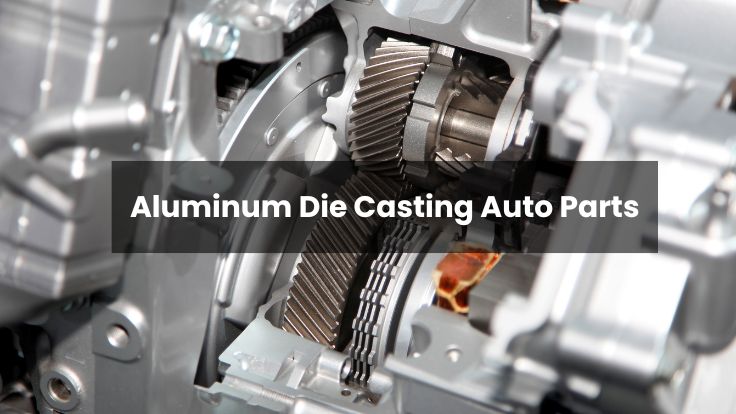
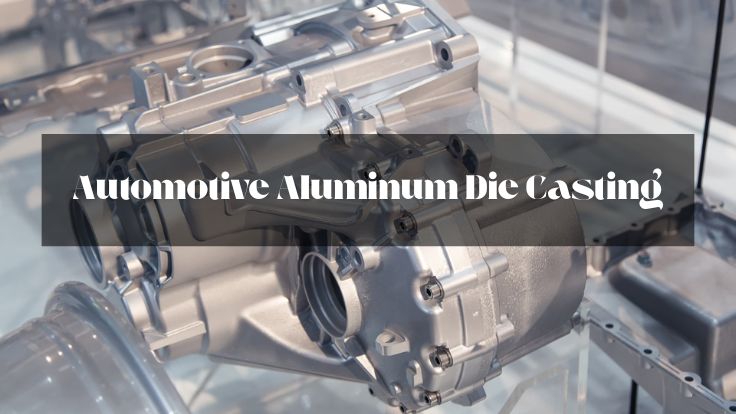
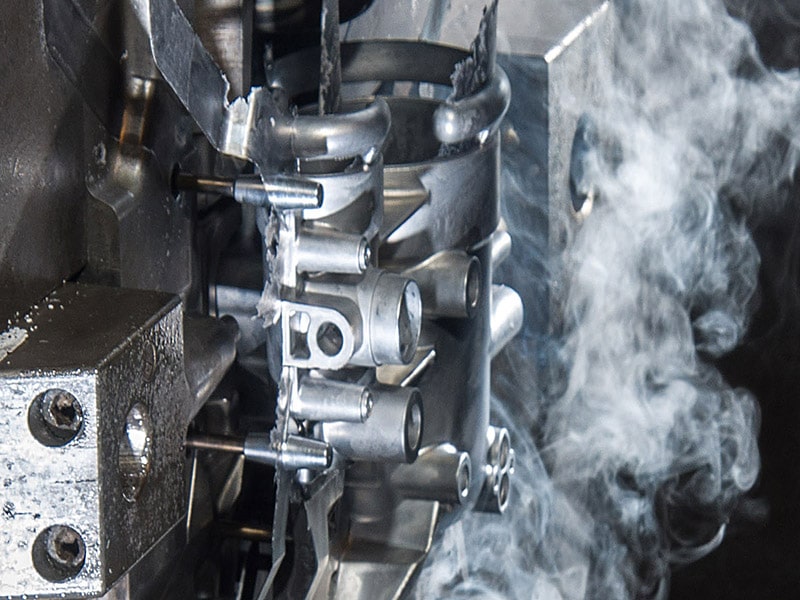
アルミダイカスト自動車部品は、エンジンブロック、トランスミッションハウジング、幅広いブラケットなど、業界をリードするデザインで、今や一般的な手法となっています。この方法は、複雑な設計を含むことを可能にし、強力な性能とより良い燃費のために重要な部品の軽さと耐久性の両方を保証します。アルミダイカストは、短時間で製造でき、スクラップもほとんど出ないため、世界中の自動車メーカーで広く使用されています。自動車ダイカストは、現代の自動車の部品を製造する際に不可欠です。この製造工程では、金型が丈夫で再利用可能なため、アルミニウムを溶かして金型に必要な形状に成形します。より改良された、よりエネルギー効率の高い自動車がますます重視されるようになったため、企業はより多くのアルミニウムを使用するようになりました。これらの部品を高い精度で確実に製造するには、アルミダイカストが不可欠です。自動車ダイカスト部品メーカーは、このような製造開発の中心的存在です。電気自動車やハイブリッド車が一般的になりつつあるため、メーカーは軽量で錆びにくく腐食しにくいアルミニウム部品をより多く必要とするようになります。このような性質から、アルミダイカストは輸送技術の発展にとって重要なのです。この記事では、自動車のダイカストプロセス、その利点、自動車における一般的な用途、および主要なダイカストメーカーが今日の自動車用の優れたダイカスト部品をどのように製造しているかについて説明します。アルミダイカストとは?アルミダイカストは、溶けたアルミニウムを高圧で金型の空洞に押し込むことで行われます。一般的に、金型は硬化した工具鋼で構成され、高精度の反復可能な形状を形成します。鋳物が固まり冷えるとすぐに金型が開き、鋳物を取り出すことができます。主な特徴アルミダイカストの利点とは?アルミダイカストは、生産者がリーズナブルで柔軟なコストで高品質の部品を作ることを可能にします。主な利点:いくつかの特徴がある場合、多数の部品を1つのユニットに組み立てることができます。オートダイキャストとは何ですか?自動車ダイカストとは、液体アルミニウムを特殊な金型に押し込んで自動車部品を成形するプロセスです。ダイカストは、非常に詳細で正確な部品を厳しい公差で製造することで知られています。より速く、よりクリーンで、より低コストであるため、「オートダイカスト」は現在、多くの自動車部品の製造に他の方法の代わりに使用されています。製造工程では、高品質のスチール金型またはダイカスト金型が使用され、何度も使用される熱に対応できるようになっています。脱型されたアルミニウム部品の冷却と排出は単純であるため、仕上げはほとんど必要ありません。そのため、このプロセスは機械加工や同様の金属成形技術よりも高い効率を実現しています。自動車の設計者やエンジニアがアルミニウムを使用してより軽量で効率的な自動車を製造しようとするにつれ、自動車ダイカストを使用する必要性が高まっています。アルミダイカストの用途 アルミダイカストがさまざまな分野で重要視されている理由は、強度が高く、軽量で、非常に精密な部品を作ることができるからです。機械的に非常に優れた性能を発揮するため、アルミニウムは、最高の性能、永続的な使用、ユニークな形状が求められる分野で高く評価されています。自動車、飛行機、電子機器、電化製品、その他の機器にはセラミックが使用されており、これらの用途は常に増加しています。自動車産業 アルミニウムダイカスト部品は、自動車産業で最も使用されています。自動車の軽量化、燃費の向上、厳しい環境規制の遵守に役立つため、この方法の使用は増加しています。自動車のエンジン、トランスミッション、シリンダーヘッド、サスペンション・ユニット、支持構造の一部は、アルミ製である可能性があります。電気自動車の増加により、アルミダイカストの必要性が高まっています。軽量部品はバッテリーの寿命を延ばし、運転をより楽しくするためです。部品の寸法精度が高いため、複数の部品を複雑な形状に成形することができ、工程や部品数が少なくて済むため、コストを節約できます。航空宇宙産業 航空宇宙産業では、最高の強度と軽量化を実現するアルミニウムダイカストが選ばれています。航空機のフレーム、フライトシステム、ギアボックスのカバー、エンジンなどにアルミダイカストが使用されています。これらの部品は、同じサイズで安全性を保ちながら、厳しい荷重やさまざまな油田条件にさらされます。このプロセスのおかげで、航空宇宙用の部品は、高い基準を満たすように完全にカスタマイズすることができ、すべてがより迅速な時間枠の中で、より効率的に作業することができます。民間および防衛航空が進歩しているため、先進的なアルミ部品の需要が増えています。民生用電子機器 アルミニウムダイカストは、魅力的で耐久性があり、熱処理に優れた部品を製造するため、民生用電子機器業界で人気があります。多くのノートパソコン、タブレット、スマートフォン、カメラボディの内部部品は、アルミダイキャスト製ハウジングで保護されているのが一般的で、エレガントな外観も与えています。見た目の美しさとは別に、アルミは熱伝導に優れているため、ヒートシンクや冷却システムによく使われています。ダイカストのおかげで、小型で複雑なデザインも製造でき、消費電力が少なく、場所を取らないガジェットを求める業界の要望に応えることができます。照明産業 アルミニウムダイカストなしでは、優れた屋外照明や産業用照明は生まれません。その利点から、アルミは街灯、LEDカバー、投光器カバーの製造に使用されています。そのため、照明部品はあらゆる気象条件下で長持ちするのです。その結果、ダイカストでは1つの部品に細かな特徴を持たせることができるため、製造業者は部品を追加したり、異なる部品を組み立てたりする必要がなくなり、さらなるコスト削減が可能になります。産業機械および装置 アルミニウムダイカスト部品は、長持ちし、高い精度を提供し、環境損傷から保護するため、産業界の機械や装置に頻繁に採用されています。用途の例としては、ポンプハウジング、バルブベース、ギアボックス、モーターケース、各種構造部品などがあります。このタイプのプロセスを使用することで、厳しい条件下でも確実に機能しなければならない強力な部品を製造することができます。 さまざまなタイプのアルミダイカスト アルミダイカストのさまざまなタイプは、どのようなタイプの部品か、どのくらいの数か、希望する品質に基づいて選択されます。どのプロセスにも特定の長所があり、製品が何を必要とするかによって選択されます。高圧ダイカスト(HPDC) ほとんどの場合、高圧ダイカストが使用されます。非常に高い圧力でアルミニウムを金型に流し込みます。

ものづくりの未来:自動車用アルミダイカストを探る

ものづくりの未来:自動車用アルミダイカストを探る

アルミ鋳造, アルミダイキャスト

The rapid changes in the automotive industry mean car companies always need to build vehicles that are lighter, safer, and save energy. One key technology behind this change is automotive aluminum die casting. Thanks to this process, manufacturers can form metal parts that are both strong and light, maintaining the necessary complex figures and precision needed today in automotive work. As there is growing interest in EVs, improved security, and fuel savings, automotive die casting is now used more than ever. In die casting, aluminum is poured into a small, highly accurate steel mold at considerable force. The process allows for quick and regularly repeatable results and the parts have precise dimensions and look great. Right now, many die casting products are put to great use in important parts of cars such as engine blocks, transmission housings, car suspensions and battery enclosures. The construction must be solid, but it also has to meet high standards for heat and stress. Because people are choosing aluminum more than steel, many makers are turning to automotive aluminum die casting since it helps lower vehicle weight without hurting strength. Modern advances in machines, materials and sustainability make it possible for manufacturers to produce aluminium die casting parts for vehicles that satisfy modern regulations and please the environment. We go over the main ideas in automotive die casting which include materials, machines, design criteria and examples of their use. No matter if you work in the industry or not, understanding automotive die casting helps you see the evolution of manufacturing and the future of vehicles. What is the process known as automotive aluminum die casting? Automotive aluminum die casting takes place by injecting melting aluminum into steel dies using tremendous pressure. As soon as the aluminum becomes solid, it establishes a part that is both precise and tough, with a fine surface finish and good dimensions. Because safety, performance, and efficiency matter most in the automotive sector, these features are vital. This way of manufacturing helps produce complex designs that cannot be achieved with traditional production. Because it is light, using aluminum helps vehicles shed weight without becoming weaker. Design Engineering All automotive casting starts with a complete design and engineering phase. With 3D CAD software, engineers can make a model and test it to predict its actions in reality. The molding simulations show how molten metal is shaped inside the mold, how it will set, and where possible problems with air pockets or shrinkage could happen. The goal is to enhance the performance, strength, and ease of manufacturing of the part. The team also figures out the end joining process and the aluminum alloy suitable for the application. The process of making a Die (Mold) The design is followed by creating the die, which will shape the molten material in the process. These dies are expertly made to measure with tight tolerances and resist many casting attempts. Whether the job is complex or produced in high volume, the die may be made to work with more than one cavity. The die will also hold special channels for cooling and pins that will eject the part as soon as it is done solidifying. A well-designed die helps ensure the product is dimensionally accurate, has a good surface, and the tools last a long time. Adjust the Metal After that, aluminum ingots are melted further in industrial furnaces that work beyond 660°C (1220°F), the melting point for aluminum. The molten material is held at a constant temperature and is often freed from hydrogen, which might otherwise cause empty spaces inside. Sometimes chemicals are combined to provide extra strength, increased flexibility, or less susceptibility to corrosion of the aluminum. Since impurities in the molten metal may create flaws in the final item, the metal needs to be clean. Injection and Casting High-pressure die casting is a key process since the molten aluminum is shot into the mold at super-fast and extremely high pressure. Fast filling the metal into all corners of the die catches the tiny details from the part design. All the stress involved helps to reduce air pockets inside the components, which makes them powerful and solid. Just after the die is filled, the aluminum starts to cool and harden in only a few seconds. A fast initial cooling allows for a good grain structure and a perfect surface finish. Finished air tanks are sent through cooling and then ejected The air in the die is released and, with automated pins, the molded part is ejected after the aluminum has solidified. Throughout the die, temperature is controlled, and cycle times are cut down because of the cooling channels. The process at this phase requires attention because crooked cooling may result in either cracks or warping. Even after being ejected, the casting keeps its warmth and may undergo more treatment before entering the next step. The trimmers and finishers are part of this, too Often, in the casting process, some runner and flash pieces are left that have to be cut off. Trimming or machining the ends is how this is done. Sometimes, drilling, threading, surface grinding, or applying a coating is needed to finish the item accurately for its purpose. Sometimes, shops apply heat treatments to help increase a metal’s strength and ability to resist fatigue. After everything is finished, the parts are inspected for both inside and outside problems with measurements, X-rays, or ultrasonic machines. The assembly or shipping of objects is accomplished in stages A thorough check and finish mean the casting can either go to the customer or be carried forward for assembly systems. Before going into vehicles, the housing, brackets, and mounts are assembled with many other mechanical or electronic elements. Castings are best protected during transportation, and the supply chain moves smoothly if logistics and packing are effective. Benefits of Automotive Die Casting in the Automotive Industry More automakers are adopting aluminum components because of the benefits made possible by automotive die casting. The main benefit is that vehicles

ダイキャスト・アルミ・ストリートライト・ボディ

アルミダイキャストストリートライト長寿命イルミネーション

アルミダイキャスト

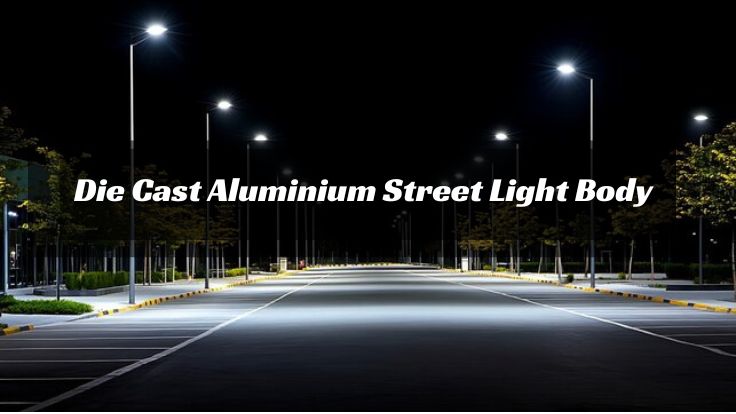
Because of modern, energy-saving technology, it is crucial nowadays for lighting products to be strong and reliable. Almost all modern outdoor lighting systems include a die cast aluminium body for their street lights. Because it is highly thermal, corrosion-resistant, and strong, this housing lasts long despite harsh events in the environment. It shields the LED’s circuits and also lets heat escape, which maintains their life. The aluminum LED street light casings are designed to ensure safety and quality on a global level. Because they are well-built and versatile, you can often see these enclosures along streets, highways, in industries, and in parks. Thanks to design progress, many kinds of LED street lights die cast aluminum bodies are being made now to suit numerous needs and preferences in light fixtures. While LED street light housing was formerly designed for efficiency, it now offers modular designs, smart features, and pleasing looks. This article discusses the features, types, series, specifications, and benefits of using die-cast aluminium in street lighting for those who plan, design, and select street lighting fixtures. This article covers how important, advantageous and in-demand die cast aluminium street light bodies are, as well as the steps involved in making them and modern trends in the market. What is meant by a die-cast aluminum Street Light Body? Die-cast aluminium is the process used to make the protective and supporting body of LED street lights. Within this body are placed all the important things in the lighting unit, like the LED driver, circuit board and lens and they are all protected from things like dust, water and hot or cold temperatures. Die-casting aluminum allows manufacturers to create LED street light housings that are strong, uniform, precise, and lightweight. The item that results is durable and also looks stylish, usually including smooth, stylish lines. The Steps Involved in the Die Casting Process In die casting, molten aluminium is pushed by high pressure into a shape cavity in the mold. Once the procedure is finished and the metal has fully solidified, it forms to the shape of the mold and is afterward pulled out, trimmed, cleaned up and polished. A major reason to use this process in LED street lighting is the ability to produce pieces with precise accuracy, the same features every time, and excellent surface and physical qualities. Here is a simple outline of what you have to do: It allows manufacturers to make many products at a low cost since it minimizes waste. Why You Should Use Die-Cast Aluminium for Street Light Housings? There are many benefits to using a die-cast aluminium body for a street light. 1. Heat Dissipation Aluminium is excellent at transferring heat. Heat generated by the LEDs is dispersed by the body and stops the components from overheating and ultimately damaging them. By using this feature, the vehicle is able to handle stable performance in different kinds of weather. 2. Toughness and Sturdiness The material does not add weight, but it’s durable enough to face harsh weather conditions. 3. Corrosion Resistance Applying coating or anodizing to aluminium makes it very resistant to corrosion, so the housing for LED street lights lasts for a long time in rough places, including by the sea or around factories. 4. Design Flexibility With die casting, it is possible to create objects with extra features and shapes, meaning the need for other types of assembly is reduced. 5. Aesthetic Appeal Nowadays, modern city planners prefer fixtures that are clean and sleek. Both the purpose and appearance of a city can be shaped by LED street lights with a die cast aluminum body. Tools for Use in Urban and Industrial Areas The body of a die-cast aluminium street light is found in places such as: This kind of housing can be used with LEDs that draw light at all levels, from lighting to smart controls. Why Die Casting Aluminum LED Street Light Housing is Favorable in the Market? In the last several years, more and more companies have switched to aluminum die-cast LED street light housing. It is influenced by a variety of different aspects. The trend will continue since many cities invest in updating their infrastructure and prefer energy-saving lighting systems. The Quality Control and Standards function Manufacturers of LED street light housing must strictly follow industry rules to ensure it operates safely, works properly, and lasts long. Businesses should check the following qualities: To gain worldwide approval and trust from buyers, a high-quality LED street light should pass CE, RoHS and ISO certifications. Production of a Series of Die-Cast Aluminium Street Light Bodies Many manufacturers separate their products into series based on how they look, their output, where they are used, and their technical attributes. Thanks to the street light body series, buyers can easily select a product that suits their needs. The following are the most common types of TV series seen: 1. Miniseries 20W–50W The Mini Series has compact housing units for LED street lights that are meant for narrow roads, walkways and homes. Because they’re all very light and efficient, these models are common in locations that do not need much light. 2. Standard Series (60- 120W) This is the group of literature that most people read. The LED street lighting housings in this series are both strong and save on costs. It is perfect for driving on roads, parking lots, and guarding plants and factories. 3. The range covers from 150W to 250W As they are meant for highways, broad streets and expansive outdoor areas, these products have LED street lights in sturdy aluminum casting with extra heat dissipation. Many such phones include smart features and higher levels of dust and water resistance. 4. Smart/Intelligent Series These hosts are configured to support motion sensors, IoT modules, or smart drivers. In the series, aluminium street lights are equipped with wireless technology, allowing them to respond to remote control for new smart city technology. 5. Designer or Architectural series The series joins music with the beauty of art.

中国と世界のトップアルミダイカストメーカー

中国と世界のトップアルミダイカストメーカー

アルミダイキャスト

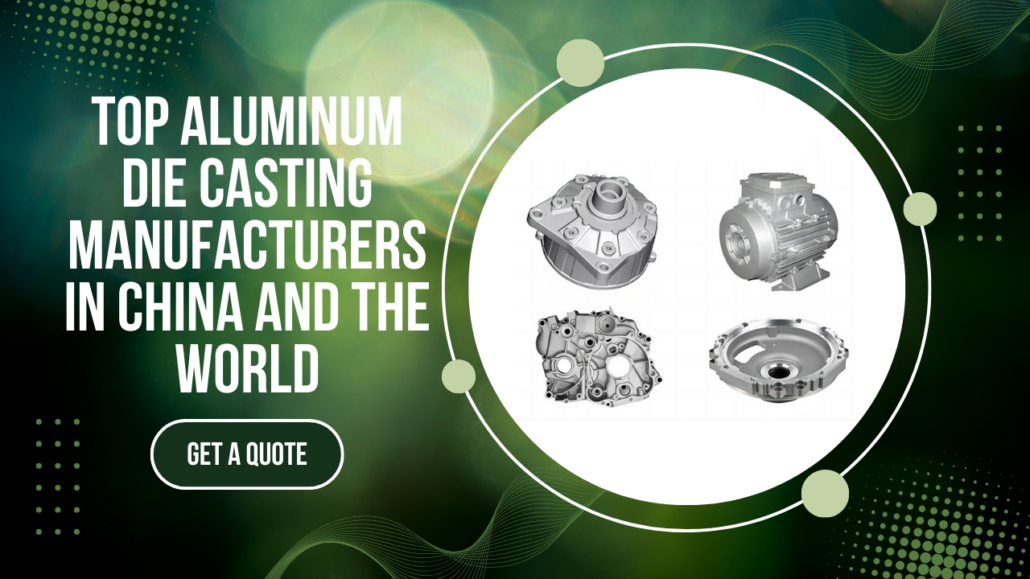
今日、アルミダイカストは現代の製造業において中心的な役割を果たしています。アルミダイカスト鋳造プロセスは、その精度、強度、複雑な形状を厳しい公差で製造する能力で知られており、自動車や航空宇宙、消費財や電子機器、医療機器などの産業にとって不可欠なプロセスとなっています。この非常にダイナミックなシナリオは、高性能で費用対効果の高い部品への需要を生み出し続けており、アルミダイカスト製造メーカーのパートナーの重要性がこれまで以上に高まっています。金型と品質は、より高い効率性と同時に拡張性を提供し、自動化の進歩に助けられてきました。これらの企業は通常、設計・試作から量産、表面仕上げに至るまで、エンド・ツー・エンドのサービスを提供し、顧客の要求に応じて実施する全工程をスムーズにカバーしている。その上、持続可能性の基準が重要視されるにつれて、多くのダイカスト企業は、材料のリサイクル、エネルギー効率の高い対策の採用、グリーン認証の取得など、環境に優しい作業方法を取り入れています。この記事では、米国や欧州をはじめ、イノベーションと顧客中心のアプローチによって付加価値を生み出し、他を圧倒している国など、世界中で操業している最高のアルミダイカスト・メーカーをいくつか紹介しています。これらの企業は、自動車部品製造の世界において高い誇りを持っており、大量生産される自動車部品や精密医療部品、あるいはニッチな用途における不明瞭な問題を解決する新しいアイデアをお探しなら、完璧なサービスを提供することができるでしょう。このブログでは、インコネル鋳造の会社概要、品質へのこだわり、認証、そしてこのような競争の激しい世界で、インコネル鋳造がどのように魅力的な会社であるかをご紹介します。このガイドは、あなたの次のプロジェクトのために信頼できるアルミダイカスト製造業者を見つけるための完全なスタートです。アルミダイカストとは?機械はアルミダイカストを使用して、溶融アルミニウムを相当な圧力下で金型に押し込んで複雑な形状を作り出し、精密な定義の洗練された部品を作成します。工業的な作業は、滑らかな表面の質感の可能性とともに、正確な寸法を持つ耐久性のある軽量の部品を製造するために、この方法に依存しています。溶融アルミニウムが金型キャビティに充填され固化するのに要する時間は、金型からの自動取り出しとその後の仕上げ加工を行うまでのほんのわずかな時間です。自動車産業、航空宇宙産業、エレクトロニクス産業、消費財産業は、アルミニウムダイカストを材料要件に採用しています。製造業者がアルミダイカストを選択する理由は、その効率性と自動運転機能により、ヒートシンクやブラケット、エンクロージャーだけでなく、多くのエンジンハウジングを迅速かつ反復的に作成できるためです。このプロセスにより、機械の作業負荷が減少し、均一な品質レベルが保証されるため、大量生産がより経済的になります。Sincere Tech設立年:2005年従業員数:100~500人ビジネスタイプ:自動車部品製造:100~500名ビジネスタイプ中国最大級のプラスチック射出成形金型メーカー、アルミダイキャストメーカー、CNC加工機サービスプロバイダー、製品組立サービスプロバイダー。ウェブサイトと連絡先ウェブサイト: plasticmold.netEmail: info@plasticmold.netPhone:住所:+86 135 30801277523000 中国広東省東莞市斉市鎮上東村環鎮路30号1棟 会社概要 Sincere Techは2005年に設立された中国広東省東莞市の大手アルミダイカスト企業の一員です。会社は 100 人以上の従業員、20 年以上のプラスチック射出成形、ダイ カスト、精密 CNC の機械化および完全なプロダクト アセンブリの経験を持っています。真摯科技は自動車、電子機器、消費者製品など複数の業界と取引している。同社は、高度な技術と職人の専門知識を駆使して、高精度アルミダイカスト部品と複雑な工具ソリューションのリーダーとしての地位を確立している。垂直統合されたサービスにより、同社は優れた品質、タイムリーな納期、低コストの製造を提供している。品質へのコミットメント 当社(Sincere Tech)は、厳格な工程管理と継続的な改善により、無欠陥で高品質のアルミダイカスト部品をお客様に提供するため、当社の管理範囲内であらゆる合理的な手段を講じています。これには、最新鋭の設備、ISO認証工程、完全な検査報告書、社内試験などが含まれます。各プロジェクトは正確な仕様を満たし、顧客満足度を重視しています。シンセアテックは国際的な品質基準に従い、従業員のトレーニングや技術革新に絶えず投資し、信頼性が高く耐久性のある製品を世界中のお客様に提供しています。なぜSincere Techを選びますか?GC精密金型 設立年1999年従業員数100-200+ ビジネス タイププラスチック射出成形、CNC機械加工、アルミ、亜鉛、マグネシウムのダイカスト。ウェブサイトと連絡先ウェブサイト: aludiecasting.comEmail: info@aludiecasting.comPhone:+86 131 4886 5556住所:523516 中国広東省東莞市斉市鎮環振路30号 会社概要 GC精密金型有限公司(所在地:東莞市斉市鎮環振路30号。(中国広東省東莞市)は1999年に設立され、アルミダイキャストメーカーとして定評がある。同社は、アルミニウム、亜鉛、マグネシウムダイカスト、およびCNC機械加工、プラスチック射出成形を行っています。自動車、産業機器、通信、電子産業向けの高性能部品やアセンブリの専門家100人以上のチームです。同社は、複雑なエンジニアリング・プロジェクトの要求に基づくカスタマイズされたソリューションと、各段階での効率的で信頼性の高い高品質な生産を提供するために、精密工具機械とエンジニアリングの革新に専念する発明家として定評があります。GC精密金型の品質への取り組み GC精密金型は、最高の製品品質に専念し、強力な品質管理システムを持っています。同社は、受入原材料、製品の配信のための高度な設備とテスト方法を使用し、それは非常に厳格な検査手順を実装しています。彼らはISO規格に認定され、そのゼロ欠陥の製造と継続的な改善の焦点に基づいています。顧客は彼らの顧客であり、彼らのエンジニアリングとQAチームは、彼らの技術仕様のすべてをかわすために彼らと密接に協力し、生産サイクルの最後まで完全にトレーサブルである本当に包括的な品質文書を提供します。GC精密金型を選ぶ理由CNM Tech設立年:20年以上従業員数:100~400人ビジネスタイプ:金型製造:100-400ビジネスタイプダイカスト、CNC機械加工、製品組立を専門とする:

鋳造アルミニウムの溶接:包括的ガイド

アルミ鋳造, アルミダイキャスト

There are very few places one can go to learn about welding cast aluminum, and the skill set needed to do so is highly specialized. However, cast aluminum is a material created by pouring molten aluminum into a mold, which results in a porous material with impurities. This does not occur with standard aluminum alloys. Because of these characteristics, welding is more difficult, and preparing carefully, keeping the heat precisely in check, and using the appropriate techniques is necessary to produce strong, robust welds. Oxidation is one of the greatest hurdles when welding cast aluminum. This thin oxide layer, formed when exposed to air is much thicker than what naturally forms on aluminum, and it melts at a much higher temperature than aluminum itself, making fusion difficult. Furthermore, the presence of impurities and trapped gases in the cast aluminum can result in porosity, which provides weak welds if not properly cleaned and preheated. TIG (Tungsten Inert Gas) is the method of choice for precision and cleanliness, while MIG (Metal Inert Gas) is useful for speed and thicker material. To obtain a strong and defect-free weld, it is necessary to use the correct filler metal (such as 4045, 5356, or 4047) and shielding gas combination (of pure argon or argon-helium mixtures). Good preparation includes adequately cleaning and preheating as far as possible to minimize cracking, porosity and lack of fusion. Endurance and life of the welded joints is further improved by post-weld treatments like stress relief, grinding and corrosion protection after welding. While the majority of cast aluminum welders are welded steel, welders can successfully work with cast aluminum using the right techniques, tools, and attention to detail so long as lightweight, high strength components are required in industries. This is a masterable process that leads to further development of aluminum welding applications and to a reliable and predictable performance of aluminum structures in critical environments. Understanding Cast Aluminum  However, before proceeding with the welding techniques needed for cast aluminum, it is crucial to have a firm understanding of what constitutes cast aluminum and what makes it unique from other metals. Cast aluminum differs from wrought aluminum, which is mechanically shaped by using rolling or extruding, in that cast aluminum can be formed in complex shapes of high precision by melting aluminum and pouring this molten form into a mold. The unique internal structure so produced, usually characterized by porosity, impurities and varying alloy composition, has an important effect on weldability. To be able to weld cast aluminum successfully, one should know its chemical and physical properties, its pros and cons as well as the different types of cast aluminium alloys from various industries. These factors will be taken into consideration for the determining the necessary welding method, selection of filler material and preweld preparation techniques to make strong and defect free welds. Cast aluminum properties: What makes a cast different? Another important consideration that use of cast aluminum has several properties that make it light weight, anti- corrosive and very flexible. However, the same properties also pose some difficulties when welding is being done, provided that proper measures are not taken. 1. Porosity: The Hidden Challenge Possibly one of the biggest concerns about welding cast aluminum is porosity; it is known as the small bubbles of gas that get trapped in the metal when it is being cast. These eight are resulted from the entrapment of gases such as hydrogen, formation of small pores as a result of shrinkage during cooling of the aluminum metal and impurities. ???? How Porosity Affects Welding ???? How to Minimize Porosity During Welding 2. Oxidation: The Barrier to Clean Welds It is an element that reacts with other elements particularly oxygen found in the space surrounding the metal. This oxidation generates a very thin but extremely hard skin of aluminum oxide (Al₂O₃) through which the further corrosion of aluminum is prevented. Nevertheless, oxide layer is a critical issue when welding since its melting temperature is around 3700°F (2037°C), which is much higher than that of aluminum, 1221°F (660°C). Investigation on Why Oxidation is a Problem in Welding ???? Different Techniques of Removing and Controlling Oxidation 3. Heat Sensitivity: Managing Thermal Conductivity Different from steel, aluminum has high thermal conductivity and it can easily absorb and emit heat. This has always been a problem in maintaining a standard welding temperature; this tends to cause the following: ???? How to Overcome Heat Sensitivity Challenges Common Types of Cast Aluminum Alloys Various types of cast aluminum alloys can be cast according to their chemical composition and mechanical properties. Here are a few of the advantages and disadvantages of each type, as well as applications where they would be most useful. 1. A356 Cast Aluminum: The High-Strength Alloy  Its composition: Mainly encompasses aluminum (Al), silicon (Si) and magnesium (Mg). ???? Key Features ???? Common Applications 2. 319 Cast Aluminum: The Wear-Resistant Allo Composition: Contains higher levels of silicon (Si) and copper (Cu) than A356. ???? Key Features ???? Common Applications 3. 535 Cast Aluminum: The Marine-Grade Alloy Composition: Contains a high percentage of magnesium (Mg) for corrosion resistance. ???? Key Features ???? Common Applications Why Understanding Cast Aluminum Matters for Welding Starting with cast aluminum welding mastery is all about determining what cast aluminum is made of, its properties, and associated challenges. Therefore, as cast aluminum is used extensively in automotive, aerospace and marine engineering, welders require strategies for casting porosity, oxidation and sensitivity to heat. Different types of cast aluminum alloys respond to welding differently, and you should choose the correct filler materials, shielding gas and welding technique means the difference between a strong, reliable weld or a weak, porous joint. With preparation of the material, using the correct cleaning procedures, and regulating heat input, welders can address the issues associated with cast aluminum and generate powerful, long lasting welds that comply with harsh applications. Challenges in Welding Cast Aluminum  Welding of cast aluminum is notoriously difficult because of the unique physical and chemical properties of

陽極酸化アルミニウム素材:特性、利点、用途

陽極酸化アルミニウム素材:特性、利点、用途

アルミダイキャスト, アルミニウム表面仕上げ

Anodized aluminum material is used mainly because it is light, strong, and corrosion-resistant. While raw aluminum does offer a certain amount of durability and scratch resistance, it is prone to oxidation, dents, and scratches, which can change it in the long term and keep it looking good. To make the aluminum stronger and more durable, it is then anodized to form a protective oxide layer on its surface. The reason for this layer is that it hardens the metal, giving it a more noncorroding and nonwear surface and a more pleasant appearance. Anodized aluminum is preferred due to these factors and is used widely across aerospace, automotive, construction, and consumer electronics industries. The anodization consists of several steps cleaning of the surface, immersion into an electrolyte bath, oxidation using electric current, and sealing. Besides making the material stronger, this treatment can be colored in different shades and finishes. Electrolytic coloring, Dip coloring, Integral coloring, and Interference coloring are different common coloring techniques. Ordinary anodizing and hard anodizing are the two main types of anodizing. Typically there are two processes available: ordinary anodizing, used primarily for finish and low-weight applications, and hard anodizing which gives excellent durability, wearer, and strength for military, industrial, and aerospace applications. In addition to anodization, aluminum can be processed through other surface treatments such as electroplating, powder coating, chromate conversion coating, PVD coating, ceramic coatings, or hot dip galvanizing. Anodized aluminum does not possess these properties uniformly and thus is used as a versatile and reliable material in many industries, with each method providing the material with specific enhanced properties—corrosion resistance, hardness, conductivity, etc. In this article, we’ll discuss what properties, benefits, applications, and maintenance of anodized aluminum involve, and why it is a better alternative to other metals and treatments. If we know these aspects we can understand which material to use for a particular industry and the consumer. What is Anodized Aluminum? Aluminum that has been anodized is an aluminum that has been run through an electrochemical process to produce a thicker, more durable oxide layer on its surface. The presence of this anodic oxide layer increases the resistance of the metal to corrosion, improves the surface hardness, and increases the ability of the metal to adhere to dyes and coatings. The Anodization Process In other words, the anodization process includes several key steps. Anodized Aluminum Material Key Properties 1. Enhanced Corrosion Resistance Anodized aluminum is one of the most resistant to corrosion. This makes it practically useless outdoors or when submerged in water, as the oxide layer protects the metal from moisture and our environment. 2. Increased Surface Hardness Anodization improves the hardness of aluminum significantly and aluminum becomes more resistant to scratch, dent, and wear. One such hard anodized aluminum is highly durable and is indeed used in high-performance applications. 3. Aesthetic Appeal and Color Variety Also, anodized aluminum is offered in black, gold, bronze, silver, etc. without changing the natural texture of the metal. This is why it is a preferred choice for architectural as well as decorative applications. 4. Lightweight Yet Strong While the oxide layer is put on top of the aluminum, this doesn’t make the aluminum significantly heavier, and it is still lighter than heavier materials such as stainless steel. 5. Electrical Insulation Because anodized aluminum is a poor conductor of electricity as compared to untreated aluminum, it is an attractive material to use in applications where insulation is needed for electrical or electronic purposes. 6. Environmentally Friendly and Sustainable Anodized aluminum is completely non-toxic, is recyclable, and does not out-gas dangerous and health-harming VOCs (volatile organic compounds), so it is eco-friendly. How to Add Color to Anodized Aluminum Parts? Anodizing aluminum is well known to be able to hold colors very vibrantly. Electrolytic coloring and dip coloring are the two of the many techniques used to color anodized aluminum. 1. Electrolytic Coloring One popular way to beautify anodized aluminum is with electrolytic coloring whereby anodized aluminum is colored with durable and UV-resistant shades. Once the aluminum has gone through the anodizing process, it is placed in a bath with metallic salts. In the last few years metalized salts have been developed whereby, when an electric current is applied, they settle into the open pores of the anodized surface permanently creating a metal-colored surface. Finally, the color depends on the type of metal salts involved. Copper salts ,for instance, make the solution reddish in tone, and other metals can make it in other hues. It is widely used because colors done this way last long and don’t fade, which makes it great for outdoor or high-exposure uses. 2. Dip Coloring Another color method is ‘dip coloring’ which gives one a large variety of color choices. During this kind of processing, the porous layer is submerged in a dye solution where the anodized aluminum absorbs the pigment. Once a shade is reached, the aluminum is sealed in water to stop reactions from continuing. Dip coloring offers much more vibrant and customizable contrasted shades, but they are not UV resistant and the colors will fade to a much lesser extent when exposed to sunlight. However, this lack of durability is the main reason why it is not commonly used in applications where the durability of parts is an important factor. 3. Integral Coloring (One-Step Process) An integral coloring is a unique process that incorporates anodizing and coloring into one process which is more efficient than in multi-step methods. Unlike some other techniques, the electrolytes, which react with the surface of the aluminum and are quick to dry, create deep, rich metallic tones including black, gold, or bronze. The color is formed in the very oxide layer, and due to that, it is very durable and doesn’t scratch, isn’t prone to corrosion, and doesn’t fade away. While integral coloring yields quality finishes, it is rare because of the cost and complexity. Architectural components, high-end electronics, and industrial equipment in which the parts must be able to withstand demanding conditions where

アルミダイカスト材料:総合ガイド

アルミダイカスト材料:総合ガイド 

アルミ鋳造, アルミダイキャスト

The role of aluminum die casting is a widely used, highly efficient manufacturing process capable of producing complex, high-strength, and lightweight components with good dimensional accuracy. It is the mass production of durable and precise parts and is based on the principle of injecting molten aluminum into MOULD under high pressure. In these industries where performance or longevity depends on material properties, this technique is used in a wide variety. Aluminum alloy is a key factor in choosing what the final product is going to be, which includes strength, corrosion resistance, thermal properties, and machinability. The characteristics of different aluminum alloys are different some of which include A380, the balance of strength and castability; A383, superior fluidity for complex parts; and A360, high corrosion resistance. Moreover, copper, manganese, magnesium, and silicon elements can also further increase mechanical properties. Besides alloy selection, manufacturers may also strengthen aluminum die-casting parts through surface treatment such as anodizing, plating, or powder coating to achieve higher wear resistance, corrosion protection, and hardness. Additionally, uniform wall thickness, draft angles, and reinforcement ribs do reduce high-quality and defect-free components at low cost. Through the right selection of the right aluminum alloy, through suitable strengthening techniques and in consideration of aluminum diecast part design sizing, manufacturers of high-performance aluminum die-cast parts can be tailored specifically to the required industrial issues. In this guide, we explore the best materials, alloy properties, and methods for strengthening and considering the design of aluminum die-casting components that will improve their durability and efficiency. This article explains about aluminum die casting materials, properties of alloys used in die casting processes, strengthen methods and surface treatments, as well as design considerations to improve the performance, durability and operation efficiency of die cast components. What is Aluminum die casting?   Aluminum die casting is the process of injecting molten aluminum at high pressure into a steel mould (die) to produce precision moulded complex and durable metal parts. The lightweight properties it has, strength, corrosion resistance, and excellent thermal conductivity make it commonly used in automotive, aerospace, electronics, and industrial applications. High-speed production, good cost efficiency and good dimensional accuracy are possible as it is a process. Aluminum Die Casting Parts Design 3 Factors to Consider  To achieve high quality, tough and economical aluminum die casting parts, careful planning is necessary. An appropriate design can increase manufacturing efficiency, reduce defects and augment the overall performance. Aluminum die casting parts have three parameters, among which the key factors are given below as. 1. Wall Thickness and Uniformity Why It Matters: Proper mold filling, cooling, and solidification are maintained with consistent wall thickness. Thickness changes can occur suddenly and produce warping, shrinkage and porosity in the final part. Best Practices Example As with automotive engine brackets, the wall thickness must be constant to maintain strength and thermal stability in all materials. 2. Draft Angles and Fillets Why It Matters Simple draft angles assist in the removal of the part from the die mould, preventing sticking, surface defects. Fillets (rounded edges) avoid stress concentration and are more durable in the mold. Best Practices Example Various types of electronic enclosures use rounded edges, draft angles, etc. for manufacturability and strength. 3. Ribs and Reinforcements  Why It Matters By adding ribs the weight remains light but the strength is gained. Such reinforcement also maintains shape and strength under pressure. Best Practices Example Ribs are used to maintain lightweight strength for automotive transmission cases while reducing the amount of material needed. The Primary Attributes of Aluminum Die Casting Alloys The material properties of aluminum die-casting alloys consist of high strength along with low weight and excellent corrosion protection. Every aluminum alloy maintains distinct material properties which determine its practical usage. Table 1 displays the Aluminum die casting which includes their essential material attributes. Property    Description Impact on Die Casting Lightweight  Aluminum weighs only one-third as much as steel does.        Reduces overall component weight High Strength-to-Weight Ratio  Being lightweight, it offers good mechanical strength.  Applications are used in the automotive and aerospace industries.  Corrosion Resistance   Is naturally formed to form an oxide layer for protection    Ideal for marine and outdoor applications  Excellent Thermal Conductivity Distributes heat efficiently They are used in engine components and electronics.  Good Machinability Easily processed and shaped    Reduces manufacturing costs          . Products created through Aluminum die casting demonstrate higher strength than those made by sand casting because their production method results in rapid cooling and refined grain arrangement. Common Aluminum Alloys Used indie-casting Several aluminium alloys are commonly used in die-casting operations, each providing certain unique properties, which ultimately define the performance and durability of the product. The Aluminum casting alloys that are most widely used are: 1. A380 Aluminum Alloy  Properties: A380 is one of the most widely used aluminum die casting alloys because of its excellent ‘strength, corrosion resistance and thermal conductivity’. Additionally, it has good fluidly, which allows it to be cast into complex shapes. Applications: The automotive parts, electronic housings, gear cases and engine brackets are widely used this alloy. 2. A383 Aluminum Alloy  A383 properties: Similar to A380 but better resistance to hot cracking and improved die-filling properties. This offers benefits when the final components are intricate and require powerful precision. Applications: In thin-walled and complex parts it is used; in detailed electronic casings and appliance components. 3. A360 Aluminum Alloy Properties: A380 has better ductility and higher corrosion resistance and pressure tightness than this alloy. It is, however, more difficult to cast. Applications: Suitable for high-performance applications such as aerospace components and marine equipment. 4. ADC12 Aluminum Alloy  Properties: Widely used in Japan, and other Asian markets with good casting characteristics, good thermal stability, and high strength. It also offers good machinability. Applications: Used in automotive engine components, bicycle parts, and power tools. 5. AlSi10Mg Aluminum Alloy  Properties: A high strength and good combination of mechanical properties, good thermal and wear properties. In 3D printing and die-casting applications, this one is often used. Applications: Common in aerospace,

正しい合金ダイカスト会社の選択:完全ガイド

正しい合金ダイカスト会社の選択:完全ガイド

アルミダイキャスト, ダイカスト会社

合金ダイカストは、高精度で耐久性があり、費用対効果の高い金属部品に大きく依存しているため、製造業にとって不可欠です。現代の製造業に革命的な影響を与えたこのプロセスは、複雑な金属部品を非常に高い精度と一貫性で大量生産することを可能にしました。自動車、航空宇宙、エレクトロニクス、医療、重機などのサービス産業において、合金ダイカスト鋳造会社として専門化された企業によって、それぞれのニーズに合わせた金属部品が製造されています。プロの合金ダイカスト鋳造会社は、業界標準に合った製品を提供するために、厳格な品質管理プロセスと相まって、最新の技術と高品質の材料を使用しています。適切な会社を選ぶことが重要であれば、何年も使える本当に信頼できる製品と、早期に故障してしまう欠陥部品のどちらかを一方的に選ぶことになるかもしれません。この記事では、合金ダイカスト鋳造の詳細な概要を説明し、その重要性、利点、最高の合金ダイカスト鋳造会社を選ぶ際に考慮すべき最も重要な要素を強調します。精密に設計された部品の製造を求める製造業者や、経済的な製造オプションを求める企業にとって、合金ダイカストの知識は不可欠です。合金ダイカストとは?溶融金属を金型(ダイ)に高圧で注入する金属製造プロセスを合金ダイカストと呼びます。この方法は、公差の厳しい複雑な形状の製造に広く使用されています。アルミニウム、亜鉛、マグネシウムなどの様々な金属合金がダイカストでよく使用されるのは、強度特性と耐食性に優れているからです。ダイカストで使用される合金の種類 ダイカストで使用される合金は、ダイカスト鋳造の過程で選択されたものに大きな影響を及ぼし、最終製品の強度や重量、耐食性、全体的な性能に直接つながります。合金は、その機械的特性、耐久性、必要な最終用途によって、産業によって異なります。ダイカストで最も一般的に使用される合金を以下に示します。1.アルミ合金 優れた熱伝導性と耐食性、軽量強度を併せ持つアルミダイカストは、世界中の研究者やメーカーに好まれています。耐久性があり、比較的軽い部品を必要とする産業では、この合金タイプが使用されます。主な特徴用途2.亜鉛合金 高強度、低融点、優れた精度を持っているため、亜鉛もダイカストでよく使用される合金です。小さくて細かい部品の製造に最適です。主な特徴用途3.マグネシウム合金 軽量であるため、強度を犠牲にすることなく軽量化を図りたい産業に非常に適しており、そのためこの金属はマグネシウムと名付けられた。主な特徴用途4.銅ベース合金 真鍮と青銅は、高い電気伝導性、耐食性、優れた耐摩耗性を持つ銅ベース合金の一例である。このような合金は、電気的および熱的性能が優れていなければならない用途に使用されます。主な特徴用途信頼できる合金ダイカスト会社と協力する利点 適切な合金ダイカスト会社は、業界標準に従った高品質の製品を選択することができます。主な利点は以下の通りです:1.高精度と一貫性 一流のダイカスト会社は、優れた機械設備と厳格な品質管理措置を備えており、欠陥の極めて少ない寸法を製造します。2.費用対効果 ダイカストは非常に効率的なプロセスであり、他の金属成形プロセスと比較して、最終製品の材料費とエネルギー費も大幅に削減できます。3.カスタマイズと多様性 カスタムソリューションベースの鋳造会社は、特定の業界の必要性に基づいたカスタムソリューションを提供し、さまざまな合金オプションを提供する評判の高い会社です。4.より速い生産と短いリードタイム 現代のダイカスト企業では、生産速度を高め、厳しい納期に対応するために、自動化システムが使用されています。5.耐久性と強度 合金ダイカスト部品は非常に耐久性が高いことがよく知られており、厳しい条件下での使用に適しています。最適な合金ダイカスト会社の選び方 ダイカストメーカーを選ぶ際には、以下の点を考慮する必要があります:1.1.経験と業界の専門知識 会社の実績、合金ダイカスト鋳造を何年も経験したことがあるかどうか、あなたの業界での試みが証明されているかどうかを確認します。2.2.品質証明書と規格 ビジネスが業界のコーデックに従っているかどうかを確認してください:3.3.高度な技術と設備 精度を維持し、肉体労働の必要性を減らすため、現代のダイカスト企業は、CNCマシン、真空鋳造、ロボットによる自動化などの設備を採用しています。4.材料の選択とカスタマイズ 複数の合金オプションとカスタマイズが可能な会社を持つことで、貴社が提供する特定のデザインを見つけることができます。5.強力なサプライチェーンと納期厳守 効率的な物流と迅速な納品は、信頼できるサプライヤーによってもたらされる。6.試作と試験能力 製品の試作と厳格な品質試験(X線検査と引張強度)が非常に重要です。7.競争力のある価格設定 価格だけが唯一の考慮事項であってはなりませんが、優れたダイカスト企業は、品質を犠牲にすることなく競争力のある価格を提供することができます。合金ダイカストを利用する産業 1.自動車産業 2.航空宇宙産業 3.電子産業 4.医療機器 5.消費者向け製品 合金ダイカストにおける課題と企業の克服方法 合金ダイカストはよく知られた製造工程であるが、いくつかの課題に直面し、品質、コスト、持続可能性に影響を及ぼしている。これらの課題を克服するために、大手合金ダイカスト企業は革新的なソリューションを導入しており、その結果、高品質の生産、コストの最適化、環境への影響の最小化を実現しています。1.気孔率と欠陥の管理 気孔率は、ダイカスト鋳造で遭遇する最も一般的な問題の一つで、金属内部にガス気泡や収縮空洞が発生します。また、部品の構造的完全性を低下させ、機能性に影響を与えることもあります。メーカーが真空アシストダイカストを使用することで、最小限の空気を封じ込め、金属密度を向上させることができます。さらに、気孔率は、圧密鋳造技術、金型の設計、および適切な鋳造方法を使用することによって減少させることができる。

亜鉛ダイカスト対アルミダイカスト

中国のよいダイ カストの製造業者を見つける方法

アルミダイキャスト

China has become a world manufacturer been 20 years, that every one wants to buy things from China, Once you have a project that need to make some die casting products, then you need China die casting manufacturer supplier. If you are looking for a good die casting manufacturer in China, there are a few steps you can take to ensure that you find a reputable and reliable company: Research the market: It is important to have a good understanding of the die casting industry in China before starting your search. This will allow you to identify potential manufacturers and evaluate their capabilities. You can do this by reading industry reports, attending trade shows, and speaking with industry experts. Define your needs: Clearly define your requirements for the die casting manufacturer, including the type of die casting process you need (such as aluminum die casting, zinc die casting, etc.), the size and complexity of the parts you need, and your budget. This will help you narrow down your options and find a manufacturer that can meet your needs. Get quotes from multiple manufacturers: Once you have a list of potential manufacturers, request quotes from each of them. This will allow you to compare prices and services offered by different manufacturers. Review the manufacturer’s capabilities: Check the manufacturer’s website and marketing materials to get an idea of their capabilities. Look for information about their equipment, experience, and capacity. You can also request samples of their work to get a sense of their quality. Visit the manufacturer: If possible, visit the manufacturer’s facility to get a firsthand look at their operations. This will allow you to see their equipment and facilities, meet their team, and get a sense of their culture and values. Check references: Ask the manufacturer for references from their previous customers and follow up with those references to get an idea of the manufacturer’s reliability and quality. By following these steps, you can find a good die casting manufacturer in China that is able to meet your needs and deliver high-quality products. Why your should buy die casting products from China supplier? There are a few reasons why you might consider buying die casting parts from China: Cost: China is known for its competitive manufacturing costs, and die casting is no exception. By sourcing die casting parts from China, you may be able to save on material and labor costs, resulting in lower production costs overall. Quality: While there is a common perception that Chinese-made products are of lower quality, this is not always the case. Many Chinese die casting manufacturers have implemented advanced quality control processes and have achieved certifications such as ISO 9001. Experience: China has a long history of manufacturing and a well-developed supply chain. As a result, Chinese die casting manufacturers often have a wealth of experience and can offer a range of manufacturing capabilities. Wide range of suppliers: There are many die casting manufacturers in China, which means you have a wide range of options to choose from. This can make it easier to find a manufacturer that meets your specific needs and requirements. Strong export infrastructure: China has a strong export infrastructure, making it easier to ship products to other countries. This can be especially beneficial if you are located far from China and need to import the parts. Overall, buying die casting parts from China can offer a number of benefits, including cost savings, quality products, and a wide range of supplier options. However, it is important to do your due diligence and carefully research potential suppliers to ensure that you find a reputable and reliable manufacturer.  

上部へスクロール

お見積もり