アルミ鋳造

アルミニウム合金

Which Aluminum Alloys are the Best for Die Casting

アルミニウム, アルミ鋳造, AlZn10Si8Mg合金

Introduction to Die Casting of Aluminum Aluminum alloy die casting is a highly efficient manufacturing process and is used to produce complex metal components at high volume. It is the process of injecting molten aluminum alloy into a hardened steel mold (commonly called a die) at high pressure. The process is particularly appreciated in the automotive, electronics, telecommunications, and industrial equipment industries, as it produces lightweight components with good dimensional accuracy and surface finish. The excellent strength-to-weight ratio is a key reason aluminum is a preferred metal for die casting. The aluminum alloy components may provide the required mechanical performance for the structural application and offer a material with a high level of product weight reduction. There is also die casting, which enables manufacturers to incorporate multiple functions into a single part. Ribs, bosses, mounting points, and thin walls can be cast in a single operation, eliminating the need for secondary machining and assembly. This, in turn, reduces production costs and increases consistency and repeatability. Owing to these merits, aluminum die casting has emerged as one of the most popular metal-forming processes for medium- to high-volume production. The Die Casting Process of Aluminium Mold Preparation and Setup It starts with preparing the steel die. The die is a two-part die casting: a stationary half and a moving half. The die cavity is sprayed and cleaned after every shot. This coating enables control of die temperature and makes the cast solid easy to eject without sticking to the mold surface or being damaged. Molten Aluminum Injection In a furnace, the aluminum alloy is melted and held at a controlled temperature to achieve the proper fluidity. During high-pressure die casting, a specified quantity of molten metal is injected into the die cavity at high pressure by a hydraulic piston. The pressure may range from several thousand to more than 20,000 psi, allowing the metal to fill small areas and complex geometries before solidification. Solidification and Cooling Pressure is kept after filling up the cavity until the aluminum cools and solidifies. The rapid cooling of the steel die yields a fine microstructure that enhances mechanical properties and surface finish. Channel cooling within the die regulates temperature and ensures consistent cycle times. Ejection and Finishing When the die is hardened, the halves open, and the die is ejected from the mold by ejector pins. Any unnecessary material, including runners, gates, and flash, is trimmed. Secondary operations, such as machining, surface treatment, or heat treatment, may then be performed on the part, depending on the application. The result is a near-net-shaped aluminum part suitable for demanding industrial applications. Aluminum Alloys in Die Casting Alloy-based castings: Aluminum die-casting alloys are designed to balance castability, mechanical strength, corrosion resistance, and thermal performance. In contrast to pure aluminum, these alloys have controlled levels of silicon, copper, magnesium, iron, and other alloying elements to enhance liquid flow, solidification, and serviceability of the molten metal. Selecting an appropriate alloy is essential, since each composition offers a unique balance of strength, durability, weight, cost, and manufacturability. This is a closer examination of the most popular high-performance aluminum die-casting alloys and what makes each one suitable for a particular application. A380 Aluminum Alloy Mechanical Performance and Strength A380 has been referred to as the workhorse of aluminum die casting. It has good tensile strength (approximately 320 MPa) and yield strength (approximately 160 MPa) in the as-cast form. Although not the best aluminum alloy on the market, it offers the best combination of strength and ductility for structural housings, covers, and brackets. Advantages A360 Aluminum Alloy Mechanical Performance and Strength A360 offers the same tensile strength as A380 and has improved performance at higher temperatures. The yield strength is typically 170 MPa, and this aluminum alloy is stable under hot-working conditions, such as in engine compartments. Advantages ADC12 (A383 Equivalent) Aluminum Alloy Mechanical Performance and Strength The counterpart of A383 is ADC12, which is of moderate strength, and the tensile strength is commonly 180230 Mpa. Although a bit weaker than the A380, it is still sufficient for the structural performance of numerous industrial and automotive components. Advantages Al-Si11Cu3 Aluminum Alloy Mechanical Performance and Strength The balanced mechanical properties characterize Al-Si11Cu3. Tensile strength is typically above 300 MPa, with good hardness and moderate ductility. It is stronger than ADC12 and is similar to A380 in most structural applications. Advantages B390 Aluminum Alloy Mechanical Performance and Strength B390 has been manufactured to be as hard and wear-resistant as possible. It has an incredibly high yield strength (approximately 240 MPa) and a tensile strength of 350 MPa. It is hard enough, up to 120 Brinell, which is very high by the standards of most die casting alloys. Advantages Comparative Summary The alloys of aluminum die casting are used as follows: The choice of an appropriate alloy is determined by the design factor, which may be strength, corrosion resistance, wear life, weight reduction, or casting complexity. Summary of Physical and Chemical Properties of Aluminum Alloys Alloy A380 A360 ADC12 / A383 Al-Si11Cu3 B390 Silicon % 7.5–9.5 9–10 9.5–11.5 9.6–12 16–18 Copper % 3–4   ≤0.6 2–3 1.5–3.5 4–5 Magnesium % ≤0.1 0.4–0.6 ≤0.3 ≤0.35 ≤0.1 Density (g/cm³) 2.71   2.63 2.70 2.70 2.75 Tensile Strength (MPa) ~324 ~317 180–230 ~300 320–360 Yield Strength (MPa) ~160 ~170 ~150 ~140 240–250 Elongation (%) ~3.5 ~3.5 ~3 ~2–3 <1 Hardness ~80 ~75 ~75 ~85 ~120 Corrosion Resistance Moderate Excellent Fair Moderate Fair Castability Excellent Fair Excellent Very good Moderate Wear Resistance Good Good Moderate Good Excellent Applications of Aluminum Alloys Automotive Industry Lightweight Structural and Powertrain Components Automotive aluminum alloys are widely used in the manufacture of automotive engine blocks, transmission housings, suspension components, and structural brackets. They are powerful per unit weight, reducing the vehicle’s total mass and improving fuel efficiency, thereby increasing the range an electric vehicle can travel. This aluminum alloy also improves heat dissipation in engines and battery systems, enhancing performance and durability. Aerospace Sector Airframe structures and Interior structures The properties that make aluminum

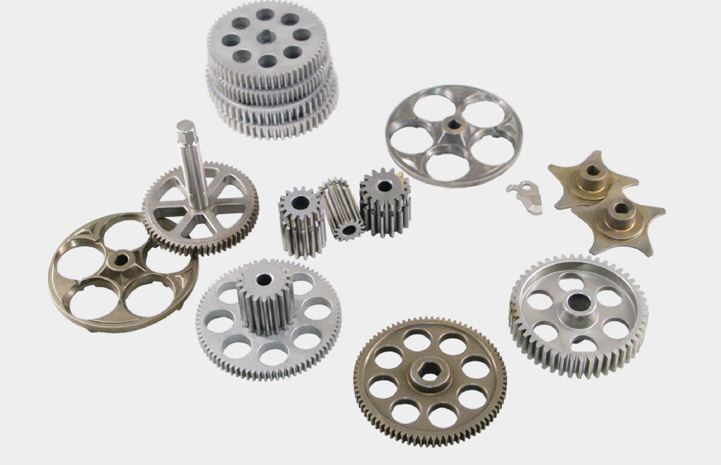
Close-up display of precision metal components manufactured via Metal Injection Molding (MIM) showcasing intricate gears and custom industrial parts

7 Essential Secrets of MIM Metal Injection Molding: The Ultimate 2026 Guide

アルミ鋳造

Metal injection molding is a transformative manufacturing technology that utilizes metal powders combined with organic binders using injection molding technology to produce highly complex structural metal components. Within the first 10% of this guide, we will explore why MIM metal injection molding is the “marriage” between two existing technologies: powder metallurgy and plastic injection molding. Parts are subsequently processed and sintered to yield high-strength, intricately shaped parts. As a solution for high-volume manufacturing, MIM metal injection molding is growing at a very rapid rate because the technology solves a lot of problems that are not easily addressed by other methods. Whether the goal is to produce complex parts for medical devices, automotive assemblies, defense, or consumer electronics, understanding what is MIM metal injection molding is the first step toward leveraging its outstanding value for parts requiring intricate geometry and superior material properties. For global industries requiring exact specifications, working with experienced manufacturers is essential. Further technical resources on precision manufacturing can be explored at plasticmold.net and plas.co. What is MIM Metal Injection Molding? In its simplest terms, MIM metal injection molding allows for the injection molding of metal powders instead of just pressing them. By mixing fine metal powders with a plastic binder, the material flows like a semi-solid under heat and pressure. This enables the creation of complex three-dimensional shapes that were previously impossible with conventional powder metal processes. Conventional powder metallurgy, often called “press and sinter,” takes metal powders and presses them with high pressure in a die using top and bottom punches. While this is a great process, it is limited to two-dimensional shapes and can suffer from lower material properties. MIM molding overcomes these limitations by utilizing the 360-degree design freedom of injection molding. Read more on Metal Injection Modeling The Four-Step Process Cycle of MIM Metal Injection Molding The production cycle for MIM metal injection molding services is generally categorized into four critical stages that ensure the economical manufacturing of high-precision components. Each stage must be meticulously controlled to ensure the final product meets the rigorous standards of modern engineering. Step 1: Compounding and Feedstock Preparation The metal injection molding MIM services process begins with the selection of raw materials. Fine metal powders, often produced through gas atomization to ensure spherical particle shapes, are the foundation. This powder is blended with thermoplastic and wax binders in proportional amounts to make the MIM feedstock. Mixing is performed under heat so the binder material melts and coats each metal particle, producing a homogeneous mix. The mix is then cooled and converted into small pellets for easy storage and transfer. The quality of the feedstock determines the consistency of the final part’s dimensions and strength. Step 2: MIM Molding (Injection) The feedstock pellets are fed into an injection molding press where the components are shaped under high pressure. During this stage, the MIM molding feedstock is heated just enough to melt the plastic binders, injecting the semi-solid material into a custom-engineered mold. The parts produced at this stage are known as green parts. While they possess the final geometry of the component, they are significantly larger (to account for future shrinkage) and consist of approximately 40% binder by volume. Because they are held together only by plastic binders, they are relatively fragile and must be handled with care to avoid structural damage. Step 3: Debinding (Primary Binder Removal) This step of metal injection molding MIM services involves removing a significant portion of the binders. This is achieved through solvent extraction, catalytic processing, or thermal evaporation. Once the primary binders are removed, the components are called brown parts. At this stage, the part is held together by a “backbone” binder and possesses a network of interconnected porosity. This porosity is vital because it allows the remaining binders to escape as gas during the final heating stage without cracking the part. Solvent-based processing is often considered the most economical and efficient method for high-volume MIM services. Step 4: Sintering (Densification) The brown parts are moved to batch vacuum furnaces or continuous atmosphere furnaces to remove the secondary binders and densify the component. High temperatures typically between 2300°F and 2500°F (1260°C to 1370°C) enable the metal particles to fuse and diffuse with each other. This results in 100% metal components with no remaining binder material and a minimum 97% density. During this stage, the part undergoes its final “shrinkage” to reach the specified blueprint dimensions. Benefits of MIM and Material Performance One of the primary benefits of MIM is the design freedom to make more complex geometry with tighter tolerances and improved density. Because metal injection molding MIM services utilize a technology that creates a simpler tool with fewer moving parts, engineers can achieve higher cycle rates and better cost controls. Mechanical and Physical Properties Components produced by this method lead the industry in mechanical and physical properties. Because the MIM services sintering process achieves high density, the final products display very similar material properties to corresponding wrought materials. Unlike conventional powder metal processes, MIM molding materials achieve nearly 95% to 99% of wrought material properties. Sintered components are highly versatile and can be: Is My Part a Good Fit for MIM Services? To determine if a component is a good fit for MIM services, engineers look for the intersection of four factors: material performance, component cost, production quantity, and shape complexity. The closer an application gets to the intersection of these four categories, the better the application is for metal injection molding MIM services. Criteria MIM Compatibility Weight Range Sweet spot is 0.20g to 30g; viable up to 100g. Wall Thickness Best between 2mm and 4mm; minimum 0.3mm. Production Volume Scalable from 5,000 to millions per year. Geometry High complexity; internal/external threads and logos. Generally, components less than 100 grams are economically viable for MIM metal injection molding, with a “sweet spot” weight range between 0.20 to 30 grams. The process is highly scalable, addressing volumes from less than 5,000 pieces per year to several millions per year. Read

Hot Chamber Die Casting and Cold Chamber Die Casting

Difference Between Hot Chamber Die Casting and Cold Chamber Die Casting

アルミ鋳造

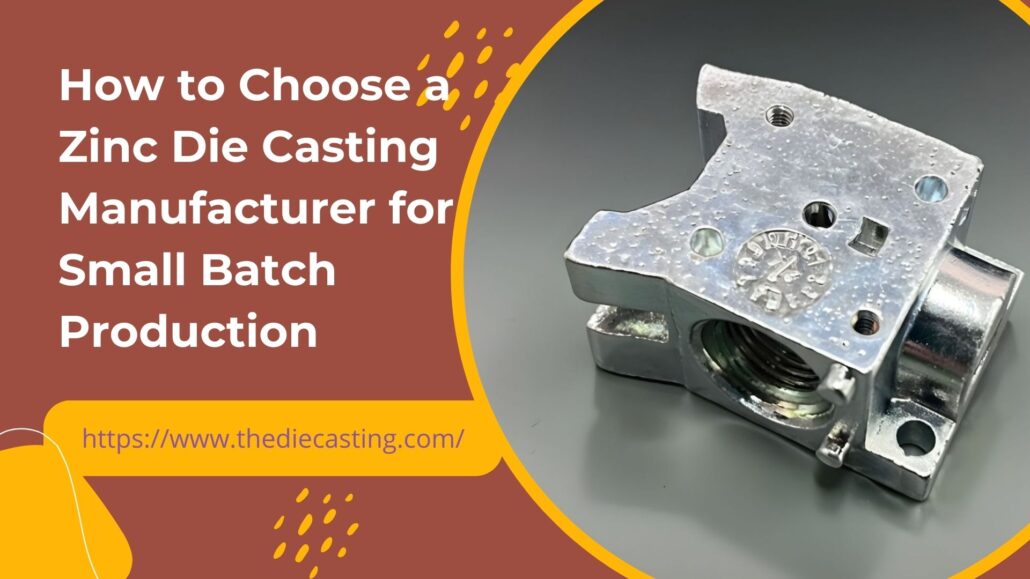
Die casting is a metal casting process that uses high pressure to produce complex, high-volume, precise metal components with superior surface finish and dimensional accuracy. This is achieved by high-speed, high-pressure injection of molten metal into a hardened steel mold, known as a die. After the metal solidifies, the die is opened, and the completed component is ejected, trimmed, or lightly secondary processed. Due to its speed, reproducibility, and ability to produce thin-walled, detailed casts, die casting is widely used across the automotive, electronics, aerospace, appliance, and consumer products sectors. High-pressure die casting processes fall into two major types: hot-chamber and cold-chamber die casting. Although both processes use pressure to force molten metal into a die, the ways the metal is melted, manipulated, and injected differ markedly. The differences influence the type of metals used, cycle time, production cost, tooling life, and part size. Hot-chamber die casting integrates the melting furnace with the casting machine, enabling faster processing and improved suitability for low-melting-point alloys. In cold-chamber die casting, however, a separate furnace is used, and molten metal is poured into the machine each time. This arrangement is preferable when the alloy has a higher melting point, e.g., aluminum and copper. Knowledge of the differences between these two processes helps Die Castings China select the most effective, cost-effective, and technically viable method for the company’s application. Hot Chamber Die Casting: Process and Technical Knowledge Hot-chamber die casting is a high-pressure metal casting process primarily used for low-melting-point alloys. It has extensive applications in the automotive hardware, electronics, telecommunications, and consumer goods industries, as well as in sectors that require high production speeds, tight dimensional tolerances, and good surface finish. The key feature of this process is that the melting furnace is integrated into the casting machine. In this type of design, the molten metal is kept in a continuously ready-to-inject state, reducing handling time and resulting in production that is much more efficient than in other casting methods. Summary of the Process Process Explanation Melting Metal is maintained in a furnace inbuilt as molten at about 400 -450 °C in the case of zinc alloys and 600 °C in the case of some magnesium alloys. Filling the Gooseneck In this setup, a hydraulic plunger is used to withdraw until molten metal fills the gooseneck chamber. Injection The plunger moves forward and injects metal into the die cavity at rates up to 3060 m/s. Solidification The metal’s cooling and solidification take 2-10 seconds, depending on the part’s thickness. Ejection This is where the die opens, and the casting is removed by die ejection pins. Repeat The total cycle time is 3 to 15 seconds, enabling high production volumes. The Process of the Hot Chamber Die Casting In hot-chamber die casting, the molten metal is retained in an in-built furnace mounted on the machine. The molten metal submerges a component called a gooseneck. When the plunger is retracted, an intake port supplies molten metal to the injection chamber. The plunger is then hydraulically actuated, driving the metal through the gooseneck and into the die cavity at high velocity. The injection rates may reach 30-60 meters per second, filling the cavity before the metal solidifies. After being cast, the molten metal is pressurized and cooled. Solidification typically takes 2-10 seconds, depending on wall thickness and alloy. With the part already solid, the die is opened, and the ejector pins force the casting out. The machine thereafter shuts and initiates the subsequent cycle. Technical Parameters and the Operating Conditions The process is carried out within well-controlled temperature and high-pressure ranges to ensure tooling quality and safety. Zinc alloys can be cast at temperatures between 400 and 450 °C. In contrast, magnesium alloys can be cast at temperatures closer to 600 °C. The injection pressure is typically 7-35 MPa (approximately 1,000-5,000 psi). The die temperature is maintained between 150 and 250 °C to ensure consistent metal flow and controlled cooling. Due to the wide range of machine sizes, the clamping force typically ranges from 20 to 500 tons. Shot weights are usually less than 1 kilogram, but machines can handle up to 5 kilograms. This is one of the fastest metal-forming methods, with production rates often reaching 300-700 parts per hour due to its high cycle rate. Applicable Material Limits and Alloys Hot-chamber die casting applies only to alloys that do not attack iron at high temperatures. The most common are zinc alloys, including Zamak 3 and Zamak 5, which have melting points near 385 °C. It is also commonly used with magnesium alloys such as AZ91D, which melts at about 595 °C. It is also possible to process lead-tin alloys, but their industrial applications are more limited. This process cannot be applied to aluminum, which has a melting point of approximately 660 degrees Celsius, which can destroy the submerged injection elements. Performance Benefits and Practices Limitations Parameter Typical Range Metal Temperature 400–450°C (Zinc), up to 600°C (Magnesium) Injection Pressure 7–35 MPa (1,000–5,000 psi) Cycle Time 3–15 seconds Machine Tonnage 20–500 tons Production Rate 300–700 parts/hour Die Temperature 150–250°C Typical Part Weight 0.02–5 kg Cold Chamber Die Casting: Process and Technical Observations Cold-chamber die casting is a high-pressure metal casting process suitable for alloys with medium- to high-melting points. It is commonly used in industries such as automotive, aerospace, industrial machinery, and electronics that require strong, lightweight components with precise dimensions. This process uses a separate furnace to melt the metal, rather than a hot-chamber die casting. Each shot is moved into the casting machine with the molten metal, making the system suitable for materials that would harm a permanently submerged injection process. This geometric distinction characterizes the operating mode, production speed, and material range of the cold-chamber process. Process Overview During cold-chamber die casting, the metal is melted in an external furnace at the appropriate alloy-specific temperature. The melting temperature of aluminum alloys is generally in the range of 660- 700 °C, and copper-based alloys might be melted at temperatures exceeding 1,000 °C. After melting,

Understanding Precision Casting: 5 Key Steps in the Investment Casting Process

アルミ鋳造

Precision casting, also known as precision investment casting, is the highest fidelity casting process on earth. It is a manufacturing process that can produce very thin and most complex features, and it will capture down the fingerprint detail. Whether you are making precision cast parts for the aerospace industry or you are a sculptor creating small works and also a monumental scale, it offers excellent surface finish and excellent dimensional accuracy. Virtually there is no alloy which cannot be manufactured using investment casting process. That is the unique and greatest feature of the investment casting process. The range of alloys covers virtually the complete spectrum of alloys in engineering use. The History and Evolution of Precision Casting In the twentieth century, several developments of the investment casting process occurred. Initially, the solid mould or the block mould investment casting was used where the entire mould was filled with the ceramic material. Later the ceramic material was replaced by the plaster mould to give a better surface finish. Later mercast process was developed where mercury was used as the pattern material, but this is no more in use. Finally ceramic shell investment casting was developed recently and this has gained importance all over the world. Very little has changed in the 3000 years that bronze has been cast. We now have electric blowers rather than bellows and we have natural gas instead of dried animal dung, otherwise everything else is the same. The mold is made out of earthen materials just like in the old days and we burn out the wax. Special Features of the Investment Casting Process What are these special features of investment casting process? It can produce very thin and most complex features. Second feature is it offers excellent surface finish; most of the times no machining is required or very negligible machining is required. Next special feature is it offers excellent dimensional accuracy. Finally it can be used to cast all metals and alloys. If we see different manufacturing process or the casting process, ductile iron, tool steel, and super alloys cannot be cast using die casting process. Titanium alloys cannot be manufactured using sand casting process. But in the investment casting process, all the alloys can be manufactured. Virtually there is no alloy which cannot be manufactured using investment casting process. The Ceramic Shell Investment Casting Process Steps These are the major steps involved in the ceramic shell investment casting process: Shell Building: Ingredients and Slurry Stages How do we make the ceramic shell? We need to learn the ingredients of the ceramic slurry. One is the refractory powder or flour, which comprises sixty to eighty percent. The most commonly used refractory powders are zirconium silicate, fused silica, and fused aluminum oxide. Second ingredient is the liquid binder, comprising fifteen to thirty percent, mainly ethyl silicate or colloidal silica. Finally a solid binder will be used from five to ten percent. The first dip slurry is a fine texture that can easily get down to the details of the grooves and engraving graphics. The next slurry coating is coarser than the first dips as it builds a thick ceramic shell around the wax tree. This cycle will be repeated about five to seven times. The slurry has to dry between successive dippings; temperature and humidity are carefully controlled. The Science of Dewaxing and the Autoclave Oven Prior to the pouring of the molten metal into the ceramic shell, wax inside the shell has to be drained out completely and this process is known as dewaxing. Generally an autoclave oven is used. High steam pressure at about 8 kg per square centimeters is injected into the sealed oven. The wax will be melted and it will be removed from the ceramic shell. We make really sure to burn these molds out clean. If the bronze came in contact with wax it would be a real problem. The bronze would make the wax immediately turn to a gas and a gas is a sudden expansion of volume. The definition of an explosion is a sudden expansion of volume. The bronze could quite well shoot back up out of the mold because of the explosion of a wax in contact with bronze. This wax again it will be refined, it will be purified, and again it will be used for making the pattern. Precision Casting: Melting and Solidifying the Metal The ceramic moulds must be heated up before molten metal can be poured into them. We preheat the mold until it is orange hot so that it offers the least amount of chill resistance to the bronze as the bronze floods the chamber. Bronze literally solidifies at 1850 degrees; we melt it to about 2000 degrees and pour soon thereafter. During the melting of the bronze ingots, imperfections such as sand or mold material float to the surface. We skimmed off the dross on the surface. After the shell is filled with the liquid metal, it must be set aside to cool down. Freshly poured ceramic shells generate a lot of ambient heat. Inside the mold, the thinnest areas solidify first and then the thicker areas. Post Investment Casting: Knockout, Cut Off, and Finishing Knockout means breaking that shell and removing the casting outside. A motorized chisel is used to break the ceramic shell away from the cast part. The metal tree is sand blasted to remove any remaining ceramic shell traces. Traces are to be removed from the casting; that’s why we are using a sand blasting system. The castings are cut at the gates, which leaves the excess material on the gate areas; this is the cut off. For that, most of the times a grinding wheel is used. The castings are heat treated to normalize the metal. Appropriate surface finish is polished on the parts; mirror and satin finishes are the most common these days. The final product will be free from flaws and visually appealing. Investment Cast Alloys and Their Industrial Applications Common

アルミニウム

アルミニウムの融点

アルミ鋳造

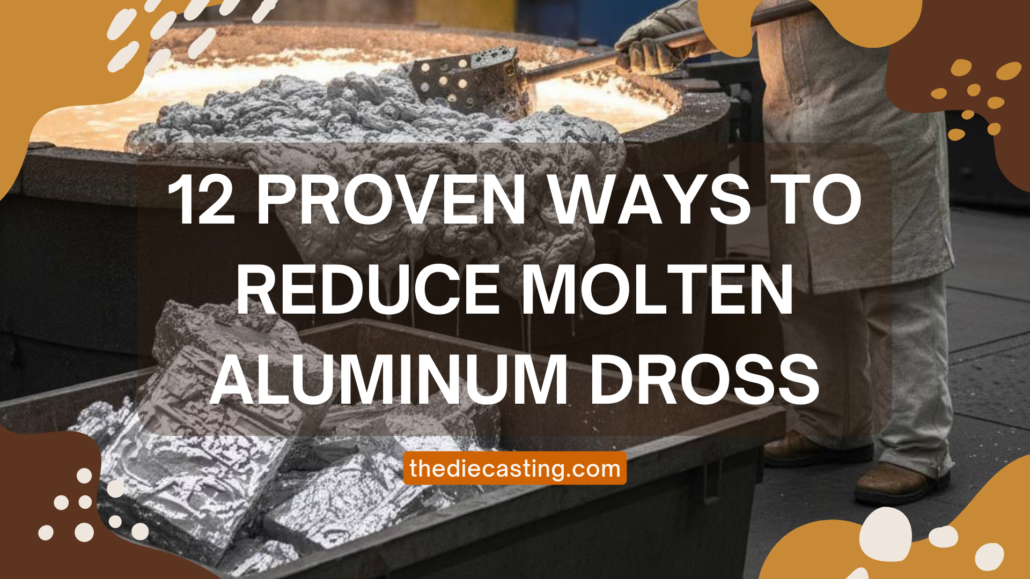
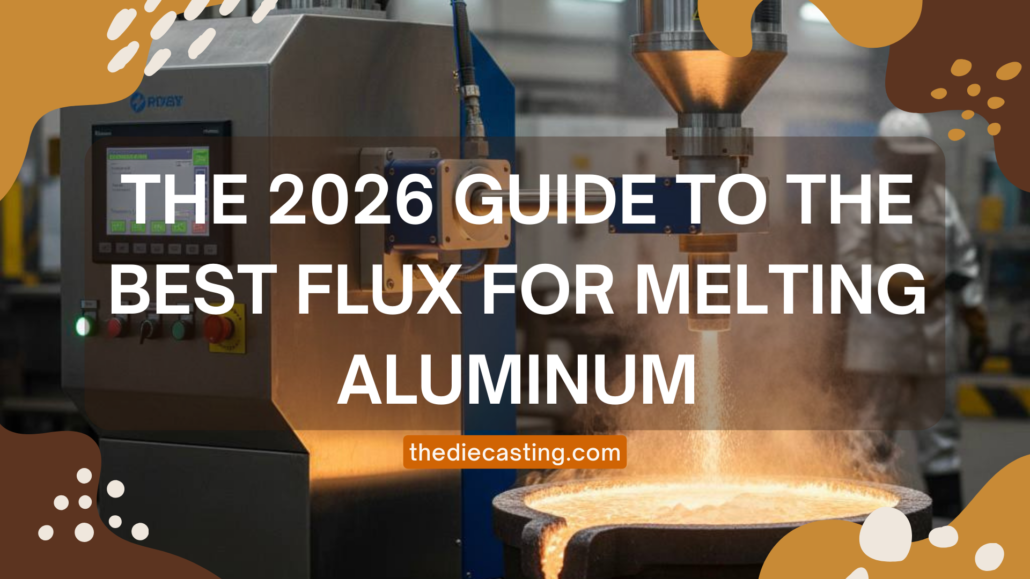
Aluminum is an important engineering material in present-day manufacturing, particularly in die-casting. It is manufactured in such quantities because it is exact, has a high strength-to-weight ratio, is corrosion-resistant, has thermal conductivity, and is lightweight. Among other characteristics that determine how readily aluminum can be processed and molded into industrial products, the most significant physical property is the aluminum melting temperature. The producer of die-casting products should be aware that 660.32 °C (1220.58 °F) is the melting point of pure aluminum, although in practice pure aluminum is rarely melted in industry. Instead, it is treated as an alloy, and the inclusion of other elements such as silicon, copper, magnesium, and zinc not only alters its mechanical strength and corrosion resistance but also its melting characteristics. These alloying elements have a melting range rather than a melting point, with direct implications for die-casting operations. The melting temperature is not a collection of laboratory values in the die-casting industry; it defines furnace design, power consumption, mold life, flow behavior, defects, solidification structure, mechanical properties, and production efficiency. Melting, flow, and solidification of aluminum are essential to producing high-quality castings that are dimensionally accurate to within a millimeter and structurally sound. Aluminum or Aluminum Alloys: Different Melting Temperatures The melting temperature is the temperature at which a solid metal changes into a liquid. In pure aluminum, this change of state occurs at 660.32 °C. However, this is not the case with industrial alloys. They melt over a range of temperatures, meaning some of the material melts while the rest remains solid. This is referred to as melting-point depression, in which alloying elements disrupt aluminum’s crystal lattice. This forms a mushy zone, a semi-solid state in die casting operations that has a direct impact on the flow of metals, behavior in mold filling, formation of shrinkages, and internal defects. This range of melting points is significant to die, casting engineers, more than the absolute melting point, since it determines: Melting Point of Aluminum: Die Casting Industry In the casting process, molten aluminum is forced into steel molds. The aluminum melting temperature controls all the stages of this process. Furnace and Energy Systems Efficiency Reduced melting points mean less energy use and operational expenses. The relatively low melting temperature of aluminum compared to steel or titanium enables foundries to use lower furnace temperatures, making die casting less energy-intensive and more cost-effective to scale. Effect on Flow Behavior and Molding Viscosity is directly proportional to melting temperature. Lower-melting alloys are easier to pour into thin sections and intricate geometries and are therefore preferred for precision die casting, such as vehicle housings, electronic casings, and structural brackets. Impact on Defect Formation The inappropriate melting temperature causes: Here is the summary of different Aluminum alloys in the die casting industry:  Alloys Melting points Die casting Industry usage A360 557 – 596 °C This alloy can be used in high-pressure, tight-die casting and exhibits high fluidity. A380 538 – 593 °C The casting industry uses this alloy for its excellent castability in making structural parts. A413 574 – 582°C This could be used to make thin-wall casting products. B390 510 – 649 °C It makes products more wear-resistant. A356 555 – 615°C Automotive and structural products are made from the A356 aluminum alloy. Melting Ranges of Common Die Casting Alloys 2024 Alloy Industrial Behavior and Melting Temperature Aluminum 2024 fuses at 500-638 °C. This wide melting range makes it sensitive to temperature control during casting. This alloy is sensitive to thermal control during die casting, as it can partially melt and form segregated, weak areas. Role in Manufacturing Although it is not popular for high-pressure casting due to its tendency to corrode, 2024 aluminum is used to illustrate how the melting range influences the development of microstructures and mechanical properties. 3003 Alloy Characteristics of melting temperature Aluminum 3003 melts between 643 °C and 654 °C, which is near the melting point of pure aluminum. This relatively narrow melting range provides consistent flow behavior. Applicability to Casting and Fabrication Although more common in fabrication than in die casting, it has a stable melting profile, suggesting that higher melting temperatures can enhance dimensional stability. 5052 Alloy Thermal Behavior In aluminum, 5052 alloy is melted at 607 -649 °C, providing a balance of fluidity and strength. Die Casting Implications Although it is not a primary die-casting alloy, its melting range demonstrates why magnesium-based alloys require controlled heating to prevent oxidation and hydrogen uptake. 6061 Alloy Melting Temperature Range The melting range of 6061 aluminum is 582 °C- 652 °C. Position in Industry Processing Though die-casting is infrequent, its fusion scope demonstrates the importance of temperature in regulating the solidification process and mechanical stability in aluminum production. 7075 Alloy Low Melting Range 7075 aluminum melts at 477-635 °C, which is one of the lowest melting points of all structural aluminum alloys. Manufacturing Significance This low melting point outlines the correlation between the chemical composition of alloys and thermal sensitivity. In the die-casting process, these alloys must maintain high-temperature precision to prevent premature melting and separation. A356 Alloy Melting Curve Profile A356 has a melting point of between 555 and 615 C and is therefore very useful in die casting. Die Casting Importance A356 is a very popular alloy in the automotive and die-casting industries because it offers good flow properties, controllable solidification, and a balanced meltability range that enables high-quality mold filling. A360 Alloy Thermal Properties A360 has a temperature range of 557 °C to 596 °C, giving it excellent fluidity. Role in Die Casting It is a super alloy used in pressure-tight die castings, where dimensional precision and surface quality are paramount. It has a wide freezing temperature and easily freezes. A380 Alloy Melting Behavior A380 melts between 538°C and 593°C. Industry Dominance The most popular alloy in the world is A380, an aluminum die-casting alloy. Aluminum’s melting point offers the best fluidity, reduced contraction, and good mold filling, making it the best for automotive housing, electronic enclosures, and structural elements.

アルミニウム

アルミニウムまたはアルミニウム

アルミ鋳造

Flexible Metal Fashioning the Modern World One of the most important materials that contributes to modern civilization is aluminium. From high-tech aerospace and electric cars to simple things like food packaging and consumer electronics, this silvery-white metalloid is probably found in almost every sphere of modern life. Aluminium is a chemical with the chemical symbol Al and atomic number 13. It is prized for its outstanding light weight, strength, corrosion resistance, electrical and thermal conductivity, and complete recyclability. The only difference between Aluminum or aluminium is that it is able to respond to the increased world demand for materials that not only perform well but are also environmentally friendly. With industries shifting towards sustainability, lightweight design, and reduced energy consumption, aluminium has become one of the backbone metals of the 21st century.  This paper provides an in-depth description of the nomenclature of aluminum and aluminium, physical and chemical characteristics, history of aluminium, how it is made, its uses in industry, systems of alloys, its sustainability, and trends in its future in a fast-changing world. The Lingistic Dilemma: Aluminum vs. Aluminium Among the most widely observed peculiarities of this metal are the two spellings it has, i.e., aluminum or aluminium. Both terms mean the same thing, although regional language customs and the historical development of the scientific world explain their use. Aspect Aluminum Aluminium Chemical symbol Al Al Atomic number 13 13 Original term used Aluminum Aluminium Regions using the term United states British Dictionary Preference American dictionaries British dictionaries Scientific use U.S. publications European publications Industrial standards ASTM Standards ISO Standards Language influences American English British English Related Chemical Terms Al₂O₃, Al₄C₃ Al₂O₃, Al₄C₃ Naming Convention Originated with the Following The name itself can be traced back to the early 19th century, and it is strongly linked to Sir Humphry Davy, a British chemist who helped identify and name several chemical elements. During one of his experiments with alumina (aluminium oxide), Davy first suggested the name alumium. Soon, he amended it to aluminium. Nevertheless, certain contemporaries of Davy contended that the name ought to be stricter in accordance with the classical Latin style of naming as applied to other elements, e.g., sodium and potassium. Consequently, the name aluminum became common, especially in Britain and Europe. Local Tastes and Unification Regional tastes were, over time, entrenched in North America. The spelling aluminum was officially adopted and made uniform by the American Chemical Society (ACS) in 1925. In 1990, on the other hand, the International Union of Pure and Applied Chemistry (IUPAC) formally accepted the spelling aluminum as the standard international scientific spelling. Even today, aluminum is more common in the United States and Canada, whereas in most other regions, including the United Kingdom, Europe, and Australia, aluminium is more common. Implication on Global Communication Although there are dual spellings, scientific, technical, or industrial communication is not ambiguous at all. The two terms are universally applicable, and the international standards, product specifications and trade documentation routinely consider this linguistic variation but do not have an operational effect. Aluminium Physical and Chemical Properties The popularity of aluminium or aluminum lies in its exceptional physical and chemical properties. It is the most common metallic element in the Earth’s crust, accounting for approximately 8.1%, but it is never found in pure metallic form. Main Physical Characteristics Aluminum has some of the most interesting physical properties, which include: Aluminium is an excellent material for heat exchangers, radiators, and cooling electronic systems due to its excellent heat dissipation. Ductility and Malleability Aluminium can be beaten into foils less than 0.01 mm thick and pulled into very fine wires without breaking. This makes aluminium an ideal material for a wide range of frames and products acrossindustries. Chemical Behaviour and Resistance to Corrosion Corrosion resistance is also a natural characteristic of aluminium, which is very desirable. The presence of air leads to the immediate formation of a dense, adherent layer of aluminium oxide (Al2O3) on aluminium. This coated film prevents further oxidation and shields the underlying metal from environmental degradation. Additionally, aluminium is: History of the Discovery of Aluminum or Aluminium Early Isolation Efforts Although aluminium compounds have been in use since antiquity, isolating the pure metal was not an easy task. In 1825, Danish physicist Hans Christian Oersted was able to reduce small amounts of aluminium chloride, producing small amounts of aluminium. It was soon followed by an improvement by Friedrich Woehler in 1827, but production remained costly and low. Aluminum was an expensive material at this time, more precious than gold, and was actually used to top the Washington Monument as a technological showcase. Breakthrough in the Hall-Héroult In 1886, breakthroughs were made when Charles Martin Hall, then in the United States, and Paul Heroult, then in France, independently developed the electrolytic reduction process for aluminium extraction. The process is called the Hall-Héroult process, and it consists of dissolving alumina in a molten cryolite solution and passing an electric current through the solution to obtain molten aluminium. This invention, added to the Bayer process (invented in 1887 to process bauxite into alumina), significantly reduced production costs and enabled large-scale industrialisation. The Development into Mass Production At the beginning of the 20th century, aluminium production increased rapidly. Its strategic significance was fully realised during World War I and World War II, especially in aircraft production. Since then, aluminium die casting has ceased to be a rare novelty and has become an essential part of industry. Contemporary Processes of Production Primary Production: Bauxite to Metal Bauxite mining is the starting point of primary aluminium production, and the ores usually contain 30-60 per cent alumina ). It consists of two major phases: Bayer Process Through this process, bauxite is purified into alumina using sodium hydroxide. Hall-Héroult Process Alumina undergoes electrolytic reduction to molten aluminium, which requires about 13-15 kWh of electricity per kilogram. The World Production and Main manufacturers By 2024, the world had a steady output of about 72 million metric tons of aluminum. Major producers include: Secondary

上部へスクロール

お見積もり