アルミ鋳造

アルミニウム粉体塗装:知っておくべきことすべて!

アルミ鋳造

Aluminum Powder Coating provides parts with strong protection against corrosion and durability. It is perfect for both residential and commercial-scale projects.  The coating process makes it possible for manufacturers to arrive at reliability and longevity results. Powder coating improves the look of the parts/products, as well as their performance in different situations. Further, it does not wear out easily, peel, or rust. This makes it appropriate for use in areas where it comes into contact with the elements. This is largely due to the flexibility that is associated with powder coated aluminum in different uses. In many potentials, it merges fashion and the necessity to serve as a utility object in various contexts. What is the Aluminium Powder Coating Process? Aluminum powder coating is a process of applying a smooth and tough layer. It is relatively effective and takes several important phases for surface preparation for implementing the coating and curing of the applied coating material for maximizing durability. In the subsequent sections, let’s discuss its detailed process in a few steps:  1. Surface preparation: To appropriately apply powder coat aluminum​, it’s crucial to clean the aluminum surface prior. You can use abrasive blasting and can go with chemical cleaning to rid the surface of oils, grease, dirt, or oxidation. The preparation is imperative. Because all the contaminants can benefit from the adhesive characteristic aluminum powder coated parts. 2. Electrostatic Powder Application: After cleaning, and drying the material, the appropriate powder coating is applied. Operators apply an electrostatic gun to create an electrical discharge using a fine and dry powder on the aluminum surface. The particles of the powder are charged to enable them to cling to the aluminum. So, that the even distribution will give a uniform end to the surface. 3. Final Curing in a High Temperature: After applying the powder the aluminum piece is taken to a curing oven. Here, the fine/accomplishment powder melts and goes into the surface to be coated. While it hardens to form a surface of the coat. Temperature and time are the two most important factors in deciding how hard the coating is and how smooth the surface is after the coating cures. 4. Cooling and Quality inspection: Imperfections that may have occurred after the process. The final product obtained after curing is required to be checked for high quality before it is brought to the market. So, overall from start to end, every stage in the process plays a vital role in establishing a long-lasting, eye-catching layer to the aluminum. In addition, it helps it fight corrosion, scratches, and degradation. Therefore,  powder coated aluminum is suitable for use in different fields, be it in households, outdoors such as in decks and patio sets, or marine industries. Powder Coat Aluminum: What Benefits It Brings For Manufacturers Aluminum powder coating has numerous advantages for manufacturers other than enhancing appearance and performance. It can be highlighted that this type of heating is effective, durable, and very flexible. Now let me highlight the major advantages of the aluminum coat process. 1. Durability and Corrosion Protection: The powder coat used is made of aluminum hence providing a hard-wearing surface layer. This layer is more scratch-resistant, chip-resistant, and abrasion-resistant than any other normal paint. But it does not last for decades! This material also has high performances under different climates and water which leads to corrosion and fading respectively. 2. Eco-Friendly and Safe:  As for the liquid coatings, they contain liquid, solvent, and volatile hazardous components while in the powder coating, there is no one of them. Second, it produces little pollution and does not emit/release toxic gases. Further, the process lessens the blow of harming the environment, thereby the process is relatively safe for the workers handling it. 3. Customizable Finishes: Being a good conductor of heat, powder coat aluminum allows for a wide variety of colors and textures for consumers. No matter whether you like shiny, satin, or perhaps even trowel finish, powder coating provides the latter. Additionally, the coating can be adjusted to meet specific design needs or brand specifications. 4. Cost-Effective Solution: Aluminum is a popular material that can be powder coated at a relatively low rate of cost for large-scale jobs. It is fast, needs less retouching, and has a longer life span compared to the general paints. All these features make it easy to maintain and long lasting for instance ideal for commercial and residential use. What Are The Drawbacks of Powder Coated Aluminum: Although powder coating aluminum has its benefits it also has some demerits. Both options should be considered before concluding. Here are some of the usual ones: 1. Restricted Repair Possibility: The first limitation that comes alongside powder coating is the number of ways to repair a coated surface is relatively small. In general, if the coating is damaged, or says scratched, it is difficult to repair it without making it quite noticeable. The problem with paint is that you cannot go and spot-paint a small area without the texture and color looking different. 2. Initial Cost and Equipment: Another disadvantage involves the major initial cost of powder coating equipment. High-speed electrostatic guns and curing ovens are necessary. However, these tend to incur costlier compared to simple painting methods, especially for moderate or small-scale painting. 3. Complexity Of Surface Preparation: Surface preparation is a critical factor in the application of powder coatings. If the aluminum surface is not well cleaned and prepared well the coating will not stick well to the aluminum surface. The preliminary make-ups took more, and therefore more tiresome and thus took a lot of time to complete the task. 4. Suitable for Some Uses: Aluminum powder coating is only suitable for use on aluminum alloys. However, it may not be beneficial for any other types of material, and complex pattern to be used in the construction of the screen. At very detailed or small parts, the process may not work as intended and often needs further steps. What Does Powder Coating Mean for
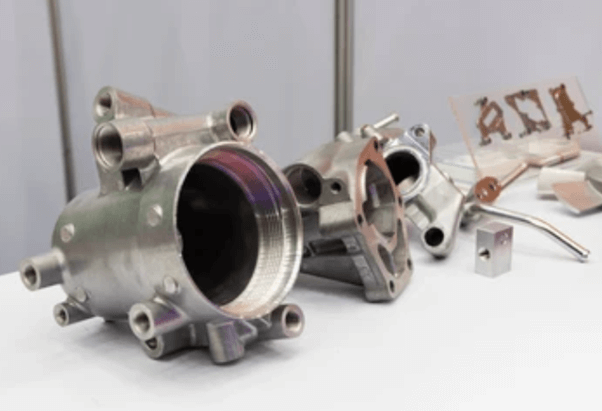
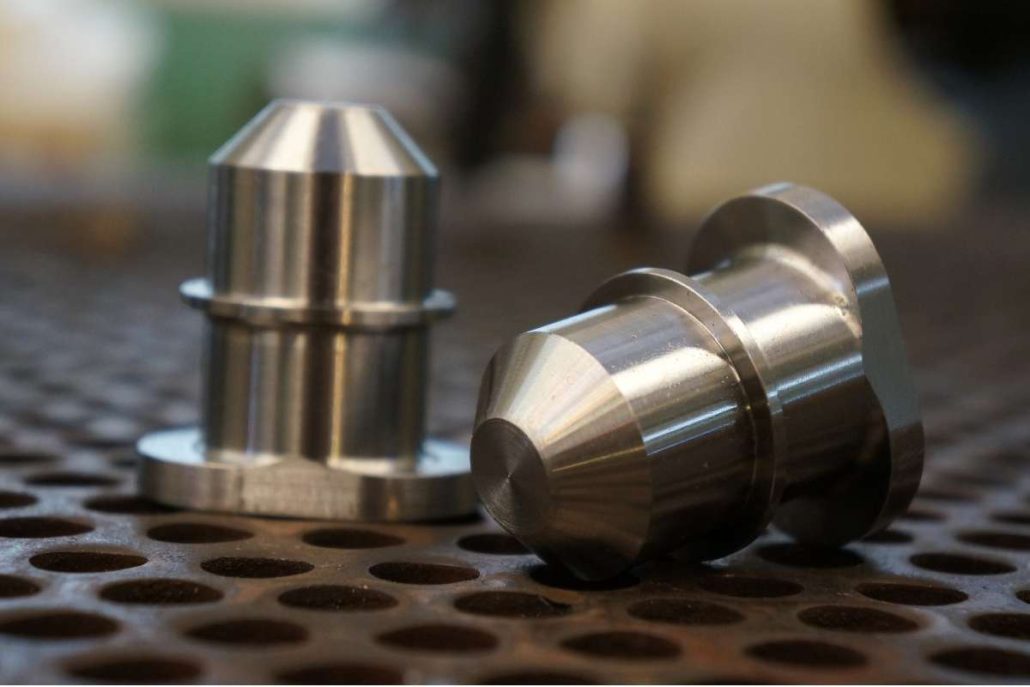
アルミニウム合金ダイカスト製品

アルミ合金ダイカスト101

アルミ鋳造

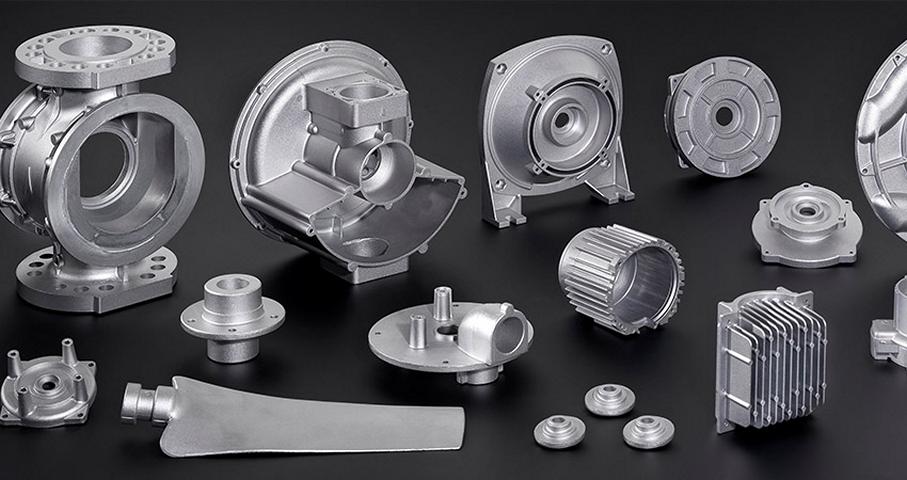
Aluminum alloy die casting is a die casting process that is a widely used process in manufacturing that involves producing accurate and intricate parts of metal with efficiency. In this case, we can list metals that have a variety of applications due to their capacity to be very strong and light simultaneously. Besides this, we can list that practically corrosion-resistant, i.e., aluminum alloys are particularly popular with car manufacturing. This article also looks into such areas as processes, properties, challenges, and applications of aluminum alloy die casting. We will get deep insights into its complete process, types, and differences from other processes. What is Die Casting? It is a manufacturing process that utilizes high pressure to force a molten metal to fill a mold cavity. It also allows the generation of excellent models with near-net shaping, accurate dimensions surface finish, and complicated shapes. Different Types of Die Casting Die-casting has many types. Let’s discuss these types in detail; 1. Hot Chamber Die Casting It is mostly suitable for zinc and magnesium alloys. This process takes submergence of the injection system in the molten metal to facilitate rapid casting. It is ideal for use in a large production but unadapted for utilization in high-melting-point alloys. you can go to zinc die casting to know more detail 2. Cold Chamber Die Casting It is a best fit for metals such as aluminum and brass having high melting points. Here we transfer the molten into a cold chamber and then inject it into the mold. It saves on the heat hazard to the equipment but has longer operating cycles. Got aluminum die casting services page to know more about this process. 3. Low-Pressure Die Casting The low-pressure die casting use with Used with aluminum and magnesium alloys. It causes minimal porosity but good structural quality. Besides this, it is time-consuming but suitable for creating the stronger part of the product. 4. High-Pressure Die Casting (HPDC) Common in aluminum, zinc, and magnesium alloys. Here we inject the molten metal at very high pressure into complicated shapes and fine surface textures. So, it is highly suitable for applications that need parts with large production quantities, and areas with large cross-sections may be porous. Go to high pressure die casting page to know more detail. 5. Gravity Die Casting Standing pressure is used to cast molten metal into a mold thus yielding strong and low porosity objects. It is used in production lines where we need to produce less number of parts at a time but it is comparatively slower than pressure-based processes. 7. Squeeze Die Casting Here we make semi-finished products by the pressure forging method where molten metal is high pressure and can also prevent casting porosity. This is suitable for the structure of a part; however, it has a higher cost and slow cycle time. Define Aluminum Alloy die casting Aluminum alloy die casting is a process in which molten aluminum alloy materials are forced under pressure into molds or dies. So, it can form the desired shape and a very smooth surface finish. It is employed in component manufacturing with complicated shapes that require high strength, stiffness, and low density integrated with good surface finish and accurate dimensions. The aluminum alloy has all the favorable characteristics of high corrosion and heat transfer coefficients and hardness-to-weight ratio. One of the benefits of this process is that die casting is suitable for large-scale production processes. Selecting the Right Material for Aluminium alloy Die Casting Materials used are very vital in the aluminum alloy die-casting business since they determine the efficiency, quality, reliability, and cost of the final product. Properly chosen alloys ensure: Aluminum alloys in die casting Die-casting aluminum alloys are common to many industries because these materials possess qualities that are desirable in dies such as lightweight, high strength, and corrosion resistance. Alloy Key Properties Applications Values A380 Strong, corrosion-resistant Engine blocks, housings Strength: 320 MPa A383 Crack-resistant, castable Electronics, thin parts Strength: 290 MPa A360 Corrosion-resistant, durable Marine, aerospace Strength: 330 MPa ADC12 Castable, corrosion-resistant Automotive, machinery Strength: 310 MPa AlSi9Cu3 Strong, wear-resistant Structural components Strength: 250–280 MPa Complete Process for Aluminum Alloy Die Casting Aluminum die casting entails the formation of elaborate and accurate first parts by the application of pressure on molten aluminum alloys. Below are the key stages: 1. Mold Preparation 2. Melting and Alloy Selection The aluminum alloys are brazed at a temperature of about 660 centigrade (1220 Fahrenheit) in a furnace. This aluminum is then kept at a relatively constant temperature to retain the material properties of the metal. 3. Injection When high pressure is used, it ensures that the molten aluminum flows right to the small crevices resulting in excellent finishes. 4. Cooling and Solidification It is the process during which the obtained molten aluminum cools and solidifies inside the given mold. Cooling minimizes defects such as shrinkage or warping that are brought about by dryness in the cast iron. 5. Ejection Finally when the casting is fully formed its mold is ejected from the casting using the ejector pins. The mold is then ready for the next cycle of use with the Epicor software. 6. Trimming and Finishing If necessary, runners, gates, and flash are removed from the casting leaving only the necessary shape and form of the object. Some of the operations include giving the required surface finishes such as sandblasting, polishing, or coating. Die Casting Aluminum Alloy Properties So, let’s discuss some of the important mechanical, chemical, and thermal properties of Aluminum alloy Diecasting; I. Mechanical Properties These may include; II. Thermal Properties The following are some thermal properties of diecasting aluminum alloy; III. Chemical Resistance: These are generally; These characteristics make aluminum alloys a premium material for die casting whose products are effective in different sectors. Design Guide for Aluminum Alloy Die Casting Design guide and material selection, both features play an important role in aluminum diecasting. So, let’s discuss the design guide properly; Design Factor Guideline Reasoning Wall Thickness Keep

旋盤加工部品メーカー

アルミ研磨とは

アルミ鋳造, 表面仕上げ

Aluminum Polishing is a process that makes aluminum look shiny and new. There are two main ways to polish aluminum: mechanical polishing and chemical polishing. Both methods can be done by hand or with machines. Aluminum polishing is often used in automotive and aerospace factories. This guide will teach you how to turn dull aluminum into a mirror-like finish. We’ll cover surface prep, tools, and techniques. Get ready to make your aluminum shine. Importance of Surface Preparation The surface preparation of items results in flawless aluminum polish. Skipping this step is not beneficial. Because it may result in uneven, dull, or inconsistent finishes. Discover key factors, why they matter, and how to do it right. Why Surface Preparation is important Ensures a Smooth Finish Prevents Damage Enhances Effectiveness Ensures a Smooth Finish Proper preparation removes contaminants and imperfections. This step helps achieve a mirror-like shine. Prevents Damage Properly preparing the surface prevents further damage during polishing. It avoids scratching and maintains the aluminum’s integrity. Enhances Effectiveness A clean, well-prepared surface allows aluminum polishing compounds to work efficiently. It ensures even application and better results. Impact of Poor Preparation Uneven Finish Increased Effort Reduced Longevity Uneven Finish Dust, grime, or old coatings can create a blotchy appearance. This uneven surface leads to a lackluster shine. Increased Effort Inadequate preparation forces you to work harder during the polishing stage. That can result in an inconsistent finish. Reduced Longevity The polish may only last briefly with proper cleaning and sanding. Preparation can prevent the finish from degrading faster. Preparation Before Aluminum Polishing Getting ready before polishing is crucial for the best results. Follow these steps to prepare your aluminum surface. Tools and Materials Required Cleaners Sandpapers Scouring Pads Cleaning Rags Metal Polish Microfiber Cloths Buckets and Clean Water Cleaners Use degreasing cleaners to remove grease and dirt. It ensures no contaminants impact the polishing process. Sandpapers Smooth the surfaces of parts using different grits of sandpaper. They will help you effectively remove scratches and old coatings.  Sanding Blocks Sanding blocks or pads help achieve an even sanding pressure. They ensure a uniform surface by conforming to the shape of the aluminum. Scouring Pads Use non-metallic pads for oxidation and corrosion. They are effective for preparing larger, flat areas. Cleaning Rags Use lint-free rags to wipe down the surface and remove any remaining residues after cleaning and sanding. Metal Polish The metal polish is also technically part of the polishing stage. It is used to check the surface condition during preparation. Microfiber Cloths Microfiber will not scratch the aluminum surface. Soft and practical, these clothes work best for cleaning and drying.  Buckets and Clean Water Fill a bucket with clean water for rinsing. Use fresh water to avoid reapplying dirt to the surface. Surface Inspection Check for Imperfections Identify Problem Areas Test the Surface Check for Imperfections Check the surface for dents, scratches, or areas of oxidation. Use a bright light to see minor imperfections. Identify Problem Areas Mark any imperfections that need attention. Plan to sand or clean these areas more thoroughly. Test the Surface Run your hand over the aluminum. Check for any rough surfaces or raised areas that need extra work. Types of Aluminum Polishes Choosing the suitable aluminum polish is essential to getting the right finish. Below is an overview of various types of polishes. Cream Polishes Cream polishes are thick and easy to apply. They provide a deep shine and are ideal for small areas. Use them to remove minor scratches and oxidation. Liquid Polishes Liquid polishes are versatile and quick to apply. They cover large surfaces well and dry fast. Choose liquid polishes for regular maintenance and a glossy finish. Paste Polishes Paste polishes are dense and long-lasting. They offer superior shine and protection. Apply them for heavy-duty polishing on stubborn tarnish. Spray Polishes Spray polishes are convenient and fast. They reach tight spots easily and leave a smooth, even coat. You can use sprays for minor adjustments and hard-to-reach areas. Polishing Waxes Polishing waxes combine polishing and protection. They provide a durable shine and a protective layer. Apply them for a lasting finish that resists dirt and moisture. Metal Polishing Kits Metal polishing kits include all the essentials for a complete polishing process. They offer a combination of tools and polishes for different needs. Use kits for comprehensive care and achieving a professional-grade finish. Choosing the Right Polish Selecting the appropriate polish depends on your specific application. Here’s a comparison to help you choose: Types of Polish Best Use Application Method Pros Cons Cream Polishes Heavy oxidation and deep cleaning Use a cloth or pad to apply. Long-lasting shine, deep clean It requires more effort to buff out Liquid Polishes Regular maintenance Apply it with a soft cloth. Easy to apply, quick results It may require frequent application. Paste Polishes Tough stains and oxidation Apply using a pad or brush. Strong cleaning power It can be abrasive and more challenging to work with. Spray Polishes Large surfaces, quick touch-ups Spray directly and wipe. Fast application, even coverage It provides a lighter finish. Polishing Waxes Protection and shine Apply with a cloth or pad. Polishes and protects in one step It may not remove heavy oxidation. Metal polishing kits Comprehensive polishing Follow the kit Instructions. All-in-one solution, versatile It is more expensive and requires multiple steps. Commercial vs. Homemade Polishes Factor Commercial Polishes Homemade Polishes Ingredients Specially formulated for specific results Made from household items like baking soda, vinegar, or lemon juice Ease of Use Ready-to-use, consistent results Requires preparation, and results may vary. Cost It can be expensive but often highly effective. Usually cheaper and more cost-effective for small tasks Performance Designed for maximum shine and protection It works well for minor cleaning but only lasts for a short time. Availability Widely available in stores and online. It requires making or mixing at home. Environmental Impact Some may contain harsh chemicals. Usually made from eco-friendly, natural components Versatility There is an extensive choice of products for

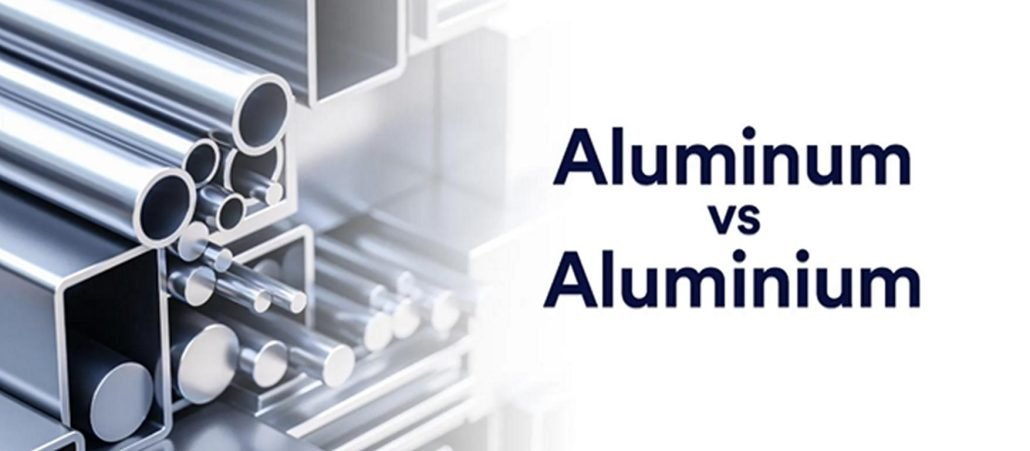
アルミニウムまたはアルミニウム

アルミ押出加工

アルミ鋳造

Understanding the Aluminum Extrusion Process Aluminium extrusion machining is a process of manufacturing products with a cross-sectional profile by forcing the material through a die. This process can be likened to putting toothpaste in a tube, in this case, the toothpaste is the heated cylindrical aluminum bar also called an ingot and the tube is the die. Here’s a step-by-step breakdown: Heating and Pressing: The aluminum ingot is then heated and passed through the die which gives it the required profile of the product. Cooling: After the shaped material has come out of the die it is cooled by air or water. Stretching: Although not fully set, the profiles are pulled to relieve internal stresses and achieve the proper dimensions. Cutting and Aging: The profiles are cut and then aged – hot or cold to reach their final strength. Finishing and Surface Treatment: The last processes include polishing or other treatments meant to improve the looks and protect against corrosion. What is an Aluminum Extrusion Machining Center? An extrusion machining center is a specific type of machining center that is used to accurately process extruded aluminium profiles into the final required parts. Sawing, deburring, drilling, turning, milling, and tapping are some of the techniques used to give the required shape with features such as pockets and holes. At CNM, we have different types of extrusion machining centers that are highly accurate, fast, and very reliable. These machines are very efficient in cutting down production time and minimizing wastage during the processing of the products and are thus very suitable for use by manufacturers. CNM’s extrusion machining centers facilitate the manufacturing process and produce quality work that guarantees the aluminum extrusions are cut and profiled to the required specifications. Factors Consideration For Machining Aluminium and Aluminium Alloys The below-mentioned factors greatly influence the cnc extrusion machining of aluminum alloys. Cutting Force The cutting force needed when machining aluminum alloys is much less compared to the force needed when machining steel. For instance, the force required to machine aluminum is about one-third of that required for low-carbon steel thus chip removal is three times more efficient. For instance, aluminum alloy 2017A has the same cutting force as low-carbon steel but has similar mechanical properties as the latter. Tooling The cutting tools used in the machining of aluminium alloys must have a certain geometry. The cutting edges should be as sharp as possible and the tool faces must be smooth so that they can shed the swarf and not stick to it. The cutting angles are different according to the type of alloy, but the rake angle should be more than 6° and can be even 12°. In the case of alloys with up to 7% silicon content, it is suggested to use the tools with the application of TiN or TiCN coatings using PVD deposition. For diamond coated carbide tools and polycrystalline diamond (PCD) tools, the recommended rake angle is 15 degrees. It is much longer than the ones used for machining steel due to the proper tools being used in this process. In the special machines, the high-speed spindles can attain the machining speed of 2000 to 3000 m/min for the 2000 and 7000 series alloys. For instance, a 12 mm diameter tool can reach 50,000 rpm of cutting speed with a feed rate of 10 m/min, which results in very thin sheets and lightweight components. Cutting Speed and Feed Rate Because of the low modulus of elasticity of aluminium alloys, it is recommended to avoid high rates of advance even in roughing operations. The feed rate should be limited to 0. 3 mm per revolution. For finishing operations, the feed rate will be affected by the required surface finish. The depth of cut will be influenced by the level of accuracy that is needed on the final product. Lubrication Lubrication is crucial in machining aluminium alloys for several reasons: it reduces the temperature of the cutting area, keeps the swarf from sticking to the tools, and clears the swarf from the machining area. There are three primary types of lubrication: The three types of cutting fluids are spray mists, full cutting oil, and oil emulsions, of which the oil emulsions are most frequently used because of the heat dissipation of approximately 200 kg/J. Coolants help in reducing friction and also in tapping operations. Spray mists are not very effective when there is high heat involved. The cutting fluid composition should not react with aluminum alloys, cause stains or corrosion, contain anti-bacterial agents to discourage fungal growth, and be environmentally friendly. Benefits of Aluminum Extrusion Machining: The following are the benefits of machined aluminum extrusion: Aluminum extrusion is a process that is commonly practiced in the present generation due to the following benefits associated with aluminum extrusion. It also allows one to achieve complex and accurate forms of the needed shapes and also to produce them in a way that they will fit the intended use, thus increasing productivity and saving money. The outcome is strong and light structures that are suitable for industries that require light structures such as the aeronautics, automobile, and construction industries. Also, it is an efficient technique, which does not require a lot of material and energy and generates a small amount of waste. In conclusion, machined aluminum extrusion is cost-efficient and sustainable which improves the quality of the end product and production process. Suitability of Aluminum for Cold Extrusion Cold extrusion is a process of extruding aluminum through a mold at a temperature of not more than 150°C (300°F). The aluminum remains rigid and thin-walled parts can be fabricated as in the case of radiators, windows, and door frames. This process is slower than hot extrusion but the surface quality is high and the shapes are more accurate therefore less post-processing is required. Warm Aluminum Extrusion Warm extrusion is done at moderate temperatures while the rate of hot extrusion and the accuracy of cold extrusion are intermediate. The exact temperature is therefore arrived at

アルミ鋳造加工

機械加工鋳物

アルミ鋳造

For fabricators, metal machining and casting operations are sometimes shown as binary alternatives. However, there are many circumstances in which using both casting and machining is the most efficient in terms of production, as the recent essay on casting vs. machining made clear. The advantages of machining castings are covered in this article, and the application of these production techniques to your next project is discussed. What Is Casting CNC Machining? Machined castings are components that is initially manufactured through casting and subsequently refined through CNC machining. Die casting, investment casting, or sand casting may be implemented to generate the initial casting. Every casting process has drawbacks, such as poor surface finish or restricted design. CNC machining solves the above problems by improving the quality of products and adding more complex designs. Some possible machining operations include Computer Numerical Control Milling, Turning, Drilling, Sawing, and other non-conventional castings machined operations to get a premium surface. Machining of Casting Parts Advantages. There are several benefits to machine-castable parts. Some of the commonest include; 1. Modifying As-Cast Parts Those casting machined parts produced directly from their casting molds are known as “as-cast” These parts contain extra material from the gating system, parting lines, and other casting features. To increase the quality, the fabricators have to get rid of this unwanted material, which can be done by a simple hacksaw for roughing or by using CNC for accuracy. For example, in the case of aluminum casting machining, aluminum CNC machining helps achieve high dimensions and accuracy. Casting flaws can be easily camouflaged through CNC machining, and the quality of the final product can be significantly improved. Also, it allows the development of features that cannot be created using casting only, such as the curved fins of a turbine. Some of the design issues can be solved by techniques like investment casting, but in most cases, the holes, grooves, and threads produced by machining are of better quality. 2. Improving Finished Quality However, if casting and machining do not need extra features and the material that has to be removed is easily removable, it is still important to use precision CNC machining to obtain high-quality parts. Some processes, such as die casting, can deliver relatively smooth surfaces that only require slight machining. However, the parts produced through sand casting or investment casting require a significant amount of machining to achieve a flat surface. CNC machining also improves the quality of the parts that have tight tolerances. Casting can be economical when the production is significant, and CNC machining guarantees that every part is correctly shaped. Machining allowances have to be taken into consideration during the casting stage to have a smooth integration. It is wise to incorporate sheet metal fabrication services into your production line. The main benefit is the capacity to rapidly and precisely create lightweight parts from numerous materials employing various techniques. Knowledge of these techniques and their specific use is vital in attaining the best outcomes and shortening production time. How To Machine Casting Parts? During machining, useless material is removed from casting to make it more accurate in size. This process is beneficial in removing excess material on cast parts after casting and before finishing. Machining is helpful because it is almost impossible to get tiny variations in a complex casting, and thus, the final product has to be machined to the required specifications. It is usually done after the heat treatment but before the final surface treatment, like painting, anodizing, or plating. As for the current world, the application of technology in machining castings has adopted computer numerical control (CNC). Machining can be classified into many subcategories, which include the following: Drilling Drilling is the creation of holes in the cast parts with the help of a drill bit. Lathes and cutting machines can also be used, but drill presses are the main tools used in this process. This process is crucial in the casting process since it assists in the making of holes in the casting. Milling A cutter, a fixture, an object, and a milling machine are all things that are used for milling. The piece of work is clamped down during this cutting process, and the milling machine’s cutter takes off the extra material. It can be said that it is one of the most frequently applied methods in the subsequent adjustment of the shape and size of the cast parts. Turning In turning, the workpiece rotates on its axis while the cutting tool is stationary or does not move. The most critical equipment employed in this process is the lathe machine. Turning is appropriate for generating the internal and external profiles of cast parts and is very precise. Other Machining Processes In addition to drilling, milling, and turning, several other machining processes are used for refining cast parts: Besides drilling, milling, and turning, several other machining processes are used in the finishing of cast parts: Boring: It enlarges and increases the accuracy of a part’s pre-drilled holes. It is useful in attaining the correct dimensional and positional tolerances for parts that require high precision and polished surface textures. Broaching: Broaching is a process of cutting shapes and designs on cast parts with the help of a cutting tool with teeth. The broach has progressive teeth that shave the material and can make internal and external shapes. Therefore, it is ideal for keyways, splines, and other shapes. Grinding: Grinding employs an abrasive wheel that rotates and brings the part’s surface to the required actual position. This process is helpful in offering high surface quality and near tolerance. The cutting points of the grinding wheel abrade the surface, shave off the unevenness, and provide a polished surface. All these machining methods are important in ensuring that cast parts are of the right quality and size for use or other processes. Benefits of Machining After Casting Machined casting parts offer numerous advantages, such as Machined casting parts, therefore, have the following benefits: Enhancing Precision The die-casting and

ニッケルパレットコスト

クロムめっきのコスト

アルミ鋳造

How Much Does Chrome Plating Cost Different parts are employed in industrial and manufacturing complexes to make the structures run optimally. Mostly, aluminum, stainless steel, and copper parts are adequate to fulfill machining needs. Industries like automotive, aerospace, and electronics utilize hard metal materials for forming interior and exterior parts. But they can’t be used in their pure machined form. That’s where chrome plating steps in. Chrome-plated rods are particularly important because of their function. The above rods are available in India, and the cost varies depending on the material, dimensions, shape, length, and plating quality. These hard chrome-plated rods are applied in many fields because of their high strength, flexibility, abrasion, and corrosion-resistant properties. The fact that they can be further customized makes them even more valuable, especially in many industries that are considered to be heavy. These rods are widely used in pneumatics, automobile, hydraulic, printing, textile, and many other applications. Many organizations prefer them because they are hardy and they can fit in any climate. CNM has a vast production capacity for all its products and operates in accordance with Indian and international standards and laws. This makes it possible to produce high-quality hard chrome plated rods that meet the customers’ requirements and, at the same time, are relatively cheaper. This article will discuss How Much Does Chrome Plating Cost, the influencing factors, and techniques of chrome plating. Factors Influencing the cost of cost of chrome plating The cost of chrome plating a particular item depends on the following important factors. The first is the size and the level of complexity of the item that has to be transported. Large items usually need more material and time, thus making chrome plating expensive. Furthermore, items with a complex or asymmetrical design may require extra work during the preparation stage and during the plating process, which will add to the cost. Another factor that must be taken into account is the kind of chrome plating that is being done. There are two main types: decorative chrome plating and hard chrome plating. This type of chrome plating is applied in thinner layers and is more of an ornamental application, which is used on car trims and home appliances, among others. This sort of plating is relatively cheaper compared to hard chrome plating, where a thicker layer of chrome is put in order to create a hard and more corrosion-resistant surface. Hard chrome plating is often applied in industries, and it may cost more because of the complex procedure and the type of materials used. The cost can also be affected by the quality of the chrome used in the plating process of the valve. The chrome that is of a higher quality may be more pure and have a better finish to it and this may cost more at the initial stage. Yet, it may have advantages that include increased product lifespan, better appearance, and less susceptibility to fading or cracking. Using better-grade chrome plating will provide your item with a better and longer-lasting finish compared to low-grade chrome plating. However, prior to the actual process of plating, there is a need to prepare the surface of the item that is to be plated. This preparation normally entails the removal of old layers, smoothening of the surface so as to remove any defects, and then washing the surface so as to give the chrome layer a proper surface to adhere to. The state of the surface also determines the degree of preparation that needs to be done because of any existing cracks or rusting. Products that are in a bad state may require more preparation than those in a good state. Hence the cost of chrome plating may be high. The amount of articles that are being plated and the size of the batch can also influence the cost. When a number of items are plated at the same time due to batch order, the cost per item is normally cheaper than when plating a single item. Since chrome plating service providers may be able to purchase the supplies in bulk, they may be able to offer them at cheaper prices. The amount required should be taken into account when looking for quotations for chrome plating services. The place where the chrome plating service is to be done and the credibility of the service provider is another determinant of the price. Prices may differ depending on the wage rates, environmental laws, and other overheads in the regions of operations. Also, it is worth understanding that the higher quality of work and the longer experience of the service provider can result in higher prices for services. As much as possible, it is recommended to compare different chrome plating service providers for a better understanding of the quality of service that they could offer in relation to the cost of the services. However, there are other services that may be offered by the service providers and these may affect the cost of the entire chrome plating process. Such services may include selective masking, applying protective films, or post-plating treatments to improve the plating’s hardness, appearance, etc. These services may increase the overall cost but may be useful depending on the nature of the project and the intended outcome. In order to get a clear and reasonable price quote for chrome plating, it is necessary to describe your project as much as possible to the potential contractors. This includes the type of item, dimensions, type of finish, quantity, and any special needs or wants that the client may have. Through such communication and comparison of quotes based on the details provided, one can be in a position to get the best value for the money to be spent on chrome plating. Types of Chrome Plating The cost also depends upon the actual plating type; Hard Chrome Plating Hard chrome is a more complex procedure of plating that is done by passing an electric current through the solution and is applied in many

精密ダイカスト

アルミニウムCNC加工

アルミ鋳造, CNC加工

Aluminum is widely used in CNC machining because of the advantages of machined parts in different industries. This article is devoted to cnc aluminum parts machining and its characteristics, types of alloys, machining methods, tools, and uses. Aluminum in CNC Machining Machining aluminum through CNC is preferred because aluminum is highly machinable; it is among the most machined materials in the world after steel. Some properties include soft, ductile, and non-magnetic, and its pure form is silvery white in color. However, the real beauty of aluminum is that it can be alloyed with other elements like manganese, copper, and magnesium to create a series of aluminum alloys with improved characteristics. Aluminum CNC Machining: Getting the Most The benefits include; 1. Machinability: Aluminum is relatively easy to machine because it is soft and can be made to chip easily therefore, it can be machined faster and with less power than steel at a cheaper price. It also makes it easier to deform during the machining process, making it easier for CNC machines to produce highly accurate parts with closer tolerances. 2. Strength-to-Weight Ratio: Aluminum is lighter than steel by one-third and has a strength of one-tenth of steel. Thus, it is suitable for use in parts that need a high strength-to-weight ratio. Some of the industries that benefit a lot from aluminum are by producing cnc machined aluminum parts for the automotive and aerospace industries because it is light but extremely strong. 3. Corrosion Resistance: Aluminum has an inherent characteristic of not corroding in normal environmental conditions, and it can be further protected by anodizing hence the material can be used in environments that are exposed to marine or atmospheric conditions. 4. Performance in Low Temperatures: There are some materials that undergo a change in their mechanical properties and become as strong as paper at low temperatures, but this is not the case with aluminum. 5. Electrical Conductivity: While pure aluminum has high electrical conductivity, aluminum alloys also have adequate conductivity for electrical use, meeting the needs of different industries. 6. Recyclability and Environmental Friendliness: Aluminum is a recyclable material hence the conservation of the environment through the reduction of waste and energy used in the machining process. 7. Anodization Potential: The fact that anodization can be done on the aluminum surfaces also enhances the wear and corrosion resistance of the machined aluminum parts. The ability to anodize aluminum in different bright colors addresses the aesthetic aspect. Applications Galore Aluminum is popular in CNC machining because of its versatility and other suitable properties in many industries. From car parts to airplane parts, electrical parts, and even complex mechanical parts, the durability and performance of aluminum in different uses are apparent, which leads to creativity. Therefore, the popularity of aluminum in CNC machining is not accidental – it is due to the benefits, possibilities, and perspectives that this material offers in the sphere of manufacturing. Aluminum is still widely used for machined parts due to its performance, eco-friendliness, and flexibility as industries evolve. Typical Aluminum Alloys Used in CNC Machining Aluminum alloys are the most preferred materials in CNC machining because of their flexibility and good mechanical characteristics. Below are some frequently used aluminum grades in CNC machining processes: 1. EN AW-2007 / 3.1645 / AlCuMgPb This alloy contains copper in a range of 4-5% and is famous for its strength, lightweight, and high utility. It is mainly applied in the manufacturing of machine parts, bolts, rivets, nuts, screws, and threaded bars. It is also relatively brittle, has low weldability and corrosion resistance, and therefore requires anodizing after machining. 2. EN AW-5083 / 3.3547 / Al-Mg4,5Mn This alloy is well known for performing exceptionally well in extreme conditions; it has magnesium, chromium, and manga Itboaa has high corrosion resistance and maintains its strength even when welded. It uses cryogenic equipment, marine structures, pressure equipment, chemical applications, and many others. 3. EN AW 5754 / 3. 3535 / Al-Mg3 This wrought aluminum-magnesium alloy has good corrosion and high strength, it is used in welded structures, floorings, vehicle bodies, and food processing equipment. 4. EN AW-6060 / 3. 3206 / Al-MgSi This alloy is heat-treatable and has good formability. It is widely used in the construction, medical equipment, and automotive engineering industries. 5. EN AW-7075 / 3.4365 / Al-Zn6MgCu While this alloy is only average in terms of machinability, it has a high strength-to-density ratio, and good resistance to atmospheric conditions and is used in aerospace, weaponry, and mold tool industries. 6. EN AW-6061 / 3. 3211 / Al-Mg1SiCu This alloy has very high tensile strength and is used for structures that are heavily loaded like rail coaches, machine parts, and aerospace structures. 7. EN AW-6082 / 3. 2315 / Al-Si1Mg This alloy has medium strength and good weldability and is used in offshore structures and containers because it resists stress corrosion cracking. These aluminum alloys provide a variety of mechanical properties. They are selected according to the demands of the CNC machining applications to guarantee the best performance and longevity in the intended use. Common Techniques To CNC Machine Aluminum In aluminum CNC machining, there are several techniques that can be used in order to get high accuracy and precision in the aluminum parts. These processes are intended to meet various needs and demands, which would provide the best outcome in terms of quality and performance. CNC Turning remains one of the basic operations in aluminum machining. In this operation, the workpiece turns around its axis, and the cutting tool remains fixed. Thus, the removal of material and shaping of the workpiece are enabled. This method is widely applied in producing cylindrical or conical shapes in aluminum parts. Another common technique is CNC Milling aluminum, in which the tool is held stationary while the cutting tool is rotated to cut the workpiece. This process enables cutting actions in different directions and is ideal for cutting shapes and designs in aluminum parts. Pocketing or pocket milling is a particular type of CNC aluminum

HPDC

世界のアルミダイカスト・メーカー トップ10

アルミ鋳造

Are you looking for the right aluminum die casting manufacturers? You may have scrolled a lot but can not decide which is the best. If I am right, then you are definitely in the right place. We have brought you this guide to help you in this case. It mainly highlights the top 10 aluminum die-casting suppliers worldwide in 2024. Top 10 Aluminum Die Casting Manufacturers in The World 2024 Deciding between aluminum die-casting manufacturers is always challenging. Some foundries might not do die-casting, while others may only focus on die-casting. In addition, it usually takes time to research through Google. In each section below, we will mainly highlight four primary aspects of a factory. First, we will discuss the company and its main services. Does the company only focus on aluminum die-casting? What other casting methods does it usually provide? You can also check whether the factory offers surface finishes for aluminum parts. Later, we will learn their pros and cons. All these factors can help you find the best aluminum die-casting manufacturers for your project. Castiny Factory #1 CNM TECH Co. Ltd. This die casting factory is the best on the list. It offers all the necessary services to prepare an aluminum metal part, from design to finishing. This factory is in Guangdong, China. Since 2005, it has been one of the top 10 aluminum die-casting manufacturers in China. Note that this company always tries to follow the latest technology. To keep the standards, they keep the latest machinery. As a result, it ensures the highest quality of the metal parts. The best thing is that you can achieve up to ±0.01mm tolerance in each metal part. Main Services Aluminum die casting: prototyping, tooling, aluminum die-casting, machining, and surface finish. Zinc, Bronze, and Magnesium die-casting: You can create HPDC and LPDC aluminum die-casting metal parts. Aluminum gravity casting Aluminum sand casting Precision CNC Machining die casting mold Pros This aluminum die-casting factory provides a full range of services from casting to finishing. It also offers rapid prototyping with a step-by-step development process. Diverse die-casting capabilities Multiple casting methods High tolerance machining services: you can achieve tolerance up to ± 0.01 mm. Excellent customer service Excellent customer feedback The cost is relatively cheaper than other brands mentioned on this list. Cons They usually don’t offer other casting services, like investment casting or shell mold casting. From this factory, you will mostly find aluminum die-casting products. Some are made of zinc, magnesium, and Bronze. CNM TECH Co., Ltd may not be suitable for steel or other metals. However, you can get various steel forging services from this factory. Foundry #2 Ryobi Limited Japanese Ryobi Limited can be your next best pick. This aluminum die-casting supplier started its business in 1943. You may find them as one of the leading aluminum die-casting manufacturers worldwide in 2024. The company is in Hiroshima-ken, Japan. Regarding aluminum die-casting products, it mainly focuses on vehicle parts. Honda, Volkswagen, and Ford are some of its everyday customers. Main Services All metals die casting services for vehicles only Builders Hardware Printing Equipment Pros This factory mainly supplies products to automotive industries. They can make various metal parts, including aluminum die casting. Advanced machinery and technology for precision casting Excellent customer feedback. Cons Other casting methods, such as sand casting, gravity casting, and investment casting, are not included in their service list. You can only get vehicle parts, so customers from different industries may not benefit from this factory. The product service list on the website is unclear, making it difficult to understand their primary services. Contacting customer support is relatively tricky. Foundry #3 SintoKogio Our next best pick is another Japanese aluminum die casting manufacturer. While the company was founded in 1934, Sintokogio was reborn in 1960. Their headquarters is in Aichi, Japan. Regarding aluminum casting, Sintokogio mainly focuses on cold box molding and shell molds. Their products are widely used in aircraft and car engine parts. However, you may have limited options here. But for car parts, this factory can be your good choice. Main services Foundry: Aluminum casting, green sand molding, v-process, and chemically bonded metals Surface Treatments Powder treatment, force sensors, electric cylinders, material handling, and flooring Pros Multiple casting capabilities. After casting, this factory also offers extensive surface treatment options. Their latest technology ensures high-precision metal parts. Excellent customer support services. Cons For aluminum casting, you can only get aluminum gravity casting and low-pressure aluminum casting. Therefore, you can get limited options for aluminum die-casting parts. The cost is relatively higher. Their surface treatment involves removing, peeling, roughening, polishing, strengthening, micromachining, and seeing. However, anodizing, e-coating, and other finishing methods are crucial for aluminum die-casting parts. Foundry #4 Redstone’s President Eric Milling This plant is one of the new aluminum die-casting manufacturers. It opened in 2018 and has its headquarters in Ohio, USA. It has four main branches: Brazil, China, India, and Mexico. Aluminum die casting is one of this company’s main products. Although the website doesn’t mention it, they mentioned that they can take mass production orders. You can get all types of services, from design to manufacturing and testing. Main Services Die casting services include zinc die casting, aluminum die casting, and copper die casting. Investment casting Sand casting Metal Fabrication: sheet metal fab, CNC machining, and metal injection molding services Plastic injection molding services Pros This aluminum die-casting manufacturer offers zinc, aluminum, and copper die-casting. They specialize in aluminum die-casting services. High-quality metal parts with tight tolerances Additional casting methods are also present. You can work with other metals like steel, copper, and titanium. Cons Although they offer CNC machining for surface treatment, it is not enough. As you know, aluminum metal parts need other types of finishing methods. Typical examples are anodizing, e-coating, polishing, painting, and more. The website doesn’t talk about different aluminum casting services. Their aluminum die-casting parts are relatively expensive. In this case, GC precision mold aluminum casting parts are much better. Unable to create

CNCプロトタイプ加工

プロトタイプCNC加工

アルミ鋳造, CNC加工

A Comprehensive Guide To Prototype CNC Machining Prototype cnc machining is a valueable choice for producing small quantities of prototypes to large volumes quickly as compared to the other methods. Several kinds of prototypes can be simply made by CNC prototype machining. Appearance prototypes, like the cases of auto cars, offer visual clues on the final part’s look and behavior. On the contrary, functional prototypes need more precision, thus, they stress the product structure and the stability. The article demonstates about CNC machined prototypes, as well as their advantages, and disadvantages. Moreover, it will highlight the key aspects including; What is  Prototype CNC Machining? The prototype cnc machining is a subtractive manufacturing process for precisely producing prototype components that can be utilized for different purposes. These prototype components are employed for testing, and designing phases for parts functionalities. In addition, the primary purposes of such tests for identifying visuals, marketing, or fundraising. Basically, cnc prototype machining produces the samples of a product or a machine that, if approved, will continue to the stages of design finalization, manufacturing, and sales. CNC’s versatility enables you to make prototypes from different materials such as economical plastics to high strength metals to create prototypes. Why CNC Machining Is a Valuable Process? CNC machining is an exceptional option for prototyping detailed feature parts. Firstly, it provides high precision, accuracy, and dimensional stability to parts because of its computerized controls that strictly supervise the movement of the workpiece and cutting tool. This degree of control guarantees that the prototype that is produced is exactly the same as the design. Alongside this, the rapid prototype machining is notably fast, and helps replicate complicated patterns prototypes down to tolerances upto +/- 0.005x. Conversely, processes like injection molding, , and forging or 3d printing which often take months to meet tight tolerances requirements, and molds. Thus, advanced CNC machines let you prototype immediately after the CAD model is converted into the CAM files or g-codes. Types Of CNC Machines Used For Prototyping: There are various machining approaches used for shaping functional prototypes, and end-use products. CNC Turning Prototyping: CNC turning, using a rotating machine called lathes, for the creation of the cnc prototyping of rounded or symmetrical components. The process is a combination of the material being spun fast and a cutting tool as per programmed code to shape high quality exact specification parts or products. The lathe machines are considered ideal machines for prototypes with round mid-sections because of their specialization in round components. CNC Milling Prototype: For intricate prototypes, a CNC machine that has up to five axes may be needed, cnc milling is credible. The extra axes are the ones that make it possible to have a more accurate cutting, thus, the creation of the complicated parts, but the cost is higher. In the CNC milling prototype operations, the computer-controlled tool head cuts the final prototype from the large block of material. The starting block is the basis for the whole machining process. CNC Routers The CNC Router is the best way to prototype because it allows you to make the design of the product exactly as you want it to be. CNC routers are like CNC mills and machines but they are more affordable, and they have a gantry system which makes the work area bigger than the machine’s size. Nevertheless, this layout restricts their complexity. Routers are the best option for working with materials like wood, plastic, and soft metals like aluminum. They are usually adopted by industrial machinists and small business hobbyists for replicating exact design feature products. Usually, 3-axes, or 2-axis routers are widely used for intricate designs. Among these, 2-dimensional routers are used for simpler geometrical components, while 3-dimensional parts are made by using 3-dimensional components. Nevertheless, they cannot be as precise as CNC mills. Because, the process of creating or turning detailed CNC files based on the tool and machine acquires a lot of skill or skilled professionals. CNC Laser Cutter The CNC Laser Cutter is a technique that employs a high energy beam of laser cut to shape a prototype product, which is then tested and improved until the final product is made. The laser cutters that are strong enough to be used by small companies can handle metals like aluminum, as well as sturdy plastics such as; acrylics, textiles, composites, and wood for prototype CNC machining. Their flexibility is the reason why they are the most popular among the small firms that want to make a lot of prototypes without going beyond their budget. Nevertheless, laser cutters can pose “scorch marks” on the prototype part surface because of generated heat during the cutting process. In addition, the design complexity is usually limited as mostly these CNC cutters can precisely use multiple axes for product development. CNC machining is considered as an ideal process applied in different manufacturing fields. It helps to form highly detailed and complex feature parts with exceptional dimensional stability, and high degree of precision. In the majority of the industries, a working prototype, or even a version that shows the product’s functionality, is utmost. In contrast, for the functional prototypes that requires rigrous strength, mechanical stability and specific features that additive methods cannot provide, machined tooling is usually the choice. Applications of Precision Prototype CNC Machining Lets discuss various industries that use precision prototyping machining for shaping lightweight components for testing, and validating designs before initialising their part production projects on larger scales. Here are some of the commonest industries that use CNC machining as a primary source to manufacture stringent standard quality exact specification parts or products. Medical Industry In the medical field, CNC machining is the most crucial factor that makes the prototyping process faster. For instance, pharmaceutical companies usually need prototypes to demonstrate the product’s working before the final production. Precision and accuracy are the most important factors, especially in the medical devices, and CNC machining ensures that the prototypes are the exact copies of the final product and can work perfectly in their

中国亜鉛合金ダイカスト

亜鉛ダイカスト 中国

アルミ鋳造

Exploring the Dynamics of Zinc Die Casting China Zinc die casting China stands as a pivotal process in the manufacturing industry, providing unparalleled precision, cost-effectiveness, and durability. Within this realm, China emerges as a key player, contributing significantly to the global zinc die casting market. One notable company making waves in this industry is CNM TECH, a leading zinc die casting manufacturer in China. In this comprehensive article, we will delve into the intricacies of zinc die casting, the advantages it offers, and China’s prominent role in this dynamic sector. Advantages of Zinc Die Casting comparing to aluminum die casting: Zinc die casting and aluminum die casting are both popular methods for producing high-quality metal components, each with its unique advantages. Here, we’ll explore the advantages of zinc die casting in comparison to aluminum die casting: Cost-Effectiveness: Zinc Die Casting: Zinc is generally more cost-effective than aluminum. The lower melting point of zinc allows for faster production cycles, reducing energy consumption and overall production costs. The tooling and machining processes are also typically less expensive. Aluminum Die Casting: Aluminum has a higher melting point than zinc, which can result in longer production cycles and higher energy costs. The tooling and machining processes may be more complex and costly. Precision and Detail: Zinc Die Casting: Zinc offers excellent dimensional stability and intricate detailing capabilities. The fluidity of molten zinc allows for the production of complex and detailed parts with tight tolerances. Aluminum Die Casting: While aluminum can achieve precision, zinc tends to provide better results when it comes to intricate designs and fine details due to its lower melting point. Surface Finish: Zinc Die Casting: Zinc produces high-quality surface finishes with minimal post-processing required. The fine-grain structure of zinc allows for smoother and more aesthetically pleasing surfaces. Aluminum Die Casting: While aluminum can achieve good surface finishes, zinc often requires less post-casting finishing to achieve a polished and visually appealing look. Strength and Durability: Zinc Die Casting: Zinc alloys exhibit excellent strength and durability, making them suitable for a wide range of applications. The inherent strength of zinc allows for the production of robust and long-lasting components. Aluminum Die Casting: Aluminum also offers good strength, but zinc’s higher hardness and wear resistance can be advantageous in certain applications. Thin-Wall Casting: Zinc Die Casting: Zinc’s low melting point and excellent fluidity make it well-suited for thin-wall casting. This is particularly advantageous in applications where lightweight and intricate designs are essential. Aluminum Die Casting: While aluminum can achieve thin-wall casting, zinc often outperforms in terms of ease and precision in creating intricate and lightweight components. Corrosion Resistance: Zinc Die Casting: Zinc alloys provide good corrosion resistance, especially when properly coated. This is beneficial in applications where exposure to harsh environmental conditions is a concern. Aluminum Die Casting: Aluminum also offers corrosion resistance, but the specific alloy and surface treatments may be required to enhance this property. While both zinc and aluminum die casting methods have their merits, zinc die casting excels in terms of cost-effectiveness, precision, surface finish, and specific applications where thin-wall casting and corrosion resistance are critical factors. The choice between zinc and aluminum ultimately depends on the specific requirements of the project and the desired characteristics of the final product. Zinc Die Casting Process: The zinc die casting process is a highly efficient and versatile manufacturing method used to produce intricate metal components with excellent dimensional accuracy and surface finish. Here is an overview of the typical steps involved in the zinc die casting process: Mold Design and Tooling: The process begins with the design of molds that will shape the final product. These molds are typically made of hardened steel and consist of two halves – the “die” – which, when closed, form a cavity in the shape of the desired part. CNC machining or other precision techniques are used to create the mold with exact specifications. Melting and Injecting Zinc: Zinc, a low-melting-point metal, is then heated to its liquid state in a furnace. The temperature typically ranges from 780 to 950 degrees Fahrenheit (415 to 510 degrees Celsius). Once molten, the liquid zinc is injected into the mold under high pressure using a hydraulic press or a specialized zinc die casting machine. The pressure ensures that the molten metal fills the entire cavity of the mold. Cooling and Solidification: After injection, the molten zinc rapidly cools and solidifies within the mold cavity. The cooling time is carefully controlled to achieve the desired material properties and prevent defects. The solidification process is crucial for maintaining the structural integrity and dimensional accuracy of the final component. Ejection and Removal: Once the zinc has solidified, the two halves of the mold are separated, and the newly formed part, now known as the casting or die casting, is ejected from the mold. Automated ejector pins or mechanisms are often used to facilitate the removal of the casting from the mold. Trimming and Finishing: The castings may have excess material or imperfections, known as flash, which is removed through trimming or other post-casting processes. Additional finishing processes, such as machining, shot blasting, or vibratory finishing, may be employed to achieve the desired surface finish and dimensional precision. Quality Control: Stringent quality control measures are implemented throughout the zinc die casting process. Inspections and tests may include dimensional checks, visual inspections, and material testing to ensure that the components meet specified requirements. Modern technologies, such as X-ray or ultrasound inspections, may also be used to detect internal defects. Surface Coating (Optional): Depending on the application, the zinc die-cast components may undergo surface coating or finishing treatments to enhance corrosion resistance, improve appearance, or provide additional functionalities. The entire zinc die casting process is characterized by its speed, repeatability, and ability to produce complex shapes with high precision. It is widely used in various industries, including automotive, electronics, and consumer goods, where the advantages of zinc, such as cost-effectiveness and superior casting properties, are highly beneficial. Companies like CNM TECH zinc die casting

上部へスクロール

お見積もり