

2026年版 究極の自動車ダイカスト・製造工程ガイド
アルミ鋳造自動車用アルミ、マグネシウム、亜鉛ダイカストのエキスパート。真空ダイカスト鋳造がどのようにEVエレクトロニクスの強度と放熱性を確保するかをご覧ください。.
自動車用アルミ、マグネシウム、亜鉛ダイカストのエキスパート。真空ダイカスト鋳造がどのようにEVエレクトロニクスの強度と放熱性を確保するかをご覧ください。.
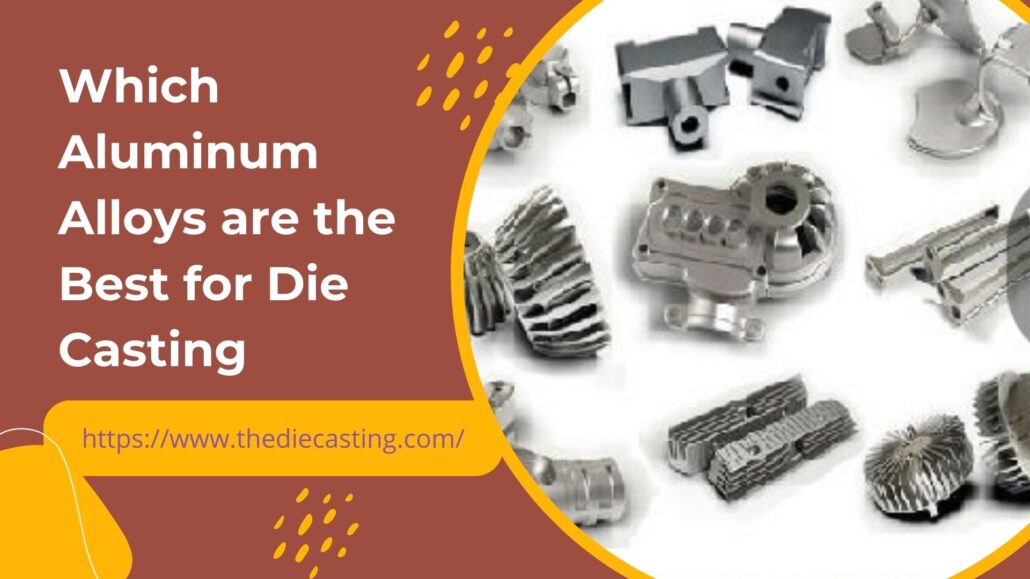
アルミニウムダイカスト入門 アルミニウム合金ダイカストは、非常に効率的な製造プロセスであり、複雑な金属部品を大量生産するために使用されます。溶融アルミニウム合金を硬化鋼の金型(一般にダイと呼ばれる)に高圧で注入するプロセスです。この製法は、寸法精度と表面仕上げに優れた軽量部品を製造できるため、自動車、電子機器、電気通信、産業機器業界で特に高く評価されている。優れた強度対重量比は、アルミニウムがダイカスト用金属として好まれる主な理由です。アルミニウム合金の部品は、構造用途に必要な機械的性能を提供し、製品の軽量化を高いレベルで実現する材料を提供することができます。また、複数の機能を1つの部品に組み込むことができるダイカストもあります。リブ、ボス、取り付け部、薄肉部などを一度の作業で鋳造できるため、二次加工や組み立てが不要になる。その結果、製造コストを削減し、一貫性と再現性を高めることができます。このような利点から、アルミダイカストは、中量から大量生産のための最も一般的な金属成形プロセスの1つとして浮上しています。アルミダイカストの工程 金型の準備と段取り 金型の準備から始まります。金型は、固定された半分と動く半分の2つの部分からなるダイカストです。ダイキャビティはショットごとにスプレーされ、洗浄されます。このコーティングにより、金型の温度制御が可能になり、鋳造された固体が金型表面に付着したり破損したりすることなく、容易に排出されるようになります。溶融アルミニウム射出 炉でアルミニウム合金を溶かし、適切な流動性を得るために制御された温度に保持します。高圧ダイカストでは、指定された量の溶融金属が油圧ピストンによって高圧で金型キャビティに注入されます。圧力は数千から20,000psi以上に及ぶこともあり、金属が凝固する前に小さな領域や複雑な形状を満たすことができます。凝固と冷却 アルミニウムが冷えて凝固するまで、キャビティ充填後の圧力は維持されます。スチールダイの急速冷却により、機械的特性と表面仕上げを向上させる微細構造が得られます。ダイ内の流路冷却が温度を調整し、安定したサイクルタイムを保証します。金型の排出と仕上げ 金型が硬化すると半割が開き、エジェクターピンによって金型から排出されます。ランナー、ゲート、バリなど、不要な材料はすべて取り除かれます。その後、用途に応じて機械加工、表面処理、熱処理などの二次加工が行われる。その結果、要求の厳しい産業用途に適したニアネットシェイプのアルミニウム部品が出来上がります。ダイカストにおけるアルミニウム合金 合金ベースの鋳物:アルミダイカスト合金は、鋳造性、機械的強度、耐食性、熱的性能のバランスをとるように設計されています。純アルミニウムとは対照的に、これらの合金は、液体流動、凝固、および溶湯の耐用性を向上させるために、ケイ素、銅、マグネシウム、鉄、およびその他の合金元素のレベルを制御しています。各合金は、強度、耐久性、重量、コスト、および製造可能性のユニークなバランスを提供するため、適切な合金を選択することが不可欠です。ここでは、最も一般的な高性能アルミダイカスト合金と、各合金が特定の用途に適している理由について詳しく説明します。A380アルミニウム合金の機械的性能と強度 A380は、アルミニウムダイカストの主力製品と呼ばれています。鋳造時の引張強さ(約320MPa)と降伏強さ(約160MPa)に優れています。市場で最高のアルミニウム合金ではありませんが、構造用ハウジング、カバー、ブラケットに強度と延性の最高の組み合わせを提供します。長所 A360アルミニウム合金の機械的性能と強度 A360はA380と同等の引張強度を持ち、高温での性能が向上しています。降伏強度は通常170MPaで、このアルミニウム合金はエンジンコンパートメントのような熱間加工条件下でも安定しています。利点 ADC12(A383相当)アルミニウム合金の機械的性能と強度 A383の対極にあるのがADC12で、中程度の強度を持ち、引張強度は一般的に180230Mpaです。A380に比べるとやや弱いものの、多くの工業部品や自動車部品の構造性能としては十分です。利点 Al-Si11Cu3アルミニウム合金の機械的性能と強度 Al-Si11Cu3の特徴として、バランスの取れた機械的特性が挙げられます。引張強さは通常300MPa以上で、良好な硬度と適度な延性を備えています。ADC12よりも強く、ほとんどの構造用途においてA380に類似しています。利点 B390アルミニウム合金の機械的性能と強度 B390は、可能な限り硬く、耐摩耗性に優れるよう製造されています。降伏強度は約240MPaと非常に高く、引張強度は350MPaです。120ブリネルまで十分に硬く、これはほとんどのダイカスト合金の基準からすると非常に高いものです。利点 比較概要 アルミニウムダイカストの合金は、以下のように使用されます:適切な合金の選択は、強度、耐食性、摩耗寿命、軽量化、または鋳造の複雑さなどの設計要因によって決定されます。アルミニウム合金の物理的および化学的特性の概要 合金 A380 A360 ADC12 / A383 Al-Si11Cu3 B390 シリコン % 7.5-9.5 9-10 9.5-11.5 9.6-12 16-18 銅 % 3-4 ≤0.6 2-3 1.5-3.5 4-5 マグネシウム % ≤0.1 0.4-0.6 ≤0.3 ≤0.35 ≤0.1 密度 (g/cm³) 2.71 2.63 2.70 2.70 2.75 引張強さ (MPa) ~324 ~317 180-230 ~300 320-360 降伏強さ (MPa) ~160 ~170 ~150 ~140 240-250 伸び (%) ~3.5 ~3.5 ~3 ~2-3 <1 硬さ ~80 ~75 ~75 ~85 ~120 耐食性 中程度 優れている 普通である 普通である 普通である 鋳造性 優れている 普通である 非常に良い 中程度である 耐摩耗性 良好である 普通である 優れたアルミニウム合金の用途 自動車産業 軽量構造部品およびパワートレイン部品 自動車用アルミニウム合金は、自動車のエンジンブロック、トランスミッションハウジング、サスペンション部品、構造用ブラケットなどの製造に広く使用されています。アルミニウム合金は、単位重量当たりの強度が高く、自動車の総質量を減らし、燃費を向上させ、電気自動車の走行可能距離を伸ばします。このアルミニウム合金はまた、エンジンとバッテリーシステムの放熱を改善し、性能と耐久性を高めます。航空宇宙分野 機体構造および内装構造 アルミニウムの優れた特性は、航空宇宙分野でも生かされています。

粉末冶金による高精度歯車製造をマスターしよう。このガイドでは、焼結、密度制御、ニアネットシェイプで50%のコストを削減する方法について説明します。.
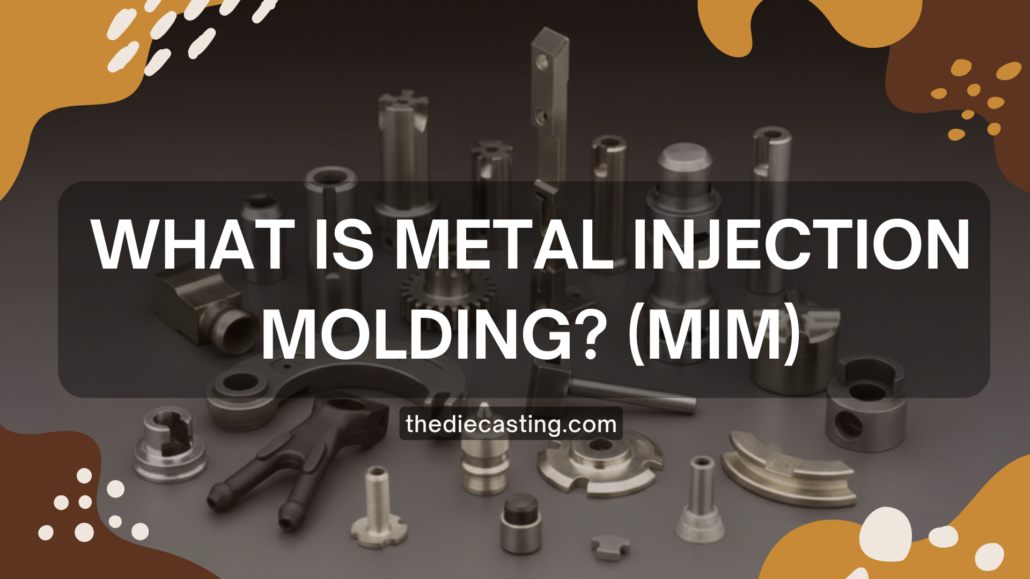
Metal injection molding is a transformative manufacturing technology that utilizes metal powders combined with organic binders using injection molding technology to produce highly complex structural metal components. Within the first 10% of this guide, we will explore why MIM metal injection molding is the “marriage” between two existing technologies: powder metallurgy and plastic injection molding. Parts are subsequently processed and sintered to yield high-strength, intricately shaped parts. As a solution for high-volume manufacturing, MIM metal injection molding is growing at a very rapid rate because the technology solves a lot of problems that are not easily addressed by other methods. Whether the goal is to produce complex parts for medical devices, automotive assemblies, defense, or consumer electronics, understanding what is MIM metal injection molding is the first step toward leveraging its outstanding value for parts requiring intricate geometry and superior material properties. For global industries requiring exact specifications, working with experienced manufacturers is essential. Further technical resources on precision manufacturing can be explored at plasticmold.net and plas.co. What is MIM Metal Injection Molding? In its simplest terms, MIM metal injection molding allows for the injection molding of metal powders instead of just pressing them. By mixing fine metal powders with a plastic binder, the material flows like a semi-solid under heat and pressure. This enables the creation of complex three-dimensional shapes that were previously impossible with conventional powder metal processes. Conventional powder metallurgy, often called “press and sinter,” takes metal powders and presses them with high pressure in a die using top and bottom punches. While this is a great process, it is limited to two-dimensional shapes and can suffer from lower material properties. MIM molding overcomes these limitations by utilizing the 360-degree design freedom of injection molding. Read more on Metal Injection Modeling The Four-Step Process Cycle of MIM Metal Injection Molding The production cycle for MIM metal injection molding services is generally categorized into four critical stages that ensure the economical manufacturing of high-precision components. Each stage must be meticulously controlled to ensure the final product meets the rigorous standards of modern engineering. Step 1: Compounding and Feedstock Preparation The metal injection molding MIM services process begins with the selection of raw materials. Fine metal powders, often produced through gas atomization to ensure spherical particle shapes, are the foundation. This powder is blended with thermoplastic and wax binders in proportional amounts to make the MIM feedstock. Mixing is performed under heat so the binder material melts and coats each metal particle, producing a homogeneous mix. The mix is then cooled and converted into small pellets for easy storage and transfer. The quality of the feedstock determines the consistency of the final part’s dimensions and strength. Step 2: MIM Molding (Injection) The feedstock pellets are fed into an injection molding press where the components are shaped under high pressure. During this stage, the MIM molding feedstock is heated just enough to melt the plastic binders, injecting the semi-solid material into a custom-engineered mold. The parts produced at this stage are known as green parts. While they possess the final geometry of the component, they are significantly larger (to account for future shrinkage) and consist of approximately 40% binder by volume. Because they are held together only by plastic binders, they are relatively fragile and must be handled with care to avoid structural damage. Step 3: Debinding (Primary Binder Removal) This step of metal injection molding MIM services involves removing a significant portion of the binders. This is achieved through solvent extraction, catalytic processing, or thermal evaporation. Once the primary binders are removed, the components are called brown parts. At this stage, the part is held together by a “backbone” binder and possesses a network of interconnected porosity. This porosity is vital because it allows the remaining binders to escape as gas during the final heating stage without cracking the part. Solvent-based processing is often considered the most economical and efficient method for high-volume MIM services. Step 4: Sintering (Densification) The brown parts are moved to batch vacuum furnaces or continuous atmosphere furnaces to remove the secondary binders and densify the component. High temperatures typically between 2300°F and 2500°F (1260°C to 1370°C) enable the metal particles to fuse and diffuse with each other. This results in 100% metal components with no remaining binder material and a minimum 97% density. During this stage, the part undergoes its final “shrinkage” to reach the specified blueprint dimensions. Benefits of MIM and Material Performance One of the primary benefits of MIM is the design freedom to make more complex geometry with tighter tolerances and improved density. Because metal injection molding MIM services utilize a technology that creates a simpler tool with fewer moving parts, engineers can achieve higher cycle rates and better cost controls. Mechanical and Physical Properties Components produced by this method lead the industry in mechanical and physical properties. Because the MIM services sintering process achieves high density, the final products display very similar material properties to corresponding wrought materials. Unlike conventional powder metal processes, MIM molding materials achieve nearly 95% to 99% of wrought material properties. Sintered components are highly versatile and can be: Is My Part a Good Fit for MIM Services? To determine if a component is a good fit for MIM services, engineers look for the intersection of four factors: material performance, component cost, production quantity, and shape complexity. The closer an application gets to the intersection of these four categories, the better the application is for metal injection molding MIM services. Criteria MIM Compatibility Weight Range Sweet spot is 0.20g to 30g; viable up to 100g. Wall Thickness Best between 2mm and 4mm; minimum 0.3mm. Production Volume Scalable from 5,000 to millions per year. Geometry High complexity; internal/external threads and logos. Generally, components less than 100 grams are economically viable for MIM metal injection molding, with a “sweet spot” weight range between 0.20 to 30 grams. The process is highly scalable, addressing volumes from less than 5,000 pieces per year to several millions per year. Read
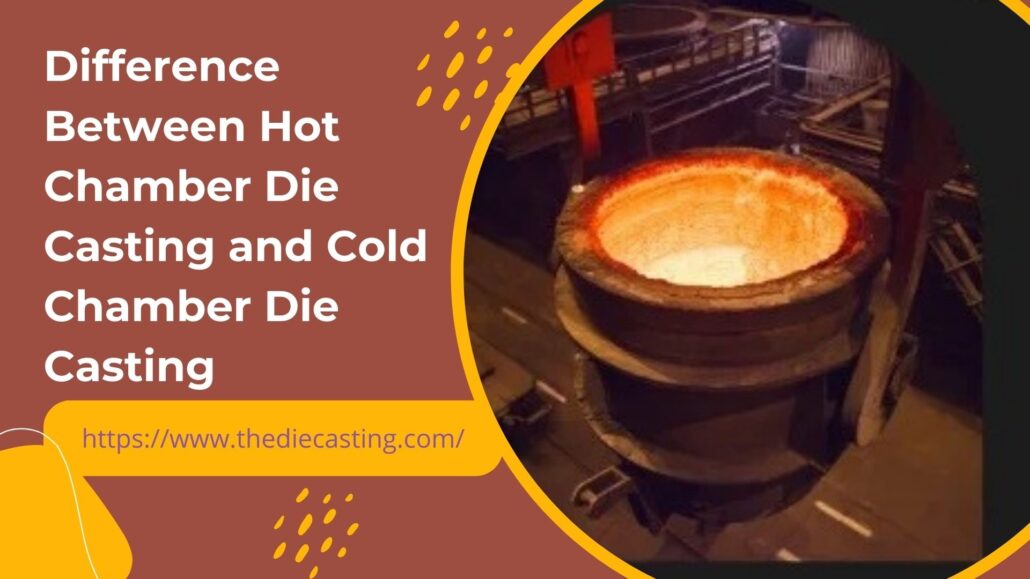
ダイカスト鋳造は、優れた表面仕上げと寸法精度を持つ複雑で大量の精密な金属部品を製造するために、高圧を使用する金属鋳造プロセスです。これは、金型として知られる硬化鋼の金型に溶融金属を高速かつ高圧で射出することで達成される。金属が凝固した後、金型が開かれ、完成した部品が射出、トリミング、または軽度の二次加工されます。ダイカストは、その速度、再現性、薄肉で詳細な鋳造品を製造する能力により、自動車、電子機器、航空宇宙、家電製品、消費者製品などの分野で広く使用されています。高圧ダイカストプロセスには、大きく分けてホットチャンバーダイカストとコールドチャンバーダイカストの2種類があります。どちらのプロセスも圧力を使って溶融金属を金型に押し込むが、金属の溶融、操作、注入方法は著しく異なる。この違いは、使用する金属の種類、サイクルタイム、生産コスト、金型寿命、部品サイズに影響します。ホットチャンバー・ダイカストでは、溶解炉を鋳造機と一体化させることで、より迅速な加工を可能にし、低融点合金への適合性を向上させている。一方、コールド・チャンバー・ダイカストでは、別の溶解炉を使用し、溶湯をその都度機械に流し込む。この配置は、アルミニウムや銅など、融点の高い合金の場合に好ましい。これら2つのプロセスの違いを知ることで、Die Castings Chinaは企業の用途に最も効果的で費用対効果が高く、技術的に実行可能な方法を選択することができます。ホットチャンバー・ダイカストプロセスと技術知識 ホットチャンバーダイカストは、主に低融点合金に使用される高圧金属鋳造プロセスです。自動車ハードウェア、電子機器、電気通信、消費財産業や、高速生産、厳しい寸法公差、良好な表面仕上げを必要とする分野で幅広く応用されています。このプロセスの主な特徴は、溶解炉が鋳造機に組み込まれていることである。このタイプの設計では、溶融金属が連続的に注入可能な状態に保たれるため、処理時間が短縮され、他の鋳造方法よりもはるかに効率的な生産が実現します。プロセスの概要 プロセスの説明 溶湯は、亜鉛合金の場合は約400~450℃、一部のマグネシウム合金の場合は約600℃の溶融状態で内蔵の炉に保持されます。グースネックの充填 このセットアップでは、溶融金属がグースネックチャンバーを満たすまで、油圧プランジャーを使用して引き出します。射出 プランジャーが前進し、最大3060m/sの速度で金属をダイキャビティに射出します。凝固 金属の冷却と凝固には、部品の厚さにもよりますが、2~10秒かかります。排出 ここでダイが開き、ダイ排出ピンによって鋳物が取り出されます。繰り返し 総サイクル時間は3~15秒で、大量生産が可能です。ホットチャンバーダイカストの工程 ホットチャンバーダイカストでは、溶融金属は機械に取り付けられた内蔵の炉に保持されます。溶融金属はグースネックと呼ばれる部品を浸漬します。プランジャーが後退すると、吸入ポートから溶湯が射出チャンバーに供給されます。プランジャーは油圧で作動し、金属をグースネックからダイキャビティに高速で送り込みます。射出速度は毎秒30~60メートルに達することもあり、金属が凝固する前にキャビティが満たされる。鋳造後、溶融金属は加圧され冷却される。凝固には、肉厚や合金にもよるが、通常2~10秒かかる。部品がすでに凝固している状態でダイが開かれ、エジェクターピンが鋳物を押し出します。その後、機械は停止し、次のサイクルが開始されます。技術的パラメータと動作条件 プロセスは、工具の品質と安全性を確保するため、十分に管理された温度と高圧の範囲内で行われます。亜鉛合金は400~450℃の温度で鋳造できます。対照的に、マグネシウム合金は600℃に近い温度で鋳造できます。射出圧力は通常7~35MPa(約1,000~5,000psi)です。金型温度は、安定したメタルフローと制御された冷却を確保するため、150~250℃に維持される。機械のサイズが幅広いため、クランプ力は通常20~500トンです。ショット重量は通常1キログラム未満だが、機械は最大5キログラムまで扱うことができる。これは最も高速な金属成形法のひとつであり、その高いサイクル・レートにより、生産速度はしばしば1時間当たり300~700個に達する。適用材料の限界と合金 ホットチャンバー・ダイカストは、高温で鉄を攻撃しない合金にのみ適用されます。最も一般的なのは、融点が385 °Cに近いザマック3やザマック5などの亜鉛合金です。また、約595 °Cで溶融するAZ91Dのようなマグネシウム合金もよく使用される。鉛錫合金の加工も可能だが、工業的用途はより限定される。このプロセスは、融点が約660℃のアルミニウムには適用できず、浸漬注入エレメントを破壊する可能性がある。性能上の利点と実施上の制限 パラメーター 代表的範囲 金属温度 400~450℃(亜鉛)、最高 600℃(マグネシウム) 射出圧力 7~35 MPa(1,000~5,000 psi) サイクル時間 3~15秒 成形機トン数 20~500トン 生産速度 300~700部品/時間 金型温度 150~250℃ 代表的部品重量 0.02~5 kg コールドチャンバー・ダイカスト:プロセスおよび技術的観察 コールドチャンバーダイカストは、中融点から高融点の合金に適した高圧金属鋳造プロセスです。自動車、航空宇宙、産業機械、電子機器など、精密な寸法を持つ丈夫で軽量な部品を必要とする産業で一般的に使用されています。このプロセスでは、ホット・チャンバー・ダイカストではなく、金属を溶かすために別の炉を使用する。各ショットは溶融金属と一緒に鋳造機内に移動するため、このシステムは、恒久的な水没射出工程では有害となるような材料に適している。この幾何学的な違いは、コールド・チャンバー・プロセスの動作モード、生産速度、材料範囲を特徴づける。プロセスの概要 コールドチャンバー・ダイカストでは、金属は外部炉で適切な合金固有の温度で溶解されます。アルミニウム合金の溶解温度は一般的に660~700℃の範囲であり、銅ベースの合金は1,000℃を超える温度で溶解される場合があります。溶解後,
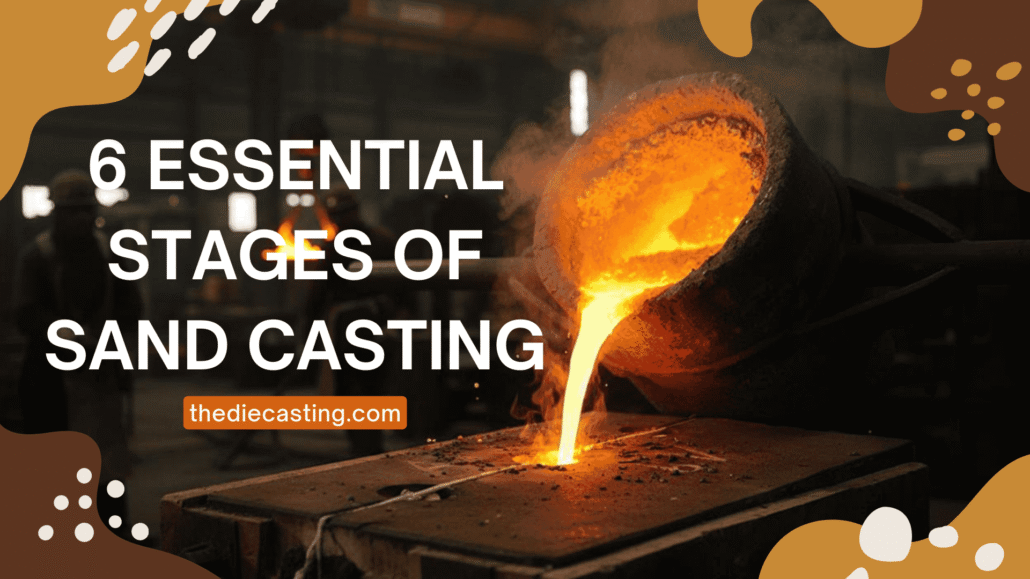
このアルミニウム砂型鋳造の包括的なガイドで、何もないところから何かを作る技術をマスターしましょう。生型の準備から高精度のアルミ砂型鋳造部品の仕上げまで、アルミ砂型鋳造に欠かせない6つの段階をご覧ください。.

Precision casting, also known as precision investment casting, is the highest fidelity casting process on earth. It is a manufacturing process that can produce very thin and most complex features, and it will capture down the fingerprint detail. Whether you are making precision cast parts for the aerospace industry or you are a sculptor creating small works and also a monumental scale, it offers excellent surface finish and excellent dimensional accuracy. Virtually there is no alloy which cannot be manufactured using investment casting process. That is the unique and greatest feature of the investment casting process. The range of alloys covers virtually the complete spectrum of alloys in engineering use. The History and Evolution of Precision Casting In the twentieth century, several developments of the investment casting process occurred. Initially, the solid mould or the block mould investment casting was used where the entire mould was filled with the ceramic material. Later the ceramic material was replaced by the plaster mould to give a better surface finish. Later mercast process was developed where mercury was used as the pattern material, but this is no more in use. Finally ceramic shell investment casting was developed recently and this has gained importance all over the world. Very little has changed in the 3000 years that bronze has been cast. We now have electric blowers rather than bellows and we have natural gas instead of dried animal dung, otherwise everything else is the same. The mold is made out of earthen materials just like in the old days and we burn out the wax. Special Features of the Investment Casting Process What are these special features of investment casting process? It can produce very thin and most complex features. Second feature is it offers excellent surface finish; most of the times no machining is required or very negligible machining is required. Next special feature is it offers excellent dimensional accuracy. Finally it can be used to cast all metals and alloys. If we see different manufacturing process or the casting process, ductile iron, tool steel, and super alloys cannot be cast using die casting process. Titanium alloys cannot be manufactured using sand casting process. But in the investment casting process, all the alloys can be manufactured. Virtually there is no alloy which cannot be manufactured using investment casting process. The Ceramic Shell Investment Casting Process Steps These are the major steps involved in the ceramic shell investment casting process: Shell Building: Ingredients and Slurry Stages How do we make the ceramic shell? We need to learn the ingredients of the ceramic slurry. One is the refractory powder or flour, which comprises sixty to eighty percent. The most commonly used refractory powders are zirconium silicate, fused silica, and fused aluminum oxide. Second ingredient is the liquid binder, comprising fifteen to thirty percent, mainly ethyl silicate or colloidal silica. Finally a solid binder will be used from five to ten percent. The first dip slurry is a fine texture that can easily get down to the details of the grooves and engraving graphics. The next slurry coating is coarser than the first dips as it builds a thick ceramic shell around the wax tree. This cycle will be repeated about five to seven times. The slurry has to dry between successive dippings; temperature and humidity are carefully controlled. The Science of Dewaxing and the Autoclave Oven Prior to the pouring of the molten metal into the ceramic shell, wax inside the shell has to be drained out completely and this process is known as dewaxing. Generally an autoclave oven is used. High steam pressure at about 8 kg per square centimeters is injected into the sealed oven. The wax will be melted and it will be removed from the ceramic shell. We make really sure to burn these molds out clean. If the bronze came in contact with wax it would be a real problem. The bronze would make the wax immediately turn to a gas and a gas is a sudden expansion of volume. The definition of an explosion is a sudden expansion of volume. The bronze could quite well shoot back up out of the mold because of the explosion of a wax in contact with bronze. This wax again it will be refined, it will be purified, and again it will be used for making the pattern. Precision Casting: Melting and Solidifying the Metal The ceramic moulds must be heated up before molten metal can be poured into them. We preheat the mold until it is orange hot so that it offers the least amount of chill resistance to the bronze as the bronze floods the chamber. Bronze literally solidifies at 1850 degrees; we melt it to about 2000 degrees and pour soon thereafter. During the melting of the bronze ingots, imperfections such as sand or mold material float to the surface. We skimmed off the dross on the surface. After the shell is filled with the liquid metal, it must be set aside to cool down. Freshly poured ceramic shells generate a lot of ambient heat. Inside the mold, the thinnest areas solidify first and then the thicker areas. Post Investment Casting: Knockout, Cut Off, and Finishing Knockout means breaking that shell and removing the casting outside. A motorized chisel is used to break the ceramic shell away from the cast part. The metal tree is sand blasted to remove any remaining ceramic shell traces. Traces are to be removed from the casting; that’s why we are using a sand blasting system. The castings are cut at the gates, which leaves the excess material on the gate areas; this is the cut off. For that, most of the times a grinding wheel is used. The castings are heat treated to normalize the metal. Appropriate surface finish is polished on the parts; mirror and satin finishes are the most common these days. The final product will be free from flaws and visually appealing. Investment Cast Alloys and Their Industrial Applications Common

Aluminum is an important engineering material in present-day manufacturing, particularly in die-casting. It is manufactured in such quantities because it is exact, has a high strength-to-weight ratio, is corrosion-resistant, has thermal conductivity, and is lightweight. Among other characteristics that determine how readily aluminum can be processed and molded into industrial products, the most significant physical property is the aluminum melting temperature. The producer of die-casting products should be aware that 660.32 °C (1220.58 °F) is the melting point of pure aluminum, although in practice pure aluminum is rarely melted in industry. Instead, it is treated as an alloy, and the inclusion of other elements such as silicon, copper, magnesium, and zinc not only alters its mechanical strength and corrosion resistance but also its melting characteristics. These alloying elements have a melting range rather than a melting point, with direct implications for die-casting operations. The melting temperature is not a collection of laboratory values in the die-casting industry; it defines furnace design, power consumption, mold life, flow behavior, defects, solidification structure, mechanical properties, and production efficiency. Melting, flow, and solidification of aluminum are essential to producing high-quality castings that are dimensionally accurate to within a millimeter and structurally sound. Aluminum or Aluminum Alloys: Different Melting Temperatures The melting temperature is the temperature at which a solid metal changes into a liquid. In pure aluminum, this change of state occurs at 660.32 °C. However, this is not the case with industrial alloys. They melt over a range of temperatures, meaning some of the material melts while the rest remains solid. This is referred to as melting-point depression, in which alloying elements disrupt aluminum’s crystal lattice. This forms a mushy zone, a semi-solid state in die casting operations that has a direct impact on the flow of metals, behavior in mold filling, formation of shrinkages, and internal defects. This range of melting points is significant to die, casting engineers, more than the absolute melting point, since it determines: Melting Point of Aluminum: Die Casting Industry In the casting process, molten aluminum is forced into steel molds. The aluminum melting temperature controls all the stages of this process. Furnace and Energy Systems Efficiency Reduced melting points mean less energy use and operational expenses. The relatively low melting temperature of aluminum compared to steel or titanium enables foundries to use lower furnace temperatures, making die casting less energy-intensive and more cost-effective to scale. Effect on Flow Behavior and Molding Viscosity is directly proportional to melting temperature. Lower-melting alloys are easier to pour into thin sections and intricate geometries and are therefore preferred for precision die casting, such as vehicle housings, electronic casings, and structural brackets. Impact on Defect Formation The inappropriate melting temperature causes: Here is the summary of different Aluminum alloys in the die casting industry: Alloys Melting points Die casting Industry usage A360 557 – 596 °C This alloy can be used in high-pressure, tight-die casting and exhibits high fluidity. A380 538 – 593 °C The casting industry uses this alloy for its excellent castability in making structural parts. A413 574 – 582°C This could be used to make thin-wall casting products. B390 510 – 649 °C It makes products more wear-resistant. A356 555 – 615°C Automotive and structural products are made from the A356 aluminum alloy. Melting Ranges of Common Die Casting Alloys 2024 Alloy Industrial Behavior and Melting Temperature Aluminum 2024 fuses at 500-638 °C. This wide melting range makes it sensitive to temperature control during casting. This alloy is sensitive to thermal control during die casting, as it can partially melt and form segregated, weak areas. Role in Manufacturing Although it is not popular for high-pressure casting due to its tendency to corrode, 2024 aluminum is used to illustrate how the melting range influences the development of microstructures and mechanical properties. 3003 Alloy Characteristics of melting temperature Aluminum 3003 melts between 643 °C and 654 °C, which is near the melting point of pure aluminum. This relatively narrow melting range provides consistent flow behavior. Applicability to Casting and Fabrication Although more common in fabrication than in die casting, it has a stable melting profile, suggesting that higher melting temperatures can enhance dimensional stability. 5052 Alloy Thermal Behavior In aluminum, 5052 alloy is melted at 607 -649 °C, providing a balance of fluidity and strength. Die Casting Implications Although it is not a primary die-casting alloy, its melting range demonstrates why magnesium-based alloys require controlled heating to prevent oxidation and hydrogen uptake. 6061 Alloy Melting Temperature Range The melting range of 6061 aluminum is 582 °C- 652 °C. Position in Industry Processing Though die-casting is infrequent, its fusion scope demonstrates the importance of temperature in regulating the solidification process and mechanical stability in aluminum production. 7075 Alloy Low Melting Range 7075 aluminum melts at 477-635 °C, which is one of the lowest melting points of all structural aluminum alloys. Manufacturing Significance This low melting point outlines the correlation between the chemical composition of alloys and thermal sensitivity. In the die-casting process, these alloys must maintain high-temperature precision to prevent premature melting and separation. A356 Alloy Melting Curve Profile A356 has a melting point of between 555 and 615 C and is therefore very useful in die casting. Die Casting Importance A356 is a very popular alloy in the automotive and die-casting industries because it offers good flow properties, controllable solidification, and a balanced meltability range that enables high-quality mold filling. A360 Alloy Thermal Properties A360 has a temperature range of 557 °C to 596 °C, giving it excellent fluidity. Role in Die Casting It is a super alloy used in pressure-tight die castings, where dimensional precision and surface quality are paramount. It has a wide freezing temperature and easily freezes. A380 Alloy Melting Behavior A380 melts between 538°C and 593°C. Industry Dominance The most popular alloy in the world is A380, an aluminum die-casting alloy. Aluminum’s melting point offers the best fluidity, reduced contraction, and good mold filling, making it the best for automotive housing, electronic enclosures, and structural elements.

Flexible Metal Fashioning the Modern World One of the most important materials that contributes to modern civilization is aluminium. From high-tech aerospace and electric cars to simple things like food packaging and consumer electronics, this silvery-white metalloid is probably found in almost every sphere of modern life. Aluminium is a chemical with the chemical symbol Al and atomic number 13. It is prized for its outstanding light weight, strength, corrosion resistance, electrical and thermal conductivity, and complete recyclability. The only difference between Aluminum or aluminium is that it is able to respond to the increased world demand for materials that not only perform well but are also environmentally friendly. With industries shifting towards sustainability, lightweight design, and reduced energy consumption, aluminium has become one of the backbone metals of the 21st century. This paper provides an in-depth description of the nomenclature of aluminum and aluminium, physical and chemical characteristics, history of aluminium, how it is made, its uses in industry, systems of alloys, its sustainability, and trends in its future in a fast-changing world. The Lingistic Dilemma: Aluminum vs. Aluminium Among the most widely observed peculiarities of this metal are the two spellings it has, i.e., aluminum or aluminium. Both terms mean the same thing, although regional language customs and the historical development of the scientific world explain their use. Aspect Aluminum Aluminium Chemical symbol Al Al Atomic number 13 13 Original term used Aluminum Aluminium Regions using the term United states British Dictionary Preference American dictionaries British dictionaries Scientific use U.S. publications European publications Industrial standards ASTM Standards ISO Standards Language influences American English British English Related Chemical Terms Al₂O₃, Al₄C₃ Al₂O₃, Al₄C₃ Naming Convention Originated with the Following The name itself can be traced back to the early 19th century, and it is strongly linked to Sir Humphry Davy, a British chemist who helped identify and name several chemical elements. During one of his experiments with alumina (aluminium oxide), Davy first suggested the name alumium. Soon, he amended it to aluminium. Nevertheless, certain contemporaries of Davy contended that the name ought to be stricter in accordance with the classical Latin style of naming as applied to other elements, e.g., sodium and potassium. Consequently, the name aluminum became common, especially in Britain and Europe. Local Tastes and Unification Regional tastes were, over time, entrenched in North America. The spelling aluminum was officially adopted and made uniform by the American Chemical Society (ACS) in 1925. In 1990, on the other hand, the International Union of Pure and Applied Chemistry (IUPAC) formally accepted the spelling aluminum as the standard international scientific spelling. Even today, aluminum is more common in the United States and Canada, whereas in most other regions, including the United Kingdom, Europe, and Australia, aluminium is more common. Implication on Global Communication Although there are dual spellings, scientific, technical, or industrial communication is not ambiguous at all. The two terms are universally applicable, and the international standards, product specifications and trade documentation routinely consider this linguistic variation but do not have an operational effect. Aluminium Physical and Chemical Properties The popularity of aluminium or aluminum lies in its exceptional physical and chemical properties. It is the most common metallic element in the Earth’s crust, accounting for approximately 8.1%, but it is never found in pure metallic form. Main Physical Characteristics Aluminum has some of the most interesting physical properties, which include: Aluminium is an excellent material for heat exchangers, radiators, and cooling electronic systems due to its excellent heat dissipation. Ductility and Malleability Aluminium can be beaten into foils less than 0.01 mm thick and pulled into very fine wires without breaking. This makes aluminium an ideal material for a wide range of frames and products acrossindustries. Chemical Behaviour and Resistance to Corrosion Corrosion resistance is also a natural characteristic of aluminium, which is very desirable. The presence of air leads to the immediate formation of a dense, adherent layer of aluminium oxide (Al2O3) on aluminium. This coated film prevents further oxidation and shields the underlying metal from environmental degradation. Additionally, aluminium is: History of the Discovery of Aluminum or Aluminium Early Isolation Efforts Although aluminium compounds have been in use since antiquity, isolating the pure metal was not an easy task. In 1825, Danish physicist Hans Christian Oersted was able to reduce small amounts of aluminium chloride, producing small amounts of aluminium. It was soon followed by an improvement by Friedrich Woehler in 1827, but production remained costly and low. Aluminum was an expensive material at this time, more precious than gold, and was actually used to top the Washington Monument as a technological showcase. Breakthrough in the Hall-Héroult In 1886, breakthroughs were made when Charles Martin Hall, then in the United States, and Paul Heroult, then in France, independently developed the electrolytic reduction process for aluminium extraction. The process is called the Hall-Héroult process, and it consists of dissolving alumina in a molten cryolite solution and passing an electric current through the solution to obtain molten aluminium. This invention, added to the Bayer process (invented in 1887 to process bauxite into alumina), significantly reduced production costs and enabled large-scale industrialisation. The Development into Mass Production At the beginning of the 20th century, aluminium production increased rapidly. Its strategic significance was fully realised during World War I and World War II, especially in aircraft production. Since then, aluminium die casting has ceased to be a rare novelty and has become an essential part of industry. Contemporary Processes of Production Primary Production: Bauxite to Metal Bauxite mining is the starting point of primary aluminium production, and the ores usually contain 30-60 per cent alumina ). It consists of two major phases: Bayer Process Through this process, bauxite is purified into alumina using sodium hydroxide. Hall-Héroult Process Alumina undergoes electrolytic reduction to molten aluminium, which requires about 13-15 kWh of electricity per kilogram. The World Production and Main manufacturers By 2024, the world had a steady output of about 72 million metric tons of aluminum. Major producers include: Secondary
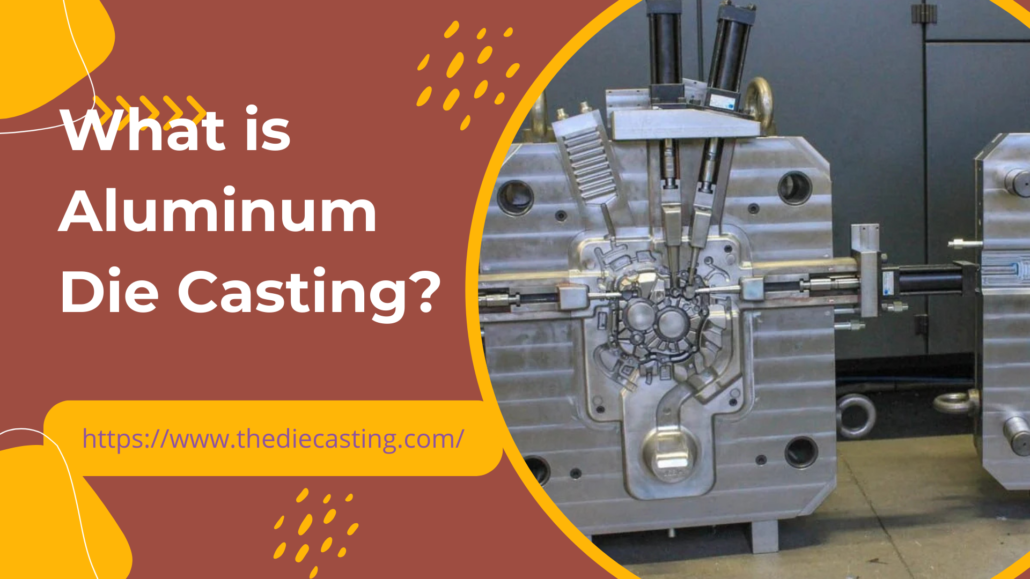
高精度の金属部品を大規模に生産するための最も一般的な製造工程のひとつがアルミダイカストです。寸法精度の高さ、機械的強度、軽量性、コストパフォーマンスを要求される現代の産業において重要な役割を担っています。.