アルミ鋳造

アルミ砂型鋳造

現代製造業におけるアルミニウム砂型鋳造の包括的技術分析

アルミ鋳造

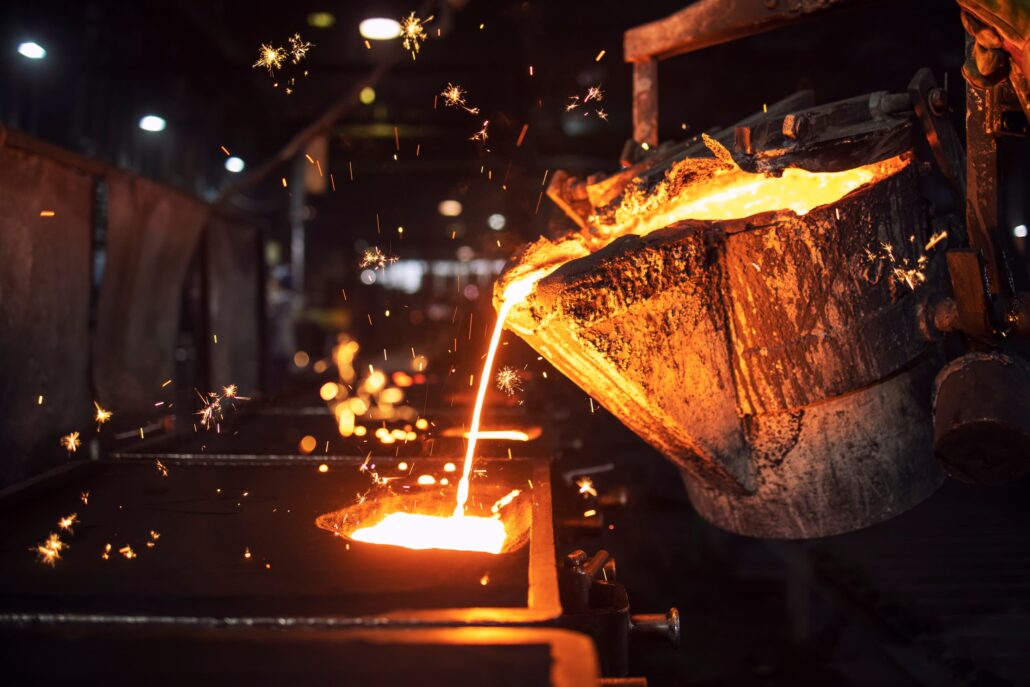
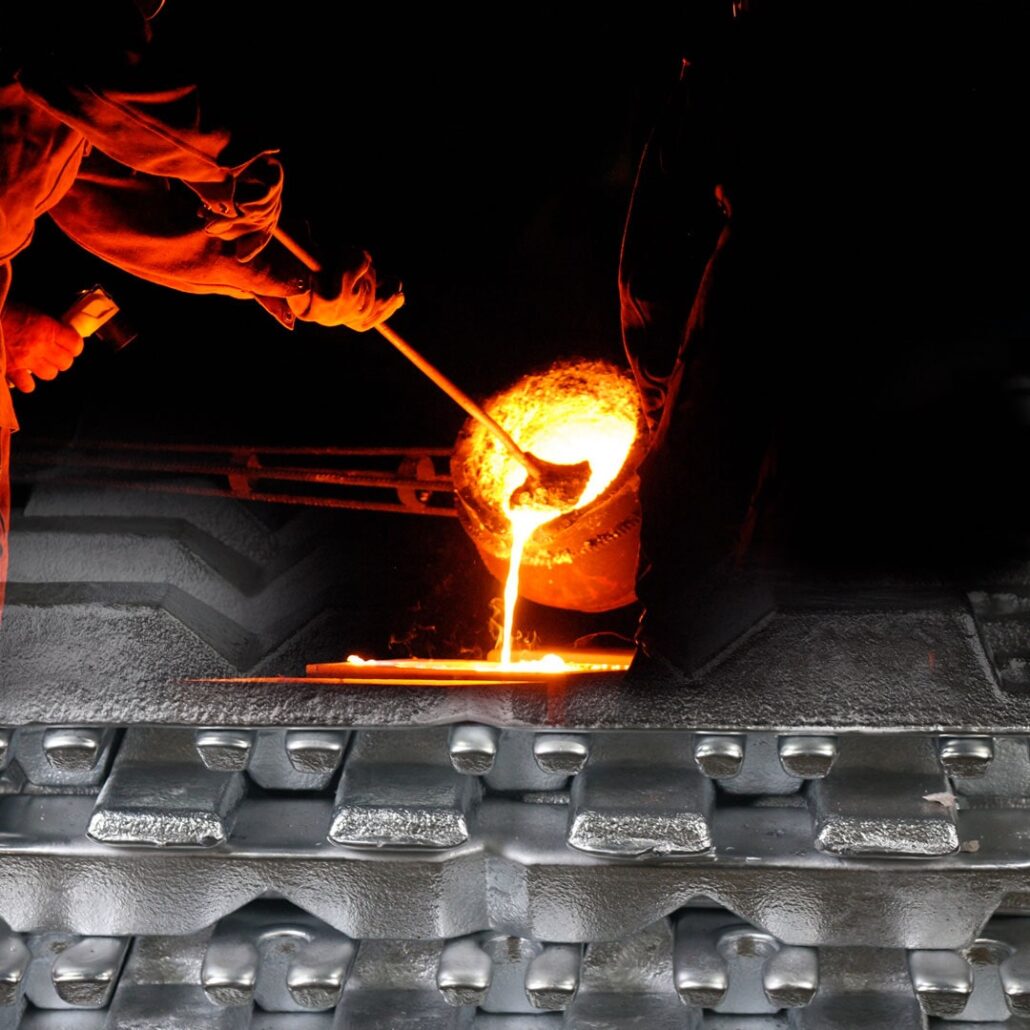
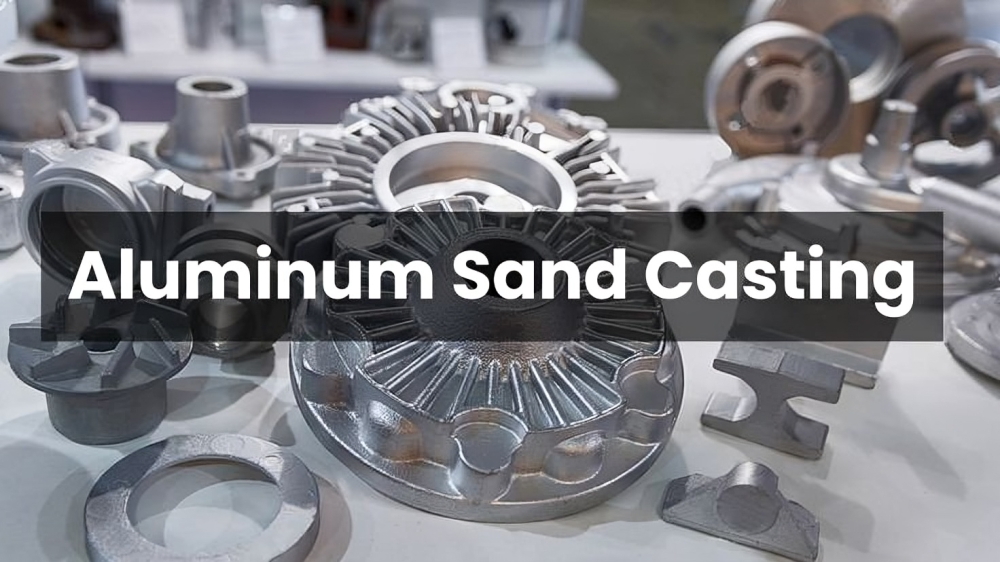
アルミ砂型鋳造は、最も古く、最も汎用性の高い金属鋳造プロセスの一つであり、複雑で、耐久性があり、費用対効果の高い部品を製造するために、現代の製造業で広く使用されています。アルミニウム砂型鋳造の製造業者は、準備された砂型に溶融アルミニウムを流し込むことによって、そうでなければ固体材料から機械加工することが非現実的であったり、採算が合わなかったりするような複雑な特徴を持つ複雑な形状を作り出すことができます。この方法は、特に航空宇宙、自動車、防衛、エネルギー産業にわたるアプリケーションの少量から中量の生産、プロトタイピング、高構造鋳造に適しています。砂型鋳造アルミニウムの最も興味深い点は、柔軟性と機能性を兼ね備えていることです。アルミニウムは、重量に対する強度が非常に高く、耐食性、リサイクル性に優れているため、優れた鋳造材料となります。砂の耐熱性とその高い造型能力とともに、このプロセスは優れた寸法精度でスケーラブルな生産能力を提供します。パターン設計、鋳型の構成、溶湯の品質、ゲート設計は、すべての鋳造の成功の鍵となる要素です。アルミニウム砂型鋳物の優れた鋳造工場は、金属技術における古典的な事実を管理するだけでなく、プロセスの革新にも触れなければなりません。現在の施設では、3Dサンドプリンティング、シミュレーションソフトウェア、リアルタイムプロセスモニタリングを使用することにより、欠陥を防止し、鋳物の最高の性能を確保するための最新技術を適用しています。精密設計され、鋳造されたアルミニウム部品は、安全性、公差、耐久性に関する厳しい技術基準を満たすことができるようになりました。リードタイムを短縮し、環境への影響を低減した複雑な部品への需要が高まるにつれ、専門的なアルミ砂型鋳造サービスは進化し続けなければなりません。この記事では、プロセス自体の技術的な内部と外部、エンジニアリングのワークフロー、材料、課題、技術革新などについて説明します。アルミニウム砂型鋳造の基礎 アルミニウム砂型鋳造の核心は、最終的な部品の形状を再現するパターンで形作られた砂型キャビティに溶融アルミニウムを流し込むことです。アルミニウムが凝固すると、砂型は振り落とされ、鋳造品が残ります。このプロセスはまた、多品種少量生産の条件下で、卓越した寸法の柔軟性と拡張性を発揮する。このプロセスは、非永久的な鋳型である砂の使用に基づいており、リサイクルや再利用が可能なため、材料や費用の無駄を最小限に抑えることができる。砂型は、バインダーを添加した珪砂で構成されるのが一般的で、バインダーシステムの性質は、一般に、得られる表面仕上げ、寸法精度、冷却速度に大きく影響する。アルミニウム砂型鋳造のエンジニアリングにおけるフローのプロセス アルミニウム砂型鋳造は、未加工のアルミニウムを特定の、よくできた、正確な寸法の部品に変えることを目的とした、正確に調整された一連の作業からなるエンジニアリングプロセスです。プロセスのすべての段階を成功させるためには、材料と機械的な専門知識の両方が深く要求されます。以下は、アルミニウムの砂型鋳造が専門的かつ技術的に実施される方法を段階的に分析したものです。1.パターンの設計と製作 アルミニウムの砂型鋳造プロセスでは、最初の段階は、最終的な鋳物の物理的なコピーであるパターンの設計と製作です。パターンに含めるべき許容範囲は、収縮、抜き勾配、加工在庫など、かなり重要です。アルミニウムは収縮するため、冷却中にパターンは完成部品よりも少し大きくレイアウトされます。アルミニウム合金の収縮率は通常1.3パーセントとされていますが、合金や冷却の条件によって異なる場合があります。鋳型の垂直部分には抜き勾配を付けますが、通常は1~3度の間で数度です。これは、キャビティを破壊しないように注意しながら、砂型内で型紙を容易に取り除けるようにするためです。後加工と最終部品との間に悪影響を及ぼさないように、追加的な許容範囲(加工許容範囲)が含まれる。パターンは、精度の要求や生産量のニーズに応じて、木材、金属、樹脂、あるいは3Dプリントされたポリマー材料で作られることもある。2.鋳型の作成(成形と中子のセット) パターンを準備した後、鋳型を準備する。砂型鋳造アルミ鋳型の場合、コープ(上半分)とドラッグ(下半分)の2つに分かれる。これらは、フラスコの中で鋳型の周りに砂を詰めることによって作られる。用途にもよりますが、砂は一般的にシリカ系で、粘土(グリーンサンド)や化学樹脂(ノーベークサンド)などの結合剤とアマルガム化されます。部品に内部空間や中空部分がある場合は、砂中子を使用する必要があります。中子は鋳型のキャビティに入れられ、その後金属が流し込まれる。中子は、中子ボックスを使用して製造することができ、精密生産では、3Dサンドプリンティングを使用してより精密に印刷することができます。中子の正確なフットプリントは、剛性の高い構造と最終的な部品の寸法に忠実であるために非常に重要である。3.ゲートシステムの設計形成されたゲートシステムの適時性と有効性は、アルミニウム砂型鋳造プロセスの成功にとって重要です。このシステムは、湯口、スプルー、湯道、ゲートで構成され、鋳型にアルミニウムを流し込む役割を果たします。十分なゲートにより、乱流を防ぎ、エアロックを最小限に抑え、均一な充填を実現します。ライザー(フィーダーとも呼ばれる)も必要で、これは凝固後に生じる収縮の方向を相殺する溶湯の貯蔵庫と見なすことができます。鋳造シミュレーション・ソフトウェアは通常、エンジニアが湯口と押湯システムを研究し、最適化するために利用します。MAGMASoftやProCASTのようなシミュレーション・ツールを使用して予測を行うことで、コールド・シャット、ミスラン、引け巣などの典型的な欠陥を、生産が行われる前にすべて事実上修正することができます。4.Cuの溶解と金属処理 アルミニウムは通常、反射炉、るつぼ炉、誘導炉で溶解され、バッチ量、合金の必要性、必要なエネルギー量によって選択されます。純アルミニウムの溶解温度は約660度である。

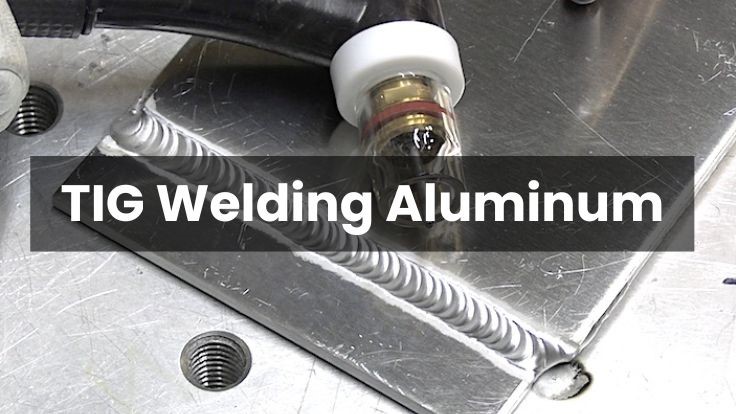
TIG溶接アルミニウム

アルミニウムのTIG溶接:包括的技術ガイド

アルミ鋳造

TIG溶接 アルミニウムは、溶接の分野で最も技術的要求の高いプロセスの1つと広くみなされています。軽量、耐食性、高導電性を特徴とする金属であるアルミニウムを扱う場合、一連の前例のない問題が浮上し、鋼やステンレス鋼とは大きく区別されます。アルミニウムの取り扱いが悪いと、その自然酸化物レベル、低融点、水素ガスを吸収する能力のために、自然酸化物層が弱く、多孔質で、構造的に好ましくない溶接部になる可能性がある。そのため、TIG(タングステン・イナ ート・ガス)プロセス、またはガス・タングステ ン・アーク溶接(GTAW)プロセスは、精度、美観、 溶接の完全性が主な要因である場合に使用される、 業界が選択するプロセスである。品質管理と再現性に重点を置きつつも、材料の特性、機器の選択、シールド・ガスの選択、継手の準備、トラブルシューティングの方法などを取り上げる。さらに、アルミTIG溶接機を正しく選択し操作する方法、様々な種類のアルミ溶接部品を管理する方法、アルミTIG溶接を試みる際に一貫した欠陥のない継手を製造する方法についても詳述します。最後には、読者は、航空宇宙産業、自動車産業、海洋産業、および製造業における業界標準に従って、良好で、清潔で、構造的に見栄えの良いティグ溶接アルミ組立品を作成する方法について、十分な知識を得ることができます。 この記事では、アルミのTIG溶接の科学、方法、実践的側面について説明します。この記事は、高性能または工業プロセスにおけるアルミの溶接に関する知識を深めたい専門家や技術的訓練を受けた人々が使用することを意図しています。アルミのTIG溶接とは?TIGアルミ溶接とは、ガス・タングステン・アーク溶接(GTAW)としても知られる、タングステン・イナート・ガス(TIG)溶接を使用してアルミ部品を接合するプロセスを指します。ここでは、消耗しないタングステン電極によって電気アークが発生し、アルミニウム母材とフィラーロッドが不活性ガス(通常はアルゴン)の保護カバー内で溶融される。アルミニウムは熱伝導率が高く、融点が低く、溶融性の高い酸化皮膜を持つため、溶接アルミニウムには独特の着色があり、乾燥には注意が必要である。TIG溶接は、入熱と溶接池の制御が可能であるため、薄い材料、高度な組立品、その他の高性能用途に最適である。航空宇宙産業、自動車産業、海洋産業などでは、TIG溶接を使用して、耐性があり、腐食せず、見た目がきれいな溶接ビデオを製造しています。アルミニウムのTIG溶接」を成功させるには、熟練した技術、適切な設備、溶接の完全性と強度を確保するための入念な表面処理が必要です。なぜアルミTIG溶接なのか?ガス・タングステン・アーク溶接(GTAW)は、タングステン・イナート・ガス(TIG)としても知られ、精度、制御、外観が要求される場合に使用する理想的な技術です。入熱量を比類なく制御できるため、溶接工はアルミニウムの溶接プールの流動性を制御できる。TIG溶接は、アルミニウムで使用する場合、非常に便利です:アルミニウムの溶接は、その物理的および化学的特性をよりよく理解する必要があり、他の広く使用されている金属と比較して大きく異なります。以下は、アルミニウムのTIG溶接に関連する主な課題です。1.非常に高い熱伝導性 アルミニウムは鋼鉄の5倍の熱を伝えます。これは、熱が溶接部から素早く放散されることを意味し、アルミをTIG溶接しようとする場合、特に厚い材料では、より高いアンペア数が必要となります。最適な方法で溶接しないと、隙間融合や不規則な溶接溶け込みになる可能性がある。2.酸化皮膜の問題 アルミニウムの表面が空気にさらされると、酸化皮膜(確実に付着する)が瞬時に形成されます。この層は、アルミニウムの母材融点660℃をはるかに上回る約2050℃で溶融する。TIG溶接は、交流モードが使用される場合、この層を破壊するのに役立つが、高品質のTIG溶接アルミを製造するためには、前洗浄を行うことも重要である。3.水素ポロシティの発生しやすさ 水素は溶融アルミ中に容易に吸収されるため、冷却中にポロシティが発生したり、クラックが発生したりする可能性がある。油分、水分、汚れたフィラー・ロッドは、水素が溶接プールに入り込む原因となる汚染物質として作用する。アルミニウム溶接部品の欠陥を避けるには、適切な洗浄と乾燥したフィラー・ロッドの使用が不可欠である。アルミニウムTIG溶接の技術概要表 ここでは、溶接パラメータ、継手の種類、一般的な欠陥、およびそれらの管理方法など、アルミニウムTIG溶接の重要な側面をまとめた包括的な技術表を示します。この表は、あなたの記事のアイデアを組み合わせたもので、独創的で高度な技術です。カテゴリー 技術詳細 推奨事項 / パラメーター 母材 1xxx ~ 6xxx アルミニウム合金は、最も一般的に TIG溶接される 溶接前にすべての表面をクリーニングする;電極タイプ 2% ランタネート・タングステンまたはセ リエート・タングステン(1/16″、3/32″、1/8″) 用途に応じて、先端を切り落とした形状またはボール チップ(AC用)に研ぐ シールド・ガス 高純度アルゴン(99.99%)流量フィラー・ロッド ER4043、ER5356 フィラーを母材合金と用途に合わせる (強度はER5356、耐クラック性はER4043) 継手タイプ 突合せ、重ね、T、コーナー 小さい隙間(~1/16インチ)で設計し、熱膨張を許容する;溶接前に酸化被膜を除去する。 トーチ技術 アーク長は短め(<1/8“)、移動角度は10~15° フィラーはアーク・コーンの外側に置き、 酸化を防ぐ。001インチ(0.001 インチ)厚さのベースライン 60-130 アンペア 薄いアルミから中程度のアルミのほとんどの用途 AC周波数 アーク・フォーカスを制御する 120-200 Hz 薄いアルミ溶接部品のクリーンで狭いアーク用 ACバランス 70% EN / 30% EP 典型的 深い溶け込みにはENを多めに、酸化物のクリーニングにはEPを多めに調整する ヒント:アルミニウム・ティグ溶接機を正しく校正してください。

ジョンディアコットンピッカー用スピンドルモイスナーコラムホルダー

アルミ鋳造

現代農業の世界では、効率と信頼性が非常に重要です。John Deereのコットンピッカーを使用している綿花栽培農家にとって、見落とされがちでありながら重要な部品のひとつがスピンドル湿しカラムホルダーです。この小さいながらも不可欠な部品は、高いピッキング効率、スピンドルの摩耗軽減、そして安定した綿花の品質を確保するために重要な役割を果たしています。スピンドル湿しカラムホルダーとは?スピンドル湿しコラムホルダーは、スピンドル湿しシステムを所定の位置に固定するために設計された構造的支持部品です。John Deere 9976、9996、そして最新のCP690モデルのような綿摘み機では、スピンドル湿しシステムは、回転スピンドルが運転中に継続的に潤滑され、洗浄されることを保証します。コラムホルダーは、湿潤パッドとスプレーノズルを適切に整列させ、スピンドルとの正確な接触を可能にします。主な機能綿花収穫で重要な理由 綿花ピッカーは、厳しい環境で作業します。埃、植物の屑、粘着性の樹液は、スピンドルの性能を急速に低下させます。スピンドル湿潤システムは、水または湿潤溶液をスピンドルに塗布し、清潔で涼しい状態に保つことで、これに対抗します。磨耗したり、ずれたりしたコラムホルダーは、次のような事態を引き起こします:定期的なメンテナンスの一環としてスピンドル湿し装置コラムホルダーを交換またはアップグレードすることは、これらの問題を回避する簡単な方法です。OEMとアフターマーケットの比較 スピンドル湿し水コラムホルダー 農家や機器のメンテナンスチームは、OEM(相手先ブランド製造)部品かアフターマーケットの代替品のどちらかを選ぶことができます。John DeereのOEM部品は、互換性と長期耐久性を保証します。しかし、高品質のアフターマーケットオプションは、しばしば提供しています:交換部品を選択する際は、必ず部品番号を確認し、お使いのピッカー型式と一致していることを確認してください。JohnDeereのコットンピッカーとの互換性 スピンドル湿し水コラムホルダーは、通常、以下のようなモデルで使用されています:適合の確認は、必ずお使いの機器のマニュアルまたはサプライヤーにお問い合わせください。長期性能のためのメンテナンスのヒント スピンドル湿し水システムの寿命を最大限に延ばすために:積極的なメンテナンスは、湿潤システム全体の寿命を延ばし、収穫期のピーク時の高価なダウンタイムを減らすことができます。スピンドル湿しカラムホルダーを購入する場所 John Deereの綿摘み機用の高品質のスピンドル湿しカラムホルダーは、次の場所から入手可能です:海外のバイヤーについては、サプライヤーがISO認証部品を提供し、信頼できる出荷オプションを提供し、必要に応じて大量注文をサポートしていることを確認してください。最終的な感想 サイズは小さいですが、スピンドル湿しカラムホルダーは綿花収穫システムの重要なコンポーネントです。これを良好な状態に保つことで、John Deereのコットンピッカーが最高の効率で作動し、より少ないダウンタイムとメンテナンスコストで高品質の綿花をお届けすることができます。破損したユニットを交換する場合でも、次のシーズンのためにスペアをストックしておく場合でも、適切なホルダーを選択することで、収穫結果に測定可能な違いが生まれます。綿花機械用のスピンドル湿し水コラムホルダーをお探しでしたら、ぜひ弊社にご連絡ください。.

中国および世界の自動車ダイカスト企業

中国および世界の自動車ダイカスト企業

アルミ鋳造, ダイカスト会社

自動車産業の未来は、ダイカストの台頭が大きく影響している。ダイカストで作られるエンジン部品、EV用バッテリーケース、その他の部品は、強く、精密で、軽量な自動車を実現するための鍵となる。電気自動車や省燃費車を購入する人が増えているため、ダイカスト企業はこの分野の進歩や大規模なソリューションの最前線にいる。中国は、先進的な工具、熟練した労働力、手頃な価格での製造により、他のどの国よりもダイカストのトッププレーヤーとなっている。この分野をリードする企業は、金型設計、CNC機械加工、表面仕上げを手がけるSincere Tech、CNM Tech Co.これらの企業は、品質チェックと迅速なプロトタイピングの両方を駆使して、大量の部品を製造しており、国内外の自動車メーカーをパートナーとして惹きつけている。 Wisconsin Aluminium Foundry社(米国)、Get It Made社(英国)、MES Inc.社(米国)など、業界を変えつつある企業が各国に存在する。数十年にわたる経験、ISO9001やIATF16949の認証、環境に優しく革新的であることに重点を置くことで、これらの企業は、正確性、信頼性、環境への配慮に対する自動車メーカーの期待の向上を確実にサポートしている。この記事では、自動車ダイカスト業界の変化をリードするキーパーソンについて指摘している。電動化、デジタル化、持続可能な手法の使用といったトレンドにより、中国を含む世界のダイカスト企業は、卓越した自動車を実現するための主要なプレーヤーとみなされている。1.設立年:2005年従業員数:100~200名従業員数:100~200名シンシア・テックは、中国最大のプラスチック射出成形金型メーカー、ダイカストメーカー、機械加工プロバイダー、組立プロバイダーのひとつである。ウェブサイトと連絡先ウェブサイト:https://plas.co/Phone:+86 135 30801277Email: steve@sincere-tech.comAddress:中国広東省東莞市橋頭鎮景連村東湖路N041号101室523000.会社概要 中国のプラスチック射出成形金型と成形サービスのサプライヤーである誠信科技は、中国でも有数の企業です。2005年から、この会社は金属とプラスチックのスタンピング、精密プラスチック射出成形金型、CNC機械加工、ダイカスト、シリコン成形の組み合わせから生まれました。先進的な機械、NDAによる情報保護、適正な価格設定、20年近くにわたる優れた生産体制がSincere Techのお客様をお待ちしております。射出成形は、電子、医療、自動車、化粧品などの業界向けの60~1800トンの機械に使用され、その部品の重量は1グラム未満から8キログラムに及びます。ISO9001:2015とISO9000:2015の通り、シンセテック社は世界に通用する製品の製造を目指しています。品質にこだわることで、同社は大きな需要を生み出すことができ、フィンランドをはじめとする多くの国に製品を輸出している。同様のサービスを提供する企業の中で、Sincere Techはプラスチック射出成形の信頼できる革新的なパートナーとして認められています。当社を選ぶ理由2. CNMテック株式会社設立年:20年以上従業員数:100-200人100-200人ビジネスタイプCNM Tech Co., Ltd.は、ダイカスト、CNC機械加工、組立サービスに重点を置く精密製造会社である。ウェブサイトと連絡先ウェブサイト: https://www.thediecasting.com/Contact:+86 13045898002Email: sales@thediecasting.comAddress:工場住所中国広東省東莞市橋頭鎮景連市東湖路40号101室。523520.会社概要 Thediecasting.com は、中国の優れたダイカスト・ソリューション・メーカーである CNM Tech Co.同社は、中国を拠点とするアルミニウム、マグネシウム、亜鉛ダイカスト、CNC機械加工、表面仕上げ、組立事業を行い、本社は中国の東莞市にあります。CNMテックは、自動車、航空宇宙、エレクトロニクスなどの分野で20年以上の経験がある。高精度の製造のため、社内の工具工場と高度なCNC機械も確保しています。CNM Techは、あらゆる種類の研磨、サンドブラスト、粉体塗装、オイル塗装など、世界中のユーザーのニーズに合った高品質の仕上げ製品を提供しています。CNM Tech Co., Ltd.は、ISO 9001:2008、TS16949、ISO 14001:2015文書を提供しています。ほとんどの場合、これらは企業の管理が一流であることを保証するものであり、また、自動車業界標準への準拠と、関係企業が実施する環境に配慮した活動を保証するものです。品質および環境規制を厳守した結果、CNM Tech は、環境への影響を最小限に抑えた優れたダイカストソリューションを提供し、市場で高い評価を得ています。当社を選ぶ理由3. 株式会社GC精密金型設立年1999年従業員数100-200ビジネスタイプ弊社はアルミ、亜鉛、マグネシウムダイカスト、CNC機械加工、プラスチック射出成形を行っております。ウェブサイトと連絡先ウェブサイト:https://aludiecasting.com/Contact:+86 131 4886 5556Email: info@aludiecasting.comAddress:工場住所 1: No. 30 Huan Zhen Rd, Qi Shi Town, Dongguan City, Guangdong Province, China, 523516 会社概要 GC Precision Mold Co., Ltd.は、Aludiecasting.comの下で運営されており、ダイカストと精密機械加工の製造サイトで、中国の大手メーカーの一つです。同社は1999年に設立され、アルミ、亜鉛、マグネシウムダイカスト、プラスチック射出成形、CNC機械加工と表面仕上げなどのサービスを提供しています。高圧ダイカストマシン(120トン~1600トン)や射出成形機(80トン~2800トン)などの最新鋭の機械を保有し、自動車、航空宇宙、エレクトロニクスなどの産業に対応している。彼らは、正確で耐久性があり、安価な製造ソリューションを世界中に提供するために、非常に厳格な品質を持っています。彼らの品質へのこだわり GC精密金型株式会社は、ISO9001認証で指定されているように最高のダイカストと機械加工ソリューションを提供しています。彼らの品質管理は非常に厳しく、信頼できる製品を確保するために、CMM機、X線、分光計などの精密検査を行っています。国際標準の厳格な遵守を通じて、同社は、すべてのプロジェクトで示された理由のために、信頼性の側面から、最小限の顧客からの苦情で、一貫した高品質のコンポーネントの配信を保証します。なぜGC精密金型株式会社を選びますか?4.設立年:2011年従業員数:50-100名50-100ビジネスタイプ自動車ダイカスト部品の製造・販売ウェブサイトと連絡先ウェブサイト:https://get-it-made.co.uk/ Eメール:team@get-it-made.co.ukContact:+44 (0)20 3286 6002住所:Get It Made Ltd, Unit 1 Southbrook Mews, London SE12 8LG.会社概要 Get It Made はロンドンで設立された、,

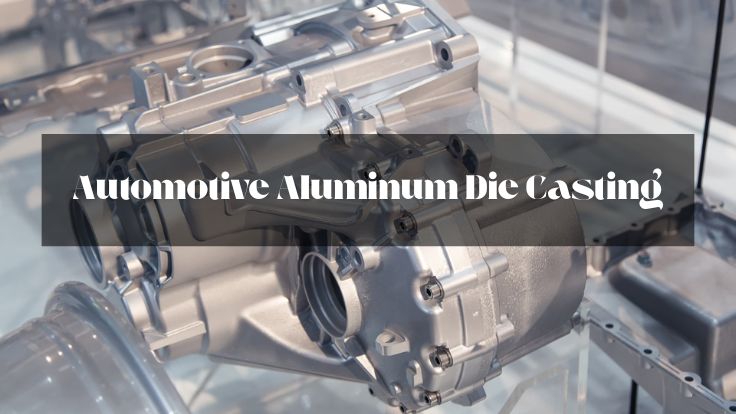
ものづくりの未来:自動車用アルミダイカストを探る

ものづくりの未来:自動車用アルミダイカストを探る

アルミ鋳造, アルミダイキャスト

The rapid changes in the automotive industry mean car companies always need to build vehicles that are lighter, safer, and save energy. One key technology behind this change is automotive aluminum die casting. Thanks to this process, manufacturers can form metal parts that are both strong and light, maintaining the necessary complex figures and precision needed today in automotive work. As there is growing interest in EVs, improved security, and fuel savings, automotive die casting is now used more than ever. In die casting, aluminum is poured into a small, highly accurate steel mold at considerable force. The process allows for quick and regularly repeatable results and the parts have precise dimensions and look great. Right now, many die casting products are put to great use in important parts of cars such as engine blocks, transmission housings, car suspensions and battery enclosures. The construction must be solid, but it also has to meet high standards for heat and stress. Because people are choosing aluminum more than steel, many makers are turning to automotive aluminum die casting since it helps lower vehicle weight without hurting strength. Modern advances in machines, materials and sustainability make it possible for manufacturers to produce aluminium die casting parts for vehicles that satisfy modern regulations and please the environment. We go over the main ideas in automotive die casting which include materials, machines, design criteria and examples of their use. No matter if you work in the industry or not, understanding automotive die casting helps you see the evolution of manufacturing and the future of vehicles. What is the process known as automotive aluminum die casting? Automotive aluminum die casting takes place by injecting melting aluminum into steel dies using tremendous pressure. As soon as the aluminum becomes solid, it establishes a part that is both precise and tough, with a fine surface finish and good dimensions. Because safety, performance, and efficiency matter most in the automotive sector, these features are vital. This way of manufacturing helps produce complex designs that cannot be achieved with traditional production. Because it is light, using aluminum helps vehicles shed weight without becoming weaker. Design Engineering All automotive casting starts with a complete design and engineering phase. With 3D CAD software, engineers can make a model and test it to predict its actions in reality. The molding simulations show how molten metal is shaped inside the mold, how it will set, and where possible problems with air pockets or shrinkage could happen. The goal is to enhance the performance, strength, and ease of manufacturing of the part. The team also figures out the end joining process and the aluminum alloy suitable for the application. The process of making a Die (Mold) The design is followed by creating the die, which will shape the molten material in the process. These dies are expertly made to measure with tight tolerances and resist many casting attempts. Whether the job is complex or produced in high volume, the die may be made to work with more than one cavity. The die will also hold special channels for cooling and pins that will eject the part as soon as it is done solidifying. A well-designed die helps ensure the product is dimensionally accurate, has a good surface, and the tools last a long time. Adjust the Metal After that, aluminum ingots are melted further in industrial furnaces that work beyond 660°C (1220°F), the melting point for aluminum. The molten material is held at a constant temperature and is often freed from hydrogen, which might otherwise cause empty spaces inside. Sometimes chemicals are combined to provide extra strength, increased flexibility, or less susceptibility to corrosion of the aluminum. Since impurities in the molten metal may create flaws in the final item, the metal needs to be clean. Injection and Casting High-pressure die casting is a key process since the molten aluminum is shot into the mold at super-fast and extremely high pressure. Fast filling the metal into all corners of the die catches the tiny details from the part design. All the stress involved helps to reduce air pockets inside the components, which makes them powerful and solid. Just after the die is filled, the aluminum starts to cool and harden in only a few seconds. A fast initial cooling allows for a good grain structure and a perfect surface finish. Finished air tanks are sent through cooling and then ejected The air in the die is released and, with automated pins, the molded part is ejected after the aluminum has solidified. Throughout the die, temperature is controlled, and cycle times are cut down because of the cooling channels. The process at this phase requires attention because crooked cooling may result in either cracks or warping. Even after being ejected, the casting keeps its warmth and may undergo more treatment before entering the next step. The trimmers and finishers are part of this, too Often, in the casting process, some runner and flash pieces are left that have to be cut off. Trimming or machining the ends is how this is done. Sometimes, drilling, threading, surface grinding, or applying a coating is needed to finish the item accurately for its purpose. Sometimes, shops apply heat treatments to help increase a metal’s strength and ability to resist fatigue. After everything is finished, the parts are inspected for both inside and outside problems with measurements, X-rays, or ultrasonic machines. The assembly or shipping of objects is accomplished in stages A thorough check and finish mean the casting can either go to the customer or be carried forward for assembly systems. Before going into vehicles, the housing, brackets, and mounts are assembled with many other mechanical or electronic elements. Castings are best protected during transportation, and the supply chain moves smoothly if logistics and packing are effective. Benefits of Automotive Die Casting in the Automotive Industry More automakers are adopting aluminum components because of the benefits made possible by automotive die casting. The main benefit is that vehicles

自動車用アルミモーターハウジング

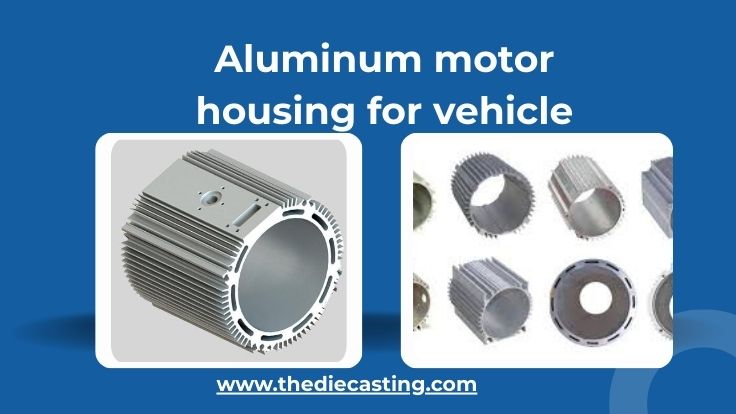
車両用アルミモーターハウジング

アルミ鋳造

Due to the persistence of the aluminum motor housing as a critical component in electric and hybrid vehicle design, understanding of behaviour is important to the product life cycle. As a protective enclosure for the motor, it protects the motor from environmental contaminants, mechanical impact, and heat buildup. This application is the reason aluminium is a gold standard in its selection. The lightweight nature of aluminum is one of the major benefits of employing this material in the first place. For example, with aluminum motor housings in electric vehicles (EVs), weight reduces directly with range and performance due to the batteries. Furthermore, the thermal conductivity of aluminum is excellent, as it is of importance to dissipate the heat produced during motor operation. It helps maintain an optimal motor performance to prevent overheating. Not only is aluminum naturally corrosion resistant, but this is important for vehicle applications that experience large variations from hot to cold, wet, or dry conditions. It is a machinable material that is meaningful for practising various manufacturing methods like die casting, sand casting, and CNC machining. Based on these methods, it is possible to integrate complex features as cooling fins, mounting brackets, and channels for a liquid cooling system. Often, common aluminium alloys such as A356, 6061-T6, and AlSi10Mg are used in terms of material selection. Therefore, each of them provides a good balance between strength, durability, and ease of production. In electric drivetrains, vibration-damping and electromagnetic interference (EMI) features may also be considered for the design of an aluminium motor housing. Aluminum motor housing is all in all superior to enhance vehicle motor’s performance, reliability and longevity. While the automotive industry is moving towards electrification and lightweight materials, aluminum is being chosen because its ability to perform and its adaptability to modern manufacturing technologies has already proven to be the preferred choice. Understanding Aluminum Motor Housing An aluminum motor housing is a protective casing for a motor to protect the inside components of the motor, i.e., the rotor, stator, and bearings. Motor housings are designed to give both mechanical protection and thermal management, and have a critical part to play in ensuring the long-term reliability of the motor. As regards its excellent properties, aluminum has already gained a market share as the material of choice for motor housing in major industries, like automotive, aerospace, manufacturing, as well as renewable energy. Another great advantage of using aluminum because of its lightweight nature and outstanding strength. As opposed to traditional materials such as steel, aluminum significantly lessens the overall weight of a motor without sacrificing its durability. Especially in industries such as electric vehicles (EVs), weight reduction is important because of the need for energy efficiency and a range. Another vital factor in the thermal conductivity. Heat generated during operation of the motors is significant, and an aluminum housing serves as an efficient heat sink, allowing the heat to be quickly dissipated, which avoids the motor overheating and conserves energy produced thereby. In addition, aluminum is a naturally corrosion-resistant material, meaning that the housing will be able to handle some of the least resistant tendencies. In a lot of cases, companies require specific designs that have been optimized for a given application. But custom aluminum die casting is just what manufacturers need in these situations, enabling the creation of motor housing parts with complex shapes and integrated cooling fins all in one process, as well as additional features for mounting. Moreover, working with the custom die casting manufacturer also guarantees that the housing meets the quality, strength, and precision standards. Further refinement through custom-machined aluminum parts can be done when needed and provides the perfect fit and finish, improving the motor’s looks while adding functionality. Aluminium motor housing A vehicle’s aluminum motor housing has the task of encasing and supporting the electric or combustion motor and protecting it. It is commonly applied in electric vehicles (EVs) and hybrids, or other kinds of automotive powertrains, to do the following: Aluminium has many key benefits for a motor housing 1. Lightweight: This decreases vehicle overall weight to, in turn, increase fuel efficiency or battery range. 2. Thermal Conductivity: It dissipated the heat produced by the motor efficiently. 3. Corrosion Resistance: Reaches deeper into the bottom waters; therefore, it extends lifespan, especially when there are harsh environments. 4. Machinability: CNC machinable and easily cast or die-cast for complex geometries. 5. Strength-to-Weight Ratio: Offers structural integrity without heavy mass. Common Aluminium Alloys Used: AlSi10Mg (for die casting): Excellent thermal and mechanical properties. 6061-T6: Usual for CNC-machined housings, they provide good strength and corrosion resistance. A356: Due to good fluidity and strength, it is often used for casting. Design Considerations: Cooling Integration: It is often fins, channels, or a cooling jacket for active/passive cooling. Vibration Dampening: Bushings or mounts may be required to reduce noise or vibration. EMI Shielding: The electric drivetrains may require blocking of electromagnetic interference in the designs. Manufacturing Methods: Die Casting: Cost-effective for high-volume production. Sand Casting: Small to medium scale production, and can also be used in prototype manufacturing.CNC Machining: Highly accurate cutting is done using it, especially when tight tolerances are required in the production of the parts. Why Aluminum for Motor Housings? Aluminum tops out all other material alternatives like steel, plastics, and composites when deciding what material should be used for motor housings. The best qualities of copper make it the material of choice for enabling applications that require performance, that require durability, and that require cost-efficiency. The second reason why aluminium is used is that it is lightweight. Motors, especially electric vehicles, industrial equipment, and aerospace motors, need to be as light as possible without compromising their strength. These properties of low density of aluminum greatly decrease the overall weight of the motor assembly, increasing efficiency, consuming less energy, and enabling the design of more flexible solutions. Aluminum’s excellent thermal conductivity is another very compelling advantage. Anything that generates heat, like inside a motor, will cook itself if the heat is not dissipated.

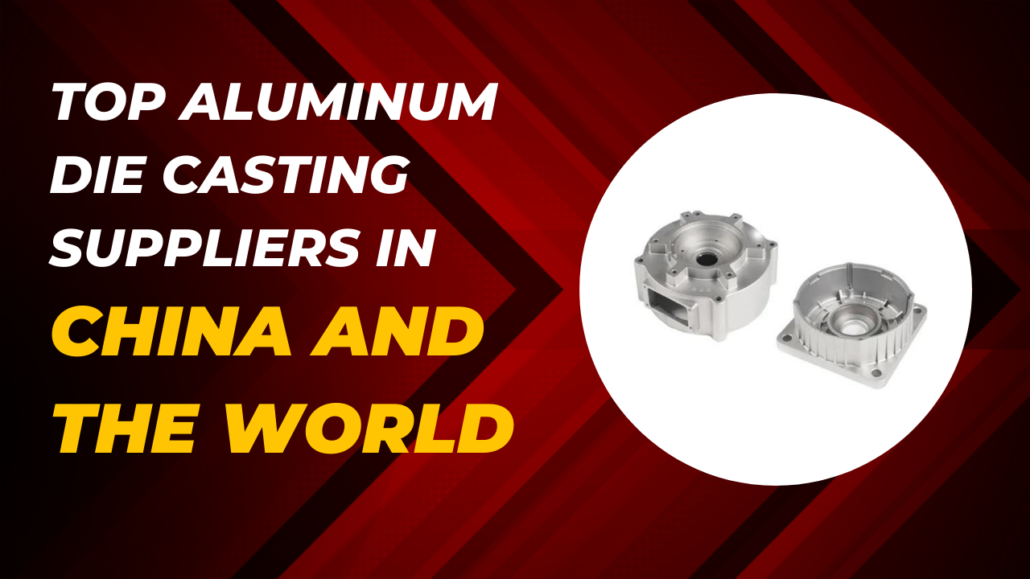
中国と世界のアルミニウムダイカストサプライヤーのトップ

中国と世界のアルミニウムダイカストサプライヤーのトップ

アルミ鋳造

The precise metal component market experiences rapid growth globally across aerospace technology sectors and industry, including automobile, electronics and medical devices and industrial machinery. Advanced metal parts produced industrially for low-weight applications require the high-pressure die casting method. The superior position among die casting techniques belongs to aluminium since it merges durable performance with weight reduction potential while protecting against corrosion, as well as efficient heat transfer capabilities and the flexibility to shape designs. Organisations pursue efficient manufacturing by choosing experienced die casting suppliers based at locations all across the world. Businesses make their supplier selection choices based on an assessment of engineering competence, combined with quality controls and operational growth capacity and material management capabilities and tooling speed and delivery. The conditions serve as fundamental factors to preserve industry compliance while maintaining consistent, large-scale product outputs. Suppliers emerge as the best options depending on their advanced CNC machinery, as well as their mould development and surface finishing capabilities. Aluminium die casting operations in China bring together people from around the world to maintain low manufacturing costs and a consistent supply system. Performance. The aluminium die casting suppliers Sincere Tech and GC Precision Mould, and CNM Tech have established themselves through impressive manufacturing innovation and industry accreditations, which they match with personalised customer service. Global businesses can access die casting mould suppliers who deliver equal usability through U.S., European, Indian and Mexican operations, which include manufacturers who optimize technology advancement to achieve premium-quality standards. The following article analyses China-based suppliers alongside international suppliers of die casting services. The companies on this list received thorough evaluation based on operational characteristics while also considering their track record of successful projects plus client feedback about quality aluminum die casting and tool development services. What is Aluminium Die Casting? Molten aluminium experiences high-pressure injection into a die mould during aluminium die casting to create precise aluminium components. The production method serves multiple manufacturing sectors because it creates durable metal components with complex shapes and delivers superior finish quality. The production of metal parts through aluminium die casting attracts major demand from automotive and aerospace industries, alongside consumer electronics manufacturers, because of its important advantages. The processing begins with aluminium melting in a furnace until liquefaction, then dies into a steel mould by the force of a die-casting machine. The aluminium solidifies inside the mould when it cools down, since the mould contains a precise representation of the part design. The operator removes the part through the mould opening after casting is complete. Manufacturers achieve parts with complex and precise geometries through this technique, which they cannot create with conventional manufacturing tools. HPDC and low-pressure die casting represent the two principal forms within the die-casting process. HPDC requires high-speed pressures between 1,500 and 20,000 psi to inject molten metal into the mold which generates fine surface details and products with smooth finishing. For producing large-scale products experts employ low-pressure die casting technology because it delivers the metal at reduced pressure thus producing less defective outcomes. Advantages of Aluminium Die Casting The primary reason for aluminium preference as a die casting material is the combined qualities of light weight and a superior strength-to-weight ratio because of the qualities of aluminium to produce items that will have to be durable and light alike. Its good thermal and electrical conductivity, corrosion resistance, and ease of machining also make aluminium popular in industries such as automotive, aerospace, and electronics. Additionally, die-cast aluminium parts are recognised for their exact dimensional accuracy and smooth surface finish, where often their need renders secondary processing in the way of machining unnecessary, saving time and costs. Other than the high-pressure injection method, it also guarantees that all of the components have the same thickness, which reduces the possibility of having weak spots or flaws in the finished part. Applications of Aluminium Die Casting The automotive industry shapes components such as engine blocks and transmission casings, as well as cylinder heads, by using aluminium die casting technology. The aerospace industry employs aluminium die casting for producing lightweight, strong components, which serve to improve product strength, together with lowered fuel usage and safety levels. The process finds great favour in the production of electronic housings as well as heat sinks and a variety of complex elements that require exceptional reliability and strength. Aluminum die casting operates as a flexible production technique that enables the construction of complex intricate products with superior quality characteristics. For achieving durable components and precise product specifications manufacturers must utilize pointed-aluminum from its molten state. The requirement emerges from business demands for top performance quality parts. Sincere Tech Year of Establishment: 2005No. of Employees: 100–500Business Type: Plastic injection mould manufacturing, aluminium die casting, CNC machining, and assembly. Website and Contact: Website: plasticmold.netEmail: info@plasticmold.netPhone: +86 135 30801277Address: Building 1, No. 30 Huan Zhen Rd, Shang Dong village, Qi Shi Town, Dongguan City, Guangdong, China, 523000 Company Profile Sincere Tech is one of China’s top manufacturers of development of plastic moulds, aluminium die casting, high precision CNC machining, and full assembly. Located in Dongguan City, Guangdong Province of China, the company has between 100 and 500 skilled professionals with the capability of providing complete product development solutions from initial concept to final product. Based on a client-centric approach and cutting-edge equipment, Sincere Tech provides precision turning of die-cast aluminium parts to satisfy the stringent requirements of the automotive, electronics, medical and consumer products industries. On top of being an established die casting mould supplier, the company provides added value to customers, with services like surface finishing, prototyping, as well as quality testing. For North America, Europe and Southeast Asia, the clients have relied on sincere tech to build long-term partnerships on top aluminium die casting suppliers. Their Quality Commitments Through the entire manufacturing process, the sincere tech is committed to satisfactory quality without compromise. The company follows international standards such as ISO 9001 and ensures its quality methods, such as in-process inspection, mould flow analysis, and final dimensional validation. Sincere Tech guarantees that

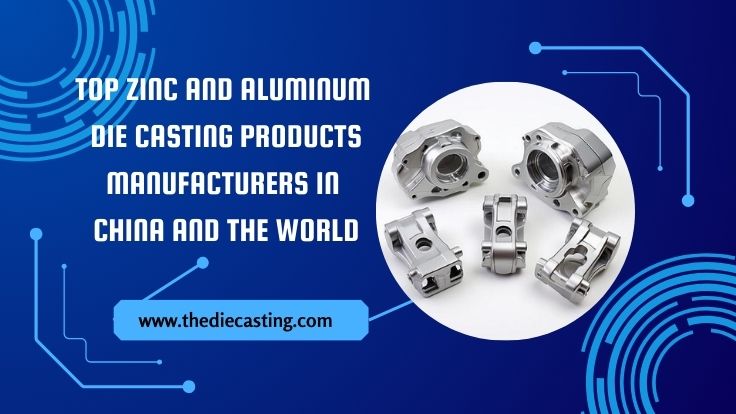
中国と世界の亜鉛とアルミダイカスト製品トップメーカー

中国と世界の亜鉛とアルミダイカスト製品トップメーカー

アルミ鋳造

ダイカスト鋳造は、今日の迅速で精密なコンピューター制御の産業環境において、極めて重要な製造工程に発展している。ダイカスト部品は、自動車部品から家電製品、航空宇宙部品、さらには民生用電子機器など多岐にわたる。産業界が軽量で耐久性があり、複雑なデザインの製品への需要を高めるにつれ、ますますエキゾチックな合金から製造される高性能ダイカストへの需要が絶え間なく高まっています。現在、産業界では、品質が向上し、コスト効率が高く、軽量な部品が求められており、そのため、亜鉛とアルミニウムのダイカスト製品メーカーに対する需要が増加しています。亜鉛とアルミニウム合金は、自動車エンジン、航空宇宙構造、電子機器などに使用される精密部品の製造に使用されています。企業が持続可能性を追求し、性能を向上させるにつれて、サプライヤは一貫した品質と迅速な納期を求める企業からますます求められるようになっています。時間の経過とともに産業が成長し、ダイカストの需要が増加するにつれ、前述の技術をメーカーが活用し、より耐久性が高く、機能的で、審美的に魅力的なダイカストを世界規模で生産する必要があります。選択できるダイカスト材料の種類の1つは、亜鉛とアルミニウム金属です。この2つの素材は、強度が高く、コスト効率が高く、腐食に強く、大量生産に適しているという独自の利点を備えています。亜鉛ダイカスト製品もアルミダイカスト製品も、エネルギー効率、電動モビリティ、持続可能な製造というトレンドの下、世界中の関連産業でますます多くの用途を獲得しています。今回は、世界の製造拠点である中国を拠点とするメーカーや、世界のトップ企業など、亜鉛ダイカストとアルミダイカストの世界を深堀りしていきます。今回は、市場の最重要プレーヤーを掘り下げる前に、ダイカストとは何か、亜鉛とアルミニウムがそのプロセスでどのような役割を担っているのかを探っていきます。ダイカストとは?ダイカストとは、金属鋳造の一種で、溶融金属を高圧・高速で、金型と呼ばれる鋼鉄製の金型キャビティ(「ダイ」と呼ばれることもある)に押し込む鋳造方法です。一般的な2種類の金型は、通常、硬化した工具鋼で作られており、他の方法では不可能な、あるいは非常に高価な複雑な高精度部品を製造するように設計されています。ダイカスト鋳造の主な特徴 ダイカスト鋳造のプロセスは、非常に効率的かつ俊敏で大規模な生産が可能であるため、自動車、航空宇宙、家電業界で広く普及しています。ダイカスト材料の種類 ダイカストは、さまざまな属性を持つさまざまな材料で行うことができます。 最も一般的な金属は以下の通りです:この中で最も広く使用されているのは亜鉛とアルミニウムで、その優れた特性、低コスト、汎用性のためです。亜鉛鋳造製品は経済的なプロセスで作られます ダイカスト製品は、ダイカストプロセスを使って亜鉛または亜鉛ベースの合金で作られます。亜鉛は簡単に鋳造でき、多くの望ましい特性を提供します。ダイカストプロセスにおいて、亜鉛には次のような主な利点があります:亜鉛ダイカストから作られる製品は、通常、ハードウェア部品、自動車部品、コネクター、ロック、および一部の消費財です。アルミダイカスト製品アルミニウムダイカスト製品は、溶融アルミニウムを高圧下で鋼鉄の金型に注入して作られる部品です。アルミニウムは軽量で腐食しないため、強度と重量が重要な構造用途に非常に有用です。アルミがダイカストに有用なのは、次のような利点があるからです。このうち、アルミニウム加圧ダイカスト製品は前述のサブセットであり、特に高圧ダイカスト(HPDC)法で鋳造されたアルミニウムに適用されます。HPDCは、エンジンブロック、トランスミッションケース、電子筐体などの製造に広く利用されています。鋳造製品とは?鋳造品とは、溶融した金属を金型に流し込んで凝固させ、金型から成形品を取り出すことによって形成される製品の総称です。ダイカスト鋳造は鋳造法の一種ですが、他にも砂型鋳造、重力鋳造、インベストメント鋳造などがあります。一般鋳造品とダイカスト鋳造品の違い 特徴 ダイカスト鋳造 一般鋳造品 工程 高圧射出 重力または手注湯に頼ることが多い 精密度 非常に高い 中程度 表面仕上げ 滑らか 通常粗い 生産量 多い 中~少ない 材料の無駄が少ない 高い サイクルタイムが速い 遅い 亜鉛ダイカスト鋳造は、より単純な重力鋳造法では処理されないことを意味し、高い精度が要求される場合に高圧ダイカスト鋳造で亜鉛部品を作成する方法です。亜鉛とアルミニウムはなぜダイカストで人気があるのでしょうか? この2つの金属がダイカスト業界の主な競合相手である理由をいくつか挙げてみましょう。1.経済性と効率性 亜鉛とアルミニウムは非常に安価で、おそらく鋳造に使用される他の合金よりも安いでしょう。さらに、サイクルタイムが早く、金型の寿命が長いため、製造コストを削減することができます。2.多用途性 このような材料は、極小部品、大型構造部品、その他想像できるものなら何でも製造することができます。亜鉛とアルミニウムは、複雑な歯車や軽量エンジン部品の製造などに頼りになる選択肢です。3.持続可能性 両金属は100%リサイクル可能です。ほとんどの場合、リサイクルされたアルミニウムと亜鉛を使用し、鋳造よりも環境に優しいプロセスと呼ばれています。4.仕上げ加工への適応性 亜鉛とアルミニウムの部品は、特に塗装、粉体塗装、メッキ、陽極酸化で仕上げることができます。そのため、耐食性などの機能的なプラスに加え、見た目の美しさも兼ね備えています。正しいダイカストメーカーを選ぶには?価格の発見は、適切なサプライヤーを見つけることよりも少ないです。最後に、私たちはまず、次のように見てみましょう:1.材料専門メーカー

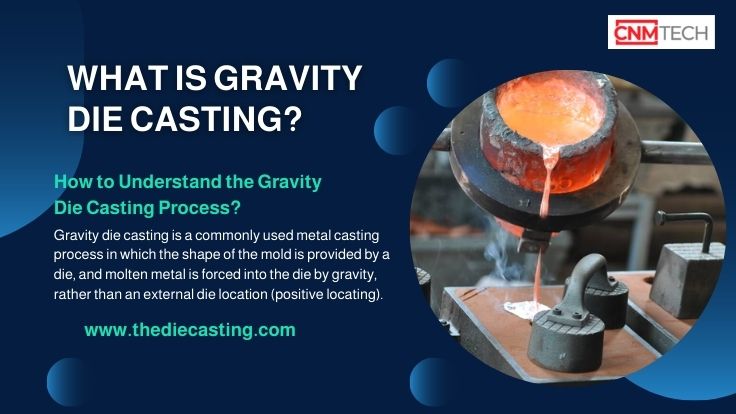
重力ダイカストとは?

重力ダイカストとは?

アルミ鋳造

重力ダイカストとは、一般的に使用される金属鋳造法であり、金型の形状は金型によって提供され、溶融金属は外部の金型位置(ポジティブロケート)ではなく、重力によって金型に押し込まれる。この方法は、高圧ダイカストとは異なり、溶融金属は加圧されて金型に押し込まれるが、材料を金型に送り込む唯一の方法は重力を利用することである。金型は通常、鋼や鋳鉄のような耐久性のある金属で作られ、寸法精度が高く、表面仕上げが高いため再利用が可能である。また、この技術は、アルミニウム、亜鉛、マグネシウム、およびそれらの合金のような非鉄金属部品の製造に非常に適している。金属を金属状態まで加熱し、その後予熱した永久鋳型に流し込む。溶融金属は重力に向かって流れ、金型キャビティに流れ込み、充填される。その後、鋳型を開き、鋳物を排出する。鋳物は、トリミング、機械加工、または表面を改善するためのその他の処理が必要な場合がある。アルミニウムは軽量で耐食性に優れ、優れた機械的特性を持つため、このプロセスの最も一般的な用途のひとつは、アルミニウム重力ダイカストである。この技術は、自動車、航空宇宙、産業機械、消費財などさまざまな産業で、エンジン部品、ハウジング、ブラケットなど、耐久性のある複雑な部品を作るために広く使用されています。重力鋳造が尊重される理由のひとつは、機械的強度に優れた高品質(低気孔率)の部品を中~大量に鋳造できることである。他の鋳造方式に比べ、初期金型費用が高い、製品が複雑でないなどの制限はありますが、その利点から、多くの製造ニーズに適した低コストの方法です。要するに、重力ダイカストは精密で、再現性があり、合理的な材料であり、現代の金属加工プロセスにおいて重要なのである。重力ダイカスト鋳造プロセスを理解するには?それは、重力ダイカストの核となる簡単で効率的な技術でした。鋼鉄または鉄の予熱された金型は、鋳造する準備ができている離型剤でコーティングされ、鋳造品は容易に除去される。金型の準備ができたら、アルミニウム、マグネシウム、銅合金などの溶融金属を金型に流し込む。金属がキャビティに充填されるため、鋳型は重力だけで冷却され、凝固する。その後、鋳型を開いて鋳物を取り出す。そうでない場合は、ゲートやランナーシステムなど、余分な材料が残るので、それを切断し、機械加工などで鋳物を仕上げる。砂型鋳造に比べ、砂から鋳物を作る鋳型は一度しか使用しない。重力鋳造の金型は再利用できるため、重力ダイで鋳造される部品は、生産効率と製品の一貫性の点で大幅に改善されます。重力ダイカスト鋳造のさまざまな表面仕上げオプション 重力ダイカスト鋳造のもう一つの利点は、金型から直接、滑らかで一貫した表面仕上げの部品を作ることができることです。しかし、最終製品の機能的および美的要件に応じて、他の表面仕上げ技術(複数可)を仕上げ工程に追加して、外観や耐久性を向上させたり、塗装やメッキなどのさらなる工程に部品を準備したりすることができる。重力ダイカスト部品に最も頻繁に使用される表面仕上げを以下に示す:1.鋳造ままの仕上げ 鋳造工程から直接生じる自然な表面である。しかし、適切に準備され、プロセス条件が最適であれば、重力鋳造は砂型鋳造に比べてかなり滑らかな表面を生成することができます。内部部品や外観が重要でない部品は、通常、鋳造ままの表面を受け入れます。2.ショット ブラスト/グリット ブラスト これはショット ブラストを形作り、鋳造の表面で小さい鋼鉄または陶磁器のビードを推進し、スケール、フラッシュまたは残余を取除きます。このプロセスは、表面の均一なマットな質感を作り、表面をよりきれいにし、さらに粉体塗装や塗装のような仕上げを行う部品に適しています。 3.研磨 表面の平滑性と光沢を向上させるため、機械的に小さな欠陥を除去する研磨が行われる。特に美的部品や低摩擦が必要な部品に適している。研磨は、手動または自動の基本的なバフ研磨、または鏡面仕上げを含むことができます。4.パウダーコーティング パウダーコーティングでは、パウダーを鋳物表面に塗布し、加熱して硬化させ、硬い保護層を形成する。耐食性、耐衝撃性、耐紫外線性に優れているため、アルミ重力ダイカストで製造される自動車部品や屋外部品に適している。5.アルマイト処理 アルミ重力鋳造部品は、アルマイト処理を選択する多くの理由があります。表面は電気化学的に自然酸化層によって厚くなり、耐食性を向上させ、色をカスタマイズする能力を提供します。アルマイト表面は耐久性があり、色が疲れず、洗練されたプロフェッショナルな外観を持つ。6.精密表面の機械加工 多くの場合、重力鋳造部品は鋳造後に少なくとも部分的に機械加工され、特に正確な公差を実現したり、重要な表面を滑らかにしたりします。CNC機械加工は、平らな面やねじ山を精巧に仕上げるために利用され、精度の必要性が金型自体の能力を超えている部分のシーリングにも利用されます。7.塗装とコーティング ブランド表示、色分け、保護が必要な部品は、従来の湿式塗装に使用されるどの方法でも行うことができる。塗装は通常、手作業か自動スプレーラインによって行われ、表面の洗浄や下塗りの後に行われることが多い。8.クロメート処理/化成処理 クロメート処理や化成処理によって、防錆効果や塗膜の密着性を向上させることができる。このような処理によって生成される受動的な保護膜は、寸法にはほとんど影響しませんが、アルミニウムの表面を保護します。重力ダイカストの利点 優れた機械的特性は、メーカーが重力ダイカストを好む主な理由の1つです。その結果、このプロセスで製造された鋳物には、エアポケット(気孔)が少ない傾向があります、,

亜鉛の精度:ザマック・ダイカストの威力

亜鉛の精度:ザマック・ダイカストの威力

アルミ鋳造, ザマックダイカスト

ZAMAKは、アルミニウム、銅(クプファー)、マグネシウムとともに使用される亜鉛ベースの合金の名称である。ZAMAKはこれらの単語からドイツ語で命名された。この合金は通常94%から96%の亜鉛を含み、他の材料は箔やシートに加えられます。ZAMAK合金がダイカスト用途に適しているのは、いくつかの顕著な特質があるからです。これらの合金は融点が低く、流動性が高く、重量あたりの強度が高いため、硬くて丈夫で正確な部品を作るのに非常に有用です。ザマックダイカストは、金属鋳造の世界において、費用対効果が高く、居心地の良い方法としての地位を確立しています。Zamakは、多くの産業で複雑な高品質の部品を製造するために広く使用されている亜鉛合金のファミリーです。このプロセスでは、溶融したザマック合金を高圧下で金型またはダイに注入します。このプロセスは、非常に優れた表面仕上げで非常に近い公差で複雑な部品を作ることができ、精密部品の製造に適しています。耐久性に優れ、軽量で強靭な素材へのニーズが高まり、産業が発展するにつれて、ザマックダイカストのより重要な役割がここにあります。この記事では、ザマックダイカストの意義と、他の鋳造方法よりもザマックダイカストを選ぶべき理由について分析する。ZAMAK合金はダイカスト鋳造工場で鋳造部品に使用され、その鋳造部品は自動車、電子機器、ハードウェアなど多くの産業を構成しています。また、これらの合金は持続可能性の目標通り、完全にリサイクル可能であるため、さらに優位性が増します。しかし、ZAMAKダイカスト部品にはさらに表面オプションがあり、メーカーが高級感のある美的に魅力的な製品、特に装飾部品を製造するのに役立ちます。ZAMAKダイカストとは?ZAMAKダイカストは、溶融したZAMAK合金を金型に高圧で注入する、広く使用されている金属鋳造技術である。その代表的なものが、耐久性に優れた工具鋼で作られた金型です。形状によって様々な金型が必要ですが、ZAMAKダイカストではホットチャンバーダイカストマシンを使用します。2ハルブのホットチャンバーダイカストマシンは、1つの固定ハーフと1つの可動ハーフで配置されます。これらのハーフを閉じ、インジェクションチャンバーで溶融金属を金型に注入します。金属が凝固すると、鋳造部品はエジェクターピンによって金型から取り出されます。ZAMAKダイカストでは、ZAMAK合金にこの方法を採用しています。ホットチャンバーダイカスト(HPDC)、低圧ダイカスト(LPDC)、グラビティダイカスト(GDC)は、ZAMAK合金のダイカストプロセスに適したタイプであり、用途に応じてそれぞれの利点があります。1.ZAMAKダイカストプロセス 他のアルミダイカストやマグネシウムダイカストと同様に、ZAMAKダイカスト法も可能な限り注意を払う必要がある。代表的なZAMAKダイカスト鋳造の工程を以下に内訳を示します:Step#1:金型の設計と作成 ZAMAKダイカスト鋳造プロセスでは、金型設計と最終的な部品設計から始まります。鋳物の最終的な仕上がりを左右する重要な工程です。まず、エンジニアが専用のCADソフトウェアを使用して、鋳造する部品の3Dモデルを設計します。通常、プロトタイプを作成してテストし、最終バージョンの承認が得られるまで設計を改良します。第二に、最終的な部品の設計ができたら、金型が作られる:射出タイプ:ZAMAKの融点は低いため、金型に射出するには十分な温度が必要である。ステップ#2: ZAMAK合金の準備その後、ZAMAK合金を準備する。ZAMAK合金は、熱精錬、化学反応、電解精錬、ゾーン精錬などの精錬方法で精製されます。ZAMAK合金は、不純物を含む液体状態になるのを防ぐため、厳密に制御された温度で炉の中で溶解されます。最終精錬後、溶融金属はインジェクション・チャンバーに保管され、コンタミネーションを防ぐために温度制御されます。ステップ#3: 溶融ZAMAKを金型に注入する。ダイカスト鋳造の重要な工程のひとつが、金型への溶融ZAMAKの注入である。溶融金属を準備し、射出チャンバーに貯蔵した後、プランジャーまたはピストンで金型に高圧で射出します。溶融合金は圧力を受け、キャビティの空間がすべて満たされるため、金型の隅々まで押し込まれる。このようにして、部品の表面を均一で滑らかにし、適切な射出技術によって良い品質の製品を作ることができる。また、金型の射出チャンネルの設計は、これを達成するための重要な決定要因である。ステップ4:部品の冷却と凝固 しかし、溶融金属が金型に入るとすぐに冷却が始まる。高品質の工具鋼の金型を素早く循環させ、溶融金属の熱を素早く引き抜いて凝固させるのだ。冷却システムはまた、凝固プロセスを加速するために多くの金型によって使用されます。単に、所望の部品品質を達成し、欠陥を防止するためには、一貫した冷却速度が必要であり、最も一般的に使用されるのは、水冷システムと空冷システムです。ステップ#5: 凝固したZAMAK鋳物の排出 ZAMAK合金が凝固する次のステップは、鋳物をダイから排出することです。この際、部品の品質を保つために注意が必要です。凝固した部品を金型から排出するには、エジェクターピンを使用します。金型が二つに開き、エジェクターピンが作動し、鋳物が放出される。鋳型に力を入れすぎると破損する可能性があるため、このステップを行うにはかなりの精度が必要だ。エジェクターピンのアライメントが適切であれば、表面の欠陥やへこみもなくなります。ステップ#6:仕上げとトリミング 通常、鋳物は余分な材料が付いたまま排出されます、,

上部へスクロール

お見積もり