ザマックダイカスト

亜鉛ダイカスト

亜鉛ダイカストの欠陥トラブルシューティングと品質保証のヒント

ザマックダイカスト, 亜鉛ダイカスト

Zinc die casting is a very efficient process of manufacturing, which is widely used in automobile parts, electronic housing, fittings, hardware, medical equipment, and consumer goods. It is appreciated for its ability to create complex geometries with high-quality dimensional accuracy, clean surface finishes, and high production rates. Despite these benefits, zinc die casting is not a technology immune to quality issues. The defects may occur due to irregularities in the materials used, tool capacity, lack of process control, or design. Good defect prevention, problem shooting, and quality control are critical to ensuring uniform quality in production, reducing scrap rates, and enhancing the overall efficiency of the manufacturing process. This paper will provide an in-depth discussion of the most common defects in zinc die casting, their causes, effective corrective actions, and profile best practices to ensure quality in each production cycle. Quality Problems in Zinc Die Casting The process of zinc die casting involves injecting molten zinc alloy under high pressure into a highly machined steel die. The metal’s solidification rate is fast, resulting in short cycle times and high repeatability. Nevertheless, the high pressure and high speed at which the process operates are the same factors that contribute to both its effectiveness and its susceptibility to defects when the parameters are not monitored. Quality control issues in zinc die casting are often associated with mechanical performance, dimensional quality, surface appearance, corrosion resistance, or assembly fit. Most defects are interconnected, as a single root cause can lead to multiple quality issues. It is important to understand the relationships among material behavior, die design, and processing parameters to enable efficient troubleshooting. Zinc Die Casting Defects Most common defects in zinc die casting can be classified by appearance and their effect on part performance. An overview of common defects and their overall effect is given in the following table. Defect type Appearance Impact Porosity Voids or pinhole internally It will reduce the strength It may cause leakage Cold shuts Visible lines and seams This will result in weak bonding between the flow. Shrinkage Cavities and sink marks The dimensions of the parts change. This will lead to measurement inaccuracies. Incomplete filling Missing or thin sections This will cause the functional failure. Soldering Metal adhering to the die This will cause tool damage Cracks Internal or surface fractures This appearance indicates structural damage or failure. Blistering Bubble-like appearance on the surface Poor surface finish Flash Excess of metal at parting lines The aesthetic appearance will be damaged Porosity in Die Castings Zinc Porosity refers to the presence of empty spaces or gas bubbles in the casting. These cavities can be located on the surface or within the body; they are very difficult to detect without sophisticated inspection techniques. Porosity breaks the mechanical integrity of the casting and may result in leakage in pressure-containing components. Porosity type Description Origin Gas Porosity Smooth rounded voids Gas or air gets trapped Shrinkage Porosity Irregular cavities Inadequate feeding Micro Porosity Very fine void Rapid solidification Etiology and Prophylaxis The porosity may result from trapped air during injection, high turbulence in the molten metal flow, or poor die-cavity venting. Gas formation may also be due to high moisture content on die surfaces or due to inappropriate melt temperature. The porosity reduction is achieved by closely controlling injection speed and pressure, venting the dies, and efficiently utilizing vacuum systems where necessary. Maintaining an optimal melt temperature and keeping die surfaces clean and dry will also reduce gas entrapment. In most cases, reconstructing the gating system to facilitate smooth metal flow can go a long way toward minimizing porosity. Cold Shuts and Flow Line Defects Description and Impact Cold shut: This happens when two molten zinc streams meet and do not fuse correctly, leaving a visible seam or line on the casting surface. Such flaws reduce structural integrity and can cause early collapse under mechanical pressure. Root Causes and Solutions Low melt temperature, inadequate injection speed, or long flow paths can lead to premature solidification and cold shuts. Poor positioning of gates and thin wall sections also worsens the matter. To prevent cold shuts, it is necessary to improve the metal’s flow characteristics. These may be accomplished by raising the melt and die temperatures within reasonable ranges, optimizing injection velocity, and redesigning the gates to allow balanced filling. Flow continuity is also enhanced by changing part geometry to eradicate thin sections and acute angles. Zinc Die Casting Defects of Shrinkage Knowledge about Shrinkage Behavior When molten zinc solidifies, it contracts, causing shrinkage. Unless more molten metal is added to offset this contraction, internal cavities or surface sink marks can form. The zinc defects in the form of shrinkage usually arise in the areas of casting that are thick and can be ascertained to have solidified last. Reasons and Remedial Measures Insufficient holding pressure, inadequate feeding system design, or sudden changes in wall thickness are often the causes of shrinkage defects. Uneven cooling rates can also cause localized shrinkage. To prevent it, it is important to design the runners and gates to maintain a constant metal feed throughout the solidification process. By applying higher holding pressure and increasing the time under pressure, molten metal can compensate for shrinkage. Maintaining uniform wall thickness and enhancing thermal balance in the die also minimizes the risk of shrinkage-related defects. Flash Formation and Its Control Description of Flash Flash is in the form of thin layers of excess metal along the die parting line, ejector pin, or in the form of vents. Even though the flash does not necessarily compromise the part’s functionality, it often requires secondary trimming processes and can affect the appearance. Causes and Prevention Flash formation has often been linked to high injection pressure, die component wear, or even die misalignment. Die surfaces can also not seal properly due to foreign material on them. To avoid flash, it is necessary to maintain the correct amount of injection pressure, adequate clamping force, and routine die maintenance. Wearing and damage checking of dies, and

亜鉛の精度:ザマック・ダイカストの威力

亜鉛の精度:ザマック・ダイカストの威力

アルミ鋳造, ザマックダイカスト

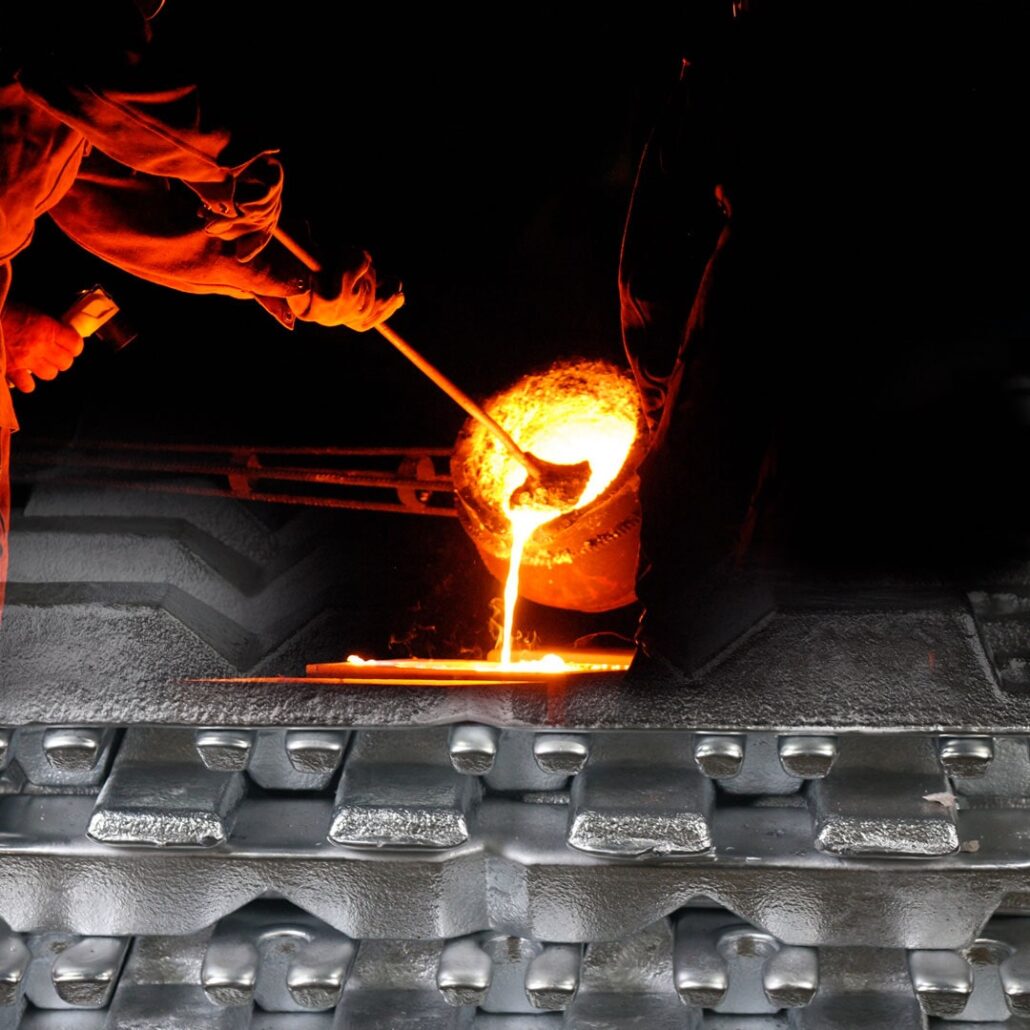
ZAMAKは、アルミニウム、銅(クプファー)、マグネシウムとともに使用される亜鉛ベースの合金の名称である。ZAMAKはこれらの単語からドイツ語で命名された。この合金は通常94%から96%の亜鉛を含み、他の材料は箔やシートに加えられます。ZAMAK合金がダイカスト用途に適しているのは、いくつかの顕著な特質があるからです。これらの合金は融点が低く、流動性が高く、重量あたりの強度が高いため、硬くて丈夫で正確な部品を作るのに非常に有用です。ザマックダイカストは、金属鋳造の世界において、費用対効果が高く、居心地の良い方法としての地位を確立しています。Zamakは、多くの産業で複雑な高品質の部品を製造するために広く使用されている亜鉛合金のファミリーです。このプロセスでは、溶融したザマック合金を高圧下で金型またはダイに注入します。このプロセスは、非常に優れた表面仕上げで非常に近い公差で複雑な部品を作ることができ、精密部品の製造に適しています。耐久性に優れ、軽量で強靭な素材へのニーズが高まり、産業が発展するにつれて、ザマックダイカストのより重要な役割がここにあります。この記事では、ザマックダイカストの意義と、他の鋳造方法よりもザマックダイカストを選ぶべき理由について分析する。ZAMAK合金はダイカスト鋳造工場で鋳造部品に使用され、その鋳造部品は自動車、電子機器、ハードウェアなど多くの産業を構成しています。また、これらの合金は持続可能性の目標通り、完全にリサイクル可能であるため、さらに優位性が増します。しかし、ZAMAKダイカスト部品にはさらに表面オプションがあり、メーカーが高級感のある美的に魅力的な製品、特に装飾部品を製造するのに役立ちます。ZAMAKダイカストとは?ZAMAKダイカストは、溶融したZAMAK合金を金型に高圧で注入する、広く使用されている金属鋳造技術である。その代表的なものが、耐久性に優れた工具鋼で作られた金型です。形状によって様々な金型が必要ですが、ZAMAKダイカストではホットチャンバーダイカストマシンを使用します。2ハルブのホットチャンバーダイカストマシンは、1つの固定ハーフと1つの可動ハーフで配置されます。これらのハーフを閉じ、インジェクションチャンバーで溶融金属を金型に注入します。金属が凝固すると、鋳造部品はエジェクターピンによって金型から取り出されます。ZAMAKダイカストでは、ZAMAK合金にこの方法を採用しています。ホットチャンバーダイカスト(HPDC)、低圧ダイカスト(LPDC)、グラビティダイカスト(GDC)は、ZAMAK合金のダイカストプロセスに適したタイプであり、用途に応じてそれぞれの利点があります。1.ZAMAKダイカストプロセス 他のアルミダイカストやマグネシウムダイカストと同様に、ZAMAKダイカスト法も可能な限り注意を払う必要がある。代表的なZAMAKダイカスト鋳造の工程を以下に内訳を示します:Step#1:金型の設計と作成 ZAMAKダイカスト鋳造プロセスでは、金型設計と最終的な部品設計から始まります。鋳物の最終的な仕上がりを左右する重要な工程です。まず、エンジニアが専用のCADソフトウェアを使用して、鋳造する部品の3Dモデルを設計します。通常、プロトタイプを作成してテストし、最終バージョンの承認が得られるまで設計を改良します。第二に、最終的な部品の設計ができたら、金型が作られる:射出タイプ:ZAMAKの融点は低いため、金型に射出するには十分な温度が必要である。ステップ#2: ZAMAK合金の準備その後、ZAMAK合金を準備する。ZAMAK合金は、熱精錬、化学反応、電解精錬、ゾーン精錬などの精錬方法で精製されます。ZAMAK合金は、不純物を含む液体状態になるのを防ぐため、厳密に制御された温度で炉の中で溶解されます。最終精錬後、溶融金属はインジェクション・チャンバーに保管され、コンタミネーションを防ぐために温度制御されます。ステップ#3: 溶融ZAMAKを金型に注入する。ダイカスト鋳造の重要な工程のひとつが、金型への溶融ZAMAKの注入である。溶融金属を準備し、射出チャンバーに貯蔵した後、プランジャーまたはピストンで金型に高圧で射出します。溶融合金は圧力を受け、キャビティの空間がすべて満たされるため、金型の隅々まで押し込まれる。このようにして、部品の表面を均一で滑らかにし、適切な射出技術によって良い品質の製品を作ることができる。また、金型の射出チャンネルの設計は、これを達成するための重要な決定要因である。ステップ4:部品の冷却と凝固 しかし、溶融金属が金型に入るとすぐに冷却が始まる。高品質の工具鋼の金型を素早く循環させ、溶融金属の熱を素早く引き抜いて凝固させるのだ。冷却システムはまた、凝固プロセスを加速するために多くの金型によって使用されます。単に、所望の部品品質を達成し、欠陥を防止するためには、一貫した冷却速度が必要であり、最も一般的に使用されるのは、水冷システムと空冷システムです。ステップ#5: 凝固したZAMAK鋳物の排出 ZAMAK合金が凝固する次のステップは、鋳物をダイから排出することです。この際、部品の品質を保つために注意が必要です。凝固した部品を金型から排出するには、エジェクターピンを使用します。金型が二つに開き、エジェクターピンが作動し、鋳物が放出される。鋳型に力を入れすぎると破損する可能性があるため、このステップを行うにはかなりの精度が必要だ。エジェクターピンのアライメントが適切であれば、表面の欠陥やへこみもなくなります。ステップ#6:仕上げとトリミング 通常、鋳物は余分な材料が付いたまま排出されます、,

ザマックとは?この万能亜鉛合金の完全ガイド

ザマックとは?この万能亜鉛合金の完全ガイド

ザマックダイカスト

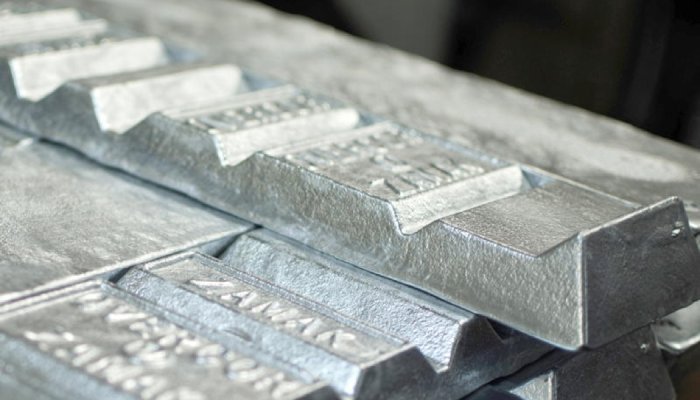
ザマックとは?ザマックまたは「亜鉛合金」は、亜鉛を主成分とし、アルミニウム、マグネシウム、銅などの他の金属がわずかに含まれる合金の一種です。ザマックとは、亜鉛の短縮形(「Z」)とアマック(「アルミニウム、マグネシウム、銅」;この合金を構成する主な元素)から作られたドイツ語です。その汎用性、耐久性、コスト効率の高さから、この金属は産業界で非常に人気がある。ザマック(またはザマック、以前はZAMAKとして商標登録されていた)は、非常に柔らかく比較的硬い合金群で、その大部分は亜鉛と少量のアルミニウム、銅、マグネシウムで構成されている。これらの合金は、より広範な亜鉛-アルミニウム合金ファミリーの一部ですが、このグループは、アルミニウムの濃度が通常一貫しており、通常約4%であるという点で際立っています。この特殊な元素の組み合わせが、ザマックと他の合金との違いであり、その結果、ザマックを様々な用途に適したユニークな特性にしています。この記事では、ザマックの組成、特性、種類、利点、用途、そして製造業の様々な分野でザマックが採用されつつある理由について説明します。 ザマック:汎用性の高い亜鉛-アルミニウム合金 ザマックとは、合金を構成する金属のドイツ語名の頭文字をとったものである:Zink(亜鉛)、Aluminium(アルミニウム)、Magnesium(マグネシウム)、Kupfer(銅)です。1929年に初めて導入されたこの合金は、それ以来、費用対効果に優れ、耐久性に優れ、製造業の世界全体で使用される非常に汎用性の高い材料であることが証明されています。ザマックが開発される以前、亜鉛ダイカストにはジンクペストと呼ばれる問題がありました。亜鉛害虫とは、合金中の不純物の存在による亜鉛成分の劣化を指します。不純物は亜鉛を変性させ、時間の経過とともに、ほとんどのダイカスト部品は使用できなくなりました。ニュージャージー・ジンク・カンパニーは、純度99.99%の非常に純度の高い亜鉛から作られたザマックを作ることでこれを解決しました。精製は還流によって行われ、亜鉛の害虫の原因となる不純物を取り除くことができた。ザマック合金の起源と進化 ザマック合金の技術革新は、亜鉛ダイカスト業界に安定性をもたらし、それは大いに必要とされていました。ザマックは、その純度の高さと、比較的短期間で亜鉛害虫に抵抗する能力から、ダイカストやその他の工業用途に使用され、すぐに広く受け入れられるようになりました。この合金は、過酷な環境下でも強く、耐久性があり、長持ちする部品を可能にし、真の成功を収めた。ザマックは、環境にさらされながら機械的ストレスに耐えることができる、実績のある材料となった。 ザマックとは?ザマック自体は亜鉛とアルミニウムをベースにした合金で、基本的にダイカストや精密製造用に設計されています。強度、耐食性、優れた鋳造特性により広く使用されており、1929年にニュージャージージンク社によって開発されました。融点は380℃から420℃と低く、自動車部品、金物、電気部品、消費財などに適している。耐久性に優れ、安価であるため、純亜鉛や他の金属合金よりも様々な産業で好まれている。ザマック合金の組成 ザマック合金は、亜鉛を母材とし、少量のアルミニウム、マグネシウム、銅を加えて金属に特殊な性質を持たせた5種類の合金のグループである。様々なザマック合金に含まれる主な元素は以下の通りである:1.亜鉛(Zn)は全てのザマック合金の母材である。この合金は、耐食性と強度が特筆されるため、アルミニウムに次いで広く使用されている非鉄金属です。マグネシウム(Mg)-マグネシウムもザマック合金に添加され、完成合金の強度と鋳造特性を高める。4.ザマックには、硬度を高め、耐摩耗性を向上させるためにごく少量添加される銅(Cu)が含まれています。一般的に合金の組成はザマックの種類によって異なりますが、亜鉛が約85~95%、アルミニウムが約4~8%、銅が1~3%、マグネシウムが0.01~0.%です。 ザマックの融点は?ザマック合金の融点は、その組成によって若干異なりますが、一般的には380℃~420℃です。ザマックは融点も比較的低く、鋳造や精密製造に適しています。異なるザマック合金の融点:ザマックは亜鉛を主成分としているため、アルミニウムやスチールよりもはるかに低い温度で溶ける。高精度、短時間生産、費用対効果の高い製造という特性から、高精度が要求される用途に適しています。ザマックパウダーとは?ザマックパウダーは、亜鉛を主成分とし、アルミニウム、マグネシウム、銅をわずかに添加したザマック合金の微粒子組織です。これは、溶射、溶射産業、添加剤製造産業、粉末冶金産業などの産業で使用される微細な金属化粉末です。ザマックパウダーの特性:標準ザマック合金(ザマック2、3、5、7)と同じ:約380°C~420°C(716°F~788°F)耐食性:環境要因に対する優れた耐性導電性:良好な電気および熱伝導率密度:ザマックパウダーの用途1.粉末冶金-金属粉末を入れ、それを加熱して固体部品を形成する焼結部品の製造に適用される。 2.溶射-腐食や摩耗から表面を保護するために溶射材料を使用することを含むその表面の保護コーティングとして使用される。ザマックパウダーの利点 ザマックパウダーは、その有用性と強度から、自動車、航空宇宙、電子機器、その他多くの産業用途に使用されています。様々な種類のザマック合金と

亜鉛ダイカスト

自動車産業における亜鉛ダイカストの重要性

アルミダイカスト, ダイカスト会社, ダイカスト会社, ダイカストメーカー, ダイカスト部品, ザマック 3 ダイカスト, ザマック3亜鉛鋳造, ザマック5, ザマック5ダイカスト, ザマックダイカスト, 亜鉛合金ダイカスト, 亜鉛ダイカスト

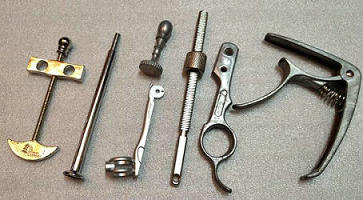
What is Die Casting? Die casting is a metal casting process which is characterized by pressing molten metal into the mold cavity. The mold cavity is made using two hardened tool steel molds that are worked on during processing and work similarly to injection molds. Most die-casting is made from non-ferrous metals, especially zinc, copper, aluminum, magnesium, tin, lead, and tin-based alloys. Depending on the type of metal being thrown, a thermal or cold engine is used. The zinc die casting process is very popular for making parts in building and industrial fields, but the most common application is in the automotive industry. In fact, cars have different parts that can be made through die casting, in such a way that the modern process of die casting was originally started for the automotive industry. With the casting process often no further machining is needed after casting: not only is the accuracy up to 99.8%, but the casted products can also be used raw because they have a pleasant finish. The use of zinc die casting is almost 28% in the automotive industry, followed by the building and hardware sector. Zinc has become one of the most important metals in the auto parts industry, especially for products such as door lock housing, pawl, gears and retractor pulleys in seat belt systems, but also for camshaft and sensor components. By using this metal and its alloys, it is possible to achieve strength, ductility, and flexibility that would not be possible with other materials. In addition, zinc can be the right choice to get high-quality aesthetic components, with tight tolerances that are not possible with other materials, and to get embossing and grooves for mechanical components or gears. Zinc Die Casting Mechanisms in Automotive As said before, the automotive industry is the most common die casting application: using zinc and its alloys makes it possible to produce components that are able to achieve high aesthetic quality, with tight and narrow tolerance for shape morphology. Zinc alloys are also used for coatings because of its many benefits, such as improving the anti-corrosion properties of zinc which are already impressive. Below you can find a number of possible examples of zinc plating: Interior aesthetic section Sunroofs Section Mechanical parts Engine and other underhood components Power steering system Parts and brake system Air conditioning components and systems Chassis hardware Parts in the seat belt system Components of climate control Fuel system Advantages for Zinc Die Casting: An efficient & economical process offering various forms & forms possible. High-Speed ​​Production Dimension Accuracy & Stability Strength & weight Several finishing techniques are available Simple Assembly The Die Casting process began with the use of lead and lead alloys, magnesium and copper alloys which were quickly followed, and in the 1930s, many modern alloys still in use today are available. This process evolved from casting low-pressure injection to modern high-pressure injection of 4,500 pounds per square inch. The modern process is capable of producing high integrity, clean casting forms with excellent surface finishes. Zinc casting alloy is a strong, durable and cost-effective engineering material. Their mechanical properties are competitive and are usually higher than cast aluminum, magnesium, bronze, plastic and most cast iron.

ザマック3亜鉛鋳造

ザマック3 ダイカスト

アルミ鋳造, ザマック3, ザマック 3 ダイカスト, ザマック3亜鉛鋳造, ザマック5, ザマックダイカスト, 亜鉛合金ダイカスト, 亜鉛ダイカスト

We offer ZAMAK 3 die casting for manufacturing ZAMAK 3 products. Our ZAMAK 3 products, productions capabilities, and warehousing facilities will give you quality parts at competitive prices. ZAMAK 3 is the most popular of the ZAMAK series of alloys for zinc die casting due to its castability and dimensional stability. ZAMAK 3 Properties: Ultimate Tensile Strength: psi x 103 (MPa) 41 (283) Yield Strength – 0.2% Offset: psi x 103 (MPa) 32 (221) Elongation: % in 2″ 10 Shear Strength: psi x 103 (MPa) 31 (214) Hardness: Brinell 82 Impact Strength: ft-lb (J) 432 (58) Fatigue Strength Rotary Bend – 5×10⁸ cycles: psi x 103 (MPa) 6.9 (48) Compressive Yield Strength 0.1% Offset: psi x 103 (MPa) 604 (414) Modulus of Elasticity – psi x 106 (MPa x 103) 12.46 (85.5) Poisson¡¯s Ratio 0.27 Density: lb/cu in (g/cm3) .24 (6.6) Melting Range: ¡ãF (¡ãC) 718-728 (381-387) Electrical Conductivity: %IACS 27 Thermal Conductivity: BTU/ft/hr/¡ãF (W/m/hr/¡ãC) 65.3 (113.0 Coefficient of Thermal Expansion: 68-212¡ãF µin/in/¡ãF (100-200¡ãC µm/mm/¡ãC) 15.2 (27.4) Specific Heat: BTU/lb/¡ãF (J/kg/¡ãC) .10 (419) Pattern of Die Shrinkage: in/in .007 Zinc Die Castings Applications Sporting Goods – Cost-saving approaches to machined components; – Coatings to match mating zinc parts; – Strength for tough applications; Medical – Innovative capabilities; – Precision designs as cast; – For use in many difficult applications; Switch – Multiple cavities for cost savings; – Multislide; Fasteners – Many sizes of panel nuts already tooled; – High speed tapping capabilities; Connector – Four slide technology to eliminate costly secondary; – Barrel plating for electroless nickel offers cost-effective protection and aesthetics; – Excellent conductive alloys; Fiber Optics – Capable of casting complex designs; – Close tolerance, as cast, components; – Equipment and experience to provide small components; Appliances – Thin wall castings with the strength to hold up in applications; – Surface finishes provide wear resistance ; – Alloys designed for application specifics ; Automotive – Capability to incorporate multiple components into a single zinc casting ; – Corrosion-resistant castings and platings ; – Secondary tapping capabilities ; – Zinc is an excellent dampening material ; The Detail of Zamak 3 zinc casting  Model No: Zamak 3 zinc casting ProductName: Zamak 3 or 5 die casting Product Origin: China Brand Name: CNM TECH Price Terms: FOB SZ Payment Terms: T/T CIF L/C Supply Ability:  300,000-400,000sets/month Delivery Lead Time: around 30 days If you want to purchase or know more information about Zamak 3 zinc casting,

亜鉛ダイカスト部品

亜鉛合金ダイカスト ザマック3 ザマック5

アルミ鋳造, ザマック2 ダイカスト, ザマック3, ザマック 3 ダイカスト, ザマック5, ザマック5ダイカスト, ザマックダイカスト, 亜鉛合金ダイカスト, 亜鉛ダイカスト

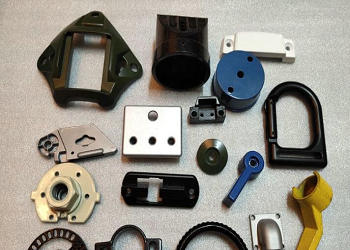
Zinc Die Casting Description : We use four top-quality zinc alloys for our zinc die casting parts – Zamak 3, Zamak 5, ZA-8 and Zamak 2 — because they offer unique advantages for creating high-precision die castings. Zamak 3: As the most popular zinc alloy, Zamak 3 features exceptional ductility and impact strength. It works very well with multiple plating and finishing options, Zamak 5: Typically used in automotive and small engine applications, Zamak 5 exhibits excellent creep resistance, hardness, and strength. Zamak 3 or 5 die casting parts? For all our zinc die castings we use either Zamak-3 or Zamak-5 Zinc Alloy. Special. The Alloying is done in our fully automatic In-house Zinc Alloying section where we manufacture all kinds of Zinc Alloys for Die Casting. Our daily Zinc Alloying capacity is 16 Metric Tonnes. Every  Alloy Heat is tested by a computerized Spectrometer for metallurgical composition. We would be happy to quote for your requirements of low-cost high volume small precision  Zinc Die Casting components weighing in the range of 0.25 gms to 125 gms. We specialize in a rare combination of both – Accurate Sizes & Decorative Surface Finish ZA-8: Even stronger than Zamak 3 and 5, ZA-zamak8 is the ideal choice for hot chamber casting projects. It also works well with multiple plating and finishing options. Zamak 2: Compared to other Zamak alloys, Zamak 2 offers higher creep performance and long-term strength and hardness. It serves as an excellent bearing material and has been known to eliminate the need for bushings and wear inserts in die-casting components. Zamak 3, Zamak 5, ZA-8, and Zamak 2 is well suited for the die casting process due to their ability to: – Produce very thin walls and near net shapes – Achieve high levels of accuracy – Offer temperature flexibility up to 150° F – Provide reliability with superior bearing properties – Exhibit increased wear resistance Please send us either your samples, drawing and other details and we will send you our quote immediately.

上部へスクロール

お見積もり