ダイカスト

ダイカストプロセス

アルミダイキャスト, ダイカスト, ダイカスト会社, ダイカスト金型, ダイカスト部品, ダイカストプロセス

CNM Die Casting has the ability to offer various castings including die casting, investment casting, permanent mould casting, and sand casting for a wide range of alloys, including all die-cast alloys, many permanent mold alloys, and many magnesium alloys. Our manufacturing processes have been accepted by the world casting market as equal or superior to conventional die casting. Benefits of the CNM Die Casting Process Better dimensional control Improved cross parting line tolerances Reduction in gas porosity Improved balance properties of finished rotating parts Use of “cast-in-place” inserts Improved mechanical properties due to effective alloy modification Better wear properties due to smaller grain size microstructure Improved flexibility regarding alloys and types of castings Machining CNM Die Casting’s Machining Section utilizes the work cell concept and high-speed flexible machining equipment to complete secondary operations to CNM’s castings so that a part or subassembly is ready to install when it leaves our facility. CNM Die Casting has evolved and responded aggressively to customer demands for providing high-speed machining and assembly services without initial capital expenditures. By factoring a portion of the cost of the existing equipment into each part, the customer benefits from faster set-ups and minimal initial capital outlays. CNM Die Casting operates 8 die cast machines, complete in-house die casting mold making and CNC machining in an over 20,000-square-foot facility in DONGGUAN, China. Our integrated manufacturing capabilities, together with over 100 employees, allow us to be your One-Stop, complete service die caster, and be consistently price competitive, while also maintaining a high standard of quality.   Below are Comparison of die casting processes Metals that can be cast Min.and Max mass, kg Tolerance on dim.,% Surface finish,µ m Min. section size, mm Draft deg Production rate,pcs/hr Min. cored hole,mm Porosity Sand Casting Aluminium Steel CI and others 0.03, 100 0.10, 200, 000 0.03, 50, 000 0.09 to 0.03 4 8 8 3 6 3.5 4 to 7 10 to 15 6 5 Permanent Mould Casting Cast iron Al and Mg 0.01, 50 0.01, 10 0.01 min 2 5 3 2 50 4.5 to 6 6 4 Die Casting Al Mg Zn 0.015, 35 0.015, 35 0.05, 80 0.0015 0.0015 1 1 1 0.8 1.2 0.5 2 2 2 75 to 150 300 to 350 2.5 2.5 0.8 2 Precision Investment Casting Steel Aluminium 0.005, 25 0.002, 10 0.003, to 0.005 1 1 1 0.8 1 to 3   N/A 0.5 to 1.25 1 Shell moulding Steel Cast iron Aluminium 0.05, 120 0.03, 50 0.03, 15 0.01 to 0.003 6 6 2.5 3.5 3 1.5 2 to 3 30 to 80 3 to 6 1 Centrifugal casting Aluminium Steel Cast iron up to 400 0.002 0.004 0.004 0.6 to 3.5 0.6 to 1.2 3 30 to 50  N/A 1 to

高圧ダイカスト部品

ダイカストとは

ダイカスト

What is die casting Die casting is a manufacturing process for producing accurately dimension, sharply defined, smooth or textured-surface metal parts. It is accomplished by forcing molten metal under high pressure into reusable metal dies. The process is often described as the shortest distance between raw material and finished product. The term, “die casting,” is also used to describe the finished part. The term “gravity die casting” refers to castings made in metal molds under a gravity head. It is known as permanent mold casting in the U.S.A. and Canada. What we call “die casting” here is known as “high pressure die casting” in Europe. How are die castings produced First, a steel mold capable of producing tens of thousands of castings in rapid succession must be made in at least two sections to permit removal of castings. These sections are mounted securely in a machine and are arranged so that one is stationary (fixed die half) while the other is moveable (injector die half). To begin the casting cycle, the two die halves are clamped tightly together by the die casting machine. Molten metal is injected into the die cavity where it solidifies quickly. The die halves are drawn apart and the casting is ejected. Die casting dies can be simple or complex, having moveable slides, cores, or other sections depending on the complexity of the casting. The complete cycle of the die casting process is by far the fastest known for producing precise non-ferrous metal parts. This is in marked contrast to sand casting which requires a new sand mold for each casting. While the permanent mold process uses iron or steel molds instead of sand, it is considerably slower, and not as precise as die casting. Types of machines for die casting Regardless of the type of machine used, it is essential that die halves, cores and/or other moveable sections be securely locked in place during the casting cycle. Generally, the clamping force of the machine is governed by (a) the projected surface area of the casting (measured at the die parting line) and (b) the pressure used to inject metal into the die. Most machines use toggle type mechanisms actuated by hydraulic cylinders (sometimes air pressure) to achieve locking. Others use direct acting hydraulic pressure. Safety interlock systems are used to prevent the die from opening during the casting cycles. Die casting machines, large or small, very fundamentally only in the method used to inject molten metal into the die. These are classified and described as either hot or cold chamber die casting machines. Hot Chamber die casting machines Hot chamber machines (Fig.1) are used primarily for zinc, and low melting point alloys which do not readily attack and erode metal pots, cylinders and plungers. Advanced technology and development of new, higher temperature materials have extended the use of this equipment for magnesium alloy die casting. Figure 1: Hot Chamber Machine. Diagram illustrates the plunger mechanism which is submerged in molten metal. Modern machines are hydraulically operated and equipped with automatic cycling controls and safety devices. In the hot chamber machine, the injection mechanism is immersed in molten metal in a furnace attached to the machine. As the plunger is raised, a port opens allowing molten metal to fill the cylinder. As the plunger moves downward sealing the port, it forces molten metal through the gooseneck and nozzle into the die. After the metal has solidified, the plunger is withdrawn, the die opens, and the resulting casting is ejected. Hot chamber machines are rapid in operation. Cycle times vary from less than one second for small components weighing less than one ounce to thirty seconds for a casting of several pounds. Dies are filled quickly (normally between five and forty milliseconds) and metal is injected at high pressures (1,500 to over 4,500 psi). Nevertheless, modern technology gives close control over these values, thus producing castings with fine detail, close tolerances and high strength. Cold Chamber die casting machines Cold chamber machines (Fig. 2) differ from hot chamber machines primarily in one respect; the injection plunger and cylinder are not submerged in molten metal. The molten metal is poured into a “cold chamber” through a port or pouring slot by a hand or automatic ladle. A hydraulically operated plunger, advancing forward, seals the port forcing the metal into the locked die at high pressures. Injection pressures range from 3,000 to over 10,000 psi for both aluminum and magnesium alloys, and from 6,000 to over 15,000 psi for copper base alloys. Figure 2: Cold Chamber Machine. Diagram illustrates die, cold chamber and horizontal ram or plunger (in charging position). Die casting provides complex shapes within closer tolerances than many other mass production processes. In a cold chamber machine, more molten metal is poured into the chamber that is needed to fill the die cavity. This helps sustain sufficient pressure to pack the cavity solidly with casting alloy. Excess metal is ejected along with the casting and is part of the complete shot. Operation of a “cold chamber” machine is a little slower than a “hot chamber” machine because of the ladling operation. A cold chamber machine is used for high melting point die casting alloys because plunger and cylinder assemblies are less subject to attack since they are not submerged in molten metal. Die casting and their construction Die casting dies (Fig. 3) are made of alloy tool steels in at least two sections called fixed die half and ejector die half. The fixed die half is mounted on the side toward the molten metal injection system. The ejector die half, to which the die casting adheres, and from which it is ejected when the die is opened, is mounted on the moveable platen of the machine. The fixed die half of the die is designed to contain the sprue hole through which molten metal enters the die. The ejector half usually contains the runners (passageways) and gates (inlets) which route molten metal to the cavity (or cavities) of the die. The ejector

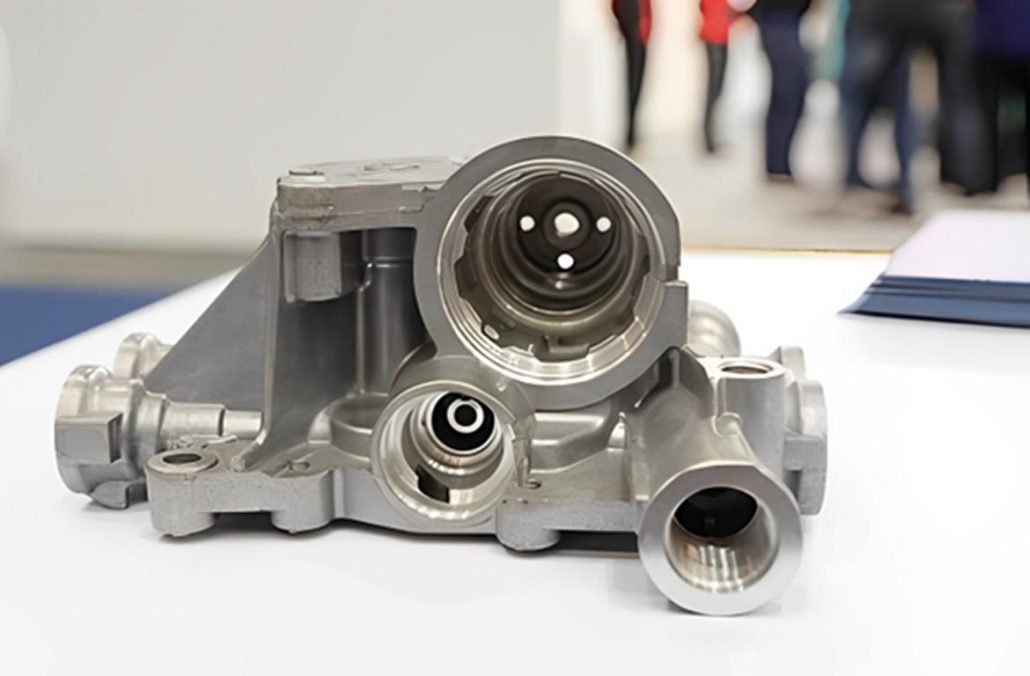
重力鋳造とは

アルミ鋳造, アルミ鋳造用金型, アルミダイキャスト, ダイカスト, アルミダイカスト, ダイカスト会社, ダイカスト金型, ダイカスト部品, 重力鋳造, 中国射出成形金型, 射出成形金型製作

アルミダイカストと重力鋳造の違い アルミダイカストは、単に溶けた金属で遊ぶ口実というだけではありません。アルミダイカストは、溶けた金属で遊びながら、お金を節約できる素晴らしい方法なのです。アルミダイカストが時の試練に耐えてきた理由は、効率の問題です。最も古い鋳造例は、数千年前にさかのぼる中国で発見されています。実際、エジプト人からローマ人に至るまで、あらゆる主要文明がアルミニウム鋳造を実践していました。この技術はルネッサンス期に再び流行し、そこから進歩・進化を続けてきました。砂型鋳造は最もポピュラーな鋳造方法ですが、バックヤードの鋳物工場で利用できる鋳造方法は他にもたくさんあります。誰もがエンジン部品のような重い部品を鋳造したり、オートバイを鋳造したりするわけではありません。そのため、装飾品を作りたいだけの人にとっては、これらのヘビーデューティーキャスターと同じ鋳造プロセスを使用することはないでしょう。 小規模な彫像や装飾品を作る芸術家や、飛行機やボートの模型に装飾的なタッチを必要とする趣味の人たちは、重力鋳造の使用を検討することをお勧めします。重力鋳造とは 重力鋳造は、アルミニウムやその他の軽合金を扱う場合に特に有効なようです。この鋳造法の基本的な考え方は、その名前が示す通りです。金属は重力の力で鋳型に導入されます。他のほとんどの鋳造法では、砂型鋳造のように自然な圧力差を利用するか、遠心鋳造のように強制的に圧力をかけて溶融金属を鋳型に入れます。重力鋳造の最も一般的な用途のひとつは、永久鋳型を使用する場合です。金型とも呼ばれる永久鋳型は、同じ鋳型を何度も使用する予定があり、品質を一定に保つ必要がある場合にのみ経済的です。一時的な金型は繰り返し使用することができますが、完成品の品質は時間の経過とともに低下します。金型であれば、品質は変わりません。金型は投資と考えるべきです。はい、それらは他の型より高価である; 但し、型のためのより安い選択より長持ちする。永久的な型によって、それらは鋳鉄、鋼鉄および他の金属を使用して作成される。重力鋳造は好ましい結果の永久的な型のプロセスに使用される。重力鋳造は通常、完成品がより視覚的に基づいている場合に使用され、その後、この方法は、アーティストや一部の宝石商のお気に入りである理由である構造に基づいています。強度が落ちるのは、この工程で圧力をかけないためです。強度が必要でも重力鋳造を利用したい場合は、溶融金属をより多く使用する必要があるため、重量が増加します。重力鋳造について詳しく知りたい方は、https://www.aludiecasting.com/。重力に頼るには忍耐が必要ですが、大きな製品では必要になります。重力鋳造かアルミニウム ダイ カスト、マグネシウム ダイ カストまたは亜鉛があなたのビジネスのためのダイ カスト サービスを必要としたら。私達に引用語句のためのあなたの条件を送る歓迎されています、私達にあなたの 3D 部品の設計およびあなたの条件を送る必要があり、それから私達と働くためにあなたの側で市場の心配をする必要がある私達あなたのための残りをすることができ、私達はリードタイム、郵送物、質および技術の心配をするあなたのバックアップです。.

ダイカスト

アルミ鋳造, アルミ鋳造用金型, アルミダイキャスト, ダイカスト, アルミダイカスト, ダイカスト会社, ダイカスト金型, ダイカスト部品

右のアルミダイキャストソースを見つける あなたのビジネスのための高品質で究極のダイカストサービスをお探しですか?さて、あなたはより良い非常に同じドメインで経験しなければならない右のサービスプロバイダを雇う必要があります。それは非常に高品質の結果を提供することができ、それは非常に手頃な金額を支払うことによってであるいくつかの時間を投資することが非常に必要です。我々は右の会社を見つける方法について話をする前に、ダイカストについての詳細を知ることが非常に必要である。ダイカストとは、アルミダイキャストプロセスのことです。ダイカスト金型の助けを借りて、それはあなたが持っていることを探しているのと同じ方法で正確に金属物質の複雑さを成形するのに役立ちます。はい、最終的な製品は、デザイナーが望むものに応じて事実上任意のサイズを持つことができ、このように最高と偉大なサービスプロバイダーのために不可能なことは全くありません。アルミ鋳造部品の適切なサービスプロバイダを見つけることになると、ネット上で時間を投資し、失敗することなく正確な要件を満たすために、最も経験豊富な信頼性の高い、フレンドリーなサービスプロバイダを見つける方がよい。また、あなたはより良い簡単にクライアントの任意のカスタマイズされた要件に取り組むことができます誰かを見つけるだけでなく、彼らは市場で大きな好意を持っている必要があります。また、あなたは彼らの過去のプロジェクトを調査し、彼らがダイカストでどのように最高であり、彼らが彼らの要件を完了するために他の企業を支援してきたかをチェックすることができます。これだけでなく、あなたのプロジェクトの要件に関する完全な情報を開示し、彼らがあなたに正しい指導を提供するだけでなく、彼らがあなたを引用しているどのような価格であるかをチェックする必要があります。さらに、さまざまなソースでこれを行うことができますし、最高の価格で素晴らしいサービスを提供しています最高のものと一緒に上がる。プロと一緒に移動すると、彼らはあなたに最高のソリューションを提供するために、事前に引張強度、降伏、衝撃、硬度、および他の様々な仕様を含む機械的特性を検討することを意味します。これだけでなく、プロは金属の物理的特性をチェックすることによって実行する適切な金属をピックアップするのに役立ちます。そう、アルミダイカストを始める前に、その導電性や極度の応力や熱の下での挙動について詳しく知っておくことはとても重要なことなのです。プロはまた、異なる合金の組成を決定し、主要元素の一般的な用途が何であるかをチェックし、彼らはまた、ダイカスト合金の完全なリストをチェックアウトし、必要な特性をチェックアウトし、あなたの正確な要件を満たすために最高の何かを提供するためにすべてのもの。なぜ、あなたは提案されたソースに行くためにチェックアウトしないのですか?それは、可能な限り短い時間で金属の鋳造を提供することによって、あなたに最高のサービスを提供し、ゼロからすべてを作るでしょうし、最良の部分は、すべてが予算に優しい方法で行われることです。 テクノロジーは日々進歩しており、私たちはそれを満喫しています。今日、私たちは、私たちの仕事を最高にするだけでなく、私たちに完全な利便性と心の完全な平和を提供するためにあらゆる可能なものを持つことができます。ダイカストとは、金型と呼ばれる再利用可能な金型を最大限に利用して、幾何学的にユニークで不可能な金属部品を製造する製造プロセスです。ダイカストプロセスは非常に重要であり、プロは常に、炉、金属、ダイカストマシン、金型、および他の様々な材料と呼ばれる、すべての必要なものを使用することを確認してください。ここで使用される金属は、亜鉛やアルミニウムなどの非鉄合金で、炉で溶かされた後、ダイカストマシンの金型に注入され、非常に複雑な金属部品が製造されます。アルミ鋳造部品は、常に最高のものを生産するために、最高の本格的な手順で行っているため、適切な会社にアプローチする方がよいでしょう。彼らは、完璧なダイカストソリューションのためのホットチャンバマシンやコールドチャンバマシンと呼ばれる、異なるタイプのダイカストマシンを使用することができます。ホット・チャンバー・マシンは、亜鉛などの溶融温度が低い合金に使用されます。コールド・チャンバー・マシンは、アルミニウムのような溶融温度の高い合金に使用されます。どちらの機械も働きは同じで、溶けた金属を一旦金型に注入し、冷却を待ち、凝固して鋳物と呼ばれる最終部品になります。アルミダイカスト金型はダイとも呼ばれ、ここでは鋼を合金化するためだけに使用されます。金型は、鋳造の省略を可能にするために、少なくとも2つの部分から仕上げられます。そうするためには、ダイカストの有効なアプローチの特別な必要性があり、いくつかはダイカストからの顧客によって要求されるように理想的な形を造るために困難なしですることができるある特定のセクションが付いている携帯用スライドと、行く。プロシージャでは、ダイ カストの工具細工は前もって決定されたダイス半分を通した穴の簡単な生産と行きます。溶融金属を手に入れたら、キャビティ内で乾燥させるために穴の中に吐出し、これがメッキで輪郭を描いた特定の寸法を得るための最良の方法です。金型はまた、2つの半分をくっつけて鋳造部品を取り出すために利用されるピンをロックする必要があるかもしれません。亜鉛ダイカスト、アルミニウムダイカスト、マグネシウムダイカスト合金の広い範囲を使用して簡単に小型から大型の精密部品を製造することができますだけでなく、アルミダイカストのための最高の信頼性の高いサービスプロバイダを常に見つける。それぞれの合金は、特定の用途に適合するユニークな物理的特性を持っていることを知っておくことが重要です。しかし、あなたの精密部品を製造するための理想的な材料をピックアップすることによって、要件を満たすためにあなたを助けることができる適切な専門家を見つけることが非常に必要です。.

アルミダイカスト

アルミダイカスト

アルミ鋳造, アルミ鋳造用金型, アルミダイキャスト, ダイカスト, アルミダイカスト, ダイカスト会社, ダイカスト金型, ダイカスト部品, 高圧ダイカスト, マグネシウムダイカスト, 圧力ダイカスト

アルミダイカストとは アルミダイカストは、鋳造液体ダイ鍛造法です。ダイカスト工程は、一種の特別な高圧ダイカストマシンによって達成されます。その基本的な技術プロセスは次のとおりです: 低速または高速鋳造の満ちる最初の金属かアルミ合金の液体は型のキャビティ、移動可能なタイプ キャビティ表面と死にます。液体のアルミ合金の冷却プロセス圧力鍛造材のブランクとのそれは、収縮の欠陥の除去の両方、また荒い内部アルミニウム ダイ カストの組織を壊された水晶を造るために作ります。荒い広範囲の機械特性はかなり改善されます。アルミニウムダイカストの利点 アルミニウムダイカストに関連する金属および注意事項。さまざまなタイプのアルミ合金はダイカストおよびアルミニウム型に使用することができ、方法のタイプはアルミニウム鋳造の型、亜鉛ダイ カスト、アルミニウム ダイ カストおよび多くのより多くのタイプ鋳造プロセス鋳造は異なったタイプのプロダクトの生産に適したアルミニウムを作るプロセスです。シンプルで安価な方法で、多種多様なアルミ製品を提供することができます。例えば、ワシントンモニュメント、自動車エンジン、動力伝達装置などは、すべてアルミ鋳造合金プロセスによって製造されたものです。アルミ鋳造は3つの方法で行うことができます: - アルミニウムダイカスト 金型鋳造 砂型鋳造 ダイカストは、金属部品を製造するための製造プロセスです。 ダイカストでは、あらかじめ特定の形状に加工された硬化工具鋼を使用して、ダイまたは金型キャビティを作成します。ダイカストでは、まずアルミニウムが溶かされ、高圧で鋼鉄製の金型に流し込まれます。この製造技術は通常、大量生産に使用され、そのプロセスは通常、高圧ダイカストまたは高圧ダイカストプロセスと呼ばれます。 金型鋳造 金型鋳造について、金型と中子はスチール製でもその他の金属製でもかまいません。ここでもまずアルミニウムを溶かし、用意された型に流し込みます。真空にすることもあります。状況によっては、永久鋳型鋳造法はダイカストや砂型鋳造法よりも強度が高いようです。半永久的な金型鋳造技術は、永久的な中子を完成部品から取り除くことが不可能な場合に使用されます。砂型鋳造:砂型鋳造は、アルミ製品を製造する最も汎用性の高い方法です。通常、溶融したアルミを型に流し込み、それを事実上、細かい砂の混合物に押し付けます。型は、凝固・冷却時のアルミの収縮に必要な大きさより少し大きくなります。砂型鋳造は通常、ダイカストやモールド鋳造よりも時間がかかるプロセスです。通常、少量の製品に使用されます。アルミ鋳造合金 最も重要なアルミ鋳造合金系はAl-Si系です。アルミニウム鋳造合金は、軽量性や耐食性が要求されるエンジニアリング構造や部品に広く使用されています。アルミダイカスト鋳造の方法と利点 アルミダイカスト鋳造に関連する金属と注意事項 さまざまな種類のアルミニウムをダイカスト鋳造に使用することができ、アルミ鋳造メーカーとアルミ鋳造は、さまざまな種類の方法を使用して、さまざまな種類の金属をカバーするために使用されます。アルミ鋳造には多くの方法があり、さまざまな種類の利点が得られます。アルミ鋳造とアルミダイカストの助けを借りて、金属の寿命を延ばすことが可能であり、これらは金属の素晴らしい外観と魅力で長期間使用することができます。方法 アルミニウムダイカスト鋳造には、さまざまな種類の方法が用いられます。主なものはアルミニウムを溶かすことです。アルミニウムの溶解には高温が必要です。アルミニウムの溶解には特殊な構造が使用されます。アルミダイカストが溶けたら、それをターゲット金属に流し込みます。その後、溶けたアルミ鋳物は硬くなり、しばらくすると使えるようになります。アルミニウムの溶解に使用される特別な容器があります。これらの容器は、さまざまな形や大きさのものが市場に出回っています。また、必要な材料を使用することで、自宅でこれらの構造を作ることもできます。あなたはこれらの構造を作る際に多くのオプションがあります。あなたが市場からこの構造を購入しようとしている場合は、サイズと形状の選択を行う必要があります。サイズや形状の面で多くのオプションがあり、価格の異なるタイプは、メーカーによって充電されます。アルミニウム鋳造が効果的に加熱され、溶融することができることを確認するために熱を得るための燃料や手動の努力を使用するものもあるように、これらの構造の作業も異なっている。これらの構造では高温が得られ、アルミニウム鋳造が溶解され、鋳造プロセスのターゲット金属に使用されます。アルミダイカストの利点 アルミダイカストには多くの利点があります。主にこのタイプの鋳造は、金属が腐食から安全であることを確認するために行われます。大気条件および湿気は鉄にとって悪く、鋳造は鉄を保護し、耐用年数を増加させるのを助けることができます。アルミニウムはダイ カストを通して金属に使用することができるそれによる環境の湿気そして他の有害な影響に抵抗できます。アルミダイカスト会社は、鉄に鋳造して保護シートを作ることができます。この保護は、高温を使用することによって得られる輝く層の形をしています。この層は、金属の強度と耐用年数を向上させるとともに、永久的で見栄えの良いものです。ほとんどの場合、鉄はアルミニウムの助けを借りて鋳造される。これは安価なプロセスであり、鉄の寿命が延びるため、ユーザーは利益を得ることができます。結論 アルミニウムダイカスト鋳型は、鉄や他の金属の鋳造に使用することができます。このプロセスには多くの方法があります。信頼性の高い方法を使用することで、金属を腐食から守ることができるなど、メリットを得ることができます。

上部へスクロール

お見積もり