
ISO & IATF 16949 quality certified die casting manufacturer in China, Chinese cost but Europe standard, All in one services from Magnesium die casting process, Post machining, surface finish, inspection, packing and delivery.
マグネシウムダイカストとは?
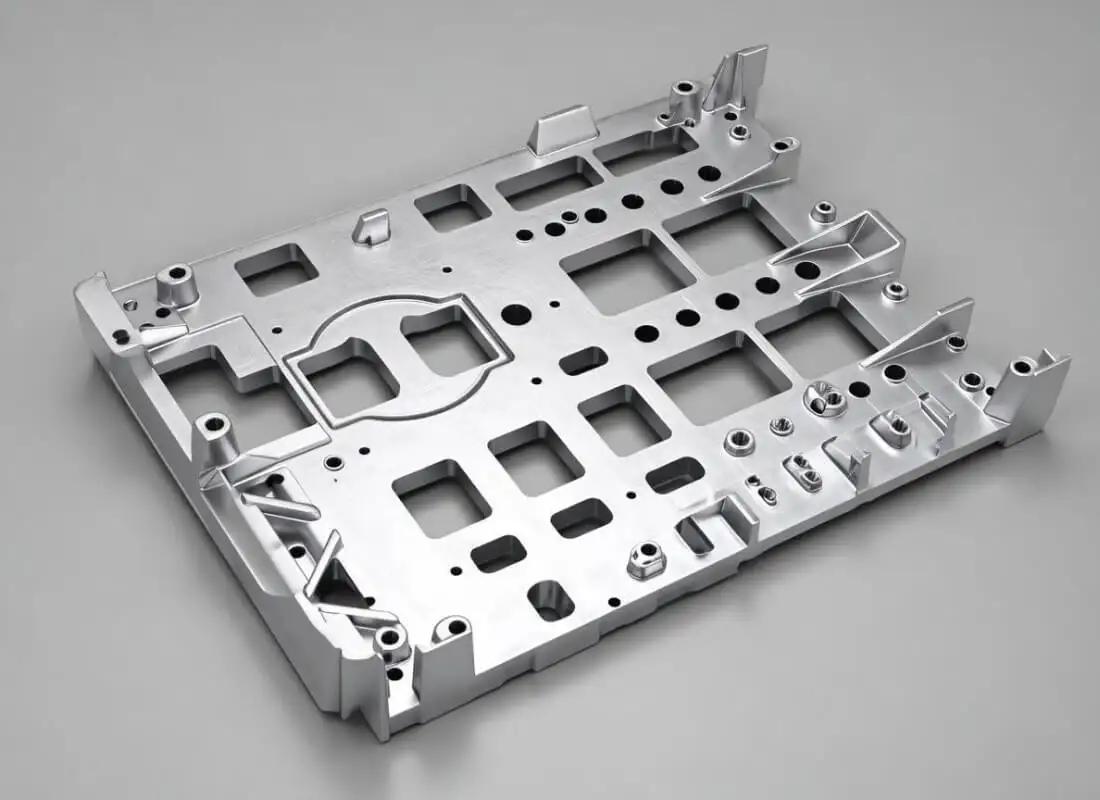
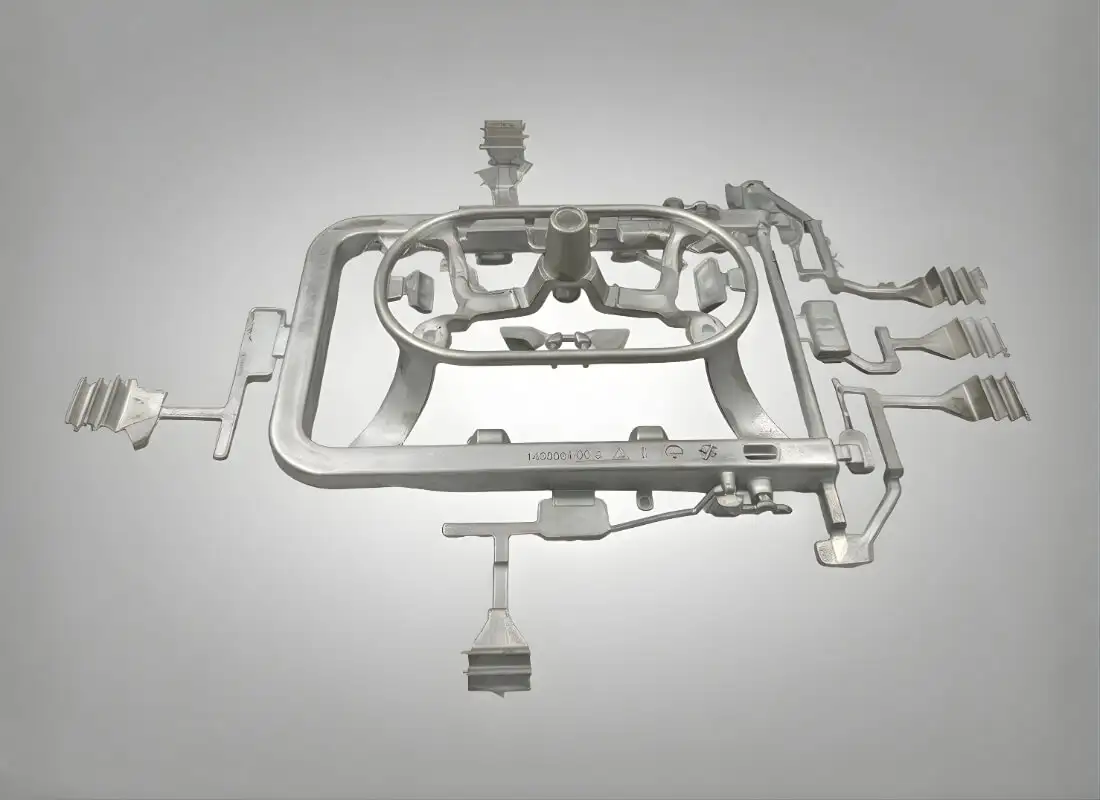
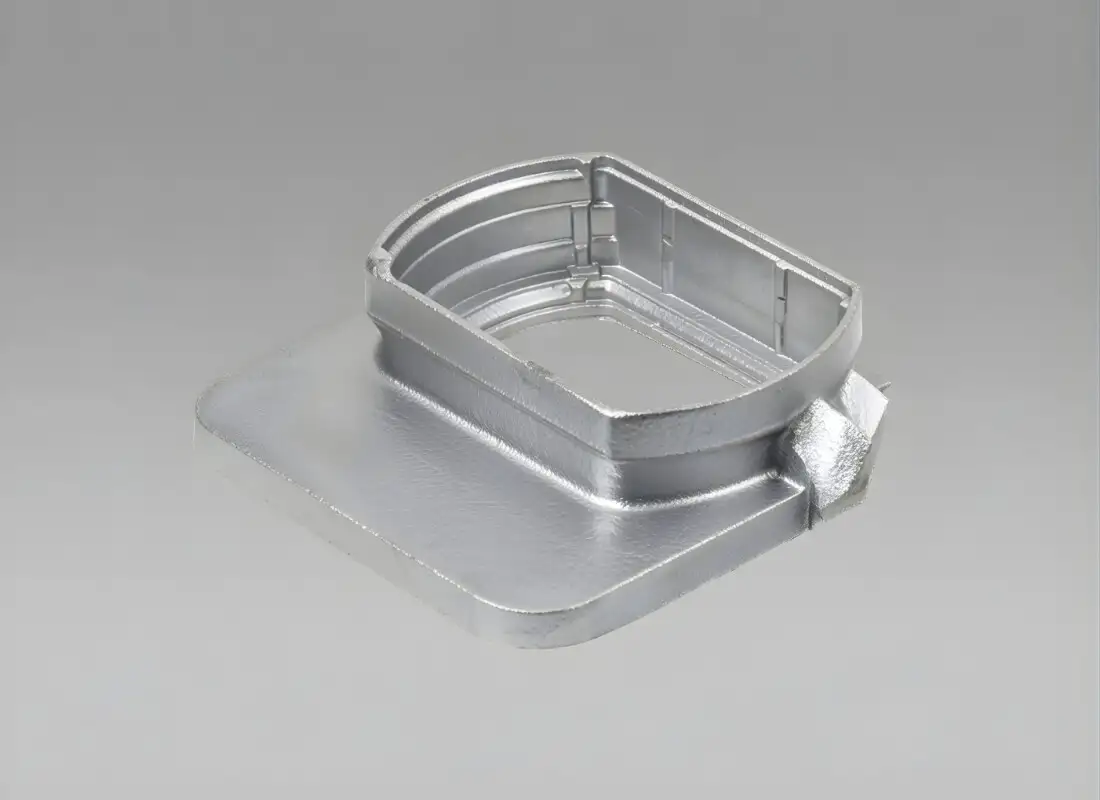
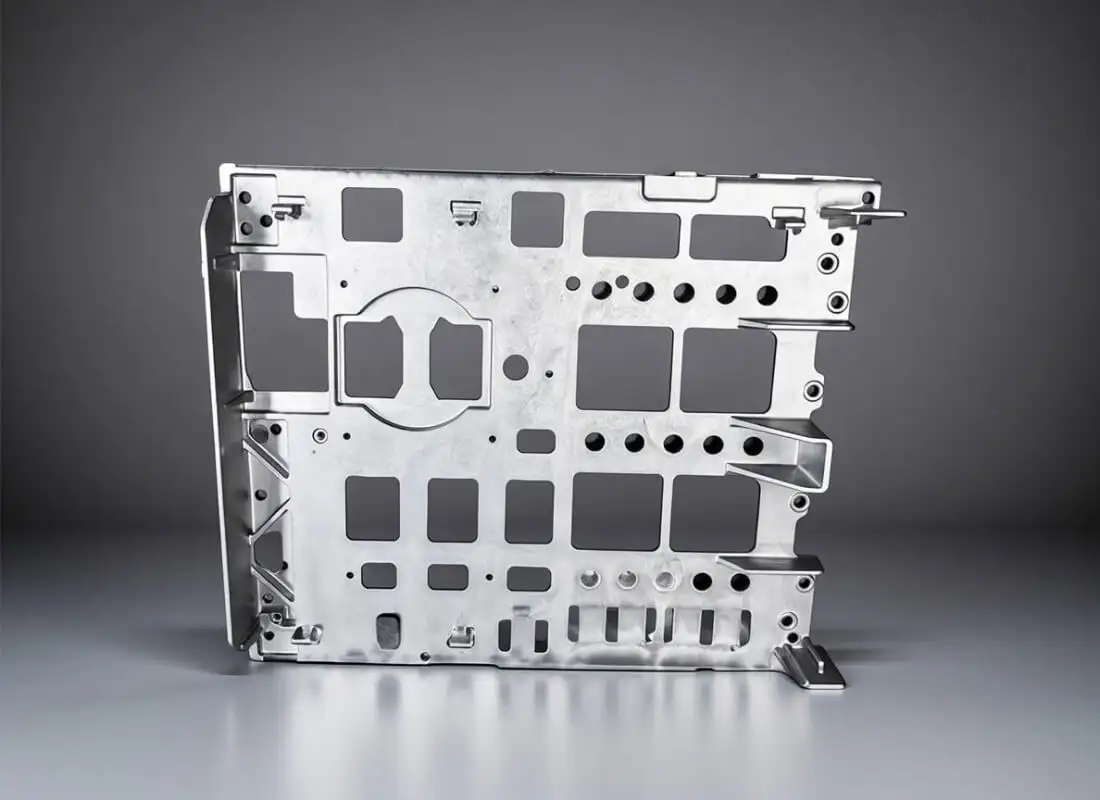
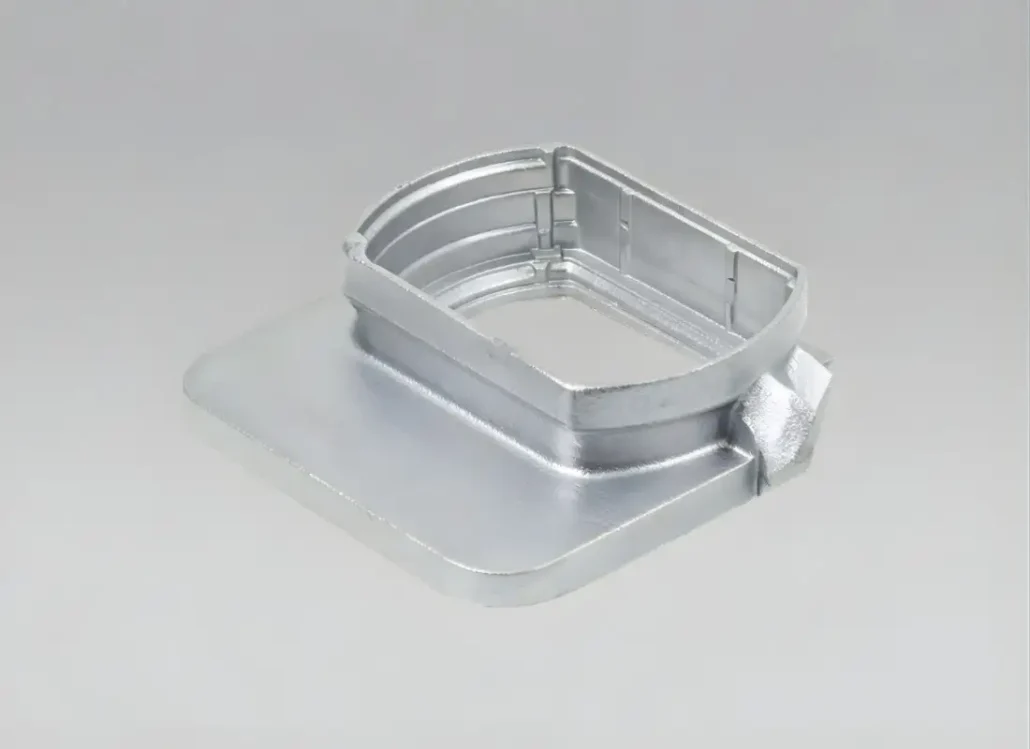
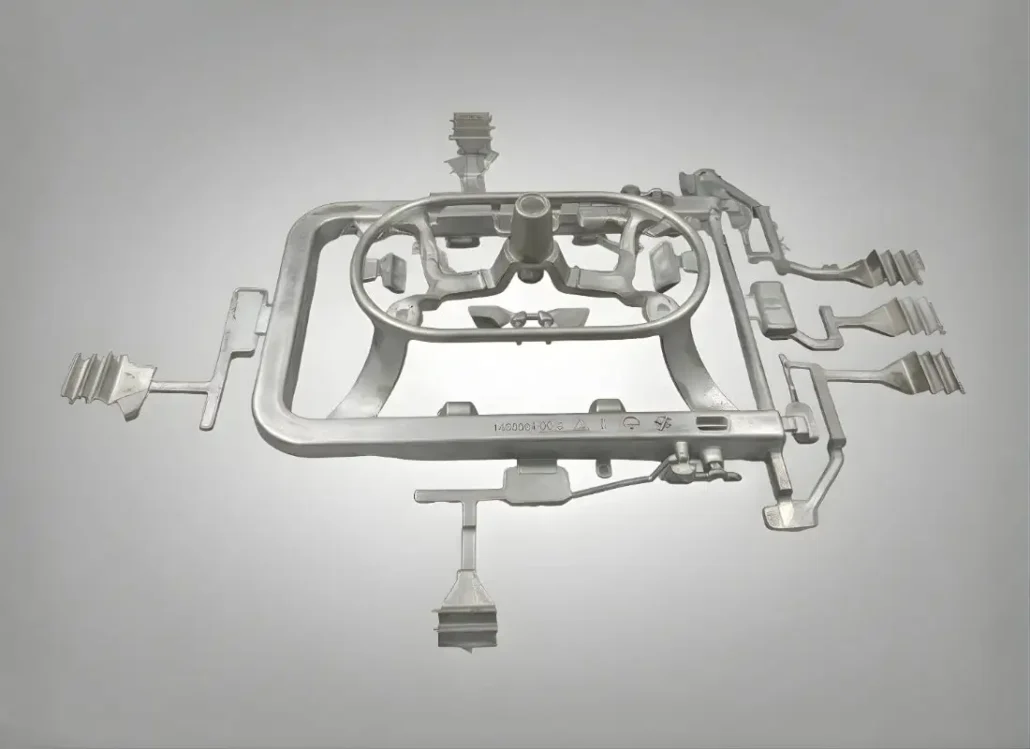
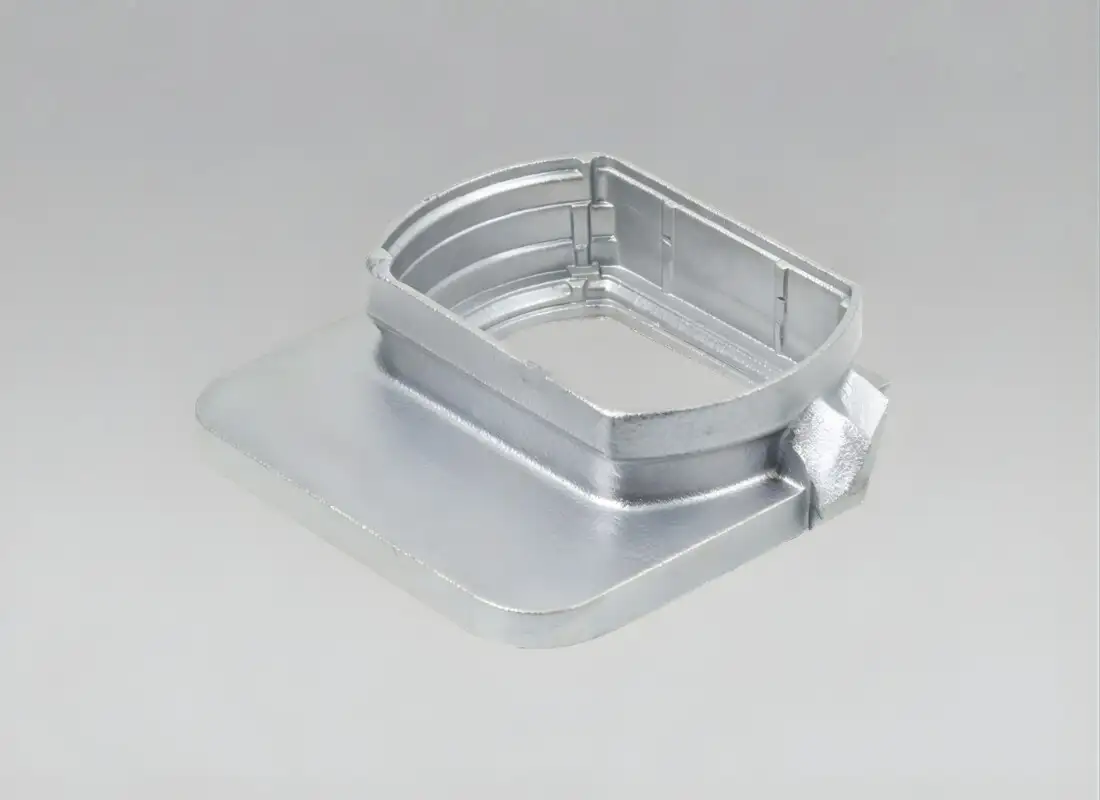
マグネシウムダイカスト は、マグネシウム合金を用いて、溶融金属を高圧で金型キャビティに押し込むプロセスである。 高圧ダイカスト は、様々な用途、特にマグネシウム鋳造製品のための安価な金属部品を作成するために広く使用されている最高の技術の一つです。金属が硬化することで、目的の形状が得られます。
マグネシウム は、あらゆる構造用金属の中で最も軽量であり、高性能な特性を必要とする用途に広く使用されている。加えて、マグネシウムの質量は多くのプラスチックとほぼ同等であり、優れた靭性や耐食性など、プラスチックと比較して多くの利点がある。マグネシウム部品はきれいな形で流し込むことができ、重量に対する強度の比率が高い。 マグネシウムダイカスト 高温用途にも使用可能
マグネシウムは軽量で、一部の鋳造部品には強い構造を持つ。重いアルミダイカスト製品の代わりにマグネシウム部品に置き換えることで、自動車メーカーがマグネシウムのユニークな特性を利用する新しい技術を開発した自動車の燃料コストを削減することができます。
Magnesium die casting manufacturing in China
Magnesium is an excellent choice of die casting to distinguish between durable and durable products, providing a perfect combination of lightness, hardness and corrosion resistance to various casting applications. From concept to completion, with. Magnesium is also 100% recyclable, making it an attractive option when looking at the environment. Once the casting tool or die casting component reaches the end of its life, it can be easily recycled to serve a different purpose, thus saving costs and environmental impacts.
マグネシウムダイカストの利点
には数多くの利点がある。 マグネシウムダイカスト部品.マグネシウムはあらゆる構造材料の中で最も軽いだけでなく、優れた剛性と強力な加重係数を持つ。さらに、コネクターや電気建物に理想的な、明確な安全特性を持っています。
融点が低い
融点が低いため、マグネシウムは金属の強度を犠牲にすることなく、より速く、エネルギー効率よく溶ける。また、低温のため冷却も速い。マグネシウムの融点は、通常のアルミニウム合金よりもわずかに高いため、鋳造プロジェクトに非常に適しています。
高い寸法精度と安定性
一般的に使用されるマグネシウム金属としては最高の強度/重量比。優れた寸法安定性、高い耐衝撃性とへこみ。卓越した水和容量と低い剛性により、頻繁に急激な方向転換をする部品に最適。高純度合金は、炭素、鋼、および一部のアルミニウム合金の中で、最新の最高の耐食性を提供することができます。
高い電気伝導性と熱伝導性
熱量が低いということは、鋳造温度に到達するのに必要なエネルギーが少なくて済むということであり、鋳物はより早く冷却されるため、サイクルタイムが速くなります。低温で鉄の親密度が低いため、鋳型への熱疲労や腐食の影響が少なく、鋳型が長持ちします。
卓越した薄肉能力
薄肉 ダイカスト とは、システムを複数の部品から組み立てるのではなく、単一部品として製造できることを意味する。これにより、設計が簡素化され、組み立てコストが削減され、信頼性が向上し、工具のコストが削減され、接合部、クランプ、溶接部が削減される。
マグネシウムダイカストのデメリット
マグネシウム鋳造の用途を決定するには、特殊な処理方法とコーティングが不可欠である。これはマグネシウムが不純物を含んでいるためで、完成品から不純物を取り除くには、注湯前に金属を洗浄する必要がある。
マグネシウムは、ダイカスト鋳造の準備で溶解に大量の熱を消費します。鋳造温度、マグネシウムは他の合金よりもはるかに短い寿命を提供し、生産コストを増加させることができます。
マグネシウムは発火しやすいので、作業場の付属品のマグネシウム粉塵が初期発破や発火につながることがあり、集塵機のような細かい設備も含めて、加工作業場には完全な換気設備が必要です。着火源を制御し、火災予防対策はマグネシウム合金を扱う時、一番重要なことである。
CNM TECH はマグネシウム合金のダイ カストの部品の生産で豊富な経験を持っています、私達にマグネシウムのダイ カストの部品を生産する十分に管理された安全システムがあります、あなたのプロジェクトのための価格を得るために私達に連絡して下さい。
マグネシウムダイカスト
以下はマグネシウムダイカストの特性である。.
デザインとエンジニアリング
そのプロセスは、お客様を理解するために、お客様と相談することから始まります。金型の詳細なスケッチを作成するために、私たちの設計チームが利用する専門的なソフトウェアがあります。複雑な高圧ダイカスト金型の設計であれ、単純な金型の設計であれ、私たちはお客様のご要望にお応えします。 アルミダイキャスト 金型は、効率と耐久性のために最適化された設計であることを保証します。
一般ダイカスト金型
一般的なダイカスト金型には、高圧システムのような極端な圧力を必要としない用途向けの金型や関連工具が含まれる。これらの金型は、主に小規模な機械加工や単純な形状の部品を扱う場合に使用されます。経験豊富なダイカスト金型メーカーとして、当社は高圧金型と一般金型のニュアンスを理解し、お客様の特定の要件に合ったソリューションを提供します。
ダイカスト金型製作のプロセス
の創設である。 ダイカスト金型 は、いくつかの段階を含む高度に技術的なプロセスであり、それぞれが細部への細心の注意を要求します。TheDieCasting.comでは、最高品質の金型を確保するために、構造化されたアプローチに従っています:
素材の選択
適切な素材を選択することは、容器の効率にとって重要な基準です。そして、構造を損なうことなく、操作段階に固有の圧力と温度に耐えることができる材料を正確に選択します。つまり、ここで生産されるすべての金型は、永続的な信頼性を提供するのです。.
ダイカスト金型製造における持続可能性
TheDieCasting.comは、会社の基盤として持続可能なビジネス慣行に従っています。私たちは、金型を製造する際の廃棄物やエネルギーの使用を現実的に可能な限り削減することを目指しています。例えば、当社のアルミダイカスト金型は効率性を追求し、最適な材料使用を保証し、環境への影響を低減するように設計されています。
よくある質問
What is the difference between aluminum die-casting and magnesium die-casting
Aluminum die-casting is preferred for its high strength, superior corrosion resistance, and lower material cost, commonly using cold-chamber machines for structural, heat-resistant parts. Magnesium die-casting is 33% lighter, offers faster production cycles due to lower melting points, and is ideal for lightweight, high-precision applications like electronics, but typically has higher material costs and poorer corrosion resistance.
Key Differences at a Glance
- Weight & Density: Magnesium is significantly lighter (approx. 1.74 g/cm³) than aluminum (approx. 2.70 g/cm³), providing superior weight reduction.
- 強度重量比: Magnesium offers a better strength-to-weight ratio, making it ideal for lightweight structural components.
- 耐食性: Aluminum exhibits superior corrosion resistance; magnesium is more susceptible to corrosion and often requires special coatings.
- Production Process: Magnesium is usually cast in hot-chamber machines (faster cycles), while aluminum requires cold-chamber machines.
- Temperature Resistance: Aluminum retains its strength at higher temperatures better than magnesium.
- コストだ: Generally, aluminum die-casting is more cost-effective regarding raw materials.
When to choose magnesium die-casting
Choose magnesium die-casting when maximum weight reduction is critical without sacrificing structural strength, such as in automotive, aerospace, or portable electronics (33% lighter than aluminum, 75% lighter than steel). It is ideal for complex, thin-walled, and rigid parts needing excellent EMI shielding, high vibration damping, and fast production cycles.
When to Choose Magnesium Die-Casting:
- Extreme Lightweighting: When components must be lightweight but strong, making it ideal for automotive, aerospace, and consumer electronics.
- Complex, Thin-Walled Geometries: Magnesium alloys have high fluidity, allowing for intricate, thin-walled, and near-net-shape parts with tight tolerances.
- 高い強度重量比: It offers high rigidity and is significantly stiffer than, or acts as a superior alternative to, high-performance plastics.
- Vibration & Sound Dampening: Ideal for housings and components that require excellent shock absorption and noise reduction.
- High-Speed Production: Magnesium has a lower heat capacity and lower viscosity than aluminum, allowing for faster injection and cooling times (shorter cycle times).
- EMI/RFI Shielding: Excellent for electronic enclosures requiring electromagnetic or radio-frequency interference shielding.
- Part Consolidation: Suitable for integrating multiple, complex components into a single, cohesive cast part.
What are the main advantages of magnesium die casting
Magnesium die casting offers significant advantages, primarily being the lightest structural metal— lighter than aluminum and lighter than steel—while providing excellent strength-to-weight ratios. It enables the production of complex, thin-walled, and near-net-shape parts with high dimensional stability. Key benefits include faster cycle times (up to faster than aluminum), longer tool life, excellent electromagnetic shielding, and 100% recyclability.
Key advantages of magnesium die casting include:
- Superior Lightweighting: As the lightest structural metal, it is ideal for weight-sensitive applications in automotive and electronics industries, reducing fuel consumption and enhancing portability.
- Fast Production Cycles: Magnesium has a lower heat capacity and shorter solidification time than aluminum, allowing for faster casting cycles and higher productivity.
- Exceptional Thin-Wall Capabilities: It allows for casting very thin, complex, and intricate components that are difficult to achieve with other metals.
- Reduced Tooling and Machining Costs: Due to lower affinity for iron and reduced thermal fatigue, die life is 2–4 times longer than aluminum casting. Furthermore, magnesium is easy to machine, reducing secondary processing costs.
- High Strength and Stability: It provides high dimensional stability, excellent impact resistance, and high component rigidity.
- Environmental and Cost Benefits: It is 100% recyclable and derived from abundant natural resources. The ability to cast to final net shapes reduces material waste.
- Enhanced Performance: Provides natural lubricity, good corrosion resistance (in high-purity alloys), and superior shielding against electromagnetic interference.