アルミダイカスト会社

ダイカストサプライヤー:プロセス、用途、主な考慮事項

ダイカストサプライヤー:プロセス、用途、主な考慮事項

ダイカストメーカー, ダイカストプロセス

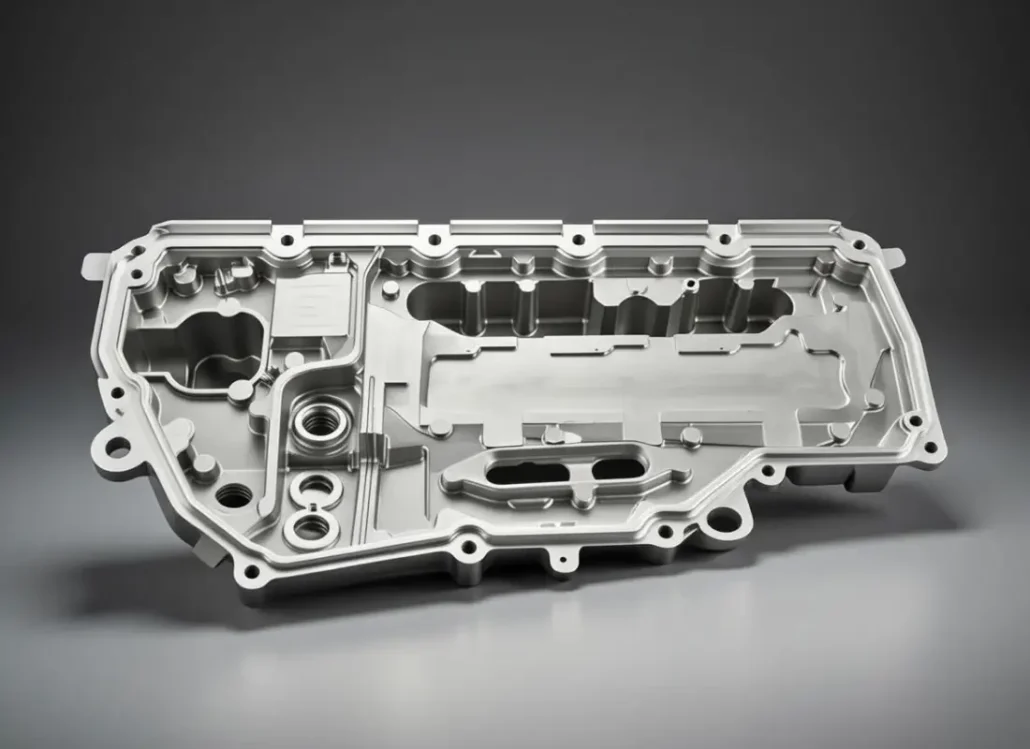
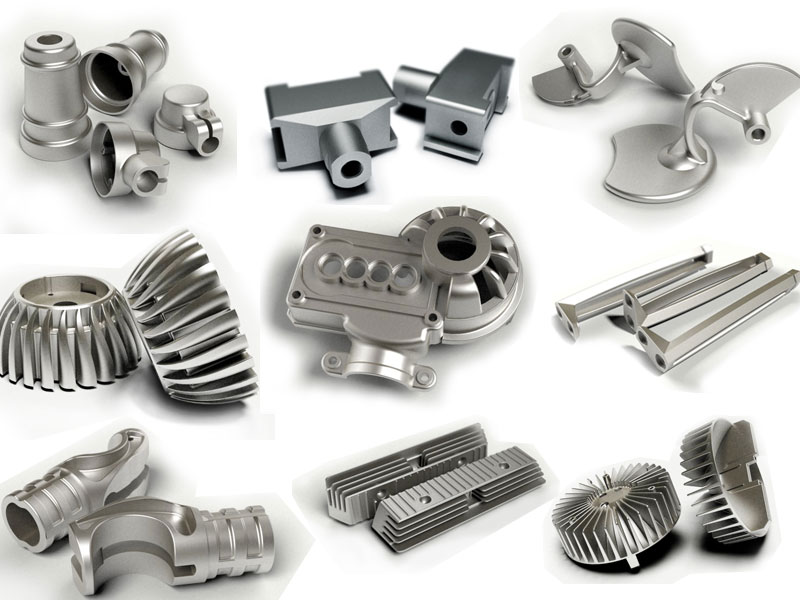
It is one of the widely used metal manufacturing processes, and it is highly efficient: producing high precision, durable, and complex components for many Industries. It injects molten metal, like aluminium, Zinc, or magnesium, inside of a steel mold (die) at very high pressure. It provides uniformity, internal strength and smashing surface finishes making it the right choice for use in automotive, aerospace, electronics, medical equipment, as well as consumer goods. A die-casting supplier is a very important company for the manufacture of high-quality parts that satisfy the industry requirements. They are suppliers, who are especially involved in designing, manufacturing and finishing the components or parts utilizing metal with strict tolerances and intricate geometries. Choosing the right supplier matters a lot for the success of any die-casting project as a good supplier should possess adequate expertise, state-of-the-art technology, and a history of successfully delivering precise and low-cost parts.Die casting is efficient in mass production and produces lightweight, yet strong parts, and as a result, the demand for die casting is increasing worldwide. Examples include reducing the weight of a vehicle, and enhancing fuel efficiency, through the use of die-cast aluminum and magnesium components in the automotive industry. In the same way, the electronics industry employs die casting to make heat sinks, enclosures and structural parts that are prone to high durability and electrical conductivity. When looking for a die-casting supplier, one should consider not only manufacturing capabilities but, more importantly, their quality control process, material expertise, and anything that may be left up to the supplier, such as machining, coating, and finishing. This provides a well-established supplier, therefore, reducing lead times, minimal defects and cost-effective production.  In this article, the die-casting process, materials used, the applications, advantages and important considerations of choosing a die-casting supplier are covered. Metal parts required to meet industrial applications need high performance and a reliable supplier fulfils this criterion for both small-batch production and large-scale production. The Die Casting Process: Step-by-Step Guide 1. Mold Preparation Mold (die) preparation and design accompany the initial step of this process. The two-part steel dies consist of a stationary cover die section and the movable ejector die section. Applied lubrication helps the molded flow metallic material smoothly while stopping the material from clinging. 2. Molten Metal Injection The chosen metals aluminum and zinc along with magnesium undergo high-temperature melting. Due to high pressure between 1,500 to 25,000 psi the molten metal enters the mold cavity. High injection pressure produces both accurate and even parts with low levels of flaws. 3. Cooling and Solidification The molten metal quickly reaches solid form during this process when forming parts to their designated shape. The components achieve superior high-strength properties because of the fast cooling process. 4. Ejection of the Part After metal solidification, the mold opens while ejector pins extract the completed part from its chamber. One mold cycle ends when it closes before starting another round of production. 5. Trimming and Finishing Machinists remove all undesirable remnants including flash and both sprees and runners from the part. The component requires supplementary finishing actions which involve sandblasting together with powder coating and anodizing operations to develop superior looks alongside functionality. Differences between Hot Chamber and Cold Chamber die-casting The die-casting process operates in either hot chamber die-casting or cold chamber die-casting formats. The main difference exists in how molten metal receives treatment before mould injection during these two techniques. The two methods differ in specific strengths together with restrictions which make them suitable for particular materials and production needs. The following section provides an elaborate comparison between hot chamber die-casting systems along cold chamber die-casting systems. 1. Process Overview Hot Chamber Die Casting • It requires a built-in furnace, which keeps the metal in a molten state. • Injection system is immersed in the molten metal, sucking it through the injection of a center and supplying it to the mold cavity. • The process is faster since there is no need to convey the metal from an independent melting station as in other processes. Cold Chamber Die Casting • Utilizes an external furnace for heating the metal to produce the required change in its state. • The molten metal is either ladled manually or automatically into the injection system and then it is injected into the mold. • The process is slower than the hot chamber one because the extra step of transferring molten metal takes time. 2. Suitable Metals Hot Chamber Die Casting • Like metals that melt below this temperature such as those that are not suitable to erode the injection system. • Common raw materials include: zinc, magnesium, lead and tin. Cold Chamber Die Casting • Applied to work with metals that have high a melting point which tends to deform the hot chamber system. • Common materials: aluminum, brass, copper, and magnesium alloys. 3. Production Speed Hot Chamber Die Casting • Higher speed of operations normally ranging between 5 to 15 operation cycles per minute. • The direct metal feed helps in avoiding the use of the ladling process in the making of the product. Cold Chamber Die Casting • Some of the disadvantages are the slow cycle times because of manual or fully automated metal transfer. • Other factors may take longer in the cooling and solidification process in this case with some of the alloys. 4. Equipment Durability Hot Chamber Die Casting • The submerged injection system has short service life since it deals with low-melting-point metals. • Longer equipment lifespan with proper maintenance. Cold Chamber Die Casting • Wear and tear increases with the rise in high temperatures especially in the case of aluminum and copper alloys. • Furniture and equipment may last for a shorter time and, therefore, may need constant replacement and maintenance. 5. Cost and Efficiency Hot Chamber Die Casting • High production since the time taken to complete a production cycle is short. • Lower operational costs because of integrated metal handling. Cold Chamber Die Casting • Increased energy costs by
金属鋳造サービスについて

アルミダイキャスト, ダイカスト会社, ダイカスト部品, 高圧ダイカスト, マグネシウム鋳造, マグネシウムダイカスト, 亜鉛ダイカスト

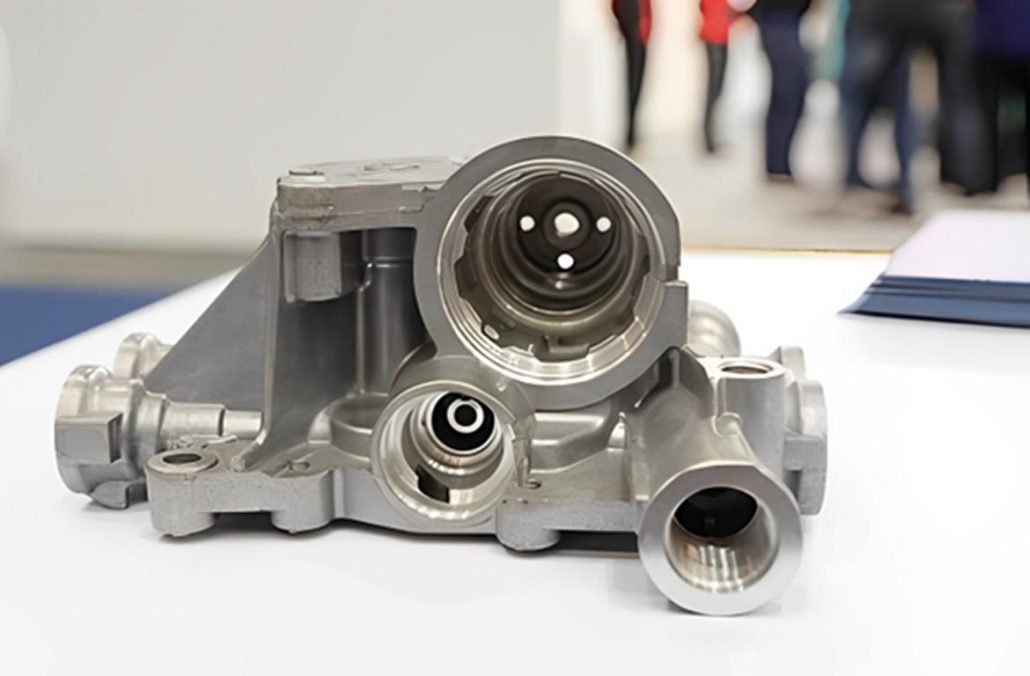
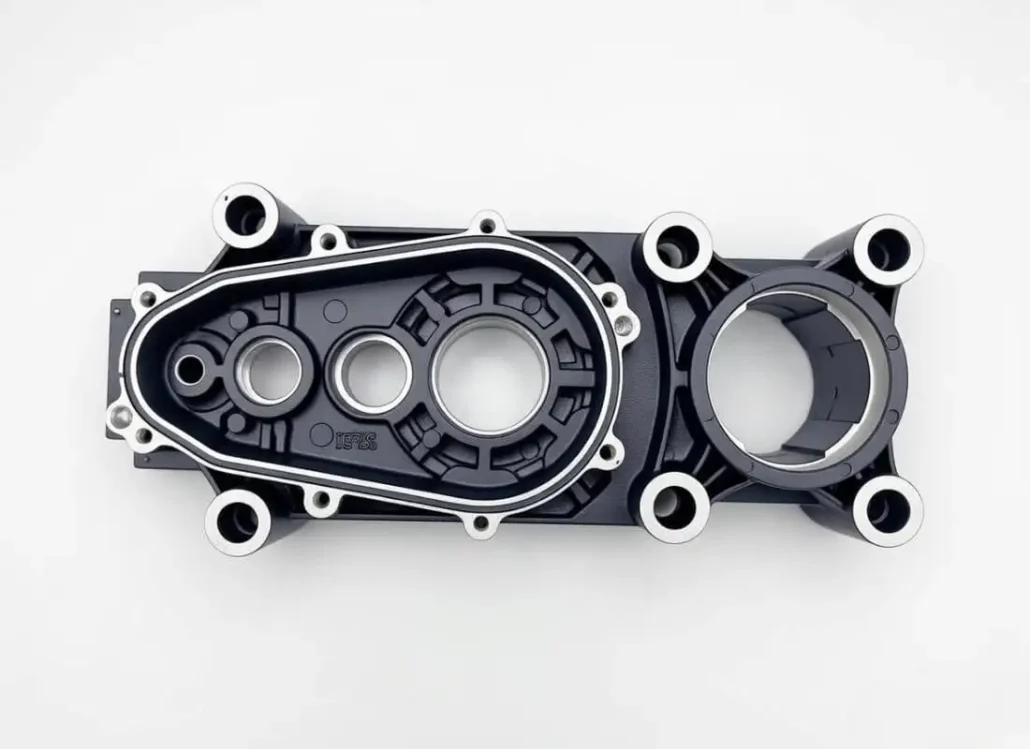
Metal casting services involve the shaping of free-flowing liquid metals through the use of dies, molds, or patterns.  Castings are generally roughly finished due to the nature of their production.  In many cases, additional finishing is required to remove burrs and other artefacts of the casting process.  Metal castings services are used to design a wide range of components and finished products.  Everything from simple nails and fasteners to engine blocks can be fabricated using metal casting services.  Common metal casting processes include sand casting, die casting, permanent mold casting, investment casting, centrifugal casting, and lost foam casting. Sand Casting Sand casting is used to make large parts (typically iron, but also bronze, brass, aluminum). Molten metal is poured into a mold cavity formed out of sand (natural or synthetic). Sand castings generally have a rough surface, sometimes with surface impurities and surface variations. Die-casting includes a number of processes in which reusable dies or molds are used to produce casting.  The die contains an impression of the finished product together with it’s running, feeding and venting systems.  The die is capable of a regular cycle and of (quickly) dissipating the heat of the metal poured into it.  Once the liquid metal has cooled sufficiently, the mold is opened and the casting can be removed and finished. Permanent Mold Casting In permanent mold casting, molten metal is poured into cast iron molds, coated with a ceramic mold wash. Cores can be a metal, sand, sand shell, or other materials. When completed, the molds are opened and the castings are ejected.   Investment casting services involve molding patterns by the injection of a special wax into a metal die.  The patterns are assembled into a cluster around a wax runner system. The ‘tree’ of patterns is then coated with 8-10 layers of refractory material. The assembly is heated to remove the wax.  The hot mold is cast, and when cool, the mold material is removed by impact, vibration, grit blasting, high-pressure water blasting or chemical dissolution leaving the castings, which are then removed from the runner system. Centrifugal casting Centrifugal casting services are used to produce castings that are cylindrical in shape.  In centrifugal casting, a permanent mold is rotated about its axis at high speeds as the molten metal is poured. The molten metal is centrifugally thrown towards the inside mold wall, where it solidifies. The casting is usually a fine grain casting with a very fine-grained outer diameter, which is resistant to atmospheric corrosion, a typical need with pipes. The inside diameter has more impurities and inclusions, which can be machined away. Lost foam casting Lost foam casting (LFC) is metal casting services that use foam filled patterns to produce castings.  Foam is injected into a pattern, filling all areas, leaving no cavities.  When molten metal is injected into the pattern, the foam is burned off allowing the casting to take shape. Die casting Die casting and metal casting includes a number of processes in which reusable dies or molds are used to produce casting. The die is capable of a regular cycle and of (quickly) dissipating the heat of the metal poured into it. Once the liquid metal has cooled sufficiently, the mold or is opened and the casting can be removed and finished.   In the die casting process, molten metal is injected under pressure into a reusable mold or die. The die contains an impression of the casting together with it’s running, feeding and venting systems. The die is capable of a regular cycle and of (quickly) dissipating the heat of the metal poured into them. Once the liquid metal has cooled sufficiently, the mold or is opened and the metal casting can be removed and finished. high pressure die casting The high pressure die casting process is the most widely used, representing about 50% of all light alloy casting production. Low pressure die casting currently accounts for about 20% of production and its use is increasing. Gravity die casting accounts for the rest, with the exception of a small but growing contribution from the recently introduced vacuum die casting and squeeze casting process. the design of low pressure and gravity die casting dies for improved die filling, optimized solidification pattern and maximum yield. Gravity die-casting is suitable for mass production and for fully mechanized casting. Low-pressure die casting is especially suited to the production of components that are symmetric about an axis of rotation. Light automotive wheels are normally manufactured by this technique. Die casting metals can vary widely, and different die casting companies may have the ability to work with anyone or number of them. Some of the most common metal casting types include aluminum die casting, brass die casting, lead die casting (the most popular for model die casting), magnesium die casting, and zinc die casting. Hope all of that information is enough for your reference, but if you want to know more information, you are welcome to contact us by phone or email.

高圧ダイカスト部品

ダイカストとは

ダイカスト

What is die casting Die casting is a manufacturing process for producing accurately dimension, sharply defined, smooth or textured-surface metal parts. It is accomplished by forcing molten metal under high pressure into reusable metal dies. The process is often described as the shortest distance between raw material and finished product. The term, “die casting,” is also used to describe the finished part. The term “gravity die casting” refers to castings made in metal molds under a gravity head. It is known as permanent mold casting in the U.S.A. and Canada. What we call “die casting” here is known as “high pressure die casting” in Europe. How are die castings produced First, a steel mold capable of producing tens of thousands of castings in rapid succession must be made in at least two sections to permit removal of castings. These sections are mounted securely in a machine and are arranged so that one is stationary (fixed die half) while the other is moveable (injector die half). To begin the casting cycle, the two die halves are clamped tightly together by the die casting machine. Molten metal is injected into the die cavity where it solidifies quickly. The die halves are drawn apart and the casting is ejected. Die casting dies can be simple or complex, having moveable slides, cores, or other sections depending on the complexity of the casting. The complete cycle of the die casting process is by far the fastest known for producing precise non-ferrous metal parts. This is in marked contrast to sand casting which requires a new sand mold for each casting. While the permanent mold process uses iron or steel molds instead of sand, it is considerably slower, and not as precise as die casting. Types of machines for die casting Regardless of the type of machine used, it is essential that die halves, cores and/or other moveable sections be securely locked in place during the casting cycle. Generally, the clamping force of the machine is governed by (a) the projected surface area of the casting (measured at the die parting line) and (b) the pressure used to inject metal into the die. Most machines use toggle type mechanisms actuated by hydraulic cylinders (sometimes air pressure) to achieve locking. Others use direct acting hydraulic pressure. Safety interlock systems are used to prevent the die from opening during the casting cycles. Die casting machines, large or small, very fundamentally only in the method used to inject molten metal into the die. These are classified and described as either hot or cold chamber die casting machines. Hot Chamber die casting machines Hot chamber machines (Fig.1) are used primarily for zinc, and low melting point alloys which do not readily attack and erode metal pots, cylinders and plungers. Advanced technology and development of new, higher temperature materials have extended the use of this equipment for magnesium alloy die casting. Figure 1: Hot Chamber Machine. Diagram illustrates the plunger mechanism which is submerged in molten metal. Modern machines are hydraulically operated and equipped with automatic cycling controls and safety devices. In the hot chamber machine, the injection mechanism is immersed in molten metal in a furnace attached to the machine. As the plunger is raised, a port opens allowing molten metal to fill the cylinder. As the plunger moves downward sealing the port, it forces molten metal through the gooseneck and nozzle into the die. After the metal has solidified, the plunger is withdrawn, the die opens, and the resulting casting is ejected. Hot chamber machines are rapid in operation. Cycle times vary from less than one second for small components weighing less than one ounce to thirty seconds for a casting of several pounds. Dies are filled quickly (normally between five and forty milliseconds) and metal is injected at high pressures (1,500 to over 4,500 psi). Nevertheless, modern technology gives close control over these values, thus producing castings with fine detail, close tolerances and high strength. Cold Chamber die casting machines Cold chamber machines (Fig. 2) differ from hot chamber machines primarily in one respect; the injection plunger and cylinder are not submerged in molten metal. The molten metal is poured into a “cold chamber” through a port or pouring slot by a hand or automatic ladle. A hydraulically operated plunger, advancing forward, seals the port forcing the metal into the locked die at high pressures. Injection pressures range from 3,000 to over 10,000 psi for both aluminum and magnesium alloys, and from 6,000 to over 15,000 psi for copper base alloys. Figure 2: Cold Chamber Machine. Diagram illustrates die, cold chamber and horizontal ram or plunger (in charging position). Die casting provides complex shapes within closer tolerances than many other mass production processes. In a cold chamber machine, more molten metal is poured into the chamber that is needed to fill the die cavity. This helps sustain sufficient pressure to pack the cavity solidly with casting alloy. Excess metal is ejected along with the casting and is part of the complete shot. Operation of a “cold chamber” machine is a little slower than a “hot chamber” machine because of the ladling operation. A cold chamber machine is used for high melting point die casting alloys because plunger and cylinder assemblies are less subject to attack since they are not submerged in molten metal. Die casting and their construction Die casting dies (Fig. 3) are made of alloy tool steels in at least two sections called fixed die half and ejector die half. The fixed die half is mounted on the side toward the molten metal injection system. The ejector die half, to which the die casting adheres, and from which it is ejected when the die is opened, is mounted on the moveable platen of the machine. The fixed die half of the die is designed to contain the sprue hole through which molten metal enters the die. The ejector half usually contains the runners (passageways) and gates (inlets) which route molten metal to the cavity (or cavities) of the die. The ejector

重力鋳造とは

アルミ鋳造, アルミ鋳造用金型, アルミダイキャスト, ダイカスト, アルミダイカスト, ダイカスト会社, ダイカスト金型, ダイカスト部品, 重力鋳造, 中国射出成形金型, 射出成形金型製作

アルミダイカストと重力鋳造の違い アルミダイカストは、単に溶けた金属で遊ぶ口実というだけではありません。アルミダイカストは、溶けた金属で遊びながら、お金を節約できる素晴らしい方法なのです。アルミダイカストが時の試練に耐えてきた理由は、効率の問題です。最も古い鋳造例は、数千年前にさかのぼる中国で発見されています。実際、エジプト人からローマ人に至るまで、あらゆる主要文明がアルミニウム鋳造を実践していました。この技術はルネッサンス期に再び流行し、そこから進歩・進化を続けてきました。砂型鋳造は最もポピュラーな鋳造方法ですが、バックヤードの鋳物工場で利用できる鋳造方法は他にもたくさんあります。誰もがエンジン部品のような重い部品を鋳造したり、オートバイを鋳造したりするわけではありません。そのため、装飾品を作りたいだけの人にとっては、これらのヘビーデューティーキャスターと同じ鋳造プロセスを使用することはないでしょう。 小規模な彫像や装飾品を作る芸術家や、飛行機やボートの模型に装飾的なタッチを必要とする趣味の人たちは、重力鋳造の使用を検討することをお勧めします。重力鋳造とは 重力鋳造は、アルミニウムやその他の軽合金を扱う場合に特に有効なようです。この鋳造法の基本的な考え方は、その名前が示す通りです。金属は重力の力で鋳型に導入されます。他のほとんどの鋳造法では、砂型鋳造のように自然な圧力差を利用するか、遠心鋳造のように強制的に圧力をかけて溶融金属を鋳型に入れます。重力鋳造の最も一般的な用途のひとつは、永久鋳型を使用する場合です。金型とも呼ばれる永久鋳型は、同じ鋳型を何度も使用する予定があり、品質を一定に保つ必要がある場合にのみ経済的です。一時的な金型は繰り返し使用することができますが、完成品の品質は時間の経過とともに低下します。金型であれば、品質は変わりません。金型は投資と考えるべきです。はい、それらは他の型より高価である; 但し、型のためのより安い選択より長持ちする。永久的な型によって、それらは鋳鉄、鋼鉄および他の金属を使用して作成される。重力鋳造は好ましい結果の永久的な型のプロセスに使用される。重力鋳造は通常、完成品がより視覚的に基づいている場合に使用され、その後、この方法は、アーティストや一部の宝石商のお気に入りである理由である構造に基づいています。強度が落ちるのは、この工程で圧力をかけないためです。強度が必要でも重力鋳造を利用したい場合は、溶融金属をより多く使用する必要があるため、重量が増加します。重力鋳造について詳しく知りたい方は、https://www.aludiecasting.com/。重力に頼るには忍耐が必要ですが、大きな製品では必要になります。重力鋳造かアルミニウム ダイ カスト、マグネシウム ダイ カストまたは亜鉛があなたのビジネスのためのダイ カスト サービスを必要としたら。私達に引用語句のためのあなたの条件を送る歓迎されています、私達にあなたの 3D 部品の設計およびあなたの条件を送る必要があり、それから私達と働くためにあなたの側で市場の心配をする必要がある私達あなたのための残りをすることができ、私達はリードタイム、郵送物、質および技術の心配をするあなたのバックアップです。.

ダイカスト加工

ダイカスト

アルミ鋳造, アルミ鋳造用金型, アルミダイキャスト, ダイカスト, アルミダイカスト, ダイカスト会社, ダイカスト金型, ダイカスト部品

What is die casting? Die casting, from a mold shop perspective, is less about simply shaping molten metal and more about repeatedly “copying” a part using a hardened steel tool. In daily production, molten alloy is injected into the die cavity under high pressure, filling the geometry in a fraction of a second. Once the metal solidifies, the mold opens and the part is ejected, ready for the next cycle. The whole process runs fast, but the real work is in the tooling and process setup rather than the machine alone. On the die casting shop floor, what matters most is consistency. After the die is properly tuned, the process can deliver thousands of identical parts with stable dimensions and surface quality. However, this reliability depends heavily on early-stage mold design—issues like venting, shrinkage, and flow balance must be solved upfront, because they are difficult to fix later in production. What is Aluminum die casting? Aluminum die casting is a casting liquid die forging method. Die casting process is a kind of special high pressure die casting machine to accomplish the process. Its basic technological process is: first metal or aluminium alloy liquid in low or high-speed casting filling into the die mold cavity, die with a moveable type cavity surface. It with the liquid aluminum alloy cooling process pressure forging blank, both the elimination of shrinkage defects, also make the rough internal Aluminum Die Casting organization to forge the broken crystal. Rough comprehensive mechanical properties are improved significantly. How To Find Right Aluminum Die Casting Sources Are you looking for the high quality and ultimate die casting services for your business? Well, you better need to hire the right service provider who must be experienced in the very same domain. Yes, it is highly necessary to invest some time who can offer very high-quality results and that is by paying the very affordable amount. Before we talk about how to find the right company, it is highly necessary to know more about Die casting. Well, this is the most important manufacturing technology which is used by many industries which are looking for all sorts of parts to commence the work and for that it is necessary to go with the aluminum die casting process. With the help of die casting mold, it will help in molding the complexity of the metal substance exactly in the same manner as you are looking to have. Yes, the final product can have virtually any size depending on what designer desires, thus there is nothing impossible for the best and great service providers at all. When it comes to finding a right service provider for aluminum casting parts, you better invest time over the net and find out the most experienced, reliable and friendly service provider to meet the exact requirements without any fail. Also, you better find out someone who can easily work on any customized requirements of the clients as well as they must possess great goodwill in the market. Also, you can investigate their previous projects and check how best they are in the die casting and how they have helped other companies to complete their requirements. Not only this, even, you need to disclose them the complete information about your project requirements and check how well they are in offering you the correct guidance as well as what price they are quoting you up. Even, you can do this with different sources and go up with the best one who offers great services at the best prices. Moving up with the pro means they will consider mechanical properties, including tensile strength, yield, impact, hardness, and other various specifications in advance to offer you the best solutions. Not only this, pros will help in picking up the right metal which they perform by checking out the physical properties of the metal. Yes, before going up with the aluminum die casting, it is very important to know more about its conductivity or how it behaves under extreme stress or heat. Pros also determine the composition of different alloys, check what are the common uses for the primary element, they also check out a complete list of die-cast alloys, check out the needed properties, and everything to offer you something the best to meet your exact requirements. Why don’t you check out to go to the suggested source? Well, it will offer you the best services by offering you the casting of metal in the shortest possible of time, will make everything from the scratch and the best part is everything will be done in a budget-friendly manner. Technology is improving day by day and we are the one enjoying it up fully. Today, we can have every possible thing to make our work the best as well as offer us full convenience and complete peace of mind. Apart from others, talking about Die casting, it is a manufacturing process that can produce geometrically unique and impossible metal parts with the best use of reusable molds, called dies. The die casting process is very important and pros always make sure to use all the necessary things, called- furnace, metal, die casting machine, die and other various materials. The metal which is used here is always non-ferrous alloy, like- Zinc and aluminum, later it is melted in the furnace and then injected into the dies in the die casting machine for producing very complex metal parts. It is always better to approach the right company for aluminum casting parts as they always go with the best and authentic procedures in order to produce something the best. They may use different types of die casting machines, called – hot chamber machines and cold chamber machines for a perfect die casting solution. Hot chamber machines are used for those alloys which have low melting temperatures, such as zinc. And Cold chamber machines are used for those alloys with high melting temperatures, such as aluminum. Both machines work the same and once they are done with the molten metal, they inject the same

アルミダイカスト

アルミダイカスト

アルミ鋳造, アルミ鋳造用金型, アルミダイキャスト, ダイカスト, アルミダイカスト, ダイカスト会社, ダイカスト金型, ダイカスト部品, 高圧ダイカスト, マグネシウムダイカスト, 圧力ダイカスト

What is Aluminum die Casting Aluminum die casting can be understood as a highly controlled metal “injection” process rather than a simple pouring method. In a typical aluminum die casting manufacturing company, molten aluminum is forced into a hardened steel die under high pressure, allowing the metal alloys to fill even very thin sections and complex geometries within milliseconds. What makes this process valuable is not just speed, but repeatability—once the mold is tuned, thousands of parts can be produced with consistent dimensions and surface quality. From a practical manufacturing perspective, die casting is often chosen when a part demands tight tolerances, good surface finish, and minimal secondary machining. The upfront investment in tooling is relatively high, but it is offset by lower per-unit cost in volume production. Engineers also favor aluminum die casting because it combines lightweight properties with decent strength, corrosion resistance, and thermal conductivity. Benefits of aluminum die casting Metals and precautions related to aluminium die casting. Different types of aluminium alloys can be used in die Casting and aluminium molds, types of casting methods are used for making aluminum die casting, zinc die casting, magnesium die casting and many more. Type of Die Casting process Die Casting is the process of making Aluminium suitable for producing different types of products. It is a simple and inexpensive way to provide a wide variety of aluminium products. Some of the examples are Washington Monument, car engines, and power transmissions, etc, which were all produced through aluminum casting alloys process. Aluminium casting can be done in 3 ways:- Auminum die casting Mold Casting Sand Casting DIE CASTING Die casting is a manufacturing process for producing metal parts.  In die casting, die or mold cavities are created with hardened tool steel that has been previously machined to a particular shape. Here in die casting, Aluminium is melted first and is poured into a steel die under high pressure forcefully. This manufacturing technique is normally used for high volume production, the process we normally called high pressure die casting or pressure die casting process MOLD CASTING About mold casting, mold and cores can be of either steel or any other metal. Here also the aluminium is melted first and is poured in the mold provided. Sometimes vacuum is also applied. In some situations, Permanent mold casting is seemed to be stronger than both die casting and sand casting methods. Semi-permanent mold casting techniques are used when permanent cores are impossible to remove from the finished part. SAND CASTING: Sand casting is the most versatile method of producing aluminium products. Usually, the molted aluminium is poured into a mold which is virtually pressed into a fine sand mixture. The pattern will be little larger than which needed for the aluminium shrinkage during solidification and cooling. Sand Casting is usually a slow process than both die casting and mold casting. Usually, it is used for small quantity products. Aluminum Casting Alloys The most important cast aluminum casting alloys system is Al-Si. Here high levels of Silicon contribute to give good casting characteristics. aluminum casting alloys are widely used in engineering structures and components where lightweight or corrosion-resistant is required. Methods and benefits of Aluminium die casting Metals and precautions related with aluminium die casting Different types of aluminium can be used for die Casting, Aluminum casting manufacturer & aluminum casting is used in order to cover different types of metals by using different types of methods. There are many methods used for aluminum casting and different types of benefits are obtained. With the help of aluminum casting and aluminum die casting it is possible to increase the life of metals and these can be used for a long time period with an amazing look and charm of metal. Methods Different types of methods are used for aluminium die casting. The main thing is to melt aluminum. High temperature is needed for melting aluminum. Special structures are used for the melting of aluminum. When aluminum casting is melted then it is poured on the target metals. Then the melted aluminum casting is allowed to get hard and it is ready to be used after some time period. There are special containers that are made to be used for the melting of aluminum. These structures are available in the market in different shapes and sizes. You are also able to make these structures at home by using the desired ingredients. You have many options in making these structures. If you are going to buy this structure from the market then you have to make a selection of the size and shapes. There are many options in terms of sizes and shapes and different types of prices are charged by makers. Working of these structures is also different as some use fuels and some use manual efforts for getting heat to make sure that aluminum casting could be heated and melted effectively. High temperatures are obtained in these structures and then aluminum casting is melted and then used on the target metals for the casting process. Benefits Aluminium Die Casting There are many types of benefits of aluminum die casting. Mainly this type of casting is done to make sure that the metal can remain safe from corrosion. Atmosphere conditions and moisture is bad for iron and casting can help to protect iron and increase its useful life. aluminium die casting is able to resist moisture and other harmful effects of the environment due to which it can be used on metals through casting. The protective shield is made on iron to make sure that it can be used for a long time period. aluminium die casting companies can be cast on iron and make a protective sheet. This protection is in the form of a shining layer which is obtained by using high temperatures. This layer is permanent and good looking along with increasing strength and useful life of metal. Mostly iron is cast with the help of aluminum. This is a cheap process and the user is able

上部へスクロール

お見積もり