ダイカスト部品

大手メーカーがアルミダイカストを好む理由

アルミダイカスト自動車部品:大手メーカーが好む理由

アルミダイキャスト

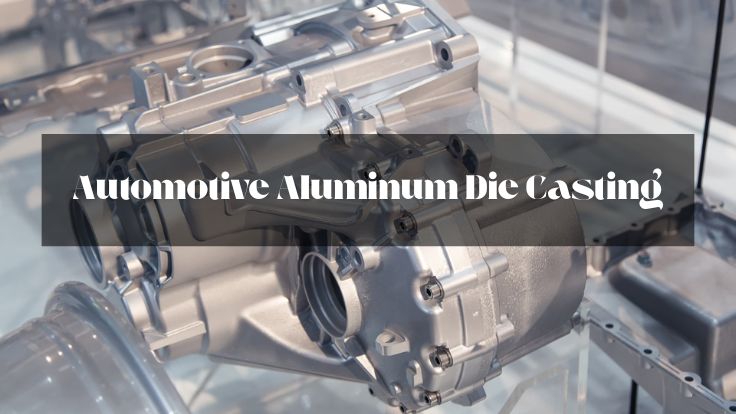
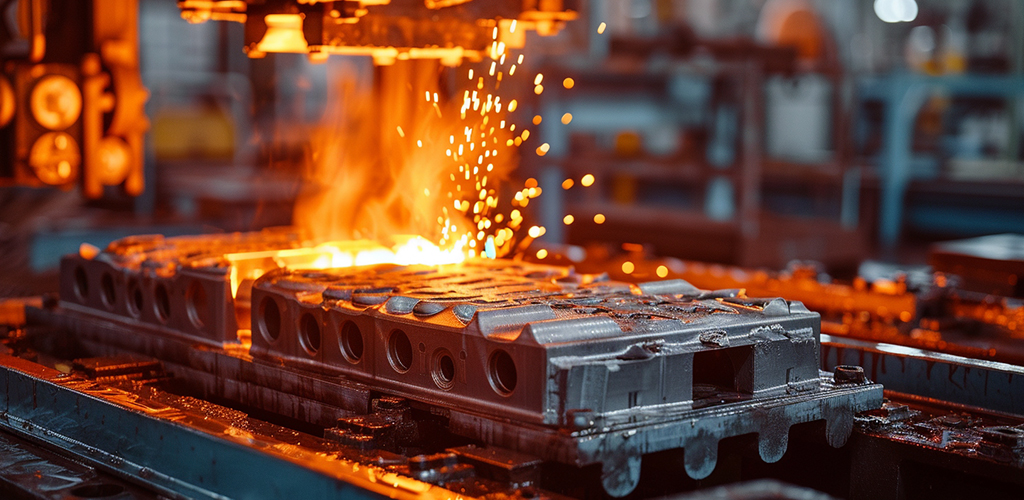
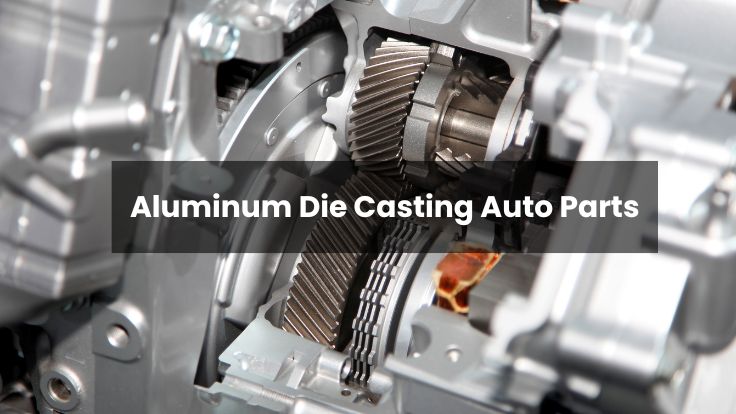
アルミダイカスト自動車部品は、エンジンブロック、トランスミッションハウジング、幅広いブラケットなど、業界をリードするデザインで、今や一般的な手法となっています。この方法は、複雑な設計を含むことを可能にし、強力な性能とより良い燃費のために重要な部品の軽さと耐久性の両方を保証します。アルミダイカストは、短時間で製造でき、スクラップもほとんど出ないため、世界中の自動車メーカーで広く使用されています。自動車ダイカストは、現代の自動車の部品を製造する際に不可欠です。この製造工程では、金型が丈夫で再利用可能なため、アルミニウムを溶かして金型に必要な形状に成形します。より改良された、よりエネルギー効率の高い自動車がますます重視されるようになったため、企業はより多くのアルミニウムを使用するようになりました。これらの部品を高い精度で確実に製造するには、アルミダイカストが不可欠です。自動車ダイカスト部品メーカーは、このような製造開発の中心的存在です。電気自動車やハイブリッド車が一般的になりつつあるため、メーカーは軽量で錆びにくく腐食しにくいアルミニウム部品をより多く必要とするようになります。このような性質から、アルミダイカストは輸送技術の発展にとって重要なのです。この記事では、自動車のダイカストプロセス、その利点、自動車における一般的な用途、および主要なダイカストメーカーが今日の自動車用の優れたダイカスト部品をどのように製造しているかについて説明します。アルミダイカストとは?アルミダイカストは、溶けたアルミニウムを高圧で金型の空洞に押し込むことで行われます。一般的に、金型は硬化した工具鋼で構成され、高精度の反復可能な形状を形成します。鋳物が固まり冷えるとすぐに金型が開き、鋳物を取り出すことができます。主な特徴アルミダイカストの利点とは?アルミダイカストは、生産者がリーズナブルで柔軟なコストで高品質の部品を作ることを可能にします。主な利点:いくつかの特徴がある場合、多数の部品を1つのユニットに組み立てることができます。オートダイキャストとは何ですか?自動車ダイカストとは、液体アルミニウムを特殊な金型に押し込んで自動車部品を成形するプロセスです。ダイカストは、非常に詳細で正確な部品を厳しい公差で製造することで知られています。より速く、よりクリーンで、より低コストであるため、「オートダイカスト」は現在、多くの自動車部品の製造に他の方法の代わりに使用されています。製造工程では、高品質のスチール金型またはダイカスト金型が使用され、何度も使用される熱に対応できるようになっています。脱型されたアルミニウム部品の冷却と排出は単純であるため、仕上げはほとんど必要ありません。そのため、このプロセスは機械加工や同様の金属成形技術よりも高い効率を実現しています。自動車の設計者やエンジニアがアルミニウムを使用してより軽量で効率的な自動車を製造しようとするにつれ、自動車ダイカストを使用する必要性が高まっています。アルミダイカストの用途 アルミダイカストがさまざまな分野で重要視されている理由は、強度が高く、軽量で、非常に精密な部品を作ることができるからです。機械的に非常に優れた性能を発揮するため、アルミニウムは、最高の性能、永続的な使用、ユニークな形状が求められる分野で高く評価されています。自動車、飛行機、電子機器、電化製品、その他の機器にはセラミックが使用されており、これらの用途は常に増加しています。自動車産業 アルミニウムダイカスト部品は、自動車産業で最も使用されています。自動車の軽量化、燃費の向上、厳しい環境規制の遵守に役立つため、この方法の使用は増加しています。自動車のエンジン、トランスミッション、シリンダーヘッド、サスペンション・ユニット、支持構造の一部は、アルミ製である可能性があります。電気自動車の増加により、アルミダイカストの必要性が高まっています。軽量部品はバッテリーの寿命を延ばし、運転をより楽しくするためです。部品の寸法精度が高いため、複数の部品を複雑な形状に成形することができ、工程や部品数が少なくて済むため、コストを節約できます。航空宇宙産業 航空宇宙産業では、最高の強度と軽量化を実現するアルミニウムダイカストが選ばれています。航空機のフレーム、フライトシステム、ギアボックスのカバー、エンジンなどにアルミダイカストが使用されています。これらの部品は、同じサイズで安全性を保ちながら、厳しい荷重やさまざまな油田条件にさらされます。このプロセスのおかげで、航空宇宙用の部品は、高い基準を満たすように完全にカスタマイズすることができ、すべてがより迅速な時間枠の中で、より効率的に作業することができます。民間および防衛航空が進歩しているため、先進的なアルミ部品の需要が増えています。民生用電子機器 アルミニウムダイカストは、魅力的で耐久性があり、熱処理に優れた部品を製造するため、民生用電子機器業界で人気があります。多くのノートパソコン、タブレット、スマートフォン、カメラボディの内部部品は、アルミダイキャスト製ハウジングで保護されているのが一般的で、エレガントな外観も与えています。見た目の美しさとは別に、アルミは熱伝導に優れているため、ヒートシンクや冷却システムによく使われています。ダイカストのおかげで、小型で複雑なデザインも製造でき、消費電力が少なく、場所を取らないガジェットを求める業界の要望に応えることができます。照明産業 アルミニウムダイカストなしでは、優れた屋外照明や産業用照明は生まれません。その利点から、アルミは街灯、LEDカバー、投光器カバーの製造に使用されています。そのため、照明部品はあらゆる気象条件下で長持ちするのです。その結果、ダイカストでは1つの部品に細かな特徴を持たせることができるため、製造業者は部品を追加したり、異なる部品を組み立てたりする必要がなくなり、さらなるコスト削減が可能になります。産業機械および装置 アルミニウムダイカスト部品は、長持ちし、高い精度を提供し、環境損傷から保護するため、産業界の機械や装置に頻繁に採用されています。用途の例としては、ポンプハウジング、バルブベース、ギアボックス、モーターケース、各種構造部品などがあります。このタイプのプロセスを使用することで、厳しい条件下でも確実に機能しなければならない強力な部品を製造することができます。 さまざまなタイプのアルミダイカスト アルミダイカストのさまざまなタイプは、どのようなタイプの部品か、どのくらいの数か、希望する品質に基づいて選択されます。どのプロセスにも特定の長所があり、製品が何を必要とするかによって選択されます。高圧ダイカスト(HPDC) ほとんどの場合、高圧ダイカストが使用されます。非常に高い圧力でアルミニウムを金型に流し込みます。

高性能自動車用亜鉛ダイカスト部品

ダイカスト部品

In automotive manufacturing, it is important to have precision, solid components, and cost efficiency to produce top-performance parts. Meeting these demands can be done reliably with zinc die casting. Many manufacturers now use zinc die casting for automotive parts to obtain tough parts, exactly the right size, and protected against corrosion. Because they cast well, zinc alloys work great in large-scale automotive production. Owing to their easy melting and good flow, these alloys can be formed inside detailed molds with tight levels of accuracy. Zinc alloy casting is vital for building die-cast zinc parts in automobiles, such as housings for locks, brackets, door handles, and many under-the-hood fittings. Apart from needing mechanical power, these parts should also resist changes in temperature, vibration, and outside influences. Because the auto zinc-alloy die-cast process provides a better finish, manufacturers can also reduce or cancel out the need for extra finishing operations such as machining or polishing. What’s more, zinc can be used with many types of plating and coating, which boosts both how useful and attractive the parts become. Because zinc alloys are recyclable, manufacturing with them fits well with the industry’s move toward eco-efficiency. The following sections will focus on understanding the main features, weaknesses, areas of application, and related topics of zinc die casting in the automotive industry, underscoring the trend of greater interest in zinc die casting for mobility by examining a series of auto zinc alloy case studies. What is zinc die casting?  Zinc alloy is injected into a steel mold at high pressure in order to make accurate metal parts through zinc die casting. Because complex parts are produced with stability and top-quality smoothness, and exact fits, EBM is seen as particularly valued. What Are the Important Features of Zinc Die Casting? 1. When working with high-pressure injection, molten zinc is introduced quickly into a precise mold at high pressure, so that every part of the mold is filled. 2. Zinc cools and hardens very fast, which is why the process is suited to mass manufacturing. 3. Made of durably hardened steel, the dies are designed for many uses and are therefore suitable for large-volume production. Why Zinc? Because of its properties, zinc is frequently employed in die casting. Zinc Alloys: What Makes Them Unique? Zinc alloys include important mechanical and physical features required for good automotive performance. These include: The reasons behind these properties mean that zinc alloys are a common pick for brackets, housings, handles, lock components, and trim parts placed inside or outside a car. A strong benefit of automotive parts zinc die casting is that you can build many useful functions into a single, detailed part, which makes assembly less necessary and drops the product cost. What is the Die Casting Process? In die casting, the mold or die holds molten metal that is pressed under high pressure. For every part, a mold is made that ensures parts are produced quickly, exactly the same, and accurately. The most important parts of zinc die casting are: Great attention is paid to these stages to guarantee that zinc-cast vehicle parts are top quality. Zinc Die Casting Process and Its Characteristics Parameter Typical Value / Range Unit Description Injection Pressure 35 – 120 MPa High pressure ensures complete mold filling and detail replication. Injection Time 0.02 – 0.15 seconds Fast cycle times are possible due to zinc’s excellent fluidity. Die Temperature 150 – 250 °C Optimal temperature for mold longevity and casting quality. Melting Point of Zinc Alloy 380 – 390 °C Low melting point reduces energy consumption and tool wear. Solidification Time 0.1 – 1.0 seconds Zinc solidifies quickly, allowing short cycle times. Density 6.6 – 6.9 g/cm³ Zinc is denser than aluminum, offering better damping and strength. Tensile Strength (Zamak 3) ~280 MPa Sufficient for structural and mechanical automotive parts. Elongation at Break 10 – 15 % Indicates ductility; zinc alloys can absorb impact without cracking. Surface Finish Quality Excellent – Zinc supports high cosmetic quality with minimal post-processing. Tolerance Control ±0.02 – ±0.05 mm Tight tolerances are achievable, reducing the need for secondary machining. Reasons to Use Zinc Alloys Excellent Castability Zinc alloys are valued for their excellent ability to be cast. Because zinc melts at a low temperature and has great flow, it fills complex mold shapes perfectly. Therefore, zinc alloys are best for precise designs, as found in automotive zinc die casting parts, where getting consistent detail and form is important. Thin-walled sections and intricate forms, available with minimal porosity, are highly desirable in mass production. High levels of accurate matching Because of zinc alloys, it becomes very simple for manufacturers to achieve accurate dimensions. This matters a lot in industries such as automotive and electronics, since components should be accurate and barely vary. Because zinc die-cast components usually do not need post-machining, manufacturing costs are reduced. Thanks to their consistency, zinc alloys help keep quality high and the products reliable throughout massive production. Superb surface finish Zinc alloys are valuable because their superior surface finish is possible to obtain directly during molding. Reduced requirements for finishers’ operations come from the natural surface finish of the parts. Polishing, painting, or chrome or nickel plating zinc alloy parts is easy, so they serve well in places where both how they look and how they perform are important. In both consumer goods and automotive interiors, things like handles and buttons benefit a lot from this type of coating. Good Performance for Mechanical Strength and Toughness Zinc alloys bring together solid strength, a high resistance to being bent or broken, and a limited tendency to be malleable. As a result, we use metals with these properties wherever mechanical stress or strong wear occurs. Because they are impact resistant, zinc alloy components are strong and last a long time. Because they are strong, most structural and working parts, such as brackets, housings, and locking pieces, are built from plastics. Corrosion Resistance Because a zinc oxide layer forms on them, zinc alloys do not easily corrode.

ものづくりの未来:自動車用アルミダイカストを探る

ものづくりの未来:自動車用アルミダイカストを探る

アルミ鋳造, アルミダイキャスト

The rapid changes in the automotive industry mean car companies always need to build vehicles that are lighter, safer, and save energy. One key technology behind this change is automotive aluminum die casting. Thanks to this process, manufacturers can form metal parts that are both strong and light, maintaining the necessary complex figures and precision needed today in automotive work. As there is growing interest in EVs, improved security, and fuel savings, automotive die casting is now used more than ever. In die casting, aluminum is poured into a small, highly accurate steel mold at considerable force. The process allows for quick and regularly repeatable results and the parts have precise dimensions and look great. Right now, many die casting products are put to great use in important parts of cars such as engine blocks, transmission housings, car suspensions and battery enclosures. The construction must be solid, but it also has to meet high standards for heat and stress. Because people are choosing aluminum more than steel, many makers are turning to automotive aluminum die casting since it helps lower vehicle weight without hurting strength. Modern advances in machines, materials and sustainability make it possible for manufacturers to produce aluminium die casting parts for vehicles that satisfy modern regulations and please the environment. We go over the main ideas in automotive die casting which include materials, machines, design criteria and examples of their use. No matter if you work in the industry or not, understanding automotive die casting helps you see the evolution of manufacturing and the future of vehicles. What is the process known as automotive aluminum die casting? Automotive aluminum die casting takes place by injecting melting aluminum into steel dies using tremendous pressure. As soon as the aluminum becomes solid, it establishes a part that is both precise and tough, with a fine surface finish and good dimensions. Because safety, performance, and efficiency matter most in the automotive sector, these features are vital. This way of manufacturing helps produce complex designs that cannot be achieved with traditional production. Because it is light, using aluminum helps vehicles shed weight without becoming weaker. Design Engineering All automotive casting starts with a complete design and engineering phase. With 3D CAD software, engineers can make a model and test it to predict its actions in reality. The molding simulations show how molten metal is shaped inside the mold, how it will set, and where possible problems with air pockets or shrinkage could happen. The goal is to enhance the performance, strength, and ease of manufacturing of the part. The team also figures out the end joining process and the aluminum alloy suitable for the application. The process of making a Die (Mold) The design is followed by creating the die, which will shape the molten material in the process. These dies are expertly made to measure with tight tolerances and resist many casting attempts. Whether the job is complex or produced in high volume, the die may be made to work with more than one cavity. The die will also hold special channels for cooling and pins that will eject the part as soon as it is done solidifying. A well-designed die helps ensure the product is dimensionally accurate, has a good surface, and the tools last a long time. Adjust the Metal After that, aluminum ingots are melted further in industrial furnaces that work beyond 660°C (1220°F), the melting point for aluminum. The molten material is held at a constant temperature and is often freed from hydrogen, which might otherwise cause empty spaces inside. Sometimes chemicals are combined to provide extra strength, increased flexibility, or less susceptibility to corrosion of the aluminum. Since impurities in the molten metal may create flaws in the final item, the metal needs to be clean. Injection and Casting High-pressure die casting is a key process since the molten aluminum is shot into the mold at super-fast and extremely high pressure. Fast filling the metal into all corners of the die catches the tiny details from the part design. All the stress involved helps to reduce air pockets inside the components, which makes them powerful and solid. Just after the die is filled, the aluminum starts to cool and harden in only a few seconds. A fast initial cooling allows for a good grain structure and a perfect surface finish. Finished air tanks are sent through cooling and then ejected The air in the die is released and, with automated pins, the molded part is ejected after the aluminum has solidified. Throughout the die, temperature is controlled, and cycle times are cut down because of the cooling channels. The process at this phase requires attention because crooked cooling may result in either cracks or warping. Even after being ejected, the casting keeps its warmth and may undergo more treatment before entering the next step. The trimmers and finishers are part of this, too Often, in the casting process, some runner and flash pieces are left that have to be cut off. Trimming or machining the ends is how this is done. Sometimes, drilling, threading, surface grinding, or applying a coating is needed to finish the item accurately for its purpose. Sometimes, shops apply heat treatments to help increase a metal’s strength and ability to resist fatigue. After everything is finished, the parts are inspected for both inside and outside problems with measurements, X-rays, or ultrasonic machines. The assembly or shipping of objects is accomplished in stages A thorough check and finish mean the casting can either go to the customer or be carried forward for assembly systems. Before going into vehicles, the housing, brackets, and mounts are assembled with many other mechanical or electronic elements. Castings are best protected during transportation, and the supply chain moves smoothly if logistics and packing are effective. Benefits of Automotive Die Casting in the Automotive Industry More automakers are adopting aluminum components because of the benefits made possible by automotive die casting. The main benefit is that vehicles

中国におけるダイカスト鋳造サービストップ10

中国におけるダイカスト鋳造サービストップ10

中国エンジニアリング機械, ダイカスト会社, ダイカストメーカー

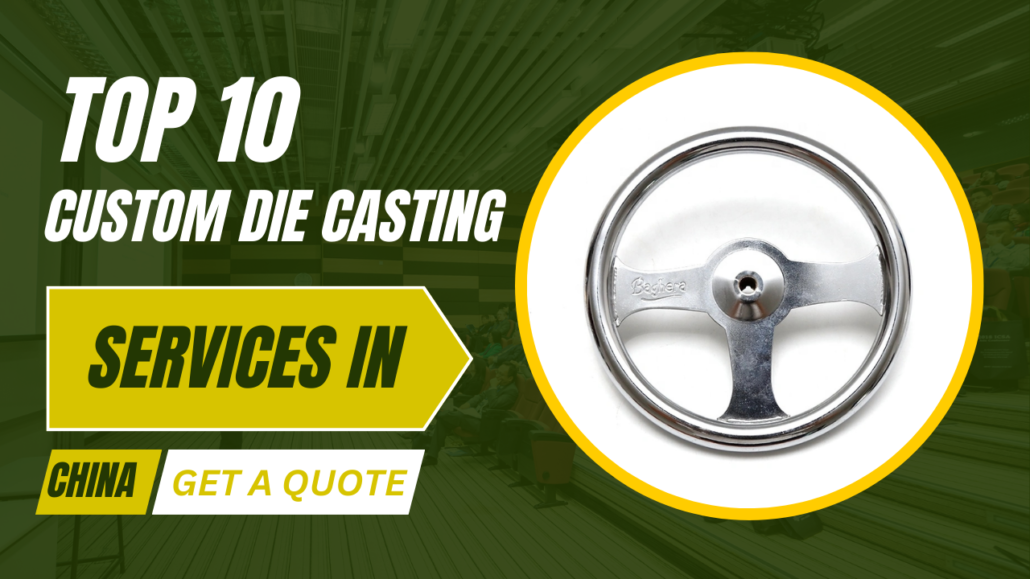
China is known for its global leadership position in manufacturing, which includes the die casting industry that serves the automobile, aerospace, electronics, consumer goods, and industrial machinery industries. All of these industries require high-quality metal components. Out of all the techniques of metal forming, die casting is the most individually recognized for being able to achieve high precision levels of intricate shaping, surface finishing, strength, and cost effectiveness. In China, the custom die casting service industry is emerging to world-class status because of the high achievers’ precision marketing and focus on technology.   Prototype creation for startups and scalable production solutions for multinationals are tailored to the services offered by the die casting service providers in China. They have the equipment and engineering ability to convert concepts into reality. Now let’s delve deeper into the best of the best and what distinguishes them from the other global competitors. Choosing an appropriate die casting partner based in China can strategically impact the quality, cost efficiency, and reliability of your products. The major die casting manufacturers in China offer value-added services that extend beyond mere die casting. These services include design consultation, mold making, CNC machining, surface finishing, quality control, and even assembly, all done in-house. They have gained international clientele due to their ability to achieve high-volume production consistently. We have prepared a list of the Top 10 Custom Die Casting Services in China for you based on their equipement sophistication, production capacity, and certifications— ISO 9001 and IATF 16949, together with customer feedback and exposure to foreign business. These industry leaders are committed to improving efficient production processes while meeting customers’ ever-changing demands. Sincere Tech   Year of Establishment: 2005Number of Employees: 100-500Business Type: Plastic Injection Mold Manufacturing, Die Casting, CNC Machining, Assembly Services Website and Contact: Website: plasticmold.netEmail: info@plasticmold.netPhone: +86 135 30801277Address: Building 1, No. 30 Huan Zhen Rd, Shang Dong village, Qi Shi Town, Dongguan City, Guangdong province, China, 523000 Business Profile Sincere Tech is one of the custom die casting leaders in China. Their headquarters are located in Dongguan City, Guangdong Province, and are equipped with factories and a workforce that ranges from 100 to 500 employees. In addition to die casting, Sincere Tech’s proficiencies include plastic injection molding and CNC machining, among others. Throughout the decades, Sincere Tech has built a reputation for accuracy and reliability as a contract manufacturer among multinational clients in the automotive, electronics, medical, industrial, and IAT sectors.   Quality Commitments   Sincere Tech is ISO 9001 certified, and as such, its protocols and internal controls are held to strict standards. This certification also ensures that the organization aligns with international standards of quality management systems. Sincere Tech does add value to its clients by integrating quality in each production stage, including: selection of raw materials, tooling, and production, all of which use state-of-the-art CMMs and projectors to ensure precise measurements.   Why Choose Sincere Tech?   GC Precision Mould Co., Ltd Year of Establishment: 1999Number of Employees: 100-200+Business Type: Aluminum, Zinc, Magnesium Die Casting, CNC Machining, Plastic Injection Molding Website and Contact: Website: aludiecasting.comEmail: info@aludiecasting.comPhone: +86 131 4886 5556Address: No. 30 Huan Zhen Rd, Qi Shi Town, Dongguan City, Guangdong province China, 523516 Business Profile Established in 1999, GC Precision Mould Co., Ltd. is based in Dongguan City, Guangdong Province, China. It specializes in custom die casting and has a workforce of about 100 to 200 employees. The company offers aluminium, zinc, and magnesium die casting, CNC machining, and plastic injection molding services. With GC Precision, customers can obtain complete services from mold design to production regardless of how simple or complex the project is.   Quality Commitments   GC Precision maintains competitive prices while offering high-quality custom die casting solutions to their customers. The company follows ISO 9001 guidelines, thus their quality procedures such as inspection of molds, first article inspection, in-process inspections, and final inspection ensure that the customer requirements are always met.   Why Choose GC Precision Mould?   CNM Tech Co., Ltd. Year of Establishment: 20+ years agoNumber of Employees: 100-400Business Type: Precision Die Casting, CNC Machining, Assembly Services Website and Contact: Website: diecastingschina.comEmail: info@diecastingschina.comPhone: +86 130 4589 8002Address: Rm 101, No.40, Donghu road, Jinglian, Qiaotou town, Dongguan city, Guangdong Province, China. 523520. Company Profile Soon after completing the business registration in Dongguan City, Guangdong Province, CNM Tech Co., Ltd., became known in the custom die casting industry. With a strength of 100 – 400 employees, the company specializes in aluminum die casting with CNC machining and full-service assembly. They cater to the automotive, electronics, medical, and consumer product industries. Quality Commitments   With an ISO 9001 certification, CNM Tech guarantees quality in every step of the process. The company employs ultrasonic testers, 3D scanners, and CMMs to conduct thorough inspections during all stages of production to ensure precision and quality.   Why Choose CNM Tech?   Sunrise Metal Technology Co., Ltd.   Year of Establishment: 2010No of Employees: 100–300Business Type: High-precision aluminum custom die casting manufacturer, CNC machining, and product assembly service provider. Website and Contact: Website: sunrise-metal.comEmail: sales@sunrise-metal.comPhone: (+86)139 1265 1818Address: No 1456, Fushikang Road, Kunshan, Jiangsu, China (215300) Company Profile Sunrise Metal Technology Co., Ltd. began operations in 2010 and is based in Shenzhen. The company focuses on sectors such as aluminum die casting, rapid prototyping, CNC machining, surface finishing, and is a supplier for medical, automotive, telecommunication, and industrial equipment manufacturing industries.   Quality Commitments   Sunrise Metal operates under ISO 9001:2015 and IATF 16949:2016. Adherence to the regulations marks strict vigilance on accuracy in measurements. Advanced quality controls such as Mold flow simulation, X-ray inspections, CMM measurements, and first article inspection (FAI) are performed.   Why Choose Sunrise Metal Technology?   EMP Tech Co., Ltd. Year of Establishment: 1990No of Employees: 500+Business Type: Professional custom die casting manufacturer specializing in aluminum die casting, CNC machining, and product assembly. Website and Contact: Website: empcasting.comEmail: info@empcasting.comPhone: +86 180 3316 3576Address: NO.38 Duanzhou 3rd Road, Zhaoqing(526060), Guangdong, China. Company Profile Starting in 1990, EMP Tech Co., Ltd. has a reputation for offering high-precision aluminum die casting along with CNC machining services. EMP

ザマックとは?ザマックとは何か?

ザマックとは?ザマックとは何か?

ザマック5, ザマック2 ダイカスト, ザマック3, ザマック 3 ダイカスト, ザマック3亜鉛鋳造

Alloys contribute significantly to the development of delicate electronic parts as well as heavy parts used in vehicles. For example, zamak metal has quietly changed the way many industries operate.  This metal is renowned because it is strong, can be molded easily and is versatile. The word Zamak originates from German and stands for zinc, aluminum, magnesium and copper. During the early years of the 20th century, the production of brass alloys aimed to improve on the brittleness found in previous zinc-based products. Today, zamak is used widely in vehicle, electronic device, and hardware manufacturing. It is appreciated both for its sturdy structure and for finishing smoothly with only a little work. Producing aluminum requires less energy than other materials since it melts easily, and it is also attractive because it can be recycled. Each different grade of zamak fits various needs, such as zamak 3 being softer than zamak 5, which is stronger than zamak 12. Most household goods and industrial products made with zamak metal meet the rising needs of manufacturing because they are practical and of good quality. Here, we will explain what zamak metal is made from, types such as zamak 3, zamak 5, and zamak 12, its functions, plus the positives and negatives. Zamak is a type of zinc alloy Zamak is made from zinc, mixed with a small amount of aluminum, magnesium, and copper. The word Zamak stands for Zink, Aluminum, Magnesium, and Kupfer, which are the German names for the metals involved. Due to its high-quality casting and appearance, zamak metal is popular in manufacturing automotive, electronic, furniture, and consumer goods. The process called die casting allows Zamak metal to shape complex, strong, and cost-efficient parts. Bending zamak into steel forms shaped like the finished goods is done at high pressure, producing many complex shapes very rapidly while needing only a minimal amount of machining. Because its melting temperature (around 385°C) is lower, zinc is more efficiently shaped than metals such as steel or aluminum in a foundry. What is Zamak, and how is it made? Zamak is a name formed from the German words for the main metals: Zink (zinc), Aluminium (aluminum), Magnesium, and Kupfer (copper). In the 1920s, the New Jersey Zinc Company created zamak to help overcome brittleness that affected some zinc alloys. It is viewed as a high-quality type of zinc that gives better die casting than most other materials. The usual elements in zamak metal are 96% zinc, 4% aluminum, a little bit of magnesium and some copper. As a result of this mix, its metal product is very strong, lasts a long time and can be formed into exact shapes with high precision. Key points about Zamak Metal A highlight of zamak metal is that it is very easy to cast. Manufacturers can create shapes with thin walls out of aluminum that would usually be pricey or difficult to produce using other materials. In addition, zamak has a polished surface, which makes it suitable for use in parts that need painting or plating. One more advantage is that steel retains its shape. Because Zamak does not change shape easily, it is commonly used in car and electronics manufacturing. The material is strong relative to its weight, making it attractive. Unlike aluminum, zamak does not weigh very little, but it offers a good level of durability that makes it useful for items that must be manageable. Uses of Zamak Metal Because it has great mechanical characteristics, zamak metal is applied in many products. In this industry, stainless steel is found in door handles, mirrors and several interior parts. A variety of electronic parts use Zamak because it is both precise and can resist heat. The furniture sector uses zamak because it is so versatile, fitting into hinges, brackets, and other decorations. Many fancy pieces in fashion include zamak since it is shiny and does not get tarnished easily. The process of making Zamak metal by casting 1. Alloy Preparation To produce zamak metal, you need to combine zinc, aluminum, magnesium and copper in the right ratios. To extract metals from these ones, the raw materials are melted at moderate temperatures. The right ratios are necessary to ensure that zamak 3, zamak 5 and zamak 12 provide the desired qualities. 2. Melting The blend of materials is put into a furnace and brought up to the zamak melting point of 385°C (725°F). During this step, the alloy flows very well and is therefore excellent for high-pressure die casting. 3. Die Casting The zamak is melted and then put into a die casting machine to be injected into a metal mold. Thanks to this process, items are shaped into very detailed and sturdy forms. Depending on how the casting will be used, manufacturers select from products classified as zamak 3, zamak 5, or zamak 12, since each is meant for a different purpose. 4. Injection and Outflow As soon as the zamak is injected, cooling the mold causes the metal to harden fast. After removing the part from the mold, it may not need machining because the alloy has a clean finish. 5. Finished and Plated When the model is cast, it might be polished, painted, or electroplated in materials such as nickel or chrome. The processes improve the look and resilience to corrosion of the manufactured product, mostly when used outside. Applications of Zamak Metal Zamak metal is used in several industries because of its superior casting, its strong properties and attractive smoothness. Even in the automotive industry, zamak metal plays a key role by being useful and attractive. 1. Automotive Industry Many door handles, emblems, mirror housings and interior details in motor vehicles are manufactured using zamak metal. Because it can be designed intricately and held to small measurements, it’s useful in parts that are either noticeable or not. The reason Zamak 5 is used most often here is that it is more durable and wears less easily. 2. Consumer Electronics Its stable dimensions and smooth appearance

ダイキャスト・アルミ・ストリートライト・ボディ

アルミダイキャストストリートライト長寿命イルミネーション

アルミダイキャスト

Because of modern, energy-saving technology, it is crucial nowadays for lighting products to be strong and reliable. Almost all modern outdoor lighting systems include a die cast aluminium body for their street lights. Because it is highly thermal, corrosion-resistant, and strong, this housing lasts long despite harsh events in the environment. It shields the LED’s circuits and also lets heat escape, which maintains their life. The aluminum LED street light casings are designed to ensure safety and quality on a global level. Because they are well-built and versatile, you can often see these enclosures along streets, highways, in industries, and in parks. Thanks to design progress, many kinds of LED street lights die cast aluminum bodies are being made now to suit numerous needs and preferences in light fixtures. While LED street light housing was formerly designed for efficiency, it now offers modular designs, smart features, and pleasing looks. This article discusses the features, types, series, specifications, and benefits of using die-cast aluminium in street lighting for those who plan, design, and select street lighting fixtures. This article covers how important, advantageous and in-demand die cast aluminium street light bodies are, as well as the steps involved in making them and modern trends in the market. What is meant by a die-cast aluminum Street Light Body? Die-cast aluminium is the process used to make the protective and supporting body of LED street lights. Within this body are placed all the important things in the lighting unit, like the LED driver, circuit board and lens and they are all protected from things like dust, water and hot or cold temperatures. Die-casting aluminum allows manufacturers to create LED street light housings that are strong, uniform, precise, and lightweight. The item that results is durable and also looks stylish, usually including smooth, stylish lines. The Steps Involved in the Die Casting Process In die casting, molten aluminium is pushed by high pressure into a shape cavity in the mold. Once the procedure is finished and the metal has fully solidified, it forms to the shape of the mold and is afterward pulled out, trimmed, cleaned up and polished. A major reason to use this process in LED street lighting is the ability to produce pieces with precise accuracy, the same features every time, and excellent surface and physical qualities. Here is a simple outline of what you have to do: It allows manufacturers to make many products at a low cost since it minimizes waste. Why You Should Use Die-Cast Aluminium for Street Light Housings? There are many benefits to using a die-cast aluminium body for a street light. 1. Heat Dissipation Aluminium is excellent at transferring heat. Heat generated by the LEDs is dispersed by the body and stops the components from overheating and ultimately damaging them. By using this feature, the vehicle is able to handle stable performance in different kinds of weather. 2. Toughness and Sturdiness The material does not add weight, but it’s durable enough to face harsh weather conditions. 3. Corrosion Resistance Applying coating or anodizing to aluminium makes it very resistant to corrosion, so the housing for LED street lights lasts for a long time in rough places, including by the sea or around factories. 4. Design Flexibility With die casting, it is possible to create objects with extra features and shapes, meaning the need for other types of assembly is reduced. 5. Aesthetic Appeal Nowadays, modern city planners prefer fixtures that are clean and sleek. Both the purpose and appearance of a city can be shaped by LED street lights with a die cast aluminum body. Tools for Use in Urban and Industrial Areas The body of a die-cast aluminium street light is found in places such as: This kind of housing can be used with LEDs that draw light at all levels, from lighting to smart controls. Why Die Casting Aluminum LED Street Light Housing is Favorable in the Market? In the last several years, more and more companies have switched to aluminum die-cast LED street light housing. It is influenced by a variety of different aspects. The trend will continue since many cities invest in updating their infrastructure and prefer energy-saving lighting systems. The Quality Control and Standards function Manufacturers of LED street light housing must strictly follow industry rules to ensure it operates safely, works properly, and lasts long. Businesses should check the following qualities: To gain worldwide approval and trust from buyers, a high-quality LED street light should pass CE, RoHS and ISO certifications. Production of a Series of Die-Cast Aluminium Street Light Bodies Many manufacturers separate their products into series based on how they look, their output, where they are used, and their technical attributes. Thanks to the street light body series, buyers can easily select a product that suits their needs. The following are the most common types of TV series seen: 1. Miniseries 20W–50W The Mini Series has compact housing units for LED street lights that are meant for narrow roads, walkways and homes. Because they’re all very light and efficient, these models are common in locations that do not need much light. 2. Standard Series (60- 120W) This is the group of literature that most people read. The LED street lighting housings in this series are both strong and save on costs. It is perfect for driving on roads, parking lots, and guarding plants and factories. 3. The range covers from 150W to 250W As they are meant for highways, broad streets and expansive outdoor areas, these products have LED street lights in sturdy aluminum casting with extra heat dissipation. Many such phones include smart features and higher levels of dust and water resistance. 4. Smart/Intelligent Series These hosts are configured to support motion sensors, IoT modules, or smart drivers. In the series, aluminium street lights are equipped with wireless technology, allowing them to respond to remote control for new smart city technology. 5. Designer or Architectural series The series joins music with the beauty of art.

重力ダイカストとは?メーカーのための主要な洞察

重力鋳造とは?メーカーのための主要な洞察

重力鋳造, ダイカストメーカー

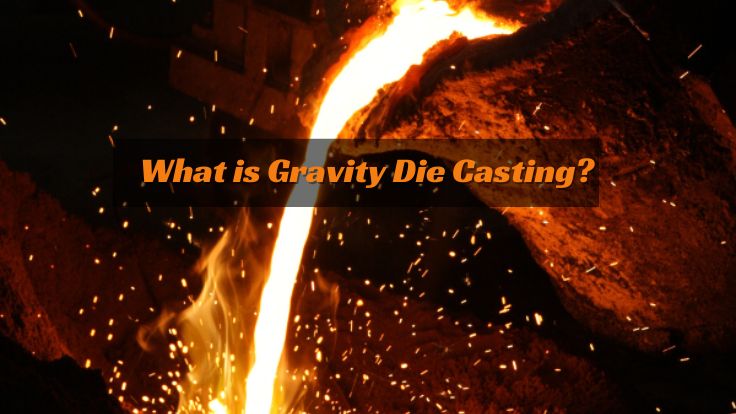
In the modern days of manufacturing, metal casting is very crucial when it comes to producing components with complex geometries of high quality. Among the most efficient ways of doing this is the gravity die casting. This process is a combination of precision, efficiency, and cost effectiveness; hence is a preferred solution to industries like automotive, aerospace, and industrial equipment. In essence, gravity die casting involves using the force of gravity to fill up a mold of metal without having to use high-pressure equipment, thus making the process not complex in its setup. If you are a student of engineering, a production manager, or just interested in casting technologies, then learning about gravity casting is crucial to adopt a general view of metal production. The basic principles of aluminum gravity die casting, how it is done, important factors like the temperature and time, the type of materials used, as well as its advantages and disadvantages, along with common applications, are covered in this article. How Aluminum Gravity Die Casting Works? Aluminum gravity die casting is a process of permanent mold casting that is commonly applied for manufacturing non-ferrous aluminum metal parts. The aluminum gravity die casting involves molten aluminum metal pouring into a reusable metal mold by the influence of gravity only. Doing away with high-pressure die casting that uses pressure of thousands of psi to squeeze metal in the mold, gravity casting uses natural gravitational forces alone, allowing molten metal alloy to flow into the cavities of the die without restriction. The following is the typical process involving this activity: Since the process involves the use of gravity and not mechanical pressure, the setup of equipment is simplifie,d and maintenance as well as tooling costs are usually lower. Step-by-Step Process of Gravity Die Casting Gravity die casting technique is popular for its ease of repeatability and is also able to produce high-quality metal with tight tolerances. Unlike high-pressure die casting, it applies the force of gravity alone and fills the mold cavity, thus making the whole process more cost-efficient and mechanically less cumbersome. Below is a step-by-step guide on how aluminum gravity die casting is done in an ordinary setup: 1. Mold Preparation The initial process in aluminum Gravity casting uses in preparing the mold, or otherwise known as die. Steel or cast iron is usually used in making these dies which are meant for repeated uses. The mold is cleaned properly after any metal can be poured so as to remove any residues left by previous castings. After cleaning, the mold is preheated at a temperature between 150°C and 300 300°C. Preheating means that the molten aluminum alloy does not get cooled too fast on contact, leading to such defects as cold shuts or inadequate filling. A release agent, usually a graphite or ceramic-based coating, is applied to the internal surface of the mold. This serves two functions: ensuring that the molten aluminum alloy does not stick on the die, and assisting in getting a smoother finish on the final product. 2. Aluminum alloy Melting The preparation of the mold is followed by melting the selected metal alloy. The amounts of metal alloys are placed in furnace and melted to the pouring temperature that depends on alloy. For instance, melting points of aluminum alloys are usually in the range of 650°C-750°C, while the copper-based alloys may require melting points between 900°C and 1100°С. It is of extreme importance to provide precise control over the melting temperature. Over heating could require increased oxidation or gas absorption, whereas under heating could result to incomplete filling of the molds or poor mechanical properties. 3. Pouring the Molten Metal alloy When the right melt temperature is reached, molten metal is poured into the preheated mould. In gravity die casting, there is no application of any mechanical force or even pressure. Gravity causes the aluminum alloys to flow by natural means into the mold cavity entrance through a set of sprues and gates. This step will need a slow, controlled pour so as not to create turbulence, which can trap gases and lead to porosity in the casting. In some advanced systems, there is the possibility of tilting the mold very slowly while pouring it – the tilting gravity die casting to create a smooth and even metal flow. 4. Filling the Mold Cavity Once the molten metal penetrates the mold, it fills all portions of the cavity under the shape of the die. Mold design is very important at this point. Properly designed gating systems will distribute the metal to avoid turbulence, cold spots, or areas with possible shrinkage. As the gravity alone is used for the metal flow, it is necessary that metal should be poured at the proper speed and temperature. Lack of flow control may cause such defects as incomplete fills or cold shuts – places where two metal fronts touch but do not melt together. 5. Solidification and Cooling After the cavity if filled, the molten metal alloy begins to cool and become solid. Cooling time is dependent on casting size and complexity as well as the kind of metal used. For instance, small aluminum parts can solidify as early as in 20–30 seconds, while large or thicker parts may take 60–90 seconds and more. The die is in most cases water-cooled in order to assist in controlling the rate of cooling. Controlled cooling enhances an improvement of grain structure and internal stresses, and reduces them thus making stronger and reliable castings. 6. Die Opening and Part Removal The die is opened after solidification of the aluminum alloy. Depending on the design, the casting can be manually removed or ejected through the pressure provided by the mechanical ejector pins incorporated into the mold. As grade casting utilizes a metallic die, the mold can be reused for thousands of cycles, and hence, the process is cost-effective for medium to high volume runs. As much as part removal has to be done, care should be taken to ensure that

中国におけるダイカスト鋳造サービストップ10

ダイカスト会社, ダイカストメーカー, ダイカスト金型

製造業は常に変化しており、正確で最高品質の金属部品を効率的に生産するために最も重要なプロセスの1つがカスタムダイカストである。特に、製造業の世界的な中心地である中国のいくつかの企業は、カスタムダイカストの一流のサービスでまさに先頭を走っています。これらのプロバイダーは、クリーンルームでの精密アルミダイカスト鋳造など、さまざまな業界の顧客のための業界の専門家に急速になりつつあります。ダイカスト鋳造では、溶融金属を高圧で金型と呼ばれる部分に押し込むため、高精度で滑らかな、あるいは質感のある形状を鋳造することができます。中国のカスタム・ダイカスト・メーカーは、この技術をさらに完成させ、価格競争力、迅速な試作品製作、精密金型製作、完全な生産能力を加えることができた。さらに、ISO9001、TS16949、AS9100などの国際品質基準を達成するために、グローバルな顧客と協力しています。ダイカスト製造以外にも、多くの企業がダイカスト製造だけでなく、ダイカスト金型サプライヤーとしても機能し、設計、試作、金型、量産段階を完全に管理している。この記事では、中国の業界リーダーであるSincere Tech、GC Precision Mold、CNM Techが、中国のカスタムダイカスト鋳造サービストップ10にランクインしています。また、ダイカスト業界に大きな影響を与えた中国国外の有名企業もご紹介します。これらは、高圧ダイカスト、亜鉛ダイカスト、カスタムアルミダイカストサービスに最適な企業です。今こそ、カスタムダイカスト業界の世界を変えている代表的な企業を見てみましょう!1.Sincere Tech設立年: 2005従業員数:100-500ビジネスタイププラスチック射出成形金型製造, ダイカスト, CNC機械加工, 組立サービスウェブサイトと連絡先:ウェブサイト: plasticmold.netEmail: info@plasticmold.netPhone:住所: +86 135 30801277523000 中華人民共和国広東省東莞市斉市鎮上東村環鎮路30号1棟 会社概要 創業以来、長年の実践により、誠信科技は中国におけるカスタムダイカストのリーディングカンパニーの一つに成長しました。操業地は広東省東莞市で、総合的な施設に100人から500人以上の従業員を擁しています。そのほか、プラスチック射出成形、CNC機械加工、専門的なアプリケーションの経験もある。数十年にわたり、IAT、自動車、電子機器、医療、工業分野の多国籍ブランドに対し、精度、一貫性、安価なソリューションを提供してきた。ダイカスト金型サプライヤーから完成品の組み立てまで、生産の全ライフサイクルを扱うことで知られるSincere Techは、各段階で発揮される一貫した品質管理を保証している。すべての顧客に厳格な品質基準を持つ高度な機械を提供してきたことは、中国のカスタムダイカスト製造業者を得ることになると、彼らのサービスが企業にとって最優先事項となる理由です。品質へのこだわり 品質は、Sincere Techの製品プロセスのひとつひとつに組み込まれています。ISO 9001 の厳密な品質管理の下で、彼らは最もよい注文のダイ カスト サービスを提供します。原材料、金型、ダイカスト金型、最終製品は、CMMやプロジェクターなどの高度な測定機器を使用して、品質保証チームによって厳しく検査されます。すべてのプロジェクトの品質は、寸法、滑らかな表面、長期耐久性に対して何度も何度もチェックされます。さらに、Sincere Techは、進化する業界標準を満たすために、顧客からのフィードバックと継続的な改善のバランスにも取り組んでいます。そのコミットメントはシンプルです。お客様の期待に応える精密加工部品を毎回お届けすることです。なぜSincere Techを選ぶのか?2.GC精密金型 設立年1999年従業員数100-200人以上ビジネスタイプアルミニウム、亜鉛、マグネシウムダイカスト、CNC機械加工、プラスチック射出成形ウェブサイトと連絡先:ウェブサイト: aludiecasting.comEmail: info@aludiecasting.comPhone:+86 131 4886 5556住所:523516 中国広東省東莞市斉市鎮環鎮路30号 会社概要 中国広東省東莞市に拠点を置くGC精密金型有限公司は1999年に設立され、カスタムダイカストサービスの専門家です。GC精密は100-200人以上の熟練した従業員を持ち、カスタムアルミダイカスト、亜鉛ダイカスト、マグネシウムダイカスト、CNC機械加工、プラスチック射出成形のサービスを提供しています。登録企業として、さまざまな複雑さと多くの規模を持つあらゆる種類のプロジェクトに対応できることを誇りとしており、最初の金型の設計から量産までフルサポートを提供している。自動車、航空宇宙、医療、家電などの業界にサービスを提供する企業として、GCプレシジョンは国際標準に準拠した高精度で耐久性のある部品を供給することを約束する。同社のようなダイカスト金型サプライヤーが、技術革新、品質、顧客満足の方針にこだわるのはこのためだ。世界中の顧客は、彼らのエンジニアリングスキル、近代的な設備、高度に訓練されたスタッフがタイムリーかつ適切な方法で要求の厳しいプロジェクトを達成するために依存しています。彼らの品質へのこだわり 品質保証は常にGC精密金型が非常に手頃な価格で提供できるカスタムダイカストサービスのための鍵です。すべてのプロジェクトはISO 9001品質管理システムに従って実施されます。綿密な金型検査、初品検査、工程内監視、最終検査は品質管理プロセスです。GC Precision Mouldのダイカスト部品は、三次元測定機、分光計、引張試験機などの高精度機器を使用しており、ダイカスト部品の機械的特性が大幅に向上し、完璧な仕上げも保証されています。その理由のひとつは、同社のチームが製造工程をより洗練されたものにするために継続的に取り組んでおり、その結果、従業員研修プログラムにも投資していることだ。品質は彼らのコミットメントであり、彼らはクライアントが信頼性、パフォーマンス、優れた価値を持つすべての製品を得ることを保証します。なぜGC精密金型を選びますか?3.CNM Tech設立年:20年以上前従業員数:100-400名100-400ビジネスタイプ精密ダイカスト, CNC機械加工, 組立サービスウェブサイトと連絡先:ウェブサイト: diecastingschina.comEmail: info@diecastingschina.comPhone:+86 130 4589 8002住所:中国広東省東莞市橋頭鎮景連東湖路40号101室523520.会社概要 CNM Tech Co.

自動車用アルミモーターハウジング

車両用アルミモーターハウジング

アルミ鋳造

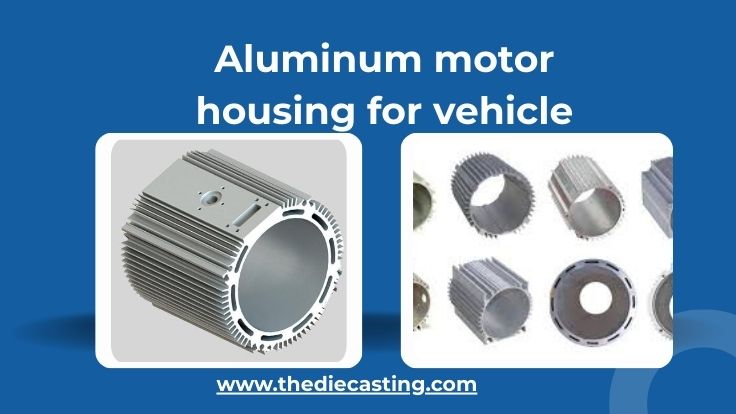
Due to the persistence of the aluminum motor housing as a critical component in electric and hybrid vehicle design, understanding of behaviour is important to the product life cycle. As a protective enclosure for the motor, it protects the motor from environmental contaminants, mechanical impact, and heat buildup. This application is the reason aluminium is a gold standard in its selection. The lightweight nature of aluminum is one of the major benefits of employing this material in the first place. For example, with aluminum motor housings in electric vehicles (EVs), weight reduces directly with range and performance due to the batteries. Furthermore, the thermal conductivity of aluminum is excellent, as it is of importance to dissipate the heat produced during motor operation. It helps maintain an optimal motor performance to prevent overheating. Not only is aluminum naturally corrosion resistant, but this is important for vehicle applications that experience large variations from hot to cold, wet, or dry conditions. It is a machinable material that is meaningful for practising various manufacturing methods like die casting, sand casting, and CNC machining. Based on these methods, it is possible to integrate complex features as cooling fins, mounting brackets, and channels for a liquid cooling system. Often, common aluminium alloys such as A356, 6061-T6, and AlSi10Mg are used in terms of material selection. Therefore, each of them provides a good balance between strength, durability, and ease of production. In electric drivetrains, vibration-damping and electromagnetic interference (EMI) features may also be considered for the design of an aluminium motor housing. Aluminum motor housing is all in all superior to enhance vehicle motor’s performance, reliability and longevity. While the automotive industry is moving towards electrification and lightweight materials, aluminum is being chosen because its ability to perform and its adaptability to modern manufacturing technologies has already proven to be the preferred choice. Understanding Aluminum Motor Housing An aluminum motor housing is a protective casing for a motor to protect the inside components of the motor, i.e., the rotor, stator, and bearings. Motor housings are designed to give both mechanical protection and thermal management, and have a critical part to play in ensuring the long-term reliability of the motor. As regards its excellent properties, aluminum has already gained a market share as the material of choice for motor housing in major industries, like automotive, aerospace, manufacturing, as well as renewable energy. Another great advantage of using aluminum because of its lightweight nature and outstanding strength. As opposed to traditional materials such as steel, aluminum significantly lessens the overall weight of a motor without sacrificing its durability. Especially in industries such as electric vehicles (EVs), weight reduction is important because of the need for energy efficiency and a range. Another vital factor in the thermal conductivity. Heat generated during operation of the motors is significant, and an aluminum housing serves as an efficient heat sink, allowing the heat to be quickly dissipated, which avoids the motor overheating and conserves energy produced thereby. In addition, aluminum is a naturally corrosion-resistant material, meaning that the housing will be able to handle some of the least resistant tendencies. In a lot of cases, companies require specific designs that have been optimized for a given application. But custom aluminum die casting is just what manufacturers need in these situations, enabling the creation of motor housing parts with complex shapes and integrated cooling fins all in one process, as well as additional features for mounting. Moreover, working with the custom die casting manufacturer also guarantees that the housing meets the quality, strength, and precision standards. Further refinement through custom-machined aluminum parts can be done when needed and provides the perfect fit and finish, improving the motor’s looks while adding functionality. Aluminium motor housing A vehicle’s aluminum motor housing has the task of encasing and supporting the electric or combustion motor and protecting it. It is commonly applied in electric vehicles (EVs) and hybrids, or other kinds of automotive powertrains, to do the following: Aluminium has many key benefits for a motor housing 1. Lightweight: This decreases vehicle overall weight to, in turn, increase fuel efficiency or battery range. 2. Thermal Conductivity: It dissipated the heat produced by the motor efficiently. 3. Corrosion Resistance: Reaches deeper into the bottom waters; therefore, it extends lifespan, especially when there are harsh environments. 4. Machinability: CNC machinable and easily cast or die-cast for complex geometries. 5. Strength-to-Weight Ratio: Offers structural integrity without heavy mass. Common Aluminium Alloys Used: AlSi10Mg (for die casting): Excellent thermal and mechanical properties. 6061-T6: Usual for CNC-machined housings, they provide good strength and corrosion resistance. A356: Due to good fluidity and strength, it is often used for casting. Design Considerations: Cooling Integration: It is often fins, channels, or a cooling jacket for active/passive cooling. Vibration Dampening: Bushings or mounts may be required to reduce noise or vibration. EMI Shielding: The electric drivetrains may require blocking of electromagnetic interference in the designs. Manufacturing Methods: Die Casting: Cost-effective for high-volume production. Sand Casting: Small to medium scale production, and can also be used in prototype manufacturing.CNC Machining: Highly accurate cutting is done using it, especially when tight tolerances are required in the production of the parts. Why Aluminum for Motor Housings? Aluminum tops out all other material alternatives like steel, plastics, and composites when deciding what material should be used for motor housings. The best qualities of copper make it the material of choice for enabling applications that require performance, that require durability, and that require cost-efficiency. The second reason why aluminium is used is that it is lightweight. Motors, especially electric vehicles, industrial equipment, and aerospace motors, need to be as light as possible without compromising their strength. These properties of low density of aluminum greatly decrease the overall weight of the motor assembly, increasing efficiency, consuming less energy, and enabling the design of more flexible solutions. Aluminum’s excellent thermal conductivity is another very compelling advantage. Anything that generates heat, like inside a motor, will cook itself if the heat is not dissipated.

中国と世界のダイカスト金型トップメーカー

中国と世界のダイカスト金型トップメーカー

ダイカストメーカー

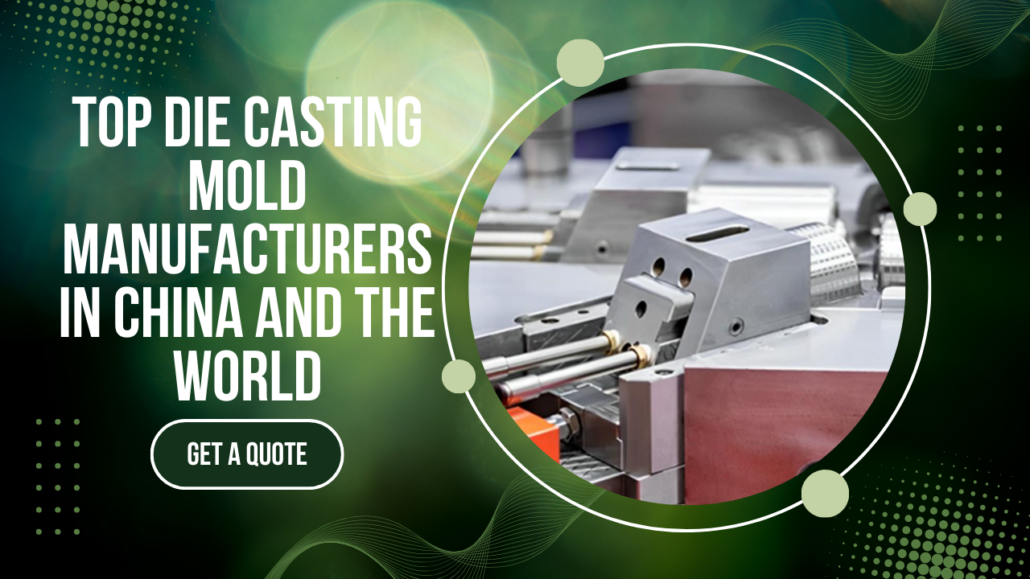
The worldwide die-casting business involves the manufacturing process by manufacturing strong precision parts required by the automotive, aerospace, electronics, and consumer product sectors. When die-casting mold makers create specialized tools for making detailed metal parts of specific measurements and logical measurements with polished results, they are part of the network that leads the manufacturing. Due to the growing market need for lightweight aluminum and magnesium materials, there is much demand for these specialized magnesium die-casting suppliers and die-casting mold makers. With its solid infrastructure and quality workers producing faster die casting mold-making results, the world now turns to China. Currently, the best die-casting mold suppliers in China can provide worldwide services, and they’re good at producing tools and CNC machining, surface solutions, and fast prototyping. Due to their smart solutions, top work, and successful international projects, companies Sincere Tech, GC Precision Mould, and CNM Tech have gained top reputations. Apart from China, companies worldwide are constantly progressing in the development of die-casting tooling and automation systems while keeping pace with environmental standards. Research on new materials includes the focus mentioned above. Companies worldwide that lead die casting mold production stress new and green manufacturing methods. Complete service options such as mold design creation, simulation tests, setup evaluation, and output processing are provided. This paper studies China and the international die-casting mold producers’ specific strengths and service lines. This guide will help you find any kind of die-casting expert, from global die-casting mold service providers to magnesium die-casting supplies suppliers. What Are Die Casting Mold Manufacturers? Die-casting mold manufacturer companies are also known as die-casting mold manufacturers are special companies that design, engineer, and produce the precision mould (also known as dies) used in the die casting process. Under high pressure, complex metal parts with high accuracy, smooth surface finish, and stability of dimensions are produced by injection of aluminum, zinc, or magnesium molten metal into a steel mold cavity. The die casting mold manufacturers are an essential part because the quality of the mold (in many degrees) determines to a large extent the quality of the outcome, namely the performance of the final product, the accuracy, and durability. Such manufacturers closely collaborate with clients of numerous industries, including automotive, aerospace, electronics, medical devices, and consumer goods, to provide custom mold solutions matching the requirements of specific products. Mold design, computer-aided engineering (CAE) simulation, CNC machining, surface treatment, mold testing, and maintenance or upgrade operations in the target range of its services are offered. Some others are being provided with value-added services such as prototyping, assembly, and post-casting machining. Advanced die casting mold suppliers use H13 or SKD61 steel as it is durable and offers heat resistance, and develop molds with ejection pin systems, vacuum casting, and thermal regulation systems incorporated. Internationally recognized best die-casting mold manufacturers both in China and around the world follow international standards (for example, ISO 9001, IATF 16949) to provide consistency and make it safe and productive. For manufacturers worldwide, their expertise helps to mass produce high-precision components, bring down the production cost, and beat time to market. In a nutshell, die casting mold manufacturers are the lifeblood of these ventures of precision metal casting, fusing engineering expertise, state of the art machine set up, and an extensive understanding of industry to produce those tools that make everyday products possible. Sincere Tech Year of Establishment: 2005No. of Employees: 100–500Business Type: Plastic injection mold manufacturing, die-casting, CNC machining, and assembly services Website and Contact: Website: plasticmold.netEmail: info@plasticmold.netPhone: +86 135 30801277Address: Building 1, No. 30 Huan Zhen Rd, Shang Dong village, Qi Shi Town, Dongguan City, Guangdong, China, 523000 Company Profile Sincere Tech is a die-casting mold manufacturer and plastic injection mold provider that has had a relatively international style since its establishment in 2005. Sincere Tech has a workforce of 100–500 skilled professionals and a manufacturing base in Dongguan, Guangdong province, which provides services of die casting, mold making, plastic injection molds, precision machining, complete product assembly, and so on. From the automotive, electronics, medical, and industrial sectors, the company serves its clients. Sincere Tech is a full-service supplier, engaging in projects from the gleam of a concept to the final IMO in place. Additionally, their international client base extends to North America, Europe, and Southeast Asia, and their commitment to timely delivery and rich industry experience has led them to use advanced equipment. Sincere Tech has a strong engineering team and in-house mold tooling capabilities, and constantly tops the market as one of the most distinguished die casting mold China and magnesium die casting suppliers. Their Quality Commitments Sincere Tech stresses quality at all stages of the die casting mold-making process. The entire mold company follows ISO 9001 standards and has reached a level of rigor in inspection to make sure that every mold is exactly to its client’s exact specifications. As the scarring is usually complicated, smoothed graphics computer-aided morphology manufacturing calculation (CAD/CAM/CAE) software is applied. Hardness testing, dimensional accuracy, and surface finish evaluation are all carried out on every component. They have a trained quality control team with the skill set of root cause analysis and continuous improvement methodologies, which helps reduce defects and maintain a high level of customer satisfaction. For this reason, Sincere Tech is a reliable die casting mold supplier. Why Choose Sincere Tech? GC Precision Mould Year of Establishment: 1999No. of Employees: 100–200+Business Type: Aluminum, zinc, and magnesium die casting, plastic injection molding, CNC machining Website and Contact: Website: aludiecasting.comEmail: info@aludiecasting.comPhone: +86 131 4886 5556Address: No. 30 Huan Zhen Rd, Qi Shi Town, Dongguan City, Guangdong province China, 523516 Company Profile GC Precision Mold Co., Ltd, founded in 1999, is one of the largest names in the die-casting mold industry, serving aluminum, zinc, and magnesium die-casting. The company boasts over two decades of experience with a team of 100–200 skilled professionals in Dongguan City, Guangdong Province, China, the center for high-precision manufacturing. Hammercast has products that can accurately cast, shape, and mold any special shape. Beyond just the casting

上部へスクロール

お見積もり