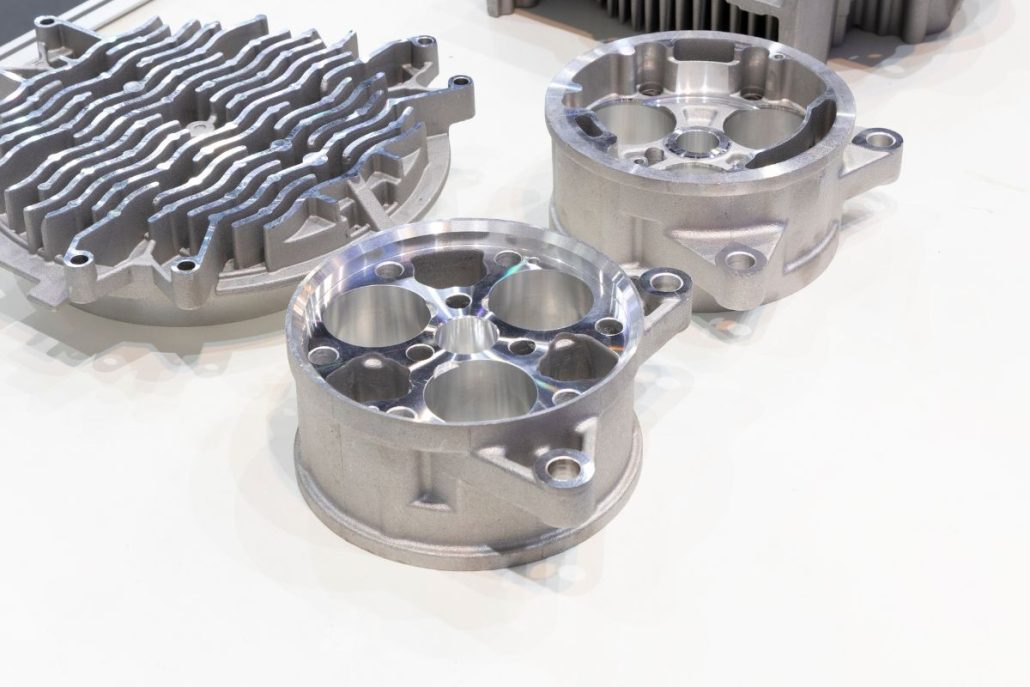
高圧ダイカスト

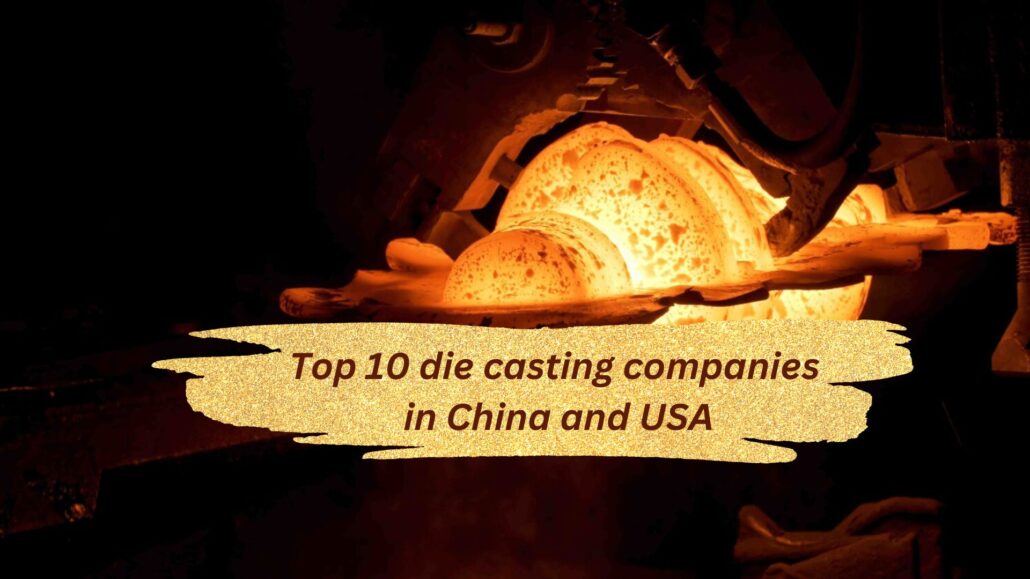
中国と米国のダイカスト会社トップ10

中国と米国のダイカスト会社トップ10

ダイカスト, ダイカスト会社, ダイカスト会社

The die-casting production method remains a fundamental process in making various products throughout multiple industries including automotive production together with aerospace applications and electronic components together with industrial machinery production. It is the process of injecting molten metal into a mold cavity under high pressure to obtain high precision and durable metal components. Numerous die-casting service companies emerged due to rising market demand for high-quality manufacturing solutions. The world’s most accomplished die-casting producers operate from China and the USA driven by both advances in their technological capabilities and strong dedication to manufacturing excellence. The Chinese market functions as a worldwide center for die casting where businesses deliver affordable services with stringent industry requirements. These manufacturers deliver whole service packages that include mold design alongside production services together with surface finishing and assembly solutions. The USA operates through an innovation-focused system while maintaining strict quality standards in addition to precise engineering practices. The die-casting companies in America provide solutions across various industry sectors which deliver exceptional performance qualities. This post is a list of the top 10 die-casting companies in China and the USA, with a history, and capabilities, and serves as a list. The mentioned companies lead the industry because they provide dependable production services at every scale together with specialized die-casting expertise. 1. Sincere Tech Year of Establishment: 2005Number of Employees: 100-200Business Type: Sincere Tech is one of the china’s largest plastic injection mold manufacturers, die-casting producers, machining providers and assembly providers. Website and Contact Website: https://plas.co/Phone: +86 135 30801277Email: steve@sincere-tech.comAddress: Rm101, N041, Donghu road, JingLian cun, qiaotou town, Donggguan City, Guangdong Province, China. 523000. Company Profile A Chinese supplier of plastic injection moulds and moulding services, Sincere Tech is a leading Chinese company. This company was founded in 2005, and stamping metal and plastic, precision plastic injection moulds, CNC machining, die casting and silicone moulding are its competitive edge in the market. Sincere Tech has advanced equipment, NDA protection, competitive prices and 18 years of experience in high-quality production. With injection moulding machines for 60 to 1800 tons that serve electronics, medical, automotive, or cosmetics industries, its components of under 1 gram to 8 kilograms are produced efficiently. Their Quality Commitments Sincere Tech is dedicated to creating products that meet international quality standards as per ISO 9001:2015 and QS 9000:2015. They have been dedicated to quality and this has enabled the company to cultivate a massive demand, exporting it to Finland and other countries. Amongst all the plastic injection molding industry partners that are providing almost the same quality of services, it is sincere Tech that stands out as a trustworthy and innovative partner for plastic injection moulding. Why Choose Sincere Tech? Customers seeking die-casting services from China or the USA should get in touch with these trustworthy manufacturing companies that will provide professional assistance. 2.  CNM Tech Co., Ltd. Year of Establishment: 20+Number of Employees: 100-200Business Type: CNM Tech Co., Ltd. is a precision manufacturing company focused on die casting, CNC machining and assembly services. Website and Contact Website: https://www.thediecasting.com/Contact: +86 13045898002Email: sales@thediecasting.comAddress: Factory Address: Rm 101, No.40, Donghu Road, Jinglian, Qiaotou town, Dongguan city, Guangdong Province, China. 523520. Company Profile Thediecasting.com is the official domain that CNM Tech Co., Ltd. operates under, which is an outstanding Chinese manufacturer of die-casting solutions. The company is a China-based aluminium, magnesium, and zinc die casting; CNC machining; surface finishing, and assembly business headquartered in Dongguan, China. CNM Tech has more than 20 years of experience in the fields of automotive, aerospace, electronics, etc. Due to the high precision manufacturing their in-house tooling shop and advanced CNC machines also ensure. CNM Tech provides all types of polishing, sandblasting, powder coating, oil painting etc. with high-quality finish products matching the needs of users worldwide. Their Quality Commitments CNM Tech Co., Ltd. is provided ISO 9001:2008, TS16949, and ISO 14001:2015 documents. In most cases, these will provide you with the assurance that the management of your company is top-notch and also will guarantee compliance with automotive industry standards and environmentally friendly activities undertaken by the company involved. As a result of strictly following quality and environmental regulations, CNM Tech provides great die-casting solutions with a minimal environmental impact with its excellent reputation in the market. Why Choose CNM Tech Co., Ltd? Customers seeking die-casting services from China or the USA should get in touch with these trustworthy manufacturing companies that will provide professional assistance. 3.  GC Precision Mold Co., Ltd. Year of Establishment: 1999Number of Employees: 100-200Business Type: Our company GC Precision Mold Co., Ltd. do aluminium, zinc and magnesium die casting, CNC machining, and plastic injection moulding. Website and Contact Website: https://aludiecasting.com/Contact: +86 131 4886 5556Email: info@aludiecasting.comAddress: Factory Address 1: No. 30 Huan Zhen Rd, Qi Shi Town, Dongguan City, Guangdong Province China, 523516 Company Profile GC Precision Mold Co., Ltd., operates under Aludiecasting.com is a die casting and precision machining manufacturing site that is one of the leading Chinese manufacturers. The company was founded in 1999 and the services include aluminium, zinc and magnesium die casting, plastic injection moulding, and CNC machining and surface finishing. They have state-of-the-art art machinery such as high-pressure die casting machines (120 – 1600 tons) and injection moulding machines (80 – 2800 tons connected to industries like automotive, aerospace and electronics. They have a very strict quality to provide the exact, durable and cheaper manufacturing solutions throughout the world. Their Quality Commitments GC Precision Mold Co Ltd provides the best die casting and machining solutions as specified in the ISO 9001 certification their quality control is so strict that they test for precision, CMM machines, X-rays and spectrometers to ensure a reliable product. Through strict adherence to international standards, the company ensures delivery of consistent, high-quality components with minimum customer complaints due to the reliability aspect for the reasons indicated in every project. Why choose GC Precision Mold Co., Ltd.? Customers seeking die-casting services from China or the USA should get in touch with these trustworthy manufacturing companies that will provide professional assistance. 4.

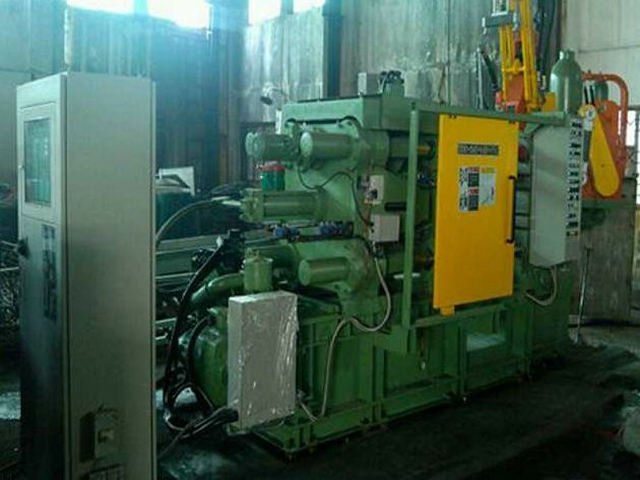
中国と米国のトップ 10 アルミ鋳造メーカー

アルミ鋳造

Because it is lightweight, strong, and durable, aluminum casting is widely used throughout different industries from automotive to aerospace, electronics to consumer goods. The manufacturing process calls for aluminum parts to be made by pouring molten metal into molds for the production of highly detailed and precise components. Aluminum is a very versatile metal as it is easily recyclable and corrosion resistant and hence provides an excellent option for many applications. China and the USA, in recent years, are the two major global hubs for aluminum casting production and they both have a wide manufacturer range in the various industries and sectors. Mass production is the hallmark of China, which can then deliver reasonable prices and a variety of casting solutions for large production. However, the USA boasts a great number of top-tier companies that specialize in high quality, precision casting, advanced technology, and ecofriendly approaches, working with those industries that require sophisticated and custom-made aluminum cast components. In this article, we will overview the top 10 aluminum casting companies in China and the USA describing their capabilities, experience in the industry, and something unique to help the companies choose the right aluminum casting manufacturing partner. 1.  GC Precision Mold Co., Ltd. Year of Establishment: 1999Number of Employees: 100-200Business Type: Serving industries such as the auto, aero, and electronics industries, the company has gained international market trust. Website and Contact: Website: https://aludiecasting.com/Contact: +86 131 4886 5556Email: info@aludiecasting.comAddress: Factory Address 1: No. 30 Huan Zhen Rd, Qi Shi Town, Dongguan City, Guangdong Province China, 523516 Company Profile Founded in 1999, GC Precision Mold Co., Ltd. is a global leader in high-quality aluminum die casting and nonferrous metal products. It has two special properties plants located in Dongguan, China, and offers services including high-pressure die casting, sand casting, and forging. As a result of over two decades of experience, the company delivers precision, consistent quality, and flexible material offerings to a variety of industries such as automotive, aerospace, and electronics. Both client satisfaction and GC Precision Mold commit to honorable words and behavior in providing the best product. Their Quality Commitments Its various certificates are proof that GC Precision Mold Co., Ltd. adheres to the highest standards of quality and operational excellence. The company possesses certificates from ISO 9001 on Quality Management Systems, which demonstrates the company’s ability to provide the product according to customer requirements at all stages and to enhance quality systematically. Why Choose GC Precision Mold Co., Ltd.? When you are choosing a company in pursuit of top-grade die casting and metal products, there are many benefits to choosing GC Precision Mold Co., Ltd. 2.  CNM Tech Co., Ltd. Year of Establishment: 20+Number of Employees: 100-200Business Type: CNM Tech is focused on aluminum, magnesium, and zinc die casting, CNC machining, surface finishing, and assembly. Website and Contact: Website: https://www.thediecasting.com/Contact: +86 13045898002Email: sales@thediecasting.comAddress: Factory Address: Rm 101, No.40, Donghu Road, Jinglian, Qiaotou town, Dongguan city, Guangdong Province, China. 523520. Company Profile Founded over 20 years ago, CNM Tech Co., Ltd., is one of the leading Chinese manufacturers of die-casting solutions. The company is based in Dongguan, China, where it provides a thorough assortment of services including aluminum, magnesium, and zinc die casting, precision CNC machining, surface finishing, and assembly. They have expertise in automobile, electronics, aerospace, and hospitality appliance markets, to name a few.  Their Quality Commitments CNM Tech is dedicated to providing high-quality, low-cost products while abiding by extremely tight quality control standards under the auspices of ISO 9001. They take a customer-centric approach, providing personalized services from the time of initial consultation and beyond, from availability to post-production support services to maintain long-term partnerships all over the world.  Why Choose CNM Casting? As a name known in the die-casting industry, CNM Tech specializes in providing high-quality manufacturing solutions with advanced technology, and a customer-oriented approach. These are reasons why CNM Tech is your number one reason. The choice of CNM Tech guarantees a reliable manufacturing partner that implements innovations and focuses on quality and customer success. 3. Delron Industrial Co., ltd Year of Establishment: 1990Number of Employees: 300+Business Type: Delron Industrial Co., Ltd. provides die casting, CNC machining, precision forging, assembly, and automotive, LED lighting solutions. Website and Contact: Website: https://www.delron.com.cn/Contact: +86-574-88106850Email: info@delron.com.cnAddress: South Building, No. 1299, East Yinxian Avenue, Ningbo, China, 315100. Company Profile Founded in 1990, Delron Industrial Co., Ltd. is recognized as one of the top die-casting and precision machining service providers in China (Ningbo). With subsidiary activities including CNC machining, die casting, turning, milling, forging, etc., the company serves diverse industries like automotive, LED lighting, aviation, etc. Delron emphasizes a high-quality product, and on-time delivery, at a competitive price. Using the most advanced technology to provide a variety of services such as heat treatment, chrome plating, and assembling.  Their Quality Commitments Delron Industrial Co., Ltd. strives to supply high-quality merchandise utilizing advanced manufacturing know-how while following rigorous standards. As the company is customer-oriented and as the company puts very much emphasis on precision and reliability, it has strict quality control procedures in place for all products. They aim to always keep and satisfy customer expectations, all in a cost-efficient and timely manner. Why Choose Delron industrial Co., ltd Casting? 4.  American Precision Die Casting Year of Establishment: 2006Number of Employees: 150-300Business Type: Suppliers of high-impact components for the automotive, military, industrial, and consumer business sectors. Website and Contact: Website: https://apdiecasting.com/Contact: (573) 885-0018Email: lhoffman@apdiecasting.comAddress: 100 American Way, Cuba, MO 65453 Company Profile American Precision Die Casting (APDC), started in 2006 in Cuba, Missouri (USA), is a leading aluminum die casting maker. APDC has over 200 years of combined expertise serving these industries, automotive, military, and consumer products. Precision Aluminum die-cast parts formed by the company are durable, lightweight, and precise components using tight tolerances. APDC carries out high-volume as well as low-quantity specialized projects using advanced technology which provides cost efficiency quality and customer satisfaction. Their Quality Commitments APDC strictly practices to guarantee that each product exceeds customer expectations and exceeds or matches standards.

亜鉛ダイカスト会社

亜鉛ダイカスト企業の業界概要

アルミ鋳造

Zinc die casting is a manufacturing process that involves the production of intricate and strong metal parts using molten zinc. This is one of the most economical and efficient ways of making high-quality components with high dimensional accuracy. It is a process of injecting molten zinc into a steel mold under high pressure to create parts that are strong, lightweight, and corrosion-resistant. The characteristics of zinc die casting make it suitable for use in industries like automotive, electronics, aerospace, consumer goods and industrial equipment. In today’s manufacturing world, zinc die casting companies are critical because they provide high-quality precision-engineered components specifically what industries need. The majority of these kinds of companies specialize in creating parts with sophisticated shapes, fine surfaces, and tight tolerances. Besides producing high-performance die-cast components, most zinc die casting manufacturers also provide value-added services like designing, tooling, machining and finishing to satisfy customer’s requirements. The zinc die-casting market is spread wide across the globe, from North America to Asia and Europe, and companies are bringing their expertise, technological advancements and manufacturing capabilities to the table. The companies in these regions are known for their innovation, quality and sustainability in the manufacturing process. Using state-of-the-art equipment and advanced technologies they guarantee that each product will be of the highest standard in terms of strength, durability and precision. Zinc die casting is of utmost importance as it is the central process of producing components that enable the functionality of many products we use daily. Zinc die casting companies are important suppliers for industries that need automotive parts such as gears and engine components, electronic housings and medical devices. The demand for high-quality, low-cost components is expected to continue to rise and these zinc die casting companies are expected to be the leaders in innovation, product development and sustainability practices of the die-casting industry. The following sections will cover some of the major players in the zinc die-casting industry, their capabilities and how they contribute to the zinc die-casting market. What is Zinc Die Casting? The manufacturing process of zinc die casting is to inject molten zinc or a zinc alloy under high pressure into pre pre-designed steel mold or die. It quickly solidifies into a metal part that is detailed and uniform without much post-processing. The process, which is very fast, precise, and able to produce lightweight metal parts that are strong enough, is called this. Because of zinc’s unusual properties, such as its low melting point and high fluidity, intricate designs that are difficult to produce with other metals can be made using zinc. Zinc Die Casting Key Characteristics: Because it is repeatable and can produce large amounts of identical parts with very little variation, the process is widely used in mass production. The History and Evolution of Zinc Die Casting The history of zinc die casting goes back to the early 19th century. With the evolution over time, the process has gone through a lot of evolution with the move of the advancement in the materials, machinery and the manufacturing techniques. Early Developments (19th Century) The first die-casting processes occurred in the 1830s and were used to make movable type for printing presses. Although an important printing industry has existed since ancient times, the introduction of die casting substantially changed the printing industry by making the manufacture of metal parts more rapid and more exact. Growth in the 20th Century By the early 1900s, die casting had grown beyond printing to other industries such as automotive and consumer goods. Stronger, more versatile die-cast products were invented in the 1920s when zinc and aluminium alloys were invented. Zinc die casting was all the more essential in World War II since manufacturers required lightweight, tough and high-precision components for military and aircraft production. After the war, the technologies of die casting grew with the expansion of post-war industrial growth. Modern Advancements (21st Century) Today, cutting-edge innovations like automated machines, computer-aided design (CAD) and 3D printing for mod development exist in the use of zinc die casting. The use of recycled zinc has also increased sustainability efforts, which has made die-casting more environmentally friendly. However, due to Industry 4.0, manufacturers are joining robotics, AI autonomous quality control and real-time data monitoring to boost the efficiency of production and decrease defects. This is what has made zinc die casting such an important part of modern manufacturing. Importance of Zinc Die Casting in Modern Manufacturing Zinc die casting is an important part of many industries as it offers manufacturers a dependable, efficient and cost-effective way of producing precision-engineered parts. As such, it becomes increasingly important as industries require lighter, stronger and more complex components for modern applications. 1. Automotive Industry In the automotive sector, zinc die casting is widely used to manufacture: Zinc’s durability, lightweight properties and corrosion resistance make these parts more efficient and more durable, which in turn makes vehicles more efficient and more durable. 2. Electronics and Telecommunications Zinc is a preferred material for electronic devices due to its excellent thermal and electrical conductivity. The following uses zinc die-cast parts: 3. Consumer Goods and Home Appliances Zinc die-cast components are used in many everyday household products such as: Manufacturers can produce durable and aesthetically pleasing components having smooth surface finish using zinc die casting. 4. Industrial and Aerospace Applications Zinc die casting also leads to the production of high precision, lightweight parts that can withstand harsh environments and extreme temperatures and find its use in industrial and aerospace applications. These parts are critical parts for safety and reliability in the critical area. 5. Environmental and Sustainability Benefits Zinc is a fully recyclable metal, so there is less waste produced and reduced manufacturing and sustainability costs. Zinc die casting requires lower energy consumption than other metals and is therefore an eco-friendly option for mass production. The Zinc Die Casting Process There are several critical steps in zinc die casting: 1. The steel mold is coated with a lubricant to ease the release of cast parts during mold preparation. 2. Molten zinc is injected into the

ダイカストとは?ダイカストについて知っておくべきこと

ダイカストとは?ダイカストについて知っておくべきこと

ダイカスト

This is a manufacturing process in which molten metal is forced using pressure to fill a mold cavity also known as die casting. The mold is usually of high-quality steel and hence the part can be produced in large quantities the term is used to mean the manufacture of many parts. The finished part is then produced by opening the mold after the molten metal is cooled and forms a solid layer. This kind of use of the process is mostly applied in making intricate metal used in the production of different parts that require high accuracy in measurement and polished surfaces. Die casting can be done on aluminium, zinc, and magnesium but other metals can also be used on a case depending on application and other requirements. Die casting is considered to be one of the expert manufacturing techniques in the conception of mass production of small to medium-sized components out of metals. The popularity of the method has been spread across automotive, aerospace, electronics, and industrial machines due to its ability to produce durable lightweight intricately tailored parts. However, this process is widely recognized for its ability to manufacture products with complex geometry that would be very hard to make using conventional techniques. How Die Casting Works Molding is the first part of the die-casting process. On one side of the mold, there is a half, and it is a half of a particular design to make the mold shaped like the final product. Cavities and cores are designed for the molds that are usually custom-made so that the part can be replicated as closely as possible. 1. Molten Metal Injection: Then the molten metal is injected into the mold cavity under high pressure to form the desired shape. The metal is usually heated to one degree above the melting strain to make it fluid. In die casting, the pressure that the molten metal is pushed into the mold can be from several thousand to tens of thousands of psi (pounds per square inch), to be sure that the molten metal gets into every detail of the mold. 2. Solidification: This occurs when the metal is injected into the casing cavity whereby it cools and the metal hardens. The quality of the casting depends upon the cooling rate. Additional modes of failure (shear, climb, and glide) come into play in this case and result in faster cooling higher strength better surface finish, and slower cooling which could result in more internal defects and lower mechanical properties. Water-cooling systems built into the mold are usually used to assist the cooling process. 3. Ejection: Following this, the metal is allowed to cool and solidify and it is then easy to remove the mold from the larger casting and eject the part. Then most of the time is used in the pushing out part from the mold using a mechanical ejector system. This depends on the complexity of the part that requires other extra steps, namely trimming and machining to deliver the final shape and dimension. 4. Quality Control: A quality check is then performed on a part after ejection. It can involve dimensional verification, visual inspection, and mechanical testing to confirm that the part is equal to or better than the requirements. High precision and repeatability are theoretically achieved in die casting. Types of Die Casting There are two types of Die casting, they are hot chamber die casting and cold chamber die casting. These are all good and have their advantages, limitations and ideal applications. 1. Hot Chamber Die Casting The process most suitable for metals such as zinc, magnesium, and lead is a hot chamber die casting since the process is done at high temperatures, and melting points. The injection system is installed inside the melting furnace in this way, the metal is always in contact with the chamber. Advantages: Disadvantages: 2. Cold Chamber Die Casting The metals that have higher melting points like aluminium, brass and copper are cast in cold chamber die casting. In this case, the molten metal is tapped from a second furnace injected into the cold chamber then into the mold cavity. Advantages: Disadvantages: The Comparison of Die Casting Methods: Hot Chamber vs. Cold Chamber Here is a comparison of the most common types of two die-casting methods, Feature Hot Chamber Die Casting Cold Chamber Die Casting Metal Compatibility Best for low-melting-point metals (e.g., zinc, lead) Best for high-melting-point metals (e.g., aluminium, brass) Cycle Time Faster cycle times Slower cycle times Mold Wear Higher mold wear due to direct contact with molten metal Lower mold wear Cost Lower cost for high-volume production Higher initial cost, but better for high-strength metals Complexity of Parts Good for simpler parts Better for more complex, larger parts Advantages of Die Casting It is one of the largest advantages that die casting is one of the main preferred methods of large-scale production of products from metal alloys. 1. High Precision and Accuracy There are many advantages of die casting, which makes it convenient to offer high die precision. This method of production is also widely used for the production of parts, which requires good dimensional accuracy which is very crucial as it defines tolerance levels required in a specific job. One should note that die casting is the only manufacturing technique that can produce given parts with the utmost complexities such as the intricacies of its geometries.  2. High Production Rates In terms of large volumes, die casting is very efficient. Parts are quickly and cheaply produced once the first mold is created with very little labor involved. The demand for simulated powders is particularly high in industries like automotive and electronics where large volumes of the same parts are required. 3. Complex Designs and Thin Walls Complex design can be achieved by die casting, which would be difficult or impossible to achieve by traditional manufacturing methods. The process can make parts with thin walls, and complex internal structures, and can accommodate undercuts; thus making it the

高圧ダイカストにおける通常の製造不良:原因、予防、解決策

アルミ鋳造, ダイカスト, 高圧ダイカスト

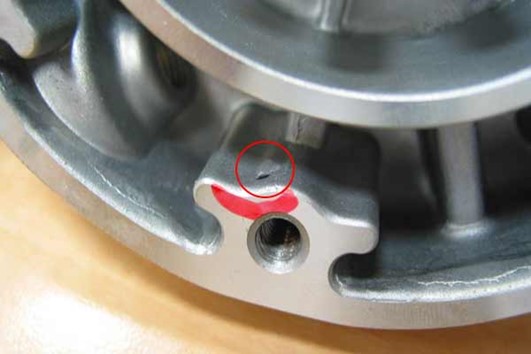
高圧ダイカスト(HPDC)は、現在の製造業で最も頻繁に利用されている金属鋳造プロセスの1つです。製造業者がHPDCを選択する理由は、高精度で迅速な生産速度、優れた寸法精度と滑らかな仕上げの両方を達成する複雑な金属部品の生産を可能にするからです。HPDCは、自動車や航空宇宙産業、電子部品や消費財の製造において、エンジンやハウジング、構造要素、機械組立品などの用途に使用される軽量で耐久性のある部品の製造を可能にします。高圧ダイカストの製造工程は、製品の品質を低下させ、寿命を縮め、性能を損なう重大な欠陥を生み出す多くのリスクに直面しています。様々な欠陥は、不適切な金型設計、乱れた溶湯の流れ、閉じ込められたガス、一貫性のない冷却速度、製造工程中の熱応力などから発生します。HPDC技術では、ポロシティ、コールド・シャット、収縮欠陥、フラッシュ形成、表面欠陥、ミスラン、金型浸食、はんだ付けといった7つの主要欠陥が発生します。これらのタイプの製造欠陥は、材料強度の劣化を引き起こすと同時に、不規則な寸法や望ましくない視覚効果を生じさせ、部品の故障を誘発する可能性がある。メーカー各社は、温度制御システムや真空アシスト鋳造手順とともに、加工パラメーターやより優れたアンダーマイニング方法を最適化することで、製造上の問題に対処しています。リアルタイムのモニタリングとシミュレーション・ソフトウェアは、ダイカスト・プロセスにおける効率と信頼性をさらに高める高度な品質管理手法です。この記事では、高圧ダイカスト技術における標準的な製造上の問題を包括的に分析し、これらの欠陥を減らすための根本原因と解決策を解説します。これらの課題を理解し、ベストプラクティスを適用することによってのみ、製造業者はダイカスト部品の品質、寿命、そしてもちろん性能を向上させ、同時に廃棄物や製造コストを削減することができるのです。これらの製造欠陥に習熟することは、ダイカスト・エンジニア、生産管理者、品質管理専門家が、最良のダイカスト鋳造結果を得るためにプロセスを最適化するのに役立ちます。1.その結果、機械的特性に影響を与え、強度を低下させ、空気やガスが構造体を通過し、ダイカスト製品の目に見える表面欠陥につながる。原因予防と解決策2.コールド・シャット コールド・シャットは、溶融金属の2つの流れが適切に融合せず、鋳造品に弱い接合部や目に見える継ぎ目が形成される場合に生じます。この欠陥は、機械的強度を低下させるだけでなく、破壊のリスクを高め、部品の耐久性と外観に悪影響を及ぼします。原因予防と解決策:3.収縮欠陥 収縮欠陥は、冷却中の金属の収縮が原因で発生し、鋳物の 構造的完全性を劣化させる内部ボイドや空洞につながる。その結果、これらの欠陥は最終製品の機械的強度を低下させ、応力下での潜在的な破損を引き起こし、表面品質の低下を引き起こすため、最終製品の機能性と美観の両方に影響を及ぼします。原因予防と解決策:4.フラッシュ形成 高圧の金属逃がしにより、パーティングラインやダイギャップに形成される余分な薄い金属層をフラッシュと呼ぶ。フラッシュは鋳造後に取り除くことができますが、過剰なフラッシュは材料の無駄、工具の摩耗、関連する生産コストの増加につながり、ダイカスト工程の全体的な効率を低下させます。原因予防と解決策5.表面欠陥(ブリスター、クラック、シワ)の検査 様々な表面欠陥、ブリスター、クラック、シワは、鋳物の外観と機械的強度を低下させるため、予防と除去が必要です。溶接欠陥の原因となり、製品の耐久性を低下させ、不合格率を増加させ、塗装やコーティングなどの鋳造後の処理後の製品の密着性を悪くする。原因予防と解決策:6.介在物および汚染 最終鋳造品に捕捉されるスラグ、酸化皮膜、汚れ、その他 の不純物などの不要な異物は、機械的特性の低下、構造的完全 性の低下、表面欠陥を引き起こし、介在物と呼ばれる。これらの異物が存在すると、ダイカスト部品の性能や耐久性が低下し、高精度の用途には適さなくなります。原因予防と解決策:7.ミスランと不完全な充填 ミスランは、金型キャビティへの充填が不十分な場合に発生し、最終部品に欠落部、薄肉部、弱点が生じます。部品の構造的完全性と機能性に悪影響を及ぼし、性能の高い用途には適しません。原因予防と解決策:8.金型の腐食と摩耗 溶融腐食金型の摩耗とは、高速の金属が必要な寸法に達するまで金型部品の表面を継続的に摩耗させるため、金型表面が損なわれることであり、その結果、表面仕上げが悪くなり、金型工具の寿命が短くなる。この欠陥が発生すると、金型の交換が一般的になり、その結果、鋳造品質が変化する一方で生産コストが上昇します。原因予防と解決策:9.熱割れ 金属の半凝固状態で、高い熱応力と過度の収縮により発生する割れを熱割れという。これらのクラックは鋳物の機械的完全性を低下させ、応力や荷重がかかった際にクラックが存在する箇所で鋳物が破損する可能性を高めます。原因:防止及び解決:10.はんだ付け 溶融金属が金型表面に付着し、鋳造で除去することが困難なため、表面欠陥、金型の磨耗、生産ダウンタイムの長期化を引き起こす。寸法の不正確さや表面仕上げの悪さもこの欠陥が原因で、最終製品の品質が全体的に損なわれる。原因予防と解決策結論 高圧ダイカストは、複雑な金属部品を高精度で最大の効率で製造する強力な製造プロセスです。しかし、不適切なプロセスパラメータ、材料の問題、および/または金型設計の欠陥を使用して、さまざまな種類の欠陥が発生します。製造業者は、これらの通常の製造欠陥を理解した上で、最適なプロセス制御金型、適切に選択された材料などの予防措置を講じることができます。企業は、欠陥防止戦略だけでなく、継続的なプロセス改善を重視することで、ダイカスト事業における製品品質の向上、生産コストの削減、生産効率の向上を達成することができます。よくある質問(FAQ) 1.高圧ダイカストで不良が発生する主な原因は何ですか?主な原因

正しい合金ダイカスト会社の選択:完全ガイド

正しい合金ダイカスト会社の選択:完全ガイド

アルミダイキャスト, ダイカスト会社

Alloy die casting is essential to the manufacturing industry because it relies heavily on high precision, durable, and cost-effective metal components. In a revolutionary impact on modern manufacturing, this process has made possible the mass production of intricate metal parts to a very high standard of accuracy and consistency. By specialized companies which as alloy die casting companies, in service industries which as automotive, aerospace, electronics, medical, and heavy machines for building tailor resultant metal components in their specific areas of needs. A professional alloy die casting company makes use of the latest technologies and high-quality materials coupled with a strict quality control process to deliver your products that suit industry standards. If choosing the right company matters, you may choose, one way or another, between a truly reliable product that will last for years and a faulty component that will fail early. The article gives you a detailed overview of Alloy die casting, emphasizing its importance, benefits and the most essential factors to consider when choosing the best Alloy die casting company. Alloy die casting knowledge is essential if you’re a manufacturer seeking the manufacture of precisely engineered parts or a business in search of economic manufacturing options. What is Alloy Die Casting? The metal manufacturing process in which molten metal is injected into a mold (die) under high pressure is called alloy die casting. Implementation of this method is widely used for the production of complex shapes with tight tolerances. The common use of various metal alloys, such as aluminium, zinc, and magnesium, in die casting is because of their good strength properties and corrosion resistance. Types of Alloys Used in Die Casting Alloys used in die casting have a great effect on the selections in the process of die casting, it leads directly to the strength and weight, corrosion resistance and overall performance of the final product. Alloys that differ vary by different industries based on their mechanical properties, durability, and the end use necessary to them. The most commonly used alloys in die casting are mentioned below. 1. Aluminum Alloys A good thermal conductivity, combined with corrosion resistance and lightweight strength, means aluminium die casting is preferred by researchers and manufacturers the world over. In industries that require durable and relatively light components, this alloy type is used. Key Features: Applications: 2. Zinc Alloys Since it has high strength, low melting point and excellent precision, zinc is another commonly used alloy in die casting. For manufacturing small, detailed parts it is ideal. Key Features: Applications: 3. Magnesium Alloys Its lightness makes it extremely suitable to be used for industries seeking to cut weight without compromising on strength, hence this metal is named magnesium. Key Features: Applications: 4. Copper-Based Alloys Brass and bronze are examples of copper-based alloys which are high electrical conductors, corrosion resistant, and good wear resistors. Such alloys are used for applications where the electrical and thermal performance have to be superb. Key Features: Applications: Benefits of Working with a Reliable Alloy Die Casting Company The right alloy die company allows you to select high-quality products that follow industry standards. Here are the key benefits: 1. High Precision and Consistency A top die-casting company has good machinery and rigorous quality control measures to produce the dimensions with very few defects. 2. Cost-Effectiveness Die casting is a very efficient process that also reduces the material and energy costs of the final product significantly compared to other metal-forming processes. 3. Customization and Versatility A custom solution-based casting company is a reputable company that provides custom solutions that are based on particular industry necessities and provides different alloy options. 4. Faster Production and Short Lead Times Automated systems are used in modern die-casting companies to increase their speed of production and meet strict deadlines. 5. Durability and Strength Alloy die-cast parts are well known to be very durable, and thus suitable for use under demanding conditions. How to Choose the Best Alloy Die Casting Company When you select a die-casting manufacturer, you should consider the following: 1. Experience and Industry Expertise Check with the company’s track record, if it had experienced years doing alloy die casting, if its attempt in your industry was proven. 2. Quality Certifications and Standards Make sure the business follows the codec of the industry which might be: 3. Advanced Technology and Equipment To maintain accuracy and reduce the need for physical labor, a modern die-casting company will employ such equipment as a CNC machine, vacuum cast, and robotic automation. 4. Material Selection and Customization Have a company with multiple alloy options and customization so you can find the specific design that your company offers. 5. Strong Supply Chain and On-Time Delivery Efficient logistics and speedy delivery of products are brought about by reliable suppliers. 6. Prototyping and Testing Capabilities Very critical is to prototype and with rigorous quality testing (X-ray inspection and tensile strength) on the product. 7. Competitive Pricing Although price must not be the only consideration, a good die-casting firm can offer competitive prices without sacrificing quality. Industries That Rely on Alloy Die Casting 1. Automotive Industry 2. Aerospace Industry 3. Electronics Industry 4. Medical Equipment 5. Consumer Products Challenges in Alloy Die Casting and How Companies Overcome Them Alloy die casting is a well-known manufacturing process, which faces some challenges and that have an impact on quality, cost and sustainability. Innovative solutions are also implemented by leading alloy die-casting companies to overcome these problems resulting in high-quality production, optimized costs as well and minimized impact on the environment. 1. Managing Porosity and Defects Porosity is one of the most common problems encountered in die casting where gas bubbles or shrinkage cavities occur inside the metal. It can also reduce the structural integrity of the part and impact functionality. This would be addressed by manufacturers using the use of vacuum-assisted die casting, entrapping a minimum amount of air and improved metal density. Moreover, the porosity can be reduced by using pressure-tight casting techniques, design of the mold and proper

金属鋳造サービスについて

アルミダイキャスト, ダイカスト会社, ダイカスト部品, 高圧ダイカスト, マグネシウム鋳造, マグネシウムダイカスト, 亜鉛ダイカスト

Metal casting services involve the shaping of free-flowing liquid metals through the use of dies, molds, or patterns.  Castings are generally roughly finished due to the nature of their production.  In many cases, additional finishing is required to remove burrs and other artefacts of the casting process.  Metal castings services are used to design a wide range of components and finished products.  Everything from simple nails and fasteners to engine blocks can be fabricated using metal casting services.  Common metal casting processes include sand casting, die casting, permanent mold casting, investment casting, centrifugal casting, and lost foam casting. Sand Casting Sand casting is used to make large parts (typically iron, but also bronze, brass, aluminum). Molten metal is poured into a mold cavity formed out of sand (natural or synthetic). Sand castings generally have a rough surface, sometimes with surface impurities and surface variations. Die-casting includes a number of processes in which reusable dies or molds are used to produce casting.  The die contains an impression of the finished product together with it’s running, feeding and venting systems.  The die is capable of a regular cycle and of (quickly) dissipating the heat of the metal poured into it.  Once the liquid metal has cooled sufficiently, the mold is opened and the casting can be removed and finished. Permanent Mold Casting In permanent mold casting, molten metal is poured into cast iron molds, coated with a ceramic mold wash. Cores can be a metal, sand, sand shell, or other materials. When completed, the molds are opened and the castings are ejected.   Investment casting services involve molding patterns by the injection of a special wax into a metal die.  The patterns are assembled into a cluster around a wax runner system. The ‘tree’ of patterns is then coated with 8-10 layers of refractory material. The assembly is heated to remove the wax.  The hot mold is cast, and when cool, the mold material is removed by impact, vibration, grit blasting, high-pressure water blasting or chemical dissolution leaving the castings, which are then removed from the runner system. Centrifugal casting Centrifugal casting services are used to produce castings that are cylindrical in shape.  In centrifugal casting, a permanent mold is rotated about its axis at high speeds as the molten metal is poured. The molten metal is centrifugally thrown towards the inside mold wall, where it solidifies. The casting is usually a fine grain casting with a very fine-grained outer diameter, which is resistant to atmospheric corrosion, a typical need with pipes. The inside diameter has more impurities and inclusions, which can be machined away. Lost foam casting Lost foam casting (LFC) is metal casting services that use foam filled patterns to produce castings.  Foam is injected into a pattern, filling all areas, leaving no cavities.  When molten metal is injected into the pattern, the foam is burned off allowing the casting to take shape. Die casting Die casting and metal casting includes a number of processes in which reusable dies or molds are used to produce casting. The die is capable of a regular cycle and of (quickly) dissipating the heat of the metal poured into it. Once the liquid metal has cooled sufficiently, the mold or is opened and the casting can be removed and finished.   In the die casting process, molten metal is injected under pressure into a reusable mold or die. The die contains an impression of the casting together with it’s running, feeding and venting systems. The die is capable of a regular cycle and of (quickly) dissipating the heat of the metal poured into them. Once the liquid metal has cooled sufficiently, the mold or is opened and the metal casting can be removed and finished. high pressure die casting The high pressure die casting process is the most widely used, representing about 50% of all light alloy casting production. Low pressure die casting currently accounts for about 20% of production and its use is increasing. Gravity die casting accounts for the rest, with the exception of a small but growing contribution from the recently introduced vacuum die casting and squeeze casting process. the design of low pressure and gravity die casting dies for improved die filling, optimized solidification pattern and maximum yield. Gravity die-casting is suitable for mass production and for fully mechanized casting. Low-pressure die casting is especially suited to the production of components that are symmetric about an axis of rotation. Light automotive wheels are normally manufactured by this technique. Die casting metals can vary widely, and different die casting companies may have the ability to work with anyone or number of them. Some of the most common metal casting types include aluminum die casting, brass die casting, lead die casting (the most popular for model die casting), magnesium die casting, and zinc die casting. Hope all of that information is enough for your reference, but if you want to know more information, you are welcome to contact us by phone or email.

高圧ダイカスト部品

ダイカストとは

ダイカスト

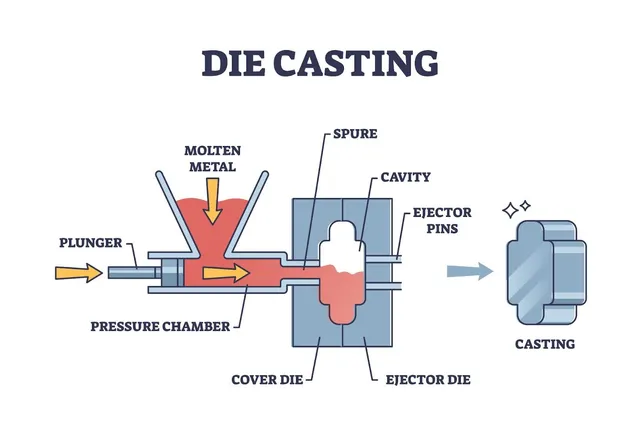
What is die casting Die casting is a manufacturing process for producing accurately dimension, sharply defined, smooth or textured-surface metal parts. It is accomplished by forcing molten metal under high pressure into reusable metal dies. The process is often described as the shortest distance between raw material and finished product. The term, “die casting,” is also used to describe the finished part. The term “gravity die casting” refers to castings made in metal molds under a gravity head. It is known as permanent mold casting in the U.S.A. and Canada. What we call “die casting” here is known as “high pressure die casting” in Europe. How are die castings produced First, a steel mold capable of producing tens of thousands of castings in rapid succession must be made in at least two sections to permit removal of castings. These sections are mounted securely in a machine and are arranged so that one is stationary (fixed die half) while the other is moveable (injector die half). To begin the casting cycle, the two die halves are clamped tightly together by the die casting machine. Molten metal is injected into the die cavity where it solidifies quickly. The die halves are drawn apart and the casting is ejected. Die casting dies can be simple or complex, having moveable slides, cores, or other sections depending on the complexity of the casting. The complete cycle of the die casting process is by far the fastest known for producing precise non-ferrous metal parts. This is in marked contrast to sand casting which requires a new sand mold for each casting. While the permanent mold process uses iron or steel molds instead of sand, it is considerably slower, and not as precise as die casting. Types of machines for die casting Regardless of the type of machine used, it is essential that die halves, cores and/or other moveable sections be securely locked in place during the casting cycle. Generally, the clamping force of the machine is governed by (a) the projected surface area of the casting (measured at the die parting line) and (b) the pressure used to inject metal into the die. Most machines use toggle type mechanisms actuated by hydraulic cylinders (sometimes air pressure) to achieve locking. Others use direct acting hydraulic pressure. Safety interlock systems are used to prevent the die from opening during the casting cycles. Die casting machines, large or small, very fundamentally only in the method used to inject molten metal into the die. These are classified and described as either hot or cold chamber die casting machines. Hot Chamber die casting machines Hot chamber machines (Fig.1) are used primarily for zinc, and low melting point alloys which do not readily attack and erode metal pots, cylinders and plungers. Advanced technology and development of new, higher temperature materials have extended the use of this equipment for magnesium alloy die casting. Figure 1: Hot Chamber Machine. Diagram illustrates the plunger mechanism which is submerged in molten metal. Modern machines are hydraulically operated and equipped with automatic cycling controls and safety devices. In the hot chamber machine, the injection mechanism is immersed in molten metal in a furnace attached to the machine. As the plunger is raised, a port opens allowing molten metal to fill the cylinder. As the plunger moves downward sealing the port, it forces molten metal through the gooseneck and nozzle into the die. After the metal has solidified, the plunger is withdrawn, the die opens, and the resulting casting is ejected. Hot chamber machines are rapid in operation. Cycle times vary from less than one second for small components weighing less than one ounce to thirty seconds for a casting of several pounds. Dies are filled quickly (normally between five and forty milliseconds) and metal is injected at high pressures (1,500 to over 4,500 psi). Nevertheless, modern technology gives close control over these values, thus producing castings with fine detail, close tolerances and high strength. Cold Chamber die casting machines Cold chamber machines (Fig. 2) differ from hot chamber machines primarily in one respect; the injection plunger and cylinder are not submerged in molten metal. The molten metal is poured into a “cold chamber” through a port or pouring slot by a hand or automatic ladle. A hydraulically operated plunger, advancing forward, seals the port forcing the metal into the locked die at high pressures. Injection pressures range from 3,000 to over 10,000 psi for both aluminum and magnesium alloys, and from 6,000 to over 15,000 psi for copper base alloys. Figure 2: Cold Chamber Machine. Diagram illustrates die, cold chamber and horizontal ram or plunger (in charging position). Die casting provides complex shapes within closer tolerances than many other mass production processes. In a cold chamber machine, more molten metal is poured into the chamber that is needed to fill the die cavity. This helps sustain sufficient pressure to pack the cavity solidly with casting alloy. Excess metal is ejected along with the casting and is part of the complete shot. Operation of a “cold chamber” machine is a little slower than a “hot chamber” machine because of the ladling operation. A cold chamber machine is used for high melting point die casting alloys because plunger and cylinder assemblies are less subject to attack since they are not submerged in molten metal. Die casting and their construction Die casting dies (Fig. 3) are made of alloy tool steels in at least two sections called fixed die half and ejector die half. The fixed die half is mounted on the side toward the molten metal injection system. The ejector die half, to which the die casting adheres, and from which it is ejected when the die is opened, is mounted on the moveable platen of the machine. The fixed die half of the die is designed to contain the sprue hole through which molten metal enters the die. The ejector half usually contains the runners (passageways) and gates (inlets) which route molten metal to the cavity (or cavities) of the die. The ejector

アルミニウム鋳造と機械加工

高圧ダイカスト

アルミダイカスト, ダイカスト会社, 高圧ダイカスト, 圧力ダイカスト

金属鋳造は現代の製造業において非常に重要である。それは技術的に全世界を形成しています。ご存知のように、この方法でさまざまな金属部品を作ることができます。高圧ダイカストは、ここで最も人気のある金属鋳造法の一つです。典型的な金属鋳造法は、溶融金属を金型に流し込んで、複雑で精密な形状を作り出します。あらゆる産業が、多くの用途でこれらの鋳造部品を必要としています。構造的なサポートに必要な場合もあれば、主要製品に必要な場合もある。金属を成形する一般的な方法のひとつにダイカストがあり、高圧ダイカストは最も一般的なダイカスト法のひとつです。高圧ダイカストは、最も一般的なダイカスト法のひとつです。どのように作られ、どのような利点があり、どのように使用できるのかについて学びます。また、HPDCとLPDCがどのように違うのかについても知ることができます。高圧ダイカスト(HPDC)の概要 HPDCとは、High-Pressure Die Casting(高圧ダイカスト)の略です。その名の通り、高圧を必要とする金属鋳造法です。HPDC鋳造は、高い公差を持つ多くの金属部品を作るのに適しています。HPDCダイカストでは、溶融金属を高速・高圧で鋼鉄製の金型またはダイに注入します。その結果、短時間で何百もの鋳造部品を作ることができます。ここで必要とされる圧力は、溶融金属が金型の詳細な特徴を満たすようにするためです。このため、高圧ダイカストは大量生産に適しています。高圧ダイカストマシンは、いくつかの主要部品で構成されています。どれもシステムにとって非常に重要です。他の部品もあるかもしれませんが。しかし、この4つの部品は高圧ダイカストプロセスにおいて最も重要なものです。最終的に鋳造部品の良し悪しは、たいていこの4つの部品で決まります。ダイカスト金型 ダイカスト金型(ダイ)は、一般的に最終的な形状を決定する高圧ダイカストマシンの部品です。ダイカスト金型には、主に固定型と可動型の2つがあります。通常、高強度鋼で作られています。これらのHPDCダイカスト金型を作ることは、高圧ダイカスト金型と呼ばれます。HPDC金型は、金属鋳造の最高の品質にとって非常に重要であることに注意してください。エジェクターピン エジェクターピンは、高圧ダイカスト金型のもう一つの重要な部品である。凝固した鋳物を金型から取り出すのを容易にします。これらのピンは、可動ダイハーフ内にあります。金属鋳物が冷えて固まったら、このピンを作動させて取り出すことができます。主に生産サイクルにおいて重要な役割を果たします。コールドチャンバーダイカストマシン コールドチャンバーダイカストマシンは、射出システム、プレスシステム、射出システムなどを備えた最も重要な機械である。加熱部品 加熱部品には、炉や発熱体などがあります。これらは通常、金属を溶かすのではなく、温度を一定に保ちます。この高圧ダイカストマシン部品の主な目的は、金属を確実に液状にすることです。安定した加熱は、最終的な鋳物の品質と一貫性にとって非常に重要であることに注意してください。高圧ダイカストの仕組み一般的に、高圧ダイカストは5つのステップで動作します。各ステップは、最終的な鋳物の品質にとって非常に重要です。したがって、ダイカスト工程を開始する際には、必ず装置を点検してください。欠陥やネジの緩みがないか確認してください。装置を常に最適な設定に調整する。冷却システムが正しく作動しているかどうかをチェックする。装置を正しくチェックしたら、高圧ダイカストの一次工程に進みます。手袋、衣服、眼鏡などの安全装備を必ず着用してください。ステップ#1 ダイカスト金型の準備 高圧ダイカスト金型は、主に2つのステップで準備できます。まず、すでに作られている場合は、使用する前に欠陥や汚れがないかチェックします。第二に、金型の設計はカスタマイズされた製品のために必要です。ダイカスト金型の設計にはいくつかの段階があります。まず、SolidWorksやAutoCADなどの3Dソフトを使って設計図を描きます。設計の際には、ゲートランナーと金型ベースを適切に整理していることを確認してください。冷却システムもこの設計プロセスの重要な部分です。最後に、ガス抜きと排出システムをチェックします。設計が終わったら、ドラフト解析に進みます。様々なシミュレーションソフトで機能性を確認することができます。テストと品質検査の後、ダイカスト金型を最終生産に使用することができます。ステップ#2 溶湯注入 このHPDC鋳造プロセスでは、機械が金型キャビティに溶湯を注入します。他の方法とは異なり、高圧鋳造ではこの作業に高い圧力と速度が使用されるため、高圧ダイカストと呼ばれています。まず、ダイカスト金型の半分と半分をしっかりとつなげます。次に、ボタンを押すと、HPDCマシンが溶融金属をチャンバーに押し込む。この圧力によって、溶融金属がキャビティ全体を確実に満たす。射出が終わると、溶融金属は冷却固化される。HPDCダイカスト・システムでは、主に2つの射出方法が使用されます。プロジェクトのニーズに応じて、作業に適した方法を選択することができます。ホットチャンバー射出 射出機構が溶湯リザーバーに浸されている場合、ホットチャンバー射出と呼ばれます。プランジャーが動くと、溶融金属がチャンバーに引き込まれ、ダイキャビティに射出されます。このタイプの射出は、融点の低い金属に適しています。このホットチャンバーダイカストマシンが亜鉛やマグネシウム合金に使用されているのをよく見かけるかもしれません。コールドチャンバー射出 一方、コールドチャンバー射出は、別の溶解炉を使用します。手動または自動システムを使用して溶融金属を注ぐことができます。製造では、自動システムは一般的に油圧プランジャーによって操作されます。これは、溶融金属を強制的に金型キャビティに挿入します。コールド・チャンバー・インジェクションは、アルミニウムHPDC鋳造の一般的な手法です。ステップ #3 冷却と凝固 射出後、溶融金属は金型キャビティ内で急速に冷却されます。いくつかの

アルミダイカスト

アルミダイカスト

アルミ鋳造, アルミ鋳造用金型, アルミダイキャスト, ダイカスト, アルミダイカスト, ダイカスト会社, ダイカスト金型, ダイカスト部品, 高圧ダイカスト, マグネシウムダイカスト, 圧力ダイカスト

アルミダイカストとは アルミダイカストは、鋳造液体ダイ鍛造法です。ダイカスト工程は、一種の特別な高圧ダイカストマシンによって達成されます。その基本的な技術プロセスは次のとおりです: 低速または高速鋳造の満ちる最初の金属かアルミ合金の液体は型のキャビティ、移動可能なタイプ キャビティ表面と死にます。液体のアルミ合金の冷却プロセス圧力鍛造材のブランクとのそれは、収縮の欠陥の除去の両方、また荒い内部アルミニウム ダイ カストの組織を壊された水晶を造るために作ります。荒い広範囲の機械特性はかなり改善されます。アルミニウムダイカストの利点 アルミニウムダイカストに関連する金属および注意事項。さまざまなタイプのアルミ合金はダイカストおよびアルミニウム型に使用することができ、方法のタイプはアルミニウム鋳造の型、亜鉛ダイ カスト、アルミニウム ダイ カストおよび多くのより多くのタイプ鋳造プロセス鋳造は異なったタイプのプロダクトの生産に適したアルミニウムを作るプロセスです。シンプルで安価な方法で、多種多様なアルミ製品を提供することができます。例えば、ワシントンモニュメント、自動車エンジン、動力伝達装置などは、すべてアルミ鋳造合金プロセスによって製造されたものです。アルミ鋳造は3つの方法で行うことができます: - アルミニウムダイカスト 金型鋳造 砂型鋳造 ダイカストは、金属部品を製造するための製造プロセスです。 ダイカストでは、あらかじめ特定の形状に加工された硬化工具鋼を使用して、ダイまたは金型キャビティを作成します。ダイカストでは、まずアルミニウムが溶かされ、高圧で鋼鉄製の金型に流し込まれます。この製造技術は通常、大量生産に使用され、そのプロセスは通常、高圧ダイカストまたは高圧ダイカストプロセスと呼ばれます。 金型鋳造 金型鋳造について、金型と中子はスチール製でもその他の金属製でもかまいません。ここでもまずアルミニウムを溶かし、用意された型に流し込みます。真空にすることもあります。状況によっては、永久鋳型鋳造法はダイカストや砂型鋳造法よりも強度が高いようです。半永久的な金型鋳造技術は、永久的な中子を完成部品から取り除くことが不可能な場合に使用されます。砂型鋳造:砂型鋳造は、アルミ製品を製造する最も汎用性の高い方法です。通常、溶融したアルミを型に流し込み、それを事実上、細かい砂の混合物に押し付けます。型は、凝固・冷却時のアルミの収縮に必要な大きさより少し大きくなります。砂型鋳造は通常、ダイカストやモールド鋳造よりも時間がかかるプロセスです。通常、少量の製品に使用されます。アルミ鋳造合金 最も重要なアルミ鋳造合金系はAl-Si系です。アルミニウム鋳造合金は、軽量性や耐食性が要求されるエンジニアリング構造や部品に広く使用されています。アルミダイカスト鋳造の方法と利点 アルミダイカスト鋳造に関連する金属と注意事項 さまざまな種類のアルミニウムをダイカスト鋳造に使用することができ、アルミ鋳造メーカーとアルミ鋳造は、さまざまな種類の方法を使用して、さまざまな種類の金属をカバーするために使用されます。アルミ鋳造には多くの方法があり、さまざまな種類の利点が得られます。アルミ鋳造とアルミダイカストの助けを借りて、金属の寿命を延ばすことが可能であり、これらは金属の素晴らしい外観と魅力で長期間使用することができます。方法 アルミニウムダイカスト鋳造には、さまざまな種類の方法が用いられます。主なものはアルミニウムを溶かすことです。アルミニウムの溶解には高温が必要です。アルミニウムの溶解には特殊な構造が使用されます。アルミダイカストが溶けたら、それをターゲット金属に流し込みます。その後、溶けたアルミ鋳物は硬くなり、しばらくすると使えるようになります。アルミニウムの溶解に使用される特別な容器があります。これらの容器は、さまざまな形や大きさのものが市場に出回っています。また、必要な材料を使用することで、自宅でこれらの構造を作ることもできます。あなたはこれらの構造を作る際に多くのオプションがあります。あなたが市場からこの構造を購入しようとしている場合は、サイズと形状の選択を行う必要があります。サイズや形状の面で多くのオプションがあり、価格の異なるタイプは、メーカーによって充電されます。アルミニウム鋳造が効果的に加熱され、溶融することができることを確認するために熱を得るための燃料や手動の努力を使用するものもあるように、これらの構造の作業も異なっている。これらの構造では高温が得られ、アルミニウム鋳造が溶解され、鋳造プロセスのターゲット金属に使用されます。アルミダイカストの利点 アルミダイカストには多くの利点があります。主にこのタイプの鋳造は、金属が腐食から安全であることを確認するために行われます。大気条件および湿気は鉄にとって悪く、鋳造は鉄を保護し、耐用年数を増加させるのを助けることができます。アルミニウムはダイ カストを通して金属に使用することができるそれによる環境の湿気そして他の有害な影響に抵抗できます。アルミダイカスト会社は、鉄に鋳造して保護シートを作ることができます。この保護は、高温を使用することによって得られる輝く層の形をしています。この層は、金属の強度と耐用年数を向上させるとともに、永久的で見栄えの良いものです。ほとんどの場合、鉄はアルミニウムの助けを借りて鋳造される。これは安価なプロセスであり、鉄の寿命が延びるため、ユーザーは利益を得ることができます。結論 アルミニウムダイカスト鋳型は、鉄や他の金属の鋳造に使用することができます。このプロセスには多くの方法があります。信頼性の高い方法を使用することで、金属を腐食から守ることができるなど、メリットを得ることができます。

上部へスクロール

お見積もり