精密部品のためのカスタマイズされた亜鉛ダイカストの力を探る

精密部品のためのカスタマイズされた亜鉛ダイカストの力を探る 

アルミ鋳造

カスタム亜鉛ダイカストは、複雑で耐久性のある高精度の部品を大規模に生産する能力を企業に提供し、現代の製造業の要となっています。標準的な鋳造方法とは異なり、カスタム亜鉛ダイカストでは、メーカーは正確な設計、寸法、性能要件を満たす部品を作成することができます。この柔軟性により、信頼性と精度が重要な自動車、電子機器、航空宇宙、消費者製品などの産業にとって理想的なソリューションとなります。ザマック2、ザマック3、ザマック5、ZA8などの亜鉛合金は、一般的に使用される亜鉛ダイカスト合金で、機械的および熱的要件に基づいて選択されます。ザマック2はアルミニウムが約4%、銅が約3%、マグネシウムが少し含まれており、強度と硬度が高く、引張強度は330MPaに非常に近い。ザマック3は圧倒的に多く使用されており、実質的に銅を含まないため(約4 %のアルミニウムと同程度のマグネシウム含有量)、硬くて鋳造しやすく、引張強度は約280MPaです。1%の銅を含む亜鉛ベースの合金は、引張強さ310MPaまで強度と硬度を少し向上させ、ザマック5として知られ、鋳造性が良い。ZA-8は8.5%に近いアルミニウムと約1%の銅の合金で、引張強さはほぼ390MPaで、耐摩耗性と高温条件下での性能が良好です。この記事では、カスタム亜鉛ダイカスト、そのようなプロセス、および中国のカスタム亜鉛合金ダイカストサービスのビジネスの使用について説明します。 亜鉛ダイカストとは?亜鉛ダイカスト鋳造は、溶融亜鉛を高圧で鋼鉄の金型に注入する方法です。金属が凝固すると、金型の形状になり、特殊で永久的な部品ができます。他の金属に比べ、亜鉛は流動性が高く、強度に優れ、細部まで鋳造することができます。その強度から、亜鉛は性能面でも魅力的な選択肢ですが、比較的低コストの材料でもあり、性能と製造コストのバランスを取りたい企業にとっては魅力的な選択肢です。このプロセスにより、企業は個々のニーズに合わせてカスタマイズされた部品を設計することができるため、あらゆるタイプのカスタム亜鉛ダイカストで特に当てはまります。カスタム亜鉛ダイカストの利点 1.精度と正確さ 亜鉛ダイカスト鋳造のカスタマイズには、最も重要な利点の1つがあります。このダイカストのプロセスは、複雑なデザインであっても、部品の寸法と表面仕上げが一貫していることを確認します。エレクトロニクス、自動車、航空宇宙など、公差や適合性が求められる分野では、この精度が非常に重要になります。他の方法では作れない微細な部品や、複雑な彫刻のような細かい形状の部品は、カスタム亜鉛ダイカストで製造することができます。他の製造方法では、ばらつきを最小限に抑えた同一の部品を大量に生産できる部品もありますが、ダイカストは、高いレベルの一貫性が求められる部品に適した方法です。2.耐久性と強度 頑丈な金属であり、耐久性と耐食性に優れています。そのため、研磨条件にさらされる部品を作るのに最適です。亜鉛ダイカスト鋳造は、長期間にわたって効果的に使用されるように設計されたカスタム部品を製造するカスタム能力を提供します。亜鉛合金ダイカストは、重量に対する強度が優れているため、製品は丈夫ですが、重すぎません。ほとんどの産業と同様に、システムの質量を減らすことが性能、燃費などに重要である(特に自動車製造において)これは非常に重要です。3.費用対効果 多くの企業にとって、費用対効果は非常に重要なことです。この課題は、カスタム亜鉛ダイカストプロセスを使用することで、比較的低コストで高品質の部品を作成することができるため、かなり解決することができます。亜鉛の比較的低い材料費とダイカストプロセスの効率性により、亜鉛がメーカーにとって非常に費用対効果の高い選択であることはほとんど議論の余地がありません。また、ダイカストは非常に精密で高度な精度が要求されるため、生産後のコストや二次加工を削減することができます。また、1回の生産で同一部品を高いレベルで生産できるため、さらにコストを削減でき、大量生産に最適なソリューションとなります。4.設計の柔軟性 カスタマイズ設計を利用した亜鉛ダイカストの主な利点は、設計に関して柔軟性があることです。これにより、製造業者は複雑な形状、薄い壁、複雑な特徴を持つ部品を作ることができます。このような柔軟性により、企業は特定の機能と特定の外観を提供するさまざまな部品を発明し、作成することができます。さらに、このカスタム亜鉛合金ダイカストを使って、滑らかな研磨仕上げからテクスチャー仕上げや艶消し仕上げなど、さまざまな表面仕上げの部品を作ることができます。デザインの多様性により、亜鉛ダイカストは、産業機械、車両部品など、家電製品以外の多くの用途に適しています。5.短いリードタイム 今日、高速、大量生産環境では、時間が重要です。カスタム亜鉛ダイカスト鋳造は、迅速な生産リードタイムで製品を市場に投入するビジネスを支援します。鋳造工程は、金型が出来上がるとかなり速いので、実際、工程全体がかなり速く、最小限の時間で大量の部品を素早く生産することができます。加えて、市場投入までの時間が重要な産業では有用です。亜鉛ダイカストの適切な使用は、企業が遅延や在庫不足を回避し、部品の高品質をもたらすのに役立ちます。カスタム亜鉛ダイカスト鋳造のプロセス これは、大量のカスタム亜鉛ダイカスト鋳造プロセスの場合であり、必要なことを達成させるために実行される多くの重要なステップがあります。そのステップとは1.金型の設計と作成 金型を作るために最初に行われることは、鋼を使用して金型を設計することです。部品は

ザマック5合金総合ガイド:特性、鋳造、用途

ザマック5合金総合ガイド:特性、鋳造、用途

ザマック5ダイカスト

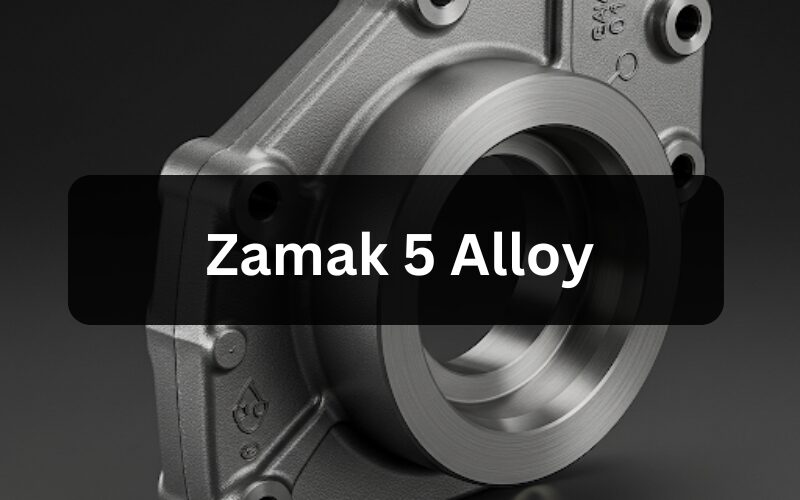
製造業や鋳造業で広く使用されているそのような合金の1つが、亜鉛ベースのザマック5合金であり、いくつかのユニークな特徴を持っています。これは、ザマック5が優れた強度、優れた耐久性、優れた耐食性を備えているためで、ダイカスト鋳造作業に使用するのに理想的な材料となっています。抽出後のザマック5は極めて低融点で、優れた鋳造特性を持つため、ザマック5は自動車製造、消費者製品およびハードウェア産業にとって理想的な材料となっている。業界関係者は、ザマック5合金の組成や様々な具体的用途などの特性について確実な情報を得ることで、生産上の意思決定を行い、操業効果のプロセスを最適化することができる。この記事では、ザマック5合金について、その化学的構成と製造方法、温度制御と圧力維持、および工業的性能に関する機械的物質属性を通して説明する。ザマック5合金の概要 ザマック5合金は、業界では亜鉛アルミニウム合金と呼ばれる亜鉛を主成分とする合金である。ザマック5は化学的に3.5~4.3%のアルミニウムと0.03~0.08%のマグネシウム、0.75~1.25%の銅で構成されています。ザマック5の優れた強度は、自動車、航空宇宙、消費財産業で使用される高強度部品を製造するために使用できる元素によるものである。引張強さだけでなく、6.7g/cm³の密度と380~385℃の比較的広い融点範囲がこの合金に存在するのは、その優れた耐久性と優れた精度のためである。ザマック5の組成と特性 ザマック5の化学組成 ザマック5の機械的特性は、亜鉛とアルミニウムと銅とマグネシウムの割合を制御した亜鉛ベースの合金に混合することによって改善されます。この溶解しやすいという性質は、ZINCである合金の96-98%と比較して、ザマック5を優れたダイカスト合金にしている特質の一つです。優れた結果を達成するためには、合金の強度と構造的完全性を損なう汚染物質を避けるために、純度99.99%の亜鉛材料を使用することが重要です。ザマック5材料の凝固は、アルミニウム(3.5~4.3%)の添加によって合金の微細構造が改善されるため、改善されます。ザマック5材は、アルミニウム(3.5~4.3%)を添加することにより、合金のミクロ組織が改善され、延性と硬さを兼ね備えた組織を形成します。ザマック5の0.03%から0.08%の間にマグネシウムが存在するのは、この元素を添加することにより、粒界の微細な亀裂の腐食が不純物によって阻害されるためである。この添加は合金をより流動的にするため、金型はより良い充填特性を得ることで利益を得ます。ザマック5はグラファイト鋳造で、銅を0.75~1.25%添加すると耐摩耗性と熱処理能力が向上し、耐クリープ性が強化されるため、熱変化用途に適しています。ザマック5は適正限界を超えると脆くなるため、銅の比率が重要となる。ザマック5の物理的特性 ザマック5の重量は6.7g/cm³で、密度は鋼の中間からアルミニウム合金より大きい。重量と強度の関係が良好であるため、ザマック5は低重量で強い材料を含む多くの構造物に適しています。ザマック5は摂氏380度から385度の間で溶融するため、ザマック5の正確な鋳造はアルミニウムに比べ費用対効果が高い。平均温度120℃で、ザマック5の引張強さは330MPa、降伏強さは220MPa、伸び率は7-10%で、工業用途の要件を満たしています。ザマック5は220MPaの高い降伏強さと7-10%のほぼ破壊するまでの最大伸びを有するので、強靭で適応性がある。ザマック5の機械的性質 ザマック5は91HBのブリネル硬度を有し、強度と表面硬度の間に完璧に打ち込まれており、装飾的なハンドルや摩耗防止を必要とするその他の部品に最適な組み合わせとなっています。耐衝撃性:室温でのシャルピー衝撃強度は53Jで、-20℃では35Jに低下します。この合金は高い耐衝撃性を持っているため、動的な力のかかる条件下でも機械的な応力や振動から身を守ることができます。Zamak 5は100MPaの繰返し応力に耐え、100万サイクルまで破損せずに耐えることができます。ザマック5は、連続荷重下でも安定した性能を発揮するため、機械部品や洗濯機部品に適しています。 ザマック5合金の機械的特性 ザマック5合金の機械的特性を下表に示します。特性値 ブリネル硬さ 91 HB 極限引張強さ 328 MPa 降伏強さ(0.2%) 269 MPa せん断強さ 262 MPa 圧縮強さ 600 MPa 疲労強さ 56.5 MPa 衝撃強さ 65 J 弾性係数 96 GPa 伸び 7% in 50mm ザマック合金の強度値は、それがいかに応力に耐えることができるかを示し、要求の厳しい用途に使用できる他の材料の中に位置づけることができます。ザマック5は、疲労荷重や衝撃に対して優れた耐性を示し、繰り返し荷重を受ける部品に適しています。ザマック5合金の物理的特性 ザマック5合金の特性は物理的特性によって制御されます。物性値 融点範囲 380-386°C 密度 6.60 g/cm³ 電気伝導率 26% IACS 熱伝導率 109 W/mK 比熱容量 419 J/kg-°C 熱膨張係数 27.4 µm/m°K ポアソン比 0.30 ザマック5の物性値の組み合わせは、電気伝導性だけでなく、熱伝導性にも適した様々な環境、適用条件において優れた性能を発揮します。適切な密度特性と熱伝導性により、ザマック5は暖かさに敏感なシステムには必須であり、また電気部品の使用形態に多様性を提供する良好な電気特性も有しています。ザマック5合金の長所 ザマック5合金が軽量でありながら優れた強度特性を示すのは、強度重量比が49MPaとA380アルミニウムを上回るためです。強度

ザマック3とその応用の総合ガイド

ザマック3とその応用の総合ガイド

ザマック3

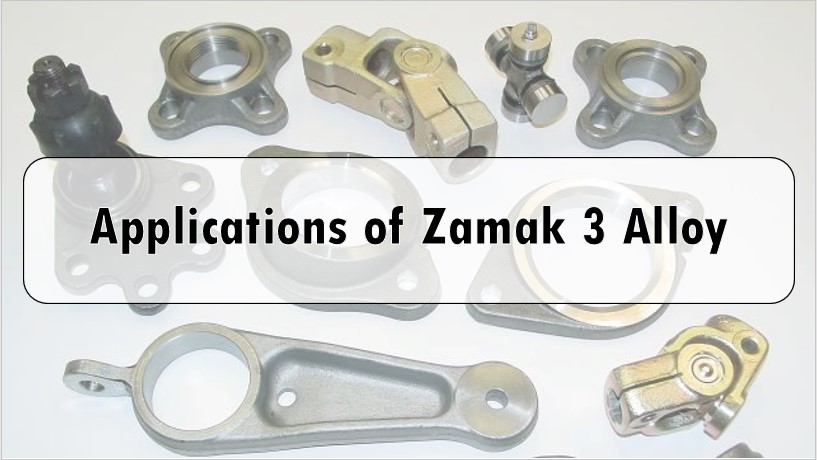
ザマック合金の中でも、ザマック3は強度、耐久性、鋳造のしやすさのバランスが良く、最も人気があります。亜鉛を主成分とし、少量のアルミニウム(3.5~4%)、マグネシウム(0.03~0.06%)、銅(0.25%)を含んでいます。非常に特殊な組成のため、このサンプルは機械的に安定し、腐食しにくく、寸法をより正確に保持することができる。ザマックとは、亜鉛を主成分とする合金の一種で、機械的性質に優れ、価格も手頃なため、製造業で広く使用されている。ドイツ語のZink(亜鉛)、Aluminum(アルミニウム)、Magnesium(マグネシウム)、Kopper(銅)に由来し、用語の後にはこれらの元素の記号名が続く:ザマック」である。1920年代にこれらの合金が開発され、今日では精密な金属部品を必要とする産業で基本的なものとなっている。ザマック3亜鉛合金はダイカスト鋳造が可能で、これが主な利点のひとつです。融点が低い(約385℃)ため、複雑で細かい特徴を持つ部品を比較的低コストで製造するために使用されました。鋳造工程が完了すると、その流動性を維持し、過剰な生産後の処理を必要としない滑らかな表面仕上げを提供します。ザマック3鋳造は、多くの産業で使用されるほど優れた性能を有している。自動車部品、電化製品、ハードウェア、消費財の大半に使用されています。耐食性に優れ、寸法精度が高いため、長期的な信頼性が要求される厳しい用途に適しています。全体として、ザマック3合金はコスト効率が高く、現代の製造業で使用され続けている汎用性の高い材料です。強度、耐久性、鋳造効率の組み合わせにより、高品質の金属部品に大きく依存する産業で最も求められています。ザマック3とは?亜鉛、アルミニウム、マグネシウムに銅を加えた亜鉛ベースの合金です。ザマックは1920年代に発明された合金の一種です。ザマック3(ASTM AG40A、Z33520 UNSとしても指定されている)は、ダイカスト業界で最も一般的に使用されている亜鉛合金の一つです。ザマック3は、その優れた機械的・物理的特性で知られ、あらゆる業界で好んで使用されています。この材料は、優れた鋳造性、寸法安定性、耐久性を持っており、精密部品を製造するために使用される重要な材料の一つです。ザマック3亜鉛合金は、その良好な機械的特性と低コストのため、すべてのザマック合金の中で考えられている。硬度、衝撃強度、寸法安定性のバランスに優れ、工業用途に適しています。ザマック3合金の組成と特性 ザマック3合金の組成 ザマック3合金は亜鉛をベースにアルミニウムや様々な微量金属を添加し、様々な有益な特性を付加しています。ザマック3合金の組成は、ダイカスト鋳造の強度、耐久性、容易な製造性を提供するために選択されます。ザマック3は以下の主要成分で構成されています。ザマック3は、自動車、エレクトロニクス、製造などの分野で非常に人気があります。ザマック3合金の化学成分 ザマック3合金の4つの主要元素は、亜鉛、アルミニウム、マグネシウム、銅です。合金の特性は、各元素が特定の役割を果たすことにより定義され、その機械的特性は強化されます。ザマック3亜鉛合金は通常、以下のような典型的な組成で入手可能です:亜鉛(Zn) - 96% Zamak 3合金は亜鉛を母材とし、優れた耐食性、良好な鋳造特性、手頃な価格で構成されています。また、溶解や成形が容易で、ダイカスト業界で大量生産が可能です。アルミニウム(Al) - 3.5%~4% アルミニウムも合金の強度、硬度、耐食性を高めます。さらに、溶湯の流動性を高めるため、ザマック3鋳造では精密で複雑な形状を滑らかな仕上げで製造することができます。マグネシウム(Mg) - 0.03%~0.06% マグネシウムはザマック3亜鉛合金に少量添加するだけで、機械的強度と耐衝撃性を大幅に向上させます。また、鋳造時の酸化を抑えるため、合金の安定性と耐久性も向上します。銅(Cu) - 0.25% 銅によって合金の硬度と引張強度が向上します。しかし、ザマック3合金の過度の脆さを避けるため、非常に低い割合に抑えられています。ザマック3合金の主な特性 ザマック3亜鉛合金は、以下のような有利な特性を持つため、工業用途に適するよう慎重にバランスが取られています:1.高強度・高硬度 ザマック3合金の特性は、強度と延性のバランスに優れ、機械的応力下での耐久性が要求されるこの種の部品に適している。約283MPa(41,000PSI)の引張強度と82ブリネル(HB)の硬度を持つ。この組み合わせは、自動車、構造部品などの用途に耐摩耗性と耐引裂性を発揮する。2.優れた寸法安定性 ザマック3鋳造は、高応力条件下でも正確な寸法を維持できる最も貴重な鋳造特性のひとつです。ザマック3亜鉛合金は、温度変化により大きく膨張・収縮する他の金属合金と異なり、温度変化による寸法変化が少なく、寸法安定性に優れています。ザマック3亜鉛合金は、ギア、ロック、産業機械部品など、公差が厳しく、正確な嵌合が必要な用途に最適です。3.耐食性 ザマック3合金にはアルミニウムとマグネシウムが含まれており、酸化や環境腐食の原因となります。しかし、純亜鉛は時間の経過とともに腐食しやすく、ザマック3亜鉛合金の追加元素の後に耐食性層が表面に形成されます。このため、屋外用途、自動車部品、電気筐体などに適している。4.優れた鋳造性と流動性

ザマックとは?この万能亜鉛合金の完全ガイド

ザマックとは?この万能亜鉛合金の完全ガイド

ザマックダイカスト

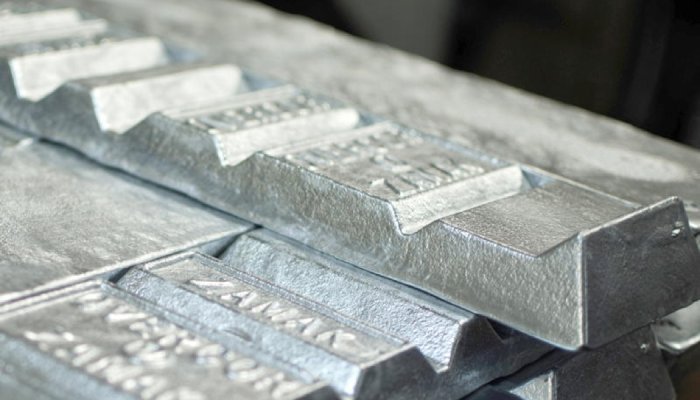
ザマックとは?ザマックまたは「亜鉛合金」は、亜鉛を主成分とし、アルミニウム、マグネシウム、銅などの他の金属がわずかに含まれる合金の一種です。ザマックとは、亜鉛の短縮形(「Z」)とアマック(「アルミニウム、マグネシウム、銅」;この合金を構成する主な元素)から作られたドイツ語です。その汎用性、耐久性、コスト効率の高さから、この金属は産業界で非常に人気がある。ザマック(またはザマック、以前はZAMAKとして商標登録されていた)は、非常に柔らかく比較的硬い合金群で、その大部分は亜鉛と少量のアルミニウム、銅、マグネシウムで構成されている。これらの合金は、より広範な亜鉛-アルミニウム合金ファミリーの一部ですが、このグループは、アルミニウムの濃度が通常一貫しており、通常約4%であるという点で際立っています。この特殊な元素の組み合わせが、ザマックと他の合金との違いであり、その結果、ザマックを様々な用途に適したユニークな特性にしています。この記事では、ザマックの組成、特性、種類、利点、用途、そして製造業の様々な分野でザマックが採用されつつある理由について説明します。 ザマック:汎用性の高い亜鉛-アルミニウム合金 ザマックとは、合金を構成する金属のドイツ語名の頭文字をとったものである:Zink(亜鉛)、Aluminium(アルミニウム)、Magnesium(マグネシウム)、Kupfer(銅)です。1929年に初めて導入されたこの合金は、それ以来、費用対効果に優れ、耐久性に優れ、製造業の世界全体で使用される非常に汎用性の高い材料であることが証明されています。ザマックが開発される以前、亜鉛ダイカストにはジンクペストと呼ばれる問題がありました。亜鉛害虫とは、合金中の不純物の存在による亜鉛成分の劣化を指します。不純物は亜鉛を変性させ、時間の経過とともに、ほとんどのダイカスト部品は使用できなくなりました。ニュージャージー・ジンク・カンパニーは、純度99.99%の非常に純度の高い亜鉛から作られたザマックを作ることでこれを解決しました。精製は還流によって行われ、亜鉛の害虫の原因となる不純物を取り除くことができた。ザマック合金の起源と進化 ザマック合金の技術革新は、亜鉛ダイカスト業界に安定性をもたらし、それは大いに必要とされていました。ザマックは、その純度の高さと、比較的短期間で亜鉛害虫に抵抗する能力から、ダイカストやその他の工業用途に使用され、すぐに広く受け入れられるようになりました。この合金は、過酷な環境下でも強く、耐久性があり、長持ちする部品を可能にし、真の成功を収めた。ザマックは、環境にさらされながら機械的ストレスに耐えることができる、実績のある材料となった。 ザマックとは?ザマック自体は亜鉛とアルミニウムをベースにした合金で、基本的にダイカストや精密製造用に設計されています。強度、耐食性、優れた鋳造特性により広く使用されており、1929年にニュージャージージンク社によって開発されました。融点は380℃から420℃と低く、自動車部品、金物、電気部品、消費財などに適している。耐久性に優れ、安価であるため、純亜鉛や他の金属合金よりも様々な産業で好まれている。ザマック合金の組成 ザマック合金は、亜鉛を母材とし、少量のアルミニウム、マグネシウム、銅を加えて金属に特殊な性質を持たせた5種類の合金のグループである。様々なザマック合金に含まれる主な元素は以下の通りである:1.亜鉛(Zn)は全てのザマック合金の母材である。この合金は、耐食性と強度が特筆されるため、アルミニウムに次いで広く使用されている非鉄金属です。マグネシウム(Mg)-マグネシウムもザマック合金に添加され、完成合金の強度と鋳造特性を高める。4.ザマックには、硬度を高め、耐摩耗性を向上させるためにごく少量添加される銅(Cu)が含まれています。一般的に合金の組成はザマックの種類によって異なりますが、亜鉛が約85~95%、アルミニウムが約4~8%、銅が1~3%、マグネシウムが0.01~0.%です。 ザマックの融点は?ザマック合金の融点は、その組成によって若干異なりますが、一般的には380℃~420℃です。ザマックは融点も比較的低く、鋳造や精密製造に適しています。異なるザマック合金の融点:ザマックは亜鉛を主成分としているため、アルミニウムやスチールよりもはるかに低い温度で溶ける。高精度、短時間生産、費用対効果の高い製造という特性から、高精度が要求される用途に適しています。ザマックパウダーとは?ザマックパウダーは、亜鉛を主成分とし、アルミニウム、マグネシウム、銅をわずかに添加したザマック合金の微粒子組織です。これは、溶射、溶射産業、添加剤製造産業、粉末冶金産業などの産業で使用される微細な金属化粉末です。ザマックパウダーの特性:標準ザマック合金(ザマック2、3、5、7)と同じ:約380°C~420°C(716°F~788°F)耐食性:環境要因に対する優れた耐性導電性:良好な電気および熱伝導率密度:ザマックパウダーの用途1.粉末冶金-金属粉末を入れ、それを加熱して固体部品を形成する焼結部品の製造に適用される。 2.溶射-腐食や摩耗から表面を保護するために溶射材料を使用することを含むその表面の保護コーティングとして使用される。ザマックパウダーの利点 ザマックパウダーは、その有用性と強度から、自動車、航空宇宙、電子機器、その他多くの産業用途に使用されています。様々な種類のザマック合金と

鋳造アルミニウムの溶接:包括的ガイド

アルミ鋳造, アルミダイキャスト

There are very few places one can go to learn about welding cast aluminum, and the skill set needed to do so is highly specialized. However, cast aluminum is a material created by pouring molten aluminum into a mold, which results in a porous material with impurities. This does not occur with standard aluminum alloys. Because of these characteristics, welding is more difficult, and preparing carefully, keeping the heat precisely in check, and using the appropriate techniques is necessary to produce strong, robust welds. Oxidation is one of the greatest hurdles when welding cast aluminum. This thin oxide layer, formed when exposed to air is much thicker than what naturally forms on aluminum, and it melts at a much higher temperature than aluminum itself, making fusion difficult. Furthermore, the presence of impurities and trapped gases in the cast aluminum can result in porosity, which provides weak welds if not properly cleaned and preheated. TIG (Tungsten Inert Gas) is the method of choice for precision and cleanliness, while MIG (Metal Inert Gas) is useful for speed and thicker material. To obtain a strong and defect-free weld, it is necessary to use the correct filler metal (such as 4045, 5356, or 4047) and shielding gas combination (of pure argon or argon-helium mixtures). Good preparation includes adequately cleaning and preheating as far as possible to minimize cracking, porosity and lack of fusion. Endurance and life of the welded joints is further improved by post-weld treatments like stress relief, grinding and corrosion protection after welding. While the majority of cast aluminum welders are welded steel, welders can successfully work with cast aluminum using the right techniques, tools, and attention to detail so long as lightweight, high strength components are required in industries. This is a masterable process that leads to further development of aluminum welding applications and to a reliable and predictable performance of aluminum structures in critical environments. Understanding Cast Aluminum  However, before proceeding with the welding techniques needed for cast aluminum, it is crucial to have a firm understanding of what constitutes cast aluminum and what makes it unique from other metals. Cast aluminum differs from wrought aluminum, which is mechanically shaped by using rolling or extruding, in that cast aluminum can be formed in complex shapes of high precision by melting aluminum and pouring this molten form into a mold. The unique internal structure so produced, usually characterized by porosity, impurities and varying alloy composition, has an important effect on weldability. To be able to weld cast aluminum successfully, one should know its chemical and physical properties, its pros and cons as well as the different types of cast aluminium alloys from various industries. These factors will be taken into consideration for the determining the necessary welding method, selection of filler material and preweld preparation techniques to make strong and defect free welds. Cast aluminum properties: What makes a cast different? Another important consideration that use of cast aluminum has several properties that make it light weight, anti- corrosive and very flexible. However, the same properties also pose some difficulties when welding is being done, provided that proper measures are not taken. 1. Porosity: The Hidden Challenge Possibly one of the biggest concerns about welding cast aluminum is porosity; it is known as the small bubbles of gas that get trapped in the metal when it is being cast. These eight are resulted from the entrapment of gases such as hydrogen, formation of small pores as a result of shrinkage during cooling of the aluminum metal and impurities. ???? How Porosity Affects Welding ???? How to Minimize Porosity During Welding 2. Oxidation: The Barrier to Clean Welds It is an element that reacts with other elements particularly oxygen found in the space surrounding the metal. This oxidation generates a very thin but extremely hard skin of aluminum oxide (Al₂O₃) through which the further corrosion of aluminum is prevented. Nevertheless, oxide layer is a critical issue when welding since its melting temperature is around 3700°F (2037°C), which is much higher than that of aluminum, 1221°F (660°C). Investigation on Why Oxidation is a Problem in Welding ???? Different Techniques of Removing and Controlling Oxidation 3. Heat Sensitivity: Managing Thermal Conductivity Different from steel, aluminum has high thermal conductivity and it can easily absorb and emit heat. This has always been a problem in maintaining a standard welding temperature; this tends to cause the following: ???? How to Overcome Heat Sensitivity Challenges Common Types of Cast Aluminum Alloys Various types of cast aluminum alloys can be cast according to their chemical composition and mechanical properties. Here are a few of the advantages and disadvantages of each type, as well as applications where they would be most useful. 1. A356 Cast Aluminum: The High-Strength Alloy  Its composition: Mainly encompasses aluminum (Al), silicon (Si) and magnesium (Mg). ???? Key Features ???? Common Applications 2. 319 Cast Aluminum: The Wear-Resistant Allo Composition: Contains higher levels of silicon (Si) and copper (Cu) than A356. ???? Key Features ???? Common Applications 3. 535 Cast Aluminum: The Marine-Grade Alloy Composition: Contains a high percentage of magnesium (Mg) for corrosion resistance. ???? Key Features ???? Common Applications Why Understanding Cast Aluminum Matters for Welding Starting with cast aluminum welding mastery is all about determining what cast aluminum is made of, its properties, and associated challenges. Therefore, as cast aluminum is used extensively in automotive, aerospace and marine engineering, welders require strategies for casting porosity, oxidation and sensitivity to heat. Different types of cast aluminum alloys respond to welding differently, and you should choose the correct filler materials, shielding gas and welding technique means the difference between a strong, reliable weld or a weak, porous joint. With preparation of the material, using the correct cleaning procedures, and regulating heat input, welders can address the issues associated with cast aluminum and generate powerful, long lasting welds that comply with harsh applications. Challenges in Welding Cast Aluminum  Welding of cast aluminum is notoriously difficult because of the unique physical and chemical properties of

アルミ鋳物製屋外用家具の究極ガイド

アルミ鋳物製屋外用家具の究極ガイド

アルミ鋳造, アルミダイカスト

屋外の家具のための良い材料を検索するときは、耐久性、スタイルだけでなく、低メンテナンス率を考慮する必要があります。アルミ鋳物の屋外用家具は、天候に左右されない耐久性と、きらびやかなスタイルが広く支持されている。しかし、アルミ鋳物は腐りやすい木材や錆びやすい錬鉄とは異なり、強度と寿命のバランスが絶妙です。錆や腐食に対する耐性を持っていることは、鋳造アルミパティオ家具の最大の利点の一つです。それは水証拠であるので、それは頻繁に雨が降りやすい場所や一定の湿度が存在する場所、または地域が沿岸にあり、塩の空気が他の材料を腐食し始める場合、それは優れた選択肢になります。また、軽量でありながら、アルミニウムを使用しているため、屋外でも十分に頑丈で、移動も簡単です。アルミ鋳物のもうひとつの長所は、カスタマイズできることです。さまざまな仕上げ、色、複雑なデザインがあり、モダンなパティオからクラシックな庭まで、どんな屋外の美的セッティングにも合わせることができます。また、クッションや枕、ミックス素材などを使って、家具をさらにカスタマイズできるという利点も、多くの住宅所有者に喜ばれています。アルミ鋳物には、太陽の下では熱くて触れないとか、他の素材より高価だとか、よくある誤解がいくつかありますが、決してそんなことはありません。手入れは最小限で済み、簡単なお手入れをするだけで、何十年経ってもその外観を保つことができます。しかし、アルミ鋳物には、木材にはないクッションのような快適さと、後悔しないスタイリッシュさの両方があります。アルミ鋳物の屋外用家具とは?アルミ鋳物とは、金属を溶かして型に流し込み、彫刻のようなデザインを施したものを指します。アルミ鋳物のパティオ家具は、錬鉄や鋼鉄のように頑丈ではなく、軽量で錆びにくく、あらゆる要素に耐えることができます。あなたがドアのコンポーネントの過酷なアウトに耐えながら、少しメンテナンスを必要とするエレガントな家具を望むなら、それは非常に良い選択肢です。キャストアルミ屋外用家具の利点は何ですか?1.耐候性鋳造アルミニウム屋外用家具は、木材や錬鉄とは異なります:それは決して腐敗したり、錆びたり、それが湿気に耐性があるとして、屋外の使用に最適です。それは水を吸収しないので、ひび割れ、反り、または雨、雪や湿気にさらされて弱くなることはありません。2.それは錆びないので、防錆と耐食性キャストアルミパティオ家具は、大きな利点の一つを持っています。それは大雨に耐える可能性が高いので、したがって、それは湿気の多い、沿岸地域に最適なオプションです。3.軽量でありながら頑丈 あなたが期待することができるように、鋳造アルミは錬鉄に比べて非常に軽く、それははるかに少ない難しさで移動し、再配置することができます。風や一般的な消耗には耐えられませんが、それでも十分に頑丈です。4.エレガントでスタイリッシュなデザイン アルミ鋳物には独特のスタイルがあり、パティオセットの家具や中庭の家具によく使われる。それはパティオに洗練された外観を与える詳細な職人技を持っており、鋳造のプロセスは、これを達成するのに役立ちます。5.低メンテナンス鋳造アルミニウムパティオの家具は、木製家具のように染色やシーリングを必要としないため、ほとんどメンテナンスフリーです。それは穏やかな石鹸および水を使用して簡単なワイプで新しい見えるでしょう。6.その究極の耐久性とそれが屋外の要素に悩まされないという事実のために長い寿命、キャストアルミの家具は長続きし、住宅所有者が作る価値のある投資である。鋳造アルミ屋外用家具の種類 1.鋳造アルミパティオダイニングセットパティオセット鋳造アルミダイニングセットは、任意の庭や庭に素敵な追加になります。通常、それはテーブルと一致する椅子で、中庭で、外で食事をしたり、友人や家族とバーベキューを楽しむのに適しています。2.鋳造アルミラウンジチェア 外で横になるのが好きな人のために、鋳造アルミラウンジチェアは、スタイリッシュで快適なoptioptionclining機能であり、クッションは、多くのモデルで利用可能です。3.3.アルミ鋳造ベンチ アルミ鋳造ベンチは、公園や庭園、パティオに魅力的に映ります。クラシックで時代を超越した魅力があり、耐久性にも優れています。4.鋳造アルミニウムのコーヒーテーブル 鋳造アルミニウムのコーヒーテーブルは、屋外の座席の下に収まるように使用されます。これらは、理想的なplacplacesstickグラス、スナックや装飾品です。5.アルミ鋳物ビストロセット 小さなパティオやバルコニーがある場合は、アルミ鋳物製のビストロセットがおすすめです。2人用の居心地の良いスタイリッシュな座席で、あなたのインテリアを追加します。アルミ鋳物製パティオ家具:耐久性とスタイルの完璧なブレンド アルミ鋳物で作られたパティオ家具は、その錆に対する抵抗力、軽量性と耐久性のため、最高の屋外の選択肢です。鋳造アルミニウムは、錬鉄よりもはるかに重くなく、錆びにくく、パティオ、庭、屋外ラウンジエリア用の木材のように、ほぼ一定のメンテナンスを必要としません。これは、溶かしたアルミニウムを好きな形に成形することで、複雑なデザインや流行の仕上げを実現するものです。手間をかけずに均一な外観を求める多くの住宅所有者が、なぜアルミ鋳物を好むのでしょうか?ダイニングセットやラウンジチェア、あるいは装飾的なベンチが必要な場合、多くのスタイルから選ぶことができますが、アルミ鋳造家具はこれらすべてのオプションで利用可能です。アルミ鋳物家具の大きな利点は、耐候性です。アルミ鋳物は、鉄のように腐ったり錆びたりすることはなく、雨や日差し、さらには塩分を含んだ海岸の空気によって、木のように崩れて埃になることもありません。もうひとつの利点は、時々石鹸と水で拭くだけで、新品同様の外観を保つことができることです。また、カスタマイズ機能により、クッションや枕の選択、パウダーコーティング仕上げなど、パティオ家具を自分好みにカスタマイズすることができる。そのため、どんなアウトドア・インテリアにも合わせやすい。さらに,

アルミ鋳物の溶接は可能か?完全ガイド

アルミ鋳物の溶接は可能か?完全ガイド

アルミ鋳造

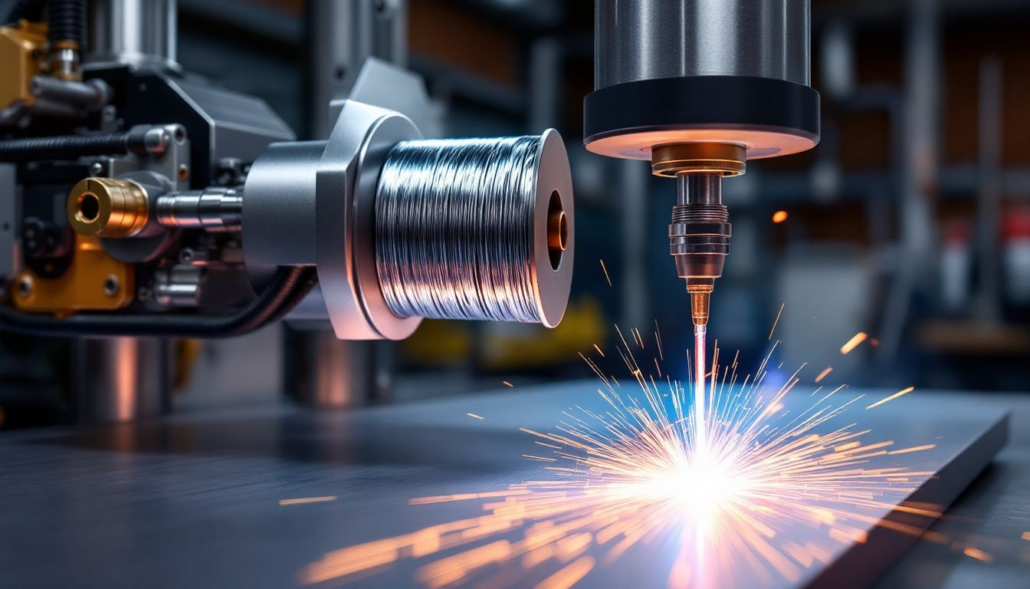
If you’re thinking, can you weld cast aluminum, the answer is yes, but you have to have the right setup, preparation and equipment to weld to cast aluminum. Welding cast aluminum is different from welding standard aluminum sheets since cast aluminium has impurities and a different grain structure, which impact weldability. The main properties of aluminium make it a popular metal used in industries such as automotive, aerospace and construction. Nevertheless, welding becomes a major issue with aluminum particularly the cast aluminum. Therefore, can you weld cast aluminum? Sure, you can, but there is a right way and a wrong way to do it, and this means you will need some techniques, preparation, and most importantly of all, equipment, to create a strong, durable weld. The problem is that cast aluminum is not regular general aluminum sheets. And is often impure and has a not-so-gripping fusion with a different grain in it, as poor, if not properly handled, this causes cracking, porosity, poor fusion, etc. But one big hurdle is that aluminum oxidizes (oxide layer forms). Your welding creates an inadequate joint because this layer is higher than the melting point of the aluminum itself, and if you don’t clean around it properly before you weld, it will stick. Control of heat is also an issue—it is neither constructive to work with too much heat, nor is it productive to have too little. They can successfully weld cast aluminum if you pick the right filler, temperature and shielding gas. TIG (Tungsten Inert Gas), MIG (Metal Inert Gas), even stick welding, and so on, are various welding methods, but not all are optimal for welding aluminium cast. This is a guide on how to weld cast aluminum with the best techniques, common problems and tips from experts so you get a nice strong and clean weld. When working with a broken aluminum part or your new project, you need to know how it works in order to avoid typical blunders and achieve the best outcomes. Learning About Cast Aluminum and Its Problems Production of cast aluminum, with direction for a specific shape, comes from melting aluminum and pouring the product into a mold. It is a widely used method of making engine blocks, transmission housings and other such mechanical parts. However, since cast aluminum is cast, it is likely to have impurities, porosity and high silicon content and therefore difficult to weld. Common Challenges in Welding Cast Aluminum 1. Shrinkage: After casting, aluminum can shrink in various parts due to its thermal coefficient of expansion. These gas pockets will expand during welding and resulting welds may be weak. 2. Aluminum:  Naturally has an oxide that must be cleaned before welding. It may otherwise interfere with the weld penetration. 3. The cast aluminum parts are also often impure (Oil, grease, dirt) if not cleaned they can pollute the weld. 4. Cracking of Welded Artwork: Some cast aluminum alloys can have high silicon content, which makes cracking during welding more likely. 5. Aluminum is Heat Sensitivity:  Aluminum conducts heat quickly, making it difficult to keep a weld pool stable without overheating. Having an understanding of these challenges will help pick the best welding technique with the most suited prep methods for getting a strong weld. Can You Weld Cast Aluminum? The Best Welding Methods You can perform welds on cast aluminum provided that you implement proper welding methods and proper materials along with appropriate preparations. Cast aluminum material becomes difficult to weld because of its impurities and voids which standard aluminum lacks. The correct weld-forming technique stands essential for creating effective durable welds. Three excellent methods exist for welding cast aluminum, including: 1. The GTAW stands for Gas Tungsten Arc Welding which functions as TIG Welding.   The best application exists for welds made of precise aluminum that require thin sections and produce excellent results. Why Use TIG Welding? Welding cast aluminum requires TIG welding because this process provides accurate heat management which generates clean and high-quality welds with very low staining. How to TIG Weld Cast Aluminum Pros & Cons of TIG Welding for Cast Aluminum 2. MIG welding systems under the name GMAW employ Gas Metal Arc Welding techniques.  The method works best for welding thick aluminum pieces when making big size repairs and demands fast work. Why Use MIG Welding? TIG welding might be slower than MIG welding while MIG welding proves to be excellent for joining thicker cast aluminum parts. MIG welding aluminum wire demands two things: first, extra setup equipment and second, a spool gun to manage wire supply. How to MIG Weld Cast Aluminum Pros & Cons of MIG Welding for Cast Aluminum 3. Shielded Metal Arc Welding operates via Stick Welding to correct broken or compromised areas.  The technique provides optimal benefits during emergency fixes as well as outdoor situations and large-scale metallic pieces. Why Use Stick Welding? Stick welding remains a valid choice for cast aluminum maintenance when no other suitable welding methods are accessible in outdoor emergency applications. Two Steps for Performing Stick Welds on Cast Aluminum Include Pros & Cons of Stick Welding for Cast Aluminum 4. Oxy-Fuel Welding functions under the name OAW (Oxyacetylene Welding) The technique is suitable for fixing minor aluminum components and basic welding jobs. Why Use Oxy-Fuel Welding? The technique of oxy-fuel welding provides a suitable option for doing small repairs on aluminum materials when TIG or MIG systems are not available. How to Oxy-Fuel Weld Cast Aluminum: Pros & Cons of Oxy-Fuel Welding for Cast Aluminum 5. Friction Stir Welding (FSW) Best for: Industrial applications, aerospace, and high-strength welds. Why Use Friction Stir Welding? The aluminum material undergoes friction stir welding in a solid-state fashion because the process heats and joins materials mechanically rather than melting them. Proficient welds without defects develop because of this process. How Friction Stir Welding Works Pros & Cons of Friction Stir Welding for Cast Aluminum Which Welding Method is Best for Cast Aluminum?  Welding Method Best For Pros Cons TIG Welding

クリアアルマイト:メリット、表面仕上げ、DIYアルマイトガイド

クリアアルマイト:メリット、表面仕上げ、DIYアルマイトガイド 

アルミ鋳造

A durable corrosion-resistant metal with a transparent oxide layer over it is clear anodized aluminum. It increases strength, wear resistance, and aesthetic properties making it the choice material across the board in architectural, automotive, aerospace as well as industrial applications. One of the most widely used metals due to its lightweight, strength, and natural corrosion resistance is aluminum. Aluminum, however, can oxidize, wear, and be environmentally degradable unless treated. Clear anodized aluminum is commonly used to enhance its durability and to improve some of its surface properties. Anodization is an electrochemical process, whereby the surface of aluminum is covered with a transparent oxide layer that makes aluminum more resistant to corrosion, scratches, and fading. Anodizing will always bond with the metal which ultimately guarantees protection and aesthetic appeal without coating or painting. In this guide, you will understand the benefits of clear anodized aluminum, different surface finishes, its application in anodizing different aluminum alloys, and various industries that utilize anodizing. It also investigates whether anodized aluminum is safe as well as steps up a DIY anodizing guide for folks interested in trying the process at home. Anodized aluminum is a versatile and durable material that can be used in an architectural, automotive, aerospace or industrial application. What is Clear Anodized Aluminum? Aluminum that has been anodized (electrochemically) to form a transparent oxide layer on the surface is clear anodized aluminum. The metal coating effectively improves the metal’s corrosion resistance, wear resistance, and surface hardness which improves its durability for long-term use in harsh environments. Unlike paint or coatings, when dyeing the metal, it is integrated into the metal, so the finish will live fade-resistant and scratch-resistant for a very long time. General Specifications Material Aluminum alloys are commonly clear anodized. Anodized Layer Thickness The thickness of the anodized layer depends on its application. Surface Appearance Standard Compliance Why Choose Clear Anodized Aluminum? Superior corrosion resistance → Ideal for marine, aerospace, and outdoor applications. Durable and long-lasting → Scratch-resistant and fade-resistant finish. It has low maintenance → It needs only minimal cleaning from time to time to keep its appearance. Anodizing is also an eco-friendly process → This method of finishing is nontoxic and sustainable. As the colored option is opaque, it cannot be anodized, and it will wear very quickly and rarely does it last very long. Clear anodized aluminum is one of the most commonly used finishes in architecture, transportation, consumer electronic products, and industrial machinery, providing an attractive and functional finish that lasts and lasts. Clear Anodized Aluminum Process  Clear anodizing is a specially designed electrochemical treatment which makes the corrosion resistant, durable and hard surface of the anodized aluminum. This is a common process that is applied extensively in industrial, architectural, and decorative applications because this process creates a strong and good-looking aftereffect. 1. Cleaning The first phase of the anodizing process is cleaning the aluminum surface of oil, dust, or natural oxidation. After the degreasing, it is soaked in a degreasing solution (for example, R 105) and then rinsed with clean water to make sure all the contaminants have been washed off. This is one critical step to get a smooth and defect-free anodized finish. 2. Alkali Etching The aluminum is then put into a solution of sodium hydroxide at a controlled temperature of 70 to 90 degrees C to eliminate impurities and surface irregularities. This step removes the natural oxide layer to allow subsequent processing up to a uniform surface. 3. Chemical Polishing After completion of the etching process, chemical polishing is applied to aluminum. This process not only helps to smooth the surface but also serves to remove micro deflections and improve the live nature of the metal. Depending on your final application this step can or not create a matte or gloss finish. 4. Activation The aluminum must be activated before the anodizing step for it to have a uniform conductive surface. In this step the material is prepared to act as the anode of the electrochemical reaction by using a particular electrolyte solution. The activation aids in the coating of the entire aluminum surface with a consistent anodized coating. 5. Anodizing Anodizing is an electrochemical reaction where the aluminum submerges in an electrolytic bath and serves as an anode. When an electric current is applied to the metal, an applied oxide layer (Al₂O₃), increases the corrosion and durability of the metal. The electrolyte used, most commonly, is Sulfuric acid; the process parameters change according to the required finish. The next section speaks at length about these parameters. Key Parameters for Anodizing To ensure a successful clear anodized finish, these process parameters need to be closely controlled: The parameters for the anodized layer are such that the layer is uniform, strong and viable under ambient conditions. The final properties of the anodized aluminum can be changed by changing temperature, voltage and treatment time. Aluminum Alloys for Anodizing The use of aluminum alloys in anodizing develops from their strong resistance to corrosion and their long-standing value with good looks. The multiple aluminum alloy series has unique characteristics which match different product needs. This list shows the main aluminum alloys used in anodizing with their makeup and benefits plus their typical applications. 1. Series 1000 (Pure Aluminum)  The 1000 series contains aluminum at 99% purity blended with minor iron and silicon additives. These metal alloys demonstrate top electrical conductivity and fight against corrosion while keeping their flexibility. During the anodization process, pure aluminum creates a clear or translucent coating that increases its toughness and protects it from outside influences. Series 1000 alloys work well because they possess these characteristics. 2. Series 2000 (Aluminum-Copper Alloys) The 2000 series contains aluminum which is mixed with 2% to 7% copper and small amounts of manganese and magnesium. These alloys offer excellent strength and easy machining but have reasonable protection against corrosion. When aluminum-copper alloys receive anodization they develop better protection against wear and corrosion as well as attractive surface treatment. This makes them ideal for: 3. Series

鋳造用アルミニウム:総合ガイド

鋳造用アルミニウム:総合ガイド

アルミ鋳造

Casting is one of the oldest and most versatile metal working processes that allow manufacturers to produce complex shapes of the highest precision. Because of the excellent properties of aluminum for casting like its lightweight nature, corrosion resistance and high thermal conductivity, among the various metals used in casting, aluminum for casting is special. The article is on the use of aluminium for casting, its benefits, types, applications and techniques. Some of the most commonly used metals in casting are mainly due to Aluminum weight properties, excellent corrosion resistance and high thermal conductivity. To see the desired shape, aluminium is melted and poured or injected into a mould for casting. There are several leading methods of casting like sand casting, die casting, investment casting & permanent mould casting, depending on the requirements of the application. The decision of the method of casting shall be based on the size of components required precision required, mechanical properties and production volume. Aluminium casting alloy composition selection is one of the most critical decisions in the production of aluminium castings. Different common aluminium casting alloys include A356, 319 and 380 as well as 7075 which can provide different strength, ductility, and corrosion resistance for a variety of applications. Temperature control, pressure application, cooling rates and defect mitigation also greatly influence the production of high-quality aluminium castings with little porosity or shrinkage defects. Recent advances in casting technology, including vacuum-assisted casting, semi-solid metal processing and 3D printing of moulds have created great improvements in terms of precision, efficiency and sustainability of aluminium casting. In addition, industries are further focusing on recycling aluminium to reduce environmental impact while still maintaining the same levels of performance. The most comprehensive guide into aluminium for casting covering key factors such as temperature, pressure control, mechanical and chemical properties, defect prevention and alloy selection is explored. Knowledge of these aspects allows engineers and manufacturers to do a productive aluminium casting process, produce better product quality, and they can receive better production effectiveness. Why Use Aluminum for Casting? The excellent properties of aluminum justify its use in the casting industry and because of which it is an appropriate metal choice for manufacturers working in various sectors. There are some of the main reasons when opting for aluminum casting uses. 1. Lightweight Yet Strong: As you may expect, aluminum is very lightweight compared to other metals, and this makes it ideal for being used in industries where weight reduction is important when building vehicles or aircraft. 2. Aluminum offers Excellent Corrosion Resistance: The cast parts benefit from the natural oxide layer which is a barrier to rust and helps extend the life of the cast part. 3. High Thermal and Electrical Conductivity:  This makes aluminium extremely suitable for use in heat exchangers, electronic enclosures and engine components. 4. Aluminum castings – Great Machinability: The cast Aluminum can be easily machined, polished, and finished for a high precision application. 5. Less Expensive:  Aluminum is much less expensive than most other metals and its recyclability makes it environmentally friendly. Types of Aluminum Used in Casting Several different aluminium alloys are used for casting and have characteristics suitable for different applications. Which of the most commonly used aluminum alloys for casting are? 1. Aluminum-Silicon Alloys (Al-Si) 2. Aluminum-Copper Alloys (Al-Cu) 3. Aluminum-Magnesium Alloys (Al-Mg) 4. Aluminum-Zinc Alloys (Al-Zn) Aluminum Alloys for Die Casting   The manufacturing process of die casting is very efficient in which a precision mold is used to inject molten aluminum under high pressure. This has become a well known route to manufacture durable, lightweight, and dimensionally accurate, complex metal components. The low density, good corrosion resistance and excellent thermal conductivity of the aluminum make it the preferred material for die casting. There are specifically several aluminum alloys which are specifically formulated for use in die casting to offer mechanical and physical properties for various applications. We described below the most consumed aluminum die casting alloys. 1. Aluminum Alloy 380 (A380) Aluminium alloy A380 is the most common aluminium alloy employed in die casting because of its versatility and superior casting characteristics. Key Properties Common Applications These properties make A380 extensively used in the automotive, aerospace, and consumer electronics applications, where strength to weight ratio, castability and cost efficiency are required. 2. Aluminum Alloy 383 (A383) A better corrosion resistance and performance in high-temperature conditions alternative to A380 is A383. Key Properties Common Applications Applicable in electrical housings, enclosures, as well as industrial machinery parts requiring dimensional stability and heat resistance. 3. Aluminum Alloy 360 (A360) However, A360 is known to have excellent mechanical properties, such as high strength and ductility. Key Properties Common Applications For example, in the automotive transmission cases, engine housings, aerospace, and parts that need high mechanical integrity A360 is often used. 4. Aluminum Alloy 413 (A413) A413 is a high-pressure material designed for high fluidity and tightness to pressure. Key Properties Common Applications Often used in hydraulic components, pump housings and heat exchangers, where it is used to make parts that are required to leak-proof and high strength. 5. Aluminum Alloy 390 (A390) A390 has been engineered for high load and extreme wear resistance. Key Properties Common Applications A390 is commonly used in automotive engine blocks, high performance pistons and mechanical gears where wear resistance and strength at service temperatures are important. 6. Aluminum Alloy 356 (A356) High-purity aluminium A356 possesses excellent castability as well as good mechanical strength. Key Properties Common Applications Automotive suspension and aerospace parts and high-strength industrial castings are made of A356. 7. Aluminum Alloy 319 (A319) A319 is a medium-strength alloy designed for good castability, corrosion resistance, and thermal conductivity. Key Properties Common Applications A319 is being used widely as automotive cylinder heads, transmission cases, and aircraft components where reliable thermal performance and moderate strength are required. The Right Aluminum Alloy to Select for Die Casting Depending on several factors, we need to choose the appropriate aluminium alloy for die casting. 1. Mechanical Requirements: Strength, hardness, ductility, and wear resistance. 2. Corrosion

アルミニウム鋳造:総合ガイド

アルミニウム鋳造:総合ガイド 

アルミ鋳造用金型

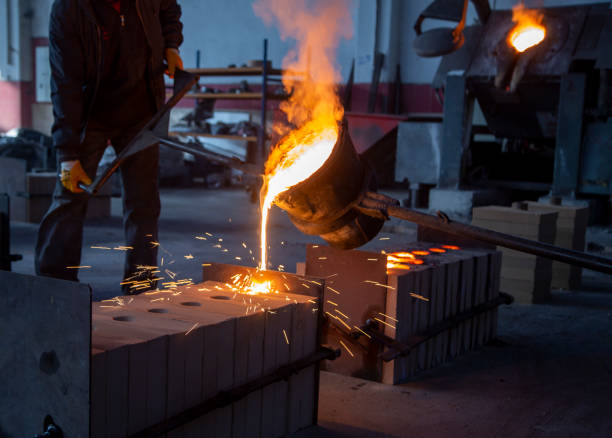
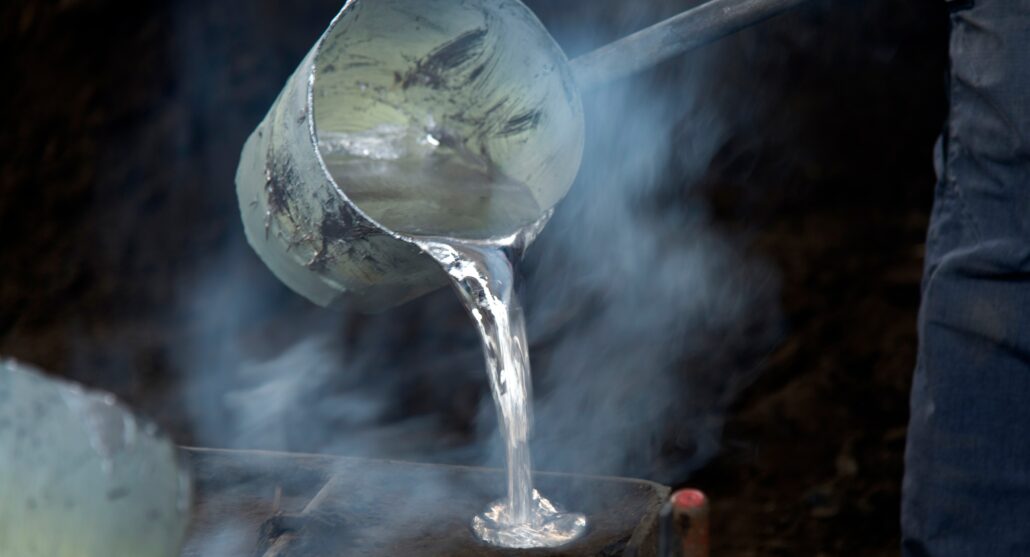
現在の産業界がアルミを広く使用しているのは、その強度と軽量性、そして効果的な耐熱性のためです。アルミ部品の生産は、アルミ鋳造プロセスによって最良の結果が得られます。この手順により、産業ニーズや商業環境に完璧に対応する複雑な形状を製造することができます。製造業者はアルミ鋳造法を広く採用し、設計された金型に溶融アルミニウムを流し込んで、複雑で弾力性のある部品を製造しています。アルミ鋳造によって製造された部品は、自動車、航空宇宙、建築、調理器具などの分野で広く使用されています。なぜなら、アルミは軽量構造と耐食性特性とともに、優れた熱伝導性を提供するからです。鋳造アルミを理解するためには、鋳造アルミが何を表しているかを最初に定義する必要があります。鋳造アルミとは、熱溶解によって加工されたメタアルミのことであり、その後、金型への充填によって精密な形状に加工されます。工業生産者はこの方法で、エンジン部品や機械部品、熱交換器などに適した精密な詳細設計を実現しています。アルミ鋳造が際立っているのは、その強度対重量比が他のどの金属よりも優れているため、軽量構造を必要とする用途に適しているからです。ダイカスト、砂型鋳造、インベストメント鋳造の3つの主な鋳造方法があり、それぞれの利点があります。ダイカストは大量生産に適した高速精密加工を行いますが、砂型鋳造は少量生産に適した汎用性の高い低コストのメリットをもたらします。インベストメント鋳造法は、完成品に高い精度と精巧な細部の両方を提供することができます。鋳造アルミの組成と製造方法に関する知識があれば、業界の専門家は適切な生産システムを選ぶことができます。世界的な産業が標準的な手順としてアルミ鋳造を選択するのは、コスト効率に加えて、腐食防止を備えた軽量の耐久性を提供するためです。アルミ鋳造とは?アルミが鋳造アルミになるのは、製造業者がアルミ金属を溶かして、製品製造用の特定の型に流し込む場合です。アルミ鋳造のユニークな側面により、メーカーは複雑な形状を作成することができ、機械や押出の方法よりも材料の無駄を省くことができます。アルミ鋳造にはどのような目的があるのですか?さまざまな産業で、家具、機械、航空宇宙部品とともに、自動車部品や調理器具を作るための主要材料としてアルミ鋳造品が使用されています。その製造方法によって、製品は強靭でありながら軽量であるため、効率性と耐久性に優れた用途に最適です。アルミニウム鋳造の主な特徴:アルミニウム鋳造のステップバイステップガイド 溶けたアルミニウムを扱うには、取り扱いを誤ると危険が生じるため、厳重な安全対策が必要です。手袋をはめ、耐熱服と顔面保護具を着用することから始めなければなりません。このマニュアルでは、作業者と設備の両方を保護するアルミニウム鋳造の簡単な方法を紹介します。これらの具体的なダイカストの手順は、他のアルミ鋳造プロセスでも同じように機能します。ステップ1:プロジェクト設計のための金型を作成することから始める アルミニウム鋳造の始まりは、金型設計を開発し、準備することから始まります。金型の選択プロセスは、鋳造されたアルミ製品の外観と動作を制御します。切削工具は、砂、鋼鉄、セラミック、石膏、アルミニウムなど、選択した鋳型材料に適合していなければなりません。金型設計は、最終アルミニウム製品のすべての細部と要件に正確に一致しなければなりません。正確な金型を作るために、メーカーはCADシステム・ソフトウェアを使用します。このソフトウェアは、設計者が製品を作る前に、製品の正確な3D表現を構築するのに役立ちます。デジタル設計の準備が整った後、CNCマシンが金型を正確に作り、成形します。製造が始まる前に、ユーザーは金型の内側に離型剤を塗布する。金型に塗布されたコーティングは、アルミニウムが金型に接着するのを防ぐので、鋳造された部品は簡単に取り外すことができる。コーティングを塗布した後、鋳型をしっかりと閉じてから続けます。ステップ2:アルミニウムを溶かす次のステップは、アルミニウムが液化するまで加熱することです。アルミニウムは融点が低いため、溶解温度である摂氏660度(1220°F)に達するのが非常に早いのです。電気やガスの力を使って液状にする前に、炉でアルミニウム金属を溶解温度まで加熱します。液体アルミニウムは炉から保管場所に移動し、金型に展開するまで使用可能な状態に保たれます。ステップ3:溶解したアルミニウムを金型に流し込む 準備が整った溶解アルミニウムは、その温度が最適であるため、金型にスムーズに流れ込むことができます。私たちのチームは、完成品に閉じ込められた空気による欠陥が生じないよう、正確な動きでアルミニウムを注ぎます。ゲートシステムは、アルミニウム金属が金型のキャビティにスムーズに流れ込むように特別に設計されています。鋳型がその容量に達すると、追加のアルミニウムはすべて排出されます。注湯が終わると、金属が冷えて固まるため、鋳型はそのままの状態になります。ステップ4:冷却と凝固 アルミニウムの鋳造には、適切な温度低下と凝固のステップが必要です。鋳造プロセスには、部品の厚さや複雑さによって異なる期間がかかります。必要な強度と容量を持つ部品を作るには、適切な温度低下ステップが必要です。アルミニウムの凝固の際、製造業者は空気、水、炉の温度制御のような冷却ツールを使用します。ステップ5:凝固後、鋳物は型から離れる アルミニウムが完全に凝固したら、鋳物を型から取り出します。製品からフラッシュスプルーと呼ばれる残材を切り取る必要があります。望ましい結果を得るための仕上げ作業として、炉内での水冷と加熱制御が含まれます。加工後の寸法を正確に出すために機械加工を行います。表面の質感を加工しやすくする。研磨やコーティングの技術を使うことで、アルミニウムの表面をよりよく輝かせ、同時に耐摩耗性を高めます。高品質な仕上げ技術により、すぐに使用できる製品が出来上がると、アルミ鋳物の生産は終了します。素晴らしい!アルミ鋳造品がどのように製造されるかは、既存のステップで説明されていますが、製造業者の多くは、さらに多くのステップを使用して手順を完成させます。いくつかの追加的な方法は、最終的なアルミ鋳造部品の品質を高めるのに役立ちます。ステップ6:熱処理はオプションですが、金属の品質を向上させます。製造業者は、鋳造終了後に熱処理工程を実施することで、アルミニウムの機械的特性を向上させます。.

上部へスクロール

お見積もり