高圧ダイカストにおける通常の製造不良:原因、予防、解決策

アルミ鋳造, ダイカスト, 高圧ダイカスト

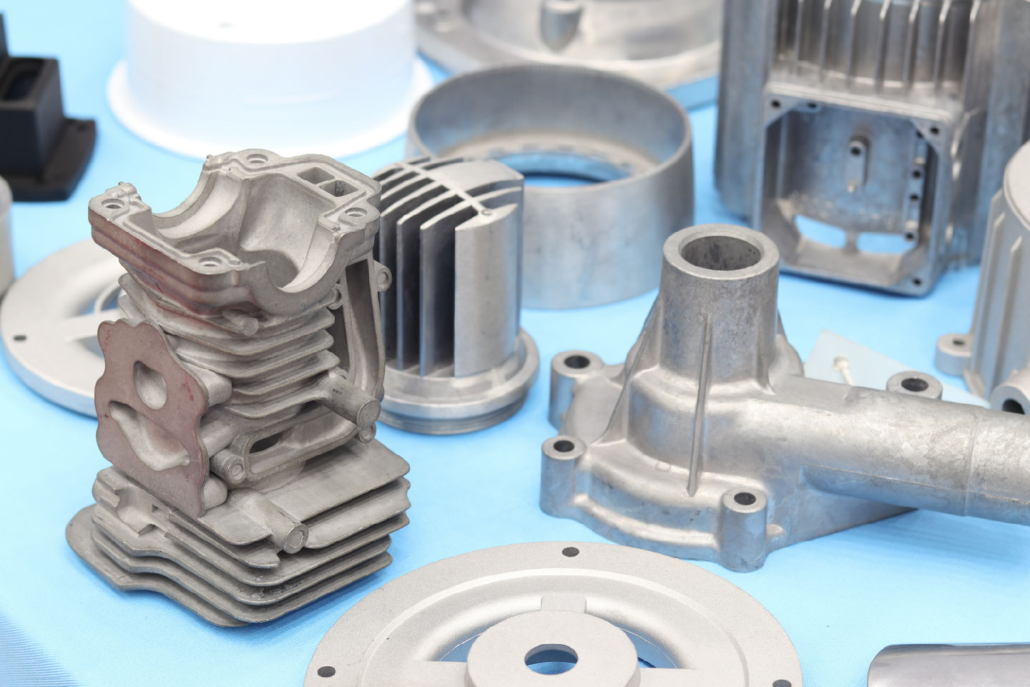
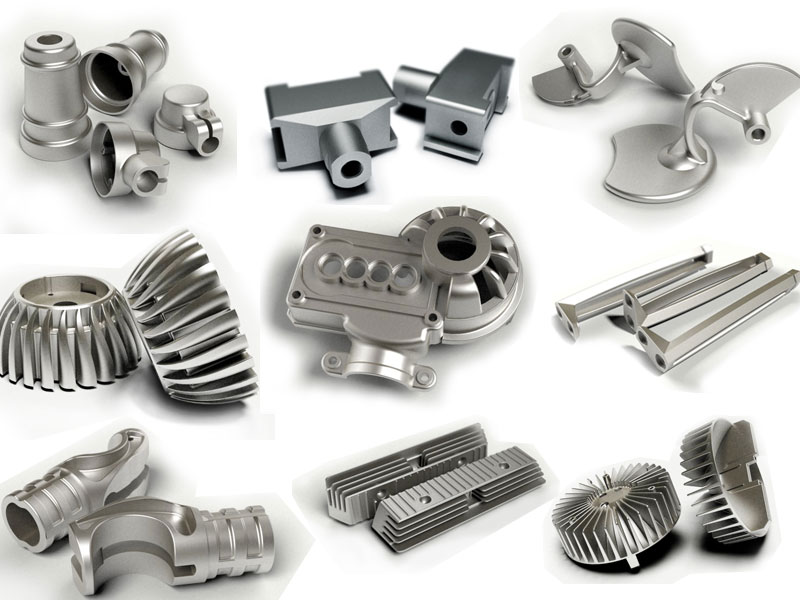
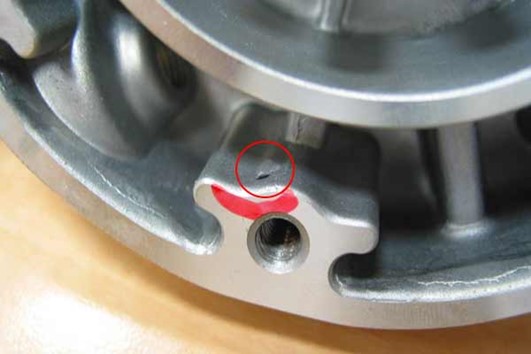
高圧ダイカスト(HPDC)は、現在の製造業で最も頻繁に利用されている金属鋳造プロセスの1つです。製造業者がHPDCを選択する理由は、高精度で迅速な生産速度、優れた寸法精度と滑らかな仕上げの両方を達成する複雑な金属部品の生産を可能にするからです。HPDCは、自動車や航空宇宙産業、電子部品や消費財の製造において、エンジンやハウジング、構造要素、機械組立品などの用途に使用される軽量で耐久性のある部品の製造を可能にします。高圧ダイカストの製造工程は、製品の品質を低下させ、寿命を縮め、性能を損なう重大な欠陥を生み出す多くのリスクに直面しています。様々な欠陥は、不適切な金型設計、乱れた溶湯の流れ、閉じ込められたガス、一貫性のない冷却速度、製造工程中の熱応力などから発生します。HPDC技術では、ポロシティ、コールド・シャット、収縮欠陥、フラッシュ形成、表面欠陥、ミスラン、金型浸食、はんだ付けといった7つの主要欠陥が発生します。これらのタイプの製造欠陥は、材料強度の劣化を引き起こすと同時に、不規則な寸法や望ましくない視覚効果を生じさせ、部品の故障を誘発する可能性がある。メーカー各社は、温度制御システムや真空アシスト鋳造手順とともに、加工パラメーターやより優れたアンダーマイニング方法を最適化することで、製造上の問題に対処しています。リアルタイムのモニタリングとシミュレーション・ソフトウェアは、ダイカスト・プロセスにおける効率と信頼性をさらに高める高度な品質管理手法です。この記事では、高圧ダイカスト技術における標準的な製造上の問題を包括的に分析し、これらの欠陥を減らすための根本原因と解決策を解説します。これらの課題を理解し、ベストプラクティスを適用することによってのみ、製造業者はダイカスト部品の品質、寿命、そしてもちろん性能を向上させ、同時に廃棄物や製造コストを削減することができるのです。これらの製造欠陥に習熟することは、ダイカスト・エンジニア、生産管理者、品質管理専門家が、最良のダイカスト鋳造結果を得るためにプロセスを最適化するのに役立ちます。1.その結果、機械的特性に影響を与え、強度を低下させ、空気やガスが構造体を通過し、ダイカスト製品の目に見える表面欠陥につながる。原因予防と解決策2.コールド・シャット コールド・シャットは、溶融金属の2つの流れが適切に融合せず、鋳造品に弱い接合部や目に見える継ぎ目が形成される場合に生じます。この欠陥は、機械的強度を低下させるだけでなく、破壊のリスクを高め、部品の耐久性と外観に悪影響を及ぼします。原因予防と解決策:3.収縮欠陥 収縮欠陥は、冷却中の金属の収縮が原因で発生し、鋳物の 構造的完全性を劣化させる内部ボイドや空洞につながる。その結果、これらの欠陥は最終製品の機械的強度を低下させ、応力下での潜在的な破損を引き起こし、表面品質の低下を引き起こすため、最終製品の機能性と美観の両方に影響を及ぼします。原因予防と解決策:4.フラッシュ形成 高圧の金属逃がしにより、パーティングラインやダイギャップに形成される余分な薄い金属層をフラッシュと呼ぶ。フラッシュは鋳造後に取り除くことができますが、過剰なフラッシュは材料の無駄、工具の摩耗、関連する生産コストの増加につながり、ダイカスト工程の全体的な効率を低下させます。原因予防と解決策5.表面欠陥(ブリスター、クラック、シワ)の検査 様々な表面欠陥、ブリスター、クラック、シワは、鋳物の外観と機械的強度を低下させるため、予防と除去が必要です。溶接欠陥の原因となり、製品の耐久性を低下させ、不合格率を増加させ、塗装やコーティングなどの鋳造後の処理後の製品の密着性を悪くする。原因予防と解決策:6.介在物および汚染 最終鋳造品に捕捉されるスラグ、酸化皮膜、汚れ、その他 の不純物などの不要な異物は、機械的特性の低下、構造的完全 性の低下、表面欠陥を引き起こし、介在物と呼ばれる。これらの異物が存在すると、ダイカスト部品の性能や耐久性が低下し、高精度の用途には適さなくなります。原因予防と解決策:7.ミスランと不完全な充填 ミスランは、金型キャビティへの充填が不十分な場合に発生し、最終部品に欠落部、薄肉部、弱点が生じます。部品の構造的完全性と機能性に悪影響を及ぼし、性能の高い用途には適しません。原因予防と解決策:8.金型の腐食と摩耗 溶融腐食金型の摩耗とは、高速の金属が必要な寸法に達するまで金型部品の表面を継続的に摩耗させるため、金型表面が損なわれることであり、その結果、表面仕上げが悪くなり、金型工具の寿命が短くなる。この欠陥が発生すると、金型の交換が一般的になり、その結果、鋳造品質が変化する一方で生産コストが上昇します。原因予防と解決策:9.熱割れ 金属の半凝固状態で、高い熱応力と過度の収縮により発生する割れを熱割れという。これらのクラックは鋳物の機械的完全性を低下させ、応力や荷重がかかった際にクラックが存在する箇所で鋳物が破損する可能性を高めます。原因:防止及び解決:10.はんだ付け 溶融金属が金型表面に付着し、鋳造で除去することが困難なため、表面欠陥、金型の磨耗、生産ダウンタイムの長期化を引き起こす。寸法の不正確さや表面仕上げの悪さもこの欠陥が原因で、最終製品の品質が全体的に損なわれる。原因予防と解決策結論 高圧ダイカストは、複雑な金属部品を高精度で最大の効率で製造する強力な製造プロセスです。しかし、不適切なプロセスパラメータ、材料の問題、および/または金型設計の欠陥を使用して、さまざまな種類の欠陥が発生します。製造業者は、これらの通常の製造欠陥を理解した上で、最適なプロセス制御金型、適切に選択された材料などの予防措置を講じることができます。企業は、欠陥防止戦略だけでなく、継続的なプロセス改善を重視することで、ダイカスト事業における製品品質の向上、生産コストの削減、生産効率の向上を達成することができます。よくある質問(FAQ) 1.高圧ダイカストで不良が発生する主な原因は何ですか?主な原因

正しい合金ダイカスト会社の選択:完全ガイド

正しい合金ダイカスト会社の選択:完全ガイド

アルミダイキャスト, ダイカスト会社

合金ダイカストは、高精度で耐久性があり、費用対効果の高い金属部品に大きく依存しているため、製造業にとって不可欠です。現代の製造業に革命的な影響を与えたこのプロセスは、複雑な金属部品を非常に高い精度と一貫性で大量生産することを可能にしました。自動車、航空宇宙、エレクトロニクス、医療、重機などのサービス産業において、合金ダイカスト鋳造会社として専門化された企業によって、それぞれのニーズに合わせた金属部品が製造されています。プロの合金ダイカスト鋳造会社は、業界標準に合った製品を提供するために、厳格な品質管理プロセスと相まって、最新の技術と高品質の材料を使用しています。適切な会社を選ぶことが重要であれば、何年も使える本当に信頼できる製品と、早期に故障してしまう欠陥部品のどちらかを一方的に選ぶことになるかもしれません。この記事では、合金ダイカスト鋳造の詳細な概要を説明し、その重要性、利点、最高の合金ダイカスト鋳造会社を選ぶ際に考慮すべき最も重要な要素を強調します。精密に設計された部品の製造を求める製造業者や、経済的な製造オプションを求める企業にとって、合金ダイカストの知識は不可欠です。合金ダイカストとは?溶融金属を金型(ダイ)に高圧で注入する金属製造プロセスを合金ダイカストと呼びます。この方法は、公差の厳しい複雑な形状の製造に広く使用されています。アルミニウム、亜鉛、マグネシウムなどの様々な金属合金がダイカストでよく使用されるのは、強度特性と耐食性に優れているからです。ダイカストで使用される合金の種類 ダイカストで使用される合金は、ダイカスト鋳造の過程で選択されたものに大きな影響を及ぼし、最終製品の強度や重量、耐食性、全体的な性能に直接つながります。合金は、その機械的特性、耐久性、必要な最終用途によって、産業によって異なります。ダイカストで最も一般的に使用される合金を以下に示します。1.アルミ合金 優れた熱伝導性と耐食性、軽量強度を併せ持つアルミダイカストは、世界中の研究者やメーカーに好まれています。耐久性があり、比較的軽い部品を必要とする産業では、この合金タイプが使用されます。主な特徴用途2.亜鉛合金 高強度、低融点、優れた精度を持っているため、亜鉛もダイカストでよく使用される合金です。小さくて細かい部品の製造に最適です。主な特徴用途3.マグネシウム合金 軽量であるため、強度を犠牲にすることなく軽量化を図りたい産業に非常に適しており、そのためこの金属はマグネシウムと名付けられた。主な特徴用途4.銅ベース合金 真鍮と青銅は、高い電気伝導性、耐食性、優れた耐摩耗性を持つ銅ベース合金の一例である。このような合金は、電気的および熱的性能が優れていなければならない用途に使用されます。主な特徴用途信頼できる合金ダイカスト会社と協力する利点 適切な合金ダイカスト会社は、業界標準に従った高品質の製品を選択することができます。主な利点は以下の通りです:1.高精度と一貫性 一流のダイカスト会社は、優れた機械設備と厳格な品質管理措置を備えており、欠陥の極めて少ない寸法を製造します。2.費用対効果 ダイカストは非常に効率的なプロセスであり、他の金属成形プロセスと比較して、最終製品の材料費とエネルギー費も大幅に削減できます。3.カスタマイズと多様性 カスタムソリューションベースの鋳造会社は、特定の業界の必要性に基づいたカスタムソリューションを提供し、さまざまな合金オプションを提供する評判の高い会社です。4.より速い生産と短いリードタイム 現代のダイカスト企業では、生産速度を高め、厳しい納期に対応するために、自動化システムが使用されています。5.耐久性と強度 合金ダイカスト部品は非常に耐久性が高いことがよく知られており、厳しい条件下での使用に適しています。最適な合金ダイカスト会社の選び方 ダイカストメーカーを選ぶ際には、以下の点を考慮する必要があります:1.1.経験と業界の専門知識 会社の実績、合金ダイカスト鋳造を何年も経験したことがあるかどうか、あなたの業界での試みが証明されているかどうかを確認します。2.2.品質証明書と規格 ビジネスが業界のコーデックに従っているかどうかを確認してください:3.3.高度な技術と設備 精度を維持し、肉体労働の必要性を減らすため、現代のダイカスト企業は、CNCマシン、真空鋳造、ロボットによる自動化などの設備を採用しています。4.材料の選択とカスタマイズ 複数の合金オプションとカスタマイズが可能な会社を持つことで、貴社が提供する特定のデザインを見つけることができます。5.強力なサプライチェーンと納期厳守 効率的な物流と迅速な納品は、信頼できるサプライヤーによってもたらされる。6.試作と試験能力 製品の試作と厳格な品質試験(X線検査と引張強度)が非常に重要です。7.競争力のある価格設定 価格だけが唯一の考慮事項であってはなりませんが、優れたダイカスト企業は、品質を犠牲にすることなく競争力のある価格を提供することができます。合金ダイカストを利用する産業 1.自動車産業 2.航空宇宙産業 3.電子産業 4.医療機器 5.消費者向け製品 合金ダイカストにおける課題と企業の克服方法 合金ダイカストはよく知られた製造工程であるが、いくつかの課題に直面し、品質、コスト、持続可能性に影響を及ぼしている。これらの課題を克服するために、大手合金ダイカスト企業は革新的なソリューションを導入しており、その結果、高品質の生産、コストの最適化、環境への影響の最小化を実現しています。1.気孔率と欠陥の管理 気孔率は、ダイカスト鋳造で遭遇する最も一般的な問題の一つで、金属内部にガス気泡や収縮空洞が発生します。また、部品の構造的完全性を低下させ、機能性に影響を与えることもあります。メーカーが真空アシストダイカストを使用することで、最小限の空気を封じ込め、金属密度を向上させることができます。さらに、気孔率は、圧密鋳造技術、金型の設計、および適切な鋳造方法を使用することによって減少させることができる。

ダイカストサプライヤー:プロセス、用途、主な考慮事項

ダイカストサプライヤー:プロセス、用途、主な考慮事項

ダイカストメーカー, ダイカストプロセス

It is one of the widely used metal manufacturing processes, and it is highly efficient: producing high precision, durable, and complex components for many Industries. It injects molten metal, like aluminium, Zinc, or magnesium, inside of a steel mold (die) at very high pressure. It provides uniformity, internal strength and smashing surface finishes making it the right choice for use in automotive, aerospace, electronics, medical equipment, as well as consumer goods. A die-casting supplier is a very important company for the manufacture of high-quality parts that satisfy the industry requirements. They are suppliers, who are especially involved in designing, manufacturing and finishing the components or parts utilizing metal with strict tolerances and intricate geometries. Choosing the right supplier matters a lot for the success of any die-casting project as a good supplier should possess adequate expertise, state-of-the-art technology, and a history of successfully delivering precise and low-cost parts.Die casting is efficient in mass production and produces lightweight, yet strong parts, and as a result, the demand for die casting is increasing worldwide. Examples include reducing the weight of a vehicle, and enhancing fuel efficiency, through the use of die-cast aluminum and magnesium components in the automotive industry. In the same way, the electronics industry employs die casting to make heat sinks, enclosures and structural parts that are prone to high durability and electrical conductivity. When looking for a die-casting supplier, one should consider not only manufacturing capabilities but, more importantly, their quality control process, material expertise, and anything that may be left up to the supplier, such as machining, coating, and finishing. This provides a well-established supplier, therefore, reducing lead times, minimal defects and cost-effective production.  In this article, the die-casting process, materials used, the applications, advantages and important considerations of choosing a die-casting supplier are covered. Metal parts required to meet industrial applications need high performance and a reliable supplier fulfils this criterion for both small-batch production and large-scale production. The Die Casting Process: Step-by-Step Guide 1. Mold Preparation Mold (die) preparation and design accompany the initial step of this process. The two-part steel dies consist of a stationary cover die section and the movable ejector die section. Applied lubrication helps the molded flow metallic material smoothly while stopping the material from clinging. 2. Molten Metal Injection The chosen metals aluminum and zinc along with magnesium undergo high-temperature melting. Due to high pressure between 1,500 to 25,000 psi the molten metal enters the mold cavity. High injection pressure produces both accurate and even parts with low levels of flaws. 3. Cooling and Solidification The molten metal quickly reaches solid form during this process when forming parts to their designated shape. The components achieve superior high-strength properties because of the fast cooling process. 4. Ejection of the Part After metal solidification, the mold opens while ejector pins extract the completed part from its chamber. One mold cycle ends when it closes before starting another round of production. 5. Trimming and Finishing Machinists remove all undesirable remnants including flash and both sprees and runners from the part. The component requires supplementary finishing actions which involve sandblasting together with powder coating and anodizing operations to develop superior looks alongside functionality. Differences between Hot Chamber and Cold Chamber die-casting The die-casting process operates in either hot chamber die-casting or cold chamber die-casting formats. The main difference exists in how molten metal receives treatment before mould injection during these two techniques. The two methods differ in specific strengths together with restrictions which make them suitable for particular materials and production needs. The following section provides an elaborate comparison between hot chamber die-casting systems along cold chamber die-casting systems. 1. Process Overview Hot Chamber Die Casting • It requires a built-in furnace, which keeps the metal in a molten state. • Injection system is immersed in the molten metal, sucking it through the injection of a center and supplying it to the mold cavity. • The process is faster since there is no need to convey the metal from an independent melting station as in other processes. Cold Chamber Die Casting • Utilizes an external furnace for heating the metal to produce the required change in its state. • The molten metal is either ladled manually or automatically into the injection system and then it is injected into the mold. • The process is slower than the hot chamber one because the extra step of transferring molten metal takes time. 2. Suitable Metals Hot Chamber Die Casting • Like metals that melt below this temperature such as those that are not suitable to erode the injection system. • Common raw materials include: zinc, magnesium, lead and tin. Cold Chamber Die Casting • Applied to work with metals that have high a melting point which tends to deform the hot chamber system. • Common materials: aluminum, brass, copper, and magnesium alloys. 3. Production Speed Hot Chamber Die Casting • Higher speed of operations normally ranging between 5 to 15 operation cycles per minute. • The direct metal feed helps in avoiding the use of the ladling process in the making of the product. Cold Chamber Die Casting • Some of the disadvantages are the slow cycle times because of manual or fully automated metal transfer. • Other factors may take longer in the cooling and solidification process in this case with some of the alloys. 4. Equipment Durability Hot Chamber Die Casting • The submerged injection system has short service life since it deals with low-melting-point metals. • Longer equipment lifespan with proper maintenance. Cold Chamber Die Casting • Wear and tear increases with the rise in high temperatures especially in the case of aluminum and copper alloys. • Furniture and equipment may last for a shorter time and, therefore, may need constant replacement and maintenance. 5. Cost and Efficiency Hot Chamber Die Casting • High production since the time taken to complete a production cycle is short. • Lower operational costs because of integrated metal handling. Cold Chamber Die Casting • Increased energy costs by

ダイカスト金型:精密製造の礎石

ダイカスト金型:精密製造の礎石

アルミ鋳造

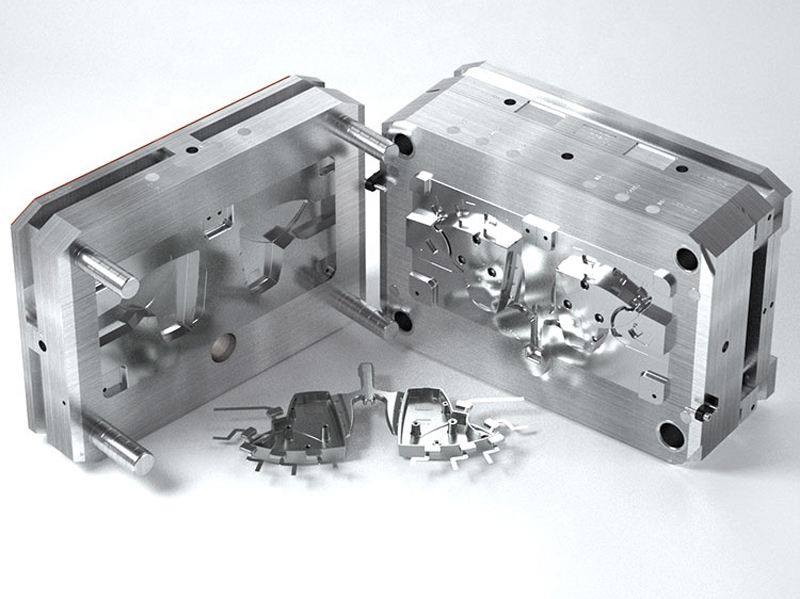
現代の製造業の世界はダイカスト金型に囲まれているため、ダイカスト金型が精密で信頼性の高い金属部品を製造する上で重要なステップとなっているのも不思議ではありません。自動車部品であれ家電製品であれ、その目的は、耐久性、機能、外観に関して最高の品質基準を満たす製品であることです。ダイカスト金型から部品を製造するコストは、当初は高くなりますが、その反面、材料の無駄が減り、製造サイクルタイムが短縮され、複雑な設計でも後処理をほとんど必要とせずに製造できるようになります。冷却システムの進歩や、交換用インサート、表面コーティングなどのより効率的な代替部品により、効率と耐久性が向上しただけでなく、グリッドの摩耗が少なくなり、電気系統のパージも改善されました。ダイカスト金型とは?ダイカスト金型とは、ダイカスト金型用のツールとプロセスを意味します。これらの金型はまた、溶融金属を高圧下で複雑で正確な部品に成形します。高度なダイカスト金型のエンジニアリングには、材料と綿密な設計の実践、そして一貫して欠陥のない部品の生産を促進する高度なエンジニアリング技術が必要です。まず、金属(通常はアルミニウム、亜鉛、マグネシウム)が溶かされ、高圧下で金型に通されます。最終製品の品質は金型の精度に左右されるため、ダイカスト金型は工業生産に不可欠なのです。ダイカスト金型の構成要素 ダイカストの工程は精密な製造工程であり、高品質の金属部品を製造するために必要な一連の工具に大きく依存しています。これらのツールの組み合わせは、正確で耐久性があり、効率的です。ダイカストで使用される最も一般的な工具を以下に示す。1.金型 プロセスで最も重要な工具は金型であり、モールドとも呼ばれる。金型は2つの部分から構成されています:- カバーダイ:射出システムに対して静止し、整列している。- エジェクターダイの場合は、凝固した鋳物を放出するために移動します。極端な圧力や高温に耐えられるよう、金型には硬化鋼が使用される。金型は、どのような寸法を作るか、最終製品がどのような複雑さを持つか、どの程度の精度を持つかを設定します。 2.キャビティ・インサート 金型の内部形状は、複雑なものを作るためにキャビティ・インサートによって形成される。このため、これらのインサートは交換可能であり、新しい工具を製作することなく、異なる部品用にダイを変更することが容易である。3.コアピン 内孔、スロット、または複雑な凹部を製造するには、コアピンを使用して内部形状を作成します。完成品や可能な限り最高品質の製品を得るためには、コアピンが必要である。4.エジェクターピン 完成した鋳物は、エジェクターピンによってダイキャビティから破損することなく取り出されます。このピンはエジェクションシステムに使用され、スムーズで簡単な部品取り出しのために与えられます。5.冷却溝 金型には冷却溝があり、鋳造時の温度を調整することができます。均一に冷却することで、反りや割れ、収縮などの不具合を防ぎ、品質を一定に保つことができます。6.ベントとオーバーフローウェル 溶湯が金型に注入される際に、ベントから閉じ込められた空気が放出され、余分な材料を回収するためにオーバーフローウェルが使用されます。最終製品にはボイドやエアポケットがなく、どちらのツールもそれに適している。7.トリム金型 トリム金型は、鋳物から余分な材料、すなわちバリなどを除去するための特殊な工具です。最終製品のきれいなエッジと正確な寸法が保証されます。8.潤滑システム 金型は、摩耗を最小限に抑え、摩擦を減らし、また部品の取り外しを容易にするために、いくつかの水性潤滑剤で潤滑されます。適切な形での潤滑は、ダイの寿命を向上させ、ダイのシャットオフを防止し、スムーズな鋳造作業を保証します。9.ショットスリーブ 射出システムのガイドは、溶融金属をダイキャビティに導くショットスリーブである。極度の熱と圧力に耐えるように設計されているため、メタルフローをスムーズにします。10.スプレー 溶融金属が金型に付着するのを防ぎ、部品の取り外しを容易にするために、スプレーを用いて金型内に離型剤を塗布する。つまり、自動車、航空宇宙、電子機器などの産業にとって不可欠な、高品質で欠陥のない一貫した部品を提供するために、これらのツールが連携しているのです。ダイカスト金型の種類 ダイカスト金型には、1つのサイズですべてを満たすものはありません。生産要件に応じて、様々なタイプの金型が設計されます。シングルキャビティ金型:このタイプの金型は、1サイクルで1つの部品を生産します。少量生産やプロトタイピングに適しています。マルチキャビティ金型:マルチキャビティツーリングは、複数の同一部品の同時生産を可能にし、生産効率を向上させます。大量生産に適しています。ファミリー・ツーリング:ツーリング全体が革新的な方法で、1サイクルで多くの異なる部品を生産します。特に一緒に製造される部品を組み立てる場合に適しています。ユニットダイ金型:モジュラーユニット金型は、金型全体を再作図することなく、インサートタイプや金型の一部を置き換えることができます。これにより、コストとダウンタイムが削減されます。トリム金型:完成部品から余分な材料(バリ)を取り除くために使用され、完成部品が正確な仕様を満たしていることを確認します。ダイカスト金型の利点 現在、ダイカスト金型は多くの利点があり、必要不可欠なものとなっています:精度と正確さ: ダイカスト鋳造では、高い寸法精度はもちろんのこと、比較的厳しい公差での部品製造、複雑な設計が可能です。耐久性:これらの金型は硬質鋼製で、高圧鋳造の過酷な使用にも耐えることができます。効率性:このプロセスでは、スクラップをあまり出さずに同一の部品をすばやく経済的に生産できるため、大規模生産でも経済的です。設計の柔軟性:ダイカスト金型では、他の製造方法では不可能な複雑な形状、薄い壁、複雑な細部が可能です。材料の節約:

アルミニウム粉体塗装:知っておくべきことすべて!

アルミ鋳造

アルミニウム粉体塗装は、部品を腐食から強力に保護し、耐久性を高めます。これは、住宅および商業規模のプロジェクトの両方に最適です。 このコーティングプロセスにより、メーカーは信頼性と長寿命を実現することができます。パウダーコーティングは、部品/製品の外観を向上させるだけでなく、さまざまな状況での性能も向上させます。さらに、摩耗しにくく、剥がれにくく、錆びにくい。そのため、風雨にさらされる場所での使用に適しています。これは、さまざまな用途における粉体塗装アルミニウムの柔軟性によるところが大きいのです。多くの可能性において、アルミニウムは様々な文脈で実用的な対象として機能する必要性とファッション性を融合させています。アルミニウム粉体塗装プロセスとは?アルミニウム粉体塗装は、滑らかで強靭な層を塗布するプロセスです。比較的効果的で、コーティングを実施するための表面処理と、耐久性を最大化するためのコーティング材の硬化にいくつかの重要な段階を要します。以下では、その詳細な工程をいくつかのステップに分けて説明しよう: 1.表面処理:アルミニウムの粉体塗装を適切に行うには、事前にアルミニウムの表面をきれいにすることが重要です。研磨ブラストを使用することもできますし、化学洗浄で表面の油脂、汚れ、酸化を取り除くこともできます。事前準備が重要です。すべての汚染物質は、接着剤特性のアルミニウム粉体塗装部品から利益を得ることができるからです。2.静電粉体塗装:材料を洗浄し、乾燥させた後、適切な粉体塗装を施します。作業者は静電ガンを使い、アルミニウムの表面に微細で乾燥した粉末を使って放電を起こします。粉体の粒子は、アルミニウムに付着できるように帯電しています。そのため、均一な分布が表面に均一な終わりを与える。3.高温での最終硬化:パウダーを塗布した後、アルミニウム片は硬化オーブンに運ばれます。ここで微粉末が溶け、コーティングされる表面に入り込みます。その間に硬化して被膜の表面を形成する。温度と時間は、コーティングの硬さと硬化後の表面の滑らかさを決める最も重要な要素である。4.冷却と品質検査:工程後に発生した可能性のある欠陥。硬化後に得られる最終製品は、市場に出される前に高品質であることを確認する必要がある。このように、最初から最後まで、すべての工程がアルミニウムに長持ちし、人目を引く層を形成するために重要な役割を果たしています。さらに、腐食や傷、劣化に対抗するのにも役立ちます。そのため、パウダーコートアルミニウムは、家庭用、デッキやパティオセットなどの屋外用、海洋産業用など、さまざまな分野での使用に適しています。パウダーコート・アルミニウム:アルミ粉体塗装が製造業者にもたらすメリット アルミ粉体塗装は、外観や性能の向上以外にも、製造業者にとって多くのメリットがあります。このタイプの加熱は、効果的で耐久性があり、非常に柔軟であることを強調することができます。それでは、アルミコート加工の主な利点を挙げてみましょう。1.耐久性と腐食防止:使用されるパウダーコートはアルミニウム製で、耐久性のある表面層を提供します。この層は通常の塗料よりも傷に強く、欠けにくく、耐摩耗性に優れています。しかし、何十年も持つわけではありません!この材料はまた異なった気候および腐食および衰退をそれぞれもたらす水の下で高性能をもたらします。2.環境に優しく安全: 液体塗料には、液体、溶剤、揮発性の有害成分が含まれていますが、粉体塗料にはそのようなものは含まれていません。第二に、公害の発生が少なく、有毒ガスの発生や放出もありません。さらに、環境に害を与える可能性が低く、作業者にとっても比較的安全である。3.カスタマイズ可能な仕上げ:アルミニウムは熱伝導性に優れているため、粉体塗装ではさまざまな色や質感を選ぶことができます。光沢のある仕上げ、サテン仕上げ、あるいはこて仕上げなど、粉体塗装では後者の仕上げが可能です。さらに、特定のデザインニーズやブランド仕様に合わせてコーティングを調整することも可能です。4.費用対効果の高いソリューション:アルミニウムは、大規模な仕事でも比較的低コストで粉体塗装ができる人気の素材です。一般的な塗料に比べ、短時間で仕上がり、リタッチの必要も少なく、寿命も長い。これらの特徴により、メンテナンスが簡単で長持ちするため、商業用や住宅用として理想的です。粉体塗装アルミニウムの欠点は何ですか?アルミ粉体塗装にはメリットがありますが、デメリットもあります。結論を出す前に、両方のオプションを検討する必要があります。ここでは通常のものをいくつか紹介します:1.修理の可能性の制限:粉体塗装の第一の欠点は、塗装面の補修方法が比較的少ないことです。一般的に、コーティングが破損したり、傷がついたりした場合、目立たないように修復することは困難です。塗装の問題は、小さな部分にスポットペイントを施しても、質感や色が変わってしまうことだ。2.初期費用と設備:もうひとつのデメリットは、粉体塗装の設備にかかる初期費用が大きいことだ。高速静電ガンや硬化炉などが必要です。しかし、これらは簡易的な塗装方法に比べ、特に中・小規模の塗装ではコストが高くなりがちです。3.表面処理の複雑さ:表面処理は粉体塗料を塗布する上で非常に重要な要素である。アルミニウム表面の洗浄と下地処理が十分でないと、塗料はアルミニウム表面にうまく付着しません。下地作りは手間がかかるため、作業完了までに多くの時間がかかり、疲れる。4.用途によっては適しているアルミニウム粉体塗装はアルミニウム合金にのみ適している。しかし、他の種類の素材や、スクリーンの構造に複雑なパターンを使用する場合には、メリットがない場合があります。非常に細かい部分や小さな部品では、プロセスが意図したとおりに機能しないことがあり、さらなる工程が必要になることがよくあります。粉体塗装の意味

アルミニウム合金ダイカスト製品

アルミ合金ダイカスト101

アルミ鋳造

アルミニウム合金のダイカスト鋳造は、正確で複雑な金属部品を効率的に製造する製造業で広く使用されているダイカストプロセスです。この場合、私たちは、非常に強く、同時に軽量である能力のために様々な用途を持っている金属を挙げることができます。これに加えて、実用的に耐食性のあるもの、すなわちアルミニウム合金は、特に自動車製造に人気がある。この記事では、アルミニウム合金のダイカストのプロセス、特性、課題、およびアプリケーションなどの領域についても見ていきます。その完全なプロセス、種類、他のプロセスとの違いについて深く洞察します。ダイカストとは?ダイカストは、溶融金属を金型のキャビティに充填するために高圧を利用する製造プロセスです。また、ニアネットシェイプ、正確な寸法の表面仕上げ、複雑な形状を持つ優れたモデルを生成することができます。ダイカストの種類 ダイカストには多くの種類があります。1.ホットチャンバーダイカスト 亜鉛やマグネシウム合金に適しています。このプロセスは、迅速な鋳造を容易にするために、溶融金属中に射出システムを浸漬します。大量生産には最適ですが、高融点合金の利用には不向きです。詳しくは亜鉛ダイカストをご覧ください。コールド・チャンバー・ダイカスト アルミニウムや真鍮などの高融点金属に最適です。溶湯をコールドチャンバーに移し、金型に注入します。設備への熱負荷は軽減されますが、動作サイクルは長くなります。このプロセスの詳細については、アルミダイカスト・サービスのページをご覧ください。3.低圧ダイカスト 低圧ダイカストは、アルミニウムやマグネシウム合金で使用されます。低圧ダイカスト鋳造は、アルミニウムやマグネシウム合金で使用されます。その上、それは時間がかかるが、製品のより強い部分を作成するのに適しています。4.高圧ダイカスト(HPDC) アルミニウム、亜鉛、マグネシウム合金で一般的。非常に高い圧力で溶融金属を注入し、複雑な形状や微細な表面形状に仕上げます。そのため、生産量の多い部品を必要とする用途に非常に適しており、断面の大きな部分は多孔質である可能性があります。詳しくは高圧ダイカストのページをご覧ください。5.グラビティダイカスト(Gravity Die Casting) スタンディングプレッシャーを用いて溶融金属を金型に鋳造することで、強度が高く、気孔率の低い成形品が得られます。一度に生産する部品数が少ない生産ラインで使用されますが、圧力を使用するプロセスよりも比較的時間がかかります。7.スクイズダイカスト 溶湯を高圧にする加圧鍛造法で半製品を作ります。部品の構造に適していますが、コストが高く、サイクルタイムが遅いという欠点があります。アルミニウム合金ダイカストの定義 アルミニウム合金ダイカストは、溶融アルミニウム合金材料を金型またはダイスに圧力下で押し込むプロセスです。そのため、所望の形状と非常に滑らかな表面仕上げを形成することができます。高強度、高剛性、低密度が要求される複雑な形状の部品製造に採用され、良好な表面仕上げと正確な寸法が要求されます。アルミニウム合金は、高い腐食係数と熱伝導係数、硬度重量比という有利な特性をすべて備えています。このプロセスの利点の一つは、ダイカストが大規模な生産工程に適していることです。アルミ合金のダイカスト鋳造に適した材料の選択 アルミ合金のダイカスト鋳造ビジネスにおいて、使用される材料は、最終製品の効率、品質、信頼性、およびコストを決定するため、非常に重要です。適切に選択された合金は、確実なものとなります:ダイカストにおけるアルミニウム合金 ダイカスト用アルミニウム合金は、軽量、高強度、耐食性など、金型に望ましい性質を持つ材料であるため、多くの産業で一般的に使用されています。A380 強靭、耐食性 エンジンブロック、ハウジング 強度:320 MPa A383 耐クラック性、鋳造可能 電子機器、薄型部品 強度:290 MPa A360 耐食性、耐久性 海洋、航空宇宙 強度:330 MPa ADC12 鋳造可能、耐食性 自動車、機械 強度:310 MPa310 MPa AlSi9Cu3 強力、耐摩耗性 構造部品 強度:250~280 MPa アルミニウム合金ダイカストの完全なプロセス アルミニウムダイカストは、溶融アルミニウム合金に圧力を加えることで、精巧で正確な最初の部品を形成します。以下は主要な段階です:1.金型の準備 2.溶解と合金の選択 アルミニウム合金は、炉の中で摂氏約660度(華氏1220度)の温度でろう付けされます。このアルミニウムは、金属の材料特性を保持するため、比較的一定の温度に保たれます。3.インジェクション 高圧を使用することで、溶けたアルミニウムが小さな隙間まで確実に流れ込み、優れた仕上がりになります。4.冷却と凝固 得られた溶融アルミニウムが所定の金型内で冷却され、凝固するプロセスです。冷却することで、鋳鉄の乾燥によって生じる収縮や反りなどの欠陥を最小限に抑えます。5.排出 最後に鋳物が完全に成形されると、エジェクターピンを使用して鋳型が鋳物から排出されます。鋳型は、Epicorソフトウェアを使用して次のサイクルで使用する準備が整います。6.トリミングと仕上げ 必要に応じて、鋳物から湯道、湯口、バリが取り除かれ、必要な形だけが残されます。サンドブラスト、研磨、コーティングなど、必要な表面仕上げを行う作業もあります。ダイカストアルミニウム合金の特性 それでは、ダイカストアルミニウム合金の重要な機械的、化学的、熱的特性について説明しましょう。熱的性質 ダイカスト用アルミニウム合金の熱的性質には、以下のようなものがあります。耐薬品性:これらの特性により、アルミニウム合金は、様々な分野で有効なダイカスト用高級材料となっています。アルミ合金ダイカストの設計ガイド 設計ガイドと材料の選択、両方の機能は、アルミダイカストで重要な役割を果たしています。そこで、設計ガイドについて正しく説明しましょう。設計要因ガイドライン理由肉厚キープ

アルミダイカスト会社

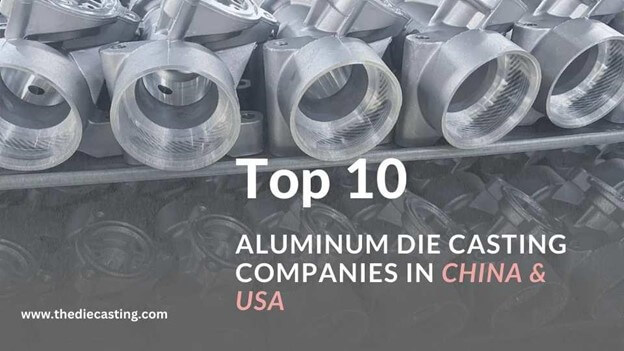
中国と米国のアルミダイカスト企業トップ10

ダイカスト会社

Are you looking for Top Aluminum Die Casting Companies in the world’s industrial powerhouses? The USA and China have become significant participants in global aluminum die-casting services over decades by offering an array of services to fulfill precision-demanding sectors. Like in any business field, the project’s success usually depends on the partner you select. The most reputable, experienced die-cast companies always guarantee high-end products formulations, and satisfied outcomes. Due to diverse aluminum die-casting companies in the USA and China, it sometimes becomes challenging to figure out the right partner for your business. Don’t fret— We will compare the leading 10 Aluminum Die Casting Companies in China & USA in this article. 1. Sincere Tech Co., Ltd. Year Established: Over 15 years Core Business Capabilities: Plastic molding, aluminum, magnesium, and zinc die casting molds/tooling, machining, surface finishing, and Prodcut assembly services. Address: Building 1, No. 30 Huan Zhen Rd, Shang Dong Village, Qi Shi Town, Dongguan City, Guangdong Province, China, P.C.: 523000 Website: www.plasticmold.net Company Overview: Sincere Tech Co., Ltd. is a the leading aluminum die casting and mold facotry in China that is located in Dongguan, China. It mainly focuses on the highly precise plastic injection mold, aluminum die-casting mold, magnesium, and zinc die-casting, and plastic molding. Originally founded over 15 years ago, the company has grown to develop exceptional tooling and die-casting capabilities for a broad range of industries. Established with modern technology and experienced staff, Sincere Tech provides precise products that conform to modern industry standards. For clients in the computer peripheral industry that need die-cast parts and/or plastic injection parts, Sincere Tech can handle design, manufacturing, assembly, and other related services to provide the best quality and lowest cost through one-stop-shopping. Key Services Their Commitment to Quality: Sincere Tech’s team makes sure every product they develop conforms to the high-quality standards of the sphere. They entail sound quality control measures that encompass each stage of product development, including design and physical prototyping, assembly included. The firm employs an automated system and also incorporates manual checks on the products to notice any flaws during the production process. As highlighted, Sincere Tech is an ISO-certified company that helps validate the firm’s anvil on credible and long-lasting products. Industries Served: Sincere Tech serves a diverse range of industries, including: Why Choose Sincere Tech? Sincere Tech is your comprehensive solution provider for Aluminum die-cast part solutions. They have been in the business for over 15 years, and provide custom services such as design, prototyping, tooling, production, and assembly. The company presents its solutions at a lower price while preserving the highest quality level. It also provides good quotes and fast turnaround time for small and large complex projects whether you are planning for a few prototypes or 1000s of production parts. If you are looking for aluminum die casting companies in China that could offer you product design and development, product assembly, aluminum die casting and plastic injection molding, then they will be one of your best options. 2. GC Precision Mold – One of Aluminum Die Casting Companies in China Year Established: 2005Core Business Capabilities: Aluminum die casting (ADC12, A380, AL 6061, 6063 die casting), zinc die casting, precision CNC machining, and assembly.Address: Dongguan City Qiaotou Town, Jinglian No.40, Donghu Road, Guangdong Province, China.Website: www.thediecasting.com Company Introduction: GC Precision Mold is ranked among the large B2B Aluminum China Die Casting Companies. It was established in 1999. The company provides services such as aluminum, magnesium, and zinc-casting services to different industries across the globe. Besides general die casting, they also offer surpassed precision CNC machining, surface finishing as well and assembling services. By employing contemporary means and skilled professionals, GC Precision Mold offers its customers standard-quality products. They produce intricate engineering part and tolerance and with Six Sigma Surface Finish. The company ensures that its clients will obtain solutions including the design processes up to fabrication of the intended parts down to the final assembly of the particular molds, which fits the specific figures to the last detail. Their Commitment to Quality: GC Precision Mold manufactures products that always follow rigorous quality standards like ISO 9001:2015. It dictates high-quality products for its clientele. The company has a comprehensive quality control procedure which guarantees the products meet the set standard and are acceptable to the market. Industries Served: GC Precision Mold serves a wide range of industries, including: Why Choose GC Precision Mold? GC Precision Mold employs modern technology with skilled manpower to ensure a satisfied customer experience. Whether a client needs high-volume production or prototype service, GC Precision Mold provides the best on-demand high-quality service on a constrained budget. If you are looking for accurate aluminum die-casting solutions in China you can trust GC Precision mold. Feel free to request an instant online quote! If you are looking for aluminum die casting companies in China that could offer you 6061 and 6063 high pressure die casting, product assembly and plastic injection molding, then they will be one of your best options. 3. CNM Casting Year Established: Over 20 years Core Business Capabilities: Aluminum, magnesium, and zinc die casting, precision CNC machining, surface finishing, and assembly. Address: Room 101, No. 40, Donghu Road, Jinglian, Qiaotou Town, Dongguan City, Guangdong Province, China, P.C.: 523520 Website: www.thediecasting.com Company Introduction: CNM Tech Co., Ltd. was founded over 20 years ago. The company is located in Dongguan, China, and provides a wide set of die-casting services that involve aluminum, magnesium, as well as zinc alloys. They also make complicated castings and precise casting with the industrial application of automobile, electronics, aerospace, and home electric appliances. CNM Tech aims to deliver forth-durable, and highly complicated parts with fine features and spacial dimensions chiefly attributable to the ultra-modern equipment and human resource capital at its disposal. They serve customers who require modest quantities of prototypes as well as clients who require sizable production batches at inexpensive rates without compromising the quality. Another critical aspect of CNM Tech is close cooperation with the customer, as well as the

ダイカスト部品

ザマック3とザマック5合金の違い

ザマック3, ザマック5

Zamak alloys used commonly in die casting have attractive characteristics which include versatility, strength, and durability. Of all the Zinc die-casting alloys, Zamak3 and Zamak5 are the most prevalent due to their special characteristics and the versatility of the application areas. To avoid compromising its functions, it is important for manufacturers and engineers who make choices to learn and distinguish the various qualities of those alloys. This guide discusses all the differences and similarities between Zamak 3 and Zamak 5 as well as their use in multiple settings and their capabilities. What is Zamak? Zamak, a term that is an acronym for Zinc, Aluminum, Magnesium, and Kupfer, (original German for copper), denotes a group of zinc-based alloys widely used for die casting. Some of the properties that make these alloys desirable is; polished appearance, precise dimension, and high corrosion resistance. The Zamak type of alloy varies depending on the proportion of aluminum, magnesium, and copper it contains. The two common forms are Zamak 3 and Zamak 5, which have Different settings of parameters for different industries. Chemical Composition of Zamak 3 and Zamak 5 This is because the performance of Zamak 3 and Zamak 5 depends on the chemical composition. These two alloys contain major proportions of zinc but they differ in secondary elements which result in different properties. Element Zamak 3 Composition (%) Zamak 5 Composition (%)   Zinc (Zn) ~96 ~95.5 Aluminum (Al) ~3.9 ~3.9 Magnesium (Mg) ~0.04 ~0.04 Copper (Cu) 0 ~0.75 Key Differences Zamak 3 lacks copper, giving it slightly better corrosion resistance in specific environments. Zamak 5 contains about 0.75% copper, enhancing its strength and hardness. Mechanical Properties Comparison It is for this reason that Zamak 3 and Zamak 5 have some variations of the mechanical properties, which are a result of the differences in their formulation. This affects their usage as well as working efficiency under different circumstances. Table: Mechanical Properties of Zamak 3 vs. Zamak 5 Property Zamak 3 Zamak 5   Density (g/cm³) 6.6 6.7 Yield Strength (Mpa) 220 250 Elongation (%) 10 7 Hardness (Brinell) 82 90 Impact Strength (J) Higher than Zamak 5 Lower than Zamak 3 Analysis Strength: Zamak 5 has higher tensile and yield strength, making it more robust for demanding applications. Ductility: Zamak 3 exhibits better elongation and impact resistance, suitable for parts requiring flexibility. Hardness: Zamak 5’s higher hardness ensures better wear resistance. Applications of Zamak 3 and Zamak 5 die casting products Namely, the properties of Zamak 3 and Zamak 5 make them suitable for particular uses. Zamak 3 casting Applications Consumer Goods: Commonly seen on die-cast end products such as car door handles, zippers, and other small ornamental parts. Electronics: Zamak 3 die casting parts can also maintain a more stable dimension than other die-cast alloys, especially for housing or enclosure applications. Toys: Otherwise known for its good surface finish and easy-to-machine material, many die cast toys made with zamak 3 die casting process Zamak 5 die casting Applications Automotive Industry: Owing to high strength, Zamak 5 alloy die casting parts are used in the structural and functional parts of a variety of apparatus. Hardware: Writing instrument parts – zinc die casting hinges, brackets, locks, benefit from its increased hardness. Industrial Equipment: Zamak 5 die casting parts are the choice for all the zinc alloy parts experiencing high stresses. Table: Applications by Industry Industry Zamak 3 die casting   Zamak 5 die casting Consumer Goods Small decorative items Heavy-duty functional parts Automotive Low-stress interior parts High-stress structural parts Electronics Precision housings Heat-resistant components Advantages and Limitations Advantages of Zamak 3 die casting products Cost-Effective: Lower material cost compared to Zamak 5 alloys. Corrosion Resistance: Excellent in environments where copper would accelerate corrosion. Ease of Casting: Offers better fluidity during zinc die casting manufacturing process. Advantages of Zamak 5 die casting products Strength and Hardness: Higher mechanical strength and wear resistance. Durability: Better suited for high-stress applications. Surface Treatment: Enhanced suitability for plating and finishing. Limitations Zamak 3:      Maintenance of limited power when required to operate under high stress conditions. Zamak 5: This is another reason for a slightly lower corrosion resistance at higher concentrations of                                        copper present in the alloy. Die Casting Zamak 3 vs. Die Casting Zamak 5                Die casting is a process of forcing a metal at high pressure into a mold cavity. Both die-casting Zamak 3 and die-casting Zamak 5 excel in producing intricate shapes with tight tolerances, but there are notable differences: Parameter Die Casting Zamak 3 Die Casting Zamak 5 Fluidity Superior Slightly lower Shrinkage Minimal Slightly higher Casting Temperature Lower (~380°C) Slightly higher (~385°C) Machinability Excellent Good Die Casting Process Overview  Key Considerations: Ease of Use: Zamak 3 die casting also has drawing advantages over the other because of its comparatively lower casting temperature and better fluidity. Stress Tolerance: Therefore, Zamak 5 die casting can be used in an application with robust parts and components. Choosing the Right Alloy Factors to Consider Application Requirements: For applications that need high dimensional stability, corrosion resistance, and low-stress bearing: the Zamak 3 alloy material should be used. When selecting for strength and hardness choose Zamak 5 alloy for parts that require high levels of durability, and lower stress tolerance. Cost: It is observed that Zamak 3 alloy is slightly cheaper than Zamak 5 alloy. Environment: Zamak 3 may do better in corrosive circumstances because of a lack of copper in the alloy. Decision Table: Zamak 3 vs. Zamak 5 Requirement Recommended Alloy   High strength Zamak 5 alloy Cost efficiency Zamak 3 alloy Corrosion resistance Zamak 3 alloy Wear resistance Zamak 5 alloy Practical Use Cases for Zamak 3 and Zamak 5 Thus, we will investigate how adopted scenarios of Zamak 3 and Zamak 5 work in practice. This will also make clear to them the benefits and the nature of their applicability to certain functions. Zamak 3 in Practice  Electronics Industry: Zamak 3 die casting is used predominantly for applications in

亜鉛ダイカスト メーカー 中国

中国と米国の亜鉛ダイカスト会社ベスト11

ダイカスト部品, 亜鉛ダイカスト

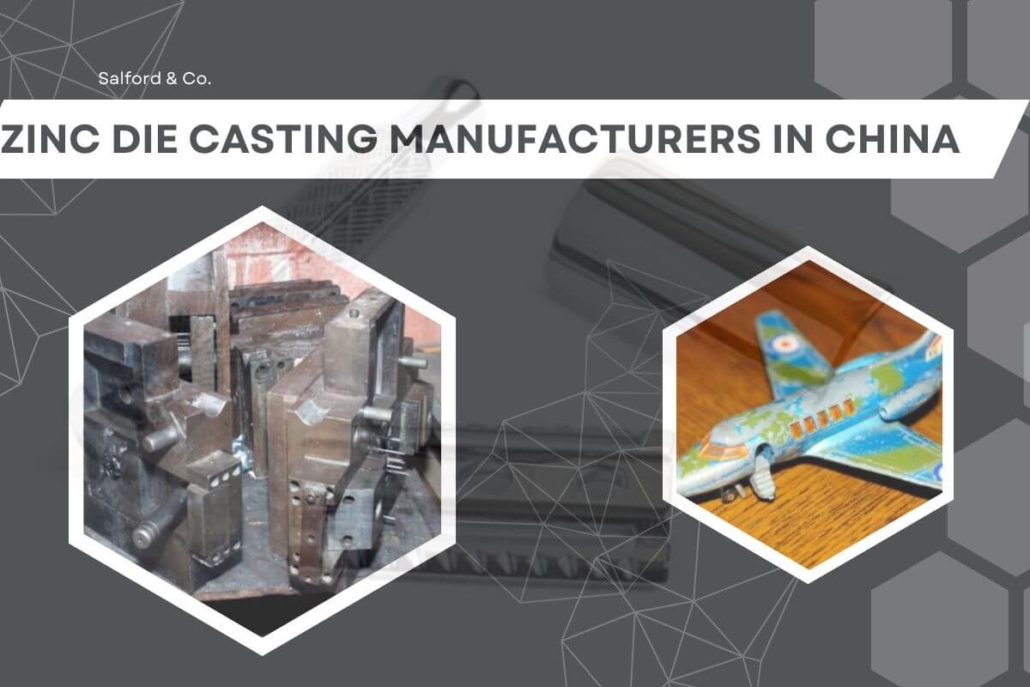
If you have metal alloy casting parts that require a high quality surface finish, such as polishing, plating, or electronic plating, then you should look for zinc die casting parts. Zinc or zamak die casting is frequently used in the production of precisely decorative parts, building accessories, door and window accessories, door hingers, die cast models, and other similar alloy products. The purpose of this article is to provide you with a concise introduction to the best 11 zinc die casting companies in China and the United States of America, as well as their casting capabilities and competitive advantages. With that in mind, let’s take a look at some of the most well-known businesses in this extensive guide. 1. Dongguan Sincere Tech Co., Ltd Dongguan Sincere Tech Co., Ltd is a mold manufacturer and zinc die casting company based in China. High-quality injection molds are the specialty of the company. It provides die-casting molds of aluminum, zinc, and magnesium along with the accuracy in plastic molding as well as molding. Services offered are for automotive, medical, and other sectors. The customers gain precision reliability and competitive charges for all the projects offered. The use of high-quality machines and equipment means that there is quality output with minimal deviations. Oversight of each project is left in the hands of skilled professionals to ensure that high standards are followed. The company has established a reputation as one of the leading companies because international clients have confidence in Dongguan Sincere Tech for success. Services Offered Dongguan Sincere Tech provides clients with a wide range of product development solutions. It ranges from the design process to the creation of prototypes, from production design to actual mass manufacturing. That is why mold creation and tooling services are considered to incorporate high precision of output product assembly, testing, and packaging. The company has immense experience in Die casting and plastic molding. Every move is performed with precision and clarity. The company makes sure that its products are according to the industry standards and values. Quick turnaround times and good results are guaranteed. Why Choose Dongguan Sincere Tech? Quality, precision, and reliability are the core values of Dongguan Sincere Tech Company. Quality assurance measures applied to the greatest level ensure the high quality and standards of the product. Raw materials of fine quality are used in the production of various products. The sophistication of manufacturing processes is used for better sturdiness. Every client is provided with high-performance and low-cost services. Accuracy and durability are the foremost aspects of designing the product. Professionals receive optimum levels of satisfaction in the services they offer to the customers as well as the products they manufacture. If you are seeking reliable and affordable molds, then Sincere Tech is a company you should look at. If you are looking for plastic injection molding, product assembly services China, and zinc die casting companies in China, you are welcome to contact with them for price. 2. GC Precision Mold Co., Ltd. GC Precision Mold Co., Ltd. is a leading Zinc die casting company in China offering vast experience of over two decades. Founded in 1999 and is primarily involved in the business of aluminum, zinc, and magnesium die-casting. In addition, they provide services for plastic molding, CNC machining, and surface finishing. GC Precision Mould works with different sectors of the economy such as automobile, electronics, and the healthcare sector. The company holds a reputation for its efficient production line. Its advanced machines are from 120 tons to 1650 tons. The services offered by the company include gravity casting, high-pressure die casting, and sand casting. They design and develop molds of specific interest. The accuracy and quality are ensured on every project to the maximum level. GC Precision Mould sells its products in the international market, specifically in North America and Europe. These companies provide efficient and convenient delivery and shipping for their customers in different parts of the globe. This has made them certified under the International Organization for Standardization (ISO) 9001 on quality. The company delivers customized solutions according to the client’s demand, thereby adding value. Core Services Provided GC Precision Mould Co., Ltd. provides a wide range of services: Die Casting: The materials used are aluminum, magnesium, zinc, and other custom alloys. Plastic Injection Molding: High precision in molding with a range of surface finishes. CNC Machining: CNC lathe turning and component manufacturing with high levels of accuracy. Surface Finish: Anodizing, powder coating, painting, and plating with chromium. Custom die casting Tooling: Equipment for difficult die casting and molding applications. Their die-casting services target the automotive, electronics, and consumer products industries. For every project, they employ modern tools and techniques, thus meeting the highest levels of production. They satisfy various customer needs since the machines used in manufacturing have a part-making capability of up to 50kg in weight. Why Choose GC Precision Mould Co. Ltd? GC Precision Mould is a reliable supplier of Zinc Die Casting Services. They provide steady and affordable services grounded on their many years of experience. The company emphasizes and assures a fast response time and works at a reasonable budget. GC Precision Mold offers a full spectrum of customer support starting from the time the project is initiated. From die casting, and CNC machining to plastic molding the company guarantees satisfaction to their customers. G.C Precision Mold Co., Ltd. focuses on constant innovation. They are always giving their best to advance their production systems and techniques. They are ISO 9001 certified and follow rigorous international standards for their products. They meet both small and big production needs in terms of service delivery. If you are looking for plastic injection molding, CNC machining, surface finish like anodzing, electronic plasting, 6063 or 6061 high pressure die casting, and zinc die casting manufacturers in China, you are welcome to contact with them for price. 3. CNM Casting CNM TECH is an advanced industrial zinc die casting company based in China, the CNM casting company is mainly involved in precision die-casting

CNC加工

チタンの加工

金属加工部品

Titanium was once a material that was used by only a few select shops and was rarely touched by the average machinist, but now it is used much more frequently and has been used by many machinists over the course of their careers. The machining of titanium is not similar to that of standard materials such as aluminum and steel in the industry. However, because of their enormous profits, more shops are beginning to express an interest in these jobs. In this article, we will cover successful practices for cnc machining titanium, how to select the appropriate cutting tools, and things that need to be considered by machinists. wanto know more about other machining process, please go to Manufacturer of Turned Components page. Machining Titanium: Key Considerations CNC Machining with titanium is a complex process because of its strength, making it appropriate for most demanding applications while simultaneously being difficult to machine. It is vital to comprehend the details of the machining process to get the best outcome and extend the tool’s lifespan. Selection of Cutting Tools Machining titanium requires considering cutting tools. Since titanium is resistant to heat and hard, it is crucial to choose tools that can withstand these properties. Coated high-speed steel tools with tungsten, carbon, and vanadium are suitable because of their hardness retention at temperatures up to 600°C. These tools allow for better cutting and reduce the chances of chipped edges, improving the machining processes. Importance of Tool Coatings The coating of cutting tools is significant, and applying the correct type of coating will improve the cutting tools’ performance during titanium machining. Coatings such as titanium aluminum nitride (TiAlN) reduce heat generation by creating a layer of aluminum oxide on the tool’s surface. This layer minimizes heat conduction and chemical interaction between the tool and workpiece, increasing tool life and chip removal. Ensuring Stability in Machining Stability during titanium machining is vital to reduce vibration and increase the accuracy of the cutting. Due to the flexibility of titanium and high forces, chattering is likely to occur, which is detrimental to the quality of the machined surface. Work with more giant core-diameter end mills to improve stability and ensure the shortest distance between the spindle nose and the tooltip. Using constant machining feeds and speeds also reduces heat and strain hardening on the tool, thus maintaining the tool’s functionality and durability. Advantages of Climb Milling Climb milling has several benefits when used in custom titanium machining. In climb milling, the chip thickness starts from a wider one and gradually reduces, while in down milling, the opposite is true. This helps enhance the heat transfer to the chips rather than the workpiece, thus minimizing thermal stress and tool wear. Climb milling enhances shear and proper chip clearing behind the cutter, improving machining and surface finish efficiency. Knowledge of these strategies is crucial to the successful machining of titanium. Thus, selecting proper tools, appropriate coatings, stability, and adequate milling strategy will enable the machinists to obtain the desired dimensions and efficiency of the titanium components under the industrial requirements. Common Grades Used For CNC Machining Let’s discuss some common grades typically used in cnc titanium machining. Grade 1: Commercially pure titanium containing not more than 0.3% of Oxygen. Some of the most common types include grade 1 titanium with high ductility and low oxygen content. It has good machinability, high impact toughness, and high corrosion resistance and is applied in the medical, automobile, and aerospace industries. However, Grade 1 titanium has some drawbacks; it has lower strength than the other grades of titanium and thus cannot be used in areas where stress is applied. Grade 2 (Commercially Pure Titanium containing a standard amount of Oxygen) The second grade of titanium is also known as the workhorse titanium because of its average oxygen content, high corrosion resistance, formability, weldability, and ductility. It is widely used in the medical and aerospace industries, especially in aircraft engine parts, due to its mechanical characteristics that enable it to withstand the applied conditions. Grade 3(Pure titanium with a moderate quantity of oxygen) Grade 3 titanium is considered to have moderate mechanical properties such as corrosion, workability, and strength. It is not as commonly used in commercial applications as Grade 1 and 2. Still, it is used in medical, marine, and aerospace industries where consistent performance of parts and assemblies is required. Grade 4 (Pure Titanium with high oxygen content) Grade 4 titanium is one of the most powerful and chemically stable materials for cnc titanium machining. it is appreciated for its ability to work in harsh environments. Nonetheless, it has a high oxygen content, which makes it rather difficult to machine. It uses a lot of coolant and has high feed rates during machining. This grade is used in cryogenic vessels, chemical processing equipment, and airframe parts where high strength and toughness are essential. Grade 5 (Ti6Al4V) Ti6Al4V is an alpha-beta titanium alloy with 6% Al and 4% V; this material has good mechanical properties, including high strength, reasonable formability, and good corrosion resistance. It is used in power plants, offshore platforms, ships and ship parts, high-strength aerospace products, and so on.  The grade 5 titanium is applied in all the areas where high performance is needed in various conditions of the environment. Grade 6 (Ti 5Al-2.5Sn) Grade 6 titanium alloy has good stability and high strength and can quickly be joined, especially at high operating temperatures. This makes it ideal for use in airframes, jet engines, and other aerospace parts and components where the strength of the material is of utmost consideration. Due to its ability to handle high temperatures and stress conditions, it is suitable for rigorous conditions. Grade 7 (Ti-0.15Pd) When comparing Grade 2 with Grade 7, the latter contains palladium to improve the corrosion properties, particularly in chemical applications. It has good forming and welding characteristics, and because of its resistance to corrosive agents, it is extensively used in chemical processing equipment where strength and durability are essential.

上部へスクロール

お見積もり