旋盤加工部品メーカー

アルミ研磨とは

アルミ鋳造, 表面仕上げ

アルミ研磨とは、アルミをピカピカに磨き上げることです。アルミニウムを研磨するには、主に機械研磨と化学研磨の2つの方法があります。どちらの方法も手作業または機械で行うことができます。アルミ研磨は、自動車工場や航空宇宙工場でよく使われています。このガイドでは、くすんだアルミニウムを鏡のような仕上げにする方法をお教えします。表面の下地処理、道具、テクニックについて説明します。アルミニウムを輝かせる準備をしましょう。表面処理の重要性 アイテムの表面処理を行うことで、完璧なアルミ研磨ができます。このステップを省略することは有益ではありません。ムラやくすみ、一貫性のない仕上がりになる可能性があるからです。重要な要素とその理由、そして正しい方法をご覧ください。表面処理が重要な理由 滑らかな仕上げを可能にする ダメージを防ぐ 効果を高める 滑らかな仕上げを可能にする 適切な表面処理は、汚染物質や欠陥を取り除きます。このステップは、鏡のような輝きを実現するのに役立ちます。ダメージの防止 表面を適切に整えることで、研磨中のさらなるダメージを防ぎます。傷を防ぎ、アルミニウムの完全性を維持します。効果を高める きれいに、十分に準備された表面は、アルミニウム研磨剤を効率的に働かせます。均一な塗布とより良い結果を保証します。準備不良の影響 不均一な仕上がり 努力の増加 寿命の低下 不均一な仕上がり ほこり、汚れ、古いコーティングは、しみのような外観を作り出します。この不均一な表面は、輝きに欠けることにつながります。労力の増加 準備が不十分だと、琢磨の段階でより強い労力を強いられます。その結果、一貫性のない仕上がりになることがあります。寿命の低下 適切なクリーニングとサンディングを行っても、ポリッシュが持続するのはわずかな時間かもしれません。下準備をすることで、仕上がりが早く劣化するのを防ぐことができます。アルミ研磨前の準備 研磨前の準備は、最良の結果を得るために非常に重要です。以下の手順に従って、アルミニウムの表面を整えてください。必要な道具と材料 クリーナー 紙やすり 研磨パッド クリーニングラグ メタルポリッシュ マイクロファイバークロス バケツときれいな水 クリーナー 油脂や汚れを取り除くために脱脂クリーナーを使用します。汚染物質が研磨工程に影響を与えないようにします。サンドペーパー 異なる砥粒のサンドペーパーを使って部品の表面を滑らかにします。傷や古いコーティングを効果的に取り除くのに役立ちます。 サンディング・ブロック サンディング・ブロックまたはパッドは、サンディング圧を均一にするのに役立ちます。アルミニウムの形状に合わせることで、均一な表面を実現します。研磨パッド 酸化や腐食には、非金属パッドを使用します。平らな広い部分の下地処理に効果的です。クリーニング・ウエス 糸くずの出ないウエスで表面を拭き、クリーニングとサンディングの後に残った残留物を取り除きます。メタル・ポリッシュ メタル・ポリッシュも厳密にはポリッシュの一部です。準備段階で表面の状態をチェックするために使用します。マイクロファイバークロス マイクロファイバーはアルミニウムの表面に傷をつけません。柔らかく実用的で、洗浄と乾燥に最適です。 バケツときれいな水 バケツにすすぎ用のきれいな水を入れます。汚れの再付着を防ぐため、新しい水を使用します。表面の検査 欠陥のチェック 問題箇所の特定 表面のテスト 欠陥のチェック 表面にへこみ、傷、酸化部分がないかチェックする。明るいライトを使用して、小さな欠陥を確認します。問題のある部分を特定する 注意が必要な不完全な部分に印をつける。このような部分には、サンディングやクリーニングを計画します。表面をテストする アルミニウムの上を手でなぞります。ざらざらした表面や盛り上がった部分がないか確認します。アルミポリッシュの種類 適切なアルミポリッシュを選ぶことは、正しい仕上げを得るために不可欠です。以下は、さまざまな種類のポリッシュの概要です。クリームポリッシュ クリームポリッシュは厚みがあり、塗りやすいポリッシュです。深みのあるツヤを与え、細かい部分に最適です。細かい傷や酸化を取り除くのに使います。リキッドポリッシュ リキッドポリッシュは多用途で、素早く塗ることができます。広い面をよくカバーし、乾きも早い。定期的なメンテナンスと光沢仕上げには液体ポリッシュを選びましょう。ペースト・ポリッシュ ペースト・ポリッシュは緻密で長持ちします。優れた光沢と保護を提供します。頑固な変色には、ヘビーデューティーなポリッシュを。スプレー・ポリッシュ スプレー・ポリッシュは便利で速い。狭い場所にも簡単に届き、滑らかで均一な仕上がりになります。細かい調整や手の届きにくい部分にもスプレーを使うことができます。ポリッシング・ワックス ポリッシング・ワックスは、ポリッシングと保護を兼ね備えています。耐久性のある輝きと保護膜を提供します。汚れや水分に強く、持続性のある仕上げのために塗布します。金属琢磨キット 金属琢磨キットには、完全な琢磨プロセスのためのすべての必需品が含まれています。さまざまなニーズに対応するツールとポリッシュの組み合わせが用意されています。総合的なケアとプロ級の仕上げを実現するために、キットをご利用ください。適切な研磨剤の選択 適切な研磨剤の選択は、特定の用途によって異なります。選び方の参考になる比較をご紹介します:ポリッシュの種類 最適な用途 適用方法 長所 短所 クリーム・ポリッシュ 重度の酸化と深いクリーニング 布やパッドを使用して塗布する。長持ちする輝き、深いクリーニング バフ掛けに手間がかかる 液体ポリッシュ 定期的なメンテナンス 柔らかい布で塗る。塗布が簡単で、短時間で仕上がる。ペースト状ポリッシュ 頑固な汚れや酸化 パッドやブラシで塗布する。強力な洗浄力 研磨力が強く、作業が難しい場合がある。スプレー ポリッシュ 広い面や手早く仕上げたい場合に。素早く塗布でき、均一な仕上がり。ポリッシング・ワックス 保護と光沢 布やパッドで塗布します。1ステップで研磨と保護ができる。重い酸化は除去できない場合がある。金属研磨キット 総合的な研磨 キットの説明書に従ってください。オールインワンのソリューションで、汎用性が高い。重曹、酢、レモン汁のような家庭用品から作られる 使いやすさ すぐに使用でき、安定した結果が得られる 準備が必要で、結果が異なる場合がある。コスト 高くつくこともあるが、効果が高いことが多い。通常、小規模な作業にはより安価で、費用対効果も高い。 性能 最大限の輝きと保護を得られるように設計されている。入手可能性 店舗やオンラインで広く入手可能。自宅で作ったり混ぜたりする必要がある。環境への影響 刺激の強い化学物質を含むものもある。通常、環境にやさしい天然成分から作られている。

医療用旋盤加工部品メーカー

旋削部品メーカー

CNC加工

Turning parts are products made through CNC turning, a process in which lathes or turning-milling centers shape workpieces using turning tools. These chisels revolve at a speed higher than 1,000 rpm and shave the workpiece to remove the unwanted material. The speed of turning and the feed rate depends on the material to be machined, the type of cutting tool, and the diameter of the workpiece. It is vital in forming rotationally symmetrical parts with high accuracy and productivity. In this article, you will find information about CNC manufacturer of turned components. in the medical, aerospace, connectors, and defense industries and the peculiarities of their production. Specialist in the Supply of Turned Parts for Medical Applications CNM focuses on cnc machining tight tolerance medical components for surgical tools, apparatuses, and equipment use. CNM has over thirty years of experience in manufacturing and can ensure that the tolerance of each part is precise and very, very tight. Our specialties include Ventricle Assist Devices (VADs), Lasik eye surgery equipment, CT & MRI scanner equipment, and surgical equipment, including Trocar/Cannula systems and biopsy cutters. Our core competencies include 5-axis milling and electrical discharge machining (EDM) services, and thus we are the preferred partner for cardiovascular devices, orthopedic implants, and dental equipment. Our metals and alloys are Titanium, Stainless Steel, Invar, Kovar, and Inconel; thus, all our parts, such as medical screws, implant prototypes, and custom molds, are precise. Our clean, temperature- and dust-controlled environment ensures we can achieve the closest tolerances required for medical use. The precision machining services offered by the company also include manufacturing surgical scissors, cannulas, biopsy tubes, and saw guides for bone surgery that require compliance with medical standards. Whether the application is micromachining or manufacturing of surgical instruments, CNM offers reliable and quality medical machining services for your needs worldwide. CNC Turning Aerospace Parts Manufacturer CNM specializes in manufacturing CNC-turned parts for aerospace, automobile, electronics, mechanical, medical, and dental instruments, military and defense, hunting, and fishing. We deal with materials like brass, stainless steel, plastic, aluminum alloy, steel, and titanium and manufacture items like pipe joints, connector joints, servo motor shafts, and anodized aluminum tubes. In aerospace cnc machining, CNM can manufacture parts used in different kinds of aircraft; military, commercial, and glider. We pay great attention to such issues as durability, compliance with the declared characteristics, and batch marking to obtain the high rates of performance and protection that are typical for aviation. Backed by advanced technology and a stringent machining system, CNM maintains precision with tight tolerances and offers comprehensive services under ISO9001:Certification in 2015. This involves the type of material to be used, the quality of the material, the labeling of all the materials used in the production, and the delivery time as per the client’s request. CNM has a good record and credible partners across the globe; America, Europe, the Middle East, Southeast Asia, Japan, and many more. The company takes pride in quality and reliability in all its activities to satisfy customers and achieve high performance in aerospace parts. Manufacturer of Turned Components For the Connector Industry CNM is a precision-turned components manufacturer particularly suited to the connector industry. Being a quality-conscious company focusing on cost and time, we use our vast experience in the industry and sophisticated machining technology to produce parts to your requirements. We have CNC sliding headstock machines for the connector dimensions from Ø5 mm up to Ø36 mm, and for some particular types of connectors, we have fixed headstock machines. However, for the dimensions up to Ø80 mm are also possible. Machining complex geometries is one of our strengths, as we use machines with up to 10 numerical axes, including B axes. CNM has the flexibility of batch sizes ranging from 500 to 20,000 and above, thus making it possible to meet the needs of small and large-scale projects. Our materials include aluminum, copper alloys, copper, brass, and ceiling, therefore affording flexibility and satisfying the requirements of the connector component industry. Some of the precision parts we offer are terminal blocks, connectors, adapters, sensor bodies, connection plugs, and sockets, all made to precise industry standards. In addition to machining, CNM provides a wide range of additional services with the help of reliable subcontractors: silvering, gilding, annealing, laser engraving, tribofinishing, and deburring. Also, we offer kit assembly services, strengthening our capacity to offer bundled services. Suppose you are in the connector industry and you need superior turned components for your turned parts. In that case, CNM is ready to serve you. Get in touch with us today to understand how we can help you with your manufacturing projects and improve them. Manufacturer of Turned Components For the Defense Industry CNM TECH.CO.,LTD is one of top 10 CNC machining services in the world, we specialize in CNC machining for accurate and high-quality defense parts and components. The authors are proud of the team of professional employees and the effective system of controls in the company. CNM is equipped with modern technology tools, CNM is ISO 9001, AS 9100D, and ITAR registered to supply aerospace and defense parts. Comprehensive Program Management Services  CNM offers numerous services in program management apart from CNC machining. We have a well-trained staff that can meet the rugged demands of the supply chain partners. Therefore, customer relations and their feedback are underlined as significant in developing sound program management systems. Our ISO 9001:The 2000, AS9100D, and ITAR certifications demonstrate the company’s commitment to timely, professional, and focused work. We very closely control our production process with the help of Epicor ERP/MRP system software. This means we can schedule and track parts in this integrated system from the shop floor, as shown below. It effectively manages various aspects, including It helps manage several aspects such as: Engineering support Kanban Pull Systems The first article inspections, or FAI for short. AOGs (Aircraft on the Ground) DX/DO requirements Forecasting is related to supplier portals Raw material sourcing Part machining Special process management Quality assurance Documentation Packaging & Shipment

マグネシウムCNC加工

マグネシウムの加工

CNC加工

Magnesium has exceptional characteristics, notably low density, and good machinability, for creating corrosion resistance in high-strength parts through CNC machining. However, the process of machining magnesium is quite a challenge because of the flammability of the material. When dealing with magnesium, safety measures are taken to reduce any risks likely associated with it. The machining of magnesium generates shavings and dust, which can easily be ignited, which is a great danger to CNC machinists. If not well controlled, the machining process will likely cause fires or explosions in the workshop. This article describes the main safety measures for working correctly with magnesium and other flammable metals. It focuses on proper methods of chip clearance and measures and precautionary measures to avoid fire in a machine shop. Challenges in Magnesium Machining Working with magnesium alloys is always accompanied by risks that must be managed adequately. These are some of the risks that should be understood when involved in the CNC machining of magnesium. Fire Hazard One of the significant problems in machining magnesium alloys is the flammability of the fine chips and dust produced during the process. These particles are highly inflammable, and even tiny sparks or excessive heat can easily cause them to catch fire, which is a big danger in the workshop. Tool Wear Due to its soft and abrasive nature, the magnesium material can wear out the cutting tool during CNC machining. This results in a lower machining rate and more tools that must be changed more often than not. Heat Generation It is also clear that magnesium alloys have low thermal conductivity, and therefore, heat is localized to the cutting zone. This high cutting temperature also negatively affects the tool’s life. Also, it increases the possibility of warping the workpiece and accelerates the tool wear rate. Surface Finish Challenges Achieving a high surface finish on magnesium alloys is challenging due to the presence of burr and machining deformation. All these issues must be addressed by applying the correct machining methods and selecting the right tools to achieve the desired high-quality surface finish. To address these issues, it is required to adhere to all the safety measures, correct use of tools, and information on the characteristics of magnesium and its machining for safety and effectiveness. Enormous Benefits CNC Magnesium Machining However, there are some advantages of using CNC machining magnesium despite the above risks. This is why magnesium is appropriate for use in industries that require light, such as the aerospace and automobile industries, whereby it enhances efficiency and fuel usage. It is a very lightweight material, but at the same time it has high strength. Thus, structures can be solid and slim, requiring less material. Magnesium is easily machined and thus can be produced in large quantities. The tools used are not easily damaged, cutting the cost. Because of its good thermal conductivity, it is suitable for applications where heat is to be conducted away from the product, such as the casing of electronic equipment. Also, magnesium has inherent EMI gasketing characteristics that shield sensitive electronics from interference. From the environmental point of view, magnesium is in abundance. It can be recycled, and in the machining processes, the amount of emission is negligible. Additionally, the energy used is less than that of other metals. This sustainability, coupled with flexibility in the type of surface finish that can be applied, such as painting or anodizing, makes magnesium a preferred material by manufacturers who desire high performance and, simultaneously want to reduce the impacts of their CNC machining on the environment. Safety Measures to be Adopted in CNC Machining of Magnesium Alloys CNC machining of magnesium alloys can be safe if the following measures for machining magnesium safety are observed: Here are vital tips to ensure the safe machining of magnesium. Keep Tools Sharp: One of the challenges that are associated with the machining of magnesium is heat production—using sharp tools when cutting is also essential to avoid heat accumulation. Blunt tools are likely to create a lot of friction and may cause sparks that lead to the ignition of magnesium chips. Carbide-tipped tools are preferred because they are hard and do not spark quickly at high temperatures. Avoid Tight Clearance Angles: One of the crucial things to consider when machining magnesium alloys is to avoid close tolerance angles. High cutting angles result in massive and consecutive chips that increase heat and the possibility of a fire outbreak due to the nature of the element magnesium. Produce Broken Chips: Set up your CNC machine to produce small and intermittent chips. This assists in removing heat from the cutting tool and the workpiece so that there are minimal chances of the material catching an open flame. This should be done by employing small back rake angles, low feed rates, and moderate to high cutting speeds. Use Mineral Oil-Based Coolants: When machining magnesium, it is recommended to use mineral oil coolants instead of water. Mineral oil reduces fire and explosion risks and enhances the surface finish. Aqueous solutions of coolants may corrode magnesium and cause the formation of flammable hydrogen gas. Employ Explosion-Proof Vacuum Systems: Employ explosion-proof vacuum systems to help extract magnesium chips and dust from the CNC machines. Discontinuous magnesium chips are also flammable; removing them in the workshop is crucial without causing a fire outbreak. Avoid Water in Case of Fire: Do not attempt to put the fire out with water during a magnesium fire, as this will only worsen it. Magnesium fires should be fought with dry Class-D fire extinguishers or dry sand. Thus, following the above measures, magnesium cnc machining can be done safely with less risk in the workplace. Choosing the Right Cutting Tool in CNC Machining of Magnesium Alloy Selecting the appropriate cutting tools is crucial to achieve the best results and safety when using CNC machining on magnesium alloys. Below is the categorization of the tools that are frequently utilized: High-Speed Steel (HSS) Tools: High-speed steel tools are easy to use and

ベリリウム銅の加工

銅の加工

CNC加工

Copper metals are highly valued for their appearance. Primarily, it is used in everyday art and on utensils. Copper has better material and electrical characteristics as compared to aluminum or aluminium. This makes it essential to produce complex parts. These parts are used in applications such as EDM electrodes. However, copper is typically challenging to machine. This hardness poses several problems as follows. The additives include aluminum, zinc, silicon, and tin. These combinations result in the formation of alloys such as brass and bronze. Nickel-silver alloys are also produced to meet specific requirements. Every one of the alloys is thus designed for exact machining applications. Therefore, they play a significant role in many fields. The machining of copper alloy parts becomes more accessible, allowing for more efficient production. This, in turn, enables production to be done more efficiently. Copper is still valuable for all areas because of its versatility. It is even more helpful when combined with other metals. Nevertheless, copper is irreplaceable, and the industry will continue to encounter it in the future. This article will focus on copper cnc machining methods, essential factors to consider, various uses of copper, and necessary machining services. So, let us help you decode the information you need to make the most of this instrumental metal. Copper CNC Machining: When it comes to CNC machining copper, there are two critical factors to keep in mind for optimal results: Optimal Tool Material Selection: Dealing with raw copper is problematic because the material is very soft, making tools wear out very fast and challenging to remove chips. One of the problems often faced is the creation of a built-up edge, which is a condition where copper particles cling to the tool and produce uneven surfaces. To eliminate these problems, it is necessary to employ cutting tools manufactured from materials like high-speed steel (HSS). HSS tools are specifically famous for cutting copper since it is a soft metal and do not blunt HSS tools quickly while using CNC machines. Setting the Ideal Feed Rate: The feed rate determines the speed at which the CNC cutting tool travels on the copper workpiece. When it comes to copper machining, it is advised that one should keep the feed rate between moderate and low. High feed rates can produce much heat, which is not preferred in precision machining applications. One of the critical aspects of controlling the feed rate is that it is vital for precision and surface finish during machining. If higher feed rates are required in your project, then it becomes mandatory to use cutting fluids or coolants because heat has to be taken out for better precision in the machining process. Selecting the Correct Grade of Material Choosing the correct grade of copper is one of the most critical decisions made during the design of any project. Electrolytic rigid pitch copper (ETPC), also known as pure copper (C101), has a purity of 99%. 99% reliability can be a problem and expensive, particularly regarding mechanical components. When comparing the two materials, C110 is more conductive than C101, more accessible to machines than C101, and sometimes cheaper. Selecting the correct material grade is crucial to achieving the design necessities in the proper manner. Manufacturability should be deemed regardless of the type of material incorporated in developing a product. One has to follow the principles of DFM to the letter to get the best outcome. Some recommendations include closely controlling the performance tolerance and dimensional checks. Do not make thin walls with small radii for improved machining. Wall thicknesses should be kept to a minimum of 0.5 mm for structural strength. For CNC milling, the size limit is 1200mm x 500mm x 152mm, while for CNC turning, it is 152mm x 394mm. Design undercuts with square profiles, full radii, or dovetails to reduce the machining operations. These guidelines are specific to copper components and are essential in enhancing on productivity and quality of the components. The Copper Alloys For Machining Copper materials include various commercial metals used in different industries depending on the required properties for a specific application. Pure Copper: Copper is known to be in the purest form, soft, and can be easily molded. It may contain a small percentage of alloying additions to improve its characteristics, such as improved strength. High-purity copper is used in electrical applications, including wiring, motors, other equipment, and industrial applications such as heat exchangers. The commercial grades of pure copper are classified by the UNS numbers C10100 to C13000. For applications requiring higher strength and hardness, such as machining beryllium copper, alloying pure copper with beryllium is a common practice. Electrolytic Copper: Electrolytic tough-pitch copper is obtained from cathode copper, refined by electrolysis, and contains deficient impurities. The most widely used grade is C11000, which offers electrical conductivity of up to 100% IACS and high flexibility, which makes it suitable for electrical applications such as windings, cables, and bus bars. Oxygen-Free Copper: Due to its shallow oxygen content, oxygen-free copper grades such as C10100 (Oxygen-free electronic) and C10200 (Oxygen-free) are characterized by shallow oxygen content and high electrical conductivity. These coppers are made under non-oxidizing conditions and are used in high vacuum electronics such as transmitter tubes and glass-to-metal seals. Free-Machining Coppers: These copper base alloys contain nickel, tin, phosphorus, and zinc additions, which aim to improve the machinability. Some well-known alloys include bronze, copper-tin-phosphorus, brass, and copper-zinc, characterized by high hardness, impact strength, workability, and corrosion resistance. It has uses in various machining operations, such as in machining coins, machined electrical parts, gears, bearings, and automotive hydraulic parts. Techniques of Machining Copper The following are some of the most efficient ways of machining copper: Machining copper as a material is a process that is associated with some difficulties due to the material’s flexibility, pliability, and durability. Nevertheless, copper can be alloyed with other elements such as zinc, tin, aluminum, silicon, and nickel, improving the possibility of machining copper. Such alloys are usually easier to cut than materials of similar

CNC加工部品

CNC機械加工部品

CNC加工

Numerous engineers in various branches value the role of metal parts that are expected to have certain levels of precision and efficiency. This is especially the case in industries such as aerospace and transportation, where the components’ quality, safety, and functionality are paramount. In such circumstances, CNC-machined components are unavoidable. These are the reasons why CNC machining is widespread; it is fast, accurate, and precise, and this has made it famous all over the world. Below are some factors that you should put into consideration when selecting cnc machined parts for delicate operations. Use of CNC Machining in the Development of Complicated Parts CNC (Computer Numerical Control) machines operate with the help of instructions from a computer that controls the position of the cutting tools. The two most common categories of CNC machines are 3-axis and 5-axis machines, but contemporary CNC systems can have up to 12 axes. These multiple axes make it possible to create complex metal parts. For instance, a 3-axis CNC machine moves the cutting tool along three primary directions: The first one is the X-axis which is also known as the lengthwise movement; the second one is the Y-axis which is also known as the widthwise movement and the third one is the Z-axis which is used for the depth control. With these axes, cutting the required parts at a high speed and with precision of form is possible. In addition, several operations can be done in one setup because of the characteristics like the automatic tool change. This capability allows the company to produce cnc precision machined components faster and cheaper. Moreover, the company has always been able to create complex parts with tight tolerance. Tolerances for CNC Machined Parts However, there are several other factors that engineers have to consider concerning CNC machined parts other than their functionality and durability. When designing for the manufacturing process, the following factors should be taken into consideration: Cost Efficiency: Several factors that affect the cost of the CNC machined parts include setup cost, programming cost, cost of material, complexity of the part design, and the number of parts to be manufactured. These aspects should be controlled during a product’s design phase because this is when the best production methods at the least cost are defined. Lead Time: Based on the tolerance, complexity of the part, time taken to set up the CNC machine, and whether standard or special tools are used, the time taken to complete the machining process will vary. It is also important to realize that detailed design planning reduces lead time and overall productivity. Design Feasibility: Make sure your part is ready for CNC machining. For instance, making the cavities to be less than 2. It is important to point out that if one is making a hole of 5mm diameter and below, it may be considered micro-machining and may need some special tools. One has to consider the design option within the CNC machining process to shape cnc machined components. Tolerances: Tolerances depend on the construction material, the tools to produce the particular part in question, and the specific part being produced. Therefore, CNC machining can be precise to tiny tolerances, which, in turn, cost more than parts with less tolerance. Pros and Cons of CNC Machined Parts CNC-machined parts are ideal under certain conditions: However, CNC-machined parts are suitable under the following circumstances: Low to Medium Volume Production: CNC is most suitable for low to medium-volume production since the cost of setting up and the cost of the tools is recovered by the time it takes to produce each part. Complex Geometries: Due to the kind of technology that is applied in CNC machining, it is ideal for use in making parts that have complex shapes. Prioritizing Short Lead Times: This implies that in one cycle of the CNC machining process, several operations can be performed, which can be very beneficial in terms of the time taken to manufacture compared to other methods. Hence, if the above-mentioned design and tolerance factors are considered, coupled with the circumstances under which CNC machining should be applied, engineers can be assured that they will produce accurate, high-quality, and relatively cheaper cnc machining components.     CNC machining and its Alternatives CNC machining is a very efficient and accurate method of manufacturing however it is not always applicable for all projects. Even though using techniques like metal stamping for significant production needs, such as mass production, is more appropriate and cost-effective. If cost is a problem, you may have to opt for manufacturing processes that do not necessarily need a lot of capital, such as stamping or sheet metal forming. These methods can be very cheap while at the same time yielding good results. It is also important to note that CNC machining is not rigid on the type of material that can be processed, but some of the materials may not be very suitable since heat is used. Evaluating the appropriateness of the material is very crucial when it comes to manufacturing to produce the best results and, at the same time, minimize the costs. Machining Industries and Their Function CNC machining companies do not only provide precision parts but also manufacturing tools and devices that are needed by other industries of precision manufacturing. The following is a breakdown of CNC machined parts: This manufacturing process involves the removal of material from the raw material to give highly accurate parts. CNC Drill CNC drills are used for dulling, milling, and any other required shape on the workpiece. They cut through materials to the depth that was set earlier. This makes it possible to accurately position and dimension the holes, especially for assembly and fit in large structures. CNC drills are flexible since they can drill on various materials based on the required job. They are essential in developing the precision and accuracy of the produced parts. CNC drills are precise and ensure the holes are drilled to the standard. This method is appropriate for

クロムめっき アルミニウム

ブラック・パウダー・コーティング

表面仕上げ

Black powder coating process are mostly used in metal parts finish, it is one of the most preferred surface treatment techniques in the metal rapid prototyping, metal fabrication sheet, and die casting industry which provides improved physical and mechanical characteristics to the custom machined or casted parts. This powder coating technique which has its origin from the early development of powder metallurgy has received a lot of acceptance in the recent past. It is widely utilized in the modern industry because of the following advantages: high corrosion protection, fine surface finish, and long-enduring, eco-friendly impact. This article will take a closer look at the various kinds of powder coating surface finished, how the coating process is done, and some useful tips for a perfect powder coating. This is where you will find all your answers concerning black chrome powder coating, and sprays. If you have any metal parts that needs develop with black powder coating surface finish, you are welcome to contact us, we are die casting manufacturing company in China, we offer one stop services from die casting tooling manufacturing, mass production, post machining, surface finish, packing, and delivery. Contact us to get free quote in 24 hours. What Is Black Powder Coating Finish? Black Powder coating is a process of applying dry black color of powder on the surface of the material and then using heat to set it. The powder that is employed can be thermoplastic or a thermoset polymer powder. This method forms a strong and long-lasting layer which is stronger than the liquid varnish and ideal for use on plastic, glass, and metal. Powder coating is usually done by electrostatic spray deposition (ESD) or fluidized bed technique. Both methods provide high gloss, different kinds of surface, a wide range of color and high quality of the surface. Because of these characteristics, black powder coating finish is applied in many industries such as medical, architectural, automotive, fiberboard avionics, and many others, of course there are many other powder coating solors, you can go to our powder coating services pages to know more.   The Different Types of Powder Coatings Another effective painting technique that provides a very good and quite a durable coat is called powder coating. Whether you are a first time user of powder coatings or you have been using it for a long time, you will find it very strong and versatile. It remains the same from having one spray gun and a small oven to running a large line with automation. Here’s how it works: A powder spray gun is used to spray the powder particles and at the same time charges them with an electrostatic charge. The grounded areas draw the charged powder on it to ensure that an even layer of the powder is achieved. After the powder application, the parts are taken to an oven where the powder melts and fuses to the surface giving the part a hard, scratch resistant, and aesthetically appealing surface. It is mostly used on metals and for this reason it is very useful. Some of the areas that apply black powder coating spray paint are the industrial parts, medical equipment, architectural structures, automobiles, bicycles, home appliances, furniture, enclosures, trailers, and lighting among others. The possibilities are endless! Powder coatings are of different types; and each type has its own features and uses. The type of powder to be used should be chosen before the color to be used is chosen. It is, therefore, necessary that one knows the characteristics of the different types of powders to be able to get the best outcomes. The last advantage of powder coatings is that it does not have solvent at all in its formulation. This means no organic volatile compounds or VOCs are emitted, making powder coatings safer to apply, to get rid of and to ship than liquid paints. This is a green factor that has a lot of advantages to the environment for both the user and the customer. Epoxies Epoxies were the first powders in the market and are still widely used due to their high level of hardness. They provide excellent hardness and are reported to have better chemical and corrosion resistance than the other available powders. Another benefit of epoxy powders is that they are easy to apply and are available in many cure schedules. Epoxies cure very well on metals particularly when the metal has been prepared by methods like phosphate coating and sand blasting. However, one of the main disadvantages of epoxy powders is their rather low resistance to the effects of natural factors. Epoxies when left exposed to the outdoor environment turn to fade and chalk under the sun and the surface turns bad within few months. This limitation makes epoxies more appropriate for interior use where they are protected from the UV light. However, due to high adhesion and good corrosion resistance, many primers are based on epoxies. When applied as a base coat to another type of paint they offer a strong base, utilizing their advantages but at the same time minimizing their vulnerability to sunlight. Polyesters Polyesters are the most popular powders in powder coating since they are cheap and can be used in most applications. There are two main types: TGIC and TGIC-free, called ‘Primid’ In general, both types have good mechanical properties such as flexibility and impact strength, and good chemical resistance. Polyester powders also have the advantage of low curing temperatures, which makes them ideal for use on items that cannot be exposed to high temperatures. Polyesters also do not overbake and do not yellow and are easy to apply on different surfaces. Standard polyesters have UV resistance of 1-3 years and are used for indoor applications as well as some outdoor applications. Another essential aspect of polyester powders is the ability to vary the color, gloss and the special effects, which makes the list almost endless. Owing to their good general characteristics, polyesters are used most often in various coating

アルミニウムまたはアルミニウム

アルミ押出加工

アルミ鋳造

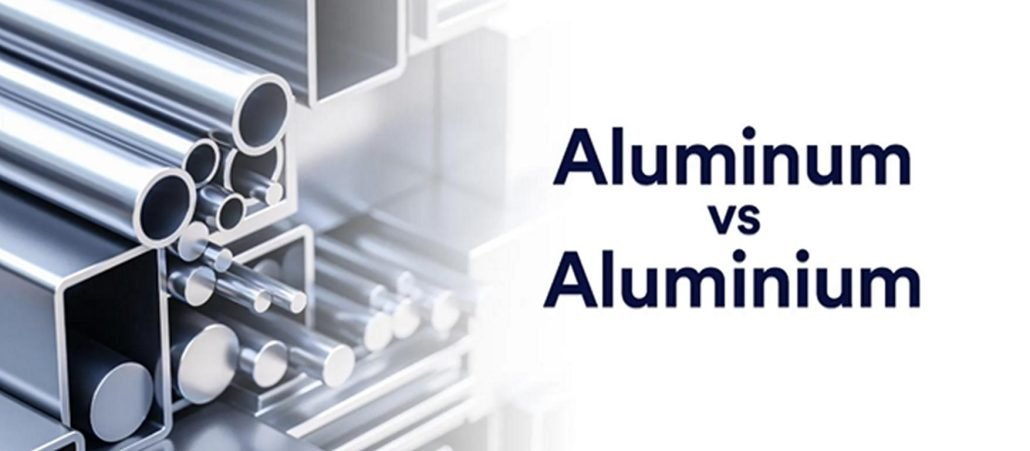
アルミ押出加工を理解する アルミ押出加工は、材料をダイスに通すことによって断面形状を持つ製品を製造するプロセスです。このプロセスは、チューブに歯磨き粉を入れることに例えることができます。この場合、歯磨き粉はインゴットとも呼ばれる加熱された円柱状のアルミニウム棒で、チューブはダイスです。ステップバイステップで説明します:加熱とプレスアルミニウムインゴットを加熱し、製品に必要な形状を与えるダイスに通します。冷却:成形された材料が金型から出た後、空気または水で冷却されます。延伸:完全にセットされたわけではありませんが、内部応力を緩和し、適切な寸法を得るために、プロファイルが引っ張られます。切断とエージング:切断された形材は、最終的な強度を得るために、熱間または冷間でエージングされる。仕上げと表面処理:最後の工程には、外観を改善し、腐食から保護するための研磨やその他の処理が含まれます。アルミ押出マシニングセンターとは?押出マシニングセンターは、押出されたアルミプロファイルを最終的に必要な部品に正確に加工するために使用される、特定のタイプのマシニングセンターです。鋸引き、バリ取り、穴あけ、旋盤加工、フライス加工、タッピングなどの技術を駆使して、ポケットや穴などの特徴を持った必要な形状に加工します。CNM では、高精度、高速、高信頼性の各種押出マシニングセンターを用意しています。これらの機械は、生産時間を短縮し、製品加工中の無駄を最小限に抑えるのに非常に効率的であるため、製造業者の使用に非常に適しています。CNM の押出マシニングセンタは、製造プロセスを容易にし、アルミニウム押出材が要求された仕様どおりに切断され、プロファイル加工されることを保証する高品質な製品を生産します。アルミニウムおよびアルミニウム合金の加工に考慮すべき要因 アルミニウム合金のCNC押出加工には、以下の要因が大きく影響します。切削力 アルミニウム合金を加工する際に必要な切削力は、鋼を加工する際に必要な力に比べてはるかに小さいです。例えば、アルミニウムを加工するのに必要な力は、低炭素鋼を加工するのに必要な力の約3分の1であるため、切り屑の排出は3倍効率的です。例えば、アルミニウム合金2017Aは低炭素鋼と同じ切削力を持つが、後者と同様の機械的特性を持つ。工具 アルミ合金の加工に使用される切削工具は、一定の形状を持たなければなりません。切れ刃は可能な限り鋭利でなければならず、工具面は切り屑を排出し、切り屑が付着しないように滑らかでなければなりません。切削角度は合金の種類によって異なりますが、すくい角は6°以上であるべきで、12°でも可能です。ケイ素含有量が7%までの合金の場合、PVD蒸着によるTiNまたはTiCNコーティングを施した工具を使用することを推奨する。ダイヤモンドコーティングされた超硬工具と多結晶ダイヤモンド(PCD)工具の場合、推奨されるすくい角は15度である。このプロセスでは適切な工具が使用されるため、鋼の加工に使用されるものよりはるかに長い。特殊な機械では、高速スピンドルを使用することで、2000系および7000系合金の加工速度は2000~3000m/minに達する。例えば、直径12 mmの工具は、10 m/分の送り速度で50,000 rpmの切削速度に達することができ、その結果、非常に薄いシートや軽量部品が得られる。切削速度と送り速度 アルミニウム合金は弾性率が低いため、荒加工でも高い送り速度を避けることを推奨します。送り速度は、1回転あたり0.3mmに抑えるべきである。仕上げ加工では、送り速度は要求される表面仕上げに影響される。切削深さは、最終製品に要求される精度のレベルに影響される。潤滑 アルミ合金の加工において、潤滑はいくつかの理由から非常に重要です:切削領域の温度を下げ、切り屑が工具に付着しないようにし、加工領域から切り屑を取り除きます。潤滑には主に3つのタイプがある:切削油には、スプレーミスト、完全切削油、オイルエマルジョンの3種類があり、中でもオイルエマルジョンは約200kg/Jの放熱性があるため、最も頻繁に使用されている。クーラントは摩擦を減らし、タッピング作業にも役立つ。スプレーミストは、高熱を伴う場合にはあまり効果がない。切削液の組成は、アルミニウム合金と反応せず、汚れや腐食を起こさず、菌類の繁殖を防ぐ抗菌剤を含み、環境に優しいものでなければなりません。アルミニウム押出加工の利点:以下は、機械加工アルミニウム押出の利点です:アルミ押し出し加工は、アルミ押し出し加工に関連する以下のような利点があるため、現世代で一般的に行われている加工法です。必要な形状の複雑で正確な形状を実現し、また、使用目的に合った方法で製造することができるため、生産性が向上し、コストを削減することができます。その結果、丈夫で軽い構造物ができ、航空、自動車、建設産業など、軽い構造物を必要とする産業に適している。また、多くの材料やエネルギーを必要とせず、廃棄物の発生も少ない効率的な技術である。結論として、切削アルミニウム押出成形はコスト効率が高く、持続可能であるため、最終製品の品質と生産工程が向上します。アルミニウムの冷間押出成形への適性 冷間押出成形は、150℃以下の温度で金型を通してアルミニウムを押し出すプロセスです。アルミニウムは剛性を保ち、ラジエーター、窓、ドア枠のような薄肉部品を製造することができます。この工程は熱間押出よりも時間がかかりますが、表面品質が高く、形状がより正確なため、後処理が少なくて済みます。温間アルミニウム押出 温間押出は適度な温度で行われ、熱間押出の速度と冷間押出の精度は中間的です。そのため、正確な温度は

アルミ鋳造加工

機械加工鋳物

アルミ鋳造

ファブリケーターにとって、金属の機械加工と鋳造作業は、時として二者択一の選択肢として示されることがある。しかし、鋳造と機械加工の両方を使用することが生産面で最も効率的である多くの状況があることは、鋳造と機械加工の比較に関する最近のエッセイで明らかになりました。この記事では、鋳物を機械加工することの利点を取り上げ、これらの生産技術を次のプロジェクトに応用することについて説明します。鋳造CNC機械加工とは?機械加工鋳物とは、最初に鋳造によって製造され、その後CNC機械加工によって精製される部品のことです。ダイカスト、インベストメント鋳造、または砂型鋳造が、最初の鋳物を生成するために実施されることがあります。どの鋳造プロセスにも、表面仕上げが悪い、デザインが制限されるなどの欠点があります。CNC機械加工は、製品の品質を向上させ、より複雑なデザインを追加することによって、上記の問題を解決します。可能な機械加工には、コンピュータ数値制御フライス加工、旋盤加工、穴あけ加工、鋸引き加工、その他高級な表面を得るための従来とは異なる鋳物機械加工があります。鋳造部品の機械加工の利点。機械加工可能な鋳造部品にはいくつかの利点があります。1.鋳造部品の修正 鋳造型から直接製造される鋳造機械加工部品は、「鋳造部品」として知られています。これらの部品には、ゲートシステム、パーティングライン、その他の鋳造の特徴から余分な材料が含まれています。品質を向上させるために、加工業者はこの不要な材料を取り除く必要があります。これは、荒削りの場合は単純なハクソーで、精度の場合はCNCを使用して行うことができます。例えば、アルミニウム鋳物の機械加工の場合、アルミニウムのCNC機械加工は高い寸法と精度を達成するのに役立ちます。鋳造の欠陥は、CNC加工によって簡単にカモフラージュすることができ、最終製品の品質を大幅に向上させることができます。また、タービンの湾曲したフィンのように、鋳造だけでは作れない特徴を開発することができます。インベストメント鋳造のような技術で解決できる設計上の問題もあるが、ほとんどの場合、機械加工で作られた穴、溝、ねじの方が品質が高い。2.仕上げ品質の向上 しかし、鋳造や機械加工に余分な機能が必要なく、除去しなければならない材料が簡単に除去できる場合、高品質の部品を得るためには、精密CNC機械加工を使用することが重要であることに変わりはない。ダイカスト鋳造のような一部のプロセスでは、わずかな機械加工で済む比較的滑らかな表面を実現できる。しかし、砂型鋳造やインベストメント鋳造で製造される部品は、平らな表面を得るためにかなりの量の機械加工を必要とする。CNC機械加工は、公差の厳しい部品の品質も向上させる。鋳造は生産量が多ければ経済的であり、CNC機械加工はすべての部品が正しい形状であることを保証する。スムーズな一体化を実現するためには、鋳造の段階で機械加工の許容範囲を考慮しなければならない。板金加工サービスを生産ラインに組み込むことは賢明です。その主な利点は、様々な技法を用いて、多数の材料から軽量部品を迅速かつ正確に製作できることです。これらの技術とその具体的な使用方法に関する知識は、最良の結果を達成し、生産時間を短縮するために不可欠です。鋳造部品の機械加工方法機械加工では、鋳物から無駄な材料を取り除き、より正確なサイズにします。この工程は、鋳造後、仕上げ前の鋳造部品の余分な材料を取り除くのに有益です。機械加工が役立つのは、複雑な鋳造品で小さなばらつきを出すことはほとんど不可能なため、最終製品を必要な仕様に機械加工しなければならないからです。機械加工は通常、熱処理の後に行われますが、塗装、陽極酸化処理、めっきなどの最終的な表面処理の前に行われます。現在の世界では、鋳物の機械加工にコンピュータ数値制御(CNC)が採用されている。機械加工は多くのサブカテゴリーに分類することができ、次のようなものがあります:穴あけ 穴あけは、ドリル・ビットの助けを借りて鋳造部品に穴を開けることである。旋盤や切削機械も使用できますが、ドリルプレスがこの工程で使用される主な工具です。この工程は、鋳物の穴あけを補助するため、鋳造工程では非常に重要です。フライス加工 フライス加工に使用されるのは、カッター、固定具、対象物、フライス盤などです。この切削工程では、ワークがクランプで固定され、フライス盤のカッターが余分な材料を取り除きます。その後の鋳造部品の形状やサイズの調整において、最も頻繁に適用される方法のひとつと言える。旋盤加工 旋盤加工では、切削工具が静止しているか動いていない状態で、ワークピースが軸上で回転する。この工程で最も重要な装置は旋盤である。旋盤加工は、鋳造部品の内部および外部のプロファイルを生成するのに適しており、非常に精密です。その他の加工工程 穴あけ、フライス加工、旋盤加工のほかにも、鋳造部品の精錬にはいくつかの加工工程が使用されます:ドリル加工、フライス加工、旋盤加工の他にも、鋳造部品の仕上げにはいくつかの加工工程が使用される:ボーリング:鋳造部品の仕上げには、ドリル加工、フライス加工、旋盤加工のほかにも、次のような機械加工が行われる。高精度と研磨された表面の質感を必要とする部品の寸法公差と位置公差を正確にするのに有用である。ブローチ加工:ブローチ加工は、歯の付いた切削工具を使用して、鋳造部品の形状やデザインを切削するプロセスである。ブローチには、材料を削る順送り歯があり、内部および外部の形状を作ることができる。そのため、キー溝、スプライン、その他の形状に最適である。研削:研削は、回転する研磨砥石を使用し、部品の表面を必要な実際の位置に近づけます。この工程は、高い表面品質とそれに近い公差を提供するのに役立つ。砥石の切削点は表面を研磨し、凹凸を削り取り、研磨面を提供する。これらの加工方法はすべて、鋳造部品を使用または他の工程に適した品質とサイズにするために重要です。鋳造後の機械加工のメリット 機械加工された鋳造部品には、以下のような多くのメリットがあります:精度の向上 ダイカストと

ニッケルパレットコスト

クロムめっきのコスト

アルミ鋳造

クロムメッキのコストはどれくらいか 構造物を最適に稼働させるために、工業や製造業の複合施設ではさまざまな部品が採用されている。ほとんどの場合、アルミニウム、ステンレス鋼、銅の部品は、機械加工のニーズを満たすのに十分です。自動車、航空宇宙、エレクトロニクスなどの産業では、内装部品や外装部品を形成するために硬質金属材料を利用する。しかし、これらは純粋な機械加工のままでは使用できません。そこでクロムメッキの出番となる。クロムメッキされたロッドは、その機能から特に重要である。上記のロッドはインドで入手可能で、価格は材質、寸法、形状、長さ、メッキの質によって異なる。これらの硬質クロムメッキ棒は、その高い強度、柔軟性、耐摩耗性、耐腐食性により、多くの分野で応用されている。さらにカスタマイズが可能であることから、特に重量物とされる多くの産業において、その価値はさらに高まっている。これらのロッドは、空気圧、自動車、油圧、印刷、繊維、および他の多くのアプリケーションで広く使用されています。丈夫でどんな気候にも合うため、多くの組織が好んで使用しています。CNM は、すべての製品について膨大な生産能力を有し、インドおよび国際的な基準と法律に従って操業している。そのため、顧客の要求を満たす高品質の硬質クロムメッキ棒を生産することが可能であり、同時に比較的安価である。この記事では、クロムめっきのコスト、影響要因、クロムめっきの技術について説明します。クロムメッキのコストに影響を与える要因 特定の品目のクロムメッキのコストは、次の重要な要因に依存します。第一は、輸送する品目の大きさと複雑さです。大きな品物は通常、より多くの材料と時間を必要とするため、クロムメッキは高価になる。さらに、複雑なものや左右非対称のデザインのものは、準備段階やメッキ工程で余分な作業が必要になり、コストがかさむ。考慮しなければならないもう一つの要因は、クロムメッキの種類である。装飾クロームメッキと硬質クロームメッキです。このタイプのクロムメッキは、より薄い層で塗布され、より装飾的なアプリケーションであり、特に車のトリムや家電製品などに使用されます。この種のメッキは、硬質クロムメッキに比べ比較的安価であり、硬質で耐食性の高い表面を作るために、より厚いクロム層が施される。硬質クロムメッキは、工業用として使用されることが多く、複雑な手順と使用される材料の種類のため、コストが高くなることがあります。コストはバルブのメッキ工程で使用されるクロムの品質にも影響されます。高品質なクロムは純度が高く、仕上がりも良いため、初期段階ではコストが高くなる可能性があります。しかし、製品の寿命が延び、外観が良くなり、色あせやひび割れが起こりにくくなるなどの利点があります。グレードの良いクロムメッキを使用することで、グレードの低いクロムメッキに比べて、より良い仕上がりが長持ちします。しかし、実際のメッキ処理に先立ち、メッキする品物の表面を準備する必要がある。この準備には通常、古い層の除去、欠陥の除去のための表面の平滑化、そしてクロム層が付着するための適切な表面の洗浄が含まれる。ひび割れや錆びがあるかないかで、表面の状態も下地処理の程度を左右する。状態の悪い製品は、状態の良い製品よりもより多くの準備が必要になる場合があります。そのため、クロムメッキのコストは高くなる可能性がある。メッキする物品の量やバッチの大きさもコストに影響します。バッチ注文で同時に多くの品目にメッキを施す場合、通常、1品目あたりのコストは1品目にメッキを施す場合よりも安くなる。クロムメッキサービスプロバイダーは、消耗品をまとめて購入することができるため、より安い価格で提供できる可能性がある。クロムめっきサービスの見積もりを探す際には、必要な量を考慮する必要があります。クロムめっきサービスが行われる場所とサービス提供者の信頼性も価格の決定要因です。価格は、操業地域の賃金率、環境法、その他の諸経費によって異なる場合があります。また、仕事の質が高く、サービス提供者の経験が長いほど、サービスの価格が高くなることも理解しておくとよい。可能な限り、サービスのコストに関連して提供することができるサービスの質をよりよく理解するために、異なるクロムめっきサービスプロバイダを比較することをお勧めします。しかし、サービスプロバイダによって提供される可能性のある他のサービスがあり、これらは全体のクロムめっきプロセスのコストに影響を与える可能性があります。このようなサービスには、選択的マスキング、保護フィルムの貼付、めっきの硬度や外観を向上させるためのめっき後処理などが含まれる。これらのサービスは、全体的なコストを増加させる可能性がありますが、プロジェクトの性質や意図する結果によっては有用な場合があります。クロムメッキの明確で合理的な価格見積もりを得るためには、潜在的な業者に可能な限りプロジェクトを説明することが必要です。これには、アイテムの種類、寸法、仕上げの種類、数量、クライアントが持つ可能性のある特別なニーズや要望などが含まれます。このようなコミュニケーションと提供された詳細に基づいて見積もりを比較することにより、クロムメッキに費やされるお金に最適な価値を得ることができます。クロムメッキの種類 費用はメッキの種類によって異なります。硬質クロムメッキ 硬質クロムメッキは、メッキ液に電流を流すことによって行われる、より複雑なメッキ処理です。

精密ダイカスト

アルミニウムCNC加工

アルミ鋳造, CNC加工

アルミニウムは、さまざまな産業における加工部品の利点から、CNC加工で広く使用されています。この記事では、CNCアルミニウム部品加工とその特性、合金の種類、加工方法、工具、用途について説明します。CNC加工におけるアルミニウム アルミニウムをCNCで加工することが好まれるのは、アルミニウムが非常に加工しやすいからである。その特性には、軟質、延性、非磁性などがあり、純アルミニウムの色は銀白色です。しかし、アルミニウムの本当の美しさは、マンガン、銅、マグネシウムなどの他の元素と合金化し、特性を改善した一連のアルミニウム合金を作ることができることです。アルミニウムCNC加工:その利点は以下の通りです:アルミニウムは柔らかく、欠けやすいため、比較的加工しやすく、鋼鉄よりも速く、少ない力で安価に加工できます。また、機械加工中に変形しやすいため、CNCマシンがより公差の近い高精度の部品を製造しやすくなります。2.強度重量比:アルミニウムは鋼鉄より3分の1軽く、強度は鋼鉄の10分の1です。そのため、高い強度重量比を必要とする部品に適している。アルミニウムから多くの利益を得ている産業には、自動車産業や航空宇宙産業向けのCNC加工アルミニウム部品の製造があります。3.耐食性:アルミニウムは、通常の環境条件下では腐食しないという固有の特性を持っており、陽極酸化処理によってさらに保護することができるため、海洋や大気条件にさらされる環境でも使用することができます。4.低温での性能:低温で機械的性質が変化し、紙のように強くなる素材もありますが、アルミニウムはそのようなことはありません。5.電気伝導性:純アルミニウムは高い電気伝導性を持っていますが、アルミニウム合金も電気用途に十分な伝導性を持っており、さまざまな産業のニーズに応えています。6.リサイクル性と環境への配慮:アルミニウムはリサイクル可能な材料であるため、廃棄物や加工工程で使用されるエネルギーを削減し、環境を保護することができます。7.陽極酸化の可能性:アルミニウム表面に陽極酸化処理を施すことができるため、機械加工されたアルミニウム部品の耐摩耗性と耐食性が向上します。異なる明るい色でアルミニウムを陽極酸化する能力は、美的側面に対処します。様々な用途 アルミニウムは汎用性が高く、多くの産業で適した特性を持つため、CNC機械加工で人気があります。自動車部品から航空機部品、電気部品、さらには複雑な機械部品まで、さまざまな用途におけるアルミニウムの耐久性と性能は明らかであり、それが創造性につながっています。したがって、CNC機械加工におけるアルミニウムの人気は偶然のものではありません-それは、この材料が製造の領域で提供する利点、可能性、展望によるものです。アルミニウムは、その性能、環境への優しさ、産業の進化に伴う柔軟性により、機械加工部品に今でも広く使用されています。CNC機械加工に使用される代表的なアルミニウム合金 アルミニウム合金は、その柔軟性と優れた機械的特性から、CNC機械加工で最も好まれる材料です。以下は、CNC機械加工工程で頻繁に使用されるアルミニウムの等級です:1.EN AW-2007 / 3.1645 / AlCuMgPb この合金は、4-5%の範囲で銅を含み、強度、軽量、高い実用性で有名です。主に機械部品、ボルト、リベット、ナット、ネジ、ネジ棒の製造に適用されます。また、比較的脆く、溶接性や耐食性が低いため、機械加工後にアルマイト処理が必要である。2.EN AW-5083 / 3.3547 / Al-Mg4,5Mn この合金は、極端な条件下で非常に優れた性能を発揮することでよく知られている。マグネシウム、クロム、マンガンを含有し、耐食性が高く、溶接した場合でも強度を維持する。極低温機器、海洋構造物、圧力機器、化学用途、その他多くの用途に使用されている。3.EN AW 5754 / 3. 3535 / Al-Mg3 この鍛造アルミニウムマグネシウム合金は、良好な耐食性と高強度を有し、溶接構造物、床材、車両ボディ、食品加工機器などに使用されます。4.EN AW-6060 / 3. 3206 / Al-MgSi この合金は熱処理が可能で、良好な成形性を有する。建築、医療機器、自動車工学産業で広く使用されています。5.EN AW-7075 / 3.4365 / Al-Zn6MgCu この合金は、被削性は平均的ですが、強度密度比が高く、大気条件に対する耐性が良好で、航空宇宙産業、兵器産業、金型工具産業で使用されています。6.EN AW-6061 / 3. 3211 / Al-Mg1SiCu この合金は非常に高い引張強度を持ち、鉄道車両、機械部品、航空宇宙構造物のような大きな荷重がかかる構造物に使用されます。7.EN AW-6082 / 3. 2315 / Al-Si1Mg この合金は、中程度の強度と良好な溶接性を持ち、応力腐食割れに強いため、海洋構造物やコンテナなどに使用されます。これらのアルミニウム合金は様々な機械的特性を提供します。CNC機械加工アプリケーションの要求に応じて選択され、意図された用途で最高の性能と寿命を保証します。アルミニウムをCNC加工する一般的な技術 アルミニウムのCNC加工では、アルミニウム部品に高い精度と精度を得るために使用できるいくつかの技術があります。これらのプロセスは、品質と性能の面で最良の結果を提供する様々なニーズや要求を満たすことを目的としています。CNC旋盤加工は、アルミニウム加工における基本的な作業の一つです。この作業では、ワークピースはその軸の周りを回転し、切削工具は固定されたままです。そのため、材料の除去とワークピースの成形が可能になります。この方法は、アルミニウム部品の円筒形や円錐形の製造に広く適用されています。もう一つの一般的な技術は、CNCフライス加工で、工具を固定したまま切削工具を回転させて加工物を切削します。このプロセスでは、さまざまな方向の切削動作が可能で、アルミニウム部品の形状やデザインを切削するのに理想的です。ポケット加工またはポケットフライスは、CNCアルミフライスの特殊なタイプです。

上部へスクロール

お見積もり