アルミニウム

アルミニウムまたはアルミニウム

アルミ鋳造

Flexible Metal Fashioning the Modern World One of the most important materials that contributes to modern civilization is aluminium. From high-tech aerospace and electric cars to simple things like food packaging and consumer electronics, this silvery-white metalloid is probably found in almost every sphere of modern life. Aluminium is a chemical with the chemical symbol Al and atomic number 13. It is prized for its outstanding light weight, strength, corrosion resistance, electrical and thermal conductivity, and complete recyclability. The only difference between Aluminum or aluminium is that it is able to respond to the increased world demand for materials that not only perform well but are also environmentally friendly. With industries shifting towards sustainability, lightweight design, and reduced energy consumption, aluminium has become one of the backbone metals of the 21st century.  This paper provides an in-depth description of the nomenclature of aluminum and aluminium, physical and chemical characteristics, history of aluminium, how it is made, its uses in industry, systems of alloys, its sustainability, and trends in its future in a fast-changing world. The Lingistic Dilemma: Aluminum vs. Aluminium Among the most widely observed peculiarities of this metal are the two spellings it has, i.e., aluminum or aluminium. Both terms mean the same thing, although regional language customs and the historical development of the scientific world explain their use. Aspect Aluminum Aluminium Chemical symbol Al Al Atomic number 13 13 Original term used Aluminum Aluminium Regions using the term United states British Dictionary Preference American dictionaries British dictionaries Scientific use U.S. publications European publications Industrial standards ASTM Standards ISO Standards Language influences American English British English Related Chemical Terms Al₂O₃, Al₄C₃ Al₂O₃, Al₄C₃ Naming Convention Originated with the Following The name itself can be traced back to the early 19th century, and it is strongly linked to Sir Humphry Davy, a British chemist who helped identify and name several chemical elements. During one of his experiments with alumina (aluminium oxide), Davy first suggested the name alumium. Soon, he amended it to aluminium. Nevertheless, certain contemporaries of Davy contended that the name ought to be stricter in accordance with the classical Latin style of naming as applied to other elements, e.g., sodium and potassium. Consequently, the name aluminum became common, especially in Britain and Europe. Local Tastes and Unification Regional tastes were, over time, entrenched in North America. The spelling aluminum was officially adopted and made uniform by the American Chemical Society (ACS) in 1925. In 1990, on the other hand, the International Union of Pure and Applied Chemistry (IUPAC) formally accepted the spelling aluminum as the standard international scientific spelling. Even today, aluminum is more common in the United States and Canada, whereas in most other regions, including the United Kingdom, Europe, and Australia, aluminium is more common. Implication on Global Communication Although there are dual spellings, scientific, technical, or industrial communication is not ambiguous at all. The two terms are universally applicable, and the international standards, product specifications and trade documentation routinely consider this linguistic variation but do not have an operational effect. Aluminium Physical and Chemical Properties The popularity of aluminium or aluminum lies in its exceptional physical and chemical properties. It is the most common metallic element in the Earth’s crust, accounting for approximately 8.1%, but it is never found in pure metallic form. Main Physical Characteristics Aluminum has some of the most interesting physical properties, which include: Aluminium is an excellent material for heat exchangers, radiators, and cooling electronic systems due to its excellent heat dissipation. Ductility and Malleability Aluminium can be beaten into foils less than 0.01 mm thick and pulled into very fine wires without breaking. This makes aluminium an ideal material for a wide range of frames and products acrossindustries. Chemical Behaviour and Resistance to Corrosion Corrosion resistance is also a natural characteristic of aluminium, which is very desirable. The presence of air leads to the immediate formation of a dense, adherent layer of aluminium oxide (Al2O3) on aluminium. This coated film prevents further oxidation and shields the underlying metal from environmental degradation. Additionally, aluminium is: History of the Discovery of Aluminum or Aluminium Early Isolation Efforts Although aluminium compounds have been in use since antiquity, isolating the pure metal was not an easy task. In 1825, Danish physicist Hans Christian Oersted was able to reduce small amounts of aluminium chloride, producing small amounts of aluminium. It was soon followed by an improvement by Friedrich Woehler in 1827, but production remained costly and low. Aluminum was an expensive material at this time, more precious than gold, and was actually used to top the Washington Monument as a technological showcase. Breakthrough in the Hall-Héroult In 1886, breakthroughs were made when Charles Martin Hall, then in the United States, and Paul Heroult, then in France, independently developed the electrolytic reduction process for aluminium extraction. The process is called the Hall-Héroult process, and it consists of dissolving alumina in a molten cryolite solution and passing an electric current through the solution to obtain molten aluminium. This invention, added to the Bayer process (invented in 1887 to process bauxite into alumina), significantly reduced production costs and enabled large-scale industrialisation. The Development into Mass Production At the beginning of the 20th century, aluminium production increased rapidly. Its strategic significance was fully realised during World War I and World War II, especially in aircraft production. Since then, aluminium die casting has ceased to be a rare novelty and has become an essential part of industry. Contemporary Processes of Production Primary Production: Bauxite to Metal Bauxite mining is the starting point of primary aluminium production, and the ores usually contain 30-60 per cent alumina ). It consists of two major phases: Bayer Process Through this process, bauxite is purified into alumina using sodium hydroxide. Hall-Héroult Process Alumina undergoes electrolytic reduction to molten aluminium, which requires about 13-15 kWh of electricity per kilogram. The World Production and Main manufacturers By 2024, the world had a steady output of about 72 million metric tons of aluminum. Major producers include: Secondary
アルミダイキャスト

アルミダイカストとは?

アルミ鋳造

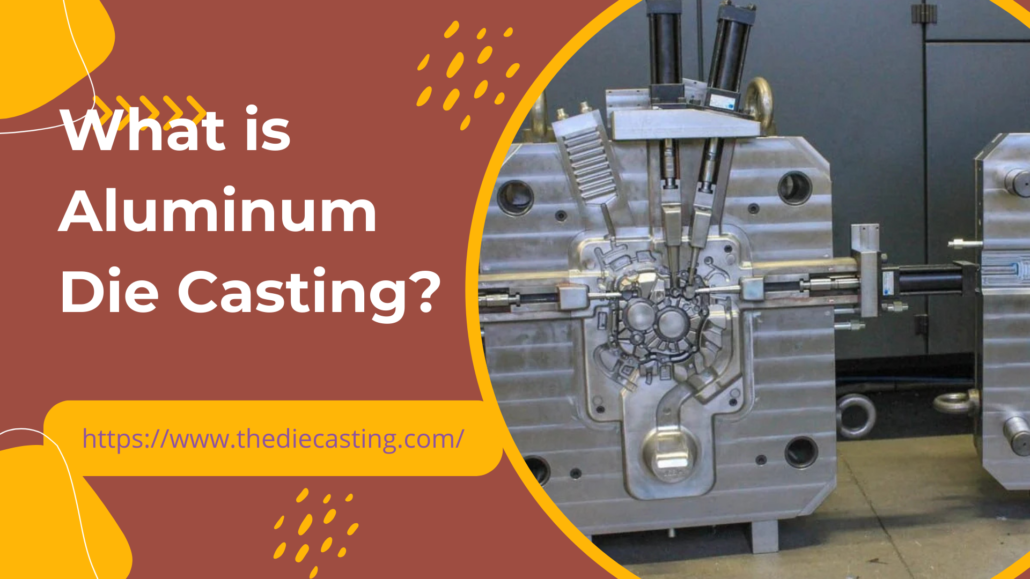
高精度の金属部品を大規模に生産するための最も一般的な製造工程のひとつがアルミダイカストです。寸法精度の高さ、機械的強度、軽量性、コストパフォーマンスを要求される現代の産業において重要な役割を担っています。.

亜鉛ダイカスト

亜鉛ダイカストの欠陥トラブルシューティングと品質保証のヒント

ザマックダイカスト, 亜鉛ダイカスト

亜鉛ダイカストは非常に効率的な製造工程であり、自動車部品、電子筐体、継手、ハードウェア、医療機器、消費財などに広く使用されている。高品質な寸法精度、きれいな表面仕上げ、高い生産率で複雑な形状を作る能力が高く評価されています。このような利点があるにもかかわらず、亜鉛ダイカストは品質問題と無縁の技術ではありません。欠陥は、使用される材料の不規則性、金型能力、工程管理の欠如、または設計が原因で発生する可能性があります。優れた欠陥防止、問題解決、品質管理は、生産における均一な品質を確保し、スクラップ率を低減し、製造工程の全体的な効率を高めるために非常に重要です。本稿では、亜鉛ダイカストにおける最も一般的な欠陥、その原因、効果的な是正処置、各生産サイクルにおける品質を確保するためのプロファイルのベストプラクティスについて詳しく説明します。亜鉛ダイカスト鋳造における品質問題 亜鉛ダイカスト鋳造の工程では、高度に加工された鋼鉄製の金型に溶融亜鉛合金を高圧で注入します。金属の凝固速度は速く、短いサイクルタイムと高い再現性をもたらします。とはいえ、このプロセスが作動する高圧と高速は、パラメータが監視されていない場合、その有効性と欠陥の発生しやすさの両方に寄与する同じ要因です。亜鉛ダイカストにおける品質管理の問題は、多くの場合、機械的性能、寸法品質、表面外観、耐食性、または組立適合性と関連しています。1つの根本原因が複数の品質問題につながることがあるため、ほとんどの欠陥は相互に関連しています。効率的なトラブルシューティングを可能にするためには、材料の挙動、金型設計、加工パラメータの関係を理解することが重要です。亜鉛ダイカストの欠陥 亜鉛ダイカストで一般的な欠陥のほとんどは、外観と部品性能への影響によって分類することができます。一般的な欠陥の概要とその全体的な影響を下表に示します。欠陥の種類 外観への影響 空隙 内部で空洞やピンホールがある 強度が低下する 漏れの原因となる可能性がある コールドシャット 可視の線や継ぎ目 フロー間の結合が弱くなる。収縮 キャビティやヒケ 部品寸法が変化する。これは測定誤差の原因となる。不完全な充填 欠けた部分や薄い部分 機能不良の原因となります。はんだ付け 金型への金属の付着 金型損傷の原因となります。ブリスター 表面上の気泡のような外観 表面仕上げの不良 フラッシュ パーティングラインでの金属の過剰 美観が損なわれる ダイカストにおける空洞 亜鉛の空洞とは、鋳物内の空洞またはガス気泡の存在を指します。このような空洞は、表面または本体内に存在することがあり、高度な検査技術なしには検出が非常に困難です。空洞は鋳物の機械的完全性を壊し、圧力を含む部品に漏れをもたらす可能性があります。気泡の種類 説明 起源 気泡 気泡 滑らかな丸みを帯びた空洞 気体または空気の閉じ込め収縮 気泡 不規則な空洞 不十分な供給 微小気泡 非常に微細な空洞 急速な凝固 起因と予防策 気泡は、注入中の空気の閉じ込め、溶融金属流の高い乱流、またはダイキャビティのベント不良に起因する可能性があります。ガスの発生は、金型表面の高水分や不適切な溶融温度に起因する場合もある。気孔率の低減は、射出速度と圧力を綿密に制御し、ダイスのガス抜きを行い、必要に応じて真空システムを効率的に利用することで達成される。最適な溶融温度を維持し、ダイ表面を清浄で乾燥した状態に保つことも、ガスの巻き込みを減らすことになる。ほとんどの場合、スムーズなメタルフローを促進するためにゲーテ ィングシステムを再構築することは、気孔率の最小化に大きく貢献する。コールド・シャットおよびフロー・ラインの欠陥 説明と影響 コールド・シャット:2つの溶融亜鉛の流れが合流し、正しく融合されずに鋳造表面に目に見える継ぎ目やラインが残る場合に発生します。このような欠陥は構造的完全性を低下させ、機械的圧力による早期崩壊を引き起こす可能性があります。根本的原因と解決策 低い溶融温度、不十分な射出速度、または長い流路は、 早期凝固やコールドシャットにつながる可能性があります。また、ゲートや薄肉部の位置決め不良も問題を悪化させます。コールドシャットを防ぐには、金属の流動特性を改善する必要がある。これらは、溶融温度とダイ温度を妥当な範囲内で上昇させ、射出速度を最適化し、バランスよく充填できるようにゲートを再設計することで達成できる。また、薄肉部や鋭角部をなくすために部品形状を変更することで、流動の連続性が向上します。亜鉛ダイカスト 成形収縮の欠陥 溶融亜鉛が凝固すると収縮し、成形収縮を起こします。この収縮を相殺するために溶湯を追加しない限り、内部空洞や表面のヒケが形成されます。引け巣という形の亜鉛欠陥は、通常、鋳物の厚みがあり、最後に凝固したと確認できる部分に生じます。理由と改善策 保圧不足、不十分な供給システム設計、肉厚の急激な変化などが引け巣の原因 となることが多い。また、冷却速度の不均一も局部的な収縮の原因となる。引け巣を防ぐには、凝固プロセス全体を通じて、一定 の金属供給を維持するようにランナーとゲートを設計す ることが重要である。高い保圧をかけ、加圧時間を長くすることで、溶 融金属は収縮を補うことができる。均一な肉厚を維持し、金型内の熱バランスを高めることで、引けによる欠陥のリスクも最小限に抑えることができます。バリ発生とその制御 バリ発生は、ダイのパーティングラインやエジェクターピン、あるいはベント部に沿って、余分な金属が薄い層となって発生します。バリが発生しても部品の機能が損なわれるわけではありませんが、二次的なトリミング工程が必要になることが多く、外観に影響を与えることがあります。原因と防止法 バリ発生は、射出圧力の高さ、金型部品の摩耗、あるいは金型 のミスアライメントに関連することが多い。また、金型表面に異物が付着することで、金型表面が適切にシールされないこともあります。バリ発生を防ぐには、適切な射出圧力、適切な型締力、そして定期的な金型のメンテナンスが必要です。金型の摩耗や損傷チェック

亜鉛ダイカスト

亜鉛ダイカスト製品

亜鉛ダイカスト

亜鉛ダイカスト鋳造は、複雑で高品質な仕上げをコスト効率よく生産できるため、装飾金物の生産工程として好ましいものの一つと考えられています。これは、優れた表面仕上げ、厳しい公差、複雑な形状を持つ部品を製造するために、高圧下で溶融亜鉛合金を精密鋼の金型に押し込むことによって行われます。装飾金物は、ドアハンドル、キャビネットノブ、引手、蝶番、スカッチョン、住宅用、商業用、建築用の装飾アクセントから構成されています。亜鉛の低融点(380~390℃)と高い流動性により、細部まで精巧な薄肉(0.5mmまで)、工具寿命の延長(通常100万ショット以上)、大きな寸法が可能になります。これらの特徴により、長期的に魅力的で機能的である必要がある装飾作品に適しています。クロム、ニッケル、真鍮イミテーション、アンティークブロンズなどの仕上げは、見た目の高級感を高め、耐食性を提供します。通常の亜鉛ダイカスト装飾金物合金 装飾金物の生産において適切な亜鉛合金の選択は、製品の性能、安定性、外観、全体的な費用対効果にとって非常に重要です。亜鉛合金は、鋳造性、強度、仕上げの間の良い妥協点を提供するため、人気があります。用途 ザマック3 Zn 96% Al 4% Mg 0.03% 82 283 10 ドアノブ、エスカッション、飾り板 ザマック5 Zn 95% Al 4% Cu 1% 91 331 7 キャビネットの引手、蝶番、錠前。Zamak 7 Zn 95.9% Al 4% Ni 0.02% 80 285 13 複雑なフィニアル、装飾ブラケット ZA-8 Zn 91% Al 8.4% Cu 1% 103 372 6-10 門のラッチなどの頑丈な金具 Zamak 3 最も一般的な装飾金具の用途はZamak 3です。鋳造性に優れ、寸法安定性があり、鋳造後の表面は滑らかです。これらの特性により、ドアハンドル、キャビネットノブ、ロゼット、その他人目に触れる部品に適しています。ザマック3は、メッキ、塗装、粉体塗装との相性も良く、最小限の表面処理で高品質の装飾仕上げが可能です。ザマック5 ザマック5には少量の銅が添加されており、硬度と耐クリープ性を高めています。この合金は一般的に、ヒンジ、ロック、ラッチ、構造用金具など、荷重に耐える装飾金具の製造に使用されます。機械的強度の向上により、部品は繰り返し応力や長時間の使用に耐え、良好な表面状態を維持し、良好な寸法を保つことができます。ザマック7 ザマック7は、その純度と流動性が高く評価されています。これらの特徴により、複雑で薄肉、華麗なデザインに特に適しています。シャープなエッジ、繊細な仕上げ、高品質の表面外観を必要とする複雑な金物部品によく使用されます。ZA-8 ZA-8は標準的なザマック合金よりも耐摩耗性と強度に優れています。その用途は一般的に、応力や機械的負荷が高く、耐久性と外観の両方が必要とされる装飾金物と呼ばれています。装飾金物の最高の亜鉛ダイカスト製品 亜鉛ダイカストは、強度、精度、表面品質、費用対効果の完璧なブレンドを提供するため、装飾金物の製造において非常に重要です。装飾金物のアクセントは単に便利なだけでなく、ドア、家具、建築インテリアの外観に大きな役割を果たします。亜鉛ダイカストは、メーカーが複雑な形状を厳しい公差と表面形状で成形することを可能にし、高級装飾金物にも大衆向け装飾金物にも選ばれています。ドアハンドルやキャビネットの引手、蝶番、装飾用アクセサリーなど、亜鉛ダイカスト製品は、美しさを保ちながら酷使に耐えるように設計されています。ドアハンドルとレバー 亜鉛ダイカスト製ドアハンドルやレバーなどの装飾金物製品は、デザインの柔軟性、機械的性能、人間工学に基づいた快適性のために広く使用されています。これらの部品は通常1~2mmの肉厚で設計されており、非常に軽量でありながら構造的に健全です。排出を容易にし、表面の微細なディテールを維持するために、1~2度の抜き勾配が一般的に使用されています。実際、最新の亜鉛ダイキャスト製レバーは、内部にスプリングと取り付け具を備えた設計になっています。この統合により、組み立ての複雑さが軽減され、スムーズな操作が可能になります。これらのハンドルは高品質の亜鉛合金から作られ、300MPaまでの引張強度と曲げや変形に対する長期的な耐性を保証します。よく設計された亜鉛レバーは、50万回以上のサイクルに耐えることができるため、玄関ドアや屋内通路、忙しい商業環境で使用されています。キャビネットのノブと引き手 亜鉛ダイカストの最も経済的な用途の一つは、キャビネットのノブや引き手、また小さくて非常にデリケートな部品です。また、亜鉛は流動性に優れているため、繊細なテクスチャー、印象的なロゴ、細いねじ切りなどの小さなデザインの製造が可能です。一般的なキャビネットノブの直径は約1~1.5インチ、一般的な引手の中心から中心までの間隔は3~12インチで、いずれも高い寸法精度を誇ります。亜鉛ダイキャスト製キャビネット金具は非常に軽量(通常50~150グラム)なので、取り付けが簡単で、毎日使うことができます。グリップの質感と輪郭のデザインは快適な取り扱いを促進し、亜鉛合金の内側の硬度は傷、指紋、摩耗に対する耐性を提供します。人気の仕上げには、ブラッシュド・アンティーク・ブラス、サテン・ニッケル、オイル・ラブド・ブロンズなどがあり、時代を超越し、モダンな家具にもアンティークな家具にも合います。家具とドアの蝶番 亜鉛ダイカストで作られた蝶番は、そのスムーズな動作、安定した寸法、機能的な特徴を取り入れる能力で高く評価されています。典型的なヒンジのタイプは、ヒンジ、隠しヒンジ、パイカットコーナーヒンジです。これらのヒンジの荷重は、用途にもよりますが、通常20~50kgです。亜鉛ダイカスト鋳造により、自己潤滑性、内蔵ストップ、正確なピボットポイントを追加することができ、スムーズで静かな動作が可能になります。0.05mmの寸法公差により、ドアとフレームがしっかりとフィットします。ニッケルメッキやその他の保護コーティングにより、最大500時間の腐食保護が可能です。鍵穴カバーとエスカッション エスカッションと鍵穴カバーは、装飾だけでなく保護にも使用できます。亜鉛ダイカスト鋳造では、1 mmの薄い部分を作ることができ、0.1 mmの高解像度の細部も可能です。このような精度により、メーカーは

亜鉛ダイカスト

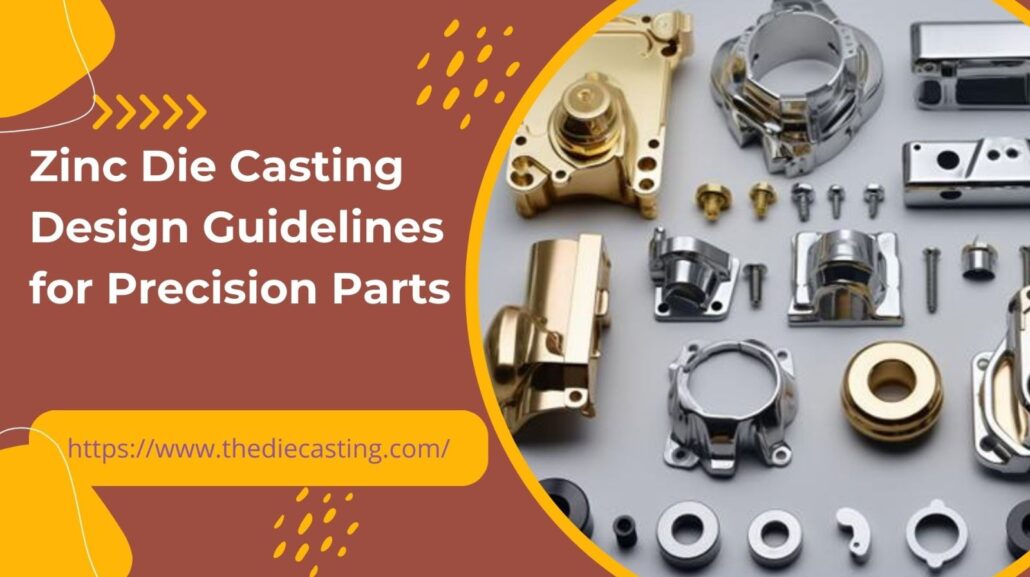
精密部品のための亜鉛ダイカスト設計ガイドライン

ザマック5, 亜鉛ダイカスト

亜鉛ダイカストは、複雑で高精度の部品を作るために、特別に設計された金型に亜鉛合金の溶融物を高圧で注入する柔軟な製造方法です。亜鉛は流動性が高く、融点が低く、後加工をあまりしなくても厳しい公差で加工できるため、このような方法は特に精密部品に適しています。ザマックダイカストは、自動車、電子機器、消費財、医療機器などの産業で、コネクター、ギア、ハウジング、寸法公差と長寿命が要求される複雑な機構などの部品に使用されています。ほとんどの亜鉛合金はホットチャンバー式機械で加工され、迅速なサイクルタイムと安定した品質を可能にしています。正確な部品は、ジンクの薄肉、複雑な形状、ネットシェイプの部品を製造する能力から恩恵を受け、材料の無駄と組立時間を削減します。とはいえ、特定の設計ルールに従い、材料特性、形状、フォーム、加工パラメータを考慮することで、高い成功率を達成することができます。これらのルールは、欠陥を減らし、製造性を向上させ、精度を高めるのに役立つ。この記事では、亜鉛ダイカスト精密部品を設計するエンジニアを支援するために、組織が設定した業界標準によってサポートされている主なガイドラインを示します。精密部品の亜鉛ダイカストの利点 亜鉛ダイカストの使用にはいくつかの利点があり、精密用途に最適な材料の一つとなっています。選択材料:亜鉛合金 機械的特性、鋳造性、公差に影響するため、精密部品には正しい亜鉛合金を選択することが重要です。ザマックダイカストシリーズ(2、3、5、7)とZAシリーズ(8、12、27)には特定の組成と性能特性があります。下の表は、精密部品の製造に使用される亜鉛合金の種類をまとめたものです:亜鉛合金の種類 引張強さ(ksi/MPa) 伸び % 硬さ(BHN) 密度 g/cm³ 降伏強さ(MPa) 融点 °C ザマック 2 52/359 7 100 6.6 283 379-390 ザマック 3 41/283 10 82 6.6 269 381-387 ザマック 5 48/328 7 91 6.6 283-269 380-386 ザマック 7 41/283 13 80 6.6 310-331 381-387 ZA 8 54/372 6-10 100-106 6.3 359-379 375-404 ZA-12 59/400 4-7 95-105 6.03 145 377-432 ZA-27 62/426 2.0-3.5 116-122 5.3 該当なし 372-484 これらの特性は、亜鉛合金が精密仕様を満たし、複雑な部品が高い流動性スコア(1-4スケールで1-2、1が最良)を持つことを保証するために使用することができる。より正確には、メーカーはその安定性と厳しい公差に耐える能力から、ザマック3やZA-8のような合金を選びたいでしょう。主要な設計ガイドライン 優れた亜鉛ダイカストは、最小限のコストで強度を維持しながら、流動と排出を容易にするように設計されています。肉厚 空隙や歪みを避けるため、肉厚は均一であるべきです。精密部品では、±10%以内に保ち、良好な表面仕上げのために最小0.040インチ(1mm)、ミニチュアモデルでは0.020インチ(0.5mm)の微細な厚みを使用します。厚い部分と薄い部分の比率は、空隙の可能性を最小にするために3:1以下に保つべきである。壁を厚くすると流れは良くなるが、サイクル時間と消費量が増える。注入口からの距離に応じて、最小厚さは変化する:50mm未満の領域では0.5mm以下、200mmでは2mmまで。設計の確認には、さまざまなシミュレーションが可能です。亜鉛鋳造では、選択された場所では最低0.025インチ (0.635mm)を指定しますが、ベスト・アズ・キャスト の場所では0.040インチ(1.016mm)を指定します。抜き勾配の角度 抜き勾配は部品の排出を助け、金型の損傷を防ぐ。亜鉛の場合、最小抜き勾配は外面で0.5° -1、内面で1 -1、丸穴で0.1° -1である。可動部品(ダイエレメント)を使用する短いフィーチャーはゼロで印刷できますが、コストが高くなります。リブについては、縮みと平行でない場合、5~10°のテーパーが使用される。標準公差は、内壁で50(深さ1インチで抜き勾配約1.9度)、外壁で100である。また、60度や120度の一定の抜き勾配を許容する精密公差もある。フィレットとラジアス フィレットとラジアスは、鋭利なエッジが応力集中やダイスの浸食を引き起こすため、常に追加する必要があります。内側フィレットの最小半径は0.016インチ(0.4mm)、外側は0.031インチ(0.8mm)です。より大きな半径(0.063インチまたは1.6mmまで)は、流動性と強度を向上させる。最小半径(ボスやリブは0.060インチ(1.5mm))を使用すべきである。高応力での半径は1mmを下回ってはならない。規格では、フィレットでは±0.08/±0.04インチ(±2/±1mm)を推奨している。これにより、部品の寿命が向上し、割れが減少する。リブとボス リブは、かさばることなく補強効果を高める。浅く丸みのあるリブ(高さと厚さの比は3:1以下)を作り、歪まないように均等に配置します。リブと壁はフィレットで接着し、交差部に空隙ができないようにする。取り付けまたはねじ切りに使用するボスの高さは、直径と等しくなければならず、直径が大きい場合はリブをつけなければならない。ボス間の距離は6.5mm(0.25インチ)に保つ。重要な高さの公差は、±0.001インチ(±0.025mm)のリブという精密設計のように、リブに含めることができる。コア・ホールとスレッド コアに穴を開けることで軽量化し、スレッドなどの要素を入れることができる。最大深さは、直径3mm、ブラインド9mm、貫通24mm程度で、より大きな開口部では直径12mmまで。直径は少なくとも0.25インチ(6mm)、L/D比は小さな穴で4:1以下。パーティング・ラインの考慮事項 パーティング・ラインは、できるだけ大きな断面に入れるのが、バリが少なく、トリミングしやすい。垂直または複雑なラインは避けるべきで、金型運動平面が直角になるのが最適です。パーティングラインの公差は、投影面積による直線公差の合計である。投影面積 公差(+in) 最大10 +0.0045 11~20 +0.005 21~50 +0.006 51~100 +0.009 精密部品の公差 亜鉛ダイカストには、標準よりもさらに高い精度の公差があり、時には65%のような特別な制御が必要な場合もあります。

亜鉛ダイカスト

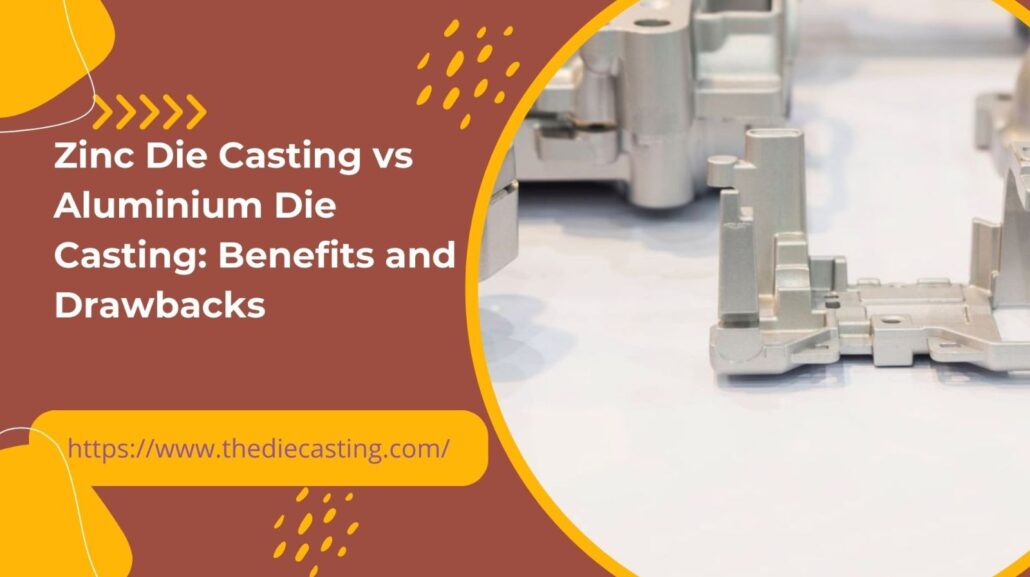
亜鉛ダイカストとアルミダイカストの比較:利点と欠点

アルミ鋳造, 亜鉛ダイカスト

ダイカスト鋳造はまた、高精度の金属製品を製造するための製造部門における実行可能で汎用性の高いプロセスとなっている。アルミニウムと亜鉛は、最も一般的なダイカスト合金の一つです。仮にあなたが製品の生産、エンジニアリング、または原材料の調達に携わっているとすると、亜鉛ダイカストとアルミダイカストの違いを理解する必要があります。このガイドは、自動車部品、電子機器、消費財など、メーカーがプロジェクトに最適な合金を選択するのに役立ちます。ダイカストとは、高温の溶融金属を高圧で金型に流し込み、高度な表面仕上げを施した複雑な形状を製造するプロセスです。亜鉛ダイカストとアルミダイカストには、それぞれメリットとデメリットがあります。また、詳細な比較、表形式による早見表、専門家による解説を提供し、十分な情報に基づいた判断ができるようにします。最後には、亜鉛ダイカストとアルミダイカストの違い、そしてどちらを使うべきかを明確に理解できることでしょう。それでは、重要な要素を探ってみましょう。ダイカストとは?簡単な概要 亜鉛ダイカストとアルミダイカストを比較する前に、ダイカストのプロセスを理解することが不可欠です。ダイカストは、溶融金属を高圧(1,000~20,000psi)で金型キャビティに押し込むプロセスです。硬化鋼の金型またはダイは、通常、厳しい公差で何千もの同様の部品を製造することができます。ダイカストの種類 ホット・チャンバー・ダイカスト 亜鉛などの低融点金属に適用される。射出システムは溶融金属に浸漬されます。コールドチャンバーダイカスト アルミニウムのような融点の高い金属に適しています。溶融金属のチャンバーへの搬入は、機械の損傷を防ぐために行われる。スピード、精度、そして大規模な後処理なしに複雑なデザインを作成できる点で好まれています。この時点で、2つのスター合金である亜鉛とアルミニウムを比較します。亜鉛ダイカストとアルミダイカストの主な特性 亜鉛ダイカストとアルミダイカストのどちらを選ぶかは、しばしば材料特性に絞られます。亜鉛(一般的にはザマックとして合金化されています)とアルミニウム(ADC12やA380など)は、強度、重量、耐食性などが同じではありません。強度と耐久性 亜鉛合金は大きな衝撃強度と延性を持つと報告されています。壊れることなく大きな応力に耐えることができるため、鋳造後に曲げたり成形したりする部品に適しています。一方、アルミニウム合金は引張強さと硬さに優れ、特に構造物に適しています。重量と密度 密度6.6g/cm3の亜鉛に比べ、アルミニウムは軽い(d=2.7g/cm3)。このため、航空宇宙産業など、低重量が要求される産業でアルミニウムが使用されています。融点と鋳造性 亜鉛は約380~390℃で溶融するため、ホットチャンバー式鋳造機の高速運転が可能です。アルミニウムは660 °Cで溶融するため、コールド・チャンバー・プロセスでは生産速度が低下するが、薄肉化が可能である。耐食性 どちらも優れた耐食性を持つが、アルミは自然に保護酸化皮膜を形成するため、過酷な条件下でより優れた性能を発揮する。屋外での亜鉛の使用には、コーティングが必要です。特徴 亜鉛ダイカスト アルミニウムダイカスト 融点 380~390度 660度 引張強さ 280~400 200~300 密度 6.6 2.7 熱伝導率 109 100~140 電気伝導率 高い 非常に高い 衝撃強さ 延性 脆性 耐食性 良い 亜鉛ダイカストの最高の利点 亜鉛ダイカストの汎用性は、100年以上にわたって信頼できる選択肢となっています。そのため、メーカーは亜鉛ダイカストを好んで使用しています:卓越した寸法精度 亜鉛は0.05mm以下の無傷のままであるため、二次加工の必要がありません。メーカーは亜鉛ダイカスト金型で極めて高い寸法精度を達成することができます。高い仕上げ 原料自体が高品質な仕上げを持っています。部品はきれいに仕上がり、メッキや塗装の前に追加の研磨を必要としないことがよくあります。金型寿命が長い 亜鉛は溶けやすいため、金型の磨耗が少なく、長期的な金型コストが低くなります。製品は耐食性、耐摩耗性に優れ、寿命が長くなります。速い生産速度 溶融材料は15~30秒で凝固します。そのため、亜鉛ダイカストは大量生産に適しています。大規模な産業では、生産性の向上と増産に利用されています。小型部品に手頃な価格 亜鉛は錠前、歯車、金具などの複雑で小型の部品に最適です。しかし、重量を重視する用途では、密 度が高いため亜鉛はあまり好ましくないかもしれ ません。標準的な合金の例としては、ザマック3(汎用)やザマック5(高強度)があります。用途 自動車産業などの他の産業では、ドアハンドルやブラケットに亜鉛が利用されています。電子機器の場合、EMIを遮蔽できるため、接続に好まれます。アルミダイカストの利点 大型部品や構造部品では、アルミダイカストがリードしています。その利点は以下の通りです:軽量で丈夫 アルミニウム部品は、鉄や亜鉛に比べて製品の総重量を50%削減できます。アルミニウムは軽量ですが、強度があります。そのため、アルミダイカストは高強度用途に適した製品を製造するのに理想的です。 優れた耐食性 ほとんどの場合、さらにコーティングする必要がないため、時間とコストの節約になります。アルミダイカストで作られた製品は、寿命が長く、そのままの状態を保ちます。優れた熱伝導性と電気伝導性 アルミニウムは電気と熱を伝導する能力があるため、幅広い用途に最適です。ヒートシンク、エンジンブロック、電気ハウジングなどに最適です。リサイクル可能性 アルミニウムダイキャストプロセスが最も優れているのは、その高いリサイクル性です。薄肉能力 アルミニウムダイカストは、0.5mmの薄肉が可能なため、複雑な設計が可能です。欠点 欠点 欠点 欠点 欠点 どんな素材も完璧というわけではありません。アルミダイカストと比較した場合、亜鉛ダイカストの場合は、これらの欠点があります:亜鉛ダイカストの制限 アルミダイカストの制限 コストの比較:亜鉛ダイカスト対アルミダイカスト 亜鉛ダイカスト対アルミダイカストにおける重要な要素はコストです。原材料は通常、アルミニウム(2-4/kg)より亜鉛(2-3/kg)の方が安いのですが、金型と製造にはコストがかかります。

亜鉛ダイカスト

自動車部品用亜鉛ダイカスト鋳造サービスプロバイダーのレビュー

亜鉛ダイカスト

はじめに 自動車産業において、亜鉛は精密さ、強度、耐久性、費用対効果などの優れた特性を兼ね備えているため、ダイカスト用原材料の柱となってきました。自動車メーカーはまた、厳しい公差、薄肉、高い表面仕上げ、耐摩耗性、耐腐食性が要求される部品に亜鉛合金を使用するようになっています。これは、ドアハンドル、ロックハウジング、シートベルトメカニズム、ギア、ブラケット、センサーハウジング、インナートリム部品などの一般的な用途で使用されている。この技術は、複雑な形状と限られた二次加工でボリュームを持つことができる鋼鉄金型に高圧溶融亜鉛を注入することです。中国の金型メーカーは、オーダーメイドの価格、設備、自動車サプライヤーが要求するIATF16949などの必要な認証を提供できることで、すでに亜鉛ダイカストの世界を席巻している。本稿では、自動車部品に特化した亜鉛ダイカスト鋳造サービスのトップ企業を、企業の能力、顧客のレビュー、業界の評判に基づいてまとめた。低価格でありながら高品質のモーター部品を世界に供給する主要な供給源である中国メーカーを対象としています。亜鉛ダイカスト鋳造の主な利点 最近の自動車の電動化と軽量化の進展に伴い、亜鉛ダイカスト鋳造サービスは、信頼性の高い高性能部品を作るために重要です。亜鉛ダイカストプロセス 亜鉛ダイカストは非常に効率的な生産プロセスで、優れた表面仕上げを持つ複雑な金属部品を正確に作ることができます。特に自動車産業では、薄肉で強度が高く、メッキとの相性が良い部品によく使われています。アルミニウムダイカストと同様に、亜鉛は低温(約420℃)で溶けるため、ホットチャンバープロセスを採用し、短いサイクル時間と長い金型寿命を提供します。亜鉛ダイカスト鋳造プロセスの原理 金型の準備 射出と温度制御を容易にするため、鋼鉄ダイ(金型)に潤滑剤を吹き付けます。金型は鋼鉄のような強度のある材料で作られ、自動車部品の細部をすべて含んでいます。溶融と射出亜鉛合金(通常はザマック3、5またはZA-8)を機械に接続された炉で溶融する。グースネックプランジャーが溶融金属に挿入され、高圧(30MPa)で最終金属を金型キャビティに押し込む。凝固 水冷された金型内で金属が凝固(数秒)し、選択した形状に凝固します。排出 金型が鋳造され、エジェクターピンが鋳物を押し出します。最終的な製品の形が固まります。トリミング・仕上げ バリ(湯道)を除去します。機械加工、メッキ、粉体塗装などの二次加工も含まれます。自動車用亜鉛ダイカスト製品の不要部分のトリミングは最終工程です。亜鉛ダイカストが自動車用途で優れている理由 亜鉛合金(ザマック3、5、ZA-8など)には、アルミニウムなどの代替品と比較して、以下のような明確な利点があります。 高品質の仕上げと表面仕上げ 亜鉛の流動性により、より薄い壁(0.5mmまで)やより細かいディテールを追加することができ、後工程を最小限に抑えることができます。亜鉛で作られた自動車部品は肉厚が薄く、強度が高い。強度と耐衝撃性の向上 シートベルトリトラクタやロックなど、安全上重要な機能を持つ部品に適しています。自動車メーカーはこれらの製品の使用を好んだ。金型寿命の延長 融点が低いため、亜鉛ダイカスト製品の寿命が延び、大量生産によるコスト削減が可能です。優れたメッキ適合性 亜鉛ダイカストのプロセスは、クロムメッキが施されているため、外装部品や内装部品に最適です。中量生産で経済的 亜鉛ダイカストで作られた自動車部品は、ホットチャンバープロセスを使用し、アルミニウムよりもサイクルタイムが速いです。自動車部品の亜鉛ダイカストとアルミダイカストの比較 自動車部品は亜鉛またはアルミから作られます。ここでは、ユーザーが製品の必要性に応じて最適な決定を下すための比較表を示します。特徴 亜鉛ダイカスト アルミダイカスト 肉厚が薄い(0.5~1.5mm) 厚い(2~5mm) 重量 高い 融点 低い 熱伝導率 高い 低い 耐食性 高い 低い 衝撃・強度 高い 耐衝撃性 延性 大きい 工具寿命 長い 短い コスト 小さい部品に向いている 大きい部品に向いている 用途 自動車 海洋 パワーステアリング系 燃料系 エンジン系 自動車部品 航空宇宙 家電 医療 自動車 亜鉛ダイカストのベストダイカスト・プロバイダー 中国(CNMテック) ダイカストの集積地である東莞で、自動車部品業界で亜鉛ダイカストとアルミを扱う会社。120トンから1600トンまでの機械を保有し、機械加工、バリ取り、メッキ、粉体塗装を自社で行っている。強みはフルサービス(ワンストップ)、IATF16949認定、自動車(ブラケット、ハウジングなど)への高い集中度。高品質のバリ取りにより、アクセントのない部品を提供。カスタマーレビュー 一貫性、迅速な納品、競争力のある価格が評価されています。メッキ仕上げはOEMに最適。評価4.8/5 -自動車用中・大量生産に使用する場合、信頼できる。GC精密金型株式会社亜鉛ダイカストメーカーのGCは1999年に東莞で設立され、IATF16949認証の亜鉛、アルミニウム、マグネシウムダイカストを提供している。自動車、電子機器、ハードウェア業界をカバーしている。強み 合金の豊富な品揃え、CNC機械加工の統合、厳格な公差への細心の注意。ギアやハウジングなどの自動車部品で実証済み。カスタマーレビュー 顧客満足度(透明性、対応、品質の一貫性)が高い。優れた英語コミュニケーション評価4.9/5 -精密自動車部品のベストセレクション。Sincere Tech (Dongguan Sincere Tech Co., Ltd.) プラスチック射出成形と一般的なダイカストが主な業務だが、機械加工や組み立てとともに亜鉛ダイカストサービスも提供している。自動車を含む金属部品のダイカストを指す。強み オールインワン・サービス(設計から組立まで)、ISO 9001:2015、18年以上の経験。DFMと流暢な英語によるサポート。顧客からの評価 プロジェクト管理、問題解決に好意的。海外顧客から問題解決に優れているとの評価。評価4.7/5:亜鉛とプラスチック部品の複合プロジェクトに強い。PHB Inc.PHB社は100年以上の歴史を持つ、アルミと亜鉛のダイカストを扱うアメリカの企業である。大手自動車メーカーと取引し、穴あけ、フライス加工などの部品を製造している。

自動車用途におけるマグネシウムダイカストの利点とは?

自動車用途におけるマグネシウムダイカストの利点とは?

マグネシウムダイカスト

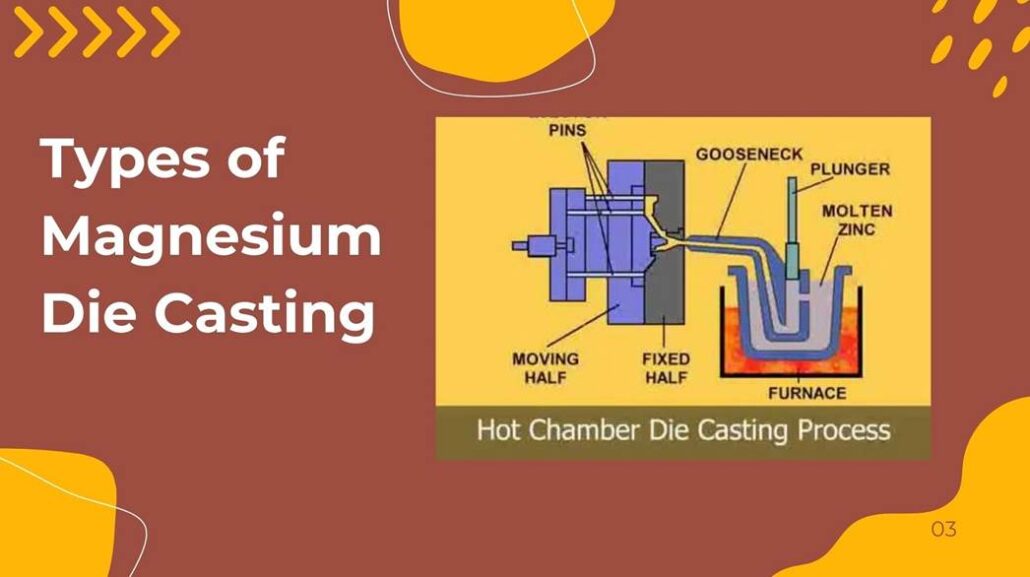
The basic function of die casting is to manufacture automotive parts that are lightweight and have high efficiency. All these requirements have fulfilled with the use of magnesium die casting. Different parts castings are manufactured by using the magnesium die for making automotive parts. All the manufacturers are focusing on making the automotive parts that have great efficiency, and they must be economical. As the world is advancing, the automotive industry is under constant pressure of manufacturing the innovative products. The magnesium alloy die casting has gained popularity over the years. The evolution in the automotive industry, with the increase in production of electric vehicles (EVs), has led to great use of magnesium alloy in parts manufacturing. Some other materials could be used in the production, but magnesium is the lightest. Its use offers great advantages in the automotive industry when it is processed through high-pressure die casting. The article explores the ideas of magnesium die casting, its benefits in the automotive industry and applications as well. In the end, we will provide the information about the future use of the magnesium alloy in die casting in the automotive industry for automakers. What is Magnesium Die Casting? Before getting into the details of the applications and advantages of magnesium alloy die casting in the automotive industry, it is important to understand what magnesium die casting is. Here are the steps involved in the process. Melting the magnesium at 650degC that convert it into a liquid form. Preparing the Mould The initial step in the process of die casting magnesium is the preparation of the mould. The mould is made of a high-strength material. It is lined with the released agent that helps in preventing sticking molten magnesium to the mould. The final release of the automotive parts depends on this step of easy release of the products. It is very important to have a flawless mould to avoid any defects in the final product. Injecting Molten Magnesium The next step is the injection of the molten magnesium into the die. The automakers make sure that the alloy reaches every complex geometry of the mould to get perfect results. The pressure is maintained at around 1500 to 3000 psi during the process. This step is highly precise yet very fast to avoid hardening of the magnesium alloy. Cooling After the magnesium is injected into the mould, the next step is the cooling. It is important to remove the die from the material after cooling and setting. Like any other material, if the structure is complex and have bigger size, it took longer period to cool. In contrast, smaller and thin sized automobiles parts got cooled more easily. Monitored and efficient cooling is required to avoid any cracks in the magnesium die casting product. Ejection and Finishing After the cooling of the magnesium in the die, the ejection from the die is the last step. The process of removing the finished product from the die is known as the ejection. Once the automotive parts are ejected carefully it need some further detailing, like removing and drilling the unwanted parts form final product for finishing. The process of magnesium alloy die casting is essential in making complex and thin-walled automotive parts. Automakers use magnesium because it is the lightest material in the die casting industry for making innovative automotive parts for EV and modern vehicles. Types of Magnesium Die Casting For making different automotive parts, there are basically two types of magnesium diecasting processes. Those are as follows; Hot Chamber Die Casting In the hot chamber, magnesium diecasting is ideal for the low melting point of magnesium. In this process, the die is submerged in the molten chamber and forced into the die. Cold Chamber Die Casting The typical method of magnesium die casting is cold chamber die casting. In this process, the molten magnesium is injected into the unheated moulds in the automotive industry. Why Magnesium is Best in Automotive Applications The combination of physical and mechanical characteristics of magnesium is very special and is very much demanded in the production of vehicles. Advantages of Magnesium Die Casting Substantial Weight Reduction on Vehicles One of the most significant objectives of automotive engineering is weight reduction. Lightweight cars use less fuel, produce fewer emissions and provide improved performance. Magnesium die casting helps automakers to substitute the heavier parts made of steel or aluminum with magnesium without affecting their functionality. The slightest weight cut in each element could produce an enormous weight cut when summed up in a complete car. This benefit is especially important in electric cars that require decreasing the weight of the body to directly affect the range of the battery and its efficiency. Better Fuel Economy and Reduced Emissions Fuel economy is directly influenced by the reduction of vehicle weight. Research continually demonstrates that fuel efficiency increases by 5-7% as the weight of the vehicle decreases by 10%. With magnesium die-cast parts, automakers would find it easier to comply with the tough global emission standards. This becomes particularly significant when the governments of the countries impose the rules intended to minimize carbon emissions and develop sustainable transportation. Magnesium die casting, hence, favors economic and environmental goals. Large strength-to-weight ratio The myth that surrounds lightweight metals is that it reduces strength. Magnesium alloys disprove this assumption. Recent magnesium alloys in die casting have adequate mechanical strength to be applied in automotive parts like steering columns, seat frames, gearbox housings, and structural brackets. These components should be able to withstand the stress, vibration, and thermal changes in the long term. The manufacturers get components that are durable and lightweight through the proper choice of alloys and efficient die-casting processes. Dimensional Accuracy and Design Flexibility Complex and tight geometries can be produced using magnesium die casting. It is possible to make thin walls, complex forms, ribs, bosses and in-built features in one casting. This design allows flexibility, eliminates the secondary machining and assembly, decreasing the cost of production and minimum points of

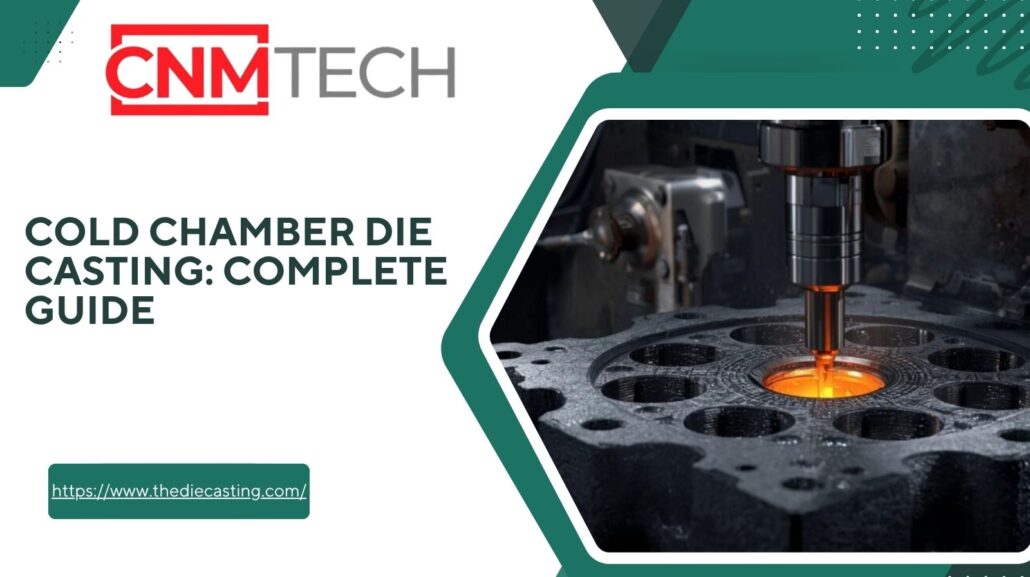
コールド・チャンバー・ダイカスト完全ガイド

ダイカスト, ダイカストメーカー, ダイカスト部品

The cold chamber die casting process is initiated by first ladling molten metal into a separate injection chamber and then forcing it out into a steel mould. This process deals with high melting alloys such as aluminium, copper and magnesium. It is a tight-tolerance, high-pressure production process found in the automotive, electronics, and industrial parts production.  What is cold chamber die casting is and when to use it? Cold chamber die casting is a high-pressure moulding of metals, which would ruin or corrode a hot-chamber system. Practically, the operators melt the metal in a different furnace. Then they pour the molten metal into an unheated shot sleeve. The metal is forced into the closed mould by a hydraulic plunger with extreme pressure. The section hardens very rapidly, and the die is opened to spurt out the casting. This can be used when the alloy is of high melting temperature or where the alloy would corrode injection components, such as aluminium and copper alloys. The process sacrifices speed of the cycle for the scale and flexibility of the alloy.  Cold Chamber Die Casting Process Step-by-Step Cold chamber die casting is one of the most reliable techniques for making high-quality metal parts. Every process must be monitored in terms of temperature, pressure and time. Minor variations can impact the surface finish, strength and dimensional accuracy of the end product. Melting the Metal It starts by melting the metal in a separate furnace. Mostly used are aluminium, magnesium and copper alloys. In the case of aluminium, it is typically 650degC and 750degC. It is necessary to keep the melt clean. The impurities are eliminated by the operator with the help of fluxing agents and skimming tools. In case some oxide or gas is left, it may introduce defects such as porosity or inclusions in the future. In high-tech furnaces, a dosing system is the direct connection between the furnace and a die casting machine of China Cold. This guarantees that the temperature and composition of the molten metal are uniform in each shot. Molten Metal to the Shot Chamber Then molten metal is poured into the shot chamber or shot sleeve. This may be done manually or automatically. Manual ladling is easy, less fast and has more chances of entraping air. Automatic ladling systems, in their turn, provide the accurate amounts of metal with low turbulence. Oxidation and gas inclusion can be prevented by controlling the ladling speed and temperature. Others preheat the shot sleeve a little so that it will not suddenly drop in temperature, to allow the fluidity of injection. 3. Injection into the Die Cavity A hydraulic plunger is used to inject the high-pressure molten metal into the die cavity once it is in the shot sleeve. This is the fundamental phase of the cold chamber die casting. Injection pressure varies between 3,000 psi and more than 20,000 psi, depending on the size of the part and the alloy. The injection cycle normally contains two stages: The timeliness of these phases is critical. Recent China cold chamber die casting machinery, servo-hydraulic systems automatically regulate pressure and speed of every shot and guarantee homogeneity. Solidification and Cooling Opening and Part Ejection Die Once the metal has solidified, the die is opened by the machine, after which ejector pins or robotic arms take the casting out. It should be ejected only when fully solidified; otherwise, it is distorted. In complex shapes, there is more than one ejector pin, which guarantees the clean release of the die cavity. Robots take the parts on the automated lines and place them on conveyors to be trimmed and cooled. This increases handling damage reduction and accelerates production. Trimming and Finishing Inspection and Quality Control The last one is inspection and quality control. Every casting is inspected to guarantee that it has the necessary tolerances and quality standards. Popular types of inspection are: The machinery of modern China cold chamber die casting is usually equipped with sensors and software which keep track of all the parameters – Melt temperature, injection pressure, and die temperature, which enables quality monitoring in real time. Optimisation of process and control The quality of outcomes must rely on controlled quality at each step. Safety and Environmental Factors Usually used materials and alloys. The use of a cold chamber is preferred in alloys which cannot be utilised in hot-chamber machines. Most common materials used include aluminium alloys, magnesium, copper and a few combinations of zinc andaluminiumm where corrosion of the injection mechanism should be prevented at all costs. In the automotive structural parts, aluminium alloys prevail. Magnesium is applicable in situations where very lightness is an issue. Both alloys have their own melting point, fluidity and shrinkage behaviour, which need to be handled in mould design and process parameters.  Machinery and features – such as the China cold chamber die casting machine choice. Die casting machines: The Cold chamber die casting machines are made of a robust frame, high pressure injection unit, a hydraulic system and the control electronics. The modern machines provide servo-hydraulics to save energy and enhance control, computer controls to make the shot profiles programmable and integrated auxiliary systems such as die temperature controllers and automatic ladling systems. It is also possible to find China cold chamber die casting machine suppliers that offer a large variety of models and different price ranges in case you are sourcing machines. There are compact models of Chinese manufacturers that fit small shops and large tonnage machines that are appropriate to high-volume production. Chinese constructors tend to package melting and handling equipment to provide a turnkey line as well. Compare machines in terms of check maximum clamping force (tons), volume in the shot, speed control in an injection, die size, and automation.  Essentials of tooling and die design The hardened tool steel is normally die (mould. The design of the die should permit a controlled flow of metals and escaping gaseous air,  and gating and runners geometry and cooling channels in order to

黒ニッケル電気めっき:完全ガイド

黒ニッケル電気めっき:完全ガイド

ニッケルめっき

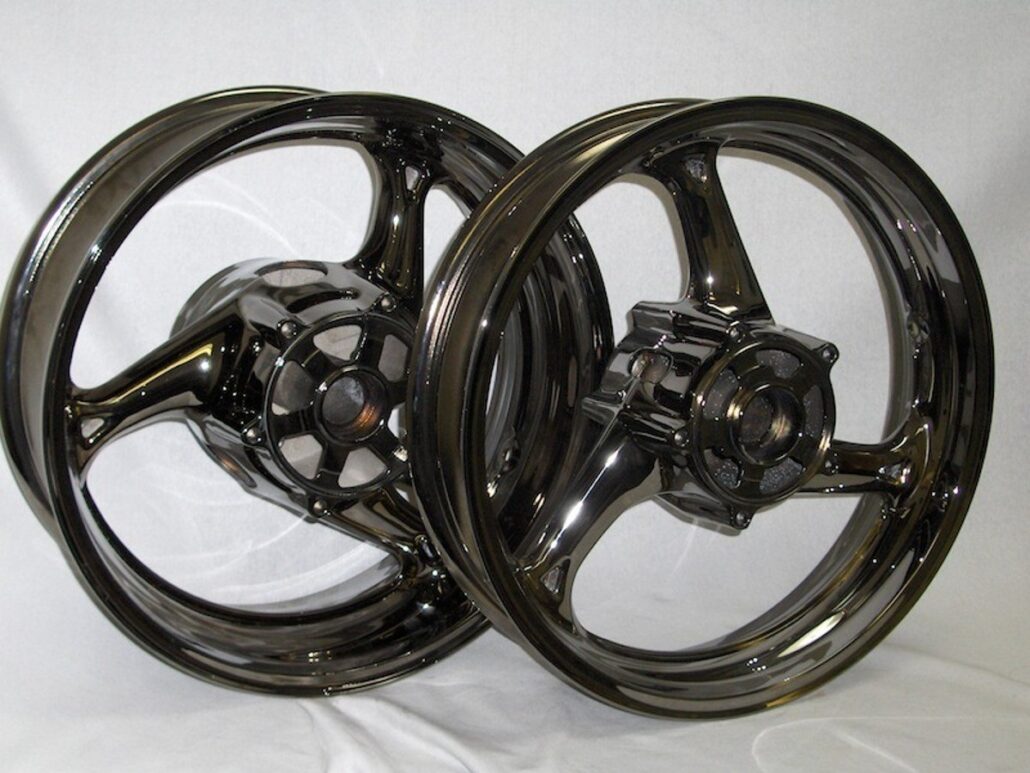
Black nickel electroplating is one of the common ways of finishing, which enhances the appearance and longevity of metal pieces. It gives it a smooth dark appearance and enhances corrosion resistance and hardness of the surface. This has made it popular in most sectors, such as the automotive industry, electronics, jewelry, and ornamental hardware. The question of nickel plating aluminum has been a subject of debate among many novices and experts, as the natural oxide layer on aluminum makes it harder to plate. The nickel layer can fail to stick on efficiently without proper preparation, whereby it can peel or result in an uneven outcome. The other question that is frequently asked is whether black nickel electroplating is possible at home or in a small workshop. Small-scale arrangements can be made, but professional processes result in more reliable and stable outcomes. Black electroplated nickel is a valuable material because it has a protective value as well as an aesthetic value. The black finish gives a modern and sophisticated appearance to the tools, trims, jewelry, and industrial parts. In this manual, we shall discuss the entire process of black nickel electroplating. You will get to know the preparation of the surfaces, the plating process, the post-treatment process, and typical pitfalls. At the end, you will know why black nickel is the most used finish in comparison to other finishes and the way it is both functional and decorative. What does Black Nickel Electroplating mean? The black nickel electroplating is an electrochemical process whereby an alloy of nickel is deposited onto a metal surface. In contrast to conventional nickel plating, the final finish is a dark, matte, or semi-gloss finish. This renders it very much sought after as a decoration. The process also makes the metal surface strong, which makes it less susceptible to scratches, wear, and corrosion. During aluminum plating, it is more complicated. Naturally, metallic oxide is formed on aluminum, which inhibits the adhesion of the metal. This is the reason why the nickel plating of aluminum must be specially cleaned and pre-treated before applying the black nickel layer. Nevertheless, black electroplated nickel has great protective qualities and a dark appearance as well. Benefits of Black Nickel Electroplating Corrosion Resistance Corrosion protection is one of the primary reasons why electroplating black nickel would be chosen. The nickel layer protects the underlying metal against the environmental factors, including moisture, salt, and chemicals. This is especially crucial concerning car components, hardware devices, and factory equipment. Enhanced Surface Hardness Nickel electroplating black enhances the hardness of surfaces. This enhances wear resistance and reduces scratches on the parts. This additional durability is highly valuable to tools, machine components, and hardware. Aesthetic Appeal The black nickel is dark and classy, and the finish is appealing to the eyes. It finds extensive application in decoration, jewelry, car interiors, and electrical casing. Although the conventional nickel plating results in a bright silver appearance, black nickel creates a modern and high-quality appearance. A Longer Life and Economy Black nickel plating increases the life of parts by coating them so that they do not corrode or wear out. This lowers the maintenance and replacement expenses and is therefore an affordable solution for both the industries and hobbyists. Versatility Black nickel plating may be done on metal, such as aluminum, steel, and brass. This flexibility makes it suitable for a large variety of applications. Nickel Plating Aluminum Problems Although nickel plating of aluminum can be done, there are difficulties with it. The natural oxide layer of aluminum is an obstacle to the adhesion of the nickel layer. It is important to clean, etch, and activate the pre-treatment steps to get successful plating. Lack of proper preparation will result in peeling, uneven coverage, or flawed quality of the finish. The other difficulty is the ability to control the final color. Black nickel electroplating may be darker or uneven when the parameters of the plating are not optimized. It is due to this reason that professional setups are usually suggested for industrial-grade output. Black Nickel Electroplating Process Step-by-Step Surface Preparation Surface preparation must be done properly. Wash the aluminum or other metal to eliminate grease, dirt, and oxidation. In the case of aluminum, the zinc casting step is regularly carried out. This forms a thin layer of zinc, which enhances the adhesion of the nickel. Wash it after cleaning and activation. Electroplating Setup Warm the black nickel bath using the suggested chemicals and temperature levels. Power supply is needed to deliver the current needed. The workpiece should then be connected as the anode and a cathode material (usually lead or stainless steel) to complete the circuit. Electroplating Process Add the metal piece to the black nickel solution. Connect the electric current according to the specifications of the bath. The nickel ions get deposited on the metal surface, forming a dark colored and uniform, and protective coating. Temperature, current, and plating time are to be closely observed. Rinsing and Drying Plate. Rinse the part under clean water to cleanse the part of the remaining chemicals. Wipe to avoid water spots or areas that which is unevenly finished. Post-Treatment Heat curing or sealing may be done after treatment in order to enhance corrosion resistance and hardness. This is done to ensure that the plated layer is long-lasting and tough. Uses of Black Nickel Electroplating Jewelry and Accessories Jewelry is made to look smooth and modern with the help of black nickel. Both rings, bracelets, and watches enjoy the advantage of being aesthetically appealing as well as corrosion-resistant. Automotive Industry Trims and handles on the car, as well as decorative pieces, are usually black nickel-plated. This offers durability and a high-quality look. Electronics and Hardware Electroplating black nickel on electronic housings, switches, and connectors is also aimed at preventing wear and making them more aesthetically attractive. Industrial Tools Black electroplated nickel is useful in parts and tools of machines as it enhances the hardness and longevity of the machinery. Mistakes in Black Nickel Electroplating

上部へスクロール

お見積もり