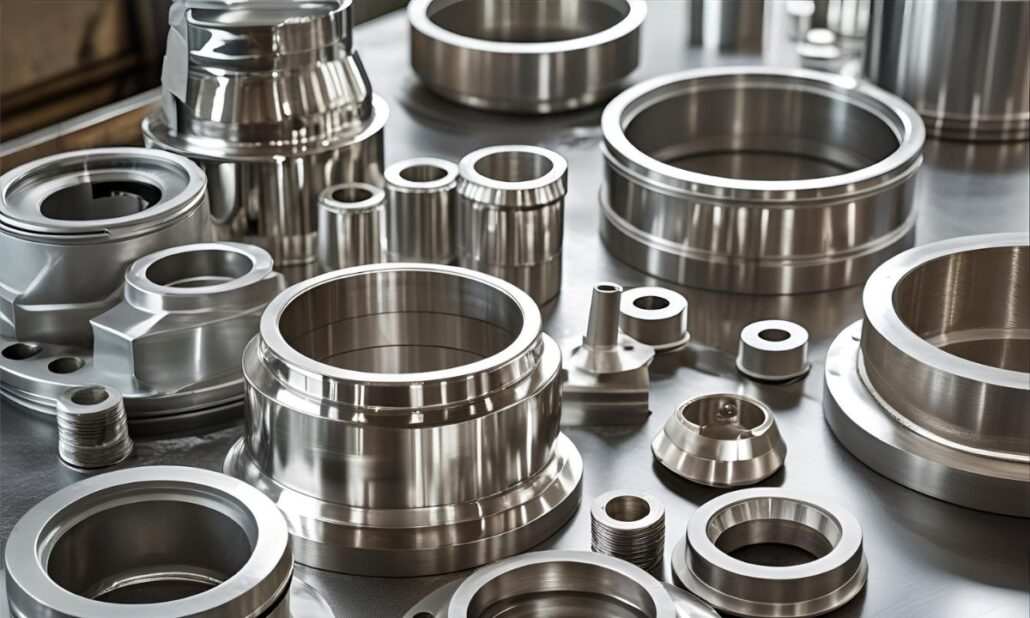
Anodized aluminum finds extensive uses in both household and industrial products since it is strong, resistant to corrosion and has a smooth metallic appearance. Its resistance renders it a favourite in windows, doors, auto parts, kitchen appliances and decor. One of the most common questions amongst DIY makers and professionals, nonetheless, is: can you paint anodized aluminum? The answer to this is yes, although it must be properly prepared on the surface, with the correct paint, and applied with care to achieve a long-lasting professional job. As compared to bare aluminum, anodized aluminum has a protective layer of oxide, which prevents corrosion and wear, but at the same time increases its resistance to paint adhesion. This is the reason why a lot of individuals are afraid to try to paint anodized aluminium themselves, since they are scared of peeling, chipping, or patchy textures. Luckily, anyone can adequately paint anodized aluminum surfaces using the appropriate measures. The selection of the appropriate paint is as important as preparation. Alternatives are anodized aluminum paint (formulated to adhere to anodized surfaces) or anodized aluminum spray paint, which is handy when a smooth finish is required over a complex or detailed surface. General-purpose paints can be used, although more primers and handling are needed to avoid adhesion problems. In this step-by-step guide, we are going to discuss the materials, preparation, methods of painting, common errors, and maintenance required to make a painting project successful. You might be a skilled do-it-yourselfer or a novice painter, but this article will provide you with the answer to the question: Can you paint anodized aluminum and give you practical steps to take to bring a durable and beautiful finish to your object? The facts of Anodized Aluminum It is good to comprehend what anodized aluminum is before discussing the question, Can you paint anodized aluminum? A process called electrochemical oxidizing, known as anodizing, produces a protective coating of oxide on the surface of aluminum. The layer increases the corrosion resistance and strengthens the aluminum. Nevertheless, the same layer may cause the paint to stick hard and hence proper preparation is paramount. Anodized aluminum is not innately porous like bare metal, so paints and primers do not easily adhere without appropriate surface treatment. Discussing painting anodized aluminum, it is imperative to also be aware of the nature of the material to attain a professional finish. Can You Paint Anodized Aluminum? It is a yes to the question, can you paint anodized aluminum, but this has to be prepared, and the right material has to be used. Due to the properties of anodized aluminum, which make it resistant to corrosion and wear, paint does not easily bond to it. Omission of processes such as cleaning, sanding or priming may result in a peeling or chipping process with time. The thing is that many individuals may have doubts about whether they should be able to paint anodized aluminum or whether they should employ a professional. Although there are professional methods at hand, DIYers can also attain very good outcomes at home by being patient and giving details a lot of thought. Painting Preparation Preparation is one of the most important stages in the successful process of painting anodized aluminum. Correct preparation is to make sure that the paint applies and will last. Here’s a step-by-step approach: The failure of adhesion and flaking may happen when these preparation steps are skipped, and that is why anyone who says Can you paint anodized aluminum should consider these steps seriously. Step-by-Step Process to Paint Anodized Aluminum It might seem quite daunting to paint anodized aluminum, but the correct steps can make it simple. To have a smooth, long-lasting finish, proper preparation, the correct paint and proper application are the keys. Here’s a detailed guide: Gather Your Materials It is better to prepare all the materials before starting. You will use a mild detergent or aluminum cleaner to get the grease and dirt off, surface preparation with fine-grit sandpaper (400-600 grit), a tack cloth to take the dust off, and a primer that can be used on metal or on the anodized surfaces. When it comes to the paint itself, you have a choice of either of the two: anodized aluminum paint or anodized aluminum spray paint, which can be used either using a brush or a spray technique. An option is the clear protective coat that promotes durability and preserves a vivid look. This is done by ensuring all materials are prepared beforehand, thereby giving a smooth process of painting without being interrupted. Clean the Surface Successful anodized aluminum painting is based on cleaning. Even residue, oil or fingerprint on the surface can make the paint not stick. Wash the aluminum using a small amount of detergent in water. Wipe down and leave to dry. After it is dry, take a tack cloth and wipe it clean. Careful cleaning is essential to professional outcomes when trying to paint anodized aluminum. Failure to do this step normally results in uneven or peeling paint. Sand the Surface It is important to sand the aluminum slightly in order to form a texture that the primer and paint can adhere to. Sandpaper of around 400-600 grit should be used on the surface to gently sand the surface in a circular or back-and-forth motion. It is not aimed at the removal of the anodized layer, but in order to roughen it by a small portion. Once it is sanded, clean the dust with a tack cloth. A common mistake by beginners is the lack of proper sanding to help give the anodized aluminum a good adhesion once painted. Sanding is an additional technique to take the time to ensure the finish is smooth and long-lasting. Apply Primer The use of a primer is among the most significant actions when painting. Primer closes microscopic pores created in the aluminum surface, enhancing bonding and a stable base where paint is applied. Put a highly uniform layer of metal primer over the