고압 다이캐스팅

알루미늄 고압 다이캐스팅 자동차 부품

알루미늄 고압 다이캐스팅 자동차 부품: 내구성과 효율성

알루미늄 다이캐스팅, 고압 다이캐스팅

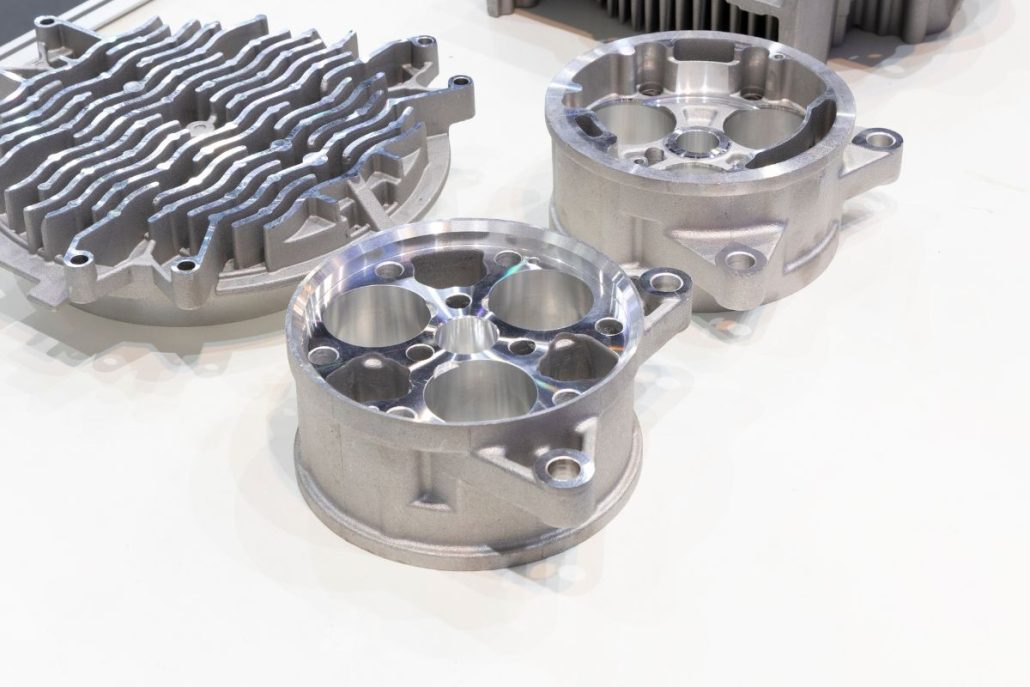
자동차 산업은 알루미늄 고압 다이캐스팅 자동차 부품의 사용으로 인해 변화하고 있습니다. 제조업체는 더 가볍고 강하며 효율적인 자동차를 설계할 수 있는 힘을 얻게 되었습니다. 이 기술을 통해 자동차 제조업체는 자동차의 내구성을 손상시키지 않으면서도 무게를 줄이고 연비를 높이며 친환경 이동성을 확보할 수 있습니다. 자동차 부품 다이캐스팅은 용융 알루미늄을 강철 주형에 매우 높은 압력으로 주입하는 공정입니다. 이를 통해 매끄럽고 날카로운 강인한 형상이 만들어집니다. 이 방법을 사용하면 더 빠른 생산, 기계 가공 감소 및 일관된 품질이 가능합니다. 다이캐스팅 자동차 부품의 경우 복잡한 부품을 한 번에 설계할 수 있어 시간과 비용을 절약할 수 있습니다. 알루미늄 다이캐스팅으로 제작된 자동차 부품은 이제 현대 자동차에 많이 사용되고 있습니다. 전기 자동차의 엔진 블록, 변속기 하우징, 브레이크 부품 및 배터리 케이스를 생산하는 데 자주 사용되는 방법입니다. 가볍지만 견고하고 부식에 강하며 도로의 거친 조건을 충족하도록 설계된 이러한 부품이 만들어집니다. 알루미늄 다이캐스팅으로 제작된 자동차 부품은 특히 전기차와 하이브리드 자동차로 이동하면서 수요가 빠르게 증가하고 있습니다. 자동차의 총 중량을 줄이면 배터리 수명과 성능이 향상되고 배기가스 배출량이 감소합니다. 따라서 알루미늄 다이캐스팅은 친환경 생산의 주요 구성 요소입니다. 간단히 말해, 자동차 제조에 알루미늄 고압 다이캐스팅 자동차 부품을 사용하는 것은 더 이상 선택이 아닙니다. 이 부품은 현재의 성능 표준에 부합할 뿐만 아니라 친환경적인 최신 자동차를 만드는 데 핵심적인 역할을 해왔습니다. 강력하고 효과적이며 안정적인 이 부품은 미래에도 자동차 설계의 중심에 서게 될 것입니다. 알루미늄 고압 다이캐스팅이란? 다이캐스팅은 금속을 성형하는 공정입니다. 이 공정에서는 용융된 알루미늄을 매우 높은 압력으로 강철 주형의 캐비티에 밀어 넣습니다. 냉각되면 금속은 금형과 동일한 모양으로 굳어집니다. 결과는 매끄럽고 정확하며 오래 지속됩니다. 이것이 다이캐스팅이 현대 자동차 부품을 생산하는 가장 인기 있는 방법 중 하나가 된 이유입니다. 기존 기술에 비해 고압 다이캐스팅은 복잡한 부품을 한 번에 만들 수 있습니다. 따라서 제조업체는 시간, 가공 요구 사항 및 비용을 절약할 수 있습니다. 왜 자동차 부품에 알루미늄을 사용해야 할까요? 알루미늄 고압 다이캐스팅 자동차 부품이 인기 있는 이유는 알루미늄만큼 다양한 특성을 가진 소재가 없기 때문입니다. 알루미늄은 친환경적이고 거칠기 때문에 가볍기 때문에 자동차 산업에서 사용할 수 있습니다. 효율성과 환경 요구 사항이 증가함에 따라 알루미늄은 자동차 부품에서 다이캐스팅으로 선택되고 있습니다. 가장 큰 장점은 무게 감소입니다. 강철은 알루미늄보다 훨씬 무겁습니다. 자동차 제조업체는 알루미늄을 사용하여 생산된 다이캐스팅 자동차 부품을 통합하여 전체 차량을 경량화할 수 있습니다. 자동차가 가벼울수록 연비, 배기가스 배출량, 성능이 향상됩니다. 이는 기존 차량과 전기 자동차 모두에서 중요합니다. 한편 알루미늄은 강도가 떨어지지 않습니다. 무게 대비 강도가 좋기 때문에 부품에 무리가 가더라도 부드러워지지 않는다는 장점이 있습니다. 이 때문에 알루미늄 다이캐스트 자동차 부품은 엔진, 변속기 및 섀시 부품에 매우 유용합니다. 또 다른 중요한 장점은 내식성입니다. 알루미늄은 다른 금속처럼 녹슬거나 마모되지 않습니다. 따라서 알루미늄 다이캐스팅 자동차 부품의 수명을 늘리고 차량 소유자의 유지보수 비용을 절감할 수 있습니다. 주요 자동차 부품은 다이캐스팅으로 생산 자동차 제조업체는 대부분의 부품을 알루미늄 다이캐스팅으로 주조합니다. 이 부품들은 일반 자동차는 물론 전기 자동차에도 사용할 수 있는 가볍지만 강력한 부품입니다. 엔진 블록 엔진 블록은 열, 진동 및 압력을 견뎌야 합니다. 자동차 부품 다이캐스팅의 경우 알루미늄 블록은 무게는 가볍지만 매우 가혹한 조건에서도 작동할 수 있을 만큼 견고합니다. 따라서 엔진의 전체 무게와 연료 소비를 절약할 수 있습니다. 트랜스미션 하우징 트랜스미션 하우징은 정밀하고 내구성이 뛰어나야 합니다. 다이캐스팅 자동차 부품은 부드럽게 작동하는 기어의 정확성을 달성하기 위해 사용됩니다. 이를 통해 시간이 지나도 높은 신뢰성을 보장하고 최소한의 가공만 필요합니다. 브레이크 부품 브레이크는 지속적인 스트레스에 직면합니다. 제조업체는 알루미늄 다이캐스팅 자동차 부품을 사용하기 때문에 무겁지 않으면서도 튼튼한 부품을 생산합니다. 이러한 균형은 제동력을 높이고 차량의 무게를 줄이기 위해 적용됩니다. 섀시 부품 섀시 부품은 안전과 안정성을 제공하는 데 사용됩니다. 알루미늄 다이캐스팅 자동차 부품을 사용하여 제작하면 튼튼하지만 부피가 크지 않습니다. 따라서 관리와 생산성이 향상됩니다. EV 전기 하우징의 모터 및 배터리 모터와 배터리를 보호하는 자동차 부품은 전기 자동차에서 알루미늄 고압 다이캐스팅을 사용하여 제작됩니다. 하우징은 섬세한 시스템을 보호하면서도 가벼운 프레임을 제공하여 주행 거리를 늘릴 수 있습니다. 이러한 요소들을 종합하면 자동차 부품 다이캐스팅은 새로운 자동차를 설계하는 데 중요한 역할을 합니다. 알루미늄 다이캐스팅은 엔진, 전기차 배터리 등의 성능을 효율적으로 개선하고 수명을 연장하며 내구성을 높였습니다. 알루미늄 고압 다이캐스팅 공정 1. 금형 준비 금형 준비가 시작됩니다. 불순물을 제거하기 위해 강철로 된 금형을 깨끗이 세척하고 적절한 온도로 가열합니다. 용융된 알루미늄이 표면에 달라붙는 것을 방지하고 냉각 속도를 제어하는 데 도움이 되는 보호 코팅을 표면에 도포합니다. 이는 금속의 순환을 개선하고 금형의 수명을 연장하며 생산 주기당 부품의 일관성을 보장하기 위해 수행됩니다. 2. 알루미늄 용해 이러한 알루미늄 합금은 특정 온도가 제어된 용광로에서 녹습니다. 그러나 산화를 방지하고 용융 금속이 금형 캐비티로 쉽게 흘러 들어가기 때문에 충분한 온도도 필요합니다. 불순물은 정제제나 필터를 통해 제거됩니다. 이렇게 하면 알루미늄 다이캐스트 자동차 부품에 결함이 없고 품질이 우수하고 일관된 특성을 유지할 수 있습니다. 3. 고압 사출. 그런 다음 용융된 알루미늄을

고압 다이캐스팅의 일반적인 제조 결함: 원인, 예방 및 해결 방법

알루미늄 주조, 다이 캐스팅, 고압 다이캐스팅

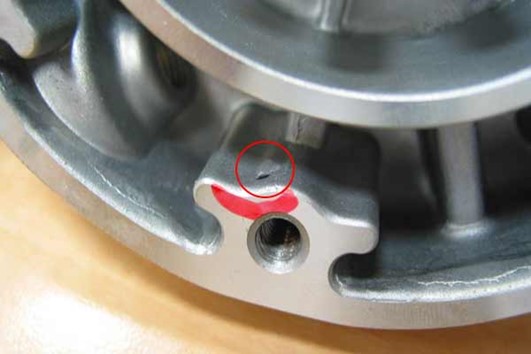
High-pressure die Casting (HPDC) is one of the most frequently utilized metal casting processes in current manufacturing. Manufacturers choose HPDC because it enables the production of complex metal parts that achieve both high precision and rapid production rates superior dimensional accuracy and smooth finishes. HPDC enables automotive and aerospace industries and the production of electronics components and consumer goods to manufacture lightweight durable parts for applications like engines and housings, structural elements, and mechanical assemblies. The manufacturing process of high-pressure die casting faces numerous risks that create substantial defects that decrease product quality while shortening the lifespan and compromising performance. Various defects form from improper mold design, turbulent molten metal flow, trapped gases, inconsistent cooling rates, and thermal stress during the production process. HPDC technology encounters seven primary defects which include porosity, cold shuts, shrinkage defects, flash formation, surface defects, misruns, die erosion, and soldering. These types of manufacturing defects cause deterioration of material strength while producing irregular dimensions and undesirable visual effects which can instigate component breakdown. Manufacturers combat production problems through the optimization of processing parameters and better-undermining methods along with controlled temperature systems and vacuum-assisted casting procedures. Real-time monitoring and simulation software are advanced quality control methods with further efficiency and reliability in the die-casting process. This article provides a comprehensive analysis of standard manufacturing issues during high-pressure die-casting technology with explanations of root causes and solution strategies to decrease these defects. It is only by understanding these challenges and applying best practices that manufacturers can improve the quality, longevity, and, of course, the performance of their die-cast components and simultaneously cut down on waste, and production costs. Proficiency in these manufacturing defects will assist die-casting engineers, production managers, and quality control specialists to optimize their processes for the best die-casting outcomes. 1. Porosity Porosity is defined by small holes or gas inclusions found within the metal matrix, and as a result, affects the mechanical properties, decreasing the strength, including allowing for air and gasses to pass through the structure, and leading to visible surface defects in die-casted products. Causes: Prevention & Solutions: 2. Cold Shut A cold shut is created when two streams of molten metal do not fuse properly and form weak bonding areas or visible seams in the casting. This defect not only decreases the mechanical strength but also increases the risk of a fracture, as well as negatively affects the component’s durability and appearance. Causes: Prevention & Solutions: 3. Shrinkage Defects Shrinkage defects occur due to shrinkage of metal during cooling which leads to internal voids or cavities, which deteriorate the structural integrity of casting. As a result, these defects reduce the mechanical strength of the final product, cause potential failure under stress, and cause poor surface quality, thus affecting both the functionality and aesthetics of the final products. Causes: Prevention & Solutions: 4. Flash Formation Excess thin metal layers formed at the parting line or die gap due to high-pressure metal escape are referred to as flash. Although flash can be trimmed off post-casting, over-flash leads to increased material waste, tool wear, and associated production costs and thus reduces the overall efficiency of the die-casting process. Causes: Prevention & Solutions: 5. Inspection of Surface Defects (Blisters, Crack and Wrinkles) A variety of surface defects, blisters, cracks, and wrinkles, degrade the visual appearance and mechanical strength of the casting and need to be prevented and eliminated. It causes weld defects that reduce the durability of the product, increase the rejection rate, and make the product stick poorly after post-casting treatments such as painting or coating. Causes: Prevention & Solutions: 6. Inclusions and Contamination Unwanted foreign particles, such as slag, oxide films, dirt, or other impurities, which are trapped in a final casting, create poor mechanical properties, weak structural integrity, and surface defects and are called inclusions. The presence of these contaminants can reduce die-cast component performance and durability so that they are not suitable for high-precision applications. Causes: Prevention & Solutions: 7. Misruns and Incomplete Fill A misrun occurs where there is a short filling of the mold cavity, which causes missing sections, thin walls, and weak points in the final component. Negative effects on the structural integrity and functionality of the part and in this way unsuitable for performance applications. Causes: Prevention & Solutions: 8. Die Erosion and Wear Molten erosion dies wear is the loss of the mold surfaces due to the high-speed metal continuously wearing the mold part surfaces until the required dimensions are achieved, which results in poor surface finish and short mold tool life. If this defect occurs, die replacement is common and consequently, production costs increase while casting quality varies. Causes: Prevention & Solutions: 9. Hot Cracking Cracks that occur during the semi-solid state of the metal, is due to high thermal stress and excessive shrinkage are known as hot cracking. These cracks degrade the mechanical integrity of the casting that is increase the chance of failure of the casting at the place where the cracks are present under stress or load. Causes: Prevention & Solutions: 10. Soldering The molten metal adheres to the die surface, which is difficult to remove with casting, causing surface defects, die wear as well as prolonged production downtime. Dimensional inaccuracies and poor surface finish are also caused by this defect, as it results in the overall compromised quality of the final product. Causes: Prevention & Solutions: Conclusion The high-pressure die casting is a powerful manufacturing process that creates complex metal parts at high accuracy at maximum efficiency. However, different kinds of defects arise using improper process parameters, material issues, and/or mold design flaws. Manufacturers can take preventive measures, e.g. optimal process control mold, properly selected material, etc., after understanding these usual manufacturing defects. A company can improve product quality, lower production costs, and achieve higher production efficiency in die-casting operations by emphasizing continuous process improvement as well as defect prevention strategies. Frequently Asked Questions (FAQs) 1. What are the major reasons for defects in high-pressure die casting? The main causes

금속 주조 서비스 정보

알루미늄 다이캐스팅, 다이캐스팅 회사, 다이캐스팅 부품, 고압 다이캐스팅, 마그네슘 주조, 마그네슘 다이 캐스팅, 아연 다이캐스팅

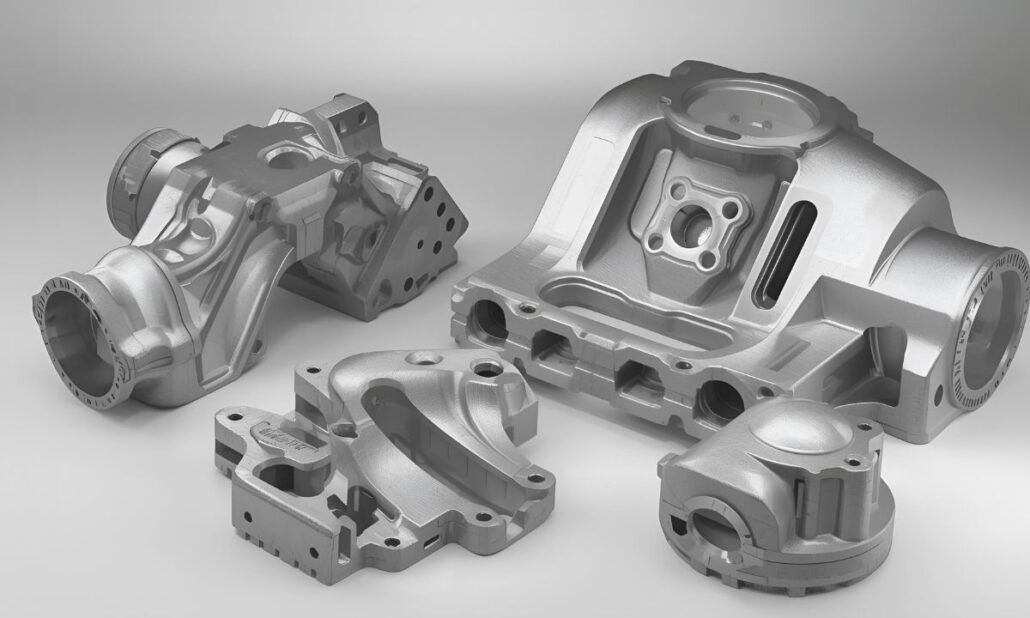
Metal casting services involve the shaping of free-flowing liquid metals through the use of dies, molds, or patterns.  Castings are generally roughly finished due to the nature of their production.  In many cases, additional finishing is required to remove burrs and other artefacts of the casting process.  Metal castings services are used to design a wide range of components and finished products.  Everything from simple nails and fasteners to engine blocks can be fabricated using metal casting services.  Common metal casting processes include sand casting, die casting, permanent mold casting, investment casting, centrifugal casting, and lost foam casting. Sand Casting Sand casting is used to make large parts (typically iron, but also bronze, brass, aluminum). Molten metal is poured into a mold cavity formed out of sand (natural or synthetic). Sand castings generally have a rough surface, sometimes with surface impurities and surface variations. Die-casting includes a number of processes in which reusable dies or molds are used to produce casting.  The die contains an impression of the finished product together with it’s running, feeding and venting systems.  The die is capable of a regular cycle and of (quickly) dissipating the heat of the metal poured into it.  Once the liquid metal has cooled sufficiently, the mold is opened and the casting can be removed and finished. Permanent Mold Casting In permanent mold casting, molten metal is poured into cast iron molds, coated with a ceramic mold wash. Cores can be a metal, sand, sand shell, or other materials. When completed, the molds are opened and the castings are ejected.   Investment casting services involve molding patterns by the injection of a special wax into a metal die.  The patterns are assembled into a cluster around a wax runner system. The ‘tree’ of patterns is then coated with 8-10 layers of refractory material. The assembly is heated to remove the wax.  The hot mold is cast, and when cool, the mold material is removed by impact, vibration, grit blasting, high-pressure water blasting or chemical dissolution leaving the castings, which are then removed from the runner system. Centrifugal casting Centrifugal casting services are used to produce castings that are cylindrical in shape.  In centrifugal casting, a permanent mold is rotated about its axis at high speeds as the molten metal is poured. The molten metal is centrifugally thrown towards the inside mold wall, where it solidifies. The casting is usually a fine grain casting with a very fine-grained outer diameter, which is resistant to atmospheric corrosion, a typical need with pipes. The inside diameter has more impurities and inclusions, which can be machined away. Lost foam casting Lost foam casting (LFC) is metal casting services that use foam filled patterns to produce castings.  Foam is injected into a pattern, filling all areas, leaving no cavities.  When molten metal is injected into the pattern, the foam is burned off allowing the casting to take shape. Die casting Die casting and metal casting includes a number of processes in which reusable dies or molds are used to produce casting. The die is capable of a regular cycle and of (quickly) dissipating the heat of the metal poured into it. Once the liquid metal has cooled sufficiently, the mold or is opened and the casting can be removed and finished.   In the die casting process, molten metal is injected under pressure into a reusable mold or die. The die contains an impression of the casting together with it’s running, feeding and venting systems. The die is capable of a regular cycle and of (quickly) dissipating the heat of the metal poured into them. Once the liquid metal has cooled sufficiently, the mold or is opened and the metal casting can be removed and finished. high pressure die casting The high pressure die casting process is the most widely used, representing about 50% of all light alloy casting production. Low pressure die casting currently accounts for about 20% of production and its use is increasing. Gravity die casting accounts for the rest, with the exception of a small but growing contribution from the recently introduced vacuum die casting and squeeze casting process. the design of low pressure and gravity die casting dies for improved die filling, optimized solidification pattern and maximum yield. Gravity die-casting is suitable for mass production and for fully mechanized casting. Low-pressure die casting is especially suited to the production of components that are symmetric about an axis of rotation. Light automotive wheels are normally manufactured by this technique. Die casting metals can vary widely, and different die casting companies may have the ability to work with anyone or number of them. Some of the most common metal casting types include aluminum die casting, brass die casting, lead die casting (the most popular for model die casting), magnesium die casting, and zinc die casting. Hope all of that information is enough for your reference, but if you want to know more information, you are welcome to contact us by phone or email.

알루미늄 주조 및 가공

고압 다이 캐스팅

다이캐스팅 알루미늄, 다이캐스팅 회사, 고압 다이캐스팅, 압력 다이캐스팅

금속 주조는 현대 제조업에서 매우 중요한 역할을 합니다. 기술적으로 전 세계를 형성하고 있습니다. 아시다시피 이 방법으로 다양한 금속 부품을 만들 수 있습니다. 고압 다이캐스팅은 가장 널리 사용되는 금속 주조 방법 중 하나입니다. 일반적인 금속 주조 방법은 용융 금속을 금형에 부어 복잡하고 정밀한 모양을 만듭니다. 모든 산업에서 다양한 용도로 이러한 주조 부품을 필요로 합니다. 구조적 지지대나 주요 제품에 필요할 수도 있습니다. 금속을 성형하는 가장 일반적인 방법 중 하나는 다이캐스팅이며, 고압 다이캐스팅은 가장 일반적인 다이캐스팅 방법 중 하나입니다. 이 글에서는 이 방법을 주로 다룹니다. 다이캐스팅이 어떻게 만들어지는지, 어떤 이점이 있는지, 어떻게 사용할 수 있는지에 대해 알아봅니다. 또한 HPDC와 LPDC가 어떻게 다른지도 알아볼 수 있습니다. 고압 다이캐스팅(HPDC) 개요 HPDC는 고압 다이캐스팅의 약자입니다. 이름에서 알 수 있듯이 이 금속 주조 방식은 고압이 필요합니다. HPDC 주조는 공차가 큰 많은 금속 부품을 만드는 데 적합합니다. HPDC 다이캐스팅에서는 용융 금속을 고속과 고압으로 강철 금형 또는 다이에 주입합니다. 따라서 짧은 시간에 수백 개의 주조 부품을 만들 수 있습니다. 이때 필요한 압력은 용융 금속이 다이의 세부적인 특징을 채우도록 하는 것입니다. 이 때문에 고압 다이캐스팅은 대량 생산에 적합합니다. 고압 다이캐스팅 기계는 몇 가지 주요 구성 요소로 이루어져 있습니다. 이들 모두는 시스템에 매우 중요합니다. 다른 부품도 있을 수 있습니다. 그러나 이 네 가지 부품은 고압 다이캐스팅 공정에서 가장 중요한 부품입니다. 이들은 일반적으로 주조 부품의 품질을 최종적으로 결정합니다. 다이캐스트 금형 다이캐스트 금형 또는 다이는 일반적으로 최종 모양을 결정하는 고압 다이캐스팅 기계 부품입니다. 고정식과 이동식의 두 가지 주요 반쪽이 있습니다. 일반적으로 고강도 강철로 만들어집니다. 이러한 HPDC 다이캐스트 금형을 만드는 것을 고압 다이캐스팅 툴링이라고 합니다. HPDC 툴링은 최고의 금속 주조 품질을 위해 매우 중요합니다. 이젝터 핀 이젝터 핀은 고압 다이캐스팅 금형에서 또 다른 중요한 구성 요소입니다. 이젝터 핀은 다이에서 응고된 주물을 쉽게 제거할 수 있도록 도와줍니다. 이젝터 핀은 이동식 다이 하프에서 찾을 수 있습니다. 금속 주물이 냉각되고 응고되면 이 핀을 작동시켜 주물을 제거할 수 있습니다. 주로 생산 주기에서 중요한 역할을 합니다. 콜드 챔버 다이캐스팅 기계 콜드 챔버 다이캐스팅 기계는 사출 시스템, 프레스 시스템, 배출 시스템 등을 갖춘 가장 중요한 기계입니다. 모든 다이캐스팅 공정은이 콜드 챔버 다이캐스팅 기계에 의해 수행됩니다. 가열 부품 가열 부품에는 용광로와 발열체가 포함될 수 있습니다. 일반적으로 금속을 녹이지는 않지만 온도를 일정하게 유지합니다. 이 고압 다이캐스팅 기계 부품의 주요 목표는 금속이 액체 형태로 유지되도록 하는 것입니다. 일관된 가열은 최종 주물의 품질과 일관성을 위해 매우 중요합니다. 고압 다이캐스팅은 어떻게 작동합니까? 일반적으로 고압 다이캐스팅은 5단계로 진행됩니다. 각 단계는 주물의 최종 품질에 매우 중요합니다. 따라서 다이캐스팅 공정을 시작할 때는 항상 장치를 검사해야 합니다. 결함이나 느슨한 나사가 있는지 확인합니다. 항상 장치를 최적의 설정으로 조정하세요. 냉각 시스템이 제대로 작동하는지 확인합니다. 장치를 올바르게 점검했으면 1차 고압 다이캐스팅 공정을 진행할 수 있습니다. 항상 장갑, 옷, 안경과 같은 안전 장비를 착용하세요. 1단계 #1 다이캐스팅 금형 준비하기 고압 다이캐스팅 금형은 크게 두 가지 단계로 준비할 수 있습니다. 먼저, 이미 제작된 금형이라면 사용하기 전에 결함이나 오염 여부를 확인합니다. 둘째, 맞춤형 제품에는 금형 설계가 필요합니다. 다이캐스트 몰드 설계에는 여러 단계가 있습니다. 먼저 솔리드웍스, 오토캐드 등과 같은 3D 소프트웨어를 사용하여 디자인을 그릴 수 있습니다. 설계할 때 게이트 러너와 몰드 베이스를 적절하게 구성했는지 확인합니다. 냉각 시스템도 이 설계 프로세스에서 중요한 부분입니다. 마지막으로 환기 및 배출 시스템을 확인합니다. 설계가 완료되면 드래프트 분석을 진행합니다. 다양한 시뮬레이션 소프트웨어에서 기능을 확인할 수 있습니다. 테스트와 품질 검사가 끝나면 다이캐스팅 툴링을 최종 생산에 사용할 수 있습니다. 1단계 #2 용융 금속 주입 이 HPDC 주조 공정에서는 기계가 용융 금속을 다이 캐비티에 주입합니다. 다른 방법과 달리 고압 주조는 이 작업에 고압과 속도를 사용하기 때문에 고압 다이캐스팅이라고 불립니다. 먼저 다이캐스팅 몰드의 두 반쪽을 단단히 연결합니다. 그런 다음 버튼을 누르면 HPDC 기계가 용융 금속을 챔버로 밀어 넣습니다. 이 압력은 기술적으로 용융 금속이 전체 캐비티를 채우도록 보장합니다. 사출이 완료되면 용융 금속이 냉각되고 응고됩니다. HPDC 다이캐스팅 시스템에는 두 가지 주요 사출 방법이 사용됩니다. 프로젝트 요구 사항에 따라 작업에 적합한 방법을 선택할 수 있습니다. 핫 챔버 사출 사출 메커니즘이 용융 금속 저장소에 잠기는 것을 핫 챔버 사출이라고 합니다. 플런저가 움직이면 용융 금속을 챔버로 끌어들여 다이 캐비티에 주입합니다. 이 유형의 사출은 융점이 낮은 금속에 적합합니다. 이 핫 챔버 다이캐스팅 기계는 아연 및 마그네슘 합금을 사용하는 경우가 많습니다. 콜드 챔버 사출 반면에 콜드 챔버 사출은 별도의 용해로를 사용합니다. 수동 또는 자동 시스템을 사용하여 용융 금속을 부을 수 있습니다. 제조 시 자동 시스템은 일반적으로 유압 플런저로 작동합니다. 이 플런저는 용융 금속을 금형 캐비티에 강제로 삽입합니다. 콜드 챔버 사출은 알루미늄 HPDC 주조의 일반적인 기술입니다. #3 단계 냉각 및 응고 사출 후 용융 금속은 금형 캐비티 내에서 빠르게 냉각됩니다. 일부

알루미늄 다이캐스팅

알루미늄 다이 캐스팅

알루미늄 주조, 알루미늄 주조 금형, 알루미늄 다이캐스팅, 다이 캐스팅, 다이캐스팅 알루미늄, 다이캐스팅 회사, 다이캐스팅 금형, 다이캐스팅 부품, 고압 다이캐스팅, 마그네슘 다이 캐스팅, 압력 다이캐스팅

알루미늄 다이캐스팅이란? 알루미늄 다이캐스팅은 주조 액체 다이 단조 방법입니다. 다이캐스팅 공정은 공정을 수행하기 위한 일종의 특수 고압 다이캐스팅 기계입니다. 기본 기술 프로세스는 저속 또는 고속 주조의 첫 번째 금속 또는 알루미늄 합금 액체가 다이 몰드 캐비티에 채워지고 이동식 캐비티 표면이있는 다이입니다. 액체 알루미늄 합금 냉각 공정 압력 단조 블랭크와 함께 수축 결함을 제거하고 거친 내부 알루미늄 다이캐스팅 조직을 만들어 깨진 크리스탈을 단조합니다. 거친 포괄적 인 기계적 특성이 크게 향상됩니다. 알루미늄 다이캐스팅의 장점 알루미늄 다이캐스팅과 관련된 금속 및주의 사항. 다양한 유형의 알루미늄 합금을 다이캐스팅 및 알루미늄 금형에 사용할 수 있으며 알루미늄 주조 금형, 아연 다이캐스팅, 알루미늄 다이캐스팅 등에 사용되는 방법의 유형 주조 공정 주조는 다양한 유형의 제품을 생산하기에 적합한 알루미늄을 만드는 과정입니다. 다양한 알루미늄 제품을 간단하고 저렴하게 제공할 수 있는 방법입니다. 워싱턴 기념비, 자동차 엔진, 동력 전달 장치 등이 모두 알루미늄 주조 합금 공정을 통해 생산된 예입니다. 알루미늄 주조는 3 가지 방법으로 수행 할 수 있습니다 :- 알루미늄 다이캐스팅 금형 주조 모래 주조 다이캐스팅 다이캐스팅 다이캐스팅은 금속 부품을 생산하는 제조 공정입니다. 다이캐스팅에서 다이 또는 금형 캐비티는 이전에 특정 모양으로 가공된 경화 공구강으로 만들어집니다. 다이캐스팅에서는 알루미늄을 먼저 녹여 강철 다이에 고압으로 강제로 부어 넣습니다. 이 제조 기술은 일반적으로 대량 생산에 사용되며, 일반적으로 고압 다이캐스팅 또는 압력 다이캐스팅 공정이라고 합니다. 금형 주조 금형과 코어는 강철 또는 다른 금속으로 만들 수 있습니다. 여기에서도 알루미늄을 먼저 녹여 제공된 금형에 부어 넣습니다. 때때로 진공이 적용되기도 합니다. 어떤 상황에서는 영구 금형 주조가 다이캐스팅과 모래 주조 방법보다 더 강한 것으로 보입니다. 반영구적 금형 주조 기술은 완성된 부품에서 영구 코어를 제거할 수 없는 경우에 사용됩니다. 샌드 캐스팅: 샌드캐스팅은 알루미늄 제품을 생산하는 가장 다재다능한 방법입니다. 일반적으로 용융된 알루미늄을 고운 모래 혼합물로 사실상 압착된 주형에 붓습니다. 이 패턴은 응고 및 냉각 과정에서 알루미늄 수축에 필요한 것보다 약간 더 크게 만들어집니다. 샌드캐스팅은 일반적으로 다이캐스팅과 몰드캐스팅보다 느린 공정입니다. 일반적으로 소량 제품에 사용됩니다. 알루미늄 주조 합금 가장 중요한 주조 알루미늄 주조 합금 시스템은 Al-Si입니다. 여기서 높은 수준의 실리콘은 우수한 주조 특성을 제공하는 데 기여합니다. 알루미늄 주조 합금은 경량 또는 내식성이 요구되는 엔지니어링 구조 및 부품에 널리 사용됩니다. 알루미늄 다이캐스팅의 방법 및 이점 알루미늄 다이캐스팅과 관련된 금속 및주의 사항 다이캐스팅에는 다양한 유형의 알루미늄을 사용할 수 있으며, 알루미늄 주조 제조업체 및 알루미늄 주조는 다양한 유형의 방법을 사용하여 다양한 유형의 금속을 커버하기 위해 사용됩니다. 알루미늄 주조에는 많은 방법이 사용되며 다양한 유형의 이점을 얻을 수 있습니다. 알루미늄 주조 및 알루미늄 다이캐스팅의 도움으로 금속의 수명을 늘릴 수 있으며 금속의 놀라운 모양과 매력으로 오랜 기간 동안 사용할 수 있습니다. 방법 알루미늄 다이캐스팅에는 다양한 유형의 방법이 사용됩니다. 가장 중요한 것은 알루미늄을 녹이는 것입니다. 알루미늄을 녹이려면 고온이 필요합니다. 알루미늄을 녹이기 위해 특수 구조가 사용됩니다. 알루미늄 주물이 녹으면 대상 금속에 부어집니다. 그런 다음 녹은 알루미늄 주물을 단단하게 만들고 일정 시간이 지나면 사용할 준비가 된 것입니다. 알루미늄을 녹이는 데 사용하도록 만들어진 특수 용기가 있습니다. 이러한 구조물은 다양한 모양과 크기로 시중에서 구입할 수 있습니다. 원하는 재료를 사용하여 집에서도 이러한 구조물을 만들 수 있습니다. 이러한 구조를 만드는 데는 많은 옵션이 있습니다. 시장에서이 구조를 구입하려면 크기와 모양을 선택해야합니다. 크기와 모양에 따라 다양한 옵션이 있으며 제조업체마다 다양한 유형의 가격이 부과됩니다. 알루미늄 주물을 효과적으로 가열하고 녹이기 위해 일부는 연료를 사용하고 일부는 열을 얻기 위해 수작업으로 열을 가하기 때문에 이러한 구조의 작업도 다릅니다. 이러한 구조에서 고온을 얻은 다음 알루미늄 주물을 녹인 다음 주조 공정을 위해 대상 금속에 사용합니다. 알루미늄 다이캐스팅의 장점 알루미늄 다이캐스팅의 장점에는 여러 가지가 있습니다. 주로 이러한 유형의 주조는 금속이 부식으로부터 안전하게 유지될 수 있도록 하기 위해 수행됩니다. 대기 조건과 습기는 철에 좋지 않으며 주조는 철을 보호하고 수명을 늘리는 데 도움이 될 수 있습니다. 알루미늄 다이캐스팅은 주조를 통해 금속에 사용할 수 있기 때문에 습기 및 기타 환경의 유해한 영향에 저항 할 수 있습니다. 알루미늄 다이캐스팅 회사는 철에 주조하여 보호 시트를 만들 수 있으며, 보호 쉴드는 철에 만들어져 오랜 기간 동안 사용할 수 있습니다. 이 보호막은 고온을 사용하여 얻은 빛나는 층의 형태입니다. 이 층은 금속의 강도와 유효 수명을 증가시키면서 영구적이고 보기에도 좋습니다. 대부분 철은 알루미늄의 도움으로 주조됩니다. 이것은 저렴한 공정이며 철의 수명이 길어짐에 따라 사용자는 이점을 얻을 수 있습니다. 결론 알루미늄 다이캐스팅 금형은 철 및 기타 금속 주조에 사용할 수 있습니다. 이 프로세스에는 여러 가지 방법을 사용할 수 있습니다. 신뢰할 수있는 방법의 도움으로 사용자는 금속이 부식 및 기타로부터 절약되므로 이점을 얻을 수 있습니다.

위로 스크롤

견적 받기