알루미늄 주조

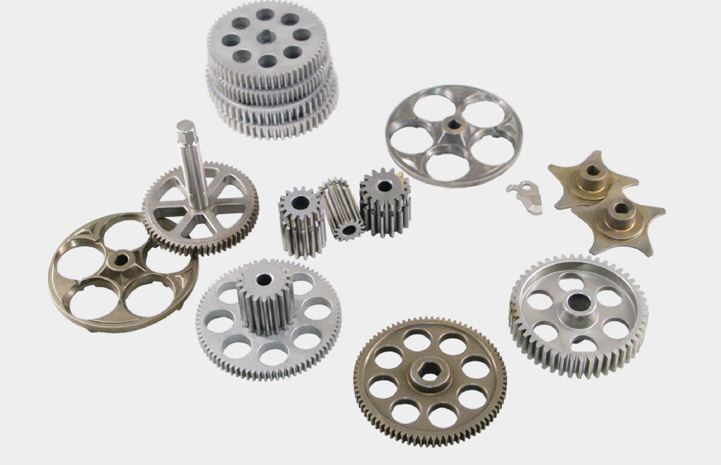
powder metallurgy gears

Powder metallurgy components

알루미늄 주조

The Engineering Guide to Powder Metallurgy Components Manufacturing Powder metallurgy components are machined parts that are produced by compacting metal powders and sintering them at high temperatures. The process produces tight tolerances (±0.01mm), intricate geometries, as well as near-net-shape production with minimal waste of material. Commonly applied in the automotive, aerospace, and industrial industries, Powder metallurgy (PM) production comprises a low-cost substitute to machining and casting of large-volume, intricate part shapes. Powder Metallurgy Components Guide Key Takeaways Parameter Powder Metallurgy Die Casting (Comparison) Dimensional Tolerance ±0.01mm – ±0.05mm ±0.05mm – ±0.1mm Material Utilization 95–97% 85–92% Ideal Production Volume 10,000+ units/run 5,000+ units/run Common Materials Iron, Copper, Stainless Steel, Bronze Aluminum A380, ADC12, Zamak 3, Magnesium AZ91D Surface Finish Options Sintered, Plated, Impregnated Anodizing, Powder Coating, Shot Blasting Quality Standards ISO 9001, IATF 16949 ISO 9001, IATF 16949 What Are Powder Metallurgy Components and How Are They Made? Powder metallurgy (PM) is a net-shape or near-net-shape production method which transforms metallic powders into solid, functional components by way of compaction and sintering. As opposed to traditional methods of casting or machining, PM develops the piece by printing it at a microscopic scale from the ground at a microstructural level. This gives the engineer control over porosity, density, and alloy composition. The typical PM manufacturing cycle has four fundamental stages: Stage 1: Powder Preparation- Raw metal powders (iron, copper, nickel, stainless steel, bronze) are mixed with lubricants and alloying elements to attain the desired composition. Stage 2:The blended powder is poured into a hardened die and compressed under pressures of between 150 and 900MPa to form a green compact that maintains its shape. Stage 3: The green compact is heated in a controlled atmosphere furnace to 70-90% of the melting point of the metal. Atomic diffusion bonds the particles permanently without full melting. Stage 4: Depending on what you need the parts for, they may undergo CNC Machining, sizing, heat treatment, plating, or oil impregnation to achieve the final specifications. This sequence allows the manufacturing of powder metallurgy components having a wall thickness as low as 1.5mm, internal features and repeatable tolerances of ±0.01mm in large volume batches. Why Are Powder Metallurgy Parts Critical for Automotive and Industrial Applications? The automotive industry consumes over 70% of global PM. One of the major reasons for this is that powder metallurgy parts deliver mechanical performance, dimensional consistency, and production efficiency that few competing processes can match at scale. PM is used in the production of self-lubricating bearings, structural brackets, valve seat inserts, and transmission components because the process allows controlled porosity. An example is the oil-impregnated sintered bearings. These components can operate without need for maintenance throughout the lifespan of a vehicle. This key performance characteristic is impossible to replicate through the casting process alone. Key automotive applications include: PM industrial applications include power tools, hydraulic systems, filtration components, and medical device housings. In short, anywhere that repeatable geometry and consistent density is an operational necessity. For manufacturers who makes automotive parts that must meet IATF 16949 and ISO 9001 quality frameworks rely on PM’s process repeatability to achieve Cpk requirements and zero-defect delivery targets demanded by Tier 1 automotive suppliers. we are automotie die casting manufacturer in China, we are IATF 16946 certified die casting company in China. How Does Powder Metallurgy Gears Production Work, and What Tolerances Are Achievable? Gears are one of the most challenging applications in PM manufacturing. Powder metallurgy gears production has improved greatly in the last 20 years, and gear manufacturers are now able to substitute broached or hobbed steel gears with sintered ones at a fraction of the unit price. The Technical Case for Sintered Gears Sintered gears are compacted directly to their final tooth profile geometry, eliminating the hobbing, shaping, and grinding operations that are required for cut steel gears. This reduces lead time by 30-50% and material scrap to under 3%. PM gears can be achieved to standard specifications, which include: Warm compaction or powder forging processes can be used to push density above 7.5 g/cm³ which are required for higher-load applications. This brings the mechanical properties close to wrought steel and helps retain the PM’s geometric flexibility. Secondary Finishing for Gear Applications Once sintered, gears that are to be used in high-load transmissions are usually subjected to: For CNM Tech, the available in-house CNC machining can also enable the post-sinter finishing to be done within the same supply chain so that handling, lead time, and dimensional risks due to multiple vendor hand-offs are minimised. Powder Metallurgy vs. Die Casting: Which Process Is Right for Your Part? Both die casting and PM are net-shape manufacturing processes of high volume, and are used in different design needs. It is a choice between geometry, material, mechanical load and volume of production. Process Comparison Powder Metallurgy — Advantages: Powder Metallurgy — Limitations: Die Casting — Advantages: Die Casting — Limitations: The Bottom Line If your part is a structural gear, bearing, or small precision component under 2.5 kg requiring tight bore tolerances and high-volume repeatability, powder metallurgy parts are the technically correct choice. Die casting is the better way to go in case your component needs thin walls, large external surfaces, lightweight enclosures, or decorative finishes in aluminium or zinc alloy. Most complex assemblies enjoy the advantages of both procedures, such as die-cast Aluminum A380 housing combined with sintered PM gears and bearings. The full service of CNM Tech encompasses both processes under one project management system, and, therefore, procurement teams find it easier to coordinate with the vendors. What Quality Standards Govern Powder Metallurgy Components Manufacturing? The concept of quality assurance in PM manufacturing is not a choice, but the basis of all repeatable production runs in engineering. All powder metallurgy components, in CNM Tech, are manufactured and defined according to the quality management system of ISO 9001:2015 and IATF 16949:2016. These frameworks govern: Components that are shipped to automotive Tier 1 buyers have complete PPAP (Production Part Approval Process) reports that contain material certifications, capability

아연 다이캐스팅

소량 생산을 위한 아연 다이캐스팅 제조업체를 선택하는 방법

알루미늄 주조

Zinc die casting has emerged as one of the most popular manufacturing processes used to generate the precision metal parts, which require high quality on the surfaces, tight tolerances and geometric shapes. The automotive industry, electronic industry, construction hardware, consumer goods and decorative fittings industry are some of the industries that are highly dependent on zinc or ZAMAK die casting since they possess excellent mechanical properties and finishing capabilities. In cases where the volumes of production are low, the choice of the appropriate zinc die casting manufacturer is even more valuable. Low batch production needs flexibility, control of cost, reduced lead time and engineering skills, which many manufacturers may lack due to the need to deal with mass production. The instructional manual describes the method of selecting an appropriate zinc die casting vendor that handles small orders and names seven reputable Chinese manufacturers, plus six reputable international companies. The Knowledge of Zinc Die Casting Small Batch Manufacturing Zinc die casting is one of the metal casting technologies in which the molten zinc alloy is injected into a steel mold under high pressure.  Zinc alloys have a lower melting point, higher fluidity and longer tool life compared to the aluminum or magnesium which is particularly well suited to low to medium volume production. In the case of small batch projects, zinc die casting has enormous benefits. The tooling costs are usually cheaper, the cycle time is shorter, and parts can be near net shape in nature, hence do not require much machining. Zinc can also be used as decorative and functional components to be polished, electroplated, chrome plated, powder coated or painted. Small batch manufacturing frequently includes prototype testing, small market rollouts or specialised industry use. Thus, the manufacturers have to offer flexibility in the tooling, responsiveness in communication, and maintain uniformity even at reduced volumes. The Special Consideration of Small-Batch Zinc Die Casting Small batch zinc die casting is not just a smaller variant of mass production. Manufacturers have to change their operations to make sure they are efficient without adding unnecessarily high costs. The tooling plan is paramount. Although the tooling of zinc will outlive that of aluminum, the initial cost may still be a burden in small amounts. A company that sells simplified molds, modular tooling or even rapid tooling would be more adaptable to a small batch. The flexibility of production is also significant. Small quantity orders can be characterized with design modification, numerous revisions, or bespoke finishing. An efficient supplier has to be in a position to handle such changes without causing any delays. The other determinant is surface finishing capability. Zinc elements are usually employed in the visible or ornamental industry, and in such cases, the look of the surface is equally crucial as the dimensional precision. In-house finishing enables manufacturers to have more quality control and delivery schedules. Some of the considerations that are important to make when selecting a manufacturer of zinc die castings include; Experience and Technical Knowledge in Manufacturing The experience of a manufacturer in zinc alloys has a direct influence on the quality and consistency of parts. Alloy casting suppliers Zinc die casting companies know more about the choice of alloys, mold design, the positioning of gates and the control of processes than general metal casting suppliers. In small-scale projects, the engineering experience becomes even more helpful. Experienced manufacturers have the capability to propose design refinements which would have lower tooling complexity, fewer defects, and yield. Mold Design Capabilities and Tooling One of the most expensive aspects of die casting is tooling. In small batches, manufacturers with in-house design and fabrication of molds are cheaper to deal with and can deliver faster. Die casting moulds of Zinc can have thin walls and fine details. Nevertheless, these mold designs should be done correctly to prevent porosity, sink marks, or surface defects. Suppliers that have simulation software and mold flow analysis are in a better position to provide consistent results. Surface Finishing and Secondary Operations Zinc alloys have a high preference due to their outstanding surface finishing properties. Manufacturers are supposed to provide secondary services like polishing, electroplating, chrome plating, nickel plating, powder coating and painting. When working with small batch production, the outsourcing of finishing may worsen the lead time and quality risks. One vendor who finishes in-house gives a homogenous effect and expedited delivery. Quality Management and Certifications Even when making a small order, quality assurance must not be compromised. The manufacturers who have received the ISO-certified quality management systems show devotion to consistency and traceability. Such inspection devices as CMM machines, roughness testers, and material testing facilities are signs of a good supplier. Responsiveness and Communication Close cooperation is frequently needed on small-scale projects. There should be effective communication, quick quotation turnover and a proactive solution to problems. Companies that offer project managers tend to perform well when it comes to low-volume production. Best Chinese Zinc Die Casting Maker for a Minimum Batch GC MOLD (aludiecasting.com) GC MOLD is a Chinese manufacturer of zinc die cast that has a good reputation due to its tooling accuracy and versatility. The company deals in die casting of zinc, aluminum, and magnesium and assists small to medium batch production for the global clients. GC MOLD is a company that provides all the services such as designing of molds, die casting, CNC machining and surface finishing. Their engineering team collaborates intimately with customers to ensure an optimization of part design, which makes them a good option for start-ups and OEMs that demand small volumes of production with high accuracy. This is because the company can process decorative zinc parts, functional industrial components, as well as automotive applications, which makes it one of the surest bets in China in terms of small batch zinc die casting. CNM CASTING (diecasting.com / diecastingschina.com) CNM CASTING is a special-purpose manufacturer of zinc alloy die castings with one-stop manufacturing solutions. The company has experience in manufacturing high cosmetic geometries and precision zinc components with complex geometries. CNM

용융 알루미늄 드로스 감소

용융 알루미늄 찌꺼기를 줄이고 회수율을 높이는 12가지 입증된 방법

알루미늄 주조

오늘은 업계에서 가장 골치 아픈 문제 중 하나인 알루미늄 용융 드로스를 해결하기 위해 두 팔을 걷어붙이고 파운드리의 심장부로 향합니다. 고체 알루미늄을 녹이는 일반적인 반향로를 들여다본 적이 있다면, 용융물 표면에서 일어나는 일이 수익 마진을 좌우할 수 있다는 것을 알고 있을 것입니다. 경쟁력을 유지하려면 모든 파운드리 관리자는 용융 알루미늄 찌꺼기가 수익을 잠식하기 전에 이를 줄이는 방법을 정확히 알고 있어야 합니다. 알루미늄 회수에 대해 이야기할 때, 우리는 실제로 산화와 전쟁을 치르고 있는 것입니다. 용광로에 공급되는 모든 알루미늄 스크랩은 매우 얇은 알루미늄 산화피막을 가지고 있습니다. 무거운 잉곳이든 가벼운 회전이든 상관없이 그 껍질은 존재합니다. 스크랩이 용광로에서 가열될 때, 특히 공기나 산화 환경에서 가열되는 경우 온도가 높을수록 껍질이 더 빠르게 성장합니다. 이러한 산화를 방치하면 대량의 폐기물이 발생하므로 용융 주기 동안 용융 알루미늄 찌꺼기를 줄이는 전략을 실행하는 것이 중요합니다. 이 가이드는 상식적인 유지 관리와 고급 화학 전략을 모두 사용하여 용융 알루미늄 찌꺼기를 줄이고 알루미늄 회수를 극대화하는 데 도움이 되도록 설계되었습니다. 알루미늄 용융 드로스 이해 용융 알루미늄 드로스를 효과적으로 줄이려면 먼저 알루미늄 용융 드로스가 무엇인지 정확히 이해해야 합니다. 알루미늄이 녹으면 알루미늄 산화물은 표면으로 떠오르면서 드로스라고 하는 두 번째 단계를 형성합니다. 하지만 이것은 단순한 “쓰레기”가 아닙니다. 산화물 피막의 표면 장력 때문에 금속성 알루미늄도 15%에서 80%까지 드로스에 갇혀 있습니다. 모든 파운드리의 주요 목표는 용융 알루미늄 드로스를 줄이는 것입니다. 최대 80%의 “쓰레기'가 실제로는 사용 가능한 양질의 금속일 수 있기 때문입니다. 단면이 크고 무거운 용융 스톡은 표면적 대비 질량 비율이 가장 크며 용융 손실을 최소화합니다. 그러나 깨끗한 스크랩을 사내에서 재용융하면 표면적이 증가하기 때문에 용융 손실이 증가하여 용융 알루미늄 찌꺼기를 줄이기가 더욱 어려워집니다. 용융 품질에 대한 기본 사항에 대해 자세히 알아보려면 정제제에 대한 가이드를 확인하세요. 높은 오염 비용과 표면적 용융 알루미늄 드로스를 줄이는 것이 거의 불가능하게 만드는 ”더러운“ 물질을 충전하는 것이 가장 빨리 돈을 잃는 방법 중 하나입니다. 1%의 유기물과 수분이 있을 때마다 2%의 용융 손실이 발생합니다. 따라서 용융 알루미늄 드로스를 줄이고 알루미늄 회수율을 높이려면 깨끗하고 건조한 충전 재료를 사용하는 것이 첫 번째 원칙입니다. 또한 스크랩의 모양도 중요합니다. 터닝, 보링 및 가공 칩을 충전하면 10% ~ 15%의 드로스가 형성됩니다. 이는 용광로 대기에 노출되는 표면적이 넓기 때문입니다. 다이캐스팅 가공 중 높은 스크랩 비율로 어려움을 겪고 있다면 용융 알루미늄 드로스를 줄일 계획이 없었기 때문에 문제가 바로 용광로에서 시작되었을 가능성이 높습니다. 드로스 형성에 대한 온도의 영향 용융 알루미늄 드로스를 줄이기 위한 중요한 요소는 용융물의 유지 온도입니다. 몇 도가 문제가 되지 않는다고 생각할 수도 있지만, 25~55°C의 온도 상승이 미치는 영향은 상당히 클 수 있습니다. 온도가 높으면 산화 반응이 가속화되므로 용융물을 시원하게 유지하는 것이 용융 알루미늄 드로스를 줄이는 가장 쉬운 방법입니다. 또한 용융물 위의 드로스 층의 두께는 단열 효과를 주며 버너 시스템의 연소 속도를 높여야 합니다. 드로스가 많을수록 버너를 더 열심히 점화해야 하고, 이는 다시 더 많은 드로스를 생성하는 악순환이 반복됩니다. 따라서 용융 알루미늄 드로스를 줄이기 위해 용융물 표면의 층 두께를 40mm 미만으로 유지하여 용광로의 효율을 유지하는 것이 가장 일반적입니다. 알루미늄에서 드로스를 올바르게 제거하는 방법 알루미늄에서 드로스를 제거할 때 ”젖은“ 상태에서 그냥 긁어내서는 안 됩니다. 그렇게 하면 이익을 버리는 것입니다. 적절한 플럭스 구성을 올바르게 적용하면 약하게 결합된 산화물 층이 물리적으로 파괴되어 용융 알루미늄 드로스가 새로운 알루미늄을 포획하고 수조로 되돌려 보내져 용융 알루미늄 드로스를 줄이는 데 도움이 됩니다. 이렇게 하면 금속 액체 합금 방울이 합쳐져 성공적인 알루미늄 회수를 위한 ”비밀 소스'가 됩니다. 용융 알루미늄 드로스를 줄이기 위해 플럭스를 성공적으로 사용했는지 여부는 재료의 모양으로 확인할 수 있습니다. 금속이 풍부한 드로스는 밝고 윤기가 나며 확실히 금속성 알루미늄으로 가득 차 있는 반면, 처리된 드로스는 더 칙칙하고 가루처럼 보입니다. 알루미늄에서 드로스를 효과적으로 제거하려면 가루 같은 마무리가 필요합니다. 처리되지 않은 드로스의 알루미늄 함량은 평균 85~90%이지만 용광로 처리를 통해 이 양의 약 절반을 회수할 수 있어 알루미늄 회수율을 크게 높일 수 있습니다. 알루미늄 드로스를 줄이기 위한 상식적인 10가지 절차 드로스 형성을 초기에 처리하는 가장 좋은 방법은 드로스 형성을 최소화하는 것입니다. 이는 여러 가지 상식적이고 성실한 유지보수 절차를 통해 달성할 수 있습니다: 고급 알루미늄 회수 시스템 수동 스키밍을 넘어 전문 드로스 회수 시스템을 도입하는 것은 용융 알루미늄 드로스를 줄이려는 대량 파운드리의 판도를 완전히 바꿔놓을 수 있습니다. 이러한 첨단 시스템은 기계적 작용과 정밀한 온도 제어를 통해 알루미늄 용융 드로스가 냉각 및 응고되기 전에 남은 금속 알루미늄을 “압착”합니다. 재료가 여전히 뜨거운 상태에서 처리하면 수작업으로만 처리할 때보다 훨씬 높은 수준의 알루미늄 회수율을 달성할 수 있습니다. 또한 용융 알루미늄 드로스를 지속적으로 줄이려면 모든 열전대가 정상적으로 작동하는지 확인해야 합니다. 센서가 꺼져 있으면 유지 온도가 부정확해지고 과도한 열로 인해 알루미늄 용융 드로스 생산량이 급증할 수 있습니다. 정밀한 열 모니터링은 용융 알루미늄 드로스를 줄이기 위한 모든 전략의 근간입니다. 전문 장비 및 전문 소싱에 대한 자세한 내용은 중국 다이캐스팅 제조업체를 방문하세요. 도구

알루미늄 다이 캐스팅

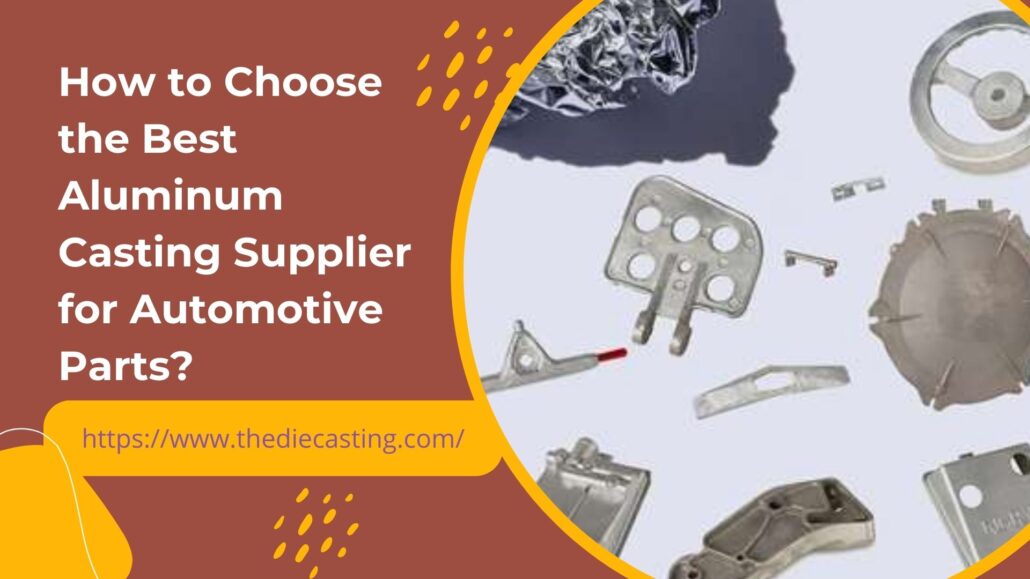
자동차 부품을위한 최고의 알루미늄 주조 공급 업체를 선택하는 방법은 무엇입니까?

알루미늄 주조

The automotive industry in the world is developing fast due to the need for lightweight cars, better fuel efficiency, lower emissions, and high-performance parts. Aluminum die casting has emerged as one of the most important manufacturing processes, which has been amazingly supportive of this transformation. In the electric car design, aluminum die-cast components are crucial in the modern automotive design, including engine housings and transmission cases, as well as structural components of the car. The selection of an appropriate automotive parts aluminum casting supplier is no longer an easy-purchasing choice. It is a strategic alliance that influences the quality of products, production efficiency, cost control, and business success in the long run. This paper describes the steps involved in identifying the most optimal aluminum die-casting supplier, as well as identifies some of the leading manufacturers of aluminum die-casting auto parts in China and globally. Why Automotive Manufacturing Requires Aluminum Die Casting Through aluminum die casting, manufacturers are able to develop complicated, high-precision components at massive volumes with high surface finish and dimensional accuracy. Aluminum has a better strength-to-weight ratio, resistance to corrosion, and thermal conductivity than conventional materials, it is the perfect material to be used in automobiles. Aluminum die casting is becoming even more significant with the emergence of electric vehicles. Die-casting technology is important in battery casings, motor frames, inverter casings, and massive structural parts. With the increased complexity of the automotive designs, the suppliers have to provide casting services along with the engineering services, machining, surface finishing, and quality control. Essential Factors to be Considered When Selecting an Aluminum Casting Supplier Car and Automotive Knowledge and Experience The experience of the aluminum die casting supplier in automotive die casting is one of the first factors that should be considered. Car parts have to be of high safety, durability, and compliance with regulations. A supplier who has been long term in experience in automotive projects knows the choice of materials, control of tolerances, and process stability. The suppliers who have engaged in partnership with automotive OEMs, with Tier-1 or Tier-2 suppliers, tend to produce steady quality and handle complicated production specifications. Production Facilities and Resources A trusted aluminum die-casting company must possess up-to-date production facilities such as high-pressure die-casting machines of different tonnages, CNC machining centres, and surface finishing. It is a great strength to be able to deal with small precision castings as well as large structural castings. Automation, robotics, and digital monitoring are other technologies that are also frequently used by advanced suppliers to attain repeatability and minimize defects in mass production. Quality Control and Certifications In car production, quality control plays a key role. The most effective suppliers have been developed on internationally recognized systems of quality like ISO 9001, IATF 16949 (previously TS 16949), and ISO 14001. These certifications are an indication of quality management, process control, and environmental responsibility. The inspections are also checked in-house by CMM machines, X-ray tests, spectrometers, and pressure leak testing systems, which also ensure that the product has high reliability. Engineering Customisation and Support Automotive projects are normally customized as opposed to off-the-shelf products. An effective supplier of aluminum die-casting must be able to provide engineering services to the initial design phase, such as design of the mould, optimization of materials, and design-for-manufacturing (DFM) analysis. Aluminum die casting suppliers are the ones where customers can find prototyping, rapid tooling, and design validation services, which would reduce the development time and eliminate expensive redesigns. International Supply Chain and Delivery Performance World and China Leaders of Auto Parts Suppliers: Aluminum Die Casting CNM Tech Co., Ltd Company Overview CNM Tech Co., Ltd. is an experienced manufacturer of aluminum die-casting auto parts with over 20 years of working experience in the industry, based in Dongguan, China. The firm deals with aluminum, magnesium, and zinc die casting, CNC machining, surface finishing, and assembly. CNM Tech manufactures components of aluminum, zinc, and some magnesium that weigh not more than 12 kg, 2 kg, and others, respectively. Its vertically integrated production system includes sourcing of raw materials, tooling, casting, machining, finishing, and final packaging. Why Choose CNM Tech CNM Tech has the advantage of end-to-end capabilities of manufacturing. The company has retained tooling, machining, and surface finishing, resulting in complete control of quality and lead times. The company works on the basis of ISO 9001, TS 16949, and ISO 14001 quality systems, which guarantee high-quality production with automotive standards. CNM Tech provides aluminum die-casting auto parts at competitive prices; therefore, it offers its customers a reliable partner in supplying high-precision parts worldwide. Industries Served CNM Tech also deals with the medical equipment, home appliances, LED electronics, power tools, and mechanical equipment segments in the automotive industry. Sincere Tech Company Overview Sincere Tech is a full-service manufacturing firm with its headquarters located in Dongguan, China, and was established in 2005. The company is a specialist in die castings in aluminum, plastic injection molding, CNC machining, silicone rubber components, and entire assembly solutions. Sincere Tech offers small-tolerance parts to the high-pressure industries with highly modernized production equipment like CNC machines, EDM systems, and CMM inspection equipment. Why Choose Sincere Tech Sincere Tech has a real one-stop point of manufacture. All processes are handled in a single location, starting with product designing, prototyping, mould making, die casting, machining, and packaging. This combined solution will minimize the risk of coordination and enhance efficiency in production. The company has excellent project management, English-speaking abilities, and experience in delivering world domination, making it a good partner to automotive customers who want consistency and cost-efficient production. Industries Served Sincere Tech is a manufacturer of die-cast parts made of aluminum and sold to automotive manufacturers, electronic manufacturers, medical equipment manufacturers, home appliances manufacturers, and industrial machinery manufacturers. GC Precision Mould Co., Ltd Company Overview Aludiecasting, the Chinese company is called GC Precision Mould Co. Ltd., a major manufacturer of auto parts under die-casting of aluminum, and is based in Dongguan, Guangdong, China. The company is over 20 years old, ISO 9001

알루미늄 다이 캐스팅

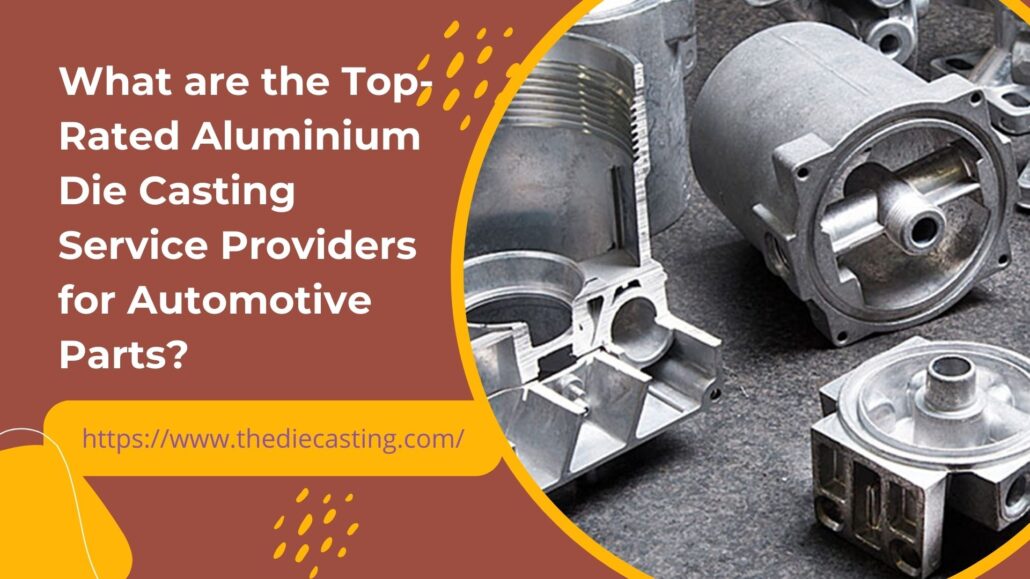
자동차 부품을위한 최고 등급의 알루미늄 다이캐스팅 서비스 제공 업체는 무엇입니까?

알루미늄 주조

Selecting an appropriate aluminum die-casting service provider is a critical decision for car manufacturers. Aluminum die casting has been at the forefront of producing light, high-strength, dimensionally accurate parts that comply with stringent current fuel-efficiency, safety, and emissions requirements. Despite the acknowledged performance advantages of aluminum alloys, the final quality of automotive components still depends on the supplier’s skills, technologies, and quality systems. Due to the change in the automotive industry to the production of lighter cars and electric mobility, the need to find a reliable aluminum die-casting partner is growing. Tier 1 suppliers and OEMs do not intend to focus solely on price. They consider factors such as suppliers’ engineering capacity, manufacturing reliability, certifications, overseas experience, and the potential for long-term cooperation. The article points out three notable die casting service firms based in China, including GC Precision Mold (Aludiecasting), CNM Casting, and Sincere Tech, and five widely known aluminum die casting firms in other parts of the world. These companies are the most reputable brands in international aluminum die casting for the automotive sector. Aluminum Die Casting in the Auto Industry: Overview Aluminum die casting is a high-pressure production process whereby molten aluminum alloy is forced into a hardened steel mold, producing complex parts with high dimensional accuracy and surface finish. Die casting is used to produce high volumes with tight tolerances, unlike other forming methods, which is why it is widely used in the automotive industry. Automotive manufacturers increasingly use aluminum for its low weight, corrosion resistance, and strong mechanical properties. Other components typically produced by aluminum die casting include engine housings, transmission cases, motor housings, structural brackets, battery enclosures, and chassis components. The use of aluminum die casting has also increased in electric vehicles, as they require balancing bulky battery packs. Nevertheless, the unique thermal and flow properties of aluminum require specific tooling design, controlled casting parameters, and advanced quality control. That is why automotive project editions require selecting an experienced, skilled aluminum die-casting service provider. Aluminum Die Casting- Auto Market The global automotive aluminum die-casting market has been growing steadily. As of 2025, the market is valued at USD 31.27 billion and is expected to exceed USD 41 billion in 2029, with a compound annual growth rate of over 7%. The emergency increase is driven by policies such as lightweighting, more stringent emissions standards, and the adoption of electric vehicles. China has been the world’s largest hub for aluminum die-casting production, with a well-developed manufacturing infrastructure, strong supply chains, and economies of scale. Meanwhile, its global partners, including Europe, Japan, Korea, and North America, continue to lead in innovation across large structural castings, automation, and sustainability. Aluminum Die Casting Service Companies Specifications State of the Art Die Casting By 2025, the best suppliers of aluminum die casting services will have been those that have the capability of producing the required components of the automotive systems accurately. They offer various casting methods, including high-pressure, low-pressure, and vacuum-assisted die casting, enabling manufacturers to produce lightweight parts with high strength and minimal defects. These capabilities are required for engine and structural parts and for safety-critical applications. Contemporary Technology and Machinery The major suppliers invest heavily in modern die-casting machines, automation, and simulation. Analysis of mold flow and real-time process monitoring helps ensure production stability and quality consistency. Modern casting technology also enables large, single-piece aluminum production, saving assembly time and reducing vehicle weight. Custom Design and Support for Manufacturing Leading aluminum casting firms offer comprehensive solutions, including design and engineering analysis, prototyping, and mass production. This combined methodology ensures design optimization, functionality, and flexibility to meet OEM and supplier needs. Quality Control and International Certifications Leaders in an industry are characterized by strict quality control. IATF 16949 and ISO standards, and X-ray and CMM tests are all the certifications that guarantee that each component meets the international safety and performance standards. Customer Support and Cost Effectiveness Their strong technical support, effective communication, and reasonable pricing make these vendors strong long-term partners for automotive manufacturers worldwide. Top-Rated Aluminium Die Casting Service Providers GC Precision Mold (Aludiecasting.com) -China Aludiecasting, or GC Precision Mold, is a reputable automotive and industrial die-casting service provider of aluminum die castings in China. The company, founded in 1999 and headquartered in Dongguan, Guangdong Province, has built a strong reputation for providing a comprehensive, end-to-end die-casting solution. Aludiecasting specializes in aluminum alloys, including ADC12, A380, A360, and A356. Its services include designing molds, high-pressure die casting, CNC machining, surface finishing, and final assembly. The company can handle not only small parts requiring high accuracy but also larger automotive components, using modern die-casting machines up to large-tonnage machines. Aludiecasting has a major strength: a vertically integrated manufacturing model. The company retains tooling, casting, machining, and finishing under one roof, enabling it to tightly control quality, cost, and lead time. This makes it a partner of choice for automotive customers seeking a reliable production partner and competitive pricing. CNM Casting (diecastingschina.com)-China Another reputable aluminum die-casting service provider in China is CNM Casting, with over 20 years of industry experience. The company provides die casting in aluminum, zinc, and magnesium for automotive, lighting, electronics, and industrial equipment manufacturers. The key strength of CNM Casting is its adaptive production strategy. In addition to die casting, the company offers CNC machining, surface finishing, and design optimization services. Automotive customers appreciate that CNM can facilitate product development by enhancing mould efficiency and minimizing waste. The company places a strong emphasis on quality assurance; in this case, inspection tools include CMM measurements, dimensional testing, and surface quality checks. CNM Casting would be best suited to small- to medium-sized automotive initiatives, where cost-effectiveness and engineering guidance are equally important. Sincere Tech (plas.co / plasticmold.net) -China Sincere Tech is a flexible production firm that provides aluminum die casting, plastic injection molding, and CNC machining. Sincere Tech, based in Dongguan, China, has gained popularity among customers seeking flexibility, rapid prototyping, and small production runs. Sincere Tech specializes in precision aluminum component housings, brackets, and functional

아노다이징 알루미늄

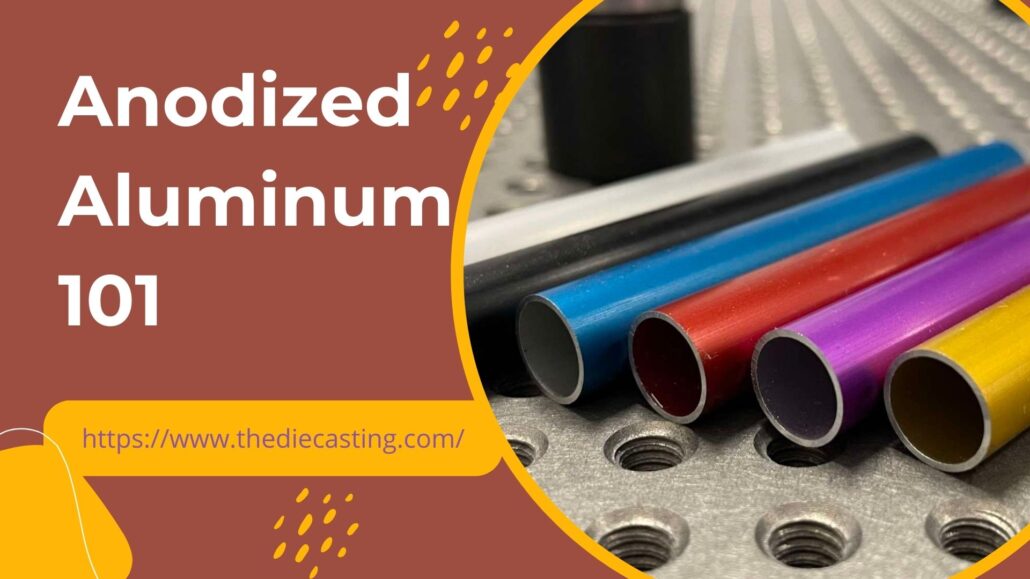
아노다이징 알루미늄 101

알루미늄 주조

Anodized aluminum 101 refers to aluminum that has undergone a controlled electrochemical process to create a stable layer of oxide on its surface. This anodic oxide, as opposed to paint or plating, forms part of the metal and enhances aluminum’s resistance to corrosion, wear, and environmental exposure, thereby maintaining the usefulness of lightweight aluminum and its strength. Surface hardness can also be increased, and a variety of decorative and functional finishes are possible through the process. Anodizing is essential in contemporary manufacturing and product design, as it enhances performance and appearance without compromising dimensional stability. Anodized aluminum has been used as a material of choice due to its durability, cost-effectiveness, and sustainability. It has extensive applications in architecture, automotive, aerospace, consumer electronics, medical equipment, and industrial equipment. Additionally, alongside wrought aluminum products, there is an increasing use of aluminum die-cast components to which anodized aluminum is applied. Anodizing can improve corrosion resistance, surface life, and service life for various functional applications, although die-cast alloys present challenges, particularly with silicon alloys. This article will provide a detailed description of anodized aluminum 101, including the anodizing process, alloy considerations, design, advantages, and practical applications, to help readers determine when to use anodized aluminum in their projects. What Is Anodizing? The process of deliberately oxidizing aluminum to thicken the natural oxide on the material’s surface is called anodizing. In anodizing, the aluminum component is immersed in an acidic electrolyte and serves as the anode in an electrical circuit. Oxygen ions reactive with the aluminum surface are generated when an electric current flows through the solution, thereby forming a controlled, uniform layer of aluminum oxide. This oxide is grown on the substrate rather than being applied as a surface coating, which is applied later. This is the major difference between anodizing and painting or plating. Mechanical adhesion holds paints and plated finishes to the metal and relies on this mechanism to remain in place. With time, they may peel, crack, and chip. However, with anodizing, a finish is formed that is part of the metal and much more durable and reliable in harsh conditions. The anodic oxide layer confers several important performance benefits on aluminum. To a great extent, it enhances corrosion resistance by forming a protective coating against moisture, chemicals, and atmospheric exposure. Surface hardness is also increased by the process, which enhances abrasion and mechanical wear resistance. Moreover, the anodic layer is inherently porous, capturing dyes for coloration and serving as an important sealant that further enhances its durability. Lastly, anodized aluminium provides electrical insulation because the oxide layer is non-conductive and is therefore used in electrical, electronic, and industrial applications. The Aluminum Anodizing Process Explained Surface Preparation One of the most important steps in the anodizing process is surface preparation, because the final surface appearance and performance of anodized aluminum require high surface uniformity and cleanliness. Any oil, grease, oxide, or surface flaw left on the part may cause uneven coating or visible flaws after anodizing. Surface imperfections can be removed by mechanical finishing, or a desired texture can be imparted. Typical methods include buffing and polishing to achieve smooth or reflective finishes, sanding to produce directional finishes, and blasting to achieve uniform matte finishes. Anodic finishes are always present because they are transparent; therefore, they are visible after anodizing. Chemical pretreatment is the next step in mechanical finishing and typically comprises several steps. The cleaning and degreasing processes remove oils, machining fluids, and contaminants. Deoxidizing removes the natural scale and oxide layer and then heat-treats, thereby exposing fresh aluminum. Surfaces are then controlled in terms of appearance: etching produces a uniform matte finish by abrasion, whereas bright dipping uses chemicals to smooth the surface and create a high-luster, reflective appearance. Anodizing Step The aluminum components are prepared, then immersed in an electrolyte bath containing sulfuric acid, and the anode is connected to the electric circuit. The circuit is completed by a cathode typically made of lead or aluminum. Upon application of direct current, oxygen ions interact with the aluminum surface, forming an anodic oxide layer. This oxide structure consists of two layers: a thin, dense barrier layer at the metal interface and a thicker, porous layer atop it. Adhesion and protection are achieved through the barrier layer, whereas coloring and sealing are performed through the porous layer. Coloring (Optional) The porous nature of the anodic oxide is such that it can be coloured in different ways. A wider color palette can be achieved by absorbing organic or inorganic dyes into the pores. Metal salts are deposited into pores via an electrolytic process to produce bronze and black finishes that are highly durable. Integral coloring is a method for producing color during anodizing using a specialized electrolyte. In contrast, interference coloring is a coloring method that produces unique colors by manipulating light reflection. Sealing It is necessary to seal the pores of the anodic coating to retain the color and increase corrosion resistance. Hot-water sealing, steam sealing, and nickel acetate sealing are common sealing techniques that provide extended service life and high finish stability. Aluminum Alloy and Its Effects on Anodizing Wrought Aluminum Alloys A strong relationship exists between the anodizing behavior, appearance, and performance of aluminum and its alloy composition. Produced by rolling, extrusion, or forging, wrought aluminum alloys tend to anodize more evenly than cast alloys because their composition is more precisely controlled and their impurity content is lower. The 2xxx series alloys contain high copper content and exhibit high strength and machinability. Their high copper content, however, makes anodizing more difficult, and the finished products tend to have softer oxide layers that are less corrosion-resistant and exhibit darker, less uniform finishes. The 3xxx alloy family, which is primarily alloyed with manganese, offers moderate strength and formability. Such alloys are easy to anodize and typically yield silver, gray, or light brown finishes, depending on the anodizing conditions. The 5xxx series is magnesium-based and is known for producing aesthetically pleasing decorative finishes. Some low-iron-content alloys in this series are

위로 스크롤

견적 받기