정밀 부품을 위한 맞춤형 아연 다이캐스팅의 힘 살펴보기

정밀 부품을 위한 맞춤형 아연 다이캐스팅의 힘 살펴보기 

알루미늄 주조

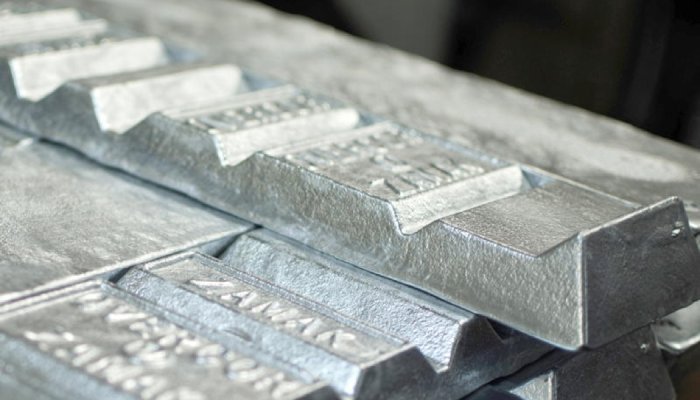
Custom zinc die casting has become a cornerstone of modern manufacturing, offering businesses the ability to produce complex, durable, and high-precision parts at scale. Unlike standard casting methods, customized zinc die casting allows manufacturers to create components that meet exact design, dimensional, and performance requirements. This flexibility makes it an ideal solution for industries such as automotive, electronics, aerospace, and consumer products, where reliability and accuracy are critical. Zinc alloys like Zamak 2, Zamak 3, Zamak 5 and ZA 8 are commonly used Zinc die-cast alloys, which are selected based on their mechanical and thermal requirements. Zamak 2 has approximately 4 percent aluminium, about 3 percent copper and a bit of magnesium, giving it great strength and hardness with a tensile strength very close to 330 MPa. Zamak 3 is, by far, the most used and is virtually copper-free (about 4 % aluminium and similar magnesium content) and thus hard and easy to cast with a tensile strength of about 280 MPa. A 1% copper-containing zinc-based alloy, which improves the strength and hardness a little bit up to 310 MPa of the tensile strength, is known as Zamak 5, which has good castability. ZA-8 is a near 8.5% aluminum and about 1% copper alloy with tensile strength nearly 390 MPa and good wear resistance and performance under elevated temperature conditions. Custom zinc die casting, the process as such, and the use of business of China’s customized zinc alloy die casting services will be explored in this article.  What is Zinc Die Casting? Zinc die casting is a method of injecting molten zinc at high pressure into a steel mold. When the metal solidifies, it assumes the shape of the mold making a particular and everlasting part. Compared to other metals, zinc possesses great fluidity, excellent strength and the ability of die casting components with fine details. Its strength makes zinc an attractive option from a performance standpoint, but it is also a relatively low-cost material, and is an attractive option for companies that want to balance performance with production costs. It’s particularly true with any type of custom zinc die casting since this process allows businesses to design customized components for their individual needs. Advantages of Customized Zinc Die Casting 1. Precision and Accuracy The customization of zinc die casting has one of the most significant advantages, which is the ability to make highly accurate and precise parts. This process of die casting makes sure that the components remain consistent in the dimensions and the surface finish, even for the complex designs. In the fields of electronics, automotive and aerospace, where there is a need for tolerance and fit, this precision becomes very important. Fine detail parts that can not be created through other means and parts with intricate sculptured detailed geometries can be produced using custom zinc die casting. While other manufacturing methods may be able to produce some parts with high volumes of identical parts with minimal variation, die casting is truly the way to go for parts that require a high level of consistency. 2. Durability and Strength It’s a robust metal and it’s very durable and corrosion resistant. It is, therefore, perfect for making parts that will be subjected to abrasive conditions. Zinc die casting offers custom ability to produce custom parts that are designed to be used effectively over periods of use. Zinc alloy die castings provide outstanding strength to weight ratios so the products will be strong but not too heavy. As with most industries, this is crucial (particularly in automotive manufacturing) where reducing the mass of the system is critical to performance, fuel efficiency, etc. 3. Cost-Effectiveness For many businesses, cost effective is a very important thing. This challenge can be solved quite well using custom zinc die casting process because of its ability to create high quality parts at a relatively lower cost. Due to Zinc’s relatively low material cost and the efficiency of die casting process there is little argument that Zinc is a very cost effective choice for manufacturers. Die casting is also very precise high level precisely, so it can reduce post-production costs or secondary machine Work. It also allows a high level of identical parts production in a single production run and therefore further reduces costs, making it the perfect solution for mass production. 4. Design Flexibility The main advantage of zinc die casting utilizing customized design is that there is flexibility with respect of design. This allows manufacturers to create parts with complex shapes, thin walls and intricate features which otherwise would have been impractical to manufacture. Such flexibility allows businesses to invent and create different parts that provide particular functions and a specific look. Additionally, parts can be created with various surface finishes such as smooth and polished, to textured or matte using this custom zinc alloy die casting. The versatility in design makes zinc die casting suitable for many more applications other than consumer electronics – industrial machinery, vehicular parts, etc. 5. Short Lead Times Today, time is of the essence in the high speed, high volume manufacturing environment. Custom zinc die casting helps businesses to hit the mark with quick production lead times, as they bring their products to market fast. The casting process is pretty fast once the molds are made so actually the entire process is pretty quick and allows for quick production of a large quantity of parts in a minimum amount of time. Additionally, it is useful in the industries where the time to market is critical. Proper use of zinc die casting helps companies avoid delays and inventory shortage and result in high quality of parts. The Process of Custom Zinc Die Casting This is the case with the mass custom zinc die casting process, which has many key steps to be performed to make it accomplish what is necessary. These steps are: 1. Mold Design and Creation The first thing that is done to make a mold is to design the mold using steel. The part being
자막 5 합금에 대한 종합 가이드: 속성, 주조 및 응용 분야

자막 5 합금에 대한 종합 가이드: 속성, 주조 및 응용 분야

자막 5 다이 캐스팅

제조 및 주조 산업에서 널리 사용되는 합금 중 하나는 아연 기반 자막 5 합금으로, 몇 가지 독특한 특징을 가지고 있습니다. Zamak 5는 강도가 높고 내구성이 뛰어나며 내식성이 우수하여 다이캐스팅 작업에 사용하기에 이상적인 소재입니다. 추출 후 Zamak 5는 용융성이 매우 낮고 주조 특성이 우수하여 자동차 제조, 소비재 및 하드웨어 산업에 이상적인 소재입니다. 업계 참여자는 조성 및 다양한 구체적인 용도와 같은 자막 5 합금 특성에 대한 확신을 가지고 생산 결정을 내리고 운영 효율성의 프로세스를 최적화할 수 있습니다. 이 기사에서는 화학적 구성과 제조 방법, 온도 제어 및 압력 유지, 산업 성능에 대한 기계적 물질 속성을 통해 자막 5 합금에 대해 설명합니다. 자막 5 합금 개요 자막 5는 업계에서 아연-알루미늄 합금이라고 부르는 대표적인 아연 기반 합금으로 기능합니다. 자막 5는 화학적으로 3.5~4.3%의 알루미늄과 0.03~0.08%의 마그네슘, 0.75~1.25%의 구리로 구성되어 있습니다. 또한 제조업체가 자동차 및 항공우주, 소비재 산업에서 사용할 수 있는 고강도 부품을 만드는 데 사용할 수 있는 요소로 인해 우수한 강도를 얻습니다. 인장 강도는 물론 6.7g/cm³의 밀도와 380~385°C의 비교적 넓은 융점 범위는 이 합금의 우수한 내구성과 정밀도 덕분에 존재합니다. 자막 5의 구성 및 특성 자막 5의 화학적 구성 자막 5의 기계적 특성은 아연 기반 합금에 아연과 알루미늄 및 구리, 마그네슘의 비율을 조절하여 혼합함으로써 향상됩니다. 쉽게 녹는 이러한 특성은 ZINC 합금인 96-98%와 비교했을 때 Zamak 5를 우수한 다이캐스팅 합금으로 만드는 특성 중 하나입니다. 우수한 결과를 얻으려면 합금 강도와 구조적 무결성을 손상시키는 오염 물질을 피하기 위해 순도 99.99%의 아연 소재를 사용하는 것이 중요하며, 합금의 미세 구조를 개선하기 위해 알루미늄(3.5 ~ 4.3%)을 첨가하여 Zamak 5 소재의 응고를 개선합니다. 이 영역은 재료 구조에서 연성과 경도 특성을 결합하는 조성을 형성합니다. 자막은 취성 문제뿐만 아니라 균열과 같은 재료 결함을 방지하기 위해 정확한 알루미늄 함량을 측정해야 하는데, 자막 5에 0.03%~0.08% 사이의 마그네슘이 존재하는 이유는 이 원소를 사용하면 불순물에 의한 입자 경계의 미세 균열의 부식을 차단하기 때문입니다. 이 원소를 추가하면 합금의 유동성이 높아지기 때문에 금형에서 더 나은 충진 기능을 얻을 수 있습니다. 자막 5는 흑연 주조로 구리를 0.75~1.25% 첨가하면 내마모성과 열처리 능력이 우수하며, 내크리프 저항성이 향상되어 열 변화 응용 분야에 적합합니다. 자막 5는 정확한 한계를 초과하면 부서지기 쉬우므로 구리 비율이 중요합니다. 자막 5의 물리적 특성 자막 5 소재의 무게는 6.7g/cm³로 강철과 알루미늄 합금 사이의 밀도이며 알루미늄 합금보다 더 높습니다. 무게 대 강도 관계가 유리하기 때문에 자막 5는 무게가 가볍고 강한 소재를 사용하는 많은 구조물에 적합합니다. 자막 5는 섭씨 380도에서 385도 사이에서 녹기 때문에 알루미늄에 비해 비용 효율적입니다. 평균 온도 120°C에서 자막 5의 인장 강도는 330MPa, 항복 강도는 220MPa, 연신율은 7-10%로 산업용 요건을 충족합니다. 자막 5는 220MPa의 높은 항복 강도와 7-10%의 거의 파괴되기 전 최대 연신율을 가지고 있어 강하고 적응력이 뛰어납니다. Zamak 5의 기계적 특성 Zamak 5는 강도와 표면 경도 사이에 완벽한 91 HB 브리넬 경도를 가지고 있어 장식용 손잡이 또는 마모 방지가 필요한 기타 부품에 탁월한 조합입니다. 내충격성: 재료의 실온 샤르피 충격 강도 측정값은 53J이며 -20°C에서는 35J로 감소합니다. 이 합금은 충격 저항성이 높아 동적 힘 조건에서 기계적 응력과 진동으로부터 스스로를 보호할 수 있으며 Zamak 5는 100MPa의 주기적 응력을 견딜 수 있고 최대 1백만 사이클까지 고장 없이 견딜 수 있습니다. Zamak 5는 연속 하중 하에서도 안정적인 성능을 발휘하므로 세탁기 부품 및 기계 구성품에 적합합니다. Zamak 5 합금의 기계적 특성 아래 표는 Zamak 5 알루미늄 합금의 필수 기계적 특성을 보여줍니다. 특성 값 브리넬 경도 91 HB 최대 인장 강도 328 MPa 항복 강도 (0.2%) 269 MPa 전단 강도 262 MPa 압축 강도 600 MPa 피로 강도 56.5 MPa 충격 강도 65 J 탄성 계수 96 GPa 연신율 7% 50mm Zamak 합금의 강도 값은 응력을 견디고 다른 재료에 배치할 수 있는 방법을 보여주며 까다로운 응용 분야에서 사용할 수 있습니다. Zamak 5는 피로 하중과 충격에 대한 저항성이 뛰어나 반복적인 힘의 하중을 받는 부품에 적합합니다. 자막 5 합금의 물리적 특성 자막 5는 전체 특성 세트를 통해 물리적 특성에 따라 동작이 제어됩니다. 특성 값 용융 범위 380-386°C 밀도 6.60g/cm³ 전기 전도도 26% IACS 열 전도도 109 W/mK 비열 용량 419 J/kg-°C 열 팽창 계수 27.4 µm/m°K 푸아송 비율 0.30 Zamak 5의 특성 조합은 다양한 환경과 열 및 전기 전도성에 적합한 적용 조건에서 우수한 성능을 발휘합니다. 적절한 밀도 특성과 열적 능력으로 인해 Zamak 5는 열에 민감한 시스템에 필수적이며 전기적 특성도 우수하여 전기 부품의 사용 형태에 다양성을 제공합니다. Zamak 5 합금의 장점 무게가 가벼우면서 동시에 우수한 강도 특성을 보이는 것은 무게 대비 강도 비율이 A380 알루미늄을 능가하는 49MPa이기 때문입니다. Due

자막 3와 그 애플리케이션에 대한 종합 가이드

자막 3와 그 애플리케이션에 대한 종합 가이드

zamak 3

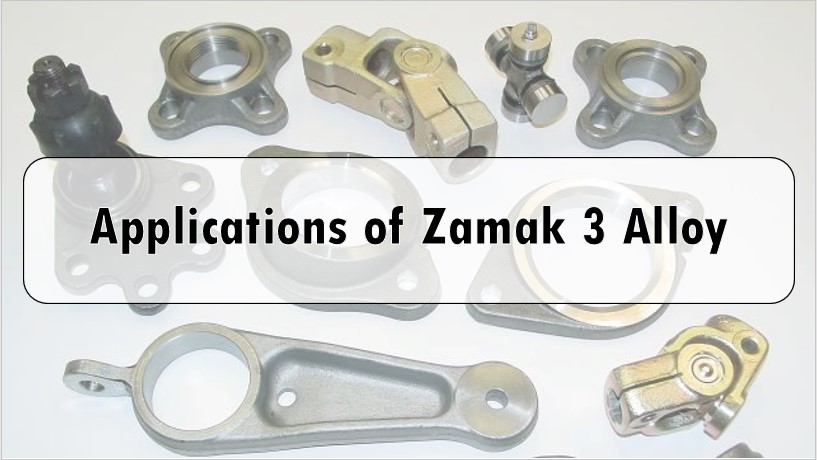
자막 합금 중에서 자막 3은 균형 잡힌 강도, 내구성 및 주조 용이성으로 인해 가장 인기가 있습니다. 아연이 주성분인 이 합금에는 소량의 알루미늄(3.5 -4%), 마그네슘(0.03 - 0.06%), 구리(0.25%)가 함유되어 있습니다. 매우 특정한 구성으로 인해 이 샘플은 기계적으로 더 안정적이고 부식이 잘 일어나지 않으며 치수를 더 정확하게 유지할 수 있습니다. 자막은 아연으로 구성된 합금 그룹으로, 기계적 특성이 우수하고 가격도 저렴하여 제조에 널리 사용됩니다. 이 용어는 독일어 단어인 Zink(아연), 알루미늄, 마그네슘, 코퍼(구리)에서 파생되었으며, 그 뒤에는 이러한 원소들의 기호 이름이 붙습니다: ‘자막’. 1920년대에 이러한 합금이 개발되었으며, 오늘날에는 정밀 금속 부품이 필요한 산업에서 기본으로 사용되고 있습니다. 이는 다이캐스팅이 가능한 자막 3 아연 합금의 주요 장점 중 하나입니다. 녹는점(약 385°C)이 낮기 때문에 복잡하고 세밀한 특징을 가진 부품을 비교적 저렴한 비용으로 제조하는 데 사용되었습니다. 주조 공정이 완료되면 유동성을 유지하여 과도한 후처리가 필요 없는 매끄러운 표면 마감을 제공합니다. 자막 3 주조는 성능이 뛰어나 많은 산업 분야에서 사용되고 있습니다. 자동차 부품, 전기 하우징, 하드웨어 및 소비재의 대부분에 사용됩니다. 이 소재는 부식에 강하고 치수가 정확하기 때문에 장기적인 신뢰성이 요구되는 까다로운 응용 분야에 특히 적합합니다. 전반적으로 자막 3 합금은 비용 효율적이고 다재다능한 소재로 현대 제조업에서 계속 사용되고 있습니다. 강도, 내구성, 주조 효율성의 조합으로 인해 고품질 금속 부품에 크게 의존하는 산업 분야에서 가장 많이 찾고 있습니다. 자막 3이란 무엇인가요? 아연, 알루미늄, 마그네슘과 구리로 구성된 아연 아연 기반 합금으로 설명할 수 있습니다. 자막은 1920년대에 발명된 합금 계열입니다. ‘자막'이라는 이름은 독일 원정대(Zink, Aluminium, Magnesium)와 재료의 주요 성분인 (Kopper 또는 Cu)를 더한 것으로, 자막 3(ASTM AG40A, Z33520 UNS로도 지정)은 다이캐스팅 산업에서 가장 일반적으로 사용되는 아연 합금 중 하나입니다. Zamak 3는 뛰어난 기계적 및 물리적 특성으로 잘 알려져 있으며 전반적으로 많은 산업 분야에서 선호되는 소재입니다. 이 소재는 주조성, 치수 안정성 및 내구성이 뛰어나 정밀 부품 제조에 사용되는 핵심 소재 중 하나이며, 자막 3 아연 합금은 우수한 기계적 특성과 저렴한 비용으로 인해 모든 자막 합금 중 하나로 간주됩니다. 경도, 충격 강도 및 치수 안정성 간의 균형이 우수하여 산업용으로 적합합니다. 자막 3 합금의 구성 및 특성 자막 3 합금 구성 자막 3 합금은 아연을 기본으로 일부 알루미늄과 다양한 미량 금속을 추가하여 다양한 유익한 특성을 추가합니다. Zamak 3 합금 조성은 다이캐스팅의 강도, 내구성 및 쉬운 제조 가능성을 제공하기 위해 선택되었습니다. Zamak 3는 다음과 같은 주요 구성 요소로 이루어져 있습니다. 이들은 매우 우수한 기계적 및 물리적 특성을 특징으로 하는 합금을 형성하기 위해 조합되어 작동하며, 자동차, 전자 및 제조 목적과 같은 분야에서 Zamak 3는 매우 인기가 있습니다. 자막 3 합금의 화학 성분 자막 3 합금의 네 가지 주요 원소는 아연, 알루미늄, 마그네슘, 구리입니다. 각 원소가 특정한 역할을 수행함으로써 합금의 특성이 정의되고 기계적 특성이 향상됩니다. 자막 3 아연 합금은 일반적으로 다음과 같이 구성된 일반적인 구성으로 제공됩니다: 아연(Zn) - 96% Zamak 3 합금은 우수한 내식성, 우수한 주조 특성 및 경제성을 갖춘 아연을 기본 금속으로 구성합니다. 또한 용융 및 성형이 용이하고 다이캐스팅 산업에서 대량 생산이 가능합니다. 알루미늄(Al) - 3.5% ~ 4% 알루미늄은 또한 합금의 강도, 경도 및 내식성을 증가시킵니다. 또한 용융 금속의 유동성을 증가시켜 Zamak 3 주조에서 정밀하고 복잡한 형상을 매끄러운 마감 처리로 생산할 수 있습니다. 마그네슘(Mg) - 0.03% ~ 0.06% 마그네슘은 Zamak 3 아연 합금에 소량으로도 기계적 강도와 내충격성을 크게 향상시킵니다. 또한 주조 과정에서 산화를 줄여주어 합금의 안정성과 내구성이 더욱 향상됩니다. 구리(Cu) - 0.25% 합금의 경도와 인장 강도는 구리에 의해 증가합니다. 그러나 자막 3 합금의 과도한 취성을 피하기 위해 매우 낮은 비율로 유지됩니다. 자막 3 합금의 주요 특성 자막 3 아연 합금은 다음과 같은 유리한 특성으로 인해 산업용으로 적합하도록 세심하게 균형을 맞췄습니다: 1. 고강도 및 경도 Zamak 3 합금의 특성은 기계적 응력 하에서 내구성이 요구되는 이러한 유형의 부품에 적합한 강도와 연성 사이의 탁월한 균형을 제공합니다. 인장 강도는 약 283MPa(41,000 PSI)이고 경도 등급은 82 브리넬(HB)입니다. 이러한 조합 덕분에 자동차 및 구조용 부품과 같은 응용 분야에서 마모와 찢어짐에 강합니다. 2. 뛰어난 치수 안정성 Zamak 3 주조는 높은 응력 조건에서도 정밀한 치수를 유지하는 데 가장 중요한 주조 특성 중 하나입니다. Zamak 3 아연 합금은 온도 변화에 따라 크게 팽창하거나 수축하는 다른 금속 합금과는 다릅니다. 기어, 자물쇠 및 산업 기계 부품과 같이 공차가 엄격하고 정밀하게 맞아야 하는 응용 분야에 이상적입니다. 3. 내식성 자막 3 합금에는 알루미늄과 마그네슘이 함유되어 있어 산화 및 환경 부식에 대한 추가적인 원인을 제공합니다. 그러나 순수한 아연은 시간이 지남에 따라 부식되기 쉬우며, Zamak 3 아연 합금의 추가 원소 이후 표면에 부식 방지 층이 형성됩니다. 이 때문에 실외용, 자동차 부품 및 전기 인클로저에 적합합니다. 4. 우수한 주조성 및 유동성

자막이란 무엇인가요? 이 다용도 아연 합금에 대한 완벽한 가이드

자막이란 무엇인가요? 이 다용도 아연 합금에 대한 완벽한 가이드

자막 다이 캐스팅

자막이란 무엇인가요? 자막 또는 ‘아연 합금'은 주로 아연을 기반으로 알루미늄, 마그네슘, 구리 등 다른 금속이 미량 함유된 합금 제품군입니다. 자막은 아연(’Z‘)과 아마크(’알루미늄, 마그네슘, 구리‘, 이 합금을 구성하는 주요 원소)의 약자로 만들어진 독일어 단어입니다. 다용도성, 내구성 및 비용 효율성으로 인해 산업계에서 매우 인기 있는 금속입니다. 자막(또는 자맥, 이전에는 자막으로 상표명)은 매우 부드럽고 비교적 단단한 합금으로, 대부분 아연과 소량의 알루미늄, 구리, 마그네슘으로 구성되어 있습니다. 이 합금은 광범위한 아연-알루미늄 합금 계열에 속하지만, 알루미늄의 농도가 일반적으로 일정하고 일반적으로 약 4%라는 점에서 구별됩니다. 이 특별한 원소 조합은 자막을 같은 계열의 다른 합금과 구별하는 요소이며, 결과적으로 다양한 용도에 적합한 고유한 특성을 만들어냅니다. 이 기사에서는 자막의 구성, 특성, 유형, 장점, 용도 및 다양한 제조 분야에서 점차적으로 자막을 사용하는 이유에 대해 설명합니다. 자막: 다용도 아연-알루미늄 합금 자막은 합금을 구성하는 금속의 독일어 명칭의 약어입니다: 징크(아연), 알루미늄(알루미늄), 마그네슘, 쿠퍼(구리)입니다. 1929년에 처음 소개된 이 합금은 이후 제조업계 전반에 걸쳐 비용 효율적이고 내구성이 뛰어나며 다용도로 사용할 수 있는 소재임이 입증되었습니다. 자막이 개발되기 전에는 아연 다이캐스팅에 아연 페스트라는 문제가 있었습니다. 징크 페스트는 합금에 불순물이 존재하여 아연 성분이 분해되는 것을 말합니다. 불순물로 인해 아연이 변질되고 시간이 지남에 따라 대부분의 다이캐스트 부품은 사용할 수 없게 되었습니다. 뉴저지 아연 회사는 99.99%의 순도 99.991%의 고순도 아연으로 만든 자막을 만들어 이 문제를 해결했습니다. 정제는 환류를 통해 이루어졌으며, 이를 통해 아연 해충의 원인이 되는 불순물을 제거할 수 있었습니다. 자막 합금의 기원과 진화 자막의 혁신은 아연 다이캐스팅 산업에 안정성을 가져다주었고, 이는 매우 필요했습니다. 자막은 순도가 높고 비교적 단기간에 아연 해충에 저항하는 능력으로 다이캐스팅 및 기타 산업용으로 널리 인정받기 시작했습니다. 이 합금은 열악한 환경에서도 강하고 내구성이 뛰어나며 오래 지속되는 부품을 만들 수 있었기 때문에 진정한 성공을 거두었습니다. 자막은 환경에 노출된 상태에서 기계적 스트레스를 견딜 수 있는 검증된 소재가 되었습니다. 자막이란 무엇인가요? 자막은 아연-알루미늄 기반 합금으로, 기본적으로 다이캐스팅 및 정밀 제조용으로 설계되었습니다. 1929년 뉴저지 아연 회사에서 개발한 자막은 강도, 내식성, 우수한 주조 특성으로 인해 널리 사용되고 있습니다. 380°C ~ 420°C에서 녹을 수 있으며 녹는점이 낮아 자동차 부품, 하드웨어, 전기 부품 및 소비재에 적합합니다. 다양한 산업 분야에서 내구성과 저렴한 비용으로 인해 순수 아연 및 기타 금속 합금보다 선호되는 소재입니다. 자막 합금의 구성 자막은 아연을 기본 금속으로 하고 금속에 특별한 특성을 부여하기 위해 알루미늄, 마그네슘, 구리를 소량 첨가한 5가지 합금으로 이루어진 그룹입니다. 다양한 자막 합금에 포함된 주요 원소는 다음과 같습니다: 1. 아연(Zn)은 모든 자막 합금의 기본 금속입니다. 아연은 내식성과 강도가 뛰어나 알루미늄 다음으로 가장 널리 사용되는 비철금속입니다.2. 자막 합금에는 전반적인 강도와 부식에 대한 저항성을 높이기 위해 알루미늄(Al)도 종종 포함되어 있습니다. 또한 주조 시 특별한 주의가 필요한 표면 조도를 향상시킵니다.3. 마그네슘(Mg) - 완성된 합금의 강도와 주조 특성을 향상시키기 위해 자막 합금에 마그네슘도 첨가됩니다. 아연의 취성을 줄이는 것도 달성됩니다 .4. 자막에는 경도를 추가하고 내마모성을 높이기 위해 매우 소량 첨가 된 구리 (Cu)가 포함되어 있습니다. 일반적으로 합금의 구성은 자막의 종류에 따라 다를 수 있지만 일반적으로 아연 약 85-95%, 알루미늄 약 4-8%, 구리 1-3%, 마그네슘 0,01-0,1 %가 함유되어 있습니다. 자막 녹는점은 무엇인가요? 자막 합금의 녹는점은 성분에 따라 조금씩 다르지만 일반적으로 380°C~420°C(716°F~788°F) 사이입니다. 또한 자막은 녹는점이 상대적으로 낮아 주조 및 정밀 제조에 적합합니다. 다양한 자막 합금의 융점: 자막은 대부분 아연으로 만들어져 알루미늄이나 강철보다 훨씬 낮은 온도에서 녹습니다. 고정밀, 빠른 생산 및 비용 효율적인 제조라는 특성으로 인해 높은 정밀도가 요구되는 애플리케이션에 적합합니다. 자막 파우더란 무엇인가요? 자막 분말은 아연으로 구성된 자막 합금에 알루미늄, 마그네슘, 구리를 약간 첨가한 미세 입자 구조의 분말입니다. 이는 열, 스프레이 산업, 적층 제조 산업 및 분말 야금 산업과 같은 산업에서 사용되는 미세 금속화 분말입니다. 자막 분말 조성의 특성: 표준 자막 합금(자막 2, 3, 5, 7)과 동일 융점: 약 380°C ~ 420°C(716°F ~ 788°F)내식성: 환경 요인에 대한 우수한 저항성전도성: 우수한 전기 및 열 전도성밀도: 자막 고체와 유사하여 금속 도금 및 소결 부품에 적합 자막 분말의 용도 1. 분말 야금 - 금속 분말을 넣고 가열하여 고체 부품을 형성하는 소결 부품 제작에 적용.2. 용사 - 부식 및 마모로부터 표면을 보호하기 위해 분사된 재료를 사용하는 표면 보호 코팅에 사용.3. 3D 프린팅 및 적층 제조 - 프로토타입 제조를 위한 차세대 기술에 적용.4. 금속 사출 성형(MIM) - 복잡한 디자인의 소형 금속 부품 제조 공정에 사용. 자막 분말의 장점 자막 분말은 그 유용성과 강도로 인해 자동차, 항공우주, 전자 및 기타 여러 산업 분야에서 응용되고 있습니다. 자막 합금의 다양한 유형과

주조 알루미늄 용접: 종합 가이드

알루미늄 주조, 알루미늄 다이캐스팅

There are very few places one can go to learn about welding cast aluminum, and the skill set needed to do so is highly specialized. However, cast aluminum is a material created by pouring molten aluminum into a mold, which results in a porous material with impurities. This does not occur with standard aluminum alloys. Because of these characteristics, welding is more difficult, and preparing carefully, keeping the heat precisely in check, and using the appropriate techniques is necessary to produce strong, robust welds. Oxidation is one of the greatest hurdles when welding cast aluminum. This thin oxide layer, formed when exposed to air is much thicker than what naturally forms on aluminum, and it melts at a much higher temperature than aluminum itself, making fusion difficult. Furthermore, the presence of impurities and trapped gases in the cast aluminum can result in porosity, which provides weak welds if not properly cleaned and preheated. TIG (Tungsten Inert Gas) is the method of choice for precision and cleanliness, while MIG (Metal Inert Gas) is useful for speed and thicker material. To obtain a strong and defect-free weld, it is necessary to use the correct filler metal (such as 4045, 5356, or 4047) and shielding gas combination (of pure argon or argon-helium mixtures). Good preparation includes adequately cleaning and preheating as far as possible to minimize cracking, porosity and lack of fusion. Endurance and life of the welded joints is further improved by post-weld treatments like stress relief, grinding and corrosion protection after welding. While the majority of cast aluminum welders are welded steel, welders can successfully work with cast aluminum using the right techniques, tools, and attention to detail so long as lightweight, high strength components are required in industries. This is a masterable process that leads to further development of aluminum welding applications and to a reliable and predictable performance of aluminum structures in critical environments. Understanding Cast Aluminum  However, before proceeding with the welding techniques needed for cast aluminum, it is crucial to have a firm understanding of what constitutes cast aluminum and what makes it unique from other metals. Cast aluminum differs from wrought aluminum, which is mechanically shaped by using rolling or extruding, in that cast aluminum can be formed in complex shapes of high precision by melting aluminum and pouring this molten form into a mold. The unique internal structure so produced, usually characterized by porosity, impurities and varying alloy composition, has an important effect on weldability. To be able to weld cast aluminum successfully, one should know its chemical and physical properties, its pros and cons as well as the different types of cast aluminium alloys from various industries. These factors will be taken into consideration for the determining the necessary welding method, selection of filler material and preweld preparation techniques to make strong and defect free welds. Cast aluminum properties: What makes a cast different? Another important consideration that use of cast aluminum has several properties that make it light weight, anti- corrosive and very flexible. However, the same properties also pose some difficulties when welding is being done, provided that proper measures are not taken. 1. Porosity: The Hidden Challenge Possibly one of the biggest concerns about welding cast aluminum is porosity; it is known as the small bubbles of gas that get trapped in the metal when it is being cast. These eight are resulted from the entrapment of gases such as hydrogen, formation of small pores as a result of shrinkage during cooling of the aluminum metal and impurities. ???? How Porosity Affects Welding ???? How to Minimize Porosity During Welding 2. Oxidation: The Barrier to Clean Welds It is an element that reacts with other elements particularly oxygen found in the space surrounding the metal. This oxidation generates a very thin but extremely hard skin of aluminum oxide (Al₂O₃) through which the further corrosion of aluminum is prevented. Nevertheless, oxide layer is a critical issue when welding since its melting temperature is around 3700°F (2037°C), which is much higher than that of aluminum, 1221°F (660°C). Investigation on Why Oxidation is a Problem in Welding ???? Different Techniques of Removing and Controlling Oxidation 3. Heat Sensitivity: Managing Thermal Conductivity Different from steel, aluminum has high thermal conductivity and it can easily absorb and emit heat. This has always been a problem in maintaining a standard welding temperature; this tends to cause the following: ???? How to Overcome Heat Sensitivity Challenges Common Types of Cast Aluminum Alloys Various types of cast aluminum alloys can be cast according to their chemical composition and mechanical properties. Here are a few of the advantages and disadvantages of each type, as well as applications where they would be most useful. 1. A356 Cast Aluminum: The High-Strength Alloy  Its composition: Mainly encompasses aluminum (Al), silicon (Si) and magnesium (Mg). ???? Key Features ???? Common Applications 2. 319 Cast Aluminum: The Wear-Resistant Allo Composition: Contains higher levels of silicon (Si) and copper (Cu) than A356. ???? Key Features ???? Common Applications 3. 535 Cast Aluminum: The Marine-Grade Alloy Composition: Contains a high percentage of magnesium (Mg) for corrosion resistance. ???? Key Features ???? Common Applications Why Understanding Cast Aluminum Matters for Welding Starting with cast aluminum welding mastery is all about determining what cast aluminum is made of, its properties, and associated challenges. Therefore, as cast aluminum is used extensively in automotive, aerospace and marine engineering, welders require strategies for casting porosity, oxidation and sensitivity to heat. Different types of cast aluminum alloys respond to welding differently, and you should choose the correct filler materials, shielding gas and welding technique means the difference between a strong, reliable weld or a weak, porous joint. With preparation of the material, using the correct cleaning procedures, and regulating heat input, welders can address the issues associated with cast aluminum and generate powerful, long lasting welds that comply with harsh applications. Challenges in Welding Cast Aluminum  Welding of cast aluminum is notoriously difficult because of the unique physical and chemical properties of

주조 알루미늄 야외 가구를 위한 궁극의 가이드

주조 알루미늄 야외 가구를 위한 궁극의 가이드

알루미늄 주조, 다이캐스팅 알루미늄

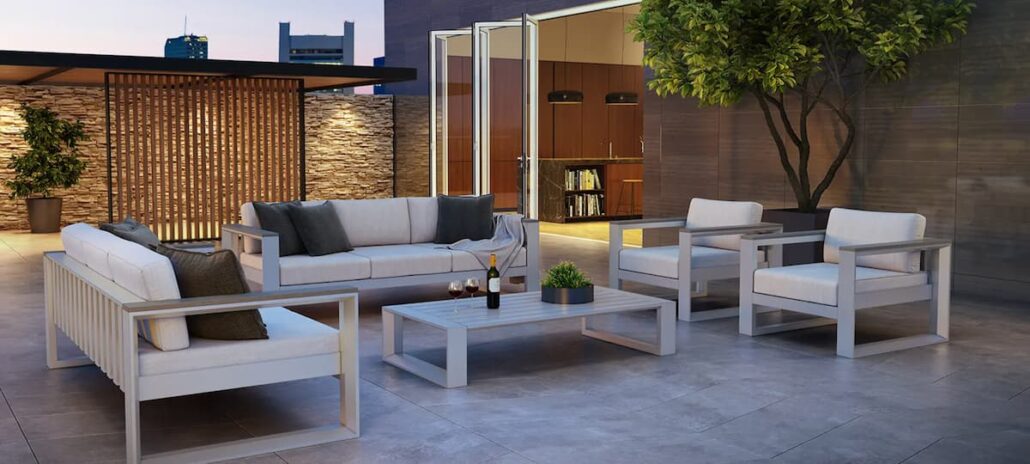
When in search of good material for outdoor furniture, durability, style, but also low maintenance rates, must be considered. Extensive popularity for cast aluminum outdoor furniture has been for its endurance during plenty of weather situations and gleaming style. However, cast aluminum is different from wood, which can rot, or wrought iron, prone to rust, and it has a perfect balance of strength and longevity. It is one of the greatest advantages of cast aluminum patio furniture to have resistance against rust and corrosion. Since it is water proof, it makes it an excellent choice for locations that are prone to rain often or where constant humidity exists or if the regions are coastal and salt air begins corroding other materials. It is also light and yet sturdy enough to take outdoors, given its aluminum embodiment and also quite easy to move around. Another strong point of cast aluminum is customization. Having a mix of finishes, colors and intricate designs it can go with any outdoor aesthetics from a modern patio to a classic garden setting. The added bonus of being able to customize the furniture even further with cushions, pillows and mixed materials is also appreciated by many homeowners. There are a few common misconceptions about cast aluminum, for instance being too hot to touch in the sun or being more costly than other materials, but this is far from the case. Minimal upkeep and will keep its appearance decade after decade with only simple care. However, cast aluminum offers both cushioned comfort that wood can’t and a stylish affair you won’t regret. What is Cast Aluminum Outdoor Furniture? Sometimes referred to as ‘aluminoxide’, the name cast aluminum refers to a type of metal melted and poured into molds to make sculpted designs. Cast aluminum patio furniture is not rugged like wrought iron or steel, it’s lightweight, rustproof, and can withstand all of the elements. If you desire elegant furniture that takes little maintenance while withstanding harsh out of doors components, it is a very good alternative. What is the Advantage of Cast Aluminum Outdoor Furniture? 1. Weather Resistance Cast aluminum outdoor furniture is unlike wood or wrought iron: it will never rot or rust and is ideal for outdoor use, as it is resistant to moisture. It absorbs no water and thus does not crack, warp, or weaken from exposure to rain, snow and humidity. 2. Rustproof and Corrosion-Resistant Cast aluminum patio furniture has one of the major advantages because it does not rust. Hence, it is the perfect option for humid and coastal regions as it is likely to withstand heavy rainfall. 3. Lightweight Yet Sturdy As you could expect, cast aluminium is very light compared to wrought iron, allowing it to be moved around and rearranged with far less difficulty. The wind and general wear and tear will not get to it, but still sturdy enough. 4. Elegant and Stylish Designs Cast aluminum has its particular style and is often used for patio set furniture, patio furniture, which is mostly decorated or designed carefully with intricate patterns related to some elegance. It has a detailed craftsmanship that gives the patio a sophisticated look, and the process of casting helps achieve this. 5. Low Maintenance Cast aluminum patio furniture is almost maintenance-free as it does not require staining or sealing like wooden furniture does. It will look new with a simple wipe using mild soap and water. 6. Long Lifespan Due to its ultimate durability and the fact that it is not bothered by the outdoor elements, cast aluminum furniture is long-lasting and an investment worth making by homeowners. Types of Cast Aluminum Outdoor Furniture 1. Cast Aluminum Patio Dining Sets A patio set cast aluminum dining set will be a nice addition to any yard or garden. Typically, it’s a table and matching chairs suitable for dining outside, on the patio or enjoying a BBQ with friends and family. 2. Cast Aluminum Lounge Chairs In case they love to lie outside, cast aluminum lounge chairs are a stylish and comfortable optioptionclining feature, and cushions are available in many models. 3. Cast Aluminum Benches Cast aluminum benches look attractive for parks, gardens or patios. On the other hand, they possess classic and timeless appeal and are very durable. 4. Cast Aluminum Coffee Tables Cast aluminum coffee tables are used that fit underneath outdoor seating areas. These are the ideal placplacesstick glasses, snacks or decorative items. 5. Cast Aluminum Bistro Sets If you have a small patio or balcony, a good choice for you is a bistro set that is made from cast aluminum. It adds to your decor with cozy and stylish seating for 2 persons. Cast Aluminum Patio Furniture: The Perfect Blend of Durability and Style Patio furniture made from cast aluminum is the best outdoor choice due to their resistance to rust, light weight and durability. Cast aluminum is much less heavy or prone to rust than wrought iron, and it doesn’t require near constant maintenance, like wood for a patio, garden or outdoor lounge area does. This is something that is done by molding molten aluminum into a desired shape to yield intricate designs and trendy finishes. Why are many homeowners who want a uniform look without the burden of labor preferring cast aluminum? There are many styles to choose from when you need a dining set, lounge chairs or even a decorative bench and cast aluminum furniture is available in all these options. Among its major advantages, weather resistance is one of them. Cast aluminum will not rot, rust away like steel, and will not crumble to dust like wood due to rain, sun, and even salty coastal air. Another benefit, wiping it with soap and water occasionally will keep it looking brand new, far easier than you might expect. Customization features also enable homeowners to personalize the patio furniture with the choice of cushions, pillows, and finishing with various powder-coated finishes. Thus, it is easy to match any outdoor décor. Furthermore,

주조 알루미늄을 용접할 수 있나요? 완벽한 가이드

주조 알루미늄을 용접할 수 있나요? 완벽한 가이드

알루미늄 주조

If you’re thinking, can you weld cast aluminum, the answer is yes, but you have to have the right setup, preparation and equipment to weld to cast aluminum. Welding cast aluminum is different from welding standard aluminum sheets since cast aluminium has impurities and a different grain structure, which impact weldability. The main properties of aluminium make it a popular metal used in industries such as automotive, aerospace and construction. Nevertheless, welding becomes a major issue with aluminum particularly the cast aluminum. Therefore, can you weld cast aluminum? Sure, you can, but there is a right way and a wrong way to do it, and this means you will need some techniques, preparation, and most importantly of all, equipment, to create a strong, durable weld. The problem is that cast aluminum is not regular general aluminum sheets. And is often impure and has a not-so-gripping fusion with a different grain in it, as poor, if not properly handled, this causes cracking, porosity, poor fusion, etc. But one big hurdle is that aluminum oxidizes (oxide layer forms). Your welding creates an inadequate joint because this layer is higher than the melting point of the aluminum itself, and if you don’t clean around it properly before you weld, it will stick. Control of heat is also an issue—it is neither constructive to work with too much heat, nor is it productive to have too little. They can successfully weld cast aluminum if you pick the right filler, temperature and shielding gas. TIG (Tungsten Inert Gas), MIG (Metal Inert Gas), even stick welding, and so on, are various welding methods, but not all are optimal for welding aluminium cast. This is a guide on how to weld cast aluminum with the best techniques, common problems and tips from experts so you get a nice strong and clean weld. When working with a broken aluminum part or your new project, you need to know how it works in order to avoid typical blunders and achieve the best outcomes. Learning About Cast Aluminum and Its Problems Production of cast aluminum, with direction for a specific shape, comes from melting aluminum and pouring the product into a mold. It is a widely used method of making engine blocks, transmission housings and other such mechanical parts. However, since cast aluminum is cast, it is likely to have impurities, porosity and high silicon content and therefore difficult to weld. Common Challenges in Welding Cast Aluminum 1. Shrinkage: After casting, aluminum can shrink in various parts due to its thermal coefficient of expansion. These gas pockets will expand during welding and resulting welds may be weak. 2. Aluminum:  Naturally has an oxide that must be cleaned before welding. It may otherwise interfere with the weld penetration. 3. The cast aluminum parts are also often impure (Oil, grease, dirt) if not cleaned they can pollute the weld. 4. Cracking of Welded Artwork: Some cast aluminum alloys can have high silicon content, which makes cracking during welding more likely. 5. Aluminum is Heat Sensitivity:  Aluminum conducts heat quickly, making it difficult to keep a weld pool stable without overheating. Having an understanding of these challenges will help pick the best welding technique with the most suited prep methods for getting a strong weld. Can You Weld Cast Aluminum? The Best Welding Methods You can perform welds on cast aluminum provided that you implement proper welding methods and proper materials along with appropriate preparations. Cast aluminum material becomes difficult to weld because of its impurities and voids which standard aluminum lacks. The correct weld-forming technique stands essential for creating effective durable welds. Three excellent methods exist for welding cast aluminum, including: 1. The GTAW stands for Gas Tungsten Arc Welding which functions as TIG Welding.   The best application exists for welds made of precise aluminum that require thin sections and produce excellent results. Why Use TIG Welding? Welding cast aluminum requires TIG welding because this process provides accurate heat management which generates clean and high-quality welds with very low staining. How to TIG Weld Cast Aluminum Pros & Cons of TIG Welding for Cast Aluminum 2. MIG welding systems under the name GMAW employ Gas Metal Arc Welding techniques.  The method works best for welding thick aluminum pieces when making big size repairs and demands fast work. Why Use MIG Welding? TIG welding might be slower than MIG welding while MIG welding proves to be excellent for joining thicker cast aluminum parts. MIG welding aluminum wire demands two things: first, extra setup equipment and second, a spool gun to manage wire supply. How to MIG Weld Cast Aluminum Pros & Cons of MIG Welding for Cast Aluminum 3. Shielded Metal Arc Welding operates via Stick Welding to correct broken or compromised areas.  The technique provides optimal benefits during emergency fixes as well as outdoor situations and large-scale metallic pieces. Why Use Stick Welding? Stick welding remains a valid choice for cast aluminum maintenance when no other suitable welding methods are accessible in outdoor emergency applications. Two Steps for Performing Stick Welds on Cast Aluminum Include Pros & Cons of Stick Welding for Cast Aluminum 4. Oxy-Fuel Welding functions under the name OAW (Oxyacetylene Welding) The technique is suitable for fixing minor aluminum components and basic welding jobs. Why Use Oxy-Fuel Welding? The technique of oxy-fuel welding provides a suitable option for doing small repairs on aluminum materials when TIG or MIG systems are not available. How to Oxy-Fuel Weld Cast Aluminum: Pros & Cons of Oxy-Fuel Welding for Cast Aluminum 5. Friction Stir Welding (FSW) Best for: Industrial applications, aerospace, and high-strength welds. Why Use Friction Stir Welding? The aluminum material undergoes friction stir welding in a solid-state fashion because the process heats and joins materials mechanically rather than melting them. Proficient welds without defects develop because of this process. How Friction Stir Welding Works Pros & Cons of Friction Stir Welding for Cast Aluminum Which Welding Method is Best for Cast Aluminum?  Welding Method Best For Pros Cons TIG Welding

투명 양극산화 알루미늄: 장점, 표면 마감 및 DIY 양극산화 가이드

투명 양극산화 알루미늄: 장점, 표면 마감 및 DIY 양극산화 가이드 

알루미늄 주조

A durable corrosion-resistant metal with a transparent oxide layer over it is clear anodized aluminum. It increases strength, wear resistance, and aesthetic properties making it the choice material across the board in architectural, automotive, aerospace as well as industrial applications. One of the most widely used metals due to its lightweight, strength, and natural corrosion resistance is aluminum. Aluminum, however, can oxidize, wear, and be environmentally degradable unless treated. Clear anodized aluminum is commonly used to enhance its durability and to improve some of its surface properties. Anodization is an electrochemical process, whereby the surface of aluminum is covered with a transparent oxide layer that makes aluminum more resistant to corrosion, scratches, and fading. Anodizing will always bond with the metal which ultimately guarantees protection and aesthetic appeal without coating or painting. In this guide, you will understand the benefits of clear anodized aluminum, different surface finishes, its application in anodizing different aluminum alloys, and various industries that utilize anodizing. It also investigates whether anodized aluminum is safe as well as steps up a DIY anodizing guide for folks interested in trying the process at home. Anodized aluminum is a versatile and durable material that can be used in an architectural, automotive, aerospace or industrial application. What is Clear Anodized Aluminum? Aluminum that has been anodized (electrochemically) to form a transparent oxide layer on the surface is clear anodized aluminum. The metal coating effectively improves the metal’s corrosion resistance, wear resistance, and surface hardness which improves its durability for long-term use in harsh environments. Unlike paint or coatings, when dyeing the metal, it is integrated into the metal, so the finish will live fade-resistant and scratch-resistant for a very long time. General Specifications Material Aluminum alloys are commonly clear anodized. Anodized Layer Thickness The thickness of the anodized layer depends on its application. Surface Appearance Standard Compliance Why Choose Clear Anodized Aluminum? Superior corrosion resistance → Ideal for marine, aerospace, and outdoor applications. Durable and long-lasting → Scratch-resistant and fade-resistant finish. It has low maintenance → It needs only minimal cleaning from time to time to keep its appearance. Anodizing is also an eco-friendly process → This method of finishing is nontoxic and sustainable. As the colored option is opaque, it cannot be anodized, and it will wear very quickly and rarely does it last very long. Clear anodized aluminum is one of the most commonly used finishes in architecture, transportation, consumer electronic products, and industrial machinery, providing an attractive and functional finish that lasts and lasts. Clear Anodized Aluminum Process  Clear anodizing is a specially designed electrochemical treatment which makes the corrosion resistant, durable and hard surface of the anodized aluminum. This is a common process that is applied extensively in industrial, architectural, and decorative applications because this process creates a strong and good-looking aftereffect. 1. Cleaning The first phase of the anodizing process is cleaning the aluminum surface of oil, dust, or natural oxidation. After the degreasing, it is soaked in a degreasing solution (for example, R 105) and then rinsed with clean water to make sure all the contaminants have been washed off. This is one critical step to get a smooth and defect-free anodized finish. 2. Alkali Etching The aluminum is then put into a solution of sodium hydroxide at a controlled temperature of 70 to 90 degrees C to eliminate impurities and surface irregularities. This step removes the natural oxide layer to allow subsequent processing up to a uniform surface. 3. Chemical Polishing After completion of the etching process, chemical polishing is applied to aluminum. This process not only helps to smooth the surface but also serves to remove micro deflections and improve the live nature of the metal. Depending on your final application this step can or not create a matte or gloss finish. 4. Activation The aluminum must be activated before the anodizing step for it to have a uniform conductive surface. In this step the material is prepared to act as the anode of the electrochemical reaction by using a particular electrolyte solution. The activation aids in the coating of the entire aluminum surface with a consistent anodized coating. 5. Anodizing Anodizing is an electrochemical reaction where the aluminum submerges in an electrolytic bath and serves as an anode. When an electric current is applied to the metal, an applied oxide layer (Al₂O₃), increases the corrosion and durability of the metal. The electrolyte used, most commonly, is Sulfuric acid; the process parameters change according to the required finish. The next section speaks at length about these parameters. Key Parameters for Anodizing To ensure a successful clear anodized finish, these process parameters need to be closely controlled: The parameters for the anodized layer are such that the layer is uniform, strong and viable under ambient conditions. The final properties of the anodized aluminum can be changed by changing temperature, voltage and treatment time. Aluminum Alloys for Anodizing The use of aluminum alloys in anodizing develops from their strong resistance to corrosion and their long-standing value with good looks. The multiple aluminum alloy series has unique characteristics which match different product needs. This list shows the main aluminum alloys used in anodizing with their makeup and benefits plus their typical applications. 1. Series 1000 (Pure Aluminum)  The 1000 series contains aluminum at 99% purity blended with minor iron and silicon additives. These metal alloys demonstrate top electrical conductivity and fight against corrosion while keeping their flexibility. During the anodization process, pure aluminum creates a clear or translucent coating that increases its toughness and protects it from outside influences. Series 1000 alloys work well because they possess these characteristics. 2. Series 2000 (Aluminum-Copper Alloys) The 2000 series contains aluminum which is mixed with 2% to 7% copper and small amounts of manganese and magnesium. These alloys offer excellent strength and easy machining but have reasonable protection against corrosion. When aluminum-copper alloys receive anodization they develop better protection against wear and corrosion as well as attractive surface treatment. This makes them ideal for: 3. Series

주조용 알루미늄: 종합 가이드

주조용 알루미늄: 종합 가이드

알루미늄 주조

Casting is one of the oldest and most versatile metal working processes that allow manufacturers to produce complex shapes of the highest precision. Because of the excellent properties of aluminum for casting like its lightweight nature, corrosion resistance and high thermal conductivity, among the various metals used in casting, aluminum for casting is special. The article is on the use of aluminium for casting, its benefits, types, applications and techniques. Some of the most commonly used metals in casting are mainly due to Aluminum weight properties, excellent corrosion resistance and high thermal conductivity. To see the desired shape, aluminium is melted and poured or injected into a mould for casting. There are several leading methods of casting like sand casting, die casting, investment casting & permanent mould casting, depending on the requirements of the application. The decision of the method of casting shall be based on the size of components required precision required, mechanical properties and production volume. Aluminium casting alloy composition selection is one of the most critical decisions in the production of aluminium castings. Different common aluminium casting alloys include A356, 319 and 380 as well as 7075 which can provide different strength, ductility, and corrosion resistance for a variety of applications. Temperature control, pressure application, cooling rates and defect mitigation also greatly influence the production of high-quality aluminium castings with little porosity or shrinkage defects. Recent advances in casting technology, including vacuum-assisted casting, semi-solid metal processing and 3D printing of moulds have created great improvements in terms of precision, efficiency and sustainability of aluminium casting. In addition, industries are further focusing on recycling aluminium to reduce environmental impact while still maintaining the same levels of performance. The most comprehensive guide into aluminium for casting covering key factors such as temperature, pressure control, mechanical and chemical properties, defect prevention and alloy selection is explored. Knowledge of these aspects allows engineers and manufacturers to do a productive aluminium casting process, produce better product quality, and they can receive better production effectiveness. Why Use Aluminum for Casting? The excellent properties of aluminum justify its use in the casting industry and because of which it is an appropriate metal choice for manufacturers working in various sectors. There are some of the main reasons when opting for aluminum casting uses. 1. Lightweight Yet Strong: As you may expect, aluminum is very lightweight compared to other metals, and this makes it ideal for being used in industries where weight reduction is important when building vehicles or aircraft. 2. Aluminum offers Excellent Corrosion Resistance: The cast parts benefit from the natural oxide layer which is a barrier to rust and helps extend the life of the cast part. 3. High Thermal and Electrical Conductivity:  This makes aluminium extremely suitable for use in heat exchangers, electronic enclosures and engine components. 4. Aluminum castings – Great Machinability: The cast Aluminum can be easily machined, polished, and finished for a high precision application. 5. Less Expensive:  Aluminum is much less expensive than most other metals and its recyclability makes it environmentally friendly. Types of Aluminum Used in Casting Several different aluminium alloys are used for casting and have characteristics suitable for different applications. Which of the most commonly used aluminum alloys for casting are? 1. Aluminum-Silicon Alloys (Al-Si) 2. Aluminum-Copper Alloys (Al-Cu) 3. Aluminum-Magnesium Alloys (Al-Mg) 4. Aluminum-Zinc Alloys (Al-Zn) Aluminum Alloys for Die Casting   The manufacturing process of die casting is very efficient in which a precision mold is used to inject molten aluminum under high pressure. This has become a well known route to manufacture durable, lightweight, and dimensionally accurate, complex metal components. The low density, good corrosion resistance and excellent thermal conductivity of the aluminum make it the preferred material for die casting. There are specifically several aluminum alloys which are specifically formulated for use in die casting to offer mechanical and physical properties for various applications. We described below the most consumed aluminum die casting alloys. 1. Aluminum Alloy 380 (A380) Aluminium alloy A380 is the most common aluminium alloy employed in die casting because of its versatility and superior casting characteristics. Key Properties Common Applications These properties make A380 extensively used in the automotive, aerospace, and consumer electronics applications, where strength to weight ratio, castability and cost efficiency are required. 2. Aluminum Alloy 383 (A383) A better corrosion resistance and performance in high-temperature conditions alternative to A380 is A383. Key Properties Common Applications Applicable in electrical housings, enclosures, as well as industrial machinery parts requiring dimensional stability and heat resistance. 3. Aluminum Alloy 360 (A360) However, A360 is known to have excellent mechanical properties, such as high strength and ductility. Key Properties Common Applications For example, in the automotive transmission cases, engine housings, aerospace, and parts that need high mechanical integrity A360 is often used. 4. Aluminum Alloy 413 (A413) A413 is a high-pressure material designed for high fluidity and tightness to pressure. Key Properties Common Applications Often used in hydraulic components, pump housings and heat exchangers, where it is used to make parts that are required to leak-proof and high strength. 5. Aluminum Alloy 390 (A390) A390 has been engineered for high load and extreme wear resistance. Key Properties Common Applications A390 is commonly used in automotive engine blocks, high performance pistons and mechanical gears where wear resistance and strength at service temperatures are important. 6. Aluminum Alloy 356 (A356) High-purity aluminium A356 possesses excellent castability as well as good mechanical strength. Key Properties Common Applications Automotive suspension and aerospace parts and high-strength industrial castings are made of A356. 7. Aluminum Alloy 319 (A319) A319 is a medium-strength alloy designed for good castability, corrosion resistance, and thermal conductivity. Key Properties Common Applications A319 is being used widely as automotive cylinder heads, transmission cases, and aircraft components where reliable thermal performance and moderate strength are required. The Right Aluminum Alloy to Select for Die Casting Depending on several factors, we need to choose the appropriate aluminium alloy for die casting. 1. Mechanical Requirements: Strength, hardness, ductility, and wear resistance. 2. Corrosion

알루미늄 주조: 종합 가이드

알루미늄 주조: 종합 가이드 

알루미늄 주조 금형

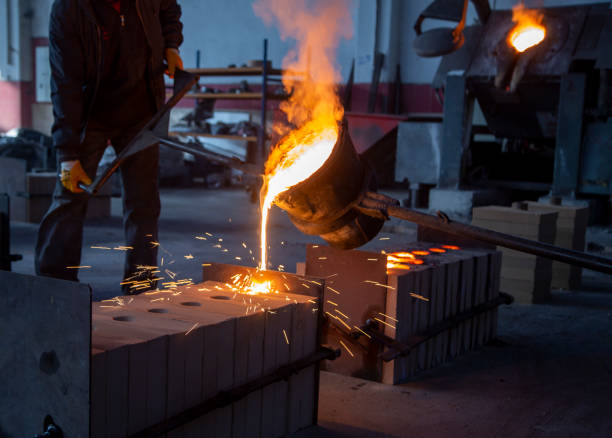
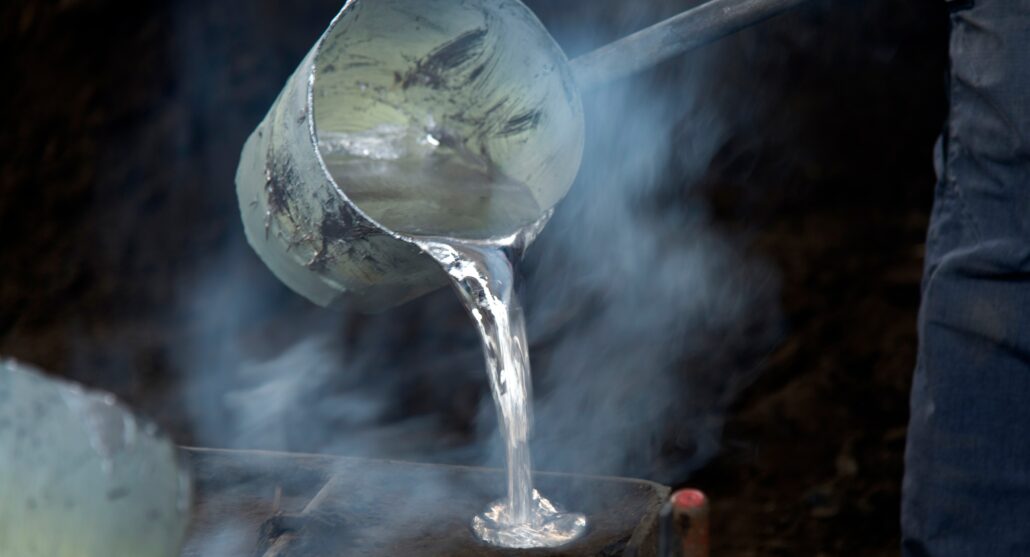
Current industries extensively use aluminium because of its strength combined with its low weight along with its ability to resist heat effectively. The production of aluminium components achieves its best results through the casting aluminium process. The procedure enables users to produce intricate complex shapes which work perfectly for industrial needs and commercial environments. Manufacturers widely employ the casting aluminum method to create complex and resilient components by pouring molten aluminum into designed moulds. Produced components through casting aluminium are widely used across the automotive, aerospace, construction and cookware sectors because aluminium offers excellent thermal conductivity together with lightweight construction and corrosion resistance properties. The essential basis for understanding casting aluminium demands an initial definition of what cast aluminium represents. Castaluminiumm represents metaaluminiumum processed through thermal melting followed by mould filling which results in its transformation into precise configurations. Industrial producers use this method to achieve precise detailed designs which suit engine parts together with machinery parts as well as heat exchangers. Cast aluminium stands out because its strength-to-weight ratio outperforms every other metal thus making it suitable for applications that require lightweight construction. Three main techniques include die casting, sand casting and investment casting that manufacturers use to perform the casting aluminium process with their specific advantages. Die casting performs high-speed precise processing that matches well with mass production but sand casting delivers versatile low-cost benefits suitable for low-volume manufacturing. The investment casting method can deliver both high accuracy and elaborate details in finished products. Knowledge about cast aluminium composition along with manufacturing methods enables industry professionals to pick suitable production systems. Global industries choose to castg aluminium as their standard procedure because it provides lightweight durability with corrosion protection in addition to cost efficiency. What Is Cast Aluminum? Aluminium becomes cast aluminium when manufacturers melt the aluminium metal to pour it into specific moulds for product creation. The unique aspect of aluminium casting enables manufacturers to create complex shapes while reducing material waste better than machine orextrudedealuminiumm methods. What purposes does aluminum casting serve? Different industries use cast aluminum as a primary material to create automotive parts and cookware together with furniture, machinery and aerospace components. Through its production method the product results in strong yet lightweight performance which makes it ideal for efficiency and durability applications. Key Characteristics of Cast Aluminum: Step-by-Step Guide to Casting Aluminum Working with molten aluminium needs severe safety precautions because it creates danger when mishandled. Every step should begin with putting on gloves along with heatproof clothes and face protection. This manual presents a simple method of aluminum casting that protects both workers and equipment. These specific die-casting steps work the same way in other aluminium casting processes. Step 1: Begin By Creating The Mold For Your Project Design The beginning of aluminium casting starts with developing and readying the mould design. The mould selection process controls how the casted aluminium item looks and behaves. Cutting tools must match the chosen mold material which could be sand, steel, ceramic, plaster or aluminum. The mould design must precisely match all details and requirements of the final aluminium product. To produce precise molds manufacturers use CAD system software. The software helps designers build an exact 3D representation of their product before making it. After the digital design is ready CNC machines accurately make and form the mold. The user applies a release agent to the inside of the mould before production starts. The coating applied to the mold prevents aluminum from bonding to it so the cast part can be easily removed. After application of the coating the mold is tightly closed before continuing. Step 2: Melting the Aluminum The following step is to heat the aluminum until it liquefies. The metal reaches melting temperature of 660 degrees Celsius (1220°F) very fast due to its low melting point.The furnace heats up aluminum metal to its melting temperature before electricity or gas power is used to transform it into a fluid substance. The liquid aluminum moves from the furnace to a storage area where it remains usable until deployment into the mold. Step 3: We pour the melted aluminum into the mold The ready molten aluminium can flow smoothly into the mould since its temperature is optimal. Our team pours the aluminium with exact movements to avoid creating defects from trapped air in the finished item. The gate system is specially designed to let aluminium metal flow smoothly into the mould’s cavity. Once the mould reaches its capacity all additional aluminum drains out. After pouring ends the mold stays untouched as the metal starts to cool and harden. Step 4: Cooling and Solidification Casting aluminum needs proper temperature reduction and solidification steps. The casting process takes a period that depends on how thick and intricate the part is.Proper temperature reduction steps are needed to create parts with the needed strength and capacity. A steady temperature needs to stay constant during metal cooling to prevent parts like warping or internal stress from developing.Manufacturers employ cooling tools like air, water and furnace temperature control during aluminum solidification. Step 5: After Solidification the Casting Leaves the Mold  When aluminum solidifies completely we extract the casting out of its mold. We need to cut away the leftover material known as flash sprues from the product. Included finishing actions to produce the desired outcome are water cooling and heating control in the furnace process. We use machining tools to create exact dimensions after product processing. To make surface texture easy to work with. Using polishing or coating techniques makes aluminum surfaces shine better while increasing their resistance to wear. The casting of aluminum production ends when quality finishing techniques produce a ready-to-use item. Great! Your existing steps explain how aluminium castings are made yet producers mostly complete their procedure using more steps. Several additional methods help enhance the quality of final cast aluminum parts. Step 6:  heat treatment improves metal quality though it is optional. Manufacturers enhance aluminum mechanical properties by implementing a heat treatment process after casting ends.

위로 스크롤

견적 받기