회전 부품 제조업체

알루미늄 연마란?

알루미늄 주조, 표면 마감

Aluminum Polishing is a process that makes aluminum look shiny and new. There are two main ways to polish aluminum: mechanical polishing and chemical polishing. Both methods can be done by hand or with machines. Aluminum polishing is often used in automotive and aerospace factories. This guide will teach you how to turn dull aluminum into a mirror-like finish. We’ll cover surface prep, tools, and techniques. Get ready to make your aluminum shine. Importance of Surface Preparation The surface preparation of items results in flawless aluminum polish. Skipping this step is not beneficial. Because it may result in uneven, dull, or inconsistent finishes. Discover key factors, why they matter, and how to do it right. Why Surface Preparation is important Ensures a Smooth Finish Prevents Damage Enhances Effectiveness Ensures a Smooth Finish Proper preparation removes contaminants and imperfections. This step helps achieve a mirror-like shine. Prevents Damage Properly preparing the surface prevents further damage during polishing. It avoids scratching and maintains the aluminum’s integrity. Enhances Effectiveness A clean, well-prepared surface allows aluminum polishing compounds to work efficiently. It ensures even application and better results. Impact of Poor Preparation Uneven Finish Increased Effort Reduced Longevity Uneven Finish Dust, grime, or old coatings can create a blotchy appearance. This uneven surface leads to a lackluster shine. Increased Effort Inadequate preparation forces you to work harder during the polishing stage. That can result in an inconsistent finish. Reduced Longevity The polish may only last briefly with proper cleaning and sanding. Preparation can prevent the finish from degrading faster. Preparation Before Aluminum Polishing Getting ready before polishing is crucial for the best results. Follow these steps to prepare your aluminum surface. Tools and Materials Required Cleaners Sandpapers Scouring Pads Cleaning Rags Metal Polish Microfiber Cloths Buckets and Clean Water Cleaners Use degreasing cleaners to remove grease and dirt. It ensures no contaminants impact the polishing process. Sandpapers Smooth the surfaces of parts using different grits of sandpaper. They will help you effectively remove scratches and old coatings.  Sanding Blocks Sanding blocks or pads help achieve an even sanding pressure. They ensure a uniform surface by conforming to the shape of the aluminum. Scouring Pads Use non-metallic pads for oxidation and corrosion. They are effective for preparing larger, flat areas. Cleaning Rags Use lint-free rags to wipe down the surface and remove any remaining residues after cleaning and sanding. Metal Polish The metal polish is also technically part of the polishing stage. It is used to check the surface condition during preparation. Microfiber Cloths Microfiber will not scratch the aluminum surface. Soft and practical, these clothes work best for cleaning and drying.  Buckets and Clean Water Fill a bucket with clean water for rinsing. Use fresh water to avoid reapplying dirt to the surface. Surface Inspection Check for Imperfections Identify Problem Areas Test the Surface Check for Imperfections Check the surface for dents, scratches, or areas of oxidation. Use a bright light to see minor imperfections. Identify Problem Areas Mark any imperfections that need attention. Plan to sand or clean these areas more thoroughly. Test the Surface Run your hand over the aluminum. Check for any rough surfaces or raised areas that need extra work. Types of Aluminum Polishes Choosing the suitable aluminum polish is essential to getting the right finish. Below is an overview of various types of polishes. Cream Polishes Cream polishes are thick and easy to apply. They provide a deep shine and are ideal for small areas. Use them to remove minor scratches and oxidation. Liquid Polishes Liquid polishes are versatile and quick to apply. They cover large surfaces well and dry fast. Choose liquid polishes for regular maintenance and a glossy finish. Paste Polishes Paste polishes are dense and long-lasting. They offer superior shine and protection. Apply them for heavy-duty polishing on stubborn tarnish. Spray Polishes Spray polishes are convenient and fast. They reach tight spots easily and leave a smooth, even coat. You can use sprays for minor adjustments and hard-to-reach areas. Polishing Waxes Polishing waxes combine polishing and protection. They provide a durable shine and a protective layer. Apply them for a lasting finish that resists dirt and moisture. Metal Polishing Kits Metal polishing kits include all the essentials for a complete polishing process. They offer a combination of tools and polishes for different needs. Use kits for comprehensive care and achieving a professional-grade finish. Choosing the Right Polish Selecting the appropriate polish depends on your specific application. Here’s a comparison to help you choose: Types of Polish Best Use Application Method Pros Cons Cream Polishes Heavy oxidation and deep cleaning Use a cloth or pad to apply. Long-lasting shine, deep clean It requires more effort to buff out Liquid Polishes Regular maintenance Apply it with a soft cloth. Easy to apply, quick results It may require frequent application. Paste Polishes Tough stains and oxidation Apply using a pad or brush. Strong cleaning power It can be abrasive and more challenging to work with. Spray Polishes Large surfaces, quick touch-ups Spray directly and wipe. Fast application, even coverage It provides a lighter finish. Polishing Waxes Protection and shine Apply with a cloth or pad. Polishes and protects in one step It may not remove heavy oxidation. Metal polishing kits Comprehensive polishing Follow the kit Instructions. All-in-one solution, versatile It is more expensive and requires multiple steps. Commercial vs. Homemade Polishes Factor Commercial Polishes Homemade Polishes Ingredients Specially formulated for specific results Made from household items like baking soda, vinegar, or lemon juice Ease of Use Ready-to-use, consistent results Requires preparation, and results may vary. Cost It can be expensive but often highly effective. Usually cheaper and more cost-effective for small tasks Performance Designed for maximum shine and protection It works well for minor cleaning but only lasts for a short time. Availability Widely available in stores and online. It requires making or mixing at home. Environmental Impact Some may contain harsh chemicals. Usually made from eco-friendly, natural components Versatility There is an extensive choice of products for

의료 부문용 회전 부품 제조업체

회전 부품 제조업체

CNC 가공

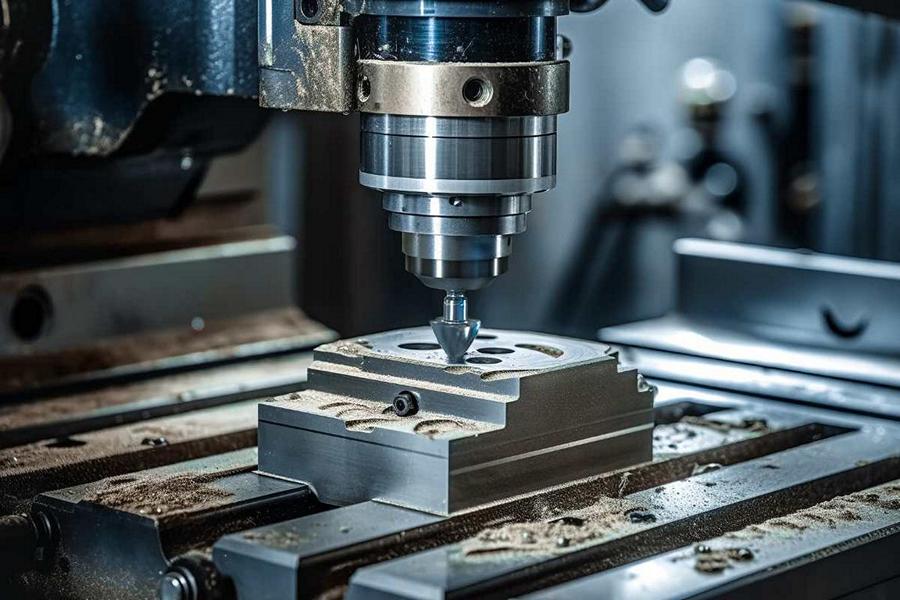
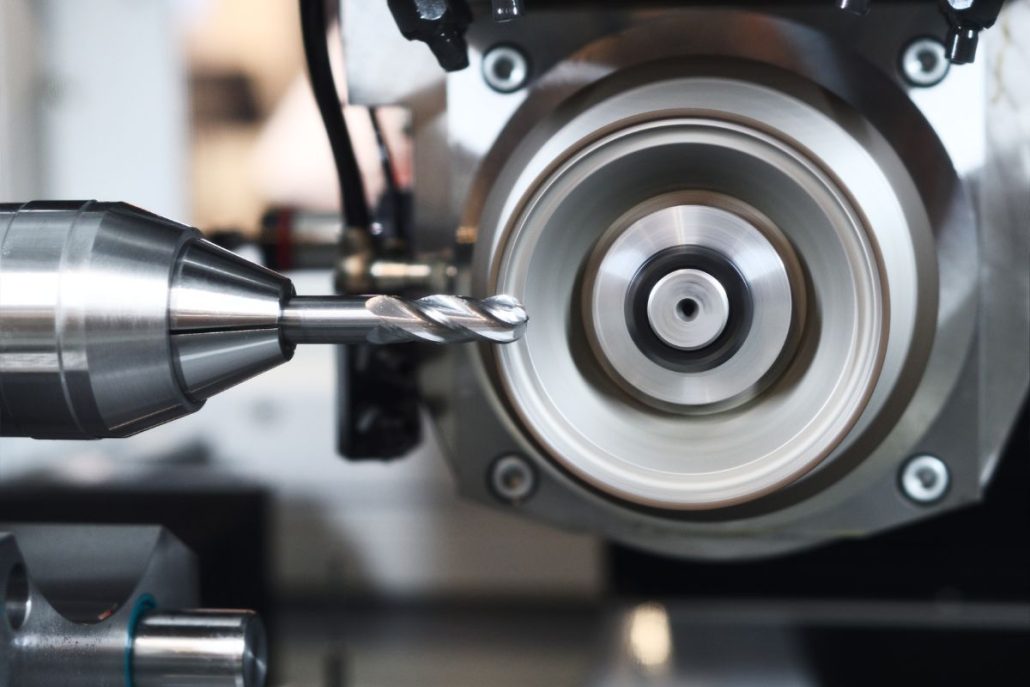
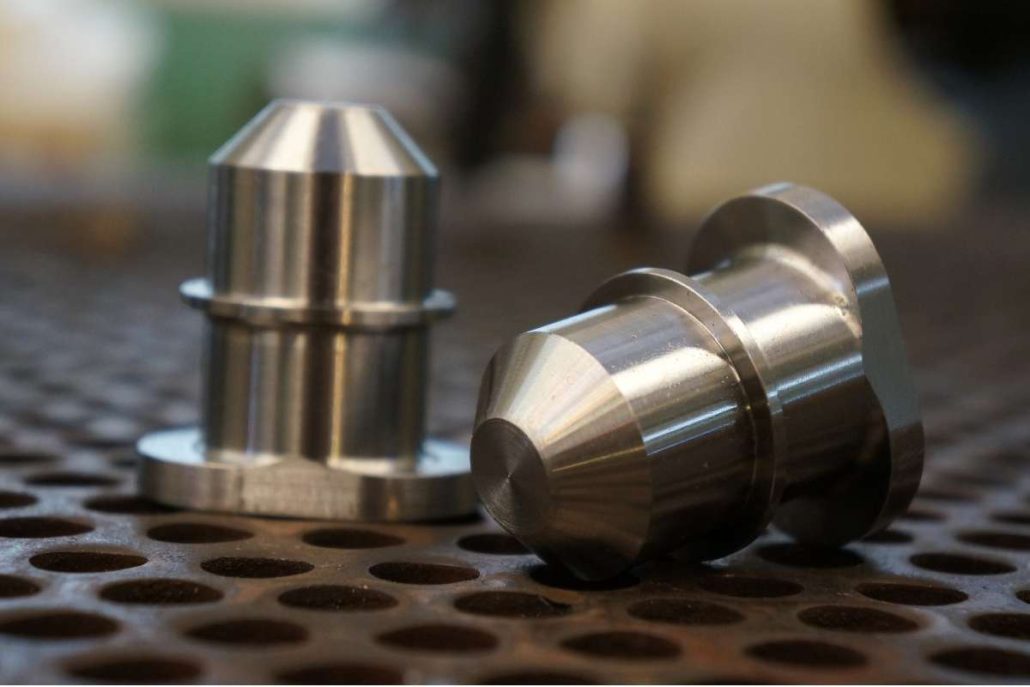
Turning parts are products made through CNC turning, a process in which lathes or turning-milling centers shape workpieces using turning tools. These chisels revolve at a speed higher than 1,000 rpm and shave the workpiece to remove the unwanted material. The speed of turning and the feed rate depends on the material to be machined, the type of cutting tool, and the diameter of the workpiece. It is vital in forming rotationally symmetrical parts with high accuracy and productivity. In this article, you will find information about CNC manufacturer of turned components. in the medical, aerospace, connectors, and defense industries and the peculiarities of their production. Specialist in the Supply of Turned Parts for Medical Applications CNM focuses on cnc machining tight tolerance medical components for surgical tools, apparatuses, and equipment use. CNM has over thirty years of experience in manufacturing and can ensure that the tolerance of each part is precise and very, very tight. Our specialties include Ventricle Assist Devices (VADs), Lasik eye surgery equipment, CT & MRI scanner equipment, and surgical equipment, including Trocar/Cannula systems and biopsy cutters. Our core competencies include 5-axis milling and electrical discharge machining (EDM) services, and thus we are the preferred partner for cardiovascular devices, orthopedic implants, and dental equipment. Our metals and alloys are Titanium, Stainless Steel, Invar, Kovar, and Inconel; thus, all our parts, such as medical screws, implant prototypes, and custom molds, are precise. Our clean, temperature- and dust-controlled environment ensures we can achieve the closest tolerances required for medical use. The precision machining services offered by the company also include manufacturing surgical scissors, cannulas, biopsy tubes, and saw guides for bone surgery that require compliance with medical standards. Whether the application is micromachining or manufacturing of surgical instruments, CNM offers reliable and quality medical machining services for your needs worldwide. CNC Turning Aerospace Parts Manufacturer CNM specializes in manufacturing CNC-turned parts for aerospace, automobile, electronics, mechanical, medical, and dental instruments, military and defense, hunting, and fishing. We deal with materials like brass, stainless steel, plastic, aluminum alloy, steel, and titanium and manufacture items like pipe joints, connector joints, servo motor shafts, and anodized aluminum tubes. In aerospace cnc machining, CNM can manufacture parts used in different kinds of aircraft; military, commercial, and glider. We pay great attention to such issues as durability, compliance with the declared characteristics, and batch marking to obtain the high rates of performance and protection that are typical for aviation. Backed by advanced technology and a stringent machining system, CNM maintains precision with tight tolerances and offers comprehensive services under ISO9001:Certification in 2015. This involves the type of material to be used, the quality of the material, the labeling of all the materials used in the production, and the delivery time as per the client’s request. CNM has a good record and credible partners across the globe; America, Europe, the Middle East, Southeast Asia, Japan, and many more. The company takes pride in quality and reliability in all its activities to satisfy customers and achieve high performance in aerospace parts. Manufacturer of Turned Components For the Connector Industry CNM is a precision-turned components manufacturer particularly suited to the connector industry. Being a quality-conscious company focusing on cost and time, we use our vast experience in the industry and sophisticated machining technology to produce parts to your requirements. We have CNC sliding headstock machines for the connector dimensions from Ø5 mm up to Ø36 mm, and for some particular types of connectors, we have fixed headstock machines. However, for the dimensions up to Ø80 mm are also possible. Machining complex geometries is one of our strengths, as we use machines with up to 10 numerical axes, including B axes. CNM has the flexibility of batch sizes ranging from 500 to 20,000 and above, thus making it possible to meet the needs of small and large-scale projects. Our materials include aluminum, copper alloys, copper, brass, and ceiling, therefore affording flexibility and satisfying the requirements of the connector component industry. Some of the precision parts we offer are terminal blocks, connectors, adapters, sensor bodies, connection plugs, and sockets, all made to precise industry standards. In addition to machining, CNM provides a wide range of additional services with the help of reliable subcontractors: silvering, gilding, annealing, laser engraving, tribofinishing, and deburring. Also, we offer kit assembly services, strengthening our capacity to offer bundled services. Suppose you are in the connector industry and you need superior turned components for your turned parts. In that case, CNM is ready to serve you. Get in touch with us today to understand how we can help you with your manufacturing projects and improve them. Manufacturer of Turned Components For the Defense Industry CNM TECH.CO.,LTD is one of top 10 CNC machining services in the world, we specialize in CNC machining for accurate and high-quality defense parts and components. The authors are proud of the team of professional employees and the effective system of controls in the company. CNM is equipped with modern technology tools, CNM is ISO 9001, AS 9100D, and ITAR registered to supply aerospace and defense parts. Comprehensive Program Management Services  CNM offers numerous services in program management apart from CNC machining. We have a well-trained staff that can meet the rugged demands of the supply chain partners. Therefore, customer relations and their feedback are underlined as significant in developing sound program management systems. Our ISO 9001:The 2000, AS9100D, and ITAR certifications demonstrate the company’s commitment to timely, professional, and focused work. We very closely control our production process with the help of Epicor ERP/MRP system software. This means we can schedule and track parts in this integrated system from the shop floor, as shown below. It effectively manages various aspects, including It helps manage several aspects such as: Engineering support Kanban Pull Systems The first article inspections, or FAI for short. AOGs (Aircraft on the Ground) DX/DO requirements Forecasting is related to supplier portals Raw material sourcing Part machining Special process management Quality assurance Documentation Packaging & Shipment

마그네슘 CNC 가공

마그네슘 가공

CNC 가공

Magnesium has exceptional characteristics, notably low density, and good machinability, for creating corrosion resistance in high-strength parts through CNC machining. However, the process of machining magnesium is quite a challenge because of the flammability of the material. When dealing with magnesium, safety measures are taken to reduce any risks likely associated with it. The machining of magnesium generates shavings and dust, which can easily be ignited, which is a great danger to CNC machinists. If not well controlled, the machining process will likely cause fires or explosions in the workshop. This article describes the main safety measures for working correctly with magnesium and other flammable metals. It focuses on proper methods of chip clearance and measures and precautionary measures to avoid fire in a machine shop. Challenges in Magnesium Machining Working with magnesium alloys is always accompanied by risks that must be managed adequately. These are some of the risks that should be understood when involved in the CNC machining of magnesium. Fire Hazard One of the significant problems in machining magnesium alloys is the flammability of the fine chips and dust produced during the process. These particles are highly inflammable, and even tiny sparks or excessive heat can easily cause them to catch fire, which is a big danger in the workshop. Tool Wear Due to its soft and abrasive nature, the magnesium material can wear out the cutting tool during CNC machining. This results in a lower machining rate and more tools that must be changed more often than not. Heat Generation It is also clear that magnesium alloys have low thermal conductivity, and therefore, heat is localized to the cutting zone. This high cutting temperature also negatively affects the tool’s life. Also, it increases the possibility of warping the workpiece and accelerates the tool wear rate. Surface Finish Challenges Achieving a high surface finish on magnesium alloys is challenging due to the presence of burr and machining deformation. All these issues must be addressed by applying the correct machining methods and selecting the right tools to achieve the desired high-quality surface finish. To address these issues, it is required to adhere to all the safety measures, correct use of tools, and information on the characteristics of magnesium and its machining for safety and effectiveness. Enormous Benefits CNC Magnesium Machining However, there are some advantages of using CNC machining magnesium despite the above risks. This is why magnesium is appropriate for use in industries that require light, such as the aerospace and automobile industries, whereby it enhances efficiency and fuel usage. It is a very lightweight material, but at the same time it has high strength. Thus, structures can be solid and slim, requiring less material. Magnesium is easily machined and thus can be produced in large quantities. The tools used are not easily damaged, cutting the cost. Because of its good thermal conductivity, it is suitable for applications where heat is to be conducted away from the product, such as the casing of electronic equipment. Also, magnesium has inherent EMI gasketing characteristics that shield sensitive electronics from interference. From the environmental point of view, magnesium is in abundance. It can be recycled, and in the machining processes, the amount of emission is negligible. Additionally, the energy used is less than that of other metals. This sustainability, coupled with flexibility in the type of surface finish that can be applied, such as painting or anodizing, makes magnesium a preferred material by manufacturers who desire high performance and, simultaneously want to reduce the impacts of their CNC machining on the environment. Safety Measures to be Adopted in CNC Machining of Magnesium Alloys CNC machining of magnesium alloys can be safe if the following measures for machining magnesium safety are observed: Here are vital tips to ensure the safe machining of magnesium. Keep Tools Sharp: One of the challenges that are associated with the machining of magnesium is heat production—using sharp tools when cutting is also essential to avoid heat accumulation. Blunt tools are likely to create a lot of friction and may cause sparks that lead to the ignition of magnesium chips. Carbide-tipped tools are preferred because they are hard and do not spark quickly at high temperatures. Avoid Tight Clearance Angles: One of the crucial things to consider when machining magnesium alloys is to avoid close tolerance angles. High cutting angles result in massive and consecutive chips that increase heat and the possibility of a fire outbreak due to the nature of the element magnesium. Produce Broken Chips: Set up your CNC machine to produce small and intermittent chips. This assists in removing heat from the cutting tool and the workpiece so that there are minimal chances of the material catching an open flame. This should be done by employing small back rake angles, low feed rates, and moderate to high cutting speeds. Use Mineral Oil-Based Coolants: When machining magnesium, it is recommended to use mineral oil coolants instead of water. Mineral oil reduces fire and explosion risks and enhances the surface finish. Aqueous solutions of coolants may corrode magnesium and cause the formation of flammable hydrogen gas. Employ Explosion-Proof Vacuum Systems: Employ explosion-proof vacuum systems to help extract magnesium chips and dust from the CNC machines. Discontinuous magnesium chips are also flammable; removing them in the workshop is crucial without causing a fire outbreak. Avoid Water in Case of Fire: Do not attempt to put the fire out with water during a magnesium fire, as this will only worsen it. Magnesium fires should be fought with dry Class-D fire extinguishers or dry sand. Thus, following the above measures, magnesium cnc machining can be done safely with less risk in the workplace. Choosing the Right Cutting Tool in CNC Machining of Magnesium Alloy Selecting the appropriate cutting tools is crucial to achieve the best results and safety when using CNC machining on magnesium alloys. Below is the categorization of the tools that are frequently utilized: High-Speed Steel (HSS) Tools: High-speed steel tools are easy to use and

베릴륨 구리 가공

구리 가공

CNC 가공

Copper metals are highly valued for their appearance. Primarily, it is used in everyday art and on utensils. Copper has better material and electrical characteristics as compared to aluminum or aluminium. This makes it essential to produce complex parts. These parts are used in applications such as EDM electrodes. However, copper is typically challenging to machine. This hardness poses several problems as follows. The additives include aluminum, zinc, silicon, and tin. These combinations result in the formation of alloys such as brass and bronze. Nickel-silver alloys are also produced to meet specific requirements. Every one of the alloys is thus designed for exact machining applications. Therefore, they play a significant role in many fields. The machining of copper alloy parts becomes more accessible, allowing for more efficient production. This, in turn, enables production to be done more efficiently. Copper is still valuable for all areas because of its versatility. It is even more helpful when combined with other metals. Nevertheless, copper is irreplaceable, and the industry will continue to encounter it in the future. This article will focus on copper cnc machining methods, essential factors to consider, various uses of copper, and necessary machining services. So, let us help you decode the information you need to make the most of this instrumental metal. Copper CNC Machining: When it comes to CNC machining copper, there are two critical factors to keep in mind for optimal results: Optimal Tool Material Selection: Dealing with raw copper is problematic because the material is very soft, making tools wear out very fast and challenging to remove chips. One of the problems often faced is the creation of a built-up edge, which is a condition where copper particles cling to the tool and produce uneven surfaces. To eliminate these problems, it is necessary to employ cutting tools manufactured from materials like high-speed steel (HSS). HSS tools are specifically famous for cutting copper since it is a soft metal and do not blunt HSS tools quickly while using CNC machines. Setting the Ideal Feed Rate: The feed rate determines the speed at which the CNC cutting tool travels on the copper workpiece. When it comes to copper machining, it is advised that one should keep the feed rate between moderate and low. High feed rates can produce much heat, which is not preferred in precision machining applications. One of the critical aspects of controlling the feed rate is that it is vital for precision and surface finish during machining. If higher feed rates are required in your project, then it becomes mandatory to use cutting fluids or coolants because heat has to be taken out for better precision in the machining process. Selecting the Correct Grade of Material Choosing the correct grade of copper is one of the most critical decisions made during the design of any project. Electrolytic rigid pitch copper (ETPC), also known as pure copper (C101), has a purity of 99%. 99% reliability can be a problem and expensive, particularly regarding mechanical components. When comparing the two materials, C110 is more conductive than C101, more accessible to machines than C101, and sometimes cheaper. Selecting the correct material grade is crucial to achieving the design necessities in the proper manner. Manufacturability should be deemed regardless of the type of material incorporated in developing a product. One has to follow the principles of DFM to the letter to get the best outcome. Some recommendations include closely controlling the performance tolerance and dimensional checks. Do not make thin walls with small radii for improved machining. Wall thicknesses should be kept to a minimum of 0.5 mm for structural strength. For CNC milling, the size limit is 1200mm x 500mm x 152mm, while for CNC turning, it is 152mm x 394mm. Design undercuts with square profiles, full radii, or dovetails to reduce the machining operations. These guidelines are specific to copper components and are essential in enhancing on productivity and quality of the components. The Copper Alloys For Machining Copper materials include various commercial metals used in different industries depending on the required properties for a specific application. Pure Copper: Copper is known to be in the purest form, soft, and can be easily molded. It may contain a small percentage of alloying additions to improve its characteristics, such as improved strength. High-purity copper is used in electrical applications, including wiring, motors, other equipment, and industrial applications such as heat exchangers. The commercial grades of pure copper are classified by the UNS numbers C10100 to C13000. For applications requiring higher strength and hardness, such as machining beryllium copper, alloying pure copper with beryllium is a common practice. Electrolytic Copper: Electrolytic tough-pitch copper is obtained from cathode copper, refined by electrolysis, and contains deficient impurities. The most widely used grade is C11000, which offers electrical conductivity of up to 100% IACS and high flexibility, which makes it suitable for electrical applications such as windings, cables, and bus bars. Oxygen-Free Copper: Due to its shallow oxygen content, oxygen-free copper grades such as C10100 (Oxygen-free electronic) and C10200 (Oxygen-free) are characterized by shallow oxygen content and high electrical conductivity. These coppers are made under non-oxidizing conditions and are used in high vacuum electronics such as transmitter tubes and glass-to-metal seals. Free-Machining Coppers: These copper base alloys contain nickel, tin, phosphorus, and zinc additions, which aim to improve the machinability. Some well-known alloys include bronze, copper-tin-phosphorus, brass, and copper-zinc, characterized by high hardness, impact strength, workability, and corrosion resistance. It has uses in various machining operations, such as in machining coins, machined electrical parts, gears, bearings, and automotive hydraulic parts. Techniques of Machining Copper The following are some of the most efficient ways of machining copper: Machining copper as a material is a process that is associated with some difficulties due to the material’s flexibility, pliability, and durability. Nevertheless, copper can be alloyed with other elements such as zinc, tin, aluminum, silicon, and nickel, improving the possibility of machining copper. Such alloys are usually easier to cut than materials of similar

CNC 가공 부품

CNC 가공 부품

CNC 가공

다양한 분야의 수많은 엔지니어들은 일정 수준의 정밀도와 효율성이 요구되는 금속 부품의 역할을 중요하게 생각합니다. 특히 부품의 품질, 안전, 기능이 가장 중요한 항공우주 및 운송과 같은 산업에서 더욱 그렇습니다. 이러한 상황에서는 CNC 가공 부품을 피할 수 없습니다. 빠르고 정확하며 정밀한 CNC 가공은 이러한 이유로 전 세계적으로 널리 보급되어 있습니다. 다음은 섬세한 작업을 위해 CNC 가공 부품을 선택할 때 고려해야 할 몇 가지 요소입니다. 복잡한 부품 개발에 CNC 가공 사용 CNC(컴퓨터 수치 제어) 기계는 절삭 공구의 위치를 제어하는 컴퓨터의 지시에 따라 작동합니다. CNC 기계의 가장 일반적인 두 가지 범주는 3축과 5축 기계이지만 최신 CNC 시스템은 최대 12축을 가질 수 있습니다. 이렇게 여러 축을 사용하면 복잡한 금속 부품을 만들 수 있습니다. 예를 들어, 3축 CNC 기계는 세 가지 기본 방향을 따라 절삭 공구를 움직입니다: 첫 번째는 길이 방향 이동이라고도 하는 X축, 두 번째는 폭 방향 이동이라고도 하는 Y축, 세 번째는 깊이 제어에 사용되는 Z축입니다. 이 축을 사용하면 필요한 부품을 고속으로 정밀한 형태로 절단할 수 있습니다. 또한 자동 공구 교환과 같은 특성으로 인해 한 번의 설정으로 여러 작업을 수행할 수 있습니다. 이 기능을 통해 회사는 CNC 정밀 가공 부품을 더 빠르고 저렴하게 생산할 수 있습니다. 또한 이 회사는 항상 엄격한 공차를 가진 복잡한 부품을 만들 수 있었습니다. CNC 가공 부품의 공차 그러나 기능 및 내구성 외에도 엔지니어가 CNC 가공 부품과 관련하여 고려해야 할 몇 가지 다른 요소가 있습니다. 제조 공정을 설계할 때는 다음 요소를 고려해야 합니다: 비용 효율성: CNC 가공 부품의 비용에 영향을 미치는 몇 가지 요소에는 설정 비용, 프로그래밍 비용, 재료 비용, 부품 설계의 복잡성 및 제조할 부품 수가 포함됩니다. 이러한 요소는 제품 설계 단계에서 최소 비용으로 최상의 생산 방법을 정의할 수 있으므로 설계 단계에서 관리해야 합니다. 리드 타임: 공차, 부품의 복잡성, CNC 기계 설정에 소요되는 시간, 표준 또는 특수 공구 사용 여부에 따라 가공 프로세스를 완료하는 데 걸리는 시간이 달라집니다. 또한 세부적인 설계 계획은 리드 타임과 전반적인 생산성을 감소시킨다는 점을 인식하는 것이 중요합니다. 설계 타당성: 부품이 CNC 가공을 위한 준비가 되어 있는지 확인하세요. 예를 들어, 직경 5mm 이하의 구멍을 만드는 경우 미세 가공으로 간주되어 특수 공구가 필요할 수 있다는 점을 지적하는 것이 중요합니다. CNC 가공 부품을 성형하려면 CNC 가공 프로세스 내에서 설계 옵션을 고려해야 합니다. 공차: 공차: 공차는 건축 자재, 해당 특정 부품을 생산하는 도구 및 생산되는 특정 부품에 따라 달라집니다. 따라서 CNC 가공은 미세한 공차까지 정밀할 수 있으므로 공차가 적은 부품보다 비용이 더 많이 듭니다. CNC 가공 부품의 장단점 CNC 가공 부품은 특정 조건에서 이상적입니다: 그러나 CNC 가공 부품은 다음과 같은 상황에서 적합합니다: 소량에서 중량 생산: CNC는 설정 비용과 공구 비용이 각 부품을 생산하는 데 걸리는 시간만큼 회수되므로 소량에서 중량 생산에 가장 적합합니다. 복잡한 형상: CNC 가공에 적용되는 기술의 종류로 인해 복잡한 형상을 가진 부품을 제작하는 데 이상적입니다. 짧은 리드 타임을 우선시합니다: 이는 CNC 가공 공정의 한 사이클에서 여러 작업을 수행 할 수 있으므로 다른 방법에 비해 제조에 걸리는 시간 측면에서 매우 유리할 수 있음을 의미합니다. 따라서 위에서 언급 한 설계 및 공차 요인과 CNC 가공을 적용해야하는 상황을 고려하면 엔지니어는 정확하고 고품질이며 상대적으로 저렴한 CNC 가공 부품을 생산할 수 있습니다. CNC 가공과 그 대안 CNC 가공은 매우 효율적이고 정확한 제조 방법이지만 모든 프로젝트에 항상 적용할 수 있는 것은 아닙니다. 대량 생산과 같이 중요한 생산이 필요한 경우에는 금속 스탬핑과 같은 기술을 사용하는 것이 더 적절하고 비용 효율적입니다. 비용이 문제가 된다면 스탬핑이나 판금 성형과 같이 많은 자본이 필요하지 않은 제조 공정을 선택해야 할 수도 있습니다. 이러한 방법은 매우 저렴하면서도 좋은 결과를 얻을 수 있습니다. 또한 CNC 가공은 가공할 수 있는 재료의 유형에 제한이 없지만 열을 사용하기 때문에 일부 재료는 적합하지 않을 수 있다는 점에 유의해야 합니다. 재료의 적합성을 평가하는 것은 최상의 결과를 생성하는 동시에 비용을 최소화하기 위해 제조에 있어 매우 중요합니다. 가공 산업과 그 기능 CNC 가공 회사는 정밀 부품뿐만 아니라 다른 정밀 제조 산업에서 필요로 하는 제조 도구와 장치도 제공합니다. 다음은 CNC 가공 부품의 분류입니다: 이 제조 공정에는 매우 정확한 부품을 제공하기 위해 원재료에서 재료를 제거하는 작업이 포함됩니다. CNC 드릴 CNC 드릴은 공작물에서 디듀링, 밀링 및 기타 필요한 모양을 만드는 데 사용됩니다. 이전에 설정한 깊이까지 재료를 절단합니다. 이를 통해 특히 대형 구조물의 조립 및 맞춤을 위해 구멍의 정확한 위치와 치수를 지정할 수 있습니다. CNC 드릴은 필요한 작업에 따라 다양한 재료를 드릴링할 수 있기 때문에 유연합니다. 생산된 부품의 정밀도와 정확성을 개발하는 데 필수적입니다. CNC 드릴은 정밀하며 구멍이 표준에 맞게 드릴링됩니다. 이 방법은 다음에 적합합니다.

크롬 도금 알루미늄

블랙 파우더 코팅

표면 마감

Black powder coating process are mostly used in metal parts finish, it is one of the most preferred surface treatment techniques in the metal rapid prototyping, metal fabrication sheet, and die casting industry which provides improved physical and mechanical characteristics to the custom machined or casted parts. This powder coating technique which has its origin from the early development of powder metallurgy has received a lot of acceptance in the recent past. It is widely utilized in the modern industry because of the following advantages: high corrosion protection, fine surface finish, and long-enduring, eco-friendly impact. This article will take a closer look at the various kinds of powder coating surface finished, how the coating process is done, and some useful tips for a perfect powder coating. This is where you will find all your answers concerning black chrome powder coating, and sprays. If you have any metal parts that needs develop with black powder coating surface finish, you are welcome to contact us, we are die casting manufacturing company in China, we offer one stop services from die casting tooling manufacturing, mass production, post machining, surface finish, packing, and delivery. Contact us to get free quote in 24 hours. What Is Black Powder Coating Finish? Black Powder coating is a process of applying dry black color of powder on the surface of the material and then using heat to set it. The powder that is employed can be thermoplastic or a thermoset polymer powder. This method forms a strong and long-lasting layer which is stronger than the liquid varnish and ideal for use on plastic, glass, and metal. Powder coating is usually done by electrostatic spray deposition (ESD) or fluidized bed technique. Both methods provide high gloss, different kinds of surface, a wide range of color and high quality of the surface. Because of these characteristics, black powder coating finish is applied in many industries such as medical, architectural, automotive, fiberboard avionics, and many others, of course there are many other powder coating solors, you can go to our powder coating services pages to know more.   The Different Types of Powder Coatings Another effective painting technique that provides a very good and quite a durable coat is called powder coating. Whether you are a first time user of powder coatings or you have been using it for a long time, you will find it very strong and versatile. It remains the same from having one spray gun and a small oven to running a large line with automation. Here’s how it works: A powder spray gun is used to spray the powder particles and at the same time charges them with an electrostatic charge. The grounded areas draw the charged powder on it to ensure that an even layer of the powder is achieved. After the powder application, the parts are taken to an oven where the powder melts and fuses to the surface giving the part a hard, scratch resistant, and aesthetically appealing surface. It is mostly used on metals and for this reason it is very useful. Some of the areas that apply black powder coating spray paint are the industrial parts, medical equipment, architectural structures, automobiles, bicycles, home appliances, furniture, enclosures, trailers, and lighting among others. The possibilities are endless! Powder coatings are of different types; and each type has its own features and uses. The type of powder to be used should be chosen before the color to be used is chosen. It is, therefore, necessary that one knows the characteristics of the different types of powders to be able to get the best outcomes. The last advantage of powder coatings is that it does not have solvent at all in its formulation. This means no organic volatile compounds or VOCs are emitted, making powder coatings safer to apply, to get rid of and to ship than liquid paints. This is a green factor that has a lot of advantages to the environment for both the user and the customer. Epoxies Epoxies were the first powders in the market and are still widely used due to their high level of hardness. They provide excellent hardness and are reported to have better chemical and corrosion resistance than the other available powders. Another benefit of epoxy powders is that they are easy to apply and are available in many cure schedules. Epoxies cure very well on metals particularly when the metal has been prepared by methods like phosphate coating and sand blasting. However, one of the main disadvantages of epoxy powders is their rather low resistance to the effects of natural factors. Epoxies when left exposed to the outdoor environment turn to fade and chalk under the sun and the surface turns bad within few months. This limitation makes epoxies more appropriate for interior use where they are protected from the UV light. However, due to high adhesion and good corrosion resistance, many primers are based on epoxies. When applied as a base coat to another type of paint they offer a strong base, utilizing their advantages but at the same time minimizing their vulnerability to sunlight. Polyesters Polyesters are the most popular powders in powder coating since they are cheap and can be used in most applications. There are two main types: TGIC and TGIC-free, called ‘Primid’ In general, both types have good mechanical properties such as flexibility and impact strength, and good chemical resistance. Polyester powders also have the advantage of low curing temperatures, which makes them ideal for use on items that cannot be exposed to high temperatures. Polyesters also do not overbake and do not yellow and are easy to apply on different surfaces. Standard polyesters have UV resistance of 1-3 years and are used for indoor applications as well as some outdoor applications. Another essential aspect of polyester powders is the ability to vary the color, gloss and the special effects, which makes the list almost endless. Owing to their good general characteristics, polyesters are used most often in various coating

알루미늄 또는 알루미늄

알루미늄 압출 가공

알루미늄 주조

Understanding the Aluminum Extrusion Process Aluminium extrusion machining is a process of manufacturing products with a cross-sectional profile by forcing the material through a die. This process can be likened to putting toothpaste in a tube, in this case, the toothpaste is the heated cylindrical aluminum bar also called an ingot and the tube is the die. Here’s a step-by-step breakdown: Heating and Pressing: The aluminum ingot is then heated and passed through the die which gives it the required profile of the product. Cooling: After the shaped material has come out of the die it is cooled by air or water. Stretching: Although not fully set, the profiles are pulled to relieve internal stresses and achieve the proper dimensions. Cutting and Aging: The profiles are cut and then aged – hot or cold to reach their final strength. Finishing and Surface Treatment: The last processes include polishing or other treatments meant to improve the looks and protect against corrosion. What is an Aluminum Extrusion Machining Center? An extrusion machining center is a specific type of machining center that is used to accurately process extruded aluminium profiles into the final required parts. Sawing, deburring, drilling, turning, milling, and tapping are some of the techniques used to give the required shape with features such as pockets and holes. At CNM, we have different types of extrusion machining centers that are highly accurate, fast, and very reliable. These machines are very efficient in cutting down production time and minimizing wastage during the processing of the products and are thus very suitable for use by manufacturers. CNM’s extrusion machining centers facilitate the manufacturing process and produce quality work that guarantees the aluminum extrusions are cut and profiled to the required specifications. Factors Consideration For Machining Aluminium and Aluminium Alloys The below-mentioned factors greatly influence the cnc extrusion machining of aluminum alloys. Cutting Force The cutting force needed when machining aluminum alloys is much less compared to the force needed when machining steel. For instance, the force required to machine aluminum is about one-third of that required for low-carbon steel thus chip removal is three times more efficient. For instance, aluminum alloy 2017A has the same cutting force as low-carbon steel but has similar mechanical properties as the latter. Tooling The cutting tools used in the machining of aluminium alloys must have a certain geometry. The cutting edges should be as sharp as possible and the tool faces must be smooth so that they can shed the swarf and not stick to it. The cutting angles are different according to the type of alloy, but the rake angle should be more than 6° and can be even 12°. In the case of alloys with up to 7% silicon content, it is suggested to use the tools with the application of TiN or TiCN coatings using PVD deposition. For diamond coated carbide tools and polycrystalline diamond (PCD) tools, the recommended rake angle is 15 degrees. It is much longer than the ones used for machining steel due to the proper tools being used in this process. In the special machines, the high-speed spindles can attain the machining speed of 2000 to 3000 m/min for the 2000 and 7000 series alloys. For instance, a 12 mm diameter tool can reach 50,000 rpm of cutting speed with a feed rate of 10 m/min, which results in very thin sheets and lightweight components. Cutting Speed and Feed Rate Because of the low modulus of elasticity of aluminium alloys, it is recommended to avoid high rates of advance even in roughing operations. The feed rate should be limited to 0. 3 mm per revolution. For finishing operations, the feed rate will be affected by the required surface finish. The depth of cut will be influenced by the level of accuracy that is needed on the final product. Lubrication Lubrication is crucial in machining aluminium alloys for several reasons: it reduces the temperature of the cutting area, keeps the swarf from sticking to the tools, and clears the swarf from the machining area. There are three primary types of lubrication: The three types of cutting fluids are spray mists, full cutting oil, and oil emulsions, of which the oil emulsions are most frequently used because of the heat dissipation of approximately 200 kg/J. Coolants help in reducing friction and also in tapping operations. Spray mists are not very effective when there is high heat involved. The cutting fluid composition should not react with aluminum alloys, cause stains or corrosion, contain anti-bacterial agents to discourage fungal growth, and be environmentally friendly. Benefits of Aluminum Extrusion Machining: The following are the benefits of machined aluminum extrusion: Aluminum extrusion is a process that is commonly practiced in the present generation due to the following benefits associated with aluminum extrusion. It also allows one to achieve complex and accurate forms of the needed shapes and also to produce them in a way that they will fit the intended use, thus increasing productivity and saving money. The outcome is strong and light structures that are suitable for industries that require light structures such as the aeronautics, automobile, and construction industries. Also, it is an efficient technique, which does not require a lot of material and energy and generates a small amount of waste. In conclusion, machined aluminum extrusion is cost-efficient and sustainable which improves the quality of the end product and production process. Suitability of Aluminum for Cold Extrusion Cold extrusion is a process of extruding aluminum through a mold at a temperature of not more than 150°C (300°F). The aluminum remains rigid and thin-walled parts can be fabricated as in the case of radiators, windows, and door frames. This process is slower than hot extrusion but the surface quality is high and the shapes are more accurate therefore less post-processing is required. Warm Aluminum Extrusion Warm extrusion is done at moderate temperatures while the rate of hot extrusion and the accuracy of cold extrusion are intermediate. The exact temperature is therefore arrived at

알루미늄 주조 가공

가공 주물

알루미늄 주조

For fabricators, metal machining and casting operations are sometimes shown as binary alternatives. However, there are many circumstances in which using both casting and machining is the most efficient in terms of production, as the recent essay on casting vs. machining made clear. The advantages of machining castings are covered in this article, and the application of these production techniques to your next project is discussed. What Is Casting CNC Machining? Machined castings are components that is initially manufactured through casting and subsequently refined through CNC machining. Die casting, investment casting, or sand casting may be implemented to generate the initial casting. Every casting process has drawbacks, such as poor surface finish or restricted design. CNC machining solves the above problems by improving the quality of products and adding more complex designs. Some possible machining operations include Computer Numerical Control Milling, Turning, Drilling, Sawing, and other non-conventional castings machined operations to get a premium surface. Machining of Casting Parts Advantages. There are several benefits to machine-castable parts. Some of the commonest include; 1. Modifying As-Cast Parts Those casting machined parts produced directly from their casting molds are known as “as-cast” These parts contain extra material from the gating system, parting lines, and other casting features. To increase the quality, the fabricators have to get rid of this unwanted material, which can be done by a simple hacksaw for roughing or by using CNC for accuracy. For example, in the case of aluminum casting machining, aluminum CNC machining helps achieve high dimensions and accuracy. Casting flaws can be easily camouflaged through CNC machining, and the quality of the final product can be significantly improved. Also, it allows the development of features that cannot be created using casting only, such as the curved fins of a turbine. Some of the design issues can be solved by techniques like investment casting, but in most cases, the holes, grooves, and threads produced by machining are of better quality. 2. Improving Finished Quality However, if casting and machining do not need extra features and the material that has to be removed is easily removable, it is still important to use precision CNC machining to obtain high-quality parts. Some processes, such as die casting, can deliver relatively smooth surfaces that only require slight machining. However, the parts produced through sand casting or investment casting require a significant amount of machining to achieve a flat surface. CNC machining also improves the quality of the parts that have tight tolerances. Casting can be economical when the production is significant, and CNC machining guarantees that every part is correctly shaped. Machining allowances have to be taken into consideration during the casting stage to have a smooth integration. It is wise to incorporate sheet metal fabrication services into your production line. The main benefit is the capacity to rapidly and precisely create lightweight parts from numerous materials employing various techniques. Knowledge of these techniques and their specific use is vital in attaining the best outcomes and shortening production time. How To Machine Casting Parts? During machining, useless material is removed from casting to make it more accurate in size. This process is beneficial in removing excess material on cast parts after casting and before finishing. Machining is helpful because it is almost impossible to get tiny variations in a complex casting, and thus, the final product has to be machined to the required specifications. It is usually done after the heat treatment but before the final surface treatment, like painting, anodizing, or plating. As for the current world, the application of technology in machining castings has adopted computer numerical control (CNC). Machining can be classified into many subcategories, which include the following: Drilling Drilling is the creation of holes in the cast parts with the help of a drill bit. Lathes and cutting machines can also be used, but drill presses are the main tools used in this process. This process is crucial in the casting process since it assists in the making of holes in the casting. Milling A cutter, a fixture, an object, and a milling machine are all things that are used for milling. The piece of work is clamped down during this cutting process, and the milling machine’s cutter takes off the extra material. It can be said that it is one of the most frequently applied methods in the subsequent adjustment of the shape and size of the cast parts. Turning In turning, the workpiece rotates on its axis while the cutting tool is stationary or does not move. The most critical equipment employed in this process is the lathe machine. Turning is appropriate for generating the internal and external profiles of cast parts and is very precise. Other Machining Processes In addition to drilling, milling, and turning, several other machining processes are used for refining cast parts: Besides drilling, milling, and turning, several other machining processes are used in the finishing of cast parts: Boring: It enlarges and increases the accuracy of a part’s pre-drilled holes. It is useful in attaining the correct dimensional and positional tolerances for parts that require high precision and polished surface textures. Broaching: Broaching is a process of cutting shapes and designs on cast parts with the help of a cutting tool with teeth. The broach has progressive teeth that shave the material and can make internal and external shapes. Therefore, it is ideal for keyways, splines, and other shapes. Grinding: Grinding employs an abrasive wheel that rotates and brings the part’s surface to the required actual position. This process is helpful in offering high surface quality and near tolerance. The cutting points of the grinding wheel abrade the surface, shave off the unevenness, and provide a polished surface. All these machining methods are important in ensuring that cast parts are of the right quality and size for use or other processes. Benefits of Machining After Casting Machined casting parts offer numerous advantages, such as Machined casting parts, therefore, have the following benefits: Enhancing Precision The die-casting and

니켈 팔팅 비용

크롬 도금 비용은 얼마인가요?

알루미늄 주조

크롬 도금 비용은 얼마입니까? 산업 및 제조 단지에서는 구조물을 최적으로 작동시키기 위해 다양한 부품을 사용합니다. 대부분 알루미늄, 스테인리스 스틸 및 구리 부품이 가공 요구 사항을 충족하기에 적합합니다. 자동차, 항공우주, 전자 등의 산업에서는 내부 및 외부 부품을 형성하기 위해 단단한 금속 소재를 사용합니다. 하지만 이러한 소재는 순수 가공된 형태로는 사용할 수 없습니다. 그래서 크롬 도금이 필요합니다. 크롬 도금 막대는 그 기능 때문에 특히 중요합니다. 위의 막대는 인도에서 구할 수 있으며 재료, 치수, 모양, 길이 및 도금 품질에 따라 비용이 달라집니다. 이러한 경질 크롬 도금 막대는 높은 강도, 유연성, 내마모성 및 내식성으로 인해 많은 분야에 적용됩니다. 특히 무겁다고 여겨지는 많은 산업 분야에서 추가 맞춤화가 가능하다는 점에서 더욱 가치가 있습니다. 이 봉은 공압, 자동차, 유압, 인쇄, 섬유 및 기타 여러 응용 분야에서 널리 사용됩니다. 튼튼하고 어떤 기후에도 잘 견디기 때문에 많은 조직에서 선호합니다. CNM은 모든 제품에 대한 방대한 생산 능력을 갖추고 있으며 인도 및 국제 표준과 법률에 따라 운영됩니다. 이를 통해 고객의 요구 사항을 충족하는 동시에 상대적으로 저렴한 고품질의 경질 크롬 도금 막대를 생산할 수 있습니다. 이 문서에서는 크롬 도금 비용, 크롬 도금의 영향 요인 및 기술에 대해 설명합니다. 크롬 도금 비용에 영향을 미치는 요인 특정 품목의 크롬 도금 비용은 다음과 같은 중요한 요소에 따라 달라집니다. 첫 번째는 운송해야 하는 품목의 크기와 복잡성 수준입니다. 대형 품목은 일반적으로 더 많은 재료와 시간이 필요하므로 크롬 도금 비용이 더 비쌉니다. 또한 복잡하거나 비대칭적인 디자인을 가진 품목은 준비 단계와 도금 과정에서 추가 작업이 필요할 수 있으므로 비용이 추가될 수 있습니다. 고려해야 할 또 다른 요소는 도금되는 크롬 도금의 종류입니다. 장식용 크롬 도금과 경질 크롬 도금의 두 가지 주요 유형이 있습니다. 이러한 유형의 크롬 도금은 더 얇은 층으로 적용되며 자동차 트림 및 가전 제품 등에 사용되는 장식용에 가깝습니다. 이러한 종류의 도금은 단단하고 부식에 강한 표면을 만들기 위해 더 두꺼운 크롬 층을 입히는 경질 크롬 도금에 비해 상대적으로 저렴합니다. 경질 크롬 도금은 산업 분야에서 자주 적용되며, 복잡한 절차와 사용되는 재료의 유형으로 인해 비용이 더 많이 들 수 있습니다. 또한 밸브의 도금 공정에 사용되는 크롬의 품질에 따라 비용에 영향을 받을 수 있습니다. 크롬의 품질이 높을수록 더 순수하고 마감 처리가 잘되어 초기 단계에서는 비용이 더 많이 들 수 있습니다. 하지만 제품 수명 연장, 외관 개선, 변색이나 균열에 대한 취약성 감소 등의 장점이 있을 수 있습니다. 고급 크롬 도금을 사용하면 저급 크롬 도금에 비해 더 오래 지속되는 더 나은 마감을 얻을 수 있습니다. 그러나 실제 도금 공정에 앞서 도금할 품목의 표면을 준비해야 합니다. 이 준비 작업에는 일반적으로 오래된 층을 제거하고 표면을 매끄럽게 하여 결함을 제거한 다음 크롬 층이 부착할 수 있는 적절한 표면을 제공하기 위해 표면을 세척하는 작업이 수반됩니다. 표면의 상태에 따라 기존의 균열이나 녹으로 인해 수행해야 하는 준비의 정도도 결정됩니다. 상태가 좋지 않은 제품은 상태가 양호한 제품보다 더 많은 준비가 필요할 수 있습니다. 따라서 크롬 도금 비용이 높아질 수 있습니다. 도금되는 물품의 양과 배치의 크기도 비용에 영향을 미칠 수 있습니다. 일괄 주문으로 인해 여러 품목을 동시에 도금하는 경우 일반적으로 단일 품목을 도금할 때보다 품목당 비용이 저렴합니다. 크롬 도금 서비스 제공업체는 소모품을 대량으로 구매할 수 있기 때문에 더 저렴한 가격으로 제공할 수 있습니다. 크롬 도금 서비스에 대한 견적을 찾을 때 필요한 금액을 고려해야 합니다. 크롬 도금 서비스를 받을 장소와 서비스 제공업체의 신뢰도도 가격을 결정하는 또 다른 요소입니다. 가격은 작업 지역의 임금률, 환경법 및 기타 간접비에 따라 달라질 수 있습니다. 또한 서비스 제공업체의 작업 품질이 높고 경험이 많을수록 서비스 가격이 높아질 수 있다는 점을 이해하는 것이 좋습니다. 서비스 비용과 관련하여 제공할 수 있는 서비스 품질을 더 잘 이해하기 위해 가능한 한 여러 크롬 도금 서비스 제공업체를 비교하는 것이 좋습니다. 그러나 서비스 제공업체가 제공할 수 있는 다른 서비스가 있으며 이러한 서비스는 전체 크롬 도금 프로세스 비용에 영향을 미칠 수 있습니다. 이러한 서비스에는 선택적 마스킹, 보호 필름 적용 또는 도금의 경도, 외관 등을 개선하기 위한 도금 후 처리가 포함될 수 있습니다. 이러한 서비스는 전체 비용을 증가시킬 수 있지만 프로젝트의 성격과 의도한 결과에 따라 유용할 수 있습니다. 크롬 도금에 대한 명확하고 합리적인 가격 견적을 받으려면 잠재적 계약자에게 프로젝트를 가능한 한 많이 설명해야 합니다. 여기에는 품목 유형, 치수, 마감 유형, 수량 및 고객이 특별히 요구하거나 원하는 사항이 포함됩니다. 이러한 커뮤니케이션을 통해 제공된 세부 정보를 바탕으로 견적을 비교하면 크롬 도금에 소요되는 비용에 대해 최상의 가치를 얻을 수 있습니다. 크롬 도금의 유형 비용은 실제 도금 유형에 따라 다릅니다. 경질 크롬 도금 경질 크롬은 용액에 전류를 통과시켜 수행되는보다 복잡한 도금 절차이며 많은 분야에 적용됩니다.

정밀 다이 캐스트

알루미늄 CNC 가공

알루미늄 주조, CNC 가공

Aluminum is widely used in CNC machining because of the advantages of machined parts in different industries. This article is devoted to cnc aluminum parts machining and its characteristics, types of alloys, machining methods, tools, and uses. Aluminum in CNC Machining Machining aluminum through CNC is preferred because aluminum is highly machinable; it is among the most machined materials in the world after steel. Some properties include soft, ductile, and non-magnetic, and its pure form is silvery white in color. However, the real beauty of aluminum is that it can be alloyed with other elements like manganese, copper, and magnesium to create a series of aluminum alloys with improved characteristics. Aluminum CNC Machining: Getting the Most The benefits include; 1. Machinability: Aluminum is relatively easy to machine because it is soft and can be made to chip easily therefore, it can be machined faster and with less power than steel at a cheaper price. It also makes it easier to deform during the machining process, making it easier for CNC machines to produce highly accurate parts with closer tolerances. 2. Strength-to-Weight Ratio: Aluminum is lighter than steel by one-third and has a strength of one-tenth of steel. Thus, it is suitable for use in parts that need a high strength-to-weight ratio. Some of the industries that benefit a lot from aluminum are by producing cnc machined aluminum parts for the automotive and aerospace industries because it is light but extremely strong. 3. Corrosion Resistance: Aluminum has an inherent characteristic of not corroding in normal environmental conditions, and it can be further protected by anodizing hence the material can be used in environments that are exposed to marine or atmospheric conditions. 4. Performance in Low Temperatures: There are some materials that undergo a change in their mechanical properties and become as strong as paper at low temperatures, but this is not the case with aluminum. 5. Electrical Conductivity: While pure aluminum has high electrical conductivity, aluminum alloys also have adequate conductivity for electrical use, meeting the needs of different industries. 6. Recyclability and Environmental Friendliness: Aluminum is a recyclable material hence the conservation of the environment through the reduction of waste and energy used in the machining process. 7. Anodization Potential: The fact that anodization can be done on the aluminum surfaces also enhances the wear and corrosion resistance of the machined aluminum parts. The ability to anodize aluminum in different bright colors addresses the aesthetic aspect. Applications Galore Aluminum is popular in CNC machining because of its versatility and other suitable properties in many industries. From car parts to airplane parts, electrical parts, and even complex mechanical parts, the durability and performance of aluminum in different uses are apparent, which leads to creativity. Therefore, the popularity of aluminum in CNC machining is not accidental – it is due to the benefits, possibilities, and perspectives that this material offers in the sphere of manufacturing. Aluminum is still widely used for machined parts due to its performance, eco-friendliness, and flexibility as industries evolve. Typical Aluminum Alloys Used in CNC Machining Aluminum alloys are the most preferred materials in CNC machining because of their flexibility and good mechanical characteristics. Below are some frequently used aluminum grades in CNC machining processes: 1. EN AW-2007 / 3.1645 / AlCuMgPb This alloy contains copper in a range of 4-5% and is famous for its strength, lightweight, and high utility. It is mainly applied in the manufacturing of machine parts, bolts, rivets, nuts, screws, and threaded bars. It is also relatively brittle, has low weldability and corrosion resistance, and therefore requires anodizing after machining. 2. EN AW-5083 / 3.3547 / Al-Mg4,5Mn This alloy is well known for performing exceptionally well in extreme conditions; it has magnesium, chromium, and manga Itboaa has high corrosion resistance and maintains its strength even when welded. It uses cryogenic equipment, marine structures, pressure equipment, chemical applications, and many others. 3. EN AW 5754 / 3. 3535 / Al-Mg3 This wrought aluminum-magnesium alloy has good corrosion and high strength, it is used in welded structures, floorings, vehicle bodies, and food processing equipment. 4. EN AW-6060 / 3. 3206 / Al-MgSi This alloy is heat-treatable and has good formability. It is widely used in the construction, medical equipment, and automotive engineering industries. 5. EN AW-7075 / 3.4365 / Al-Zn6MgCu While this alloy is only average in terms of machinability, it has a high strength-to-density ratio, and good resistance to atmospheric conditions and is used in aerospace, weaponry, and mold tool industries. 6. EN AW-6061 / 3. 3211 / Al-Mg1SiCu This alloy has very high tensile strength and is used for structures that are heavily loaded like rail coaches, machine parts, and aerospace structures. 7. EN AW-6082 / 3. 2315 / Al-Si1Mg This alloy has medium strength and good weldability and is used in offshore structures and containers because it resists stress corrosion cracking. These aluminum alloys provide a variety of mechanical properties. They are selected according to the demands of the CNC machining applications to guarantee the best performance and longevity in the intended use. Common Techniques To CNC Machine Aluminum In aluminum CNC machining, there are several techniques that can be used in order to get high accuracy and precision in the aluminum parts. These processes are intended to meet various needs and demands, which would provide the best outcome in terms of quality and performance. CNC Turning remains one of the basic operations in aluminum machining. In this operation, the workpiece turns around its axis, and the cutting tool remains fixed. Thus, the removal of material and shaping of the workpiece are enabled. This method is widely applied in producing cylindrical or conical shapes in aluminum parts. Another common technique is CNC Milling aluminum, in which the tool is held stationary while the cutting tool is rotated to cut the workpiece. This process enables cutting actions in different directions and is ideal for cutting shapes and designs in aluminum parts. Pocketing or pocket milling is a particular type of CNC aluminum

위로 스크롤

견적 받기