냉간 단조 알루미늄
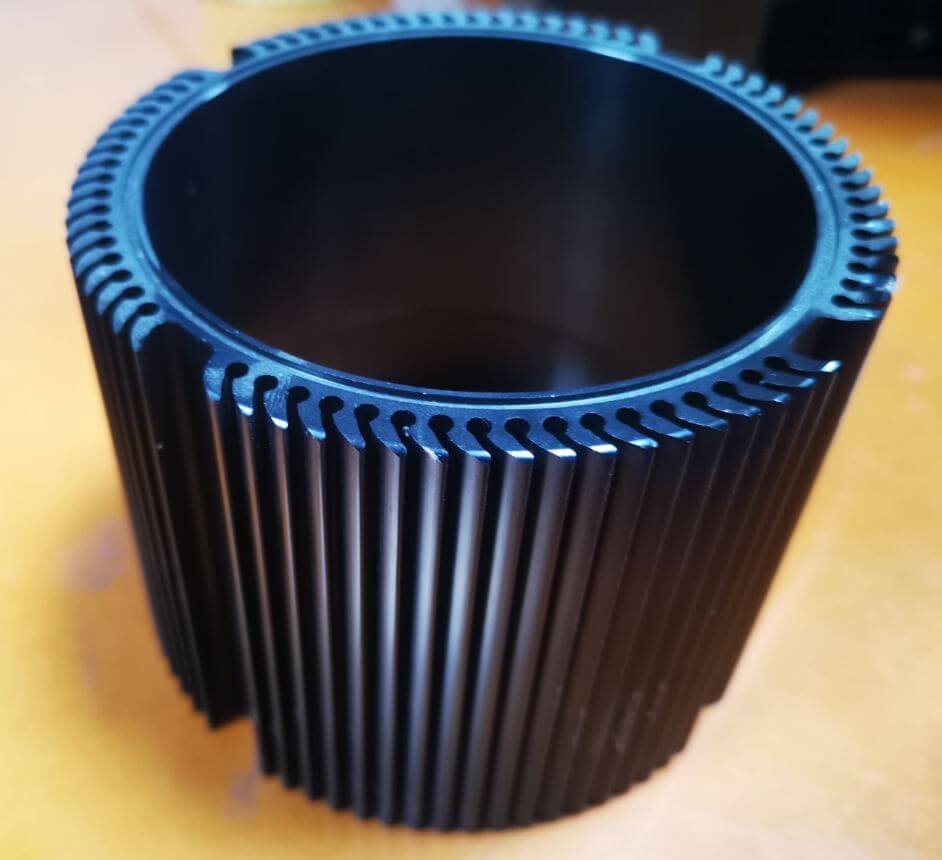
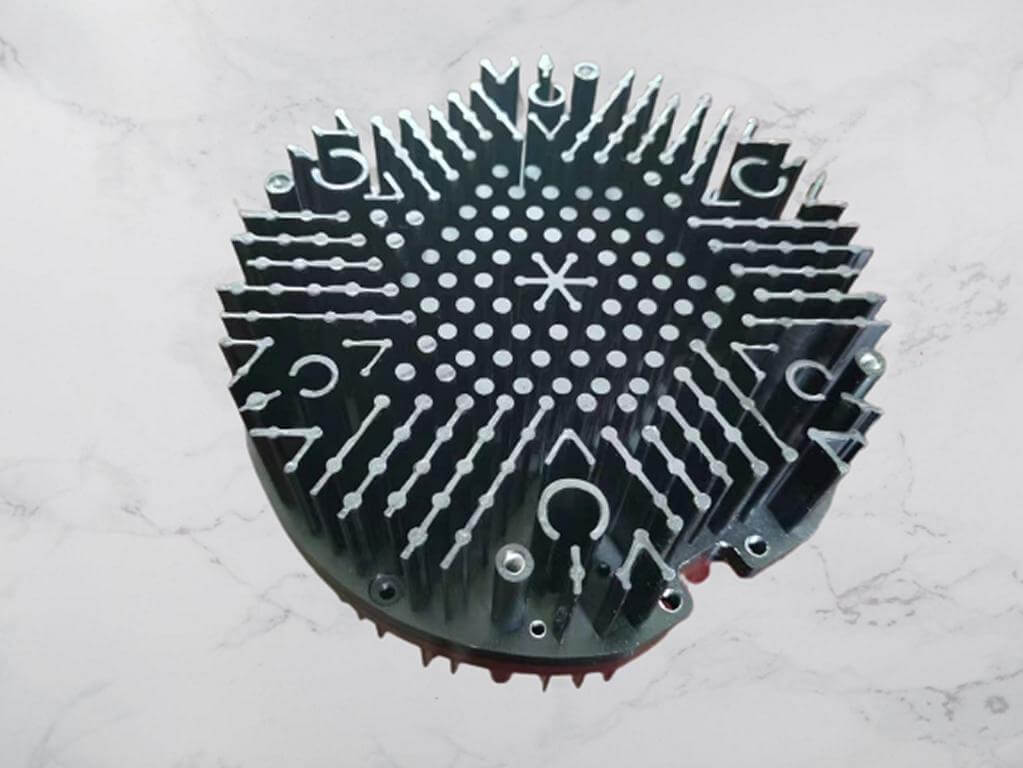
알루미늄 주조Cold Forging Aluminum: An Overview of Benefits, Process and Applications Cold forging aluminum is an effective way to produce shaped aluminum parts with high strength, denseness, and accuracy. Aluminum is one of the most commonly used materials in cold forging due to its versatility in terms of its characteristics and alloy permutations. This article provides a comprehensive understanding of the benefits, process, and applications of cold forging aluminum. Advantages of Cold Forging Aluminum When compared to other metal forming methods, cold forging aluminum has a number of advantages, including: Increased strength and durability: Cold forging aluminum can create parts with greater strength and durability than can ever be achieved through castings or other manufacturing methods. Improved surface finish and precision: Because the forging process requires the material to be compressed, cast parts may often require additional machining, while cold forged aluminum has a high surface finish already built into the process. Cost-effective compared to other techniques: Cold forging aluminum only requires modest pressure to make the necessary changes in the metal, In turn save costs in comparison to other techniques. Reduction in material waste and energy consumption: With no material waste during the forging process, and the energy needed, as compared to other methods, it adds up to cost savings over the long-term. Process of Cold Forging Aluminum The cold forging process of aluminum involves several steps: Preparation of aluminum billets Prior to starting the cold forging process, aluminum billets must first be prepared. Billets are pre-made shapes that are used in the manufacturing of parts. The billets will be heated and placed into the cold forging press later on in the process. Loading and clamping of billets in the press The billets are loaded into the press at room temperature, which is why it is called ‘cold forging’. To ensure that the billets do not move or wriggle during the press process, they are clamped down tightly. Forging process using a cold forging press The most important part of the cold forging aluminum process is creating the desired shape of the part. The process involves applying controlled pressure to the billet from all angles while the press shapes the metal to the desired shape. Cooling and trimming of the forged aluminum parts After the parts have been successfully cold forged, they are left to cool down for a few moments and then trimmed to remove excess material. Applications of Cold Forged Aluminum Cold forged aluminum is widely used in various industries: Automotive industry – Engine parts, suspension components, and other car parts that require strong, durable metal can be cold forged from aluminum. The aluminum parts produced through cold forging have higher strength and durability than other manufacturing methods, at lower costs. Aerospace industry – Aluminum bolts, screws, aircraft parts, and other equipment are made using cold forging. The benefit of cold forging in the aerospace industry is that parts can be produced to exact specifications and tolerances without warping or defects. Consumer electronics – Smartphones cases, frames for laptops, and other computing devices are often made through cold forging. The process ensures that the final products are durable and lightweight. Cold forged aluminum heat sink -Cold forged aluminum heat sinks are commonly used in electronic devices, such as computers and telecommunication devices, to help manage the heat generated by electronic components during operation. The heat sink is designed to absorb the heat from the electronic device, and then dissipate it into the ambient environment through fins or other means of heat transfer. The cold forging manufacturing process is well-suited for producing heat sinks because it allows for tight tolerances, high production rates, and excellent surface finish. The process involves shaping a heated aluminum blank using a die and punch, which compresses the material to form the desired shape. The material is then cooled rapidly, which improves the strength and hardness of the aluminum. Cold forged aluminum heat sinks have several advantages over other materials such as copper or magnesium. Aluminum is lightweight, which makes it easy to manage and install in electronic devices. It is also highly conductive, which allows it to absorb and distribute heat quickly. Aluminum heat sinks can have a relatively large surface area for their size, which provides an effective cooling solution in a small space. Cold forged aluminum heat sinks can also be customized into various shapes and sizes to fit the specific requirements of different electronic devices. They can be designed to have different fin patterns and thicknesses to optimize their heat dissipating performance. Other industries – In the medical device sector, cold forged aluminum can be used in the production of prostheses, bone screws and other equipment. In the sports equipment sector, golf club heads, racket frames and other sporting equipment may necessitate the use of cold forged aluminum materials. Challenges and Limitations of Cold Forging Aluminum While cold forging aluminum offers a wide range of benefits, the process also has its challenges and limitations: Complexity of the process and equipment needed – The process of cold forging aluminum can be complex, which means that the necessary equipment is much more expensive than alternative production methods. Limited to simple and symmetrical shapes – In some cases, the design of a part may not be possible through cold forging. Cold forging can only be used for symmetrical shapes, which means that complex designs cannot be created. Surface defects and cracks in the forged parts may occur – Due to the high pressure exerted during the forging process, minor surface defects such as rough surfaces or small cracks can occur. When do you need aluminum cold forged parts? Aluminum cold forged parts may be needed in certain situations where specific properties or characteristics are required in the finished product. Cold forging is a process where the metal is formed under high pressure at or near room temperature, without the use of heat. There are certain advantages to cold forging aluminum parts compared to hot forging, including: Cost-effectiveness: Aluminum cold forged parts can